Improve Your Warehouse Management

Optimize Blue Yonder WMS. Your 6-step guide to efficiency.
Improve Your Warehouse Management

Optimize Warehouse Management in Blue Yonder WMS for Peak Efficiency

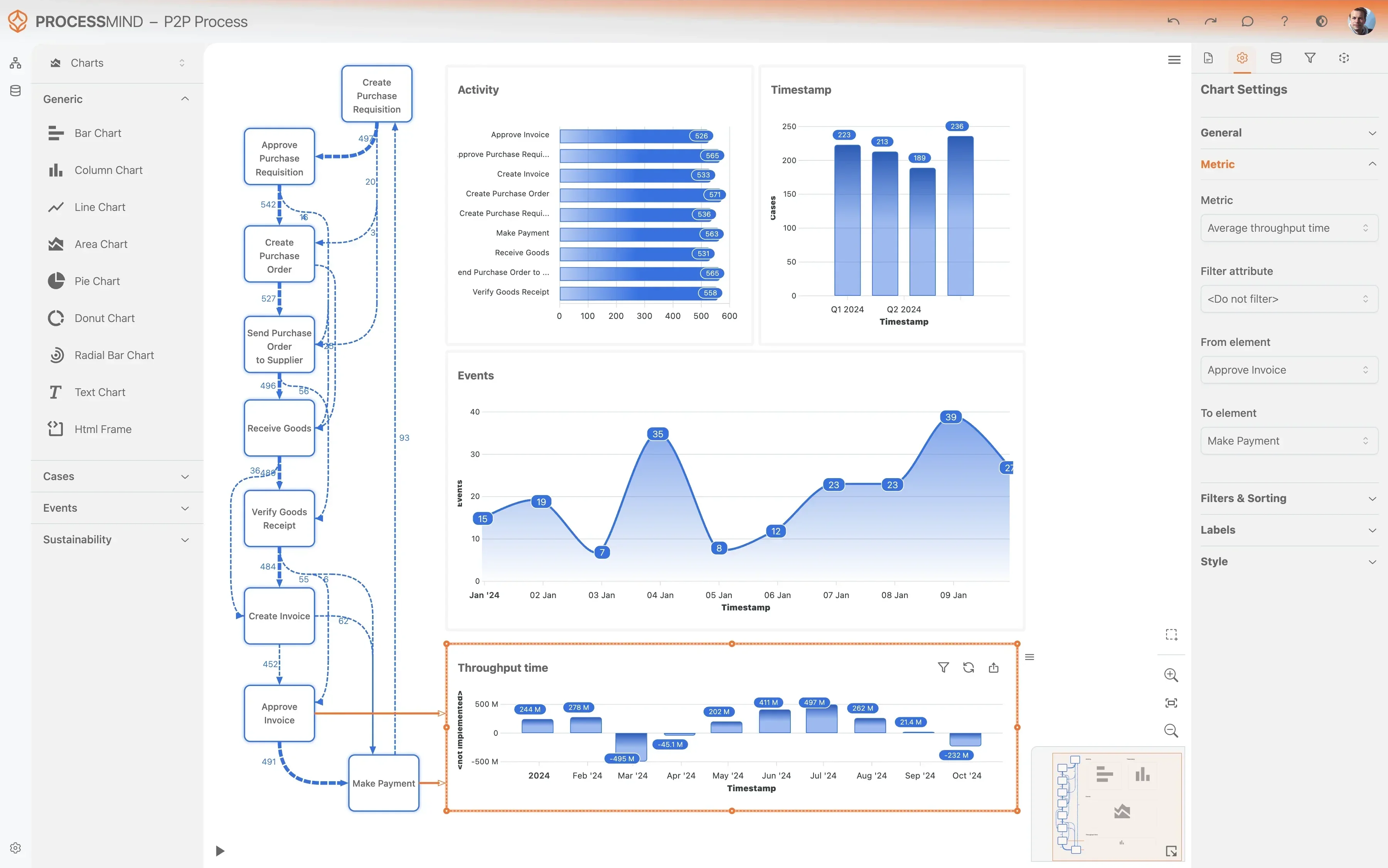
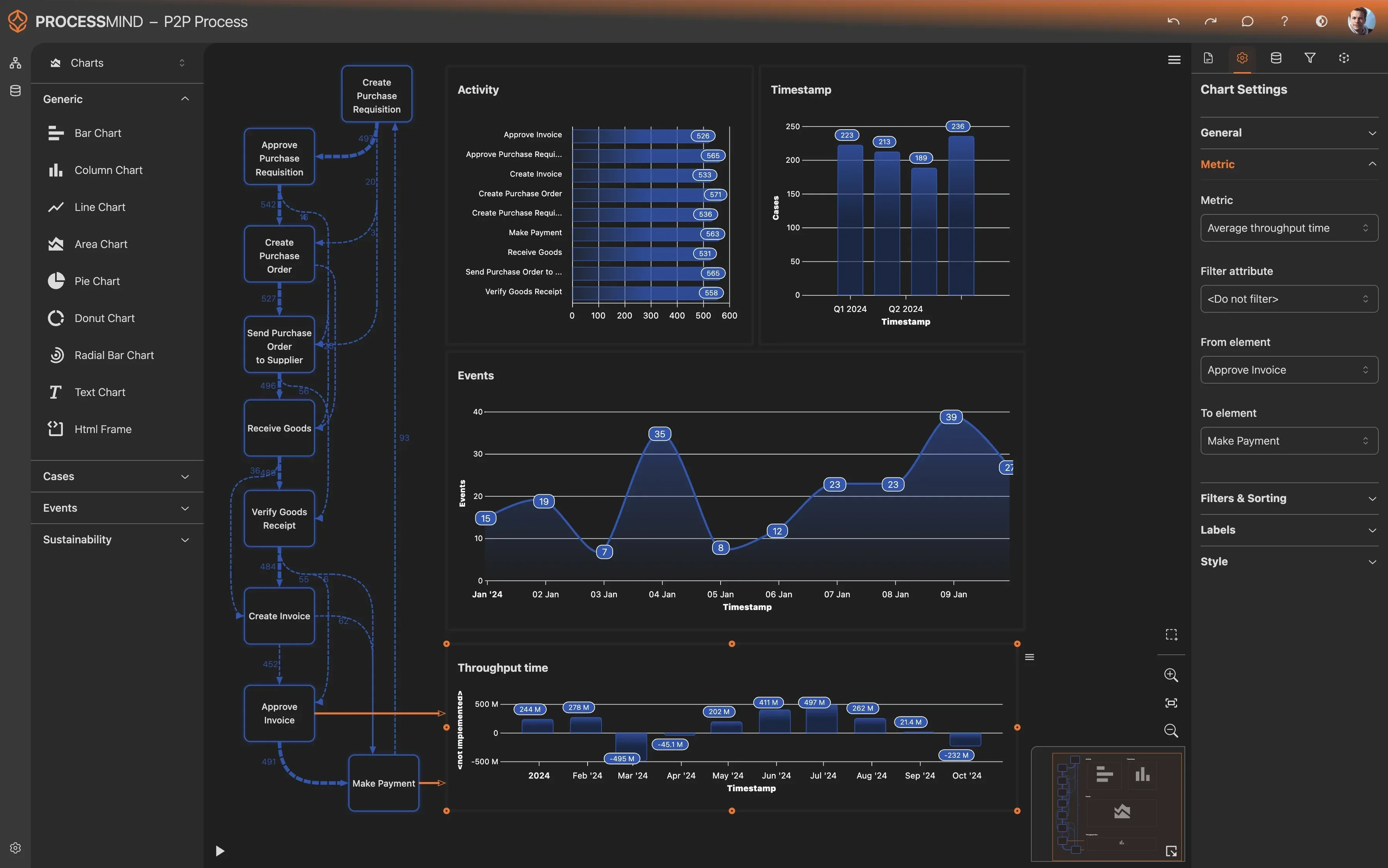
Warehouse operations often encounter bottlenecks from receiving goods to final shipment. Our platform helps you precisely pinpoint inefficiencies in material flow, allowing you to optimize resource utilization. Achieve faster, more accurate order fulfillment by transforming your warehouse operations.
Download our pre-configured data template and address common challenges to reach your efficiency goals. Follow our six-step improvement plan and consult the Data Template Guide to transform your operations.

Show detailed description

Why Optimizing Warehouse Management in Blue Yonder WMS is Crucial

Efficient warehouse management is the backbone of any successful supply chain, directly impacting operational costs, delivery times, and ultimately, customer satisfaction. In today's fast-paced environment, merely managing your warehouse operations with a system like Blue Yonder WMS is often not enough. Organizations leveraging Blue Yonder WMS, known for its advanced fulfillment optimization capabilities, still face inherent complexities in their day-to-day operations. These complexities, if left unaddressed, can lead to significant inefficiencies such as delayed goods receipts, slow putaway processes, inefficient picking routes, packing bottlenecks, and prolonged shipment cycle times. Each of these issues represents a potential hidden cost, eroding profitability and diminishing your competitive edge. Understanding the true flow of goods and information through your warehouse, from the moment a Warehouse Order is created to its final shipment, is paramount for sustainable growth and operational excellence.

How Process Mining Unlocks Deeper Insights in Blue Yonder WMS

Process mining offers a revolutionary approach to understanding and improving your Warehouse Management processes within Blue Yonder WMS. Unlike traditional reporting or manual observations, process mining uses event log data directly from your Blue Yonder WMS to reconstruct the actual end-to-end process flow. This data-driven visualization reveals precisely how warehouse orders move through activities like "Goods Received and Counted", "Putaway Task Created", "Goods Picked from Storage", and "Shipment Dispatched".

By analyzing thousands of warehouse order cases, you can objectively identify process deviations, rework loops, and non-standard paths that might be slowing down operations or increasing costs. Process mining allows you to pinpoint the exact locations of bottlenecks, understand their root causes, and measure their impact on overall cycle time. For example, you might discover that specific storage locations consistently cause delays in picking, or that certain user groups experience longer packing times. This objective insight empowers you to make informed decisions for process optimization, moving beyond assumptions to data-backed improvements within your Blue Yonder WMS environment.

Key Improvement Areas Identified Through Process Mining

Applying process mining to your Blue Yonder WMS Warehouse Management data can reveal several critical areas for improvement:

  • Bottleneck Identification and Resolution: Quickly locate specific activities or resources, such as goods receipt docks, putaway teams, picking zones, or packing stations, that are consistently causing delays and increasing overall warehouse order cycle time.
  • Cycle Time Reduction: Analyze the duration of each process step, from
Warehouse Management Inventory Control Logistics Supply Chain Optimization Fulfillment Order Processing Material Flow Distribution Operations Management

Common Problems & Challenges

Identify which challenges are impacting you

Delays in receiving goods mean products aren't available for putaway or sale, leading to stockouts and missed customer promises. This affects order fulfillment rates and increases holding costs due to inbound congestion in Warehouse Management.
ProcessMind analyzes event logs from Blue Yonder WMS, identifying where goods receipt activities, such as 'Goods Arrived at Dock' or 'Goods Received and Counted', take too long or deviate from standard paths. It uncovers root causes like resource allocation issues or inefficient process steps.

Goods are often put away in non-optimal locations, leading to longer travel times for picking and increased operational costs. This inefficiency directly impacts picker productivity and storage utilization within Warehouse Management.
ProcessMind uses data from Blue Yonder WMS, particularly 'Putaway Task Created' and 'Goods Put Away in Storage' activities, to map actual putaway paths against optimal strategies. It highlights deviations and suggests improvements to storage logic, reducing travel distances and improving space utilization.

Frequent picking errors result in incorrect shipments, leading to returns, re-ships, and customer dissatisfaction. These inaccuracies in Warehouse Management waste labor, increase transportation costs, and damage brand reputation.
ProcessMind scrutinizes 'Picking Task Created' and 'Goods Picked from Storage' events in Blue Yonder WMS, identifying patterns or operators associated with higher error rates. It uncovers process deviations or training gaps causing these errors, enabling targeted interventions.

Congestion at packing stations or staging areas often causes significant delays in order fulfillment, impacting delivery times and customer service levels. This can lead to a backlog of completed picks, occupying valuable space and slowing down the entire warehouse operation.
ProcessMind analyzes the sequence and duration of 'Packing Initiated', 'Goods Packed', and 'Staging for Shipment' activities within Blue Yonder WMS. It visualizes the flow, pinpointing where queues build up and suggesting resource re-allocation or process adjustments to smooth material flow.

Orders are picked and packed, but delays in loading or dispatch mean they miss carrier cut-off times, leading to late deliveries and customer penalties. This directly erodes customer trust and can result in financial penalties for not meeting service level agreements.
ProcessMind tracks 'Loading onto Carrier' and 'Shipment Dispatched' events in Blue Yonder WMS, comparing actual times against planned schedules. It identifies late dispatches, investigates preceding activities for root causes, and highlights opportunities to accelerate the outbound process.

Inefficient allocation of labor or equipment, such as forklifts or automated guided vehicles, leads to idle time or overtime, driving up operational costs without proportional increases in throughput. This impacts the profitability of Warehouse Management operations.
ProcessMind correlates 'User/Operator ID' and 'Equipment Used' attributes with activity durations in Blue Yonder WMS event logs. It reveals where resources are underutilized or bottlenecks are caused by over-reliance on specific resources, enabling optimized scheduling and deployment.

Unexpected or frequent quality inspections, not aligned with standard operating procedures, can significantly interrupt material flow post-receipt, delaying putaway and availability of goods. This adds non-value-added time and uncertainty to the inbound process.
ProcessMind analyzes occurrences of 'Quality Inspection Performed' activities in Blue Yonder WMS. It identifies instances where these inspections occur unexpectedly or take excessive time, helping to standardize quality control processes and reduce disruption.

Employees often follow shortcuts or non-standard paths in Warehouse Management, leading to inconsistent performance, compliance risks, and hidden inefficiencies that are hard to track manually. These deviations compromise process integrity and predictability.
ProcessMind automatically discovers all actual process variants within Blue Yonder WMS from 'Warehouse Order' event logs, contrasting them against the designed 'happy path'. It highlights frequent deviations, their impact on lead times, and associated costs.

Despite being tagged as high priority, certain critical warehouse orders frequently experience delays in various stages, leading to unmet service level agreements and potentially severe business consequences. This indicates a breakdown in priority handling.
ProcessMind filters 'Warehouse Order' cases by 'Priority Level' in Blue Yonder WMS event data. It specifically analyzes the flow and bottlenecks for high-priority orders, identifying why they get stuck and where the process needs re-prioritization or dedicated resources.

The time it takes to process a 'Warehouse Order' from creation to completion varies unpredictably, making it difficult to set realistic customer expectations and optimize staffing. This variability impacts operational planning and customer satisfaction.
ProcessMind measures end-to-end and activity-level durations from Blue Yonder WMS data, focusing on 'Warehouse Order Created' to 'Warehouse Order Completed'. It pinpoints activities causing the most variability and visualizes their impact across different order types or shifts.

Frequent mismatches between planned and actual quantities during receiving, picking, or packing lead to inventory inaccuracies, requiring manual adjustments and investigations. This impacts inventory visibility and can lead to incorrect reordering or stockouts.
ProcessMind compares 'Planned Quantity' and 'Actual Quantity' attributes against relevant activities like 'Goods Received and Counted' or 'Goods Picked from Storage' in Blue Yonder WMS event logs. It highlights where and when these discrepancies occur, helping to identify root causes in data entry or physical handling.

Specific storage locations are either over-utilized, causing congestion, or under-utilized, wasting valuable warehouse space. This leads to inefficient material flow and increased operating costs within Warehouse Management.
ProcessMind analyzes the 'Storage Location' attribute across 'Goods Put Away in Storage' and 'Goods Picked from Storage' activities in Blue Yonder WMS. It identifies hot spots and cold spots, revealing opportunities to rebalance inventory placement and optimize space utilization.

Typical Goals

Define what success looks like

Achieving faster goods receipt is critical for maintaining accurate inventory, reducing carrying costs, and ensuring products are available quickly for order fulfillment within your Warehouse Management system. Delays here ripple through the entire supply chain, affecting delivery promises and customer satisfaction.ProcessMind analyzes the 'Inbound Delivery Notification Received' to 'Goods Received and Counted' activities, identifying specific bottlenecks and their root causes. It helps you pinpoint unexpected delays, allowing for targeted improvements in Blue Yonder WMS processes like dock scheduling or resource allocation to reduce lead times significantly.

Inefficient putaway directly leads to higher operational costs, increased travel distances for warehouse staff, and slower inventory turnover. Optimizing this crucial step in Warehouse Management ensures products are stored effectively, maximizing space utilization and reducing labor hours.ProcessMind maps actual putaway paths, analyzing 'Goods Received and Counted' to 'Goods Put Away in Storage' events. It highlights non-standard routes and identifies opportunities to refine storage strategies and Blue Yonder WMS putaway rules, minimizing travel time and improving overall handling efficiency.

High picking error rates lead to costly returns, customer dissatisfaction, and additional labor for re-picking and re-shipping. Improving picking accuracy is paramount for delivering on customer expectations and maintaining operational efficiency within Warehouse Management.ProcessMind visualizes the complete picking process, from 'Picking Task Created' to 'Goods Picked from Storage', identifying where errors are most likely to occur. By analyzing variations and common deviations in Blue Yonder WMS, it helps uncover root causes and implement corrective actions, significantly enhancing order accuracy.

Bottlenecks in packing and staging directly delay order fulfillment, impacting shipping schedules and potentially incurring late delivery penalties. Streamlining these final steps is essential for maintaining a smooth, efficient outbound flow in your Warehouse Management operations.ProcessMind reveals precisely where delays occur between 'Packing Initiated', 'Goods Packed', and 'Staging for Shipment'. It helps identify resource constraints, unusual process loops, or exceptions in Blue Yonder WMS that contribute to slowdowns, allowing for targeted process re-engineering and resource optimization.

Meeting promised delivery dates is crucial for customer satisfaction and avoiding penalties. Consistent on-time shipment dispatch, a key performance indicator for Warehouse Management, reflects efficient internal processes and reliable logistics coordination.ProcessMind provides a clear view of the entire shipment process, from 'Staging for Shipment' to 'Shipment Dispatched'. It identifies the exact points where delays occur, such as during loading or carrier handover, helping you optimize workflows and enhance coordination within Blue Yonder WMS to consistently meet dispatch targets.

Suboptimal utilization of labor and equipment inflates operational costs and reduces throughput. Maximizing resource efficiency is vital for a cost-effective Warehouse Management strategy, ensuring that all assets contribute effectively to order fulfillment.ProcessMind analyzes activity durations and resource assignments (User/Operator ID, Equipment Used) to identify periods of underutilization or bottlenecks caused by resource contention. It helps visualize resource allocation patterns in Blue Yonder WMS, enabling more balanced workloads and improved scheduling.

Unplanned quality inspections introduce significant delays and add unexpected costs to the Warehouse Management process. Reducing these occurrences improves process predictability, accelerates material flow, and frees up resources for core activities.ProcessMind helps identify the triggers and frequency of unplanned quality inspections by analyzing event logs around 'Quality Inspection Performed'. It uncovers root causes, such as specific suppliers or product types, allowing for proactive measures and process adjustments in Blue Yonder WMS to minimize disruptions.

Process deviations introduce inefficiencies, increase training costs, and make it difficult to scale operations or ensure consistent quality within Warehouse Management. Standardizing core process flows is fundamental for operational excellence and predictability.ProcessMind automatically discovers all actual process variants, highlighting deviations from the ideal path from 'Warehouse Order Created' to 'Warehouse Order Completed'. It quantifies the impact of non-standard routes in Blue Yonder WMS, enabling targeted training and system enforcement to promote adherence to best practices.

Delays in fulfilling high-priority orders can lead to significant financial penalties, damage customer relationships, and erode trust. Ensuring these orders are processed swiftly and accurately is a critical aspect of effective Warehouse Management.ProcessMind tracks orders based on their 'Priority Level' from 'Warehouse Order Created' to 'Shipment Dispatched'. It reveals if and where high-priority orders get stuck or diverted, allowing you to optimize Blue Yonder WMS routing and resource allocation specifically for urgent shipments.

Inconsistent order fulfillment lead times make it challenging to set customer expectations and manage downstream logistics. Achieving predictable and standardized lead times is crucial for reliable Warehouse Management operations and improved planning accuracy.ProcessMind analyzes the end-to-end duration for all 'Warehouse Order' cases, segmenting by 'Warehouse Order Type' or 'Customer/Supplier Name'. It identifies variability in processing times across different stages in Blue Yonder WMS, pinpointing the activities that contribute most to lead time fluctuations.

Discrepancies between planned and actual quantities lead to inventory inaccuracies, stockouts or overstock, and reconciliation efforts. Improving this accuracy is vital for efficient inventory control and procurement planning in Warehouse Management.ProcessMind compares 'Planned Quantity' with 'Actual Quantity' at various stages, such as goods receipt and picking. It uncovers where and why these discrepancies arise in your Blue Yonder WMS processes, helping to refine measurement, counting, or system entry procedures to boost accuracy.

Poor utilization of storage locations leads to wasted space, increased search times, and the potential need for expensive facility expansion. Optimizing how space is used is fundamental for cost-efficient Warehouse Management.ProcessMind analyzes event data related to 'Storage Location' and 'Material/Product ID' to understand actual space usage patterns. It highlights underutilized areas or inefficient placement strategies within Blue Yonder WMS, providing insights for better slotting and storage consolidation.

The 6-Step Improvement Path for Warehouse Management

1

Download the Template

What to do

Obtain the pre-built Excel template specifically designed for Warehouse Management process data. This template provides the correct structure for your Blue Yonder WMS data.

Why it matters

Using the right data format from the start is crucial for accurate analysis. It streamlines data preparation and ensures compatibility with ProcessMind.

Expected outcome

A ready-to-use data template, perfectly structured for your Blue Yonder WMS warehouse process data.

WHAT YOU WILL GET

Unlock Efficiency: See Your Warehouse in Action

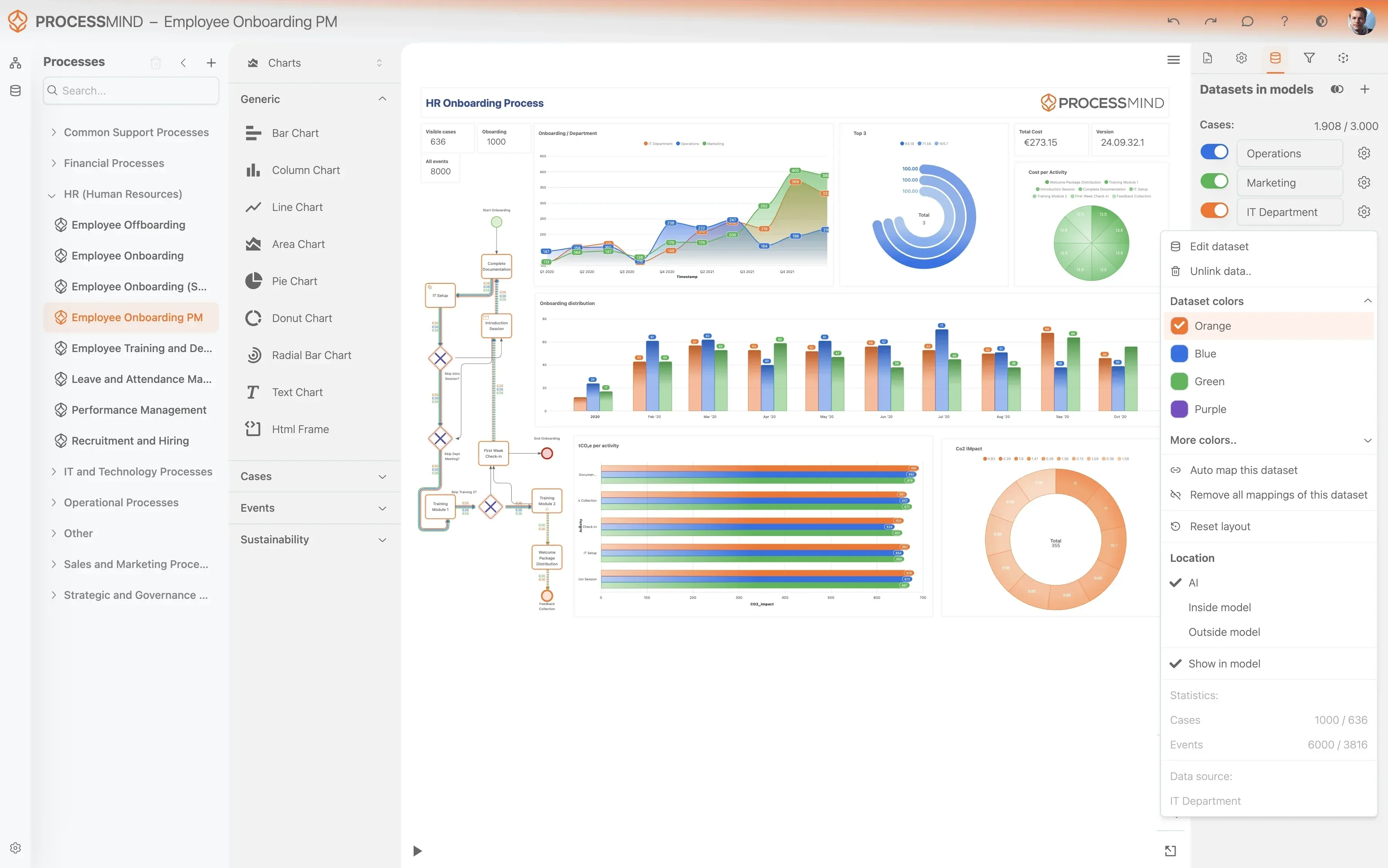
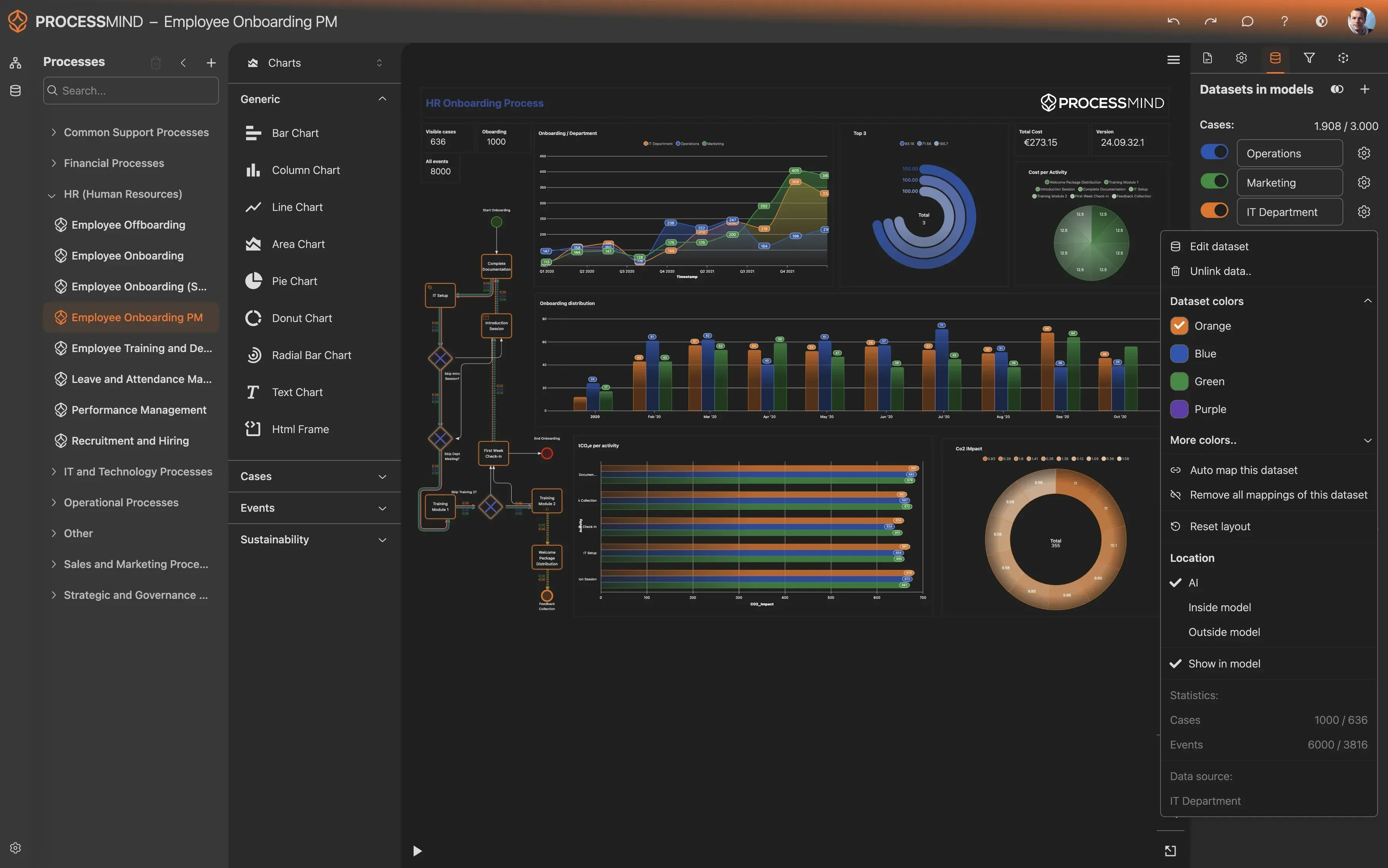
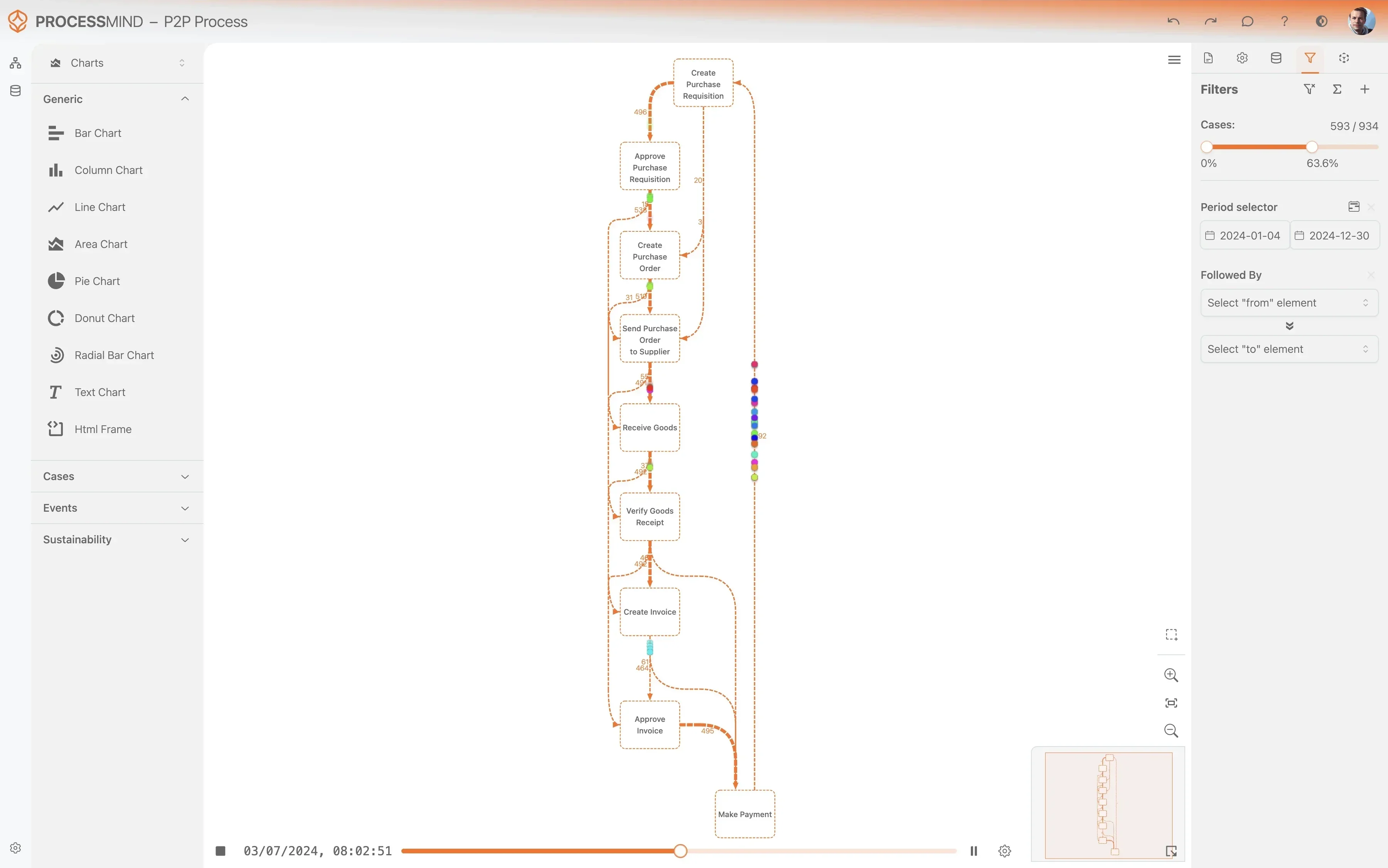
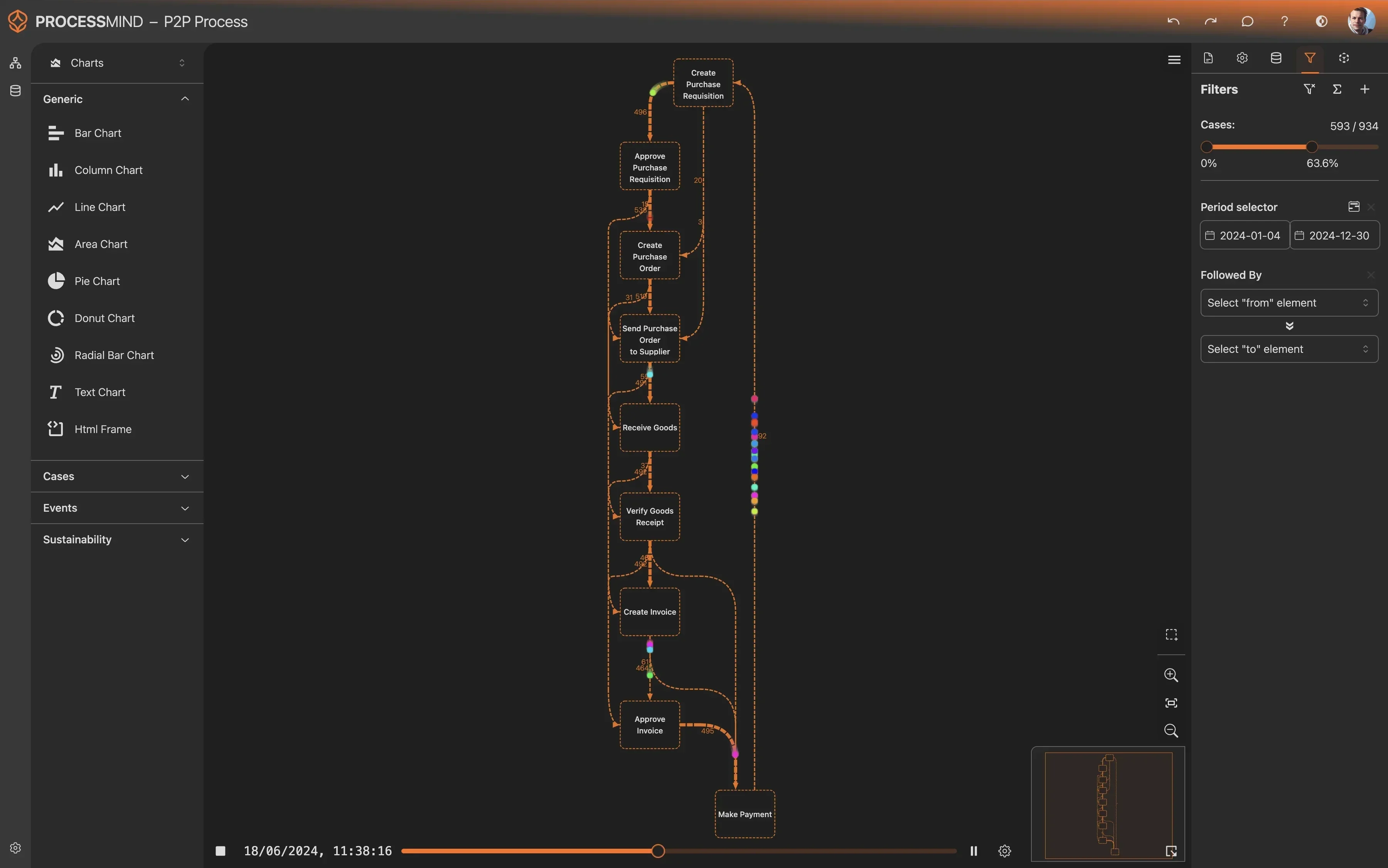
ProcessMind transforms your Blue Yonder WMS data into clear visualizations. Discover the true state of your warehouse operations and pinpoint areas for improvement.
  • Visualize end-to-end warehouse material flow
  • Pinpoint bottlenecks in goods receipt or shipment
  • Optimize resource utilization and labor allocation
  • Achieve faster, more accurate order fulfillment
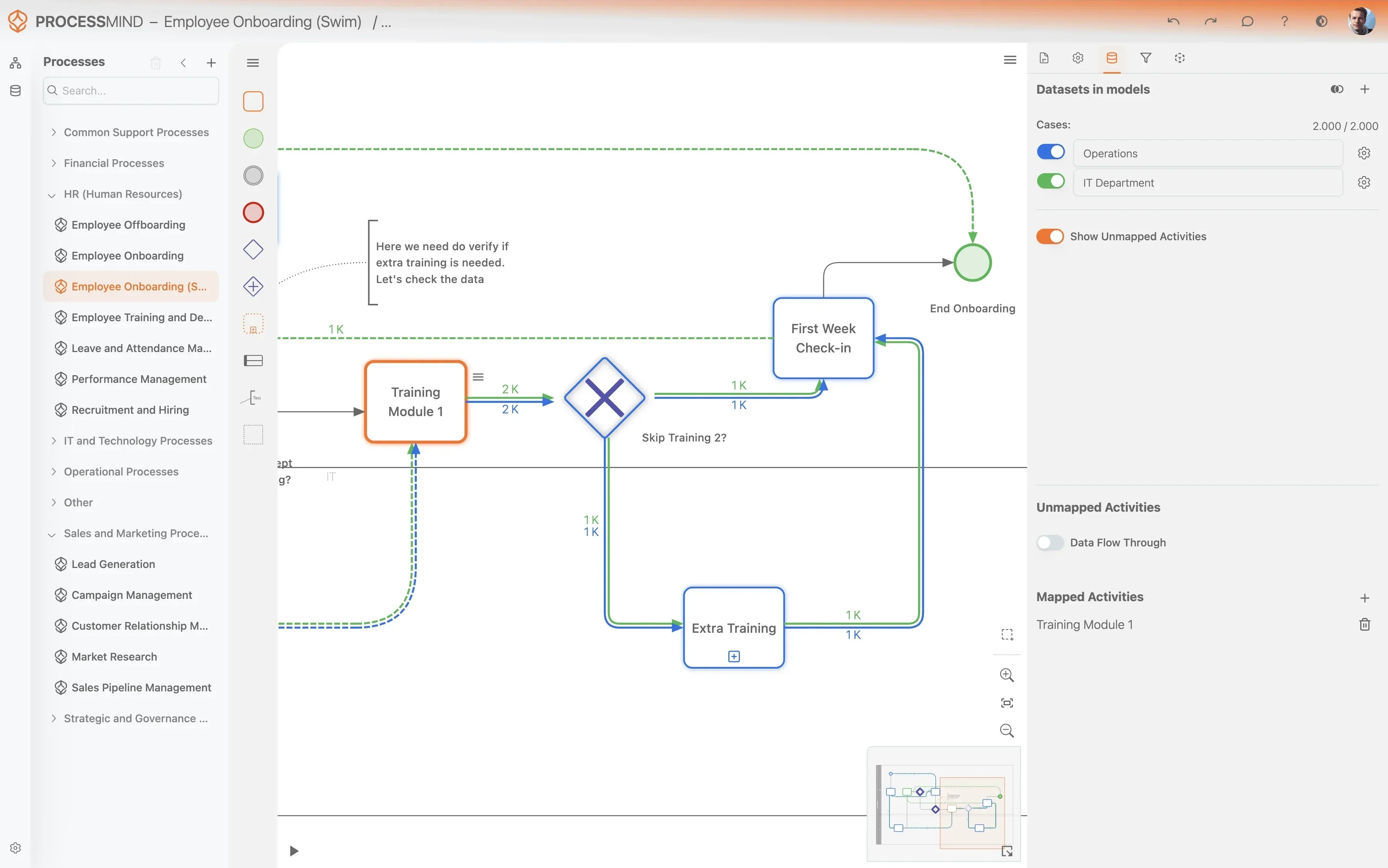
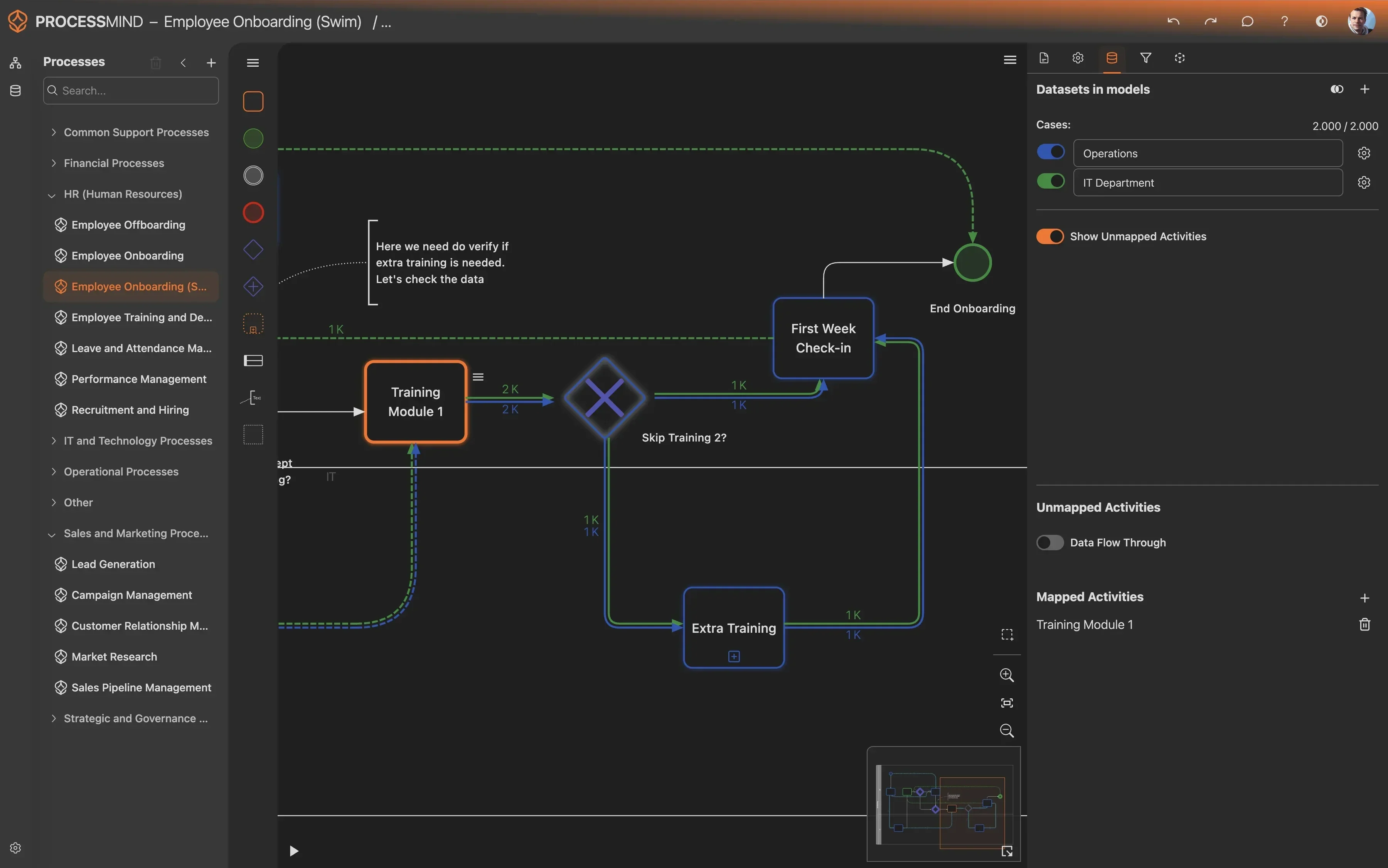
Discover your actual process flow
Identify bottlenecks and delays
Analyze process variants
Design your optimized process

TYPICAL OUTCOMES

Measurable Gains in Warehouse Efficiency

These outcomes highlight the tangible benefits organizations achieve by optimizing their Blue Yonder WMS operations through process mining. By deeply analyzing Warehouse Order processes, companies uncover hidden inefficiencies and streamline critical workflows.

0 %
Faster Goods Receipt

Average time to process inbound deliveries

Reduce the time from inbound notification to physical goods receipt, ensuring inventory is available sooner and preventing upstream delays.

0 %
Reduced Putaway Costs

Savings from optimized putaway operations

Identify and eliminate inefficiencies in moving goods from receiving to storage, leading to significant reductions in handling and labor costs.

0 %
Fewer Picking Errors

Decrease in quantity discrepancies

Pinpoint root causes of picking errors and implement targeted improvements, resulting in higher order accuracy and improved customer satisfaction.

0 %
Higher Resource Utilization

Improved operator productivity

Analyze operator idle times and task handovers to optimize workforce deployment, ensuring resources are effectively utilized across the warehouse.

0 %
Expedited Staging

Reduced packing to staging wait time

Identify and resolve bottlenecks between packing and staging areas to significantly reduce wait times, accelerating shipment preparation and dispatch.

Results vary based on specific process complexity, data quality, and the scope of implementation. The figures presented reflect common improvements observed across successful deployments.

FAQs

Frequently asked questions

Process mining helps identify critical bottlenecks in your Blue Yonder WMS processes, such as slow goods receipt or packing delays. It provides a data-driven view of actual process flows, highlighting deviations from standard procedures and areas for efficiency improvement. This enables targeted optimization, reducing costs, and improving overall operational performance.

To initiate process mining, we primarily need event logs from your Blue Yonder WMS. This includes data points like the Warehouse Order ID, activity names, timestamps for each activity, and the resource involved. The goal is to capture the complete journey of each warehouse order through various stages.

Initial data extraction and model setup can typically take a few weeks, depending on data availability and complexity. Once the model is established, you can start gaining immediate insights into your warehouse processes. Significant improvement initiatives based on these insights usually develop within 2-3 months.

Absolutely, process mining is designed to tackle such specific goals. By visualizing the actual process flows and identifying root causes of issues like high picking errors or slow goods receipt, it provides actionable insights. You can then target interventions to achieve quantified improvements, such as a 30% reduction in picking errors or a 20% acceleration in goods receipt.

While some initial technical support is beneficial for data connection and setup, the process mining tools are designed for business users. They offer intuitive interfaces for analyzing process flows, identifying deviations, and monitoring key performance indicators. We also provide training and ongoing support to ensure your team's success.

Common challenges often involve identifying the correct tables and fields that contain the complete event history for each warehouse order. Data quality, such as inconsistent timestamps or missing activity records, can also pose initial hurdles. However, these are generally overcome with careful data mapping and validation.

Unlike traditional BI, which often shows what happened, process mining reveals how and why processes unfold, including all deviations and rework. It maps the actual end-to-end flow of each warehouse order, providing a holistic view of process execution rather than just aggregated metrics or static reports.

Yes, by analyzing the sequence and timing of activities, process mining can highlight inefficiencies like excessive material movement due to poor storage utilization. It can also identify instances of unplanned quality inspections, allowing you to investigate their triggers and frequency, and ultimately reduce their occurrence.

Unlock Peak Efficiency in Blue Yonder WMS Today

Pinpoint bottlenecks, eliminate picking errors, and achieve 99.5% inventory accuracy.

Start Your Free Trial

No credit card required, 14-day free trial.