Improve Your Service Request Management

Your 6-step guide to optimize Ivanti Service Manager processes
Improve Your Service Request Management

Optimize Your Service Request Management in Ivanti Service Manager

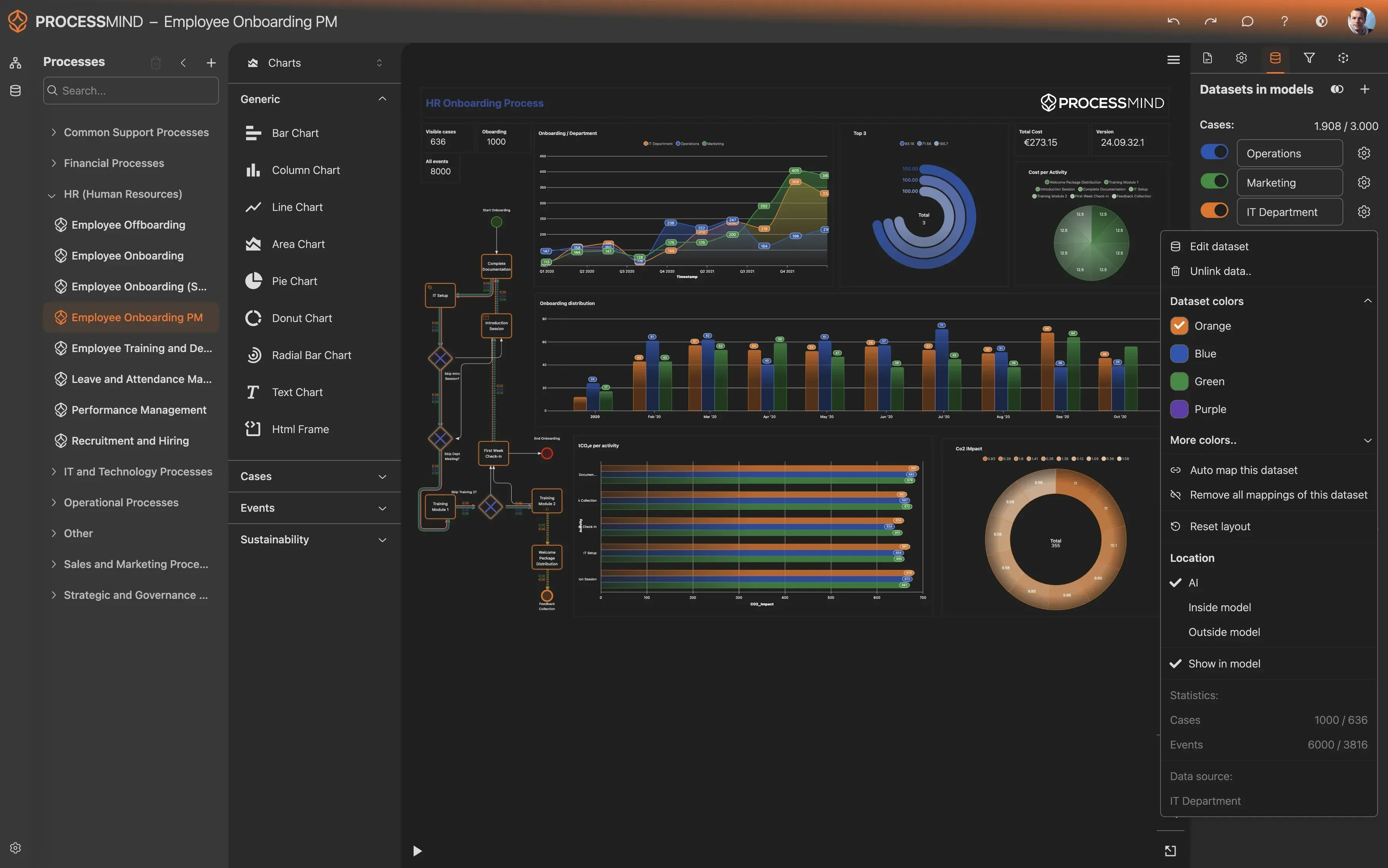
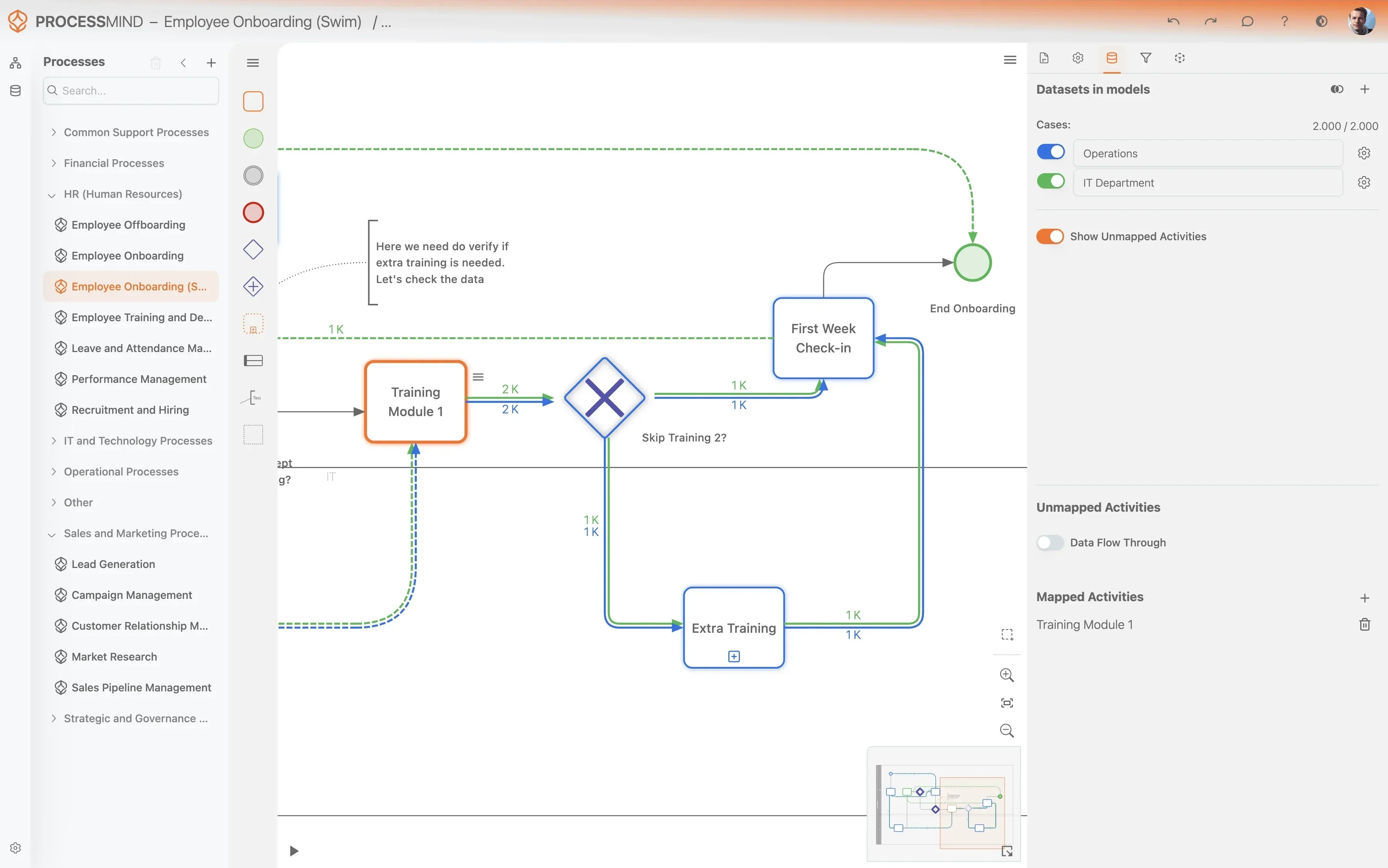
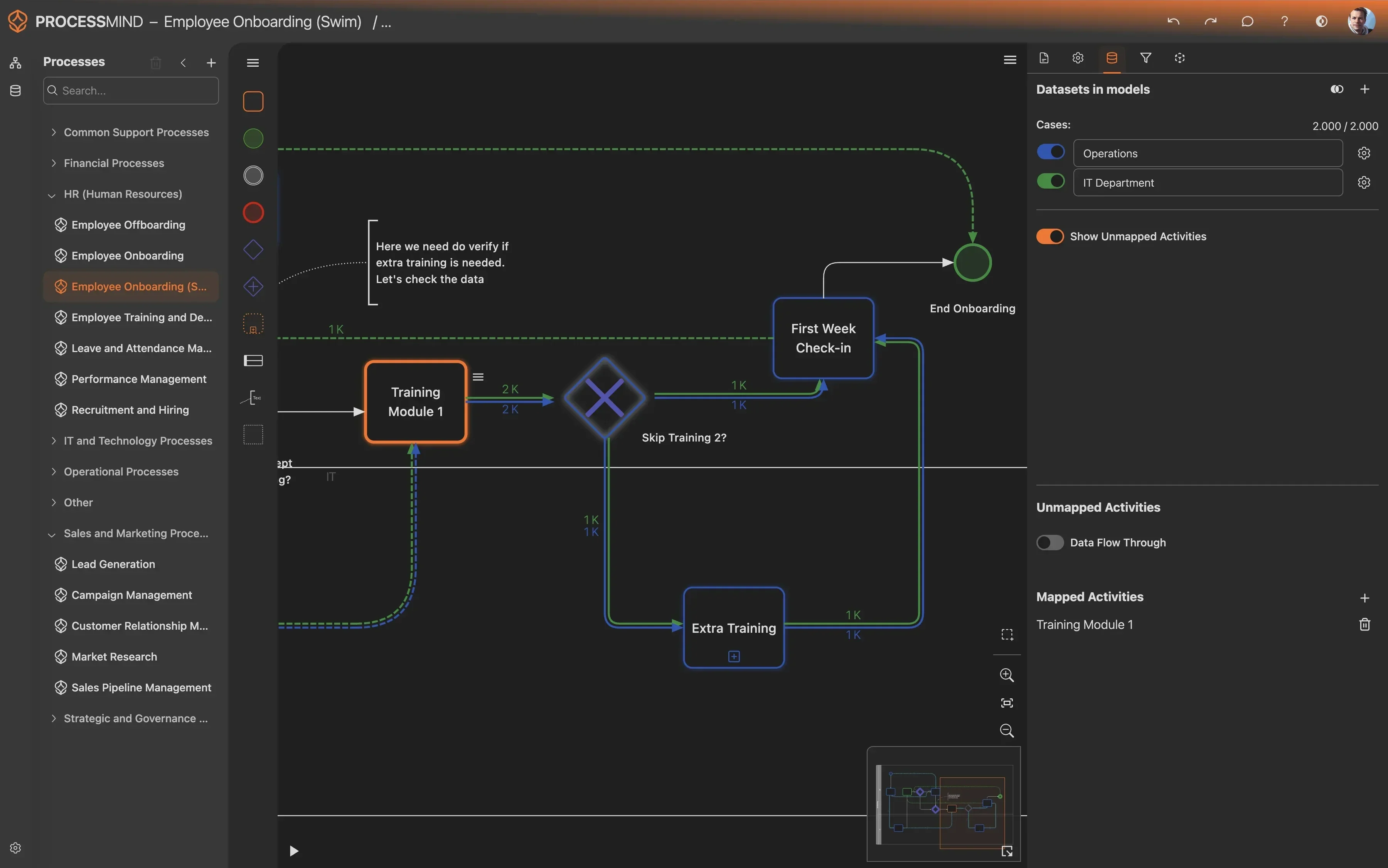
Complex processes often lead to unexpected delays and missed service targets. Our platform helps you identify hidden inefficiencies, revealing bottlenecks and areas for improvement. By understanding these issues, you can ensure quicker resolutions and higher customer satisfaction, driving operational excellence.

Download our pre-configured data template and address common challenges to reach your efficiency goals. Follow our six-step improvement plan and consult the Data Template Guide to transform your operations.

Show detailed description

Why Optimizing Service Request Management Matters

Efficient Service Request Management is the cornerstone of effective IT service delivery. In today's fast-paced business environment, organizations rely heavily on seamless and rapid resolution of service requests to maintain employee productivity and customer satisfaction. When your Service Request Management process within Ivanti Service Manager is not optimized, the consequences can be far-reaching: delays in service delivery, increased operational costs due to rework and inefficiency, missed Service Level Agreement, SLA, targets, and ultimately, a negative impact on the overall user experience. Understanding and refining your process is not merely about fixing problems, it is about unlocking significant business value, ensuring that your Ivanti Service Manager investment delivers maximum return.

How Process Mining Transforms Service Request Analysis

Process mining offers a revolutionary approach to understanding and improving your Service Request Management. Instead of relying on assumptions or anecdotal evidence, process mining uses the actual event data generated by your Ivanti Service Manager system to reconstruct and visualize the true end-to-end process flow. This data-driven insight reveals exactly how service requests are handled, from initial creation to final closure. You can precisely identify where bottlenecks occur, understand the root causes of delays, uncover hidden reworks, and pinpoint deviations from your desired process paths. For example, you can see if requests are frequently being reassigned between teams, causing unnecessary handoffs and prolonging resolution times, or if specific request types consistently get stuck at a particular approval stage. This detailed, objective view is crucial for identifying actionable improvements and ensuring your Ivanti Service Manager is performing optimally.

Key Areas for Improvement in Ivanti Service Manager

Leveraging process mining on your Service Request Management data from Ivanti Service Manager allows you to target specific areas for enhancement. Typically, organizations find significant improvement opportunities in:

  • Cycle Time Reduction: Analyze the duration of each process step and identify the activities or queues that cause the most significant delays, thereby shortening the overall time from request submission to resolution.
  • Bottleneck Identification: Pinpoint specific agents, teams, or process steps where service requests accumulate, leading to backlogs and extended waiting times.
  • Rework Elimination: Detect instances where requests are sent back for additional information or repeated steps, indicating process inefficiencies or lack of clear initial requirements.
  • SLA Adherence Enhancement: Monitor the actual time taken against your defined SLA targets for various request types, ensuring compliance and improving service reliability.
  • Automation Opportunities: Identify routine, high-volume requests that follow a predictable path and could be automated within Ivanti Service Manager to free up agent capacity.
  • Resource Allocation: Understand agent workload distribution and identify opportunities to balance tasks more effectively, reducing burnout and improving response times.

Measurable Outcomes of Optimization

The impact of optimizing your Service Request Management with process mining is directly measurable and translates into significant benefits for your organization. You can expect to see a substantial reduction in average service request cycle time, leading to quicker resolutions and a more responsive IT environment. Improved SLA adherence will bolster customer and employee satisfaction, enhancing your organization's reputation for reliable service. By eliminating inefficiencies and reworks, you will reduce operational costs associated with manual effort and extended processing times. Furthermore, optimized resource utilization means your agents can focus on more complex, value-added tasks, contributing to overall productivity gains. These improvements ensure your Ivanti Service Manager truly supports efficient and effective service delivery.

Embark on Your Optimization Journey

Ready to transform your Service Request Management in Ivanti Service Manager? Process mining provides the clarity and data-driven insights you need to move beyond guesswork and implement targeted, effective improvements. By visualizing your actual process, you can make informed decisions that lead to tangible results, enhancing efficiency, reducing costs, and significantly improving service quality. Start your journey towards a more optimized and responsive Service Request Management process today and unlock the full potential of your Ivanti Service Manager.

Service Request Management SLA adherence customer satisfaction process bottlenecks ITSM service desk request fulfillment workflow analysis efficiency improvement resource allocation

Common Problems & Challenges

Identify which challenges are impacting you

Delays in service request resolution directly impact user satisfaction and operational efficiency. Prolonged waits lead to frustrated users, increased follow-ups, and potential breaches of service level agreements, eroding trust in IT services.
ProcessMind visualizes the complete journey of service requests in Ivanti Service Manager, highlighting exactly where delays occur. It identifies specific activities, teams, or agents that act as bottlenecks, allowing for targeted interventions to streamline the process and accelerate resolution.

Service Level Agreement breaches in request fulfillment signal a failure to meet critical performance expectations. This not only frustrates users but can also lead to financial penalties, decreased productivity, and a damaged reputation for IT services within the organization.
ProcessMind automatically flags all service requests in Ivanti Service Manager that violate defined SLAs. By comparing actual activity durations against targets, it pinpoints the exact stages or handovers contributing to non-compliance, enabling proactive measures to ensure future adherence.

Service requests frequently bouncing between agents or teams, or requiring repeated information requests, introduce significant inefficiencies. This rework extends resolution times, consumes excessive resources, and signals a lack of clarity in process steps or agent training, leading to user dissatisfaction.
ProcessMind uncovers all instances of rework, loops, and unnecessary reassignments within your Ivanti Service Manager workflows. It reveals common paths where requests are misrouted or require additional input, helping you refine process steps and improve first-contact resolution rates.

Users are often asked for the same information multiple times during a service request lifecycle, causing frustration and delays. This indicates a failure in initial information capture or a fragmented process where details are not consistently shared across steps or teams, prolonging resolution.
ProcessMind identifies patterns where "Information Requested from Requestor" activities occur multiple times or at late stages in Ivanti Service Manager workflows. This analysis helps pinpoint gaps in initial data collection forms or knowledge management, improving efficiency and user experience.

When service requests deviate from the defined standard process, it can lead to inconsistencies, compliance risks, and unpredictable outcomes. Such deviations often go unnoticed without a clear overview, making it difficult to enforce best practices and maintain operational control.
ProcessMind automatically maps the actual flow of service requests in Ivanti Service Manager, revealing all deviations from the expected path. It highlights common variant processes, enabling you to identify shadow IT practices, enforce compliance, and standardize workflows for better control.

Uneven workload distribution or an overload on specific agents or teams can create significant bottlenecks, slowing down the entire service request process. This leads to burnout, extended queues, and a decreased ability to meet service demands, impacting overall productivity and satisfaction.
ProcessMind analyzes agent and team activity logs within Ivanti Service Manager to visualize workload distribution and identify resource hot spots. It quantifies the impact of these bottlenecks, providing data-driven insights to optimize staffing levels and redistribute work more effectively.

Mismanagement of service request priorities, where critical requests are not handled with appropriate urgency, can lead to significant operational disruptions and user dissatisfaction. This indicates a disconnect between initial triage and subsequent processing, delaying resolution for the most impactful issues.
ProcessMind tracks the entire journey of service requests in Ivanti Service Manager, correlating their assigned priority with actual resolution times and process paths. It uncovers instances where high-priority requests are delayed or follow inefficient routes, revealing opportunities to enforce prioritization policies.

Relying on external vendors for certain service request fulfillments can introduce unpredictable delays that are difficult to track and manage. These external dependencies often become black boxes, hindering accountability and extending the overall resolution time, frustrating internal users.
ProcessMind visualizes the "External Vendor Engaged" activity in Ivanti Service Manager workflows, tracking the time requests spend in this state. It helps quantify vendor-related delays and identify which vendor interactions consistently slow down your service requests, enabling better contract negotiation and management.

Processes relying heavily on manual steps, particularly for repetitive tasks, are prone to human error, inconsistencies, and slower execution. Identifying where automation could be most effectively introduced is challenging without a clear, data-driven understanding of current workflows.
ProcessMind maps the detailed flow of service requests in Ivanti Service Manager, highlighting all manual activities and their frequencies. By visualizing the entire process, it pinpoints high-volume, low-complexity tasks that are ideal candidates for automation, reducing cycle times and freeing up resources.

Providing inconsistent service quality or resolution times to different customer segments, such as VIPs versus general users, can lead to dissatisfaction and unequal resource allocation. Without visibility into these variations, it's difficult to ensure equitable or differentiated service delivery as intended.
ProcessMind leverages the "Customer Segment" attribute in Ivanti Service Manager to compare process flows, cycle times, and SLA adherence across different segments. It reveals disparities in service delivery, allowing you to optimize processes and resources to meet specific segment expectations consistently.

Critical delays often occur when a service request is handed over from one agent or team to another, or from IT to an external vendor. These handoff points can become 'black holes' where requests stall, leading to extended cycle times and a lack of clear ownership.
ProcessMind meticulously tracks the time spent between distinct activities and ownership changes within Ivanti Service Manager. It visualizes these handover delays, pinpointing specific transitions that require improvement, such as better communication protocols or automated routing.

Typical Goals

Define what success looks like

This goal aims to significantly decrease the average time it takes to resolve service requests from submission to closure. Shorter resolution times directly correlate with higher customer satisfaction, improved operational efficiency, and reduced costs associated with prolonged request lifecycles. Achieving this means users get their issues or requests handled faster, boosting overall productivity and trust in the service delivery.
ProcessMind analyzes the end-to-end Service Request Management process in Ivanti Service Manager, identifying bottlenecks, excessive wait times between activities, and root causes of delays. It quantifies the impact of each inefficiency, allowing organizations to pinpoint specific areas for process optimization and achieve targeted reductions, potentially cutting resolution times by 15-30%.

Achieving this goal means consistently meeting or exceeding defined Service Level Agreements (SLAs) for service request resolution. Frequent SLA breaches erode user trust, can lead to financial penalties, and indicate underlying inefficiencies in the service delivery process. Improved adherence demonstrates reliability and a commitment to high-quality service, which is crucial for internal and external stakeholders.
ProcessMind continuously monitors SLA performance by tracking each service request against its target resolution time and identifying non-compliant paths. It uncovers the specific activities, agents, or process variations that frequently lead to breaches, allowing for targeted interventions, such as reassigning resources or refining prioritization rules within Ivanti Service Manager, to improve adherence by 10-25%.

This goal focuses on reducing the frequency of service requests being reopened, reassigned multiple times, or requiring repeated efforts to reach a resolution. Rework and excessive reassignments lead to wasted resources, increased operational costs, extended cycle times, and frustration for both agents and requestors. Minimizing these inefficiencies directly improves first-time resolution rates and process stability.
ProcessMind visually maps the flow of service requests, highlighting rework loops and frequent reassignments between teams or individuals in Ivanti Service Manager. It identifies the root causes, such as insufficient initial information, lack of agent expertise, or unclear handoff procedures, enabling organizations to implement targeted training, process clarifications, or automation to reduce rework by 20-40%.

The objective here is to reduce the number of times additional information is requested from the requestor during the service request lifecycle. Repeated information requests lead to significant delays, a poor user experience, and unnecessary back-and-forth communication. Streamlining this process ensures requests progress smoothly and efficiently from the outset.
ProcessMind analyzes the activities leading up to and following requests for information, identifying where and why critical data is frequently missing or incomplete. It can highlight patterns related to specific service types or request channels, providing insights to optimize request forms in Ivanti Service Manager, improve initial data capture, or automate information retrieval, potentially cutting information request cycles by 10-20%.

This goal aims to ensure that all service requests adhere to the established, standardized process flows and business rules. Unapproved process deviations can introduce risks, lead to inconsistent service delivery, complicate auditing, and make it difficult to scale operations. Achieving compliance ensures predictability, quality, and reduces operational risk.
ProcessMind automatically discovers the actual process flow of service requests in Ivanti Service Manager and compares it against predefined ideal models. It visualizes all deviations, identifies the specific activities or agents involved in non-compliant paths, and quantifies their frequency. This allows organizations to enforce best practices, provide targeted training, and implement system controls to improve compliance by 90-100%.

The objective is to efficiently distribute workload among service agents and teams to prevent bottlenecks and ensure balanced resource utilization. Inefficient allocation leads to some agents being overwhelmed while others are underutilized, causing delays, burnout, and suboptimal service delivery. Optimized allocation ensures a smooth flow of requests and maximizes agent productivity.
ProcessMind analyzes workload distribution, agent activity patterns, and processing times across different service request types in Ivanti Service Manager. It identifies resource bottlenecks, quantifies their impact on cycle times, and provides data-driven insights for reassigning tasks, adjusting team structures, or optimizing shift patterns to improve resource utilization and flow by 10-25%.

This goal focuses on improving the accuracy and effectiveness of how service requests are prioritized to ensure critical requests are addressed first. Ineffective prioritization can lead to delays for high-impact issues, misallocation of resources, and a negative impact on business operations. Enhancing prioritization ensures that service delivery aligns with business needs.
ProcessMind analyzes how different priority levels are handled in practice, comparing initial priority assignments with actual resolution times and resource allocation in Ivanti Service Manager. It identifies discrepancies and their causes, such as agents overriding priorities or a lack of clear priority definitions. This enables organizations to refine prioritization rules, provide agent training, and improve the overall impact of service delivery by 10-20%.

The aim is to reduce delays associated with activities performed by external vendors within the service request fulfillment process. Vendor-related delays often fall outside direct organizational control but significantly impact overall resolution times and customer satisfaction. Accelerating these activities streamlines the end-to-end process.
ProcessMind isolates and measures the duration of all activities involving external vendors in Ivanti Service Manager. It identifies specific vendors or types of requests that frequently experience delays, quantifies the impact of these delays, and highlights bottlenecks in handoff or follow-up procedures. This data supports better vendor management, contract negotiation, and process adjustments to reduce vendor-related delays by 10-20%.

This goal seeks to identify and implement opportunities for automating repetitive, rule-based tasks within the Service Request Management process. Maximizing automation reduces manual effort, increases processing speed, minimizes human error, and frees up agents to focus on more complex tasks. This leads to significant cost savings and improved operational efficiency.
ProcessMind analyzes activity frequency, duration, and dependencies to pinpoint tasks that are highly standardized and occur often in Ivanti Service Manager, making them ideal candidates for automation. It quantifies the potential time and cost savings from automating specific activities, allowing organizations to prioritize and implement Robotic Process Automation (RPA) or workflow automation initiatives, increasing automation coverage by 15-30%.

The objective is to ensure consistent service quality and process execution for different customer segments or service types. Inconsistent service can lead to varied user experiences, dissatisfaction among certain groups, and difficulty in maintaining brand reputation. Standardizing quality ensures equitable and predictable service delivery.
ProcessMind segments service requests based on attributes like customer segment, service type, or impact, and then compares their end-to-end process flows and performance metrics within Ivanti Service Manager. It identifies variations in resolution times, rework rates, or process steps between segments, highlighting areas where processes need to be standardized or tailored appropriately to achieve consistent high-quality service.

This goal aims to enhance the seamless transfer of service requests between different teams, departments, or agents. Inefficient handovers, characterized by delays, miscommunication, or loss of context, often lead to increased cycle times, errors, and frustration. Improving handoff efficiency ensures a smoother, faster process flow.
ProcessMind visualizes all handoff points in the Service Request Management process, measuring the time spent waiting at each transfer and identifying common pathways that experience significant delays or rejections in Ivanti Service Manager. It uncovers the root causes of inefficient handoffs, such as unclear documentation or poor communication, enabling targeted improvements to inter-team processes or system integrations to reduce handover delays by 10-25%.

The 6-Step Improvement Path for Service Request Management

1

Download the Template

What to do

Get the ProcessMind Excel template specifically designed for Service Request Management data. This template provides the correct structure for your Ivanti data.

Why it matters

Using the right template ensures your data is correctly formatted, streamlining the analysis process and preventing data import issues.

Expected outcome

A structured Excel template ready to receive your Ivanti Service Manager data for analysis.

WHAT YOU WILL GET

Pinpoint Delays in Ivanti Service Request Management

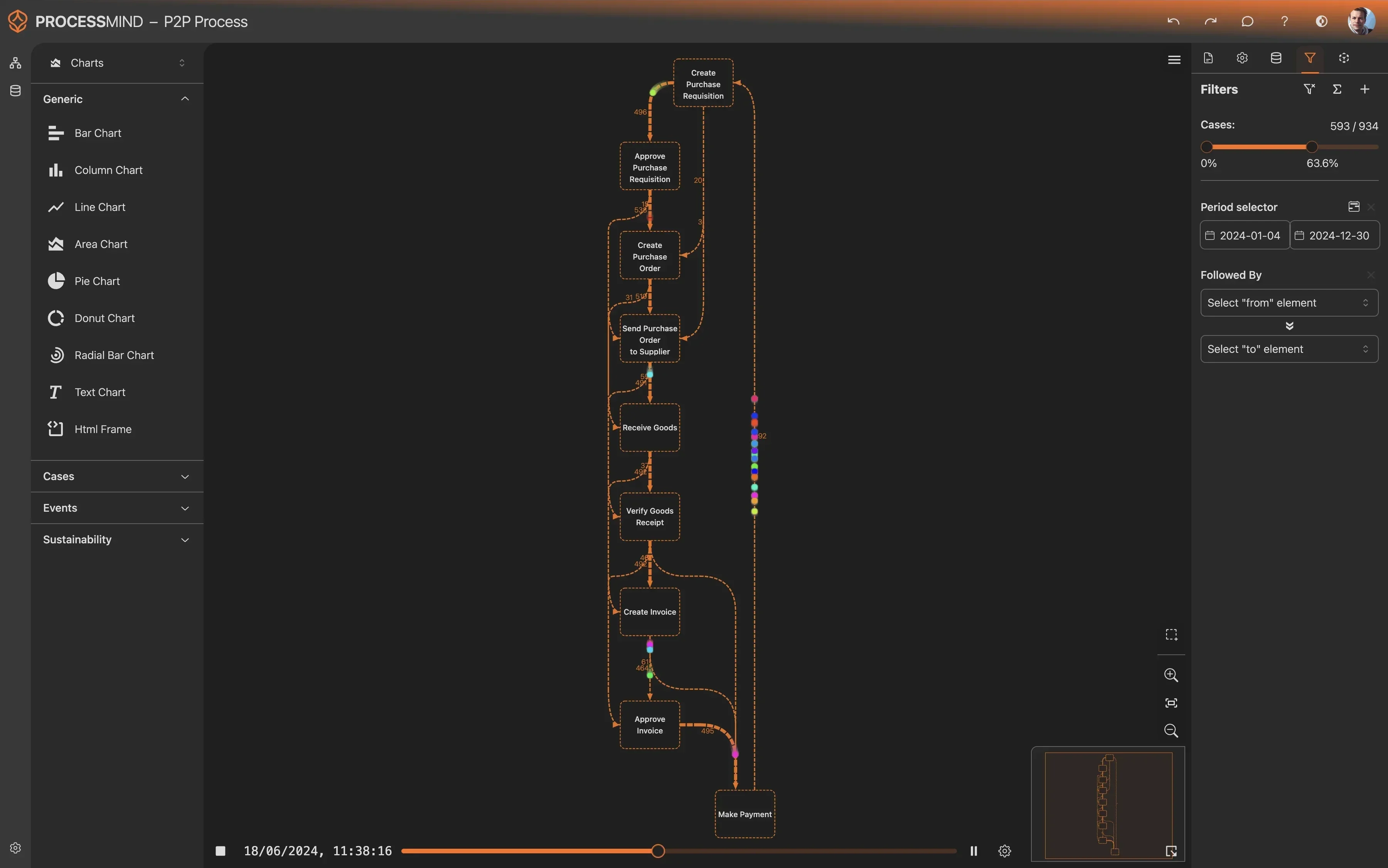
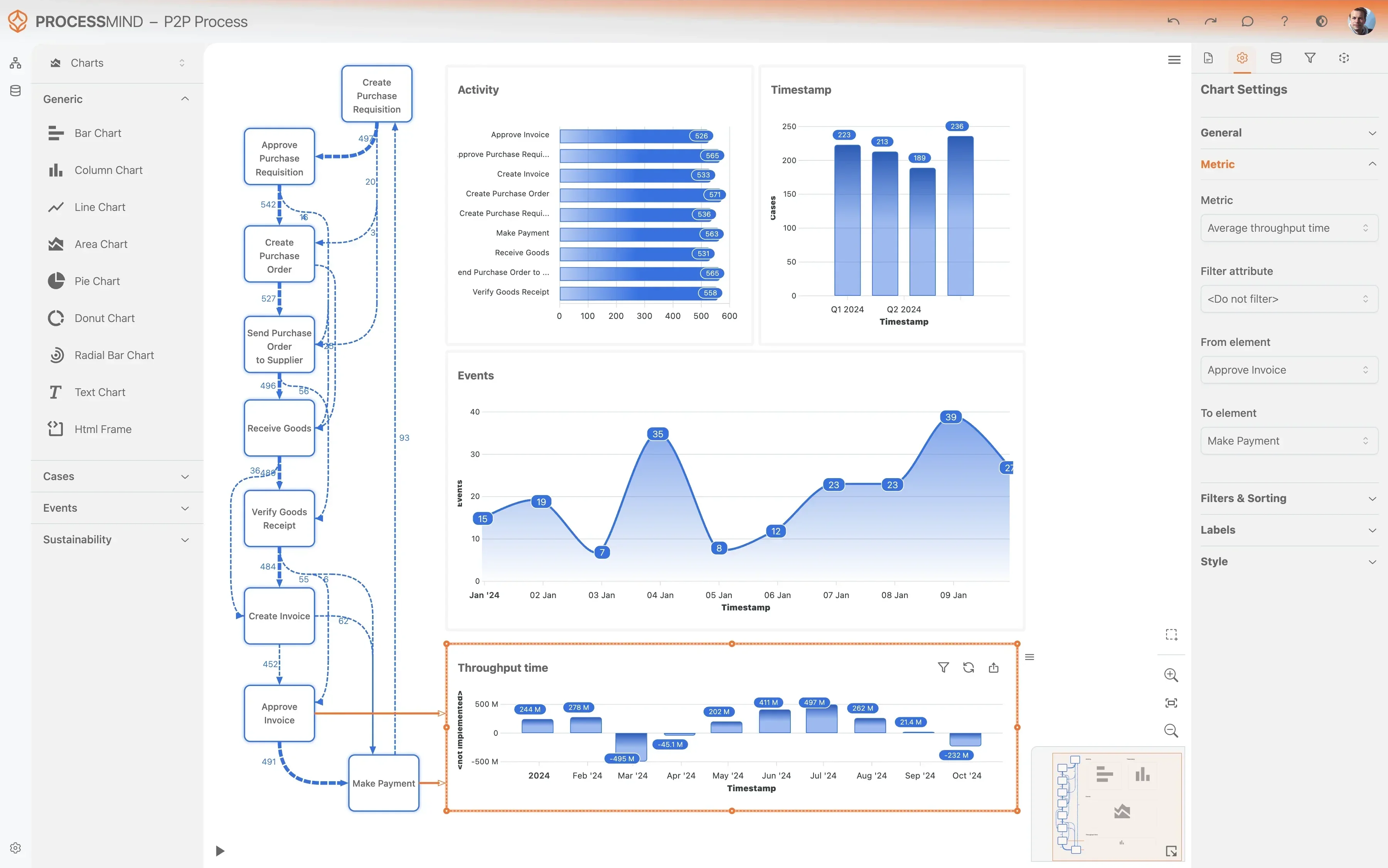
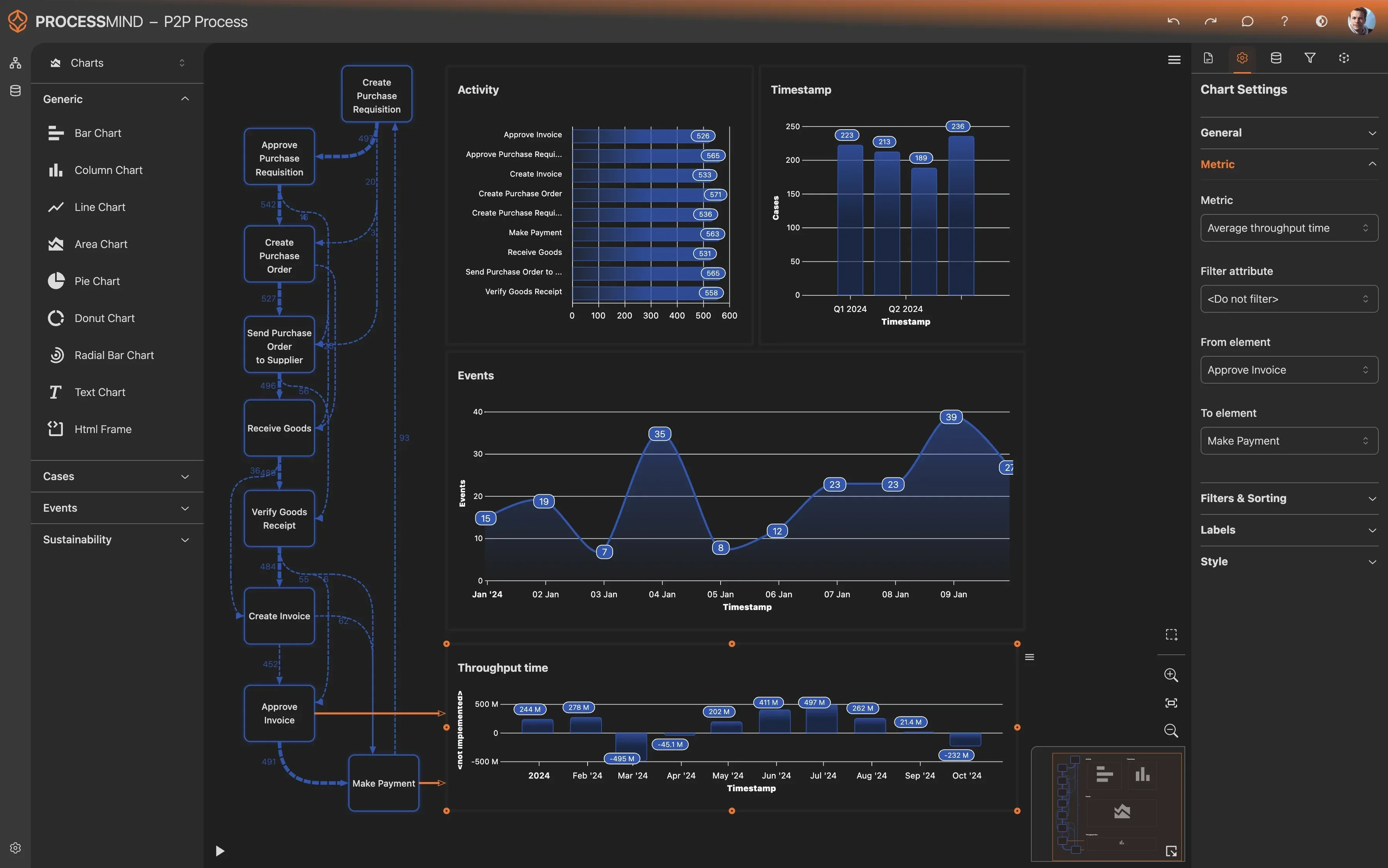
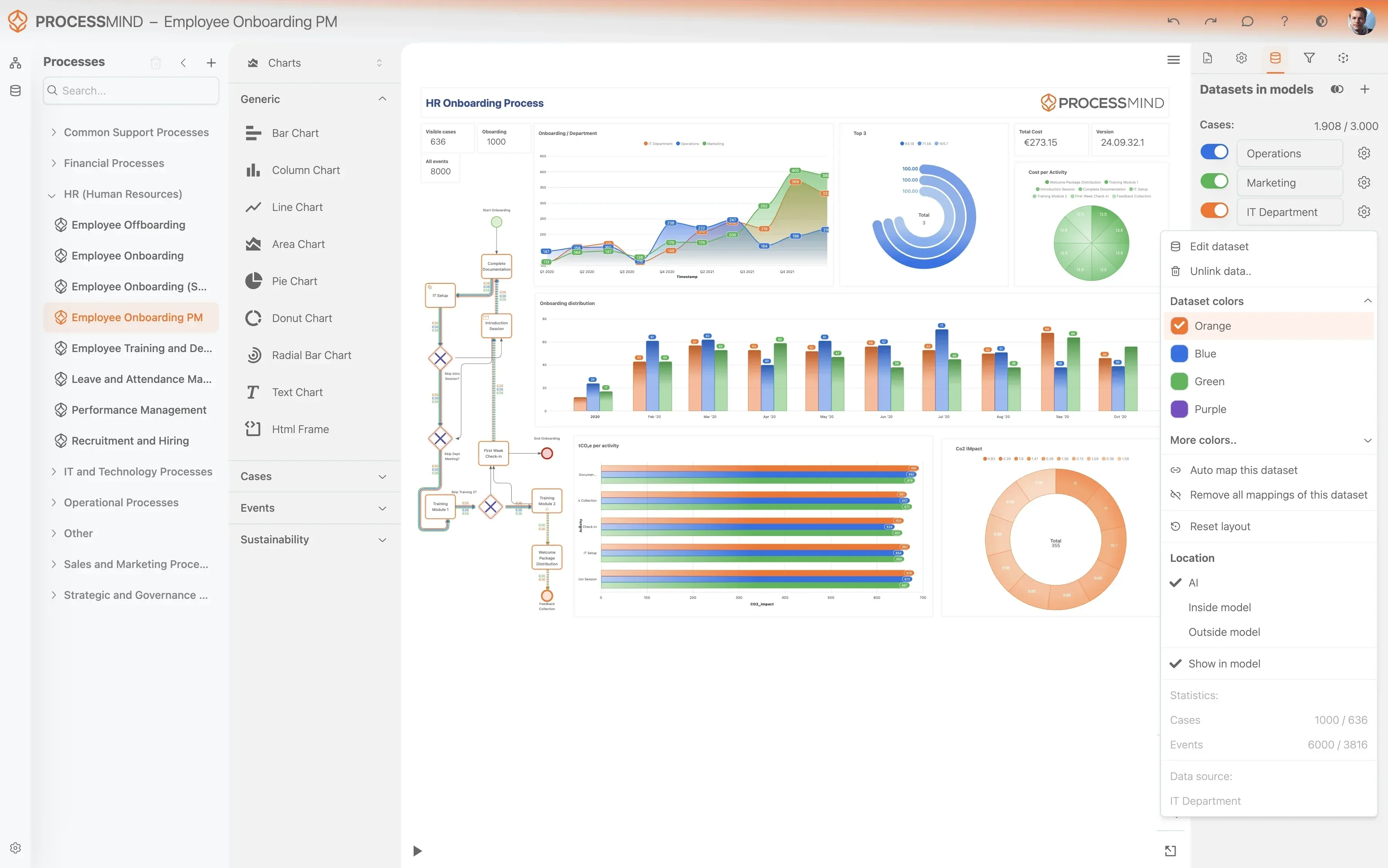
ProcessMind reveals an interactive map of your Service Request Management process, showing every step and variation. Gain clear visualizations of how requests truly flow through Ivanti Service Manager.
  • Visualize actual Service Request flows
  • Identify bottlenecks in Ivanti processes
  • Track resolution times and SLA adherence
  • Optimize resource allocation for quicker service
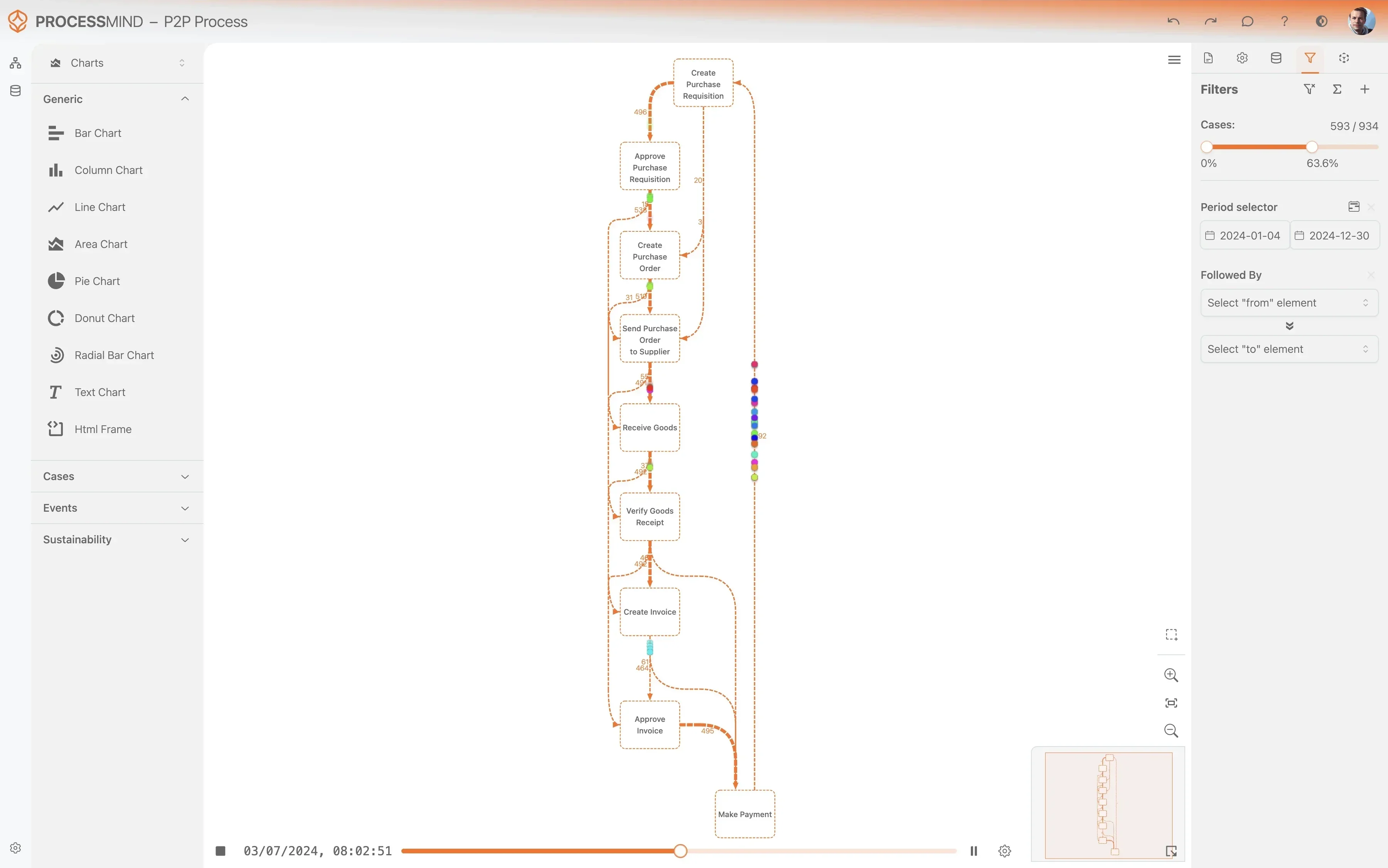
Discover your actual process flow
Identify bottlenecks and delays
Analyze process variants
Design your optimized process

TYPICAL OUTCOMES

What Organizations Achieve with Optimized Service Request Management

These outcomes demonstrate the tangible benefits organizations can realize by applying process mining to their Service Request Management workflows in Ivanti Service Manager, leading to more efficient service delivery and enhanced user satisfaction.

0 %
Faster Resolution Times

Average reduction in cycle time

Identify bottlenecks and eliminate delays to significantly reduce the time it takes to resolve service requests, leading to happier users.

0 %
Boosted SLA Adherence

Increase in meeting service targets

Pinpoint deviations from SLA paths and take corrective actions to ensure more service requests are resolved within their agreed-upon timeframes.

0 %
Minimized Reworks

Reduction in repeated activities

Analyze rework loops and root causes to reduce the number of times service requests require additional work, improving quality and agent efficiency.

0 %
Higher Process Compliance

Adherence to defined workflows

Gain clear visibility into process deviations and ensure service agents follow the standard operating procedures, reducing risks and improving consistency.

0 %
Streamlined Handoffs

Reduced idle time between teams

Visualize and optimize transitions between different support teams, decreasing idle time and improving coordination for quicker request progression.

Results vary based on process complexity, data quality, and organizational context. The figures provided reflect typical improvements observed across various implementations.

FAQs

Frequently asked questions

Process mining visualizes your actual service request workflows, identifying bottlenecks, reworks, and unapproved deviations. It helps you pinpoint the root causes of excessive resolution times, frequent SLA breaches, and inefficient handovers, leading to more streamlined operations.

To begin, you typically need a case identifier, usually the Service Request ID, along with activity names or status changes, and corresponding timestamps. Additional attributes like agent assignments, request type, or resolution notes can enrich the analysis. This event log data forms the foundation for discovering your process.

You can expect significant reductions in service request resolution times and improved Service Level Agreement adherence. Process mining helps minimize reworks and reassignments, streamline information gathering, and enhance resource allocation, directly impacting efficiency and user satisfaction.

The primary technical consideration involves securely extracting the necessary event log data from Ivanti Service Manager. This often requires access to your Ivanti database or utilizing its reporting and export functionalities. Many process mining tools offer connectors or support standard data formats like CSV or SQL for easy ingestion.

Initial data extraction and model setup can typically be completed within a few weeks, depending on data complexity and IT readiness. Early insights, such as discovering your main process variants and identifying major bottlenecks, can often be achieved within the first month. Continuous monitoring then provides ongoing optimization opportunities.

While standard reporting provides aggregated metrics and predefined views, process mining uncovers the actual end-to-end flow of every single service request. It visually reconstructs the entire process, revealing hidden deviations, reworks, and bottlenecks that traditional reporting might miss. This allows for deep root cause analysis.

No, process mining provides valuable insights for organizations of all sizes. Even smaller teams can uncover inefficiencies, improve compliance, and optimize resource allocation within their Service Request Management. The benefits scale with the complexity and volume of your processes.

Modern process mining tools are designed with user-friendly interfaces, making it accessible to business analysts and process owners. While basic understanding of your data and processes is beneficial, deep data science skills are not always required for initial analysis. Data preparation, however, may involve IT or data engineering support.

Start Optimizing Your Service Request Management Today

End slow fulfillment, reduce user frustration, and achieve a 70% automation rate.

Start Your Free Trial

No credit card required, set up in minutes.