Improve Your Payments Processing

Select a process
Choose a process to continue working in your connected workspace.
Optimize Payments Processing at FIS Global
Payments processing often faces bottlenecks, compliance risks, and various inefficiencies. Our platform helps you precisely identify where delays occur, pinpointing root causes. We guide you through practical steps to streamline operations, enhance financial control, and ensure regulatory compliance. Discover how to transform your payment workflows for greater efficiency.
Download our pre-configured data template and address common challenges to reach your efficiency goals. Follow our six-step improvement plan and consult the Data Template Guide to transform your operations.
Show detailed description
Why Optimize Payments Processing in FIS Global?
Payments Processing is a critical function for any organization, serving as the financial circulatory system. Within a robust platform like FIS Global, which handles a substantial portion of the global payment market, the efficiency and accuracy of these operations directly impact your bottom line, regulatory standing, and customer satisfaction. Inefficient payments processing can lead to a cascade of negative consequences, including increased operational costs, delayed working capital, missed early payment discounts, and even significant financial penalties due to non-compliance. Every payment request, approval, transfer, and reconciliation activity represents a point where delays or errors can occur, costing your business time and money. Understanding and optimizing the complete cycle, from initial request to final settlement, is not just about cost savings, it is about maintaining financial health and operational excellence in a competitive landscape.
How Process Mining Illuminates Payments Processing in FIS Global
Traditional methods often provide only a fragmented view of your payments journey, making it challenging to identify the true root causes of inefficiency or non-compliance. Process mining offers a transformative approach by leveraging event log data from your FIS Global system to reconstruct the actual, end-to-end flow of every payment transaction. By tracking each unique Payment Transaction ID as a case, you gain an objective, data-driven understanding of how payments truly move through your organization. This includes analyzing typical activities such as Payment Request Created, Payment Details Validated, Payment Approved, Payment Authorized, Funds Transferred, and Payment Reconciled. You can precisely identify where bottlenecks occur, observe deviations from your ideal process, and uncover hidden rework loops. For instance, process mining can reveal why certain payment types experience longer cycle times in the approval stage or why specific users frequently encounter Payment Error Identified events, offering clarity often obscured in complex systems like FIS Global.
Key Improvement Areas Revealed by Process Mining
Applying process mining to your Payments Processing in FIS Global can pinpoint several critical areas for improvement:
- Bottleneck Resolution: Precisely identify where payments get stuck, whether it is during the Payment Approval stage, awaiting Payment Authorization, or delays in Funds Transferred. This allows you to target specific individuals, teams, or system steps for intervention.
- Compliance Assurance: Gain verifiable evidence that every payment adheres to internal policies and external financial regulations. Detect instances where payments bypass required checks or approvals, providing proactive insights to mitigate compliance risks and enhance auditability.
- Efficiency Gains: Uncover redundant steps, unnecessary manual handoffs, or excessive waiting times that inflate your Payment Processing cycle time. Streamline workflows to reduce operational effort and accelerate payment completion.
- Error Reduction: Analyze patterns leading to Payment Error Identified and Payment Error Resolved activities. By understanding common error codes or specific processing users involved, you can implement targeted training or system enhancements to prevent future occurrences.
- Optimized Working Capital: Faster, more accurate payments mean better control over your cash flow. Identify opportunities to accelerate Payment Settled and Payment Notification Sent, improving your overall working capital management.
Expected Outcomes for Your Payments Processing
By leveraging process mining to optimize Payments Processing within FIS Global, your organization can expect tangible, measurable benefits:
- Reduced Payment Cycle Time: Achieve a significant reduction in the time it takes from Payment Request Created to Payment Reconciled, often by 15-30% or more, leading to quicker settlements and improved supplier relationships.
- Lower Operational Costs: Minimize rework, reduce late payment penalties, and optimize resource allocation by eliminating inefficient steps and manual interventions.
- Enhanced Compliance and Auditability: Strengthen your financial controls, ensuring every payment transaction is compliant with regulations. This provides greater confidence during audits and reduces the risk of costly penalties.
- Improved Cash Flow Management: Faster and more predictable payment cycles directly translate to better cash flow forecasting and improved working capital utilization.
- Increased Transparency: Gain a comprehensive, objective view of your entire payments operation, fostering data-driven decision-making and continuous process improvement.
Getting Started with Payments Processing Optimization
Embarking on the journey to optimize your Payments Processing in FIS Global with process mining does not require extensive prior experience. The power of process mining lies in its ability to translate complex event data into actionable insights, providing a clear roadmap for improvement. By focusing on your specific Payment Transaction ID, you can quickly identify the areas demanding attention and implement targeted changes for maximum impact. This approach empowers you to move beyond assumptions, ensuring that your efforts to improve Payments Processing are precise, effective, and yield significant returns for your organization.
The 6-Step Improvement Path for Payments Processing
Download the Template
What to do
Get the specific Excel template designed for Payments Processing in FIS Global to ensure correct data structuring. This template guides you on the required data fields.
Why it matters
A standardized template ensures your data is correctly formatted, reducing errors and enabling accurate analysis of your payment flows within FIS Global.
Expected outcome
A ready-to-use Excel template with the correct structure for Payments Processing data.
Export Your Data
What to do
Extract 3-6 months of historical payment transaction data from your FIS Global system and populate the downloaded template with this real-world information.
Why it matters
Using actual historical data provides a true reflection of your Payments Processing performance, allowing for accurate identification of pain points and inefficiencies.
Expected outcome
A complete and accurate dataset in the template, reflecting your recent Payments Processing activities in FIS Global.
Upload Your Dataset
What to do
Securely upload your filled data template to ProcessMind. Our platform will automatically ingest and prepare your Payments Processing data for analysis.
Why it matters
A seamless upload process quickly transforms raw data into an analyzable format, initiating the discovery of insights without manual data manipulation.
Expected outcome
Your Payments Processing data is securely processed and ready for automated analysis within ProcessMind.
Analyze Your Process
What to do
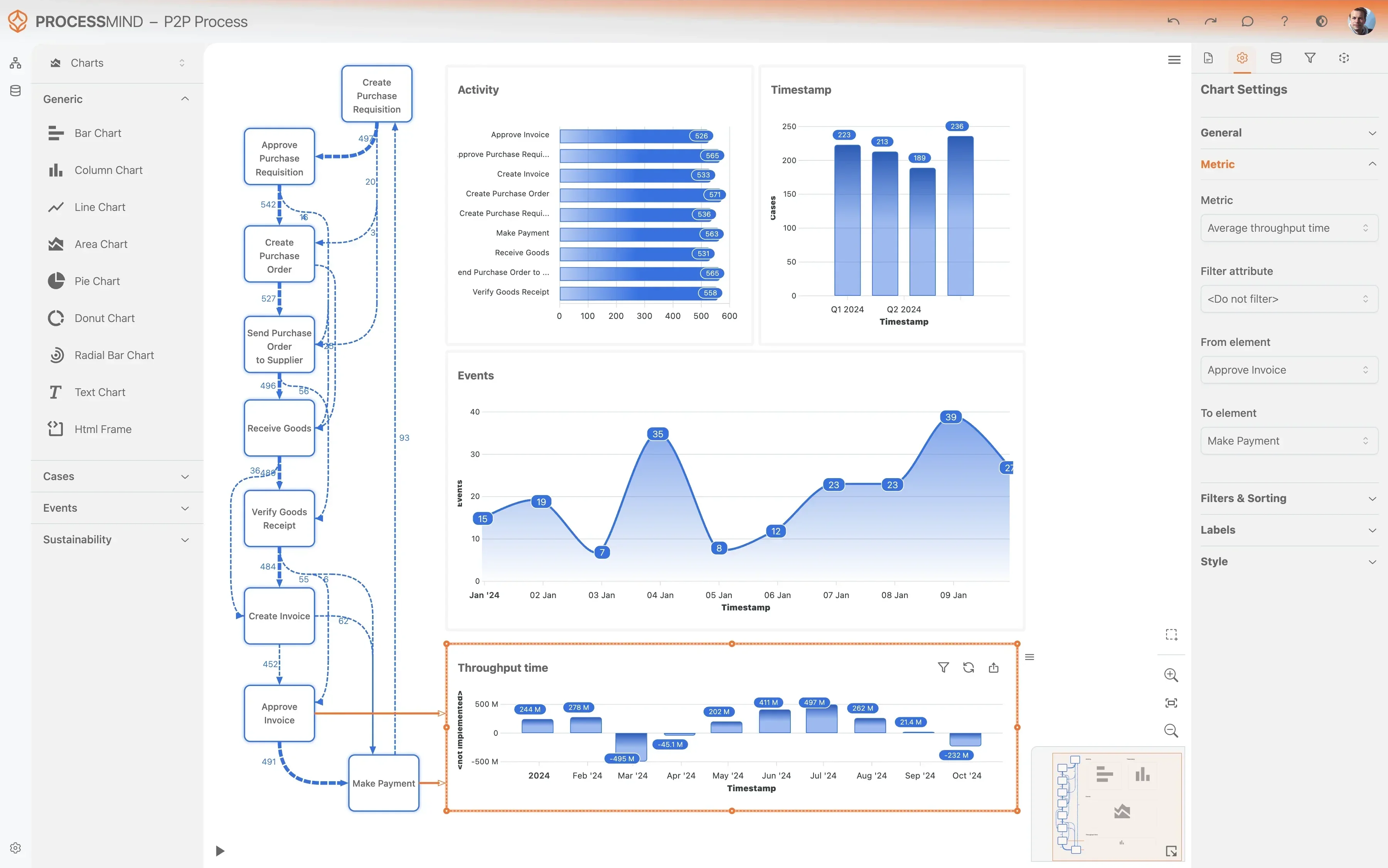
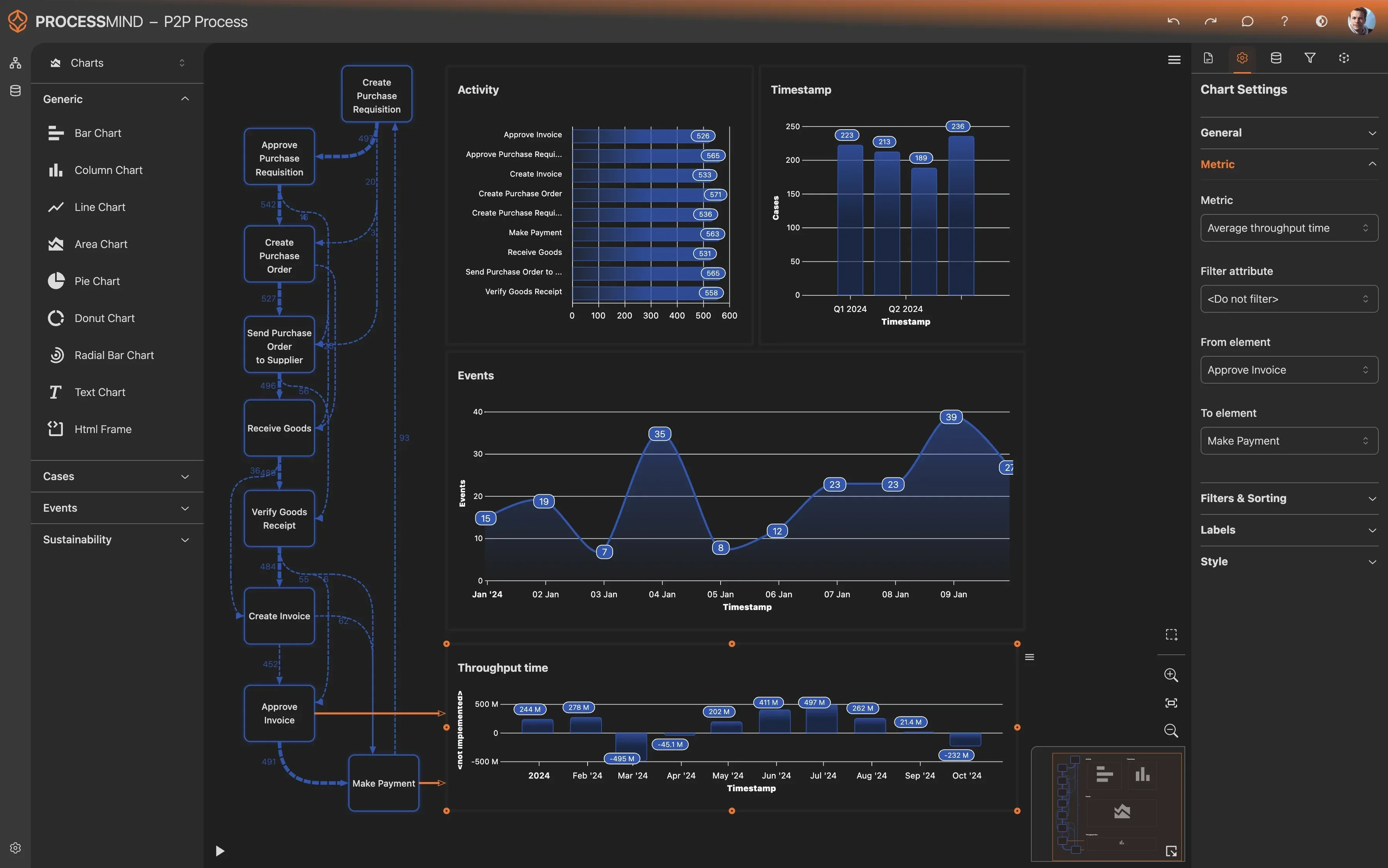
Explore the auto-generated dashboards and insights specific to your FIS Global Payments Processing, and review AI-driven recommendations for optimization.
Why it matters
Gaining deep visibility into payment flows helps identify bottlenecks, compliance gaps, and areas for efficiency improvement, leading to faster, more secure payments.
Expected outcome
A comprehensive understanding of your Payments Processing performance, with clear insights into inefficiencies and potential areas for improvement.
Implement Improvements
What to do
Prioritize the identified opportunities from your analysis and take concrete actions to optimize your Payments Processing within FIS Global.
Why it matters
Acting on data-driven insights directly translates to tangible improvements, such as reduced processing times, fewer errors, and enhanced regulatory compliance.
Expected outcome
Concrete changes implemented in your Payments Processing workflow, addressing identified inefficiencies and leveraging optimization strategies.
Monitor Your Process
What to do
Periodically re-upload updated Payments Processing data from FIS Global to ProcessMind to continuously track progress and measure KPI improvements over time.
Why it matters
Ongoing monitoring ensures that improvements are sustained, new issues are promptly detected, and the process remains optimized for long-term efficiency and compliance.
Expected outcome
A system for continuous performance tracking, allowing you to measure the impact of changes and maintain an optimized Payments Processing workflow.
WHAT YOU WILL GET
Unlock True Efficiency in FIS Global Payments
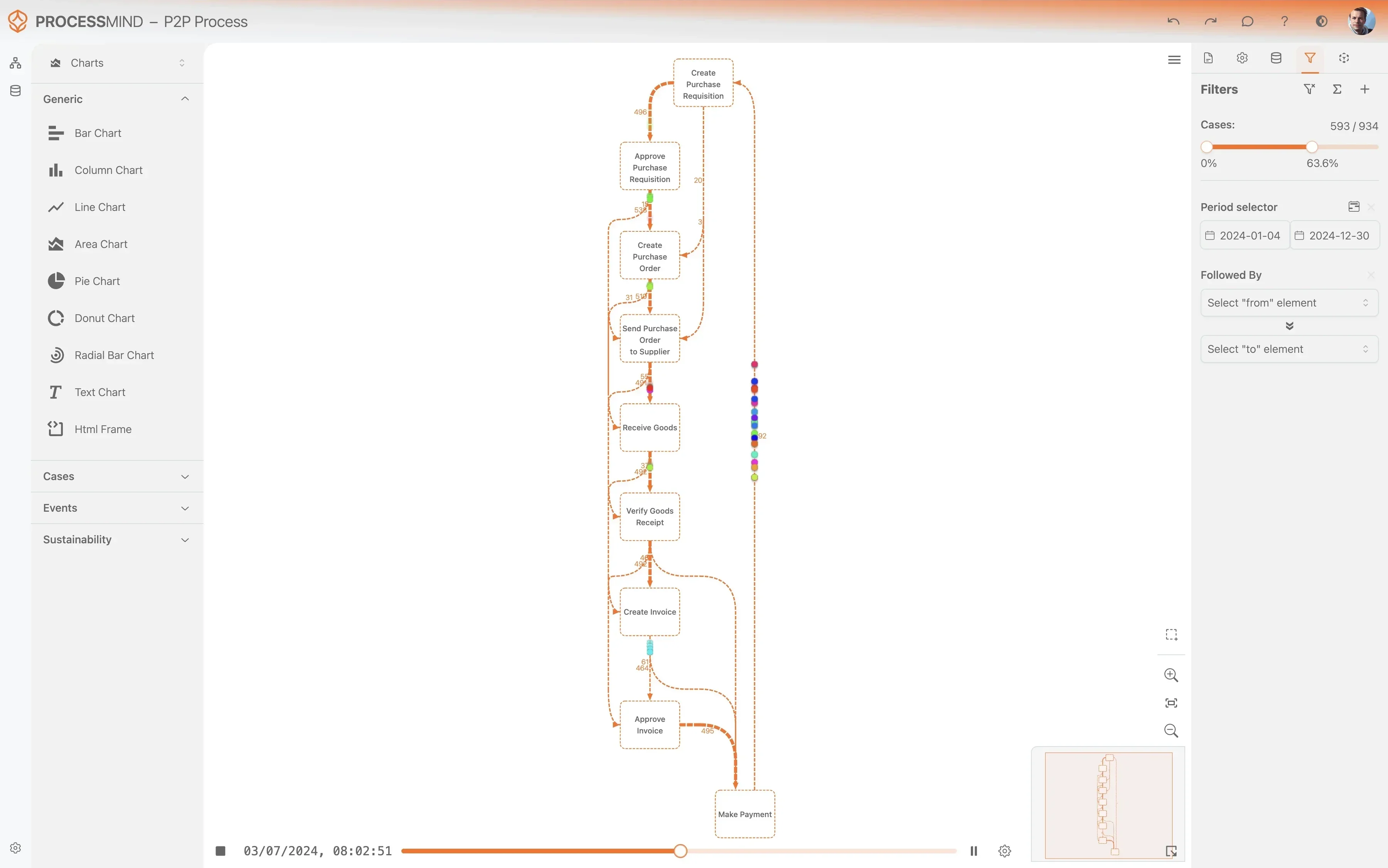
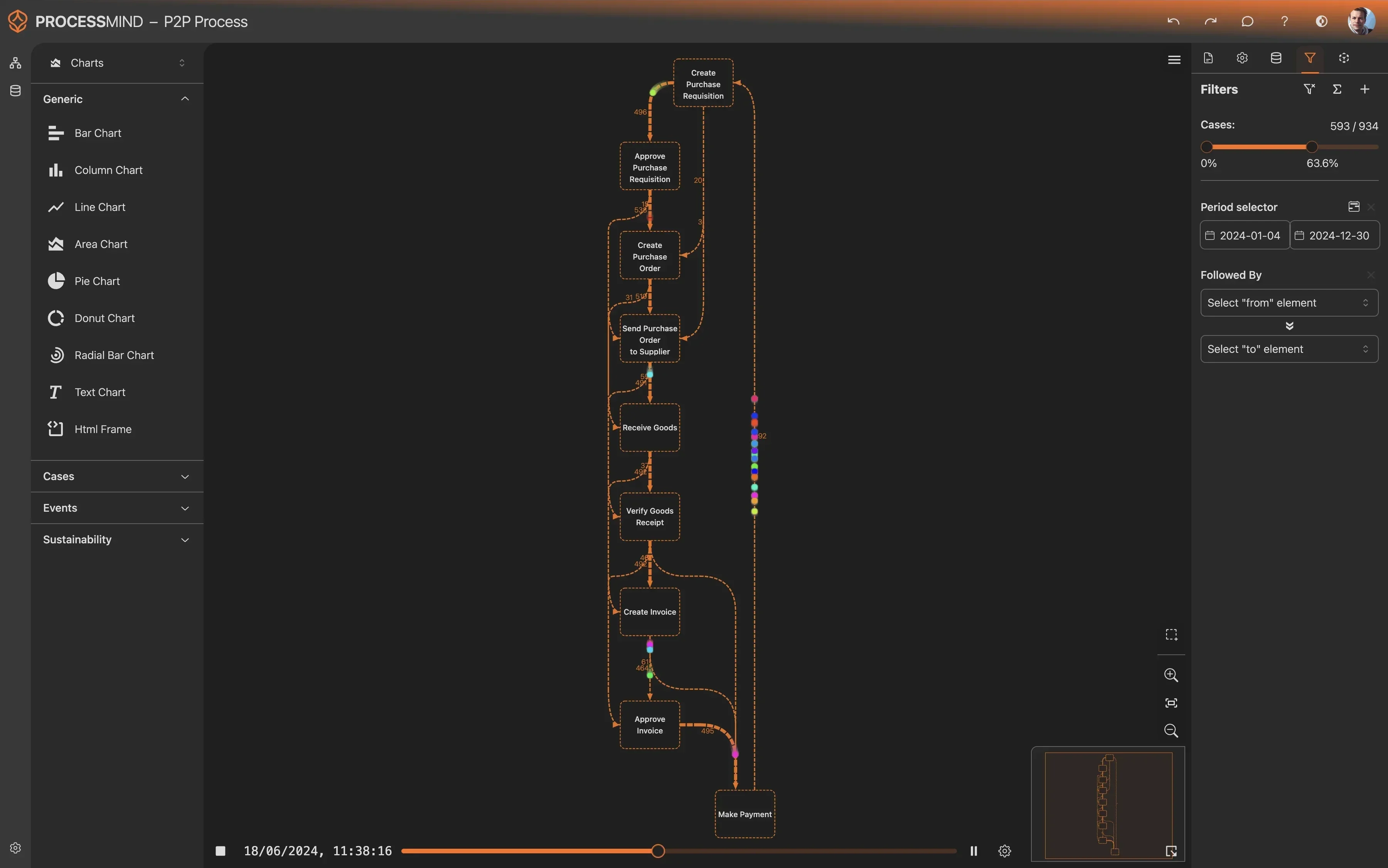
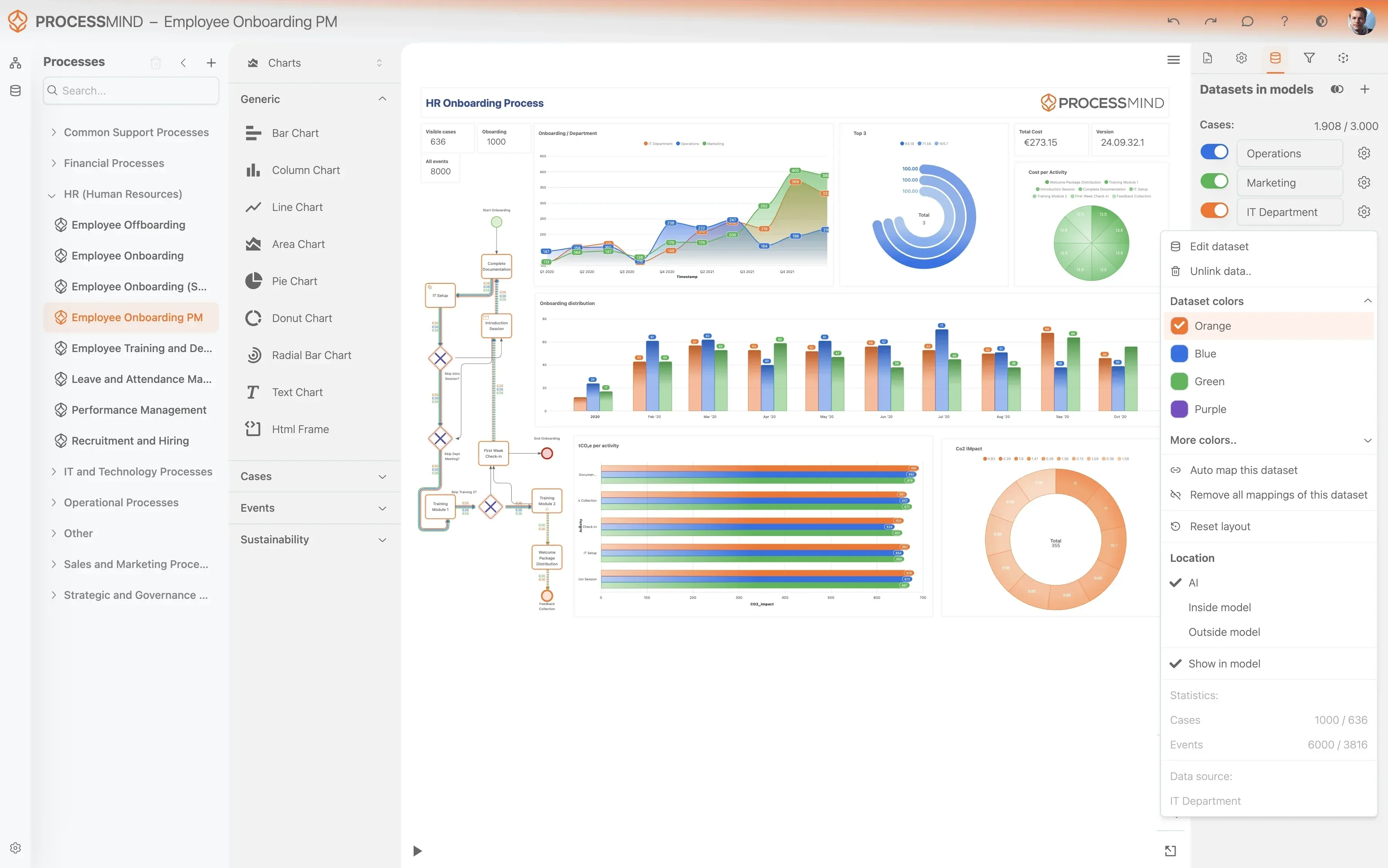
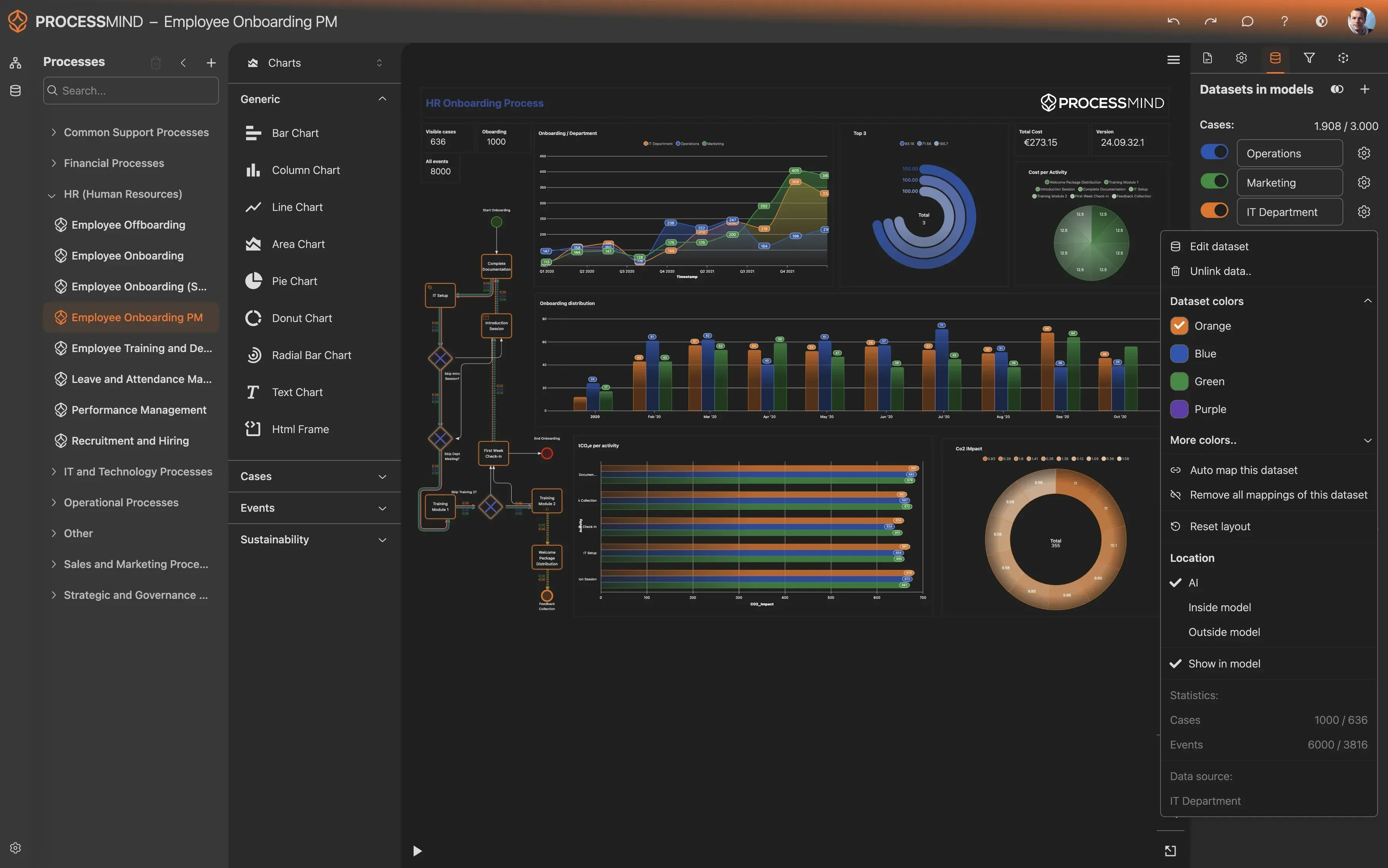
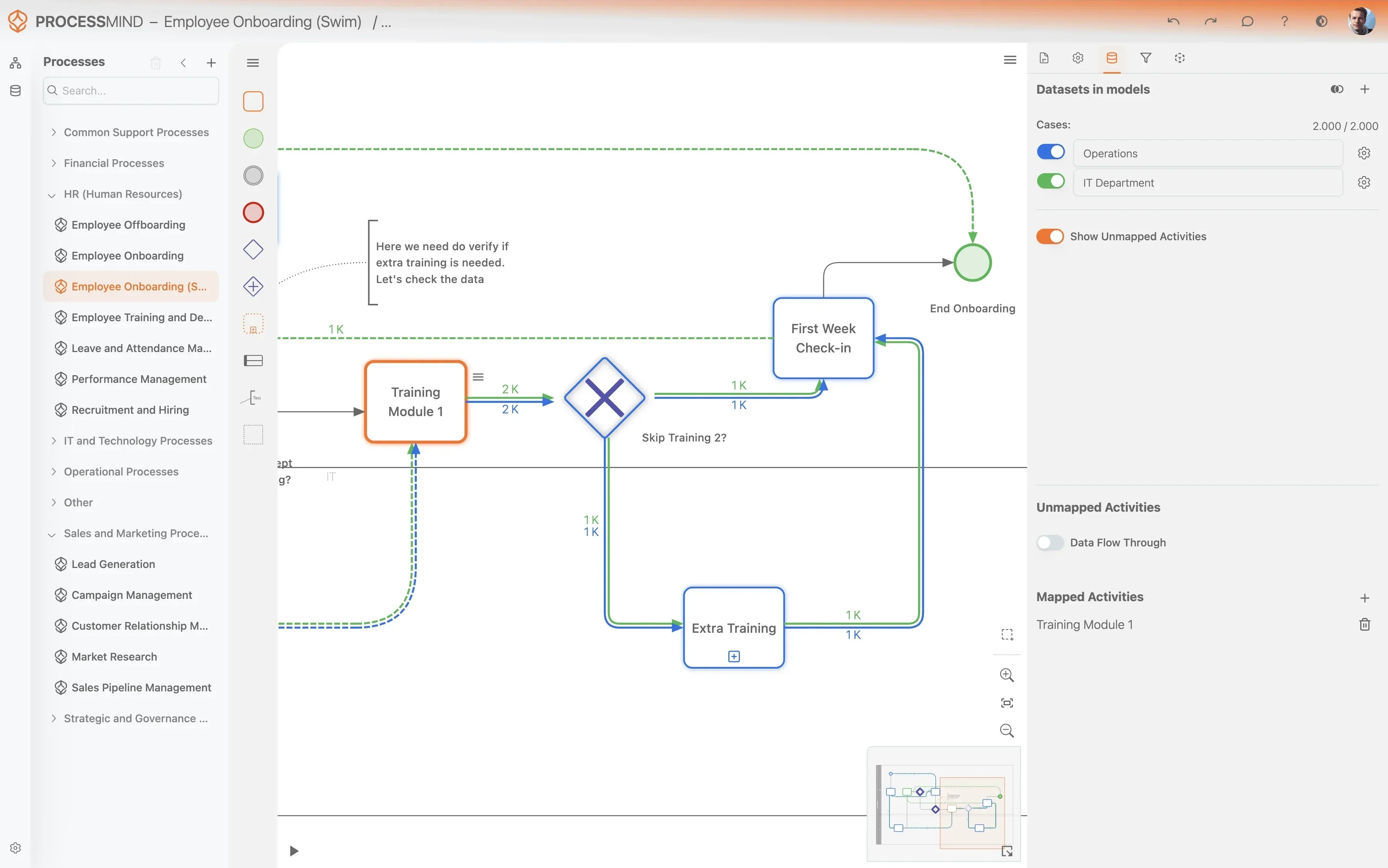
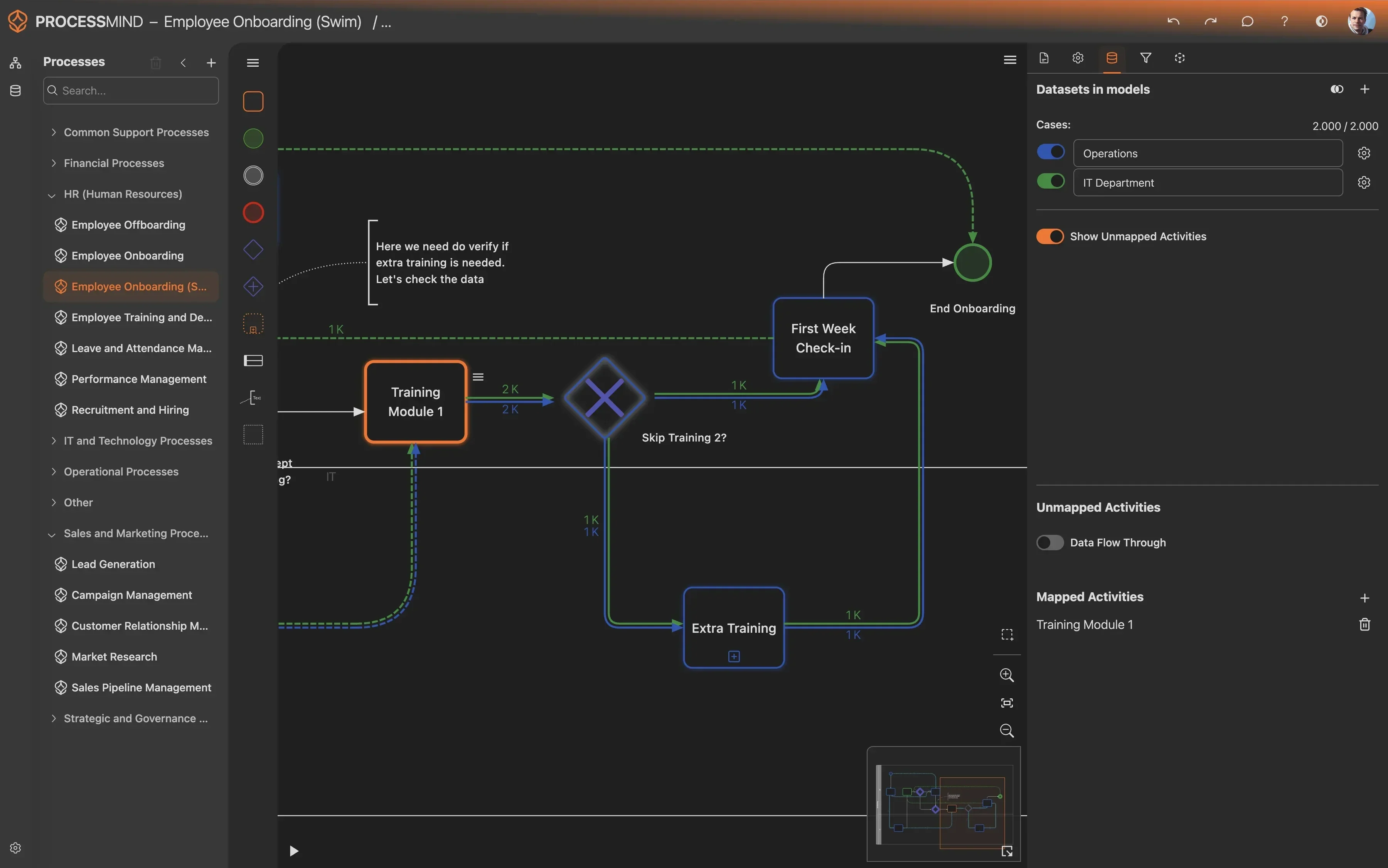
- Visualize actual payment processing flows
- Pinpoint exact bottlenecks and compliance gaps
- Accelerate payment cycle times in FIS Global
- Optimize financial controls and reduce costs
TYPICAL OUTCOMES
Measurable Impact on Payments Processing
These outcomes showcase the significant improvements organizations achieve by applying process mining to their Payments Processing workflows, driven by insights extracted from Payment Transaction IDs in systems like FIS Global.
Average reduction in approval cycle time
By identifying and removing bottlenecks in the approval workflow, organizations significantly shorten the time payments spend waiting for authorization, accelerating cash flow.
Decrease in data validation error rate
Process mining uncovers root causes of data entry and validation errors, leading to a substantial reduction in payment rework and manual interventions.
Reduction in non-standard payment variants
Gain clear visibility into payment processes to identify and rectify deviations from standard operating procedures, ensuring regulatory compliance and reducing risk.
Cost savings from reduced manual effort
By automating repetitive tasks and eliminating unnecessary manual interventions, organizations achieve significant cost reductions in payment processing operations.
Understanding of end-to-end payment flow
Achieve complete transparency into every step of the payment journey, from request to reconciliation, enabling informed decision-making and continuous improvement.
Increase in payments settled by due date
By identifying and removing delays in the payment cycle, organizations significantly improve their on-time payment rate, strengthening vendor relationships and avoiding late fees.
Results vary based on process complexity, data quality, and specific system configurations. These figures represent typical improvements observed across various implementations.
Recommended Data
FAQs
Frequently asked questions
Process mining directly identifies inefficiencies and bottlenecks within your FIS Global Payments Processing workflows. It visualizes the actual process flow, revealing hidden delays, compliance gaps, and areas with excessive manual intervention. This data-driven insight allows you to make targeted improvements to accelerate payment approvals and reduce operational costs.
To begin, we need access to event logs from your FIS Global system for Payments Processing. The critical data points include a case identifier, the Payment Transaction ID, activity names, and corresponding timestamps for each event. These elements allow us to reconstruct the complete end-to-end journey of every payment transaction.
You can expect significant improvements such as accelerated payment approval turnaround, reduced payment data validation errors, and shortened payment reconciliation cycles. Process mining also enhances payment regulatory compliance and minimizes manual payment interventions. Ultimately, these lead to lower operational costs and better adherence to payment due dates.
The primary technical requirement is establishing a secure connection to extract event data from your FIS Global system. You will also need a process mining platform, which can be cloud-based or on-premises. Initial setup may require support from your IT team for data pipeline creation and ensuring data security.
Initial valuable insights, such as identifying major bottlenecks and process variations, can emerge within a few weeks after data connectivity is established and the first models are built. Deeper, more comprehensive optimization projects typically unfold over several months as continuous analysis refines the understanding and tracks improvement impact.
While initial data extraction and transformation require effort, modern process mining tools automate much of the analysis. This makes the overall project significantly less time-consuming and more efficient than traditional manual process analysis methods. The focus shifts to interpreting insights and implementing changes, not just data collection.
Absolutely, process mining is exceptionally effective at pinpointing the exact stages and individuals responsible for approval delays within your Payments Processing. It quantifies the impact of these delays and highlights deviations from standard approval paths. This detailed visibility enables precise interventions to accelerate approvals.
Process mining tools are designed to work with real-world data, which often contains inconsistencies. Part of the initial setup involves data cleansing and transformation to ensure accuracy. The process itself can also help identify data quality issues, leading to improved data governance over time.
Optimize Your FIS Global Payments Processing Today
Achieve 98% straight-through processing and eliminate reconciliation issues.
No credit card required, start in minutes