Improve Your Returns & Refund Processing

Select a process
Choose a process to continue working in your connected workspace.
Optimize Returns and Refund Processing in Oracle Fusion SCM
This platform helps you uncover hidden delays and rework loops in your returns and refund process. You can pinpoint inefficient steps that lead to longer cycle times and higher operational costs. Gain insights to streamline operations, reduce processing errors, and improve overall customer satisfaction.
Download our pre-configured data template and address common challenges to reach your efficiency goals. Follow our six-step improvement plan and consult the Data Template Guide to transform your operations.
Show detailed description
Why Optimizing Returns & Refund Processing is Crucial
In today's competitive landscape, efficient Returns & Refund Processing is not just about managing operational costs, it is a critical driver of customer satisfaction and brand loyalty. For organizations utilizing Oracle Fusion SCM, the complexities of managing returns can quickly escalate, leading to significant financial drain and reputational damage if not handled effectively. Each delayed refund, each incorrect inventory adjustment, and each prolonged return cycle time erodes customer trust and adds to your operational burden.
Consider the ripple effects: a slow refund process can deter future purchases, while inefficient handling of returned goods can lead to inaccurate inventory counts, tying up capital in goods that cannot be resold or delaying their re-entry into the supply chain. These inefficiencies directly impact your bottom line through increased labor costs, potential write-offs, and missed sales opportunities. Optimizing this process within Oracle Fusion SCM means ensuring that every return, from the moment a customer initiates a request to the final resolution, follows the most efficient and compliant path possible. This proactive approach helps to convert a potentially negative customer experience into an opportunity to reinforce trust and operational excellence.
How Process Mining Unlocks Returns Process Efficiency
Process mining provides an unparalleled lens into the actual execution of your Returns & Refund Processing within Oracle Fusion SCM. Instead of relying on assumptions or anecdotal evidence, process mining analyzes event logs generated by your Oracle Fusion Cloud Order Management Returns system, creating a data-driven, visual map of every "Return Case ID." This end-to-end view allows you to see precisely how returns flow from "Return Request Initiated" through "Item Inspected" to "Refund Processed" or "Exchange Item Shipped" and ultimately "Return Case Closed."
By visualizing the true process, you can immediately identify deviations from the intended path, discover hidden bottlenecks, and uncover rework loops that traditional analysis methods often miss. For example, you might observe that a significant percentage of "Item Inspected" activities are followed by a "Re-inspection Required" activity, indicating issues with initial inspection protocols or item descriptions. Or you may find that the "Refund Approved" stage consistently causes delays, suggesting a specific approval workflow or resource constraint. Process mining quantifies these insights, revealing the exact cycle times for each activity and process variant, helping you pinpoint the root causes of inefficiency and understand the "how to improve Returns & Refund Processing" question with concrete data. This objective analysis is key to streamlining your operations and ensuring adherence to service level agreements.
Key Areas for Returns & Refund Process Improvement
Leveraging process mining on your Oracle Fusion SCM returns data reveals specific, actionable insights for improvement:
- Accelerating Cycle Times: Identify activities or transitions that cause excessive delays, such as prolonged approval steps or slow movement of goods through the warehouse after "Item Received at Warehouse." By streamlining these points, you can significantly "reduce Returns & Refund Processing cycle time," leading to faster customer resolution.
- Enhancing Compliance and Policy Adherence: Discover instances where returns deviate from established policies, for example, refunds being processed without proper inspection or approval, or returns handled outside the standard "Return Channel." This insight is vital for maintaining financial integrity and regulatory compliance.
- Optimizing Resource Allocation: Understand which departments or agents are overwhelmed by specific return types or process steps. This allows for better staffing decisions and training initiatives, improving overall team efficiency and reducing burnout.
- Reducing Rework and Exceptions: Pinpoint where rework occurs, such as items requiring multiple "Item Inspected" activities or frequent "Refund Amount Recalculated" steps. Eliminating these exceptions reduces manual effort and error rates.
- Improving Customer Satisfaction: By addressing the root causes of delays and errors, you can provide quicker, more accurate refunds or exchanges, directly boosting customer loyalty and reducing inbound inquiries about return status.
Expected Outcomes and Measurable Benefits
Implementing process improvements identified through process mining can deliver substantial and measurable benefits to your organization's Returns & Refund Processing in Oracle Fusion SCM:
- Significant Reduction in Cycle Time: Expect to see a measurable decrease in the average time it takes to process a return from initiation to closure, potentially by 15-30% or more, resulting in happier customers and faster capital recovery.
- Cost Savings: By eliminating inefficiencies, reducing manual rework, and optimizing resource utilization, you can achieve notable reductions in operational costs associated with processing returns. This includes savings in labor, administrative overhead, and write-offs.
- Improved Compliance Rates: Ensure a higher percentage of returns adhere strictly to your established policies and regulatory requirements, minimizing financial risk and audit complexities.
- Enhanced Customer Loyalty: Faster and more transparent return processing directly translates to a better customer experience, fostering greater trust and encouraging repeat business.
- Better Inventory Management: Streamlined handling of returned goods ensures they are accurately accounted for and re-integrated into inventory or dispositioned promptly, leading to more precise stock levels and reduced carrying costs.
Getting Started with Returns Process Optimization
Understanding the intricacies of your Returns & Refund Processing within Oracle Fusion SCM might seem daunting, but with process mining, you gain a clear, data-driven path to improvement. This approach empowers you to move beyond assumptions, seeing the verifiable truth of how your processes actually operate. By embracing process optimization, you're not just fixing problems, you're building a more resilient, efficient, and customer-centric returns operation. Begin your journey toward transforming your returns process by exploring how these insights can be applied to your specific Oracle Fusion SCM environment.
The 6-Step Improvement Path for Returns & Refund Processing
Download the Template
What to do
Get the pre-configured Excel template for Returns & Refund Processing. This template ensures your data is structured correctly for optimal analysis in ProcessMind.
Why it matters
Starting with the right structure saves time and prevents data import issues, ensuring a smooth transition from raw data to actionable insights.
Expected outcome
A standardized Excel template ready for populating with your Oracle Fusion SCM data.
Export Your Data
What to do
Extract 3-6 months of historical RMA and refund data from Oracle Fusion SCM. Populate the downloaded template with this real transactional data, ensuring accuracy.
Why it matters
Comprehensive historical data reveals true process performance, bottlenecks, and compliance gaps, providing a solid foundation for data-driven improvements.
Expected outcome
A complete dataset, accurately mapped and filled into the ProcessMind template, reflecting recent operations.
Upload Your Dataset
What to do
Securely upload your populated data template to ProcessMind. The system will automatically process and prepare your Returns & Refund data for analysis.
Why it matters
Effortless data ingestion means you can quickly move from data collection to insight generation, accelerating your improvement journey without complex setup.
Expected outcome
Your Oracle Fusion SCM Returns & Refund data successfully uploaded and ready for automated process mining analysis.
Analyze Your Process
What to do
Explore generated dashboards and process maps. Identify deviations, compliance issues, and performance bottlenecks in your Returns & Refund flow with AI-driven insights.
Why it matters
Visualizing your process end-to-end uncovers hidden inefficiencies and non-compliant steps, providing clear targets for improvement and cost reduction.
Expected outcome
A comprehensive understanding of your Returns & Refund process, highlighting key areas for optimization.
Implement Improvements
What to do
Prioritize identified improvement opportunities with highest impact on efficiency and customer satisfaction. Apply process changes directly within your Oracle Fusion SCM setup.
Why it matters
Translating insights into action drives tangible benefits like faster refund cycles, reduced processing errors, and improved adherence to return policies.
Expected outcome
A clear action plan with implemented changes, aimed at streamlining Returns & Refund processing efficiency.
Monitor Your Process
What to do
Periodically re-upload fresh data from Oracle Fusion SCM to ProcessMind. Track the impact of implemented changes and measure KPI improvements over time.
Why it matters
Continuous monitoring ensures the sustainability of your improvements and fosters a culture of ongoing optimization, maintaining peak process performance.
Expected outcome
Ongoing visibility into your Returns & Refund process performance and quantifiable evidence of improvement.
WHAT YOU WILL GET
Unlock Optimal Returns & Refund Process Performance
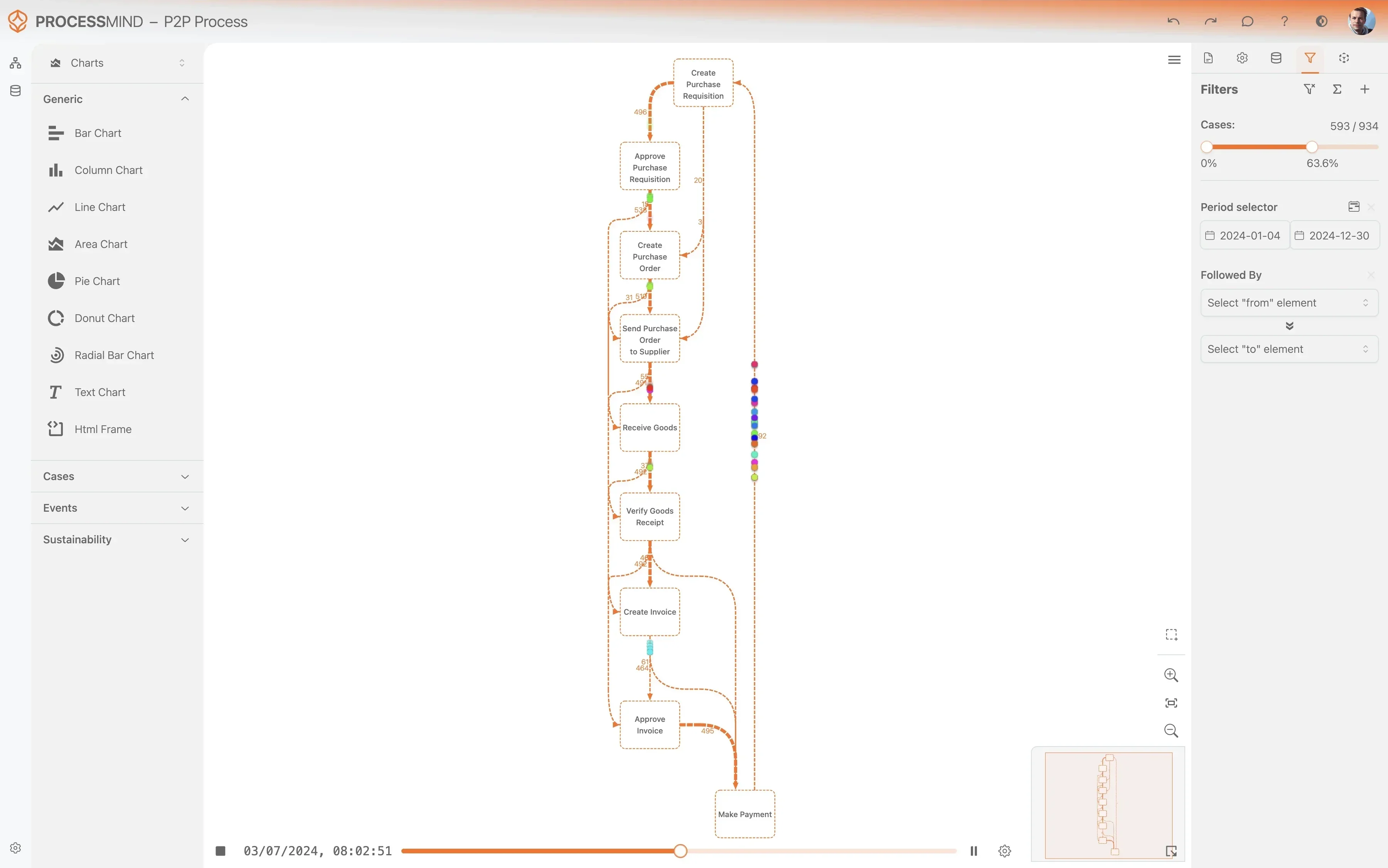
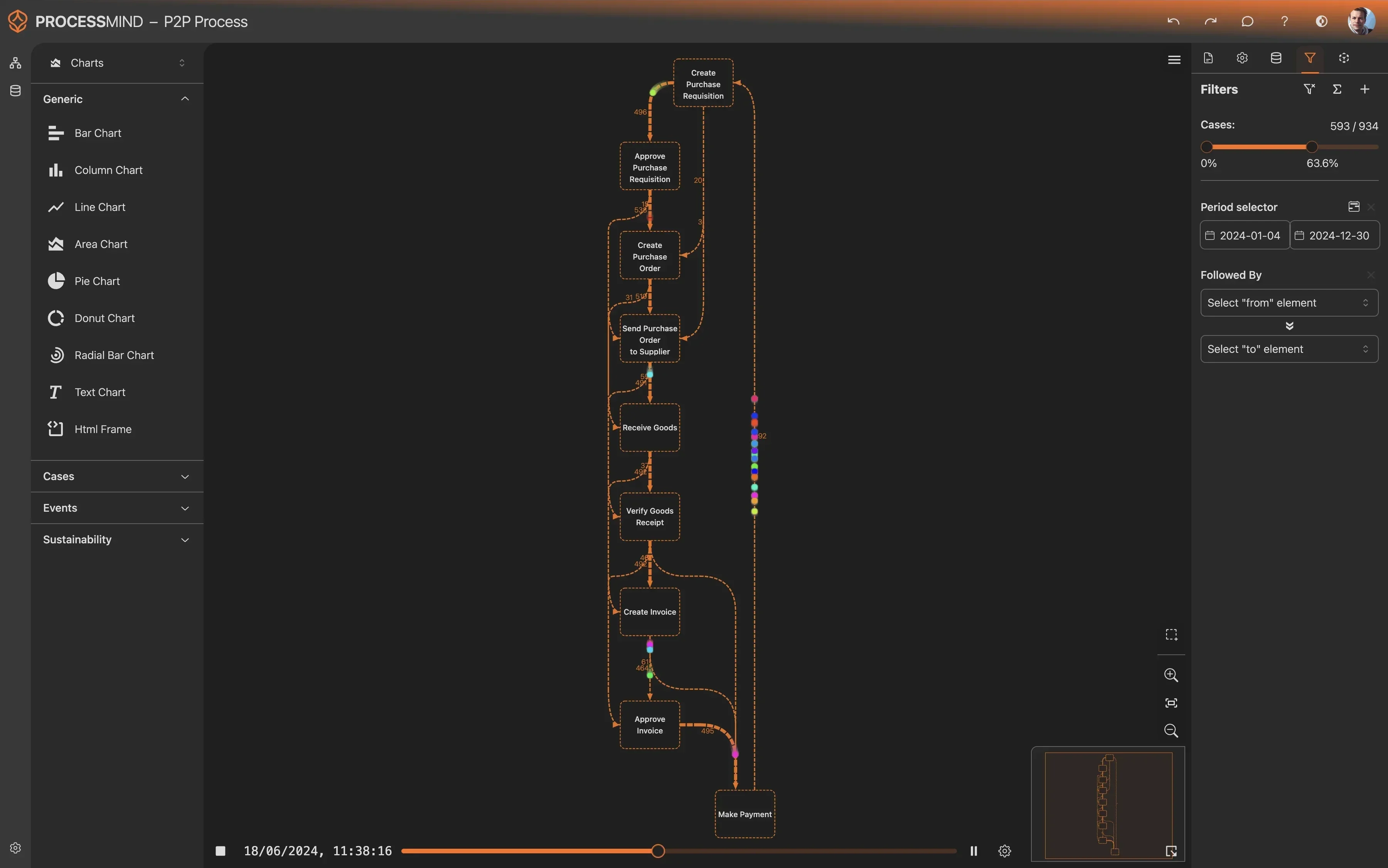
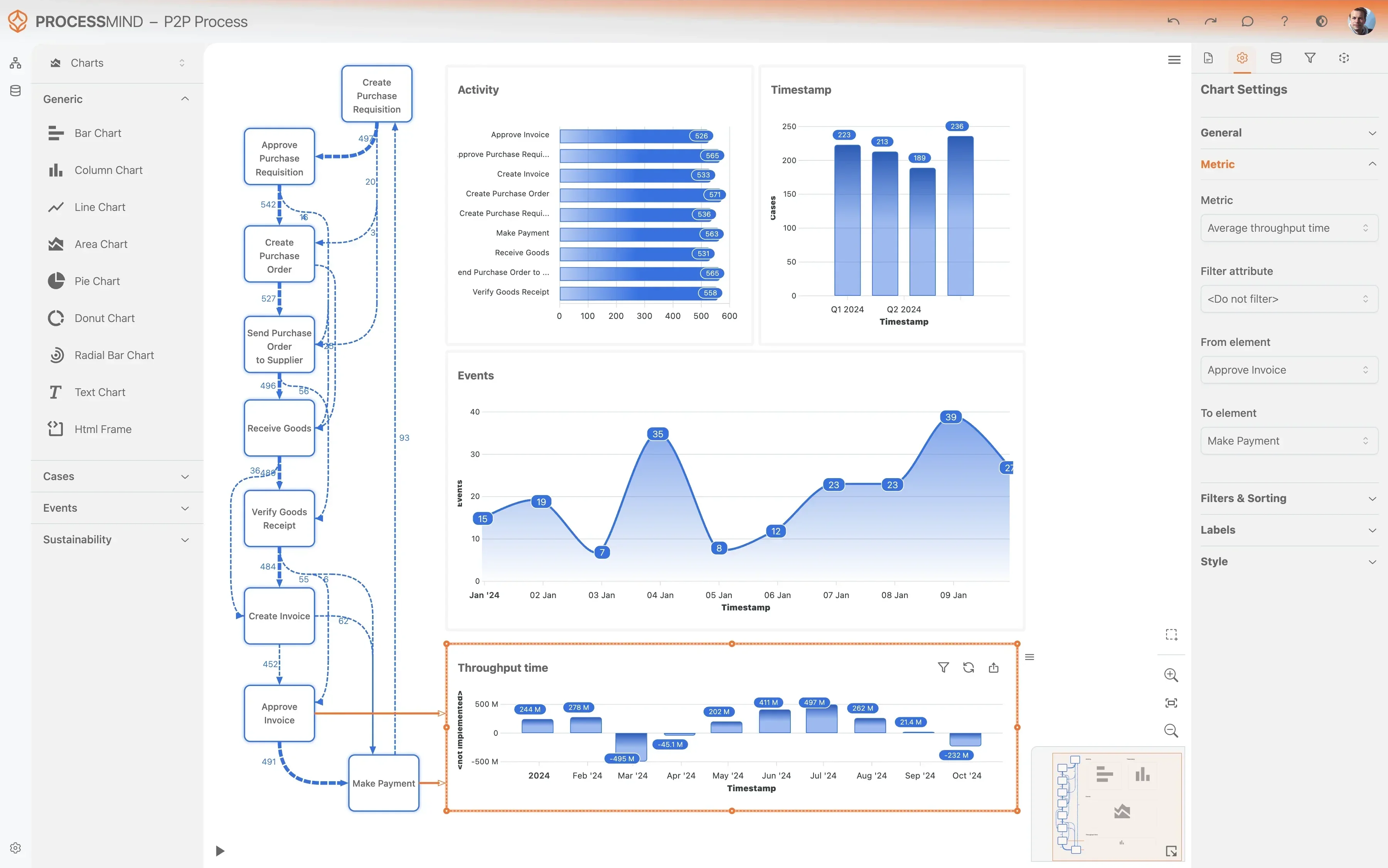
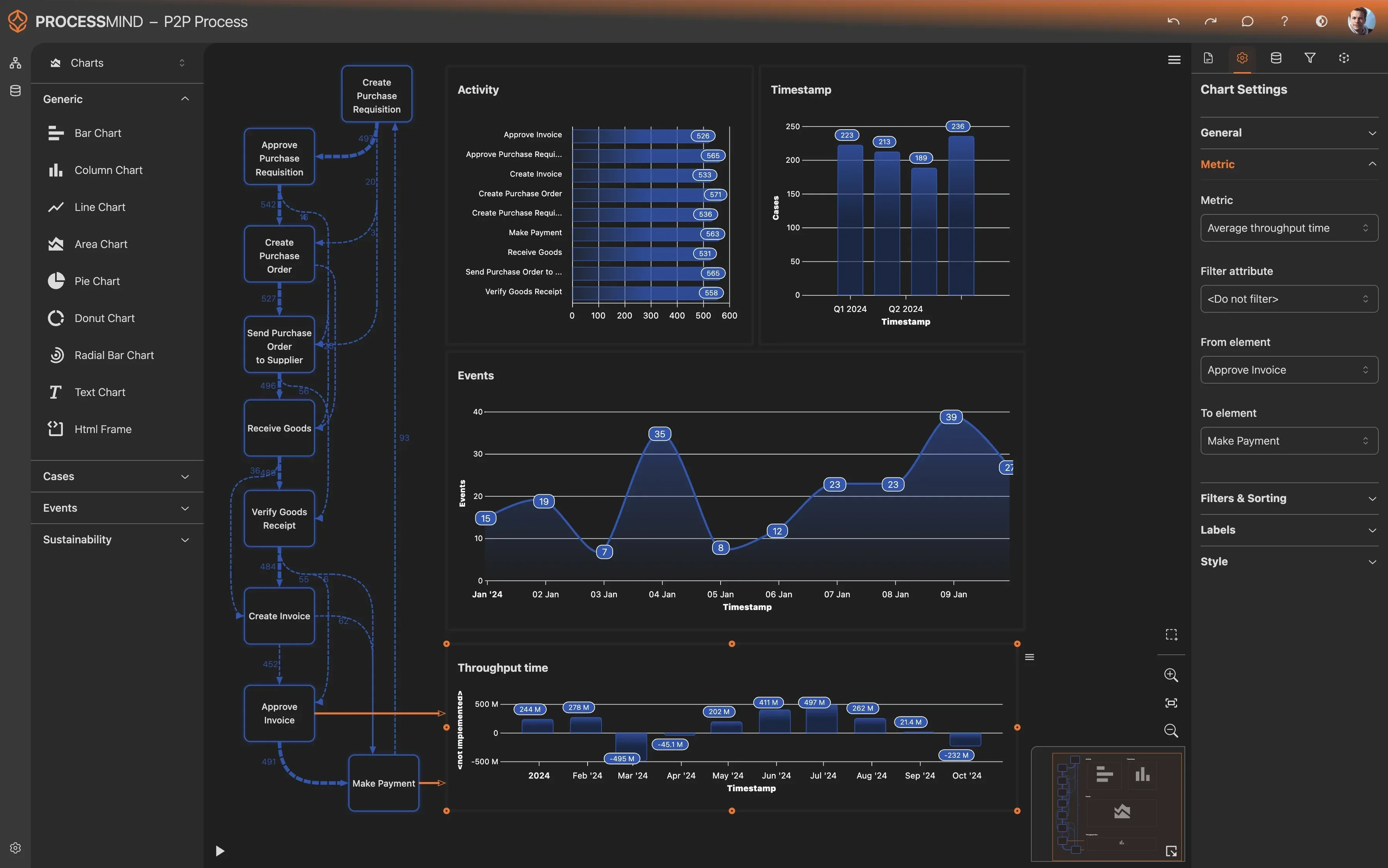
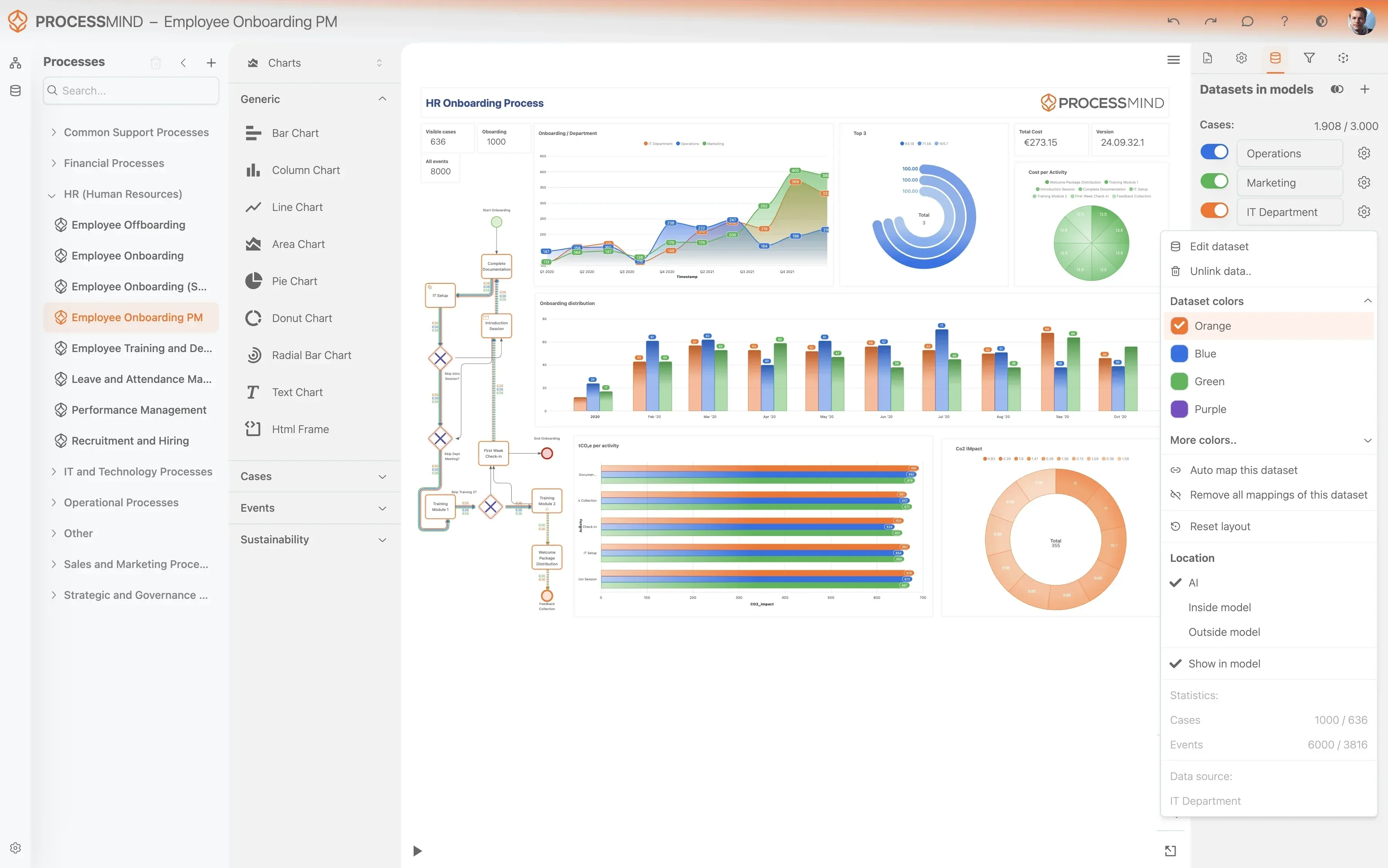
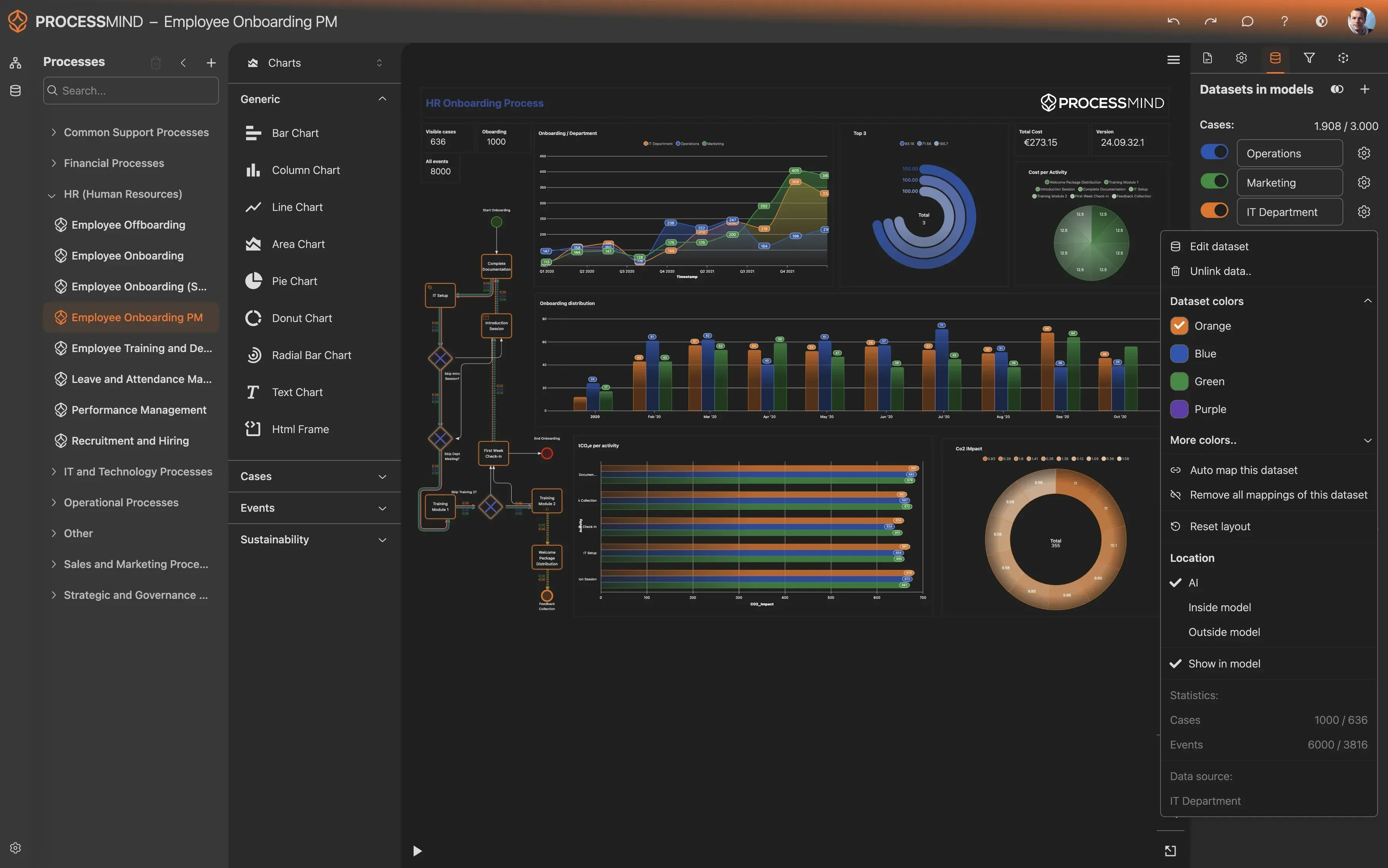
- Identify returns bottlenecks and delays
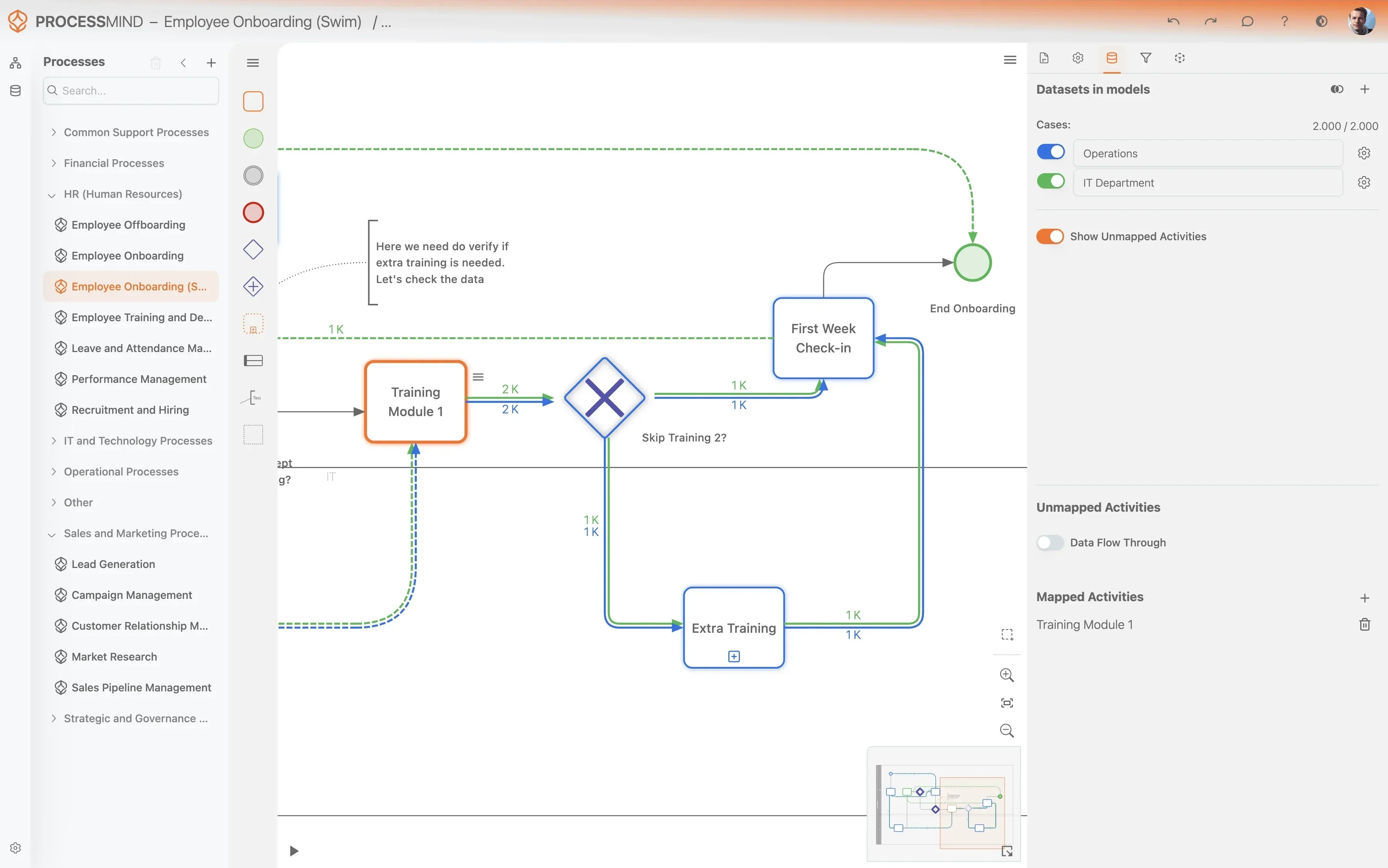
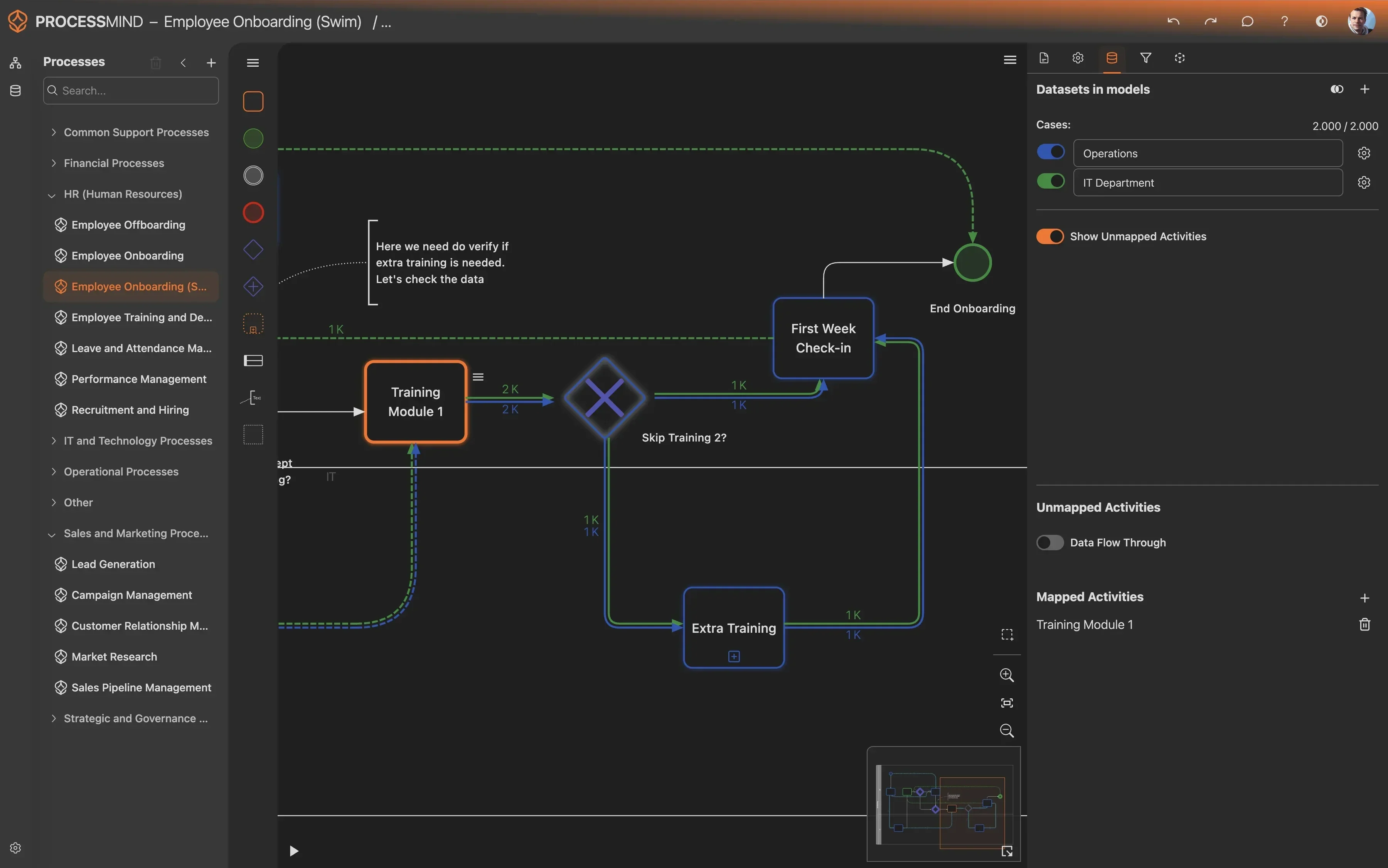
- Visualize actual refund processing paths
- Enhance compliance in Oracle Fusion SCM
- Boost customer satisfaction and efficiency
TYPICAL OUTCOMES
What Organizations Achieve with Optimized Returns & Refund Processing
These outcomes represent significant improvements organizations can realize by applying process mining to their Returns & Refund Processing, uncovering inefficiencies and opportunities for optimization. By streamlining workflows and enhancing compliance, businesses can significantly reduce costs and improve customer satisfaction.
Average end-to-end processing
By identifying and removing bottlenecks, organizations can significantly cut down the time it takes to process a refund from initiation to completion, improving customer satisfaction.
Fewer errors in return cases
Process mining pinpoints the root causes of rework loops and repetitive activities, leading to a substantial decrease in the number of times a return case needs re-processing.
Higher compliance with refund policies
Organizations can proactively monitor refund cases against defined service level agreements, ensuring a higher percentage of refunds are processed within policy timelines, preventing penalties and enhancing trust.
Fewer process variations
By visualizing actual process flows, businesses can identify and eliminate unnecessary deviations from the standard return process, leading to a more predictable and efficient operation.
Quicker resolution communication
Optimizing the final steps of the return process ensures customers are informed about their refund resolution much faster, significantly improving transparency and customer experience.
Results vary based on the specific complexities of returns processes and the quality of available data. The figures presented reflect typical improvements observed across various implementations.
Recommended Data
FAQs
Frequently asked questions
Process mining analyzes event logs from your Oracle Fusion SCM system to visualize the actual flow of your returns and refunds. It identifies bottlenecks, deviations from the standard process, and areas where rework or delays occur, helping you accelerate cycle times and reduce operational costs. This leads to faster refunds and improved customer satisfaction.
To perform process mining for returns, you primarily need event logs that include a Case Identifier, Activity Name, Timestamp, and Resource for each step of a return case. These events are typically extracted from relevant tables within Oracle Fusion SCM related to return orders, inspections, and refund activities. Data accuracy and completeness are crucial for meaningful insights.
Data extraction from Oracle Fusion SCM usually involves querying relevant database tables or using standard reporting tools to export event logs. This process can be automated using secure connectors or data integration platforms, ensuring data privacy and compliance. We work with your IT team to establish a secure and efficient extraction method.
Getting started typically involves a 2-4 week period for data extraction, cleansing, and initial model setup. Within another 2-4 weeks, you can expect to see initial process maps, identify major bottlenecks, and gain actionable insights. The speed depends on data accessibility and internal resource availability.
You can expect to accelerate refund processing cycle times, reduce rework rates, and improve adherence to refund policy SLAs. Process mining helps standardize process variations and provides enhanced visibility into return case status, ultimately lowering operational costs and increasing efficiency.
No, process mining tools typically operate independently of your Oracle Fusion SCM system. They connect to your existing data sources to extract event logs without requiring any direct installation or modification within your SCM environment. This minimizes disruption and IT overhead.
Yes, by analyzing process deviations and patterns, process mining can highlight unusual activities or sequences that might indicate fraudulent behavior. It helps in detecting anomalies like frequent returns by specific customers, rapid refund approvals without inspection, or unusual changes in return values, aiding in fraud prevention and compliance.
While our experts handle the technical setup and initial analysis, having team members familiar with your Oracle Fusion SCM data structure and business process owners for returns is beneficial. They can validate findings and drive improvement initiatives. No specialized data science or programming skills are typically required on your side for basic usage.
Stop Bottlenecks, Optimize Returns & Refund Processing Now
Pinpoint inefficiencies and reduce cycle time by 30% in Oracle Fusion SCM.
No credit card required. Setup in under 5 minutes.