Improve Your Hire to Retire - Position Management

Select a process
Choose a process to continue working in your connected workspace.
Optimize Workday HCM Position Management for Staffing Efficiency
Complex approval flows and compliance challenges often hinder effective position management. Our platform helps you uncover bottlenecks within your processes, revealing areas where operations can be streamlined. By identifying these inefficiencies, you can ensure your staffing model remains accurate and agile. This leads to better resource allocation and overall organizational effectiveness.
Download our pre-configured data template and address common challenges to reach your efficiency goals. Follow our six-step improvement plan and consult the Data Template Guide to transform your operations.
Show detailed description
Why Optimize Hire to Retire - Position Management?
Effective position management is the backbone of strategic workforce planning and operational efficiency within any organization, especially for those leveraging a robust system like Workday HCM. The Hire to Retire - Position Management process involves a complex series of steps, from initiating a new position request to its eventual closure or deactivation. Inefficiencies in this critical process can lead to significant business challenges, including delays in filling essential roles, misaligned departmental budgets, compliance risks related to staffing structures, and inaccurate reporting within Workday HCM. Without clear visibility into the actual flow of these activities, organizations often struggle with extended cycle times, unnecessary rework, and a reactive approach to staffing needs. Optimizing Hire to Retire - Position Management is not just about efficiency, it is about ensuring your organization is agile, compliant, and positioned for growth.
How Process Mining Enhances Position Management
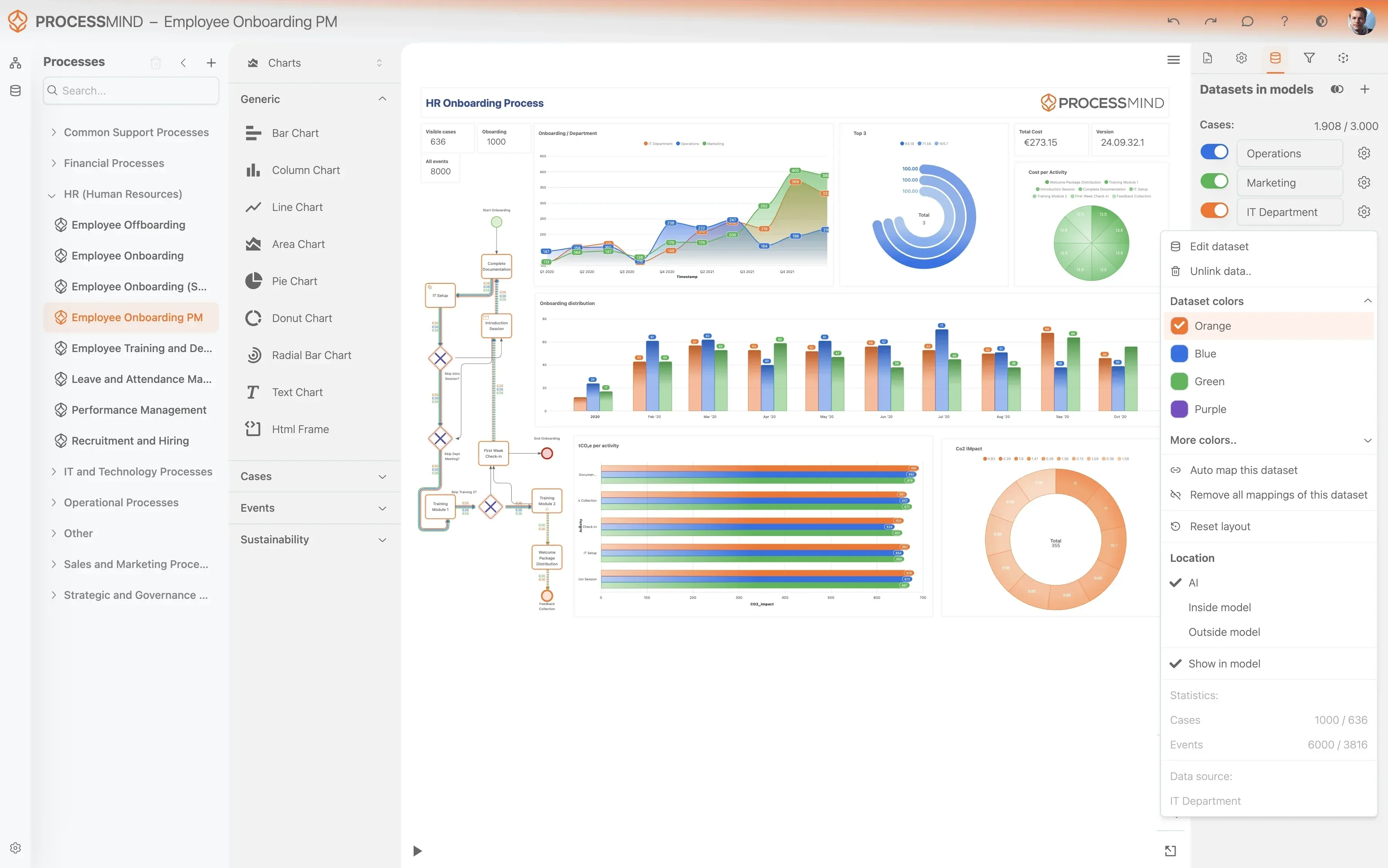
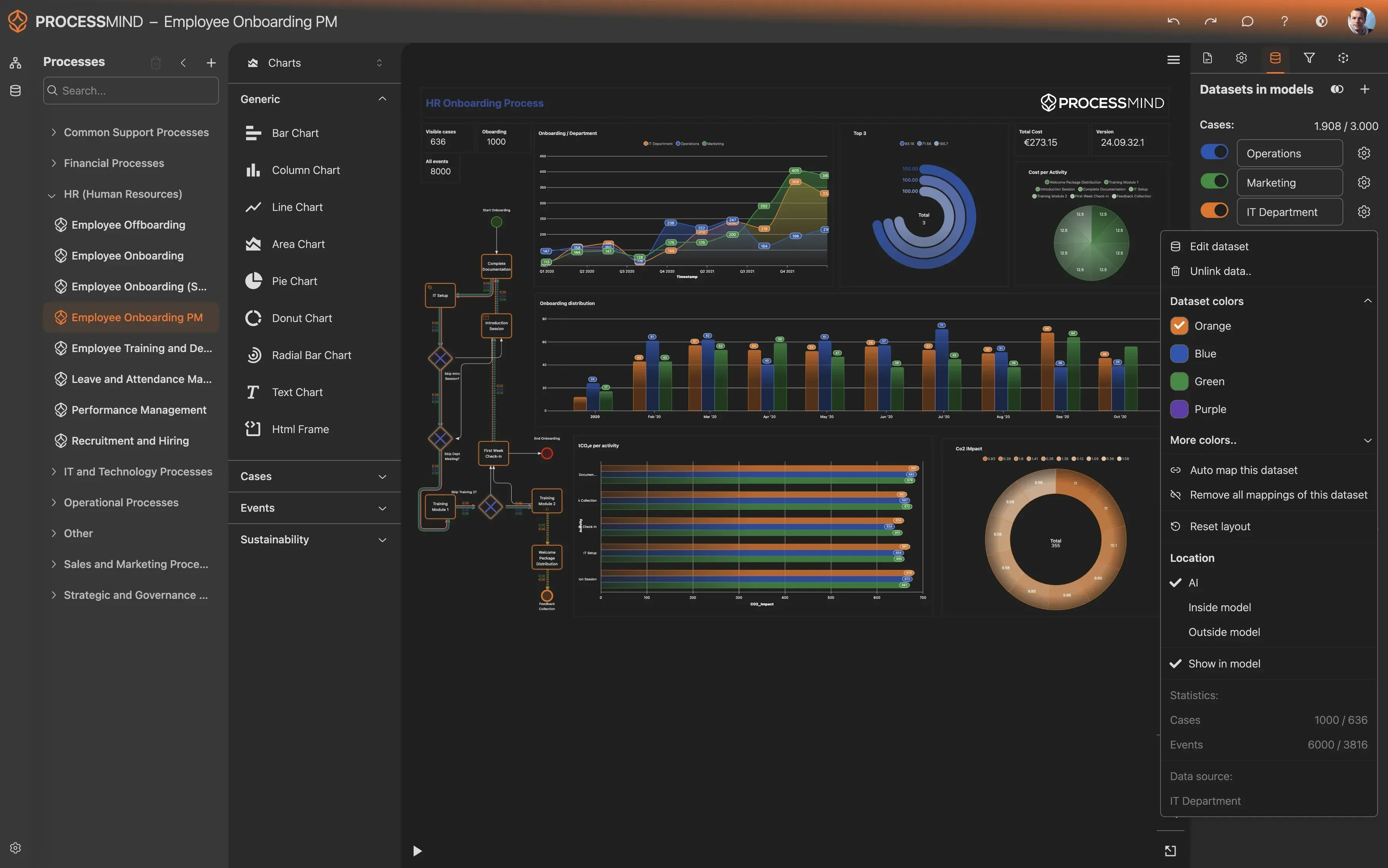
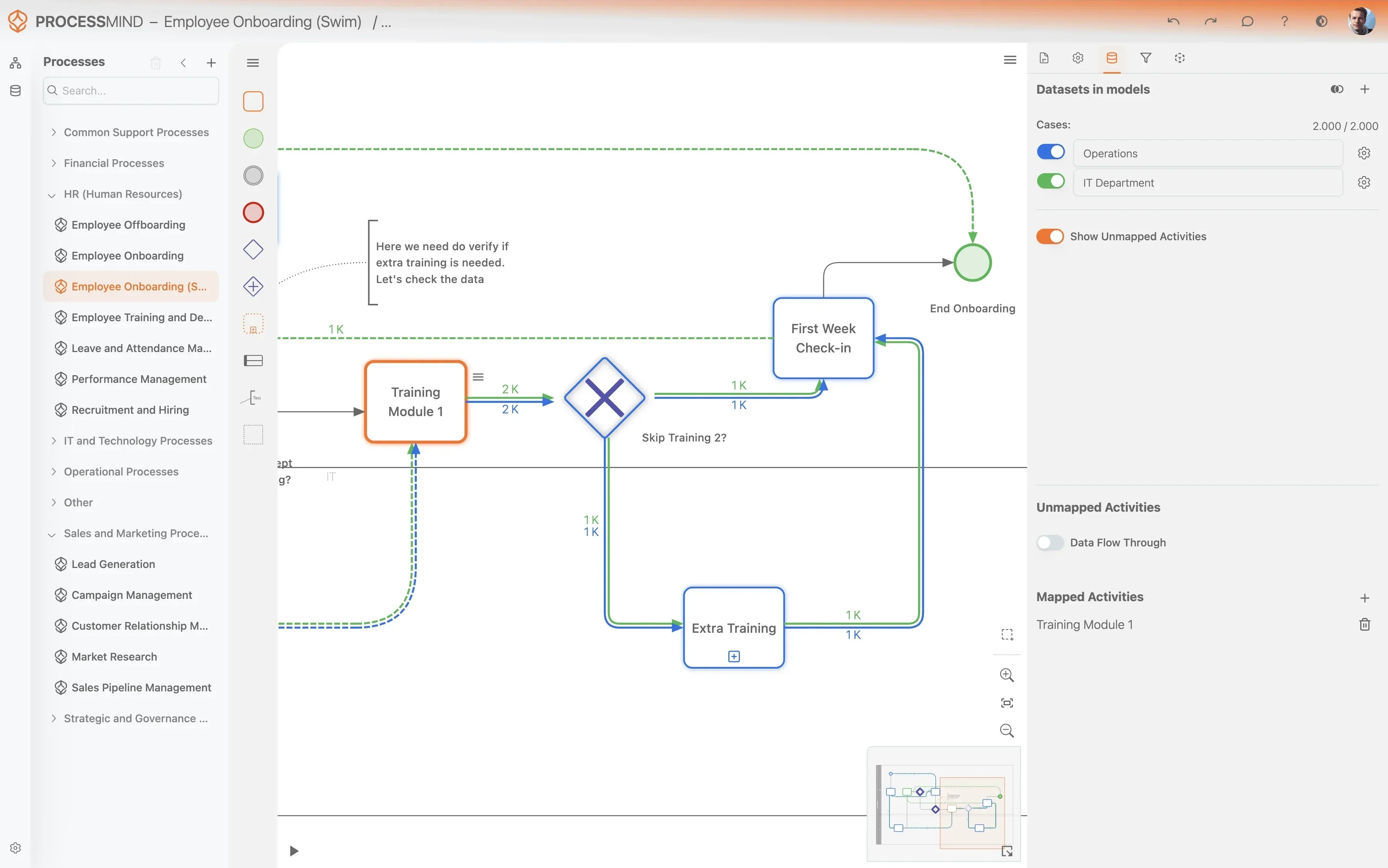
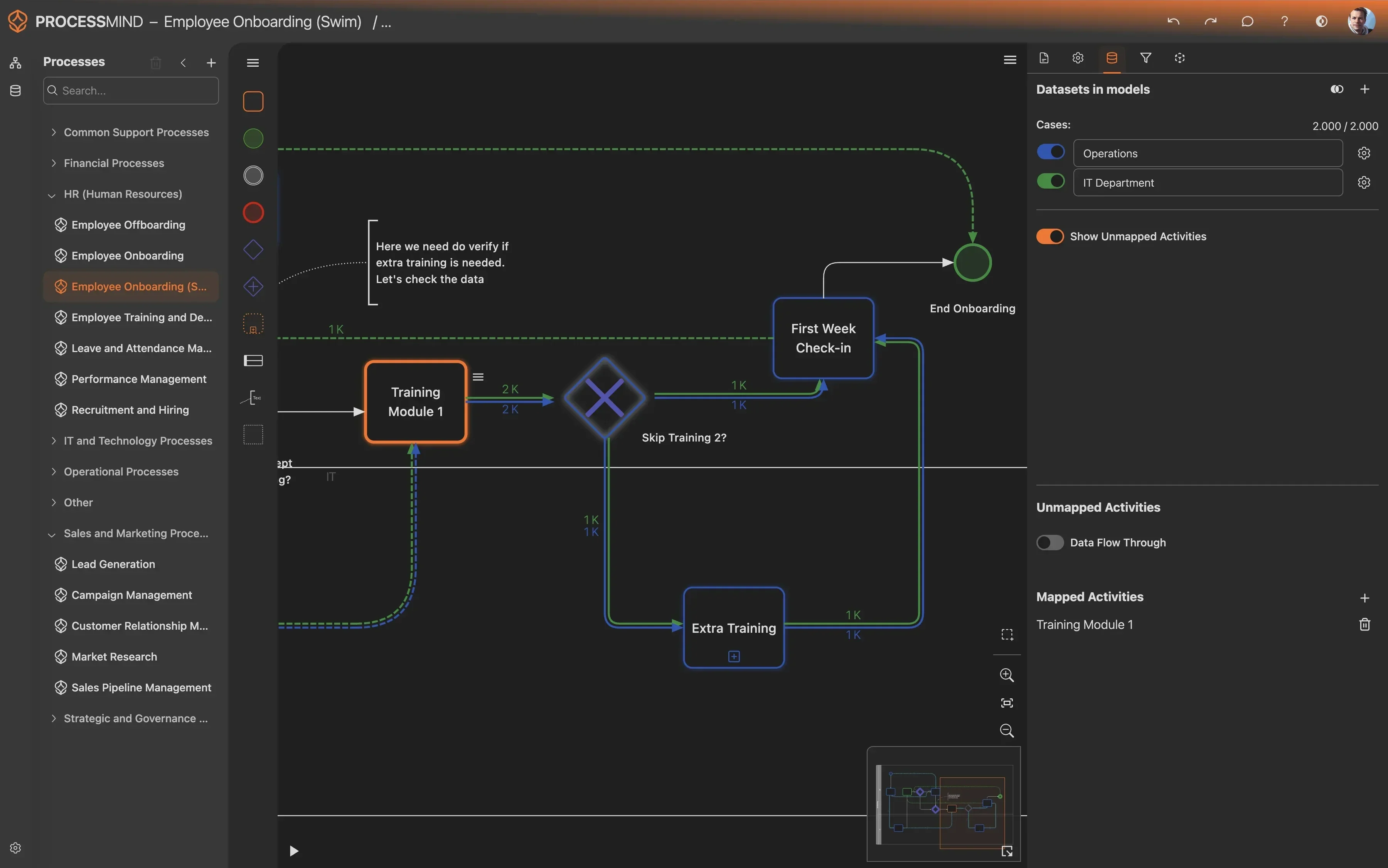
Process mining offers a powerful, data-driven approach to uncover the true behavior of your Hire to Retire - Position Management process as recorded in Workday HCM. By analyzing event logs, where each entry represents an activity related to a specific Position ID, process mining constructs an objective, end-to-end view of the position lifecycle. This allows you to visually map every path a position takes, from "Position Request Initiated" to "Position Activated" or "Position Closed." You can pinpoint exactly where bottlenecks occur, such as prolonged approval steps by specific managers or departments, or unexpected rework loops where "Position Attributes Modified" frequently happens after initial creation. This methodology moves beyond anecdotal evidence, providing concrete insights into actual cycle times, process deviations, and compliance gaps. Understanding these intricate details is crucial for identifying how to improve Hire to Retire - Position Management and streamline operations in Workday HCM.
Key Areas for Improvement
Applying process mining to Hire to Retire - Position Management typically reveals several critical areas ripe for optimization:
- Reducing Approval Cycle Times: Identify the specific stages and individuals or groups causing delays in the approval process for new or modified positions. This allows you to reduce the overall cycle time from request initiation to a position being created in Workday HCM and ready for recruitment.
- Enhancing Compliance and Governance: Visualize where mandatory steps, like "Position Budget Approved" or "Position Reviewed for Compliance," are skipped, performed out of order, or require excessive rework. This ensures your staffing practices adhere to internal policies and regulatory requirements.
- Minimizing Rework and Deviations: Uncover patterns of frequent modifications or reclassifications that indicate unclear initial requirements or inadequate training. Reducing these deviations streamlines the process and improves data accuracy within Workday HCM.
- Optimizing Resource Allocation: Understand which teams or roles are over-burdened with position management tasks, leading to inefficiencies. This insight helps redistribute workload and improve overall team productivity.
- Improving Data Integrity: By tracing the full lifecycle, you can identify inconsistencies in how position attributes are managed and updated, ensuring that your Workday HCM data accurately reflects the organizational structure.
Expected Outcomes of Process Optimization
By leveraging process mining to analyze and refine your Hire to Retire - Position Management, organizations can achieve tangible, measurable benefits:
- Reduced Cycle Times: Significantly decrease the time it takes to create, approve, and activate positions, leading to faster talent acquisition and a quicker response to business needs. You will learn how to reduce Hire to Retire - Position Management cycle time effectively.
- Cost Savings: Optimize resource utilization, reduce manual effort, and avoid budget overruns associated with inefficient position management.
- Enhanced Compliance: Ensure consistent adherence to internal policies and external regulations, mitigating risks and improving audit readiness.
- Improved Workforce Planning: Gain a clearer, data-driven understanding of your organizational structure and staffing needs, enabling more proactive and strategic workforce planning within Workday HCM.
- Increased Agility: Respond more quickly to market changes and business demands by having a lean, efficient, and transparent position management process.
Getting Started with Your Optimization Journey
Embarking on the journey to optimize your Hire to Retire - Position Management process in Workday HCM with process mining is a strategic investment in your organization's future. This approach provides the clarity and actionable insights needed to transform complex, often opaque, processes into streamlined, efficient operations. By understanding the true flow of your position management activities, you can drive significant improvements in efficiency, compliance, and overall business agility. Begin uncovering these critical insights today to revolutionize your Workday HCM position management practices.
The 6-Step Improvement Path for Hire to Retire - Position Management
Download the Template
What to do
Obtain the pre-formatted Excel template designed for Position Management data to ensure your dataset aligns with process mining requirements.
Why it matters
Using the correct data structure from the start prevents errors and streamlines subsequent analysis, setting a strong foundation for improvement.
Expected outcome
A ready-to-use Excel template with the right columns for your Workday HCM Position Management data.
Export Your Data
What to do
Extract 3-6 months of historical Position Management data directly from Workday HCM. Populate the downloaded template with this real-world operational data.
Why it matters
A robust dataset provides a comprehensive view of past process execution, allowing for accurate identification of patterns, bottlenecks, and compliance issues.
Expected outcome
A complete and accurate template populated with historical Position Management data from Workday HCM.
Upload Your Dataset
What to do
Securely upload your filled data template to the ProcessMind platform. The system will then automatically initiate analysis of your Position Management process.
Why it matters
Effortless data ingestion means quick access to powerful analytical tools, transforming raw data into actionable insights without complex setup.
Expected outcome
Your Workday HCM Position Management data securely processed and ready for automated analysis within ProcessMind.
Analyze Your Process
What to do
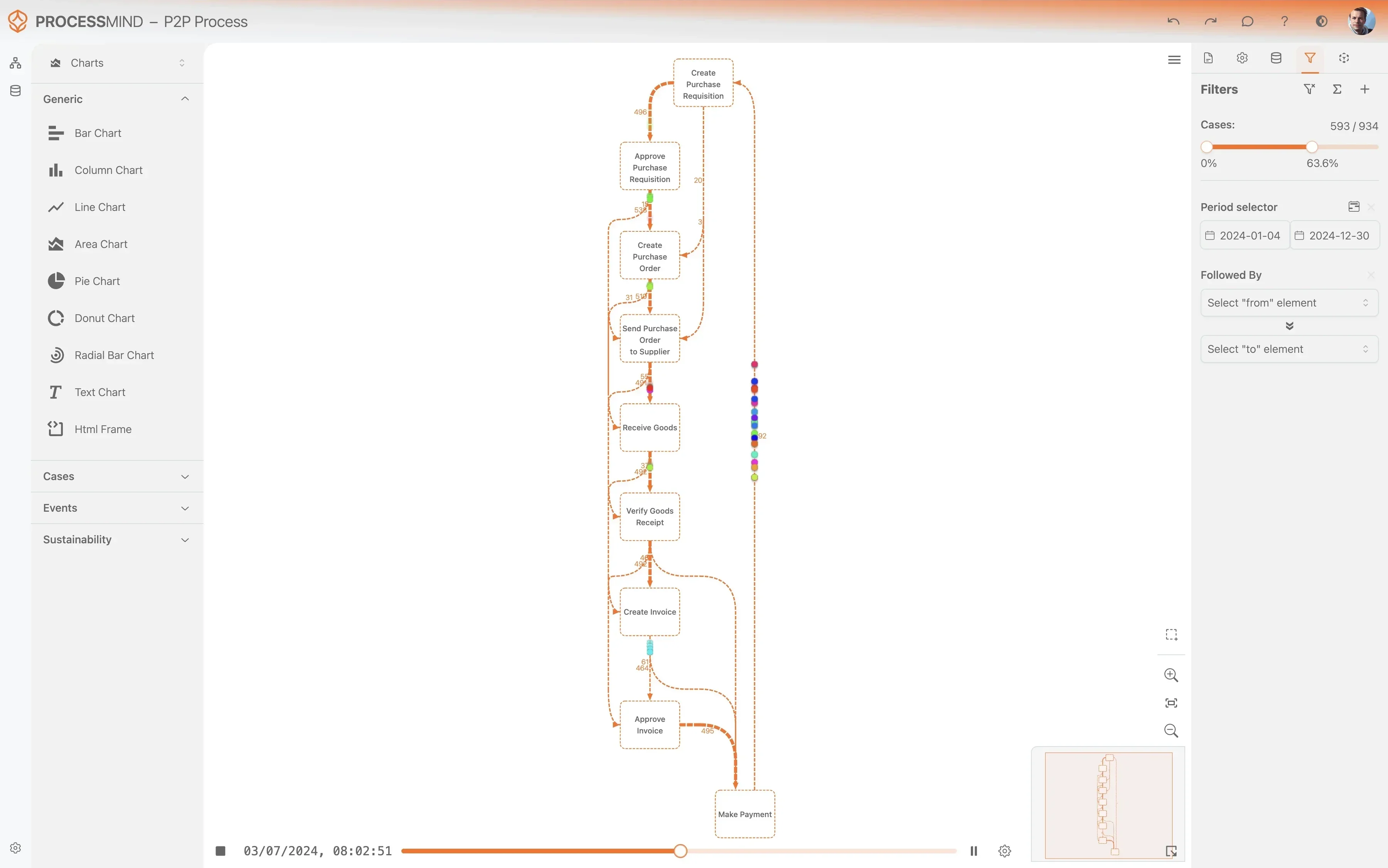
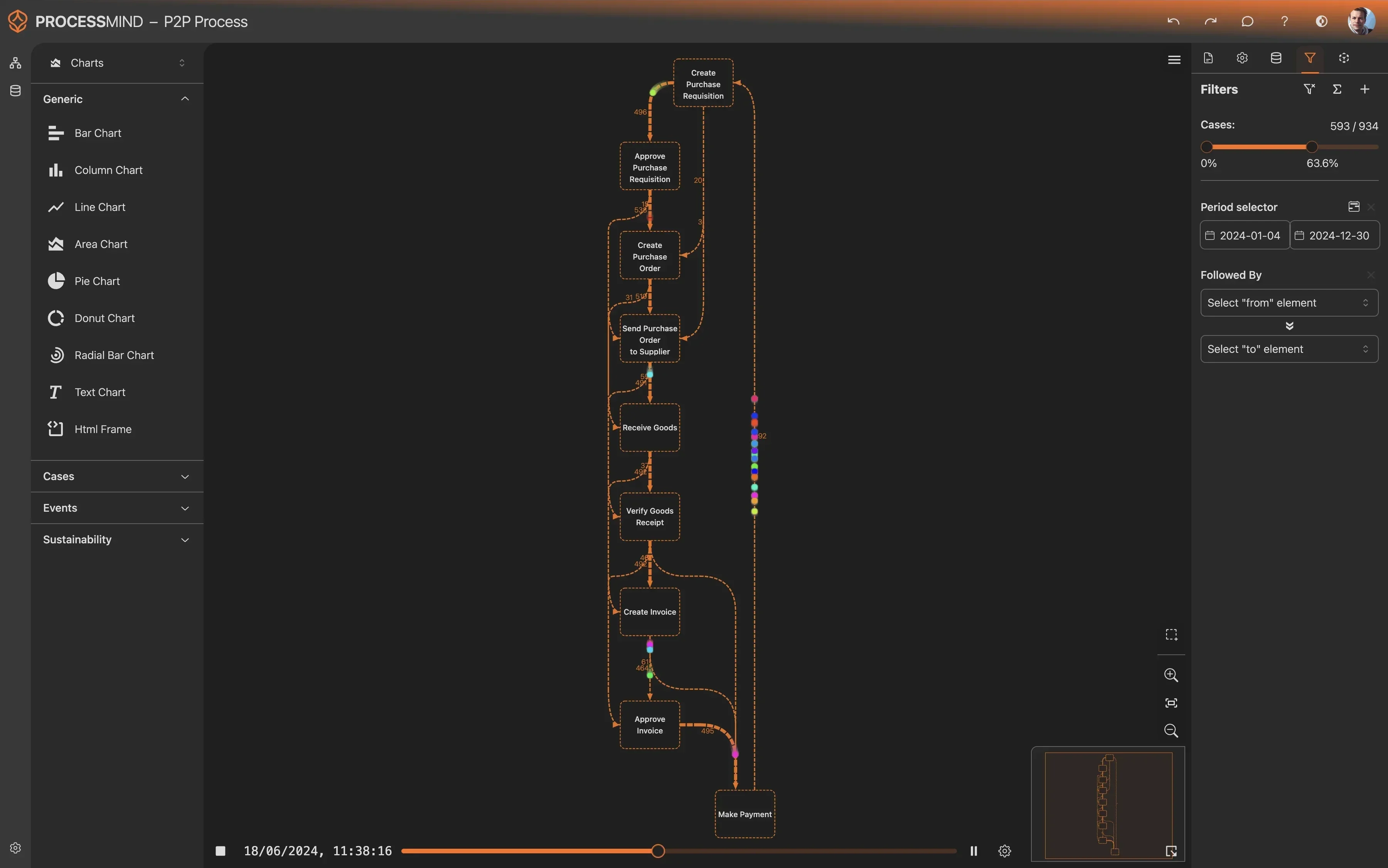
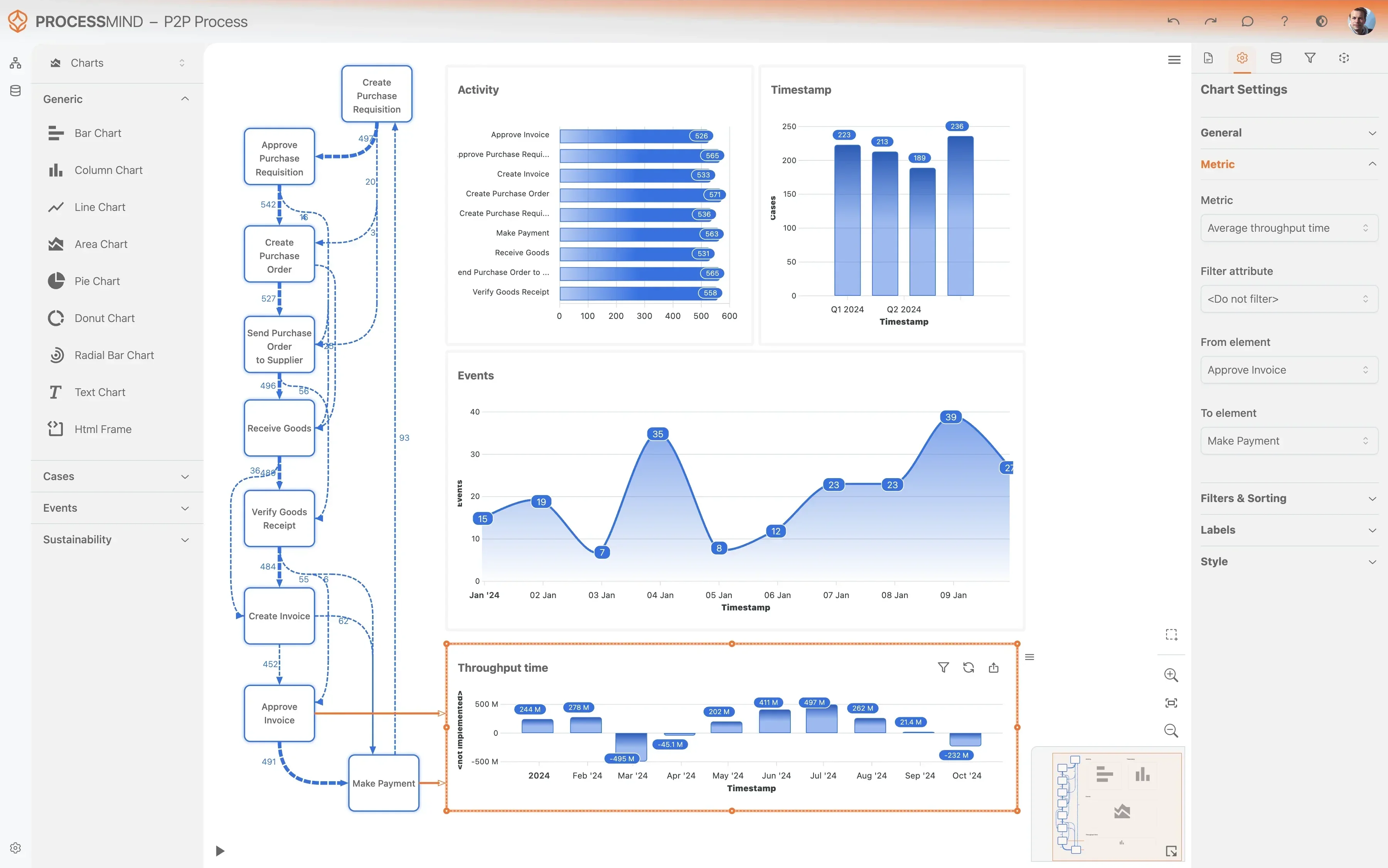
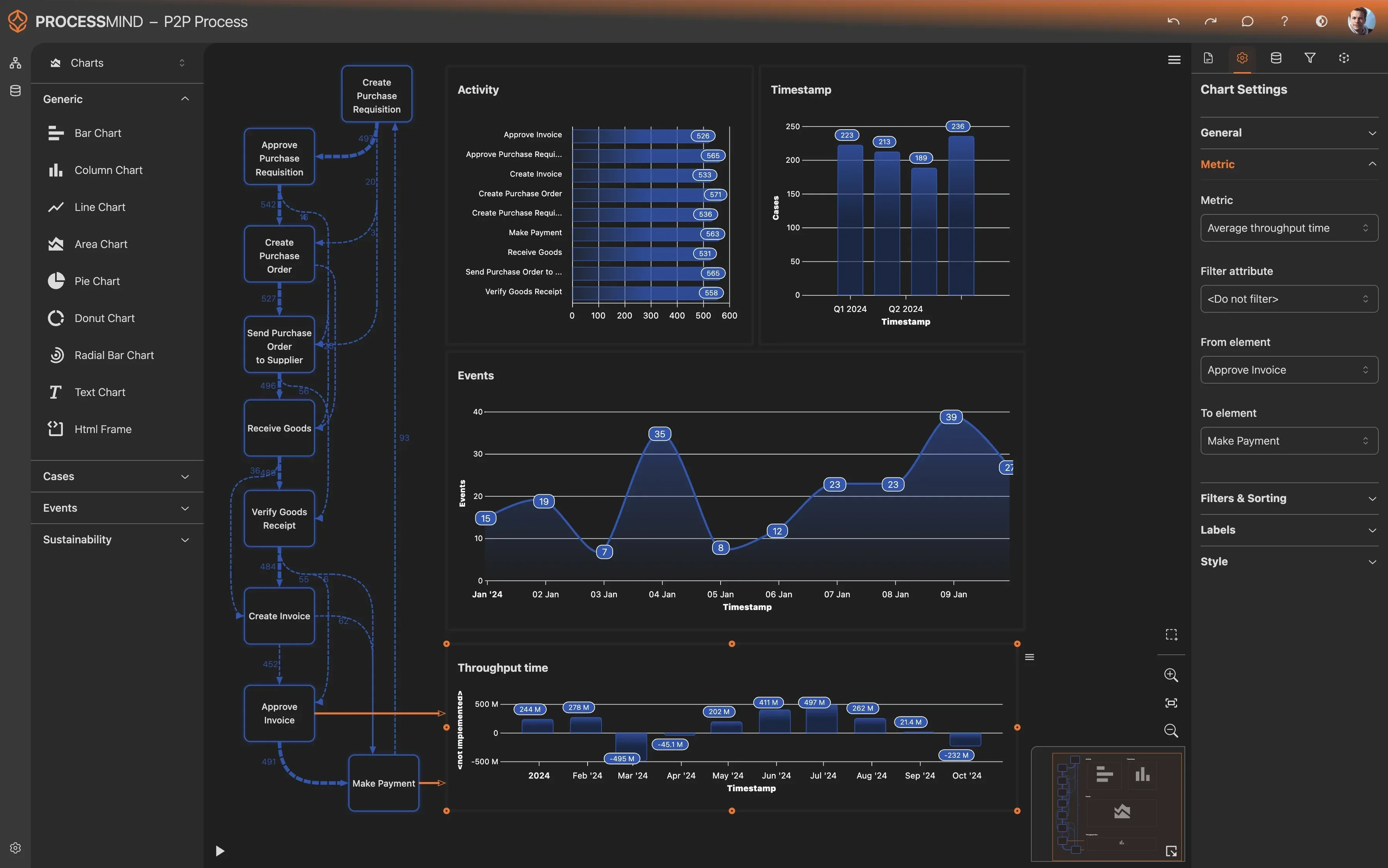
Explore the auto-generated dashboards, process maps, and AI-driven recommendations to understand the end-to-end flow of Position Management.
Why it matters
Gaining deep visibility into process variations, bottlenecks, and root causes helps pinpoint inefficiencies and areas for strategic improvement.
Expected outcome
Clear visual insights into your Workday HCM Position Management process, including identified bottlenecks and improvement opportunities.
Implement Improvements
What to do
Prioritize the identified opportunities and deploy targeted changes to optimize Position Management in Workday HCM, such as streamlining approvals.
Why it matters
Acting on data-driven insights ensures that changes are impactful, leading to measurable improvements in efficiency, compliance, and cost-effectiveness.
Expected outcome
Concrete actions taken within Workday HCM to address process inefficiencies and enhance the overall Position Management flow.
Monitor Your Process
What to do
Periodically re-upload updated Position Management data from Workday HCM to track the impact of your implemented improvements over time.
Why it matters
Continuous monitoring validates the effectiveness of changes, sustains process health, and supports an ongoing culture of operational excellence.
Expected outcome
Ongoing measurement of key performance indicators (KPIs) for Position Management, demonstrating tangible process improvements.
TYPICAL OUTCOMES
Elevating Position Management with Process Mining
These outcomes demonstrate the significant improvements organizations achieve by leveraging process mining to optimize their Hire to Retire - Position Management workflows within Workday HCM. By identifying bottlenecks and inefficiencies, businesses can streamline operations and enhance strategic workforce planning.
Reduction in new position approval time
Process mining identifies and removes bottlenecks in the approval workflow, significantly speeding up the creation of new positions. This enables organizations to fill critical roles much faster, reducing time to hire.
Increase in compliant position actions
By visualizing deviations from standard procedures, process mining ensures that all position actions, from creation to deactivation, consistently include necessary compliance reviews. This minimizes regulatory risks and audit exposure.
Decrease in post-creation attribute modifications
Pinpointing the root causes of data errors during initial position setup dramatically reduces the need for subsequent attribute modifications. This improves data accuracy, streamlines HR operations, and frees up valuable HR team time.
Faster closure of inactive positions
Optimizing the deactivation process for closed positions ensures they are formally removed from the system promptly. This maintains budget accuracy, cleans up HR master data, and improves resource allocation.
Reduction in position lifecycle variants
Process mining reveals hidden variations in the position management lifecycle, allowing for standardization of workflows. This enhances operational consistency, simplifies training, and provides a clearer view of the end-to-end process.
Results vary based on process complexity, organizational structure, and data quality. These figures represent typical improvements observed across various process mining implementations.
Recommended Data
FAQs
Frequently asked questions
Process mining visualizes the actual flow of your position management processes in Workday, uncovering hidden bottlenecks and deviations. It highlights inefficiencies in approvals, data updates, and deactivations, which helps pinpoint exact areas for improvement. By understanding the real process, organizations can make data-driven decisions to streamline operations and enhance overall efficiency.
For position management, you primarily need event log data related to position actions, such as creation, updates, approvals, and deactivations. Key attributes include a unique Position ID as the case identifier, an activity name for each step, and a timestamp for when each activity occurred. Additionally, relevant data like approver roles, position status, and reason codes provide valuable context for analysis.
Data extraction from Workday typically involves utilizing standard Workday reporting tools, custom reports, or Workday APIs. You'll need to define reports that capture the position ID, activity type, and timestamps for each event in the position lifecycle. Ensure the extracted data maintains a chronological order of events for accurate process reconstruction.
Process mining can expose slow approval cycles for new positions, policy non-compliance in position actions, and inconsistent position data. It helps identify frequent rework, inefficient budget approvals, and stalled processes for frozen or suspended positions. By visualizing these patterns, organizations can target root causes and implement effective solutions.
You can expect accelerated new position approval cycles and improved data accuracy across your Workday system. Process mining helps ensure 100% compliance in position actions and expedites the deactivation of closed positions. Ultimately, it leads to enhanced end-to-end position visibility and more streamlined operations.
The initial data extraction and model setup can take a few weeks, depending on data complexity and resource availability. However, once the data pipeline is established, you can typically generate initial actionable insights within 4-6 weeks. Continuous monitoring then provides ongoing optimization opportunities.
You will need access to Workday reporting capabilities or APIs to extract the required event log data. A process mining tool or platform is also necessary to ingest, model, and analyze this data. Basic data manipulation skills, like SQL or scripting, can be beneficial for data preparation.
Yes, process mining is highly effective for compliance checking in position management. It can automatically detect deviations from defined workflows and highlight instances where policy rules were bypassed or not followed. This allows organizations to proactively address non-compliance and reinforce governance.
Optimize Workday HCM Hire to Retire Position Management Now
Identify inefficiencies and reduce your position management cycle time by 30%.
No credit card required, start your free 14-day trial.