Improve Your Accounts Receivable

Select a process
Choose a process to continue working in your connected workspace.
Optimize HighRadius Accounts Receivable for Better Cash Flow
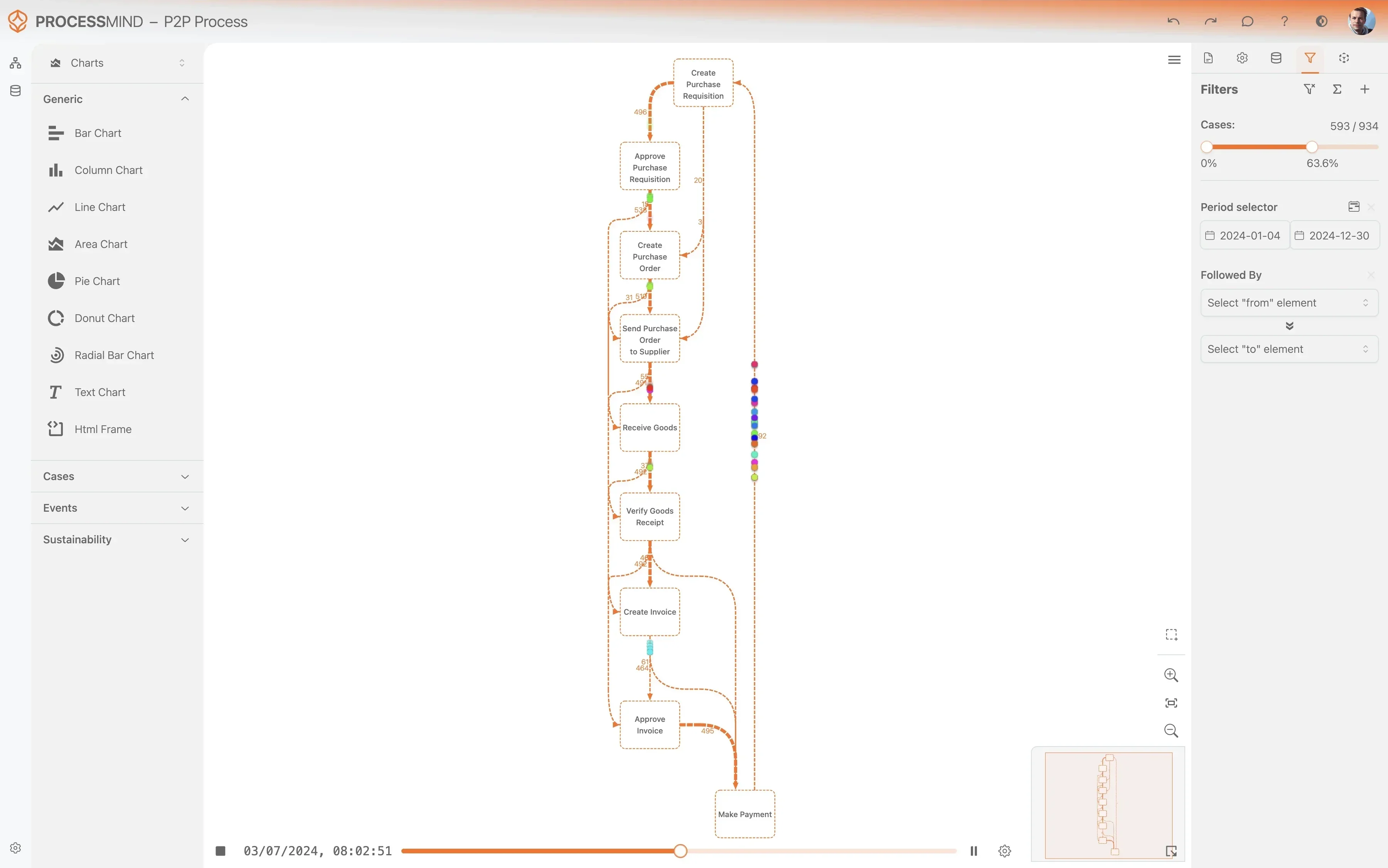
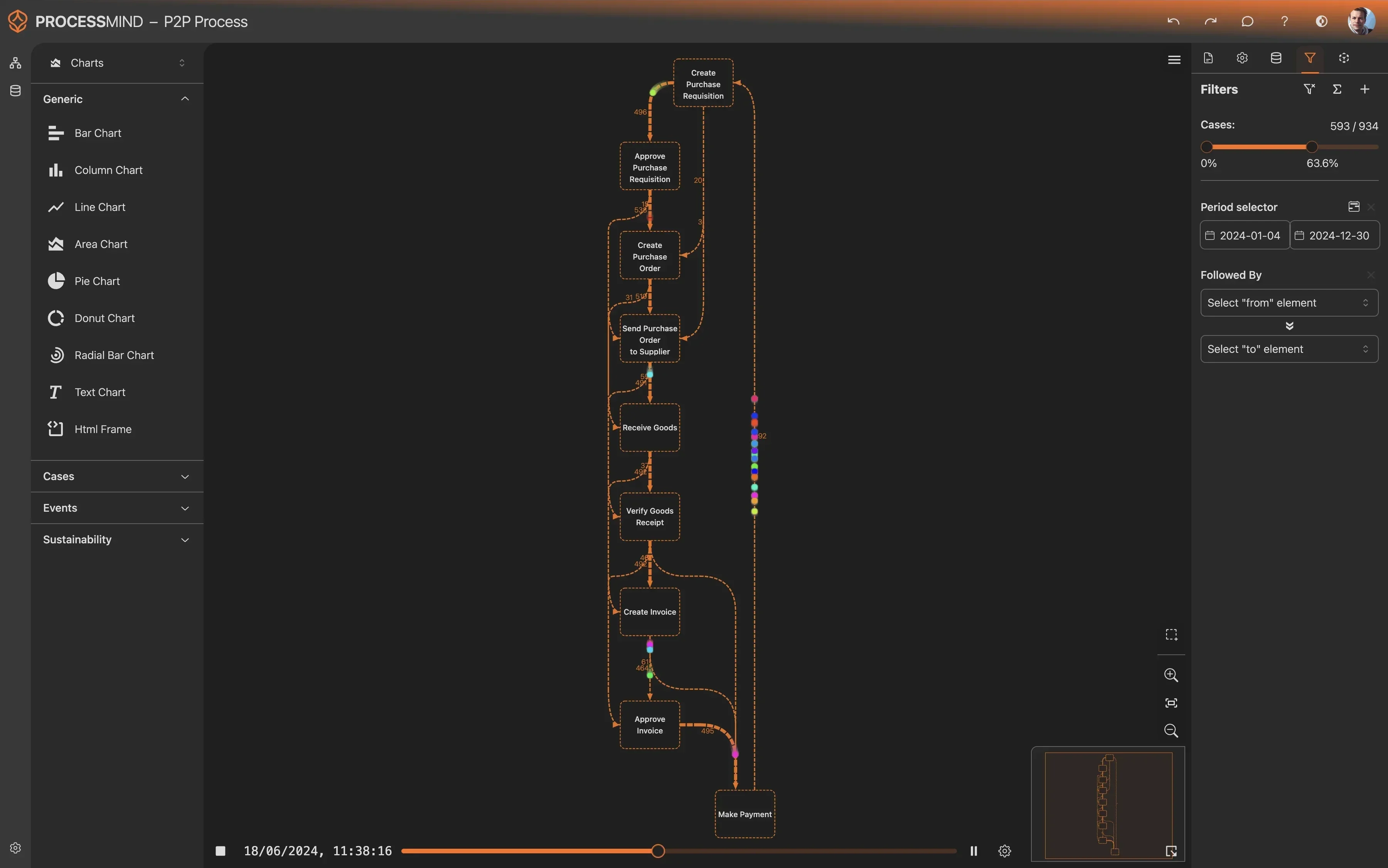
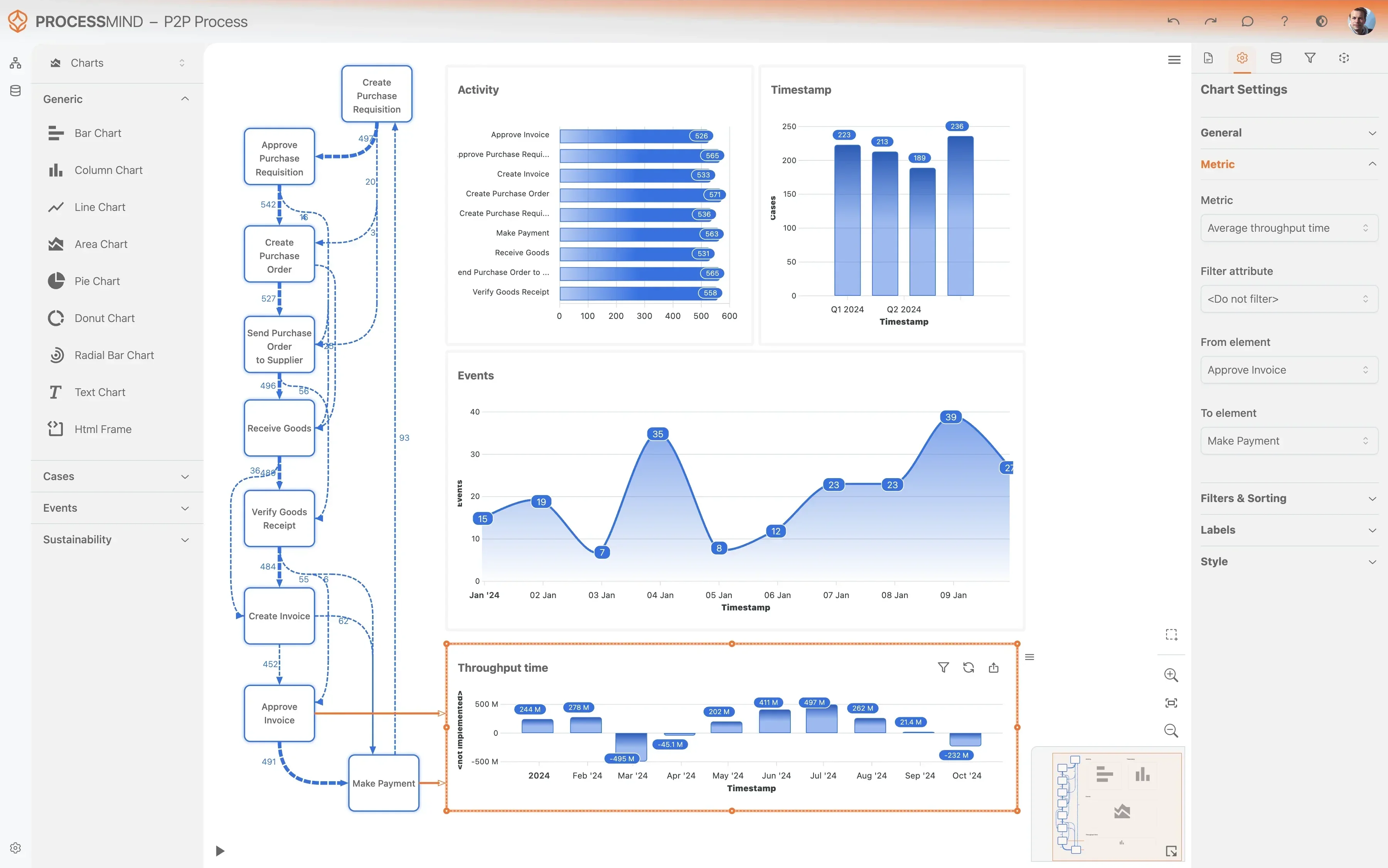
Our platform helps you pinpoint hidden bottlenecks and process friction that lead to payment delays. You can visualize the complete invoice journey to see where manual tasks slow down your financial operations. This visibility allows you to streamline workflows and improve overall cash flow management.
Download our pre-configured data template and address common challenges to reach your efficiency goals. Follow our six-step improvement plan and consult the Data Template Guide to transform your operations.
Show detailed description
The Strategic Imperative for Accounts Receivable Excellence
In the modern enterprise landscape, managing liquidity is more than just a back office function. It is a strategic lever for growth. When your Accounts Receivable operations are efficient, your organization enjoys a steady stream of working capital that can be reinvested into innovation and market expansion. However, many teams struggle with fragmented data and manual processes that hide the true status of their invoices. HighRadius provides a powerful, AI driven environment to manage these transactions, but the sheer volume of data can often obscure underlying inefficiencies. By focusing on how to improve Accounts Receivable through systematic analysis, you can transform your credit to cash cycle from a cost center into a competitive advantage. This transformation is not just about faster payments, it is about building a more resilient and predictable financial foundation.
Decoding Complex Invoice Lifecycles with Process Mining
Process mining offers a unique lens through which to view your HighRadius workflows. While traditional reporting tells you what happened, process mining shows you how it happened. By extracting digital footprints from HighRadius, you can reconstruct every step an invoice takes, from the moment it is generated to the final bank reconciliation. This visibility is crucial because it reveals the hidden deviations that slow down your cash flow. You might find that invoices for specific customer segments are consistently delayed due to missing documentation or that certain dispute codes trigger lengthy review cycles that could be automated. This data driven approach allows you to move beyond anecdotal evidence and make decisions based on the actual behavior of your financial processes, ensuring that your optimization efforts are directed where they will have the most significant impact.
Targeting High Impact Areas for Process Optimization
One of the primary benefits of using process mining in a HighRadius environment is the ability to pinpoint exact bottlenecks. For instance, dispute management is often a major source of friction. When a customer disputes an invoice, the clock stops on payment, and the cycle time begins to balloon. Process mining helps you identify if these disputes are stuck in a queue, awaiting internal approval, or if they are the result of recurring billing errors that can be fixed at the source. Additionally, you can analyze the effectiveness of your collection strategies to learn how to reduce Accounts Receivable cycle time. By comparing the success rates of different reminder sequences and payment terms, you can refine your outreach to prioritize high value accounts or those with a higher propensity to pay, thereby reducing your Days Sales Outstanding. This granular level of insight allows for the creation of more effective, personalized collection strategies that respect customer relationships while accelerating cash inflow.
Realizing Concrete Business Outcomes
The ultimate goal of process optimization is to drive measurable improvements in financial performance. When you streamline your AR processes in HighRadius, you directly influence the bottom line. Reducing the time it takes to resolve disputes and process payments leads to a significant decrease in the cost of capital. Furthermore, by identifying and eliminating manual rework, such as correcting misapplied payments or resending invoices, you free up your team to focus on high priority strategic tasks. Compliance and audit readiness also improve as you gain a transparent, end to end audit trail for every transaction. This level of control ensures that your financial reporting is accurate and that your organization adheres to both internal policies and external regulations, reducing the risk of audit findings and financial restatements.
Initiating Your Transformation Strategy
Improving your Accounts Receivable performance is an iterative journey that starts with a clear understanding of your current state. By leveraging the advanced capabilities of HighRadius alongside the deep insights provided by process mining, you can begin to peel back the layers of complexity in your billing and collections. Start by focusing on a specific business unit or customer segment where you suspect inefficiencies exist. Use the data to validate your hypotheses, implement targeted changes, and continuously monitor the impact on your key performance indicators. This proactive approach ensures that your AR operations remain agile and responsive to the needs of the business, ultimately securing your financial health in an ever changing market. As you refine these processes, you will create a scalable model for excellence that can be applied across your entire financial organization.
The 6-Step Improvement Path for Accounts Receivable
Download the Template
What to do
Download the pre-configured Excel template for HighRadius to ensure your data structure matches the required format for process mining.
Why it matters
Starting with a standardized template prevents mapping errors and ensures all critical AR events, like credit memos and clearing, are captured.
Expected outcome
A ready-to-use Excel framework tailored for HighRadius data.
Export Your Data
What to do
Extract three to six months of historical AR data from HighRadius, including invoice status changes and collection activities.
Why it matters
Historical data allows you to identify long-term trends in payment behavior and pinpoint recurring bottlenecks in your credit-to-cash cycle.
Expected outcome
A comprehensive data file ready for transformation and analysis.
Upload Your Dataset
What to do
Upload your populated file to the platform to trigger the automated analysis engine and generate your process map.
Why it matters
Securely uploading your data enables the system to build a digital twin of your actual AR process, moving beyond theoretical models.
Expected outcome
An active process model reflecting your real-world AR workflows.
Analyze Your Process
What to do
Examine the auto-generated dashboards to find friction points in dispute management and identify causes of payment delays.
Why it matters
Visualizing the actual flow reveals hidden loops and manual workarounds that slow down the reconciliation process and increase DSO.
Expected outcome
Data-backed insights into bottlenecks and process deviations.
Implement Improvements
What to do
Apply AI-driven recommendations to optimize collection strategies and streamline the resolution of customer disputes.
Why it matters
Targeting high-impact areas first ensures you maximize working capital and improve the efficiency of your collection agents.
Expected outcome
Execution of targeted process changes to improve cash flow.
Monitor Your Process
What to do
Periodically upload fresh data from HighRadius to track the effectiveness of your changes and maintain high performance.
Why it matters
Continuous monitoring ensures that process improvements stick and helps you detect new inefficiencies before they impact your bottom line.
Expected outcome
A sustainable, high-performing Accounts Receivable process.
PROVEN OUTCOMES
The Impact of Process Intelligence on Accounts Receivable
Organizations leveraging process mining within HighRadius gain deep visibility into the lifecycle of an Invoice Number, identifying bottlenecks that delay payment. These benchmarks highlight how data-driven insights lead to faster collections and improved working capital.
Reduction in average DSO
By identifying bottlenecks between invoice creation and clearing, organizations accelerate cash conversion and improve overall working capital management.
Increase in matching rates
Optimizing the HighRadius matching engine reduces manual rework, allowing bank statements to be reconciled automatically without human intervention.
Reduction in cycle times
Streamlining the investigation process from the moment a dispute is opened ensures that contested invoices are resolved quickly, preventing long term aging.
Increase in on-time payments
Enhanced visibility into customer behavior helps teams enforce contractual terms and identify segments that frequently miss due dates.
Reliability of commitments
Refining the timing of payment reminders leads to more reliable customer commitments and a significant increase in promise to pay fulfillment rates.
Decrease in partial payments
Standardizing reconciliation procedures for partial payments minimizes the administrative burden on collection agents and simplifies the audit trail.
Results vary based on process complexity and data quality. These figures represent typical improvements observed across diverse implementations.
Recommended Data
FAQs
Frequently asked questions
Process mining uses your HighRadius event logs to reconstruct every step of the invoice lifecycle, from generation to final clearing. By using the Invoice Number as a unique identifier, it reveals exactly where bottlenecks like manual disputes or payment delays occur. This provides a transparent view of the actual process flow rather than idealized diagrams.
To get started, you need to extract activity logs that include the Invoice Number, a timestamp, and the specific action performed, such as invoice issued or payment received. Most organizations connect via API or standard database exports to pull records from the billing and collection modules. This data allows the software to map the sequence of events across your entire credit to cash cycle.
Yes, process mining identifies specific friction points that delay payments, such as ineffective collection reminder timing or slow dispute resolutions. By uncovering these root causes, teams can implement targeted changes to accelerate cash flow and meet the goal of reducing DSO by 20 percent. It moves the focus from chasing every invoice to fixing the systemic issues that cause delays.
While standard reports provide snapshots of current aging or total outstanding balances, process mining shows the movement between these states. It highlights the non linear paths, such as repeated payment promises or fragmented partial payments, which static reports often miss. This perspective allows you to see the real behavior of your customers and collection agents over time.
Most organizations can see their initial process maps within two to four weeks after the data extraction is established. This initial phase focuses on identifying the most significant bottlenecks in the cash application and dispute workflows. From there, continuous monitoring allows for ongoing optimization and tracking of improvement goals like automated matching rates.
The software tracks the path of every disputed invoice to show where they stall, whether it is during internal validation or waiting for customer feedback. You can identify if a high volume of low value disputes is consuming disproportionate resources and then automate those resolutions. This transparency helps standardize the credit memo issuance process and clears balances faster.
By analyzing the steps where manual intervention is required, process mining identifies why certain payments fail to match automatically. It reveals patterns in manual cash application that suggest where HighRadius configuration or incoming data quality needs improvement. Addressing these patterns helps increase the rate of touchless posting and reduces the burden on your finance team.
Data can be pseudonymized or masked during the extraction process so that sensitive customer details remain protected while process patterns stay visible. Organizations typically apply security protocols that comply with internal financial audits and international data privacy regulations. This ensures that the analysis remains focused on process efficiency without compromising data integrity.
Optimize Accounts Receivable and Recover Cash Flow Today
Reduce your DSO by 15 to 20 days with automated process insights
No credit card required... Setup in minutes