Improve Your Asset Maintenance

A 6-step guide to Hexagon EAM optimization
Improve Your Asset Maintenance

Optimize Hexagon EAM Asset Maintenance for Lower Downtime

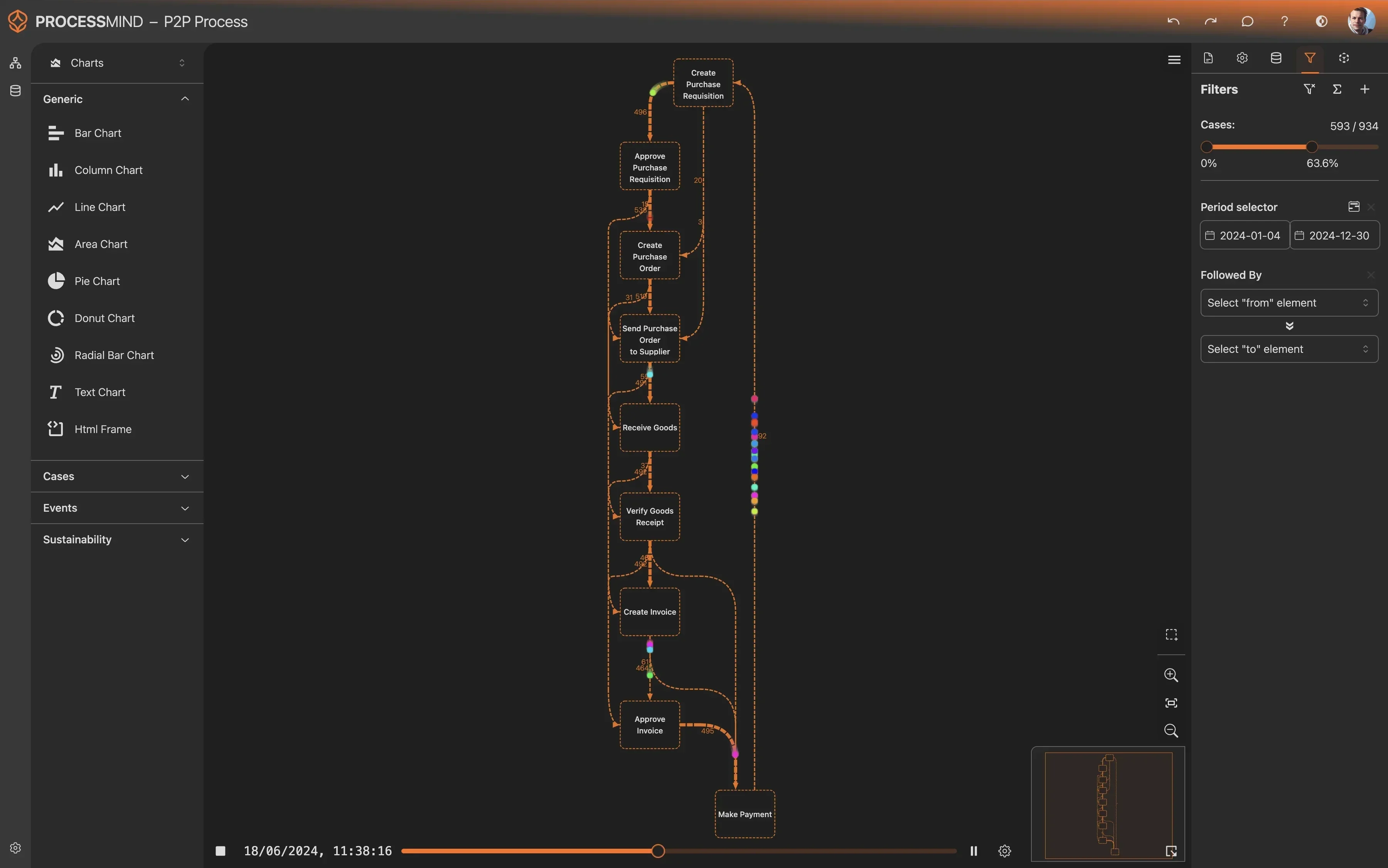
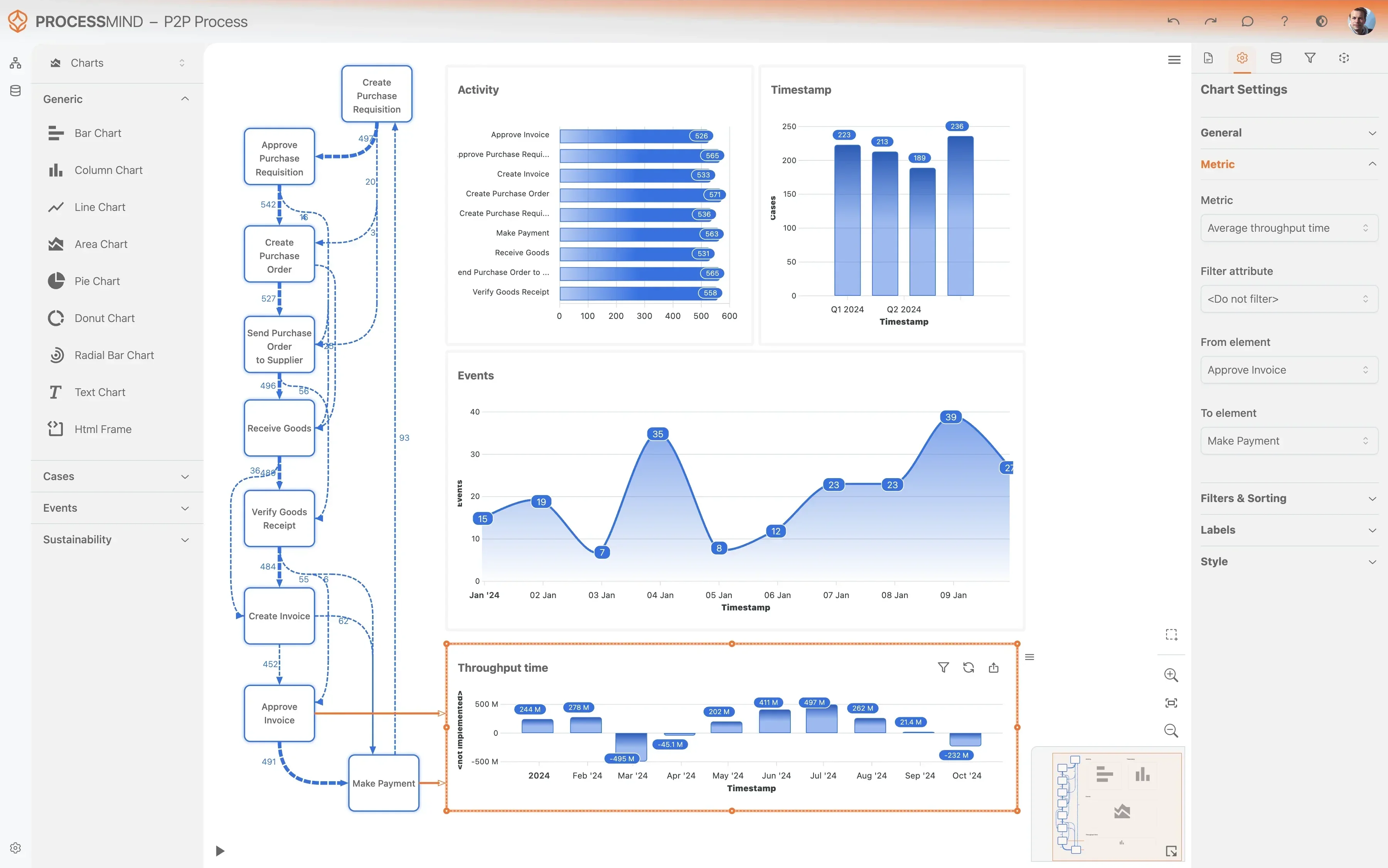
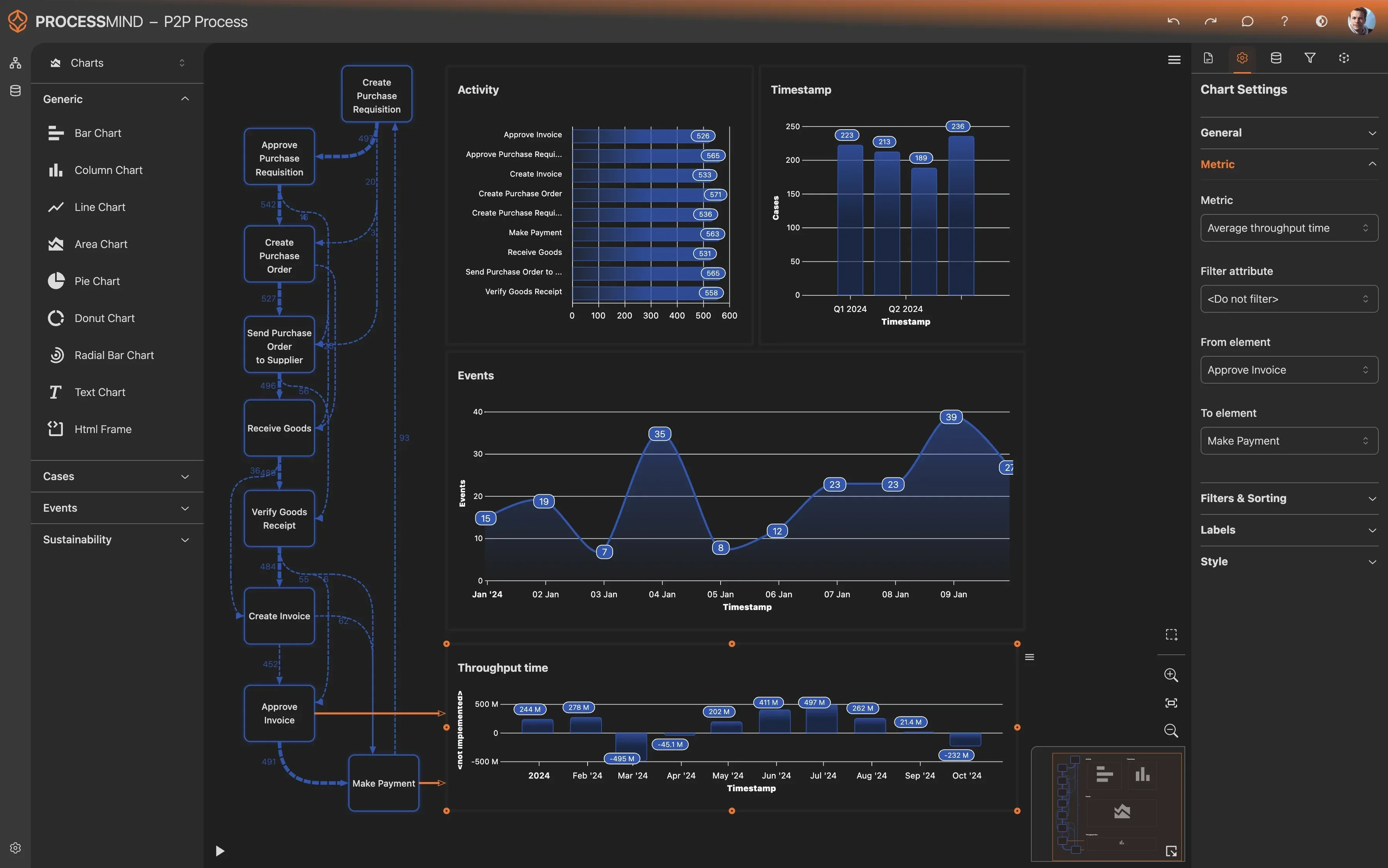
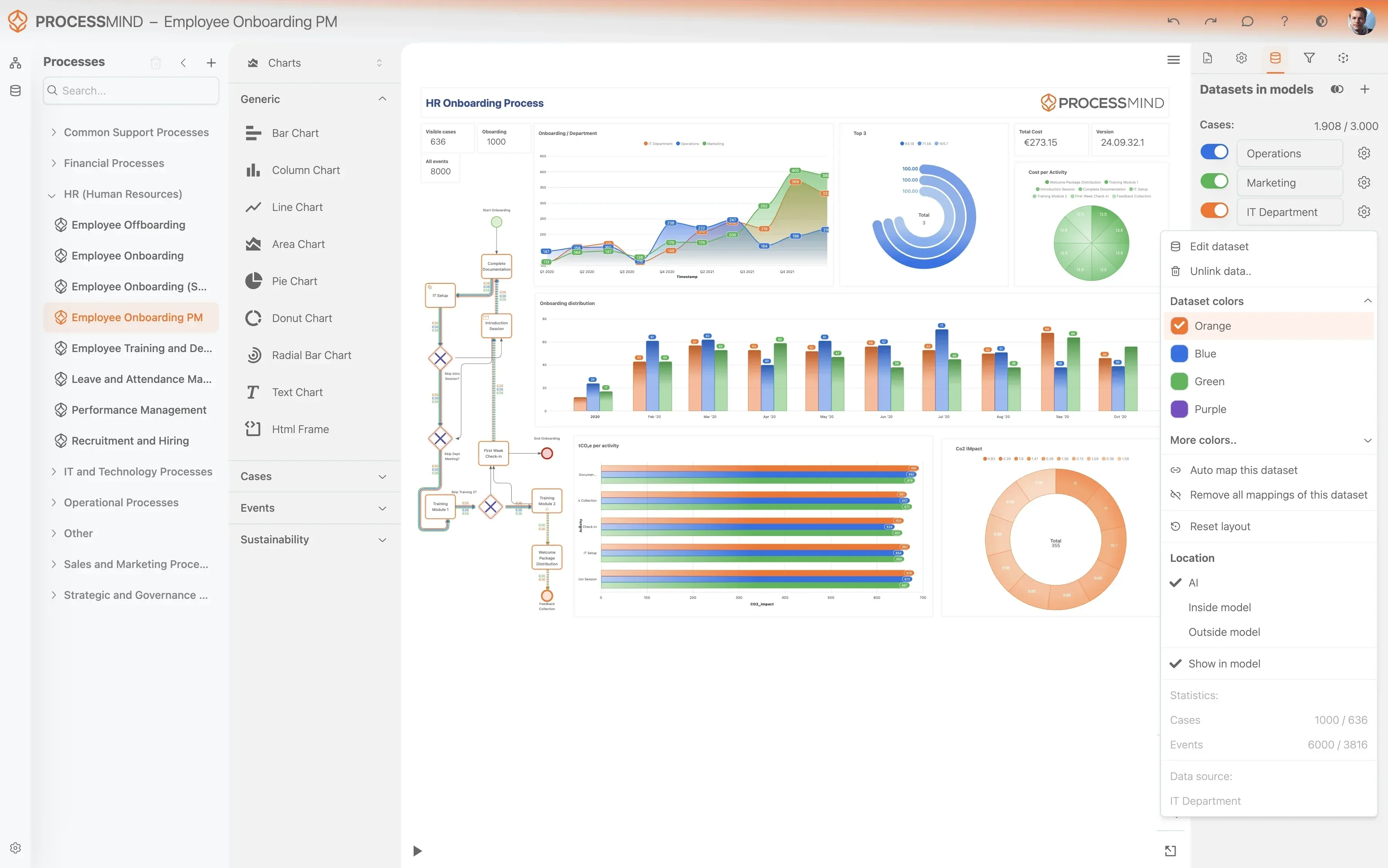
Our platform provides deep visibility into your workflows to pinpoint where delays and resource gaps occur. By analyzing the flow of work, you can identify hidden bottlenecks that lead to equipment downtime or compliance risks. Use these insights to streamline your operations and ensure more predictable maintenance outcomes.

Download our pre-configured data template and address common challenges to reach your efficiency goals. Follow our six-step improvement plan and consult the Data Template Guide to transform your operations.

Show detailed description

The Strategic Value of Optimizing Asset Maintenance

In asset intensive industries, the maintenance department is often viewed through the narrow lens of cost control, yet its true impact lies in equipment availability and operational safety. When your Asset Maintenance process becomes inefficient, the consequences ripple across the entire organization. Unplanned downtime leads to missed production targets, while poorly managed preventive maintenance can result in premature equipment failure. Optimizing these workflows within Hexagon EAM is not just about closing work orders faster, it is about ensuring that every resource, from technical labor to expensive spare parts, is utilized to its highest potential. By focusing on process optimization, you shift your strategy from reactive firefighting to a proactive, reliable model of operation.

Transforming Hexagon EAM Data into Actionable Intelligence

Hexagon EAM is a powerful engine for capturing maintenance activities, but the sheer volume of status updates and historical records can make it difficult to see the forest for the trees. This is where process mining acts as a bridge between raw data and strategic decision making. By analyzing the digital footprints left by every work order, you can reconstruct the actual flow of maintenance tasks as they happen in the real world. This goes beyond traditional reporting by showing you exactly where work stalls, where approvals are delayed, and where the intended process deviates into inefficient workarounds. Instead of guessing why a specific asset category always seems to have a backlog, you can visualize the exact sequence of events that leads to those delays.

Identifying Structural Inefficiencies in the Maintenance Lifecycle

One of the most significant advantages of analyzing your maintenance process is the ability to separate active wrench time from administrative or logistical waiting time. In many Hexagon EAM environments, a work order might spend seventy percent of its life in a pending status, waiting for parts, specialized tools, or supervisor sign off. Process mining allows you to quantify these hidden bottlenecks. For instance, you might discover that the transition from Work Order Generated to Technical Inspection Completed is consistently hampered by a lack of mobile device synchronization or delayed communication between departments. By identifying these structural gaps, you can implement targeted improvements, such as optimizing your material requisition workflow or streamlining the scheduling of high priority tasks.

Realizing Measurable Gains in Equipment Reliability

The ultimate goal of improving your Asset Maintenance process is to enhance the reliability and longevity of your equipment while reducing the total cost of ownership. When you reduce the cycle time of a maintenance intervention, you directly impact your Mean Time to Repair (MTTR) and increase the overall equipment effectiveness (OEE). Furthermore, a streamlined process ensures that compliance and safety standards are not just met, but are documented accurately within Hexagon EAM. This level of transparency is invaluable during regulatory audits, as it proves that every required inspection and testing activity was performed in the correct order and within the mandated timeframe. The result is a more resilient operation that can predict its maintenance needs rather than simply reacting to failures.

Initiating Your Journey Toward Data Driven Maintenance

Improving your maintenance operation is a continuous journey rather than a one time project. The first step is to embrace the data you already have within Hexagon EAM and use it to hold a mirror up to your current practices. As you begin to explore the insights provided by process analysis, focus on small, high impact changes that build momentum for larger digital transformation initiatives. By systematically addressing the bottlenecks and deviations revealed in your maintenance flow, you empower your team to work smarter, keep your assets running longer, and contribute directly to the bottom line of your organization.

Asset Maintenance Work Order Management Equipment Reliability Maintenance Manager Facilities Management Reliability Engineering MRO Supply Chain

Common Problems & Challenges

Identify which challenges are impacting you

Work orders often linger in the initial stages while waiting for technical planning or resource estimation, causing significant delays in critical equipment repairs. This inefficiency in Hexagon EAM leads to increased machine downtime and forces maintenance teams into a reactive mode rather than a proactive one. ProcessMind visualizes the transition times between work order generation and scheduling to pinpoint where the planning process stalls. By identifying these bottlenecks, managers can adjust planning workflows and resource allocations to speed up the maintenance cycle.

A heavy reliance on unplanned emergency work orders creates chaos in resource scheduling and significantly inflates maintenance costs. When the majority of tasks are reactive, it prevents the team from performing essential preventive maintenance, which eventually degrades the overall health of the asset portfolio. Our platform analyzes the request source and maintenance type attributes within Hexagon EAM to reveal the frequency of emergency versus planned work. This visibility allows organizations to shift their focus toward preventive strategies and reduce the high costs associated with urgent repairs.

Maintenance tasks frequently grind to a halt because necessary spare parts are not available when the work is scheduled to commence. These material-related delays in Hexagon EAM disrupt technician schedules and prolong the time assets remain out of service, negatively affecting operational productivity. ProcessMind tracks the material requisition activity and its correlation with work commencement to identify systemic supply chain issues. By uncovering these gaps, maintenance managers can optimize inventory levels and ensure that parts are ready exactly when the technical team needs them.

High-cost or high-priority maintenance tasks often face long wait times for management or safety approvals, creating unnecessary friction in the maintenance lifecycle. These administrative delays prevent technicians from starting work, even when assets are in a critical state of failure. By mapping the path from work order generation to approval sign-off, our solution highlights specific nodes where approvals are stalling. This insight enables organizations to streamline their internal authorization workflows within Hexagon EAM and reduce the total time to repair.

Skipping or rushing through quality control testing and sign-off activities creates significant safety risks and potential for equipment rework. When these critical verification steps are not consistently performed in Hexagon EAM, the likelihood of recurring failures and asset damage increases. ProcessMind monitors the sequence of activities to ensure that quality control testing is executed for every relevant work order before it is closed. This provides a transparent audit trail that helps maintenance leaders maintain high safety standards and operational reliability.

A growing volume of aged work orders that remain open without progress indicates a failing maintenance strategy and hidden technical debt. These backlogs in Hexagon EAM obscure the true state of asset health and make it difficult for management to prioritize the most critical repairs. Our analysis identifies stale work orders by calculating the time elapsed since the last activity, allowing for a thorough cleanup of the backlog. Managers can then focus on clearing old tasks and improving the throughput of the maintenance department.

Large discrepancies between estimated labor hours and actual hours recorded often lead to poor resource planning and budget overruns. Without accurate data on how technicians spend their time, it is nearly impossible to optimize the maintenance schedule or justify additional staffing needs. ProcessMind compares estimated cost and labor hours used across different asset categories and maintenance types. This data-driven approach helps teams refine their estimation models in Hexagon EAM and ensures that human resources are deployed as efficiently as possible.

When work orders are frequently reopened or require follow-up tasks shortly after completion, it suggests that the original repair was not performed correctly. This cycle of rework wastes valuable labor hours and increases the total cost of ownership for assets. By analyzing the event logs for reopened cases or repetitive activities on the same asset, our platform identifies patterns of low-quality execution. This allows maintenance supervisors to address skill gaps and improve the technical training of their staff.

Relying on external contractors for maintenance often results in variable lead times and unpredictable service quality, which can disrupt internal operations. Without clear visibility into contractor execution speeds within Hexagon EAM, it is difficult to hold vendors accountable to their service level agreements. ProcessMind segments the maintenance process by assigned technician and department to compare internal versus external performance. This transparency helps organizations negotiate better contracts and select the most reliable service providers for critical tasks.

The time gap between the physical completion of a repair and the final financial settlement often leads to inaccurate budget tracking and reporting. When costs are not booked promptly in Hexagon EAM, it creates a distorted view of maintenance spending and complicates end-of-period financial closures. Our solution tracks the flow from work order completion to financial settlement, identifying administrative bottlenecks in the accounting process. By shortening this cycle, organizations gain a more real-time view of their maintenance expenses and improve overall financial governance.

Over-using high-priority tags for non-critical repairs leads to a cry wolf effect, where truly urgent issues are buried under a mountain of urgent-looking work orders. This practice in Hexagon EAM saturates resources and prevents the team from focusing on the equipment that most affects production. ProcessMind evaluates the distribution of priority levels against actual criticality scores and asset categories. This analysis helps management enforce stricter priority guidelines and ensures that maintenance efforts are aligned with business-critical needs.

Failure to update maintenance records accurately and in the correct sequence can lead to serious regulatory compliance issues and audit failures. Incomplete data entry during the work order lifecycle makes it difficult to prove that safety protocols were followed during hazardous repairs. By analyzing the sequence of activities and the presence of required attributes, our platform flags work orders that do not meet documentation standards. This ensures that every maintenance action in Hexagon EAM is fully compliant and ready for inspection at any time.

Typical Goals

Define what success looks like

Speeding up the transition from a maintenance request to an actionable plan is vital for minimizing equipment downtime. Efficient planning ensures that technicians have clear instructions and necessary tools before arriving on site, which maximizes the productive capacity of the maintenance team and reduces asset unavailability. Moving from request to scheduled work faster helps maintain the overall health of the equipment portfolio.

ProcessMind identifies specific bottlenecks in the planning and estimating phase within Hexagon EAM. By visualizing the time spent in each planning sub-stage, managers can pinpoint where delays occur and implement automation to reduce lead times by up to 40 percent. This visibility allows for a more streamlined preparation phase, ensuring that resources are always ready for execution.

Shifting from reactive emergency repairs to planned preventive tasks significantly reduces unplanned downtime and lowers long-term repair costs. A proactive strategy allows for better resource leveling and ensures that critical assets are serviced before catastrophic failures occur. This transition improves the predictability of maintenance budgets and extends the useful life of expensive machinery.

Using process mining, organizations can compare the paths of emergency versus planned work orders to identify triggers for reactive work. ProcessMind helps reconfigure maintenance schedules to prioritize preventive activities, aiming for a 20 percent reduction in emergency interventions. By analyzing the root causes of breakdown cycles, managers can adjust their Hexagon EAM settings to favor proactive asset care.

Ensuring that materials and spare parts are available exactly when a technician is scheduled to perform work prevents idle time and multiple site visits. Effective synchronization between the procurement process and maintenance scheduling directly impacts the first-time fix rate. This goal focuses on aligning supply chain activities with technical maintenance needs to eliminate waiting periods.

ProcessMind tracks the material requisition lifecycle alongside the work order schedule to reveal gaps where work is paused due to missing parts. By optimizing these touchpoints in Hexagon EAM, companies can reduce procurement-related delays by a significant margin. The analysis shows exactly how long items sit in the requisition stage, allowing for better coordination with the warehouse and external suppliers.

Lengthy approval cycles for high-cost repairs or capital projects can leave critical assets in a non-functional state for too long. Streamlining these administrative workflows ensures that technical teams can proceed with repairs without unnecessary bureaucratic delays. Faster approvals translate directly into improved asset availability and more responsive maintenance service levels.

Process mining provides a clear view of the approval hierarchy and highlights specific levels where work orders linger. Managers can use these insights to adjust approval thresholds or automate simple authorizations in Hexagon EAM, potentially cutting administrative wait times in half. This ensures that high-priority maintenance tasks move through the system without getting stuck in management queues.

Reducing the frequency of rework is essential for maintaining high asset reliability and controlling labor costs. Every repeated task represents a waste of resources and an additional window of equipment unavailability that could have been avoided with better execution. Improving the quality of the initial repair ensures that assets remain operational for their full scheduled interval.

ProcessMind identifies patterns where work orders for the same asset are reopened shortly after closure. By analyzing these rework loops, maintenance leaders can identify training gaps or tool requirements needed to ensure technical tasks are executed correctly the first time. Eliminating these loops can improve technician efficiency by 15 percent or more across the entire department.

A manageable backlog is a sign of a healthy maintenance organization that can keep pace with equipment wear and tear. Reducing the volume of outstanding work orders prevents the accumulation of risk and ensures that secondary failures are caught during routine inspections. This focus on clearing the queue leads to a more stable and predictable operational environment.

Process mining reveals the age and status of every open work order, highlighting stagnant tasks that contribute to backlog growth. ProcessMind helps teams prioritize these aged items and reallocate resources to clear the queue, improving overall system throughput. By identifying why work orders stall in certain departments, the organization can implement targeted strategies to finish outstanding jobs faster.

Maximizing the time technicians spend on actual wrench time versus administrative or travel tasks is key to operational efficiency. Proper labor tracking ensures that the right skills are applied to the right tasks at the optimal time. This goal aims to eliminate non-productive hours and improve the overall capacity of the technical workforce.

By analyzing the time intervals between work order commencement and sign-off, ProcessMind identifies periods of low productivity or scheduling inefficiencies. This allows for better resource leveling and more accurate labor hour estimations within Hexagon EAM. Managers can use this data to refine scheduling algorithms and ensure that technicians are deployed as effectively as possible.

Consistent adherence to safety and quality protocols is non-negotiable in industrial environments. Standardizing these checks ensures that every piece of equipment returned to service meets regulatory requirements and internal performance standards. This reduces the risk of accidents and ensures that maintenance work always meets the required technical specifications.

Process mining monitors the sequence of activities to ensure that quality control testing and safety sign-offs occur in the correct order every time. ProcessMind alerts managers to deviations where steps are skipped, ensuring 100 percent compliance with safety mandates. This automated monitoring replaces manual spot checks with a comprehensive view of process adherence for every work order.

Closing the financial loop on maintenance activities is necessary for accurate budgeting and cost control. Faster settlement of work orders ensures that actual costs are reflected in financial statements promptly, allowing for more agile fiscal management. This transparency helps departments stay within budget and provides better data for future financial planning.

ProcessMind tracks the flow from work completion to final financial settlement, identifying manual steps or data errors that stall the process in Hexagon EAM. By removing these friction points, organizations can accelerate the financial lifecycle and improve the accuracy of their asset cost tracking. This leads to a significant reduction in the time required to reconcile maintenance expenditures each month.

Complete and accurate maintenance records are vital for passing audits and investigating asset failures. High-quality documentation provides a clear audit trail of what was done, when, and by whom, which protects the organization against liability. Consistent data entry also improves the quality of long-term asset history reports.

Process mining highlights work orders that are closed with missing or incomplete documentation steps. Using ProcessMind, administrators can enforce data entry standards and ensure that all mandatory fields and technical notes are populated before a work order moves to the next stage. This systematic approach to compliance ensures that the asset maintenance records in Hexagon EAM are always audit-ready.

For organizations that rely on third-party service providers, monitoring contractor efficiency is essential for cost management. Ensuring that contractors meet agreed-upon service levels and follow internal procedures prevents overspending and maintains quality. Improved oversight leads to better vendor relationships and more reliable service delivery.

ProcessMind allows for a side-by-side comparison of internal versus external maintenance performance. By analyzing lead times and rework rates for specific vendors, managers can negotiate better contracts and hold service providers accountable for their performance. This data-driven approach ensures that contractor spending delivers the expected value and adheres to organizational standards.

Effective maintenance requires that critical assets receive attention before low-priority equipment. Enforcing true priority levels prevents resources from being diverted to less important tasks, which could leave critical systems at risk. This ensures that the maintenance effort is always aligned with the most urgent needs of the operation.

Process mining detects instances where low-priority work orders are processed faster than high-priority ones. ProcessMind provides the transparency needed to realign team activities with actual business criticality scores, ensuring that resources are always focused where they matter most. This alignment helps reduce the risk of major production outages by protecting the most vital equipment.

Improving Asset Maintenance in Hexagon EAM

1

Download the Template

What to do

Download the Excel template designed for Hexagon EAM maintenance activities, including work order headers and status logs.

Why it matters

Starting with a predefined structure ensures your data aligns with process mining requirements, preventing mapping errors later.

Expected outcome

A standardized template ready for your maintenance data

YOUR MAINTENANCE INSIGHTS

Discover the Full Truth Behind Your Asset Lifecycles

ProcessMind uncovers every hidden detail in your Hexagon EAM workflows, from work order delays to compliance gaps. You will gain a crystal clear map of how your maintenance operations actually function in real time.
  • Map your end to end work order journey
  • Spot hidden bottlenecks in maintenance cycles
  • Compare performance across different asset types
  • Track real time KPIs to reduce equipment downtime
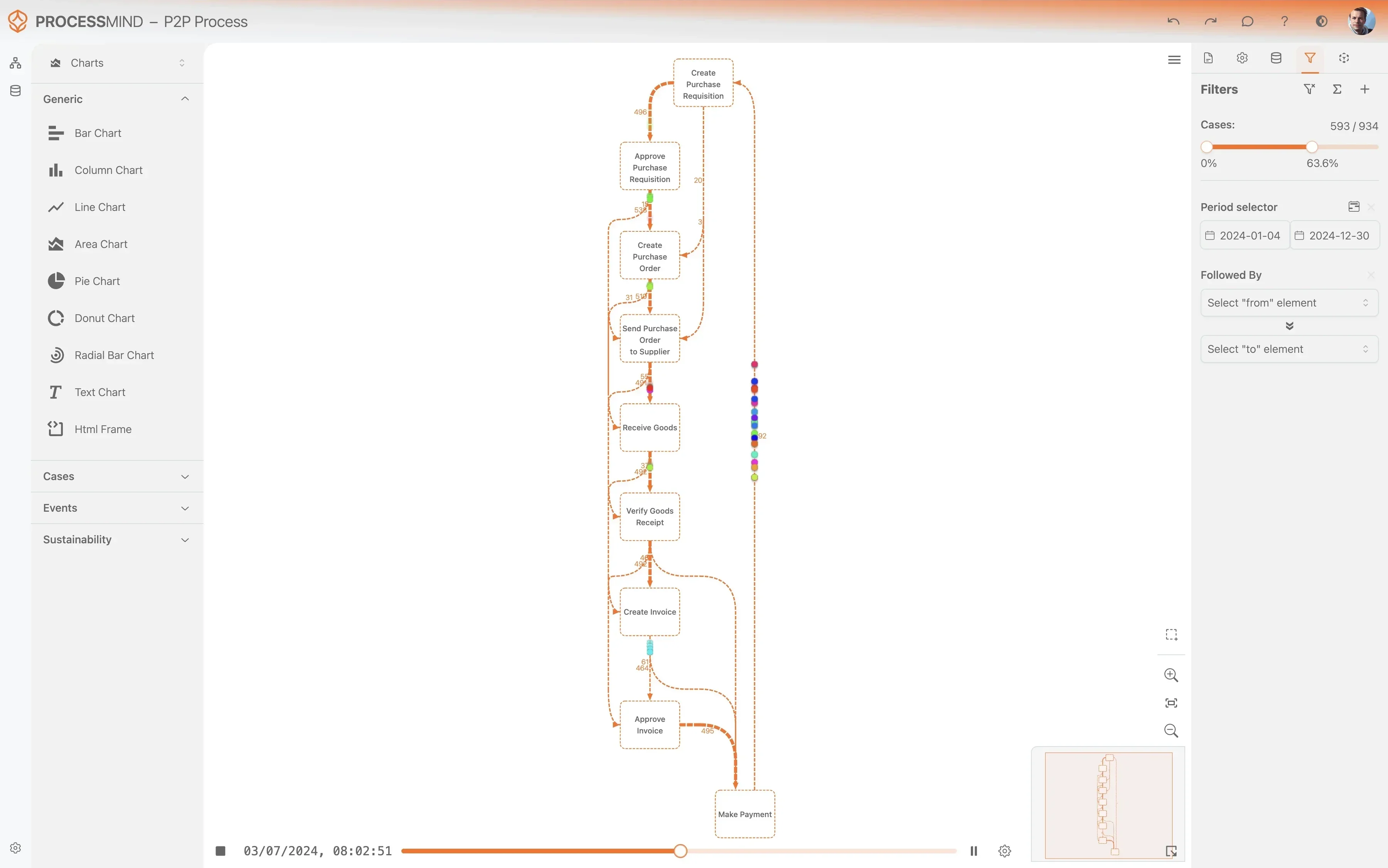
Discover your actual process flow
Identify bottlenecks and delays
Analyze process variants
Design your optimized process

TYPICAL OUTCOMES

Measurable Impact on Asset Performance

By analyzing Maintenance Work Order lifecycles within Hexagon EAM, organizations identify bottlenecks and inefficiencies that hinder asset reliability. These results demonstrate the efficiency gains achieved through data-driven process optimization.

+ 0 %
Shift to Preventive Care

Increase in proactive work

Organizations transition from reactive emergency repairs to planned preventive activities by identifying high frequency failure patterns within Hexagon EAM.

0 days
Accelerated Planning Cycle

Reduction in planning time

Reducing the time spent in the planning and estimating phase ensures that technicians receive work orders with the correct materials and instructions much faster.

0 %
Reduced Maintenance Rework

Lower repeat repair rates

Process mining detects work orders that require multiple technical interventions, helping managers address root causes like improper tool selection or skill gaps.

0 %
Safety Audit Compliance

Quality check documentation

Consistent monitoring of quality control testing ensures that every critical asset undergoes mandatory safety checks before the work order is technically finalized.

0 %
Maintenance Backlog Reduction

Decrease in open work orders

By enforcing priority based resource allocation, maintenance teams can systematically reduce the volume of aging work orders and improve overall asset uptime.

These figures represent common improvements observed across various implementations. Actual results depend on process complexity, data quality, and the specific operational environment.

FAQs

Frequently asked questions

Process mining extracts event logs from your Hexagon EAM system to visualize the actual flow of work orders from creation to closure. By identifying where bottlenecks occur, such as delayed planning or excessive approval lead times, you can implement targeted improvements that increase technician efficiency and reduce downtime.

To begin, you need a minimum of three data points including a unique Work Order ID, an activity name like Status Change or Approval, and a timestamp for each activity. Most implementations pull data from the R5EVENTS and R5ACTCHECKLISTS tables to build a comprehensive view of the maintenance lifecycle.

Yes, it identifies specific stages where work orders stall, such as when waiting for parts or technician availability. By visualizing these friction points, management can reallocate resources to clear existing backlogs and adjust scheduling logic to prevent future accumulation.

Process mining reveals the ratio of emergency repairs versus planned maintenance by tracking the source and priority of every work order. You can analyze the root causes of frequent asset failures and optimize your preventive maintenance schedules to intervene before critical breakdowns occur.

Most organizations see initial process visualizations within two to four weeks once the data connection to Hexagon EAM is established. The first phase usually focuses on high impact areas like work order planning and procurement delays to provide immediate value to the maintenance team.

The system monitors the sequence of mandatory safety approvals and quality inspections to ensure they are completed according to company policy. If steps are bypassed or performed out of order, the tool flags these compliance gaps automatically for management review.

By filtering work orders by the assigned vendor or contractor, you can compare their actual performance against service level agreements. This visibility allows you to identify which contractors consistently meet deadlines and which ones struggle with repeat repairs or delayed documentation.

The tool identifies patterns where work orders are reopened or where similar repairs occur on the same asset within a short timeframe. Analyzing these loops helps determine if the issue stems from poor part quality, inadequate technician training, or incorrect diagnostic procedures.

Cut Asset Maintenance Delays and Boost Performance Today

Reduce your cycle time by 30 percent and eliminate hidden bottlenecks.

Start Your Free Trial

No credit card required. Setup in minutes.