Improve Your KYC Customer Onboarding

Select a process
Choose a process to continue working in your connected workspace.
Optimize KYC Customer Onboarding in Refinitiv World-Check
Customer onboarding processes often encounter delays in verification and compliance reviews, leading to poor customer experiences. Our platform helps you pinpoint exact inefficiencies within your process, allowing you to streamline operations. This ensures faster onboarding, robust compliance, and improved customer satisfaction.
Download our pre-configured data template and address common challenges to reach your efficiency goals. Follow our six-step improvement plan and consult the Data Template Guide to transform your operations.
Show detailed description
Why Optimize KYC Customer Onboarding?
Know Your Customer, or KYC, Customer Onboarding is a pivotal process for financial institutions and regulated entities. It serves as the gateway for new customers, but it is also a critical line of defense against financial crime, money laundering, and terrorism financing. While systems like Refinitiv World-Check provide essential risk intelligence and robust AML screening, the overall onboarding process can still be fraught with inefficiencies, leading to delays, increased operational costs, and, critically, a poor customer experience. In today's competitive landscape, customers expect swift, seamless onboarding, and protracted processes can lead to abandonment, directly impacting revenue and market share.
The cost of inefficient KYC Customer Onboarding extends beyond lost customers. It includes higher manual effort, increased regulatory scrutiny, potential fines for non-compliance, and reputational damage. Understanding how to improve KYC Customer Onboarding is not just about speed, but about striking a vital balance between stringent compliance requirements and operational agility. Process optimization is essential to reduce KYC Customer Onboarding cycle time while maintaining, or even enhancing, regulatory adherence.
How Process Mining Illuminates Your Onboarding Journey
Process mining offers a unique, data-driven approach to analyzing and improving your KYC Customer Onboarding process. Instead of relying on assumptions or anecdotal evidence, process mining uses event logs generated by your core systems, including interactions with Refinitiv World-Check, to reconstruct the actual end-to-end customer application journey. By analyzing activities such as "Application Submitted," "Identity Verification Performed," "Background Checks Initiated," and "Compliance Review Completed," process mining reveals the true process flow, including all variations, deviations, and rework loops.
This analytical perspective empowers you to pinpoint exact bottlenecks that impede progress. For instance, you might discover that identity verification consistently delays applications for specific customer types, or that compliance reviews, despite leveraging sophisticated tools like Refinitiv World-Check, frequently lead to "Additional Information Requested" cycles, prolonging the overall cycle time. Process mining helps visualize where applications get stuck, which steps are repeated unnecessarily, and where manual interventions introduce significant delays, allowing you to focus your process optimization efforts precisely where they are needed most.
Key Areas for Process Improvement
With the insights gained from process mining, you can target specific areas to drive significant improvements in your KYC Customer Onboarding. Typical improvement opportunities include:
- Streamlining document verification and collection: Identify points where incomplete documentation or repeated requests for information cause delays. Automate document pre-screening or integrate better with external verification services.
- Optimizing handoffs and task assignments: Reduce idle times between sequential activities, particularly those involving different departments or systems. Ensure that tasks are routed to the right person or system at the right time.
- Eliminating rework and deviations: Discover common rework loops, such as applications repeatedly returning for additional reviews or information. Understand the root causes, whether they are due to incomplete initial data capture, unclear policies, or system issues.
- Enhancing the effectiveness of compliance reviews: Analyze the duration and outcomes of steps involving tools like Refinitiv World-Check. Ensure that the insights from screening are leveraged efficiently without creating unnecessary delays in the broader compliance workflow. Identify if certain risk levels or customer types consistently face longer review times, allowing for targeted process adjustments.
- Accelerating decision-making: Pinpoint where approvals or rejections are delayed, enabling you to refine decision criteria or introduce more efficient approval workflows.
Expected Outcomes: Measurable Benefits and Enhanced Compliance
By leveraging process mining to optimize your KYC Customer Onboarding, you can anticipate substantial, measurable benefits:
- Reduced Customer Onboarding Cycle Time: Significantly decrease the average time it takes for a customer to be onboarded, leading to faster revenue generation and improved customer satisfaction.
- Enhanced Operational Efficiency: Lower operational costs by reducing manual effort, minimizing rework, and optimizing resource allocation across your onboarding teams.
- Improved Compliance and Risk Management: Ensure consistent adherence to regulatory requirements by identifying and correcting process deviations, leading to a more robust compliance posture and reduced risk of penalties.
- Better Customer Experience: Provide a smoother, quicker onboarding journey, fostering loyalty and positive brand perception from the very first interaction.
- Increased Transparency: Gain a clear, real-time understanding of your entire KYC process, empowering continuous monitoring and data-driven decision-making.
Getting Started with Data-Driven Improvement
Embarking on a data-driven process improvement journey for your KYC Customer Onboarding with process mining means transforming challenges into opportunities. By understanding the true dynamics of your process, including interactions with critical systems like Refinitiv World-Check, you can move beyond guesswork and implement targeted changes that yield tangible results. This approach empowers you to achieve both compliance excellence and operational superiority, positioning your organization for sustainable growth and enhanced customer trust. Discover how you can leverage these insights to proactively manage and improve your KYC process today.
The 6-Step Improvement Path for KYC Customer Onboarding
Download the Template
What to do
Obtain the pre-configured Excel template for KYC Customer Onboarding to ensure your data is structured correctly for analysis. This template guides you on necessary fields.
Why it matters
Using the right template ensures data compatibility, avoiding errors and accelerating the initial setup for accurate process analysis.
Expected outcome
A structured Excel template ready for populating with your KYC Customer Onboarding data.
Export Your Data
What to do
Extract 3-6 months of historical KYC Customer Onboarding event logs from Refinitiv World-Check and other relevant systems. Populate the downloaded template with this real process data.
Why it matters
Comprehensive historical data provides a realistic view of your current onboarding process, highlighting actual bottlenecks and variations.
Expected outcome
A completed template with several months of real KYC Customer Onboarding process data from your systems.
Upload Your Dataset
What to do
Securely upload your filled Excel template to ProcessMind. Our platform will automatically ingest and prepare your KYC Customer Onboarding data for analysis.
Why it matters
Quick and secure data ingestion ensures your information is processed efficiently, making it ready for immediate visualization and insight generation.
Expected outcome
Your KYC Customer Onboarding data successfully uploaded and undergoing automatic initial analysis in ProcessMind.
Analyze Your Process
What to do
Explore the auto-generated dashboards, process maps, and performance metrics for your KYC Customer Onboarding journey. Utilize AI-driven recommendations to pinpoint inefficiencies.
Why it matters
Gain deep visibility into every step, identify compliance risks, and uncover hidden bottlenecks, enabling data-driven decision-making for improvements.
Expected outcome
A clear understanding of your KYC Customer Onboarding process variations, compliance gaps, and primary areas for optimization.
Implement Improvements
What to do
Prioritize the identified opportunities from your analysis, focusing on areas like reducing manual steps or speeding up Refinitiv World-Check screening. Develop and execute targeted action plans.
Why it matters
Translating insights into action directly addresses process inefficiencies, leading to immediate gains in speed, cost, and customer satisfaction for KYC.
Expected outcome
Targeted process changes implemented within your KYC Customer Onboarding workflow, aiming for tangible improvements.
Monitor Your Process
What to do
Periodically re-upload fresh KYC Customer Onboarding data to ProcessMind. Continuously track key performance indicators to measure the impact of your implemented changes.
Why it matters
Ongoing monitoring ensures sustained efficiency, helps adapt to new compliance requirements, and drives continuous optimization for a robust KYC process.
Expected outcome
A system for continuous measurement and improvement, demonstrating quantifiable progress in KYC Customer Onboarding KPIs over time.
WHAT YOU WILL GET
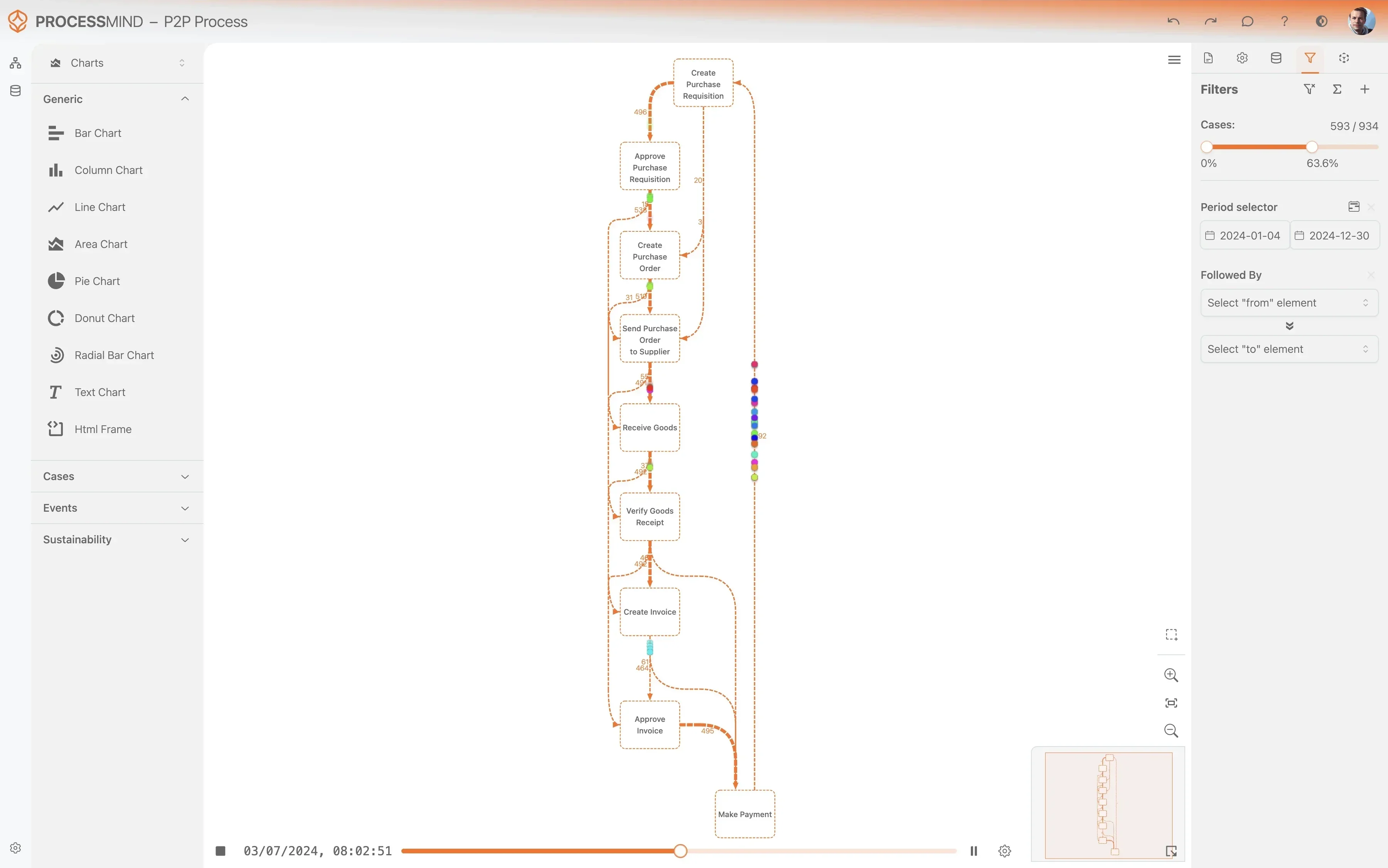
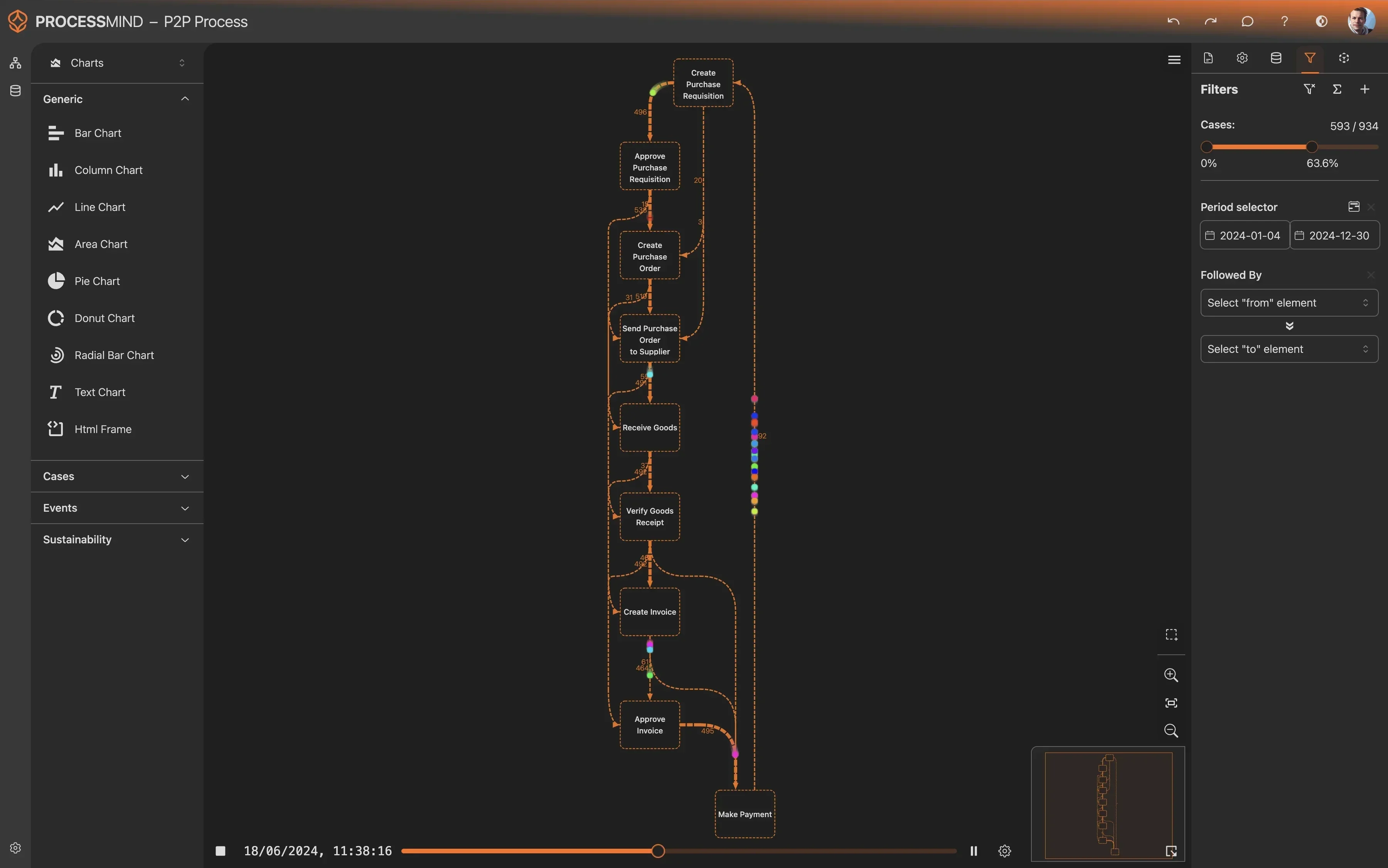
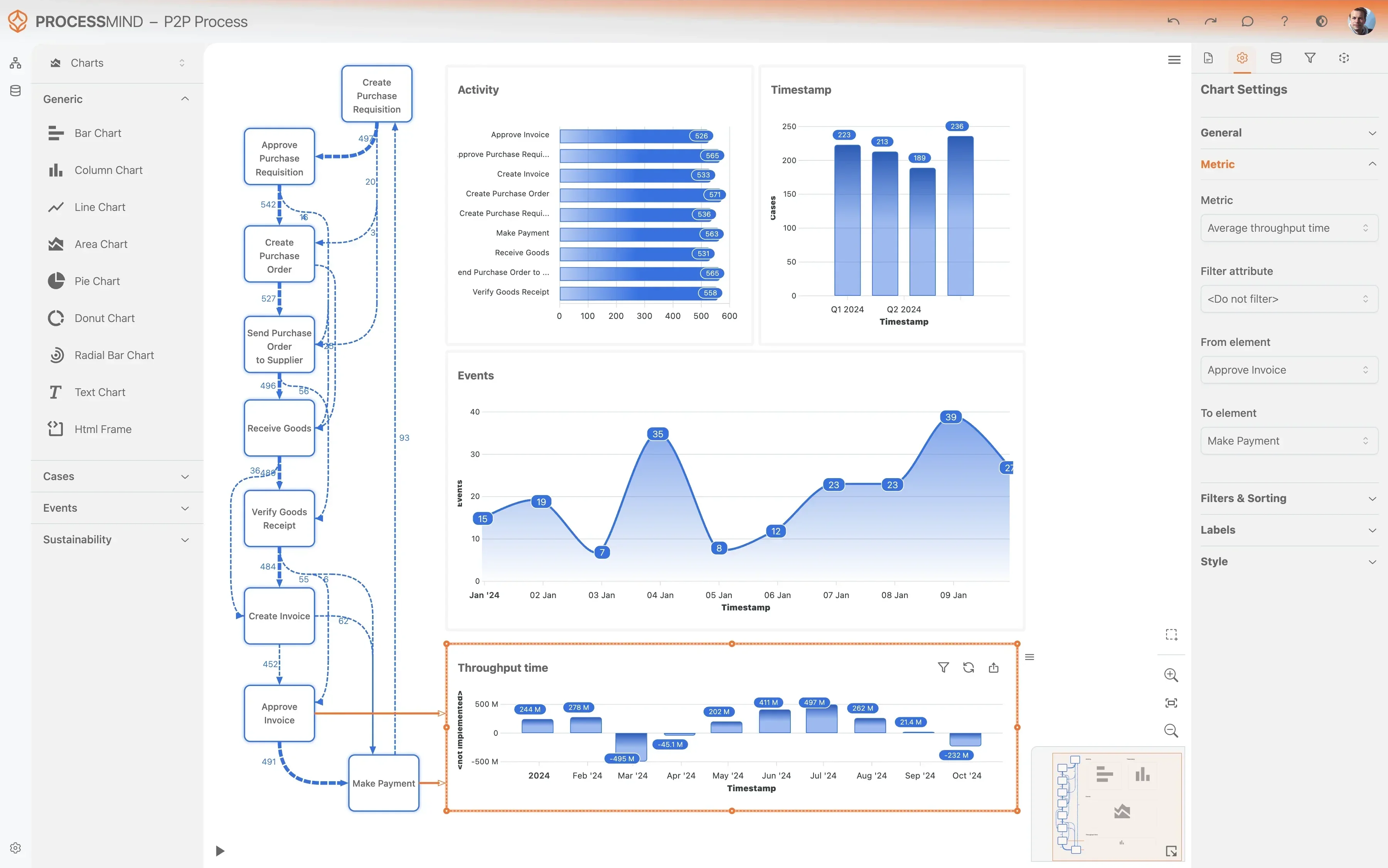
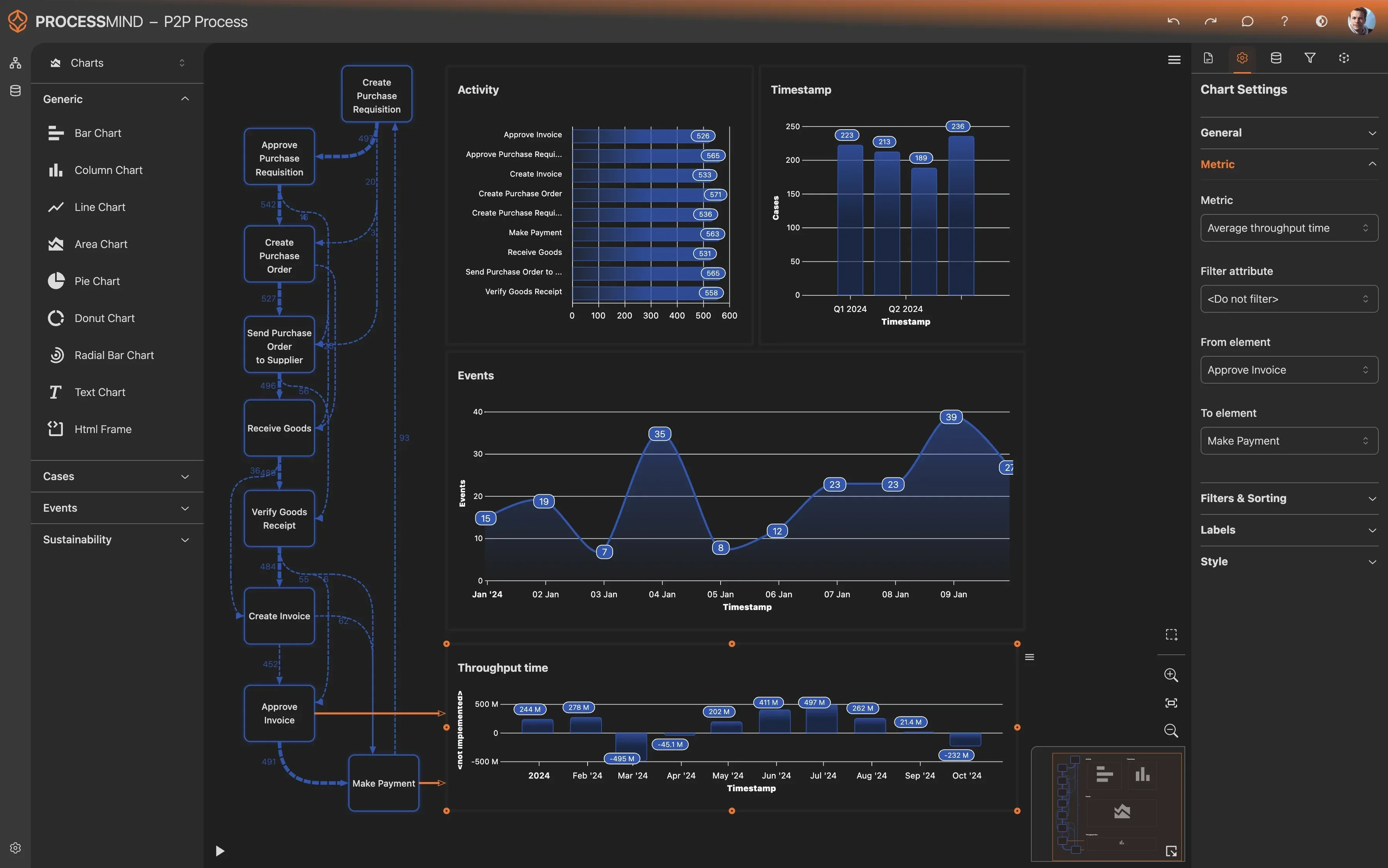
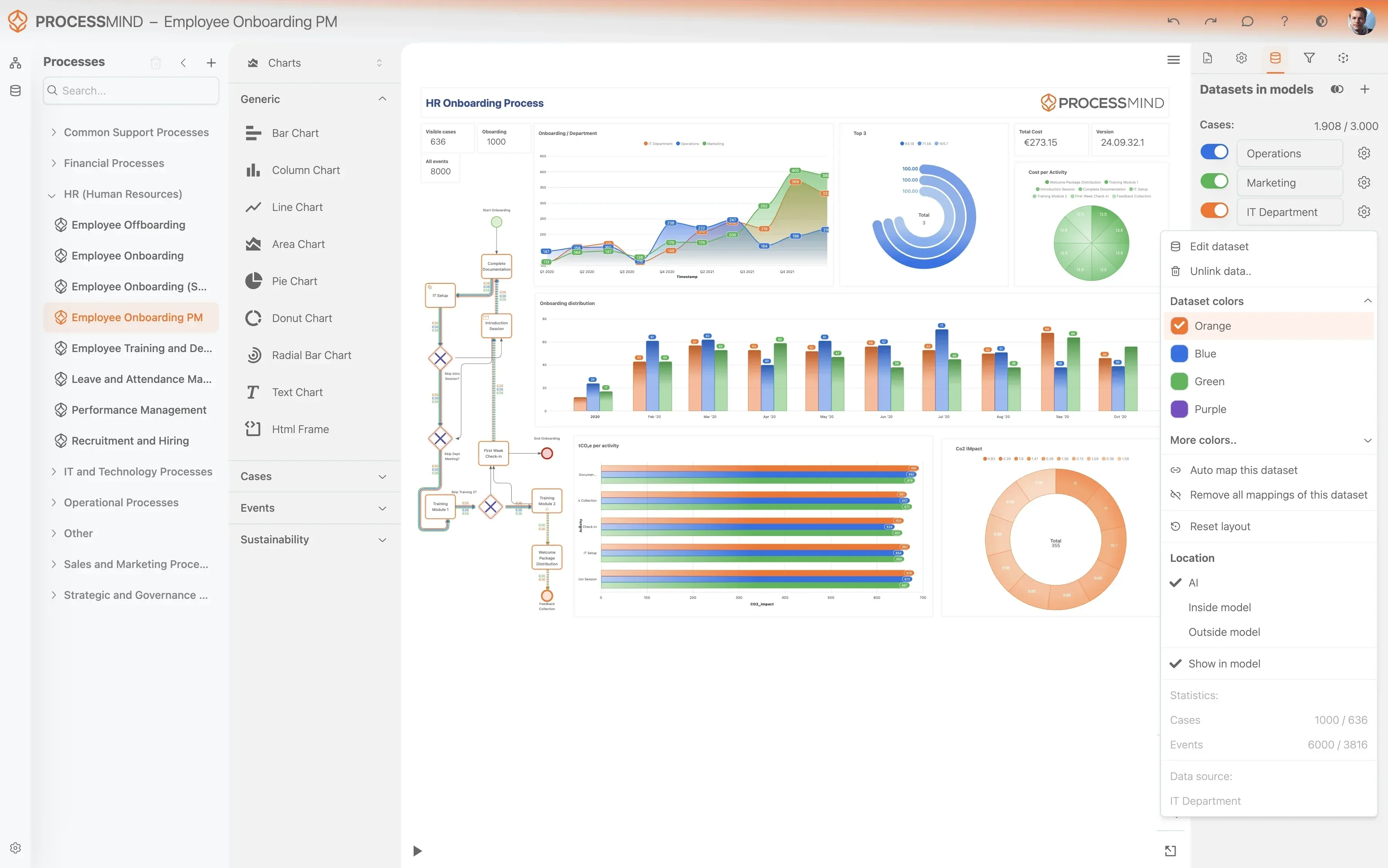
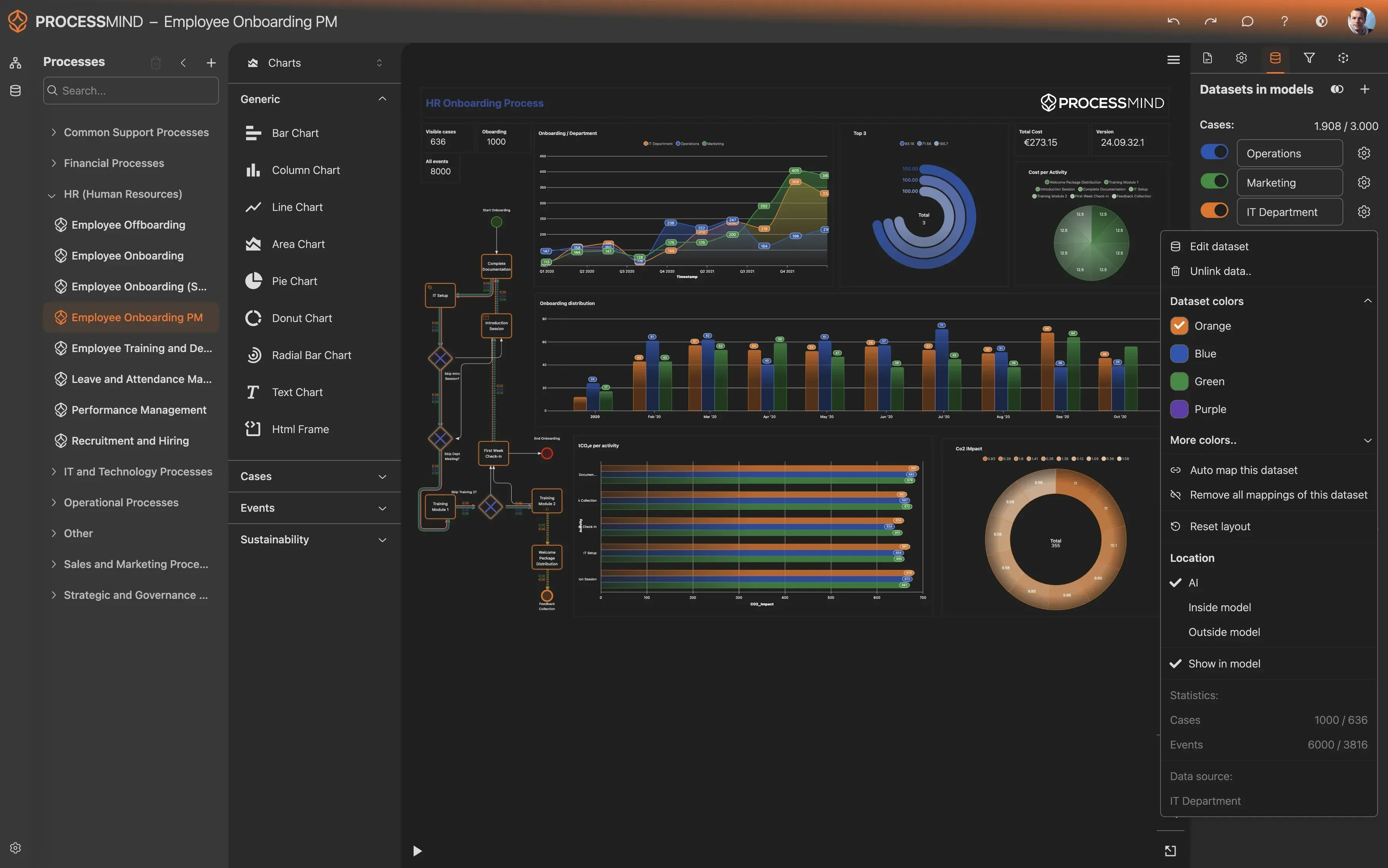
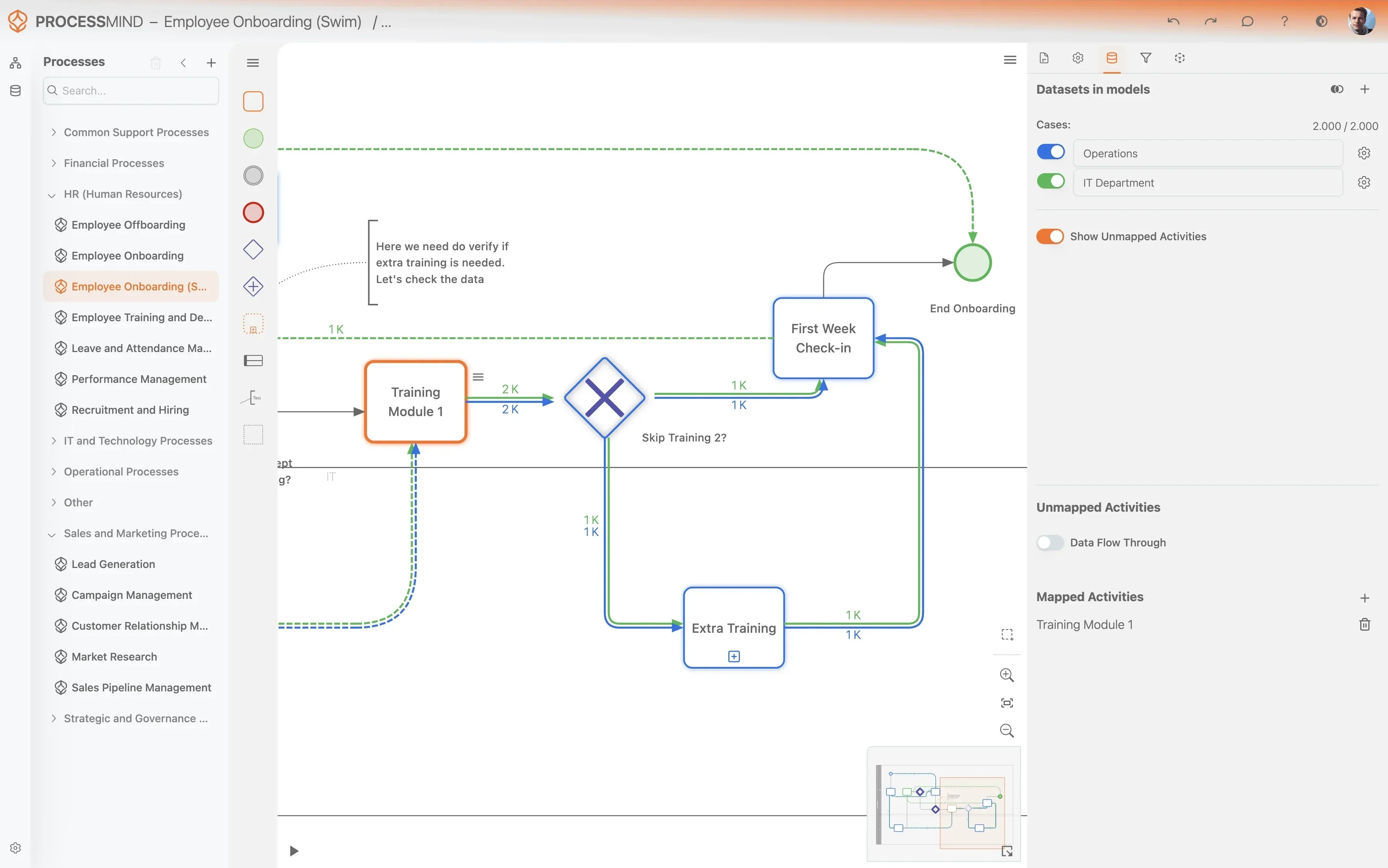
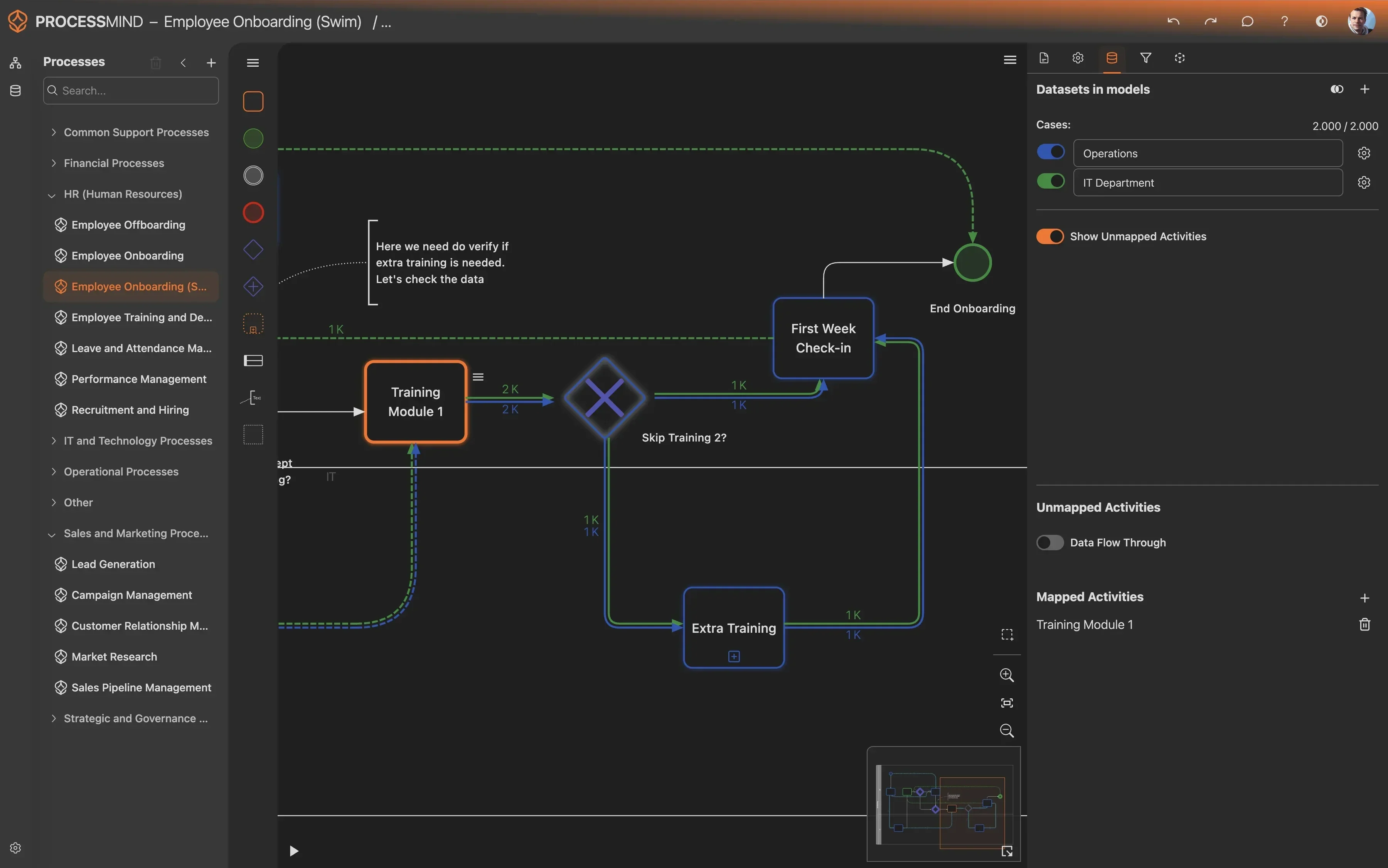
Uncover Key Insights in KYC Onboarding Workflows
- Visualize actual KYC onboarding paths
- Pinpoint compliance review delays
- Optimize Refinitiv World-Check steps
- Track customer experience improvements
TYPICAL RESULTS
Achieving Efficiency in KYC Onboarding
Process mining provides a data-driven approach to identify bottlenecks and optimize the KYC Customer Onboarding journey. By analyzing real execution data, including interactions with Refinitiv World-Check, organizations can significantly enhance process efficiency and customer experience.
Reduction in document & compliance review time
Process mining identifies bottlenecks in document and compliance reviews, leading to significant reductions in processing time, enhancing efficiency and customer experience.
Decrease in additional information requests
By pinpointing root causes of incomplete applications, organizations can significantly reduce the need for additional information, accelerating onboarding and improving customer satisfaction.
Higher compliance with service level agreements
Process mining uncovers deviations preventing timely completion, helping teams meet regulatory SLAs and internal targets consistently, reducing penalties and reputational risk.
Enhanced efficiency in compliance resource allocation
Understanding actual resource utilization and idle times enables better workload distribution, reducing operational costs and ensuring staff focus on value-added activities.
Increased adherence to standardized KYC flows
By identifying and standardizing process variants, organizations ensure consistent, compliant, and efficient onboarding, reducing errors and improving audit readiness.
Reduced time to initiate background checks
Pinpointing delays before background checks ensures quicker initiation, accelerating a critical, time-consuming phase of KYC onboarding and overall cycle time.
Results vary based on process complexity and data quality. These figures represent typical improvements observed across implementations.
Recommended Data
FAQs
Frequently asked questions
Process mining analyzes your existing KYC event data to reveal the actual process flow, identifying inefficiencies, compliance gaps, and bottlenecks. It helps pinpoint areas like protracted document verification, rework loops in risk assessment, and inefficient departmental handoffs. This allows you to target specific areas for optimization and achieve a more streamlined, compliant, and efficient onboarding journey.
You will primarily need event logs that include a case identifier, activity name, and a timestamp for each step of the onboarding process. For KYC, this means data points related to customer application submission, background checks, document verification, compliance reviews, and status updates. Data from Refinitiv World-Check regarding screening results and their processing will be crucial event activities.
You can expect to see significant improvements such as accelerated document review completion, minimized additional information requests, and reduced unnecessary application rejections. Process mining helps standardize onboarding process variants, ensuring timely SLA adherence and ultimately optimizing resource allocation efficiency. These lead to faster customer onboarding and improved compliance.
Initial insights and a baseline process model can often be generated within weeks, depending on data availability and quality. Significant improvement recommendations and a clear understanding of bottlenecks usually emerge within one to three months. The actual implementation of changes and the realization of sustained improvements will then follow, requiring ongoing monitoring.
The primary technical requirement is access to your system's event data, including audit logs or database tables that capture activity, timestamp, and case ID. You will need a process mining software platform, which can be cloud-based or on-premises. Basic data integration capabilities are also necessary to extract and transform the raw data into a suitable format for analysis.
Data extraction methods vary, but common approaches include direct database queries, API integrations, or exporting data from system logs. It involves identifying relevant tables or logs that contain the case identifier, activity name, and timestamp for each step of the KYC process. This extracted raw data then needs transformation into an event log format suitable for the process mining tool.
Process mining is generally non-disruptive to live operations as it primarily uses historical data. Data extraction can be performed in the background or during off-peak hours. The analysis and insights generation occur separately from your operational systems, allowing your teams to continue their work without interruption while improvements are being identified.
The accuracy of insights directly correlates with the quality and completeness of your event data. When accurate and comprehensive event logs are provided, process mining offers a highly precise, data-driven view of your actual process execution. It reveals deviations, bottlenecks, and rework loops that are often invisible through manual analysis or traditional reporting.
Yes, process mining can significantly enhance KYC compliance by visualizing all process variants and identifying any deviations from defined regulatory workflows. It helps highlight instances of non-adherence, such as skipped steps or unauthorized shortcuts, ensuring that all necessary checks and approvals are consistently executed. This provides an auditable trail of compliance throughout the onboarding journey.
Optimize KYC Customer Onboarding Now, Boost Compliance
Achieve frictionless customer onboarding and reduce time to just 24 hours.
No credit card required. Experience 14 days free.