Improve Your Payroll Processing

Select a process
Choose a process to continue working in your connected workspace.
Optimize Workday Payroll Processing for Accuracy
Our platform identifies hidden bottlenecks that cause manual rework and payment delays. By analyzing your workflows, you can see where processes stall or deviate from standard procedures. This visibility helps your team address errors and improve overall efficiency.
Download our pre-configured data template and address common challenges to reach your efficiency goals. Follow our six-step improvement plan and consult the Data Template Guide to transform your operations.
Show detailed description
The imperative for optimizing Payroll Processing
Payroll Processing is the heartbeat of any organization, yet it remains one of the most operationally intense and risk heavy functions. Within the Workday Payroll environment, the complexity grows as you add different pay groups, diverse tax jurisdictions, and various employment types. Inefficient payroll operations do not just lead to administrative overhead, they directly impact employee trust and corporate compliance. When errors occur, the cost of correction is often much higher than the cost of the original transaction because of the manual intervention required to reverse and reissue payments. Optimizing this process is about moving from a reactive state, where you fix errors as they are reported, to a proactive state where the system flow is designed for first time accuracy and efficiency.
How process mining transforms payroll visibility
Process mining acts as a continuous audit layer over your Workday environment. While Workday provides excellent reporting on the current status of payroll, process mining allows you to see the movement between those statuses. You can visualize the actual path a payroll record takes from the moment a time sheet is submitted until the final tax filing is completed. This visibility reveals the hidden processes that standard reports often miss, such as the frequent back and forth between managers and employees during time approval or the manual data corrections that happen just before the final calculation. By mapping these digital footprints, you gain an objective view of where the process deviates from the standard operating procedure and where bottlenecks are slowing down the cycle time. This transparency is essential for understanding the true cost of each pay cycle and identifying systemic weaknesses.
Key improvement areas in the payroll cycle
One of the primary areas for process optimization is the reduction of cycle time in the pre calculation phase. Many organizations struggle with late time tracking submissions and slow approval chains that compress the actual payroll processing window into just a few days. Process mining identifies which departments or managers are consistently causing these bottlenecks, allowing for targeted training or process redesign. Another critical area is the management of audit exceptions. If your Workday system frequently flags records for manual review, process mining can help you determine if these flags are due to systemic data issues or unique edge cases. Reducing these touchpoints where a human must intervene is key to scaling payroll operations without increasing headcount. Additionally, finding the root cause of frequent incentive data imports or adjustments can prevent calculation errors before they occur, ensuring that the gross to net calculation is correct on the first pass.
Realizing measurable outcomes and efficiency gains
When you apply process mining to your Workday Payroll data, the benefits manifest in several main areas, including speed, accuracy, and compliance. By streamlining the path from data collection to disbursement, you can significantly reduce the overall cycle time, giving your team more breathing room for complex compliance reviews and reducing the stress of tight deadlines. Accuracy improves as you eliminate the root causes of manual adjustments, leading to fewer off cycle checks and lower bank fees. From a compliance perspective, having a clear map of every action taken on a payroll record provides an indisputable audit trail. This ensures that every deduction, tax calculation, and payment adheres to the specific legal requirements of the jurisdictions in which you operate. Ultimately, these improvements lead to higher employee satisfaction because of the consistency and reliability of their compensation.
Getting started with payroll optimization
Improving your payroll process is not a one time project but a journey of continuous refinement. Start by using your Workday data to visualize the current state of your payroll cycles across different countries or pay groups. Compare the high performing groups against those that frequently experience delays or high error rates. By focusing on the most significant bottlenecks first, you can demonstrate quick wins in efficiency that build momentum for broader process improvements. Whether you are aiming to reduce manual work or simply ensure that every employee is paid accurately and on time, process mining provides the roadmap you need to transform your payroll operations into a strategic asset. By following the guide below and using the provided templates, you can begin identifying optimization opportunities in your payroll workflow today.
6-Step Path to Optimize Workday Payroll Processing
Download the Template
What to do
Download the specialized Excel template designed for Workday Payroll to ensure your data mapping aligns with standard process mining requirements.
Why it matters
Starting with a structured format prevents data quality issues and ensures all critical payroll milestones are captured for analysis.
Expected outcome
A ready-to-use data template tailored for Workday Payroll attributes.
Export Your Payroll Data
What to do
Export three to six months of historical payroll records from the Workday Payroll module, including timestamps for approvals and calculations.
Why it matters
Historical data provides the necessary volume to identify recurring bottlenecks and compliance gaps across different pay groups and regions.
Expected outcome
A comprehensive dataset of your recent payroll cycles in the required format.
Upload to ProcessMind
What to do
Securely upload your populated Excel file to the ProcessMind platform for automatic processing and sequence mapping.
Why it matters
Moving your data into a dedicated process mining environment allows for high-speed analysis that traditional spreadsheets cannot provide.
Expected outcome
A digital twin of your payroll process ready for exploration.
Analyze Process Insights
What to do
Use the auto-generated dashboards to explore the end-to-end flow and let AI identify areas where manual adjustments or delays frequently occur.
Why it matters
Visualizing the actual process flow reveals hidden inefficiencies in time-tracking approvals and rework loops in gross pay calculations.
Expected outcome
A list of prioritized bottlenecks and optimization opportunities.
Implement Targeted Changes
What to do
Apply improvements to your Workday configuration or approval workflows based on findings, such as streamlining time sheet approval cycles.
Why it matters
Taking action on data-driven insights directly reduces processing costs and minimizes the risk of payment errors or compliance issues.
Expected outcome
Optimized payroll workflows and improved processing efficiency.
Monitor Continuous Progress
What to do
Periodically upload new payroll cycles to track the impact of your changes and ensure KPIs like cycle time remain within target ranges.
Why it matters
Continuous monitoring ensures that improvements are sustained over time and allows you to react quickly to new process deviations or delays.
Expected outcome
Sustained performance gains and a culture of continuous improvement.
YOUR PAYROLL INSIGHTS
Unlock Full Transparency in Workday Payroll Cycles
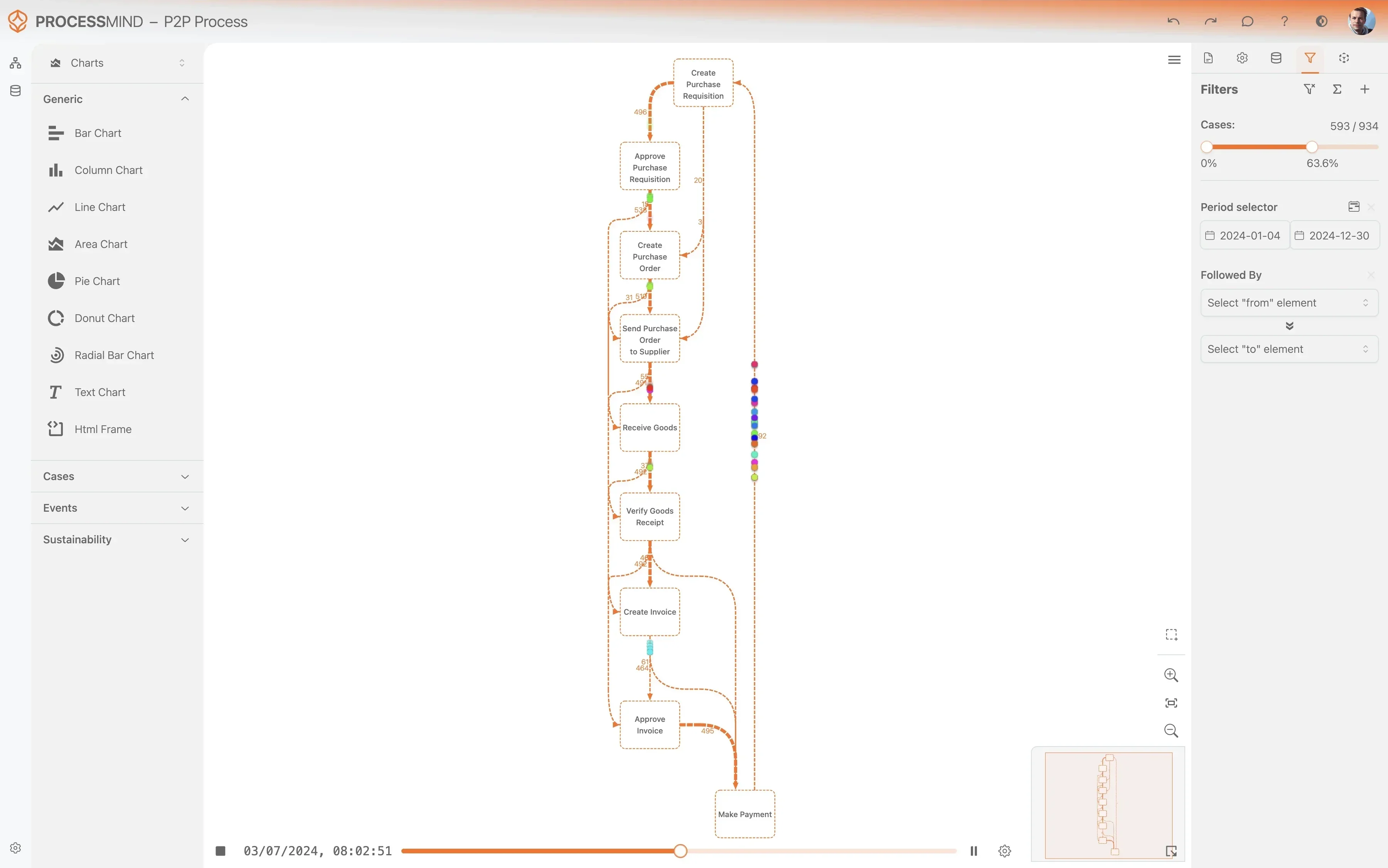
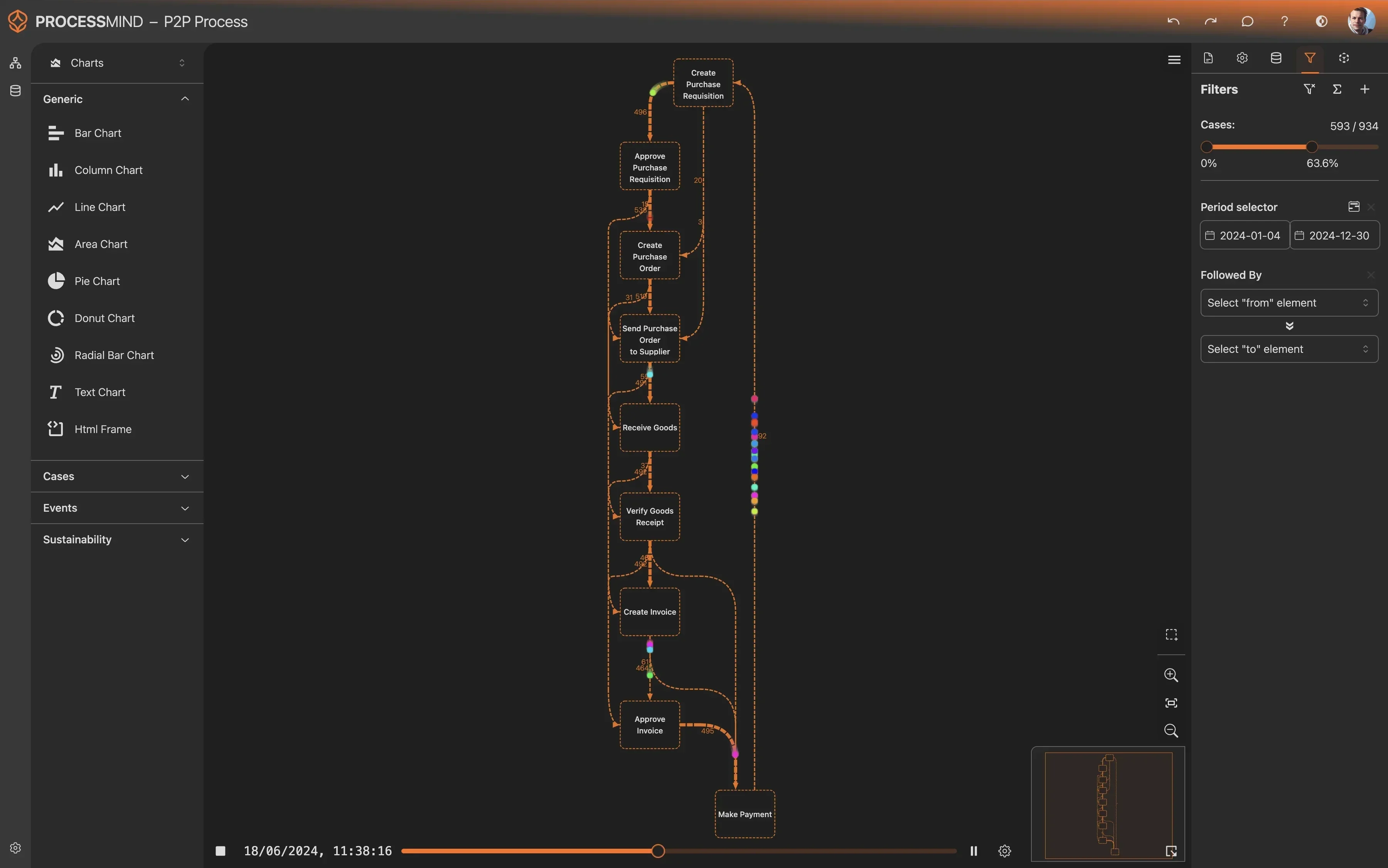
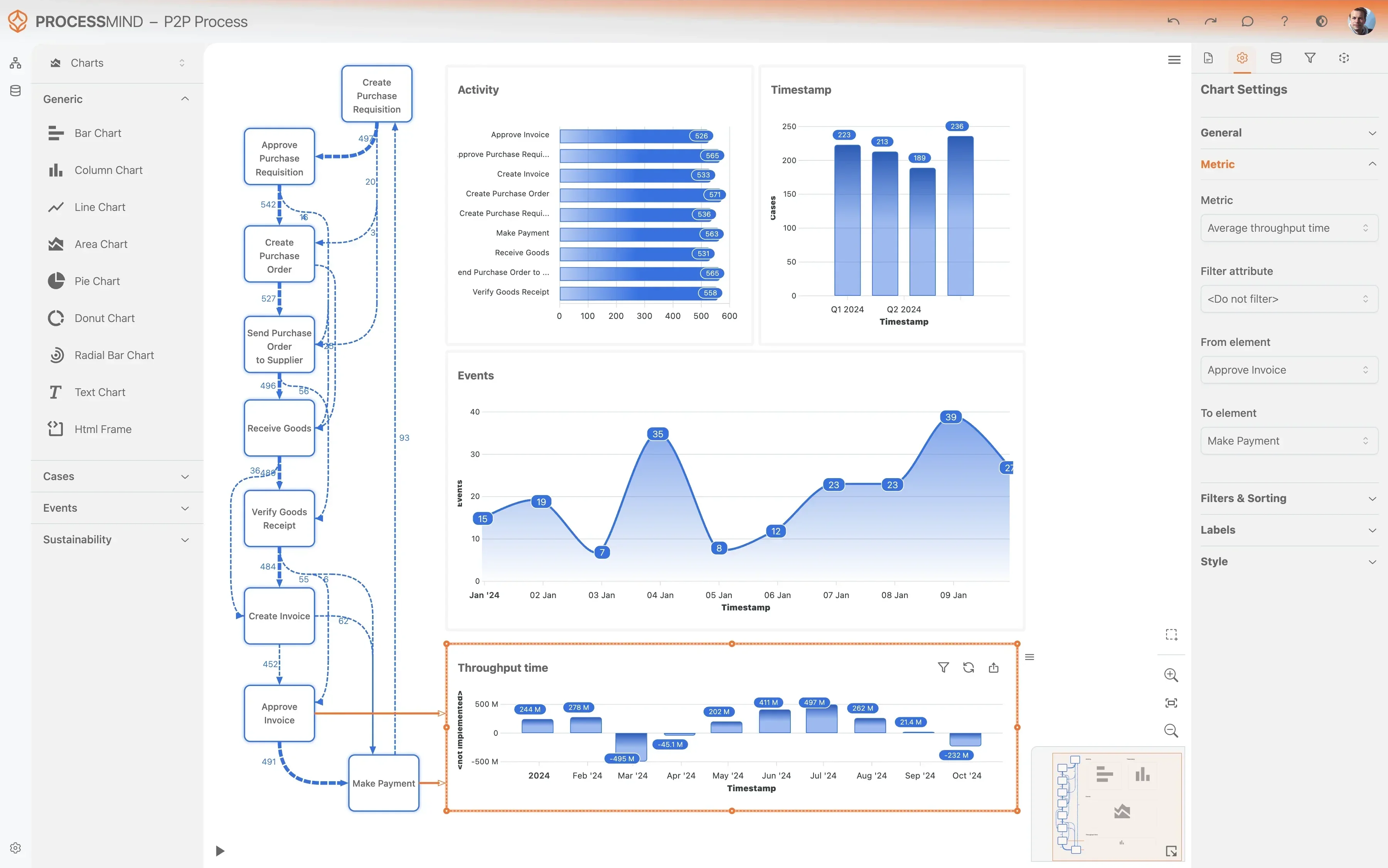
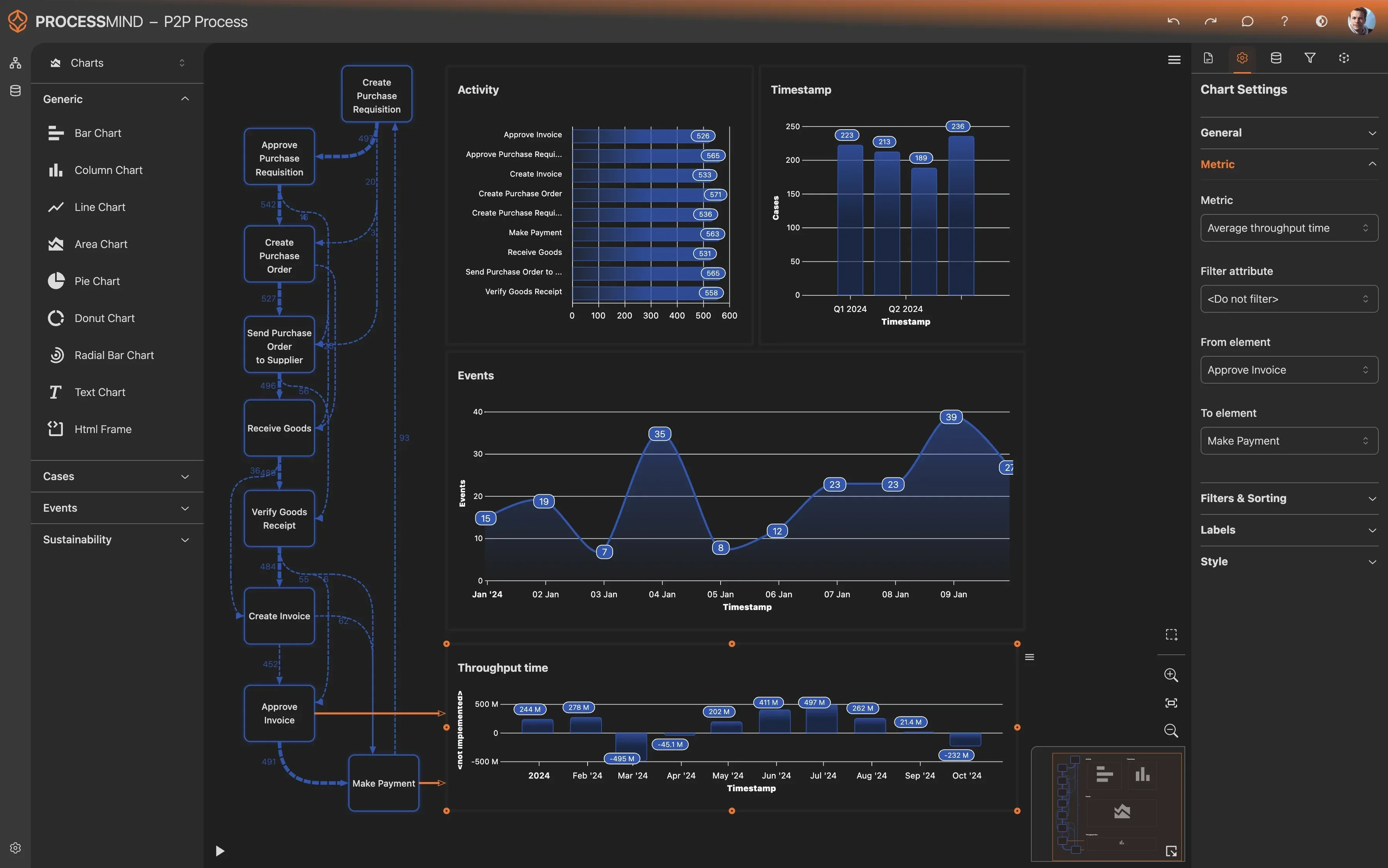
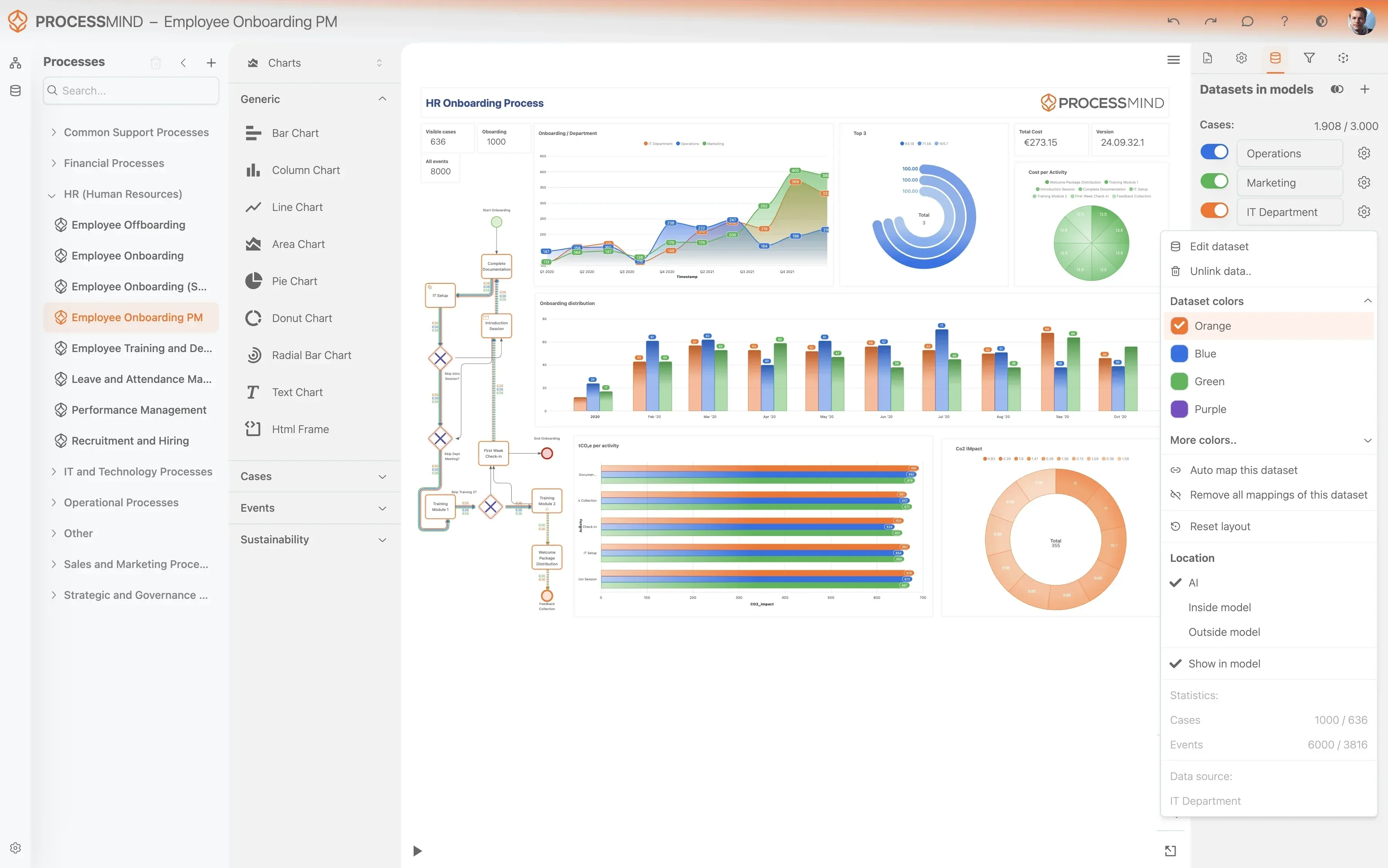
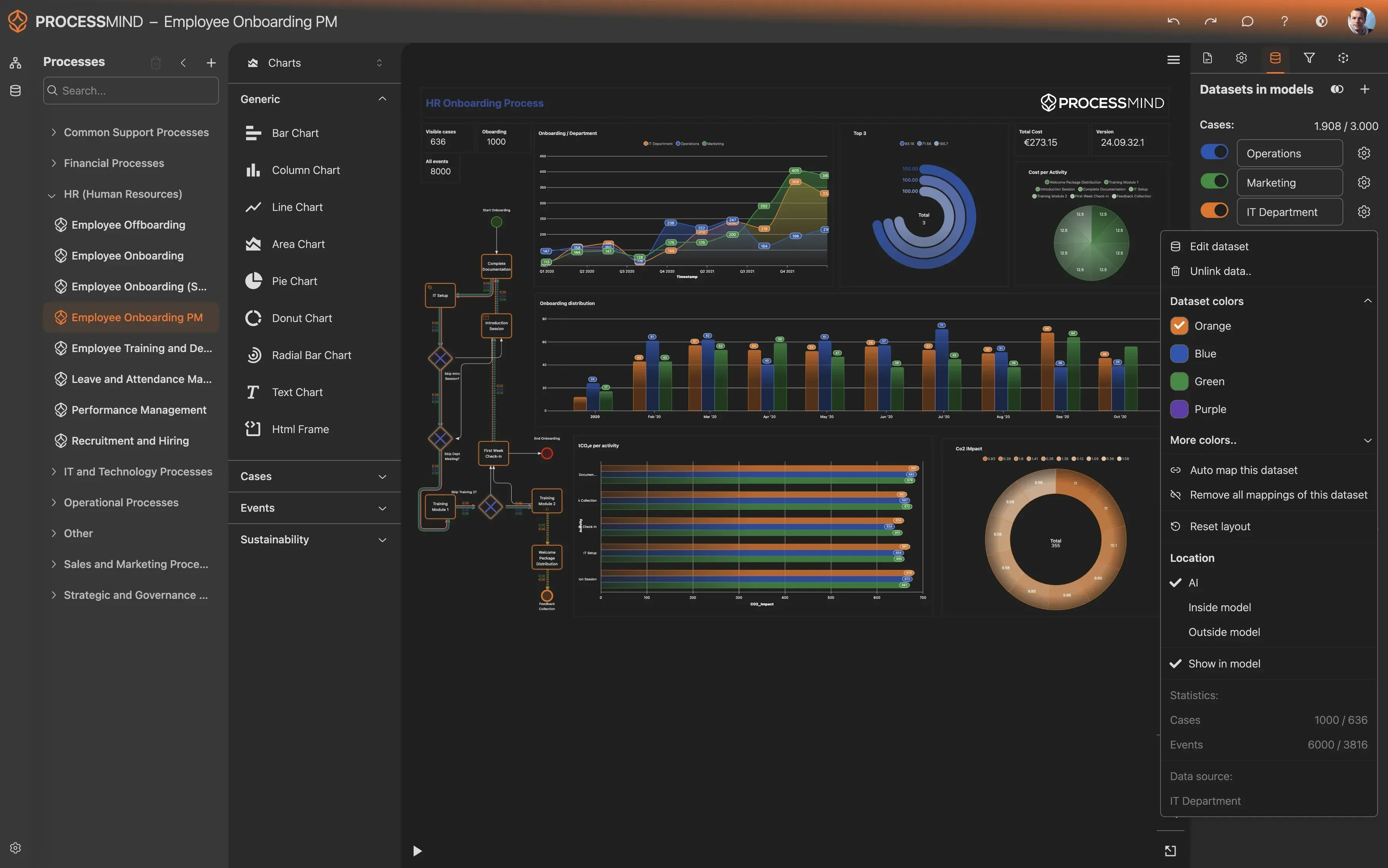
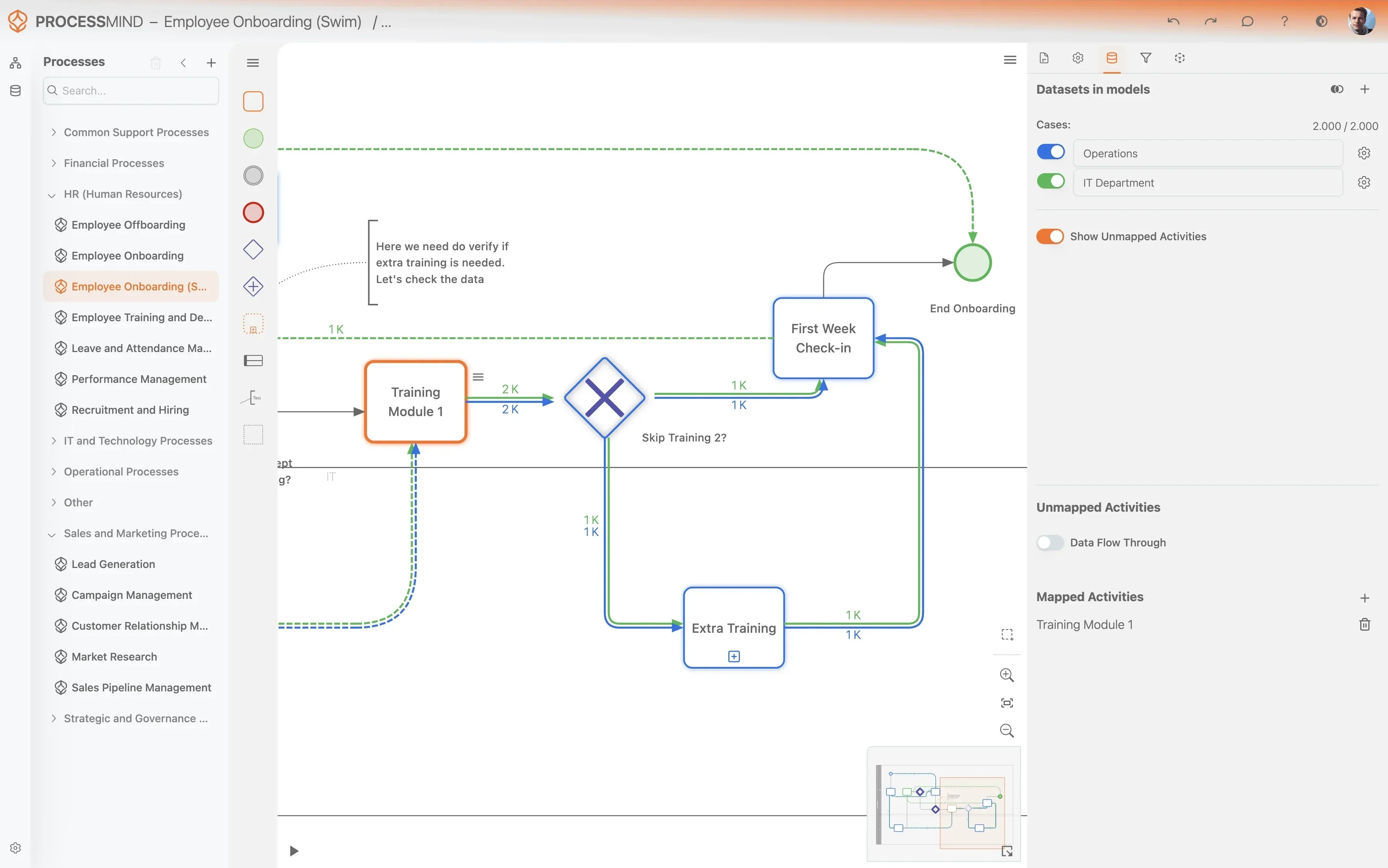
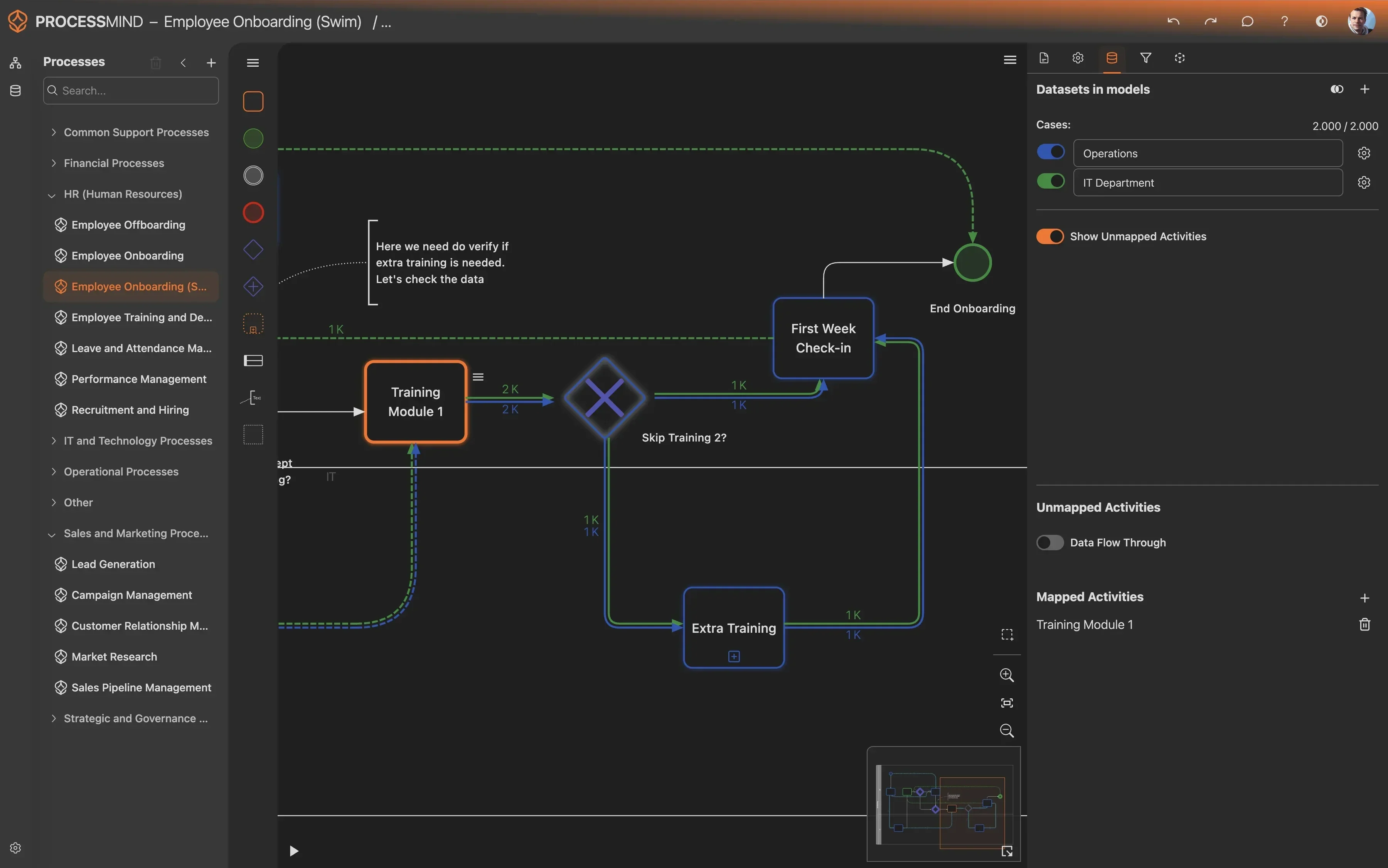
- Visualize your end to end payroll workflow
- Spot manual corrections in Workday Payroll
- Pinpoint bottlenecks causing payment delays
- Compare cycle times across different regions
PROVEN OUTCOMES
Transforming Payroll Efficiency with Process Intelligence
By analyzing every payroll record within Workday Payroll, organizations identify hidden bottlenecks and automate manual reconciliation tasks to streamline their payment cycles. These outcomes represent the tangible benefits achieved through data-driven optimization and continuous process monitoring.
Reduction in approval lead time
Automating time sheet routing and identifying approval bottlenecks accelerates the start of the payroll calculation cycle.
Decrease in data corrections
Eliminating manual data corrections after initial calculations reduces the labor cost and effort required for each payroll run.
Fewer compliance flags
Standardizing global processes and automating incentive validation minimizes the occurrence of audit flags and regulatory risks.
Clean finalization rate
Increasing the percentage of records finalized without any data corrections or re-runs improves overall payroll department productivity.
On-time bank transfers
Streamlining the path to finalization ensures that bank files are transmitted on schedule, maintaining high employee satisfaction.
Individual results will vary depending on data maturity, organizational scale, and process complexity. These figures are illustrative of typical performance improvements observed across various payroll environments.
Recommended Data
FAQs
Frequently asked questions
Process mining analyzes event logs within Workday Payroll to visualize the actual flow of every payroll record. It identifies hidden bottlenecks in approval cycles and pinpoints exactly where manual corrections occur most frequently, allowing teams to target specific inefficiencies.
You need to export transaction logs that include the Payroll Record ID, activity timestamps, and the specific actions performed. This typically involves connecting to Workday RaaS, which stands for Report as a Service, or using an API to extract lifecycle data for each pay cycle.
Data privacy is handled by anonymizing or pseudonymizing sensitive fields such as names and identification numbers before the data is processed. The analysis focuses on the timestamps and status changes of the payroll record rather than individual compensation details, ensuring compliance with privacy regulations.
Most organizations see a significant reduction in the number of payroll preview iterations and faster time sheet approval workflows. By automating the validation of incentive data imports, teams can guarantee on-time bank transfers and reduce the administrative cost per payroll record.
Once the initial data connection to Workday is established, the first process maps are usually available within two to three weeks. This initial phase allows you to identify the most glaring inefficiencies in your tax calculation and filing steps immediately without waiting months for a full implementation.
No, process mining works with your existing Workday setup by reading the historical logs already generated by the system. You do not need to modify your workflows or add new tracking fields to get a clear and accurate view of your current payroll process performance.
Yes, the tool highlights exactly where audit flags are triggered during the finalization stage of the payroll cycle. By analyzing these patterns, you can implement proactive checks that resolve compliance issues before the cycle reaches the final audit phase, reducing overall stress on the payroll team.
Process mining allows you to filter and compare cycle times across different geographic locations to identify why certain regions experience delays. This visibility helps you standardize processing steps while still accounting for the specific local tax and benefit deduction requirements of each region.
Optimize Your Payroll Processing Today
Reduce cycle time by 30% and eliminate manual Workday corrections
No credit card required... Setup in 5 minutes