Improve Your Accounts Payable Payment Processing

Select a process
Choose a process to continue working in your connected workspace.
Optimize Accounts Payable Payment Processing in SAP ECC
Our platform provides deep visibility into your payment workflows to surface hidden bottlenecks and delays. You can easily pinpoint where manual interventions or approval cycles slow down the entire cycle. By identifying these friction points, you can streamline your operations and ensure timely execution for every transaction.
Download our pre-configured data template and address common challenges to reach your efficiency goals. Follow our six-step improvement plan and consult the Data Template Guide to transform your operations.
Show detailed description
The Strategic Value of Streamlining Accounts Payable
In many organizations using SAP ECC, Accounts Payable Payment Processing is viewed as a standard administrative function. However, it is actually a critical strategic lever that impacts everything from working capital management to the strength of your supply chain relationships. When your AP process is inefficient, the costs extend far beyond simple labor. You face missed early payment discounts, late payment penalties, and a high cost per invoice that erodes your bottom line. By focusing on process optimization, finance departments can transform from reactive cost centers into proactive contributors to the company's financial health.
Optimizing this process within the SAP ECC environment requires a deep understanding of how data flows through the Financial Accounting (FI) and General Ledger (GL) modules. Because SAP is highly customizable, the way one company processes an invoice often differs significantly from another, even within the same industry. This variation often masks underlying inefficiencies that are difficult to spot through standard reporting alone. Identifying where manual touches occur and where automated workflows stall is the first step toward significant cost reduction and operational excellence.
Transforming SAP ECC Data into Process Intelligence
Process mining provides the bridge between raw transactional data and actionable insights. By extracting data from core SAP tables such as BKPF and BSEG, you can reconstruct the entire journey of an invoice. This visibility allows you to see the process as it actually happens, rather than how it was designed on paper. When you use the Invoice Number as your case identifier, you can track every status change, every approval, and every payment block applied throughout the lifecycle of that document.
This level of transparency is essential for anyone looking for how to improve Accounts Payable Payment Processing. Instead of relying on anecdotal evidence of delays, you can use hard data to see exactly where the process deviates from the happy path. For instance, you might discover that invoices from specific vendors consistently require manual intervention due to matching errors, or that certain departments have approval cycles that are three times longer than the company average. This objective view is the foundation for targeted, data-driven improvements.
Targeting Bottlenecks to Reduce Cycle Times
One of the primary goals of any finance transformation is understanding how to reduce Accounts Payable Payment Processing cycle time. Bottlenecks often hide in the spaces between activities, such as the time an invoice sits in an inbox waiting for a manager's approval or the duration a payment block remains active after a discrepancy has been resolved. Process mining highlights these idle times, allowing you to quantify their impact on your ability to capture discounts.
Key improvement areas often involve the resolution of discrepancies between the invoice, purchase order, and goods receipt. In SAP ECC, these three-way match failures trigger manual workflows that consume significant resources. By analyzing the root causes of these mismatches, whether they are price variances or quantity differences, you can implement upstream fixes that prevent the bottleneck from occurring in the first place. This shift from manual correction to automated prevention is a hallmark of a mature AP process.
Strengthening Compliance and Financial Integrity
Beyond efficiency, process mining plays a vital role in ensuring compliance and financial integrity. In a complex SAP ECC environment, maintaining a clear audit trail is paramount. You can use process mining to monitor for unauthorized changes to payment terms, identify instances where the segregation of duties might be at risk, and ensure that all payments are matched to valid business transactions. This level of oversight helps mitigate the risk of fraud and ensures that your financial reporting is accurate and timely.
Furthermore, by analyzing the end-to-end flow, you can optimize your payment execution strategy. You can identify which payment methods are the most efficient and which vendors are consistently paid early or late. This allows for better cash flow forecasting and provides your procurement team with the data they need to negotiate better terms with suppliers. Compliance isn't just about following rules, it is about creating a disciplined process that supports the broader financial goals of the organization.
Advancing Your Finance Transformation
Starting your journey toward a more efficient Accounts Payable process does not require a total system overhaul. By using the templates and insights provided in this guide, you can begin to peel back the layers of your SAP ECC data to find immediate wins. Whether your goal is to automate more of your invoice coding or to eliminate the bottlenecks that lead to late fees, the path forward is paved with data. As you gain more visibility into your payment execution, you will find that the benefits of process mining extend into every corner of your finance department, leading to a more agile and resilient organization.
The 6-Step AP Payment Improvement Path
Download the Template
What to do
Obtain the specialized Excel template designed for SAP ECC AP processing, including fields for invoice and payment data.
Why it matters
Starting with a pre-configured structure ensures you capture the correct BKPF and BSEG fields for a successful analysis.
Expected outcome
A ready-to-use data structure for your SAP extraction.
Export Your Data
What to do
Extract 3 to 6 months of historical data from SAP tables like BKPF and BSEG, then map it into the provided template.
Why it matters
Using actual financial records allows the system to reconstruct your real-world payment flows and identify hidden deviations.
Expected outcome
A populated dataset reflecting your actual AP process.
Upload Your Dataset
What to do
Securely upload your completed template to the ProcessMind platform to initiate the automated process discovery engine.
Why it matters
Centralizing your data in a secure environment enables the AI to map every invoice from receipt to final clearing.
Expected outcome
A processed dataset ready for deep-dive analysis.
Analyze Your Process
What to do
Explore the auto-generated dashboards to pinpoint bottlenecks in approval cycles and discover payment block causes.
Why it matters
Visualizing the end-to-end journey reveals where late payments occur and helps you find opportunities to capture early payment discounts.
Expected outcome
Actionable insights into bottlenecks and compliance gaps.
Implement Improvements
What to do
Address identified friction points by streamlining approval workflows and adjusting payment run schedules in SAP.
Why it matters
Taking targeted action reduces manual intervention and improves vendor relationships through more consistent, on-time payments.
Expected outcome
Optimized payment workflows and improved cash management.
Monitor Your Process
What to do
Regularly refresh your data by re-uploading SAP exports to track how your changes impact core KPIs like days payable outstanding.
Why it matters
Continuous monitoring ensures that your process improvements are sustained and that new inefficiencies are caught early.
Expected outcome
Sustained operational excellence and KPI visibility.
WHAT YOU WILL GET
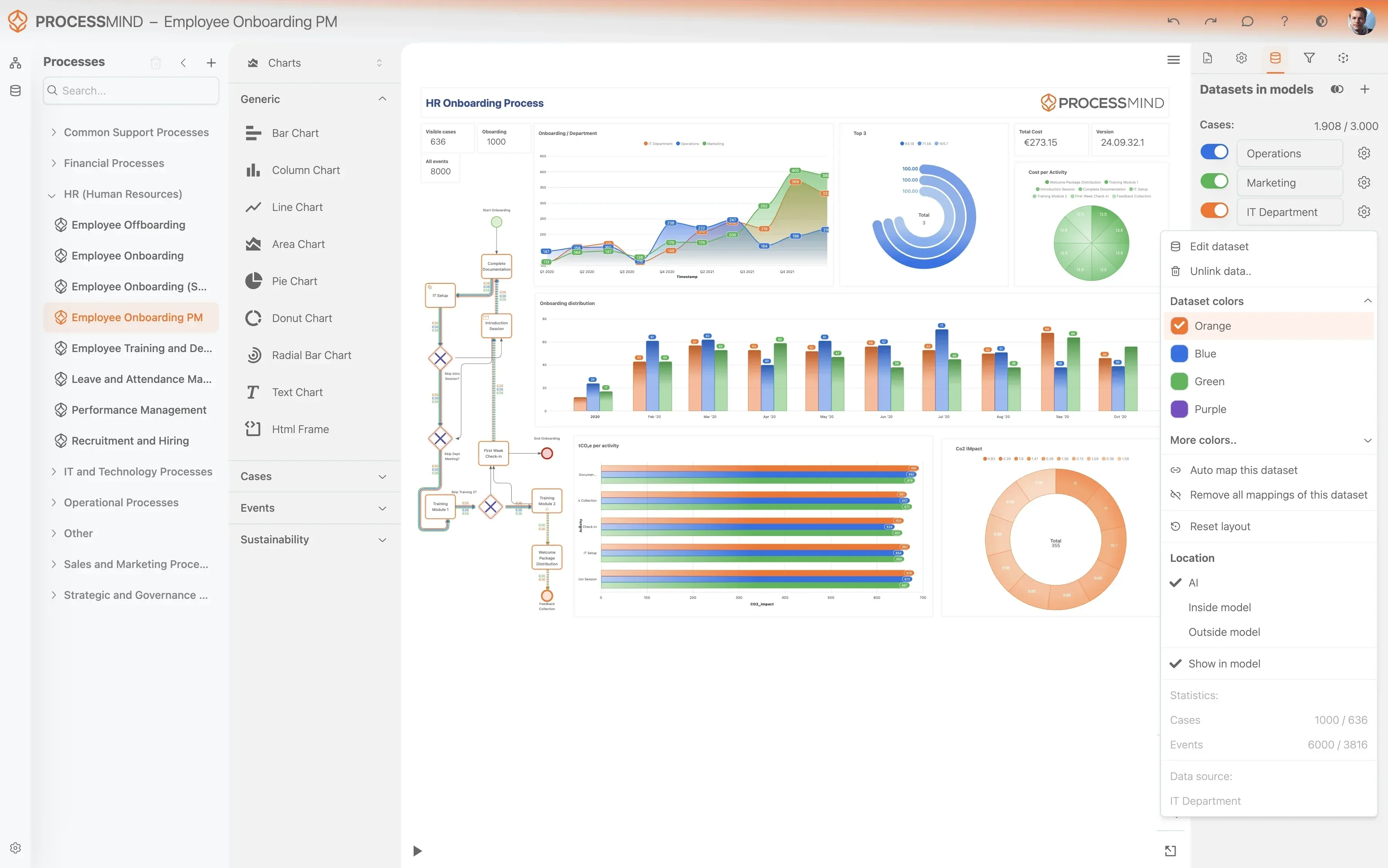
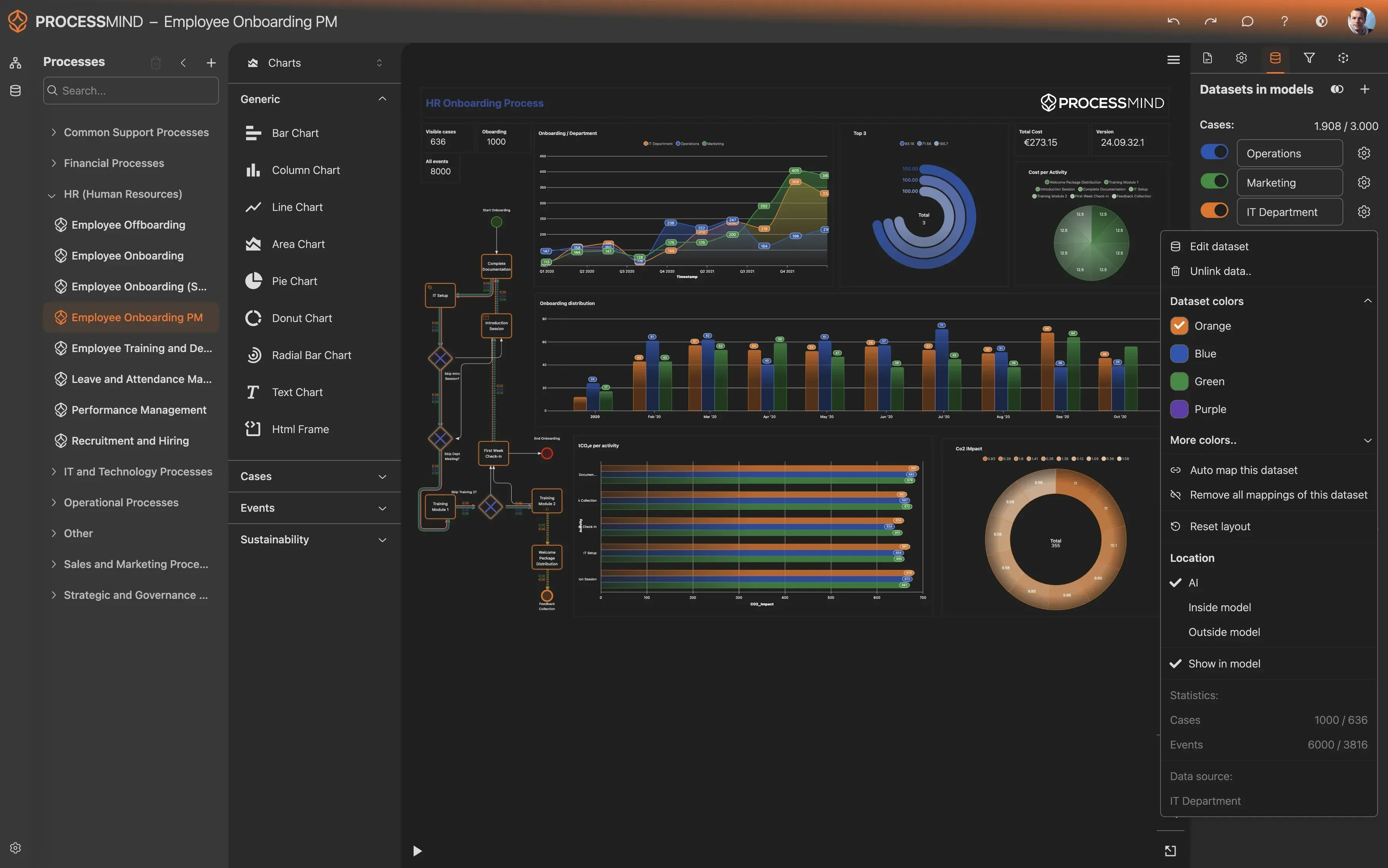
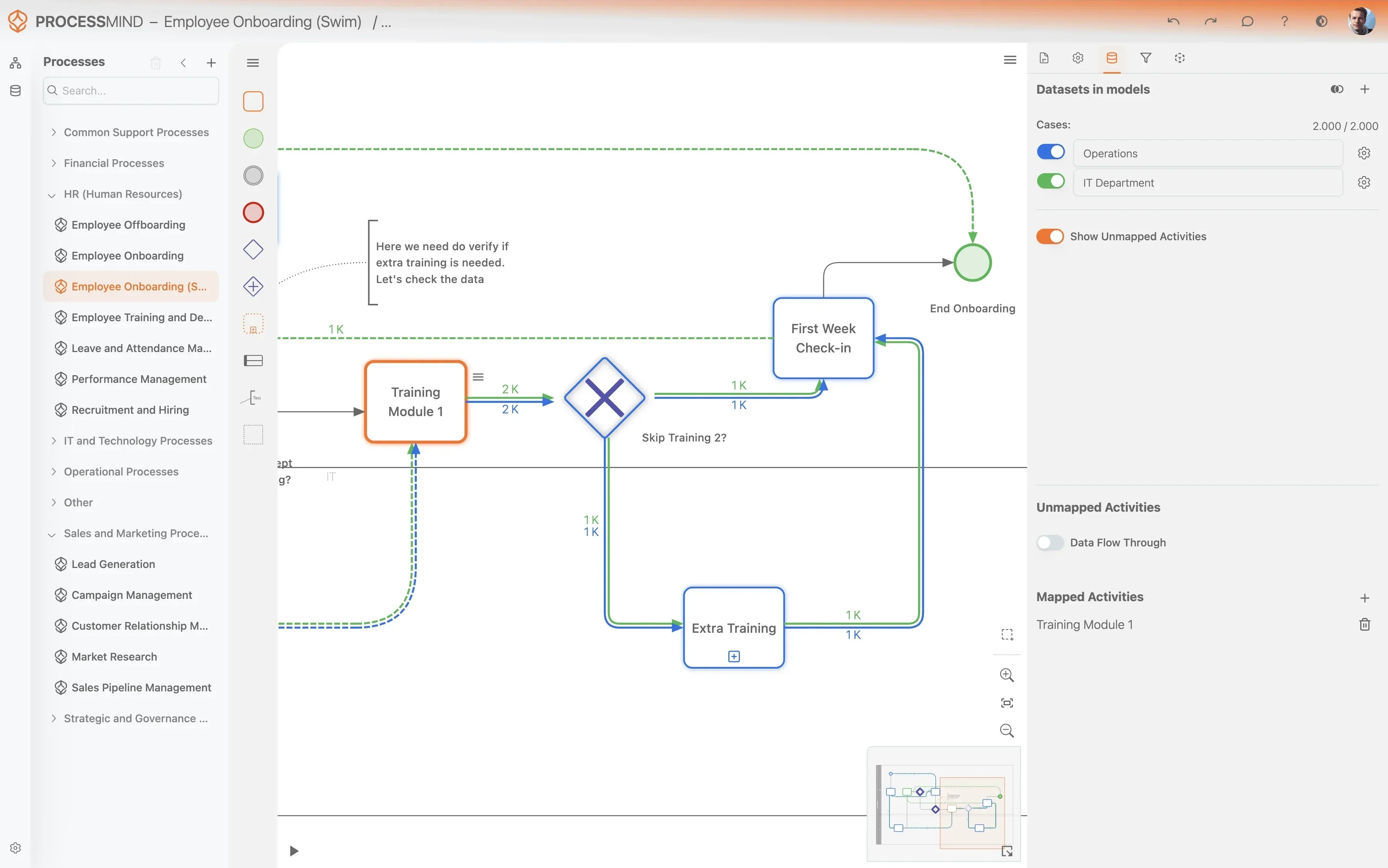
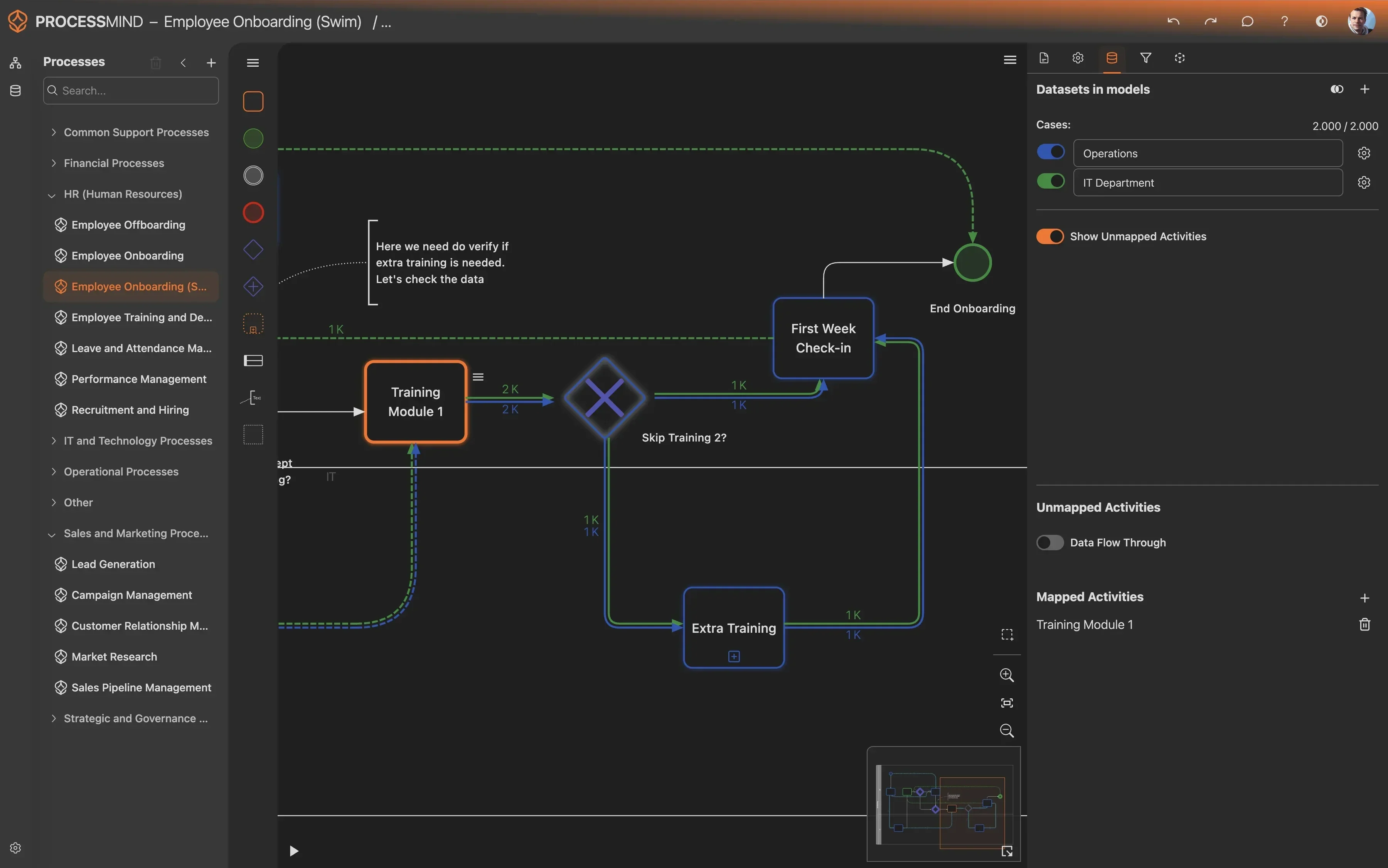
Gain Full Visibility into SAP Payment Processes
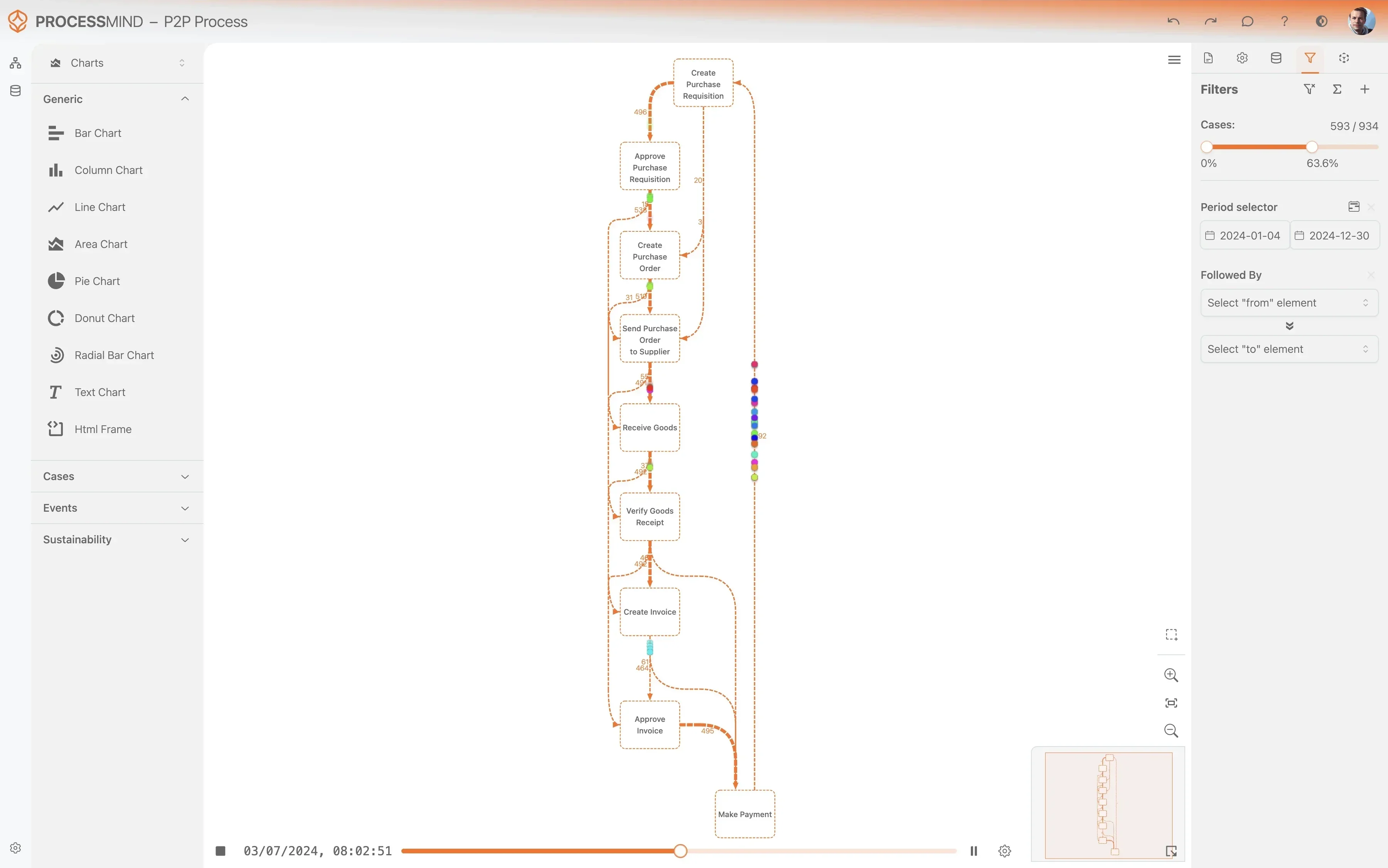
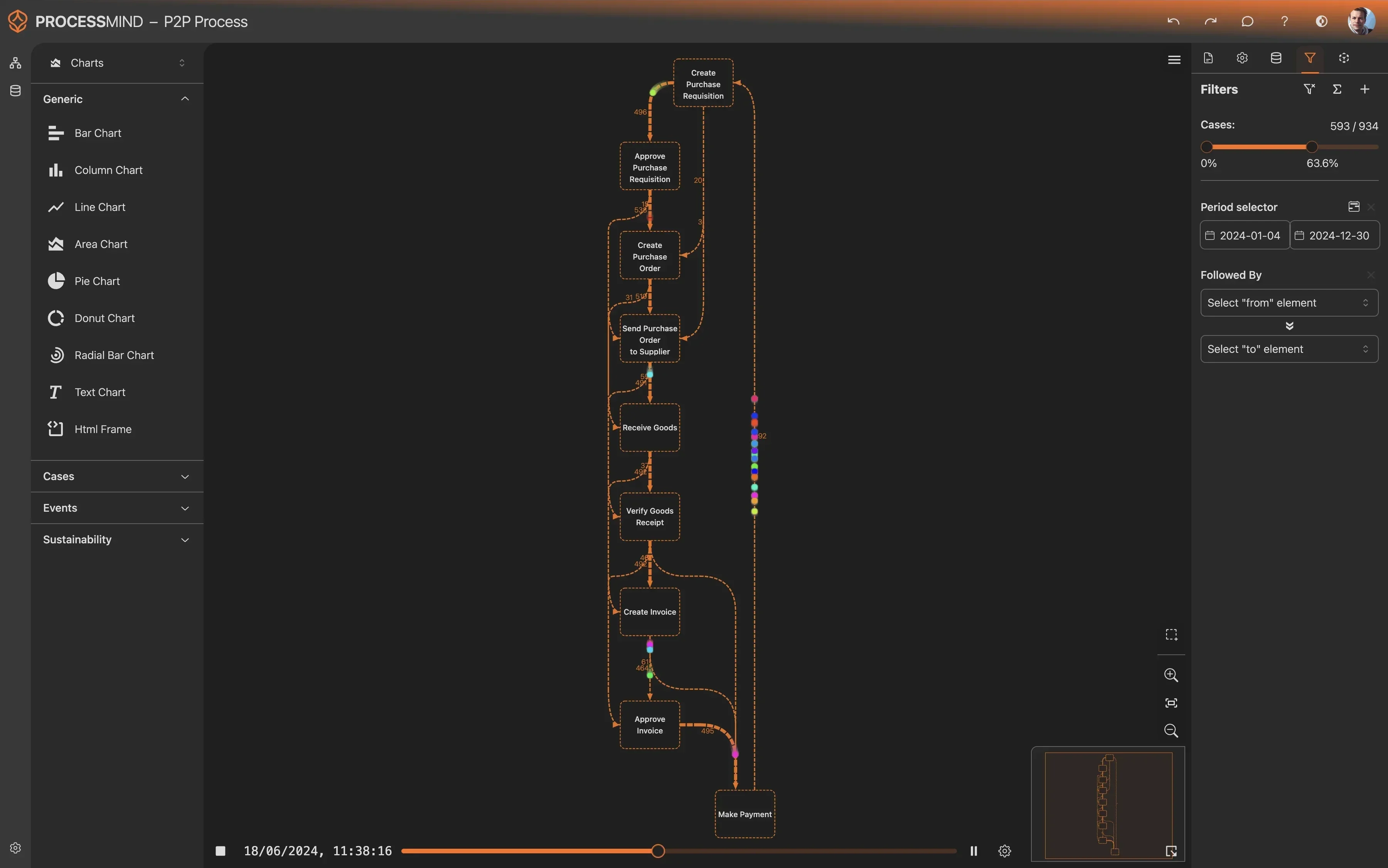
- Map every step of your AP payment cycle
- Spot approval bottlenecks in SAP ECC
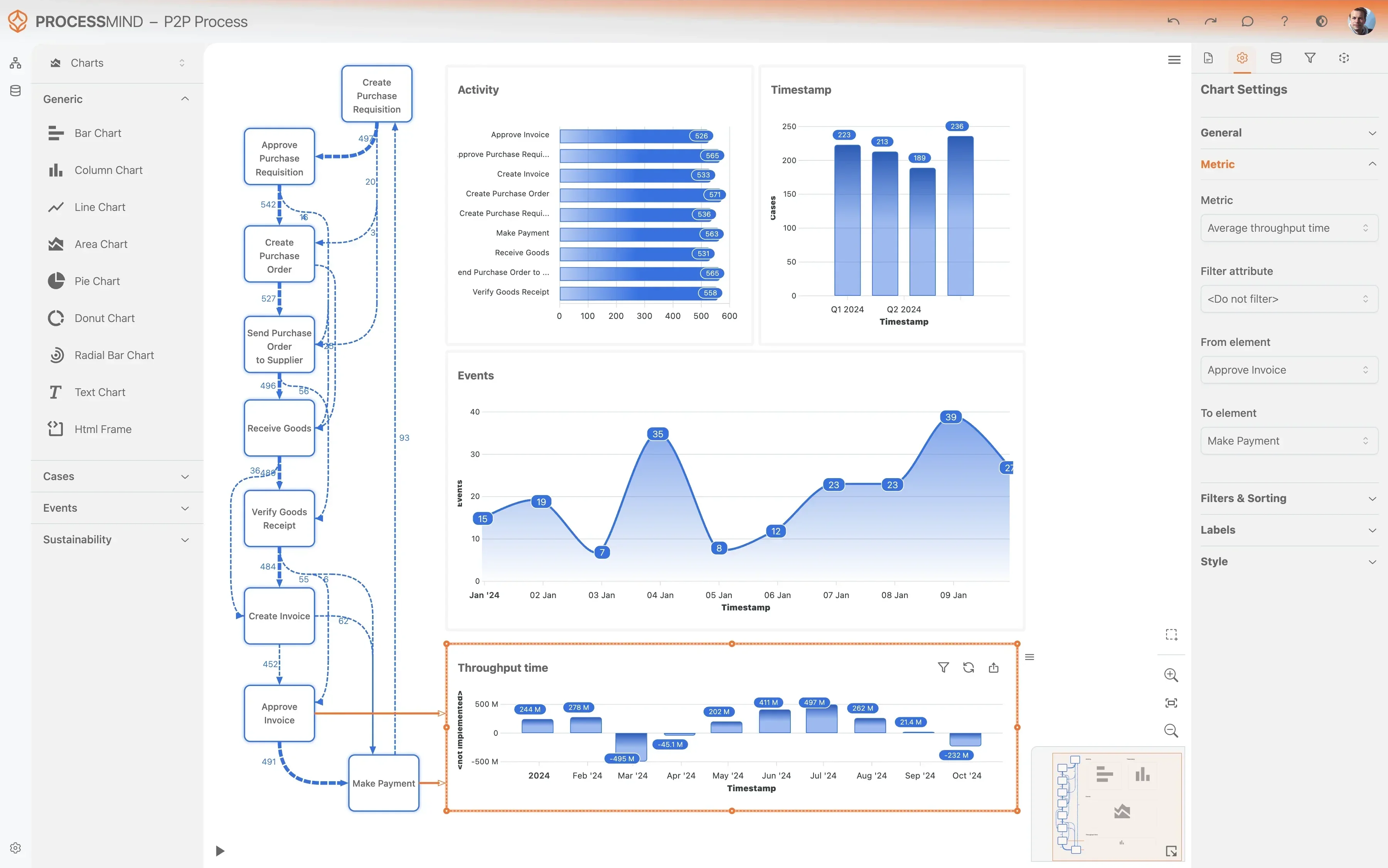
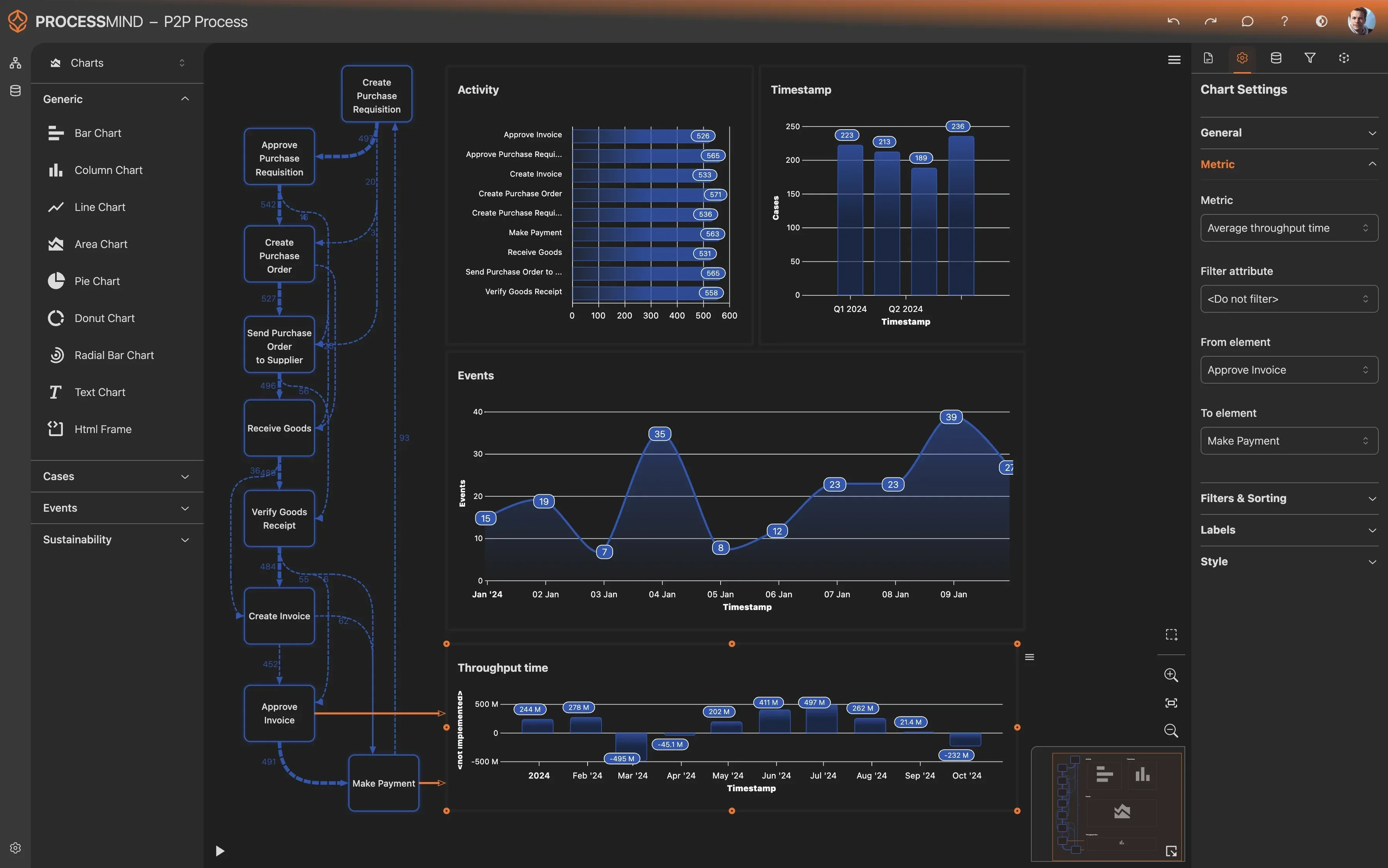
- Identify causes of late payment penalties
- Compare performance across vendor groups
PROVEN OUTCOMES
Quantifiable Improvements in AP Performance
By visualizing the end to end invoice lifecycle in SAP ECC, organizations identify bottlenecks and automate manual touchpoints to drive significant operational savings. These metrics highlight the transformation potential when data driven insights are applied to payment processing.
Reduction in processing time
Process mining identifies approval bottlenecks in the BSEG table, allowing organizations to streamline workflows and reach payment faster.
Increased early payment terms
By monitoring the SKB1 table for discount deadlines, teams can prioritize high-value invoices and maximize available cash discounts.
Lower human intervention rate
Eliminating manual coding and block removals within the FI-GL module reduces the effort required per invoice while increasing automation.
Eradication of redundant cases
Cross-referencing vendor and amount attributes in the BSEG records helps detect and prevent identical payments before they are executed.
Higher PO-backed invoice ratio
Increasing the alignment between purchase orders and invoices ensures higher compliance levels and fewer manual discrepancies to resolve.
Reduction in status requests
Providing end-to-end payment transparency reduces the volume of manual status inquiries from vendors, improving overall relationship health.
Actual results depend on the complexity of your specific process configurations and the quality of your underlying data. These figures reflect typical performance gains observed during enterprise implementations.
Recommended Data
FAQs
Frequently asked questions
Process mining provides full visibility into the end to end payment lifecycle by mapping every step from invoice receipt to final payment. It helps identify exactly where bottlenecks occur, such as long approval cycles or repetitive manual rework, allowing teams to optimize workflows and reduce processing costs.
To gain a comprehensive view, we primarily extract data from core financial tables like BKPF for header information and BSEG for line item details. We also look at tables such as BSAK for cleared items and RSEG for invoice receipt details to track the full history of each invoice document.
No, process mining uses the digital footprints already recorded in your transaction logs, so no changes to your existing SAP ECC configuration are necessary. The analysis is performed on extracted data, which means your live production environment remains untouched and operates as usual.
Yes, by identifying the root causes of delays in the approval and matching stages, process mining allows you to streamline the path to payment. This ensures that invoices are processed quickly enough to take advantage of favorable terms offered by vendors, which directly improves your bottom line.
Most organizations can see their first process maps and bottleneck reports within two to four weeks of providing data. Once the initial connection is established, ongoing monitoring provides real time insights into payment performance and compliance issues as they happen.
The Invoice Number serves as a unique reference that links all related activities, from the initial entry to the final clearing in the general ledger. Using this identifier allows the software to stitch together every event associated with a specific financial obligation, providing a clear view of its individual journey.
The analysis looks for identical patterns across vendor IDs, amounts, and dates recorded in the SAP ledger. By flagging these similarities before the final payment run occurs, you can prevent capital leakage and the administrative burden of recovering funds from vendors later on.
Process mining tracks who performed each action and when, which allows you to verify that every payment followed the established internal controls. You can quickly spot instances where steps were skipped or where unauthorized approvals occurred, strengthening your overall audit readiness.
Optimize Your Accounts Payable Payment Processing Now
Reduce payment cycle time by 30% and stop SAP ECC bottlenecks.
No credit card required. Setup takes minutes.