Improve Your Hire to Retire - Position Management

Select a process
Choose a process to continue working in your connected workspace.
Optimize Hire to Retire Position Management
This platform helps you uncover hidden inefficiencies and bottlenecks within your Hire to Retire position management process. It reveals areas where delays occur, rework is frequent, or resources are misallocated, often without your immediate knowledge. By analyzing your data, this platform provides clear insights into the root causes of these issues, enabling you to optimize operations and reduce costs.
Download our pre-configured data template and address common challenges to reach your efficiency goals. Follow our six-step improvement plan and consult the Data Template Guide to transform your operations.
Show detailed description
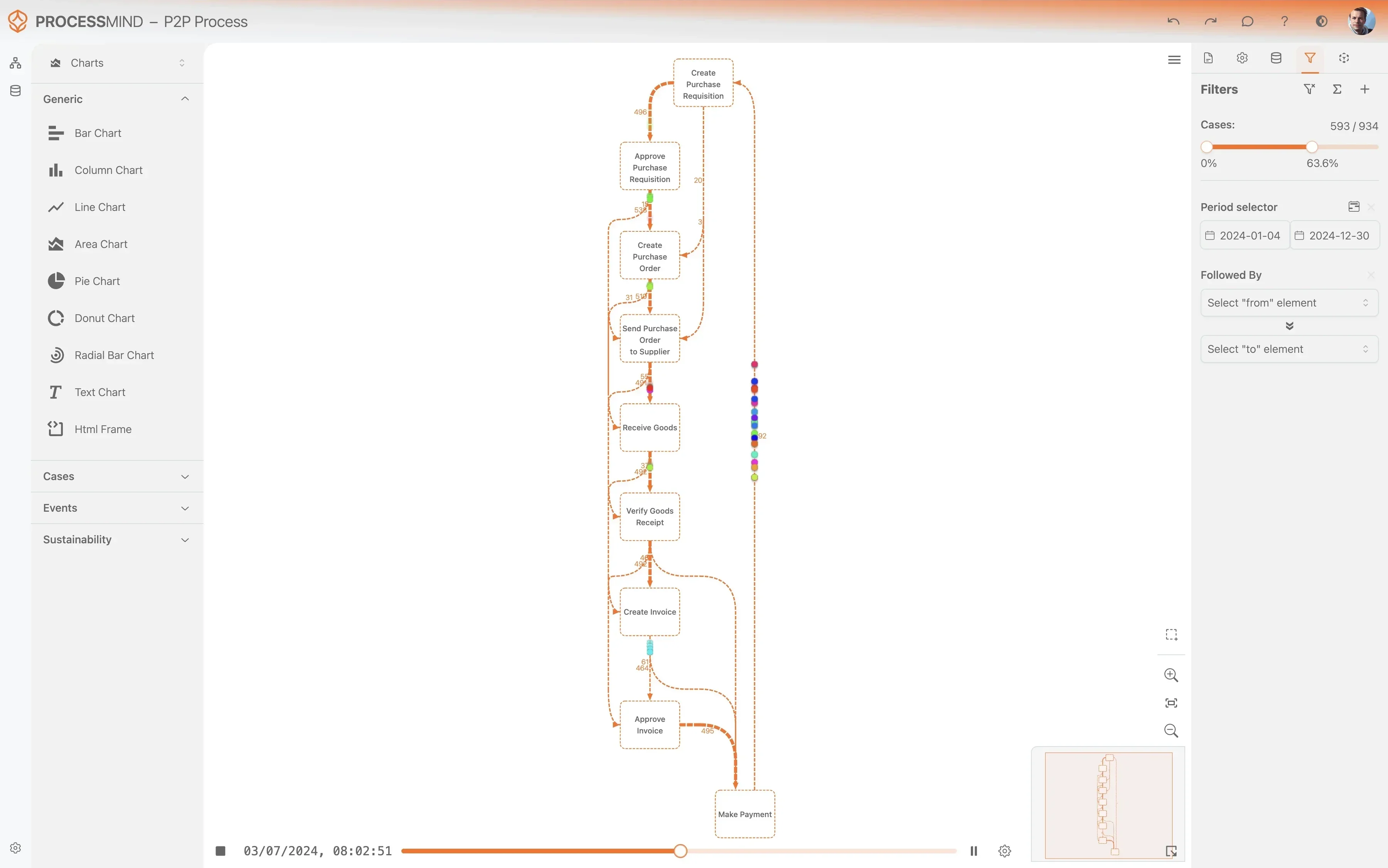
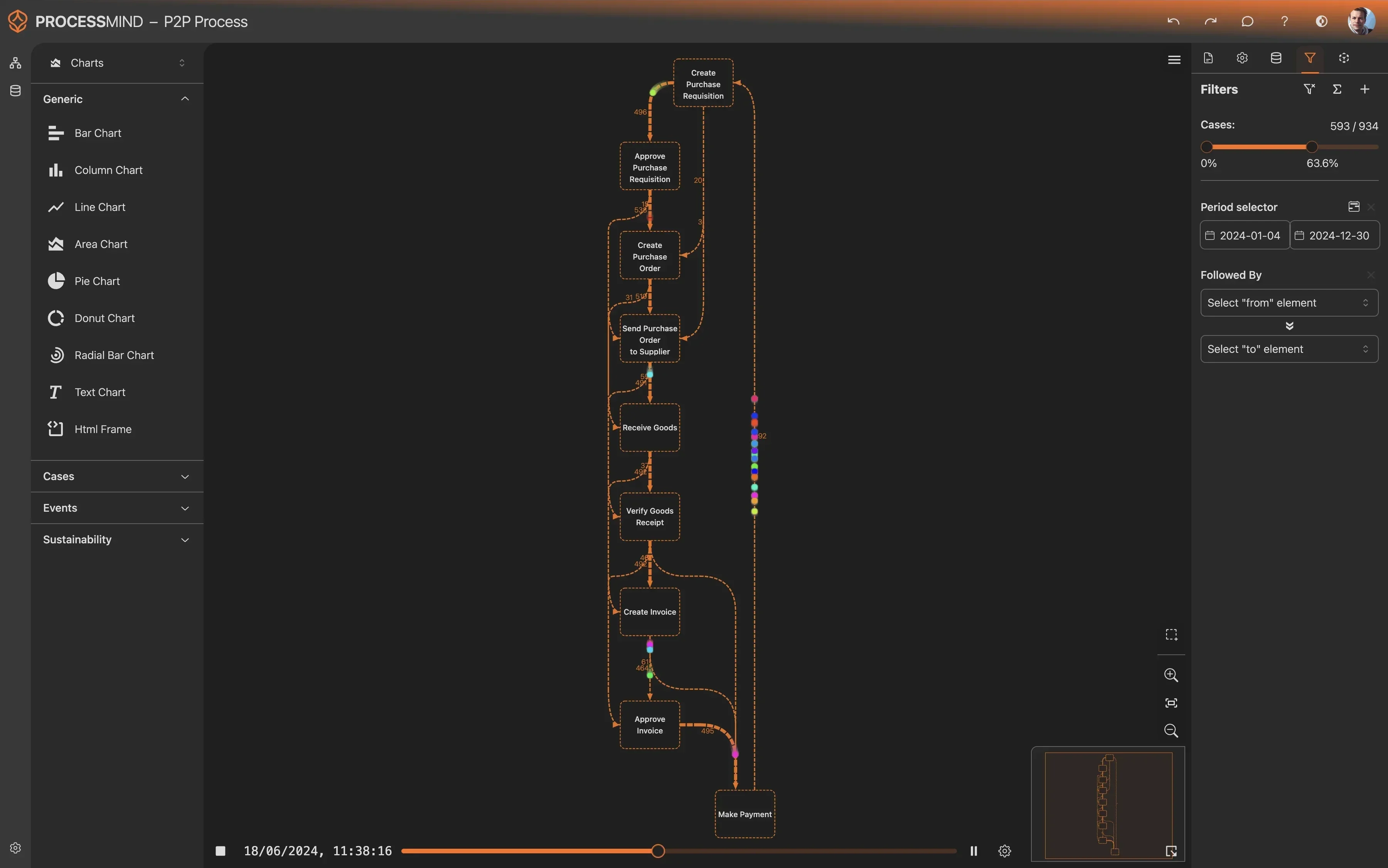
The Hire to Retire, H2R, Position Management process is a foundational element of any organization's workforce strategy, yet its true operational flow often remains obscured by system complexities and departmental silos. ProcessMind brings unparalleled clarity to your entire H2R Position Management journey, from the initial request and creation of a position to its eventual closure or deactivation, regardless of your underlying system. By leveraging advanced process mining techniques, we meticulously reconstruct every step of your process based on event data extracted from your system. This allows you to visualize the actual “as-is” process, revealing hidden delays, inefficient handoffs, and unexpected variations that impact your overall workforce planning and operational costs. We use Position ID as the unique identifier to trace the complete lifecycle of each position, providing a comprehensive, end-to-end view that no single reporting tool from your source system can deliver.
Organizations frequently grapple with a myriad of challenges in their Hire to Retire Position Management, including a lack of consistent process execution, extended cycle times for position approvals, and difficulties in ensuring compliance with internal policies and external regulations. Without a clear understanding of the actual process, pinpointing the root causes of these issues becomes an arduous, often manual, task. ProcessMind directly addresses these challenges by identifying exact points of delay, rework loops, and non-compliant activities across your entire process. Our platform helps you uncover where positions are getting stuck, where approvals are bottlenecking, and which steps are contributing to unnecessary costs. By quantifying the impact of these inefficiencies, ProcessMind empowers your team to make data-driven decisions, streamline operations, and ultimately enhance the effectiveness of your strategic workforce planning, ensuring positions are managed efficiently from inception to retirement.
Ready to transform your Hire to Retire Position Management? ProcessMind offers a straightforward path to uncovering profound insights and driving meaningful improvements. Our platform is designed to be welcoming and inclusive of all systems, adapting to your unique technological landscape. To begin your journey, simply upload your historical process data using our intuitive data template. With Position ID as your case identifier, ProcessMind will swiftly transform raw event logs from your ERP or other source systems into interactive, actionable process maps. This visualization not only highlights inefficiencies but also provides concrete evidence for process standardization, compliance improvements, and optimized resource allocation, unlocking the full potential of your workforce management strategy.
The 6-Step Path to Optimize Hire to Retire Position Management
Connect & Discover Data
What to do
Identify relevant data sources in your HR and finance systems. Extract event logs for all position lifecycle activities, ensuring timestamps and unique case IDs.
Why it matters
Comprehensive data collection offers a full view of your Position Management process. This enables accurate analysis and eliminates blind spots across all relevant teams.
Expected outcome
A complete dataset of all critical position lifecycle activities is prepared for analysis.
Map Your Process Flow
What to do
Visualize the position lifecycle, from creation to closure, using your data. Identify common paths, rework loops, and process deviations.
Why it matters
A clear process map reveals the actual sequence of events, showing where it diverges from documentation and uncovers hidden complexities.
Expected outcome
A clear visual map of your Position Management process, showing major paths and variations.
Identify Bottlenecks
What to do
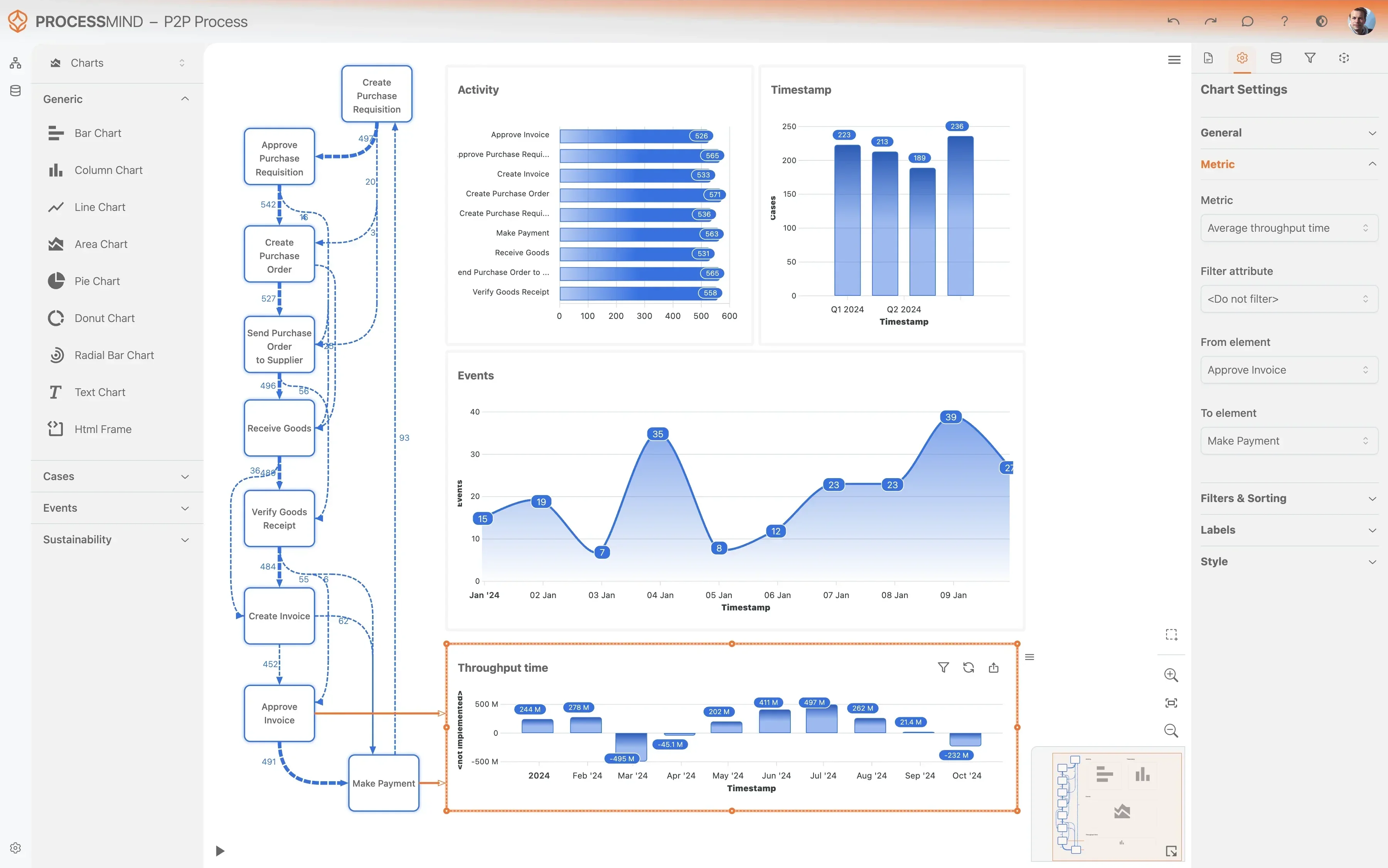
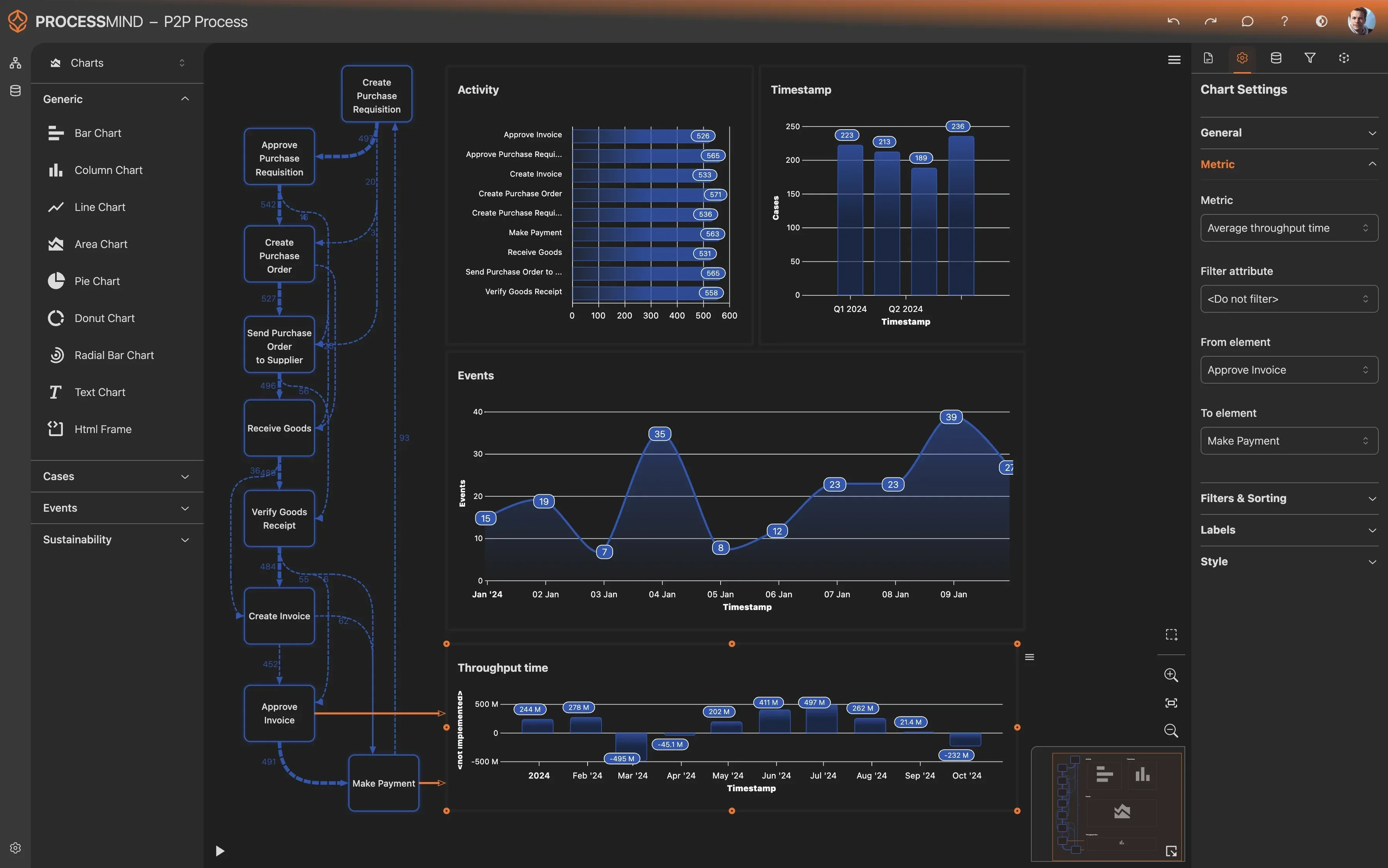
Analyze your process map to pinpoint activities causing delays. Focus on approval steps, data entry points, and handoffs.
Why it matters
Locating bottlenecks helps prioritize improvement efforts. Focus on areas that yield the greatest impact on efficiency and process cycle time.
Expected outcome
Key areas of delay and inefficiency in your Position Management process are identified.
Analyze Root Causes
What to do
Investigate the underlying reasons for bottlenecks and deviations. Examine resource allocation, manual steps, system limitations, or policy gaps.
Why it matters
Understanding the true causes prevents superficial fixes. Improvements address fundamental issues, not just symptoms, for sustainable change.
Expected outcome
A clear understanding of the root causes of process inefficiencies and delays.
Design Process Improvements
What to do
Propose concrete process changes, technology enhancements, or policy adjustments based on root cause analysis. Prioritize solutions by impact and feasibility.
Why it matters
Structured design ensures proposed changes are well-thought-out, targeted, and aligned with organizational goals, maximizing return on investment.
Expected outcome
Actionable, prioritized recommendations for optimizing your Position Management process are developed.
Monitor & Iterate
What to do
Implement the designed improvements and continuously track key performance indicators to measure their effectiveness. Establish a feedback loop for ongoing adjustments.
Why it matters
Continuous monitoring ensures improvements deliver expected results and allows for rapid adaptation to new challenges, fostering a culture of ongoing excellence.
Expected outcome
A sustained, optimized Position Management process with measurable improvements in efficiency and compliance.
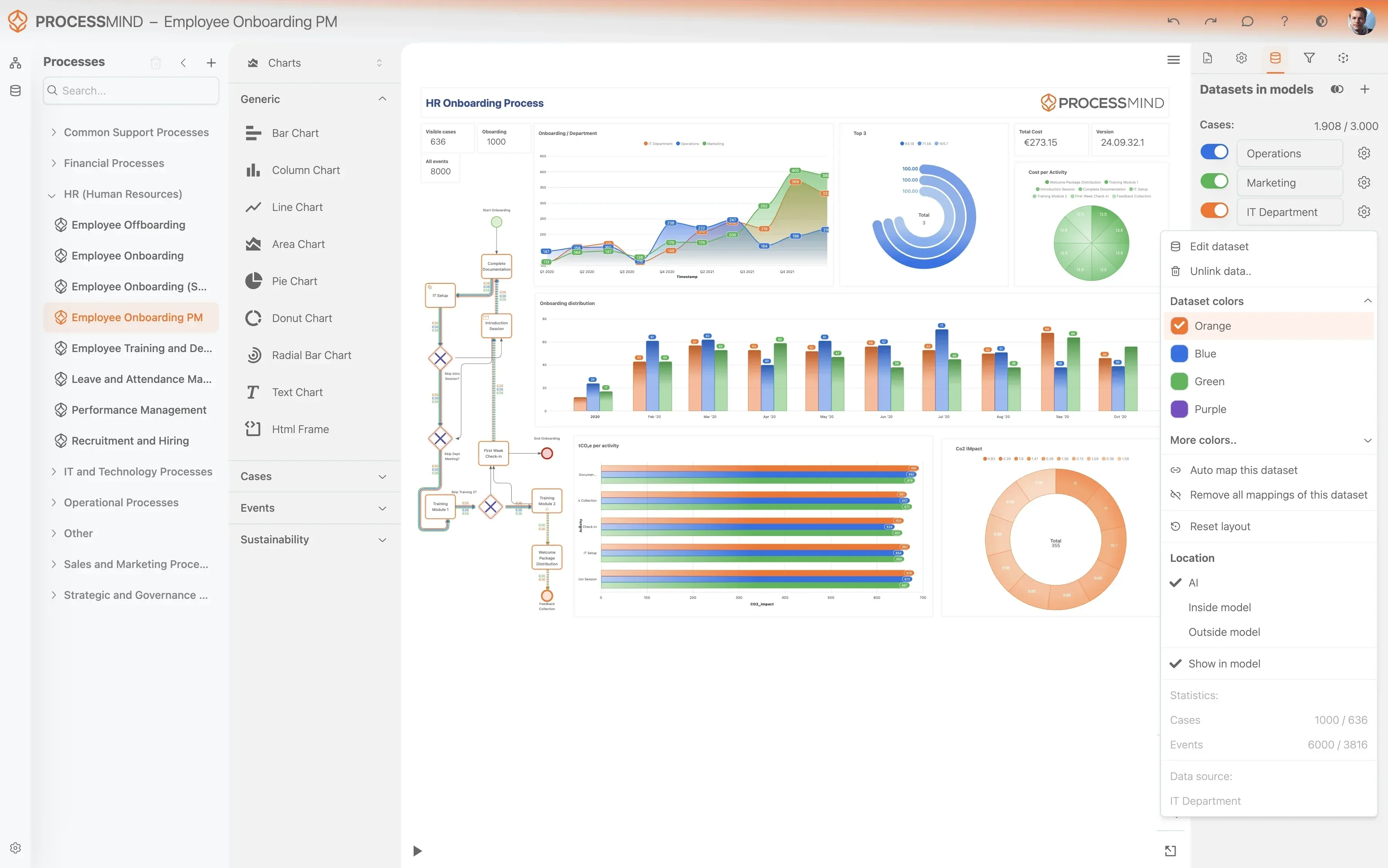
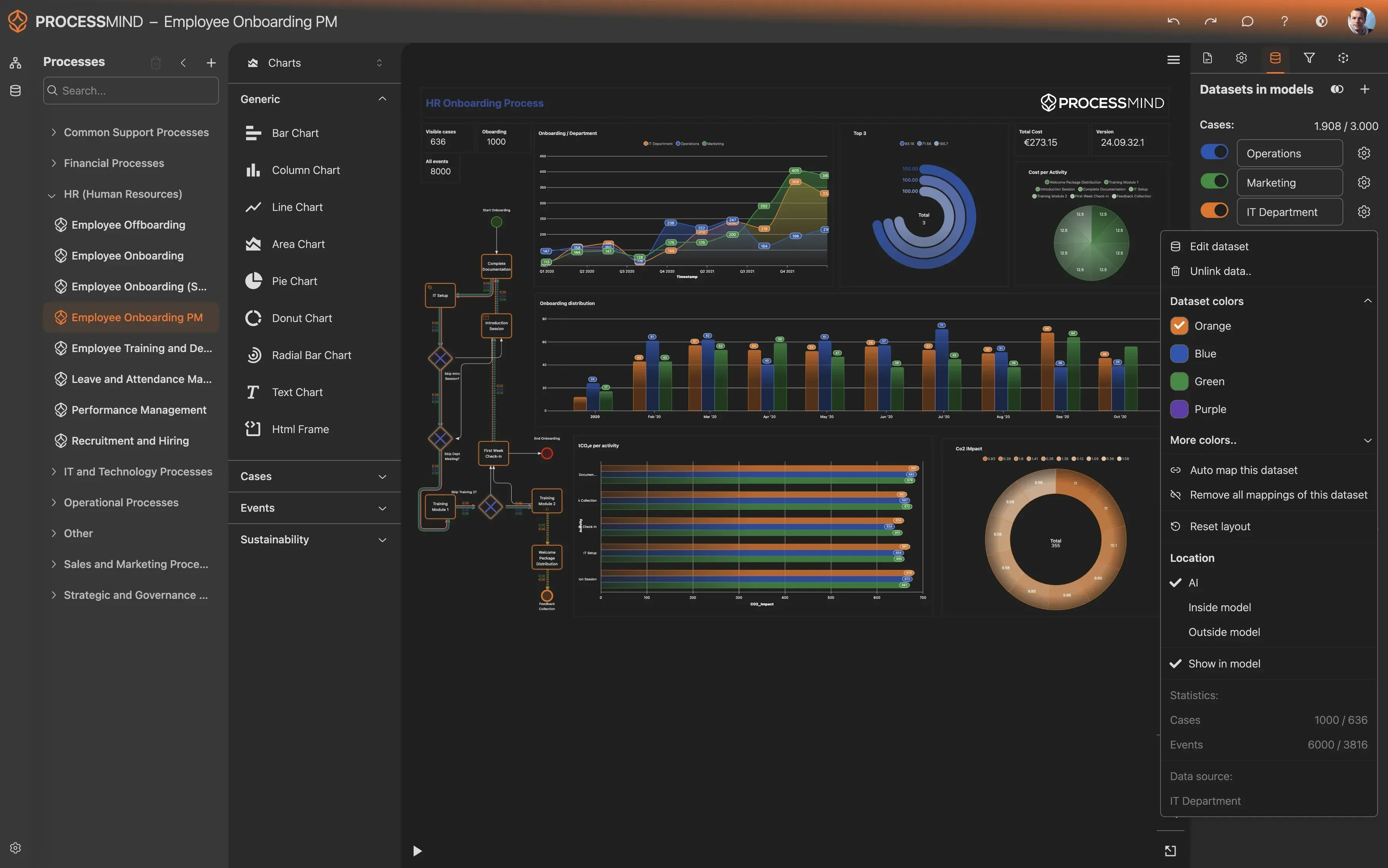
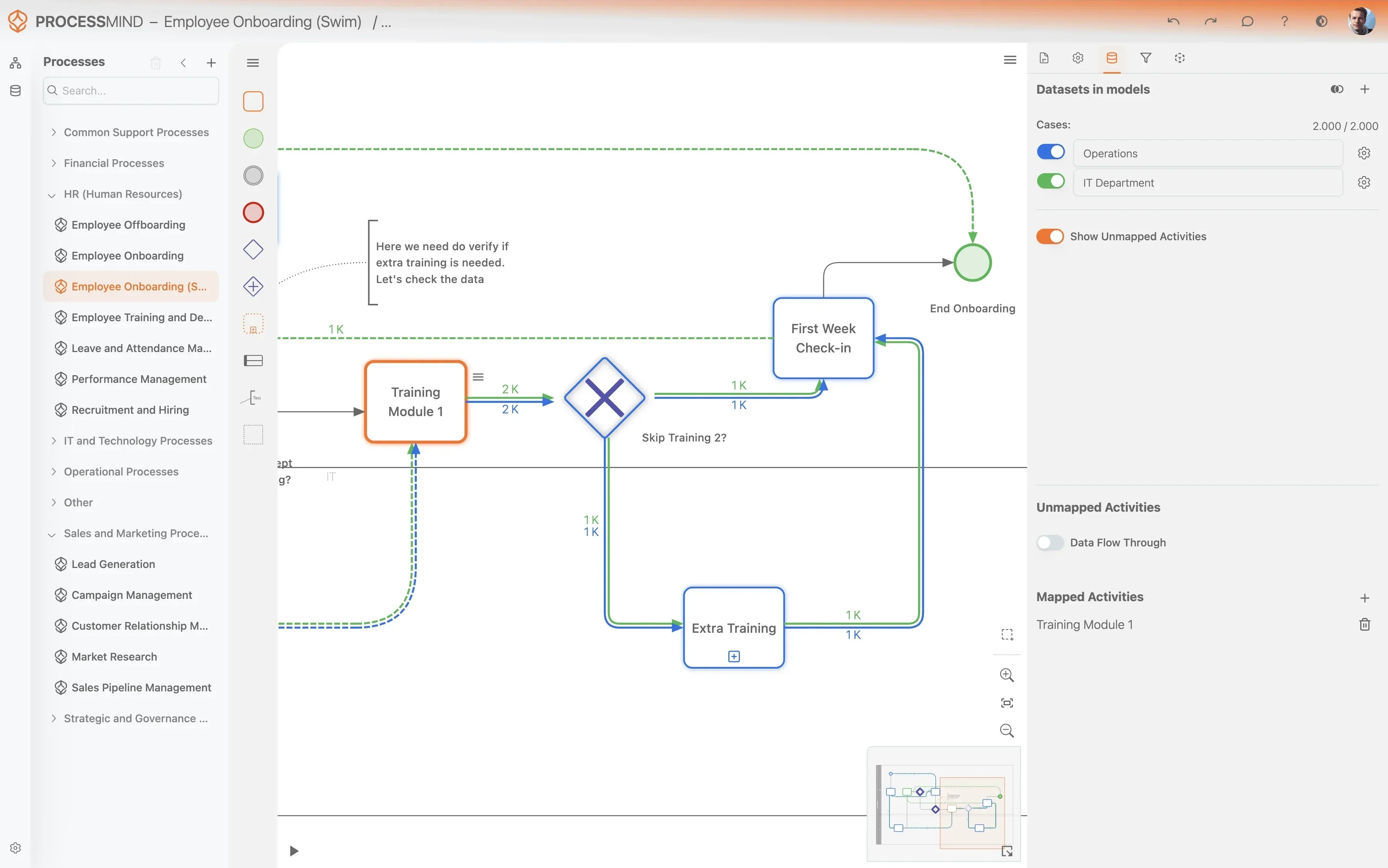
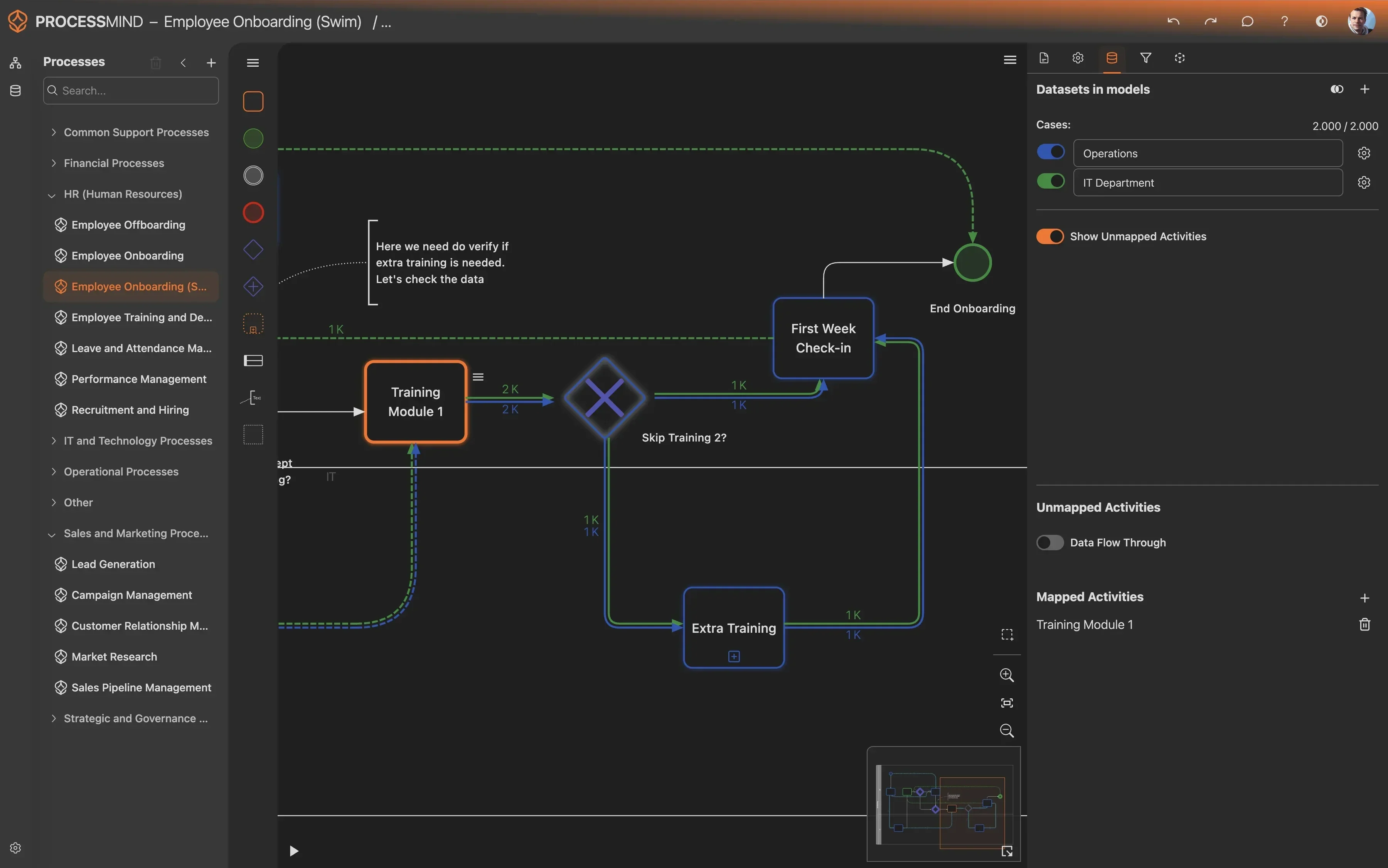
TYPICAL OUTCOMES
Elevating Efficiency in Position Management
Process mining for Hire to Retire, specifically Position Management, reveals actionable insights that streamline operations and enhance strategic workforce planning. Organizations leverage these insights to reduce manual efforts and accelerate critical processes.
Average reduction in approval time
Process mining identifies bottlenecks in position approval workflows, leading to a significant reduction in cycle time. This enables quicker staffing decisions and workforce agility.
Decrease in corrections and re-submissions
Pinpoint the root causes of rework in position creation and modification, drastically cutting down on time and resources spent correcting errors. This boosts operational efficiency and reduces costs.
Reduction in data entry errors
Process mining identifies common data entry errors and missing information, leading to higher first-pass data quality for new positions. This reduces downstream issues and improves reporting accuracy.
Reduction in policy violations
Process mining identifies and eliminates skipped or out-of-sequence approval steps, ensuring every position change adheres to organizational policies and regulatory requirements. This reduces audit risk.
Reduction in time to readiness
Shorten the duration from position creation to activation, making roles available for recruitment more quickly. This supports talent acquisition and reduces time-to-fill for critical roles.
Results vary based on an organization's specific process complexity, data quality, and existing system landscape. These figures illustrate common improvements observed across successful implementations.
Recommended Data
For customized data recommendations, choose your specific process.
FAQs
Frequently asked questions
Process mining analyzes event logs from your source system to visualize the actual flow of your position management processes. It helps identify bottlenecks in approvals, inconsistencies in data, and areas of rework. By revealing these hidden inefficiencies, you can streamline operations, reduce cycle times, and ensure better compliance.
You will need event log data related to position creation, modification, approval, and activation. Key data points include a unique Position ID, activity timestamps, activity names, and the user responsible for each action. Ensuring the presence of this unique case identifier is crucial for accurate process reconstruction.
Data is typically extracted via standard integration methods, reporting tools, or APIs, ensuring minimal impact on live system performance. This often involves connecting to underlying data stores to pull historical event logs. The process is designed to be read-only and non-intrusive to your daily operations.
You can expect to uncover root causes for slow approvals, identify non-compliant process variations, and gain full visibility into the position lifecycle. This leads to quantifiable improvements like reduced position approval cycle times, fewer creation bottlenecks, and enhanced data consistency. Ultimately, process mining helps optimize resource allocation and accelerate position activation.
The timeline can vary depending on data volume and complexity, but initial setup and data ingestion usually take a few days to a few weeks. Within 4-6 weeks, most organizations can generate their first process models and uncover key bottlenecks. Deeper analysis and iterative improvements continue as the project progresses.
Absolutely. Process mining compares your actual process execution against predefined compliance rules and ideal process models. It can automatically detect deviations, unauthorized steps, or missing approvals that could lead to compliance violations. This proactive identification helps you mitigate risks before they become significant issues.
Yes, process mining can precisely map all changes to position attributes and reclassification paths. It reveals where, when, and by whom these changes occur, highlighting root causes like unclear initial requirements or inefficient review stages. This visibility empowers you to implement targeted interventions to minimize rework and stabilize position data.
Yes, by tracking the lifecycle of each Position ID through its event log, process mining can pinpoint positions that enter a 'frozen' or 'suspended' state and remain there for extended periods without further activity. This helps identify bottlenecks in reactivation or proper closure, allowing for better management, resource planning, and reduction of orphaned positions.
Streamline Your Hire to Retire Position Management Now
Gain unprecedented clarity into your workforce, reducing errors and optimizing costs quickly.
No credit card required, setup in 5 minutes.