Improve Your Problem Management

Select a process
Choose a process to continue working in your connected workspace.
Optimize Problem Management in BMC Helix ITSM
Our platform identifies hidden bottlenecks and process friction that impact your service efficiency. You can easily visualize where manual steps or handoffs cause delays in your investigations. This visibility helps you streamline workflows and eliminate the root causes of recurring operational issues.
Download our pre-configured data template and address common challenges to reach your efficiency goals. Follow our six-step improvement plan and consult the Data Template Guide to transform your operations.
Show detailed description
The Strategic Value of Refining Problem Management
Efficient Problem Management is the cornerstone of a stable IT environment. While Incident Management focuses on restoring service as quickly as possible, Problem Management seeks to eliminate the underlying causes of those disruptions. When this process is unoptimized, your IT team remains in a reactive state, fighting the same fires repeatedly. This cycle increases operational costs, reduces user satisfaction, and places unnecessary strain on your technical staff. By optimizing this process within BMC Helix ITSM, you shift from a reactive posture to a proactive strategy that enhances the overall reliability of your business services, ultimately protecting the organization from costly service outages.
Transforming BMC Helix ITSM Data into Actionable Insights
Standard reporting in BMC Helix ITSM often provides a static view of your data, such as the number of open problems or the average time to closure. However, these metrics rarely explain why a particular investigation is stalled. Process mining changes the narrative by reconstructing the entire lifecycle of every problem record using digital footprints from tables like PBM:Problem Investigation and PBM:Known Error. This approach reveals the actual sequence of events, showing you exactly where handoffs fail, where approvals linger, and where rework occurs. Instead of guessing why your cycle time is high, you can see the specific paths that lead to delays, allowing for targeted improvements based on objective evidence rather than anecdotal reports.
Identifying Structural Inefficiencies in Root Cause Analysis
One of the most significant challenges in Problem Management is the transition from identifying a problem to commencing an investigation. In many organizations, a record might sit in a logged or assigned state for days before a specialist begins work. Process mining helps you pinpoint these silent bottlenecks. You might discover that certain support groups are overloaded, causing a backlog, or that the criteria for escalating a problem to the root cause analysis stage are unclear. By analyzing the flow between activities like Investigation Commenced and Root Cause Identified, you can identify if technical teams have the information they need or if they are spending too much time on administrative tasks rather than diagnostic work. Reducing this cycle time is the fastest way to improve your overall IT stability.
Enhancing the Effectiveness of Workarounds and Known Errors
A critical but often overlooked aspect of the process is the speed at which workarounds are published. When a workaround is identified but not documented in the PBM:Known Error form, Service Desk agents continue to struggle with recurring incidents, leading to wasted effort across the entire organization. Process mining allows you to track the duration between Workaround Identified and Workaround Published. If this gap is too wide, it indicates a breakdown in communication that directly impacts your incident volume. By streamlining this specific segment of the workflow, you ensure that the organization benefits from temporary fixes while the permanent solution is being engineered, effectively buying time for your specialists to perform a deep dive analysis without the pressure of mounting incident queues.
Measuring Success and Driving Process Maturity
The ultimate goal of process optimization is to reduce the frequency and impact of incidents on the business. By leveraging process mining, you can establish clear benchmarks for your Problem Management lifecycle. You can measure the effectiveness of your Change Request Initiated activities and verify if permanent fixes are being applied within agreed service level targets. As you implement changes, process mining provides a continuous feedback loop, showing you in real time if your optimizations are working. This data driven approach fosters a culture of transparency and accountability, where teams are empowered to improve their workflows based on facts. Over time, this maturity leads to a significant decrease in recurring issues and a more resilient IT infrastructure.
Getting Started with Process Led Optimization
Improving your Problem Management process does not require a complete overhaul of your ITSM suite. It begins with gaining visibility into your current state. By applying these analysis techniques to your BMC Helix ITSM data, you can start small, perhaps by focusing on a specific high priority service or a frequently occurring problem category. As you uncover and resolve bottlenecks, the resulting reduction in incident volume will free up capacity for your team to tackle even more complex structural improvements. Use this guide and the accompanying templates to begin your journey toward a more stable, efficient, and proactive IT service environment.
The 6-Step Improvement Path for Problem Management
Get the Data Template
What to do
Obtain the standardized Excel template designed for BMC Helix Problem Management fields including Problem Investigation and Known Error forms.
Why it matters
Using a prebuilt structure ensures your lifecycle data aligns perfectly with analytical models, facilitating much faster diagnostic insights.
Expected outcome
A ready to use template for your ITSM data mapping.
Export Historical Data
What to do
Extract three to six months of problem records from BMC Helix ITSM, focusing on investigation progress and root cause identification stages.
Why it matters
Historical data provides a baseline to identify recurring incident patterns and significant bottlenecks in your current resolution workflow.
Expected outcome
A populated dataset reflecting your actual problem management history.
Upload Your Dataset
What to do
Securely upload your completed Excel file to the ProcessMind platform to initiate the automatic analysis of your problem resolution flows.
Why it matters
Centralizing your data in an advanced analytics engine enables the discovery of hidden process deviations and critical efficiency gaps.
Expected outcome
Your data is processed and ready for visual exploration.
Analyze Resolution Flows
What to do
Explore the AI driven dashboards to identify bottlenecks in root cause analysis and evaluate the effectiveness of published workarounds.
Why it matters
Visualizing the end to end lifecycle helps pinpoint exactly where investigations stall or where critical change requests are delayed.
Expected outcome
Clear visibility into bottlenecks and optimization opportunities.
Optimize Problem Handling
What to do
Use insights to streamline support group assignments and accelerate the transition from root cause identification to permanent fix implementation.
Why it matters
Taking targeted action reduces the volume of recurring incidents and improves the overall stability of your business services.
Expected outcome
A prioritized list of process improvements put into action.
Monitor Progress and KPIs
What to do
Regularly upload new data from BMC Helix ITSM to track the impact of your changes on SLA compliance and investigation resolution times.
Why it matters
Continuous monitoring ensures that process improvements stick and allows you to adapt quickly to new IT service challenges.
Expected outcome
Sustained improvement in problem resolution efficiency.
YOUR PROCESS INSIGHTS
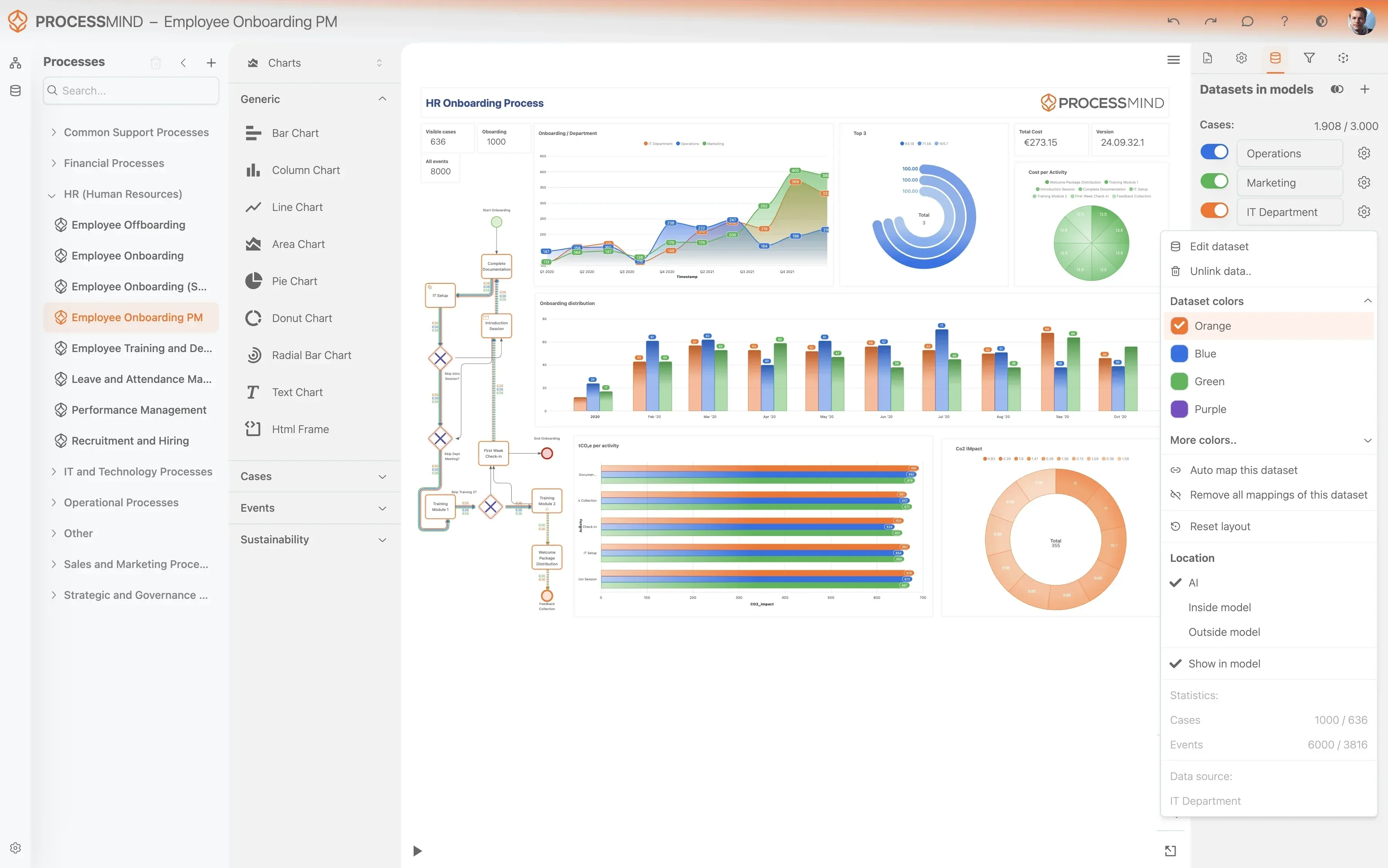
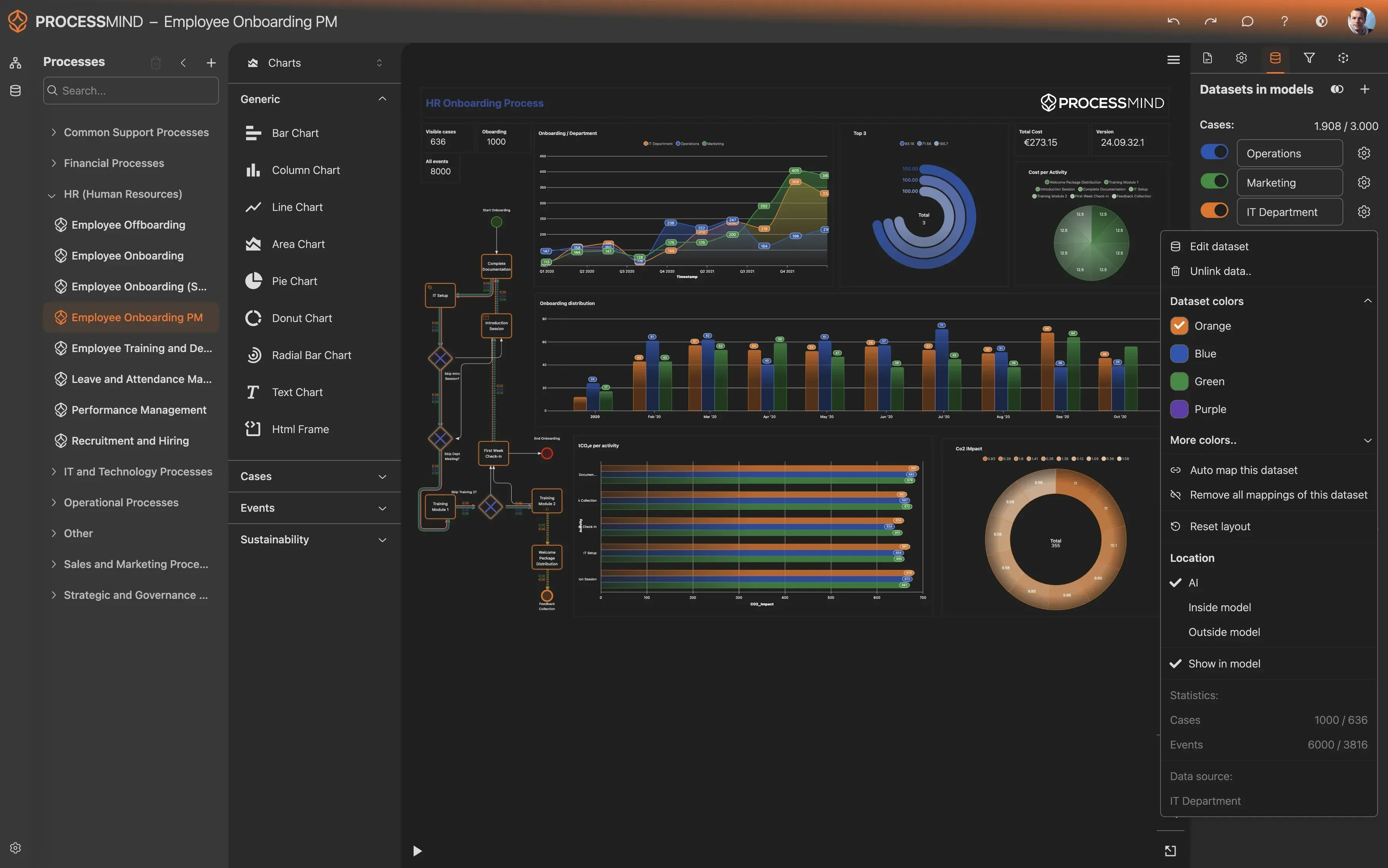
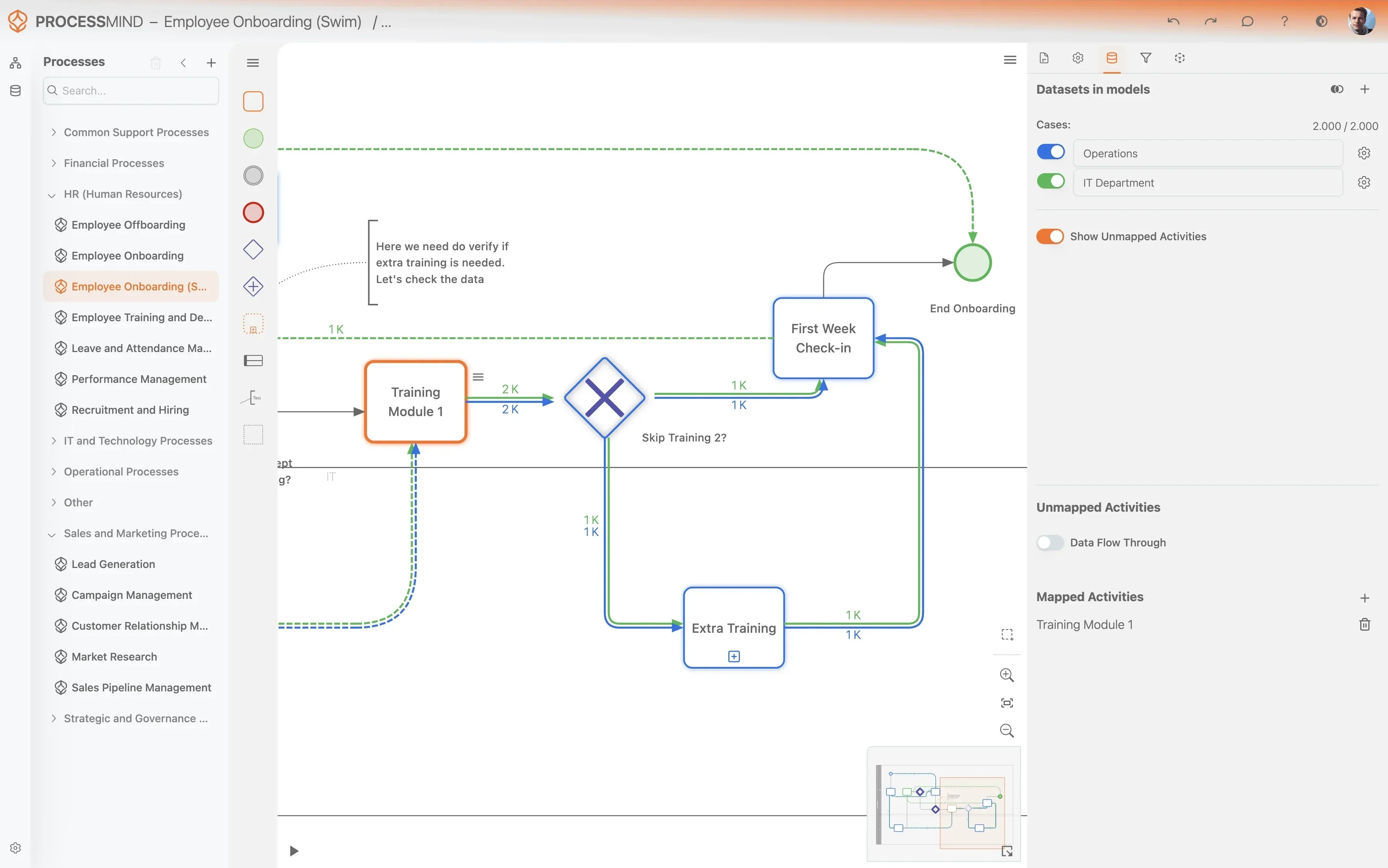
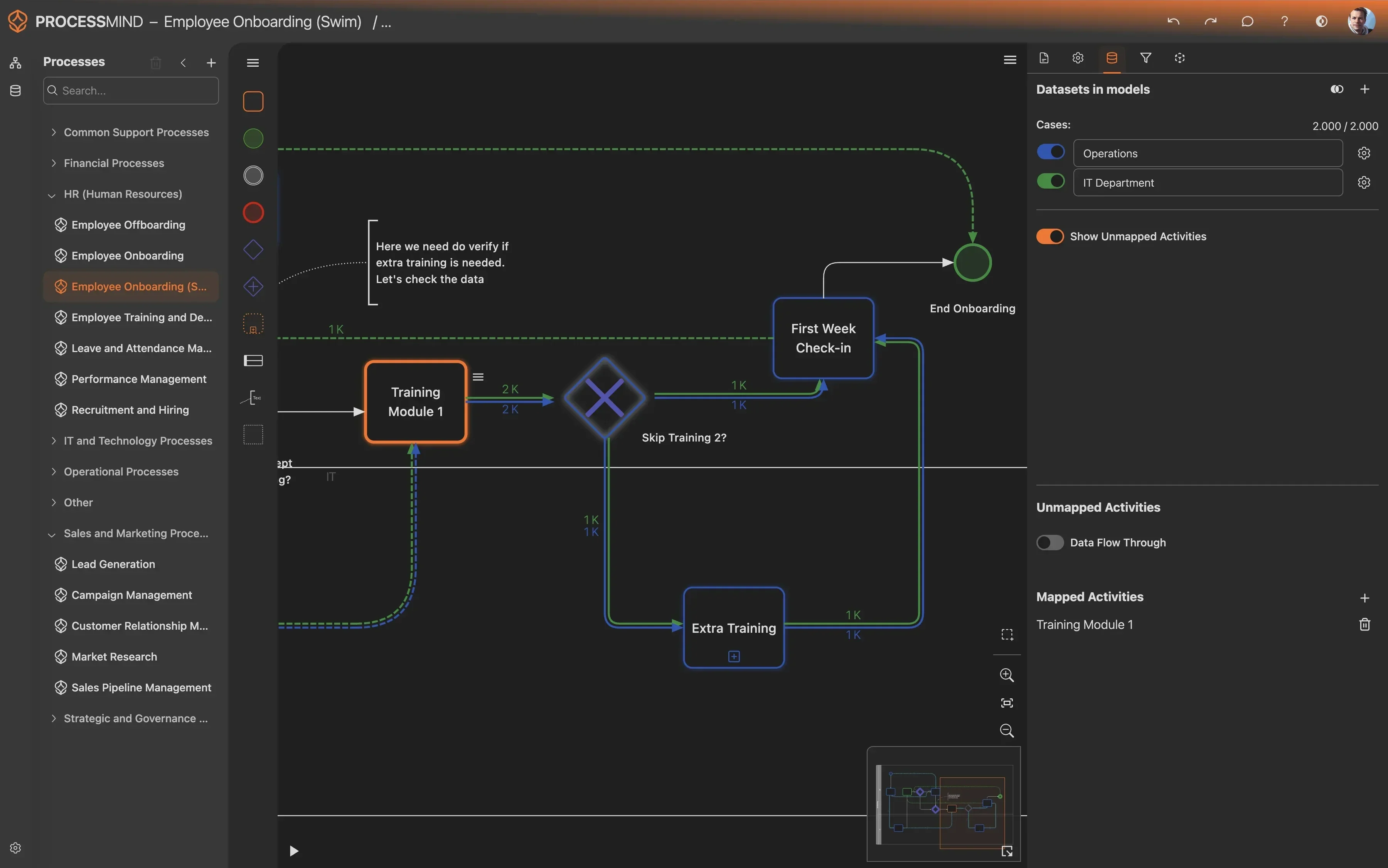
Discover Real Bottlenecks in Your Helix Problem Flow
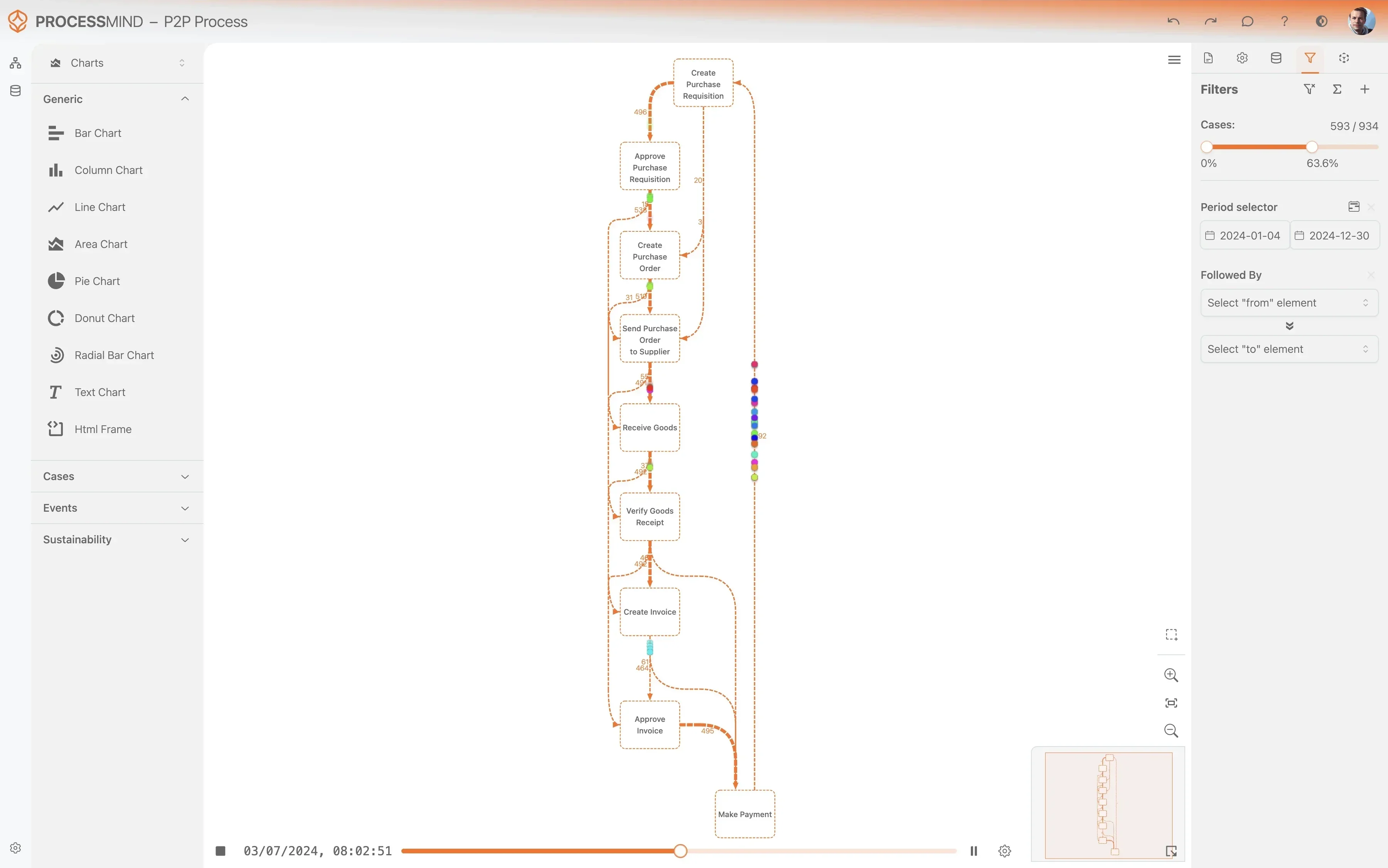
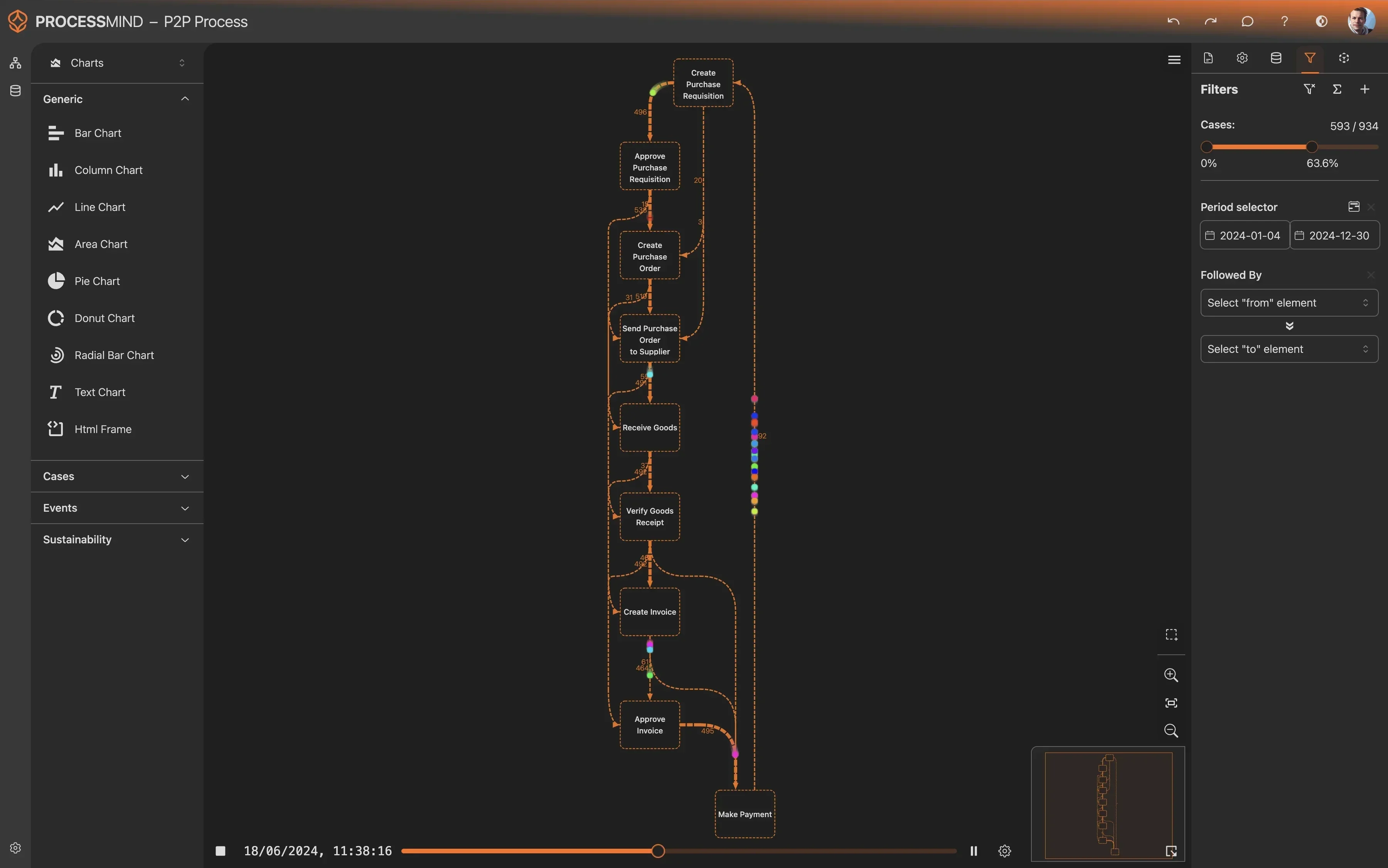
- Visualize every step of your investigation cycle
- Pinpoint exact causes of assignment delays
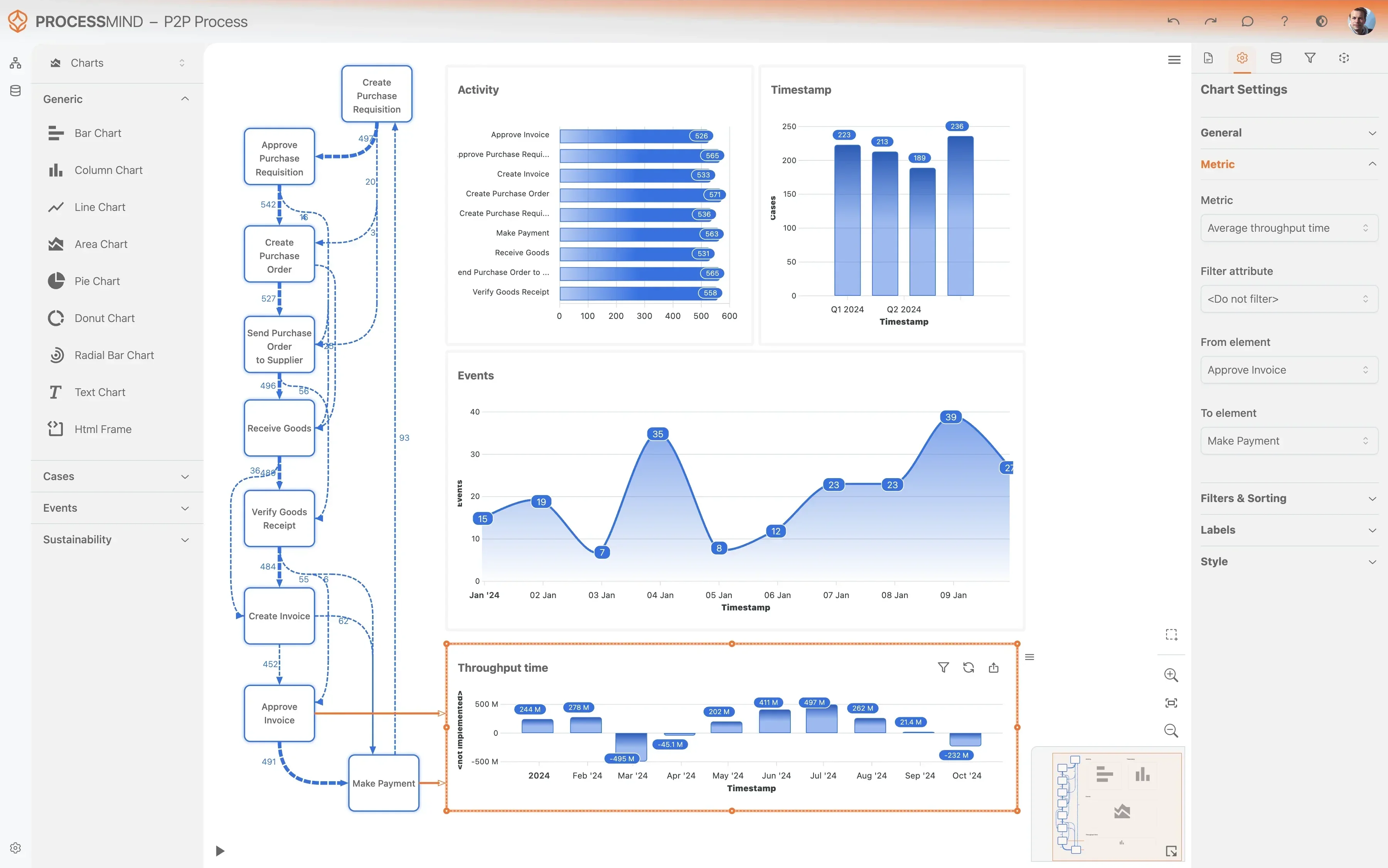
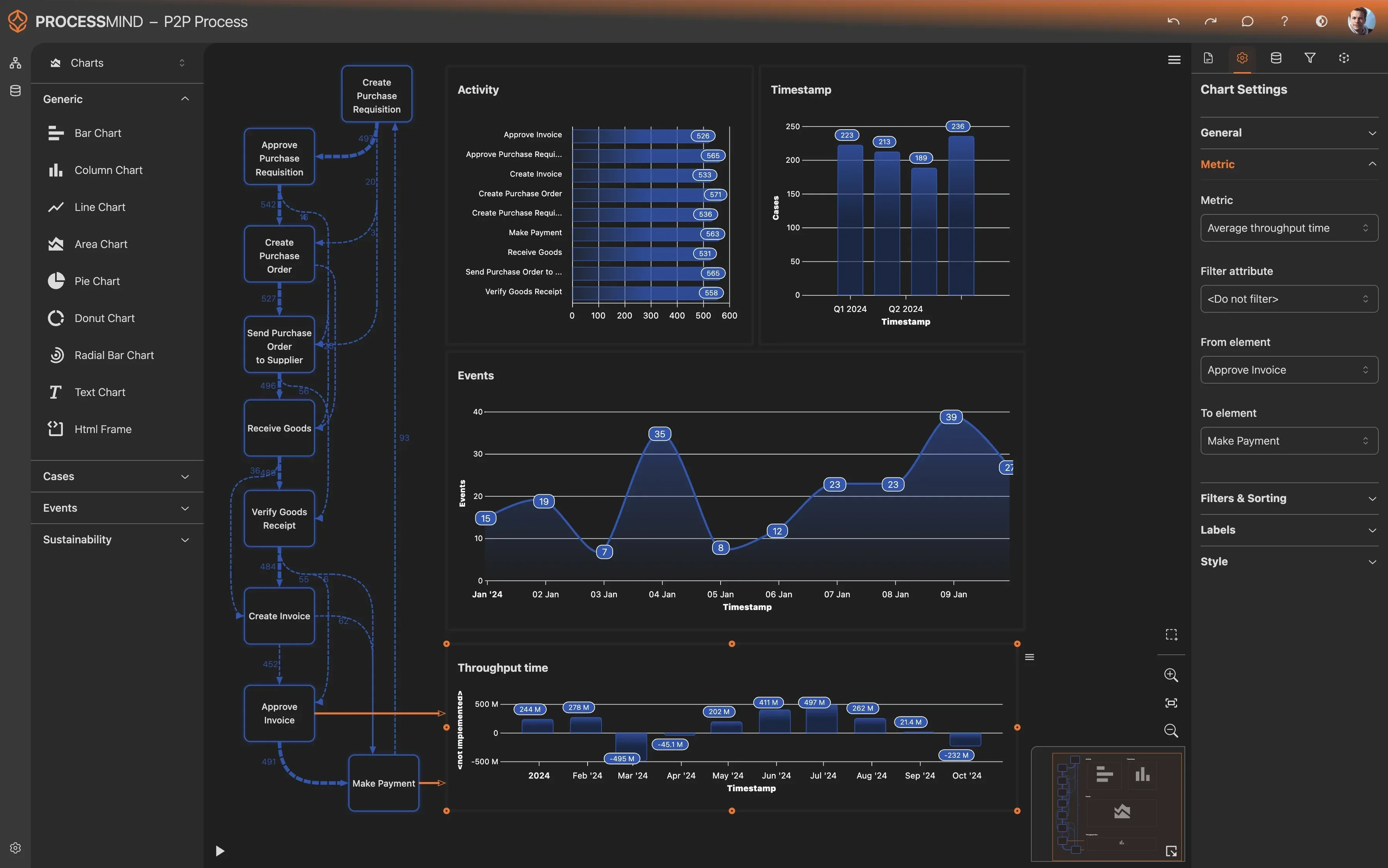
- Optimize the speed of workaround documentation
- Measure the impact of fixes on incident volume
PROVEN OUTCOMES
Measurable Impact on Problem Resolution
Organizations gain deep visibility into Problem Records to streamline root cause analysis and reduce the volume of recurring incidents across the enterprise. These results highlight the efficiency gains possible when insights driven by data are applied to BMC Helix ITSM workflows.
Reduced investigation cycle time
Streamlining the path from investigation start to root cause identification allows technical teams to focus on permanent fixes rather than prolonged diagnosis.
Reduction in support reassignments
Identifying bottlenecks in initial routing ensures that problem records reach the correct experts immediately, preventing wasted effort across multiple support groups.
Percentage increase in compliance
Real-time visibility into stalled problem records helps management intervene before SLA targets are missed, ensuring consistent service delivery to the business.
Fewer reopened problem cases
Validating resolutions before closure ensures that underlying issues are truly fixed, preventing the costly cycle of investigations restarting after a supposed fix.
Quicker publication of fixes
Accelerating the publication of temporary workarounds significantly reduces the impact of ongoing incidents on end users while the long-term solution is developed.
Actual performance improvements depend on process complexity and data integrity. These figures reflect typical outcomes observed across various enterprise environments.
Recommended Data
FAQs
Frequently asked questions
Process mining visualizes every path a Problem Record takes, which reveals the actual flow instead of the intended one. By analyzing historical event logs, you can identify where records bounce between support groups or get stuck in pending states. This clarity allows teams to remove structural inefficiencies and focus on high impact root cause analysis.
You need a basic event log containing a unique Problem Record ID, a timestamp, and an activity description like Status Change or Assigned Group. This information is typically extracted from the PBM:Problem Investigation tables within the BMC Helix database. Most process mining tools can connect directly to these tables or import CSV exports to map the process flow.
It highlights specific stages where investigations stall, such as when waiting for vendor input or cross departmental feedback. By quantifying the duration of each transition, managers can pinpoint resource gaps or missing documentation that slows down the investigative phase. This data driven approach replaces anecdotal evidence with factual evidence of where delays actually occur.
Initial insights can often be generated within two to four weeks once the data extraction from BMC Helix is established. The first phase focuses on connecting to the system and mapping the primary status changes to create a baseline model. Subsequent weeks are then used to refine the analysis and identify specific optimization opportunities like reducing record reassignments.
Process mining is an excellent tool for identifying data quality issues, such as missing timestamps or incorrect categorization. While poor data can obscure some insights, the visualization often highlights where process steps are being skipped or entered incorrectly by support staff. Fixing these data gaps becomes one of the first improvement goals to ensure future reporting is accurate.
While it cannot fix the process for you, it identifies the root causes of SLA breaches by showing the exact path of records that failed to meet targets. You can compare compliant versus non compliant records to see if specific support groups or problem types are more prone to delays. This allows for targeted training or resource redistribution to ensure priority problems are handled within the required timeframes.
It tracks the hand off between the Problem Management and Change Management modules to see if there is a significant lag. By visualizing this transition, you can see if change requests are being created promptly after a root cause is identified or if they are getting stuck in an administrative loop. This helps streamline the entire lifecycle from identifying a problem to implementing a permanent fix.
It complements standard reporting by providing a longitudinal view of the process rather than just static snapshots of current status. While traditional reports show how many problems are open, process mining shows how those problems moved through the system over time. This deeper level of detail is necessary for true process optimization and identifying hidden bottlenecks that standard dashboards might miss.
Fix Problem Management Bottlenecks Today
Reduce cycle times by 30% and improve service stability.
No credit card required. Setup in minutes.