Improve Your Patient Journey

Select a process
Choose a process to continue working in your connected workspace.
Optimize Patient Journeys in Oracle Health (Cerner)
Understanding and improving patient journeys can be complex, often hiding inefficiencies that impact both care quality and patient satisfaction. Our platform helps you pinpoint exactly where delays occur, identifying the root causes of process bottlenecks. This clarity allows you to streamline operations, enhance patient experience, and achieve better clinical outcomes.
Download our pre-configured data template and address common challenges to reach your efficiency goals. Follow our six-step improvement plan and consult the Data Template Guide to transform your operations.
Show detailed description
Why Optimize Your Patient Journey in Oracle Health (Cerner)?
Understanding and refining the Patient Journey is paramount for any healthcare organization, especially when operating within a comprehensive Electronic Health Record (EHR) system like Oracle Health (Cerner). These complex systems generate vast amounts of data, yet extracting actionable insights to truly understand patient flow, identify bottlenecks, and enhance care delivery can be a significant challenge. Inefficient patient journeys lead to longer wait times, increased operational costs, diminished patient satisfaction, and can even impact clinical outcomes. Without a clear, data-driven view, healthcare providers often rely on assumptions or anecdotal evidence, making targeted improvements difficult and often ineffective. Optimizing your Patient Journey within Oracle Health (Cerner) is not just about efficiency, it is about delivering higher quality care and improving the overall patient experience.
Unlocking Insights with Process Mining for Patient Journeys
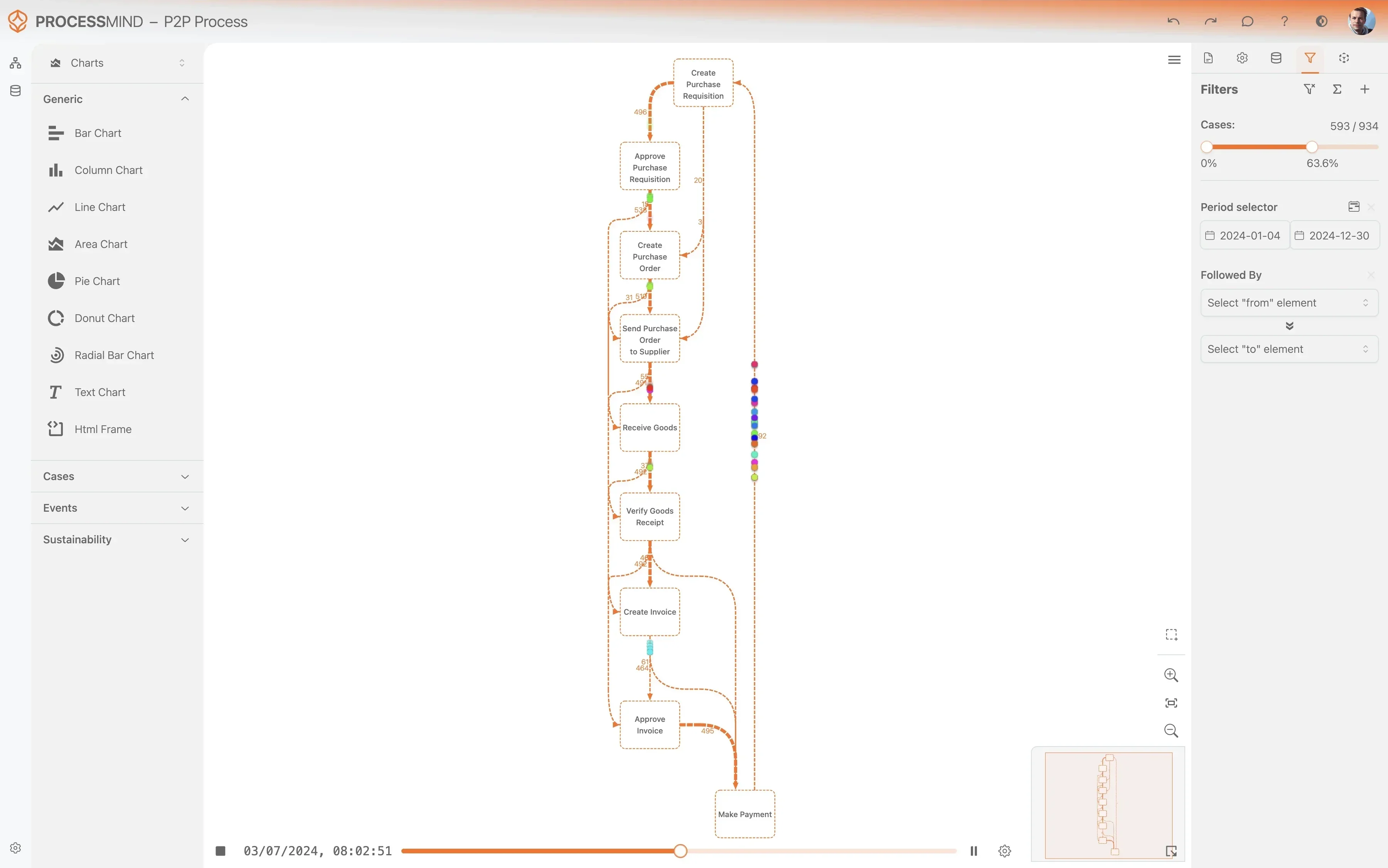
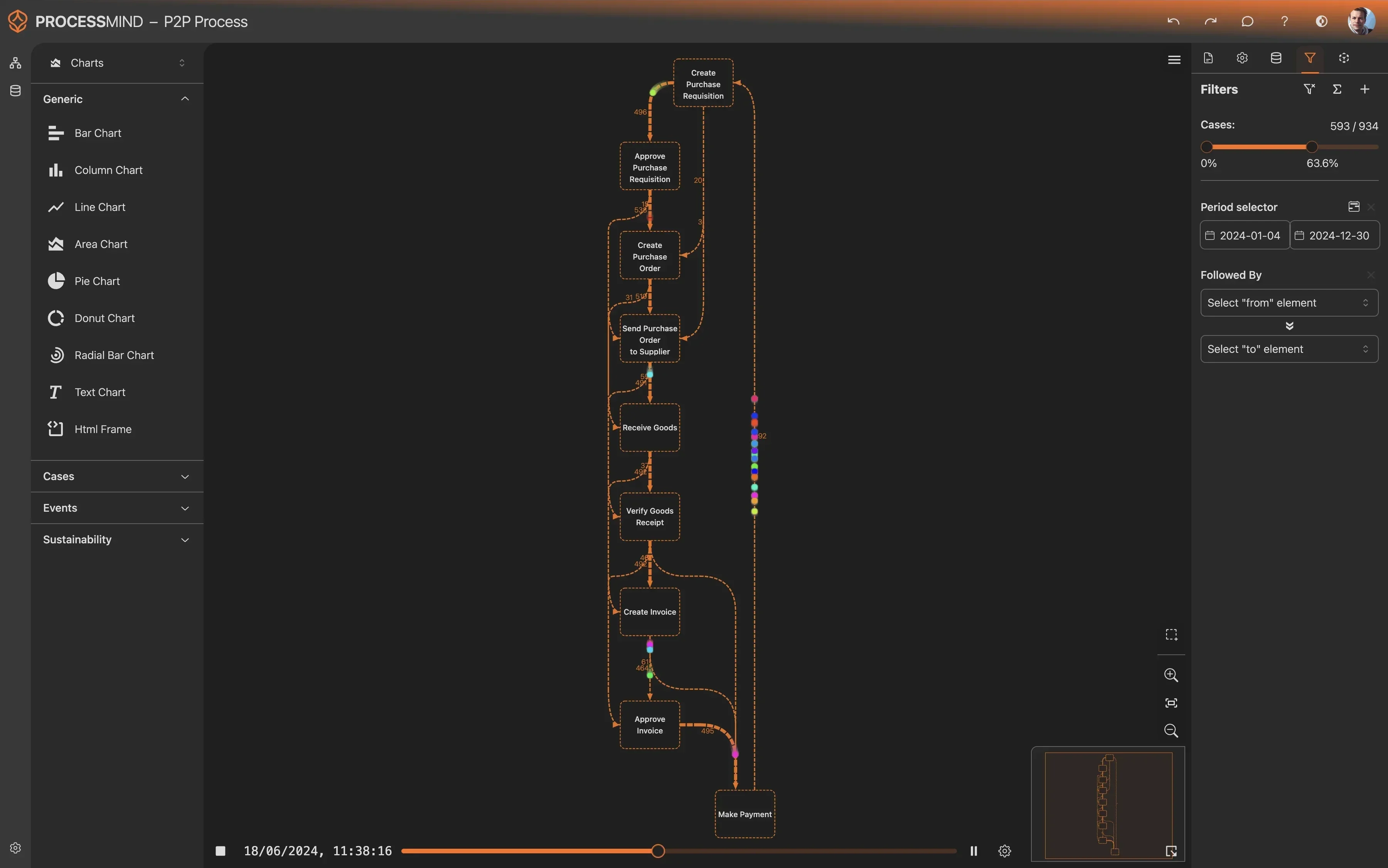
Process mining offers a revolutionary approach to analyzing and improving your Patient Journey by transforming raw event data from Oracle Health (Cerner) into transparent, visual process maps. Instead of relying on manual observation or interviews, process mining reconstructs the actual patient pathways, from initial registration to discharge and follow-up. This powerful technique allows you to:
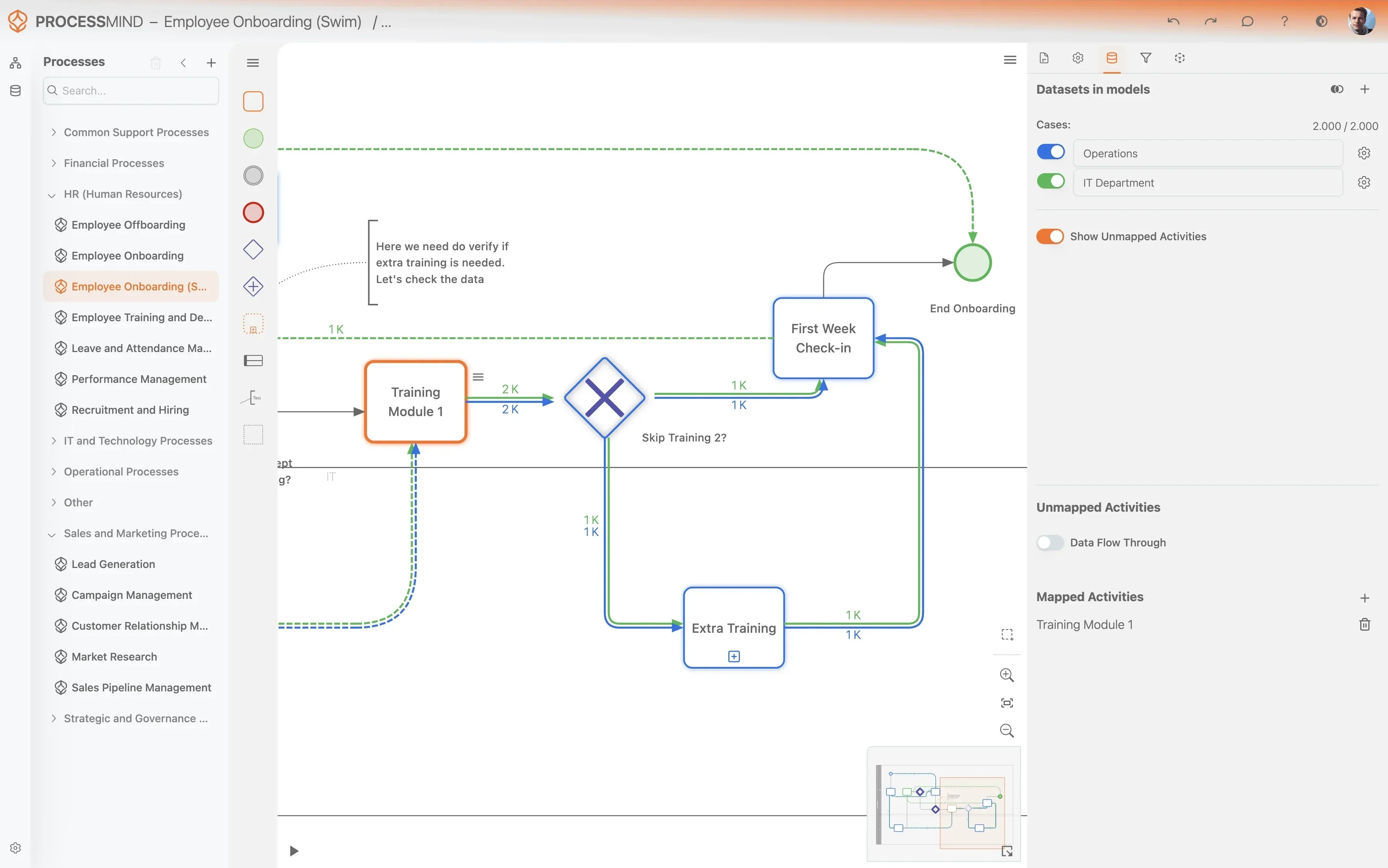
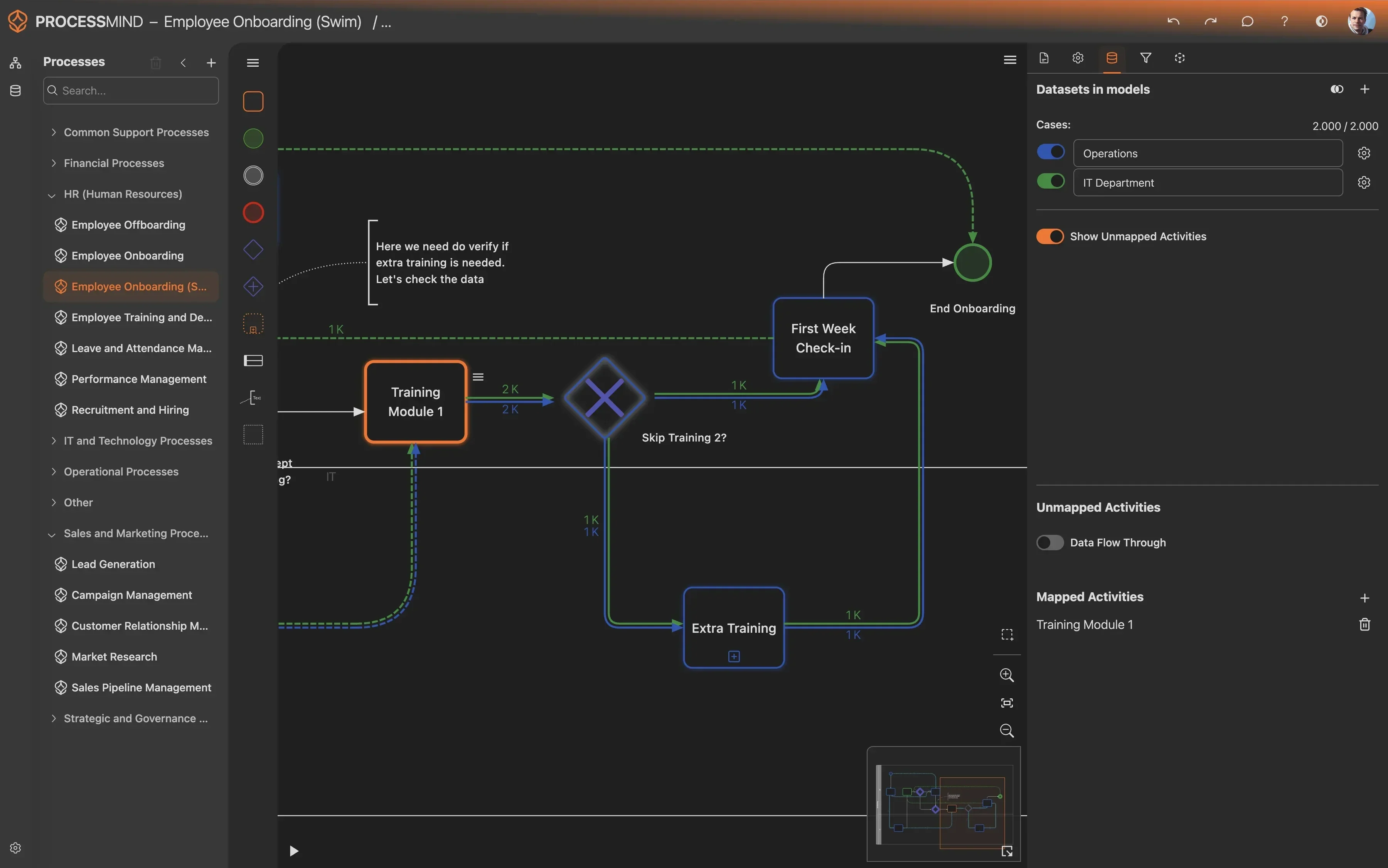
- Visualize the End-to-End Journey: See every step a patient takes, uncovering deviations from ideal pathways, such as unexpected transfers between departments or prolonged stays at specific stages.
- Pinpoint Bottlenecks with Precision: Identify exact points in the Patient Journey where delays occur, such as extended waits for diagnostic tests, specialist consultations, or bed assignments. Process mining quantifies the impact of these bottlenecks on overall cycle time.
- Analyze Cycle Time: Understand how long patients spend at each stage of their journey, revealing opportunities to reduce Patient Journey cycle time and improve throughput.
- Identify Root Causes of Inefficiency: Delve deeper into why certain delays happen, for instance, by correlating wait times with specific departments, clinician availability, or admission types recorded in Oracle Health (Cerner).
- Validate and Improve Protocols: Compare actual patient flows against established clinical guidelines and treatment protocols, highlighting areas of non-compliance or where protocols themselves could be improved.
Key Improvement Areas Discovered Through Process Mining
Applying process mining to your Oracle Health (Cerner) data for the Patient Journey can reveal critical areas for optimization. Typical improvements include:
- Streamlining Admissions and Triage: Reducing wait times at registration, optimizing initial assessment processes, and ensuring patients are directed to the correct care pathway more swiftly.
- Accelerating Diagnostic and Treatment Pathways: Identifying and eliminating unnecessary delays between diagnostic test orders, performance, and result delivery, leading to faster diagnoses and treatment initiation.
- Optimizing Transfers and Handoffs: Enhancing the efficiency of patient transfers between wards, departments, or care levels, minimizing the risk of information loss or delays during handovers.
- Expediting Discharge Planning: Shortening the time from discharge decision to actual patient departure by identifying inefficiencies in medication reconciliation, paperwork, or follow-up appointment scheduling.
- Improving Resource Utilization: Better allocating staff, equipment, and facility resources by understanding peak times, common pathways, and resource demands based on actual patient flow data.
- Ensuring Compliance: Verifying that clinical protocols and regulatory requirements are consistently met, thereby reducing risks and improving patient safety.
Expected Outcomes of Patient Journey Process Optimization
By leveraging process mining to optimize the Patient Journey within your Oracle Health (Cerner) environment, you can expect substantial and measurable benefits:
- Reduced Patient Journey Cycle Time: Significantly decrease the total time patients spend in your care, from admission to discharge.
- Enhanced Patient Experience and Satisfaction: Improve patient satisfaction through shorter wait times, smoother transitions, and more predictable care pathways.
- Improved Clinical Outcomes: Faster access to diagnosis and treatment can lead to better health outcomes and reduced readmission rates.
- Increased Operational Efficiency: Achieve higher throughput with existing resources, reducing operational costs and improving staff productivity.
- Stronger Compliance and Risk Mitigation: Ensure consistent adherence to clinical guidelines, reducing variations in care and mitigating potential risks.
- Data-Driven Strategic Decisions: Empower your leadership with objective, evidence-based insights to make informed decisions for continuous process improvement.
Begin Your Patient Journey Transformation Today
Taking the first step towards a more optimized Patient Journey in Oracle Health (Cerner) is simpler than you might imagine. By focusing on how to improve Patient Journey, and how to reduce Patient Journey cycle time, process mining provides the clarity you need to make effective changes. This approach allows your organization to move beyond assumptions and make data-backed decisions that truly benefit patients and enhance operational excellence.
The 6-Step Improvement Path for Patient Journey
Download the Template
What to do
Get the specialized Excel template designed for Patient Journey analysis. This template provides the correct structure for extracting relevant patient episode data.
Why it matters
A standardized data structure ensures accurate and consistent analysis, forming the essential foundation for process mining without data discrepancies.
Expected outcome
An empty Excel template tailored for patient journey data extraction, ready to be populated.
Export Your Data
What to do
Extract 3-6 months of historical patient episode data from Oracle Health (Cerner), focusing on admissions, diagnostics, treatments, and discharges. Populate the template.
Why it matters
Using recent, comprehensive data provides a true picture of current patient flows and system performance, highlighting active bottlenecks and improvement areas.
Expected outcome
A populated Excel template with 3-6 months of patient journey data from Oracle Health (Cerner).
Upload Your Dataset
What to do
Securely upload your completed Excel template to the ProcessMind platform. The system will automatically initiate analysis of your patient journey data.
Why it matters
Rapid data ingestion and automated analysis mean less manual effort and quicker access to actionable insights, accelerating your improvement efforts.
Expected outcome
Your patient journey dataset securely processed and ready for analysis within the ProcessMind platform.
Analyze Your Process
What to do
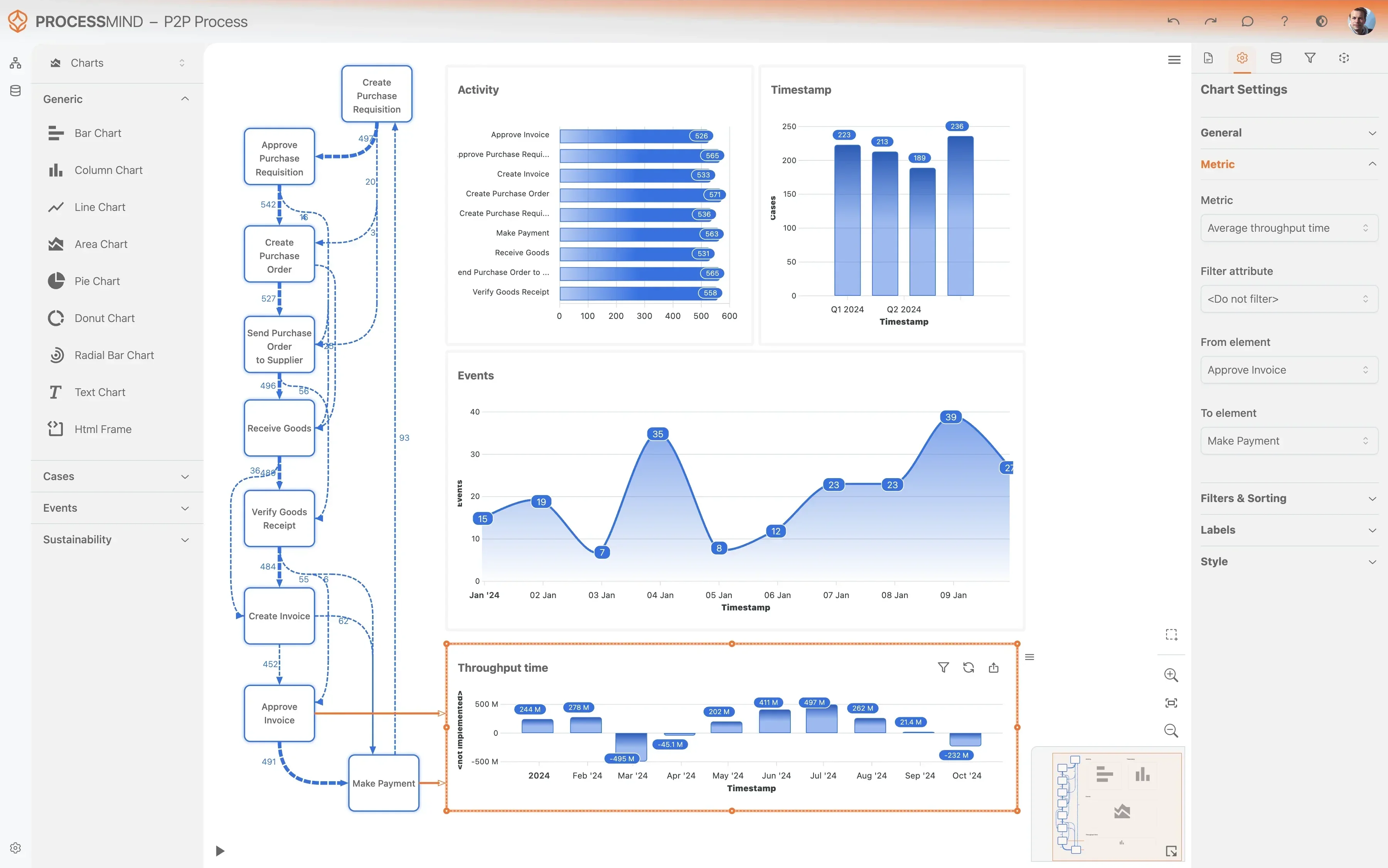
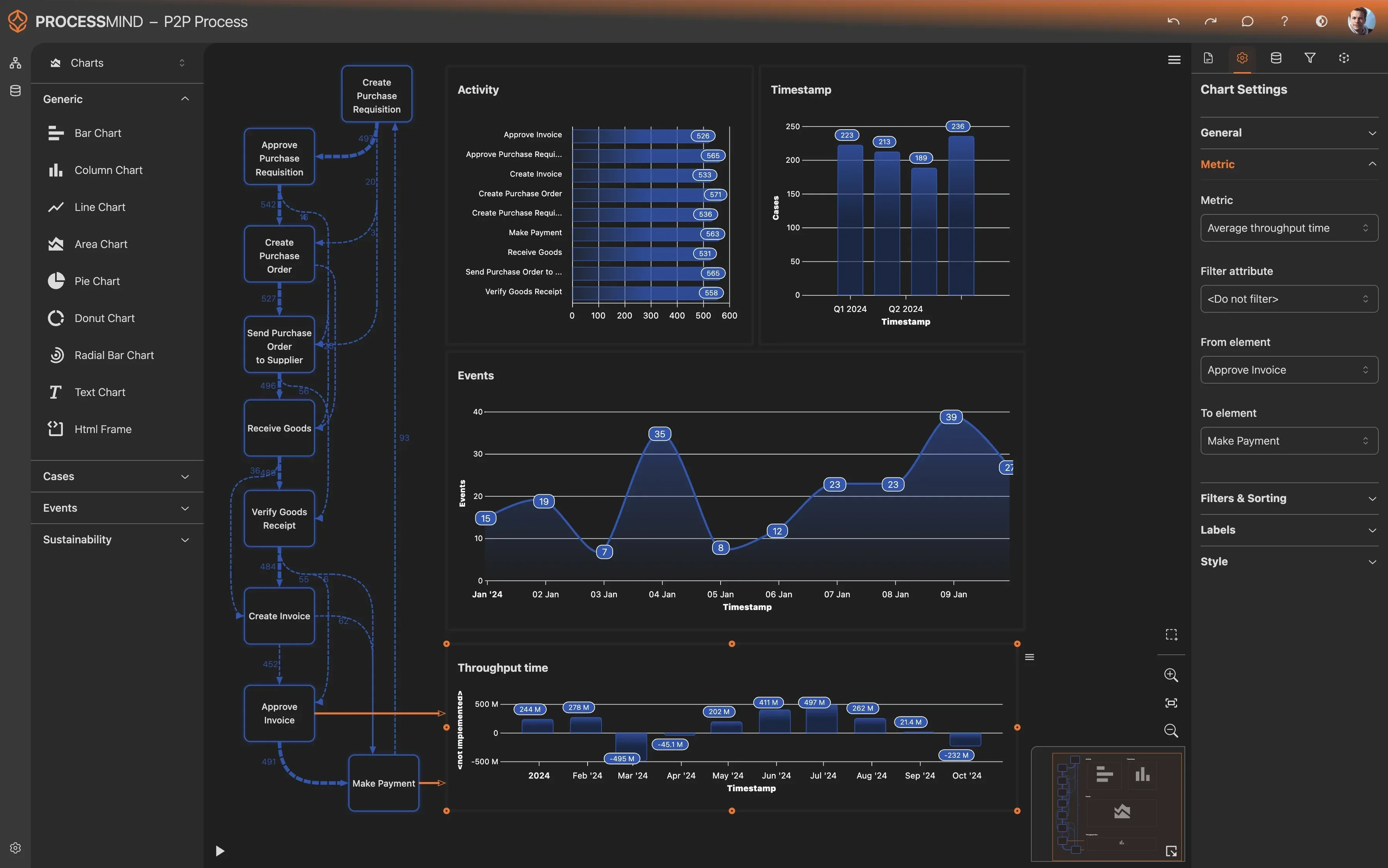
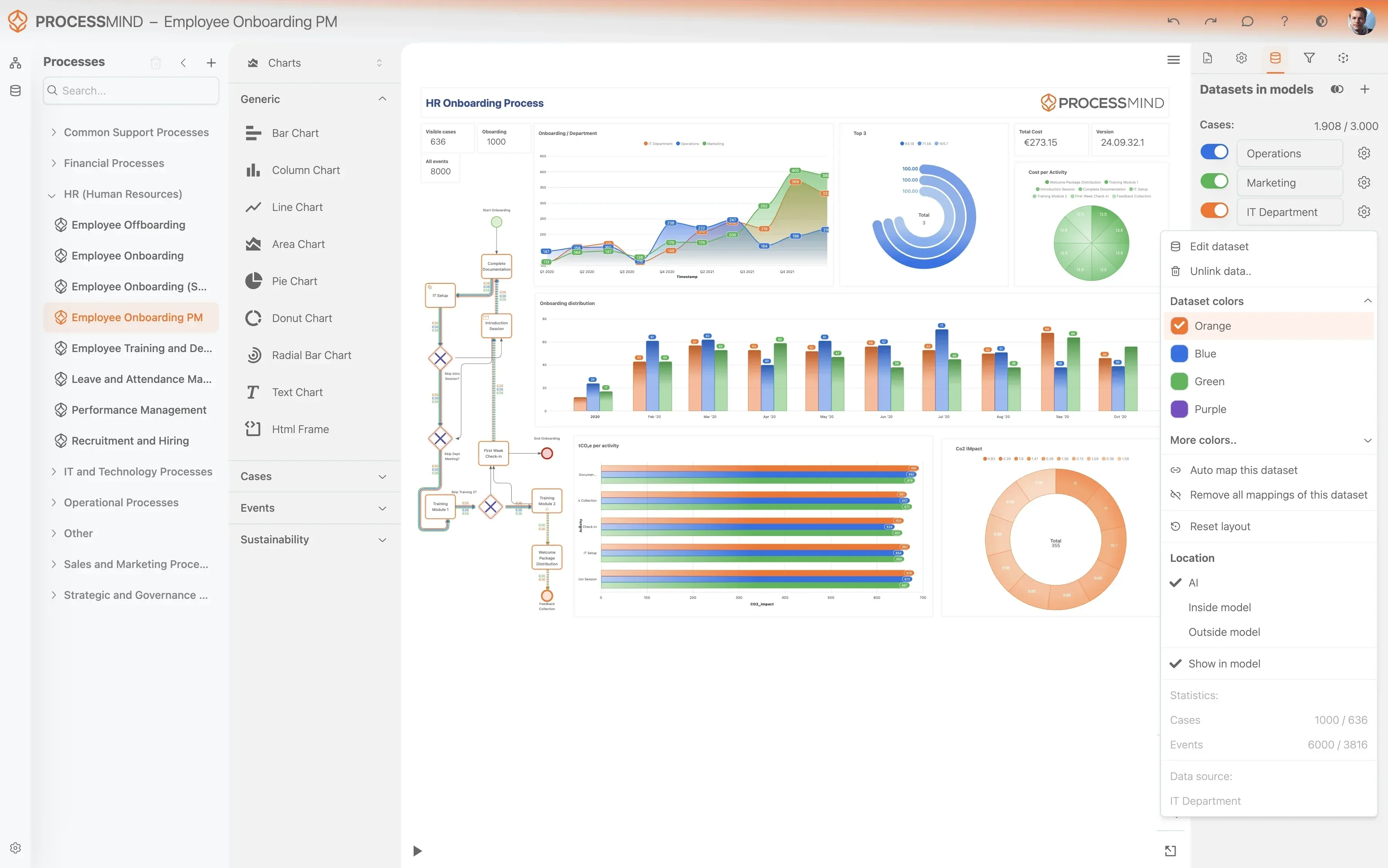
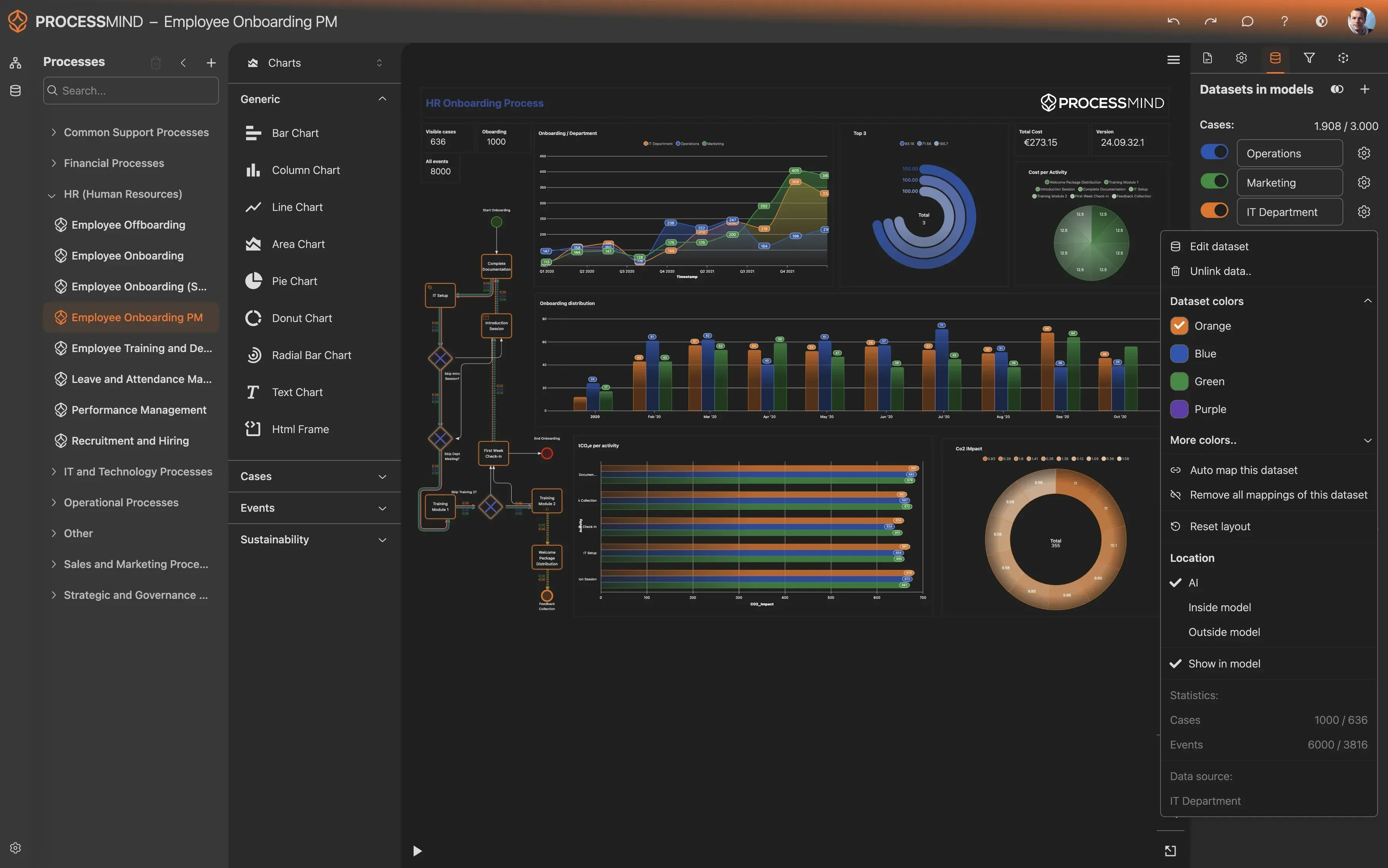
Explore auto-generated dashboards for patient flow, wait times, and treatment variations from Oracle Health (Cerner) records. Review AI-driven recommendations.
Why it matters
Visualizing the end-to-end patient journey reveals hidden inefficiencies, compliance gaps, and variations, improving patient experience and resource use.
Expected outcome
Clear identification of bottlenecks, compliance gaps, and opportunities to enhance patient journey efficiency.
Implement Improvements
What to do
Prioritize and implement changes to patient journey workflows in Oracle Health (Cerner). This might involve optimizing resource allocation or standardizing pathways.
Why it matters
Converting insights into action directly addresses inefficiencies, leading to better patient care, reduced costs, and improved operational metrics.
Expected outcome
Concrete changes deployed in healthcare operations, enhancing specific areas of the patient journey.
Monitor Your Process
What to do
Periodically re-upload updated patient journey data from Oracle Health (Cerner) to ProcessMind. Track improvement impact and measure KPIs over time.
Why it matters
Continuous monitoring ensures sustained improvements and ongoing optimization. This fosters operational excellence and better patient outcomes.
Expected outcome
Improved KPIs, such as reduced patient wait times, enhanced throughput, or better resource utilization.
TYPICAL OUTCOMES
Real-World Impact on Patient Care
These outcomes illustrate how leveraging process mining with Oracle Health, Cerner, data on Patient Episodes provides actionable insights, driving improvements in patient care and operational efficiency. By visualizing and analyzing the patient journey, organizations can identify bottlenecks and optimize care pathways.
Reduced patient wait times
Identify and eliminate bottlenecks in the triage and assessment process, significantly decreasing the time patients wait to be seen by a clinician. This leads to improved patient satisfaction and more timely care.
Optimized patient journey duration
Pinpoint delays and inefficiencies across the entire patient episode, from admission to discharge. Minimizing unnecessary hospital days frees up bed capacity and reduces operational costs.
Consistent clinical practice
Visualize deviations from established treatment protocols and identify root causes for non-compliance. This ensures patients receive standardized, high-quality care, reducing risks and improving outcomes.
Improved post-discharge outcomes
Analyze discharge processes and post-discharge follow-up to identify factors contributing to readmissions. Reducing preventable readmissions leads to better patient health and significant cost savings.
Greater process standardization
Discover the actual variations in patient journeys and identify optimal pathways. Standardizing care delivery reduces confusion, improves resource allocation, and enhances overall operational predictability.
Faster time to diagnosis
Identify delays between diagnostic test orders and result delivery, enabling quicker clinical decisions. This accelerates treatment initiation and improves patient anxiety and outcomes.
Results vary based on process complexity and data quality. These figures represent typical improvements observed across implementations.
Recommended Data
FAQs
Frequently asked questions
Process mining visualizes your actual patient pathways by analyzing event data from Oracle Health. It helps identify bottlenecks, such as excessive wait times or prolonged diagnostic delays, and uncovers deviations from standard treatment protocols. This allows for data-driven decisions to streamline operations and enhance patient care efficiency.
To perform process mining, you primarily need event logs detailing each step of the patient journey. Key data points include a unique patient episode identifier, activity names, and corresponding timestamps for each activity. Additional attributes like resource information or outcome metrics can enrich the analysis.
Data extraction typically involves querying the Oracle Health (Cerner) database or utilizing existing reporting interfaces. It's crucial to identify the correct tables and fields that capture event logs for patient episodes. We recommend collaborating with your IT team and Cerner administrators to ensure secure and compliant data retrieval.
You can expect significant improvements such as reduced initial assessment wait times, accelerated diagnostic result delivery, and a decrease in preventable readmission rates. Process mining helps optimize resource allocation and standardize care pathways, leading to a more efficient and compliant patient experience.
A process mining solution requires a platform capable of ingesting and analyzing large datasets. While specific requirements vary by vendor, common needs include a secure data integration method, sufficient processing power, and user interface access for analysis. Most solutions are cloud-based, minimizing local infrastructure needs.
The initial setup, including data extraction and model configuration, can range from a few weeks to a couple of months, depending on data availability and complexity. Once data is flowing, initial insights can be generated rapidly, often within days. Continuous analysis provides ongoing optimization opportunities.
Yes, data security is paramount. Reputable process mining solutions adhere to strict data privacy regulations, including HIPAA. Data is typically pseudonymized or anonymized during transfer and analysis, ensuring patient confidentiality while still providing valuable process insights.
Absolutely. Process mining excels at identifying deviations from predefined clinical protocols and pathways. By comparing actual patient journeys against ideal models, it can highlight instances of non-compliance, allowing healthcare providers to investigate root causes and implement corrective actions.
While BI tools show "what happened" and reporting dashboards display aggregated metrics, process mining goes further by revealing "how and why it happened." It reconstructs actual end-to-end process flows from event data, uncovering hidden bottlenecks and variations that traditional BI might miss. It provides actionable insights into process execution.
Optimize Patient Journeys Now, Improve Outcomes Fast
Identify bottlenecks fast to reduce patient journey cycle time by 30%.
No credit card required. Get started in minutes.