Improve Your Change Management

Select a process
Choose a process to continue working in your connected workspace.
Optimize Change Management in Jira Service Management
Many organizations struggle with slow deployments and increased risk due to approval delays and compliance challenges in their change processes. Our platform helps you precisely identify these bottlenecks and ensure better adherence to internal policies. This guidance allows you to significantly boost efficiency and streamline changes effectively across your entire operation.
Download our pre-configured data template and address common challenges to reach your efficiency goals. Follow our six-step improvement plan and consult the Data Template Guide to transform your operations.
Show detailed description
The Critical Need for Optimized Change Management
Effective Change Management is more than just a procedural task, it is a cornerstone of IT stability and business agility. In today's fast-paced environment, organizations frequently deploy updates, introduce new services, and modify existing systems. Each change, no matter how small, carries inherent risks. Poorly managed changes can lead to service disruptions, security vulnerabilities, compliance failures, and significant operational costs. Your Jira Service Management system meticulously records every step of your change processes, from initial request to final closure. However, understanding the true efficiency and adherence of these processes from raw data can be challenging. Optimizing your Change Management process is essential for maintaining service reliability, accelerating innovation, and ensuring every system update contributes positively to your business objectives.
Unveiling Your True Change Process with Process Mining
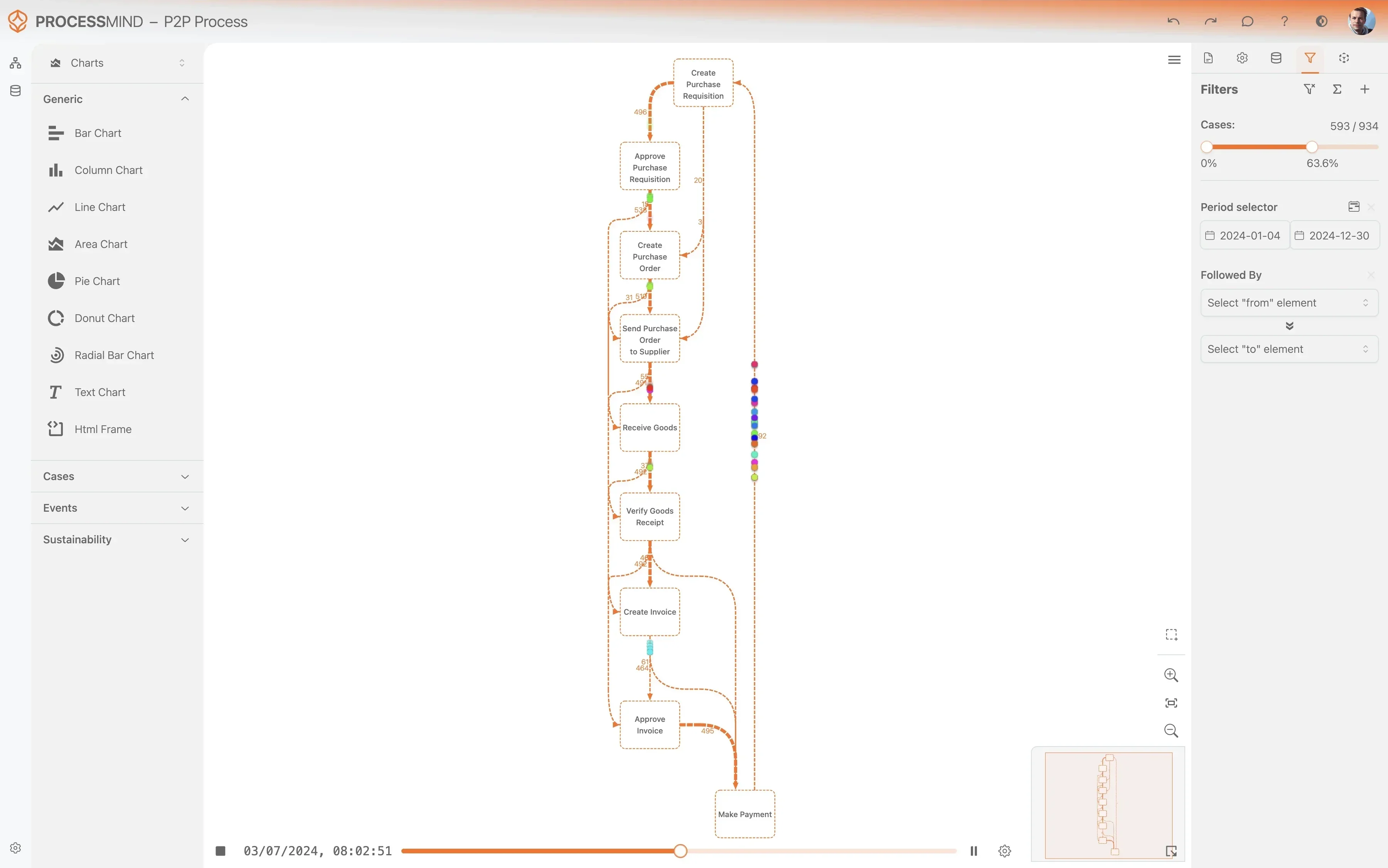
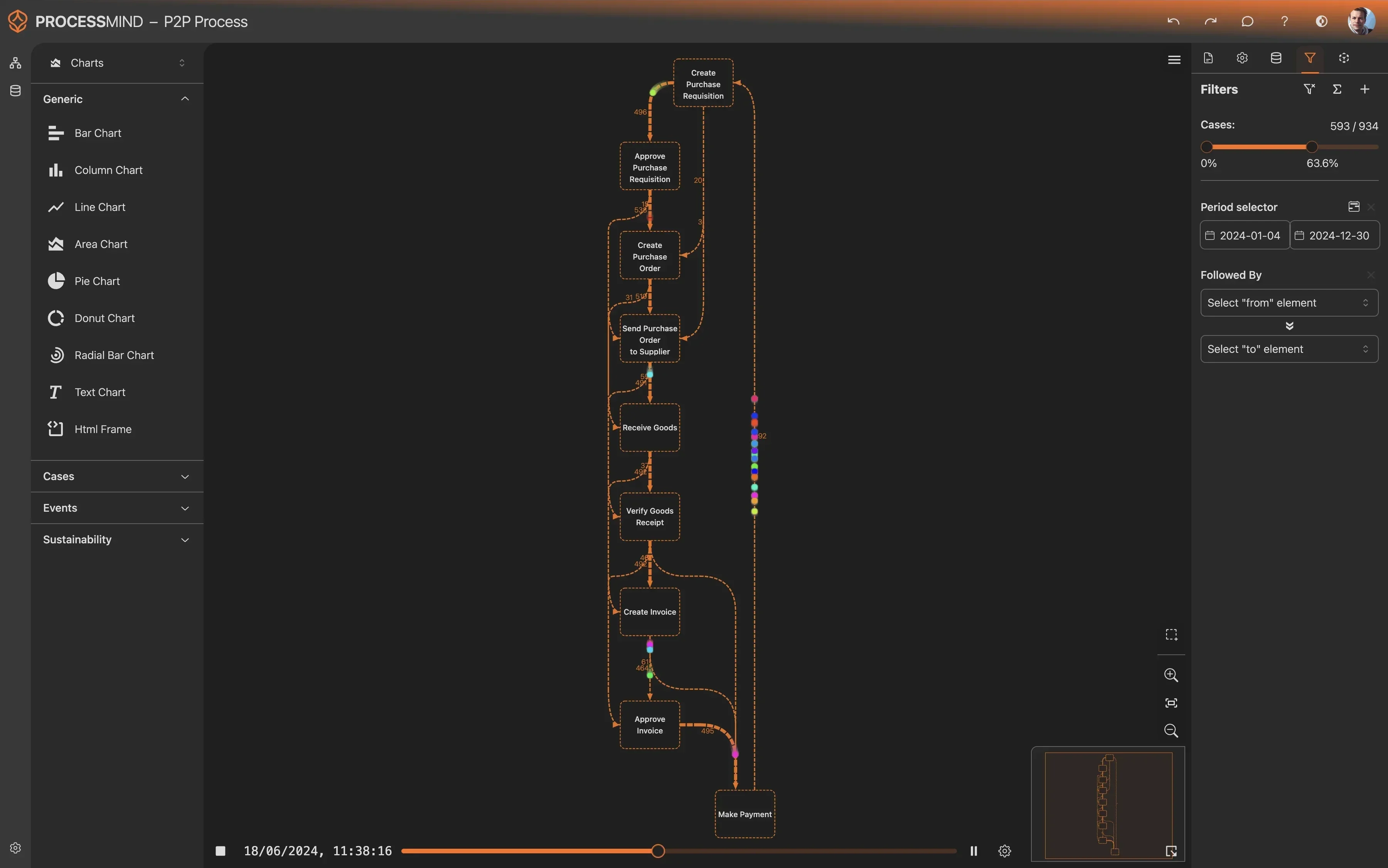
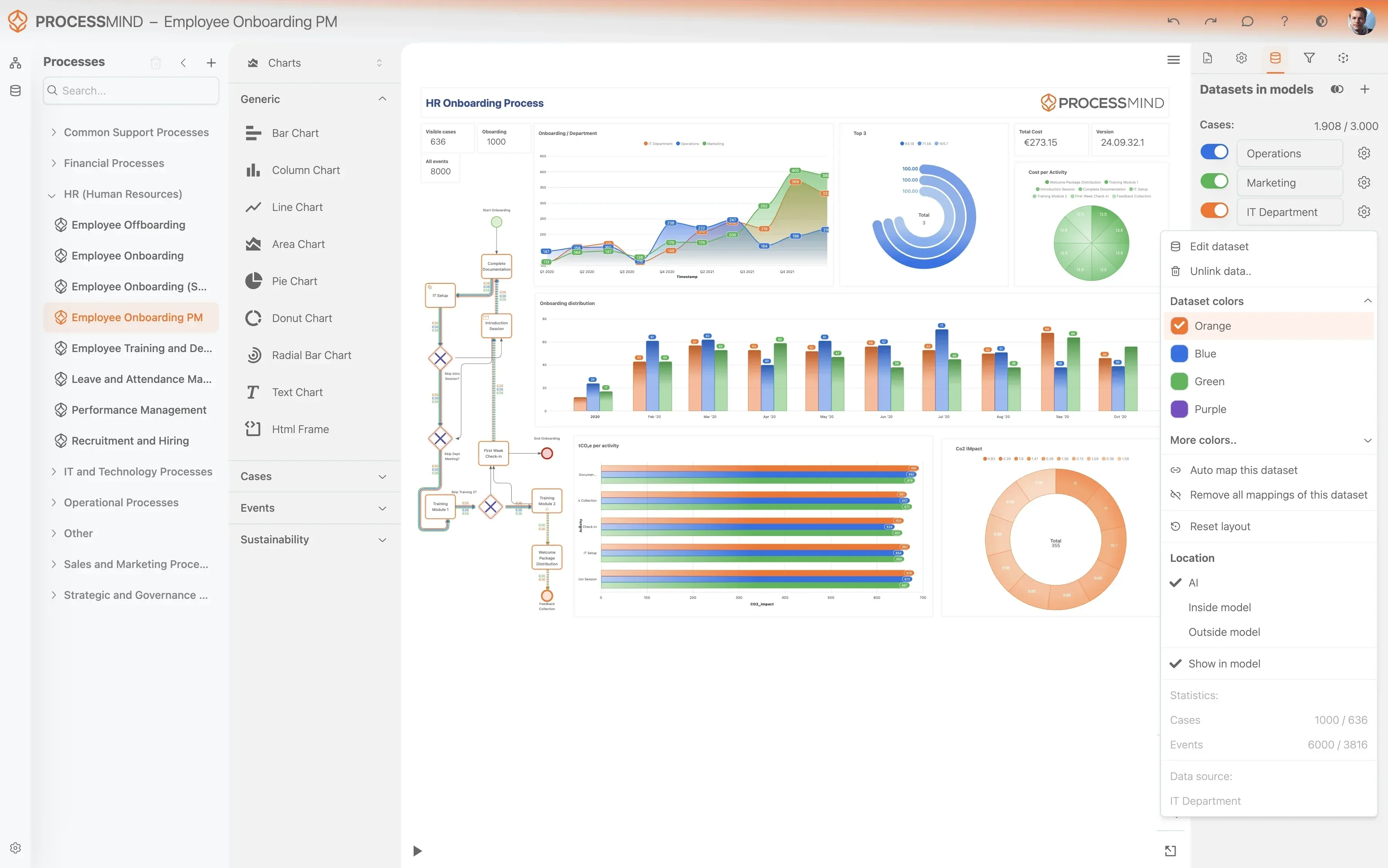
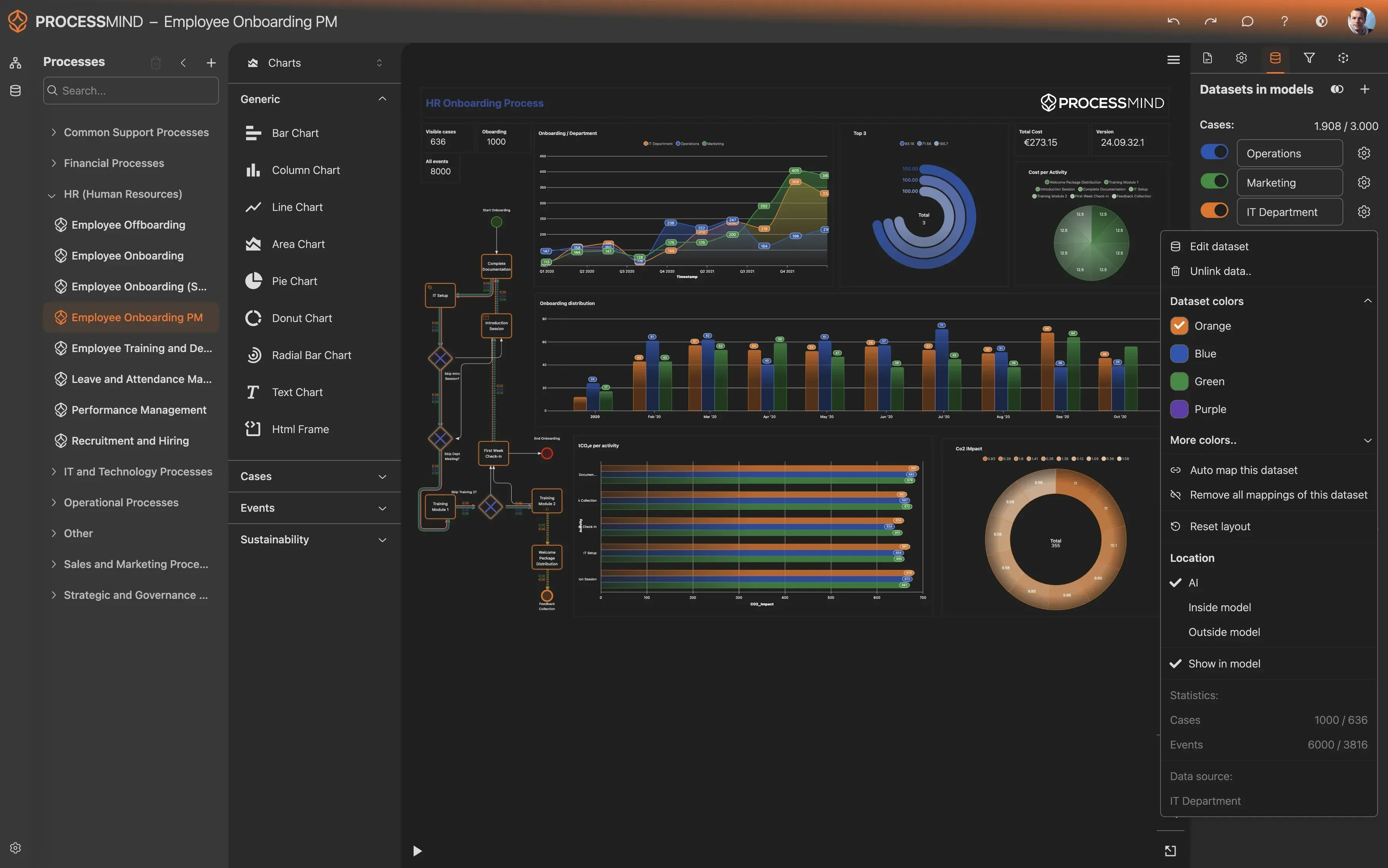
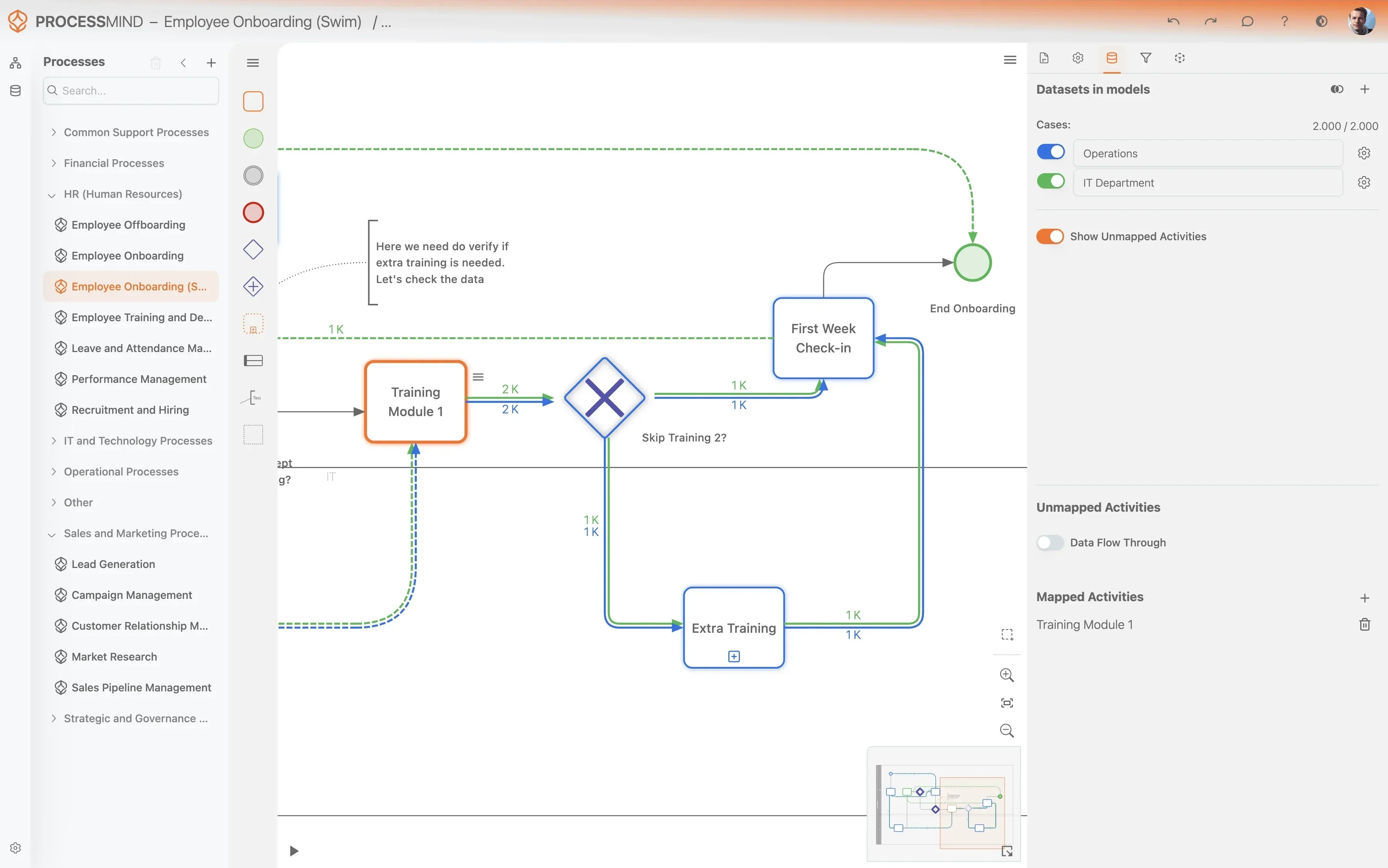
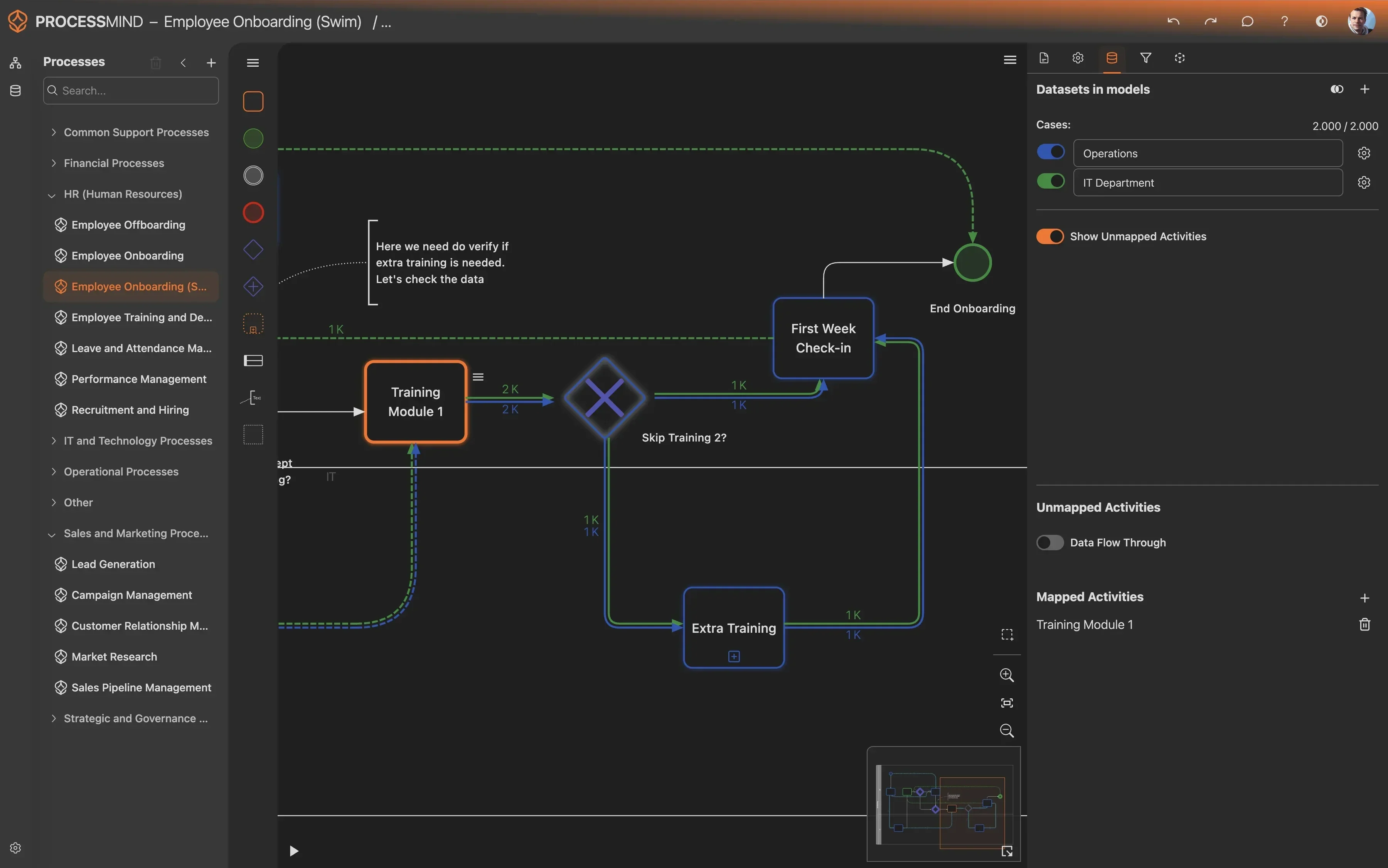
Process mining offers a powerful lens to view your Change Management practices within Jira Service Management. It transforms the event logs from your change requests, such as "Change Request Created," "Risk Assessment Performed," or "Change Implemented," into comprehensive, visual process maps. Unlike theoretical models, process mining reveals the actual flow of your changes, identifying every deviation, rework loop, and bottleneck that impacts your team's efficiency. By leveraging the Change Request ID as the core case identifier, you gain an end-to-end perspective of each change's journey. This allows you to see precisely where changes get stuck, which approval steps cause delays, and whether your teams consistently follow established procedures. It's about moving beyond assumptions to data-driven insights, understanding not just what happened, but how and why it unfolded.
Pinpointing Areas for Change Management Improvement
Applying process mining to your Jira Service Management Change Management data uncovers specific areas ripe for improvement:
- Bottleneck Identification: Easily spot where change requests spend excessive time, such as protracted approval phases, extended testing periods, or delays in resource allocation. Understanding these chokepoints is the first step in how to improve Change Management cycle time.
- Compliance Verification: Automatically detect deviations from your defined change policies. This includes skipped risk assessments, unauthorized changes, or changes implemented without proper approval. Proactive identification helps you maintain regulatory compliance and reduce audit risks.
- Cycle Time Reduction: Analyze the complete journey of change requests to identify and eliminate unnecessary delays and rework activities. This directly contributes to how to reduce Change Management cycle time, enabling faster delivery of valuable updates.
- Rework Analysis: Discover common patterns of changes being sent back for revision or re-evaluation. Understanding the root causes of rework allows you to address issues at their source, improving process quality and efficiency.
- Resource Optimization: Gain insight into resource utilization across different stages of the change process. Identify teams or individuals who are consistently overloaded, or those with idle capacity, leading to better workload distribution.
Achieve Tangible Benefits from Streamlined Changes
By systematically improving your Change Management process with process mining, you can expect significant, measurable benefits:
- Faster Service Delivery: Drastically reduce the time it takes for changes to move from request to implementation, accelerating time-to-market for new features and bug fixes.
- Enhanced Service Stability: Minimize the incidence of change-related outages and incidents by ensuring changes are thoroughly assessed, approved, and implemented correctly, leading to higher system uptime.
- Stronger Compliance Posture: Consistently adhere to internal policies and external regulations, reducing the risk of penalties and improving your audit readiness.
- Increased Operational Efficiency: Optimize resource allocation, eliminate waste, and reduce the overall cost of managing changes, allowing your teams to focus on strategic initiatives.
- Improved Stakeholder Satisfaction: Deliver changes predictably and reliably, boosting confidence among users and business stakeholders.
Begin Your Journey to Better Change Management
Ready to transform your Change Management within Jira Service Management? This process mining approach provides the clarity and actionable insights you need. By visualizing your true process flows and identifying areas for improvement, you can implement targeted changes that lead to measurable gains in efficiency, compliance, and service quality. Explore how you can unlock the full potential of your Change Management operations today.
The 6-Step Improvement Path for Change Management
Download the Template
What to do
Obtain the pre-configured Excel template designed for Change Management processes. This template ensures your data is structured correctly for optimal analysis.
Why it matters
A standardized data structure is crucial for accurate process analysis, preventing issues and ensuring all relevant information is captured for improvement.
Expected outcome
A ready-to-use Excel template, perfectly structured for your Change Management data from Jira Service Management.
Export Your Data
What to do
Extract 3-6 months of historical Change Request data from Jira Service Management. Populate the downloaded template with this real-world data, ensuring all fields align.
Why it matters
Historical data provides a realistic view of past performance, identifying recurring patterns and areas where change initiatives consistently face delays or issues.
Expected outcome
A completed data template, filled with comprehensive historical Change Management records from Jira Service Management, ready for upload.
Upload Your Dataset
What to do
Securely upload your populated Change Management data template to ProcessMind. The system will automatically begin processing your dataset for insights.
Why it matters
Swift data ingestion leads to quick insights, reducing the time from data collection to actionable recommendations for your Change Management process.
Expected outcome
Your Change Management dataset successfully uploaded, with automatic analysis initiated to reveal process flows and potential bottlenecks.
Analyze Your Process
What to do
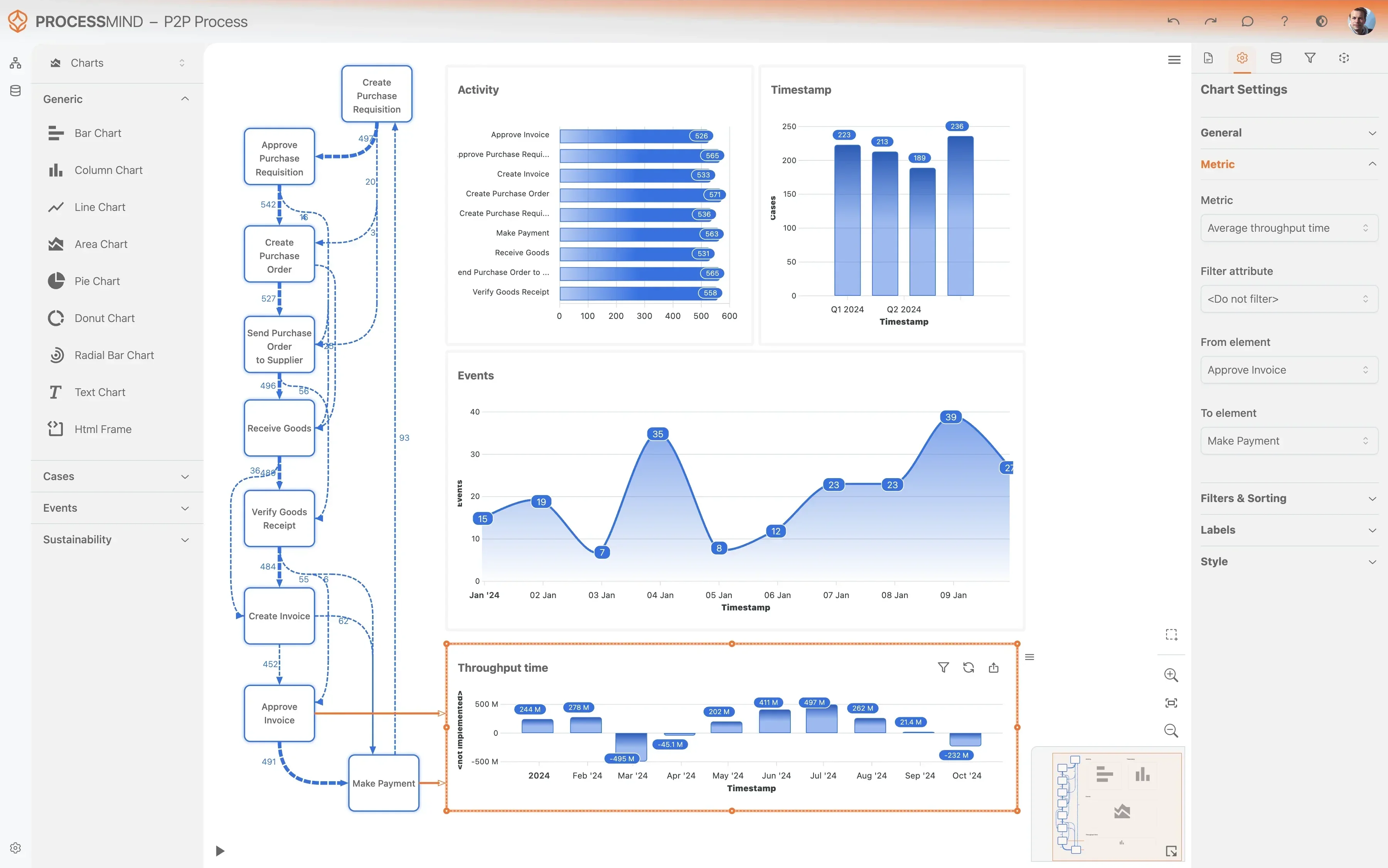
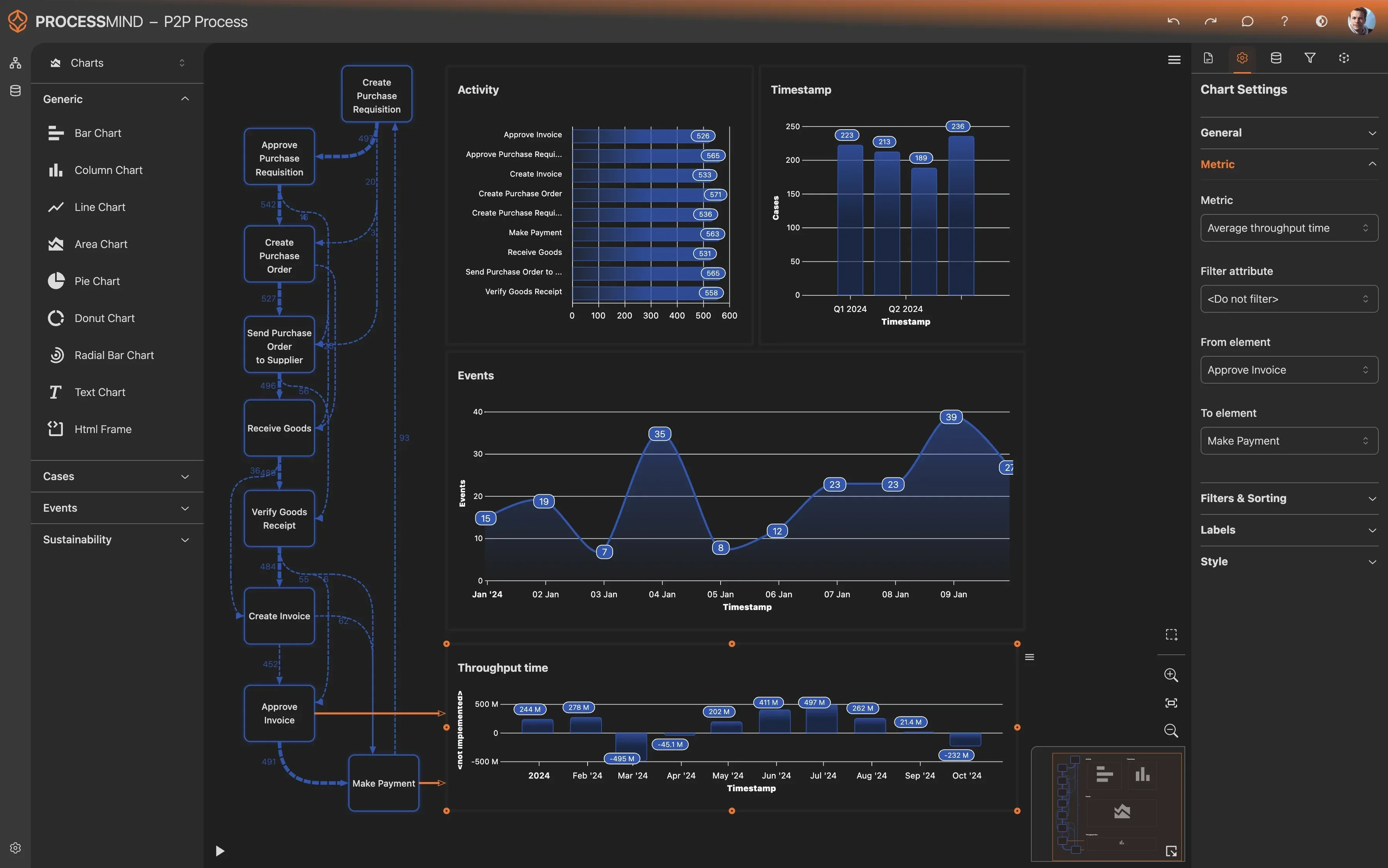
Explore the auto-generated dashboards and insights specific to your Jira Service Management Change Management process. Review AI-driven recommendations.
Why it matters
Visualizing your process flow and bottlenecks helps you quickly pinpoint inefficiencies, non-compliance, and areas for automation or policy refinement.
Expected outcome
A clear understanding of your Change Management process performance, including identified bottlenecks, compliance gaps, and AI-suggested improvements.
Implement Improvements
What to do
Prioritize and implement the identified opportunities to optimize your Change Management process. Take concrete actions based on the insights gained.
Why it matters
Acting on insights reduces lead times, improves success rates of changes, and enhances overall service stability by streamlining the change lifecycle.
Expected outcome
Tangible improvements in your Change Management operations, leading to faster approvals, reduced risks, and more efficient change deployments.
Monitor Your Process
What to do
Periodically re-upload updated Change Management data from Jira Service Management to track the impact of your improvements and measure KPI progress.
Why it matters
Continuous monitoring ensures sustained improvements, allowing you to adapt to new challenges and maintain an optimized, agile Change Management process.
Expected outcome
Ongoing visibility into Change Management performance, confirming positive trends and providing a foundation for continuous, data-driven optimization.
KEY INSIGHTS
Reveal Your True Change Management Process Flow
- Pinpoint approval delays and hidden bottlenecks
- Verify compliance with change policies
- Streamline change workflows for faster deployments
- Optimize your entire change management process
TYPICAL OUTCOMES
Achieving Excellence in Change Management
These outcomes showcase the measurable improvements organizations typically realize by leveraging process mining to optimize their Change Management workflows in Jira Service Management. By identifying bottlenecks and inefficiencies, enterprises can streamline approvals, accelerate deployments, and reduce errors.
Average reduction in approval time
Identify and remove bottlenecks in the approval workflow, ensuring critical changes proceed without unnecessary delays. This accelerates the overall change delivery process.
Decrease in changes requiring re-submission
Pinpoint root causes of rejections and rework, such as incomplete information or unclear criteria. This improves initial change quality and reduces wasted effort.
Fewer unauthorized changes
Automatically detect and alert on deviations from standard processes or unauthorized change implementations. This strengthens audit trails and control adherence.
Higher rate of changes completed on time
Gain clear visibility into changes at risk of missing their target completion dates. Proactively address issues to ensure more changes meet their service level agreements.
Decrease in incidents after change
Analyze the effectiveness of testing and implementation steps to reduce service disruptions. This leads to more stable systems post-change and lower incident resolution costs.
Results vary based on process complexity and data quality. These figures represent typical improvements observed across implementations.
Recommended Data
FAQs
Frequently asked questions
Process mining analyzes your Jira Service Management change request logs to visualize the actual flow of changes. It identifies bottlenecks, uncovers deviations from standard processes, and highlights areas like slow approvals or frequent reworks. This visibility allows you to target specific inefficiencies and drive measurable improvements.
You primarily need event logs from your change requests, specifically the change request ID, activity descriptions or statuses, and corresponding timestamps. Additional attributes like assignee, change type, or project can enrich the analysis. This data allows for reconstructing the complete journey of each change.
Data can typically be extracted using Jira's built-in reporting features, REST API, or by directly accessing the underlying database, if permitted. The goal is to obtain a structured dataset containing the case identifier, activity, and timestamp for each event. Many process mining tools also offer connectors for common systems like Jira.
You can expect to accelerate change approval cycles by identifying and removing bottlenecks, improve compliance by detecting unauthorized changes, and reduce rework by pinpointing root causes of rejections. Ultimately, this leads to better Service Level Agreement achievement, optimized resource allocation, and a more efficient change delivery process.
Initial insights can often be gained within a few weeks of data extraction and analysis, depending on data quality and the complexity of your process. Significant improvements, once identified and implemented, may take a few months to fully manifest and be measured. It is an iterative process of discovery and optimization.
Yes, absolutely. Process mining can precisely pinpoint stages in your Change Management where rejections or reworks frequently occur, and uncover the preceding activities or conditions that contribute to these issues. By understanding these root causes, you can implement targeted interventions to streamline processes and reduce costly inefficiencies.
While some initial technical understanding for data extraction and preparation is beneficial, modern process mining platforms are designed for business users. Many tools offer intuitive interfaces and automated data connectors. However, having a data analyst or process expert on your team can significantly enhance the depth and speed of analysis.
Process mining visualizes the actual duration of each step and overall change cycles, allowing you to identify exactly where delays occur and which changes are at risk of missing their SLAs. It can highlight specific approval groups or stages that consistently contribute to delays. This data-driven insight enables proactive intervention and process redesign to meet SLA targets more reliably.
Boost Your Change Management: Achieve 95% Success Now
Eliminate failed changes and boost your success rate to 95% with ease.
No credit card required. Set up in minutes.