Improve Your Accounts Payable Payment Processing

Your 6-step guide to Sage Intacct optimization
Improve Your Accounts Payable Payment Processing

Optimize Accounts Payable Payment Processing in Sage Intacct

Our platform identifies process bottlenecks and hidden inefficiencies that slow down your financial operations. By mapping every step, you can uncover exactly where manual rework and approval delays occur. These insights help your team eliminate friction and achieve greater consistency across all your business transactions.

Download our pre-configured data template and address common challenges to reach your efficiency goals. Follow our six-step improvement plan and consult the Data Template Guide to transform your operations.

Show detailed description

The Strategic Importance of Refining Your Payment Lifecycle

Accounts Payable Payment Processing serves as the pulse of your organization, reflecting its financial health and operational discipline. While many view it as a routine administrative task, it is actually a complex ecosystem where cash flow management, vendor relationships, and internal controls intersect. Within the Sage Intacct environment, the flexibility of the platform allows for highly customized workflows, but this very complexity can sometimes mask underlying inefficiencies. When your payment processing is suboptimal, the costs extend far beyond simple late fees. You risk losing early payment discounts, damaging your reputation with key suppliers, and increasing the manual burden on your finance team. By focusing on process optimization, you transform AP from a cost center into a strategic function that protects liquidity and supports business growth.

Visualizing the Invoice Journey within Sage Intacct

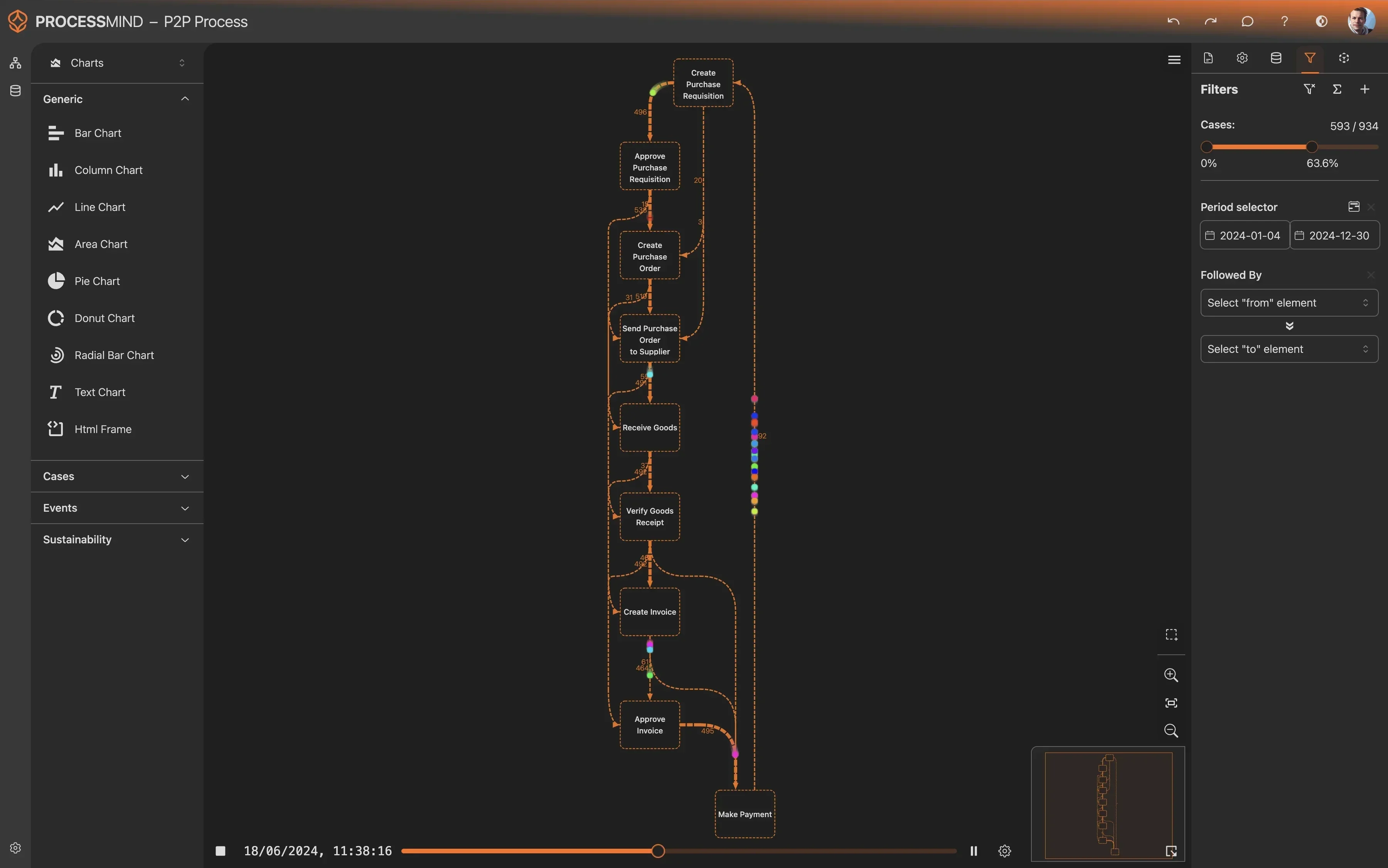
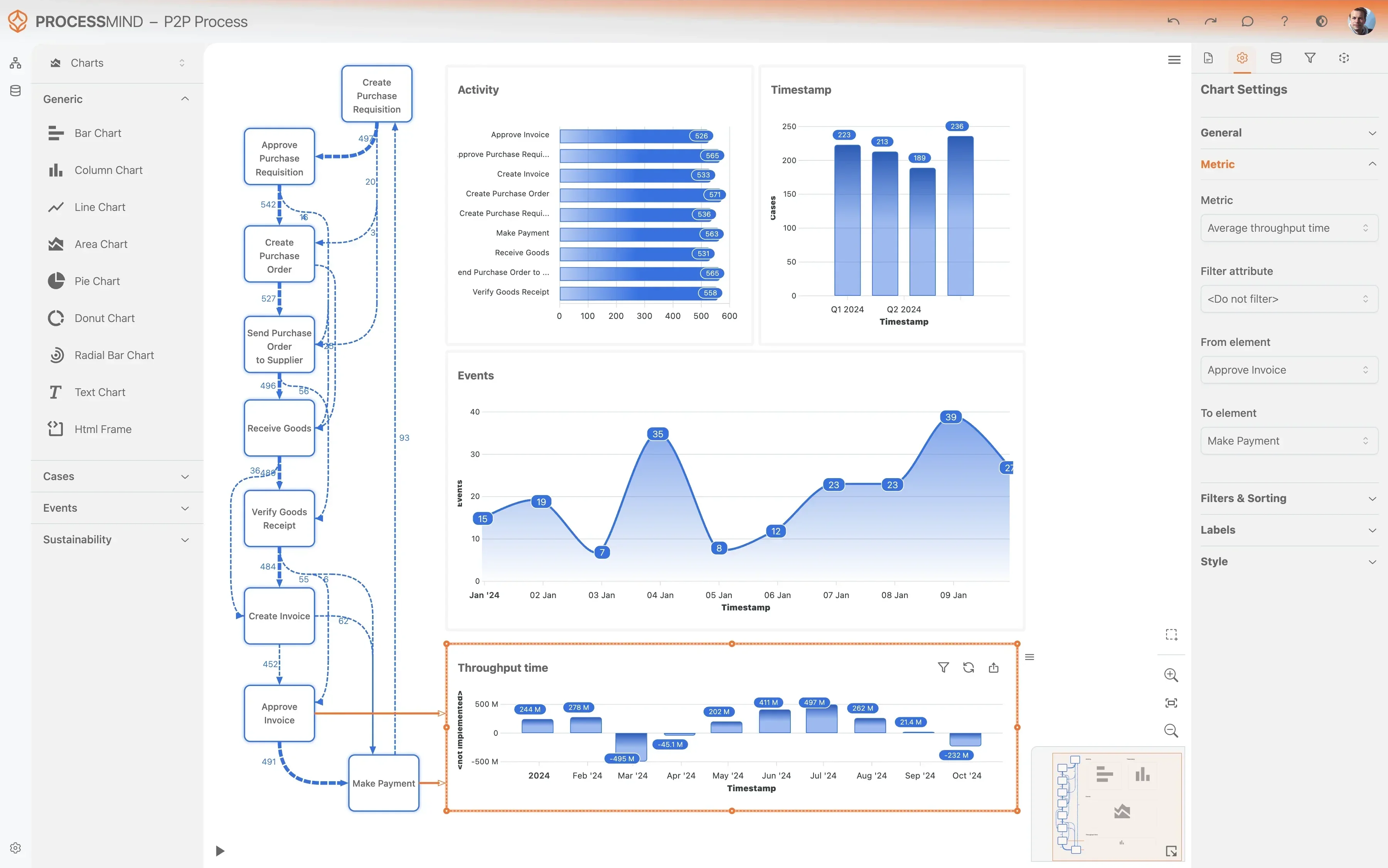
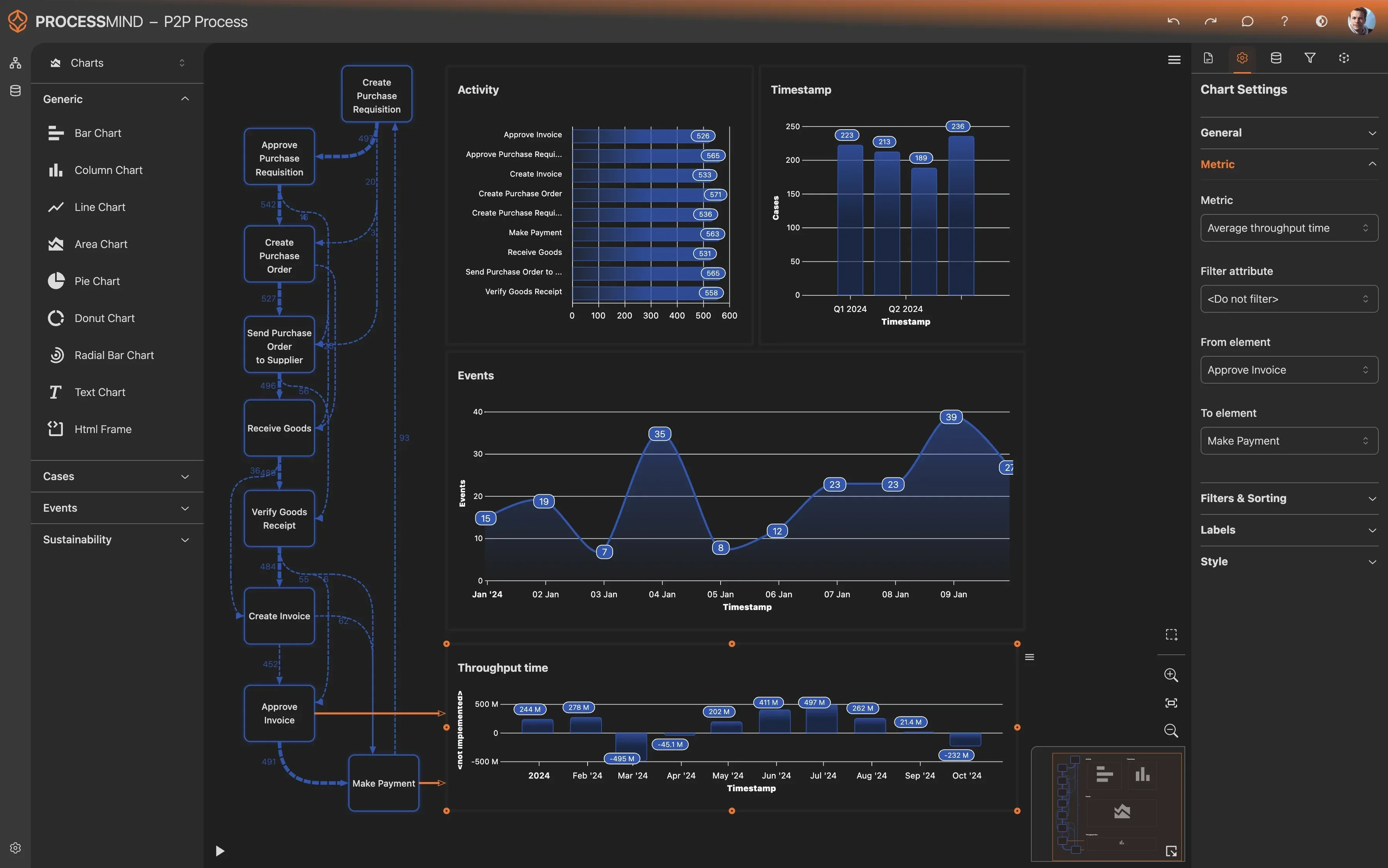
Process mining provides a transparent lens through which you can view your entire payment lifecycle. By utilizing the Invoice Number as a unique identifier, process mining tools extract data from Sage Intacct to map every touchpoint, from the initial receipt of an invoice to the final posting in the general ledger. This visibility is crucial for identifying where reality deviates from your designed procedures. You might discover that an invoice follows a different path than expected, perhaps bypassing automated checks or getting stuck in a loop of repetitive approvals that do not add value.

Instead of relying on anecdotal evidence or manual audits, you gain a data-driven view of how work actually happens. This allows you to see the exact moment an invoice enters the system, how long it sits in an approval queue, and the specific triggers that cause delays. By understanding these patterns, you can move from reactive troubleshooting to proactive process management, ensuring that every invoice follows the most efficient path possible.

Key Areas for Sustainable Improvement

When analyzing your Accounts Payable Payment Processing, several key areas typically emerge as candidates for optimization. One of the most significant is the approval workflow. In many Sage Intacct configurations, approvals are routed based on department, project, or cost center. Process mining can reveal if these workflows are unnecessarily convoluted, such as cases where an invoice requires five approvals when two would suffice for compliance. Identifying these bottlenecks allows you to streamline routing rules and reduce the total cycle time.

Another critical area involves discrepancy resolution. When an invoice does not match a purchase order or a receiving document, the resulting investigation can bring the process to a standstill. By analyzing these exceptions, you can identify if certain vendors consistently provide incorrect data or if internal data entry errors are the primary cause. Furthermore, you can examine the timing of payment execution. Optimizing the gap between an invoice being approved and the payment being cleared ensures that you are holding onto cash as long as possible without jeopardizing vendor terms or missing out on favorable discounts. Reducing manual interventions in these areas is the fastest way to how to improve Accounts Payable Payment Processing efficiency.

Measuring Success and Anticipating Outcomes

The goal of improving your Accounts Payable Payment Processing cycle time is to create a predictable, efficient, and scalable operation. As you implement changes based on process mining insights, you should see a measurable reduction in the time it takes to move an invoice through its lifecycle. This efficiency directly translates to lower operational costs, as your team spends less time on manual follow-ups and more time on strategic financial analysis.

Beyond speed, you can expect a significant boost in compliance. Process mining acts as a continuous audit tool, highlighting any payments that occur outside of established policies or that bypass mandatory controls. This level of oversight is invaluable during formal audit periods and helps maintain the integrity of your financial reporting within Sage Intacct. Finally, the ability to accurately forecast cash requirements improves because you have a clear understanding of exactly when payments will be processed and executed, allowing for better capital allocation across the business.

Moving Toward Data Driven AP Management

Getting started with process optimization does not require a complete overhaul of your existing systems. Instead, it begins with curiosity about how your workflows are currently performing. By leveraging the data already stored within Sage Intacct, you can begin to peel back the layers of your AP process to find small, impactful changes that yield significant results. Whether you are looking to reduce manual touches, speed up approvals, or simply gain better visibility into your spending, process mining provides the roadmap for your journey toward a more efficient financial future. Focusing on these data-driven insights ensures that every adjustment you make is backed by evidence and aligned with your broader organizational goals.

Accounts Payable Payment Processing Invoice Verification AP Department Three-Way Matching Vendor Management Payment Approval Workflow Cash Flow Management

Common Problems & Challenges

Identify which challenges are impacting you

Complex multi-level approval hierarchies often stall invoices for days, particularly when managers are away or roles are misconfigured. These delays increase the risk of late fees and prevent the finance team from maintaining a predictable payment schedule, directly impacting organizational liquidity.

ProcessMind analyzes timestamp data across every approval level in Sage Intacct to pinpoint exactly where the flow stops. By visualizing these bottlenecks, organizations can refine approval limits and automate standard routing to speed up the end-to-end cycle.

Inefficient processing often means invoices reach the payment stage after discount windows have already expired. Failing to capture these terms represents a direct loss of capital that could have been preserved through faster internal handling and better prioritization of high-value vendors.

We map your Accounts Payable Payment Processing to correlate processing speed with vendor terms. This reveals which specific steps are causing the most significant delays, allowing you to prioritize high-value invoices and capture every available discount in Sage Intacct.

Frequent corrections to invoice coding or tax details create a cycle of rework that drains the productivity of the AP team. When data is manually re-entered or corrected after extraction, it introduces errors that may not be caught until the final clearing stage, leading to financial inaccuracies.

By tracking activities such as invoice coding and discrepancy resolution, ProcessMind identifies the root causes of data inaccuracies. We help you see which vendors or categories require the most manual intervention so you can improve data ingestion quality and streamline the overall process.

Discrepancies between invoices, purchase orders, and goods receipts often trigger lengthy resolution loops. These mismatches force staff to manually investigate quantities and pricing, creating significant administrative overhead and slowing down the payment process for critical suppliers.

Our platform visualizes the resolution path for matched versus unmatched invoices in Sage Intacct. By identifying recurring matching errors, you can streamline the validation phase and move invoices to the approved status much faster while maintaining strict financial controls.

Poor visibility into the payment status leads to a high volume of vendor inquiries, which distracts staff from higher-value tasks. Constant follow-ups indicate that the external communication loop is broken and that the internal process is perceived as unreliable by your supply chain partners.

ProcessMind provides a transparent view of the entire Accounts Payable Payment Processing journey from receipt to execution. By understanding the lead time for each vendor, you can set realistic expectations and optimize the flow to ensure consistent payment dates.

Payment blocks are often applied automatically but then forgotten, leading to missed deadlines and frustrated vendors. Without a clear overview of these blocks, invoices can remain in limbo even after the underlying issues have been resolved, creating artificial bottlenecks in your cash flow.

We monitor the application and removal of payment blocks throughout the payment lifecycle. This allows you to identify blocked invoices that are ready for processing, ensuring that no payment is held up longer than necessary for compliance reasons within Sage Intacct.

Decentralized invoice submission methods can result in the same invoice being entered multiple times through different channels. This increases the risk of duplicate payments, which are difficult to recover and complicate financial reconciliation during month-end closing.

By analyzing the invoice receipt and validation activities, ProcessMind flags patterns that suggest duplicate entries are entering your Sage Intacct environment. You can then strengthen your intake controls to catch these errors before they reach the payment execution stage.

Rigid payment schedules that do not align with actual invoice due dates can lead to missed payments or poor cash management. If payment runs are too infrequent or poorly timed, the organization may fail to optimize its working capital and lose leverage with key vendors.

Our analysis evaluates the timing between payment scheduling and execution. This helps you align your batch processing in Sage Intacct with vendor terms and internal cash flow requirements, maximizing your financial flexibility and ensuring timely disbursements.

Invoices that arrive without a corresponding purchase order often require manual approval and coding, bypassing established procurement controls. These non-standard flows are more prone to errors and make it harder to maintain budget compliance across different departments.

ProcessMind distinguishes between PO-backed and non-PO flows within your Accounts Payable Payment Processing. By quantifying the impact of maverick spending, you can implement stricter controls and encourage departments to follow the standard procurement path for better oversight.

When different users or departments follow different unofficial procedures, the entire payment process becomes unpredictable. High variability in how invoices are coded or approved makes it impossible to accurately forecast payment timelines and allocate resources effectively.

We compare the processing paths across different users and company codes to identify the best practices and the outliers. Standardizing these workflows within Sage Intacct ensures a more predictable and efficient process for everyone involved in the payment cycle.

When invoices are not recorded promptly upon receipt, the finance team lacks visibility into upcoming liabilities. This hidden spend makes it difficult to manage cash flow effectively and often leads to emergency payment runs to avoid penalties or service interruptions.

By tracking the gap between the invoice date and the entry date in Sage Intacct, ProcessMind highlights where delays in invoice ingestion are occurring. This visibility helps you optimize the intake process and improve the accuracy of your financial forecasts.

A lack of audit trails for payment changes or manual overrides can lead to compliance issues and potential fraud. If there is no clear record of who authorized a payment or changed vendor banking details, the organization is exposed to significant financial and reputational risk.

Our platform reconstructs every step of the payment journey, providing a complete audit trail of activities and user interactions. This transparency ensures that all Accounts Payable Payment Processing actions comply with internal policies and external regulations.

Typical Goals

Define what success looks like

Reducing the time it takes to move an invoice from receipt to approval is critical for maintaining healthy vendor relationships and avoiding late fees. Faster approvals mean the finance team can manage working capital more effectively and prevent administrative bottlenecks that often occur during month-end closing cycles. This speed ensures that your department stays ahead of the curve even during peak periods.

ProcessMind identifies specific steps within Sage Intacct where approvals stall, such as when specific managers are unavailable or specific thresholds are met. By visualizing the approval path, you can uncover unnecessary hops and automate routing for low-risk invoices, potentially cutting cycle times by over 40 percent. This allows you to measure and maintain a high velocity of payment execution.

Missing out on early payment discounts represents lost capital that directly impacts the bottom line. Ensuring that high-value invoices are prioritized and processed within the discount window allows the organization to turn the AP department from a cost center into a source of savings. Consistent success here strengthens your negotiating position with key suppliers for future contracts.

Our platform monitors the time remaining for every discount-eligible invoice in your Sage Intacct environment. By highlighting items nearing their deadline and uncovering the root causes of delays, such as slow data extraction or validation errors, you can ensure that payments are consistently executed within the optimal window. This real-time visibility helps you prioritize work based on financial return.

A high three-way match rate ensures that invoices, purchase orders, and goods receipts align perfectly without human intervention. This consistency reduces the need for manual discrepancy resolution, which is often the most time-consuming part of the accounts payable process. Achieving high match rates leads to more predictable workflows and less administrative friction.

ProcessMind provides deep visibility into where matching failures occur most frequently, whether it is due to unit price variances or quantity mismatches. By analyzing these deviations, you can refine your automated matching rules and improve accuracy, leading to a significant reduction in manual touchpoints. This analysis helps you pinpoint whether the issues lie with vendor data or internal receiving practices.

Duplicate payments are costly errors that require significant effort to recover and can damage your reputation with suppliers. Securing the payment process against redundant submissions ensures that every dollar spent is legitimate and accounted for within the financial system. Eliminating these risks also streamlines the audit process and improves overall financial integrity.

By analyzing the end-to-end flow of invoice numbers and vendor data, our solution flags instances where similar transactions follow parallel paths. This allows you to identify system gaps in Sage Intacct where duplicates bypass standard checks, enabling you to implement preventative controls before funds are transferred. You can track exactly how many potential duplicates were caught before final execution.

Minimizing the number of times a human must interact with an invoice reduces the likelihood of data entry errors and lowers the overall cost per invoice. Highly automated entry processes allow the AP team to focus on strategic analysis rather than repetitive administrative tasks. This shift increases employee satisfaction and reduces the total overhead of the finance department.

We track the digital footprint of every invoice to see exactly how many manual corrections occur after initial data extraction. By identifying common fields that require manual fixing, you can optimize your OCR settings and interface logic to achieve a higher rate of straight-through processing. This data-driven approach helps you target the specific vendors causing the most manual rework.

Organizations with multiple entities often face inconsistent AP performance, leading to reporting difficulties and varied vendor experiences. Standardizing workflows ensures that every department follows the same efficiency benchmarks and compliance standards regardless of their location. This consistency is vital for scaling operations and maintaining a unified financial strategy.

Using process mining, you can compare the payment processing performance of different company codes side by side. ProcessMind highlights best practices from your top-performing units, allowing you to replicate those successful patterns across the entire organization to harmonize operations. You can set global KPIs and monitor how each unit adheres to the standard process flow.

Payment blocks are often applied automatically but frequently forgotten, leading to stalled workflows and frustrated vendors. Ensuring that blocks are only applied when necessary and removed promptly after resolution is key to maintaining a fluid payment pipeline. This proactive management prevents unnecessary delays in the final payment execution stage.

Our tool visualizes the duration and reason for every payment block applied in Sage Intacct. You can identify specific vendors or invoice types that are prone to getting stuck in blocked status, allowing you to streamline the resolution process and reduce the average time an invoice stays on hold. This visibility ensures that no payment is delayed without a clear and valid reason.

Invoices that arrive without a corresponding purchase order often lack proper budget authorization and take much longer to process. Shifting toward a PO-first culture strengthens internal spend management and ensures that every liability is pre-approved and easily trackable. This improves financial visibility and makes it easier to manage departmental budgets.

ProcessMind maps the ratio of PO to non-PO invoices and identifies the departments most frequently bypassing standard procurement protocols. This visibility helps you enforce compliance and move toward a more controlled financial environment where surprise invoices are a thing of the past. You can track the success of compliance initiatives by monitoring the percentage of invoices that correctly reference a PO.

Running payment batches too frequently or too sporadically can disrupt cash flow forecasting and increase banking transaction fees. Finding the ideal rhythm for payment execution balances the need for timely vendor payments with the operational efficiency of the finance team. This optimization helps maintain a steady and predictable cash outflow.

By analyzing historical payment clearing patterns, we help you determine the most efficient schedule for initiating transfers. You can see how different batching strategies affect your workload and cash position, allowing for a more data-driven approach to treasury management. This ensures that you are executing payments at the best possible time for both the company and the vendors.

When invoices are received long after the service was provided, it creates blind spots in financial forecasting and accrual accounting. Encouraging vendors and internal stakeholders to submit invoices promptly ensures that your liabilities are always accurately reflected in the ledger. This lead time reduction is essential for accurate month-end reporting.

We measure the gap between the invoice date and the date it is entered into your system. By identifying the sources of late arrivals, you can work with vendors to implement electronic submission methods, providing your team with earlier visibility into upcoming payment obligations. This allows you to move from a reactive to a proactive accounts payable stance.

Providing vendors with clear, predictable payment timelines reduces the volume of inquiries your team must handle and improves your standing as a reliable business partner. This stability allows vendors to manage their own cash flow more effectively, often leading to better service terms. A predictable process reduces the administrative burden of handling ad-hoc status requests.

ProcessMind calculates the variance between promised due dates and actual payment execution dates. By uncovering the root causes of payment volatility, you can stabilize your internal workflows and provide more accurate status updates to your suppliers automatically. You can measure your performance against vendor-specific payment terms to ensure full compliance with contracts.

Maintaining rigorous controls over who can approve and execute payments is essential for preventing fraud and ensuring regulatory compliance. Strong internal controls protect the organization assets and provide a clear audit trail for every transaction processed. This security is the foundation of a reliable and trustworthy financial management system.

ProcessMind monitors every activity and user interaction within the payment flow to detect deviations from established policies. You can easily spot instances where segregation of duties is bypassed or where payments are executed without proper authorization, ensuring that your Sage Intacct environment remains secure and compliant. This continuous monitoring acts as a permanent audit layer over your entire AP process.

The 6-Step Improvement Path for AP Payment Processing

1

Download the AP Template

What to do

Download the standardized Excel template designed for Sage Intacct accounts payable workflows to ensure your data mapping aligns with our platform.

Why it matters

Starting with the correct structure prevents data errors and ensures that all payment stages are captured accurately for process discovery.

Expected outcome

A ready to use data template mapped to Sage Intacct fields.

YOUR PROCESS INSIGHTS

Unlock Full Visibility Into Your Payment Journey

Gain complete transparency into how invoices move through Sage Intacct from entry to final payment. Our visualizations pinpoint exactly where manual steps and data errors slow down your AP operations.
  • Map every invoice path from entry to payment
  • Identify specific causes of late payment fees
  • Detect manual workarounds in Sage Intacct
  • Spot opportunities to capture early discounts
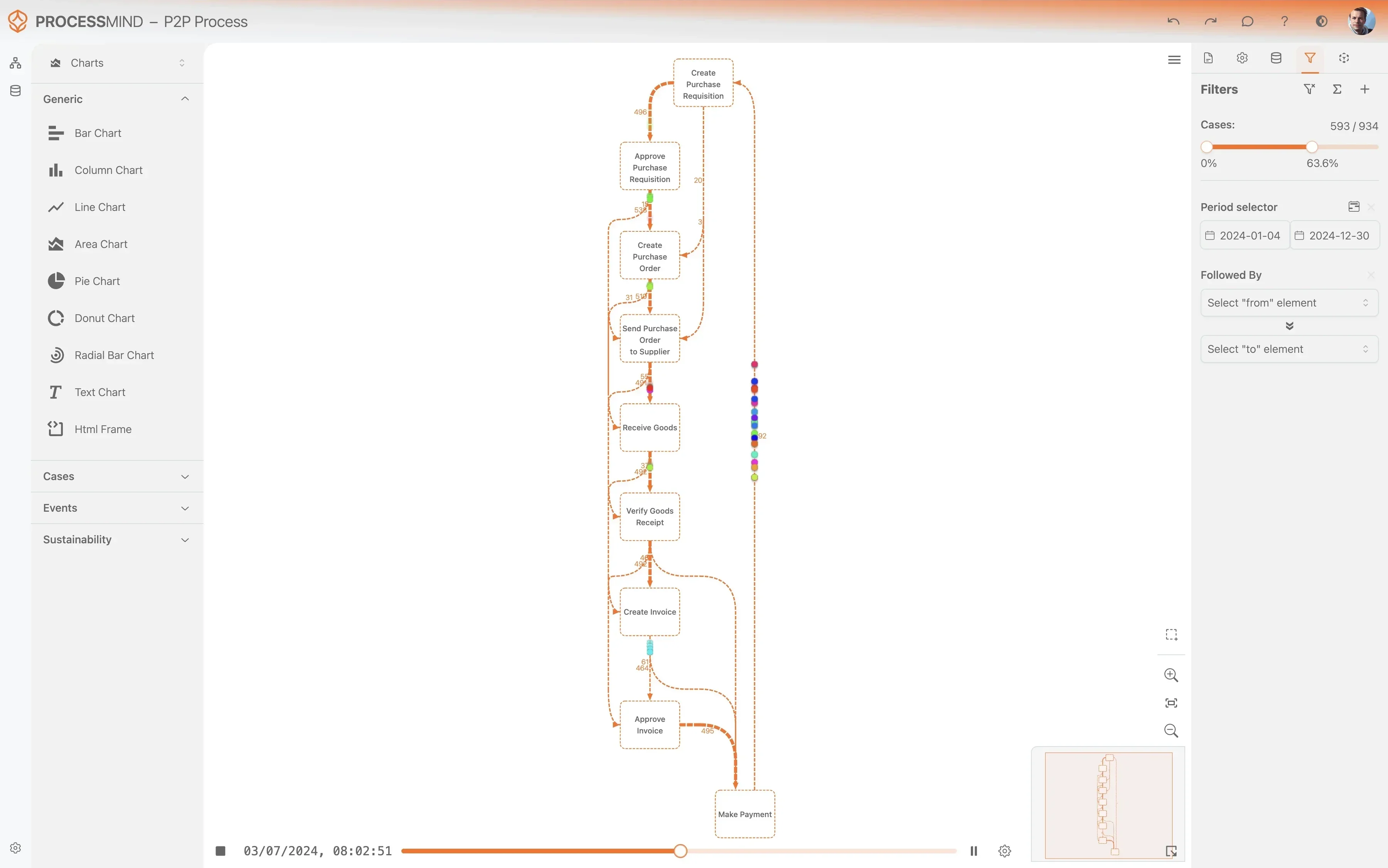
Discover your actual process flow
Identify bottlenecks and delays
Analyze process variants
Design your optimized process

TYPICAL OUTCOMES

Accelerating Accounts Payable Performance

Organizations leveraging process mining for Sage Intacct workflows typically see significant improvements in payment cycle times and operational transparency. These outcomes are driven by identifying bottlenecks and eliminating manual rework at the Invoice Number level.

~ 0 %
Shorter Cycle Times

Reduction in end to end time

Process mining uncovers delays in the approval chain, helping teams move from invoice receipt to payment execution much faster.

0 %
Higher Discount Capture

Improvement in realized savings

By identifying missed opportunities in Sage Intacct, organizations can prioritize invoices with early payment terms to maximize cash savings.

+ 0 %
Increased Touchless Rate

Automation efficiency gains

Removing manual rework and data entry steps allows more invoices to flow through the system without any human intervention.

0 % improvement
Improved PO Compliance

Adherence to procurement policy

Tracking invoice linkage to purchase orders ensures that all spending follows internal procurement rules and authorization protocols.

+ 0 %
On-Time Payment Growth

Vendor payment predictability

Improving the reliability of payment execution helps avoid late fees and builds trust with vendor partners through predictable scheduling.

0 % reduction
Fewer Duplicate Payments

Risk and loss prevention

Real time monitoring of invoice attributes, such as vendor and amount, prevents costly double payments before they are executed.

Results vary based on process complexity and data quality. These figures represent typical improvements observed across implementations.

FAQs

Frequently asked questions

Process mining extracts event logs from Sage Intacct by tracking the transaction history for each invoice number. It creates a visual map of every step from receipt to final payment, which reveals exactly where bottlenecks and manual workarounds are slowing down your operations.

You will need to extract the transaction history and audit logs specifically related to accounts payable. The essential data points include a unique invoice number, the names of the activities performed, and the timestamps indicating when each step was completed.

It helps by highlighting the exact stages where invoice approvals are delayed. By reducing these specific friction points, your team can process invoices faster and ensure that payments are released in time to take advantage of vendor,offered discounts.

The software identifies duplicate risks by comparing invoice attributes such as vendor IDs, amounts, and dates across your entire transaction history. This proactive analysis flags potential double payments before they are finalized, saving the time and effort required for recovery.

Most process mining platforms use API connectors or standard data exports to pull information from Sage Intacct without disrupting your daily operations. Since the tool only requires a copy of your event logs, there is no need to change your underlying financial workflows or configurations.

You can usually expect to see an initial visualization of your accounts payable process within two or three weeks. Once the data is connected, the insights into bottlenecks and match failures are available immediately, allowing for rapid decision making.

Process mining tracks the flow of purchase orders, goods receipts, and invoices to identify where the matching process breaks down. This allows you to see if failures are caused by price variances, quantity differences, or timing issues, so you can address the root cause with vendors or internal teams.

It acts as an automated auditor by monitoring every transaction for deviations from your established business rules. It helps ensure that all payments follow the correct approval path and that non,PO invoices are properly documented, which significantly reduces your risk profile.

Optimize Your Accounts Payable Payment Processing Today

Reduce cycle time by 30% and eliminate Sage Intacct bottlenecks.

Start Your Free Trial

No credit card required. Setup in 5 minutes.