Improve Your Payroll Processing

Select a process
Choose a process to continue working in your connected workspace.
Optimize Payroll Processing in SAP SuccessFactors Employee Central Payroll
Our platform identifies hidden bottlenecks and manual rework that slow down your internal processing cycles. By analyzing digital footprints, you can uncover exactly where delays happen and determine which steps require immediate attention. This visibility allows your team to streamline operations and ensure consistent performance across all departments.
Download our pre-configured data template and address common challenges to reach your efficiency goals. Follow our six-step improvement plan and consult the Data Template Guide to transform your operations.
Show detailed description
The Strategic Importance of Payroll Optimization
Payroll is often viewed as a standard back-office function that only receives significant attention when something goes wrong. However, in a global environment powered by SAP SuccessFactors Employee Central Payroll, it is a critical driver of employee trust and operational efficiency. When payroll cycles are slow or inaccurate, the costs extend far beyond simple administrative overhead. You face potential legal penalties, damaged employee morale, and high costs associated with manual corrections and off-cycle payment runs. Optimizing this process is about more than just speed, it is about creating a resilient, compliant, and predictable financial engine for your organization. By focusing on how to improve payroll processing, you move from a state of reactive firefighting to one of proactive strategic management.
Gaining Visibility with Process Mining
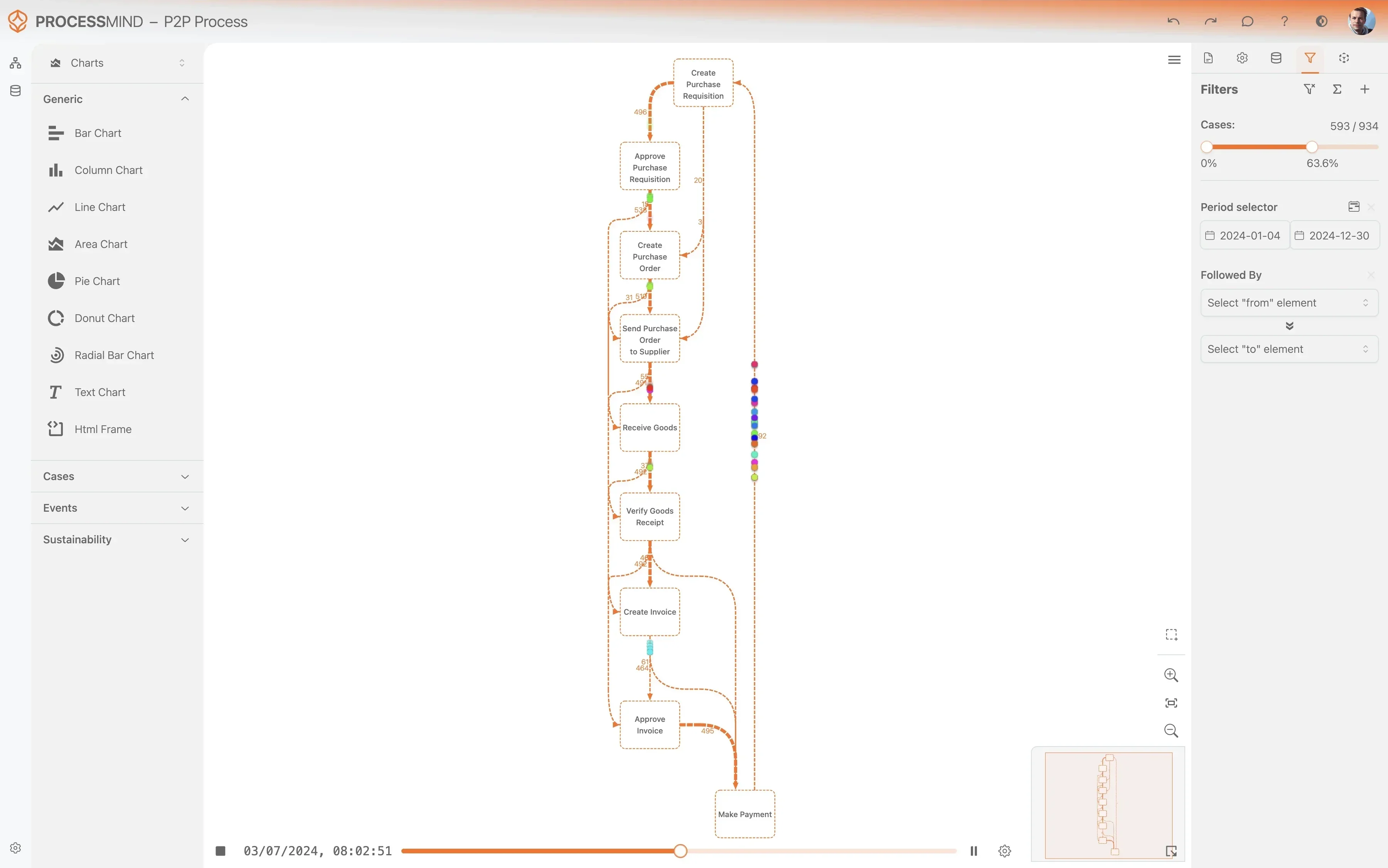
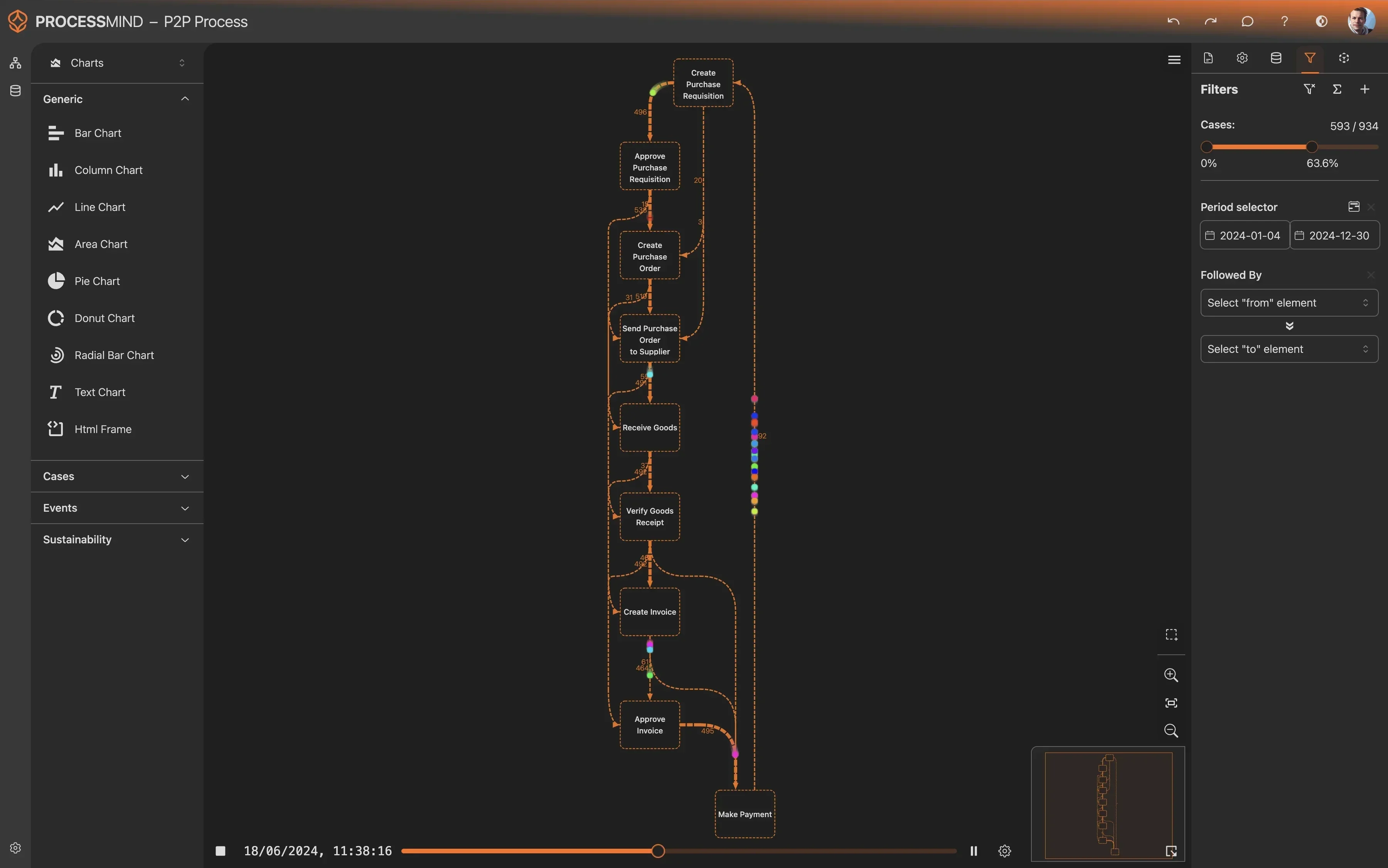
Process mining provides a digital X-ray of your entire payroll cycle, allowing you to see the reality of your operations rather than the idealized version in a manual. Instead of relying on anecdotal evidence about why certain pay groups take longer to process, you can visualize the actual flow of data through SAP SuccessFactors Employee Central Payroll. This technology allows you to see every step, from the moment a time sheet is submitted to the final publication of the pay slip. By identifying where records deviate from the standard path, such as when a payroll result is previewed multiple times or when audit exceptions trigger manual reviews, you gain the clarity needed to make data-driven decisions. This transparency is essential for understanding how to reduce payroll processing cycle time without sacrificing the integrity of the data.
Targeted Improvement Areas in SAP SuccessFactors
One of the most significant areas for improvement is the reduction of manual interventions and rework. Often, data correction cycles become a hidden bottleneck where payroll specialists must repeatedly fix errors in time-tracking or benefit deductions before the final run. Process mining helps you identify the root causes of these corrections, whether they are caused by specific departments, certain pay frequencies, or recurring issues with incentive data imports. Another key area is the streamlining of approval workflows. By analyzing the time spent between a time sheet submission and its approval, you can pinpoint exactly where bottlenecks occur and implement targeted training or workflow adjustments to accelerate the cycle. This level of detail ensures that your process optimization efforts are focused on the areas with the highest potential impact.
Measurable Outcomes for Your Organization
Implementing process mining for your payroll operations leads to tangible, measurable benefits across multiple departments. You can expect a significant reduction in the overall cycle time, allowing your payroll team to meet SLA processing deadlines with greater ease and less stress during the final days of the period. More importantly, the frequency of off-cycle payments and manual adjustments typically drops as you address the underlying data quality issues identified through process analysis. This leads to lower processing costs per employee and ensures that your tax filing and compliance steps are completed accurately every time, even when dealing with the complexities of localization for dozens of countries. For the employees, this translates to a more reliable experience, where pay is accurate and slips are published on time, every time.
Starting Your Optimization Journey
Beginning your journey toward optimized payroll processing starts with a shift from reactive troubleshooting to proactive management. By utilizing the insights gained through process mining within SAP SuccessFactors Employee Central Payroll, you move from wondering why delays occur to knowing exactly how to fix them. The first step is to map your existing processes against your ideal state, identifying the friction points that prevent you from achieving peak efficiency. With a clear view of your current operations, you can begin to implement the incremental changes that lead to long-term success and a truly world-class payroll function. This transformation not only saves money but also solidifies the payroll department as a reliable partner in the broader organizational strategy.
The 6-Step Improvement Path for Payroll Processing
Download the Template
What to do
Access the standardized Excel template designed for SuccessFactors payroll data structures and formatting requirements.
Why it matters
Using a pre-defined template ensures that all mandatory payroll fields, from timestamps to pay groups, are captured correctly for analysis.
Expected outcome
A ready-to-use data collection sheet compatible with the ProcessMind platform.
Export Your Data
What to do
Export three to six months of payroll run data and employee records from SAP SuccessFactors Employee Central Payroll into the template.
Why it matters
Historical data reveals recurring patterns, such as common adjustment triggers or seasonal bottlenecks, that are invisible in daily operations.
Expected outcome
A completed dataset reflecting your actual payroll execution history.
Upload Your Dataset
What to do
Securely upload your completed Excel file to the ProcessMind platform to initiate the automated process discovery and mapping phase.
Why it matters
Automated analysis instantly converts complex transaction logs into visual flowcharts, highlighting every path a payroll record takes.
Expected outcome
A digital twin of your end-to-end payroll process ready for exploration.
Analyze Your Process
What to do
Use AI-driven dashboards to identify manual intervention points, compliance gaps, and delays in time-sheet approvals within the system.
Why it matters
Visualizing the process helps pinpoint where manual corrections occur most often, allowing you to address root causes instead of symptoms.
Expected outcome
Clear visibility into bottlenecks and prioritized optimization opportunities.
Implement Improvements
What to do
Optimize payroll configurations and approval workflows in SuccessFactors based on the data-driven insights gathered from your analysis.
Why it matters
Targeted changes reduce processing costs and minimize the risk of payment errors, leading to higher employee satisfaction and compliance.
Expected outcome
An optimized payroll workflow with reduced manual overhead.
Monitor Your Process
What to do
Regularly upload new payroll data to track the impact of your changes and ensure KPIs like processing time and error rates stay on target.
Why it matters
Continuous monitoring ensures that improvements are sustained and allows you to react quickly if new inefficiencies emerge in the cycle.
Expected outcome
A framework for ongoing excellence and measurable ROI in payroll management.
YOUR PAYROLL INSIGHTS
Master Your SAP SuccessFactors Payroll Process
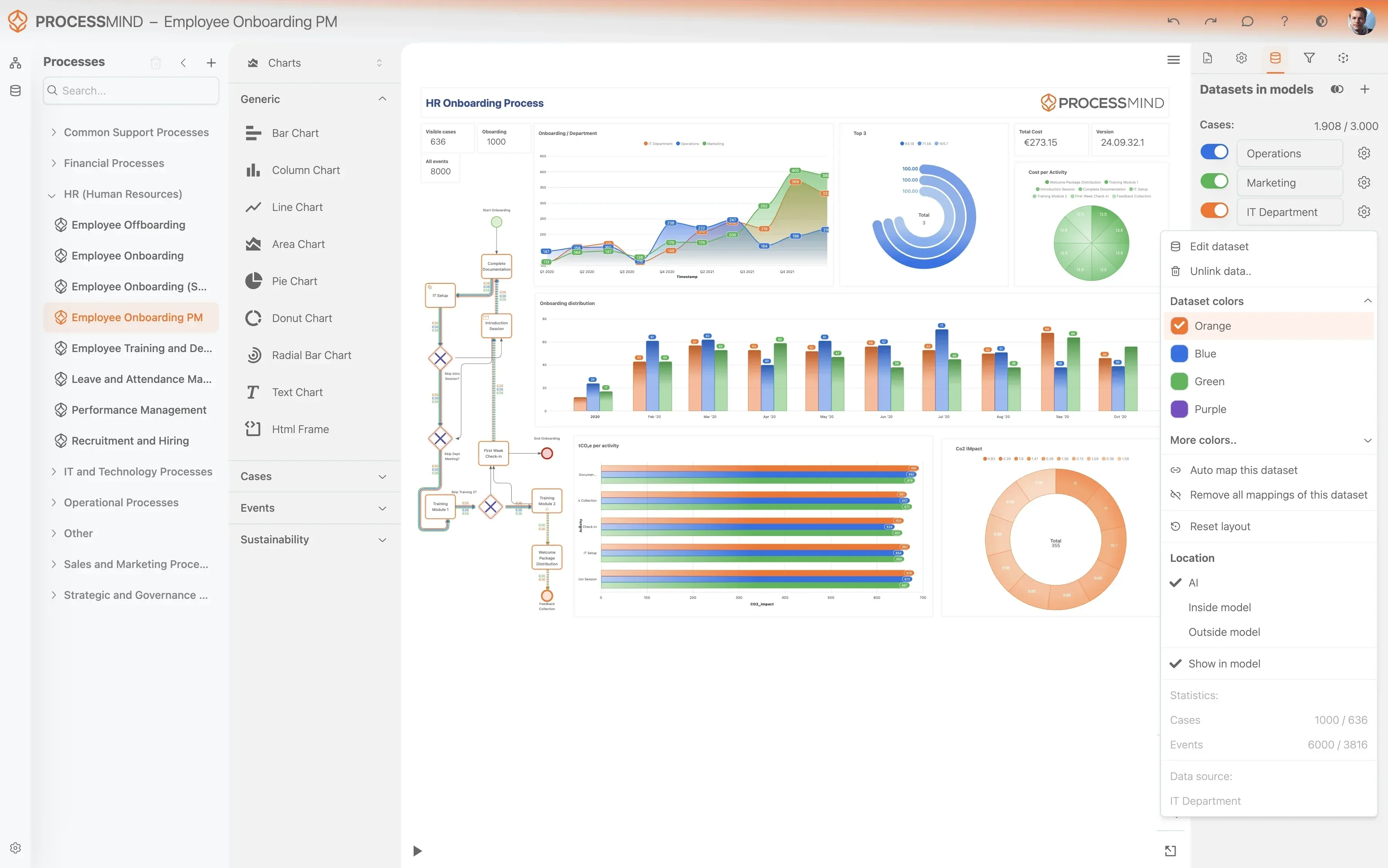
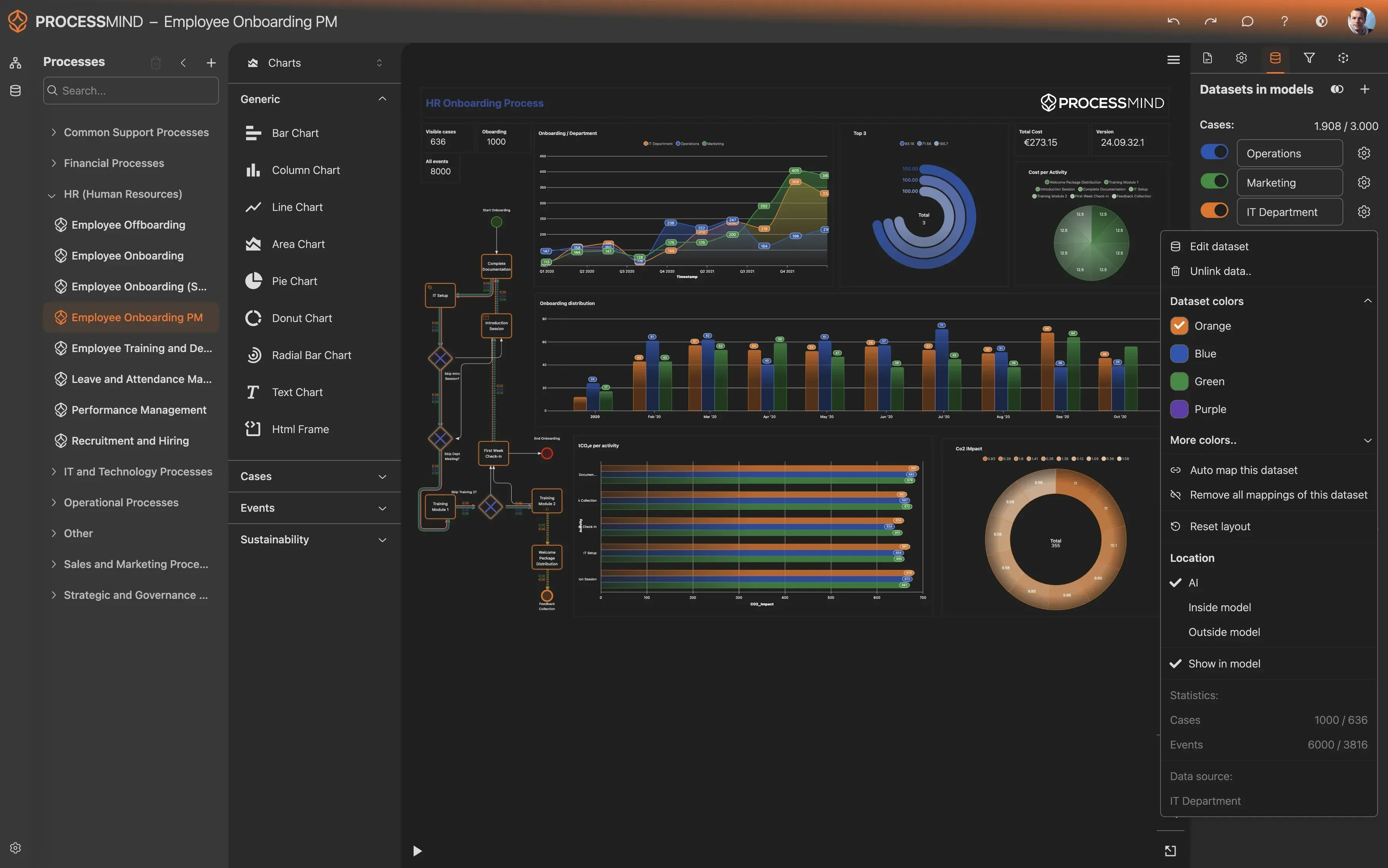
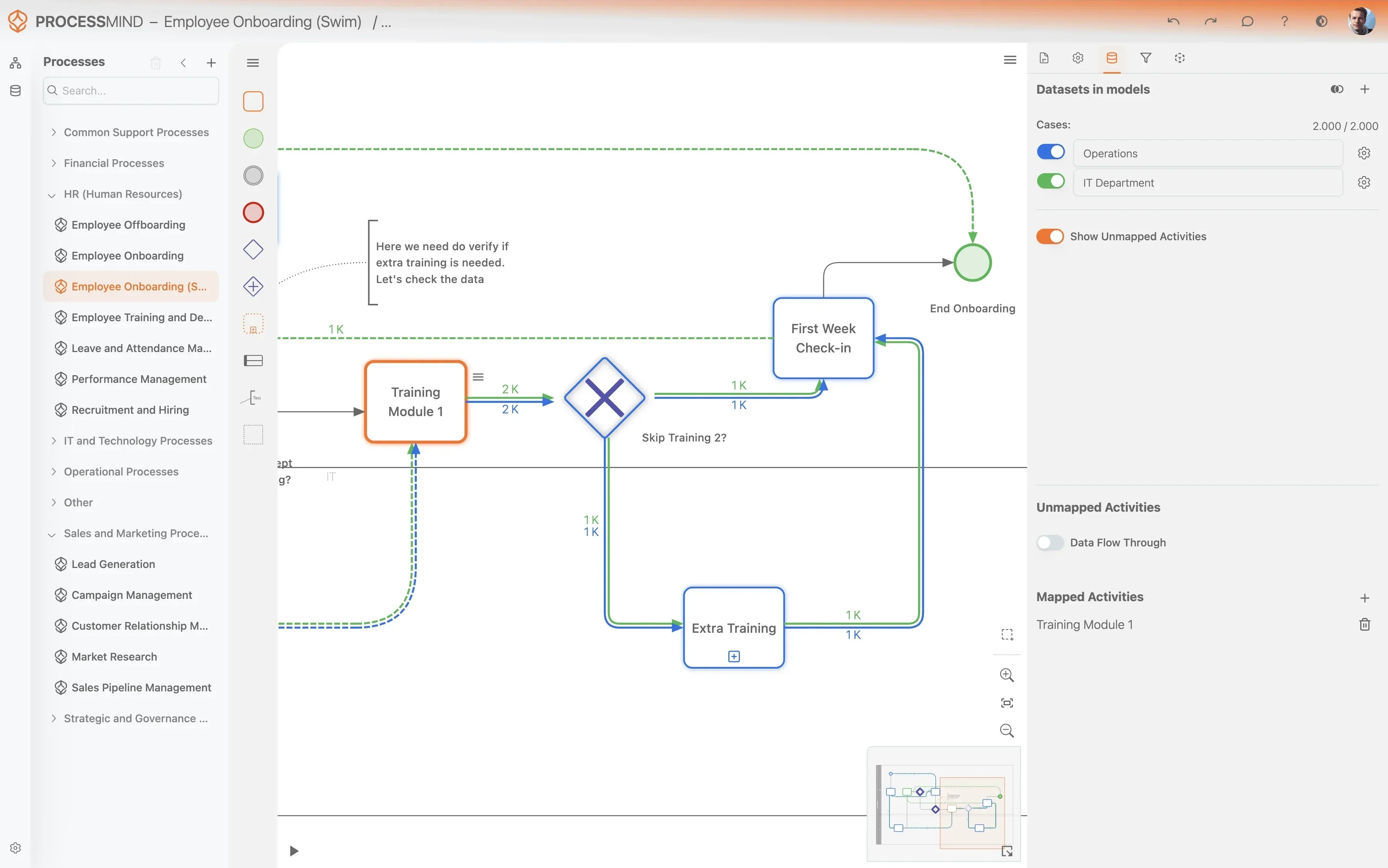
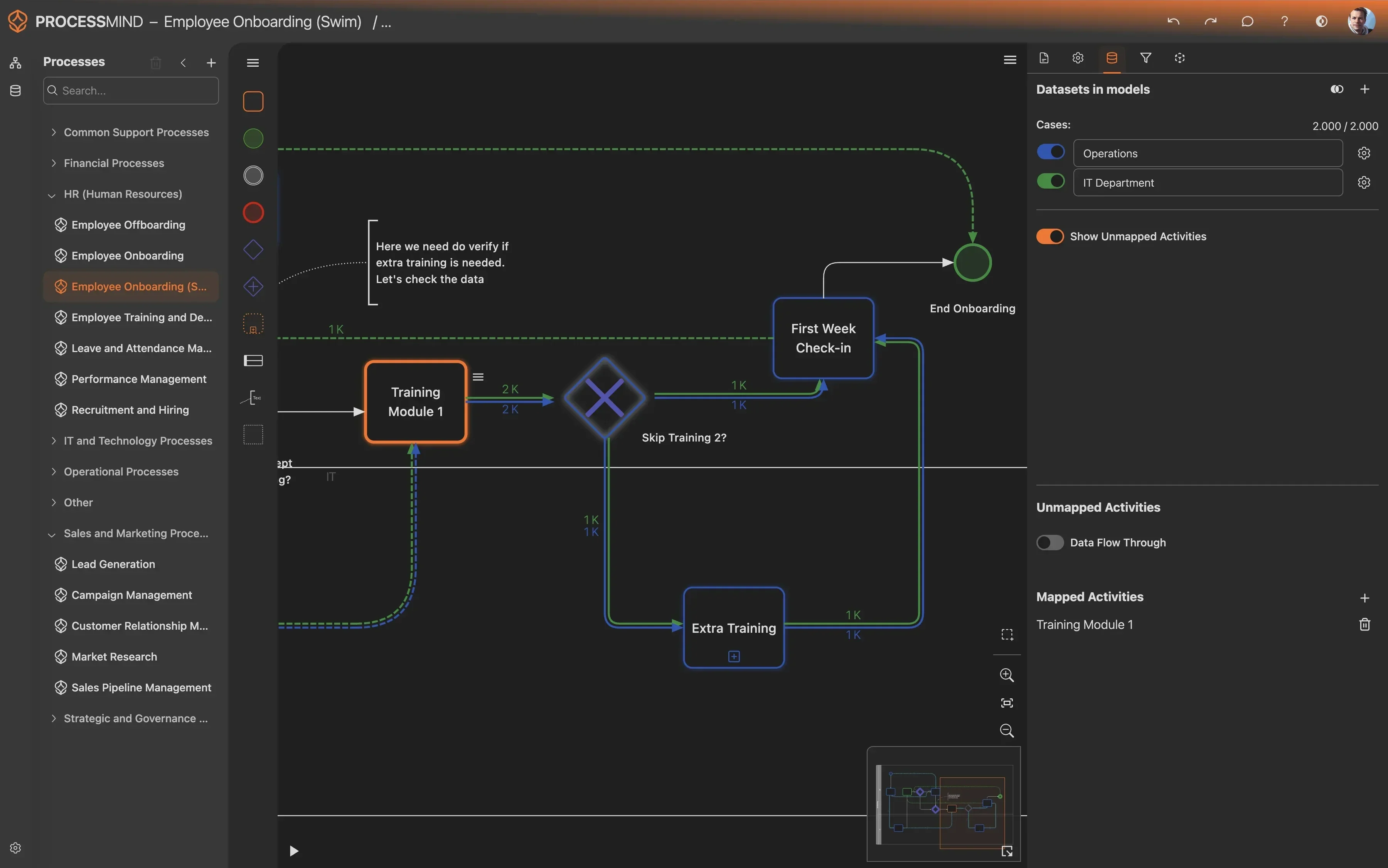
- Visualize the end-to-end payroll lifecycle
- Pinpoint manual data correction hotspots
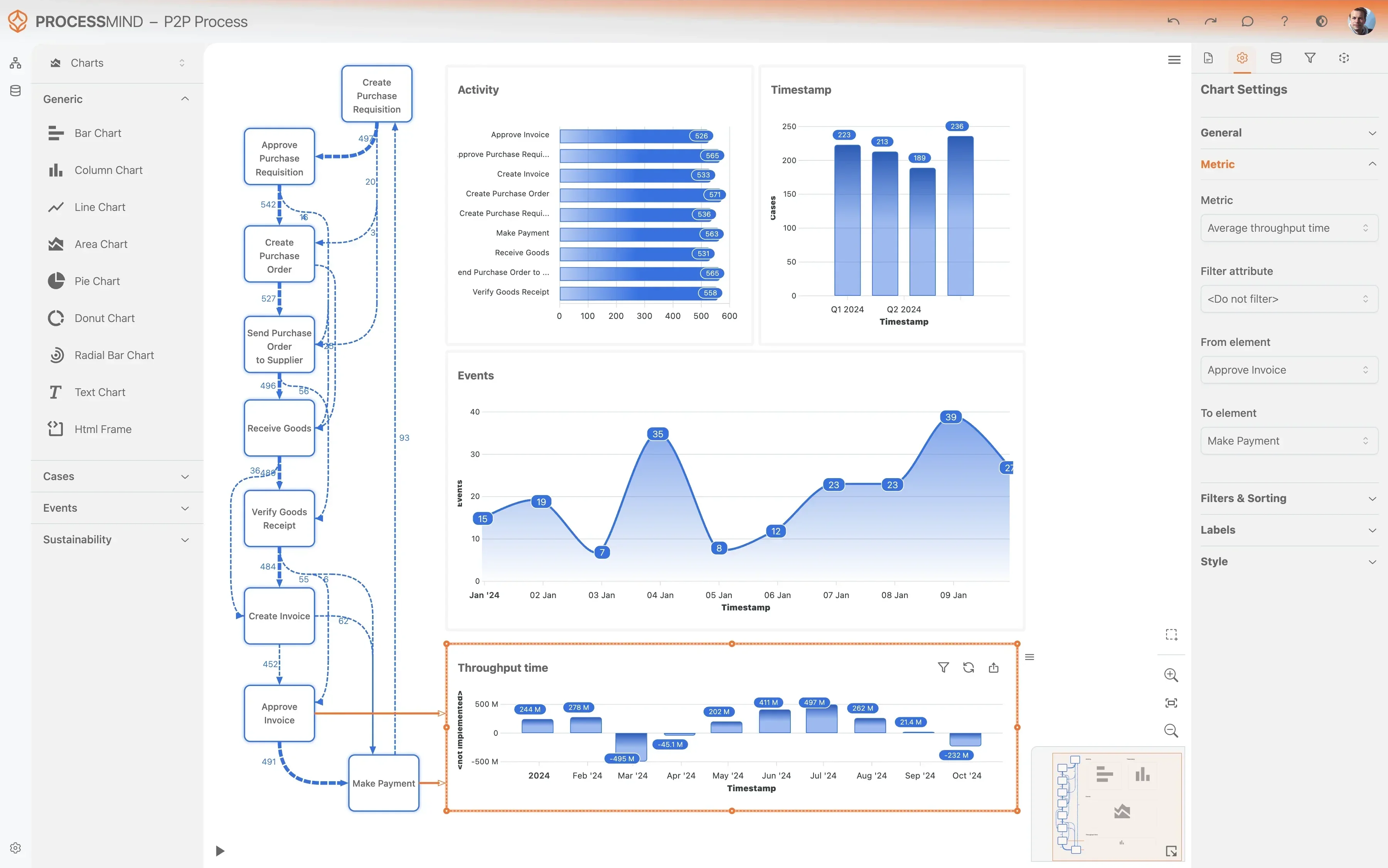
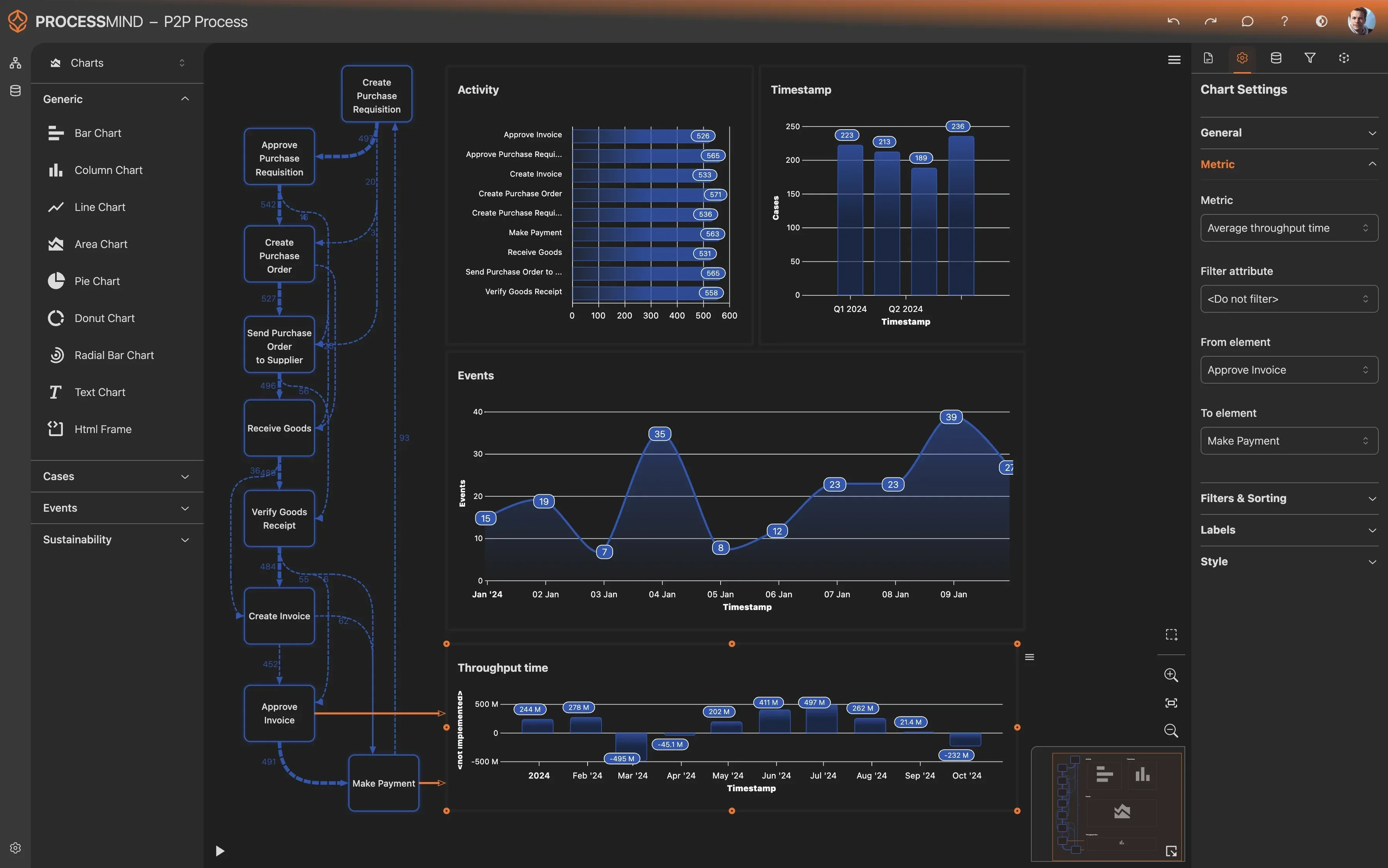
- Reveal hidden approval cycle bottlenecks
- Track compliance and cycle time metrics
PROVEN OUTCOMES
Optimizing Payroll Efficiency and Accuracy
Organizations using process mining for SAP SuccessFactors Employee Central Payroll consistently uncover hidden inefficiencies in their payroll cycles. These metrics illustrate the potential for streamlining operations and ensuring every payroll record is processed with precision.
Reduction in correction steps
By pinpointing where data corrections occur in SAP SuccessFactors, teams can eliminate the root causes of rework and decrease total processing costs.
Time sheet approval speed
Optimizing the time difference between submission and approval allows for more predictable payroll schedules and reduces last minute stress.
Decrease in flagged errors
Identify systemic issues in calculation logic early to significantly decrease the frequency of audit flags and maintain regulatory compliance.
Reduction in publication lag
Reducing the lag between payment execution and document publication improves the digital experience for all employees across the organization.
Reduction in emergency runs
Minimize the need for costly off-cycle runs by improving data quality and submission timelines within the primary payroll window.
Increase in touchless steps
Achieve high rates of payment automation by eliminating manual verification steps after bank transfer file generation in the system.
Results vary based on process complexity and data quality. These figures represent typical improvements observed across implementations.
Recommended Data
FAQs
Frequently asked questions
Process mining uses event logs from SuccessFactors to map the actual end to end payroll flow, showing exactly where delays and manual workarounds occur. By visualizing the entire process, teams can pinpoint why specific payroll records require off cycle corrections or manual adjustments before finalizing the run.
Data is typically extracted from SAP SuccessFactors via standard APIs or by using OData services to pull change logs and status history from the Payroll Record. These data points provide the timestamps and activity labels needed to reconstruct the process timeline without disrupting the core payroll engine.
Yes, the technology identifies patterns in records that consistently require post calculation edits, often tracing them back to master data errors or late time sheet approvals. This visibility allows payroll managers to address root causes upstream, aiming for a significant reduction in the volume of manual interventions.
It provides a complete digital audit trail of every payroll action, highlighting any deviations from standard operating procedures or jurisdictional requirements. This transparency makes it easier to verify that tax filings are consistent and that all audit exceptions are handled according to documented protocols.
Initial insights are usually available within four to six weeks once the data connection to SAP SuccessFactors is established. This timeframe includes data cleaning, process mapping, and the identification of the most critical bottlenecks impacting the payroll cycle.
Sensitive fields like salary amounts or personal identifiers are typically anonymized or excluded during the data extraction phase. The focus of process mining is on the timestamps and status changes of the payroll record, rather than the confidential financial data itself.
By analyzing the volume and complexity of records handled by different teams, the system identifies uneven workloads and processing peaks. This information helps managers redistribute tasks more effectively to prevent burnout and ensure timely pay slip availability for all employees.
Optimize Your Payroll Processing Performance Now
Join companies reducing payroll cycle times by 30% today.
No credit card required. Setup in minutes.