Improve Your KYC Customer Onboarding

Uncover insights with our 6-step guide to Pega KYC optimization.
Improve Your KYC Customer Onboarding

Optimize KYC Customer Onboarding in Pega KYC for Enhanced Compliance

KYC Customer Onboarding can often be a complex process, leading to unnecessary delays and potential compliance risks. Our platform helps you quickly identify hidden inefficiencies, from initial document verification steps to final compliance reviews. Gain clear, actionable insights to streamline your operations, reduce cycle times, and ensure robust regulatory adherence. This allows for a more efficient and compliant onboarding journey.

Download our pre-configured data template and address common challenges to reach your efficiency goals. Follow our six-step improvement plan and consult the Data Template Guide to transform your operations.

Show detailed description

Why Optimize KYC Customer Onboarding in Pega KYC?KYC Customer Onboarding is a cornerstone of financial operations, crucial for regulatory compliance and fraud prevention. In today's dynamic environment, the process often becomes a significant bottleneck, impacting customer satisfaction, increasing operational costs, and exposing organizations to compliance risks. While Pega KYC offers robust capabilities for client lifecycle management and onboarding automation, the inherent complexity of KYC requirements, varying customer profiles, and the need for seamless integration across multiple systems can still lead to inefficiencies.Understanding the actual flow of your KYC Customer Onboarding process within Pega KYC is vital. Delays in document verification, repeated requests for information, or inconsistent compliance reviews can frustrate new customers, leading to application abandonment and lost revenue. Furthermore, inefficient processes consume valuable resources and can escalate operational expenses, directly impacting your bottom line. Optimizing this critical process is not just about speed, it is about ensuring robust compliance, delivering a superior customer experience, and achieving operational excellence in every interaction.

How Process Mining Uncovers Hidden Opportunities in Pega KYCProcess mining offers a powerful lens to gain deep, data-driven insights into your actual KYC Customer Onboarding process as executed in Pega KYC. By analyzing event logs, it reconstructs the complete, end-to-end journey of every "Customer Application", from "Application Submitted" to "Customer Onboarding Completed" or "Application Rejected". This goes beyond theoretical process maps, showing you precisely how activities like "Initial Application Review", "Identity Verification Performed", "Document Review", "Background Checks Initiated", and "Compliance Review Initiated" are performed in reality.

Process mining tools specifically help you visualize process variations, identify common deviations from the desired

KYC Customer Onboarding Client Lifecycle Management Identity Verification Compliance Review Risk Assessment Onboarding Efficiency Financial Crime Financial Institutions Customer Due Diligence Anti-Money Laundering

Common Problems & Challenges

Identify which challenges are impacting you

New customer applications take too long to process, leading to a poor customer experience and potential customer churn. Delays in the KYC Customer Onboarding process, particularly within Pega KYC, can impact revenue generation and market competitiveness.
ProcessMind uncovers the exact stages and activities contributing most to extended cycle times, identifying bottlenecks in document review, identity verification, or compliance checks. This allows for targeted improvements to accelerate the onboarding journey.

Applications frequently get stuck in compliance review, creating a significant backlog and delaying account activation. These delays in critical KYC Customer Onboarding steps within Pega KYC can lead to SLA breaches and expose the organization to regulatory risks.
ProcessMind visualizes the flow of applications through the compliance review stage, highlighting specific users or departments responsible for delays. It helps identify re-work loops or queues that slow down adherence to regulatory requirements.

The actual process for KYC Customer Onboarding often deviates from the documented standard, leading to inconsistencies, errors, and increased compliance risk. Uncontrolled variations in Pega KYC workflows can result in non-standard practices and audit failures.
ProcessMind automatically discovers all process variants, quantifying their frequency and impact. It reveals where and why deviations occur in the KYC Customer Onboarding journey, enabling enforcement of best practices and standardization.

A significant number of customer applications are rejected, indicating issues in the early stages of the KYC Customer Onboarding process or during initial document submissions. High rejection rates in Pega KYC lead to wasted resources and lost business opportunities.
ProcessMind analyzes the common paths and attributes leading to rejections, pinpointing stages like document review or initial application review where problems originate. This insight helps optimize input requirements and improve guidance for applicants.

Applications are frequently sent back for additional information or corrections, creating rework and unnecessary manual hand-offs between departments. This inefficiency in the KYC Customer Onboarding process within Pega KYC increases operational costs and extends cycle times.
ProcessMind maps out all rework loops and sequential hand-offs, identifying activities that are frequently repeated or steps that cause applications to bounce between teams. This allows for streamlining the workflow and automating certain transfers.

Critical internal and external service level agreements for customer onboarding are consistently missed, leading to penalties, dissatisfied customers, and reputational damage. Breaching SLAs in the KYC Customer Onboarding process, especially within Pega KYC, indicates systemic inefficiencies.
ProcessMind tracks application processing times against defined SLA targets, highlighting exactly which stages and specific applications are prone to breaches. It helps identify root causes, whether they are resource constraints or inefficient activity sequencing.

The process of verifying customer documents is a common bottleneck, significantly slowing down the overall KYC Customer Onboarding journey. Delays in this crucial Pega KYC step can impede progress and frustrate new applicants.
ProcessMind analyzes the time spent in the 'Document Review' and 'Identity Verification Performed' activities, revealing where specific delays occur. It identifies patterns, such as certain document types or verification methods, that contribute to extended processing times.

Customers are repeatedly asked for additional information, often for details that could have been collected earlier or in a single request. This leads to customer frustration and prolongs the KYC Customer Onboarding cycle in Pega KYC.
ProcessMind identifies cycles where 'Additional Information Requested' activities occur multiple times for the same application. It helps understand why this happens and where the initial information collection process can be improved to reduce back-and-forth communication.

Workloads are unevenly distributed among teams or individuals, leading to some resources being over-utilized and others under-utilized. This imbalance impacts efficiency and morale within the KYC Customer Onboarding teams using Pega KYC.
ProcessMind provides insights into user and department activity patterns, showing where work queues build up and where resources are strained. It helps optimize resource allocation to balance the workload and improve throughput for the onboarding process.

Stakeholders lack a comprehensive, real-time view of the entire KYC Customer Onboarding process, making it difficult to pinpoint exact causes of delays or monitor overall performance. This limited visibility in Pega KYC hinders effective decision-making and proactive problem-solving.
ProcessMind constructs an objective, end-to-end map of the entire customer onboarding journey, from 'Application Submitted' to 'Customer Onboarding Completed'. It provides a transparent view of every step, enabling stakeholders to understand the true process flow and identify hidden inefficiencies.

Typical Goals

Define what success looks like

This goal aims to shorten the total time it takes for a customer application to move from submission to activation or rejection in Pega KYC. Achieving this can significantly improve customer satisfaction, reduce abandonment rates, and allow revenue realization sooner. Shorter cycle times indicate a more efficient and responsive onboarding process.ProcessMind can map the entire KYC Customer Onboarding journey, identifying critical paths, bottlenecks, and delays at each step, such as document review or background checks. By analyzing historical case data, it highlights specific activities or hand-offs that contribute most to extended cycle times, enabling targeted process redesign and automation opportunities within Pega KYC to potentially cut onboarding time by 20-30%.

Expediting the compliance review phase is crucial for both efficiency and regulatory adherence. Lengthy compliance reviews can lead to significant delays in customer onboarding, frustrate applicants, and tie up valuable compliance resources. A faster review process, while maintaining thoroughness, ensures quicker progression for legitimate customers.ProcessMind provides deep insights into the compliance review activity within Pega KYC, visualizing its duration, variations, and common blockers. It can pinpoint specific conditions, user groups, or data issues that cause delays, such as frequent requests for additional information or review reworks. This visibility allows for streamlining workflows, improving data quality, and implementing targeted training to accelerate reviews by 15-25%.

Ensuring that all KYC Customer Onboarding applications consistently follow defined standard operating procedures is vital for compliance, risk mitigation, and operational predictability. Deviations from the standard path can introduce errors, increase compliance risks, and lead to inconsistent customer experiences and outcomes.ProcessMind automatically discovers the actual process flow in Pega KYC, comparing it against the intended ideal process model. It highlights all process variants and identifies instances where applications deviate from the standard, revealing common bypasses or unauthorized steps. This allows organizations to enforce stricter adherence, identify root causes for deviations, and implement controls to ensure regulatory compliance across all onboarding cases, potentially reducing non-compliance incidents by 40%.

A high rate of application rejections is costly, both in terms of wasted processing efforts and lost potential customers. Understanding why applications are rejected and addressing those root causes can significantly improve efficiency, reduce operational expenses, and expand the customer base, ensuring a healthier conversion funnel for KYC Customer Onboarding.ProcessMind analyzes the complete history of rejected applications within Pega KYC, correlating rejection reasons with preceding activities, document statuses, or specific data attributes. It can identify patterns, such as common missing documents or recurring issues in identity verification, that lead to rejection. This insight empowers teams to implement proactive measures, improve upfront data collection, and enhance communication with applicants, aiming to decrease rejection rates by 10-15%.

Rework, re-submissions, and repetitive tasks add unnecessary costs, extend cycle times, and negatively impact both employee productivity and the customer experience during KYC Customer Onboarding. Identifying and removing the need for these redundant activities streamlines operations and improves overall process flow efficiency.ProcessMind visualizes process loops and repeated activities within Pega KYC, highlighting where and why rework occurs, for example, multiple document uploads or repeated requests for information. It can pinpoint the specific triggers or conditions leading to these inefficiencies, enabling process owners to redesign workflows, improve initial data capture accuracy, and implement automation to reduce rework by up to 30%, freeing up resources.

The speed and accuracy of document verification are critical components of an efficient KYC Customer Onboarding process. Slow verification creates bottlenecks, delaying the entire onboarding journey and potentially leading to customer dissatisfaction or abandonment, while also impacting compliance timelines.ProcessMind analyzes the duration of document verification activities in Pega KYC, identifying which types of documents, customer segments, or even specific verification agents lead to longer processing times. It uncovers underlying causes like system delays, manual data extraction issues, or capacity constraints. These insights enable targeted improvements, such as enhanced automation or resource reallocation, to accelerate document verification by 20% or more.

Customers often face multiple requests for the same or similar information throughout the KYC Customer Onboarding process, leading to frustration and delays. Minimizing these redundant requests enhances the customer experience, reduces friction, and improves the overall efficiency of data collection.ProcessMind can identify and quantify instances where the same information is requested multiple times across different stages or departments within Pega KYC. By tracing the flow of information and identifying gaps in data sharing or capture, it helps pinpoint the root causes of these redundancies. This allows for process redesign to consolidate information requests and improve data flow, reducing unnecessary customer interactions by 25%.

An imbalanced distribution of workload among agents or departments can lead to bottlenecks, burnout, and service level agreement (SLA) breaches in KYC Customer Onboarding. Achieving a more equitable workload ensures consistent processing times, higher employee morale, and improved overall operational efficiency.ProcessMind provides insights into resource utilization and workload patterns within Pega KYC by analyzing who performs which tasks and for how long. It can highlight uneven distribution, identify overloaded resources, and reveal periods of low activity. This data supports informed decisions for resource allocation, cross-training, and workflow adjustments to balance workloads more effectively, improving processing consistency and reducing employee strain.

A lack of comprehensive, real-time visibility into the entire KYC Customer Onboarding journey hinders effective management, bottleneck identification, and compliance monitoring. Achieving full transparency across all stages is fundamental for informed decision-making and continuous process improvement.ProcessMind automatically reconstructs the complete end-to-end process map for KYC Customer Onboarding from event logs in Pega KYC. It provides an objective, data-driven view of all paths, variants, and actual performance metrics, eliminating guesswork. This unparalleled visibility allows stakeholders to understand exactly how the process unfolds, identify hidden inefficiencies, and monitor key performance indicators in real-time.

High operational costs associated with each KYC Customer Onboarding case directly impact profitability. By identifying and eliminating inefficiencies, rework, and unnecessary manual interventions, organizations can significantly lower the cost of acquiring and activating new customers, enhancing financial performance.ProcessMind quantifies the cost impact of various process activities and deviations within Pega KYC, such as rework loops, manual hand-offs, or extended processing times. It highlights areas where automation can be introduced or processes can be streamlined to reduce resource consumption. This allows for targeted cost-saving initiatives, potentially reducing the operational cost per successful onboarding by 10-20%.

Maintaining strict regulatory compliance during KYC Customer Onboarding is non-negotiable for financial institutions. Any lapse can lead to significant fines, reputational damage, and legal repercussions. Proactive monitoring and enhancement of compliance processes are essential to mitigate these risks effectively.ProcessMind enables continuous monitoring of compliance rules by comparing actual process execution in Pega KYC against predefined regulatory requirements and internal policies. It automatically flags deviations, missing steps, or incorrect sequences that could lead to non-compliance, such as skipped risk assessments. This proactive identification allows for immediate corrective action and robust auditing capabilities, significantly strengthening compliance posture.

A smooth, fast, and transparent customer onboarding experience is crucial for customer retention and brand reputation. Lengthy processes, repetitive requests, or a lack of clarity can lead to high abandonment rates and negative perceptions, impacting long-term customer relationships.ProcessMind identifies customer pain points by analyzing process steps that cause delays, require multiple interactions, or lead to application rejections within Pega KYC. By uncovering these friction points, such as slow document verification or unclear requests, it allows for targeted improvements to streamline the customer journey, making it more intuitive and efficient. This data-driven approach helps to design a more customer-centric onboarding process.

The 6-Step Improvement Path for KYC Customer Onboarding

1

Download Your Template

What to do

Obtain the pre-configured Excel template tailored for KYC Customer Onboarding processes within Pega KYC. This ensures your data structure aligns perfectly with ProcessMind's analysis requirements.

Why it matters

A correctly structured dataset is foundational for accurate process analysis. It prevents data inconsistencies and speeds up your initial setup, ensuring reliable insights.

Expected outcome

A specialized data extraction template, ready to be populated with your Pega KYC customer onboarding data.

WHAT YOU WILL GET

Uncover Hidden Insights in Your KYC Onboarding

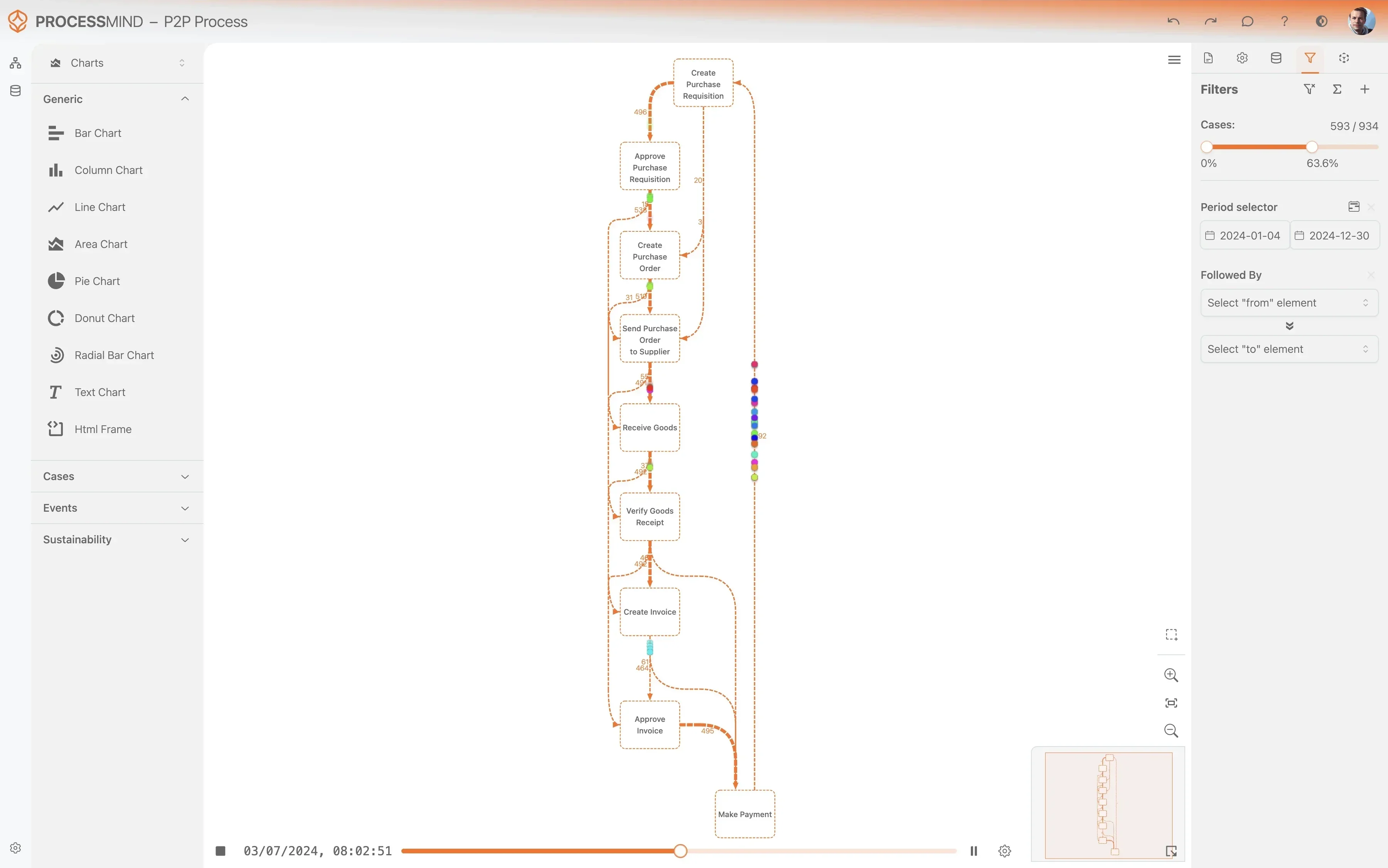
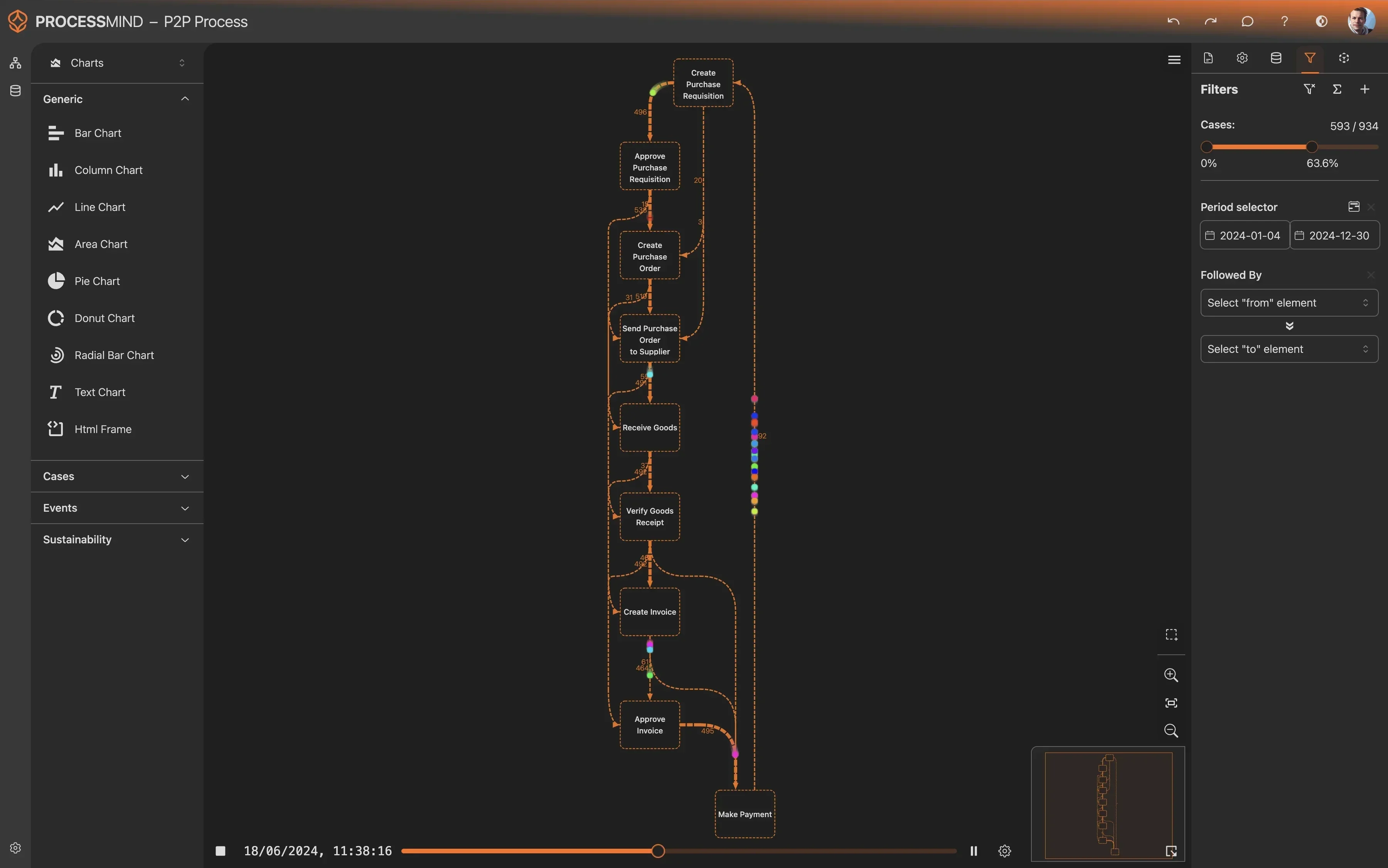
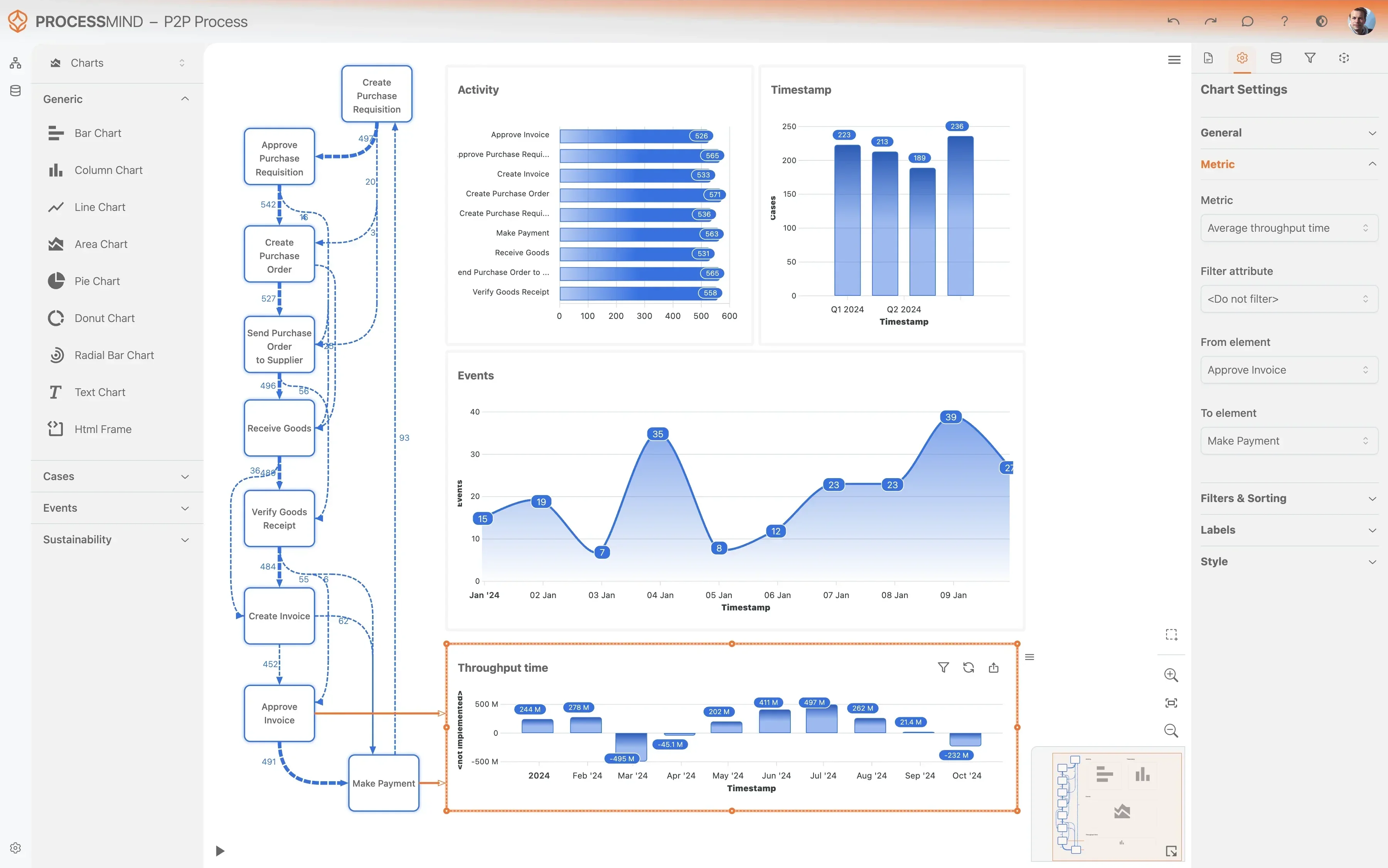
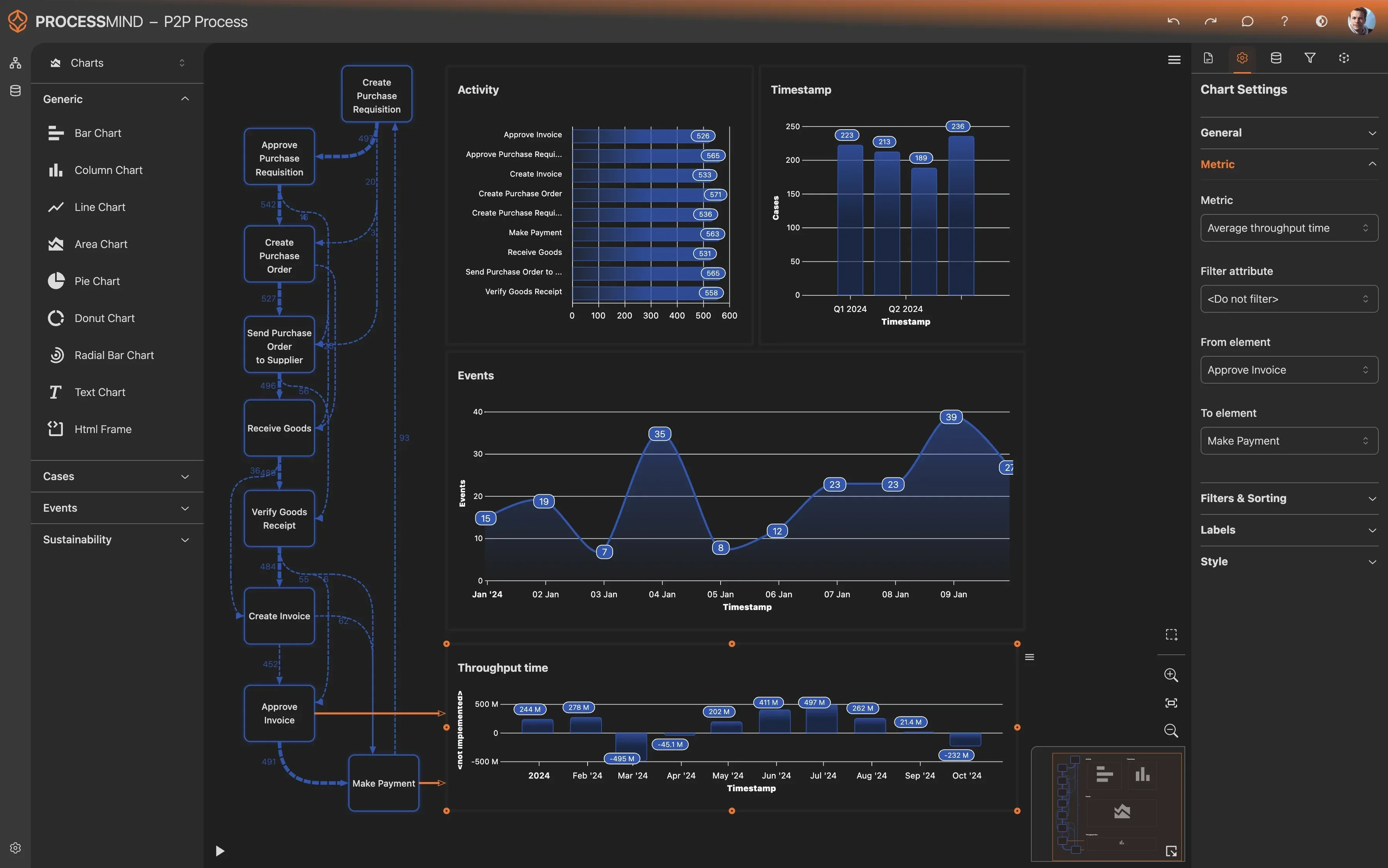
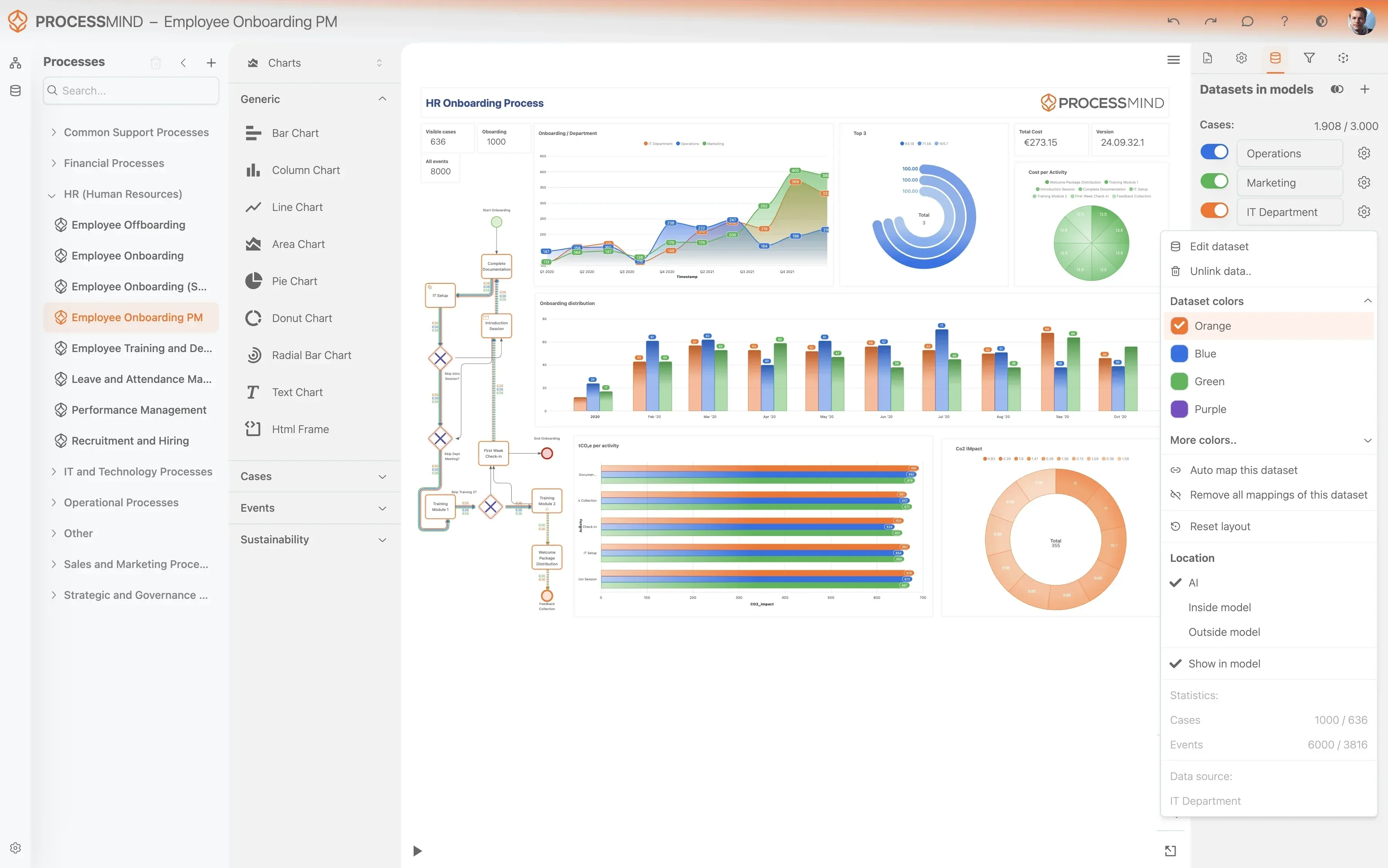
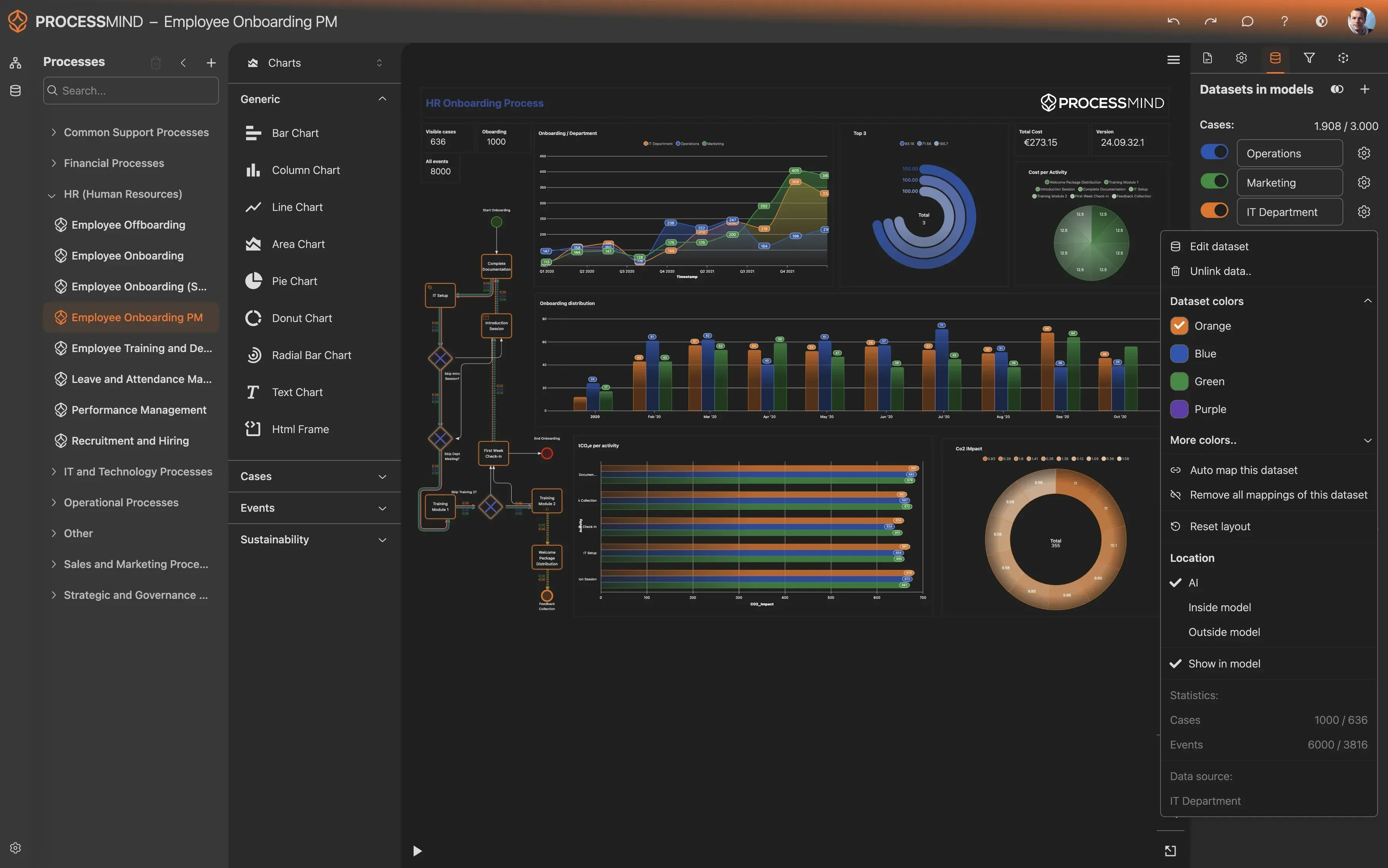
ProcessMind reveals the true execution of your KYC Customer Onboarding in Pega KYC. Gain powerful visualizations and data-driven insights into every process step.
  • Visualize actual KYC onboarding flows
  • Pinpoint compliance bottlenecks
  • Identify delays in document verification
  • Streamline compliance review cycles
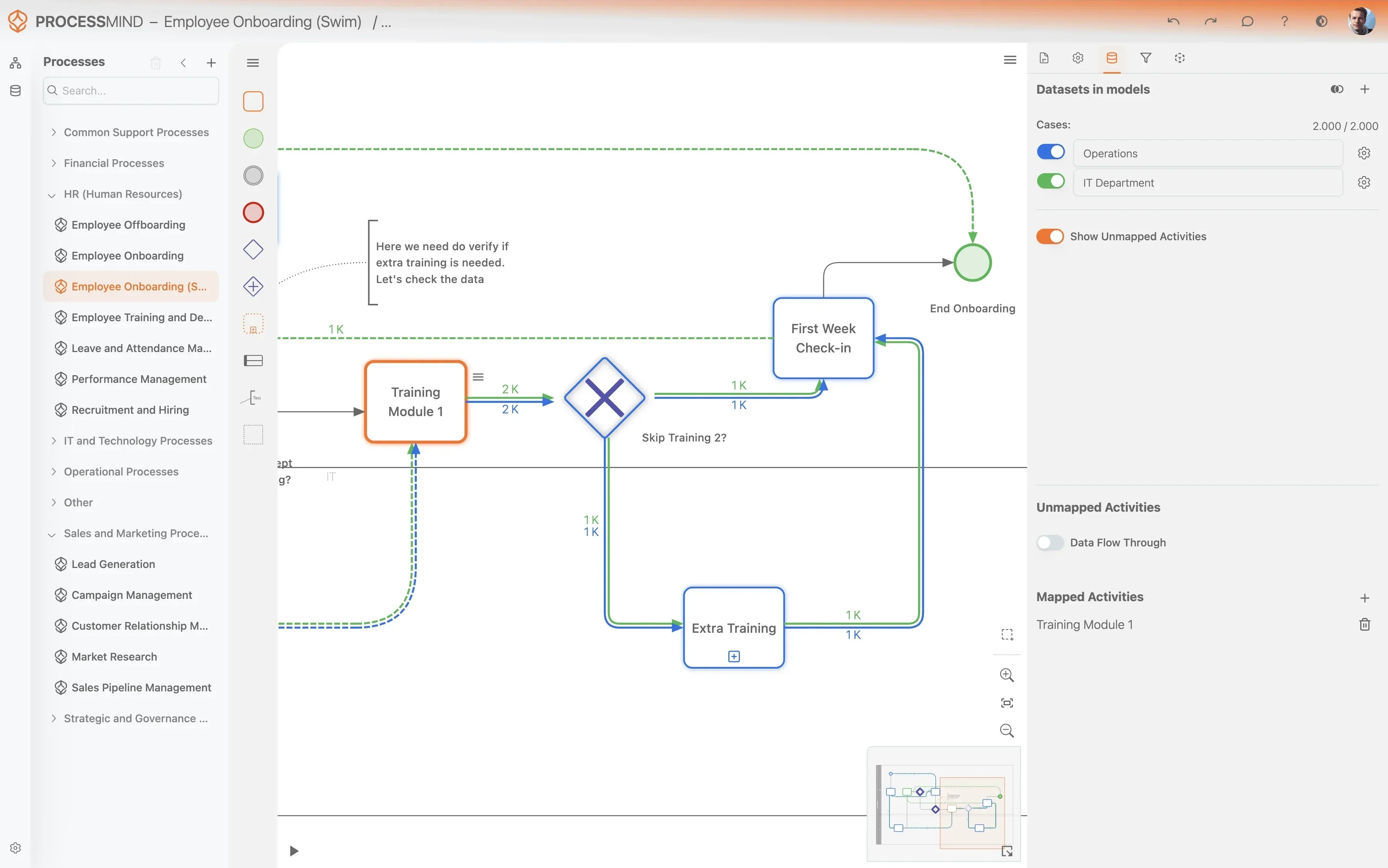
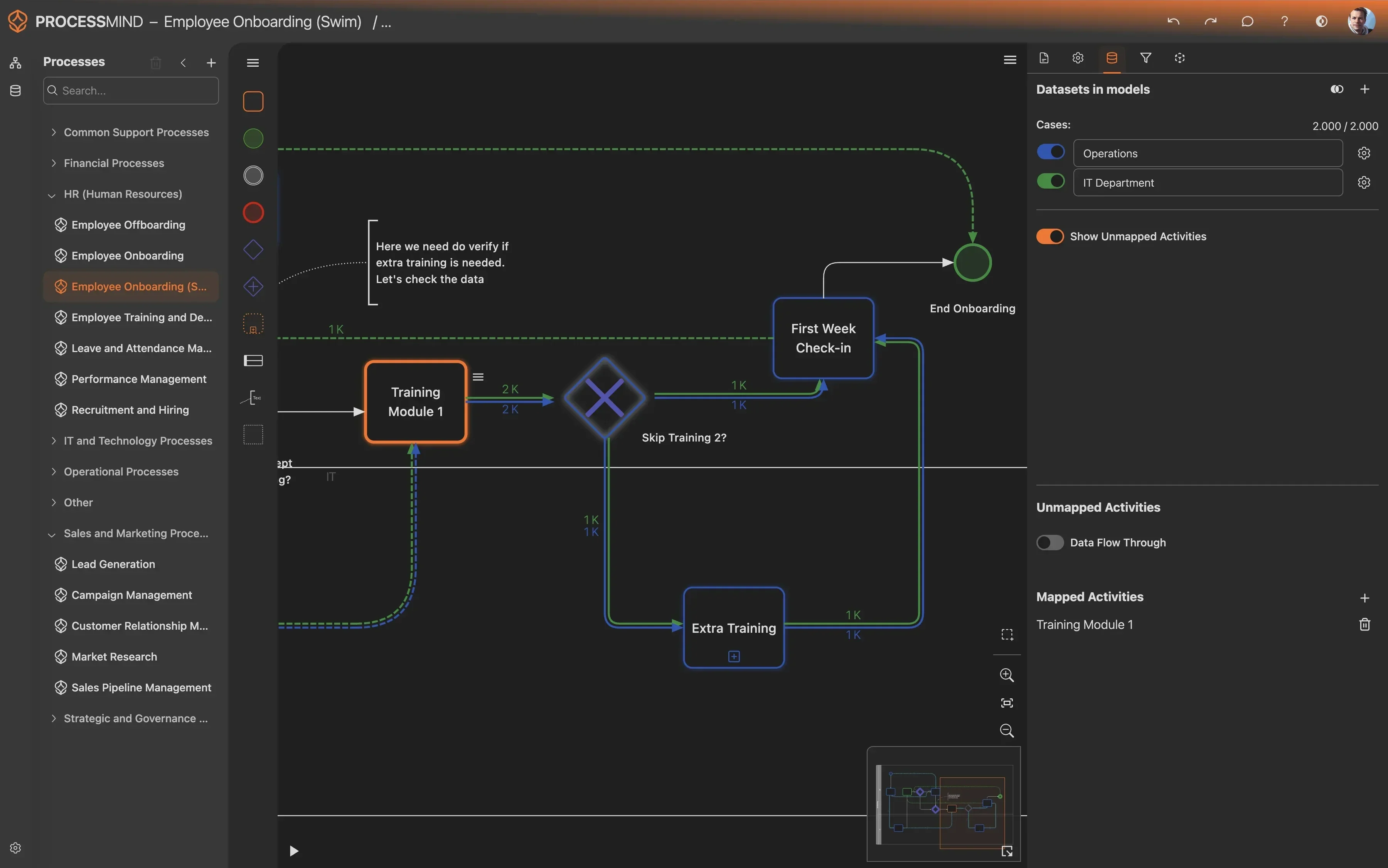
Discover your actual process flow
Identify bottlenecks and delays
Analyze process variants
Design your optimized process

TYPICAL OUTCOMES

Key Improvements in KYC Customer Onboarding

These outcomes represent the tangible benefits realized when applying process mining to the KYC Customer Onboarding process, meticulously analyzing your Pega KYC journey to reveal critical bottlenecks and areas for strategic optimization and automation.

0 % faster
Onboarding Cycle Time

Average reduction in end-to-end time

Identify and eliminate bottlenecks to significantly shorten the time from application submission to customer onboarding completion, improving customer satisfaction.

0 % reduction
Rework Loops Eliminated

Reduction in repetitive activities per case

Pinpoint root causes of re-submissions and repeated steps, drastically reducing rework loops and improving the First-Pass Processing Rate for applications.

- 0 % score
Process Conformance

Increase in adherence to ideal process

Drive higher adherence to predefined KYC process models, ensuring regulatory requirements are consistently met and reducing compliance risks.

0 % lower
App Rejection Rate

Decrease in rejected customer applications

Understand the reasons behind application rejections, implement targeted improvements, and lower the overall rate of unsuccessful customer onboardings.

0 % savings
Operational Cost Savings

Reduction in cost per onboarding case

Streamline activities and reduce unnecessary 'touches' per case, leading to significant operational cost savings for each customer onboarded.

Results vary based on the specific complexities of your KYC process, existing system landscape, and the quality of your data. These figures represent typical improvements observed across various implementations of process mining for customer applications.

FAQs

Frequently asked questions

Process mining helps identify bottlenecks like lengthy customer onboarding delays and frequent stalling in compliance reviews. It uncovers deviations from standard procedures and highlights areas of frequent rework or manual hand-offs. This leads to a clearer understanding of the root causes for inefficiencies.

To perform process mining effectively, you primarily need event logs from Pega KYC. This includes case identifiers, activity names, and timestamps for each step in the customer application process. User IDs or resource information can also be beneficial for workload analysis.

Initial insights from process mining can often be generated within weeks once the data extraction and preparation are complete. Comprehensive analyses and actionable recommendations typically emerge within 1-3 months. The speed depends on data quality and the complexity of the process being analyzed.

Users commonly see significant reductions in customer onboarding cycle time and application rejection rates. Process mining helps standardize KYC process adherence and accelerates compliance review completion. Overall, it leads to enhanced regulatory compliance and a better customer onboarding experience.

Data can typically be extracted from Pega KYC using standard database queries, API integrations, or reporting tools. The goal is to obtain event logs in a structured format, often CSV or XES, which can then be ingested by process mining software. Secure data transfer methods are always prioritized.

Process mining tools typically do not have native, real-time integration with Pega KYC for direct operational control. Instead, they connect by ingesting historical event log data extracted from Pega KYC's underlying database or through its reporting capabilities. This allows for analytical insights without impacting live operations.

While initial setup requires careful data identification and extraction, the implementation of process mining itself is becoming increasingly user-friendly. Specialized tools guide analysts through the process, minimizing technical complexity. The primary challenge often lies in understanding and interpreting the discovered process flows.

No, process mining is a non-invasive analytical technique. It operates on historical data extracted from Pega KYC, meaning it does not interact with or alter your live operational system. The analysis happens independently, ensuring no disruption to your daily KYC customer onboarding activities.

Streamline KYC Onboarding Now, Eliminate Delays Forever

Achieve frictionless KYC, reduce onboarding to 24 hours, and boost compliance.

Start Your Free Trial

No credit card required, set up in minutes