Improve Your Payroll Processing

A 6-step guide to Ceridian Dayforce optimization
Improve Your Payroll Processing

Optimize Payroll Processing in Ceridian Dayforce Systems

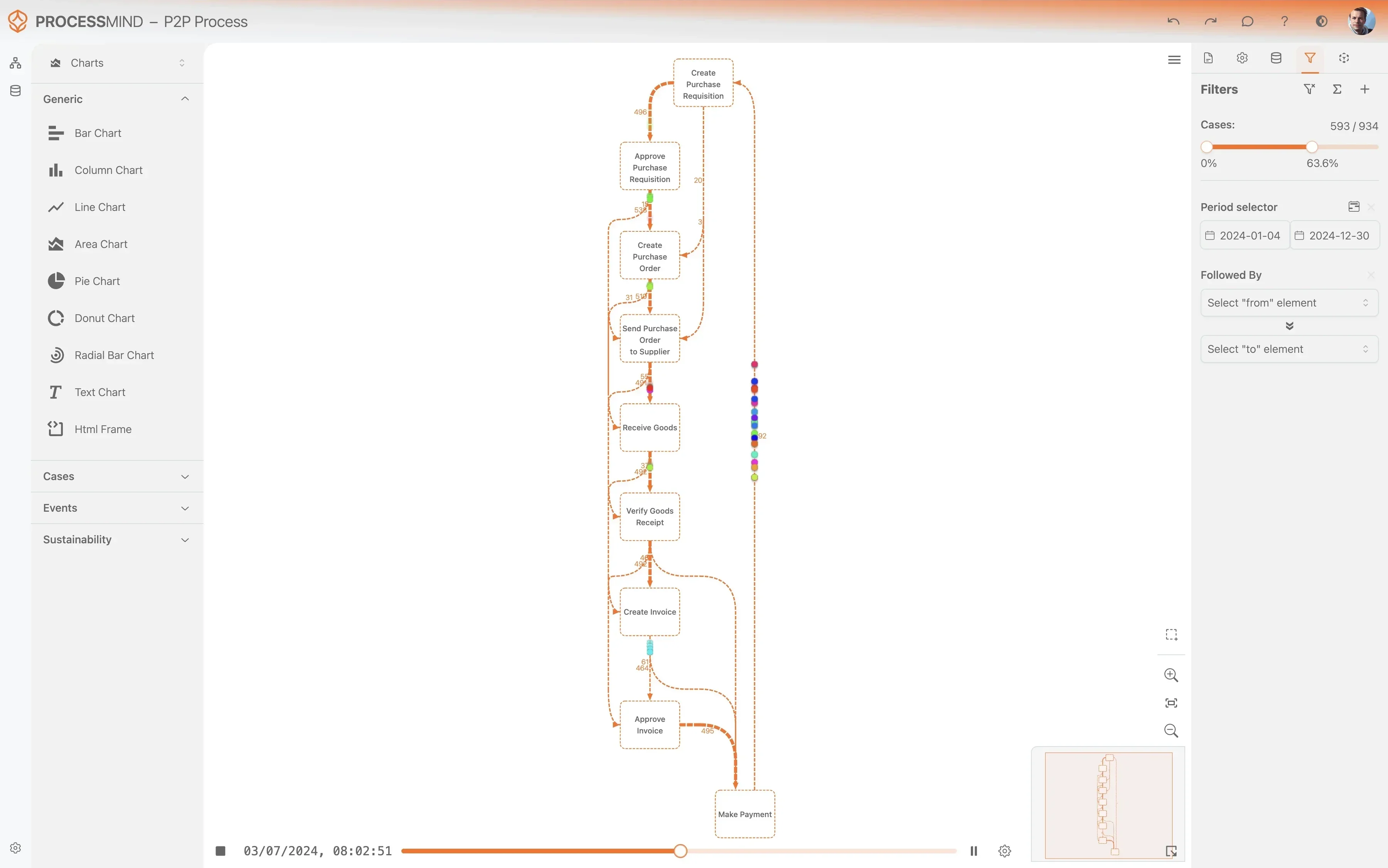
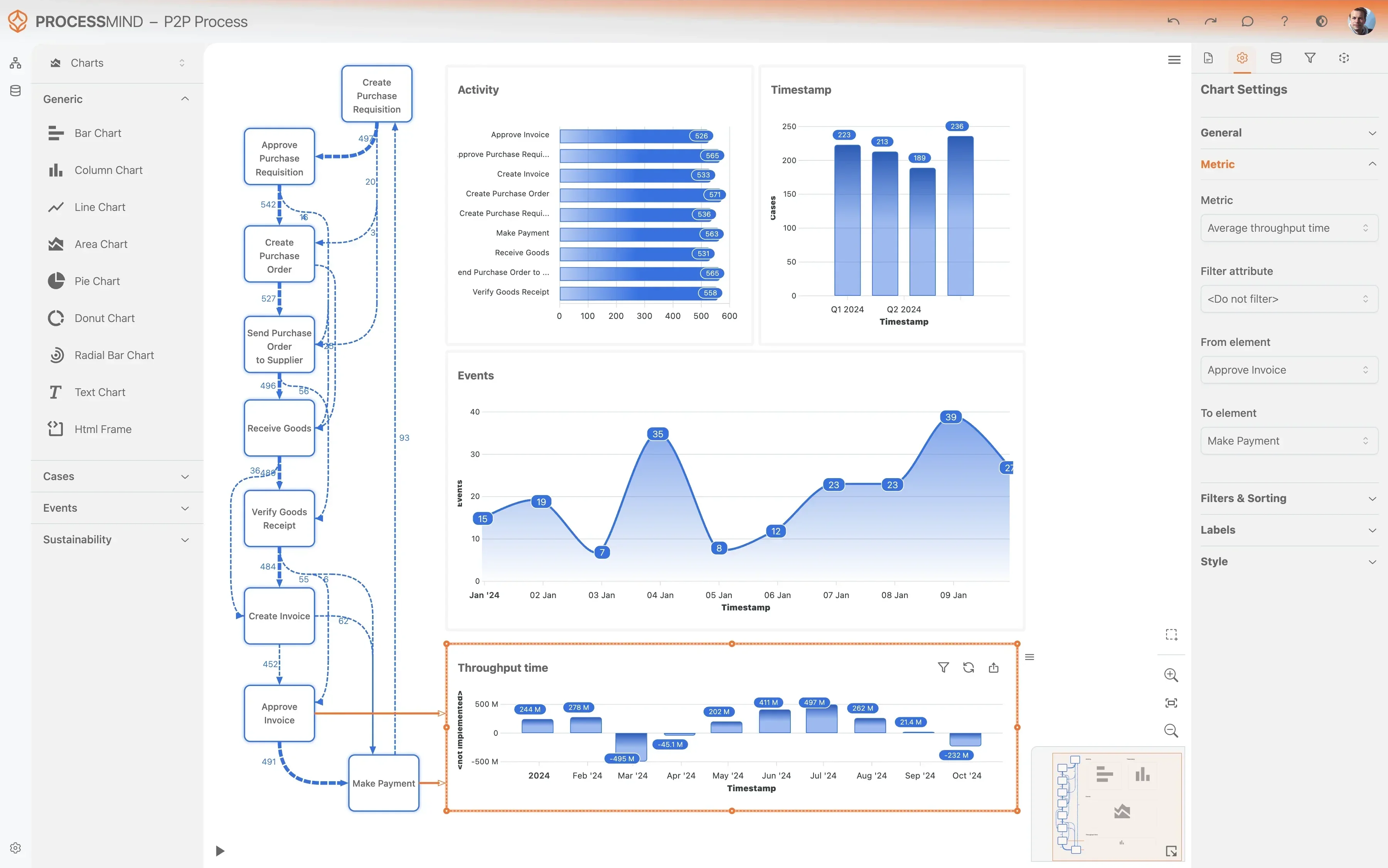
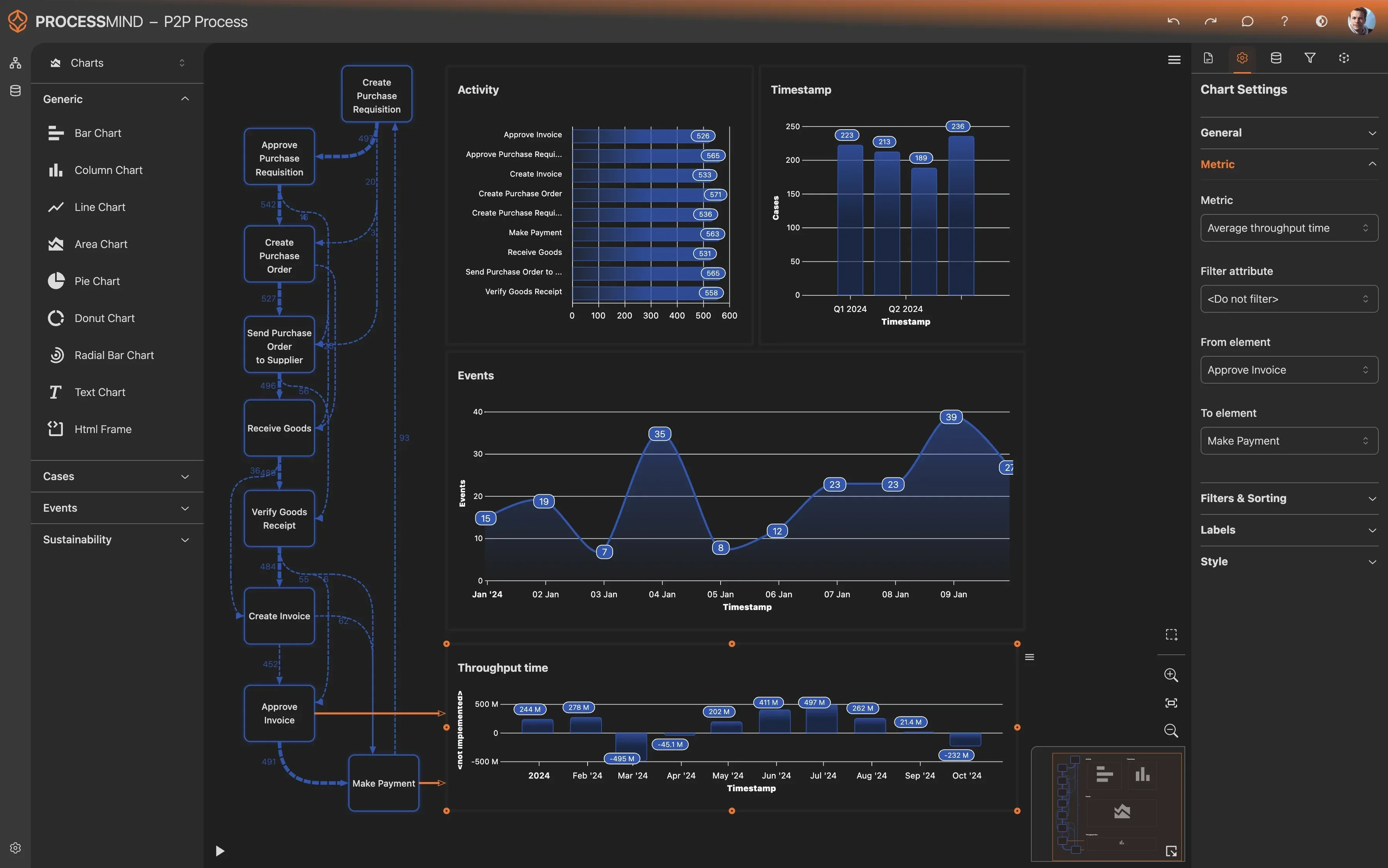
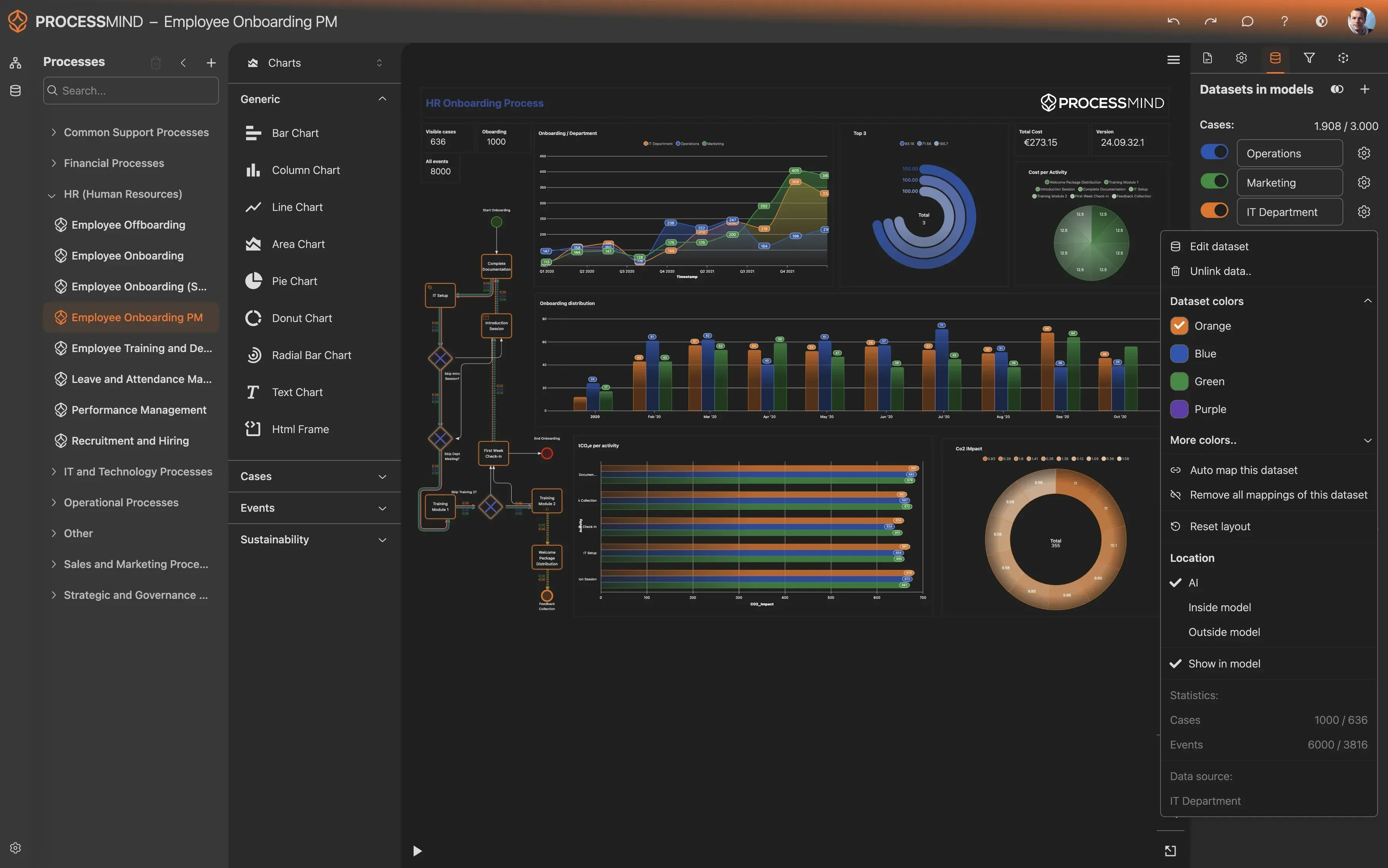
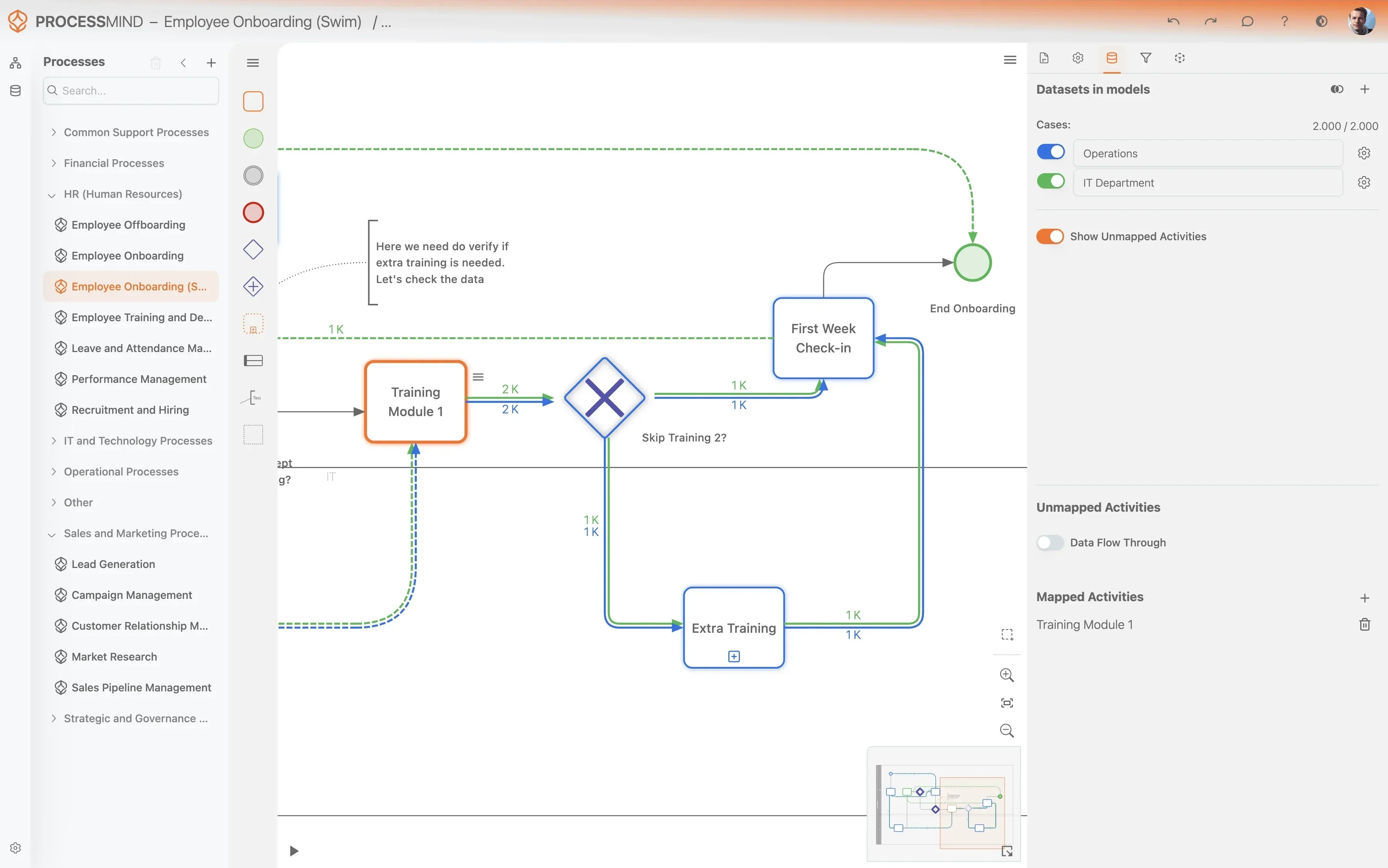
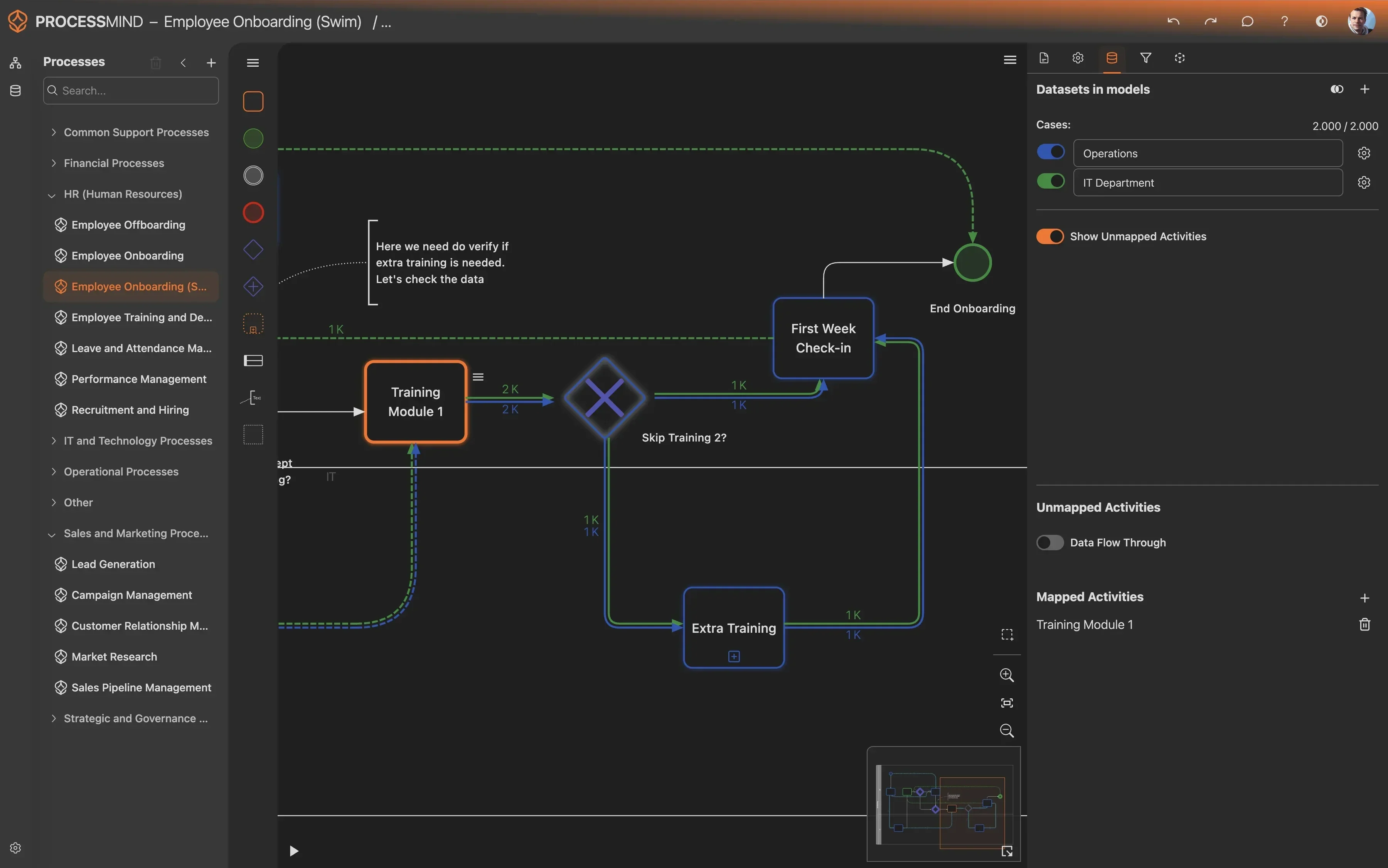
Our platform helps you pinpoint bottlenecks and unnecessary manual steps that slow down your operations. By analyzing your workflows, we reveal exactly where delays occur and how to streamline your activities for better results. This visibility allows your team to focus on high value tasks instead of chasing down errors.

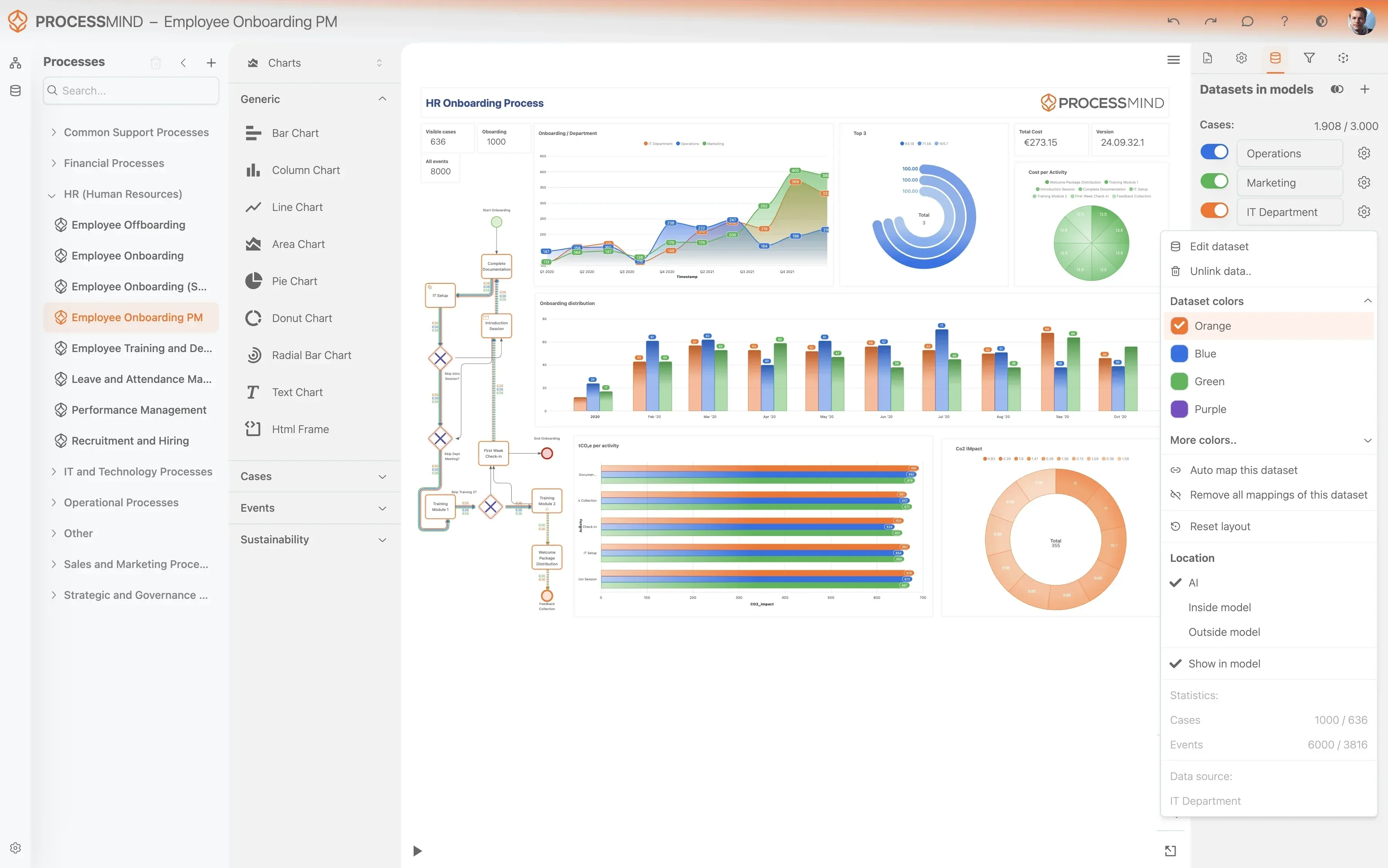
Download our pre-configured data template and address common challenges to reach your efficiency goals. Follow our six-step improvement plan and consult the Data Template Guide to transform your operations.

Show detailed description

Why optimize Payroll Processing

Payroll is often the largest expense for an organization, yet it remains one of the most operationally complex functions to manage. Within the context of Ceridian Dayforce, the system is designed to provide continuous calculation, which means payroll is technically always running. However, the efficiency of this continuous engine is entirely dependent on the quality of inputs and the speed of human interventions. When time tracking approvals stall or when manual corrections become the norm rather than the exception, the cost of processing each paycheck rises significantly. Optimization is not just about cutting costs, it is about ensuring that every employee is paid accurately and on time while maintaining strict adherence to regional tax laws and labor regulations. Inefficiencies in this process do not just drain resources, they also create compliance risks that can lead to significant penalties and damage to the organizational reputation.

Transforming Visibility with Process Mining

Process mining bridges the gap between the theoretical payroll cycle and the reality of how work happens within Ceridian Dayforce. By extracting data from the system audit logs, process mining allows you to see the exact journey of a payroll record. You can move beyond simple reports and instead visualize the entire sequence of events from the moment a time sheet is submitted until the final pay slip is published. This level of transparency is critical because it highlights the friction points that standard dashboards often miss. For example, you might discover that certain pay groups consistently require manual tax adjustments, or that incentive data imports from third party systems are frequently delayed by external department dependencies. By surfacing these hidden patterns, you can make data driven decisions rather than relying on anecdotal evidence from your payroll specialists. This approach changes the conversation from guessing where delays occur to knowing exactly which activities are causing the most significant bottlenecks.

Identifying High Impact Improvement Areas

The true power of analyzing your Ceridian Dayforce environment lies in the ability to pinpoint specific areas for structural improvement. One common area of focus is the reduction of manual interventions and data corrections. In a perfectly optimized system, a payroll record should flow through the calculation engine without being flagged for audit exceptions. Process mining helps you identify which specific employee types, departments, or cost centers are most prone to errors, allowing you to address root causes in the source systems or training procedures. Another critical area is the streamlining of the approval chain. Many organizations find that their payroll processing cycle time is extended by multi layered approval processes that do not necessarily add value. By analyzing the duration between activities such as Time Sheet Submitted and Time Sheet Approved, you can identify where bottlenecks occur and perhaps automate certain low risk approvals to accelerate the overall cycle. This level of analysis ensures that your payroll team spends less time on administrative firefighting and more time on strategic compliance and reporting.

Realizing Measurable Business Outcomes

When you apply process mining to your payroll operations, the benefits manifest across several key performance indicators. First, there is a significant reduction in total cycle time. By eliminating unnecessary steps and reducing the time spent on corrections, the payroll team can move through the calculation and audit phases much faster. This provides a buffer for unforeseen issues and reduces the stress associated with tight payment deadlines. Second, compliance becomes a byproduct of the process rather than a frantic end of month activity. Since process mining monitors every single transaction, you gain a complete audit trail that ensures every deduction, tax calculation, and payment adheres to company policy and legal requirements. Finally, improving the process leads to a direct increase in employee satisfaction. Accurate and timely compensation is a fundamental pillar of the employee experience, and reducing errors in gross to net calculations fosters a culture of trust and reliability within the workforce.

Getting Started with Payroll Optimization

Beginning the journey toward a more efficient payroll process does not require a complete overhaul of your existing infrastructure. Instead, it starts with an objective look at your current operations within Ceridian Dayforce. By leveraging a template focused on the specific activities and attributes of the payroll cycle, you can quickly gain insights into your current state. The goal is to move from a reactive posture, where you are constantly fixing errors, to a proactive one where you are continuously refining the system. As you uncover bottlenecks and resolve the underlying causes of delays, you will transform your payroll department from a back office function into a strategic asset that delivers consistent value to the entire organization. We encourage you to explore the flow of your payroll records to find those hidden opportunities for growth and efficiency today.

Payroll Processing Payroll Cycle Management Time Tracking Approvals Compensation Accuracy HR Operations Tax Filing Compliance Payroll Specialist

Common Problems & Challenges

Identify which challenges are impacting you

Delays in time sheet approvals create a ripple effect, forcing payroll specialists to rush through final calculations or miss processing deadlines entirely. When managers do not approve records on time, it leads to increased stress during the window before bank transfer files must be generated, often resulting in avoidable errors or late payments to employees. This lack of punctuality at the start of the cycle compromises the entire schedule.

ProcessMind monitors the transition from time sheet submission to approval within Ceridian Dayforce, highlighting specific departments or managers responsible for the most significant delays. By visualizing these bottlenecks, organizations can implement targeted reminders or reassign approval workflows to ensure the payroll cycle remains on schedule and compliance risks are minimized.

Frequent manual adjustments after the payroll record has been initialized indicate underlying issues with data quality or upstream systems. These corrections are labor intensive and significantly increase the risk of payment inaccuracies, as each manual touchpoint introduces a new opportunity for human error in the compensation process. This leads to a higher cost per payroll record and creates administrative fatigue for the payroll team.

Our platform tracks every data correction activity within your payroll journey, identifying which pay groups or employee types require the most frequent manual intervention. By pinpointing the root causes of these corrections in Ceridian Dayforce, teams can automate data feeds or improve initial data collection to reduce manual workloads and ensure higher accuracy from the start.

When a large percentage of payroll records trigger audit exceptions, the payroll team becomes overwhelmed with investigation tasks. This volume of flags often stems from poorly configured validation rules or inconsistent data entry, which slows down the preview phase and delays the final approval of the entire pay run. Managing these exceptions manually consumes resources that should be focused on higher-value payroll analysis.

ProcessMind analyzes the frequency and types of audit flags raised during the payroll cycle. By mapping these exceptions back to specific attributes like pay groups or tax jurisdictions, we help you refine your validation logic in Ceridian Dayforce and resolve systemic issues that cause false positives or recurring errors, ultimately streamlining the audit phase.

Payroll processing times often vary wildly between different departments or cost centers, leading to an unpredictable workload for the central payroll team. These inconsistencies make it difficult to maintain a standardized global process and often hide localized inefficiencies that consume excessive resources or cause frustration for specific employee groups. Without visibility, it is impossible to know why one department consistently lags behind others.

By comparing the end to end journey of payroll records across various departments, ProcessMind identifies the outliers where processing takes longer than the organizational average. You can then investigate whether these delays are due to complex local requirements or suboptimal workflows within the Ceridian Dayforce environment, allowing for more balanced resource allocation.

Missing the cutoff for bank transfer file generation can result in delayed employee payments and potential legal or regulatory penalties. These breaches often occur because the preceding steps, such as tax calculation or final results preview, take longer than anticipated, leaving no buffer for the final execution of the payment. This creates significant financial and reputational risk for the business.

We provide visibility into the remaining time before critical SLA deadlines are reached, alerting you to payroll records that are stuck in previous stages. Analyzing historical data helps you recalibrate your processing schedule in Ceridian Dayforce to ensure that the bank transfer file is always generated with time to spare, keeping your payment promises to your workforce.

Moving back and forth between payroll preview and data correction indicates a lack of confidence in the initial calculations. This circular effect consumes valuable time from payroll specialists who must repeatedly verify results, dragging out the cycle and increasing the operational cost of every pay run. Rework loops are often the most significant hidden cost in modern payroll operations.

ProcessMind identifies the specific activities that trigger rework loops, such as repeated benefit deduction adjustments or tax recalculations. By visualizing these circular paths in your Ceridian Dayforce logs, you can identify the primary reasons for data instability and fix them at the source to enable a more efficient approach that targets completion on the first attempt.

Late or incomplete imports of incentive and commission data frequently stall the payroll initialization process. Because these inputs often come from external systems, any delay in the file transfer or validation process prevents the gross pay calculation from starting, putting the entire schedule at risk. This lack of integration creates a significant bottleneck that is difficult to manage without process visibility.

Our analysis monitors the handoff between incentive data availability and payroll record initialization. By identifying patterns of delay in these imports, ProcessMind helps you synchronize external data feeds with your Ceridian Dayforce schedule to prevent idle time at the start of the payroll cycle and ensure all compensation components are captured accurately.

Even after payments are executed, the payroll process is not complete until tax filings are finalized. Complexities in multi-jurisdictional reporting can lead to delays in this final step, creating compliance risks and potential interest or penalties if the filings are not submitted within the legal windows. This often happens because the necessary data is not synthesized quickly enough after the pay run.

ProcessMind tracks the duration from payment execution to tax filing completion across all jurisdictions. This allows you to identify specific regions where the filing process is lagging, enabling better resource planning or process adjustments within Ceridian Dayforce to ensure full compliance and avoid costly regulatory penalties for late submissions.

If a significant portion of the payroll involves manual bank transfers or off-cycle payments, the efficiency of the entire operation drops. Manual execution is not only slower but also lacks the rigorous controls of automated system-generated transfers, increasing the risk of fraud or accidental double payments. This usually occurs when standard processes fail to accommodate unique employee needs.

Our platform highlights how many payroll records deviate from the standard automated payment path. By identifying the reasons for these manual interventions, ProcessMind helps you transition more of your volume into the automated flows within Ceridian Dayforce, reducing risk and operational overhead while maintaining a more secure payment environment.

When pay slips are not published immediately following payment execution, employee satisfaction suffers as they cannot verify their earnings or deductions. This often leads to a surge in inquiries to the HR helpdesk, further burdening the payroll team with administrative questions that could have been avoided with timely publication. Employees expect instant digital access to their compensation records.

ProcessMind measures the lag between payment execution and pay slip publication. By visualizing this gap, you can optimize the final steps of your payroll workflow in Ceridian Dayforce to ensure employees have instant access to their pay information, reducing the volume of inbound support requests and improving the overall employee experience.

Typical Goals

Define what success looks like

Timely approvals ensure that the continuous payroll engine in Ceridian Dayforce has the latest data for real time calculation. Reducing lag time in the approval phase prevents last minute rushes and significantly reduces the risk of missing critical bank payment windows, which helps maintain employee trust and financial stability.

ProcessMind identifies specific managers or departments causing systemic delays in the approval flow. By visualizing the path of a payroll record, you can set alerts for bottlenecks and implement process changes to reduce total approval cycle time by as much as 30 percent.

Minimizing manual interventions leads to higher data integrity and lower administrative costs for the HR team. High correction rates often indicate underlying issues with data collection or system configuration that, if left unaddressed, lead to recurring payroll inaccuracies and employee dissatisfaction.

By analyzing the end to end flow of payroll records, ProcessMind pinpoints exactly where manual corrections occur most frequently. You can identify the root causes of these manual overrides and implement automated validations or better training to lower correction rates significantly.

Lowering the frequency of audit exceptions ensures consistent compliance and reduces the manual burden on payroll specialists during the review phase. This leads to more reliable financial reporting and fewer late adjustments, allowing the organization to operate with higher confidence during peak periods.

ProcessMind monitors the audit exception flags within Ceridian Dayforce to identify clear patterns. Understanding which employee types or pay groups trigger the most flags allows for targeted process training or system updates that can reduce exceptions by 25 percent or more.

Eliminating the need to cycle back from the preview phase to the correction phase saves significant time for the payroll team every week. A clean preview on the first pass is a strong indicator of a healthy and efficient upstream process where data is entered correctly from the start.

Our platform maps the transition between payroll initialization and preview to find hidden rework loops that delay finalization. By addressing the source of these repetitions, you can cut the time spent in the preview and correction phase by half, freeing up staff for more strategic tasks.

Meeting bank transfer deadlines is critical for maintaining regulatory compliance and ensuring that employees are paid on time. Consistent timing avoids expensive late fees and ensures that funds are available to the workforce exactly when expected, regardless of cycle complexity.

ProcessMind tracks the duration from payroll approval to the generation of the bank transfer file. It highlights any specific steps that jeopardize the final disbursement deadline, allowing you to optimize the final stages of the cycle and reach 100 percent deadline adherence.

Large variances in how different departments handle payroll data create unpredictability for the central payroll office. Standardizing these timelines ensures that all information is received in a uniform manner, which simplifies the consolidation and calculation process across the entire organization.

Using process mining, you can compare the efficiency of different departments within the Ceridian Dayforce environment. This benchmarking reveals best practices from high performing units that can be applied to slower departments to create a more predictable and uniform payroll cycle.

Rapidly integrating variable pay components like bonuses and incentives prevents delays in the final gross pay calculation. This ensures that employees are compensated accurately for their performance without requiring cycle extensions or manual out of cycle payments.

ProcessMind identifies the specific lag between data availability and import completion. Streamlining this integration helps maintain the real time compliance benefits of the continuous payroll engine, ensuring that all variable pay is reflected in the final payroll result preview immediately.

Efficient tax filing reduces the risk of penalties and ensures the company remains in good standing with various local and national jurisdictions. Improving this final step completes the payroll journey with high confidence and ensures that all liabilities are settled accurately and promptly.

By visualizing the steps from payment execution to filing completion, ProcessMind reveals delays in documentation or reporting. This visibility helps ensure that all tax requirements are met well before the legal deadlines, even when dealing with complex multi jurisdictional requirements.

Replacing manual payment steps with automated triggers reduces the potential for human error and speeds up the final disbursement of funds. This leads to a more robust and scalable payroll operation that can handle growth without proportional increases in headcount.

Our analysis identifies exactly where manual handoffs occur in the payment process within Ceridian Dayforce. You can use these insights to configure more direct integrations or automated workflows, reducing manual labor costs and accelerating the final payment execution phase.

Providing employees with immediate access to their digital pay slips improves the overall employee experience and transparency. It also reduces the volume of manual inquiries to the HR department regarding pay details, as employees can verify their compensation on demand.

ProcessMind monitors the time gap between bank transfer execution and the publishing of pay slips to the employee portal. Identifying the technical or process causes of this delay allows for a faster release of information to the workforce, often resulting in same day availability.

Lowering the administrative cost of processing each individual payroll record directly impacts the bottom line of the organization. Efficiency gains at the record level scale across the entire workforce, making the HR function a leaner and more efficient operation.

ProcessMind calculates the total effort spent on each payroll record by tracking the number of touchpoints and total processing duration. Optimizing these paths by removing unnecessary steps can reduce overall payroll processing costs by 20 percent or more annually.

High accuracy rates from the first calculation reduce the need for expensive back payments or clawbacks in future cycles. This reliability builds long term trust with the workforce and simplifies the financial reconciliation process for the accounting department.

ProcessMind tracks the journey of records that require no changes versus those that require adjustments after the initial calculation. By isolating the factors that lead to first time accuracy, you can replicate those conditions across all pay groups to achieve higher overall precision.

Improving Payroll Cycles in Ceridian Dayforce

1

Download the Template

What to do

Download the Excel template designed to capture the unique lifecycle of payroll records within Ceridian Dayforce.

Why it matters

Starting with the correct structure ensures that all calculation and compliance steps are mapped accurately for analysis.

Expected outcome

A ready-to-fill data template specifically for payroll.

YOUR PAYROLL INSIGHTS

Unlock Full Visibility Into Your Dayforce Workflow

ProcessMind maps every step of your payroll disbursement to reveal hidden inefficiencies and manual touchpoints. You will gain a clear view of how adjustments and approvals impact your processing time.
  • Visualize actual payroll step sequences
  • Pinpoint manual adjustment bottlenecks
  • Compare cycle times across departments
  • Track compliance and accuracy metrics
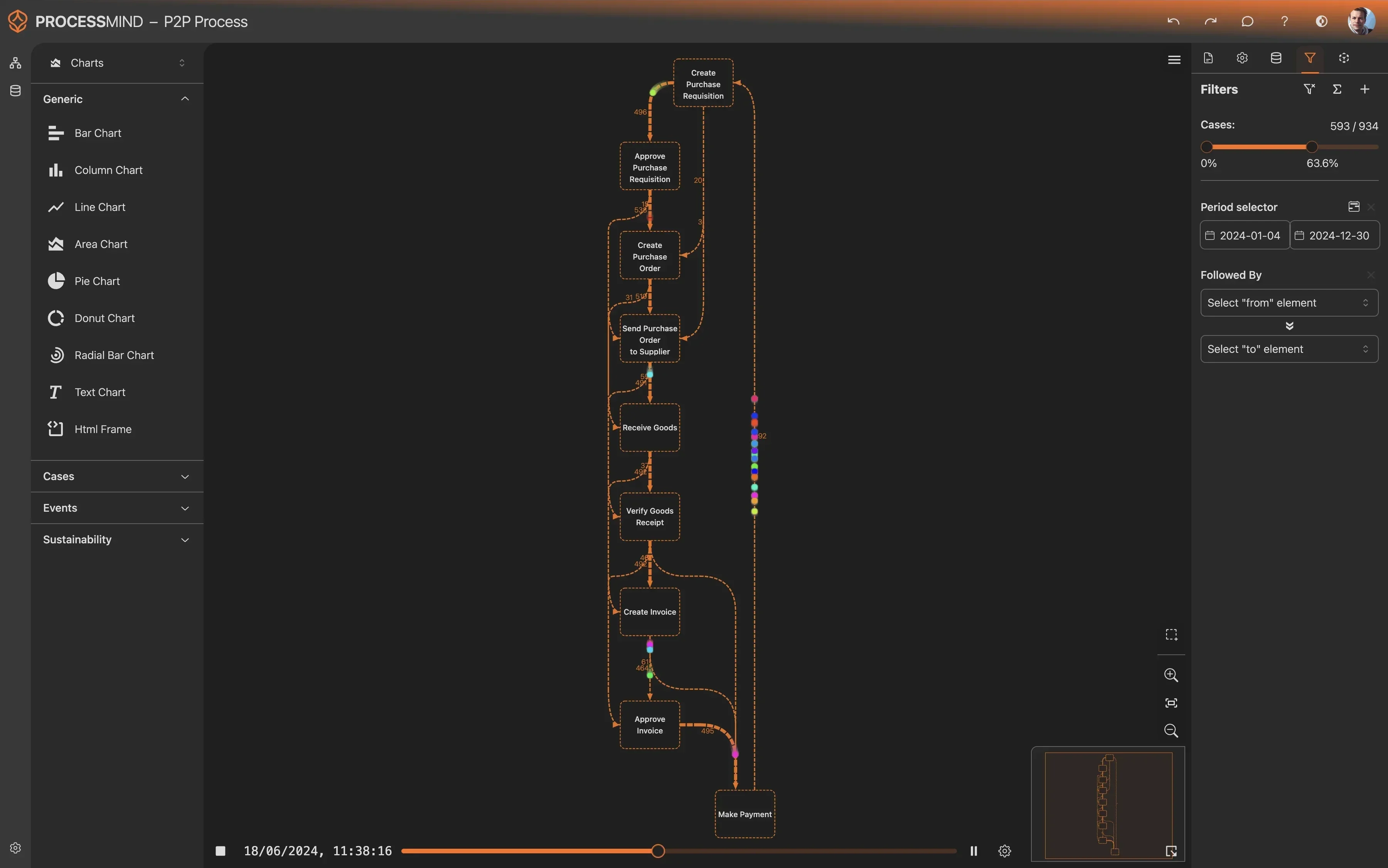
Discover your actual process flow
Identify bottlenecks and delays
Analyze process variants
Design your optimized process

TYPICAL OUTCOMES

Optimizing Payroll Cycles in Ceridian Dayforce

By visualizing every payroll record transition, organizations identify rework loops and manual interventions that delay processing. These outcomes represent the strategic shift from reactive troubleshooting to proactive process management using data-driven insights.

0 %
Faster Approval Cycles

Reduction in time sheet delays

Process mining identifies departmental bottlenecks, allowing teams to streamline approval workflows and start calculations sooner.

+ 0 %
Higher First-Pass Accuracy

Increase in error-free records

By eliminating manual data corrections and audit exceptions, organizations achieve a higher rate of correct payments on the first attempt.

0 %
Reduced Payroll Rework

Decrease in preview loop cycles

Identifying the root causes of rework during payroll previews helps eliminate repetitive gross pay recalculations and manual adjustments.

0 %
On-Time Bank Transfers

Improvement in SLA adherence

Enhanced monitoring of the bank transfer file generation ensures that employees are paid exactly when promised, boosting workforce trust.

0 %
Lower Processing Costs

Savings per payroll record

Automating manual payment execution and reducing the need for off-cycle checks directly lowers the administrative overhead of each pay cycle.

Individual results vary based on process complexity and data quality. These figures represent typical improvements observed across various Ceridian Dayforce implementations.

FAQs

Frequently asked questions

Process mining provides a transparent, data driven view of your entire payroll cycle by reconstructing the path of every Payroll Record. It helps you pinpoint exactly where bottlenecks occur, such as delayed time sheet approvals or rework loops during the preview phase, which standard reports often overlook.

You can extract event logs by connecting to the Ceridian Dayforce API or utilizing the platform's data export features to capture status changes and timestamps. The focus is on gathering history tables that document every state change a Payroll Record undergoes from creation to final payment execution.

To build a process model, you need a Case ID, which is typically the Payroll Record, along with an activity name and a timestamp for each step. Additional attributes like department, location, or payment type are also helpful for filtering and comparing processing performance across different business units.

By mapping out every instance where a record is modified after the initial entry, process mining identifies the root causes of rework. This allows you to see if corrections are stemming from specific departments or certain types of bonus data imports, enabling targeted training or automation.

Yes, process mining allows you to set up conformance checks and performance monitors to track cycle times against your critical deadlines. By identifying which steps consistently lead to delays, you can optimize those specific handoffs to ensure consistent adherence to external financial requirements.

A standard implementation usually takes between four to eight weeks from the initial data extraction to the first set of actionable insights. This timeframe includes data cleaning, model validation, and the setup of dashboards tailored to your specific payroll KPIs.

Process mining excels at visualizing the time gaps between time sheet submission and final approval. You can easily spot specific managers or departments where approvals frequently stall, allowing you to streamline workflows and reduce the pressure on the payroll team during the final processing window.

Data privacy is managed through anonymization and pseudonymization techniques applied before the data is analyzed. Personal identifiers are replaced with unique keys, ensuring that the focus remains on the process flow and efficiency rather than individual employee behavior.

Stop Payroll Processing Delays and Optimize Today

Reduce your payroll cycle time by 30 percent and eliminate bottlenecks.

Start Your Free Trial

No credit card required. Setup in 5 minutes.