Improve Your Returns & Refund Processing
Select a process
Choose a process to continue working in your connected workspace.
Optimize Returns and Refunds in SAP ECC
Slow or non-compliant returns and refunds can frustrate customers and incur significant costs. Our solution helps you pinpoint inefficiencies, track every step from request to resolution, and ensure adherence to policies. Discover how to transform your returns process and boost customer loyalty.
Download our pre-configured data template and address common challenges to reach your efficiency goals. Follow our six-step improvement plan and consult the Data Template Guide to transform your operations.
Show detailed description
The Imperative of Optimizing Returns & Refunds
Returns and refund processing is a critical, yet often overlooked, component of the customer experience and operational efficiency for any business, especially when managed within a complex system like SAP ECC. An efficient returns process not only minimizes financial losses, but also significantly impacts customer satisfaction and loyalty. When return requests are handled slowly or incorrectly, it can lead to frustrated customers, increased customer service inquiries, and ultimately, a damaged brand reputation. From a financial perspective, inefficient Returns & Refund Processing ties up capital in inventory, incurs higher labor costs for manual intervention, and can lead to costly compliance penalties if service level agreements, SLAs, are consistently missed. Understanding and improving your Returns & Refund Processing is therefore not just about reducing costs, it is about enhancing your entire customer relationship and operational integrity.
Unlocking Efficiency with Process Mining in SAP ECC
Process mining offers a powerful lens to view and analyze your actual Returns & Refund Processing within SAP ECC. Unlike traditional reporting or manual audits, process mining uses event data, typically extracted from SAP ECC tables such as VBAK, VBAP, VBRK, VBRP, LIKP, and LIPS, to reconstruct the complete, end-to-end journey of every return case. This provides an unbiased, data-driven visualization of how your process truly flows, from the moment a Return Request is Initiated until the Return Case is Closed, whether it results in a refund or an exchange. You can visualize all activities, including Return Request Submitted, Item Received at Warehouse, Item Inspected, Refund Approved, and Refund Processed, identifying all variants and deviations from your intended process. This comprehensive view helps you move beyond assumptions and pinpoint exactly where bottlenecks, rework loops, and compliance issues are occurring within your SAP ECC Returns & Refund Processing.
Pinpointing Key Areas for Returns Process Improvement
With process mining, you can specifically identify numerous opportunities for process optimization. You can analyze the cycle time for various stages, for example, the duration from Item Received at Warehouse to Refund Approved, revealing specific delays. It helps you uncover where Return Condition Assessment frequently leads to re-inspections or unnecessary escalations, increasing your Returns & Refund Processing cycle time. You can detect common process deviations, such as instances where a refund is initiated before the Item is Inspected, which could signal control weaknesses. Furthermore, process mining allows you to segment your analysis by attributes like Product SKU, Reason for Return, or Processing Agent, enabling root cause analysis to understand why certain returns take longer or deviate more frequently. By visualizing these inefficiencies, you gain actionable insights to target specific areas, like optimizing warehouse receiving procedures or streamlining refund approval workflows, leading to significant process optimization.
Realizing Tangible Outcomes: Benefits of Better Returns Processing
Optimizing your Returns & Refund Processing through process mining delivers a range of measurable benefits. A primary outcome is a significant reduction in the overall Returns & Refund Processing cycle time. Faster processing translates directly into quicker refunds or exchanges for customers, dramatically boosting customer satisfaction and loyalty. Operationally, you will see reduced processing costs due to fewer manual interventions, less rework, and more efficient resource allocation. Improved compliance with internal policies and external regulations, such as meeting Refund SLA Target Dates, becomes achievable as deviations are identified and corrected. Beyond the immediate financial and operational gains, a transparent and optimized returns process provides valuable data for inventory management, allowing for better forecasting and disposition of returned goods. Ultimately, you empower your organization to make data-driven decisions that foster continuous improvement in this critical business area.
Taking the First Step Towards Returns Optimization
Embarking on the journey to improve your Returns & Refund Processing in SAP ECC does not require a complete overhaul of your existing systems. By leveraging your current SAP ECC data, process mining provides an accessible and impactful way to begin. This approach offers a practical path to gain unprecedented visibility into your operations, identify specific improvement opportunities, and implement targeted changes that yield real results. Understanding the true flow of your returns process is the foundation for effective process optimization. Start exploring how you can transform your Returns & Refund Processing from a potential pain point into a competitive advantage, ensuring efficient operations and delighted customers.
The 6-Step Improvement Path for Returns & Refund Processing
Download the Template
What to do
Obtain the specialized Excel template designed for Returns & Refund Processing data from SAP ECC. This template ensures your data is structured correctly for analysis.
Why it matters
Starting with the right structure prevents data issues later, ensuring accurate and efficient analysis of your returns process.
Expected outcome
A pre-formatted Excel template ready to receive your SAP ECC Returns & Refund data.
Export Your Data
What to do
Extract 3-6 months of historical data from SAP ECC tables like VBAK, VBAP, VBRK, VBRP, LIKP, LIPS for return order types RE and CR. Populate the downloaded template with this real-world information.
Why it matters
Comprehensive historical data provides a robust foundation for identifying recurring issues and understanding the true performance of your returns process.
Expected outcome
A populated Excel template containing all relevant historical Returns & Refund Processing data from SAP ECC.
Upload Your Dataset
What to do
Securely upload your completed Returns & Refund Processing data template to ProcessMind. The system will then automatically begin processing and analyzing your dataset.
Why it matters
Quick and secure data ingestion ensures you can swiftly move from raw data to actionable insights without manual processing delays.
Expected outcome
Your Returns & Refund Processing data successfully uploaded and ready for automated analysis in ProcessMind.
Analyze Your Process
What to do
Explore the auto-generated dashboards, process maps, and performance metrics for your Returns & Refund Processing. Leverage AI-driven recommendations to pinpoint bottlenecks and non-compliance.
Why it matters
Gaining deep, visual insights into your process flow helps uncover hidden inefficiencies and areas where customer satisfaction or compliance might be at risk.
Expected outcome
A clear understanding of your Returns & Refund process, including key bottlenecks and AI-identified improvement opportunities.
Implement Improvements
What to do
Prioritize the identified opportunities from the analysis, such as streamlining approval workflows or reducing inspection delays, and put them into action within your SAP ECC setup.
Why it matters
Translating insights into concrete changes directly improves operational efficiency, reduces costs, and enhances the customer experience for returns and refunds.
Expected outcome
Specific process changes implemented in SAP ECC, targeting identified inefficiencies in Returns & Refund Processing.
Monitor Your Process
What to do
Periodically re-upload updated Returns & Refund Processing data to ProcessMind. This allows you to track the impact of your implemented changes over time.
Why it matters
Continuous monitoring ensures that improvements are sustained and allows for further optimization, maintaining peak performance and customer satisfaction.
Expected outcome
A system for ongoing process performance measurement, showing quantifiable improvements in Returns & Refund KPIs over time.
WHAT YOU WILL GET
Pinpoint Returns & Refunds Inefficiencies in SAP ECC
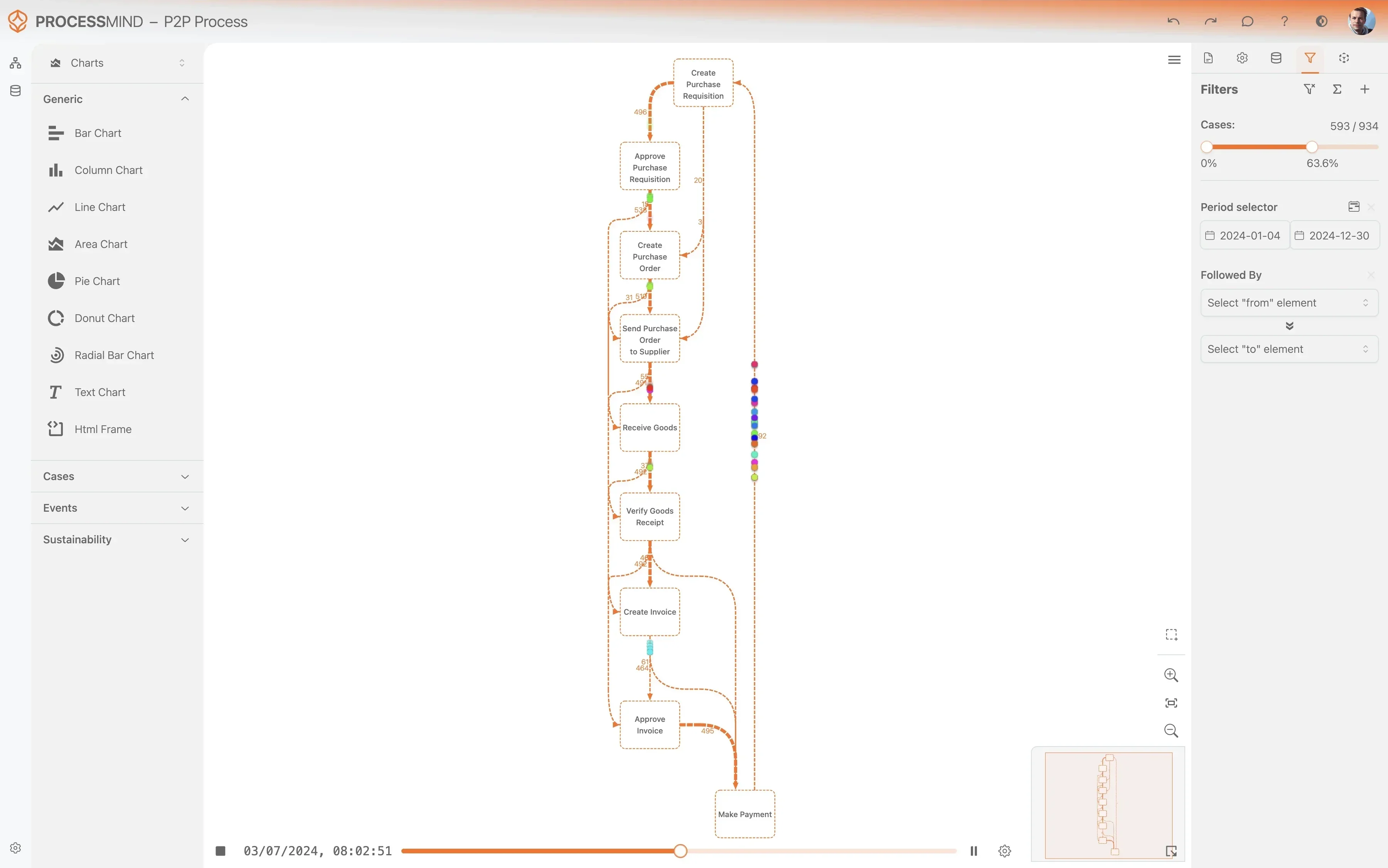
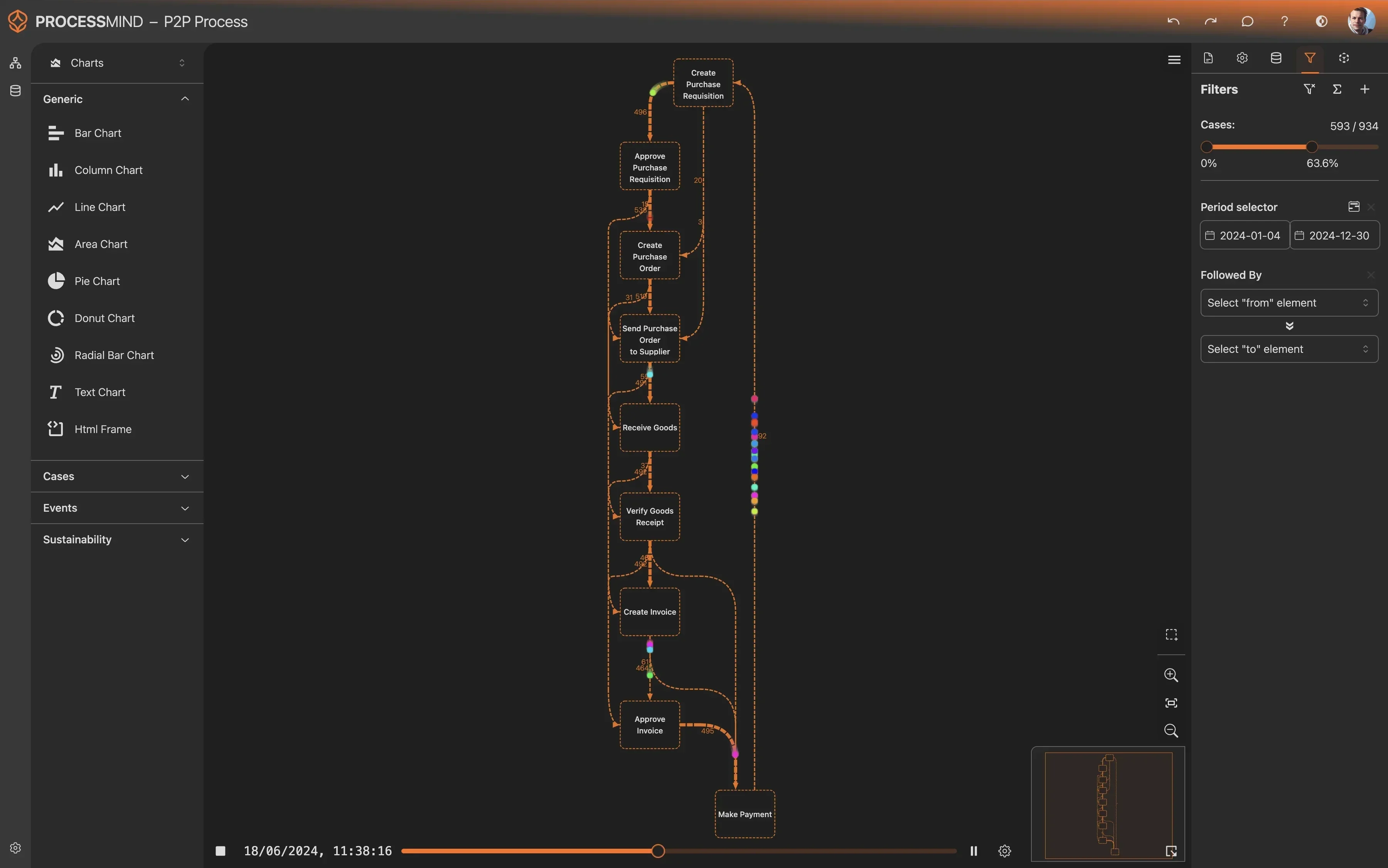
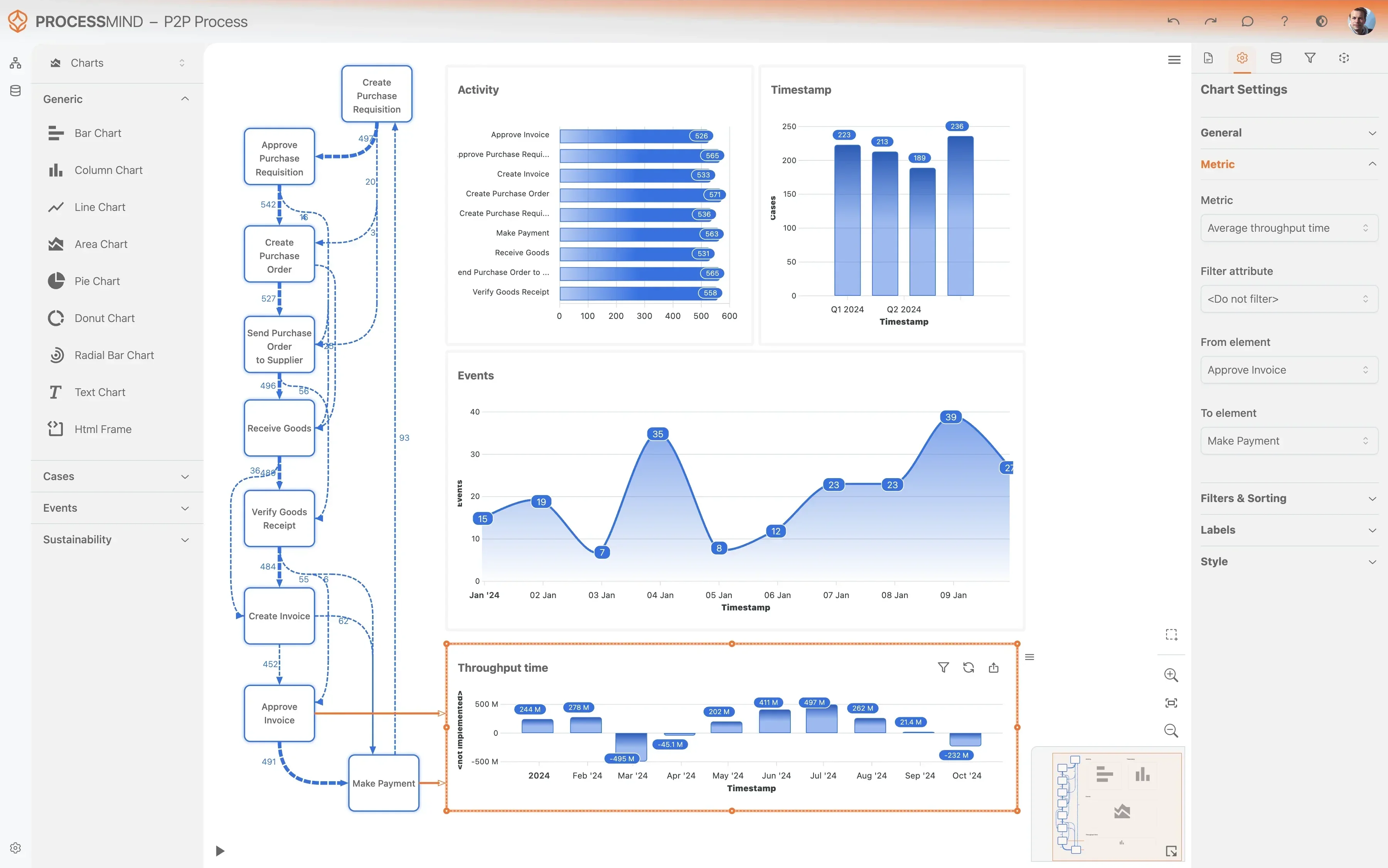
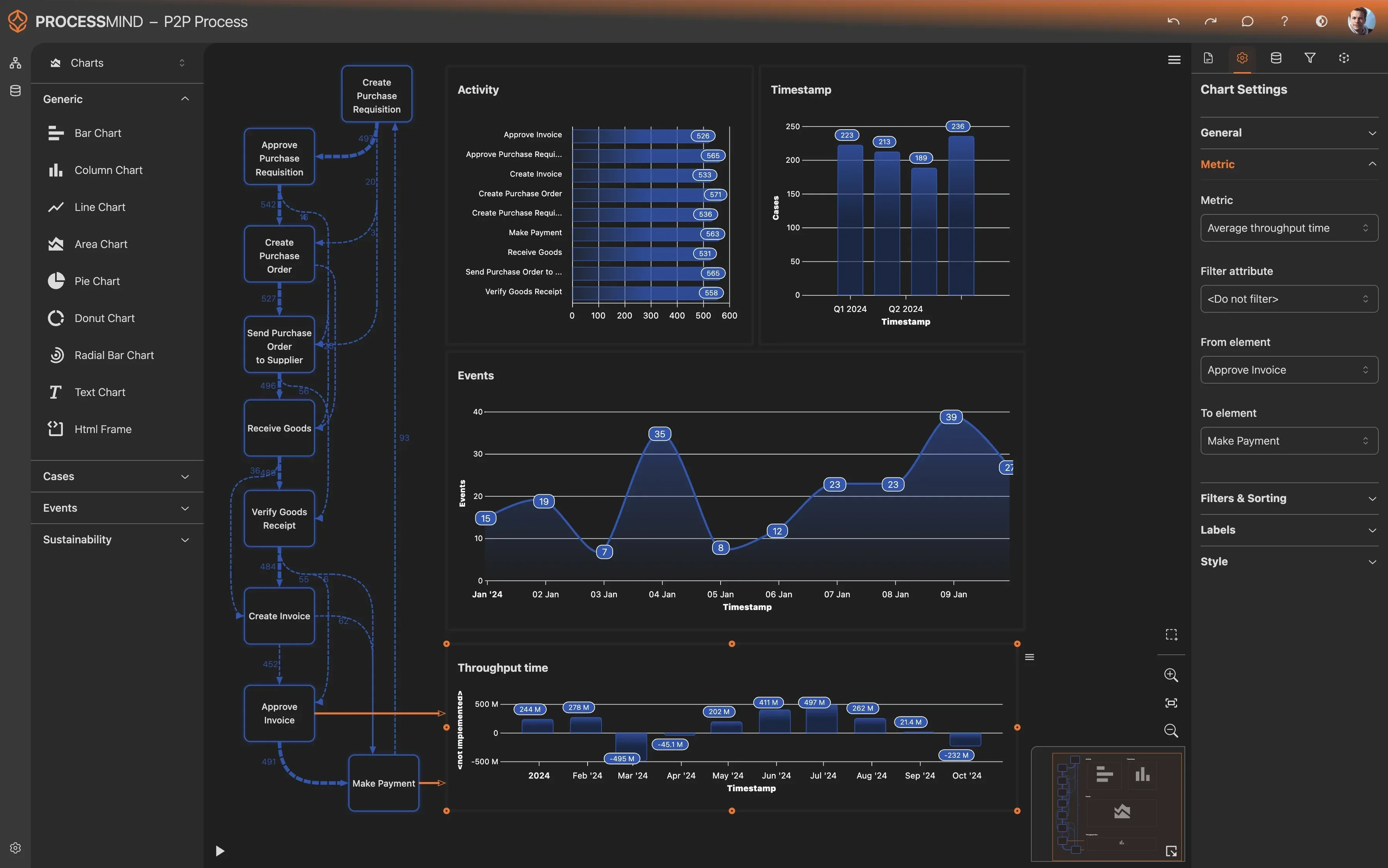
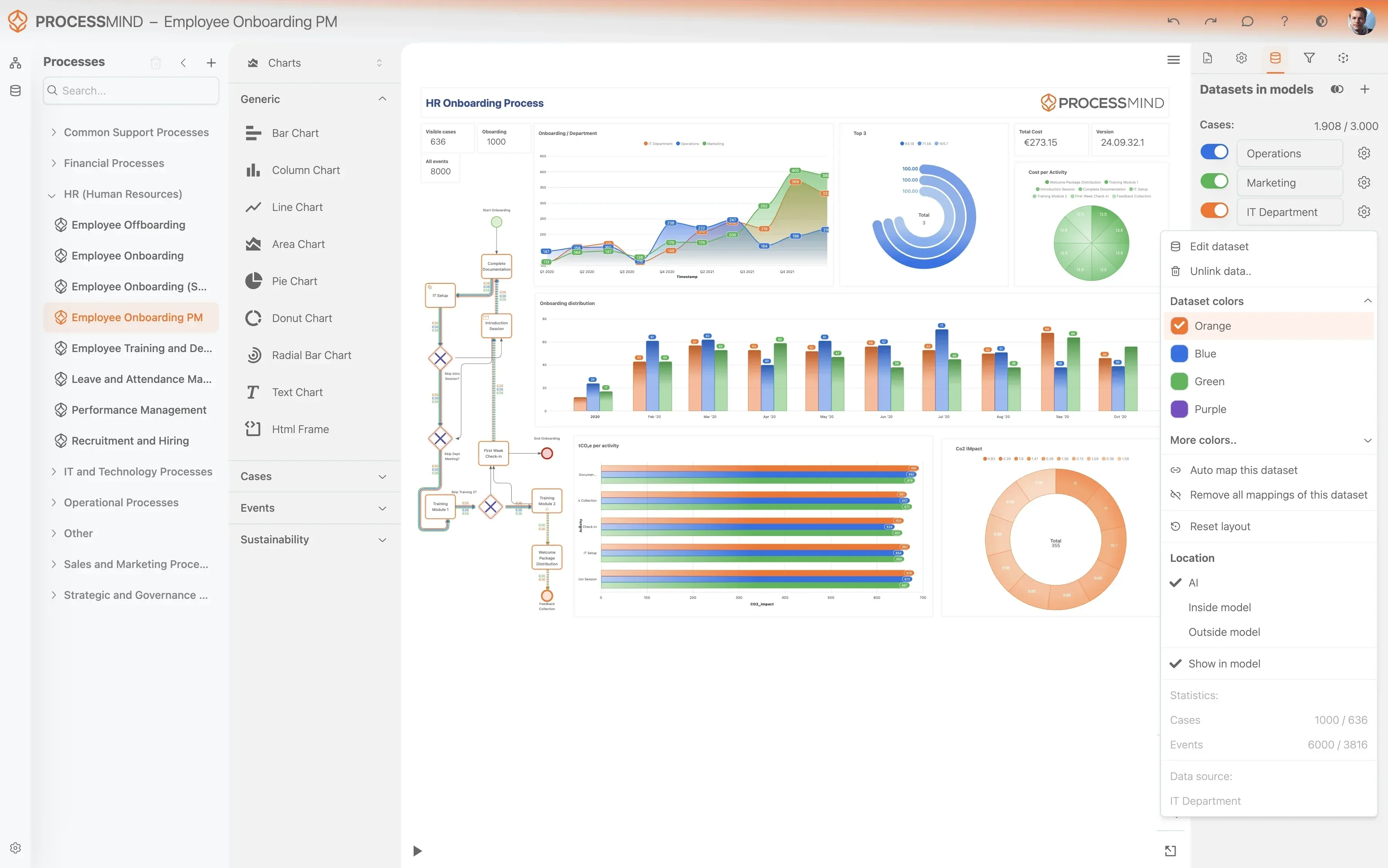
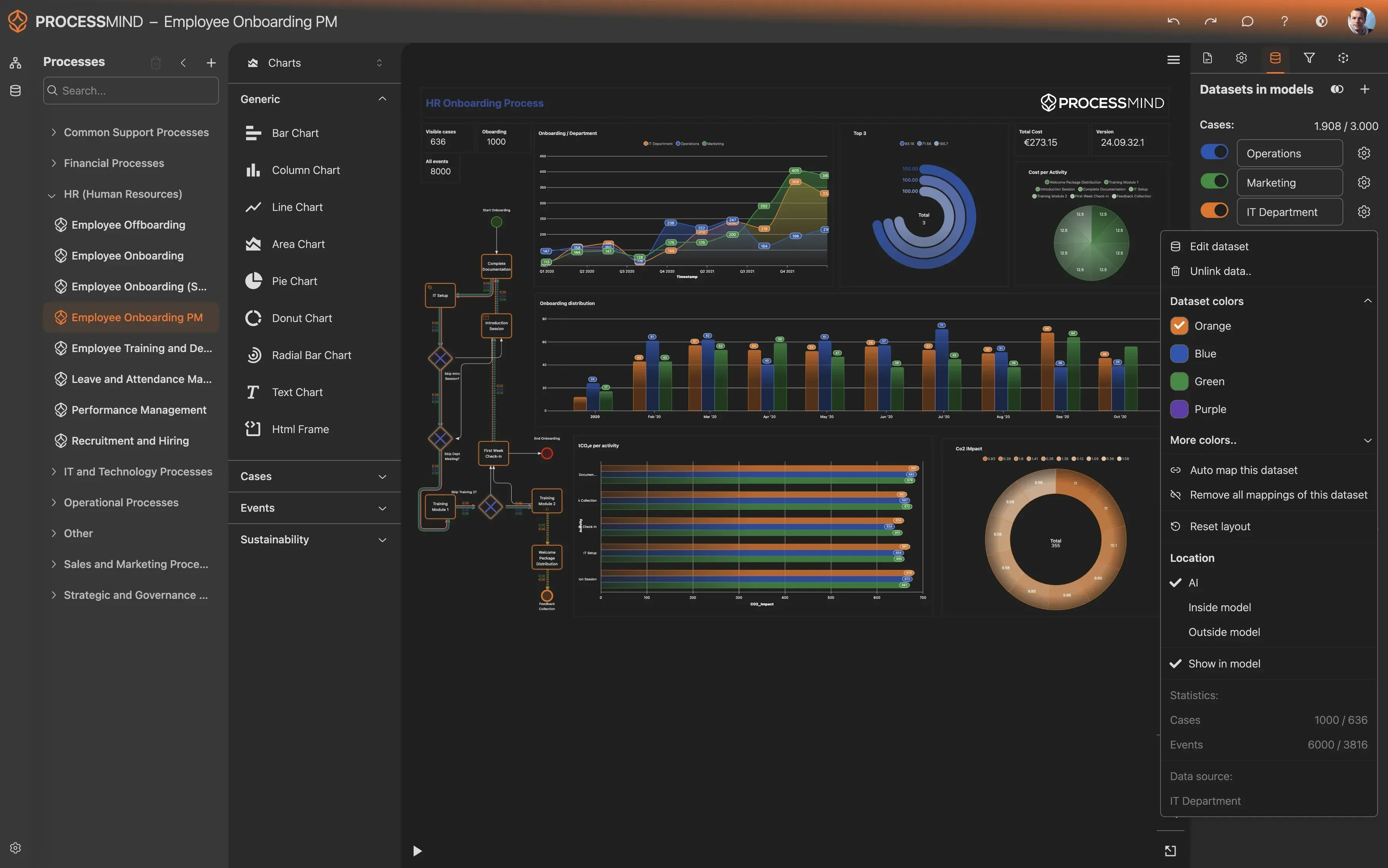
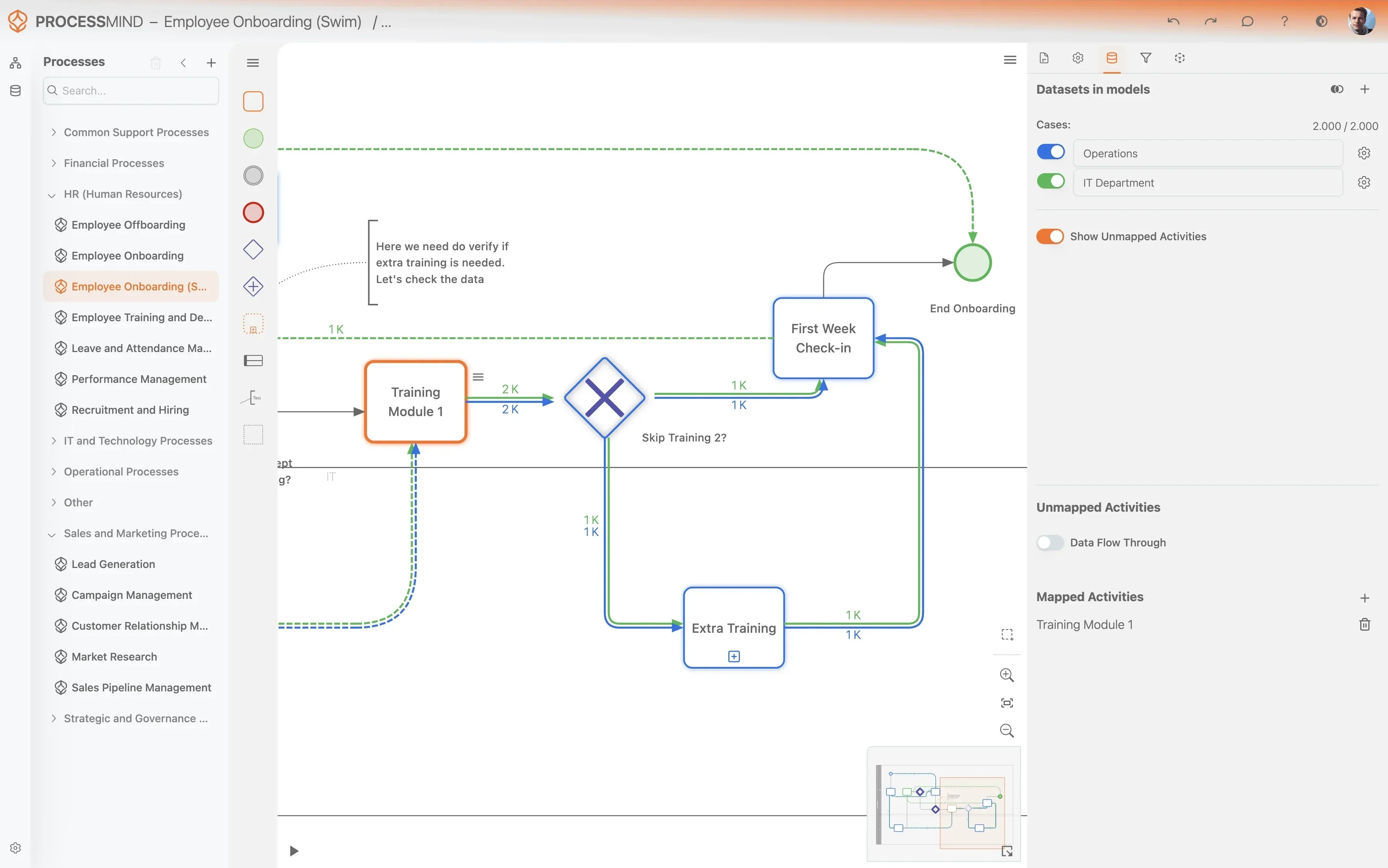
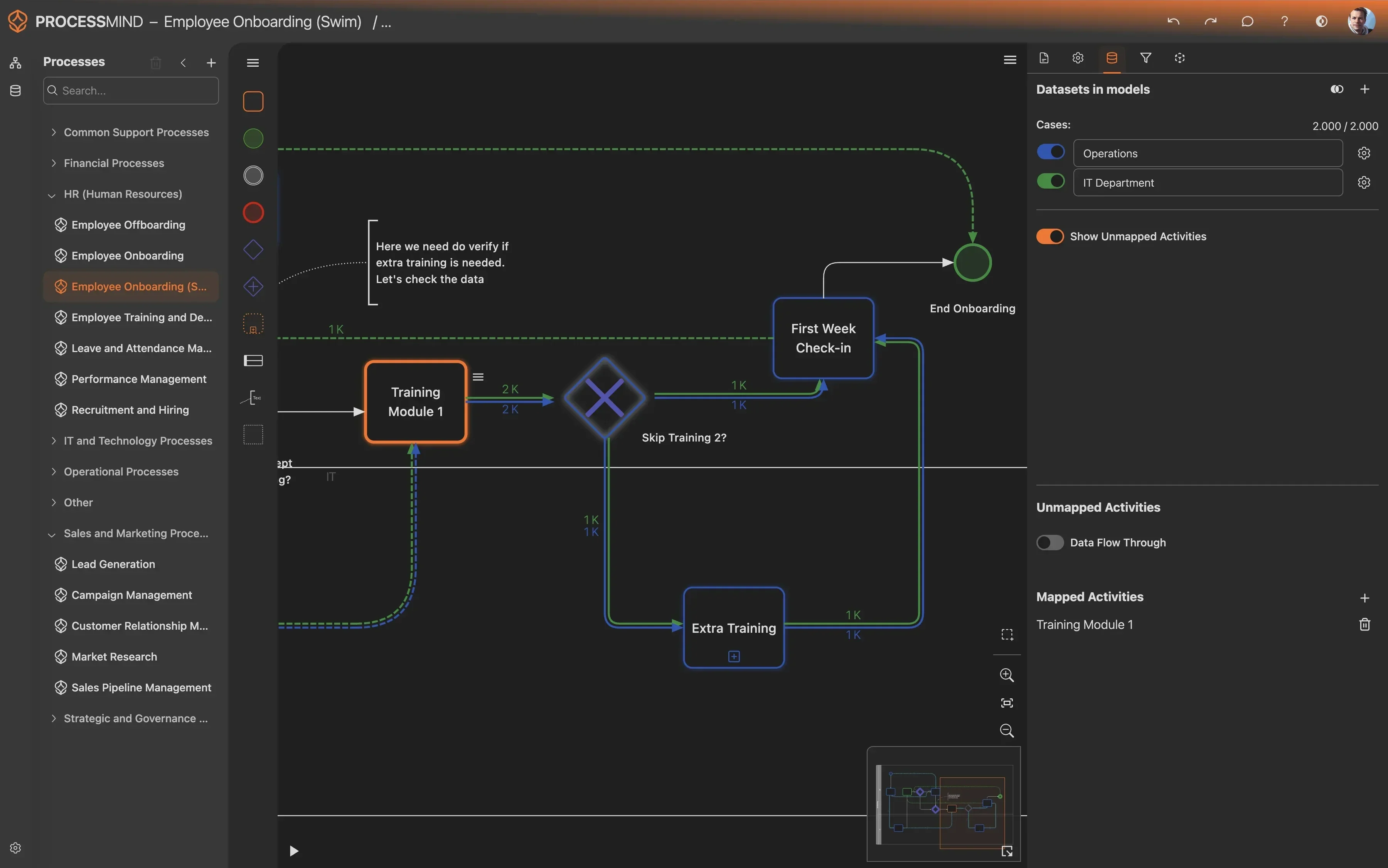
- Visualize end-to-end returns and refunds journey.
- Identify process bottlenecks and rework loops.
- Ensure compliance with refund policies.
- Optimize SAP ECC for faster resolutions.
TYPICAL OUTCOMES
Measurable Improvements in Returns & Refund Processing
These outcomes demonstrate how process mining, applied to your Returns & Refund Processing within SAP ECC, uncovers inefficiencies and bottlenecks, leading to significant operational improvements. By analyzing actual execution data, organizations can pinpoint areas for optimization and automate manual steps.
Average reduction in processing time
By identifying and removing bottlenecks in financial processing, organizations can significantly accelerate the time it takes to issue refunds, improving customer satisfaction.
Return cases complying with policies
Process mining identifies deviations from return policies, enabling businesses to enforce consistent rules and improve the overall adherence rate for all return cases.
Reduction in rework and adjustments
By uncovering root causes of reprocessing and manual corrections, organizations can drastically reduce the need for rework, leading to significant cost savings and improved efficiency.
Increased timely communication
Ensuring customers receive timely updates on their return status through identified communication gaps greatly enhances their experience and builds trust in the brand.
Reduction in financial discrepancies
Process mining helps pinpoint the causes of mismatches between requested and processed refund amounts, significantly reducing financial errors and enhancing trust.
Results vary based on process complexity and data quality. These figures represent typical improvements observed across implementations.
Recommended Data
FAQs
Frequently asked questions
Process mining analyzes event log data from your SAP ECC system to visualize the actual flow of your returns and refunds. It identifies bottlenecks, policy deviations, and rework loops, helping you pinpoint exact areas for efficiency gains and compliance improvements, such as reducing refund delays or improving policy adherence.
You'll primarily need event log data related to return cases, including case IDs, activity names, timestamps, and user IDs. Relevant tables often include those associated with sales orders, returns, material movements, and financial documents. A data extraction specialist can guide you through identifying the precise tables and fields.
Initial setup, including data extraction and model configuration, typically takes a few weeks, depending on data availability and complexity. You can expect to see preliminary insights and identify major bottlenecks within 4-6 weeks of starting the project. Continuous monitoring then provides ongoing optimization opportunities.
Yes, absolutely. Process mining visualizes the exact path each refund request takes, highlighting where and why delays occur, such as long approval queues or specific agents causing bottlenecks. By identifying these root causes, you can implement targeted improvements to accelerate your refund cycle time.
No, process mining is generally non-invasive and does not require changes to your live SAP ECC system. Data is extracted for analysis, usually through standard reporting tools or database connectors, without impacting operational performance. It acts as an analytical layer on top of your existing systems.
Most modern process mining platforms are cloud-based, requiring only a web browser for access and an internet connection. For on-premise solutions, you would need dedicated server infrastructure meeting specific CPU, RAM, and storage requirements. Data integration often involves standard ETL tools or direct database connections.
Process mining can automatically detect deviations from your defined return policies by comparing actual process paths against ideal or compliant models. It highlights instances where approvals were skipped, unauthorized steps were taken, or timelines were exceeded, enabling proactive correction and improved adherence.
You can expect quantifiable improvements such as a 30% reduction in refund processing time and a 95% improvement in return policy adherence, as identified in your goals. Other benefits include reduced operational costs, fewer manual adjustments, and more accurate inventory management related to returns.
Optimize Your Returns & Refund Processing Now
Streamline your SAP ECC returns and cut cycle time by 30%, start today.
No credit card required, setup in minutes