Improve Your Credit Management & Collections

Select a process
Choose a process to continue working in your connected workspace.
Optimize SAP ECC Credit Management and Collections for Faster Cash Flow
Credit management and collections processes can often be complex, leading to delayed payments and increased bad debt. Our platform helps you uncover inefficiencies in your credit-to-cash cycle, from initial assessment to final payment. You can pinpoint exact bottlenecks and implement targeted improvements for better cash flow and reduced risk.
Download our pre-configured data template and address common challenges to reach your efficiency goals. Follow our six-step improvement plan and consult the Data Template Guide to transform your operations.
Show detailed description
Why Optimizing Credit Management & Collections is Crucial
Credit Management & Collections within SAP ECC is more than just managing invoices, it is a cornerstone of your organization's financial health. An inefficient credit-to-cash cycle directly impacts your working capital, cash flow, and ultimately, your profitability. Delays in credit approvals, ineffective dunning procedures, and prolonged dispute resolution processes can lead to higher Days Sales Outstanding (DSO), increased bad debt, and a strain on customer relationships. These inefficiencies often manifest as bottlenecks in the process, making it difficult to predict cash flow accurately and hindering strategic financial planning. Understanding the true flow of your credit and collection activities is the first step toward significant financial improvement and risk reduction.
How Process Mining Transforms Credit & Collections in SAP ECC
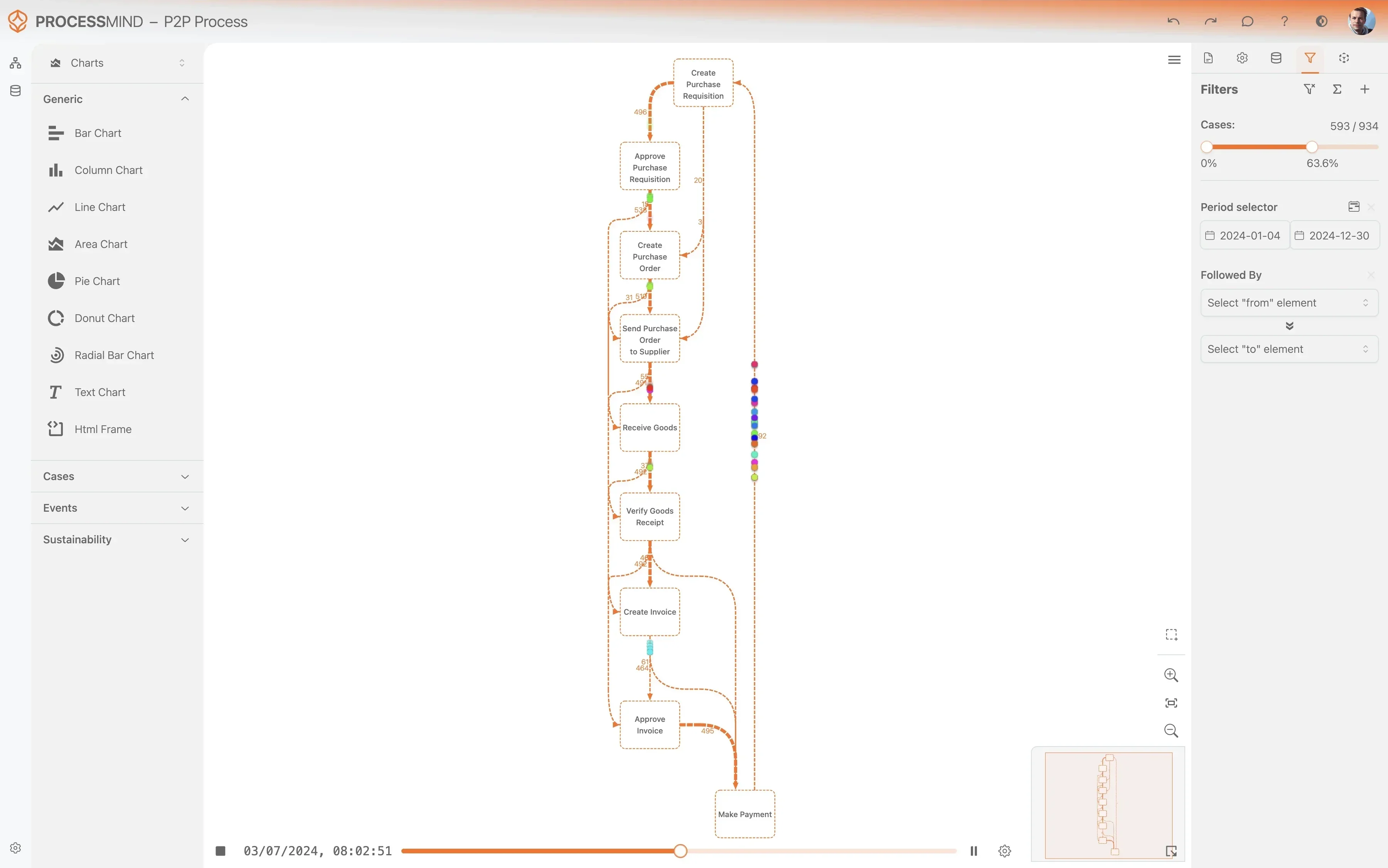
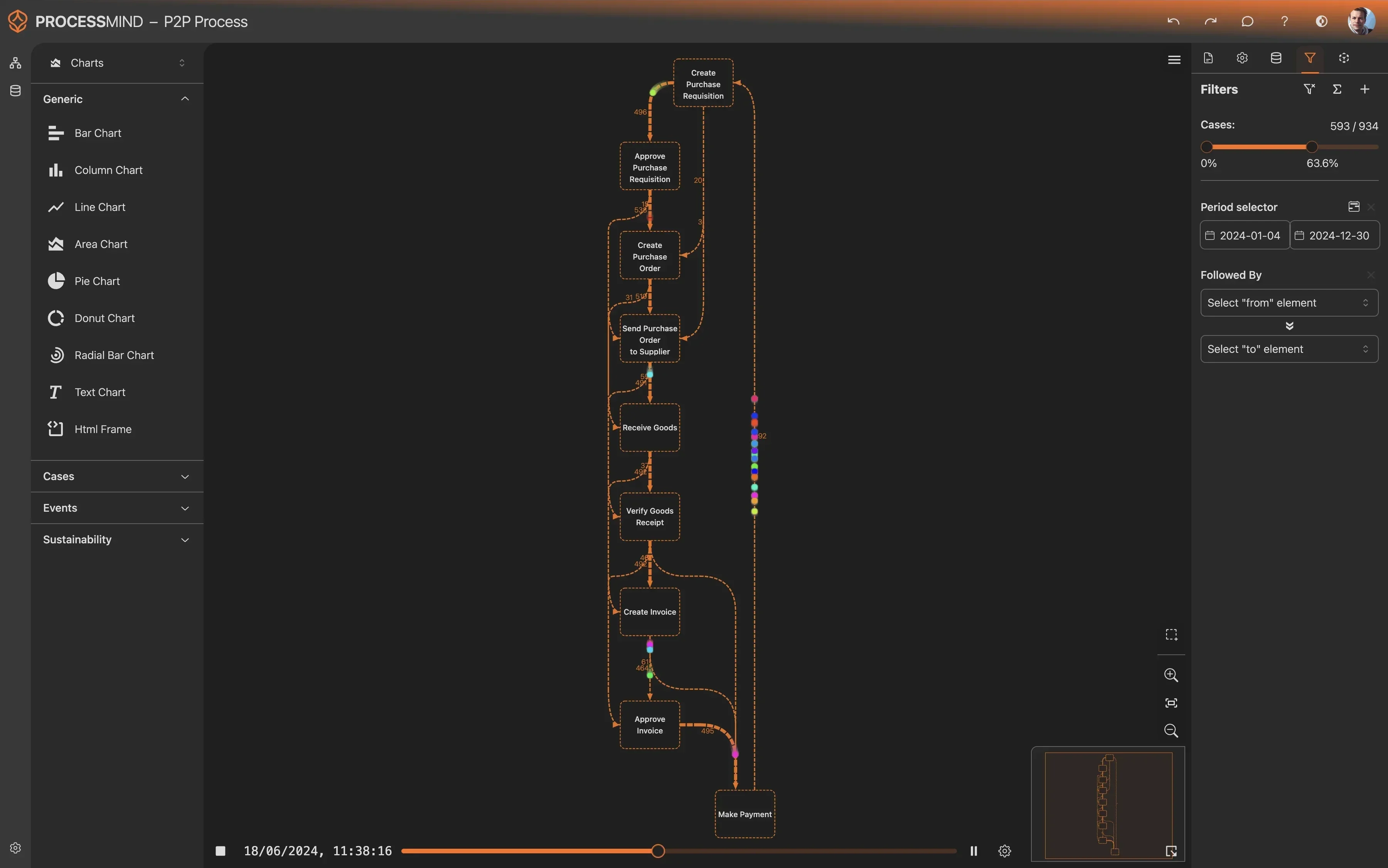
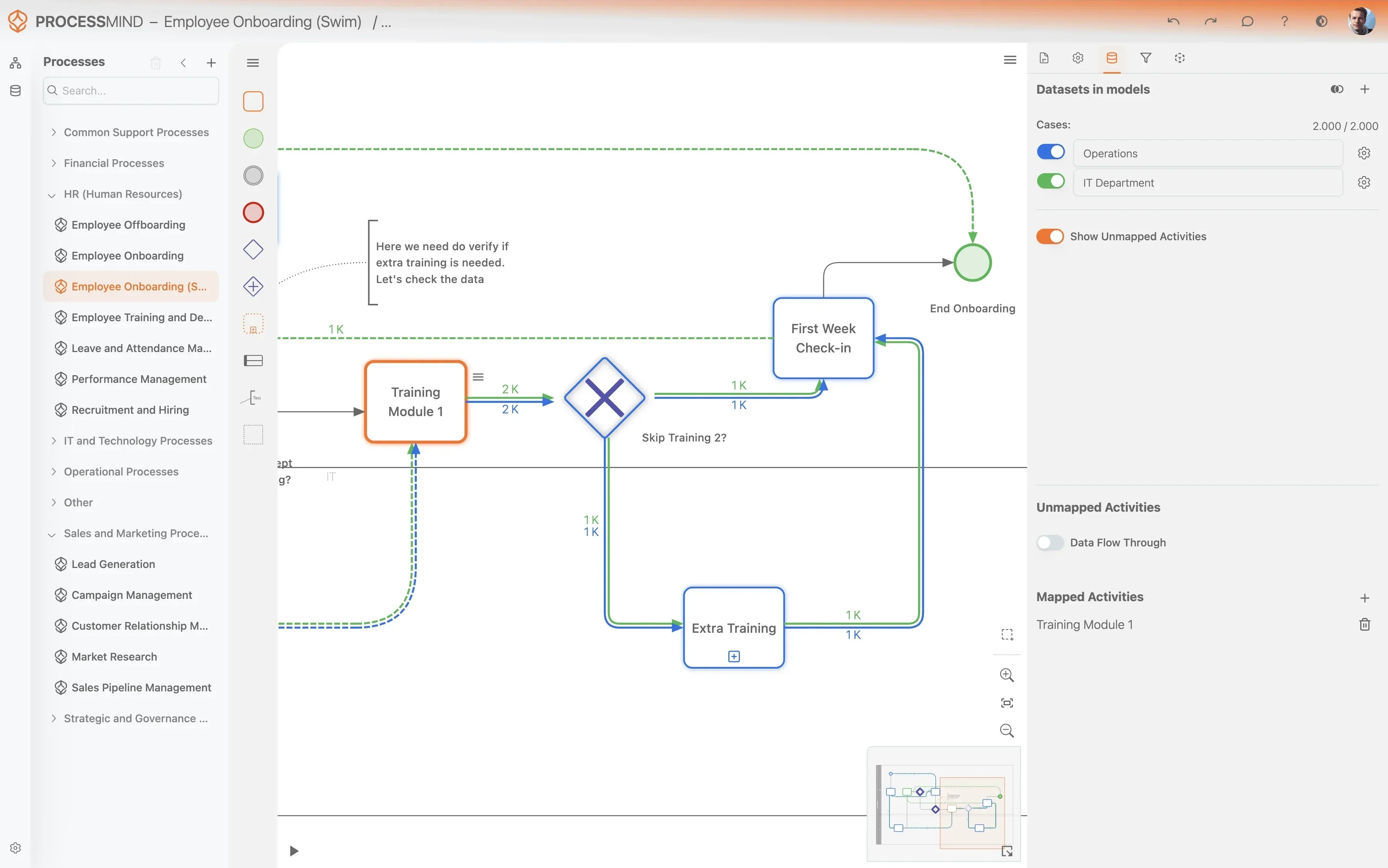
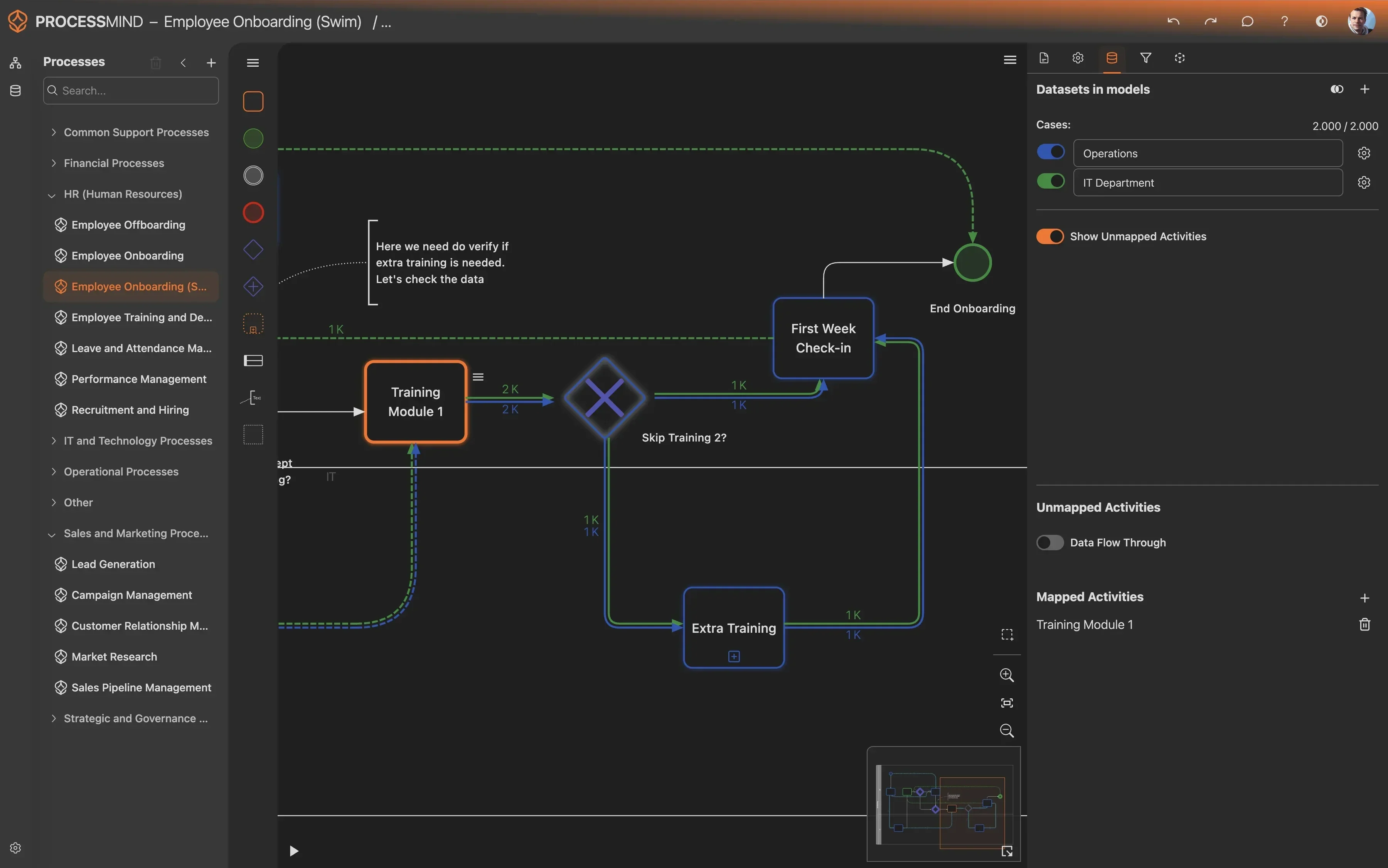
Process mining offers a unique lens through which to analyze your Credit Management & Collections processes in SAP ECC. By extracting event data from your SAP ECC FI-AR system, specifically focusing on the lifecycle of each invoice, our platform reconstructs the actual process flow, revealing how work truly gets done, not just how it is supposed to be done. You can precisely track every invoice from the initial credit assessment and sales order placement, through invoice generation and delivery, to payment receipt or eventual write-off. This invoice-centric view allows you to identify critical bottlenecks, understand deviations from standard procedures, and pinpoint where manual interventions or rework loops are causing delays and increasing operational costs. You will gain insights into the effectiveness of your dunning strategies, the average time taken for credit approval, and the common reasons behind delayed payments or disputes.
Key Areas for Process Improvement
Leveraging process mining insights, you can target specific areas for process optimization within your SAP ECC Credit Management & Collections environment:
- Streamlining Credit Approval: Identify delays in credit limit requests and approvals. Understand the root causes, whether they are manual reviews, missing information, or inefficient approval workflows, to accelerate the start of the sales cycle.
- Optimizing Dunning Procedures: Analyze the effectiveness of different dunning levels and communication channels. Discover if certain dunning steps are skipped, delayed, or if reminders are sent too early or too late, leading to suboptimal collection outcomes. Optimize your dunning process to improve collection efficiency.
- Reducing Manual Interventions and Rework: Pinpoint instances where invoices require repeated manual follow-ups, re-sending, or other non-value-adding activities. Automate routine tasks and standardize procedures to free up your collections team.
- Accelerating Dispute Resolution: Understand the complete lifecycle of disputed invoices, from registration to resolution. Identify common types of disputes and the departments or steps that cause the longest delays in resolving them, significantly improving your ability to resolve disputes faster.
- Enhancing Communication and Collaboration: Reveal disconnects between sales, credit, and collections teams that might lead to customer dissatisfaction or payment delays. Foster better cross-functional collaboration based on data-driven insights.
Expected Outcomes and Business Benefits
Implementing process improvements identified through process mining for Credit Management & Collections in SAP ECC leads to several tangible benefits:
- Reduced Days Sales Outstanding (DSO): By identifying and eliminating bottlenecks in the credit-to-cash cycle, you can significantly accelerate payment collection and improve your cash flow.
- Lower Bad Debt and Write-offs: More effective credit management and collection strategies minimize the risk of uncollectible accounts.
- Increased Collection Efficiency: Your collections team can focus on high-value tasks, rather than chasing overdue payments through inefficient processes, boosting overall productivity.
- Enhanced Customer Satisfaction: Faster, more transparent processes, especially around credit approval and dispute resolution, lead to better customer experiences.
- Improved Compliance and Risk Management: Ensure your credit policies are consistently applied and identify potential compliance gaps in your collection activities.
- Data-Driven Decision Making: Move from assumptions to precise, factual insights, enabling you to make informed decisions about resource allocation, policy changes, and system configurations.
Getting Started with Your Credit & Collections Optimization Journey
Ready to transform your Credit Management & Collections in SAP ECC? Our platform provides a comprehensive template specifically designed for this process, allowing you to quickly connect your SAP ECC data and start discovering insights without prior process mining experience. Dive deep into your invoice journeys and uncover the hidden opportunities for process optimization that will lead to faster cash flow and a healthier bottom line. Begin your journey toward data-driven process improvement today.
The 6-Step Improvement Path for Credit Management & Collections
Download the Template
What to do
Access the specialized Excel template designed for Credit Management & Collections in SAP ECC. This template ensures your data is structured correctly for analysis.
Why it matters
Having the right data structure from the start is crucial for accurate analysis, preventing data inconsistencies and ensuring meaningful insights.
Expected outcome
A pre-formatted Excel template tailored for SAP ECC Credit Management data, ready for population.
Export Your Data
What to do
Extract 3-6 months of historical data from SAP ECC FI-AR Credit Management, focusing on tables like KNKK, BSID, and UDM_CASE, and populate the downloaded template.
Why it matters
Comprehensive historical data provides a robust foundation for identifying trends, bottlenecks, and areas for process optimization within your credit cycle.
Expected outcome
A populated Excel template containing relevant historical Credit Management & Collections data from your SAP ECC system.
Upload Your Dataset
What to do
Securely upload your completed data template to the ProcessMind platform. The system will then automatically begin processing and analyzing your dataset.
Why it matters
Effortless and secure data ingestion ensures quick access to powerful analytics, allowing you to move swiftly from data preparation to insight generation.
Expected outcome
Your Credit Management & Collections data securely processed and ready for visualization and analysis within ProcessMind.
Analyze Your Process
What to do
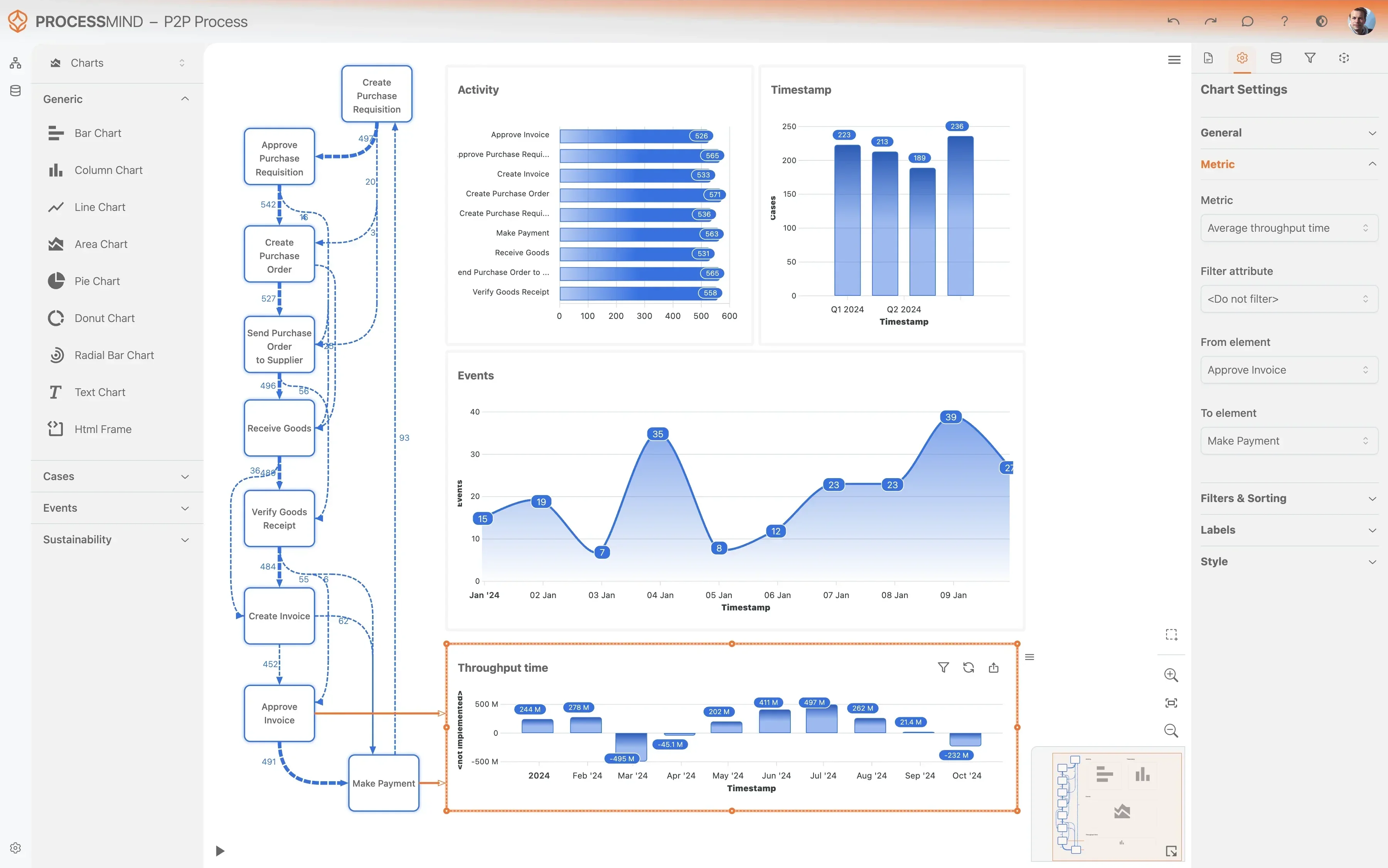
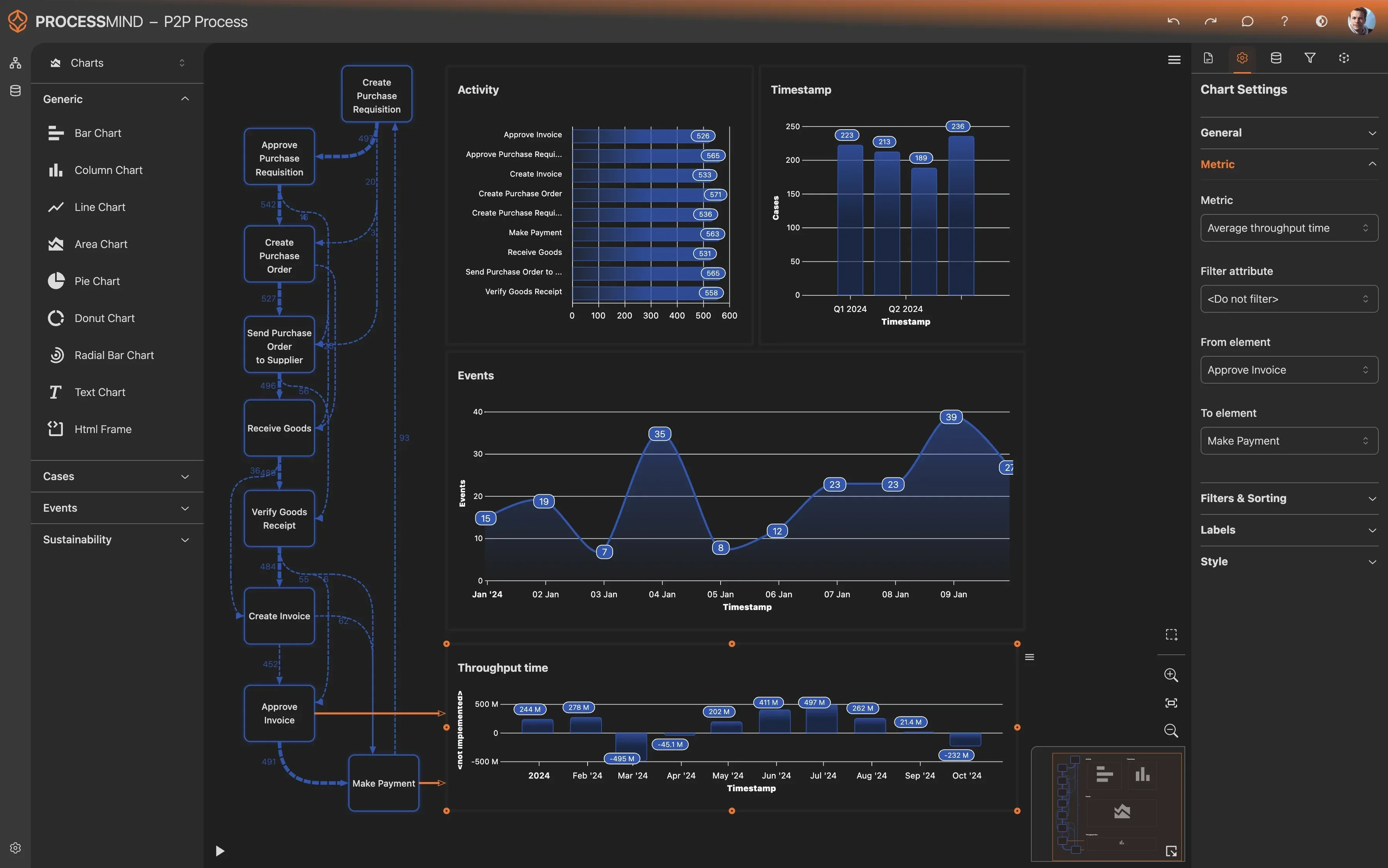
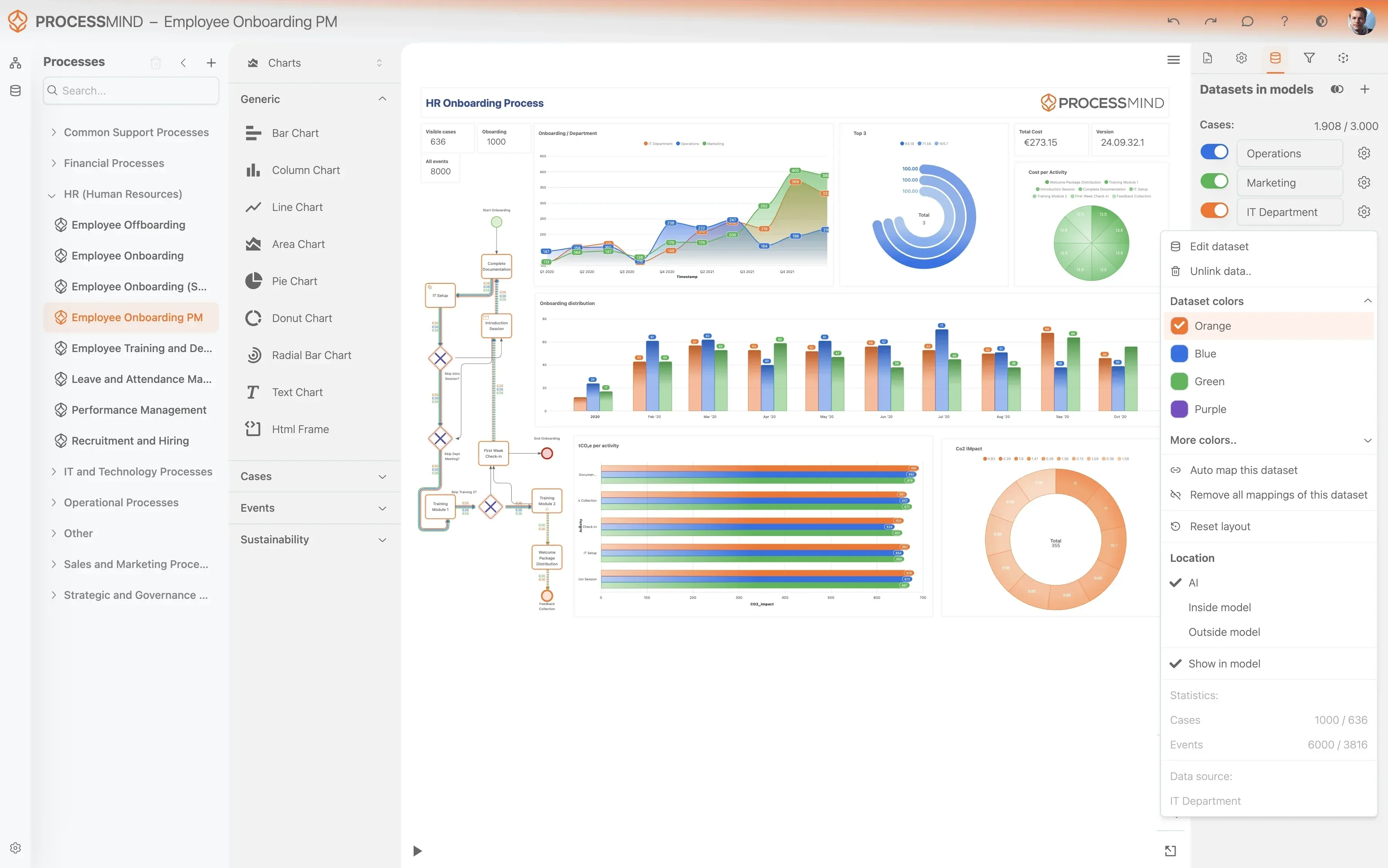
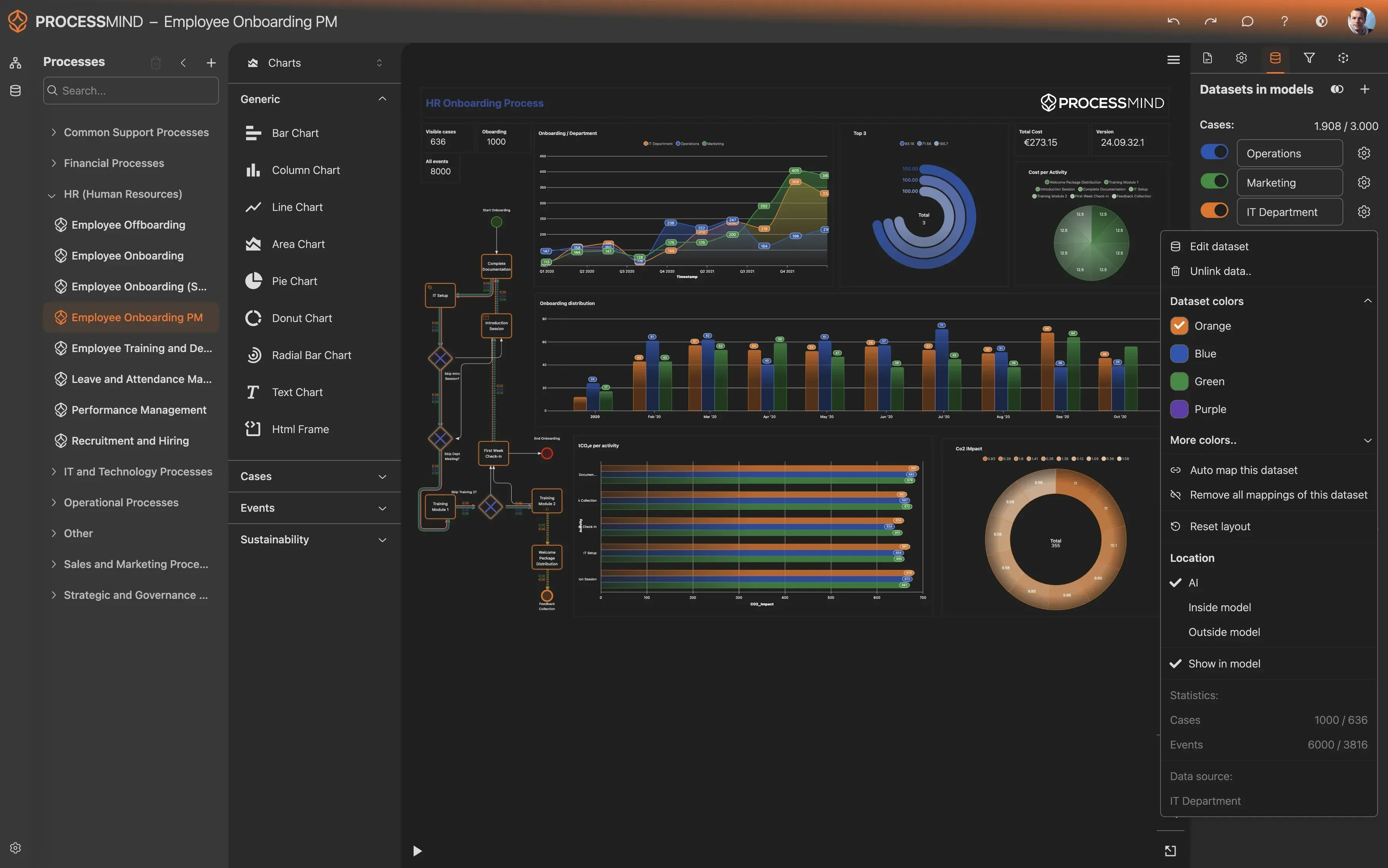
Explore the auto-generated dashboards, process maps, and performance metrics for your Credit Management & Collections process. Leverage AI-driven recommendations to pinpoint inefficiencies.
Why it matters
Gain immediate visibility into process variations, compliance issues, and key bottlenecks, enabling data-driven decisions to optimize dunning and collection strategies.
Expected outcome
Clear insights into credit management performance, identified root causes of delays, and prioritized improvement opportunities.
Implement Improvements
What to do
Based on the insights, prioritize and implement changes to your Credit Management & Collections processes, such as refining credit policies or optimizing dunning levels in SAP ECC.
Why it matters
Translating insights into action directly leads to tangible benefits like reduced Days Sales Outstanding (DSO), improved cash flow, and lower bad debt rates.
Expected outcome
Actionable changes applied to your Credit Management & Collections workflows, targeting identified inefficiencies and pain points.
Monitor Your Process
What to do
Periodically re-upload updated Credit Management & Collections data to ProcessMind to continuously track the impact of your implemented improvements and monitor KPIs.
Why it matters
Continuous monitoring ensures that improvements are sustained, allows for agile adjustments, and drives a culture of ongoing process excellence and efficiency.
Expected outcome
Ongoing tracking of Credit Management KPIs, demonstrating measurable improvements and ensuring sustained process optimization.
TYPICAL RESULTS
Driving Efficiency in Credit Management & Collections
These outcomes showcase how organizations improve their Credit Management and Collections processes by leveraging process mining with SAP ECC data, focusing on invoice-level insights to identify and resolve bottlenecks.
Average Days Sales Outstanding
By streamlining collection activities and improving payment follow-up, organizations can significantly shorten the time it takes to convert receivables into cash, improving liquidity.
Reduction in approval time
Accelerating the credit limit approval process helps expedite sales cycles, ensures quicker customer onboarding, and reduces delays that can lead to lost revenue opportunities.
Adherence to collection policies
Process mining identifies deviations from predefined collection policies, allowing organizations to enforce consistent practices, reduce risks, and ensure regulatory adherence.
Reduction in write-offs
By identifying root causes of uncollectible invoices, such as poor credit assessments or ineffective dunning, businesses can proactively reduce financial losses from bad debt.
Faster dispute handling
Quickly resolving invoice disputes improves cash flow by unblocking payments and enhances customer relationships through prompt and satisfactory issue resolution.
Higher dunning-to-payment rate
Optimizing dunning strategies based on process insights leads to more timely payments and a higher success rate in converting dunning activities into actual cash receipts.
Results vary based on process complexity, existing system landscape, and data quality. These figures represent typical improvements observed across implementations.
Recommended Data
FAQs
Frequently asked questions
Process mining visualizes your actual credit and collections workflows, revealing hidden delays and non-compliance. It pinpoints bottlenecks like slow credit limit approvals or ineffective dunning processes. This deep insight allows for targeted improvements to reduce Days Sales Outstanding (DSO) and minimize bad debt.
You'll need event log data, typically involving invoice creation, credit limit changes, dunning activities, payment receipts, and dispute resolution steps. Key data points include invoice numbers, activity timestamps, user IDs, and relevant transaction codes. This data allows for reconstructing the complete process flow.
Data is typically extracted from SAP ECC tables, like BKPF, BSEG, VBRK, and KNKK, using standard SAP tools or specialized connectors. This raw transactional data is then transformed into an event log format suitable for process mining software. The extraction process is designed to be non-disruptive to your live SAP system.
Expected outcomes include a significant reduction in Days Sales Outstanding (DSO), accelerated cash conversion, and improved collection efficiency. You can also expect fewer bad debt write-offs and greater compliance with internal policies. These improvements are driven by data-backed decisions.
Initial setup and data extraction can take a few weeks, depending on data volume and complexity. The first insights, including process maps and bottleneck identification, often emerge within 4-6 weeks. Continuous analysis then supports ongoing optimization efforts, delivering value over time.
Yes, process mining can trace the exact path of invoices and payments, revealing common deviations that lead to delays or disputes. It can highlight recurring issues, such as unoptimized payment terms for certain customer groups or slow internal dispute resolution processes. This helps address root causes directly.
While initial data extraction and transformation require some technical expertise, modern process mining tools are designed for business users. Many platforms offer pre-built connectors for SAP ECC, simplifying the setup. Ongoing analysis often involves a mix of business and technical users collaborating.
Process mining is beneficial for organizations of all sizes managing complex transactional processes, including Credit Management & Collections. The value comes from uncovering inefficiencies, regardless of company scale. Smaller organizations may see quicker implementation times due to less data volume.
Even in seemingly efficient processes, process mining often uncovers hidden inefficiencies or compliance deviations that go unnoticed. It provides an objective, data-driven view, identifying opportunities for marginal gains that accumulate into significant improvements. This can further optimize cash flow and reduce costs.
Unlock Faster Cash Flow: Optimize Credit & Collections Now
Reduce Credit-to-Cash cycle time by 30% and boost profitability.
No credit card required, set up in minutes.