Improve Your Accounts Payable Payment Processing

A 6-step guide to Oracle Fusion payment optimization
Improve Your Accounts Payable Payment Processing

Optimize Accounts Payable Payments in Oracle Fusion Financials

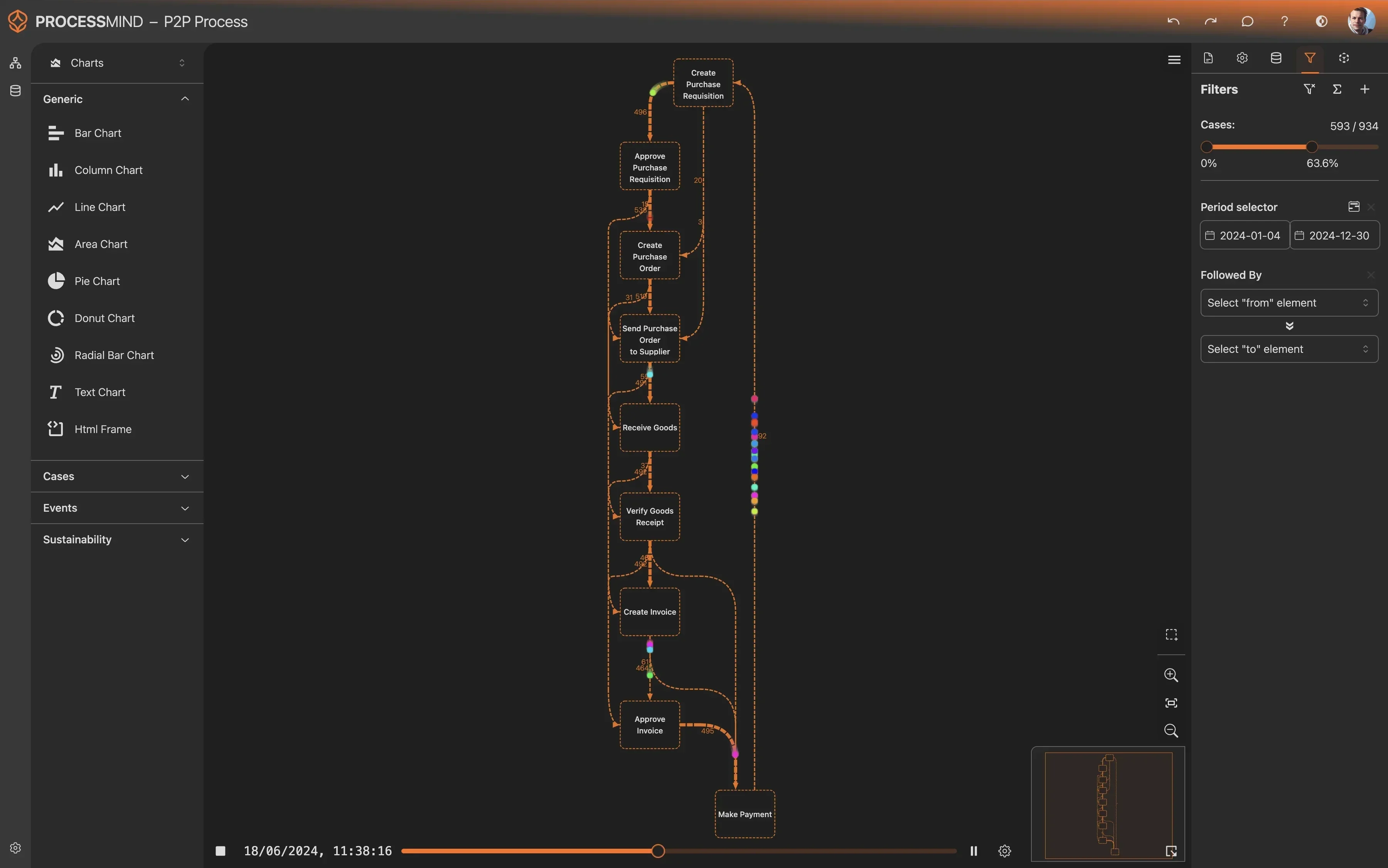
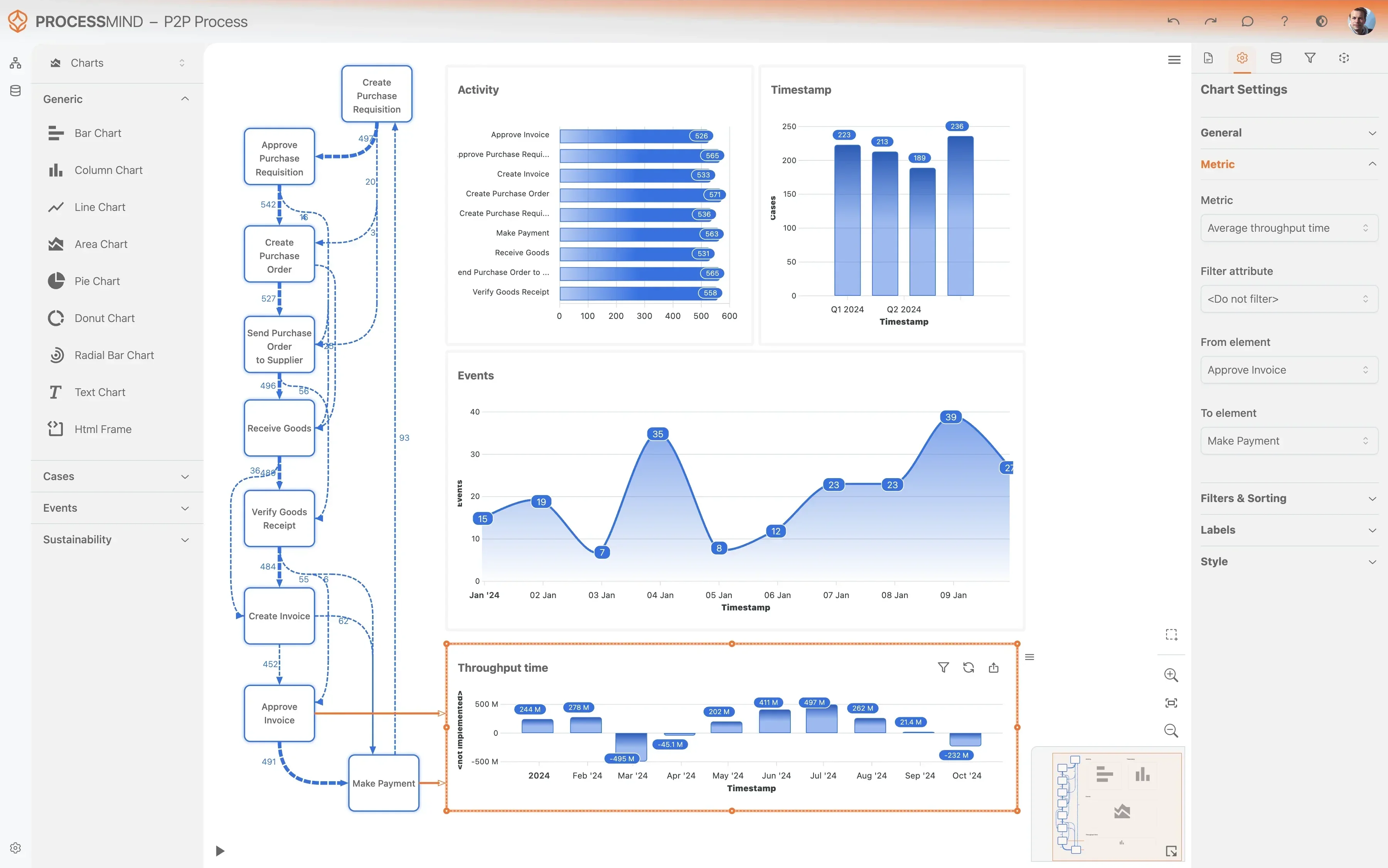
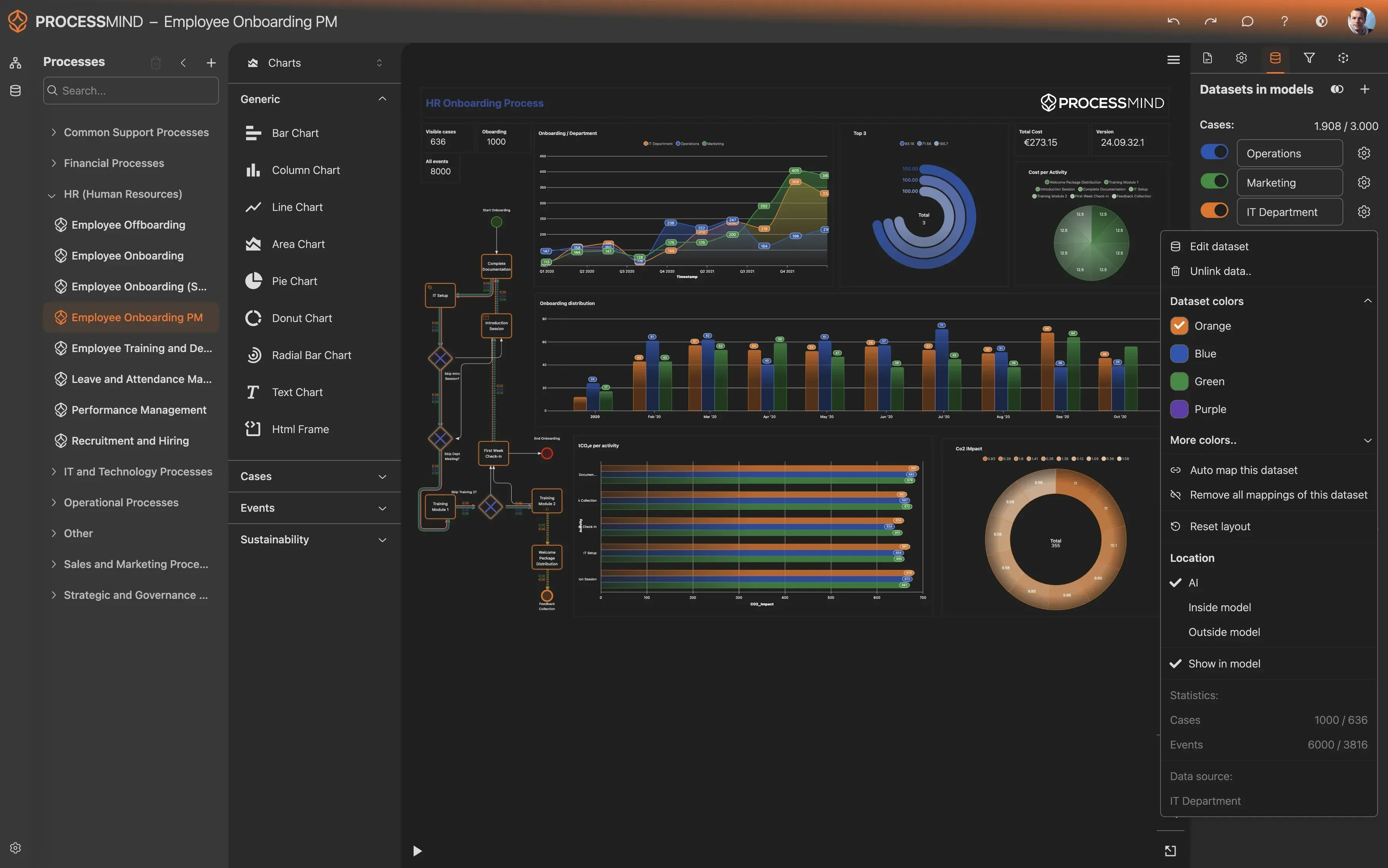
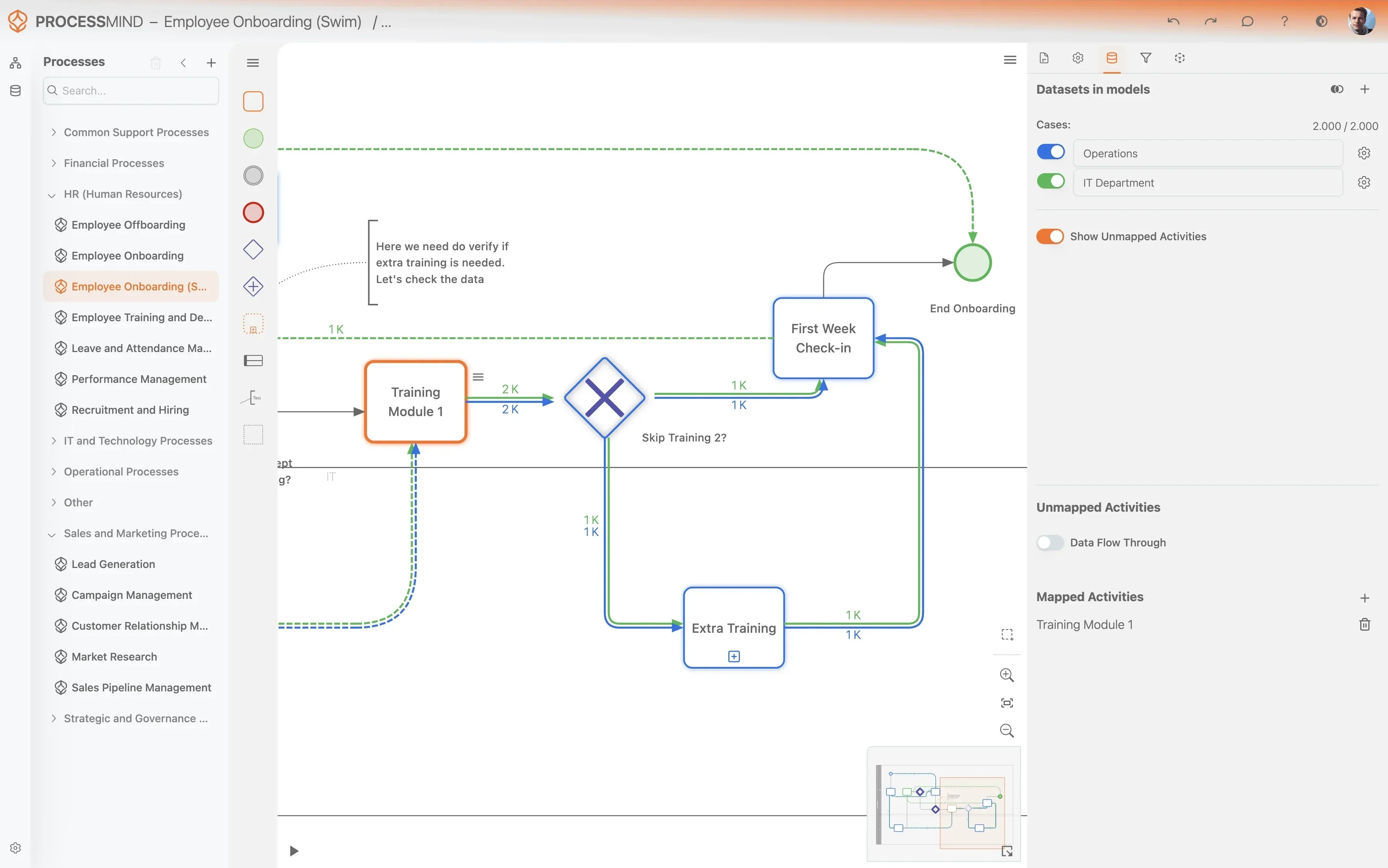
Our platform identifies hidden bottlenecks and process deviations that slow down your payment cycles. By visualizing every step of your workflow, you can uncover manual workarounds and redundant approvals that impact efficiency. This clarity allows you to streamline operations and ensure timely payments to all your vendors.

Download our pre-configured data template and address common challenges to reach your efficiency goals. Follow our six-step improvement plan and consult the Data Template Guide to transform your operations.

Show detailed description

The Strategic Importance of Payment Processing Efficiency

Accounts Payable Payment Processing is a vital heartbeat within any organization, acting as the final stage of the procurement cycle. When this process operates efficiently within Oracle Fusion Financials, it does more than just pay bills, it protects working capital, strengthens vendor partnerships, and ensures the integrity of financial reporting. Conversely, an unoptimized process often results in missed early payment discounts, potential late fees, and a heavy administrative burden on the finance team. By focusing on process optimization, you move away from reactive troubleshooting and toward a proactive, strategic approach to cash management. Understanding the movement of funds and the hurdles that slow them down is the first step toward transforming your accounts payable department from a cost center into a value driver.

Gaining Full Transparency with Process Mining

Process mining offers a revolutionary way to look at your Oracle Fusion Financials data. Instead of relying on static reports or anecdotal evidence about why payments are delayed, process mining extracts the digital footprints left by every invoice as it moves through your system. This technology allows you to see the actual path of an invoice, including all the loops, bottlenecks, and manual interventions that standard reporting might miss. You can visualize the end-to-end journey from the moment an invoice is received until the payment is cleared and posted. This level of transparency is essential for identifying the root causes of friction, such as why certain approvals take days instead of hours or why specific invoice types frequently require manual data correction. By leveraging your existing data, you gain an objective, high-definition view of your operations.

Targeted Improvements for Faster Turnaround

To improve Accounts Payable Payment Processing, you must focus on the areas that consume the most time and resources. One primary area is the approval workflow. In many organizations, invoices sit idle while waiting for signatures or electronic approvals, often due to complex hierarchies or unclear routing rules within Oracle Fusion. Process mining highlights these stall points, allowing you to streamline approval paths. Another critical area is the reduction of manual rework. By analyzing common discrepancies in the matching process, such as mismatches between invoices and purchase orders, you can implement better data validation at the point of entry. Furthermore, identifying the causes of payment blocks helps in reducing the cycle time from invoice receipt to payment execution. When you eliminate these hurdles, you increase the rate of straight-through processing, which minimizes human error and significantly speeds up the entire payment cycle.

Measurable Success and Operational Gains

Optimizing your payment processes leads to a variety of measurable benefits that impact the bottom line. The most immediate result is a reduction in the total cycle time, meaning invoices are processed and paid much faster. This speed allows your organization to take full advantage of early payment discounts, which can represent a substantial annual saving. Additionally, improved efficiency leads to a lower cost per invoice processed, as your team spends less time on manual data entry and discrepancy resolution. From a compliance perspective, having a clear and optimized process ensures that all payments adhere to internal policies and regulatory requirements. This transparency is invaluable during audits, as every action is documented and easily traceable within the Oracle environment. Ultimately, these improvements foster better relationships with your vendors, who value the reliability and punctuality of your payments.

Taking Your First Steps Toward Optimization

Beginning your optimization journey starts with a commitment to data-driven decision-making. By using this guide and the associated process mining templates, you can begin to uncover the hidden stories within your Oracle Fusion Financials data. The goal is not just to see the process, but to understand the why behind every delay and every inefficiency. As you start to identify and resolve these issues, you will see a cumulative effect on your operational health. We encourage you to look closely at your current workflows, engage with the data, and start implementing small, impactful changes. This continuous improvement cycle will not only enhance your current payment processing but also build a more resilient and agile finance function for the future.

Accounts Payable Payment Processing invoice approval payment cycles vendor payments financial operations cash flow optimization compliance management AP team

Common Problems & Challenges

Identify which challenges are impacting you

Multi-level approval workflows often become stuck when managers are unavailable or thresholds are unclear. This leads to frustrated vendors, potential service interruptions, and a significant administrative burden on the Accounts Payable team as they chase down signatures. ProcessMind tracks every approval step within Oracle Fusion Financials to identify specific nodes where invoices stall. By visualizing the actual path of an invoice, you can reconfigure approval limits and automate routing to ensure timely payment execution.

Many organizations fail to capture lucrative early payment discounts because their internal processing time exceeds the vendor terms. These lost savings directly impact the bottom line and represent a missed opportunity for efficient capital management. By analyzing the time between invoice receipt and payment scheduling in Oracle Fusion Financials, ProcessMind highlights which vendors offer the best discounts and where delays occur. This allows you to prioritize high value invoices and accelerate the payment cycle.

Discrepancies between invoices, purchase orders, and goods receipts often trigger lengthy resolution cycles. These rework loops consume vast amounts of staff time and delay the accounting process, leading to inaccurate financial reporting. Our platform maps the transition from matching to discrepancy resolution, showing exactly why invoices are flagged. With these insights, you can improve data quality at the source and streamline the resolution of mismatched records in Accounts Payable Payment Processing.

Invoices are frequently placed on hold due to missing information or precautionary blocks that are never cleared. These static invoices bloat the aging report and require manual intervention to move forward, decreasing overall throughput and efficiency. ProcessMind visualizes the lifecycle of payment blocks within the Accounts Payable Payment Processing flow. You can identify which types of blocks are most common and automate their release once specific conditions are met in the system.

Consistently missing payment deadlines results in late fees and damages long-term relationships with key suppliers. When vendors are paid late, they may prioritize other customers or tighten credit terms, creating further operational strain on the business. By monitoring the end to end duration of the payment process, ProcessMind identifies the root causes of delays. You can set up proactive alerts for invoices nearing their due dates to ensure compliance with agreed terms in Oracle Fusion Financials.

Accounts Payable departments often struggle to provide real-time updates to vendors regarding their payment status. This lack of transparency leads to an influx of status inquiries that distract staff from core processing activities and strategic tasks. ProcessMind provides a transparent view of every invoice as it moves through Oracle Fusion Financials. By understanding the real-time status of each payment, your team can provide accurate information to stakeholders and reduce the volume of manual queries.

In urgent situations, staff may attempt to bypass standard approval paths to ensure a payment is made. While this solves a short-term problem, it creates significant compliance risks and circumvents internal controls designed to prevent fraud. The platform detects maverick paths that deviate from the established Accounts Payable Payment Processing workflow. You can pinpoint exactly where and why these bypasses occur, allowing for better training or necessary system adjustments in Oracle Fusion Financials.

Relying on manual data entry for invoice details is slow and prone to human error. Mistakes in vendor names or amounts lead to payment failures and the need for stressful corrective actions late in the cycle. ProcessMind identifies stages where manual data extraction is slowing down the process. By quantifying the time spent on these tasks, you can build a business case for implementing OCR or automated validation tools to support Accounts Payable Payment Processing.

Global organizations often see wide variations in payment efficiency across different business units or regions. This inconsistency makes it difficult to standardize global financial operations and maintain a unified cash flow strategy. Using the multi-dimensional analysis in ProcessMind, you can compare the performance of different company codes. This reveals best practices in high performing regions that can be scaled across the entire organization using Oracle Fusion Financials.

Frequent emergency or off-cycle payment runs disrupt the standard financial schedule and increase transaction costs. These reactive measures are often a symptom of poor planning or underlying bottlenecks in the standard process. We analyze the frequency and causes of non-standard payment executions in Oracle Fusion Financials. This allows you to address the upstream delays that necessitate emergency runs and return to a predictable, cost-effective schedule.

Without tight controls, the same invoice can be entered into the system multiple times through different channels. If these duplicates are not caught, the organization risks significant financial loss through overpayment to vendors. ProcessMind flags patterns that indicate duplicate invoice entries or suspicious activity. By analyzing the unique attributes of each transaction, the system helps you identify and eliminate these risks before a payment is executed in Accounts Payable Payment Processing.

Processing a fifty dollar invoice often costs as much as processing a five thousand dollar invoice. When teams spend excessive time on low value transactions, they lose the capacity to focus on strategic financial management and high priority tasks. Our analysis categorizes invoice processing time by amount and vendor. You can identify opportunities to implement automated straight through processing for low risk invoices, freeing your team for more critical tasks within Oracle Fusion Financials.

Typical Goals

Define what success looks like

Rapid approvals are essential for maintaining vendor trust and avoiding late fees. By shortening the time from receipt to approval, the finance team can more effectively manage cash flow and ensure that all liabilities are recognized promptly. This acceleration directly impacts the overall health of the supply chain and reduces the administrative burden on department heads.

ProcessMind identifies specific departments or roles within Oracle Fusion Financials where invoices sit idle for extended periods. By visualizing the approval path, you can pinpoint where delays occur and implement automated reminders or escalation paths to reduce cycle times by up to forty percent.

Leveraging vendor discounts is a straightforward way to reduce the cost of goods sold and improve the bottom line. However, complex processing steps often cause invoices to miss critical deadlines, leading to lost savings. Establishing a goal to capture every available discount ensures that the organization treats its AP department as a value center rather than a cost center.

Our platform analyzes the relationship between invoice receipt dates and discount expiration dates within the system. By surfacing invoices that are at risk of missing their windows, ProcessMind allows managers to prioritize high-value payments and streamline the specific workflows that lead to these savings.

Invoices that fail the initial three-way match require manual investigation, which consumes significant staff time and delays payment. Increasing the percentage of invoices that match successfully on the first attempt reduces operational costs and prevents backlogs in the accounts payable department. This consistency is vital for maintaining a lean financial operation.

By analyzing the root causes of matching discrepancies in Oracle Fusion Financials, ProcessMind highlights recurring issues with specific vendors or purchase order types. You can then address data entry habits or master data inaccuracies to achieve a ninety percent first-pass match rate, significantly reducing manual touches.

Late fees are avoidable costs that drain resources and damage credit reputations with key suppliers. Eliminating these penalties requires a proactive approach to payment scheduling and a clear understanding of where the process breaks down. This goal focuses on creating a reliable payment engine that respects all contractual terms.

Through detailed trend analysis, ProcessMind uncovers the patterns that lead to late payments, whether they are caused by vendor data errors or internal bottlenecks. This insight enables the finance team to redesign workflows and set up early warning systems that flag invoices approaching their due dates, ensuring one hundred percent on-time performance.

Manual blocks and overrides introduce human error and slow down the payment run process. Reducing the need for these interventions allows the AP team to focus on strategic tasks rather than administrative troubleshooting. A highly automated process is more scalable and less prone to costly mistakes.

ProcessMind maps every instance where a user manually intervenes in the payment cycle in Oracle Fusion Financials. By understanding the common reasons for these blocks, such as missing bank details or incorrect tax codes, you can fix the underlying data issues and automate the release of payments more effectively.

Bypassing standard approval protocols creates financial risk and complicates audit trails. Maintaining strict adherence to internal controls is necessary for regulatory compliance and fraud prevention. This goal ensures that every invoice follows the designated path, regardless of its origin or amount.

Our solution provides a complete audit of every invoice path, comparing actual behavior against the intended process model. ProcessMind flags deviations in real time, allowing management to address unauthorized approvals and retrain staff, ensuring that compliance metrics remain at one hundred percent across all payment activities.

Automation reduces the reliance on manual data entry, which is both slow and error-prone. By shifting toward a touchless processing model, organizations can handle higher volumes without increasing headcount. This efficiency is critical for supporting business growth and managing global operations.

ProcessMind evaluates the touchpoints for every invoice in the system to determine which steps are still being performed manually. By identifying these opportunities for automation, such as electronic data interchange or improved OCR tools, you can move toward a touchless environment and decrease processing costs per invoice.

Inconsistent practices across different regions lead to unpredictable lead times and varying levels of data quality. Standardizing the payment process ensures that all business units operate under the same efficiency benchmarks. This uniformity makes it easier to consolidate financial reporting and implement system-wide improvements.

By comparing the performance of different company codes within Oracle Fusion Financials, ProcessMind highlights which regions are lagging and which are excelling. You can then adopt the best practices of high-performing units across the entire organization, leading to a more cohesive and predictable global accounts payable function.

Emergency or unplanned payment runs are disruptive and often more expensive than regular cycles. A stable, predictable payment schedule allows for better cash forecasting and reduces the stress on the finance team. Consistency in execution is a hallmark of a mature and well-managed accounts payable process.

ProcessMind tracks the frequency and causes of out-of-cycle payments. By analyzing the data, you can identify the triggers for these emergency runs and adjust the standard payment calendar or vendor terms to accommodate business needs more smoothly, reducing unplanned activities by over fifty percent.

Paying the same invoice twice is a significant financial loss that requires extensive effort to recover. Preventing these duplicates at the point of entry or during the validation phase is essential for maintaining financial integrity. A robust detection system protects the organization's cash assets and simplifies reconciliation.

Our platform analyzes invoice data patterns to identify potential duplicates before they reach the payment stage. ProcessMind helps you strengthen the validation rules within the system, ensuring that any matching attributes, such as invoice number and vendor ID, are flagged immediately, thereby eliminating the risk of double payments.

Spending the same amount of effort on a small invoice as a large one is inefficient. Implementing a streamlined path for low-value, low-risk invoices frees up the team to focus on high-impact financial activities. This tailored approach optimizes resource allocation and speeds up the overall throughput of the department.

ProcessMind helps define thresholds for low-value invoices that can be fast-tracked through the system. By monitoring the outcomes of these simplified paths, you can ensure that risks are managed while achieving significantly faster cycle times for the majority of your invoice volume.

Lack of visibility into payment status leads to increased vendor inquiries and internal confusion. Providing a clear, real-time view of where an invoice stands in the process improves communication and allows for better decision-making. Transparency is the foundation of a responsive and professional finance department.

ProcessMind offers a dashboard that tracks every invoice from receipt to final clearing. This visibility enables stakeholders to see bottlenecks as they form and provides the AP team with the data needed to answer vendor queries accurately and quickly, leading to improved supplier relationships and fewer status-related interruptions.

6-Step Improvement Path for AP Payment Processing

1

Download the Template

What to do

Access the standardized Excel template designed for Oracle Fusion AP workflows to ensure your data alignment matches the required format.

Why it matters

Starting with a structured template prevents data mapping errors and ensures all necessary invoice and payment attributes are captured correctly.

Expected outcome

A pre-formatted Excel file ready for your Oracle Fusion data.

YOUR DISCOVERIES

Uncover Full Transparency in Your Payment Workflows

Access a comprehensive view of your payment cycle within Oracle Fusion Financials to identify exactly where delays occur. You will gain visual clarity on how invoices move from approval to final disbursement.
  • Map the real end-to-end payment process
  • Identify specific approval chain bottlenecks
  • Detect deviations from standard payment rules
  • Measure cycle times across vendor categories
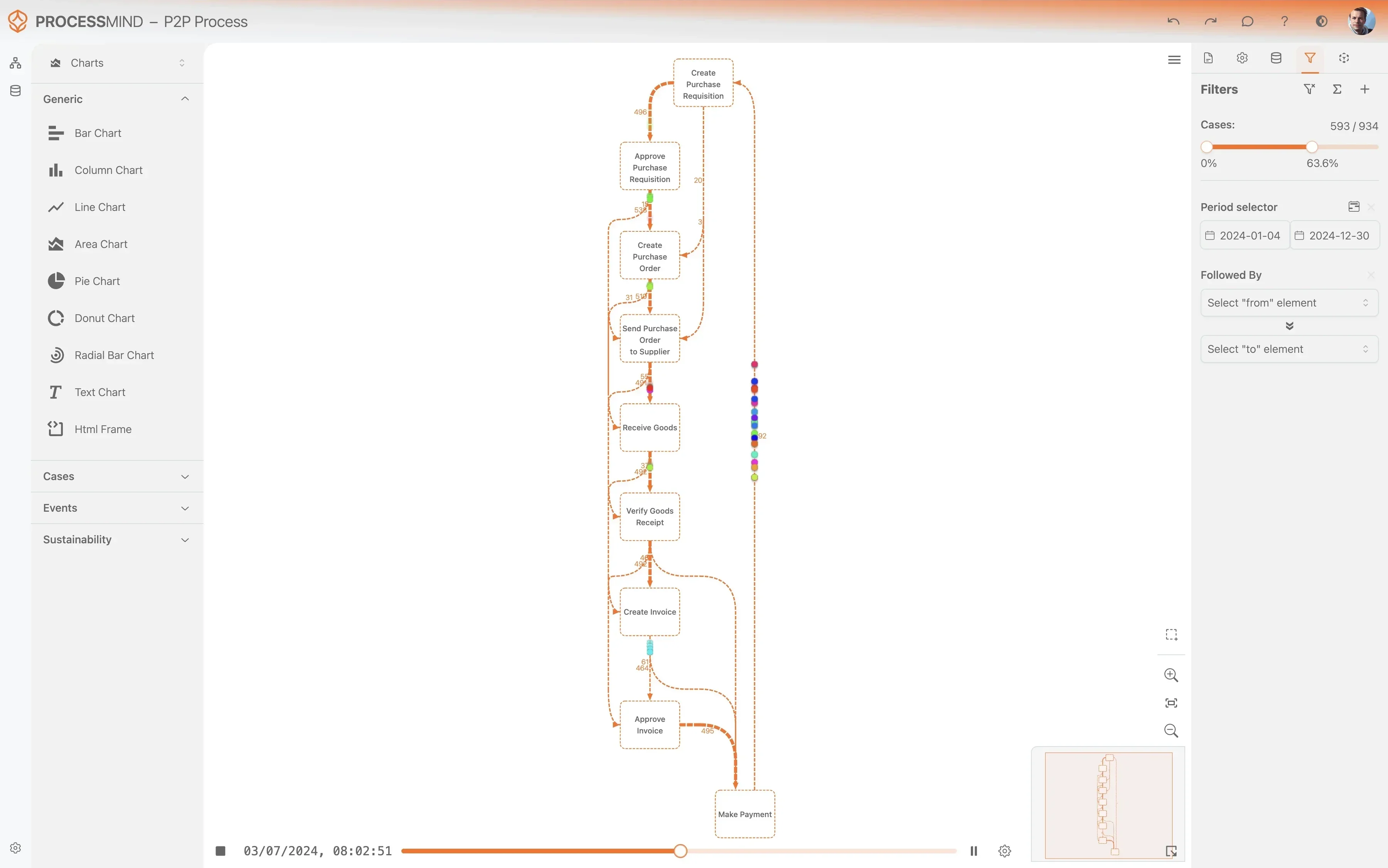
Discover your actual process flow
Identify bottlenecks and delays
Analyze process variants
Design your optimized process

PROVEN RESULTS

Optimizing Your Oracle Fusion Accounts Payable Performance

By analyzing invoice numbers across your Oracle Fusion environment, our process mining approach identifies bottlenecks and streamlines the entire payment cycle. These metrics showcase the efficiency gains and cost reductions common in high-performing finance departments.

0 %
Faster Cycle Times

Average reduction in cycle time

Reducing the duration from invoice receipt to payment execution helps teams maintain better liquidity and stronger vendor trust.

0 %
Boosted Discount Capture

Increase in early payment savings

Accelerating internal approvals ensures more invoices qualify for early payment discounts, which directly impacts the bottom line.

0 %
Higher Automation Rates

Growth in straight through processing

Optimizing the matching engine in Oracle Fusion reduces manual touches and significantly lowers the cost per invoice processed.

0 %
Fewer Late Payment Fees

Reduction in overdue invoices

Eliminating process bottlenecks prevents costly penalty fees and avoids the risk of credit holds from critical suppliers.

0 %
Eliminated Rework Loops

Reduction in discrepancy resolution

Identifying the root cause of matching errors allows for cleaner data entry and fewer manual interventions by the accounts payable team.

Actual results depend on process complexity, data integrity, and specific organizational workflows. These figures illustrate the typical improvements observed across our client implementations.

FAQs

Frequently asked questions

Process mining connects to your Oracle Fusion Financials tables to visualize every step of the invoice lifecycle, from creation to final payment. By using the Invoice Number as a case identifier, you can identify exactly where bottlenecks occur, such as approval delays or matching errors, without manual auditing.

You need to pull transactional data from tables such as AP INVOICES ALL and AP INVOICE LINES ALL, along with the associated action history. The core requirements are the Invoice Number, activity descriptions like Invoice Validated or Payment Created, and the corresponding timestamps for each event.

Most organizations can view their initial process maps within two to four weeks once the data connection is established. This timeline includes the initial data extraction, mapping the event logs, and validating the process flows against your expected business logic.

Yes, the tool identifies specific vendor relationships where discounts are frequently missed due to internal processing delays. By highlighting these bottlenecks in real time, you can prioritize high value invoices and adjust workflows to ensure payments are executed within the discount window.

No, process mining is a non invasive technology that works by analyzing the data already stored in your system. It reads the logs and transaction tables to reconstruct the process, so there is no need to modify your current workflows or configuration settings within Oracle.

The platform tracks the application and removal of payment blocks as distinct events in the invoice timeline. This allows you to measure the exact duration of each block and determine if manual interventions are causing late payment penalties or vendor friction.

By analyzing patterns in invoice metadata, such as vendor names, amounts, and dates, process mining can flag potential duplicates that bypass standard system checks. This proactive analysis helps prevent financial leakage and reduces the effort required for recovery audits.

You generally need a secure connection to your Oracle Cloud environment to extract the necessary data files or use an API based connector. The processing itself typically happens in a dedicated cloud environment, which means your local IT infrastructure requirements are minimal.

Fix Your Accounts Payable Payment Processing Today

Reduce your cycle time by 30% and improve vendor relations.

Start Your Free Trial

No credit card required. Setup in 5 minutes.