Improve Your Production Planning

Select a process
Choose a process to continue working in your connected workspace.
Optimize Production Planning in Dynamics 365
Inefficient production planning can lead to missed targets and wasted resources. Our platform helps you pinpoint exact bottlenecks, from demand forecasting to order completion. Discover how to streamline operations, reduce lead times, and boost overall efficiency with practical improvements.
Download our pre-configured data template and address common challenges to reach your efficiency goals. Follow our six-step improvement plan and consult the Data Template Guide to transform your operations.
Show detailed description
Unlocking Efficiency in Production Planning with Dynamics 365 Manufacturing
Effective Production Planning is the backbone of any successful manufacturing operation, especially when managing complex processes within Microsoft Dynamics 365 Manufacturing. It dictates everything from resource allocation and material procurement to production schedules and delivery commitments. When planning is inefficient, the ripple effects can be significant, leading to missed deadlines, increased operational costs, excess inventory, and ultimately, dissatisfied customers. Understanding and optimizing this critical process is not just about meeting targets, it's about building a resilient and profitable manufacturing future.
How Process Mining Illuminates Your Production Flow
Process mining offers an unparalleled perspective on your actual production planning process, revealing the hidden inefficiencies that traditional reporting often misses. By analyzing event logs from your Microsoft Dynamics 365 Manufacturing system, process mining reconstructs the complete journey of every Production Order, from the initial demand forecast through final completion and performance analysis. This deep dive allows you to visualize the real process flow, identify all deviations from your ideal plan, and pinpoint exactly where bottlenecks occur. You can see how long each activity truly takes, whether resources are being utilized effectively, and if material availability consistently delays production starts. This capability is crucial for identifying root causes of delays and understanding their impact on overall cycle time and cost within your Dynamics 365 environment.
Key Areas for Production Planning Improvement
Leveraging process mining for Production Planning in Microsoft Dynamics 365 Manufacturing allows you to target specific areas for improvement. You can discover:
- Scheduling Bottlenecks: Identify specific work centers, production lines, or stages where production orders frequently stall, causing delays in the overall production cycle time. This enables focused interventions to optimize capacity or reallocate resources.
- Resource Utilization Gaps: Understand if your machinery and labor are being used optimally or if there are periods of underutilization or over-contention, impacting efficiency and output.
- Material Availability Challenges: Trace how material shortages impact planned start dates and actual production commencement, helping you refine procurement strategies and inventory levels.
- Process Deviations: Uncover instances where production orders deviate from their planned routing or standard operating procedures, indicating potential training needs or process gaps.
- Lead Time Reduction Opportunities: Pinpoint activities that contribute disproportionately to the overall lead time, allowing you to streamline or automate these steps to accelerate production and reduce Production Planning cycle time.
Measurable Outcomes of Optimized Production Planning
By applying process mining insights to your Production Planning in Microsoft Dynamics 365 Manufacturing, you can achieve substantial, measurable benefits. Expect to see significant reductions in manufacturing cycle time, leading to faster delivery of goods and improved customer satisfaction. Operational costs decrease through more efficient resource allocation, minimized waste, and optimized inventory levels. Enhanced planning accuracy leads to better on-time delivery rates and a stronger competitive position. Moreover, a more transparent and efficient process ensures better compliance with regulatory requirements and internal quality standards, building a more reliable and predictable manufacturing operation. This deep process optimization not only addresses immediate pain points but also establishes a foundation for continuous improvement and sustained growth within your manufacturing enterprise.
Embark on Your Optimization Journey
Understanding the intricacies of your Production Planning process in Microsoft Dynamics 365 Manufacturing is the first step towards achieving peak efficiency. Process mining provides the clarity and data-driven insights you need to transform your operations. Explore how this powerful approach can help you move from identifying challenges to implementing effective, lasting solutions.
The 6-Step Improvement Path for Production Planning
Download the Template
What to do
Get the Excel template designed for Production Planning analysis with Microsoft Dynamics 365 Manufacturing. This template ensures your data is structured for optimal process mining.
Why it matters
Using the correct data structure from the start prevents errors and ensures accurate analysis, laying a solid foundation for your improvement journey.
Expected outcome
A ready-to-use Excel template, perfectly structured for your Production Planning data from D365.
Export Your Data
What to do
Extract 3-6 months of historical production order data, BOMs, and routings from Microsoft Dynamics 365 Manufacturing. Populate the downloaded template with this real-world operational data.
Why it matters
Comprehensive historical data provides a robust foundation for identifying recurring patterns, bottlenecks, and areas where production efficiency can be significantly improved.
Expected outcome
A completed Excel template, populated with accurate, recent Production Planning process data from D365 Manufacturing.
Upload Your Dataset
What to do
Securely upload your filled Production Planning data template to the ProcessMind platform. The system will then automatically initiate analysis of your D365 manufacturing process.
Why it matters
This step quickly transforms raw data into actionable insights without manual effort, enabling you to swiftly move towards understanding your process health.
Expected outcome
Your Production Planning data successfully uploaded and undergoing automatic initial analysis within ProcessMind.
Analyze Your Process
What to do
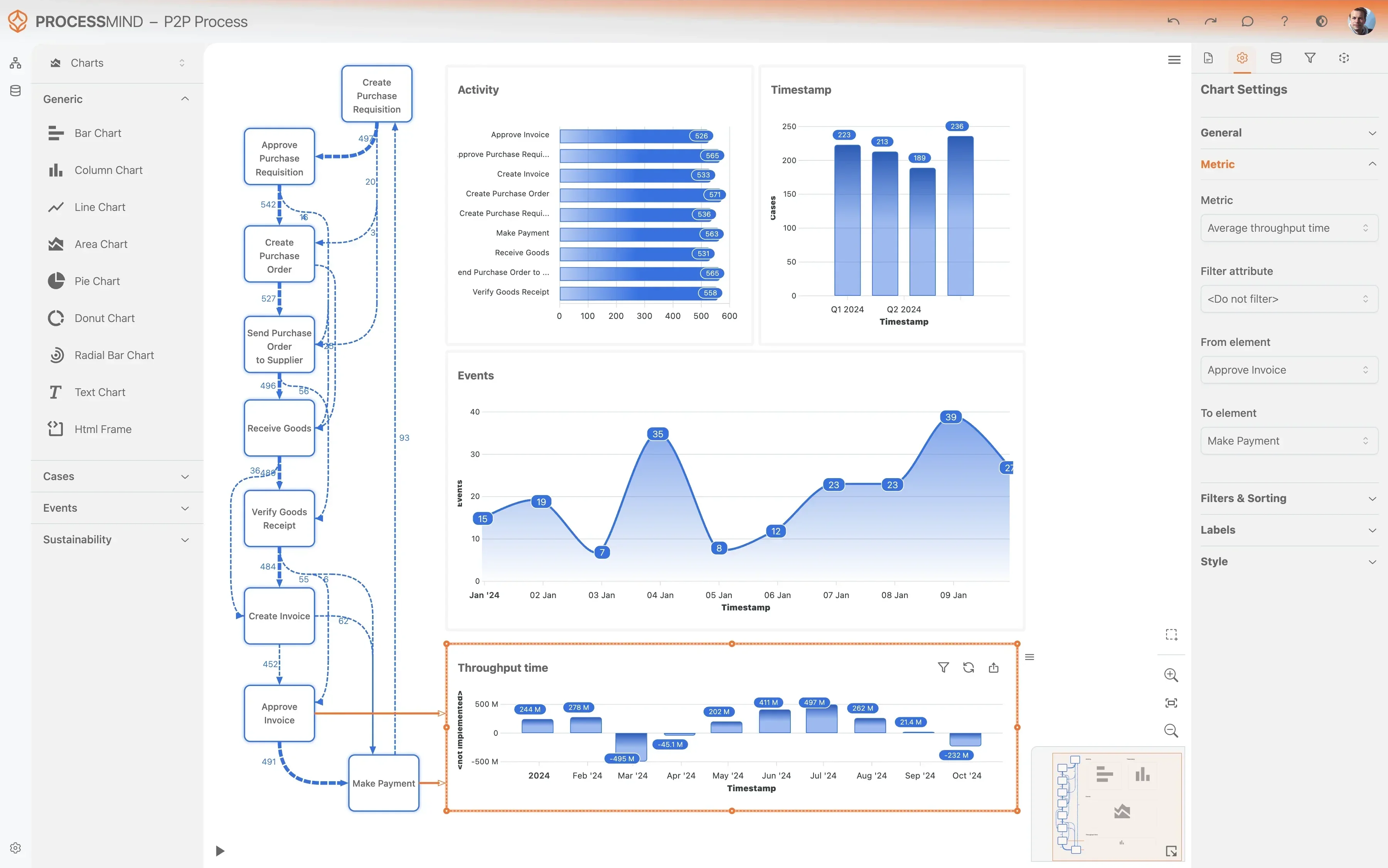
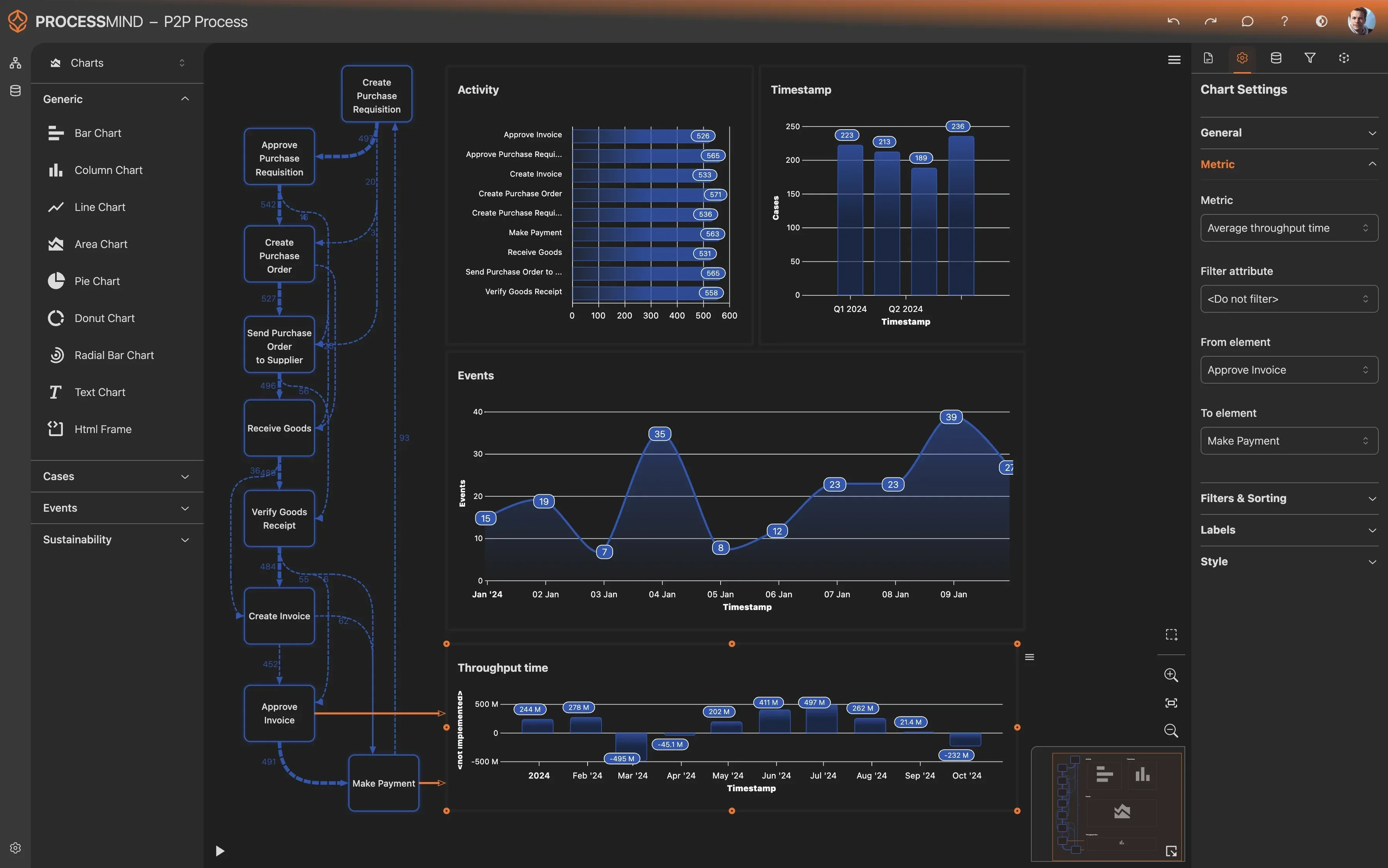
Explore the auto-generated dashboards, process maps, and performance metrics for your Production Planning process. Review AI-driven recommendations to pinpoint inefficiencies in D365.
Why it matters
Gaining deep visibility into your process flow and performance metrics is crucial for identifying root causes of delays, resource waste, and compliance issues.
Expected outcome
A clear understanding of your Production Planning process bottlenecks, deviations, and specific areas for optimization within Microsoft Dynamics 365.
Implement Improvements
What to do
Prioritize the identified opportunities and implement changes to your Production Planning workflows and configurations within Microsoft Dynamics 365 Manufacturing.
Why it matters
Translating insights into action directly addresses inefficiencies, leading to tangible improvements in scheduling, resource utilization, and overall production output.
Expected outcome
Practical changes implemented in your D365 Production Planning, targeting specific process bottlenecks and performance gaps.
Monitor Your Process
What to do
Periodically re-upload updated Production Planning data from D365 Manufacturing to track the impact of your implemented improvements and measure key performance indicator changes.
Why it matters
Continuous monitoring ensures that improvements are sustained, new issues are quickly identified, and your Production Planning process remains optimized over time.
Expected outcome
Ongoing visibility into your Production Planning performance, confirming the value of improvements and supporting continuous optimization efforts.
WHAT YOU WILL GET
Uncover Production Planning Bottlenecks Today
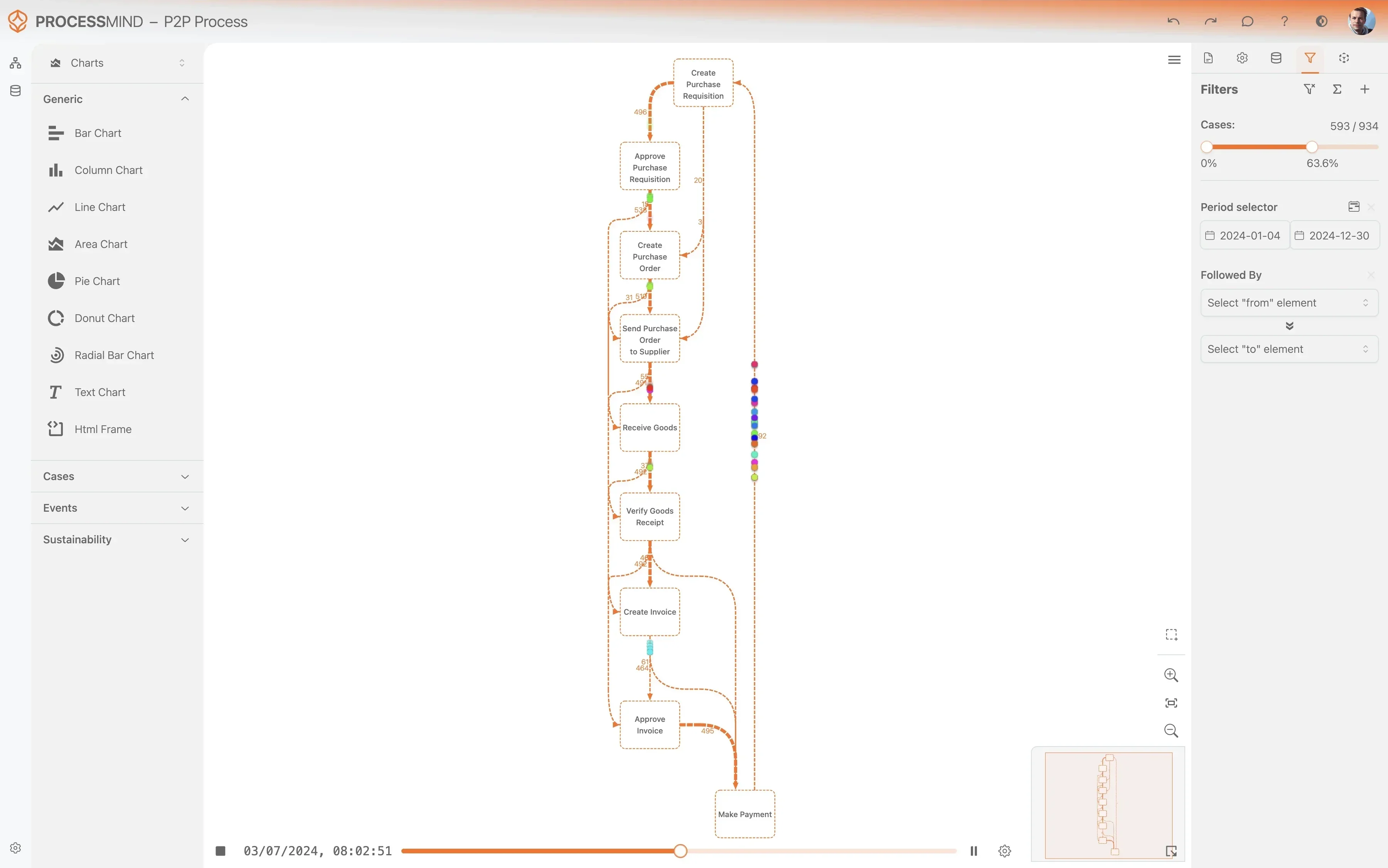
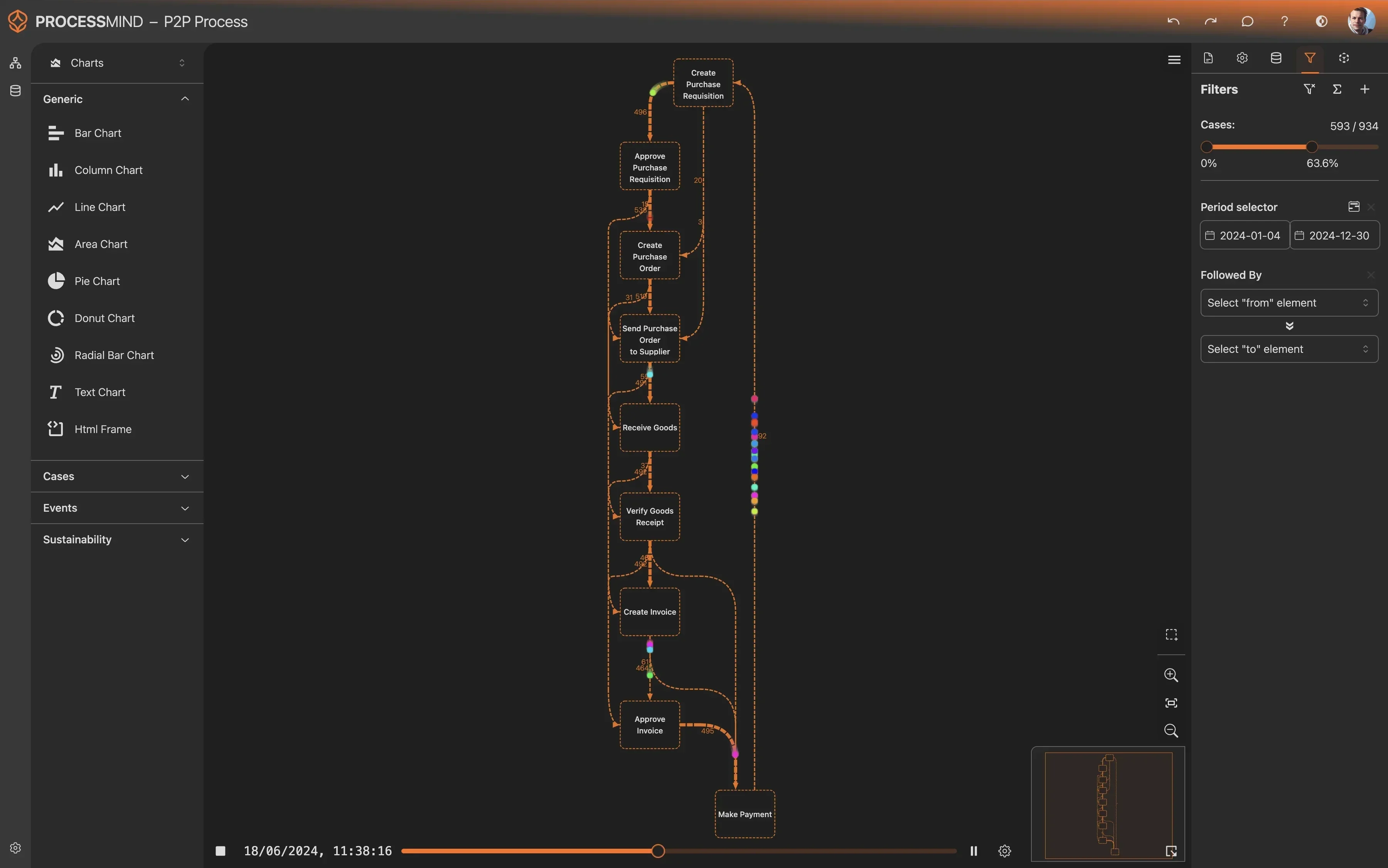
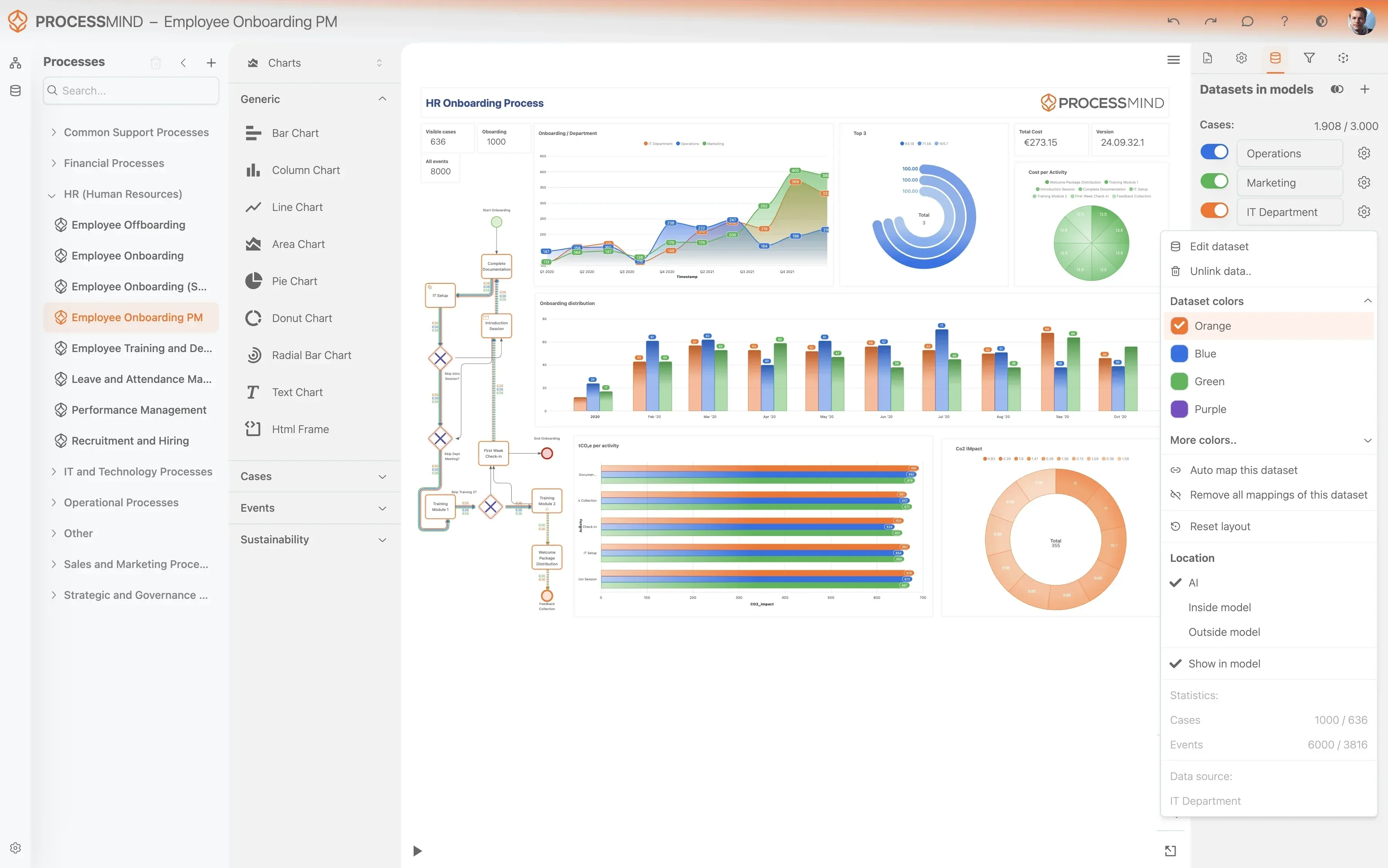
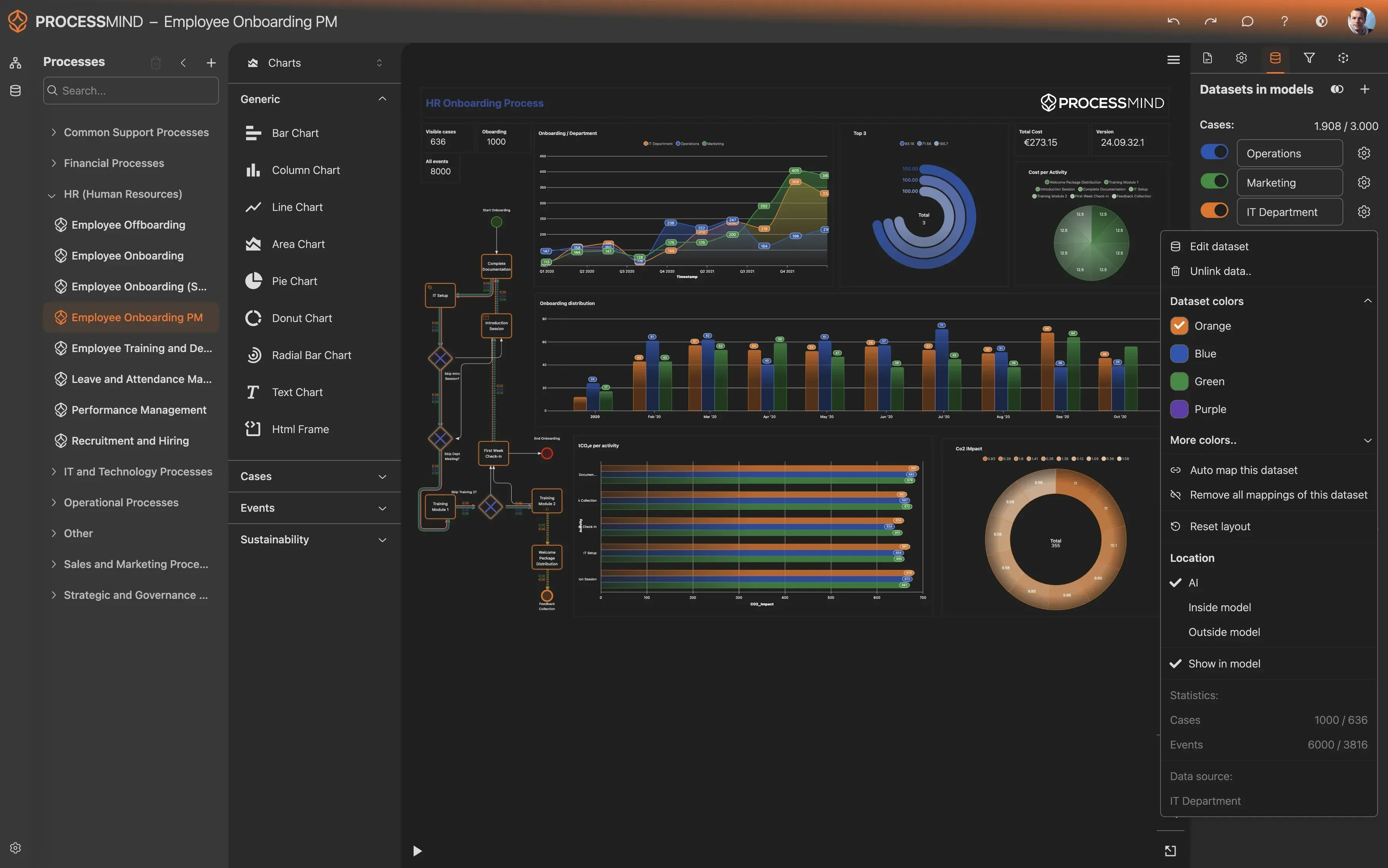
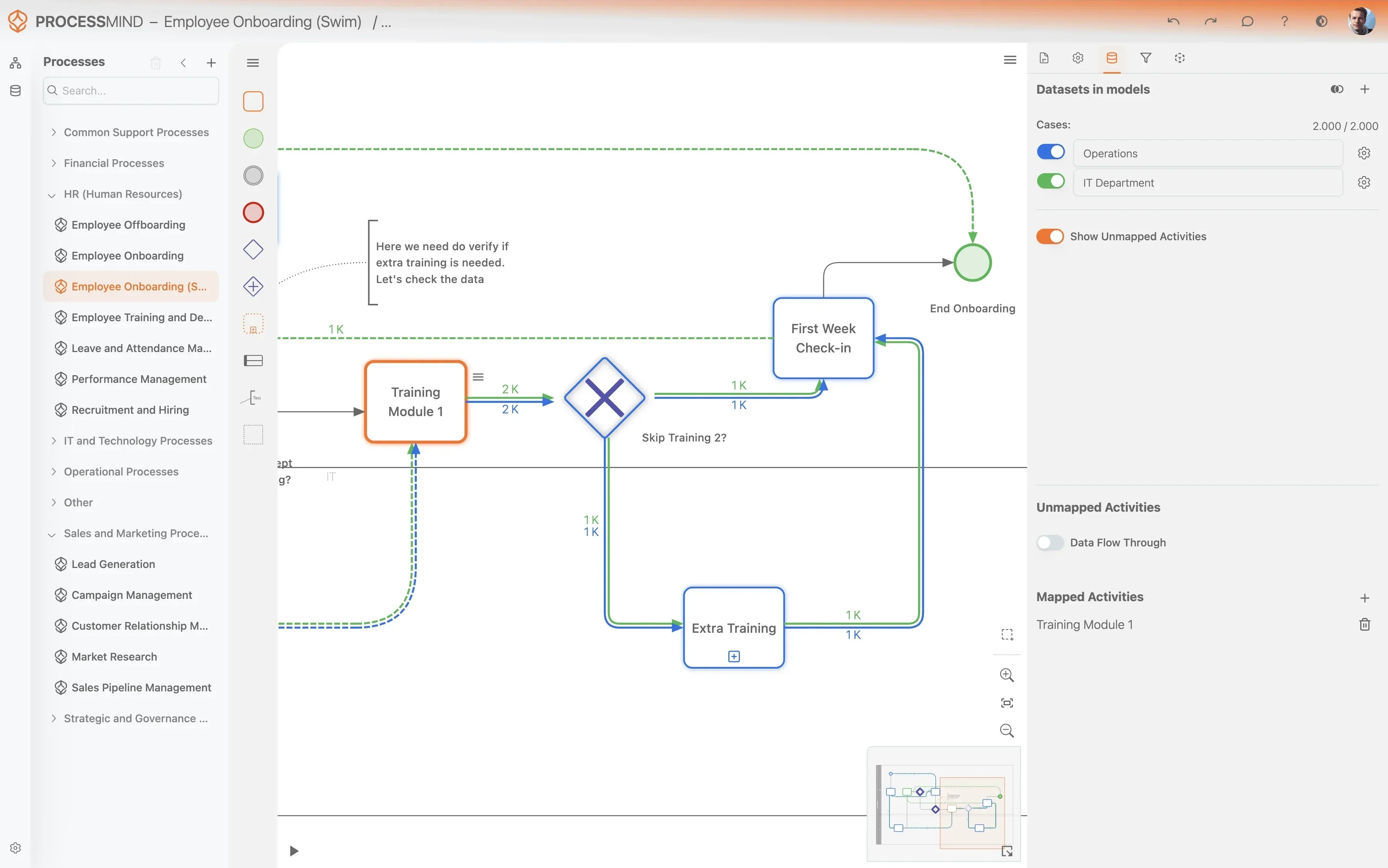
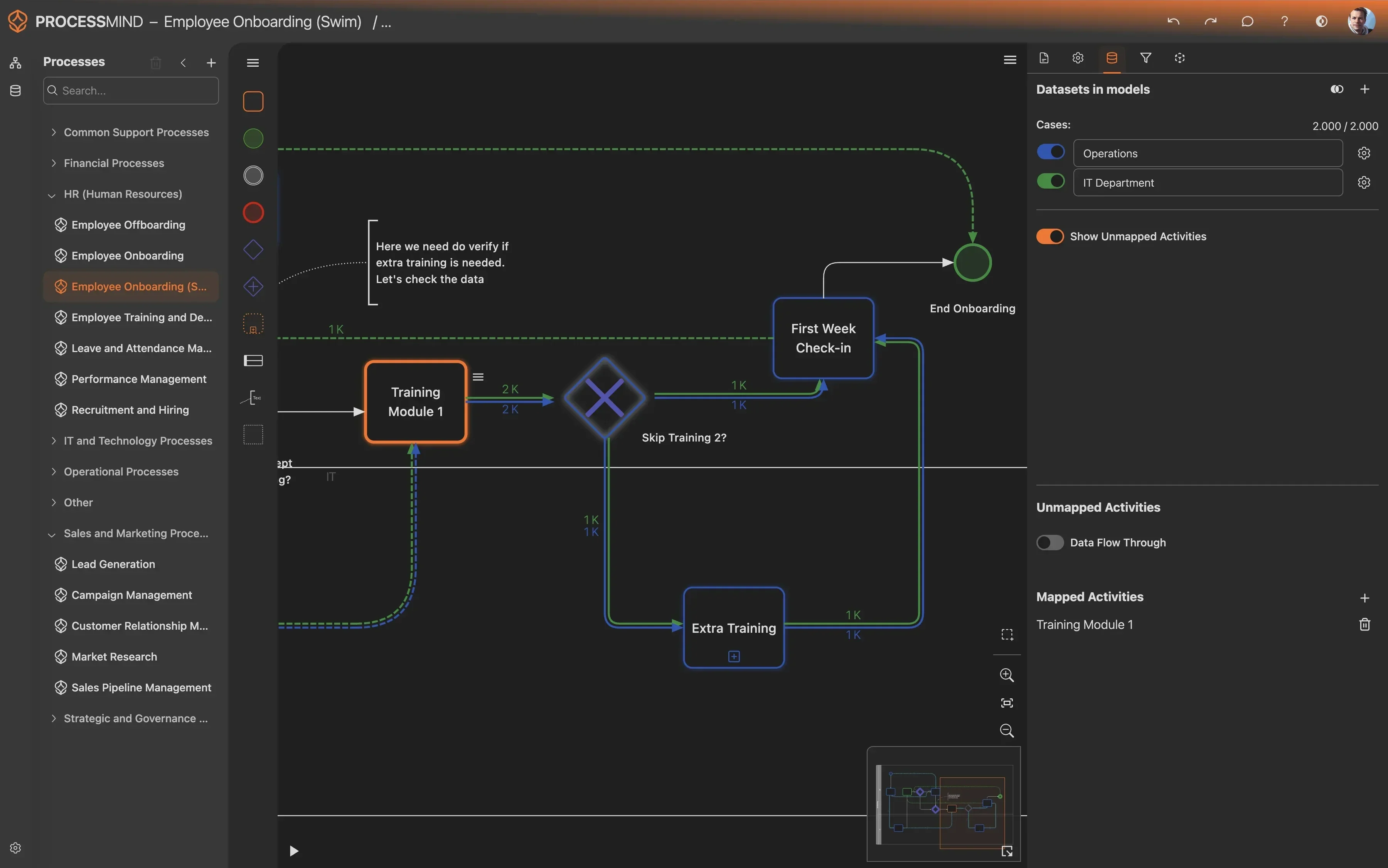
- Identify exact production planning delays
- Visualize actual planning process variants
- Pinpoint resource allocation inefficiencies
- Reduce lead times in Dynamics 365
TYPICAL OUTCOMES
Achieving Operational Excellence in Production Planning
These outcomes demonstrate the measurable improvements organizations realize when optimizing their Production Planning processes using process mining with data from Microsoft Dynamics 365 Manufacturing. By uncovering inefficiencies, businesses can streamline operations and enhance overall productivity.
Reduction in plan approval cycle time
Streamline the review and approval steps to reduce bottlenecks, ensuring production plans are finalized and ready for execution quicker.
Decrease in number of plan modifications
Identify root causes of frequent plan changes, such as inaccurate demand data or resource constraints, to achieve more stable and executable production schedules.
Increase in production orders finished on schedule
Pinpoint delays and inefficiencies across the production workflow, ensuring more orders are completed by their planned end dates, enhancing customer satisfaction.
Reduction in expenses from urgent production
Uncover the triggers for expedited orders, such as material shortages or scheduling conflicts, to minimize costly rush jobs and improve overall cost efficiency.
Quicker integration of demand into planning
Shorten the lead time from receiving demand forecasts to creating the master production schedule, enabling faster and more accurate responses to market fluctuations.
Results vary based on process complexity and data quality. These figures represent typical improvements observed across implementations.
Recommended Data
FAQs
Frequently asked questions
Process mining analyzes event log data from your Dynamics 365 system to visualize the actual flow of your Production Planning process. It identifies inefficiencies, such as excessive cycle times, frequent plan revisions, and resource allocation bottlenecks that impact on-time production. This analysis helps uncover hidden deviations from planned processes, providing data-driven insights for optimization.
For Production Planning process mining, the core data needed includes event logs tied to your Production Orders. Specifically, we require data points such as the Production Order ID, activity descriptions, timestamps for each activity, and the user or system responsible. This information allows for reconstructing the complete journey of each production plan.
After successful data extraction and initial preparation, you can typically expect to see initial process visualizations and key performance indicators within a few weeks. The exact timeline depends on data volume and complexity, as well as the readiness of your data. This initial phase helps confirm data quality and identify immediate areas for deeper investigation.
By identifying bottlenecks and deviations, process mining helps reduce production planning cycle time and minimize plan revision frequency. You can expect more efficient resource allocation, improved adherence to production schedules, and increased on-time production completion. Ultimately, this leads to optimized production capacity utilization and reduced expedited production costs.
Data extraction from Dynamics 365 Manufacturing typically involves using its built-in reporting tools, OData feeds, or direct database queries, depending on your system setup and access permissions. The goal is to obtain event log data in a structured format, often CSV or a database table, which is then prepared for process mining analysis. Our experts can guide you through the secure and efficient extraction process.
No, process mining is a non-invasive analytical technique. It operates on historical data extracted from your Dynamics 365 system, not directly on the live operational system. Data extraction processes are designed to minimize impact, often scheduled during off-peak hours or using read-only access.
The main technical prerequisites involve having access to your Microsoft Dynamics 365 Manufacturing database or its reporting functionalities to extract relevant event log data. Additionally, a platform or software for process mining will be utilized, which may have its own system requirements. We will provide detailed guidance on these aspects during setup.
Unlock Peak Efficiency: Streamline Production Planning Today
Pinpoint bottlenecks and reduce production cycle time by 30% or more.
No credit card required, setup in minutes.