Improve Your Patient Journey
Select a process
Choose a process to continue working in your connected workspace.
Optimize Patient Journeys in Veradigm (Allscripts) for Better Outcomes
Complex patient journeys can lead to delays and inefficiencies. Our platform helps you discover exactly where your patient flow slows down, from initial assessment to discharge. Identify opportunities to enhance care delivery and operational efficiency, guiding you through practical improvements that reduce wait times and improve outcomes.
Download our pre-configured data template and address common challenges to reach your efficiency goals. Follow our six-step improvement plan and consult the Data Template Guide to transform your operations.
Show detailed description
Unlocking Efficiency: Why Your Patient Journey Needs Optimization
The patient journey is the backbone of healthcare delivery, encompassing every interaction a patient has with your services, from their initial registration to follow-up appointments. In a complex environment like Veradigm (Allscripts), managing these journeys efficiently is crucial. Inefficiencies, such as prolonged wait times, delayed transfers, or redundant steps, can not only compromise patient experience and clinical outcomes but also inflate operational costs and strain resources. Understanding the true flow of patients through your system is the first step towards enhancing care quality, ensuring regulatory compliance, and driving significant operational savings. Optimizing the Patient Journey is not just about speed, it's about delivering better, more consistent care.
How Process Mining Illuminates Your Veradigm (Allscripts) Patient Flow
Process mining offers a powerful, data-driven approach to dissect and understand the actual Patient Journey within your Veradigm (Allscripts) EHR. Unlike traditional methods that rely on assumptions or manual observations, process mining uses event logs from your system to reconstruct every step taken by a patient, creating a precise, visual map of their entire path. By treating each “Patient Episode” as a case identifier, you can trace individual patients from “Patient Registered” through “Initial Assessment/Triage,” “Diagnostic Test Ordered,” “Procedure Performed,” and finally to “Patient Discharged” and “Follow-up Appointment Scheduled.”
This analytical power allows you to precisely identify where bottlenecks occur, for example, long delays between “Diagnostic Test Ordered” and “Diagnostic Test Performed,” or excessive cycle time in the “Transfer to Ward/Department” activity. You can detect common deviations from standard treatment protocols, evaluate the impact of different “Admission Type” on overall journey duration, or even compare the effectiveness of various “Treatment Protocol” pathways. Process mining answers critical questions about how patients actually move through your Veradigm (Allscripts) system, providing the evidence needed for effective process optimization.
Key Improvement Areas for Your Veradigm (Allscripts) Patient Journey
Applying process mining to your Veradigm (Allscripts) Patient Journey data reveals numerous opportunities for targeted improvement. You can focus on several crucial areas:
- Reducing Patient Cycle Time: Pinpoint stages in the journey, such as diagnostic wait times or inpatient transfers, where patients experience undue delays. By identifying the root causes, like resource contention or procedural inefficiencies, you can implement changes to reduce the overall time from admission to discharge, significantly improving patient flow and bed turnover.
- Optimizing Resource Utilization: Analyze resource allocation across different departments and activities. For example, if patients frequently wait for consultations in one department, it might indicate a need for adjusted staffing or better scheduling coordination within your Veradigm (Allscripts) system. This helps ensure that staff, equipment, and facilities are used effectively.
- Enhancing Clinical Pathway Adherence: Discover deviations from established “Treatment Protocol” or “Discharge Planning” guidelines. This insight helps healthcare providers enforce best practices, standardize care delivery, and reduce unwarranted variations in treatment, which often lead to better patient outcomes and compliance.
- Improving Patient Experience: By reducing wait times and streamlining handoffs between different “Hospital Department” or “Attending Clinician,” you directly contribute to a smoother, less stressful experience for patients and their families. Insights into frequent re-admissions can also drive improvements in post-discharge care.
Tangible Outcomes of Patient Journey Process Optimization
Implementing improvements identified through process mining yields measurable benefits across your organization:
- Decreased Patient Wait Times: Achieve significant reductions in the time patients spend waiting for appointments, diagnostics, or transfers, leading to higher patient satisfaction and faster access to care.
- Improved Operational Efficiency: Streamline processes, reduce redundant steps, and optimize resource allocation, resulting in lower operational costs and increased capacity within your Veradigm (Allscripts) environment.
- Enhanced Clinical Outcomes: Ensure greater adherence to best practice guidelines and treatment protocols, which can lead to more consistent and effective patient care, reducing complications and readmissions.
- Stronger Regulatory Compliance: By clearly mapping and optimizing processes, you can more easily demonstrate compliance with healthcare regulations and standards, minimizing risks and ensuring high-quality care delivery.
Start Optimizing Your Veradigm (Allscripts) Patient Journey Today
Understanding and improving your Patient Journey in Veradigm (Allscripts) is a continuous process that offers profound benefits. By leveraging process mining, you gain unprecedented visibility into your operations, enabling you to make data-driven decisions that enhance efficiency, improve patient care, and reduce cycle time. Take the first step towards a more optimized and patient-centric healthcare delivery system.
The 6-Step Improvement Path for Patient Journey
Download the Template
What to do
Obtain the pre-formatted Excel template designed for Patient Journey analysis. This template ensures your Veradigm (Allscripts) data is structured correctly for efficient upload.
Why it matters
Having the right data structure from the start prevents errors and streamlines the analysis, setting a strong foundation for accurate process insights.
Expected outcome
A standardized Excel template ready to receive your Veradigm (Allscripts) patient journey data.
Export Your Data
What to do
Extract 3-6 months of historical patient journey data from your Veradigm (Allscripts) EHR system, focusing on relevant events and attributes. Populate the downloaded template with this real-world data.
Why it matters
Historical data provides a comprehensive view of past patient flows, revealing recurring patterns, inefficiencies, and compliance issues that might otherwise go unnoticed.
Expected outcome
A complete dataset, accurately reflecting your patient journeys in Veradigm (Allscripts), formatted within the template.
Upload Your Dataset
What to do
Securely upload your populated data template to ProcessMind. The system will automatically initiate analysis and prepare your patient journey for visualization.
Why it matters
A secure and automated upload process ensures data integrity and quickly transforms raw data into actionable insights, minimizing manual effort and speeding up discovery.
Expected outcome
Your Veradigm (Allscripts) patient journey data is processed and ready for in-depth analysis within ProcessMind.
Analyze Your Process
What to do
Explore the auto-generated dashboards and insights specific to your patient journey. Utilize AI-driven recommendations to pinpoint bottlenecks, variations, and compliance deviations within Veradigm.
Why it matters
Understanding the actual flow allows you to identify critical areas for improvement, such as delayed transfers or inefficient diagnostic pathways, enhancing patient care and operational flow.
Expected outcome
Clear identification of key process bottlenecks, inefficiencies, and non-compliant activities in your Veradigm (Allscripts) patient journey.
Implement Improvements
What to do
Prioritize the identified opportunities from your analysis. Implement targeted changes to your patient journey based on data-driven insights from your Veradigm (Allscripts) process.
Why it matters
Translating insights into action directly improves patient experience, reduces treatment delays, and optimizes resource allocation, leading to better clinical outcomes.
Expected outcome
Concrete changes enacted within your patient care protocols and Veradigm (Allscripts) workflows, addressing identified inefficiencies.
Monitor Your Process
What to do
Periodically re-upload updated Veradigm (Allscripts) patient journey data to ProcessMind. Continuously track key performance indicator improvements and observe the impact of your changes.
Why it matters
Continuous monitoring ensures that improvements are sustained and allows for agile adjustments, fostering a culture of ongoing optimization in patient care delivery.
Expected outcome
Ongoing visibility into patient journey performance, with measurable KPI improvements and sustained operational excellence within Veradigm (Allscripts).
WHAT YOU WILL GET
Reveal True Patient Paths for Optimal Care
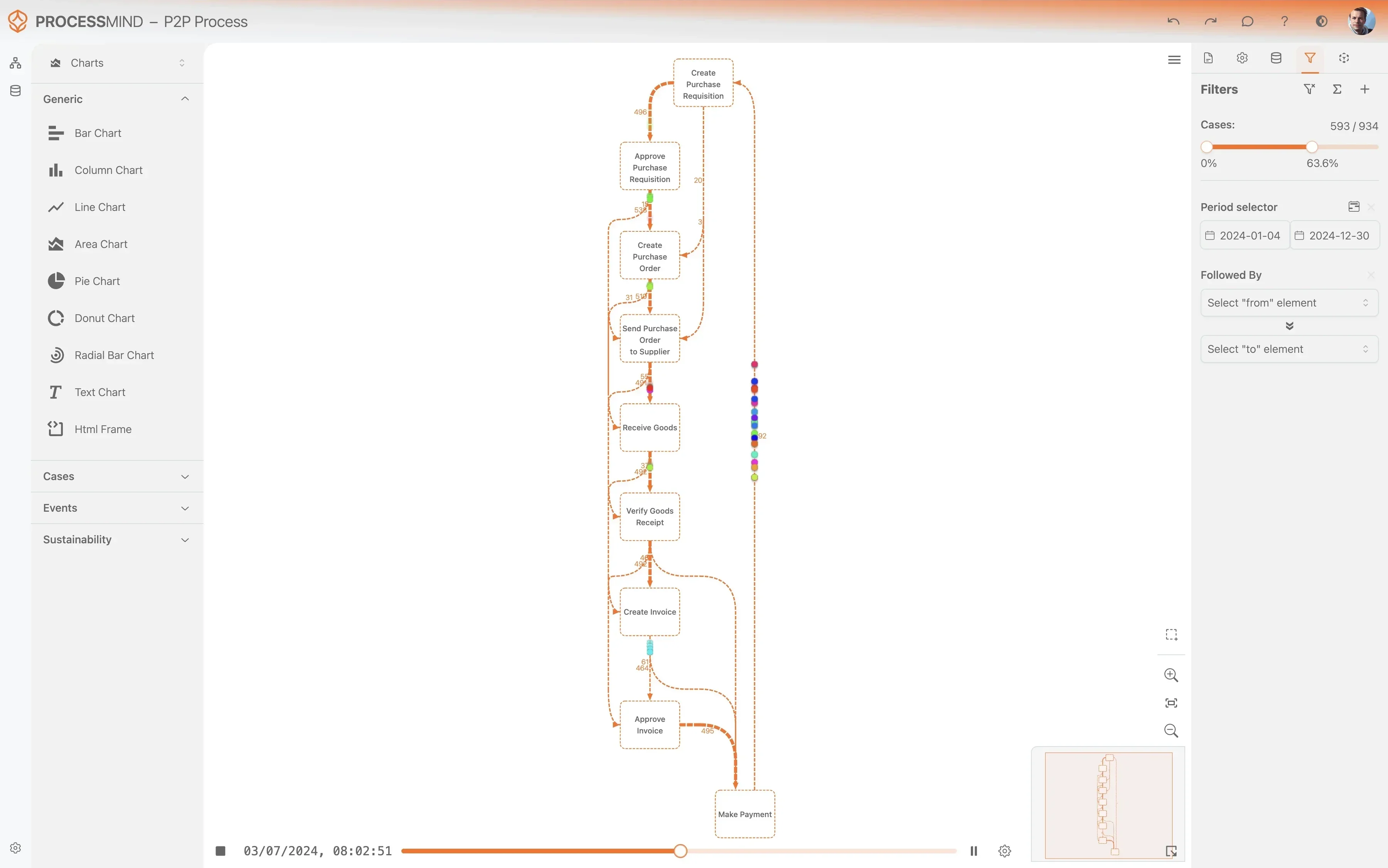
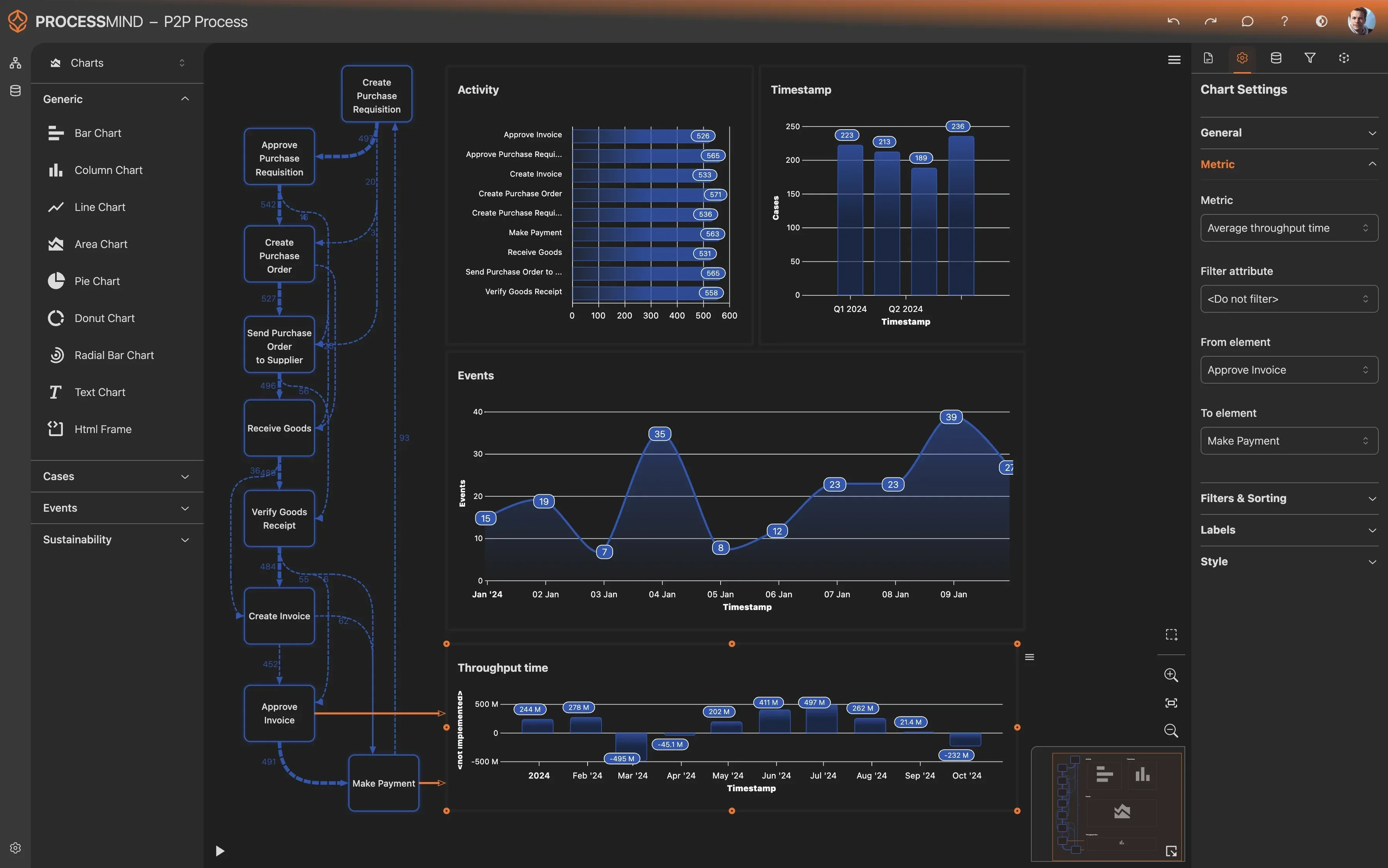
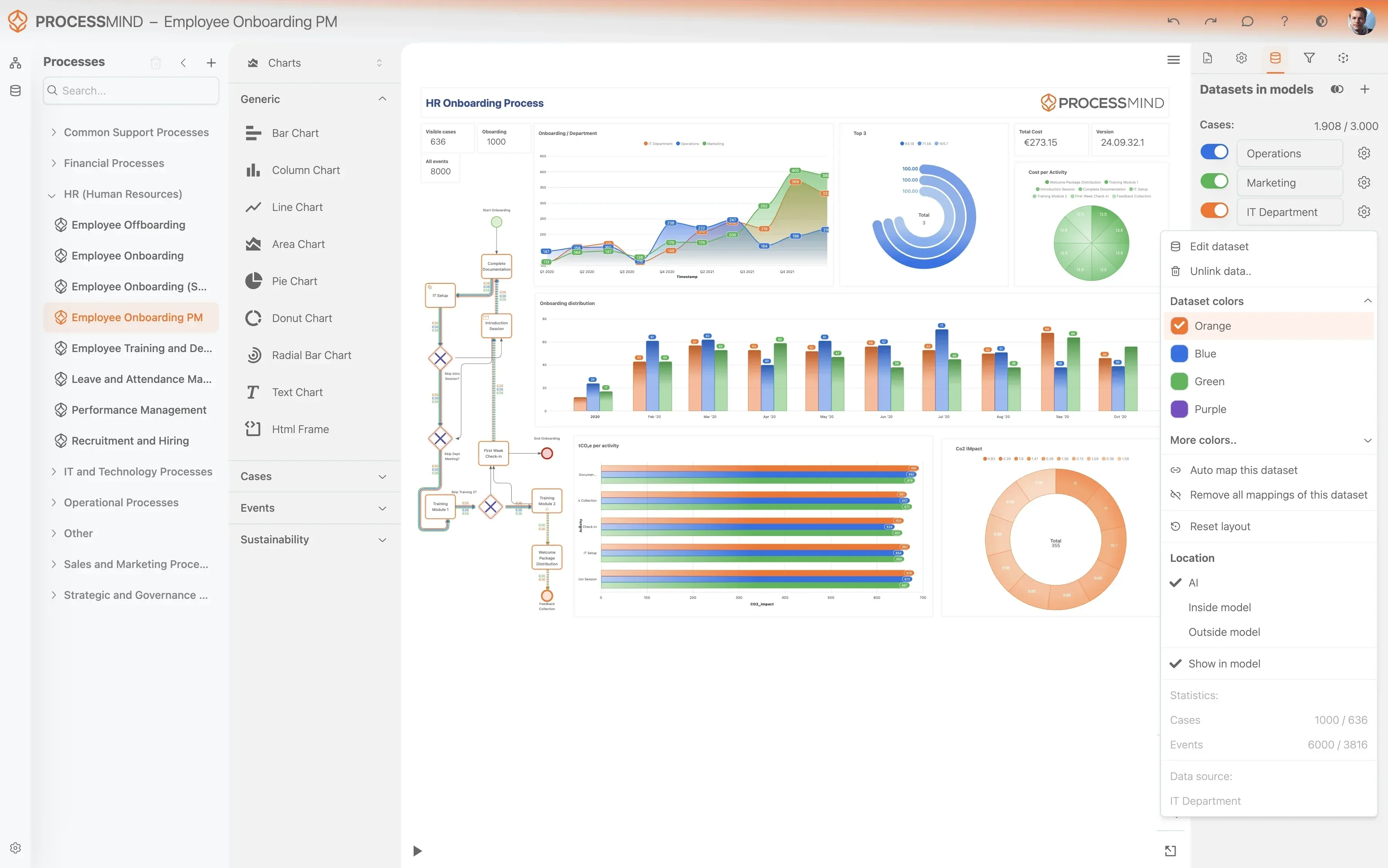
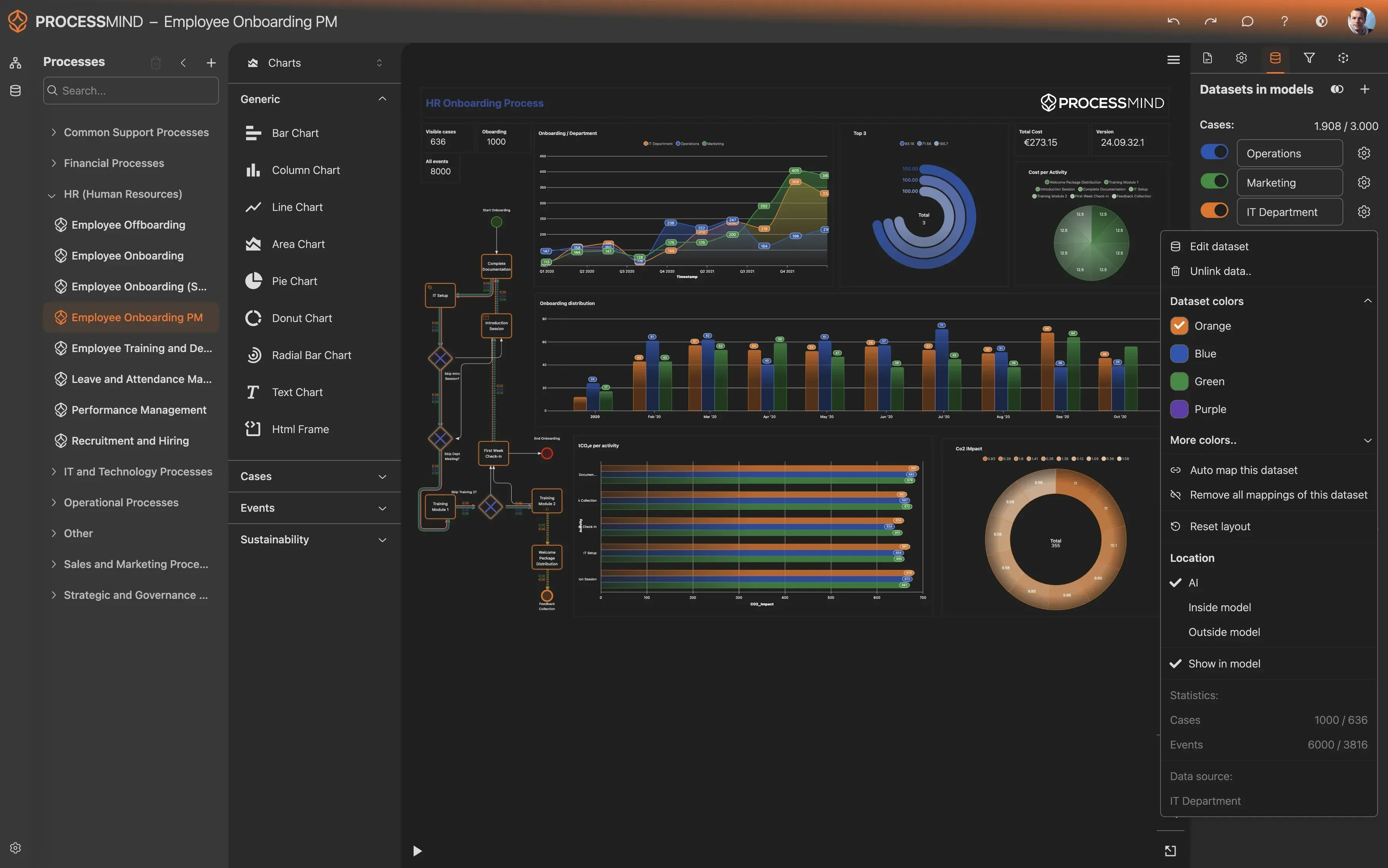
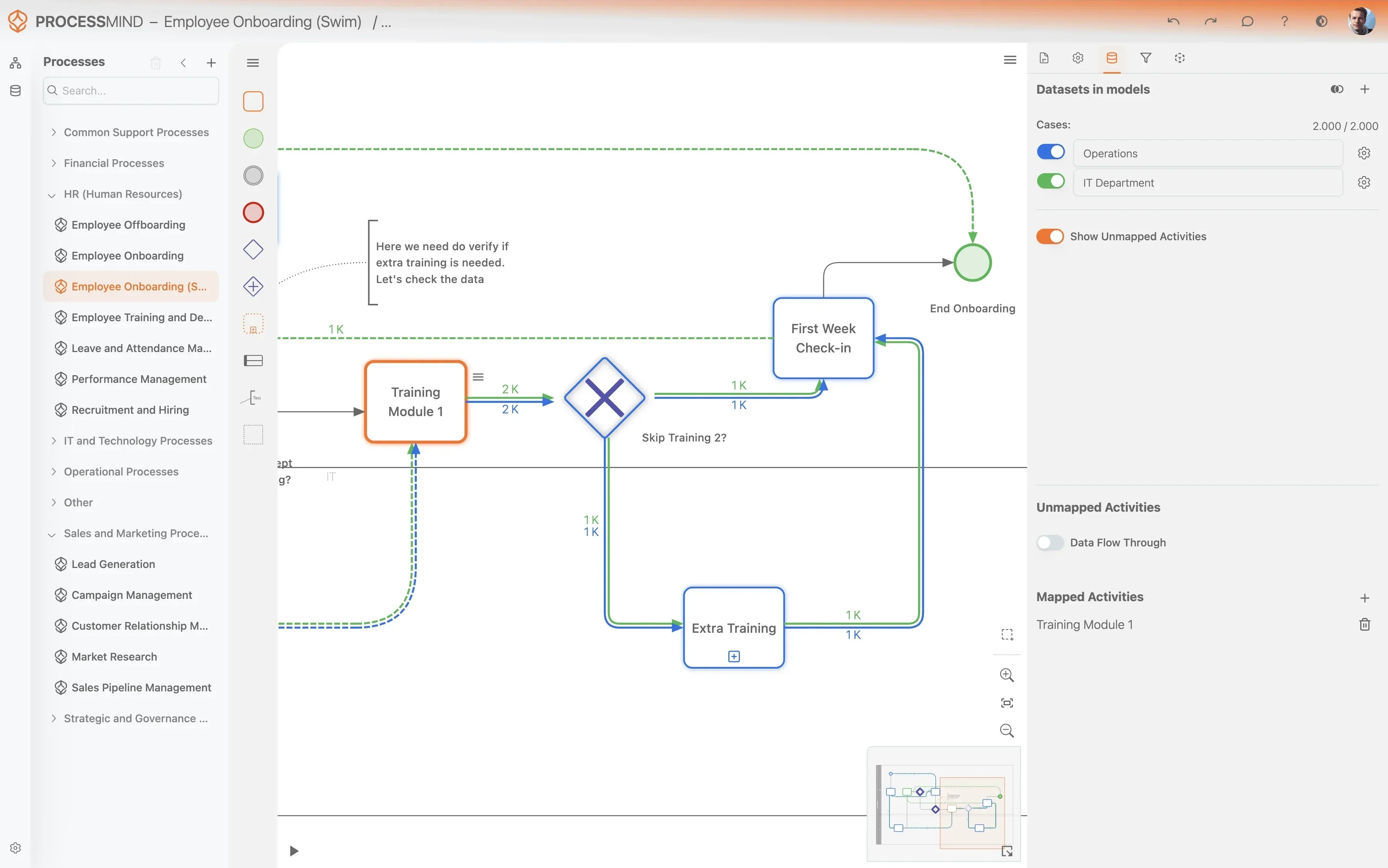
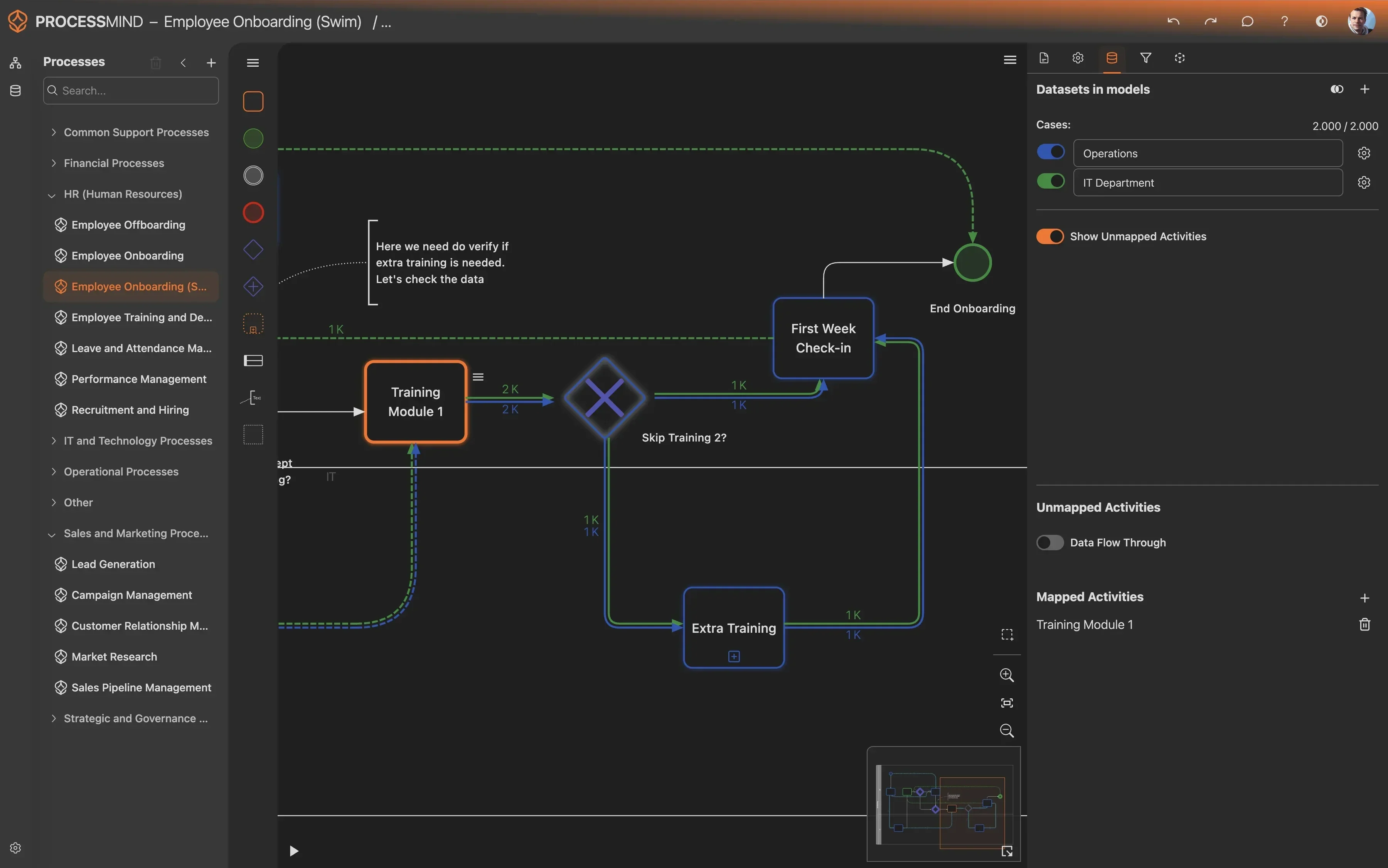
- Visualize actual patient flow paths
- Pinpoint delays in assessment to discharge
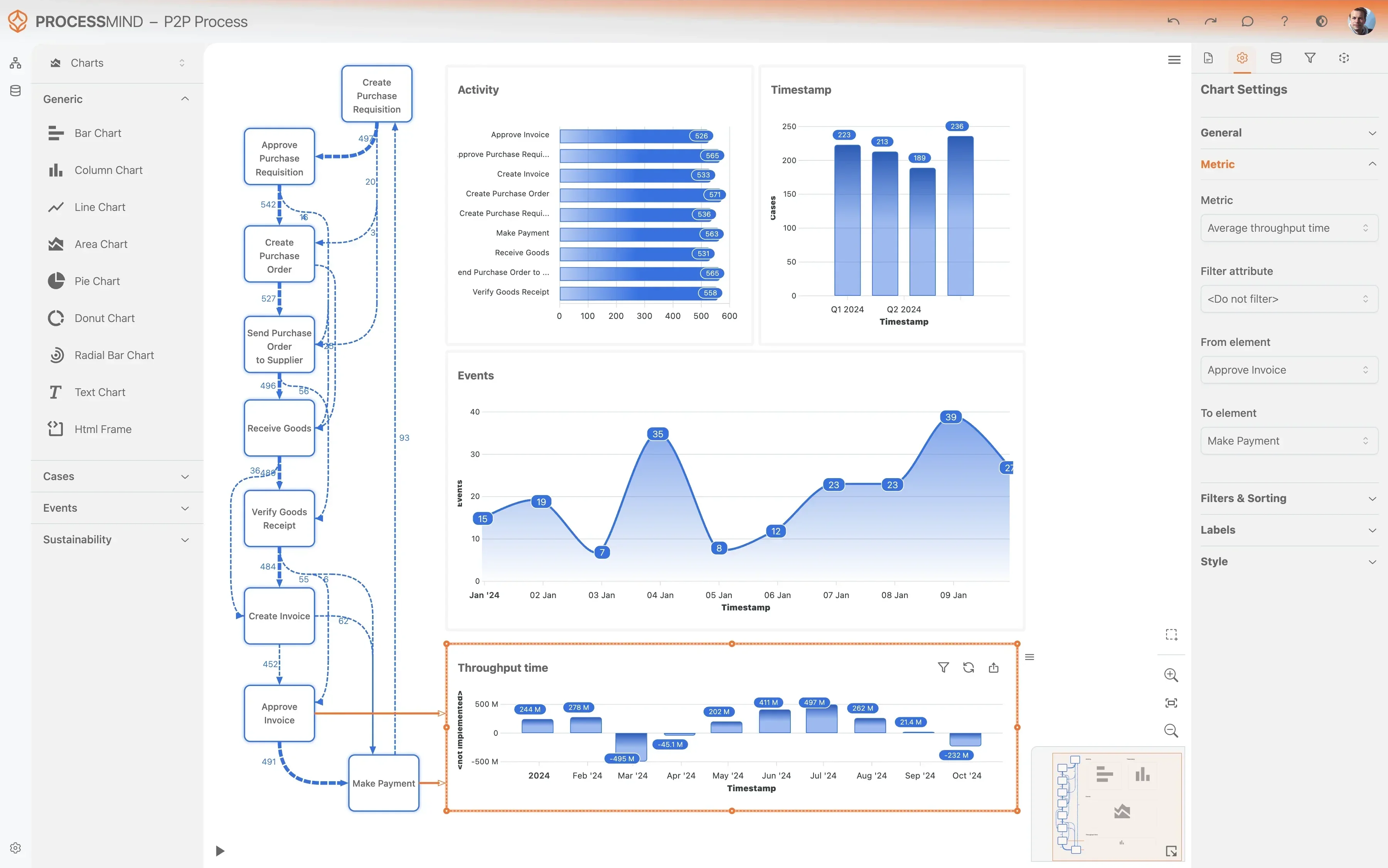
- Identify root causes of extended wait times
- Enhance care delivery and operational efficiency
TYPICAL OUTCOMES
Driving Efficiency and Enhancing Care in Patient Journeys
These outcomes represent the measurable improvements organizations achieve by applying process mining to their patient journeys. Leveraging comprehensive patient episode data from systems like Veradigm, our analysis uncovers actionable insights that optimize workflows and elevate patient care standards.
Average reduction in journey time
By optimizing patient flows, organizations reduce the overall time from admission to discharge, improving efficiency and patient satisfaction.
Decrease in 30-day readmissions
Process mining identifies root causes of readmissions, allowing targeted interventions to improve discharge planning and post-care follow-ups. This leads to better patient outcomes and reduced healthcare costs.
Increase in protocol compliance
Ensure consistent, high-quality care by identifying and addressing deviations from standardized clinical pathways, leading to better patient safety and regulatory compliance.
Shorter patient hospitalization
Streamline processes within the hospital stay, from diagnostics to treatment and discharge, to minimize unnecessary days in care, freeing up beds and optimizing resource use.
Quicker results delivery
Accelerate the time from ordering diagnostic tests to receiving and acting on results, enabling faster diagnoses and timely treatment decisions for patients.
Results are influenced by factors such as process complexity and data quality. The presented figures illustrate common improvements observed across various customer implementations and should be considered as illustrative examples.
Recommended Data
FAQs
Frequently asked questions
Process mining leverages your Veradigm data to pinpoint bottlenecks and inefficiencies within the patient journey. It can reveal delays in admissions, variations in treatment pathways, and reasons for high readmission rates, helping you understand the root causes of these issues. This insight allows for targeted improvements to patient flow and resource utilization.
To perform process mining for the patient journey, we primarily need event logs from your Veradigm system. This includes case identifiers like Patient Episode, activity names, and precise timestamps for each step a patient takes. Additional attributes, such as patient demographics or treatment details, can enrich the analysis.
By visualizing the actual patient paths, process mining identifies deviations from standard protocols and inefficient resource allocation. This leads to opportunities for standardizing clinical pathways, reducing average hospital stays, and streamlining medication administration. Ultimately, these improvements enhance care quality, accelerate patient throughput, and optimize clinical resource use.
The primary technical requirement is the ability to extract event log data from Veradigm, typically via database queries, API calls, or flat file exports. This data needs to be formatted into a standard event log structure. Minimal IT overhead is usually required once the initial data connection and extraction scripts are established.
Initial insights can often be generated within a few weeks after data extraction and preparation are complete. The speed depends on data complexity and availability. More in-depth analyses and continuous monitoring capabilities can be established over subsequent months, leading to sustained operational improvements.
Data security and patient privacy are paramount. We work with de-identified or pseudonymized data whenever possible to protect patient information, adhering strictly to HIPAA and other relevant regulations. Robust data governance, access controls, and secure data storage practices are integral to the process mining setup.
Yes, process mining platforms are designed to be system-agnostic and can integrate data from various sources. While our focus is Veradigm for this patient journey, we can combine data from other EMRs, lab systems, or administrative platforms. This provides a more holistic view of the patient experience across different systems.
The data extraction typically involves identifying relevant tables and fields within your Veradigm database that contain event information. Our experts guide your IT team to query these tables for case IDs, activities, and timestamps, then transform the extracted data into a structured event log. This can be a one-time setup for continuous data feeds.
Optimize Patient Journeys in Veradigm Today
Achieve 30% faster patient cycle times and superior care outcomes.
No credit card required. Get started instantly.