Improve Your Accounts Receivable

Follow this 6-step guide to optimize NetSuite workflows
Improve Your Accounts Receivable

Optimize NetSuite Accounts Receivable for Faster Payments

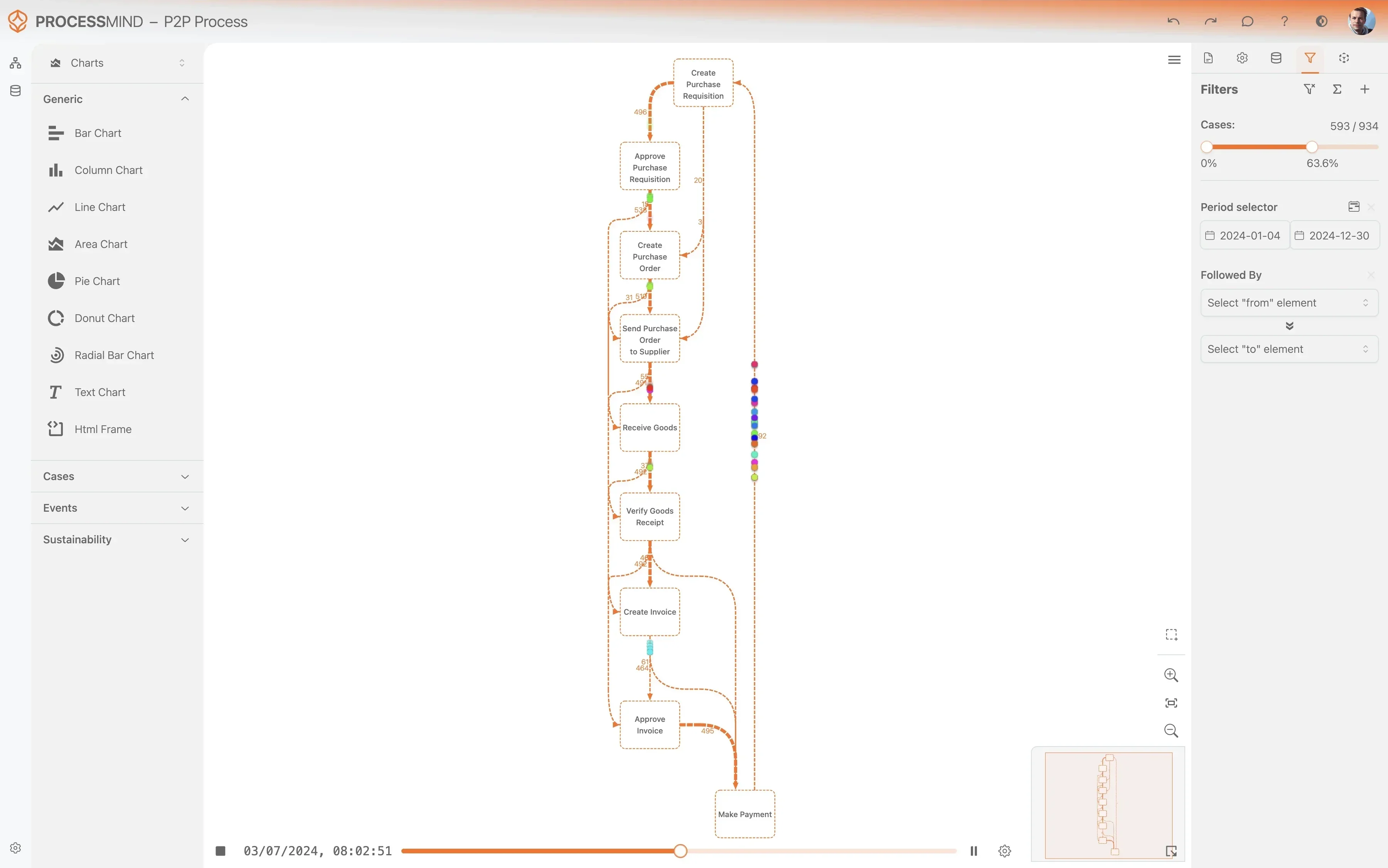
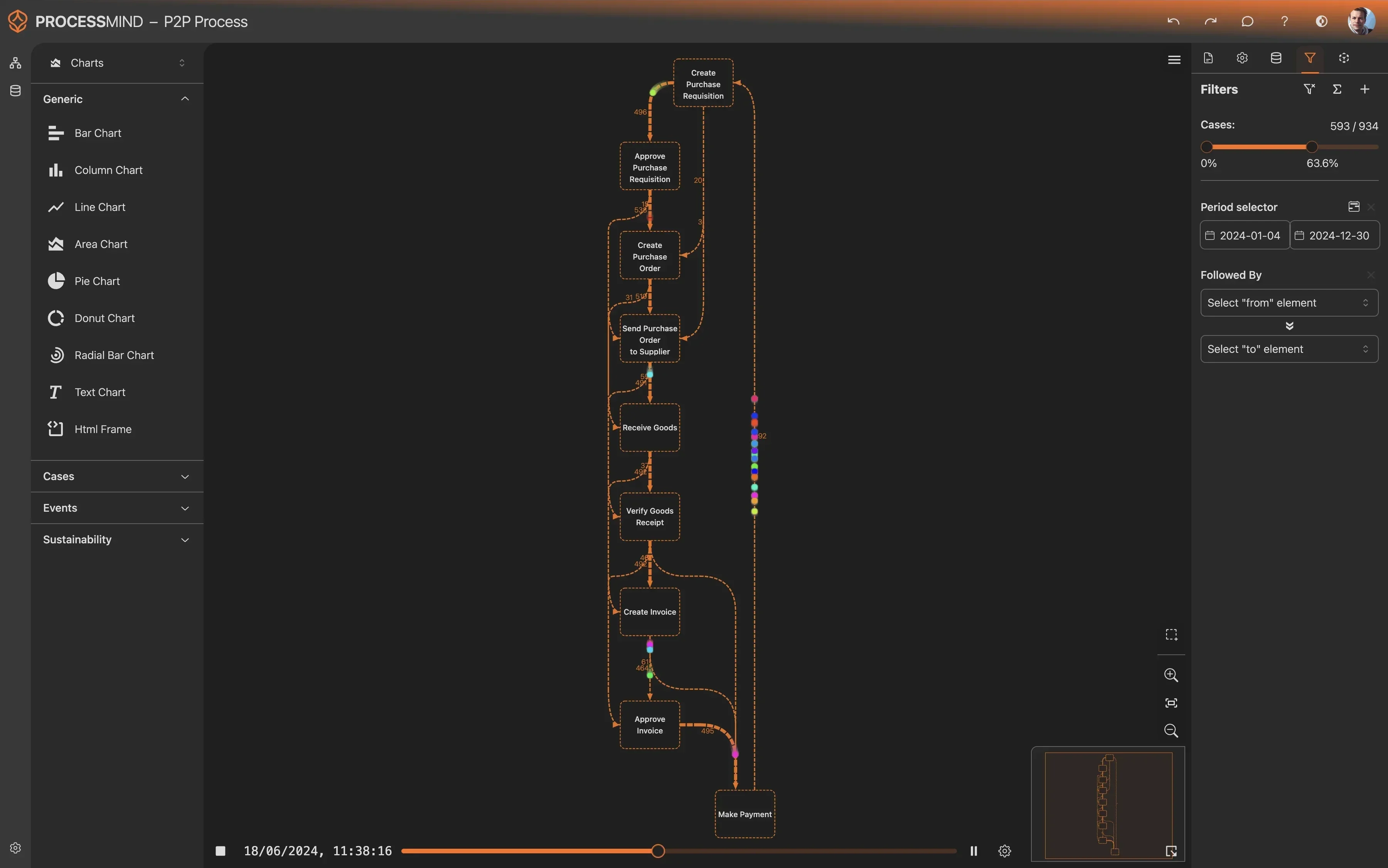
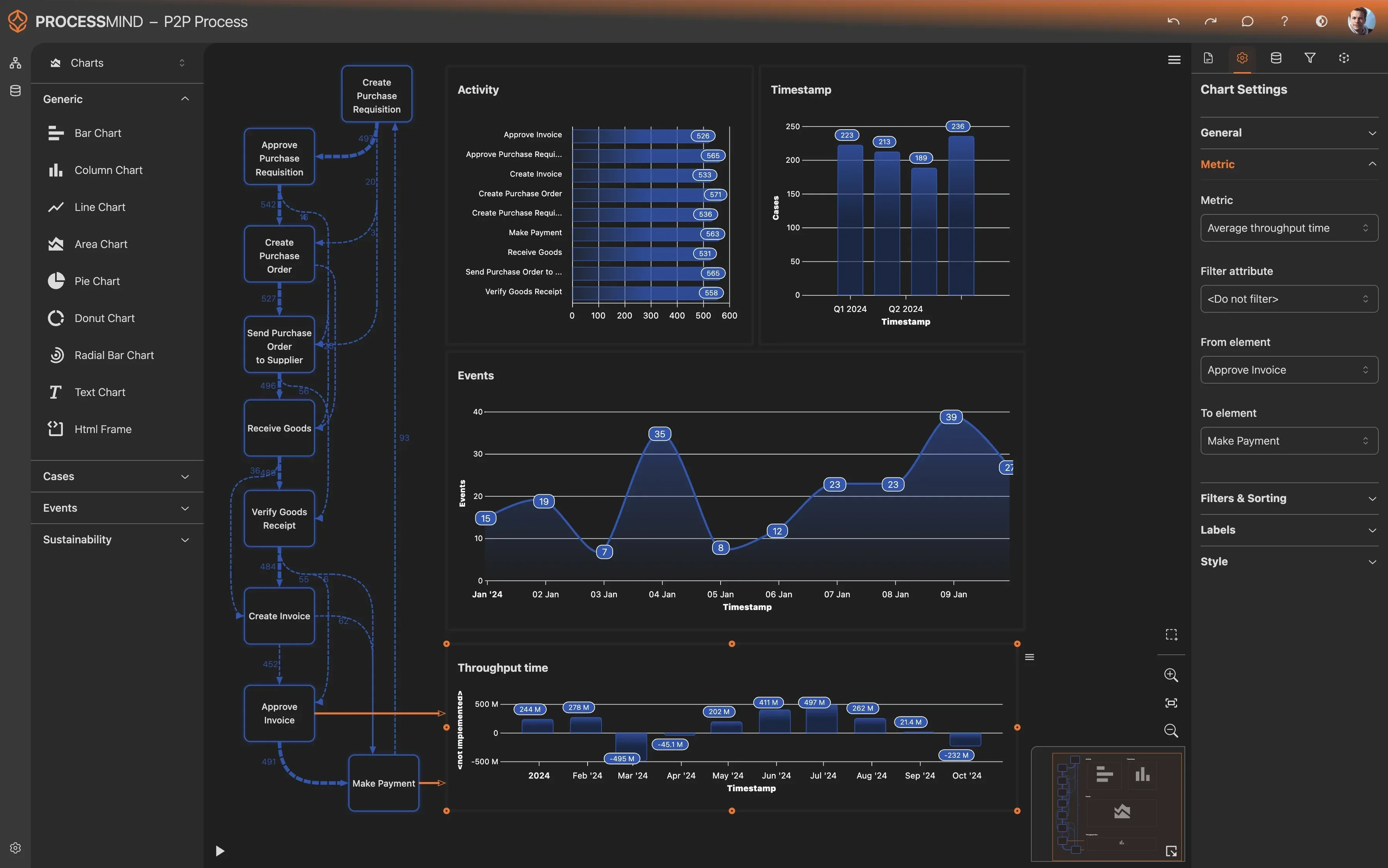
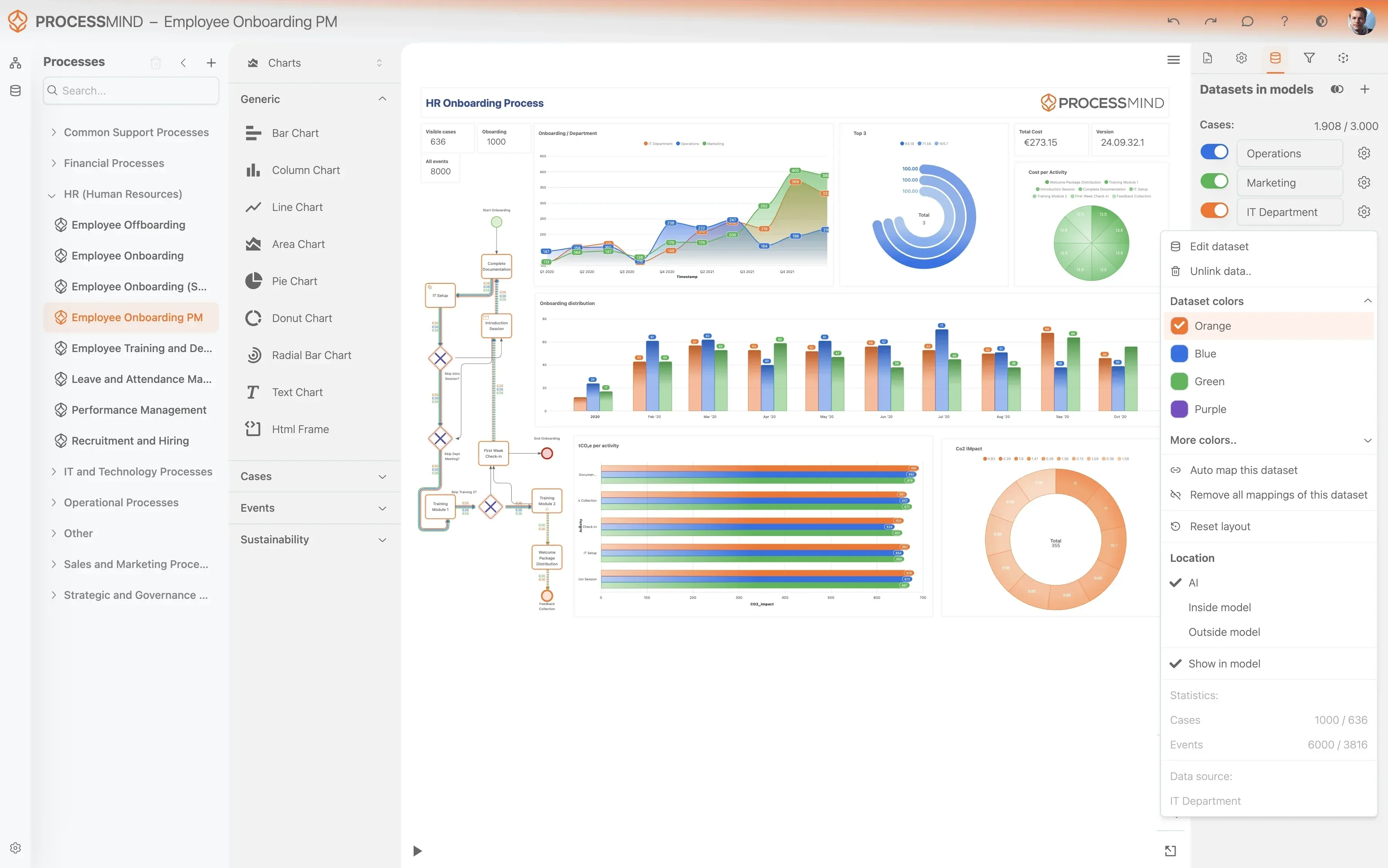
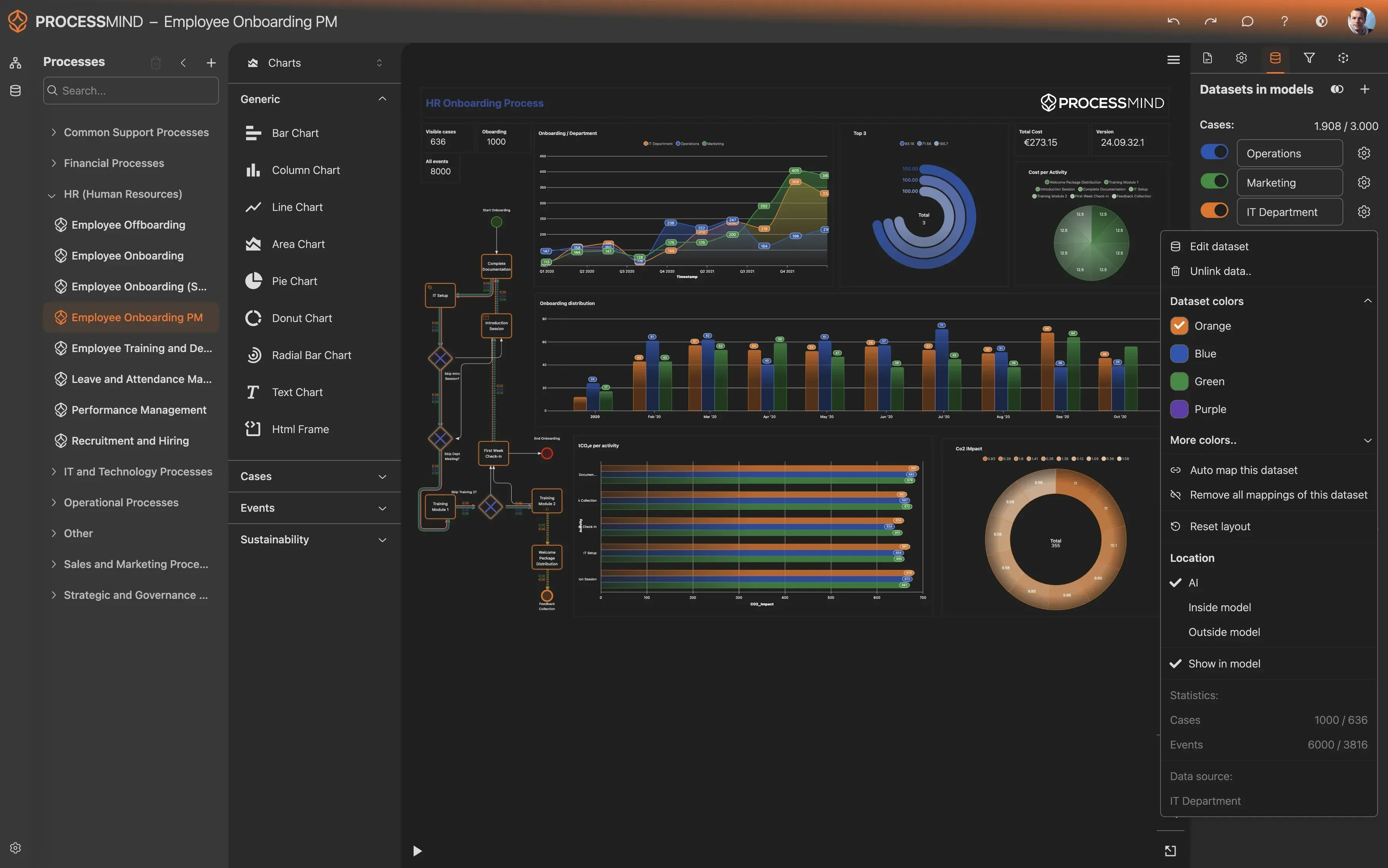
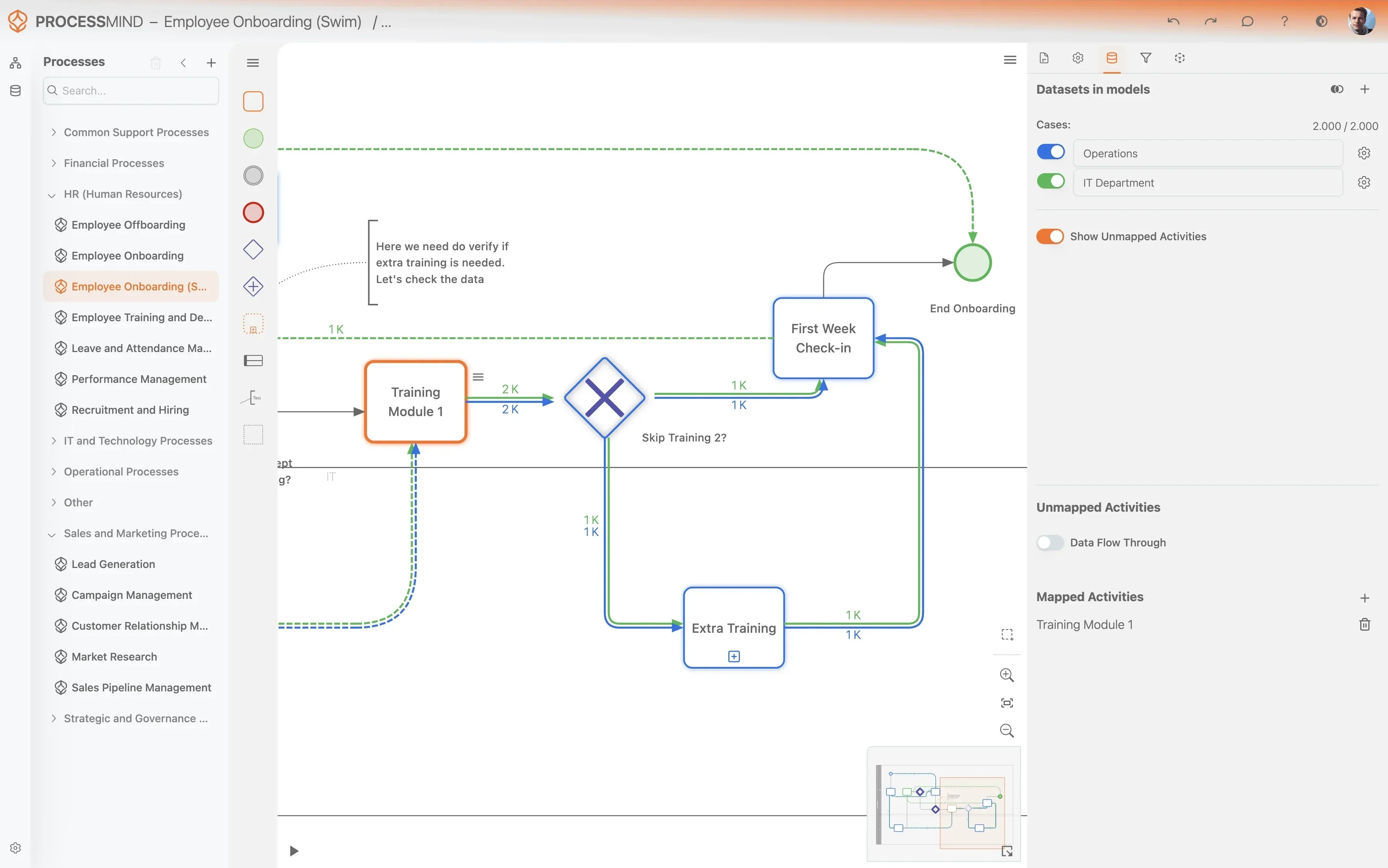
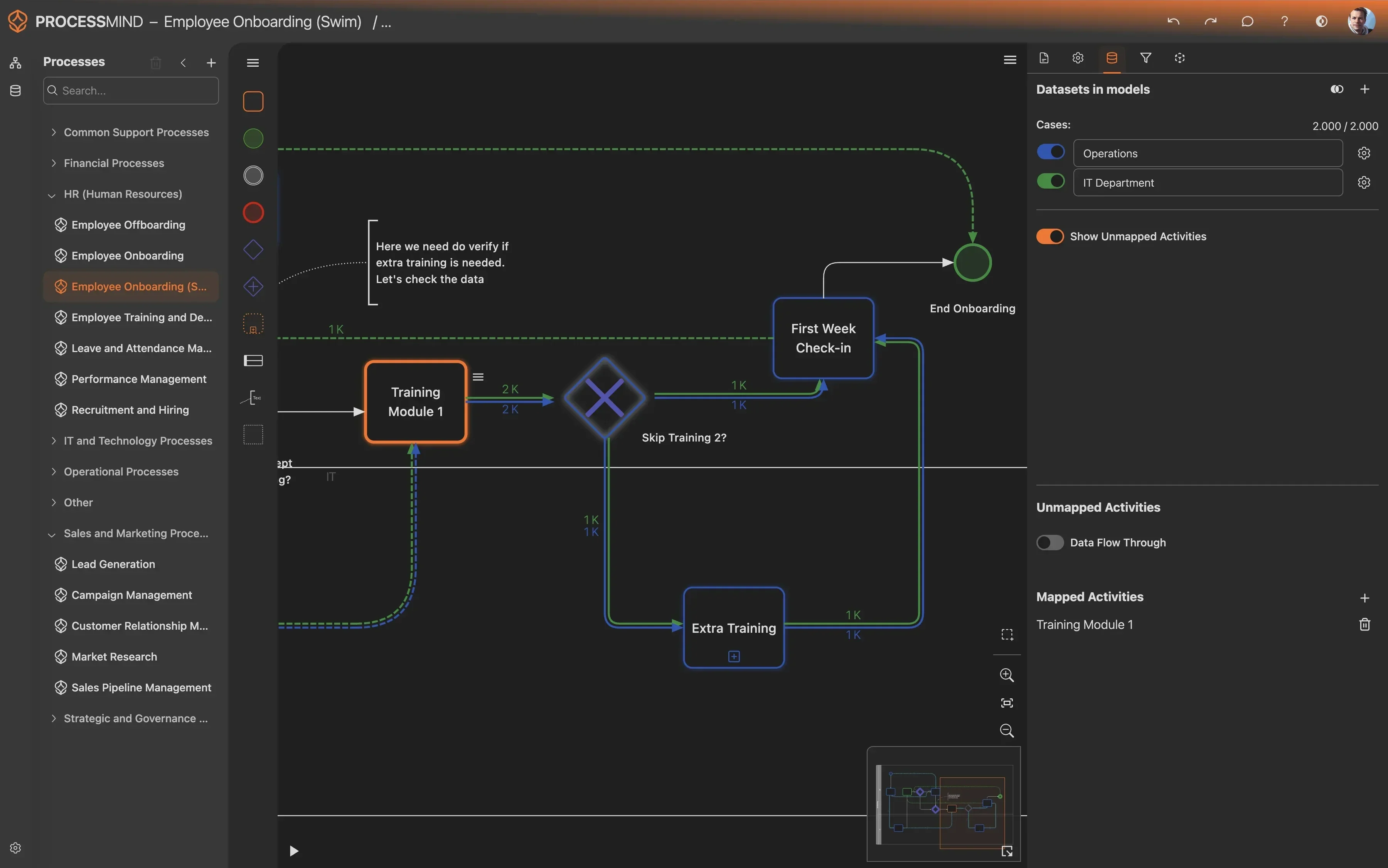
Our platform reveals hidden bottlenecks that delay your payment cycles and impact overall liquidity. By visualizing the actual flow of tasks, you can pinpoint exactly where manual steps or internal delays slow down your operations. This visibility allows you to focus on high-impact improvements that accelerate cash flow.

Download our pre-configured data template and address common challenges to reach your efficiency goals. Follow our six-step improvement plan and consult the Data Template Guide to transform your operations.

Show detailed description

The Strategic Need for Streamlined Accounts Receivable

Effective cash flow management is the lifeblood of any growing enterprise. When you manage your Accounts Receivable within NetSuite, you have a wealth of transactional data at your fingertips, yet many organizations still struggle with high Days Sales Outstanding and unpredictable cash cycles. The cost of inefficiency is not just measured in late payments, but also in the administrative burden placed on your finance team and the missed opportunities to reinvest capital into the business. Optimizing these processes ensures that your organization remains agile and liquid, providing a competitive advantage in a fluctuating economy. Understanding how to improve Accounts Receivable is no longer just a back-office concern, it is a strategic priority for maintaining healthy working capital.

Leveraging Process Mining for NetSuite AR Transparency

While NetSuite provides excellent record keeping through its Invoice, Customer Payment, and Credit Memo records, traditional reporting often hides the complexity of the actual work performed. Process mining bridges this gap by extracting the digital footprints left by your finance team and customers. By analyzing the lifecycle of an invoice from creation through to bank clearing, you can visualize the true sequence of events. This transparency allows you to see where manual interventions occur most frequently, such as repetitive follow-ups or manual payment matching, which are often the hidden drivers of increased cycle time. Instead of relying on anecdotal evidence or monthly averages, you gain a factual foundation for making process improvements based on every single transaction in your system.

Identifying and Removing Operational Bottlenecks

Optimization efforts in the NetSuite environment typically reveal several major areas of friction. One of the most common issues is found within the dispute management process. When an invoice is contested, the time spent in the Dispute Under Review status can stall the entire payment cycle for weeks. Process mining helps you identify the root causes of these disputes, whether they stem from pricing errors, shipping discrepancies, or billing inaccuracies at the point of Invoice Created.

Another significant bottleneck is often found in the bank statement matching phase. Manual reconciliation can create a backlog that prevents you from seeing your true cash position in real time. By identifying which types of payments require the most manual touchpoints, you can refine your automated matching rules within the NetSuite AR module. Additionally, you can evaluate the effectiveness of collection strategies to ensure that Payment Reminders are sent at the most impactful times, reducing the total Accounts Receivable cycle time without increasing the workload on your collection agents.

Achieving Measurable Financial Outcomes

The primary goal of improving your Accounts Receivable process is to reduce the time it takes to convert sales into cash. By streamlining the flow from the initial dispatch to the final Bank Statement Matched activity, you directly influence your organization's liquidity. Improved efficiency also leads to lower operational costs, as your team spends less time on administrative corrections and more time on high-value financial analysis.

Furthermore, a cleaner AR process enhances your customer relationships. Accurate, timely billing and efficient dispute resolution lead to higher customer satisfaction and trust, which are essential for long-term retention. From a compliance perspective, having a clearly mapped and monitored process ensures that internal controls are being followed consistently, reducing the risk of errors or unauthorized credit memos. These measurable benefits contribute to a more predictable and robust financial standing for the entire company.

Initiating Your Process Improvement Strategy

Taking the first step toward optimization does not require a complete overhaul of your existing NetSuite configuration. By using specialized process mining techniques, you can begin to analyze your existing data with precision. Start by focusing on your highest-volume customer segments or the business units experiencing the longest payment delays. As you uncover insights and implement targeted changes, you will create a cycle of continuous improvement that keeps your finance operations lean and effective. The path to a more efficient Accounts Receivable process begins with a commitment to understanding your data and a willingness to act on the hidden opportunities it reveals within your daily operations.

Accounts Receivable Invoice Processing Cash Management DSO Reduction Collections Strategy Financial Operations Credit Control Working Capital Optimization

Common Problems & Challenges

Identify which challenges are impacting you

Invoices often remain unpaid long after their due dates, which traps essential working capital and increases the risk of bad debt. This delay often stems from silent bottlenecks where invoices sit idle without follow-up, negatively impacting the organization liquidity and financial health. When days sales outstanding metrics rise, it indicates a failure to maintain a consistent cash flow through the billing cycle.

ProcessMind analyzes the end to end timeline of every NetSuite invoice to pinpoint exactly where the collection process stalls. By visualizing the path from dispatch to clearing, the platform highlights specific customer segments or regions where payments are consistently lagging, allowing for more targeted intervention strategies.

When customers contest an invoice, the resolution process often gets stuck between departments, leading to significant payment delays. Without clear visibility into the dispute lifecycle, these items remain open for weeks, creating friction with customers and bloating the accounts receivable balance. This lack of coordination between sales and finance departments usually results in prolonged payment cycles.

The platform tracks the transition between dispute opening and resolution within NetSuite, identifying which categories of disputes take the longest to settle. ProcessMind provides the transparency needed to streamline communication between stakeholders and identify the root causes of recurring billing errors to close disputes faster.

High volumes of incoming payments often fail to match automatically with open invoices, requiring manual intervention by the finance team. This manual effort leads to a significant backlog in clearing invoices, meaning your financial reports do not accurately reflect the current cash position. These manual steps introduce human error and prolong the closing process at the end of each month.

By analyzing the activity patterns of payment posting and bank statement matching, ProcessMind identifies the root causes of matching failures. It highlights patterns where partial payments or missing references in NetSuite trigger unnecessary manual rework, enabling teams to automate reconciliation for high-volume transactions.

Sending payment reminders at the wrong intervals or to the wrong contacts often results in them being ignored, which fails to accelerate the payment cycle. Without data on which reminders actually drive action, teams waste effort on automated sequences that do not improve collection rates or customer engagement. This inefficient use of resources can even damage customer relationships if reminders are sent for already paid items.

ProcessMind correlates the timing of reminder activities with subsequent payment events to determine the effectiveness of your collection strategy. This allows users to optimize the NetSuite reminder workflow based on actual customer response data, ensuring that follow-ups occur at the most impactful moments in the invoice lifecycle.

A high frequency of credit memos issued after an invoice has been sent often indicates underlying issues with billing accuracy or order fulfillment. These adjustments not only reduce the total revenue collected but also create additional administrative overhead for the accounts receivable team. Recurring adjustments signal a lack of process integrity in the upstream sales and invoicing stages.

ProcessMining reveals the frequency and triggers of credit memo creation relative to the original invoice date. By identifying the common attributes of adjusted invoices, ProcessMind helps teams address the root causes of billing errors within the NetSuite environment, ultimately reducing the need for post-billing corrections.

Invoices that are created but not immediately sent to the customer represent an avoidable delay in the payment clock. This gap often occurs due to internal review processes, system sync issues, or manual batching delays, effectively giving customers extra credit time for free. This delay directly extends the time it takes to convert sales into actual cash.

The platform measures the specific duration between the invoice created and invoice dispatched activities. ProcessMind exposes these internal lags, enabling managers to ensure that every invoice generated in NetSuite reaches the customer without unnecessary friction, effectively jumpstarting the payment window.

Collectors often reach agreements with customers who fail to follow through on their promised payment dates. Without a way to systematically track these broken promises, the accounts receivable team cannot prioritize high-risk accounts effectively, leading to further payment slippage and increased risk of write-offs. Tracking these commitments manually is often error-prone and time-consuming.

ProcessMind tracks the promise to pay received activity and compares it against the actual payment posted date. This visibility allows teams to identify chronic offenders and adjust credit strategies for customers who consistently fail to honor their commitments in NetSuite, allowing collectors to focus on the most problematic accounts.

Customers who pay invoices in multiple small increments create a significant administrative burden, as each fragment must be matched and reconciled. This fragmented approach extends the total lifecycle of the invoice and complicates the monitoring of outstanding balances. It often leads to confusion regarding remaining amounts and increases the likelihood of reconciliation errors.

By mapping the sequence of multiple partial payment posted activities, ProcessMind quantifies the true cost and duration of fragmented settlements. This data helps organizations steer customers toward more efficient payment behaviors and simplifies the NetSuite reconciliation process by highlighting which accounts frequently use partial payments.

Sales representatives might offer non-standard payment terms that do not align with company policy, or customers may simply ignore their assigned terms. This inconsistency makes cash flow forecasting difficult and can lead to unfair advantages for certain customer segments. Lack of enforcement regarding agreed-upon terms undermines the financial discipline of the organization.

ProcessMind compares the actual payment duration against the payment terms attribute stored in NetSuite. By identifying where the gap between due date and payment date is widest, the platform highlights where credit policy enforcement is failing, enabling finance leaders to tighten controls and standardize payment expectations.

High-value invoices often undergo more rigorous scrutiny or complex dispute processes, which can lead to significant amounts of capital being held up. When these large items are stalled, the impact on the company's overall cash position is disproportionately high. Identifying these major blockers is essential for maintaining healthy liquid reserves.

The platform allows you to filter the process flow by invoice total amount to see if high-value cases follow a different, more obstructed path. ProcessMind helps prioritize the resolution of these critical items to maximize working capital recovery and ensure that the largest receivables are not ignored in the general queue.

Productivity and effectiveness can vary significantly between different collection agents or business units, leading to uneven results across the department. Without a clear view of the end to end process, it is difficult to identify which strategies are working and which teams need more support or training. This variance results in unpredictable collection cycles.

By using the collection agent attribute, ProcessMind provides a transparent view of the process flow managed by different individuals. This allows managers to identify best practices and standardize the most effective collection steps across the entire NetSuite AR department, ensuring a high level of performance across the board.

Even after a payment is received, there is often a delay before it is fully cleared and matched against the bank statement. This final step is crucial for accurate financial reporting, yet it is often plagued by delays that keep the invoice in an open status longer than necessary. Until clearing is complete, the cash is not fully recognized in the financial ledger.

ProcessMind tracks the time from full payment received to bank statement matched. By isolating this final phase of the NetSuite accounts receivable process, the platform identifies technical or procedural hurdles that prevent the immediate closure of settled invoices, improving the speed and accuracy of financial reporting.

Typical Goals

Define what success looks like

Reducing the time it takes to collect payments directly impacts liquidity and working capital. This goal focuses on shortening the interval between invoice issuance and final settlement, ensuring that cash remains available for reinvestment rather than sitting in accounts receivable. By lowering these cycles, organizations can decrease their reliance on external financing and improve overall financial health.

ProcessMind visualizes the end to end journey of NetSuite invoices to identify specific stages where delays occur. By analyzing historical payment patterns and customer segments, the platform highlights bottlenecks in the collection cycle, allowing teams to implement targeted interventions that lower the time to collect. This data driven approach ensures that resources are focused on the stages with the highest potential for time savings.

Unresolved disputes act as significant barriers to cash flow and often lead to strained customer relationships. Shortening the time spent in dispute statuses ensures that issues are addressed promptly, preventing aging invoices from becoming uncollectible debts. Efficient resolution also improves the customer experience by demonstrating a commitment to accuracy and responsive service.

Using process mining, organizations can track the lifecycle of dispute cases within NetSuite. ProcessMind identifies common causes for disputes and highlights cases that exceed standard resolution times, enabling management to streamline internal handoffs and resolve disagreements faster. This transparency allows for the optimization of the entire dispute management workflow from initial claim to final resolution.

Manual reconciliation is a labor intensive process that delays the closing of financial periods and increases the risk of error. Increasing the rate of automated matching between payments and invoices ensures that the ledger reflects the true financial position in real time. High automation rates free up finance staff to focus on high value analysis rather than repetitive data entry.

ProcessMind analyzes the path from payment receipt to bank clearing to detect why certain transactions fail to match automatically. By surfacing these patterns, users can refine their NetSuite configuration and data entry practices to maximize straight through processing rates. This analysis helps identify common data discrepancies that prevent the system from matching records without human intervention.

Strategic timing of reminders is critical for maintaining healthy cash flow without damaging customer rapport. Aligning reminders with specific customer payment behaviors ensures that collection efforts are both effective and efficient, reducing the need for aggressive follow ups. Well timed communications can significantly improve the probability of on time payments.

By mapping every reminder activity against actual payment dates, ProcessMind determines which sequences yield the fastest results. This data driven approach allows for the creation of customized communication tracks in NetSuite that are tailored to the risk profile of each customer segment. Organizations can then automate these optimized schedules to ensure consistent and effective follow up activity.

Frequent credit memos often indicate underlying issues with billing accuracy or service delivery that erode profit margins. Reducing the reliance on these adjustments preserves revenue and decreases the administrative burden associated with correcting invoices. A lower frequency of credit memos signifies a more accurate and reliable billing process.

ProcessMind tracks the conditions and activities that lead up to a credit memo being issued in NetSuite. By identifying root causes, such as recurring pricing errors or shipping delays, organizations can implement preventive measures to ensure invoices are correct the first time. This analysis helps teams shift from reacting to errors to proactively improving the upstream billing stages.

Any delay between the creation of an invoice and its dispatch to the customer creates an immediate lag in the payment cycle. Ensuring that invoices are sent out immediately upon creation minimizes the lead time and sets a standard for prompt payment. Accelerating this step is one of the simplest ways to shorten the overall cash conversion cycle.

Process mining provides transparency into the internal approval and dispatch steps within the NetSuite accounts receivable module. ProcessMind identifies technical or procedural friction that holds back invoices, helping teams achieve a near instantaneous transition from invoice creation to customer delivery. This ensures that the clock on payment terms starts ticking as soon as the goods or services are delivered.

When customers commit to a payment date, the organization relies on that projection for cash forecasting. Increasing the percentage of fulfilled promises improves the accuracy of financial planning and reduces the need for redundant collection activities. High fulfillment rates indicate an effective and respected collection process.

ProcessMind monitors the transition from a promise to pay activity to the final payment posting in NetSuite. By identifying which customer types or collection agents have the highest fulfillment rates, management can refine their negotiation strategies and follow up protocols. This insight helps ensure that promises made by customers are realistic and consistently followed through to completion.

Inconsistent handling of partial payments can lead to fragmented records and confused customers. Standardizing this process ensures that all payments are correctly applied to the relevant invoices, maintaining a clean aging report and reducing manual reconciliation. Consistency in this area supports better reporting and more accurate customer statements.

The platform maps the variations in how partial payments are processed across different business units. ProcessMind highlights non standard workflows that cause delays, enabling the implementation of a unified best practice approach within the NetSuite environment. This standardization reduces the time spent by accounting teams manually reconciling split payments and open balances.

Unauthorized deviations from credit terms can lead to significant financial risk and loss of interest revenue. Enforcing strict adherence to terms ensures that the organization is not unintentionally providing interest free loans to customers beyond the agreed period. Strong term enforcement is essential for maintaining a predictable cash flow.

ProcessMind compares actual payment durations against the formal payment terms stored in NetSuite. This analysis reveals specific customers or segments that consistently ignore terms, allowing credit managers to adjust limits or terms based on real world compliance data. Identifying these outliers enables more targeted credit management and risk mitigation strategies.

Focusing collection efforts on large invoices has the most immediate impact on total cash availability. A prioritized approach ensures that high value assets are not tied up in lengthy administrative cycles while smaller invoices take precedence. This strategy maximizes the return on effort for the collection team.

By categorizing the invoice flow by total amount, ProcessMind helps teams visualize where the most capital is currently trapped. This visibility allows managers to reallocate resources to the most critical accounts, ensuring that high value disputes and payments are resolved first. Focusing on these high impact cases ensures that the accounts receivable balance is reduced in the most efficient manner possible.

Inconsistent performance among collection agents can lead to uneven cash flow and unpredictable aging reports. Normalizing efficiency ensures that all accounts receive a high standard of attention, regardless of which agent is assigned. This leads to a more balanced workload and more reliable collection outcomes across the entire department.

ProcessMind benchmarks the activities and outcomes of different collection agents within NetSuite. By surfacing the techniques and sequences used by top performers, the organization can train the entire team to follow the most effective paths for resolving outstanding balances. This objective analysis helps identify which behaviors lead to faster payments and fewer disputes.

The final step of the accounts receivable process, moving from payment received to bank clearing, is often overlooked but essential for liquidity. Shortening this cycle ensures that funds are actually available in the corporate accounts as quickly as possible. Faster clearing improves the real time accuracy of cash position reporting.

Process mining tracks the time elapsed between the receipt of a payment in NetSuite and the final clearing activity. ProcessMind identifies specific banks, regions, or payment methods that cause delays, providing the data needed to optimize banking relationships and internal clearing procedures. This allows the organization to focus on the most efficient payment channels to accelerate cash availability.

6 Steps to Optimize NetSuite Accounts Receivable

1

Download the AR Template

What to do

Obtain the specialized Excel template designed for NetSuite data structures to ensure your invoice and payment records are formatted correctly.

Why it matters

Starting with a standardized template guarantees that your data maps perfectly to the process mining engine for accurate analysis.

Expected outcome

A ready-to-use template for your NetSuite financial records.

YOUR DISCOVERIES

Visualize Your Path to Faster Cash Collection

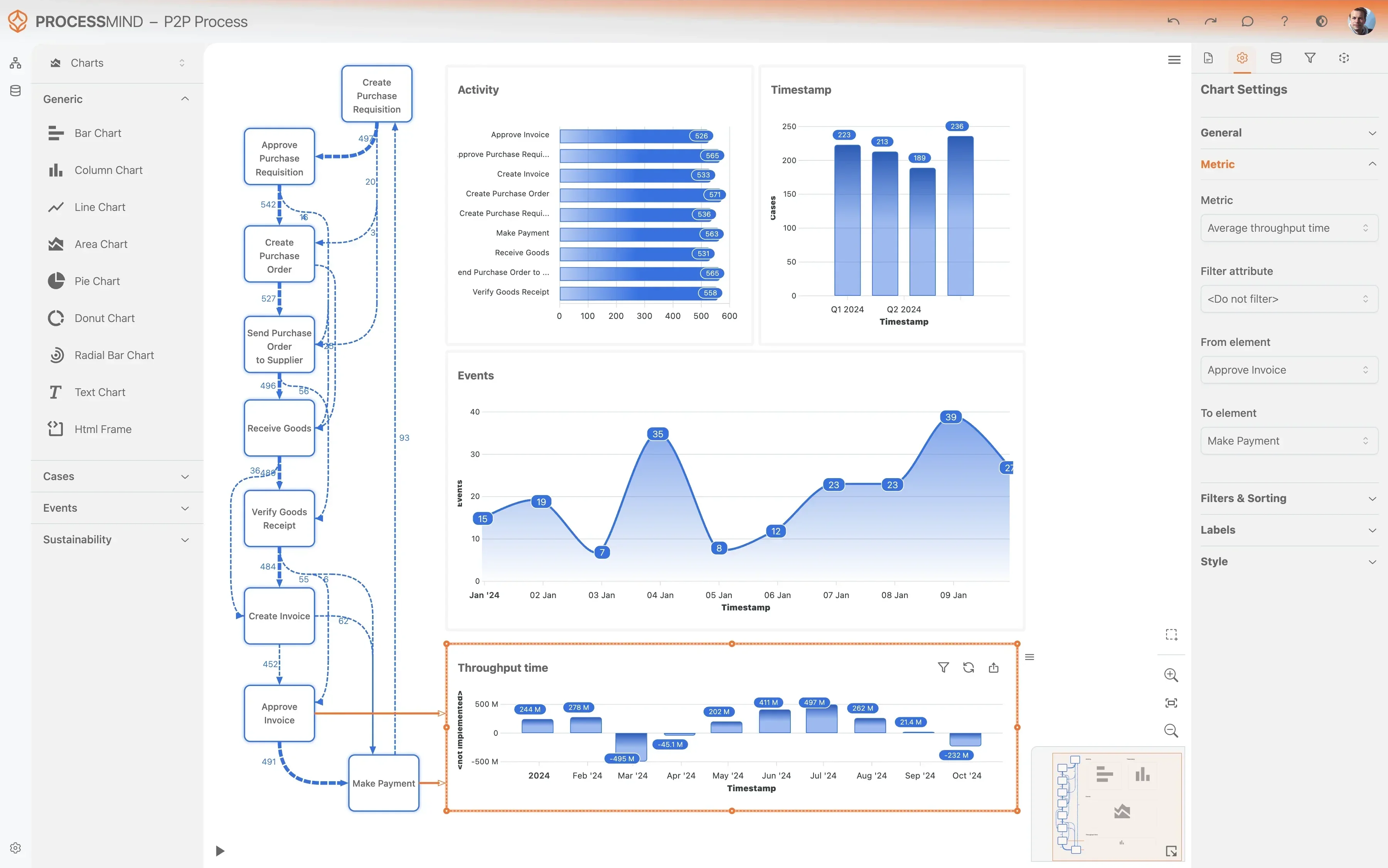
ProcessMind provides a transparent view of your entire invoice lifecycle, from generation to final payment. You will uncover precisely where manual intervention slows down your NetSuite workflows.
  • Map your end to end invoice lifecycle
  • Spot specific delays in payment matching
  • Identify root causes of billing disputes
  • Monitor DSO performance in real time
Discover your actual process flow
Identify bottlenecks and delays
Analyze process variants
Design your optimized process

PROVEN OUTCOMES

Strategic Gains in NetSuite Accounts Receivable Processes

By tracking the complete lifecycle of every invoice number, teams identify hidden friction points that delay payments. These benchmarks highlight the standard improvements seen when organizations move from manual oversight to data driven process management.

0 %
Lower Days Sales Outstanding

Average reduction in DSO

Organizations identify bottlenecks in the invoice to cash cycle, allowing them to collect payments faster and significantly improve working capital.

0 %
Automated Bank Matching

Increase in no-touch clearing

By streamlining the bank statement matching process in NetSuite, teams eliminate manual reconciliation and reduce the cost of processing each invoice.

0 %
Rapid Dispute Resolution

Improvement in resolution speed

Accelerating the timeline from dispute opening to resolution unlocks stalled cash flow and creates a better experience for customers.

0 %
Reduced Credit Memos

Decrease in issuance frequency

Identifying the root causes of billing errors leads to fewer credit memos, which ensures higher billing accuracy and better compliance.

0 %
Optimized Collection Timing

Better promise fulfillment

Data-driven reminder schedules ensure that collection agents prioritize high value invoices and follow up at the most effective moments.

0 days
Shorter Clearing Cycles

Reduction in bank clearing time

Minimizing the gap between payment receipt and final bank clearing provides a more accurate and real-time view of financial health.

Results vary based on process complexity and data quality. These figures represent typical improvements observed across implementations.

FAQs

Frequently asked questions

Process mining tools typically connect to NetSuite using SuiteTalk REST or SOAP APIs to extract transaction headers and system notes. By tracking the Invoice Number as a unique case ID, the software reconstructs every event from invoice creation to final bank clearing.

The primary data sources include the Transaction and Transaction Line tables, specifically focusing on Invoice, Payment, and Credit Memo types. We also pull from the System Notes table to capture timestamps for status changes and approvals which reveals the true timeline of the process.

The tool visualizes the exact path of every invoice to pinpoint where delays occur, such as long gaps between fulfillment and billing. It highlights specific bottlenecks like slow dispute resolutions or manual matching hurdles that directly inflate your DSO metrics.

Once the initial data extraction is configured and mapped, you can typically see a full visualization of your AR process within a few days. The most time consuming part is usually defining the business logic for custom status changes unique to your organization.

By identifying manual matching patterns that slow down bank statement clearing, you can target specific areas for automation. Most organizations aim to increase their automated matching rates significantly by removing the friction points discovered during the mining process.

The analysis uses the Invoice Number to link multiple payment events or dispute records to a single transaction chain. This allows you to see how partial payments impact the total lifecycle and identify which collection strategies are most effective for resolving disputed amounts.

No internal installation is usually required, as most process mining platforms use a connector to pull data into an external analytics engine. You simply need to provide an integration user with the appropriate permissions to read transaction and history records.

The software compares the actual sequence of events against your predefined credit policies to flag instances where terms were bypassed. It provides a clear audit trail of who authorized these deviations and how they affected subsequent collection performance.

Process mining complements standard reporting by providing a longitudinal view of transactions that standard NetSuite saved searches cannot easily replicate. While NetSuite tells you your current balance, process mining tells you the story of how that balance moved through various stages and why it stalled.

Accelerate Your NetSuite Accounts Receivable Cycle Now

Reduce your DSO by 15 to 20 days and close cash flow gaps today.

Start Your Free Trial

No credit card required, setup in 5 minutes