Improve Your Problem Management

Optimize Jira Service Management with our 6-step guide
Improve Your Problem Management

Optimize Problem Management in Jira Service Management Flow

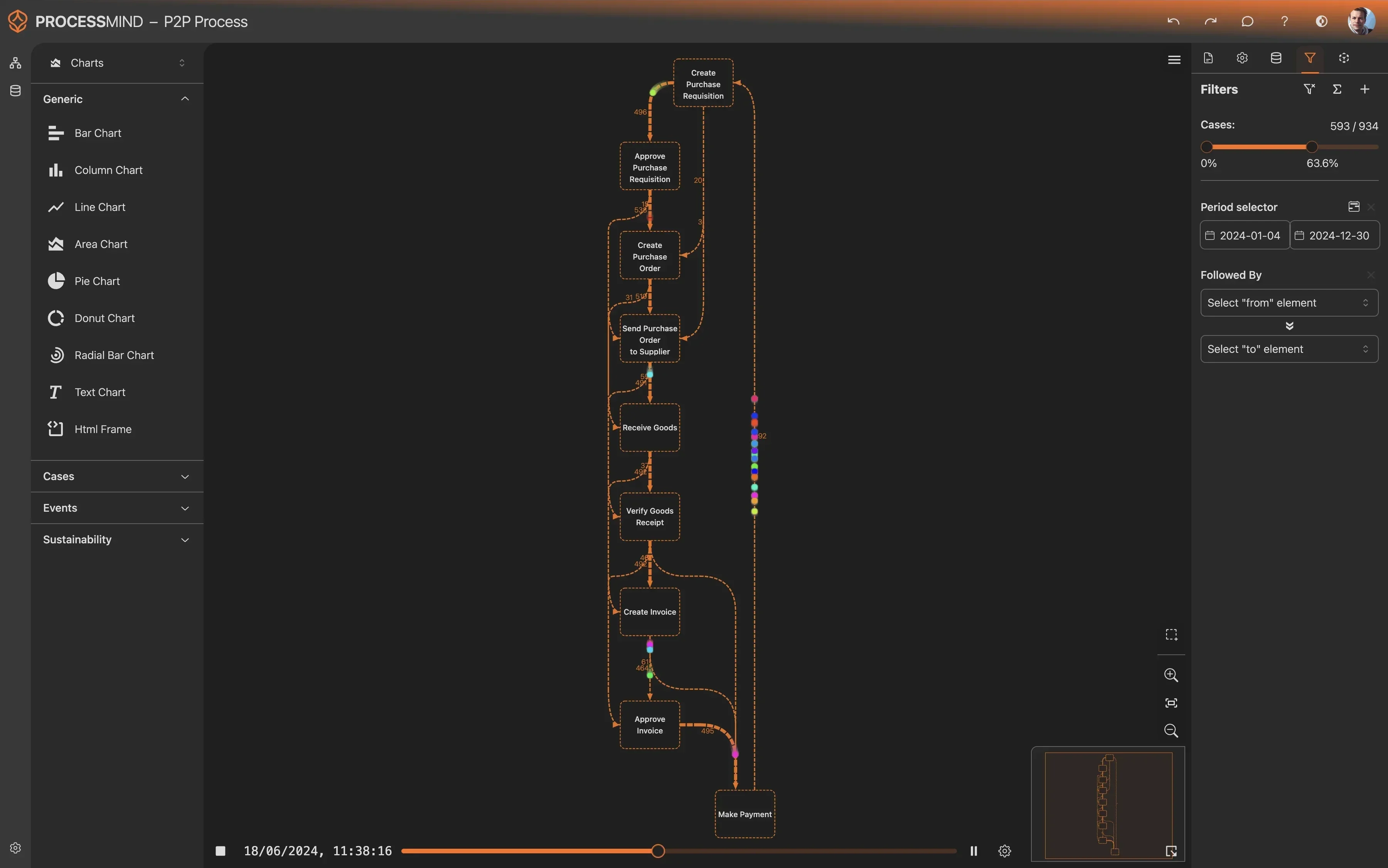
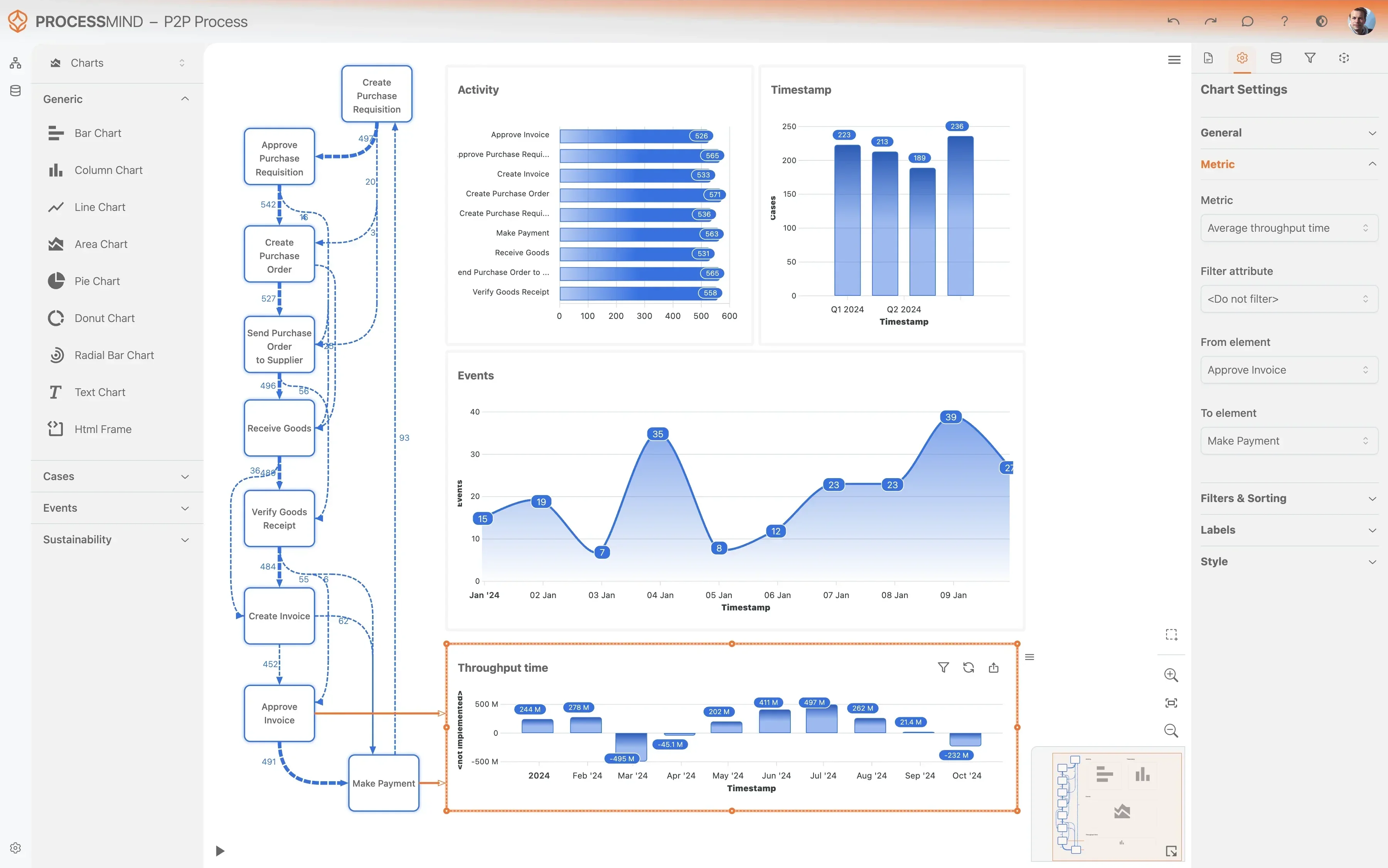
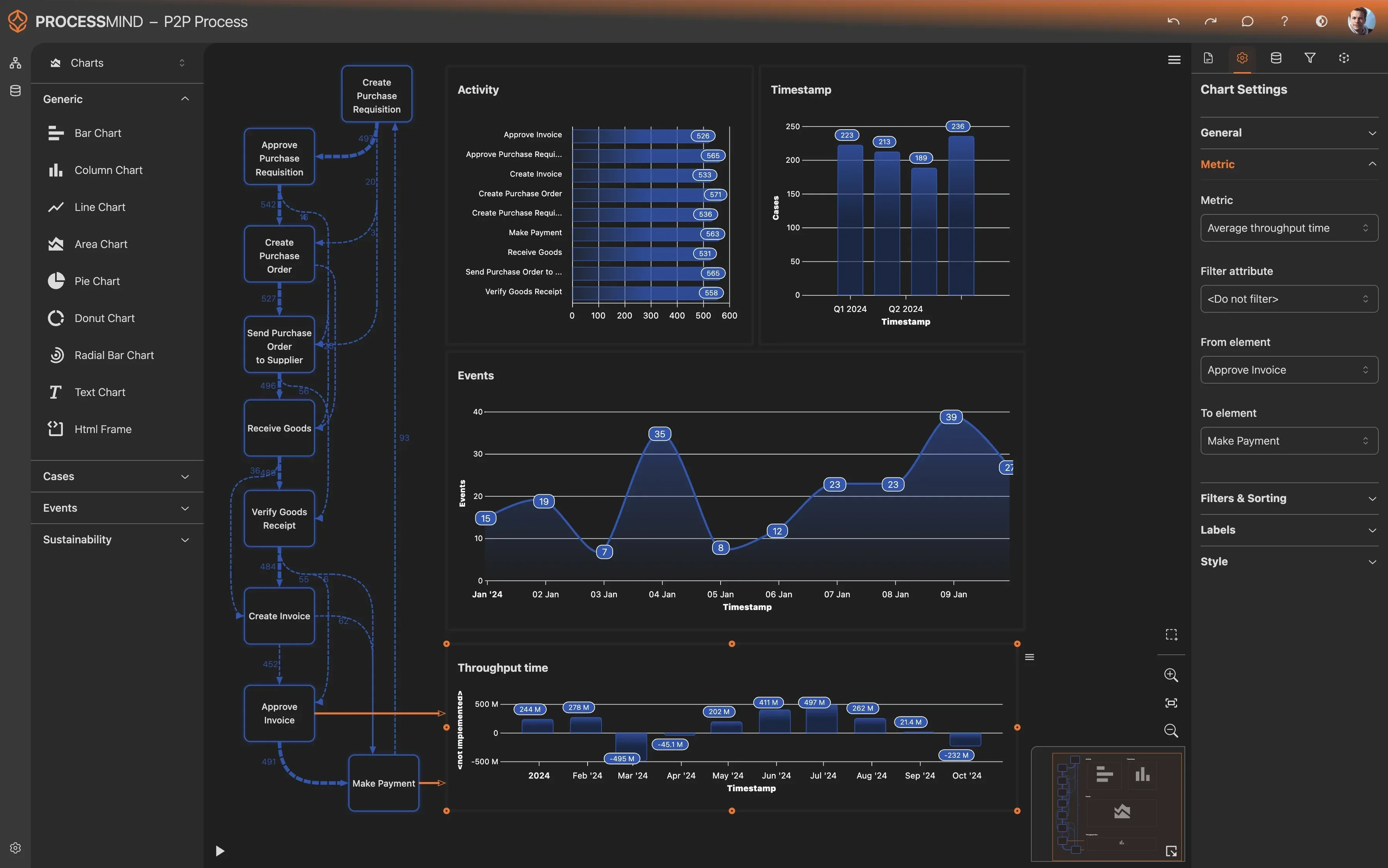
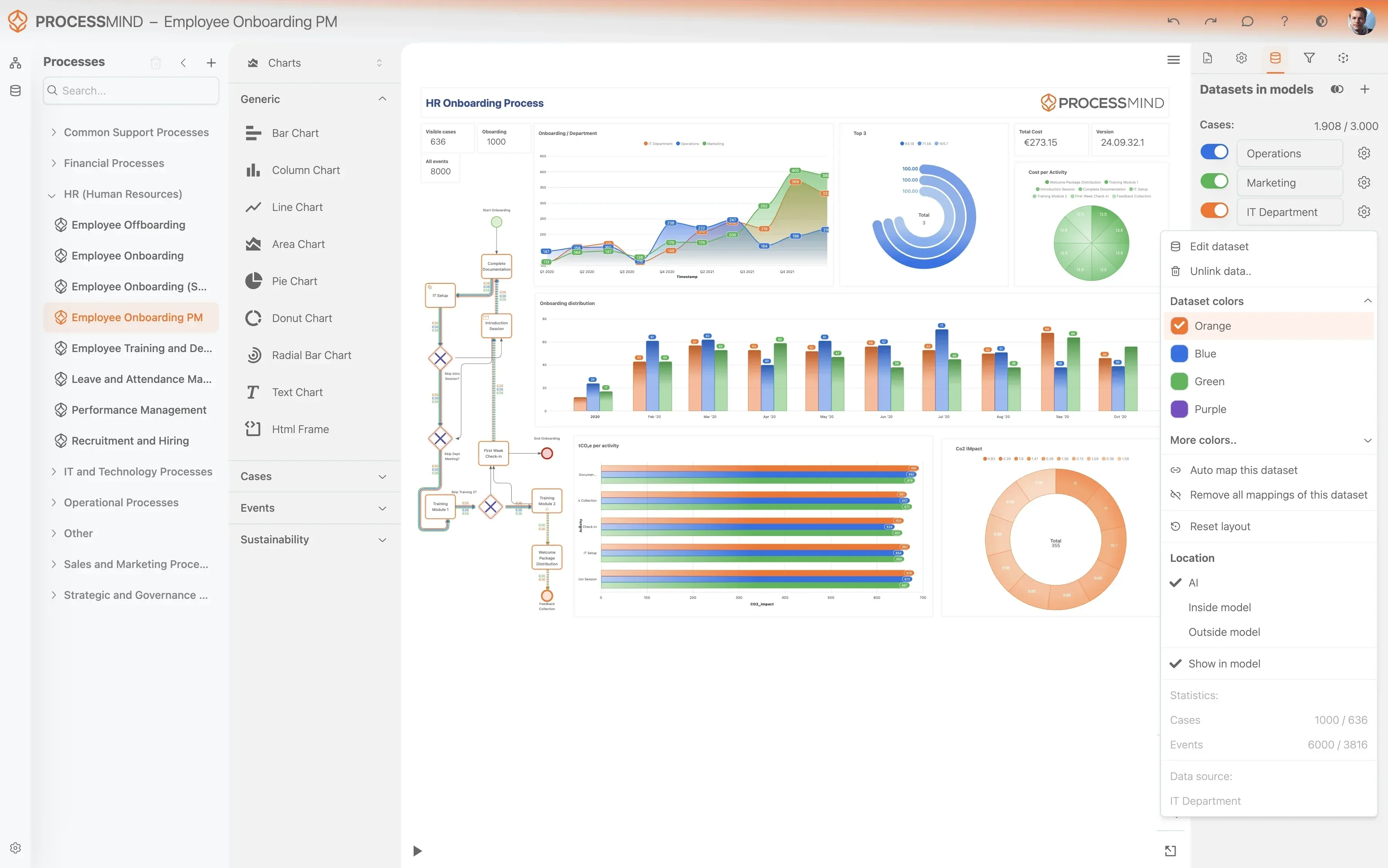
Process mining allows your organization to uncover hidden bottlenecks that delay resolution and increase operational costs. Our platform highlights unnecessary process loops and idle times that prevent teams from achieving optimal performance. By visualizing your actual workflows, you can make informed decisions to streamline operations and ensure long-term stability.

Download our pre-configured data template and address common challenges to reach your efficiency goals. Follow our six-step improvement plan and consult the Data Template Guide to transform your operations.

Show detailed description

Transforming Problem Management from Reactive to Proactive

In many IT organizations, Problem Management is often overshadowed by the immediate urgency of Incident Management. While incidents focus on restoring service as quickly as possible, Problem Management is the strategic engine that prevents those incidents from happening again. Optimizing this process within Jira Service Management is essential because it directly impacts the long-term stability of your IT environment. When Problem Management is inefficient, technical teams find themselves trapped in a cycle of firefighting, resolving the same issues repeatedly without ever addressing the underlying cause. By focusing on process optimization, you move your team away from this reactive stance and toward a proactive model that identifies systemic weaknesses before they escalate into major outages.

Visualizing the Problem Lifecycle with Process Mining

Process mining provides a lens through which you can view the actual execution of your Problem Management workflow, rather than relying on how the process was designed on paper. Jira Service Management captures a wealth of data every time a Problem record is updated, assigned, or transitioned. Process mining technology takes these digital footprints and reconstructs the end to end journey of every record. This allows you to see the reality of how root cause investigations are handled. You can pinpoint exactly where a record stalls, whether it is waiting for an assignment to a specialist support group or lingering in a state of investigation for weeks. This level of visibility is crucial for identifying the silent delays that traditional reporting often misses, such as the time spent waiting for a Change Request to be approved or the duration of a Post Implementation Review.

Identifying Latency and Process Deviations in JSM

One of the most significant advantages of applying process mining to Jira Service Management is the ability to detect where the process deviates from your standard operating procedures. In a complex IT environment, Problem records often take unexpected paths. You might find that some records bypass the Workaround Published stage entirely, leaving the service desk without a temporary fix while a permanent solution is being engineered. Other records might cycle back and forth between technical teams, suggesting a lack of clarity in ownership or insufficient information during the handoff. By analyzing these patterns, you can identify specific bottlenecks in the lifecycle. For instance, if the transition from Root Cause Identified to Proposed Solution Drafted consistently takes longer than expected, it may indicate a resource constraint or a need for better documentation standards within certain technical silos.

Achieving Tangible Gains in IT Service Stability

Improving the efficiency of your Problem Management process leads to measurable benefits across the entire organization. When you reduce the cycle time for resolving problems, you directly decrease the volume of recurring incidents, which in turn lowers the operational costs associated with your service desk. Process mining allows you to set clear benchmarks for performance, such as the average time to identify a root cause or the effectiveness of published workarounds. Furthermore, optimizing these workflows ensures better compliance with internal service level targets and external regulatory requirements. As your technical teams become more efficient at implementing permanent fixes, the overall reliability of your IT services increases, leading to higher levels of satisfaction for both employees and customers. You gain the ability to allocate your most skilled resources to high value innovation projects rather than repetitive troubleshooting.

Taking the Next Step Toward Operational Excellence

Getting started with process mining for Problem Management does not require a complete overhaul of your existing systems. By leveraging the data already stored within Jira Service Management, you can quickly gain insights into your current performance and identify the highest impact areas for improvement. The goal is to create a culture of continuous improvement where data drives decision making. Use the insights gained from our templates to guide your technical teams, refine your workflows, and ensure that every Problem record is handled with the appropriate level of urgency and precision. As you begin to visualize your processes, you will discover that even small adjustments to how tasks are assigned or how information is shared can lead to significant improvements in service stability and team productivity.

Problem Management IT Service Management Root Cause Analysis Incident Prevention ITSM Strategy Service Desk Operations

Common Problems & Challenges

Identify which challenges are impacting you

Investigations often stall as teams wait for technical experts or diagnostic data. These delays increase the risk of recurring incidents, which leads to higher support costs and decreased user satisfaction across the organization. ProcessMind tracks the time between the investigation commencement and root cause identification in Jira Service Management. By visualizing the process flow, you can pinpoint specific support groups where investigations typically get stuck and reallocate resources accordingly.

When critical incidents occur, the delay in publishing a workaround leaves the service desk without a temporary fix. This results in prolonged downtime for end-users and a surge in redundant support tickets for the same underlying issue. Our platform monitors the transition from problem logging to workaround publication. You can identify patterns where workarounds are delayed, allowing you to optimize the knowledge management workflow and ensure temporary fixes reach the service desk faster.

Bouncing a problem record between multiple technical teams creates confusion and fragmentation of knowledge. Every handoff adds significant idle time, extending the overall lifecycle and delaying the implementation of a permanent fix. By analyzing assignment attributes in Jira Service Management, ProcessMind reveals the ping-pong effect between groups. You can see which teams are frequently involved in handovers and streamline the escalation path to ensure the right experts are involved sooner.

Identifying the root cause is only half the battle. Many problem records sit idle once the cause is known because no one initiates the next steps, such as drafting a solution, which leaves the infrastructure vulnerable for longer than necessary. We track the duration between root cause identification and the initiation of a change request. ProcessMind highlights these bottlenecks, enabling coordinators to push for immediate action and ensure that identified risks are mitigated before they cause more incidents.

Skipping the post-implementation review prevents teams from learning from major failures. This lack of formal closure means similar problems are likely to recur, as the organization fails to document lessons learned or verify the effectiveness of the fix. ProcessMind audits the activity logs to see how often the post-implementation review activity is bypassed or significantly delayed. This visibility helps you enforce compliance with ITIL standards and ensures that every major problem contributes to long-term service improvement.

Even after a permanent fix is applied, a delay in the resolution verification step can lead to premature closure. Without formal verification, the business risks assuming an issue is resolved when the underlying instability persists, leading to future service failures. Our analysis measures the lead time from the permanent fix application to the final verification. By identifying teams that consistently skip or delay this step, you can improve the reliability of your IT services and reduce the chance of failed changes.

A growing backlog of open problem records suggests that the team is overwhelmed or that the process is inefficient. This backlog creates technical debt, where unresolved issues continue to trigger incidents and drain valuable service desk resources. ProcessMind provides a clear view of the intake versus closure rates within Jira Service Management. You can identify which categories or priority levels are contributing most to the backlog, allowing for data-driven decisions on where to focus remediation efforts.

The transition from a problem record to an active change request is often a source of friction. Delays here mean that even when a solution is known, the fix is not implemented, leaving the organization exposed to known risks for weeks. By linking problem records with change request activities, ProcessMind exposes the lag in the handoff process. You can see exactly where the coordination between problem management and change management teams breaks down and implement smoother workflows.

If a workaround is not properly published or is ineffective, it leads to inconsistent incident handling. Service desk agents may try different unverified methods, causing further system instability and requiring more effort to fix later. We analyze the flow between workaround publication and incident resolution. ProcessMind helps you identify which workarounds fail to stop incident recurrence, allowing you to prioritize those problems for more urgent permanent resolution.

When problem records are assigned incorrect priority levels, critical issues may be ignored while low-impact problems consume expert time. This misalignment results in poor SLA compliance and fails to address the most damaging risks. Our tool examines the priority level attribute against the time spent in each activity. ProcessMind flags anomalies where high-priority problems are moving slower than lower ones, helping you recalibrate triage logic and align resources with business risk.

Teams that only react to incident spikes often miss the chance to address underlying issues before they cause widespread disruption. This reactive posture keeps the IT department in a constant state of fire-fighting rather than building stability. ProcessMind analyzes the time between incident trends and the creation of related problem records. By visualizing this lead time, you can encourage a shift toward proactive management, identifying underlying causes before they escalate into major service outages.

When problem records are closed prematurely, they are often reopened later when the same root cause triggers more incidents. This cycle of reopening indicates that the original investigation or fix was incomplete, leading to wasted effort. We track the reopening activity within Jira Service Management to identify problematic root cause categories. ProcessMind highlights the specific support groups or service types where re-work is most common, helping you improve the quality of your final resolutions.

Typical Goals

Define what success looks like

Rapidly identifying the source of recurring issues is vital for maintaining service uptime. By shortening investigation cycles, IT teams prevent repeated incident disruptions and free up senior technical resources for higher-value projects rather than repetitive fire-fighting. This improvement leads to a more stable environment and reduces the long-term operational costs associated with recurring service failures.

Our platform analyzes the Jira Service Management lifecycle to pinpoint exactly where investigations stall. By visualizing the time spent in each investigation phase, you can identify specific support groups that require additional training or resources to meet their resolution targets, ultimately reducing the mean time to identify root causes by 25 percent or more.

Quick deployment of workarounds is essential to mitigate immediate service impact while permanent fixes are developed. Reducing the latency between problem detection and workaround publication ensures that service desk agents can resolve incidents faster using known-error databases, which directly improves the end-user experience and reduces the pressure on technical teams.

Process mining tracks the sequence of activities from the moment a problem is logged to the publication of a workaround. This visibility allows management to set benchmarks for publication times and identify process deviations that delay the sharing of critical knowledge across the IT organization, helping to ensure workarounds are available within hours rather than days.

Excessive handovers between support groups often lead to context loss and extended resolution times. By streamlining the flow of information and ownership, organizations can ensure that the most qualified teams retain responsibility for the problem record until its conclusion, resulting in higher quality investigations and more cohesive resolution strategies.

We provide a detailed view of the organizational transitions within Jira Service Management. By quantifying the number of handovers per case, you can identify inefficient routing rules or skill gaps that cause records to bounce between departments, allowing you to implement better triage protocols and reduce total handover counts by up to 30 percent.

Once a root cause is identified, the delay in initiating a change request can leave the environment vulnerable to further incidents. Accelerating this transition ensures that permanent fixes are scheduled and implemented before temporary workarounds expire or fail, maintaining the integrity of business-critical services and reducing risk.

Our analysis maps the connection between problem records and change requests to highlight bottlenecks in the proposal phase. By monitoring the time elapsed between root cause identification and the drafting of a solution, you can ensure that technical teams move swiftly toward permanent remediation and eliminate days of unnecessary waiting time between departments.

A growing backlog of unresolved problems indicates a lack of throughput and increases the risk of major incidents. Maintaining a lean queue of active records allows technical teams to focus on high-priority issues and improves the overall responsiveness of the IT department, leading to a more manageable and predictable workload.

By analyzing the inflow and outflow of problem records over time, process mining identifies whether the backlog is growing due to resource constraints or process inefficiencies. You can visualize age profiles for open cases to prioritize older records that have exceeded typical resolution timeframes, effectively clearing out stalled cases and reducing the total backlog volume.

Conducting consistent reviews after a permanent fix is applied is crucial for continuous improvement and prevents future regressions. Ensuring every major problem undergoes a thorough review helps capture lessons learned and improves the quality of future technical implementations, which strengthens the overall maturity of the IT organization.

Our tool monitors compliance with the review process by tracking whether the post-implementation activity is completed for every closed record. This visibility helps managers enforce standardized documentation practices and verify that all necessary verification steps were followed before final closure, ensuring 100 percent adherence to compliance requirements.

Verifying that a fix actually resolves the problem is the final safeguard against recurring issues. Accelerating the verification phase ensures that resources are not tied up in records that are effectively resolved, allowing for faster formal closure and more accurate reporting on service stability.

Process mining highlights the duration of the verification stage within Jira Service Management. By comparing verification times across different service categories, you can identify areas where automated testing or clearer success criteria could expedite the final sign-off of problem records, resulting in faster cycle times from fix application to final closure.

Reopened records suggest that the initial investigation or the implemented fix was insufficient. Reducing the frequency of reopens improves trust in the problem management process and ensures that technical teams are solving issues correctly the first time, which saves significant labor costs and prevents redundant work.

We track the lifecycle of problem records to detect circular paths where cases move from closed back to in-progress. Analyzing these patterns helps identify specific root cause categories or support groups that may benefit from more rigorous quality assurance before closing their cases, helping you achieve a first-time-fix rate closer to perfection.

Moving from reactive to proactive problem management prevents incidents before they occur. Identifying trends in incident data allows organizations to address underlying vulnerabilities earlier, significantly reducing the total volume of tickets handled by the service desk and protecting the organization from large-scale downtime.

Process mining identifies high-incident patterns that correlate with specific configuration items or services. By visualizing these clusters, you can proactively create problem records in Jira Service Management and assign them for investigation before they escalate into major outages, shifting your IT strategy from fire-fighting to prevention.

High-quality workarounds reduce the need for manual rework and minimize the impact on end-users while a permanent fix is pending. Improving the effectiveness of these temporary solutions ensures that business operations can continue with minimal disruption, even when complex technical issues take time to resolve.

Our platform evaluates the relationship between workarounds and subsequent incident volumes. By tracking how often a workaround is applied successfully without further escalation, you can measure its quality and identify which technical teams are providing the most reliable temporary solutions, allowing you to replicate their best practices across the organization.

Ensuring that problem records are prioritized based on their actual business impact optimizes resource allocation. Proper alignment ensures that critical systems receive immediate attention, reducing the overall financial and operational risk to the organization while preventing technical teams from being distracted by low-impact tasks.

By analyzing the priority levels assigned to problem records versus the volume of related incidents and affected services, process mining reveals misalignments. This data enables you to adjust priority logic and ensure that high-impact issues are moved to the front of the investigation queue, improving the business relevance of your IT operations.

The speed at which a permanent solution is proposed and moved into the change management pipeline determines the overall stability of the IT environment. Streamlining this process reduces the window of vulnerability and ensures that improvements are deployed systematically, preventing the buildup of technical debt.

We visualize the lead time between the drafting of a proposed solution and the initiation of a formal change request. By identifying bureaucratic delays or approval bottlenecks, you can refine the handoff process between problem and change management teams to achieve faster resolution times and ensure that permanent fixes are prioritized correctly within the change schedule.

6 Steps to Optimize Problem Management in Jira

1

Download the Template

What to do

Obtain the specialized Excel template designed for Jira Service Management problem issue types and their associated incident links.

Why it matters

Using a pre-structured template ensures your data captures the specific lifecycle stages of problem records and their root cause analysis.

Expected outcome

A ready-to-use data structure for your JSM problem records.

YOUR PROCESS INSIGHTS

Unlock Full Visibility into Your Problem Lifecycle

ProcessMind maps every step of your workflow to reveal how tickets move through Jira Service Management. You will see exactly where investigations stall and which workarounds impact your system stability.
  • Map every step of the problem resolution journey
  • Identify the root causes of investigation delays
  • Visualize the impact of recurring incidents
  • Measure team efficiency against SLA targets
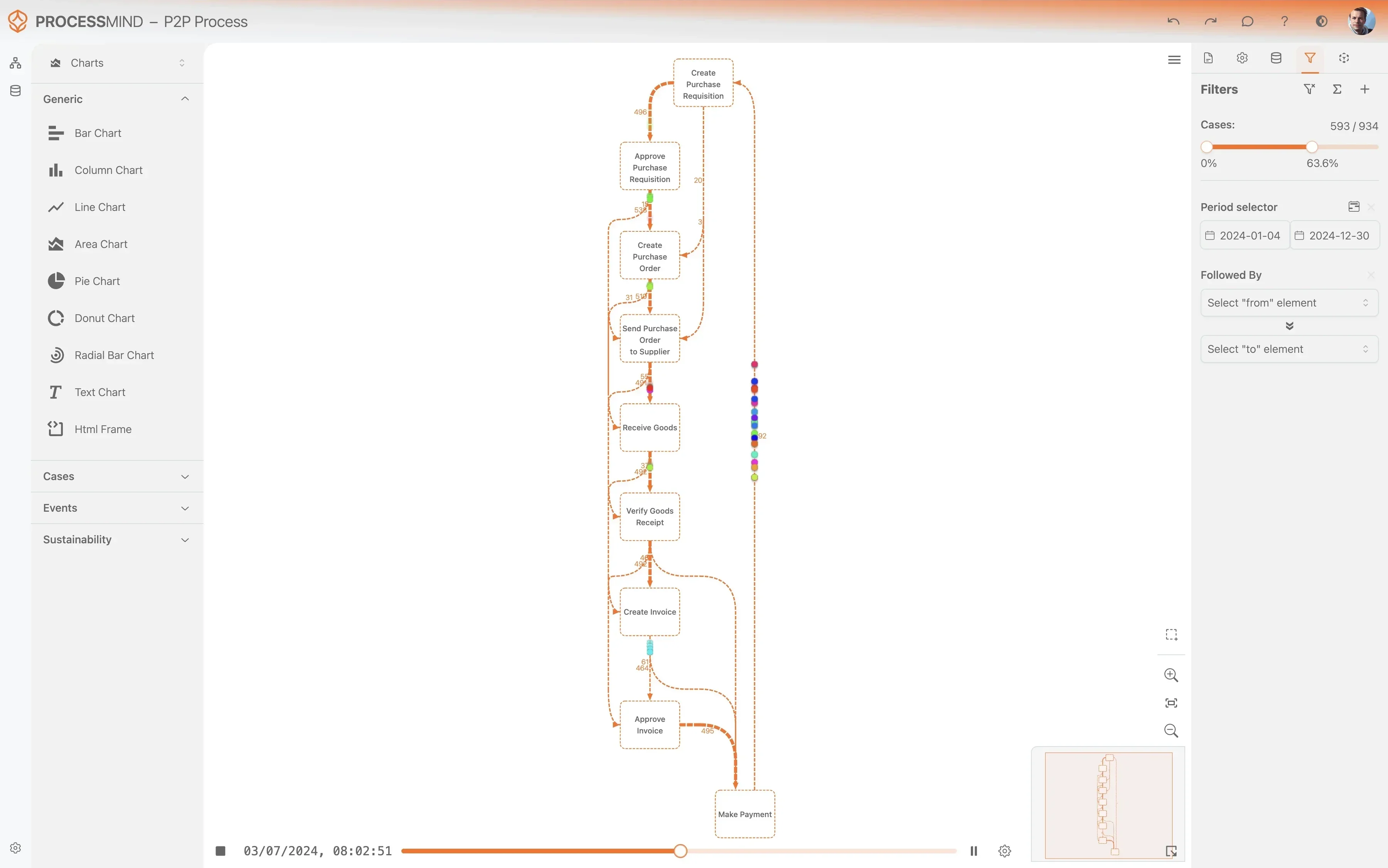
Discover your actual process flow
Identify bottlenecks and delays
Analyze process variants
Design your optimized process

PROVEN OUTCOMES

Efficiency Gains for Problem Management

Organizations use process mining to visualize the flow of Problem Records and pinpoint the exact stages where root cause analysis stalls. This visibility allows IT service teams to eliminate manual rework and reduce the frequency of recurring incidents.

0 %
Faster Root Cause Analysis

Reduction in identification time

Pinpointing the underlying cause of recurring incidents faster allows technical teams to focus on resolution rather than investigation.

0 x fewer
Streamlined Team Transfers

Reduction in group handovers

Minimizing the number of times a problem record changes hands reduces communication overhead and prevents knowledge loss during the lifecycle.

0 %
Proactive Problem Discovery

Increase in internal detection

Shifting from reactive incident response to proactive identification helps prevent major outages before they impact the business.

0 %
Lower Reopen Rates

Reduction in failed fixes

Improving the quality of root cause verification ensures that permanent fixes are effective the first time, reducing the need to reopen records.

0 days
Reduced Backlog Aging

Decrease in high priority age

Accelerating the resolution of high priority problems ensures that the most impactful technical debt is addressed promptly.

0 %
Audit-Ready Reviews

Post implementation review rate

Automating the tracking of post implementation reviews ensures that every major problem is followed by a standardized learning process.

Performance improvements vary based on process complexity and data quality within Jira Service Management. These figures represent typical outcomes observed across various enterprise deployments.

FAQs

Frequently asked questions

Process mining uses digital footprints from your Problem Records to visualize the actual end to end flow of your process. It helps you identify exactly where investigations stall and where handovers create unnecessary delays, providing a level of transparency that traditional reporting cannot match.

Data extraction typically involves connecting to the Jira API or using a database connector to pull the issue change logs. This includes the transition history, timestamps, and key attributes of each Problem Record, which allows the mining engine to reconstruct every process step automatically.

By analyzing the timestamps of state changes and specific activity logs, process mining highlights exactly where the investigation phase bottlenecks. You can see if delays are caused by waiting for technical input, lack of documentation, or if records are frequently bouncing between different teams.

At a minimum, you need a Case ID such as the Problem Record number, an activity name like the status or transition, and a timestamp for each event. To gain deeper insights, you should also include attributes like priority, assignee group, and root cause category for more granular filtering.

Standard dashboards show you current status and basic metrics like volume or average lead time, but they rarely show the specific path taken between those points. Process mining reveals the hidden loops, skipped steps, and non-compliant paths that are invisible in static charts and reports.

Once you have established a data connection and mapped your core fields, initial process visualizations can often be generated within a few days. The most time-consuming part is usually refining the data to ensure custom statuses and complex transitions are correctly interpreted for your specific business logic.

Tracking handovers is a primary strength of process mining, as it maps the flow of work between different assignee groups. You can quickly see which teams are overloaded or where communication gaps lead to extended periods of inactivity on a problem record.

While data expertise is helpful, many process mining tools are designed for process owners and service managers. You mainly need a solid understanding of your internal Problem Management workflow to interpret the results and decide on meaningful improvement actions.

Most mining engines are highly flexible and can map any custom field or unique workflow status found in Jira Service Management. As long as the change history for these fields is enabled and logged, the tool can incorporate them into the analysis to provide a bespoke view of your process.

Optimize Your Problem Management Flow Today

Reduce cycle times by 30% and stabilize your IT environment.

Start Your Free Trial

No credit card required. Setup in minutes.