Improve Your Returns & Refund Processing

Select a process
Choose a process to continue working in your connected workspace.
Optimize NetSuite Returns and Refunds for Greater Efficiency
Returns and refund processing can often be complex, leading to unnecessary delays and unhappy customers. Our platform helps you identify hidden inefficiencies and bottlenecks within your current operations. By uncovering these issues, you can ensure quicker resolutions, improve compliance, and enhance overall operational effectiveness.
Download our pre-configured data template and address common challenges to reach your efficiency goals. Follow our six-step improvement plan and consult the Data Template Guide to transform your operations.
Show detailed description
Why Optimizing Returns & Refund Processing in NetSuite is Crucial
Returns and refund processing are an inevitable part of doing business, yet they often represent a significant source of cost and customer dissatisfaction if not managed efficiently. For organizations leveraging NetSuite, the complexities can multiply, involving multiple departments, varied product types, and intricate policy rules. Inefficient Returns & Refund Processing in NetSuite can lead to prolonged resolution times, escalating operational costs, lost inventory, and, crucially, a damaged brand reputation. Understanding the actual flow of your returns process, identifying where delays occur, and ensuring consistent policy adherence are vital steps for sustained business health and customer loyalty. Process optimization in this area isn't just about reducing expenses, it's about transforming a potentially negative customer experience into an opportunity to reinforce trust and satisfaction.
How Process Mining Unlocks Returns & Refund Efficiency
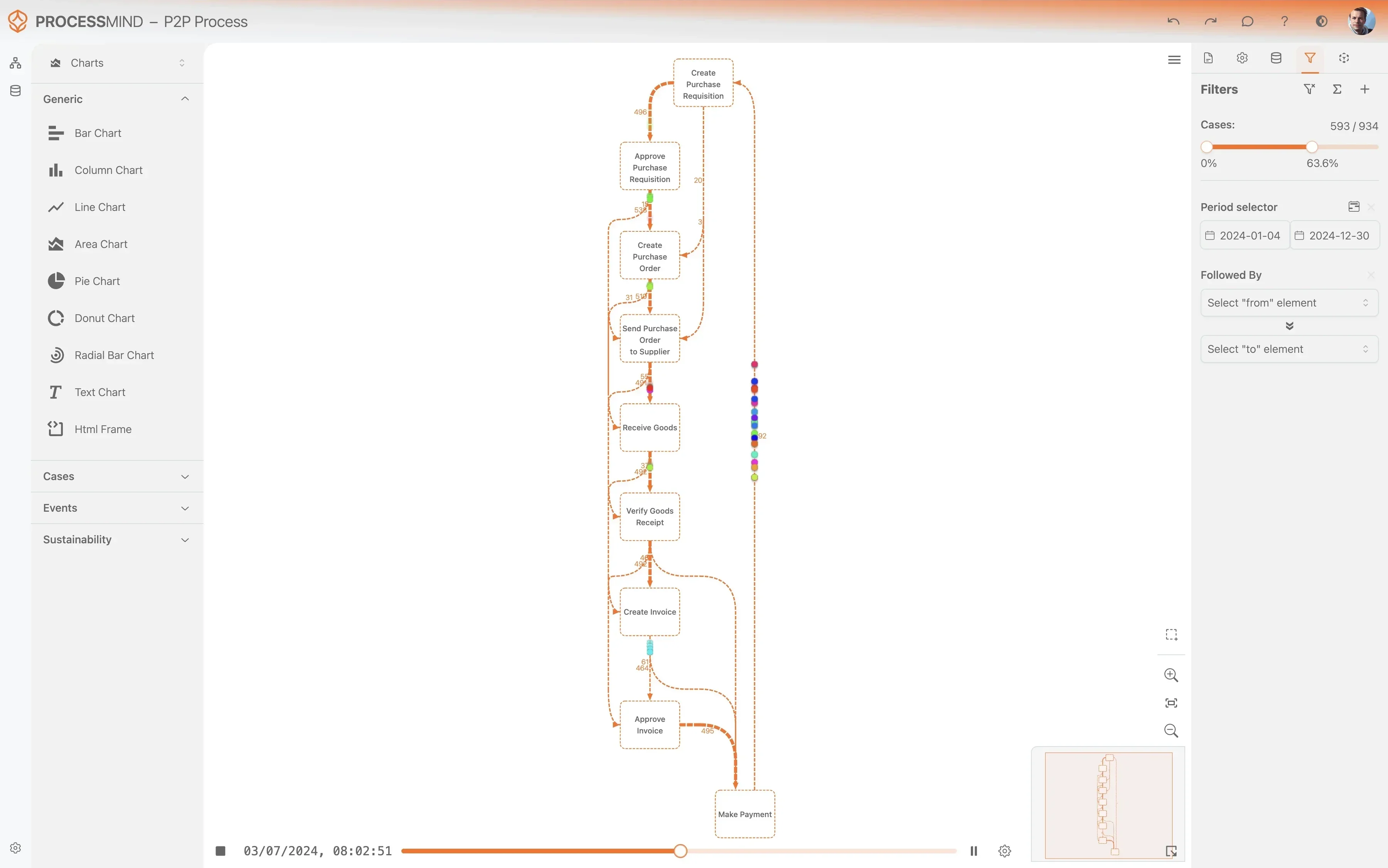
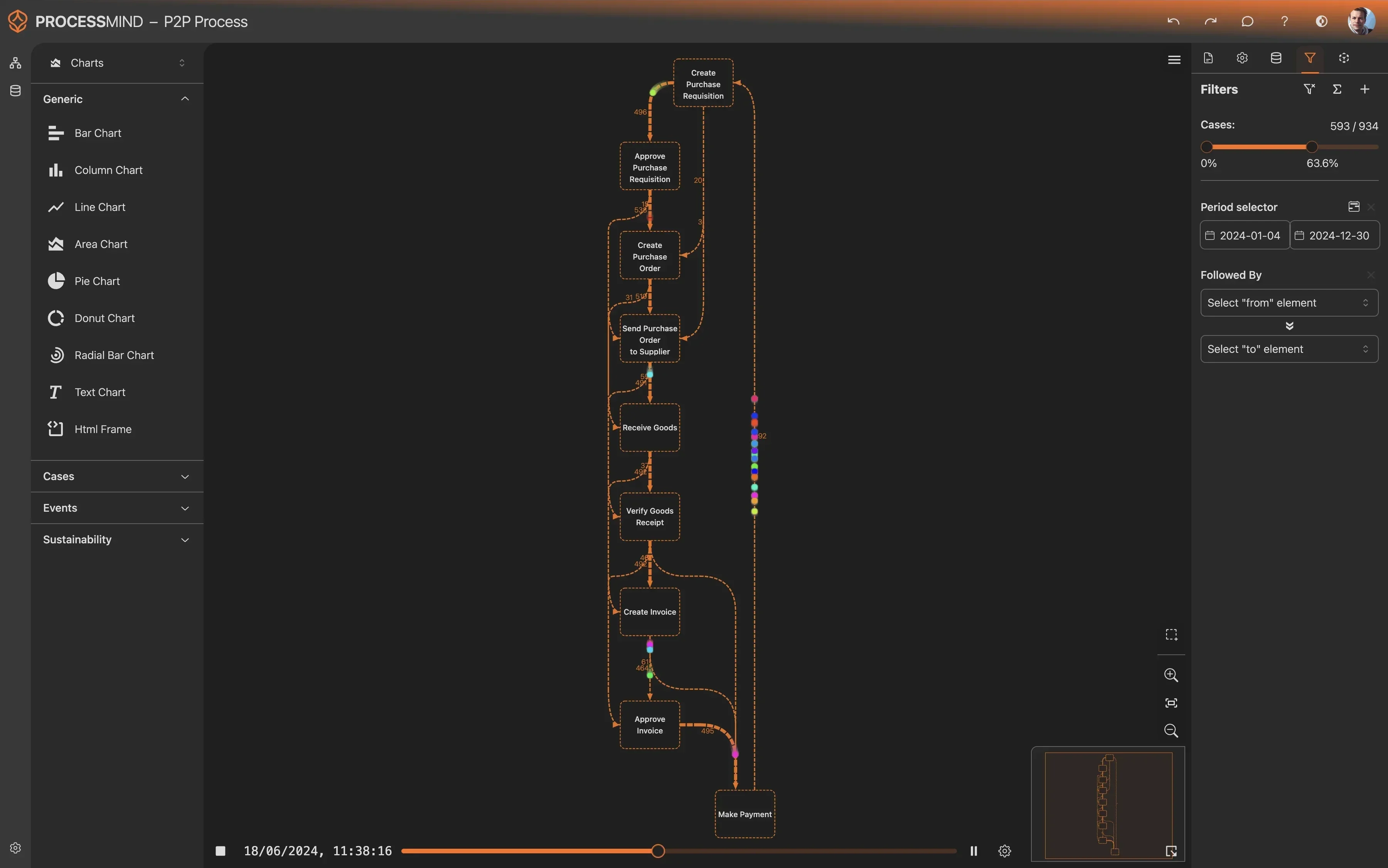
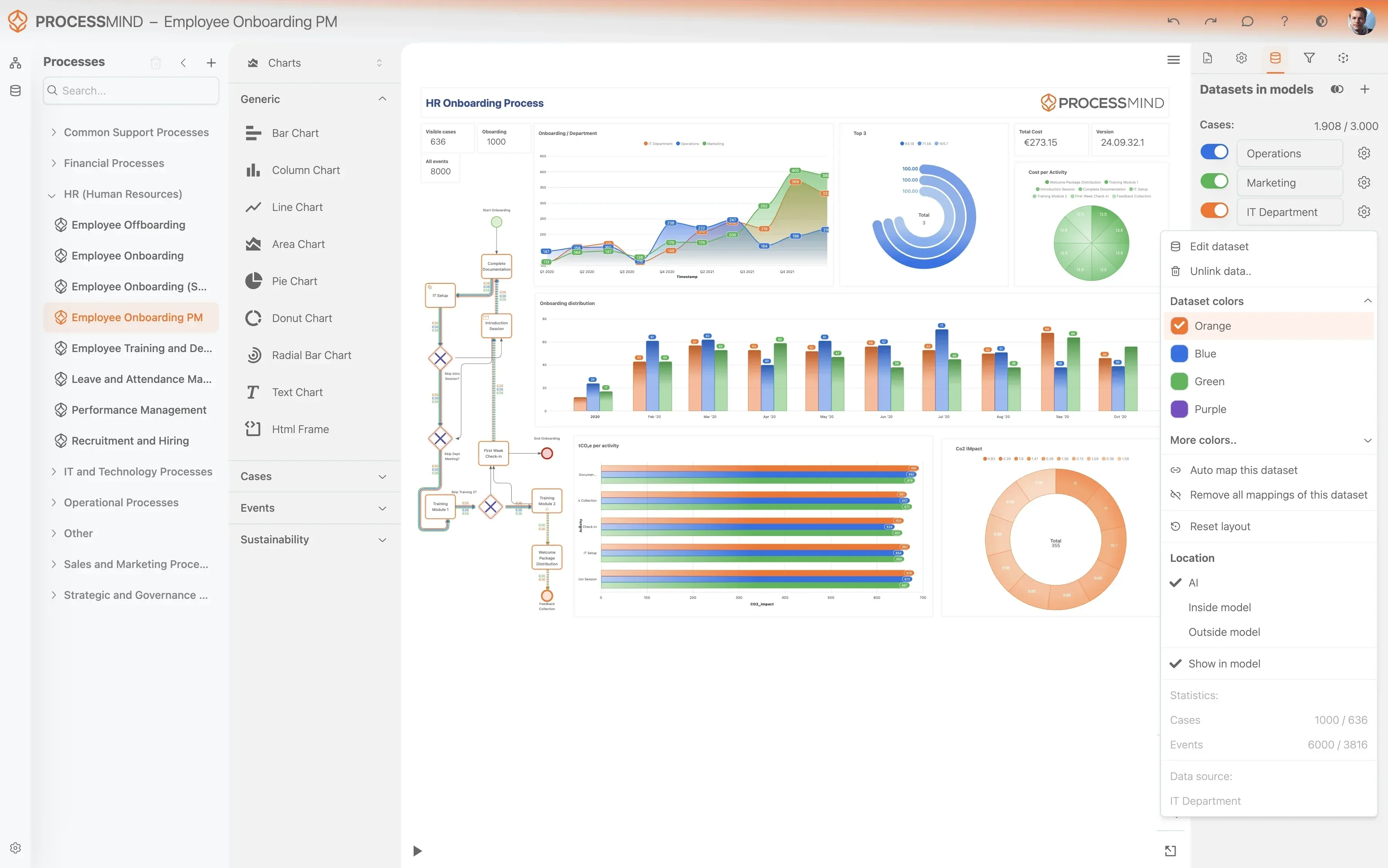
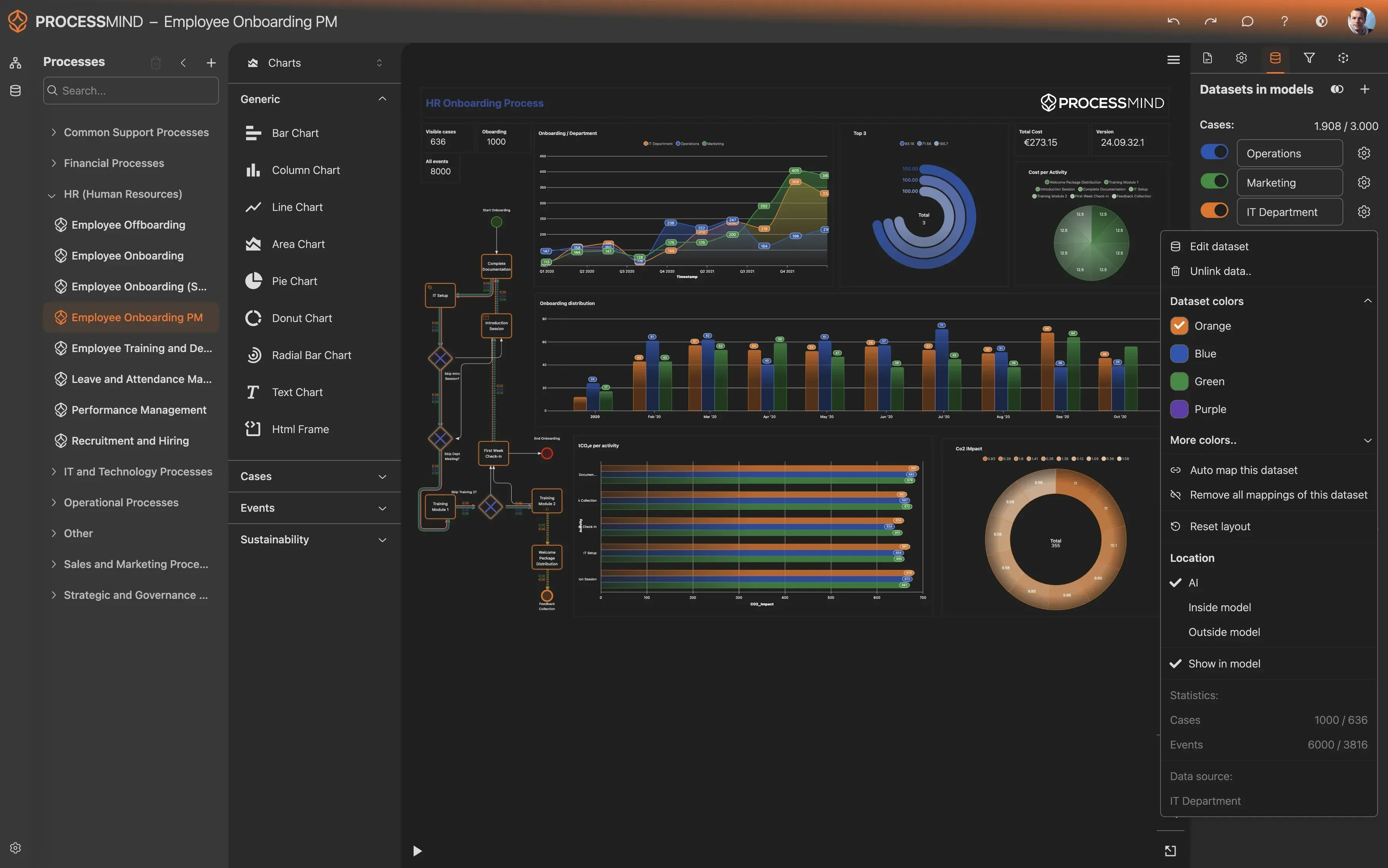
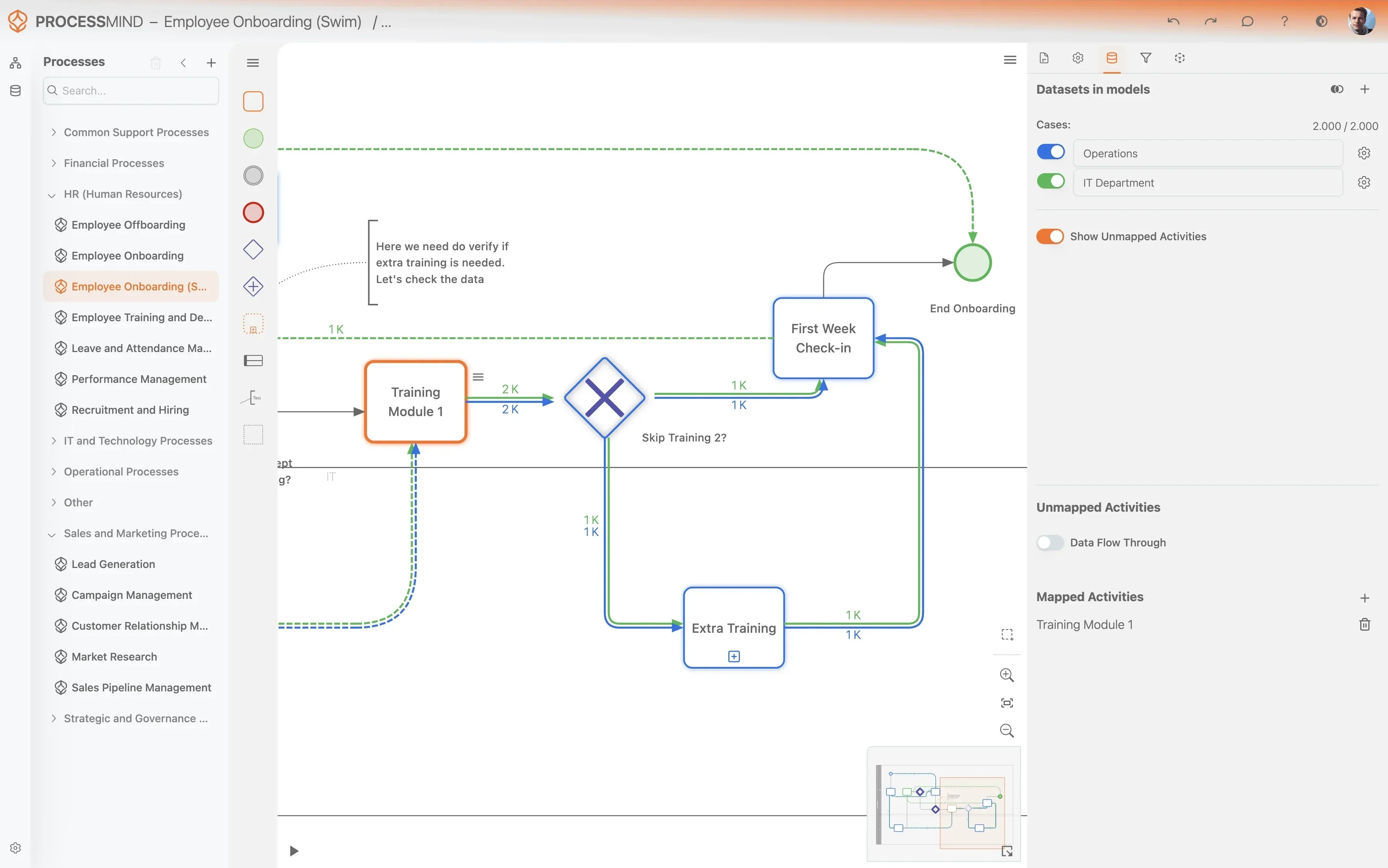
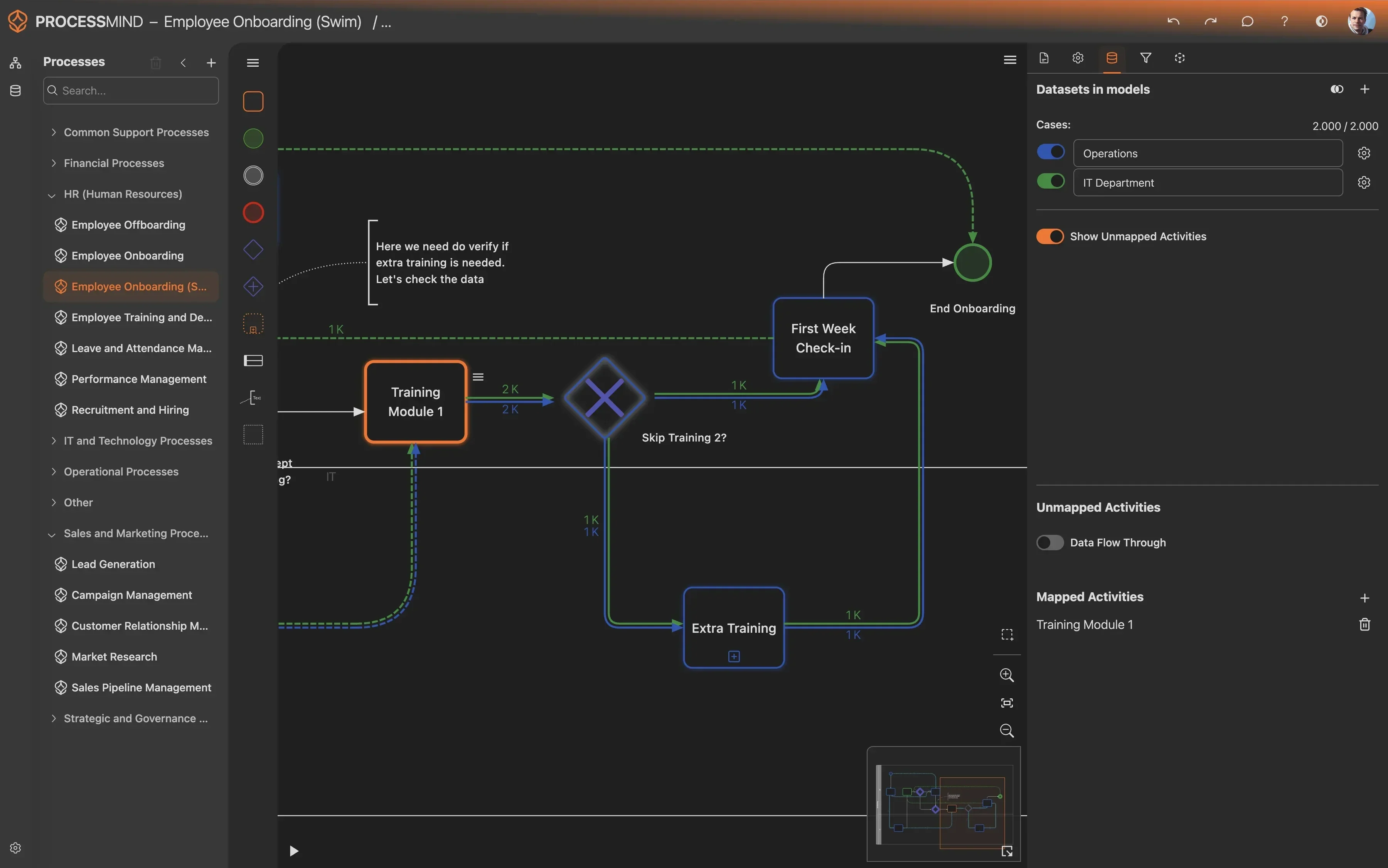
Process mining offers a powerful lens to analyze and improve your Returns & Refund Processing within NetSuite. By extracting event logs from NetSuite records such as ReturnAuthorization, CreditMemo, and ItemReceipt, process mining visualizes the actual journey of every return case, from the moment a return request is initiated to its final resolution. Unlike traditional reporting, which shows what should happen, process mining reveals what does happen. This perspective, centered on the Return Case ID, helps you pinpoint specific bottlenecks, detect unexpected process deviations, and uncover hidden reworks. You gain an end-to-end view, allowing you to trace activities like "Return Request Submitted," "Item Received at Warehouse," "Item Inspected," and "Refund Processed." This deep visibility is instrumental for understanding how to improve Returns & Refund Processing, enabling data-driven decisions that enhance operational effectiveness and compliance.
Pinpointing Key Improvement Areas in Your NetSuite Return Process
Leveraging process mining for your Returns & Refund Processing in NetSuite unveils critical areas ripe for optimization. You can identify which specific activities or sequences of events contribute most significantly to delays or increased cycle time. For example, you might discover that "Item Inspected" or "Refund Approved" steps frequently become bottlenecks due to resource constraints or unclear guidelines. Process mining helps you see if return conditions are consistently assessed, if refund amounts are calculated accurately, and if customer notifications are timely. It also highlights instances where the process deviates from the ideal path, such as cases requiring multiple re-approvals or re-inspections. Furthermore, it allows for a comprehensive assessment of compliance with return policies and service level agreements (SLAs), revealing where policy adherence might be lacking. This granular insight helps you prioritize efforts to reduce Returns & Refund Processing cycle time and streamline operational flows.
Tangible Outcomes of Streamlined Returns & Refund Processing
Optimizing your Returns & Refund Processing through process mining in NetSuite delivers a cascade of measurable benefits. Expect a significant reduction in the average return cycle time, leading to quicker resolutions for your customers. This directly translates into enhanced customer satisfaction and loyalty, as customers appreciate a smooth, efficient return experience. Operationally, you will see a decrease in processing costs due to minimized reworks, reduced manual efforts, and more efficient resource allocation. Improved compliance with internal policies and external regulations will mitigate risks and enhance audit readiness. Furthermore, better management of returned goods leads to optimized inventory levels, reducing write-offs and improving the speed at which items can be restocked or repurposed. These tangible outcomes contribute directly to your organization's profitability and reputation, demonstrating the clear ROI of process optimization.
Begin Your Journey to Returns & Refund Process Optimization
Understanding the intricacies of your Returns & Refund Processing in NetSuite is the first step toward significant improvement. With process mining, you gain unprecedented transparency into every facet of this critical business function. By visualizing your NetSuite return flows, identifying performance gaps, and understanding the root causes of inefficiencies, you are empowered to implement targeted changes that drive real results. Embark on your journey to enhance operational excellence and deliver an exceptional customer experience by optimizing your Returns & Refund Processing today.
The 6-Step Improvement Path for Returns & Refund Processing
Download the Template
What to do
Get the pre-designed Excel template for Returns & Refund Processing. This template guides you on structuring your NetSuite data for optimal process mining analysis.
Why it matters
Using the right data structure ensures accurate analysis from the start, preventing common data preparation pitfalls and accelerating your insights.
Expected outcome
A ready-to-use template designed for NetSuite Returns & Refund data, clearly outlining required fields.
Export Your NetSuite Data
What to do
Extract 3-6 months of historical data from NetSuite related to Return Authorizations, Credit Memos, and Item Receipts. Populate the downloaded template with this real transactional data.
Why it matters
Analyzing recent, comprehensive data provides a true picture of your current process performance, highlighting recurring issues and areas of inefficiency.
Expected outcome
Your Returns & Refund process data, from NetSuite, organized and ready in the template format.
Upload Your Dataset
What to do
Securely upload your populated data template to ProcessMind. The system will automatically ingest and prepare your data for analysis.
Why it matters
This quick and secure upload initiates the powerful process mining engine, transforming raw data into visual process maps and actionable insights without manual setup.
Expected outcome
Your NetSuite Returns & Refund data successfully processed and ready for visualization and analysis within ProcessMind.
Analyze Your Returns Process
What to do
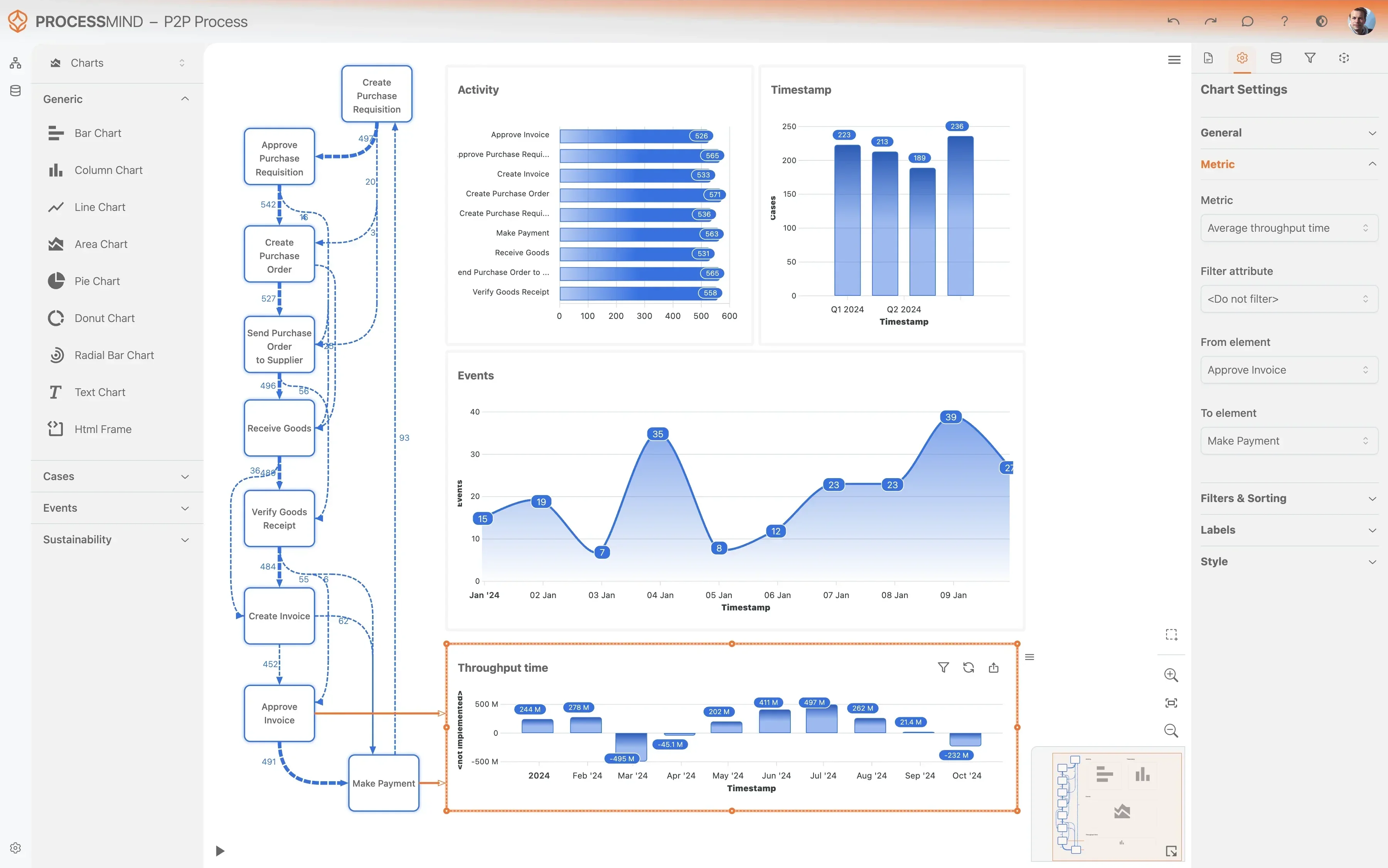
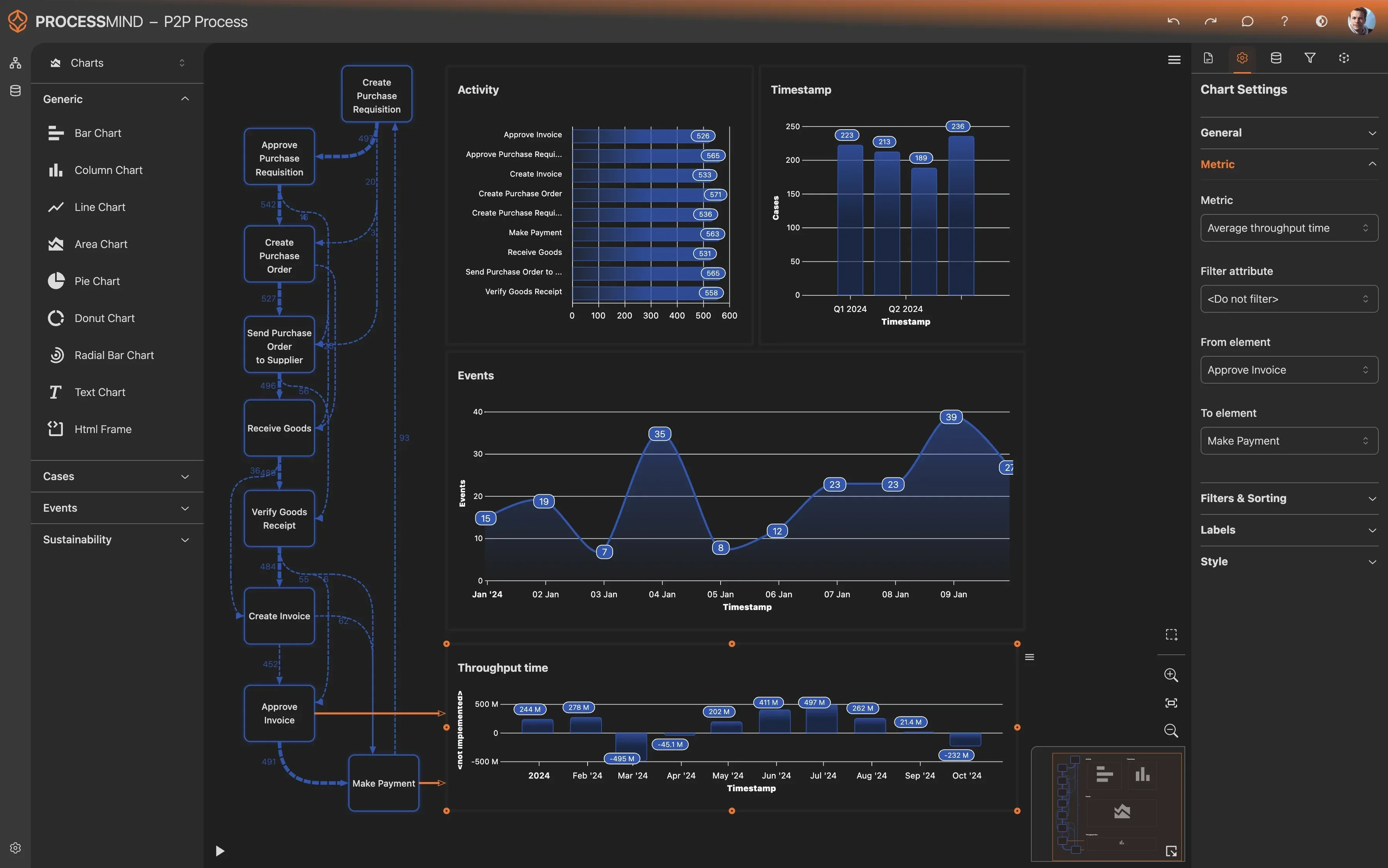
Explore the auto-generated dashboards, process maps, and key performance indicators. Leverage AI-driven recommendations to pinpoint bottlenecks, deviations, and compliance gaps.
Why it matters
Gain deep visibility into every step of your returns process, identifying root causes of delays, rework, and customer dissatisfaction that were previously hidden.
Expected outcome
A clear understanding of your Returns & Refund process performance, including specific areas for improvement and data-backed insights.
Implement Improvements
What to do
Prioritize and implement the identified opportunities to streamline your Returns & Refund workflow. This could involve updating NetSuite configurations or optimizing team training.
Why it matters
Taking action on data-driven insights directly translates into tangible improvements, leading to faster processing, reduced costs, and enhanced customer satisfaction.
Expected outcome
Practical changes deployed in your NetSuite Returns & Refund process, addressing identified inefficiencies and policy deviations.
Monitor Your Progress
What to do
Periodically re-upload updated data from NetSuite to track the impact of your implemented changes. Continuously measure key performance indicator improvements over time.
Why it matters
Continuous monitoring ensures that improvements are sustained and allows for agile adjustments, fostering a culture of ongoing optimization and efficiency.
Expected outcome
Ongoing visibility into the performance of your improved Returns & Refund process, confirming positive impacts and identifying new optimization areas.
YOUR DISCOVERIES
Uncover True Returns & Refund Process Workflows
- Map actual return & refund paths in NetSuite
- Pinpoint exact process bottlenecks and delays
- Identify compliance risks and rework loops
- Quantify impact of process improvements
TYPICAL OUTCOMES
Tangible Improvements in Returns & Refund Processing
These outcomes highlight the significant benefits achieved by organizations that leverage process mining to optimize their Returns & Refund Processing within NetSuite. By precisely identifying bottlenecks and inefficiencies tied to each Return Case ID, our solution empowers teams to implement targeted improvements.
Average reduction in end-to-end time
Streamline inspection and approval steps to significantly reduce the overall time from return request to processed refund, enhancing customer satisfaction.
Increase in adherence to return policies
Ensure all returns strictly follow established company policies, reducing discrepancies and standardizing assessments for greater accuracy and reduced risk.
Reduction in cost per return
Identify and eliminate unnecessary reworks and activities, directly lowering the operational cost associated with processing each return and improving efficiency.
Higher refund SLA achievement
Consistently meet and exceed refund SLA targets and notify customers promptly, building trust and fostering positive relationships through efficient service.
Decrease in post-label drop-offs
Understand why customers generate return labels but fail to ship items, implementing targeted interventions to reduce abandonment and recover potential sales.
While these figures represent typical improvements observed, actual results may vary depending on the specific process complexity, data quality, and organizational context.
Recommended Data
FAQs
Frequently asked questions
Process mining helps visualize the actual flow of your returns, identifying bottlenecks like slow inspections or delayed refunds. It uncovers deviations from policy and highlights areas for automation, leading to faster processing and reduced costs. You gain objective, data-driven insights into every step.
It pinpoints issues such as slow item inspection, approved refunds not being processed promptly, and inconsistent return condition assessments. You can also identify high abandonment rates after label generation and frequent reworks, which impact customer satisfaction and operational costs.
You typically need transaction data related to returns, refunds, item receipts, and customer service interactions. Key fields include Return Case ID, timestamps for each process step, involved departments or users, and status changes. This data allows for reconstruction of the complete process flow.
Data can be extracted from NetSuite using various methods, including saved searches, custom reports, or API integrations. The goal is to obtain event logs containing unique case identifiers, activity names, and precise timestamps for each step. Your NetSuite administrator can typically assist with this extraction.
Expect to accelerate item inspection, expedite approved refund processing, and standardize return condition assessments. You can also reduce post-label abandonment rates, ensure full policy compliance, and significantly decrease operational costs per return. Overall, it leads to a more efficient and customer-friendly process.
Initial setup, including data extraction and model configuration, can often be completed within a few weeks, depending on data complexity and resource availability. Early insights into bottlenecks and deviations can emerge shortly after the first data upload. Continuous monitoring provides ongoing optimization opportunities.
The primary technical requirement is access to your NetSuite environment to extract the necessary transaction and system log data. Most process mining tools offer connectors or support standard data formats, like CSV or XML, for ingestion. Secure data transfer protocols are always used to protect sensitive information.
No, process mining is a non-invasive analytical technique that works with your existing NetSuite data. It provides insights into how your current system is being used, rather than requiring fundamental changes to its configuration. The goal is to optimize existing processes, not replace them.
Optimize Returns & Refunds Now, Boost NetSuite Efficiency
Cut your NetSuite returns cycle time by 30%. Start improving operations today.
No credit card required • Setup in minutes