Improve Your Production Planning

Select a process
Choose a process to continue working in your connected workspace.
Optimize Oracle Manufacturing Cloud Production Planning
Production planning often faces common challenges such as scheduling delays and inefficient resource allocation. Our platform helps you precisely pinpoint where these bottlenecks occur within your planning cycle. By identifying these inefficiencies, you can make targeted improvements to enhance overall operational efficiency and boost output.
Download our pre-configured data template and address common challenges to reach your efficiency goals. Follow our six-step improvement plan and consult the Data Template Guide to transform your operations.
Show detailed description
Why Optimize Production Planning in Oracle Manufacturing Cloud?
Production Planning is the backbone of any successful manufacturing operation, orchestrating everything from raw materials to finished goods. In a robust system like Oracle Manufacturing Cloud, where numerous modules and data points converge, the complexity of this process can obscure inefficiencies. Without a clear, data-driven understanding of your actual process flow, organizations often face challenges such as delayed production cycles, suboptimal resource utilization, unexpected material shortages, and missed delivery commitments. These issues directly translate into increased operational costs, reduced customer satisfaction, and a significant drag on overall profitability. Traditional methods of process analysis, relying on interviews and assumptions, struggle to capture the true, end-to-end journey of a production order. To truly thrive, companies using Oracle Manufacturing Cloud need an innovative approach to continuously improve Production Planning, ensuring agility and responsiveness in a dynamic market.
How Process Mining Illuminates Your Planning Process
Process mining offers a revolutionary way to understand and enhance Production Planning within Oracle Manufacturing Cloud. By extracting event logs directly from your system, it constructs an objective, data-driven map of your entire process, from the moment a Demand Forecast Received through Master Production Schedule Created, Production Order Released, all the way to Production Order Completed and Production Performance Analyzed. This comprehensive view allows you to see precisely how work flows, identifying actual paths taken versus theoretical designs. You can visualize the full cycle time for each production order, pinpointing exact stages where delays occur, or where resources are underutilized. For instance, process mining can highlight if there are significant waiting times between Production Plan Approved and Production Order Released, or if Material Availability Status frequently causes disruptions. This granular visibility is crucial for uncovering hidden bottlenecks and process variations that hinder efficiency and lead to suboptimal Production Planning outcomes.
Key Areas for Production Planning Improvement
Leveraging process mining on your Oracle Manufacturing Cloud data enables you to target specific areas for improvement, transforming your Production Planning process:
- Bottleneck Identification and Resolution: Quickly identify stages or activities that consistently cause delays, such as prolonged approval steps, or specific
Production PlantorProduction Linethat frequently experiences slowdowns. Understanding thesebottlenecksis the first step toward reducingProduction Planning cycle time. - Resource Utilization Optimization: Analyze how resources are allocated and utilized across various production orders. Discover if
Capacity Requirements Plannedalign with actual resource deployment, and identify opportunities to balance workloads more effectively, maximizing throughput without overextending your teams. - Compliance and Adherence: Gain insight into how well your actual process adheres to planned schedules and internal policies. Detect deviations from
Detailed Production Schedule GeneratedorProduction Plan Adjustedactivities, helping you reinforce best practices and ensure consistent quality. - Material Flow Efficiency: Examine the impact of
Material Requirements PlannedandMaterial Availability Statuson your overall production flow. Pinpoint where material delays originate and how they ripple through theProduction Planningprocess, enabling proactive supply chain adjustments.
Expected Outcomes of Process Optimization
By applying process mining to your Production Planning in Oracle Manufacturing Cloud, you can anticipate a range of measurable benefits:
- Reduced Production Planning Cycle Time: Streamline your planning and execution phases, significantly cutting down the time from demand to delivery.
- Increased Operational Efficiency: Optimize resource allocation, minimize idle time, and eliminate wasteful activities, leading to higher productivity and lower operating costs.
- Improved On-Time Delivery: Enhance your ability to meet production targets and customer commitments consistently, boosting satisfaction and competitive advantage.
- Data-Driven Decision Making: Empower your team with objective insights to make informed decisions about process redesign, system configurations, and resource management within
Oracle Manufacturing Cloud. - Enhanced Agility and Responsiveness: Develop a more flexible
Production Planningprocess that can quickly adapt to market changes, supply chain disruptions, and evolving customer demands.
Getting Started with Production Planning Optimization
Unlocking the full potential of your Production Planning in Oracle Manufacturing Cloud through process optimization is more accessible than ever. By focusing on critical activities like Demand Forecast Received, Master Production Schedule Created, and Production Order Completed, and attributes such as Planned Quantity and Production Priority, you can begin to visualize and analyze your operations with unprecedented clarity. Discover how to improve Production Planning and reduce Production Planning cycle time by leveraging the power of process mining to identify and resolve bottlenecks. Start your journey toward a more efficient, agile, and cost-effective manufacturing future today.
The 6-Step Improvement Path for Production Planning
Download the Template
What to do
Get the Excel template specifically designed for Production Planning processes, ensuring the correct data structure is prepared for analysis.
Why it matters
A standardized template simplifies data extraction and ensures compatibility with ProcessMind, setting a strong foundation for accurate analysis.
Expected outcome
An empty, structured Excel template ready to be populated with your Oracle Manufacturing Cloud data.
Export Your Data
What to do
Extract 3-6 months of historical production planning data from your Oracle Manufacturing Cloud system and populate the downloaded Excel template. Focus on relevant production order and scheduling information.
Why it matters
Comprehensive historical data provides a robust foundation for uncovering trends, identifying recurring issues, and understanding the true process performance.
Expected outcome
A populated Excel template containing 3-6 months of your historical Production Planning process data.
Upload Your Dataset
What to do
Securely upload your filled data template to ProcessMind for automatic ingestion and initial process analysis.
Why it matters
A swift and secure upload initiates the process mining engine, transforming raw data into actionable insights without manual processing.
Expected outcome
Your Production Planning data successfully uploaded and ready for detailed analysis within ProcessMind.
Analyze Your Process
What to do
Explore the automatically generated dashboards and process maps within ProcessMind to visualize your Production Planning flow. Leverage AI-driven recommendations to pinpoint bottlenecks and inefficiencies.
Why it matters
Visualizing the actual process flow and leveraging AI quickly highlights areas for improvement, like unexpected delays or rework loops in your production schedules.
Expected outcome
A clear understanding of your Production Planning process, including identified bottlenecks, compliance gaps, and optimization opportunities.
Implement Improvements
What to do
Prioritize the identified improvement opportunities, such as optimizing resource allocation or streamlining scheduling in Oracle Manufacturing Cloud, and take concrete action based on ProcessMind's insights.
Why it matters
Acting on data-driven insights ensures that changes target the most impactful areas, leading to measurable improvements in efficiency and lead times.
Expected outcome
Implemented changes in your Production Planning process, directly addressing previously identified inefficiencies and non-compliance.
Monitor Your Process
What to do
Periodically re-upload updated Production Planning data from Oracle Manufacturing Cloud to ProcessMind to track the impact of implemented changes and monitor ongoing performance.
Why it matters
Continuous monitoring ensures that improvements are sustained and allows for proactive adjustments, fostering a culture of ongoing optimization and performance excellence.
Expected outcome
Quantifiable improvements in Production Planning KPIs, such as reduced lead times, improved resource utilization, and enhanced schedule adherence.
WHAT YOU WILL GET
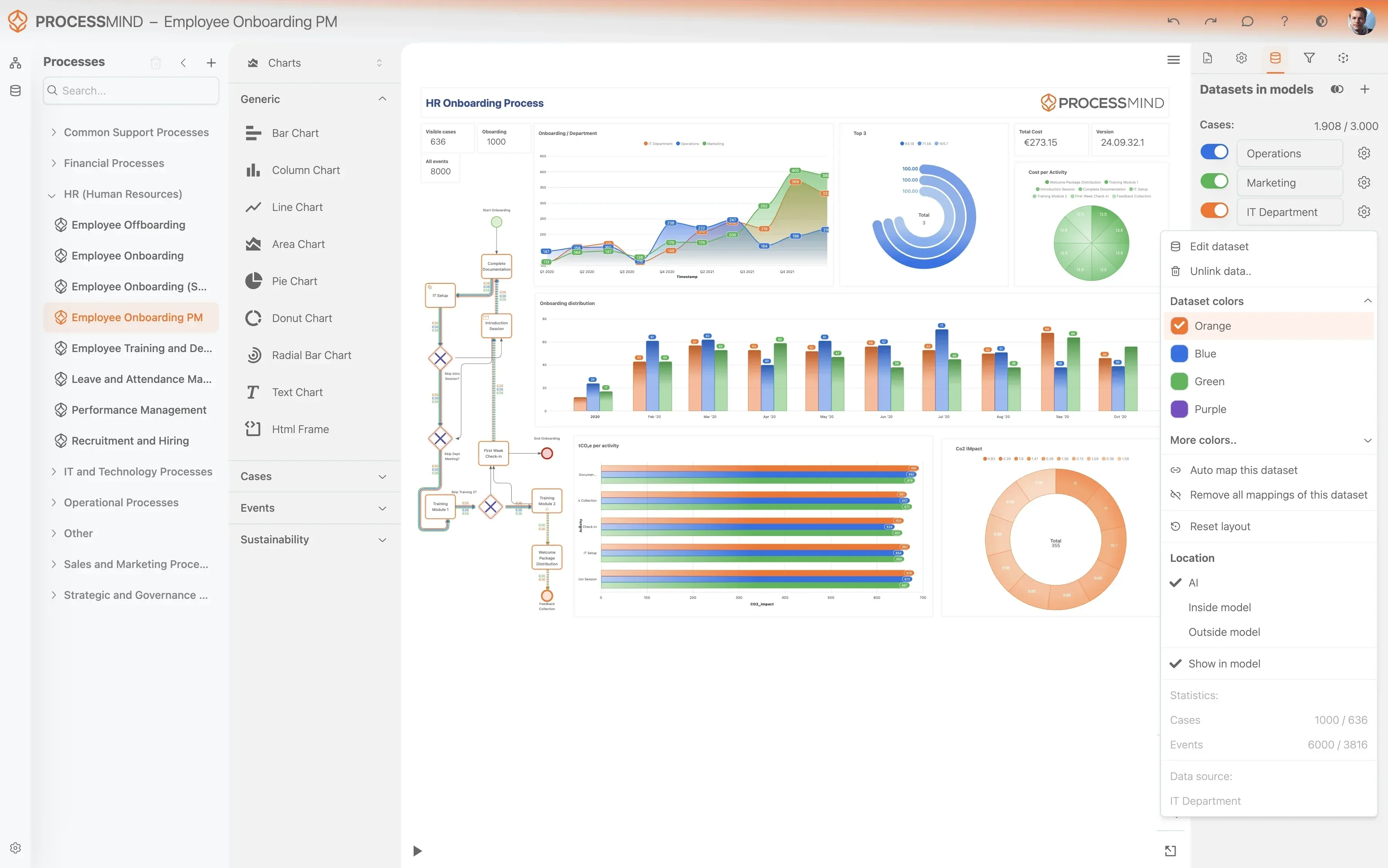
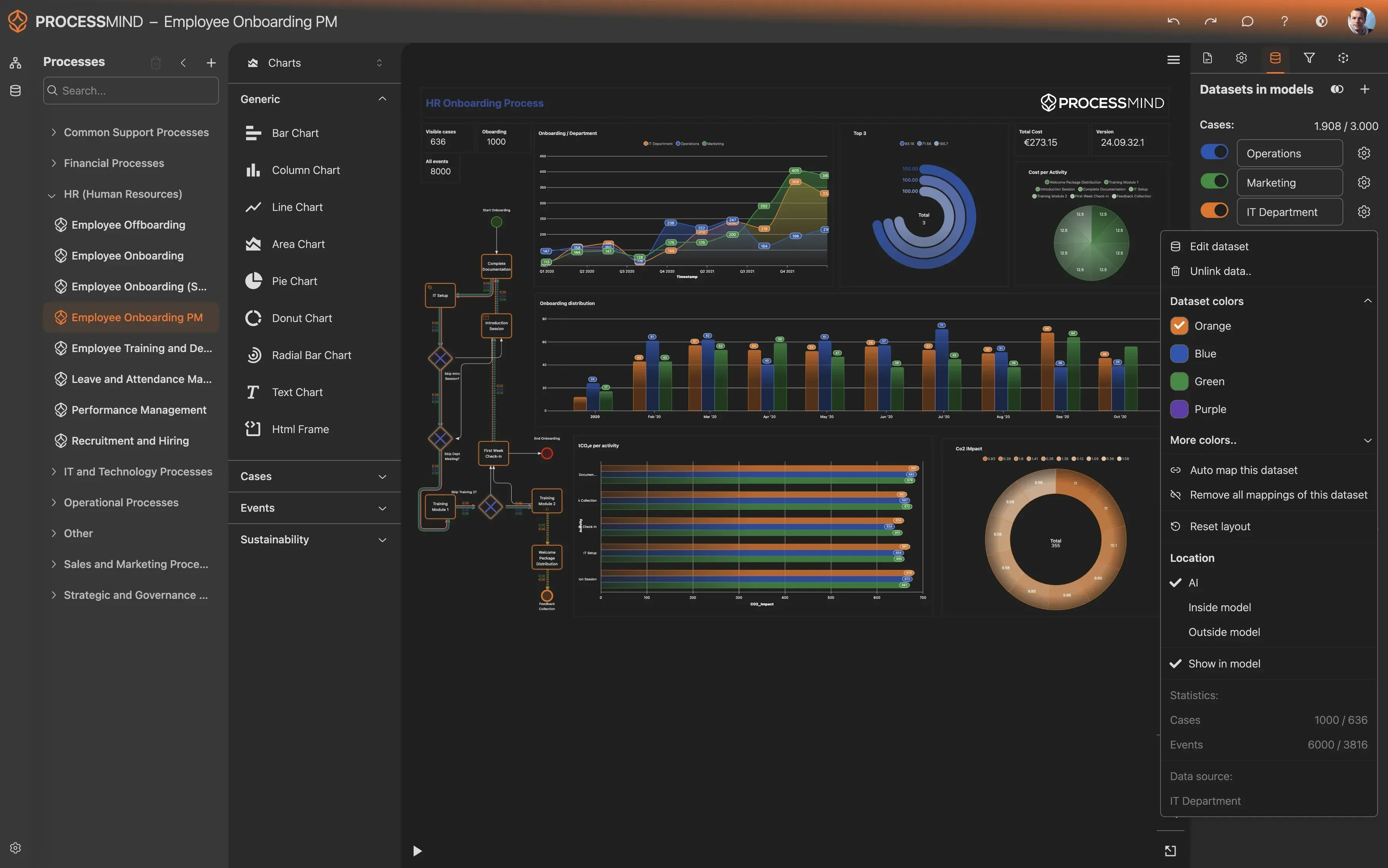
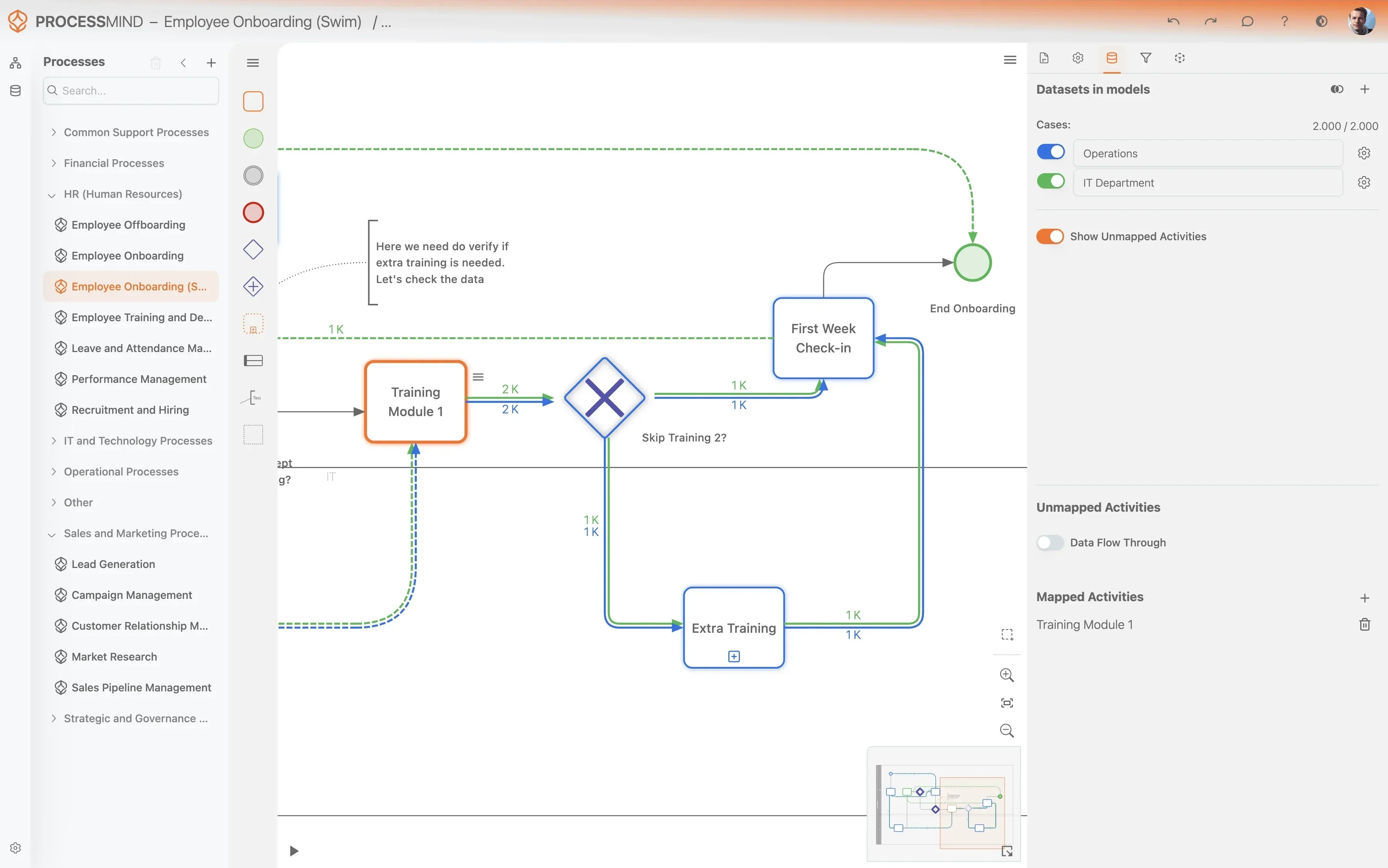
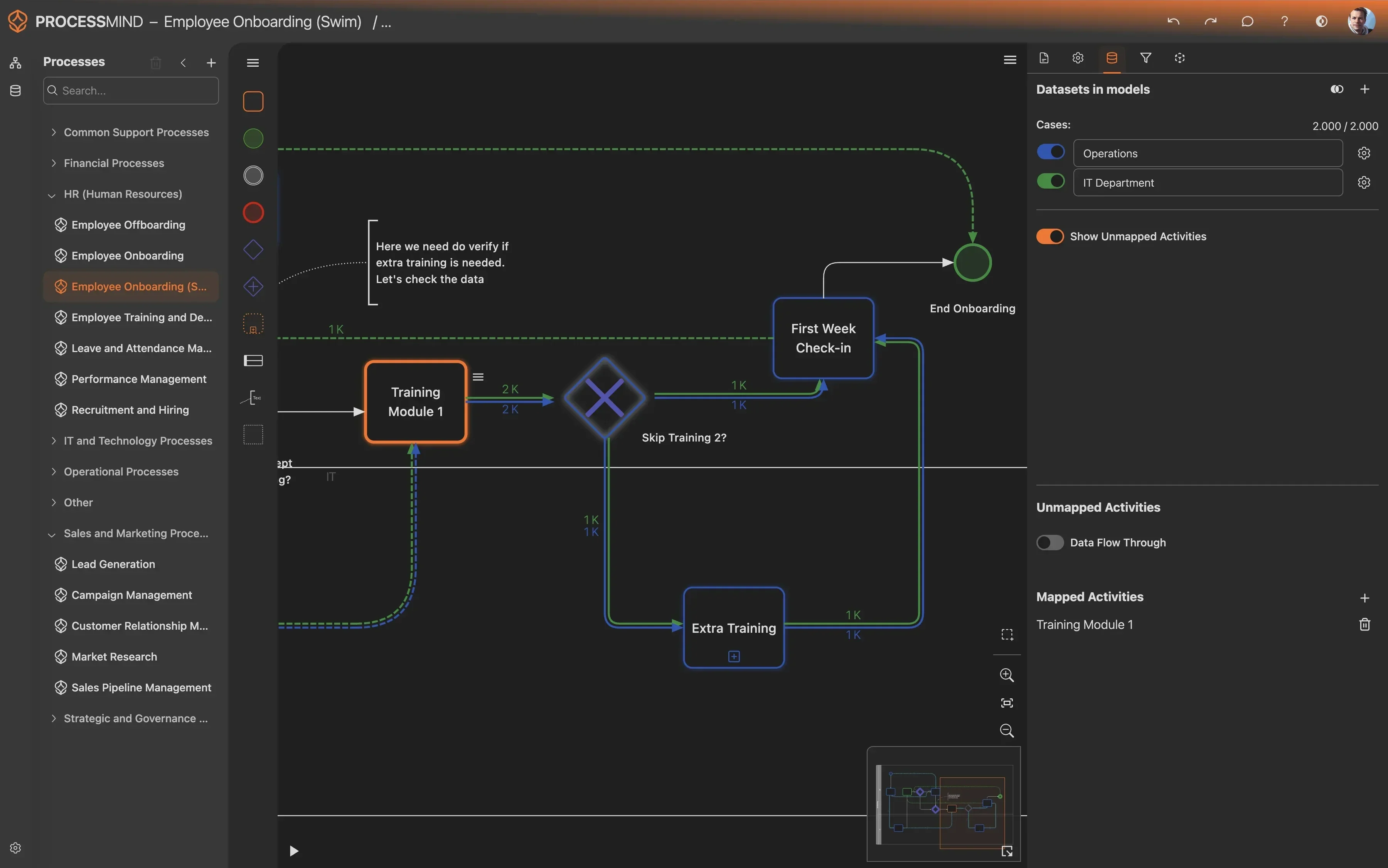
Visualize Your Oracle Production Planning Reality
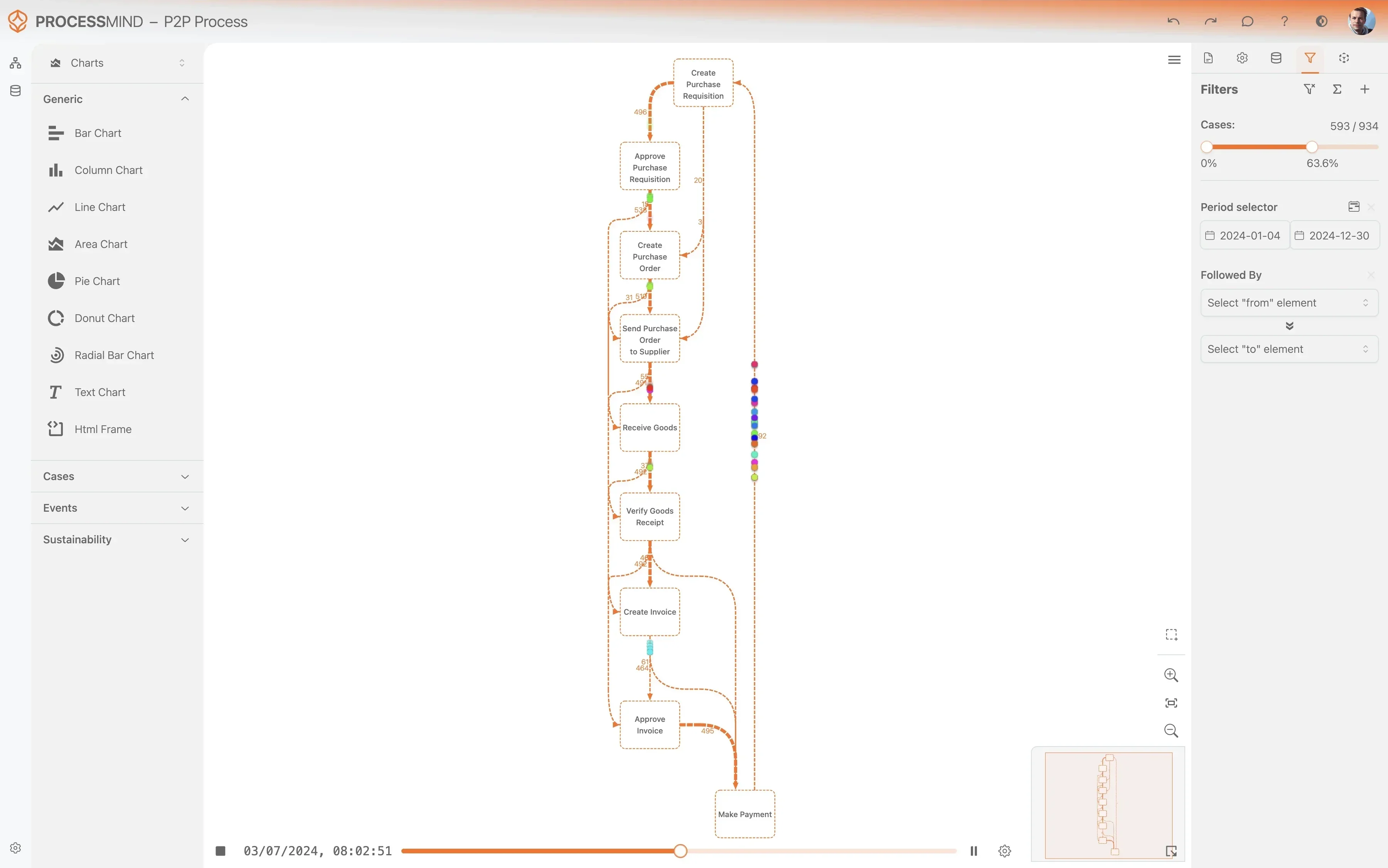
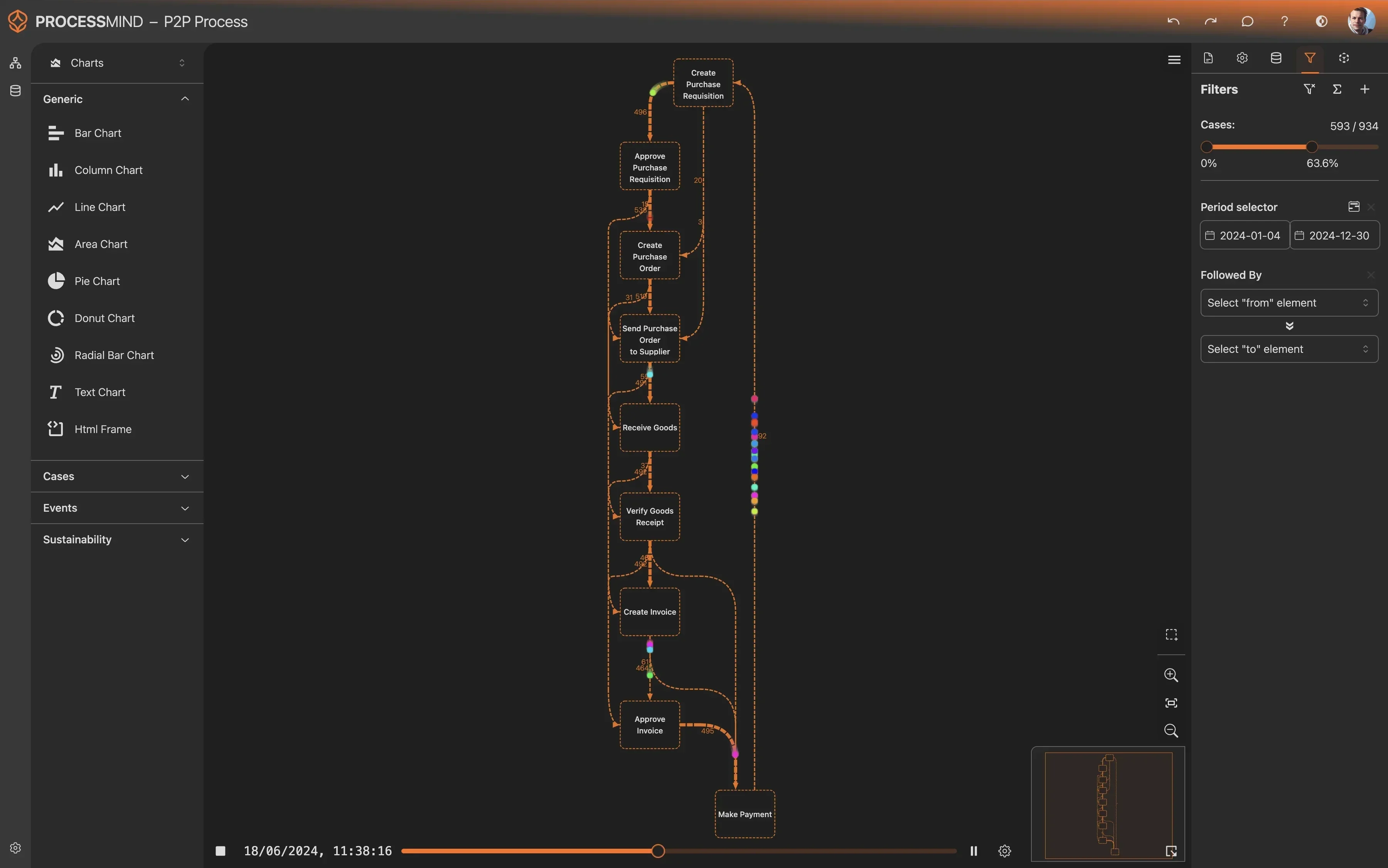
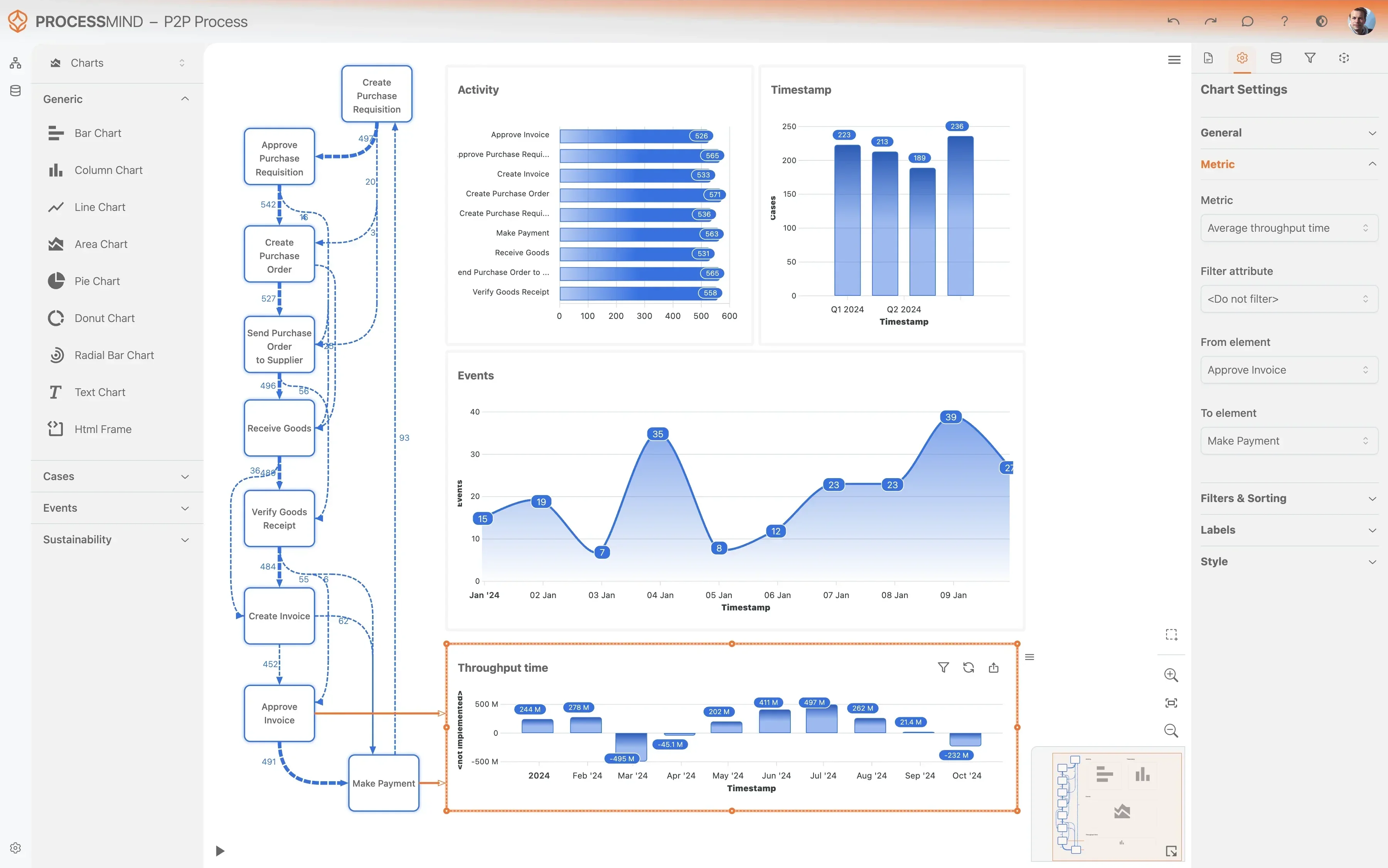
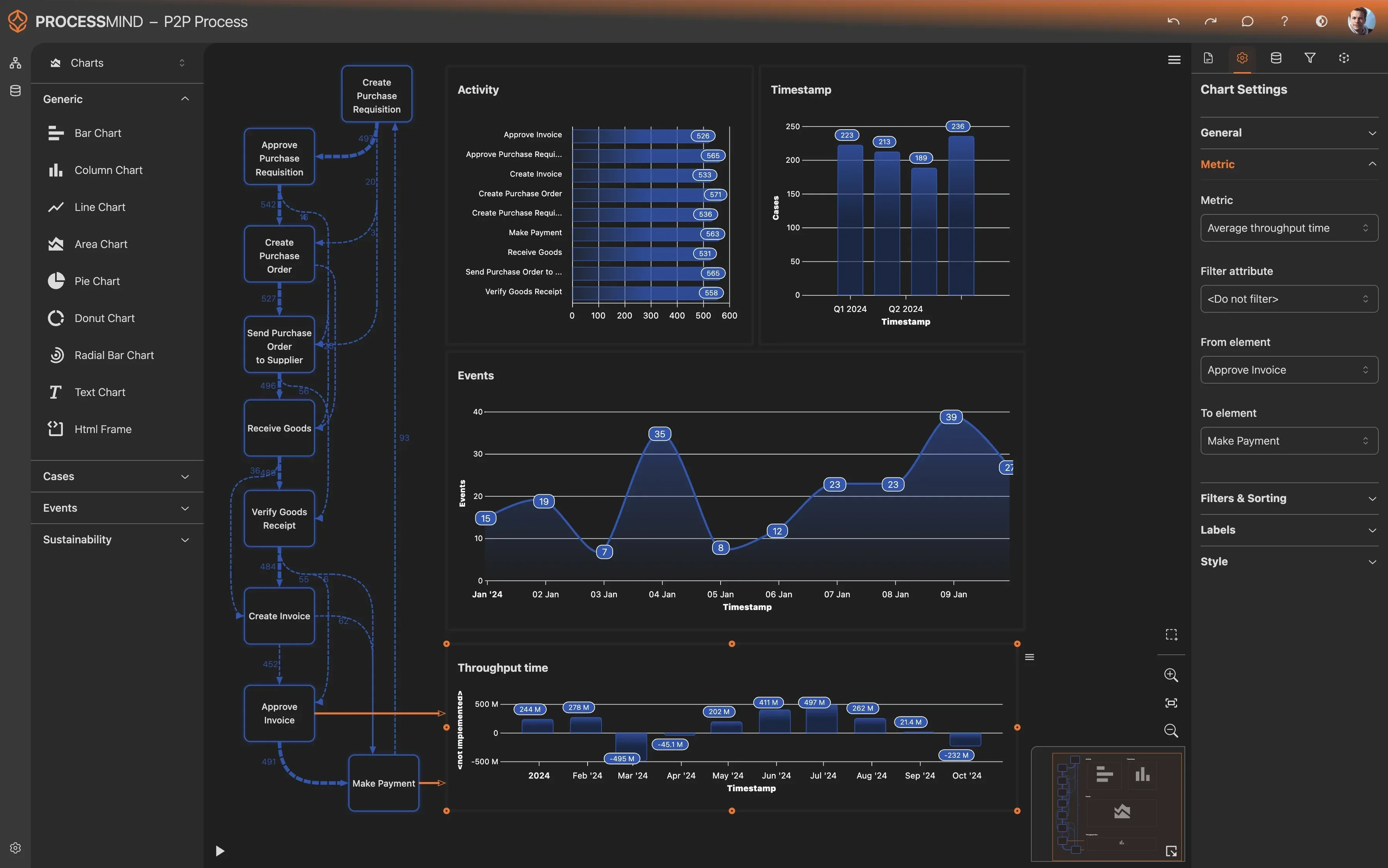
- Visualize actual production planning workflows
- Identify exact scheduling delays and root causes
- Optimize resource allocation across planning stages
- Reduce lead times and boost planning efficiency
TYPICAL OUTCOMES
Unlock Peak Performance in Production Planning
These outcomes demonstrate the significant operational and financial benefits organizations typically achieve by optimizing their Production Planning processes. By leveraging data-driven insights derived from Oracle Manufacturing Cloud and focusing on Production Order flows, companies can identify and eliminate inefficiencies.
Increase in on-time release rate
Process mining identifies bottlenecks in the release process, allowing teams to ensure production orders start on schedule, leading to smoother operations and reduced downstream delays.
Reduction in end-to-end planning time
By pinpointing time-consuming steps in the planning journey, organizations can significantly cut down the overall time from demand forecast receipt to production order completion.
Decrease in production plan adjustments
Understanding the root causes of frequent schedule changes helps stabilize production, reducing costs associated with re-planning, material rescheduling, and idle resources.
Lower deviation in planned vs. actual quantities
Process mining provides deep insights into discrepancies between planned and actual production, enabling more accurate forecasting and optimized resource allocation for future orders.
Increased adherence to standard workflows
Visualize and enforce ideal process paths, ensuring that production activities consistently follow defined standard operating procedures and best practices, reducing errors and variations.
Results vary based on process complexity, data quality, and specific business objectives. These figures represent typical improvements observed across successful implementations of production planning optimization.
Recommended Data
FAQs
Frequently asked questions
Process mining helps by visualizing your actual production flows, identifying bottlenecks like production order release delays, and pinpointing root causes for inefficiencies. It uncovers deviations from standard processes and highlights areas for better resource utilization, leading to faster lead times and improved schedule adherence.
You primarily need event log data, which includes records of activities, their timestamps, and the production order identifier. Key data points include production order creation, release, scheduling events, material movements, work order completions, and approval statuses. This data allows the process mining tool to reconstruct the end-to-end process.
You can expect to reduce production order release delays, enhance capacity planning precision, and minimize schedule deviations. Process mining helps eliminate material shortages, accelerate production lead times, and optimize resource utilization, leading to a more efficient and predictable manufacturing operation.
After data extraction and initial preparation, it typically takes a few weeks to load the data, configure the process model, and generate initial insights. The time can vary based on data volume, complexity, and the availability of resources for analysis. Quick wins can often be identified within the first month.
Absolutely. Process mining visualizes every step and path taken by production orders, allowing you to trace delays back to their precise origins, whether it is an approval bottleneck, a material shortage, or an unexpected rework loop. This granular view helps expedite root cause identification.
Data extraction typically involves using Oracle's standard reporting tools, APIs, or database queries to access relevant tables. While it requires some technical understanding of Oracle Manufacturing Cloud's data structure, it is a standard procedure and can often be automated. Initial setup might need IT support.
Yes, you will need a dedicated process mining software platform to analyze the extracted data. While modern tools are user-friendly, initial setup and integration may require some IT expertise, especially for data connectors and ensuring data quality. Ongoing analysis can often be handled by business analysts.
No, process mining is non-intrusive and works with historical data exported from your Oracle Manufacturing Cloud system. It analyzes past events without impacting your current operational processes. The analysis provides insights for future improvements without disrupting daily activities.
Optimize Oracle Production Planning, Start Today
Reduce cycle time by 30% and boost efficiency in days.
No credit card required. Setup in minutes.