Improve Your Payments Processing

Select a process
Choose a process to continue working in your connected workspace.
Optimize Fiserv Payments Processing for Better Cash Flow
Identify hidden bottlenecks and reconciliation errors that slow down your financial operations. Our platform reveals the root causes of processing delays to help you streamline transaction lifecycles and improve cash flow. Use these insights to eliminate manual rework and strengthen your compliance posture across every stage of the workflow.
Download our pre-configured data template and address common challenges to reach your efficiency goals. Follow our six-step improvement plan and consult the Data Template Guide to transform your operations.
Show detailed description
The Strategic Importance of Payment Flow Optimization
In the modern financial landscape, payments processing is no longer just a back-office function, it is a critical driver of liquidity and customer satisfaction. When you utilize Fiserv for your card processing, ACH, and bill pay needs, you are handling a high volume of transactions that directly impact your working capital. However, even with a robust system like Fiserv, inefficiencies can creep in. Manual intervention in the approval chain, delays in bank communication, or recurring errors in transaction validation can lead to significant cycle time increases. By optimizing these workflows, you reduce the cost per transaction and ensure that funds move through your ecosystem with minimal friction, ultimately improving your overall financial health.
Transforming Financial Visibility with Process Mining
Process mining offers a revolutionary way to look at your Fiserv data. Rather than relying on static reports that tell you what happened, process mining shows you how it happened. By using the Payment Transaction ID as a case identifier, you can visualize the entire journey of a payment from the moment a request is created to the final settlement. This level of transparency allows you to see the actual path a payment takes, including all the loops, bottlenecks, and deviations that are often invisible in standard dashboards. You can identify exactly where a payment stalls, whether it is waiting for a secondary approval or stuck in a validation error loop, allowing you to make data-driven decisions about where to apply automation or policy changes.
Targeted Improvement Areas in the Payment Lifecycle
When analyzing your payments processing within Fiserv, there are several key areas where optimization typically yields the highest returns. First, consider the validation and authorization stages. If your data shows that a high percentage of payments are being sent back for manual correction, it indicates a need for better front-end data entry or improved validation rules. Second, look at the scheduling and instruction phases. Process mining can reveal if payments are being scheduled too early or too late, which can affect your interest earnings or result in late fees. Finally, the reconciliation process is often a major source of delay. By identifying patterns in payment errors and resolutions, you can streamline how your team handles exceptions, moving away from reactive troubleshooting toward proactive process management.
Realizing Measurable Gains in Efficiency and Compliance
Successful process optimization leads to measurable improvements across several key performance indicators. Reducing the cycle time from payment request to settlement directly enhances your cash flow predictability. Furthermore, by standardizing the approval and authorization workflows, you significantly strengthen your compliance posture. Process mining provides an immutable audit trail, showing that every payment followed the required regulatory and internal checkpoints. This transparency is invaluable during audits, as it proves that your financial operations are consistent and controlled. Beyond compliance, you will likely see a reduction in operational costs as manual touches are eliminated and error rates drop, allowing your finance team to focus on more strategic activities.
Launching Your Optimization Journey
Starting your journey toward a more efficient payments processing workflow does not require a complete overhaul of your existing systems. By leveraging your current Fiserv data and applying process mining techniques, you can begin to see immediate opportunities for improvement. The first step is to map your current state to identify the most frequent deviations from your ideal process. Once you understand where the friction exists, you can implement targeted changes, such as adjusting approval thresholds or automating routine notifications. As you refine these steps, you will create a leaner, more agile payment operation that supports your business growth and financial stability. Explore our templates and guides to see how you can apply these insights to your specific environment today.
The 6-Step Improvement Path for Payments Processing
Download the Template
What to do
Obtain the Excel template designed for Fiserv payment structures, including fields for transaction lifecycles and settlement logs.
Why it matters
A standardized structure ensures all card, ACH, and bill pay data points are correctly mapped for accurate process mining.
Expected outcome
A data template tailored for Fiserv payment logs.
Export Your Data
What to do
Extract three to six months of historical payment data from Fiserv, covering requests, authorizations, and reconciliations.
Why it matters
Using real historical data allows you to identify hidden bottlenecks and compliance gaps in your actual payment cycles.
Expected outcome
A file containing your recent payment transaction history.
Upload Your Dataset
What to do
Securely upload your completed payment data file to the ProcessMind platform for automated processing and map validation.
Why it matters
Secure ingestion enables the engine to build a digital twin of your payment process, from request to final settlement.
Expected outcome
A validated dataset ready for process mining analysis.
Analyze Your Process
What to do
Explore the AI generated dashboards to find high friction areas, approval delays, or frequent payment errors in your Fiserv workflows.
Why it matters
Insights help you pinpoint exactly where payments get stuck, allowing for targeted efficiency gains and reduced cycle times.
Expected outcome
Clear visibility into bottlenecks and optimization opportunities.
Implement Improvements
What to do
Prioritize the findings to adjust authorization workflows, refine reconciliation steps, and automate repetitive payment tasks.
Why it matters
Taking action based on data leads to lower error rates, better compliance, and optimized working capital management.
Expected outcome
Executed process changes that drive operational efficiency.
Monitor Your Process
What to do
Regularly upload new Fiserv data to track the performance of your changes and ensure KPIs stay within desired thresholds.
Why it matters
Continuous monitoring ensures that improvements are sustained and that new bottlenecks are addressed before they impact liquidity.
Expected outcome
Ongoing performance visibility and long term stability.
YOUR PROCESS INSIGHTS
Transform Your Fiserv Data into Actionable Insights
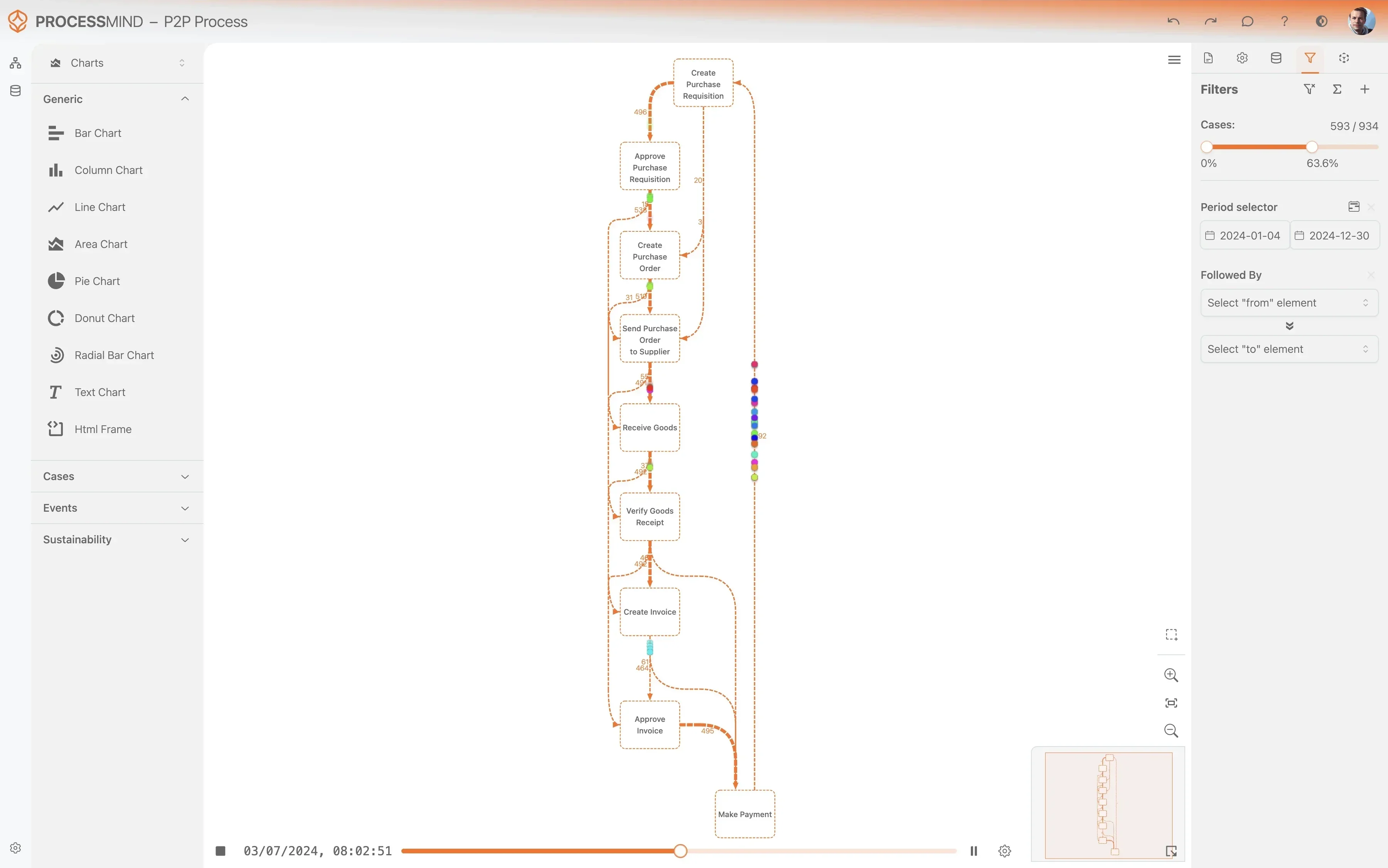
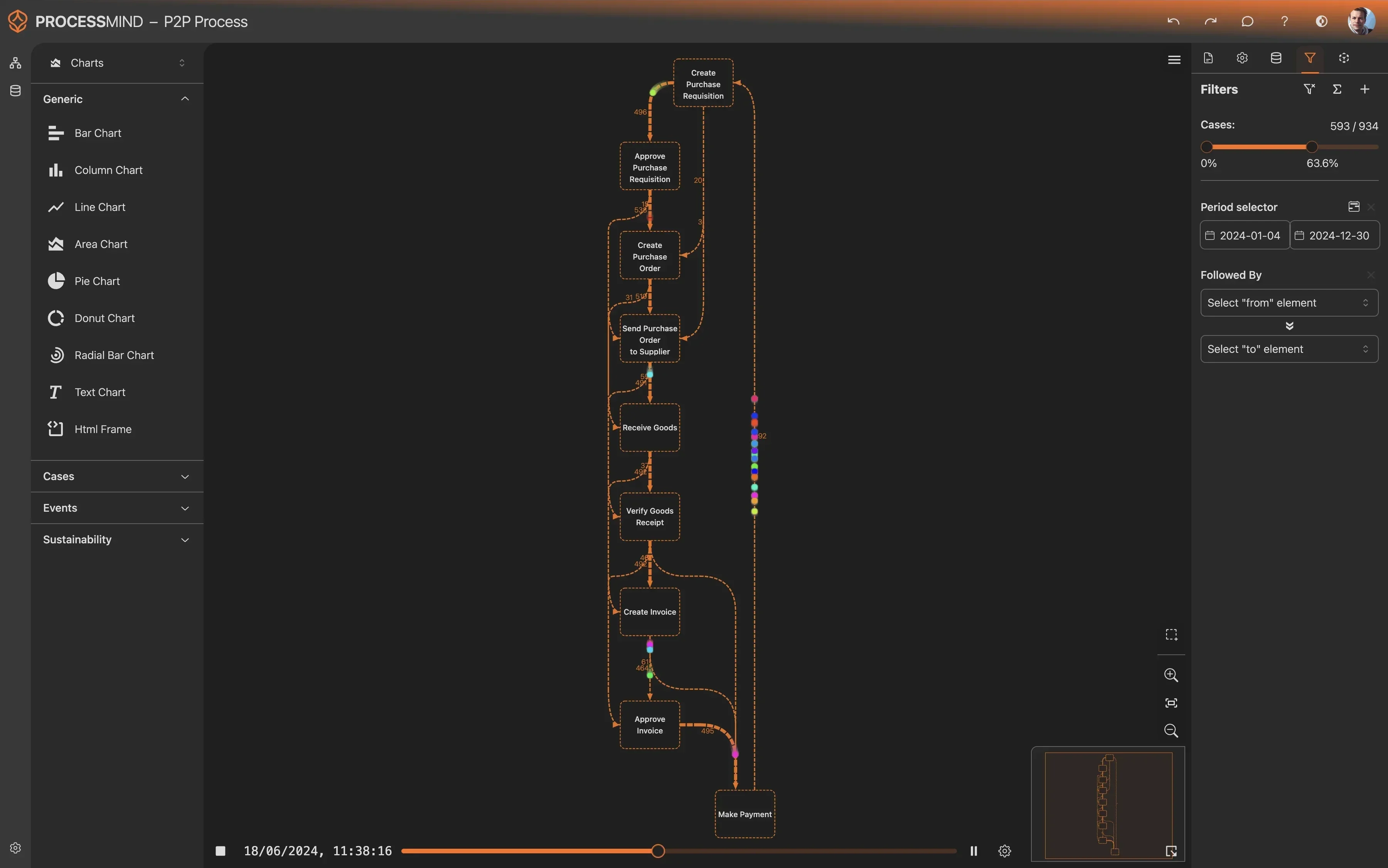
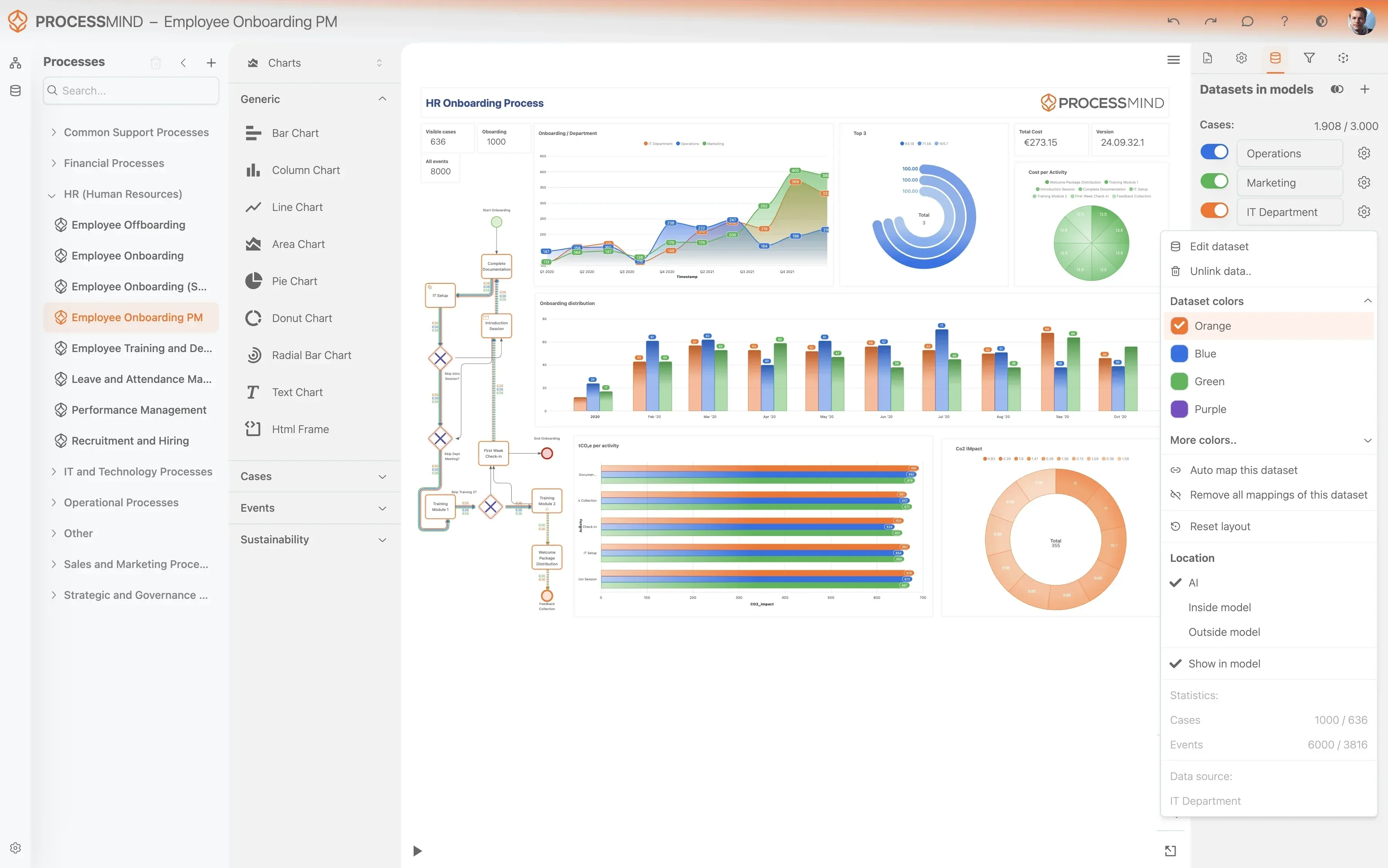
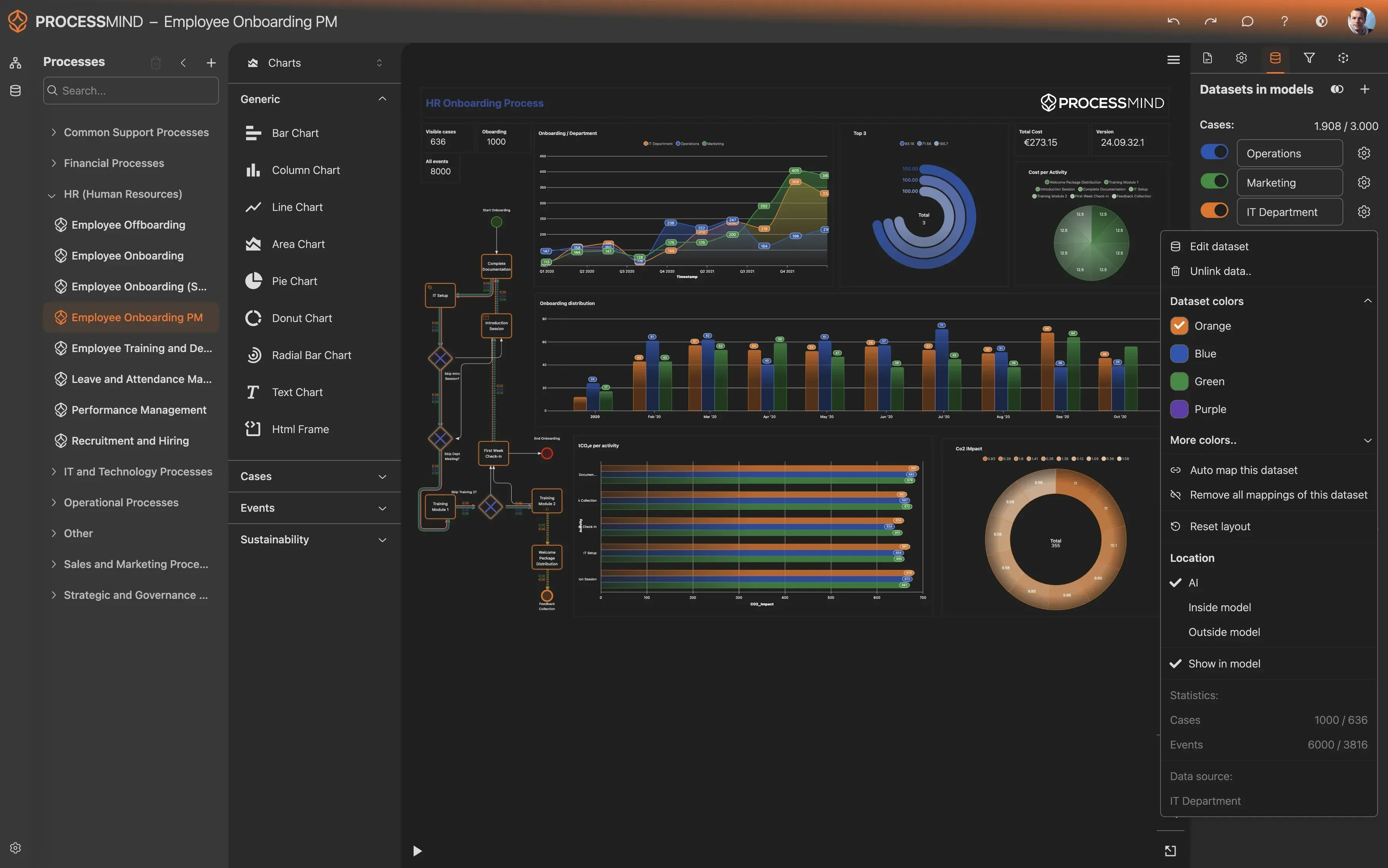
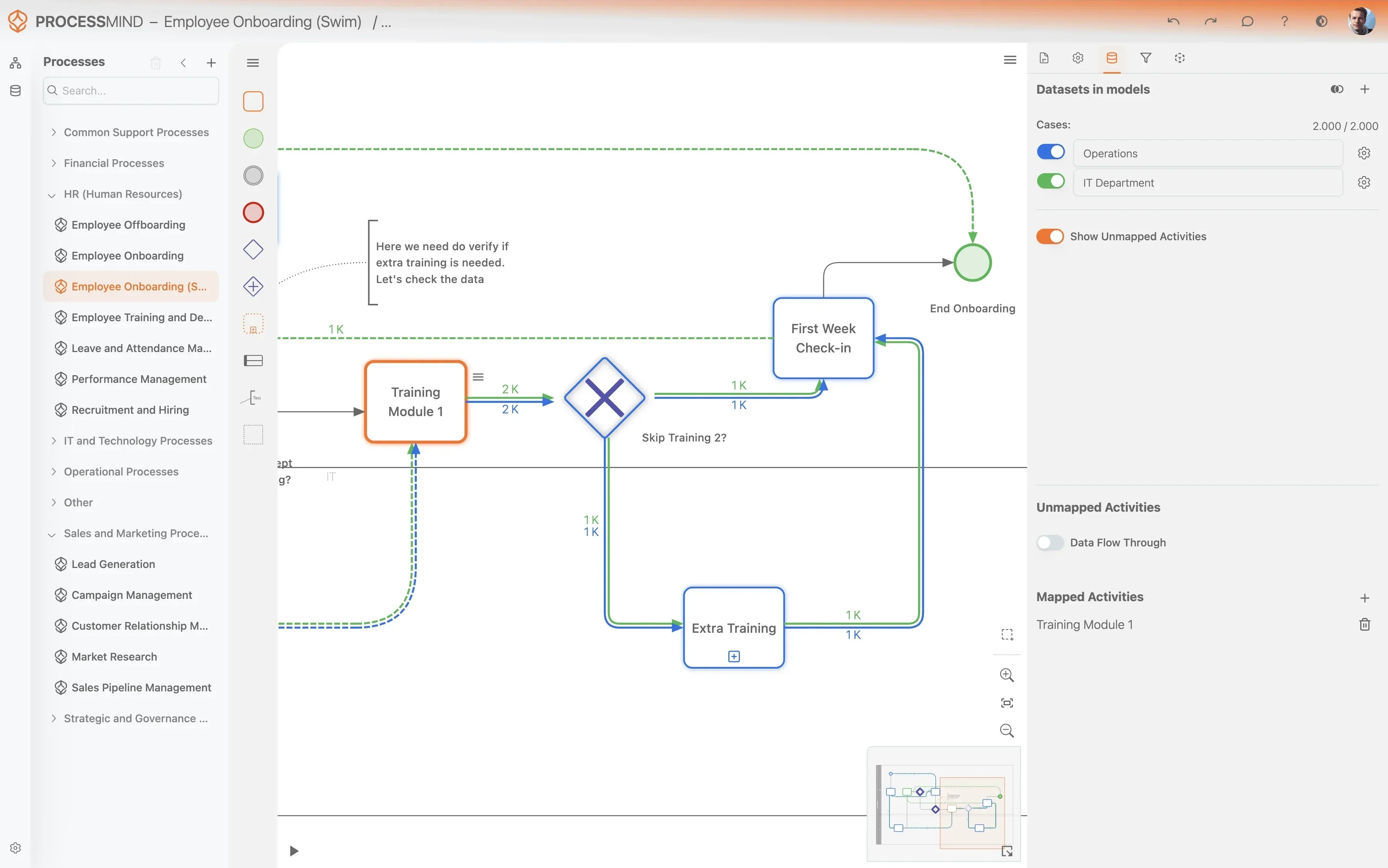
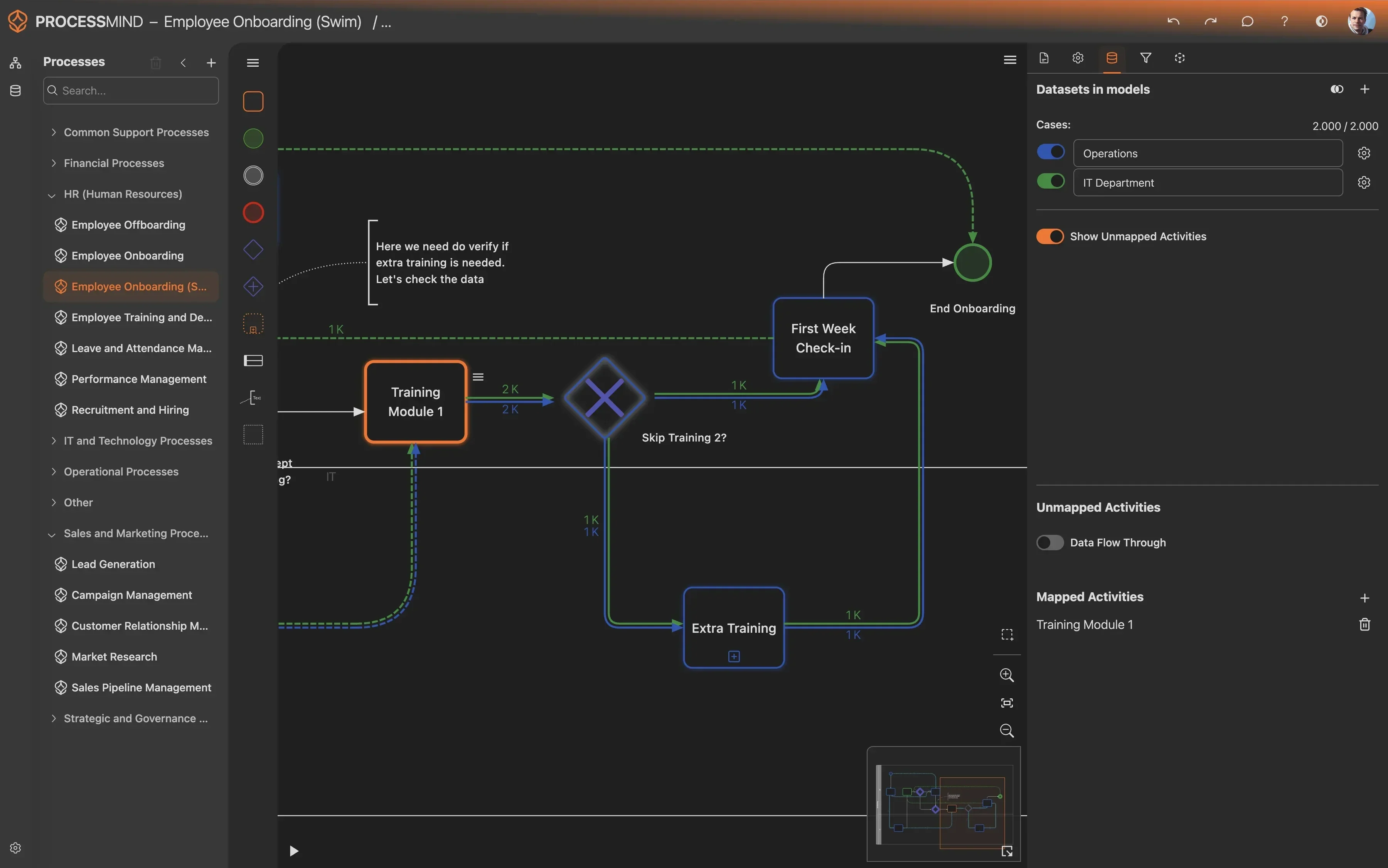
- Map complete payment flows from end to end
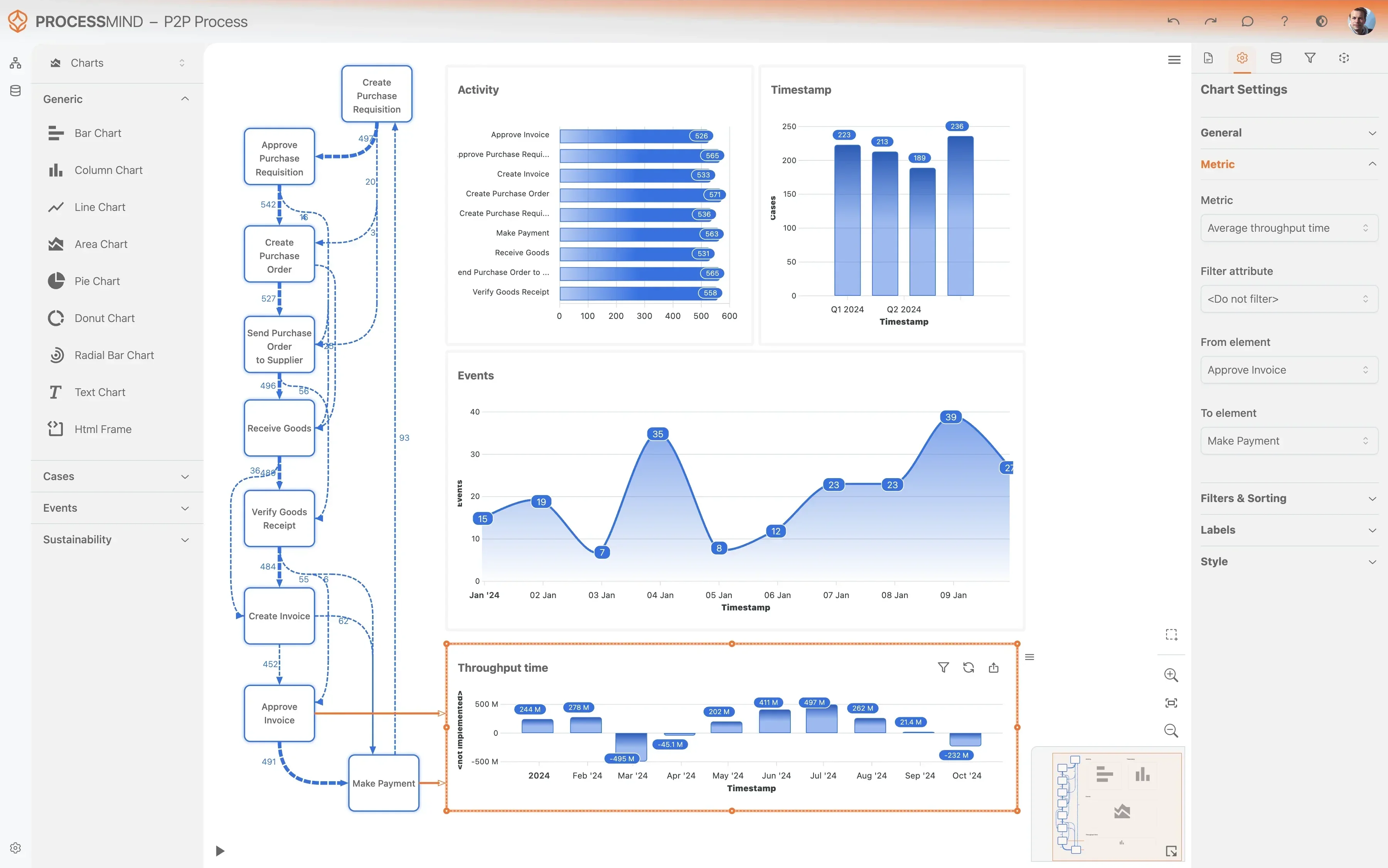
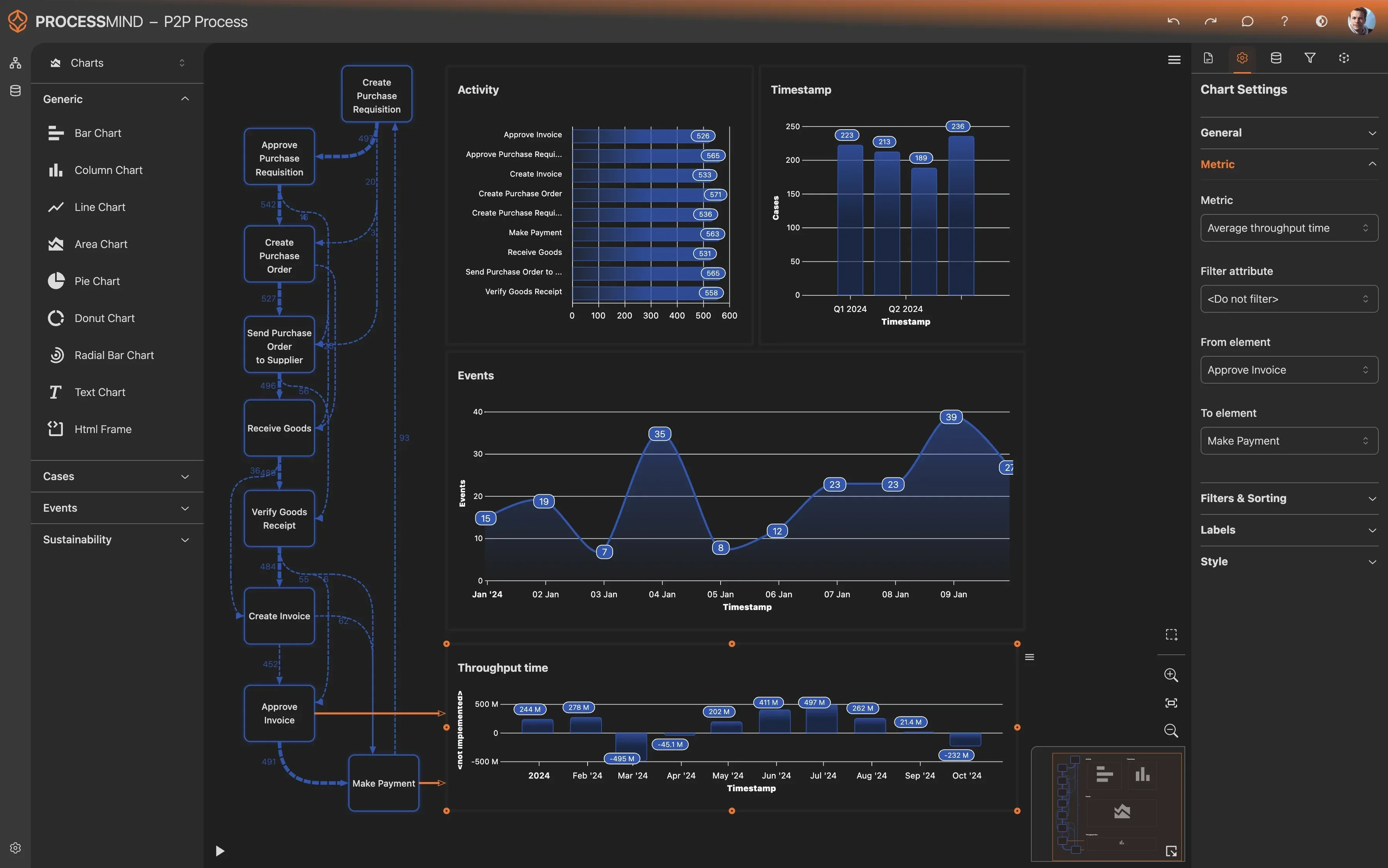
- Identify the root cause of settlement errors
- Detect bottlenecks causing reconciliation delays
- Audit compliance across all financial workflows
TYPICAL OUTCOMES
Transforming Payments Processing Performance
Enterprises utilizing process mining on Fiserv data streams identify critical inefficiencies, such as manual intervention points and payment exceptions, to accelerate transaction cycles. These outcomes reflect the tangible improvements achieved by prioritizing visibility across the entire Payment Transaction ID lifecycle.
Increase in automated flows
Removing manual rework in the Fiserv environment allows more payments to move from request to settlement without any human intervention.
Reduction in approval lag
Streamlining multi level approval structures reduces the average time between payment creation and authorization, speeding up the release of funds.
Adherence to internal policies
Automated monitoring ensures every transaction follows the prescribed path, minimizing risk and achieving 100 percent compliance with financial regulations.
Mean time to resolve issues
Identifying payment validation failures instantly allows teams to resolve errors faster, which maintains consistent cash flow and payee trust.
Improved financial visibility
Shrinking the duration between settlement and reconciliation provides accounting teams with the central visibility needed for precise cash management.
Safeguarding cash reserves
Flagging transactions with identical attributes before settlement prevents duplicate payments and the high cost of manual recovery efforts.
Performance metrics vary based on organizational complexity, transaction volume, and data integrity. These figures serve as benchmarks for typical improvements seen across global financial environments.
Recommended Data
FAQs
Frequently asked questions
Process mining uses the Payment Transaction ID to map every step of your payment flow, from authorization to final settlement. It reveals hidden bottlenecks and deviations that standard Fiserv reports might miss, allowing you to see exactly where transactions stall or encounter manual rework.
You need an event log containing the Payment Transaction ID, a timestamp for each activity, and the activity name itself, such as Authorization Initiated or Settlement Confirmed. Supplemental data like transaction amount or currency type helps further segment the analysis to identify high risk or high value delays.
Yes, by visualizing the digital footprint of every transaction, the tool identifies points where payments are frequently kicked back for manual correction. This insight allows teams to target specific validation rules for automation, significantly increasing your straight through processing rates.
Traditional reporting typically provides static snapshots of KPIs, like total volume or average processing time, but fails to show the path between those metrics. Process mining reconstructs the actual sequence of events, highlighting non-compliant paths and undocumented workarounds that impact your cash flow.
Initial insights can often be generated within two to four weeks once the data connection to Fiserv is established. After the first data upload, you can immediately begin identifying the root causes of missed processing cutoffs and settlement delays.
Process mining excels at identifying redundant loops where the same Payment Transaction ID or related metadata appears in multiple settlement logs. By flagging these patterns in real time, you can implement preventative controls to stop duplicate transactions before they drain cash reserves.
While real time integration provides the most immediate value for monitoring cutoffs, you can start with a one time file export to conduct a baseline analysis. Many organizations begin with periodic batch uploads to identify long term trends before moving toward a live monitoring setup.
It provides a complete, objective record of every payment path taken, ensuring that 100 percent of transactions are audited rather than just a small sample. This transparency makes it easy to demonstrate to regulators that your team is following established policies and resolving errors within required timeframes.
Optimize Payments Processing and Reach 98% STP Today
Eliminate reconciliation delays and master your Fiserv workflows.
No credit card required. Setup in minutes.