Improve Your Asset Maintenance

Select a process
Choose a process to continue working in your connected workspace.
Optimize Your Asset Maintenance Process
Our platform helps you identify hidden bottlenecks and unnecessary delays within your maintenance workflows. By analyzing your source system data, we pinpoint where resources are underutilized and highlight areas for cost reduction. Use these insights to streamline your operations and ensure your equipment remains at peak performance.
Download our pre-configured data template and address common challenges to reach your efficiency goals. Follow our six-step improvement plan and consult the Data Template Guide to transform your operations.
Show detailed description
Visualizing the Lifecycle of Asset Maintenance
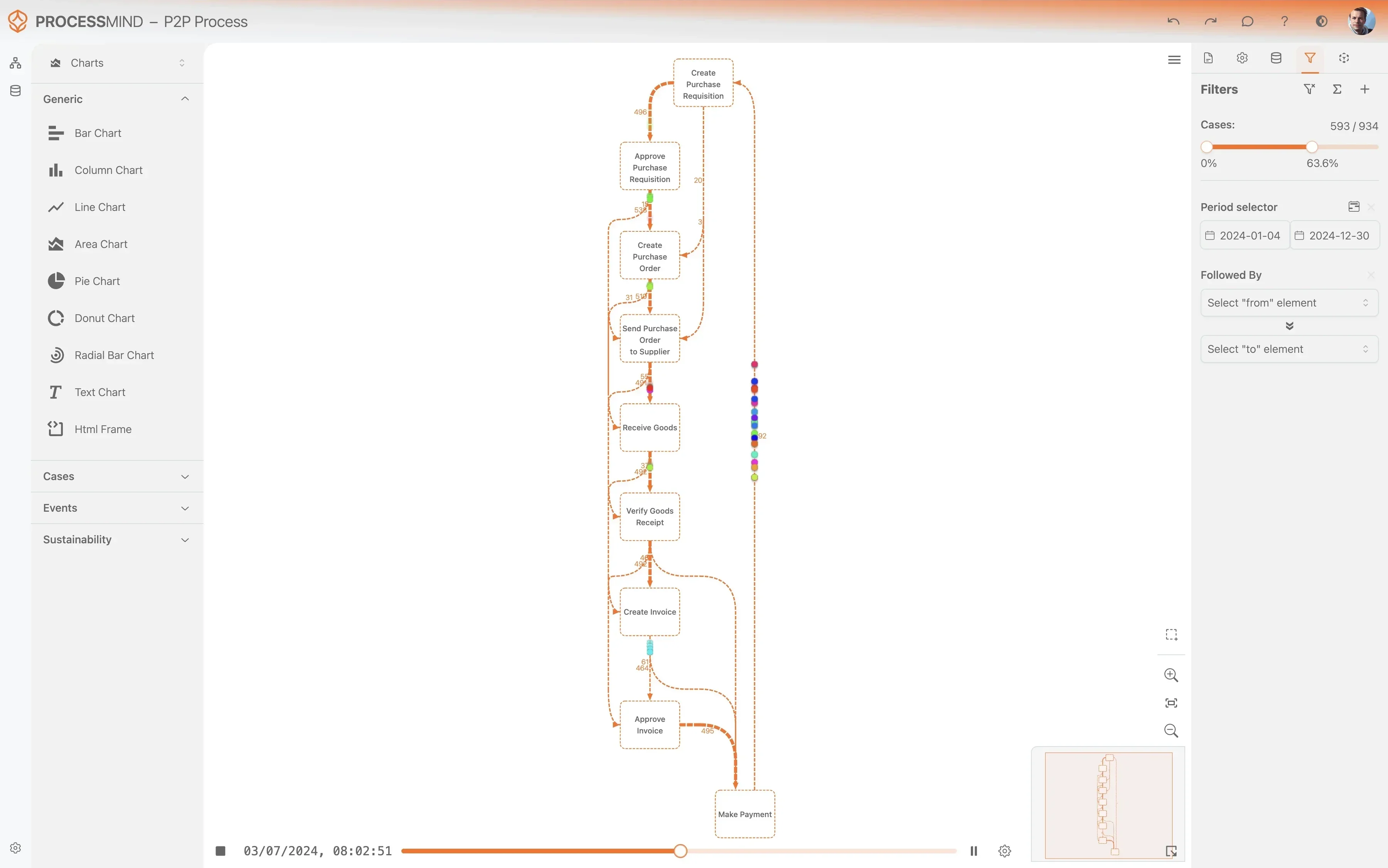
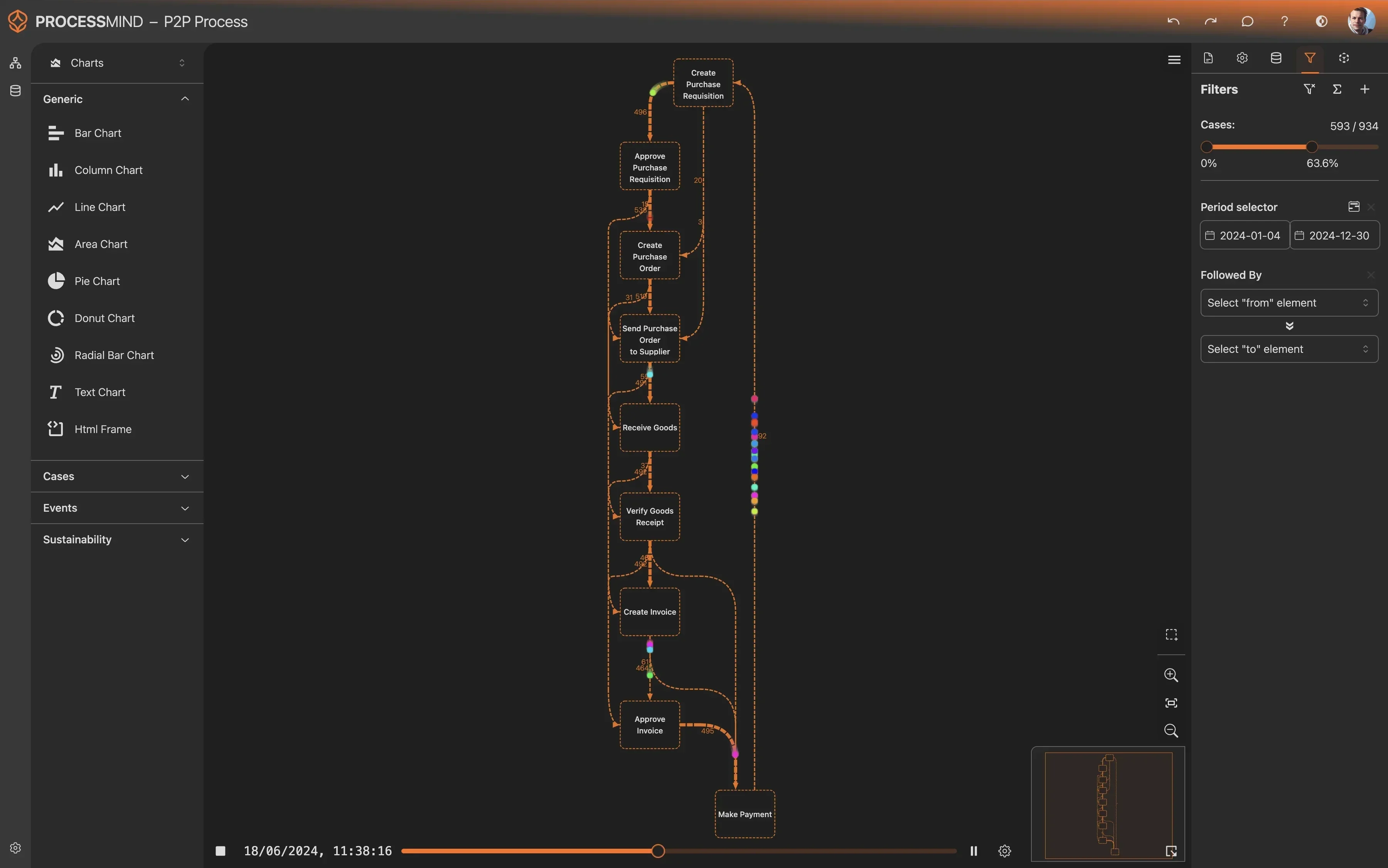
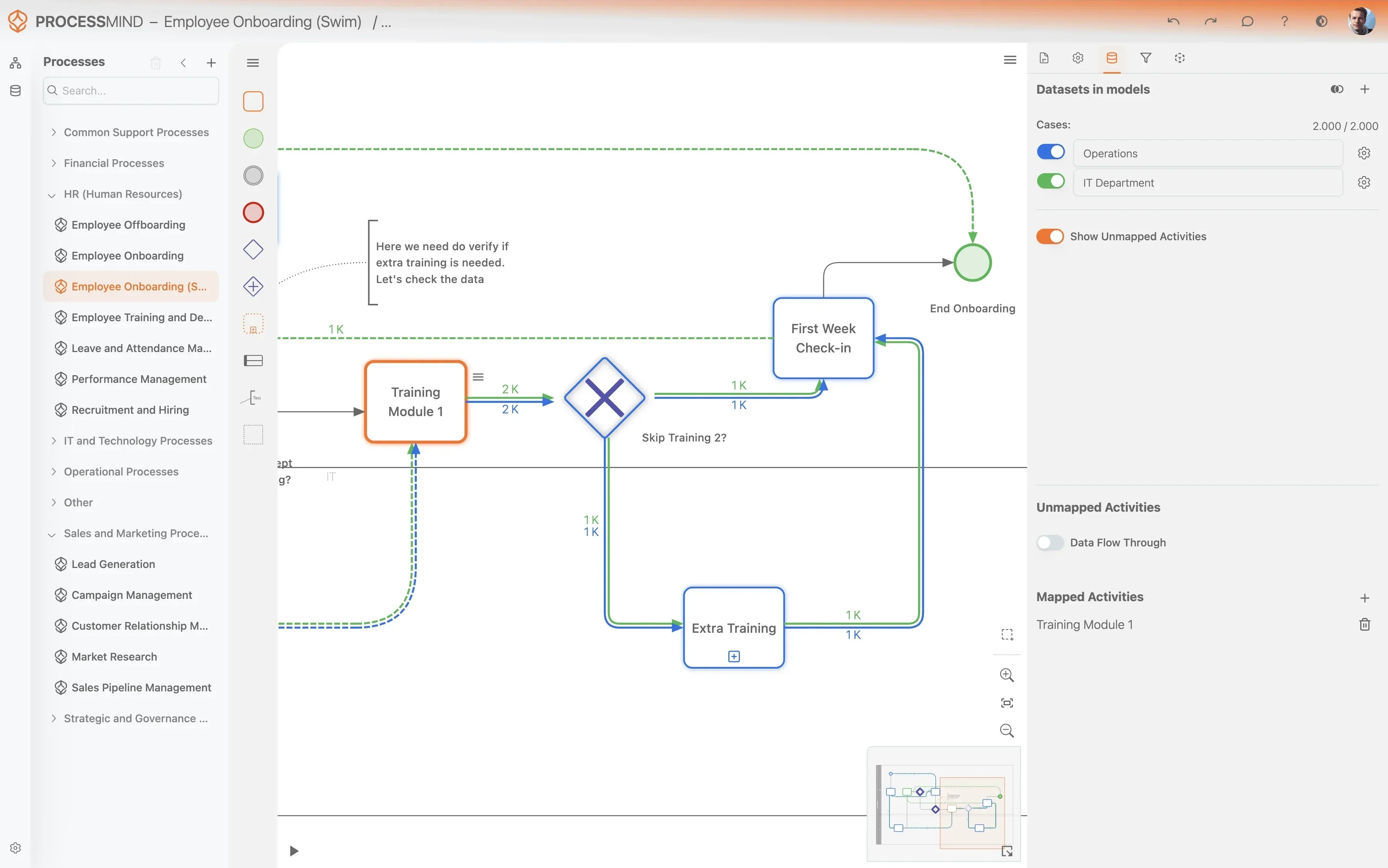
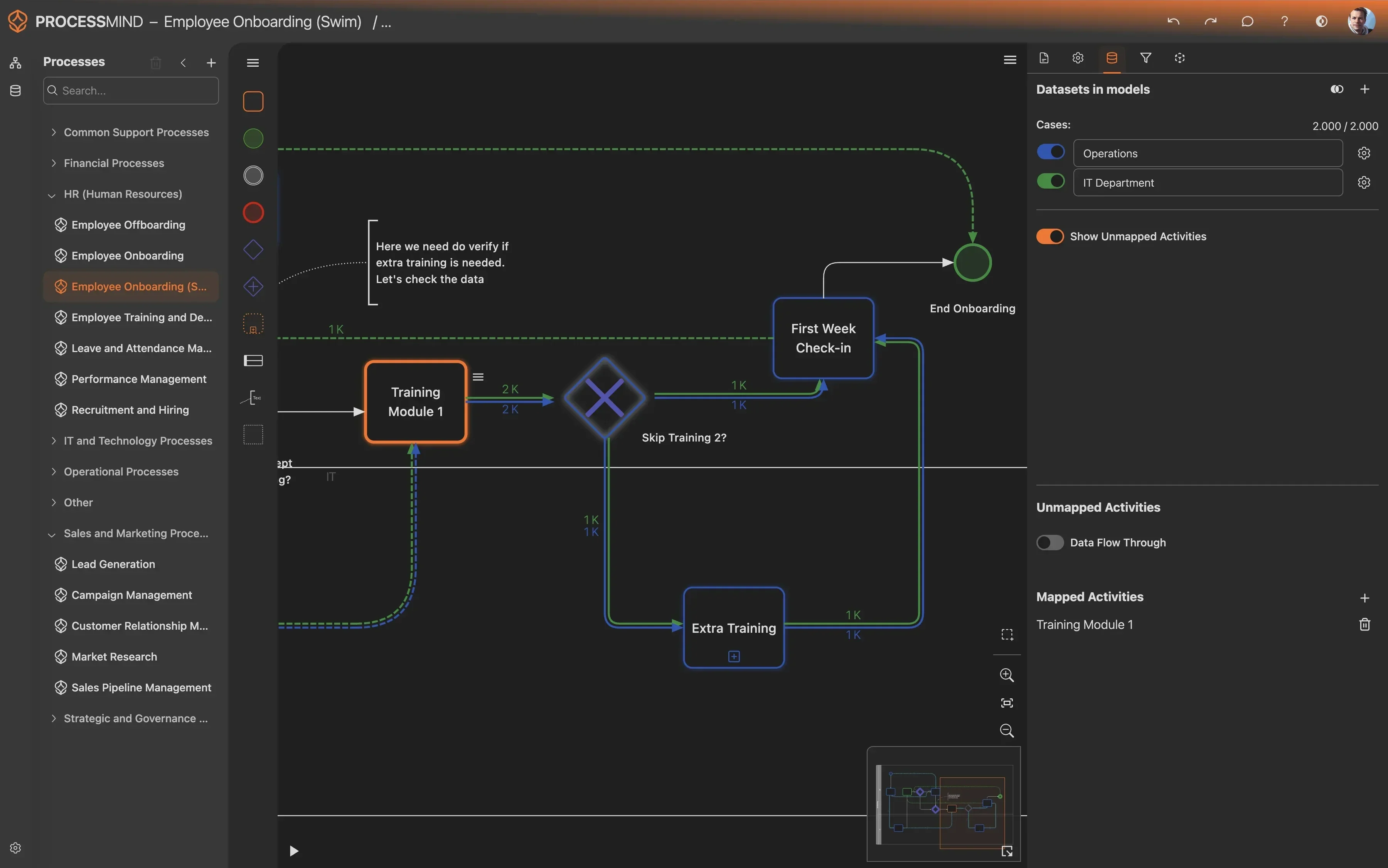
Process mining for asset maintenance provides a deep dive into the lifecycle of every work order, from initial request to final closure. By visualizing the actual path that maintenance activities take, you can see how work is prioritized, scheduled, and executed across your entire facility or network. It highlights the variations between planned maintenance and reactive repairs, showing you exactly where the process deviates from your standard operating procedures. This transparency helps you understand the frequency of rework, identify loops in the approval process, and see how long work orders spend waiting for parts or labor. By uncovering these hidden patterns, you gain a clear understanding of the true performance of your maintenance department, which is often obscured by aggregated reporting. This level of detail ensures that every stakeholder, from the shop floor to the executive suite, has a shared understanding of operational reality.
Overcoming Operational Bottlenecks
Many maintenance departments struggle with hidden bottlenecks that lead to increased downtime and higher operational costs. Without a clear view of the end to end flow, it is difficult to identify why certain work orders take longer than expected or why emergency repairs seem to bypass the standard planning cycle. Common issues include delays in material requisition, inefficient scheduling of technicians, and inconsistent data entry across different sites. These challenges often lead to a backlog of unfinished work, which compromises asset reliability and can even impact safety compliance if critical inspections are missed. Furthermore, when communication between the planning team and the field technicians breaks down, it creates friction that slows down the entire organization and increases the risk of costly asset failure. By addressing these root causes, organizations can significantly reduce their maintenance spend while increasing uptime and safety performance.
Driving Excellence with ProcessMind
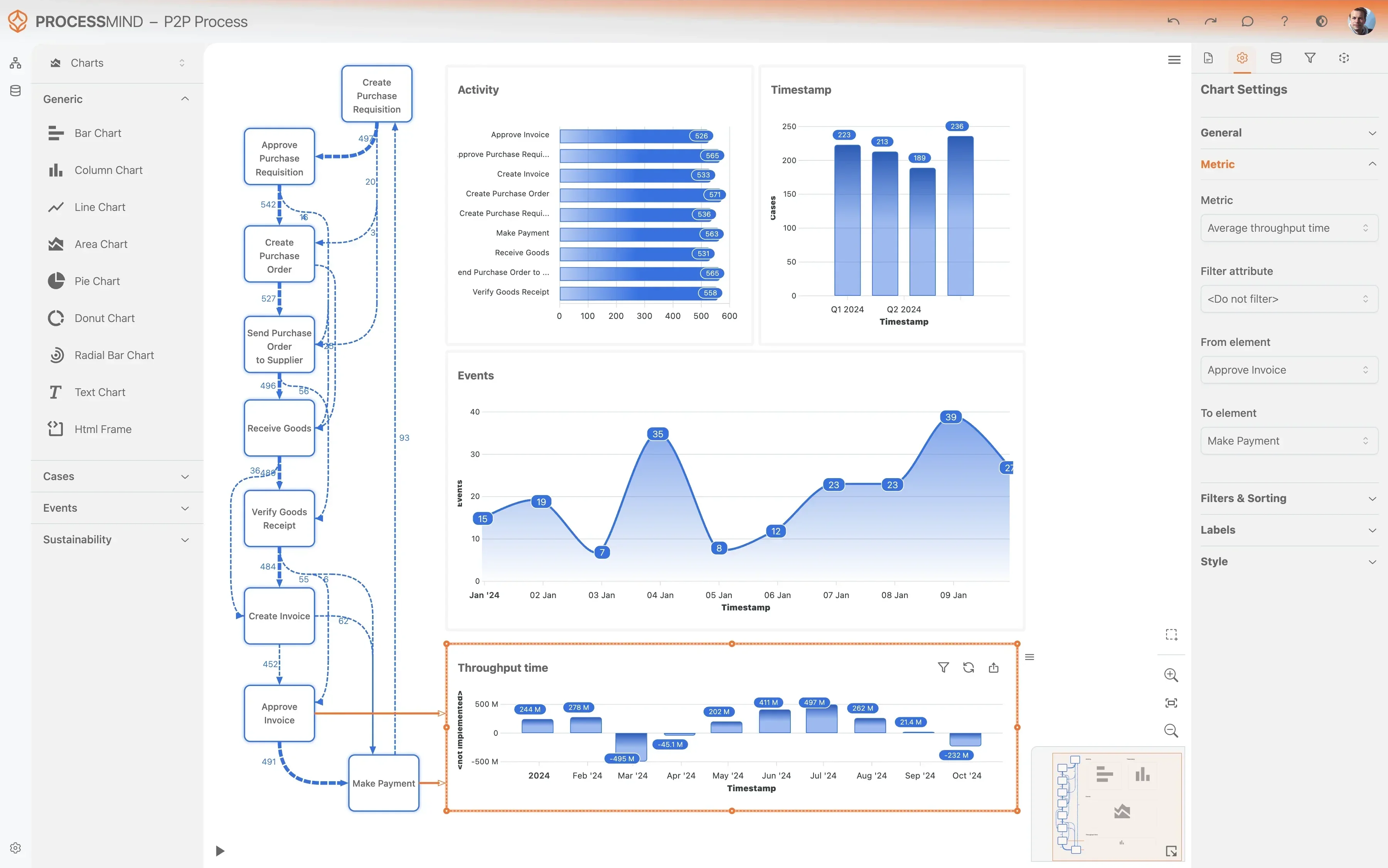
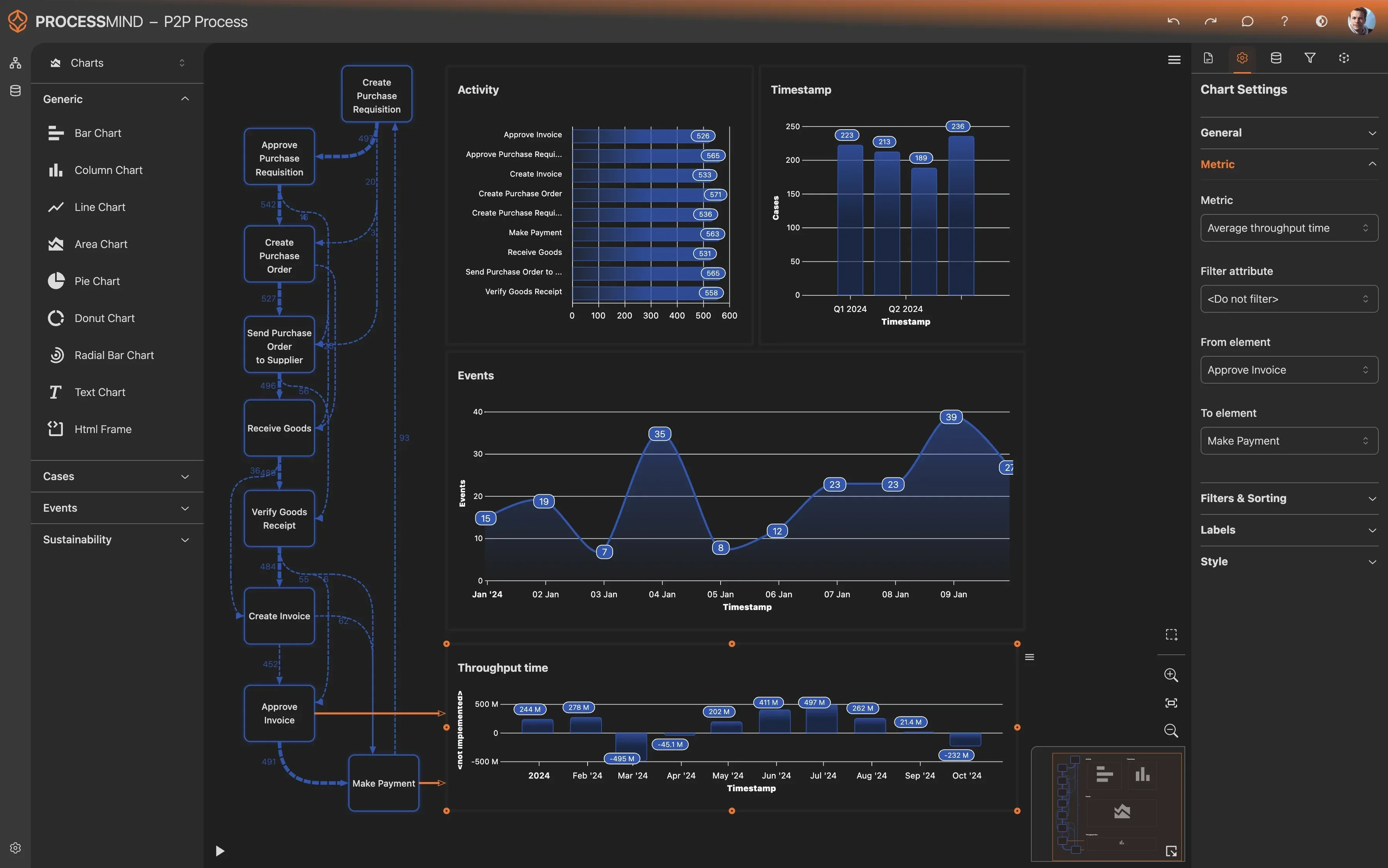
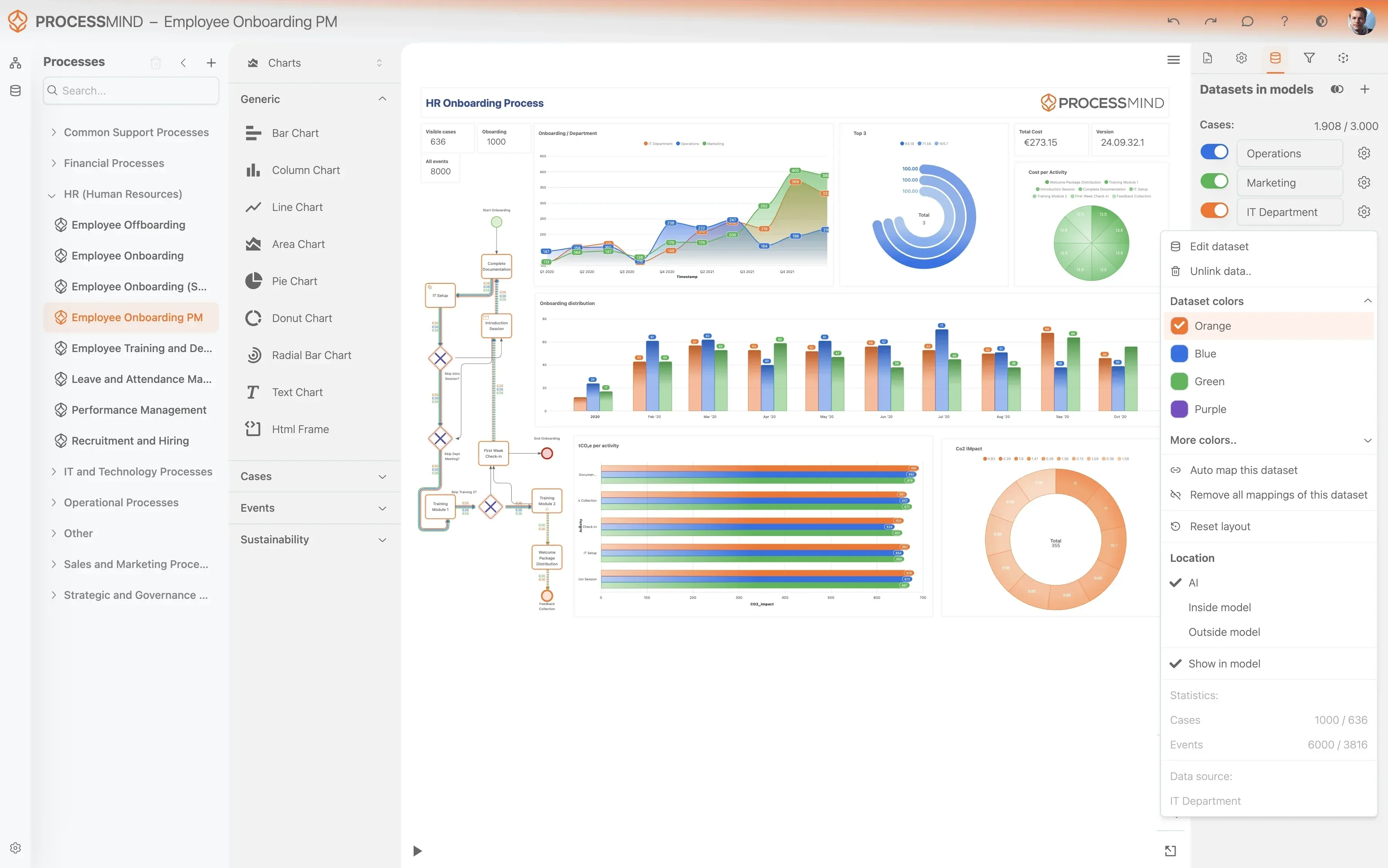
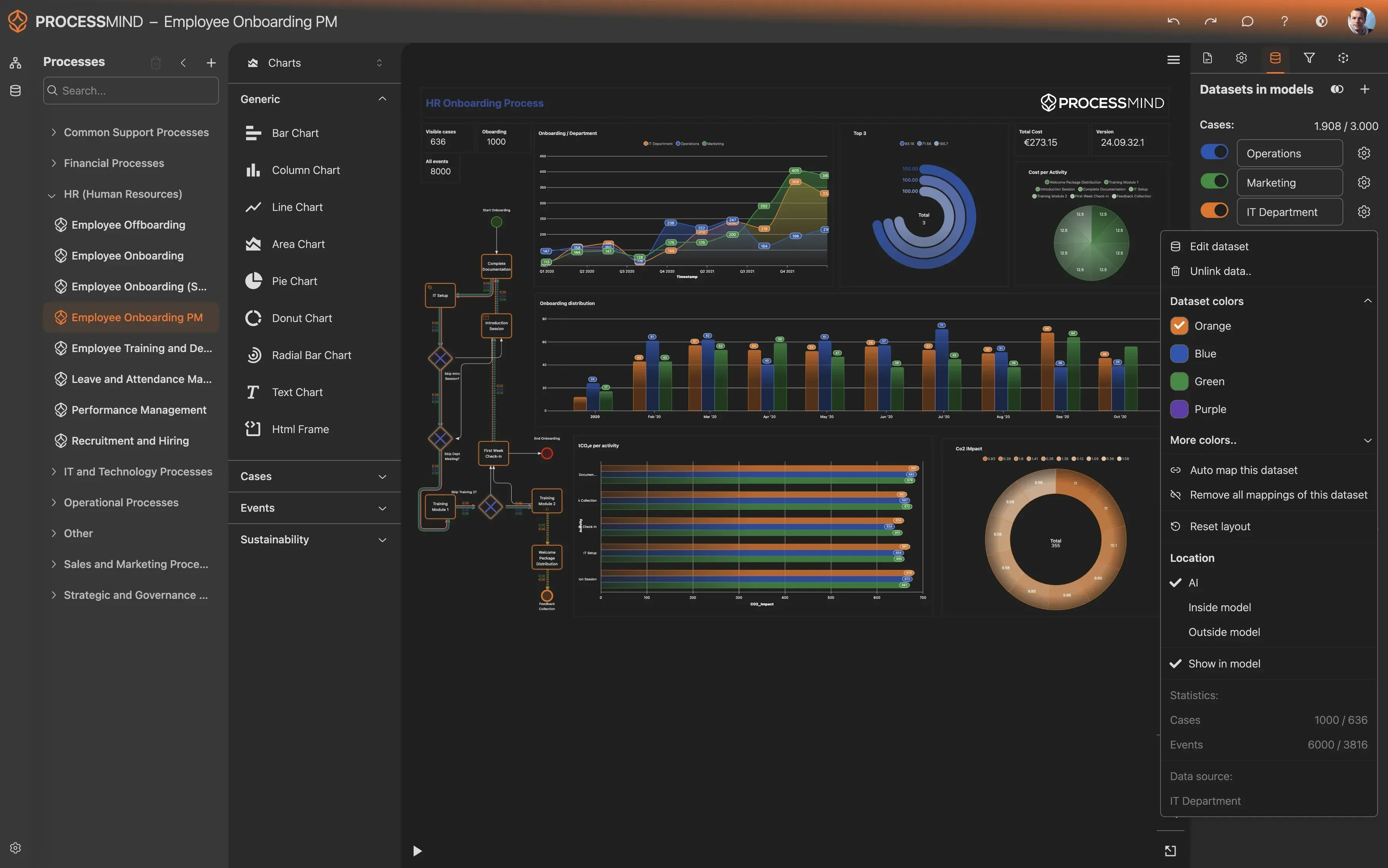
Analyzing your maintenance operations with our platform allows you to transform raw data from your source system into actionable insights. By mapping the digital footprint of every maintenance activity, you can quantify the impact of delays on your total cost of ownership. You will be able to optimize resource allocation by seeing where your teams are most effective and where they are bogged down by administrative tasks. This level of analysis enables you to transition from a reactive posture to a more predictive and efficient maintenance strategy, ensuring that your assets remain operational while minimizing waste in the planning and execution phases. With real time visibility, you can also monitor the effectiveness of process changes and ensure that improvements are sustained over the long term, creating a culture of continuous improvement and operational excellence.
Seamless Integration and Rapid Results
Getting started with process mining for your maintenance operations is a straightforward process. You begin by connecting your source system, such as your ERP or maintenance management tool, to our platform using our standardized data templates. These templates are designed to map the most critical fields, such as work order IDs, status changes, and timestamps, into a format that our engine can process immediately. Once your data is ingested, you will have access to a comprehensive dashboard that visualizes your maintenance flow, allowing you to start identifying improvement opportunities on day one. Our platform is built to handle the complexities of your unique business rules, providing a clear path to operational excellence regardless of how many different systems or processes you currently have in place. Download the data template today to begin your journey toward a more efficient and transparent maintenance organization.
6 Steps to Optimize Asset Maintenance Processes
Connect & Discover
What to do
Connect your maintenance data sources to your analytics tool to extract work order history and timestamps for every activity performed.
Why it matters
Establishing a data-driven foundation eliminates guesswork, providing an objective view of how maintenance teams really work.
Expected outcome
A complete digital representation of your maintenance operations.
Map Your Process
What to do
Visualize the end-to-end maintenance flow from request to closure to see how different work orders deviate from the standard path.
Why it matters
Transparency reveals hidden process variants and unofficial workarounds that increase costs and compromise asset reliability.
Expected outcome
Clear visualization of all maintenance workflow variations.
Identify Bottlenecks
What to do
Locate stages where work orders stall, such as waiting for parts or resource scheduling, by analyzing the time spent between activities.
Why it matters
Focusing on bottlenecks ensures that improvement efforts target the areas causing the most significant delays in equipment uptime.
Expected outcome
Pinpointed areas of friction causing maintenance delays.
Analyze Root Causes
What to do
Investigate the underlying reasons for delays, such as specific asset types, locations, or vendor performance issues.
Why it matters
Understanding the root cause prevents you from applying superficial fixes that do not address the core maintenance inefficiencies.
Expected outcome
Documented insights into the drivers of process waste.
Design Improvements
What to do
Implement targeted process changes, such as automated material requisition or revised scheduling logic, to streamline operations.
Why it matters
Proactive optimizations reduce the mean time to repair and ensure that maintenance resources are used as effectively as possible.
Expected outcome
Validated plan for maintenance process enhancements.
Monitor & Iterate
What to do
Establish a monitoring loop to track process performance over time, ensuring that improvements deliver the expected business value.
Why it matters
Continuous monitoring allows for rapid response to new challenges, maintaining high performance levels across the maintenance lifecycle.
Expected outcome
Sustainable, high-performing asset maintenance operation.
PROVEN OUTCOMES
Maximizing Asset Reliability and Efficiency
By analyzing every Maintenance Work Order across your operations, organizations uncover hidden bottlenecks and streamline resource allocation to ensure critical assets remain operational.
Increase in planned activities
Organizations transition from reactive emergency repairs to planned activities by identifying failure patterns and optimizing preventive maintenance schedules.
Reduction in scoping lead time
Streamlining the planning and approval phases ensures that technicians receive actionable instructions and materials significantly faster than before.
Improvement in first time fix
Eliminating recurring failures and technical rework loops helps engineering teams address root causes and decreases the frequency of redundant repair visits.
Critical asset SLA adherence
Continuous monitoring of work progress against target dates ensures that high priority infrastructure consistently meets safety and regulatory commitments.
Reduction in post work lag
Accelerating the transition from technical sign off to final administrative closure ensures financial reporting and settlement cycles are completed without delay.
Increase in technical uptime
Reducing administrative overhead and waiting periods for parts ensures technicians spend more time on technical repairs rather than documentation or logistics.
Results vary based on process complexity and data quality. These figures represent typical improvements observed across implementations.
Recommended Data
For customized data recommendations, choose your specific process.
FAQs
Frequently asked questions
Process mining for asset maintenance extracts event logs from your management system to visualize the actual flow of work orders from creation to closure. It helps teams identify hidden bottlenecks in planning cycles and pinpoint where execution deviates from the intended maintenance schedule.
To get started, you need a minimum of three data points including a unique work order identifier, an activity name such as a status change, and a timestamp for each event. Additional attributes like asset type, location, and priority are also helpful for filtering the data and providing deeper context for the analysis.
Most organizations see their first process visualizations and actionable insights within two to four weeks once the data connection is established. This initial phase usually focuses on high impact areas like planning delays and procurement bottlenecks to provide immediate value to the maintenance team.
Yes, the tool identifies the specific stages where work orders stall, such as waiting for parts or technician availability. By visualizing these friction points, management can reallocate resources to clear existing backlogs and adjust scheduling logic to prevent future accumulation.
Process mining reveals the ratio of emergency repairs versus planned tasks by tracking the source and priority of every work order. You can analyze the root causes of frequent failures and optimize your preventive maintenance schedules to intervene before critical breakdowns occur.
The tool identifies patterns where work orders are reopened or where similar repairs occur on the same asset within a short timeframe. Analyzing these loops helps determine if the issue stems from poor part quality, inadequate training, or incorrect diagnostic procedures.
The system monitors the sequence of mandatory safety approvals and quality inspections to ensure they are completed according to company policy. If steps are bypassed or performed out of order, the tool flags these compliance gaps automatically for management review.
By filtering work orders by the assigned vendor, you can compare their actual performance against established service level agreements. This visibility allows you to identify which contractors consistently meet deadlines and which ones struggle with repeat repairs or documentation delays.
Optimize Your Asset Maintenance Efficiency Today
Reduce downtime and cut maintenance costs with real-time data.
No credit card required. Setup in 5 minutes.