Improve Your Quality Management

Select a process
Choose a process to continue working in your connected workspace.
Optimize Quality Management in Veeva Vault Quality
Quality management processes often face delays, compliance risks, and operational bottlenecks. Our platform helps you uncover hidden inefficiencies and pinpoint root causes affecting your quality events. By streamlining these processes, you can ensure more effective actions and achieve higher product quality.
Download our pre-configured data template and address common challenges to reach your efficiency goals. Follow our six-step improvement plan and consult the Data Template Guide to transform your operations.
Show detailed description
Why Optimize Quality Management in Veeva Vault Quality?
Quality Management, particularly within regulated environments like life sciences, is paramount for product safety, efficacy, and patient well-being. Systems like Veeva Vault Quality provide robust frameworks for managing quality events, deviations, CAPAs, and more. However, even with leading systems, underlying process inefficiencies can lead to significant challenges. Prolonged investigation cycle times, overlooked compliance gaps, and the reactive management of recurring issues can escalate operational costs, delay market access for vital products, and even impact an organization's reputation.
Optimizing your Quality Management processes isn't just about meeting regulatory requirements, it's about achieving operational excellence. Without a clear, data-driven understanding of how quality events flow from identification to closure, organizations often rely on anecdotal evidence or limited dashboards. This can obscure the true sources of bottlenecks, prevent effective resource allocation, and hinder efforts to establish a culture of continuous improvement. Understanding the actual execution of your quality processes is critical to reducing quality-related costs, accelerating event resolution, and ultimately, delivering higher quality products or services.
How Process Mining Unlocks Deeper Insights for Quality Management
Process mining offers a revolutionary approach to understanding and optimizing your Quality Management workflows within Veeva Vault Quality. Unlike traditional reporting, which shows what should happen or summary statistics, process mining reconstructs the actual end-to-end journey of every quality event using event log data extracted directly from your Veeva Vault Quality system. By analyzing the timestamps and activities associated with each Quality Event, this method visualizes the real process flow, including all variations, rework loops, and deviations from standard operating procedures.
This powerful analytical technique allows you to move beyond assumptions. You can precisely identify where quality events spend the most time, which approval steps cause delays, and whether corrective and preventive actions (CAPAs) are implemented and verified effectively. Process mining provides an objective, data-backed view, revealing the hidden inefficiencies and compliance risks that might otherwise go unnoticed. It transforms raw system data into actionable insights, enabling you to pinpoint the root causes of delays and non-compliance with unprecedented clarity.
Key Improvement Areas for Your Quality Processes
Leveraging process mining on your Veeva Vault Quality data can pinpoint several critical areas for improvement:
- Bottleneck Identification and Resolution: Discover exactly which activities or approval stages within the Quality Event lifecycle cause the most significant delays. This could be specific review steps, a particular department, or even an individual, allowing you to target interventions effectively.
- Cycle Time Reduction: Accurately measure and compare the duration of different process paths for quality events. Identify opportunities to streamline workflows, reduce unnecessary handoffs, and ultimately shorten the overall quality event resolution cycle time, from initial identification to final closure.
- Compliance Assurance and Risk Mitigation: Automatically detect instances where processes deviate from your established SOPs or regulatory requirements. Process mining highlights non-compliant paths, helping you proactively address risks and ensure consistent adherence to quality standards like GxP.
- Optimizing Root Cause Analysis (RCA) and CAPA Effectiveness: Analyze the duration and effectiveness of RCA processes. Track whether implemented CAPAs truly resolve recurring issues by correlating them with subsequent quality events, ensuring that your corrective and preventive actions are robust and sustainable.
- Resource Allocation and Workload Balancing: Gain insights into the workload distribution across different roles and departments involved in quality event management. Identify overutilized or underutilized resources, enabling more strategic staffing and process ownership adjustments.
Realizing Tangible Outcomes: Enhanced Quality and Efficiency
By applying process mining to your Veeva Vault Quality data, you can expect to achieve significant, measurable benefits across your organization:
- Reduced Quality Event Cycle Times: Streamlined processes lead to faster resolution of quality issues, allowing for quicker product releases and reduced time to market for life-saving innovations.
- Lower Operational Costs: Eliminating inefficiencies, rework, and manual efforts reduces the resources required to manage quality events, contributing directly to your bottom line.
- Strengthened Compliance and Reduced Risk: Proactive identification and mitigation of non-compliant activities enhance your regulatory posture, minimize audit findings, and protect your organization from potential penalties and reputational damage.
- Improved Product and Service Quality: By effectively addressing the root causes of quality events and ensuring the efficacy of CAPAs, you'll see a reduction in recurring issues, leading to higher overall product quality and customer satisfaction.
- Data-Driven Decision Making: Move away from guesswork. Process mining provides the objective evidence needed to make informed decisions about process improvements, technology investments, and training initiatives.
Getting Started with Quality Management Process Optimization
Optimizing your Quality Management processes with process mining doesn't require a complete overhaul of your Veeva Vault Quality system. Instead, it leverages the valuable data already being collected to provide an unparalleled view into your operational realities. This approach empowers your quality teams to identify areas for improvement with precision, prioritize interventions based on impact, and continuously monitor the effects of implemented changes. Embrace this powerful methodology to transform your quality operations, ensuring greater efficiency, unwavering compliance, and a superior quality profile for your organization.
The 6-Step Improvement Path for Quality Management
Download the Template
What to do
Access and download the pre-configured Excel template for Quality Management, designed specifically to capture data from Veeva Vault Quality.
Why it matters
This ensures your data is structured correctly for effective analysis, aligning with common quality event processes and compliance standards.
Expected outcome
A ready-to-use data template, perfectly structured for your Veeva Vault Quality process data.
Export Your Data
What to do
Extract 3 to 6 months of historical Quality Event data from Veeva Vault Quality, then populate the downloaded template with this real-world information.
Why it matters
Utilizing recent historical data provides a comprehensive view of past performance, identifying recurring issues and trends in your quality processes.
Expected outcome
A completed data template containing your Quality Management process history from Veeva Vault Quality.
Upload Your Dataset
What to do
Upload your filled Quality Management data template securely to ProcessMind. The platform will automatically process and prepare your dataset for analysis.
Why it matters
A secure and efficient upload ensures your data is quickly transformed into actionable insights, without manual setup or complex configurations.
Expected outcome
Your Veeva Vault Quality data is securely ingested and ready for process mining analysis in ProcessMind.
Analyze Your Process
What to do
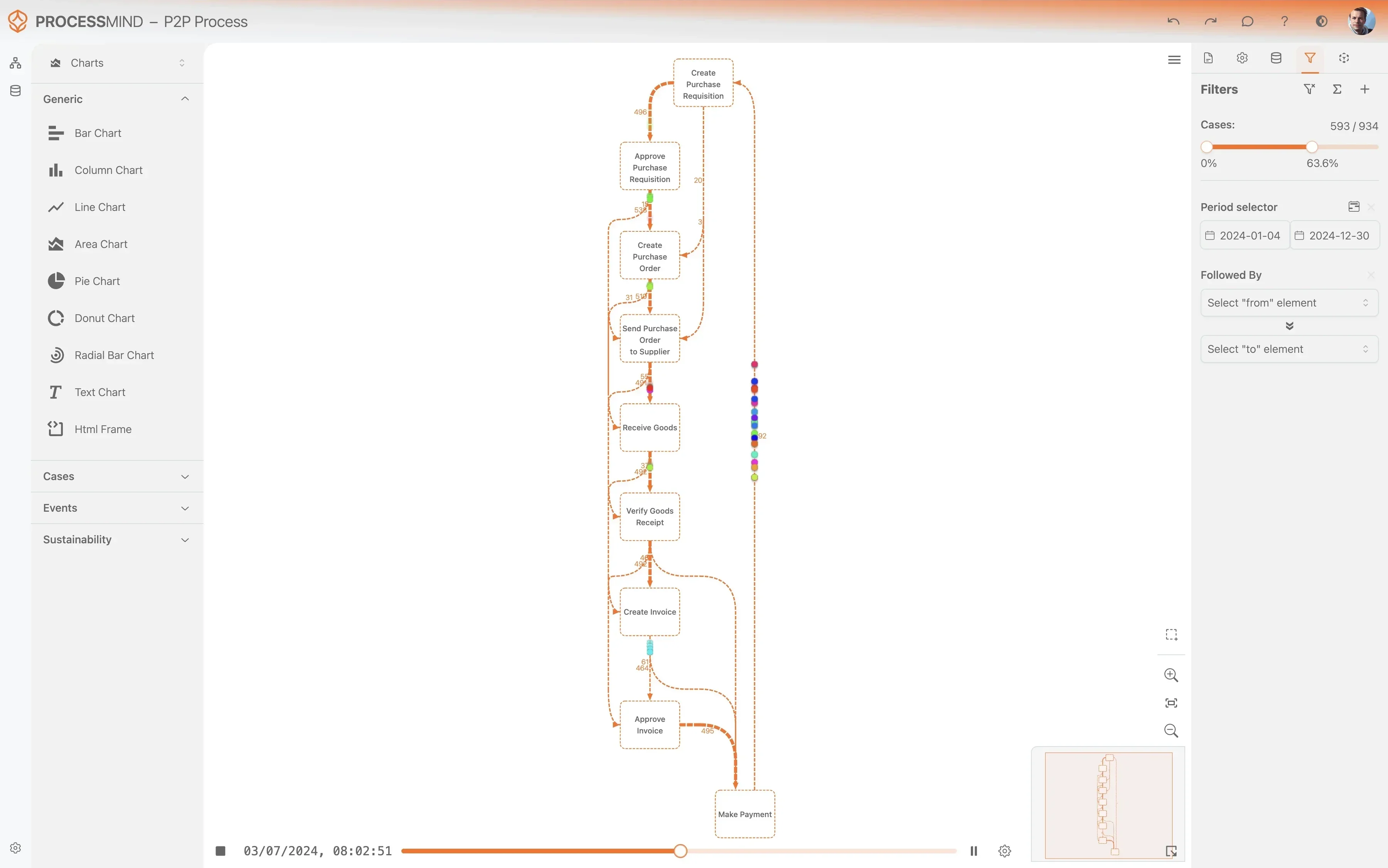
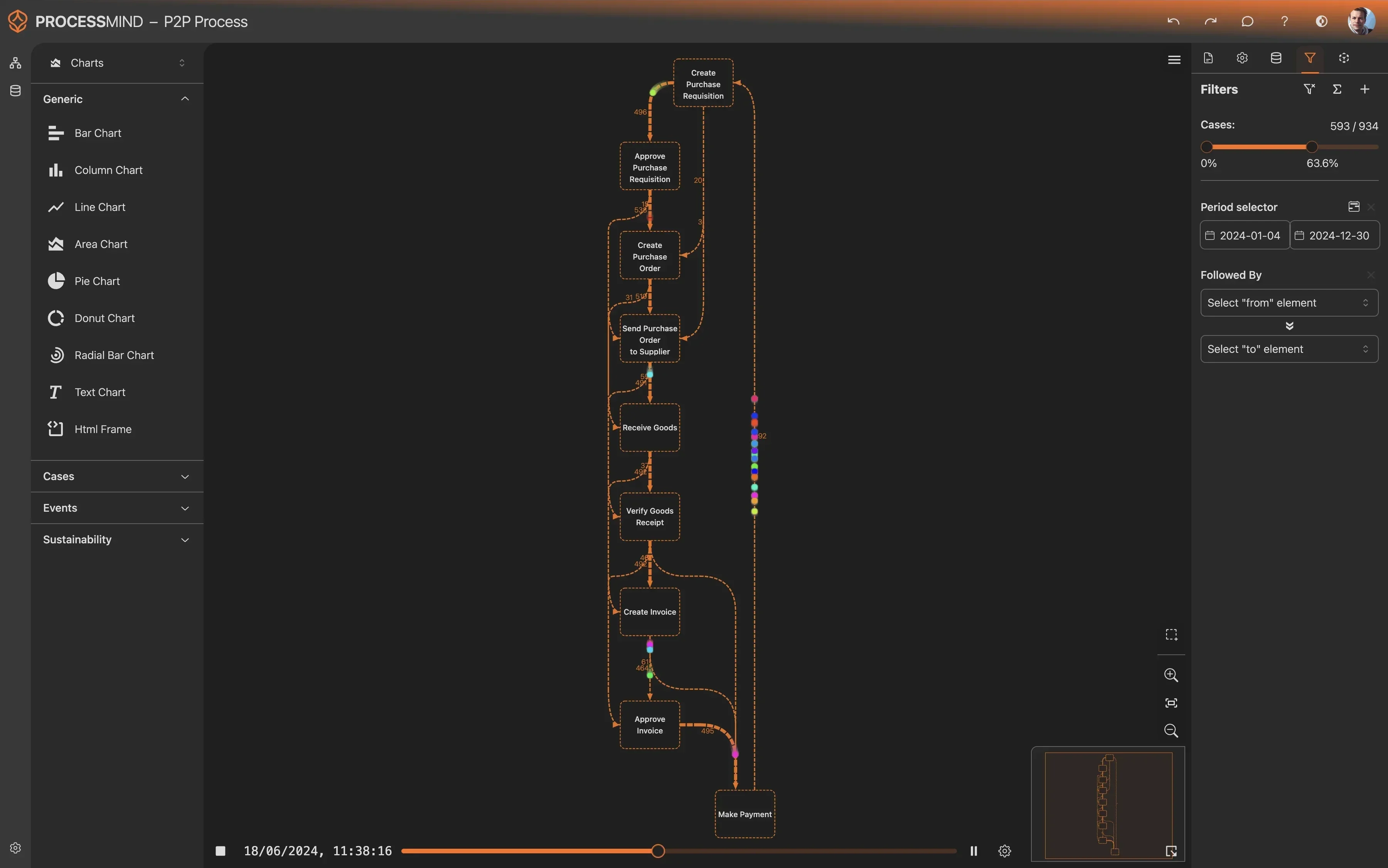
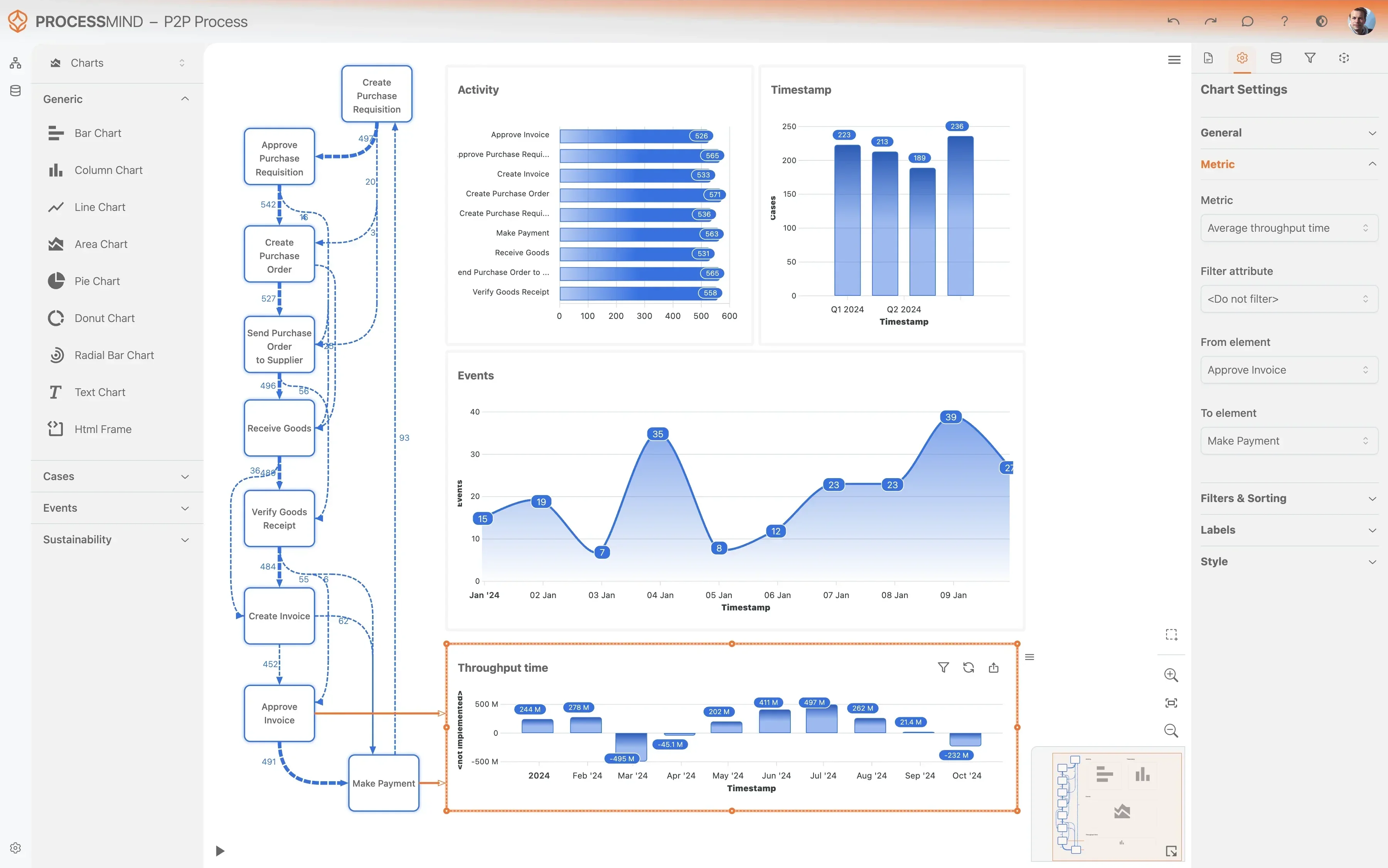
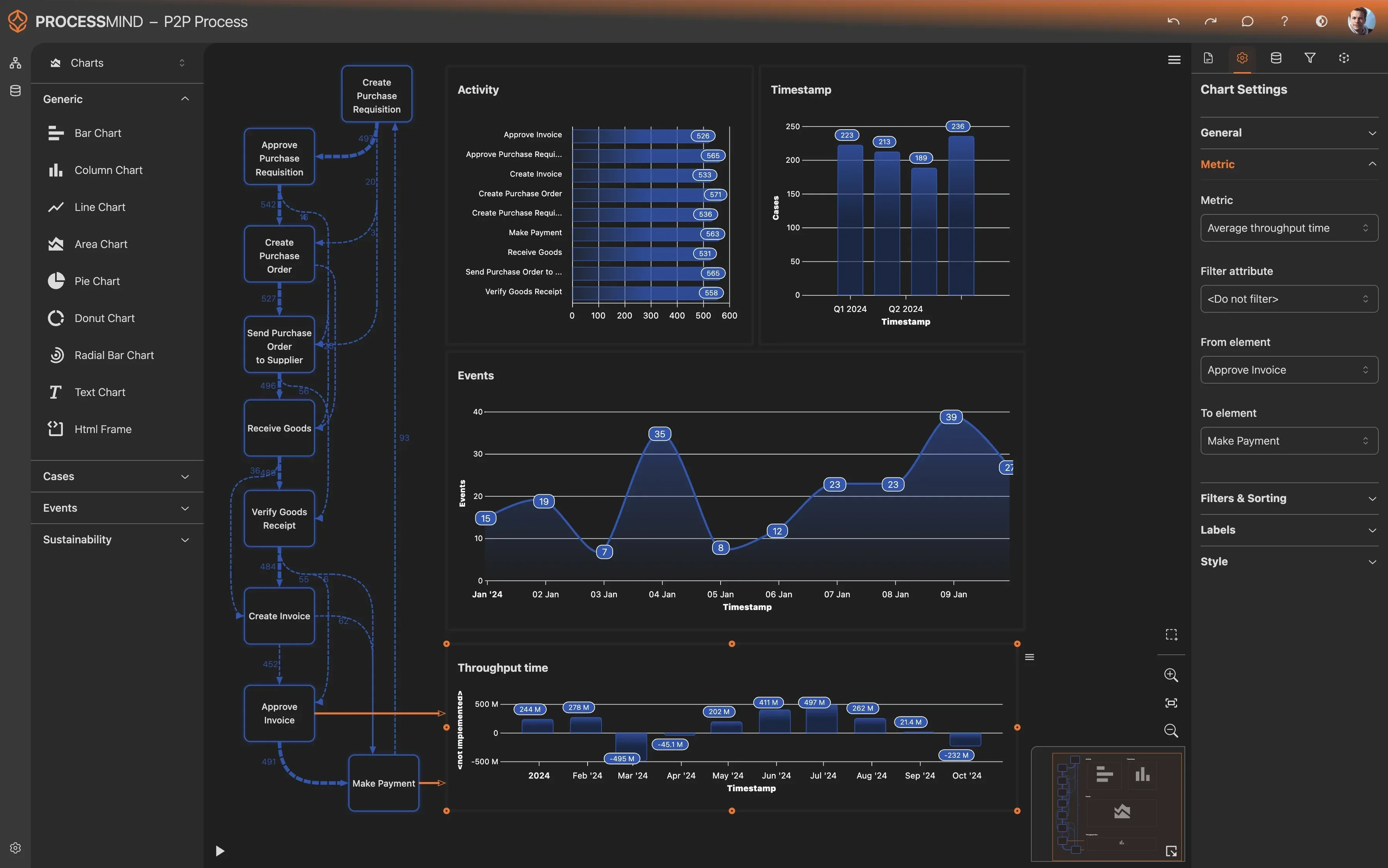
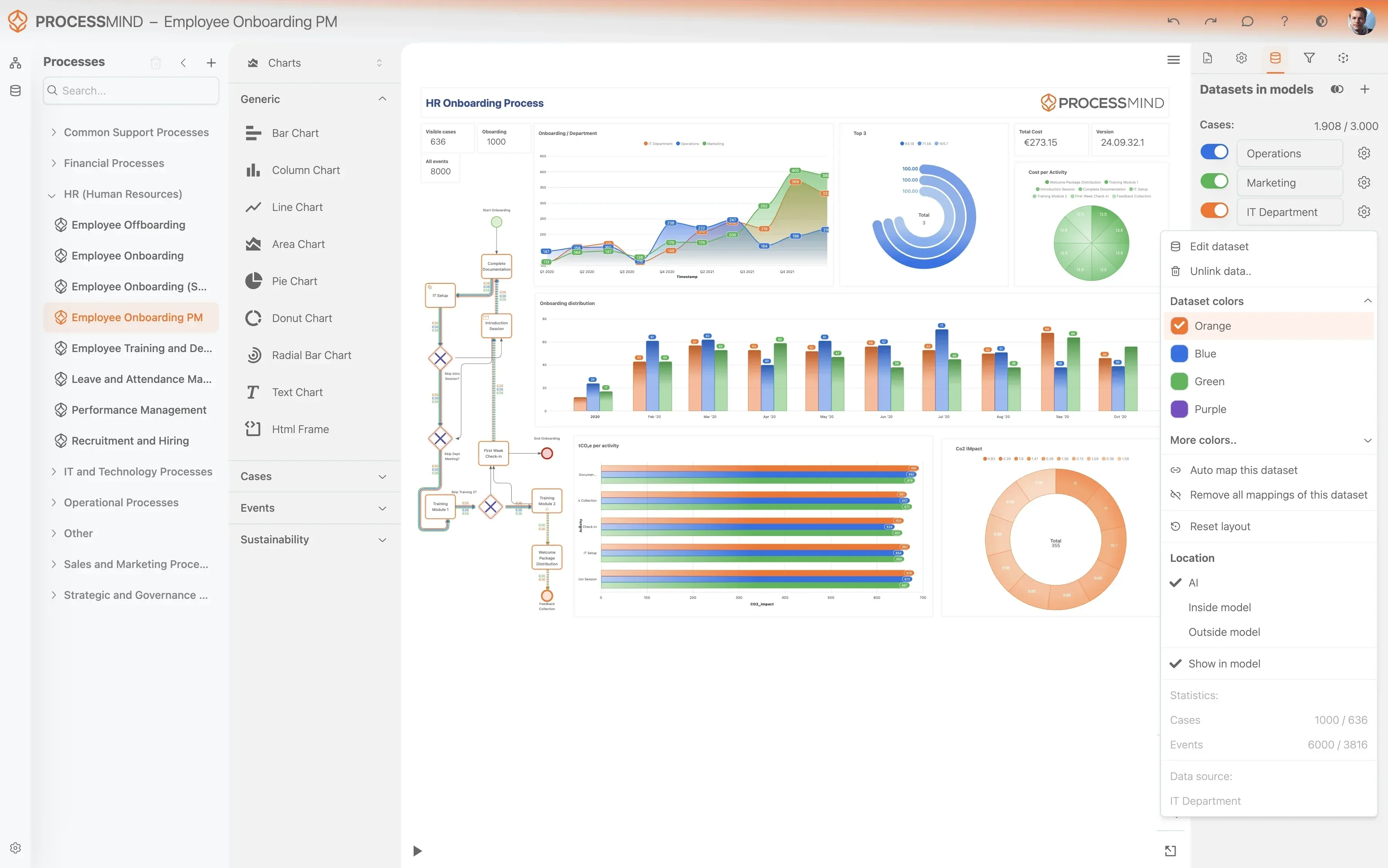
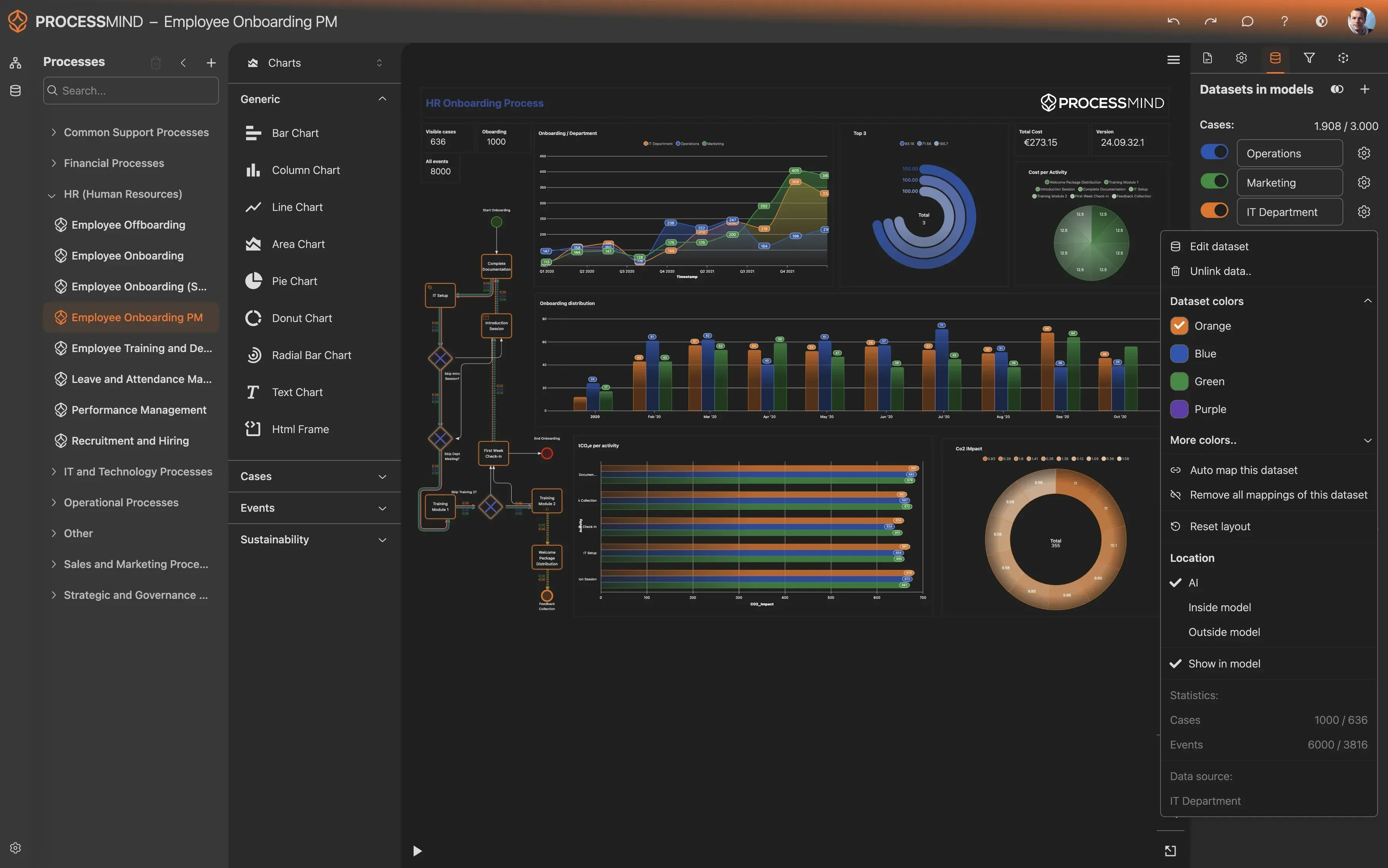
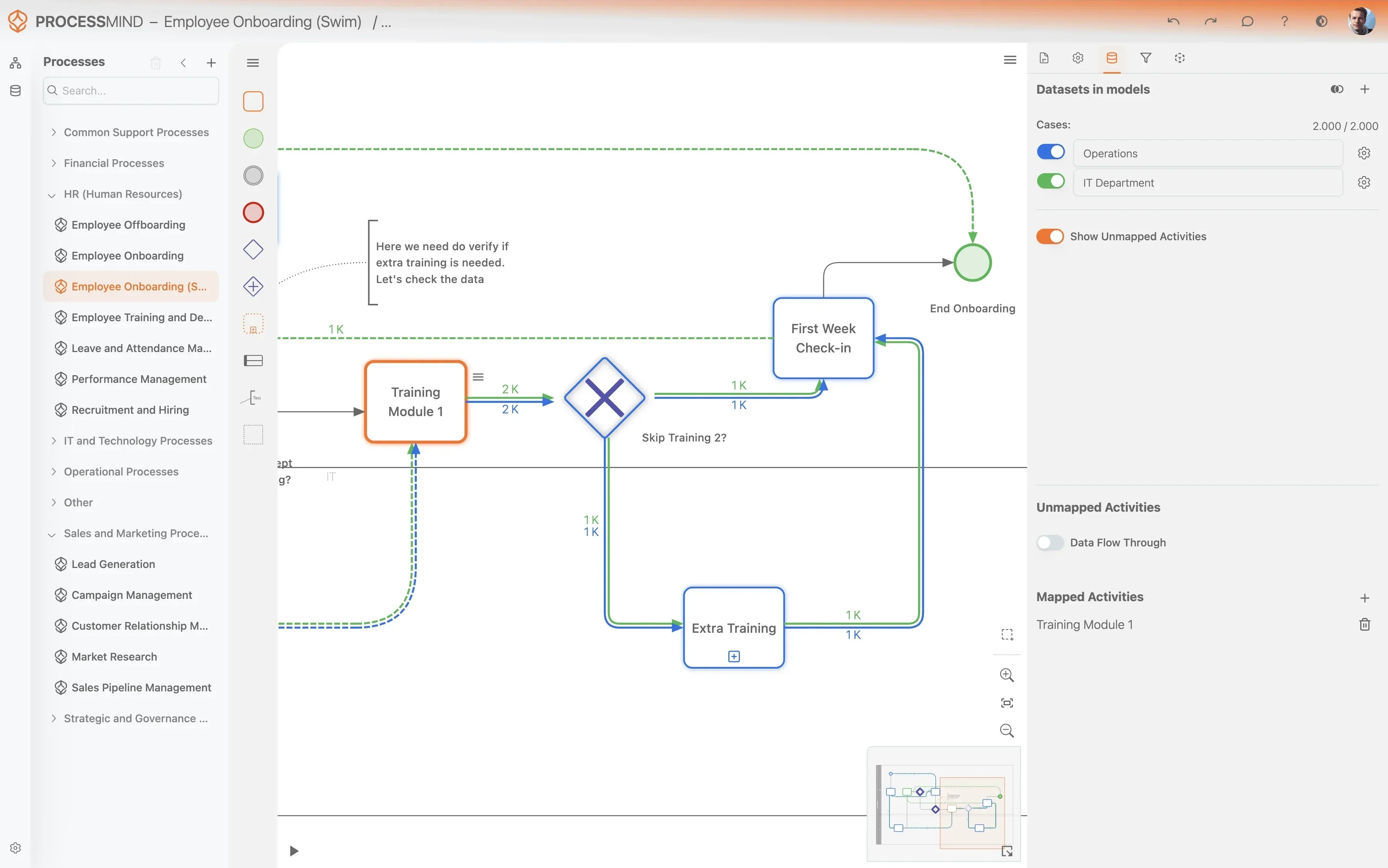
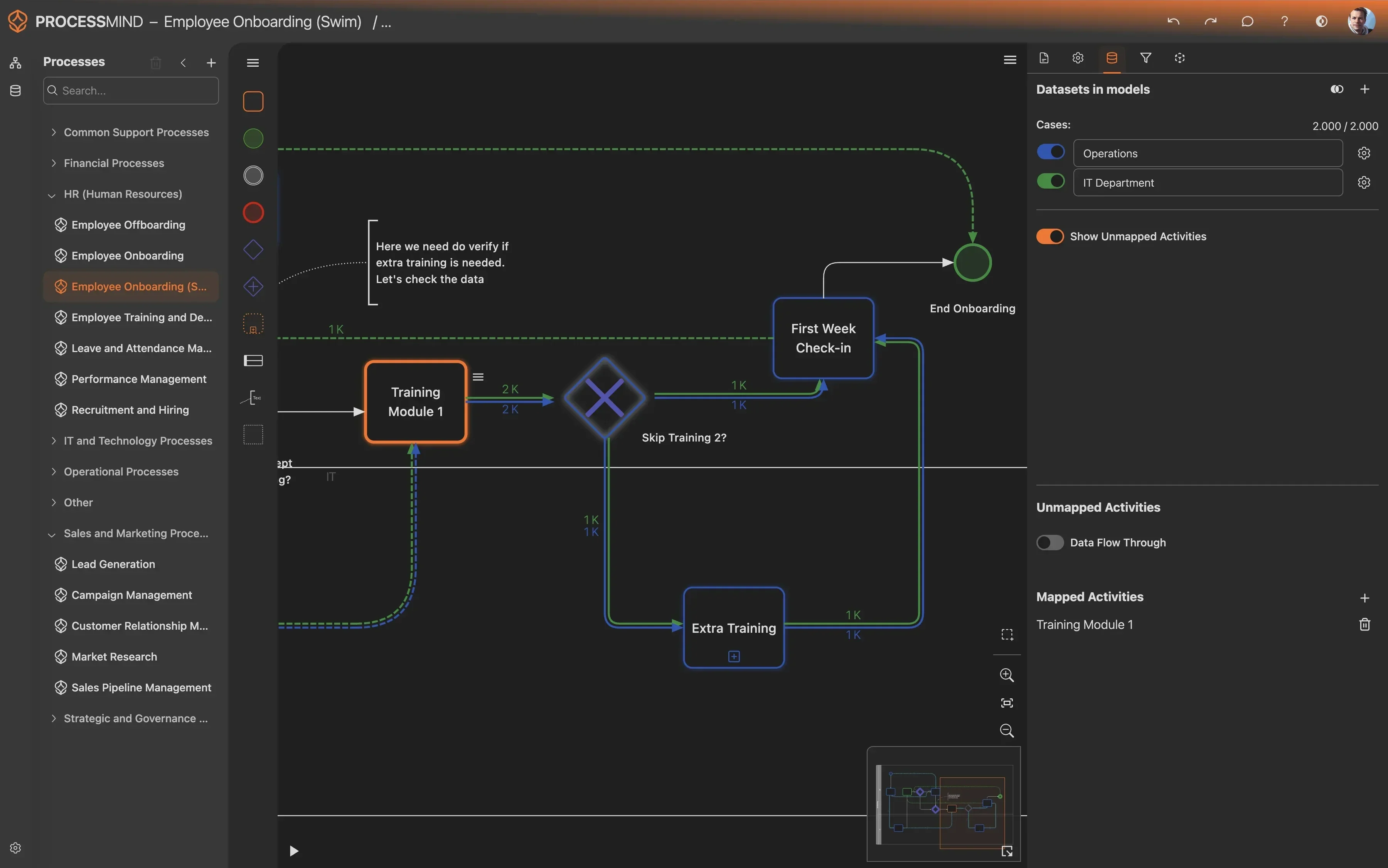
Explore the auto-generated dashboards and interactive process maps. Leverage AI-driven recommendations to pinpoint bottlenecks and non-compliance within your Quality Events.
Why it matters
Visualizing your end-to-end quality process reveals hidden inefficiencies and compliance risks, enabling data-backed decision-making for improvements.
Expected outcome
Clear insights into your Quality Management process performance, including identified bottlenecks and optimization opportunities.
Implement Improvements
What to do
Prioritize the identified improvement opportunities, such as streamlining investigation workflows or enhancing CAPA effectiveness, and implement changes within Veeva Vault Quality.
Why it matters
Taking action on insights directly reduces quality-related costs, accelerates issue resolution, and enhances overall product or service quality and compliance.
Expected outcome
Actionable changes applied to your Quality Management process, addressing key inefficiencies and compliance gaps.
Monitor Your Process
What to do
Periodically re-upload updated Quality Management data from Veeva Vault Quality to track the impact of your implemented improvements over time.
Why it matters
Continuous monitoring ensures that improvements are sustained and allows for ongoing identification of new areas for optimization, driving a culture of quality.
Expected outcome
Tangible evidence of improved Quality Management KPIs, demonstrating the value and effectiveness of your changes.
TYPICAL OUTCOMES
Key Achievements in Quality Management
These outcomes highlight the tangible benefits organizations realize by optimizing their Quality Management processes, particularly those driven by Quality Events within Veeva Vault Quality. Process mining provides actionable insights, enabling teams to streamline operations and enhance compliance effectively.
Average reduction in root cause analysis time
Pinpoint bottlenecks in the investigation process to significantly shorten the time needed to identify and address core issues, improving overall quality event resolution.
Increase in successful recurrence prevention
Improve the success rate of corrective and preventive actions, ensuring that identified quality issues do not reoccur, leading to a more robust quality management system.
Improved adherence to standard procedures
Ensure quality events strictly follow predefined regulatory and internal process guidelines, reducing the risk of non-conformances and audit findings.
Decrease in repeated activities
Identify and eliminate steps that frequently lead to rework or re-analysis within quality events, saving time and resources while improving the overall quality of investigations.
Increase in quality events closed by target
Optimize workflows and resource allocation to ensure a greater percentage of quality events are resolved within their target deadlines, enhancing reliability and operational predictability.
Results vary based on process complexity and data quality. These figures represent typical improvements observed across implementations.
Recommended Data
FAQs
Frequently asked questions
Process mining helps uncover the true performance of your Quality Management processes, identifying bottlenecks, deviations, and rework loops within Veeva Vault Quality. It visualizes actual process flows, allowing you to pinpoint where quality events slow down, CAPA actions fail, or compliance risks emerge. This detailed insight enables data-driven decisions to accelerate root cause analysis, enhance CAPA effectiveness, and streamline approvals.
To perform process mining, you primarily need event logs from Veeva Vault Quality. This includes a case identifier, typically the Quality Event ID, an activity name, and a timestamp for each step. Additional attributes, such as investigator, approval status, or specific quality event types, can enrich the analysis.
Data extraction from Veeva Vault Quality typically involves utilizing its reporting or API capabilities. You would export relevant audit trails, quality event records, and associated task histories to create the event log. We can guide your team through the best practices for secure and efficient data extraction to ensure data integrity.
No, process mining goes beyond traditional reporting by reconstructing the actual end-to-end process flow based on event data. While reporting shows "what happened," process mining reveals "how and why it happened" by visualizing variations and identifying root causes of inefficiencies. It provides actionable insights into process deviations, not just summaries.
You can expect significant improvements in key areas, such as reduced quality event resolution times and enhanced CAPA effectiveness. Process mining helps ensure full compliance, streamlines critical approval workflows, and optimizes investigator workload distribution. Ultimately, it leads to fewer reworks and a more standardized, efficient quality management process.
Initial insights can often be generated within a few weeks once the data extraction and initial data preparation are complete. Deep dive analyses and specific improvement recommendations usually follow within one to three months. The speed depends on data readiness and the complexity of your Veeva Vault Quality configuration.
Process mining is a non-invasive analytical technique that operates on historical data copies. It does not interact with or modify your live Veeva Vault Quality system or its operational processes. The analysis happens externally, ensuring no impact on your ongoing quality management activities.
While specialized process mining software is used, the primary requirement is a team member familiar with Veeva Vault Quality data structures and capable of data extraction. Our experts can handle the process mining tool configuration and analysis. No advanced coding skills are typically needed from your side.
Optimize Quality Management: Start Your Free Trial Today
Eliminate inefficiencies, achieve 30% faster cycle times and boost compliance.
No credit card required, start optimizing in minutes.