Improve Your Payments Processing

Select a process
Choose a process to continue working in your connected workspace.
Improve Payments Processing with Process Mining
Our platform identifies bottlenecks and friction points within your payment workflows to help you reduce operational delays. By visualizing your source system data, you can uncover hidden inefficiencies that impact transaction speed and accuracy. These insights provide a clear path toward optimizing your entire payments process.
Download our pre-configured data template and address common challenges to reach your efficiency goals. Follow our six-step improvement plan and consult the Data Template Guide to transform your operations.
Show detailed description
Process Discovery and Visibility Process mining in payment processing offers a clear window into how financial transactions move through your organization. By mapping every event associated with a Payment Transaction ID, you can visualize the actual path a payment takes from the initial request to final settlement. This level of transparency reveals every deviation, loop, and manual intervention that occurs across your system. You can see how approvals are handled, where handoffs happen between departments, and which steps are consistently delayed. Instead of relying on manual audits or anecdotal evidence, you get a data driven view of your entire financial landscape. This visibility allows you to see the reality of your operations, uncovering shadow processes that may have existed for years without detection. By understanding the frequency and impact of these deviations, you can start to build a more resilient and efficient financial operation that scales with your business needs. You will discover exactly how much time is spent in each status, whether a transaction is pending approval, undergoing validation, or waiting for bank confirmation. Addressing Common Financial Challenges Many organizations struggle with opaque payment flows that lead to missed deadlines and increased operational costs. Without a centralized view, it is difficult to identify why certain transactions take longer than others or where human error most frequently enters the process. Common issues include high rates of manual corrections, fragmented workflows across different business units, and a lack of visibility into bank reconciliation timelines. These challenges often lead to strained vendor relationships and potential compliance risks. By analyzing the digital footprint of your transactions, you can pinpoint exactly where these bottlenecks occur and understand the root causes behind process inefficiencies. Furthermore, the lack of standardization across your ERP or source system can lead to inconsistent reporting, making it nearly impossible to gain a single source of truth for your financial health. Addressing these challenges requires a deep dive into the transaction logs to find where the process breaks down and why certain steps are bypassed or duplicated. You might find that specific types of payments consistently trigger manual reviews, or that certain regions follow entirely different approval paths than the rest of the company. Strategic Benefits for the Enterprise Using ProcessMind to analyze your payment workflows provides significant advantages for both finance teams and executive leadership. You can improve cash flow management by identifying ways to accelerate the settlement cycle and reduce the time spent on manual reconciliations. Our solution allows you to benchmark performance across different regions or business units, helping you standardize your operations and ensure that every payment follows a compliant path. Furthermore, the ability to monitor your process in real time means you can detect anomalies before they escalate into major issues, thereby reducing the risk of fraud or payment errors while maintaining a high level of operational integrity. By quantifying the cost of rework and delays, you can build a strong business case for automation and process redesign. This data backed approach ensures that your optimization efforts are focused on the areas that will provide the greatest return on investment for your organization. You can also track compliance with internal policies and external regulations, ensuring that every transaction is fully documented and auditable from start to finish. Implementation and Next Steps Beginning your journey toward optimized payments processing is a straightforward task that yields immediate value. Regardless of the architecture of your source system, you can leverage our platform by aligning your transaction data with our standardized data template. This template focuses on the core attributes required for a successful analysis, such as the Payment Transaction ID, activity timestamps, and relevant status updates. Once your data is mapped and uploaded, you can immediately begin exploring your process maps and uncovering actionable insights that were previously hidden in your logs. Our platform is designed to be inclusive of all your financial data sources, ensuring that you can gain a holistic view of your payments process without needing to replace your existing infrastructure. You can start with a single business unit and then scale the analysis across your entire organization as you see the benefits of increased transparency. Start by downloading our data guide today to see how easily you can transform your raw financial logs into a powerful tool for continuous improvement and strategic financial management.
6 Steps to Optimize Your Payments Processing Workflow
Connect and Discover
What to do
Extract transaction logs from your financial data source, focusing on fields like Payment Transaction ID and timestamps for each activity.
Why it matters
Establishing a data connection provides the visibility needed to see the real workflow, moving beyond subjective manual descriptions.
Expected outcome
A centralized dataset of payment events ready for process mining.
Map Your Process
What to do
Visualize the flow from Payment Request Created to Payment Reconciled to see how transactions actually move through your system.
Why it matters
Mapping reveals the shadow processes and variations that occur between initial authorization and final settlement.
Expected outcome
A clear process map showing the most common paths and deviations.
Identify Bottlenecks
What to do
Locate stages with high lead times, such as the gap between Payment Scheduled and Funds Transferred, where transactions often stall.
Why it matters
Spotting delays helps prioritize which parts of the payment cycle need the most urgent attention to improve cash flow.
Expected outcome
A prioritized list of delays categorized by their impact on cycle time.
Analyze Root Causes
What to do
Investigate if specific regions or error types such as Payment Error Identified are correlated with longer processing times.
Why it matters
Knowing why errors happen prevents you from applying superficial fixes that do not address the underlying technical or manual failures.
Expected outcome
Data-driven insights into why certain payments deviate from the standard flow.
Design Improvements
What to do
Develop strategies to automate repetitive tasks, such as Payment Notification Sent, or refine validation rules to reduce error rates.
Why it matters
Targeted optimizations ensure that resources are allocated to changes that will provide the highest return on investment.
Expected outcome
An optimization plan with specific targets for process efficiency and cost.
Monitor and Iterate
What to do
Set up continuous tracking to observe how changes impact your settlement times and reconcile any new variations that emerge.
Why it matters
Continuous monitoring ensures that improvements are sustained over time and allows for quick responses to new payment exceptions.
Expected outcome
A dashboard for ongoing performance management and continuous improvement.
WHAT YOU WILL GET
Master Your Payments Flow with Full Transparency
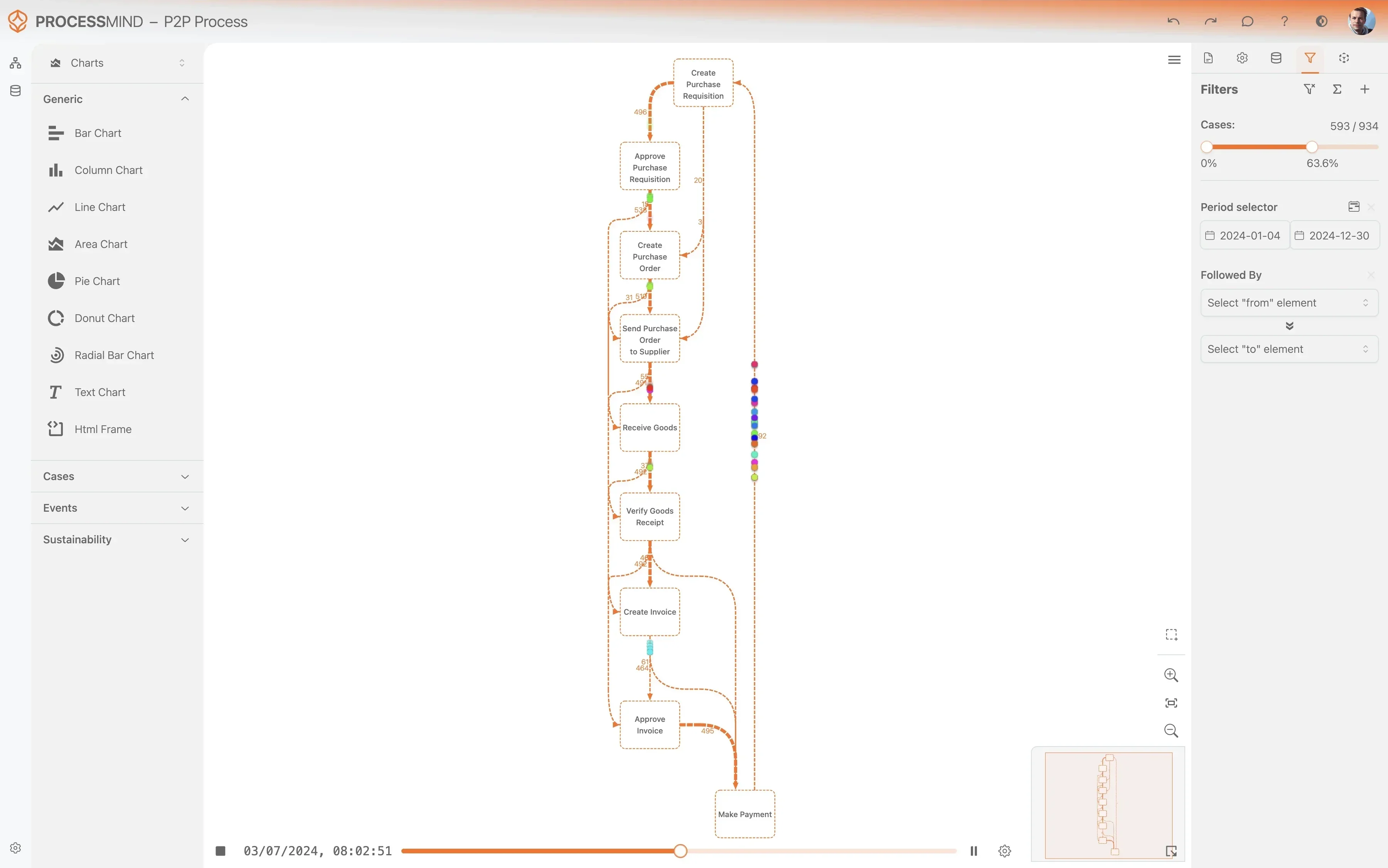
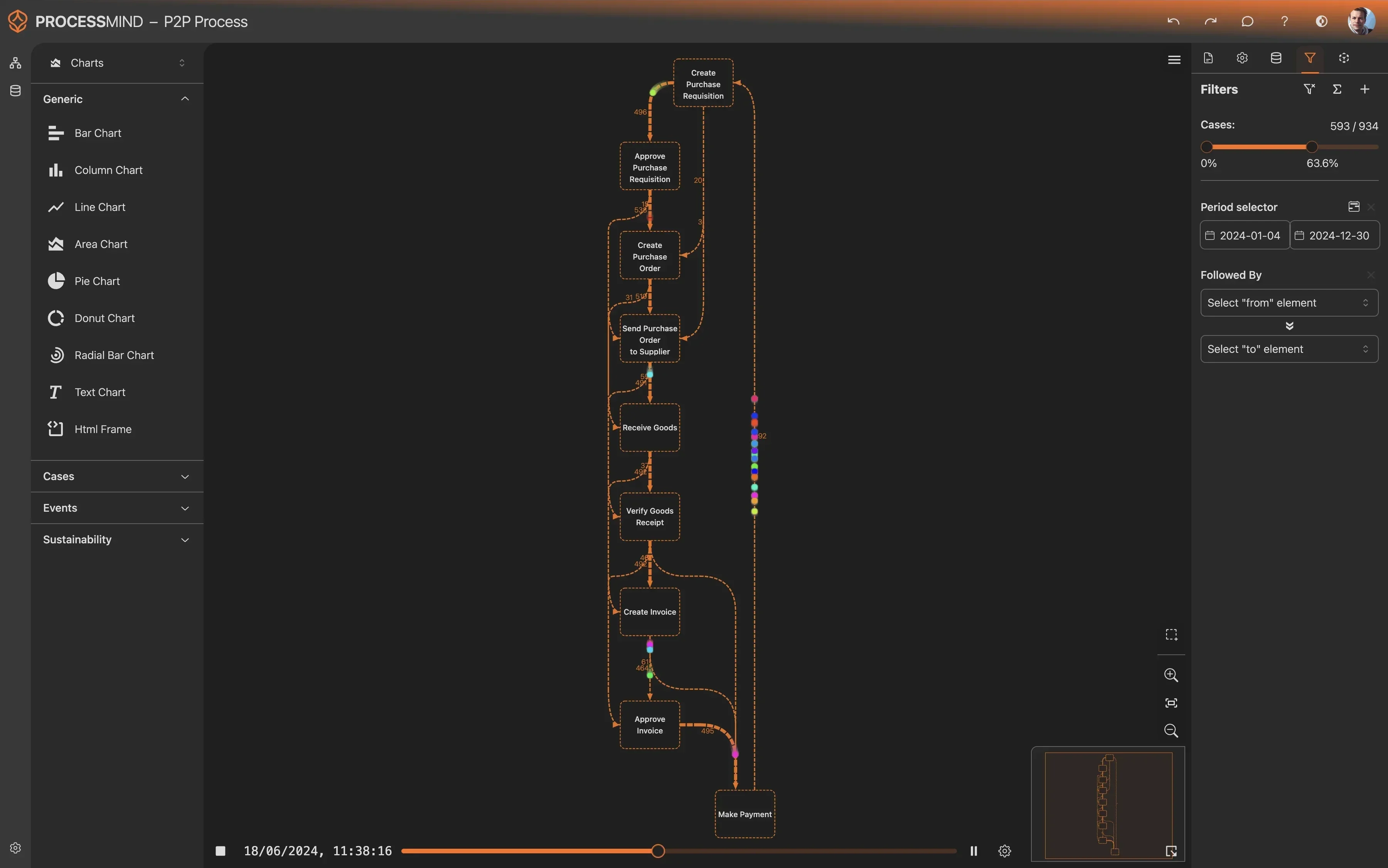
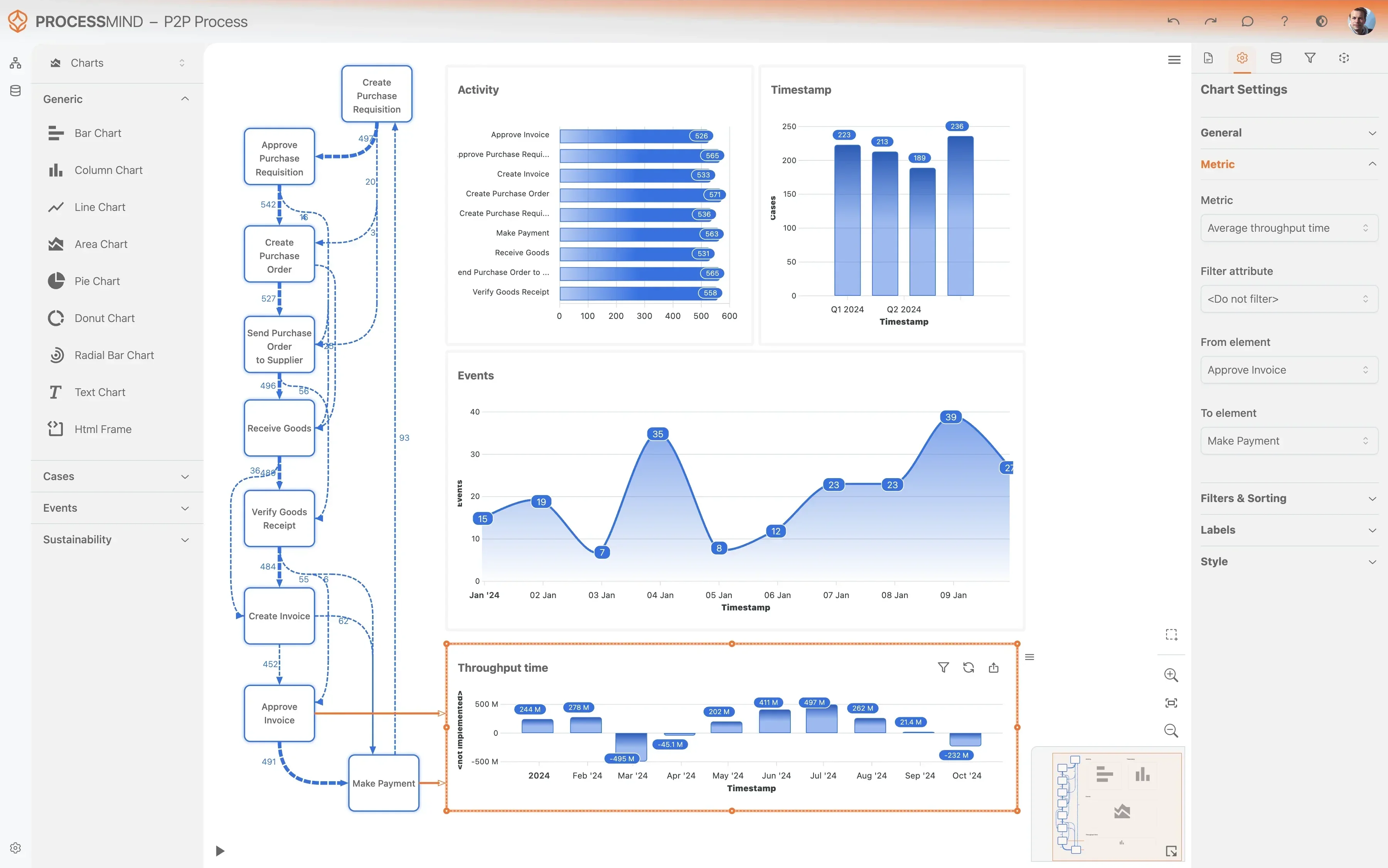
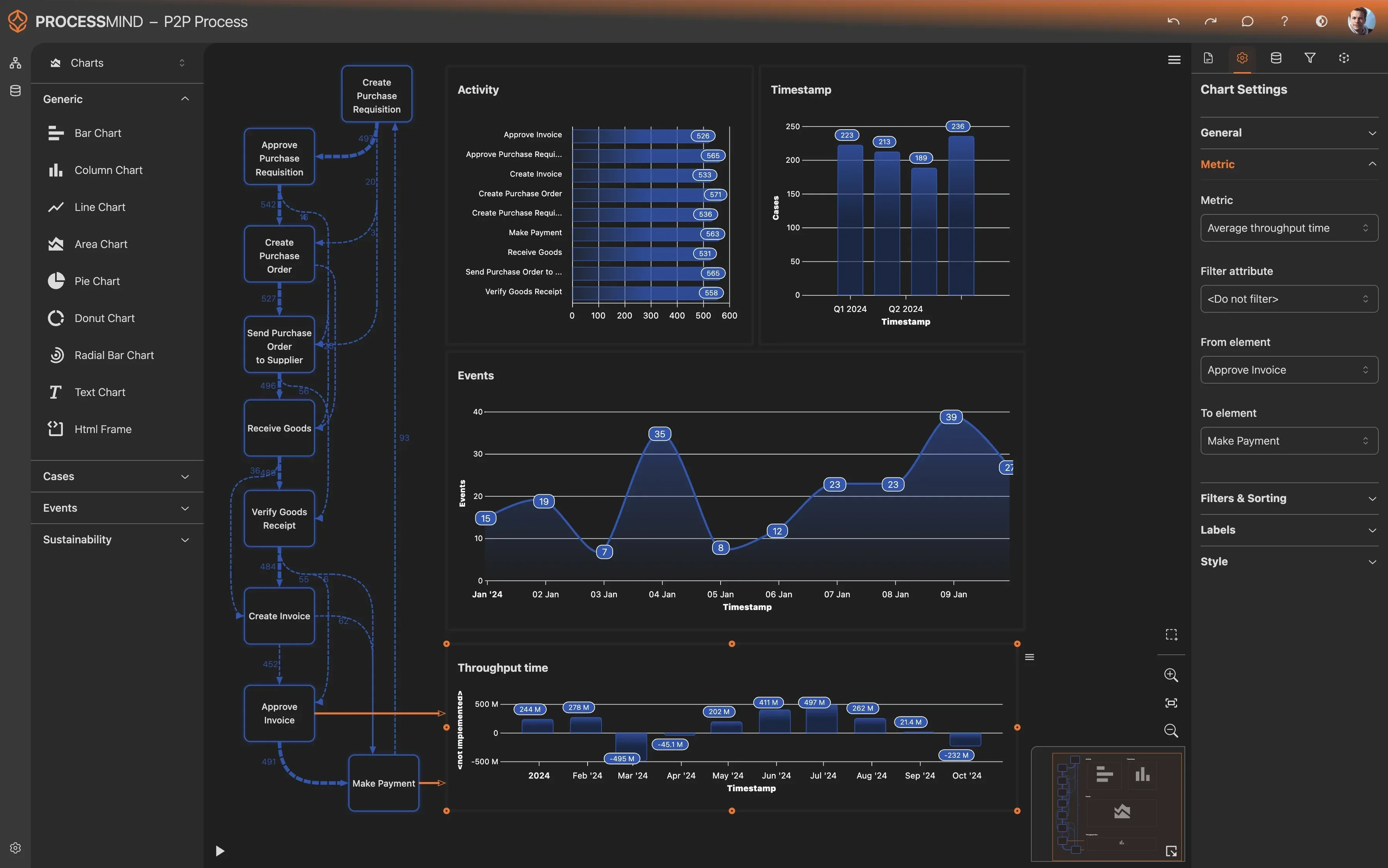
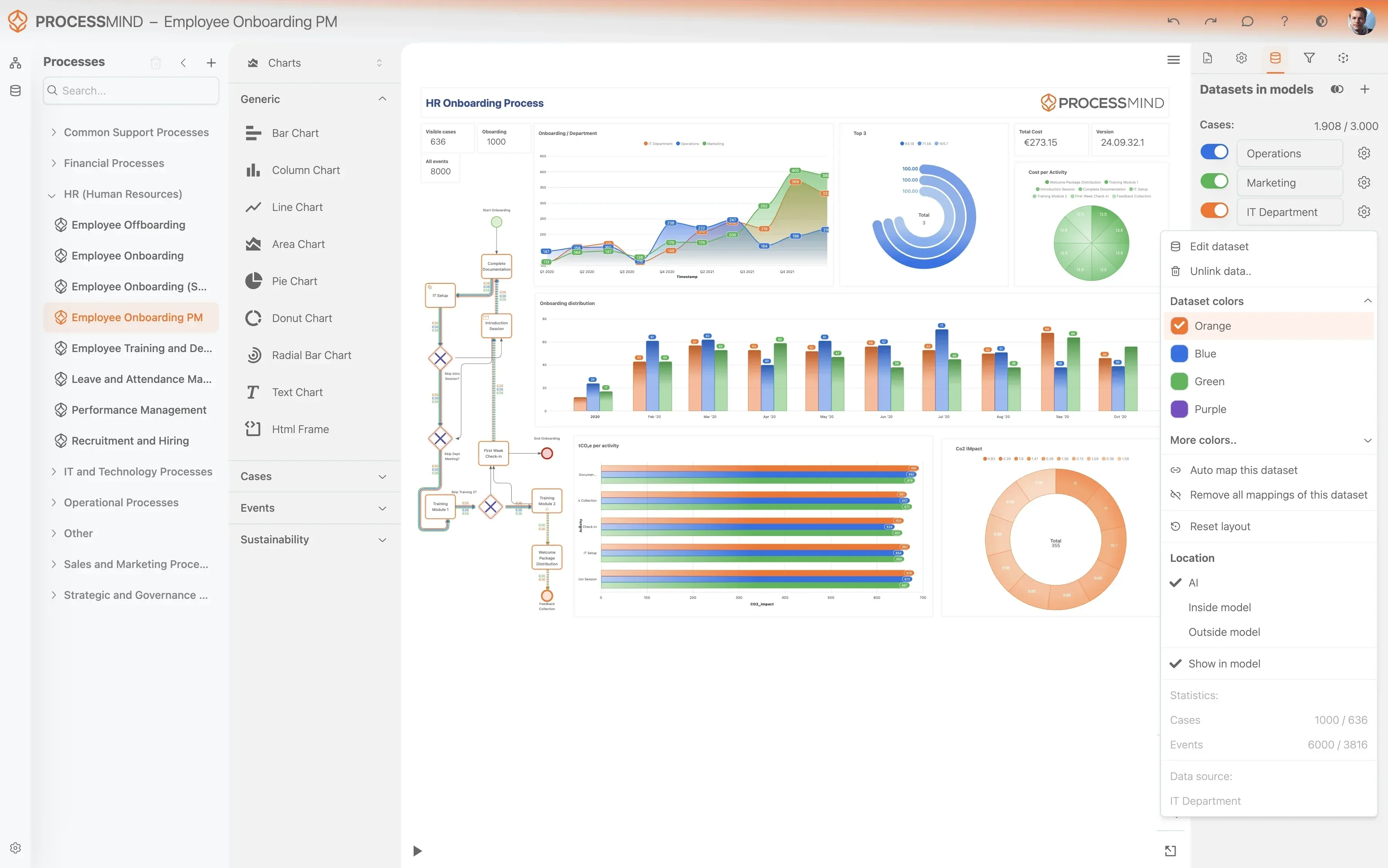
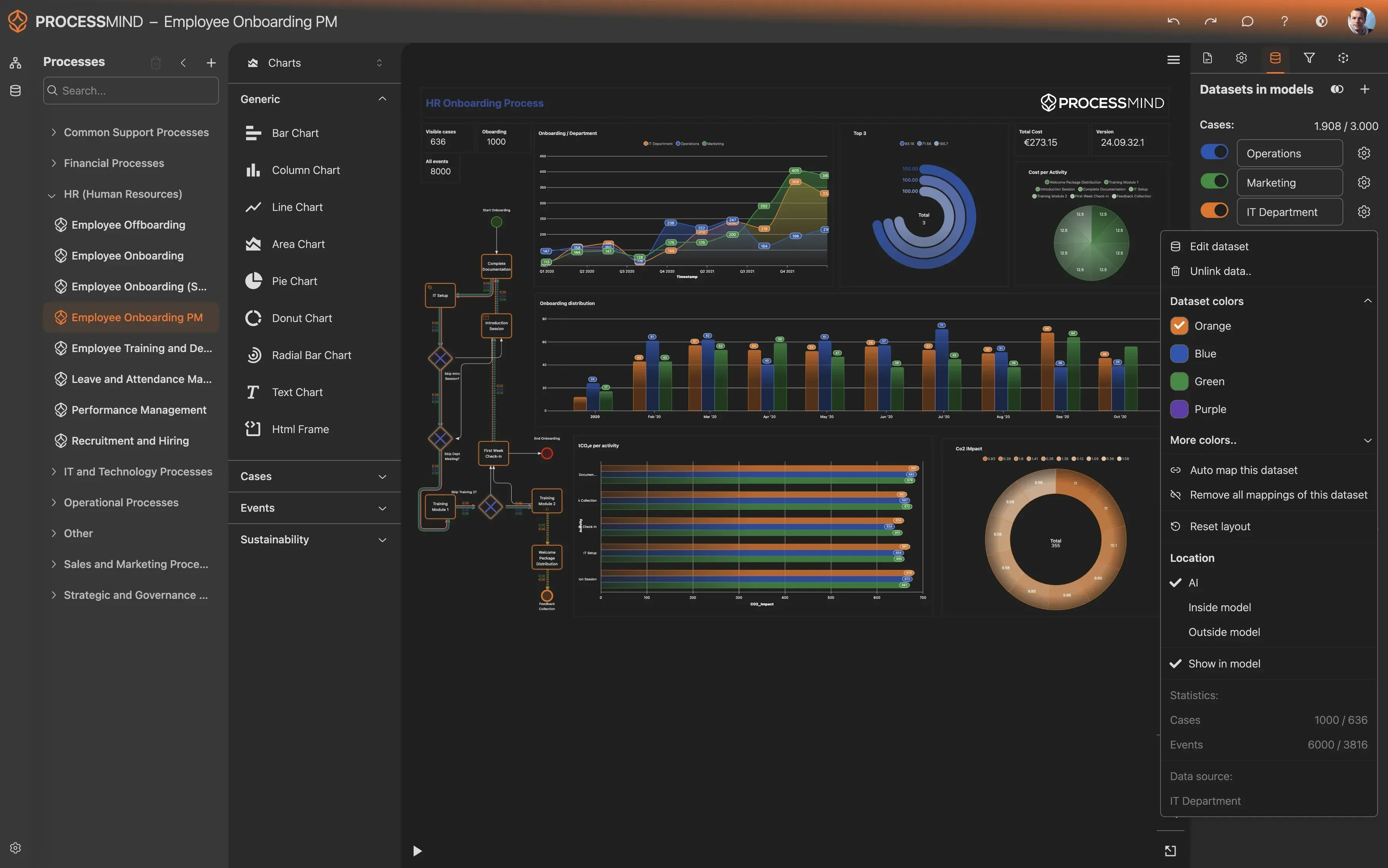
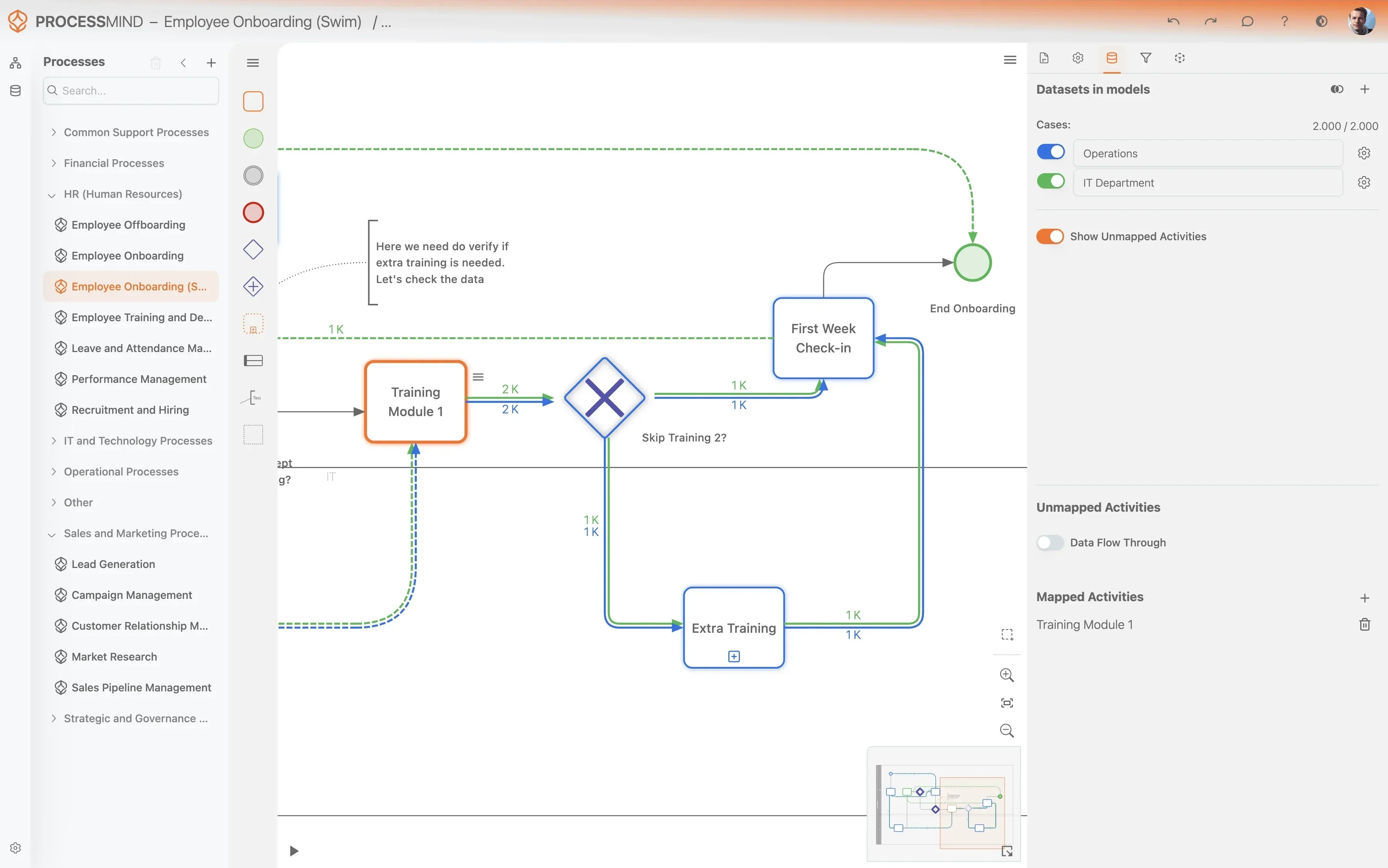
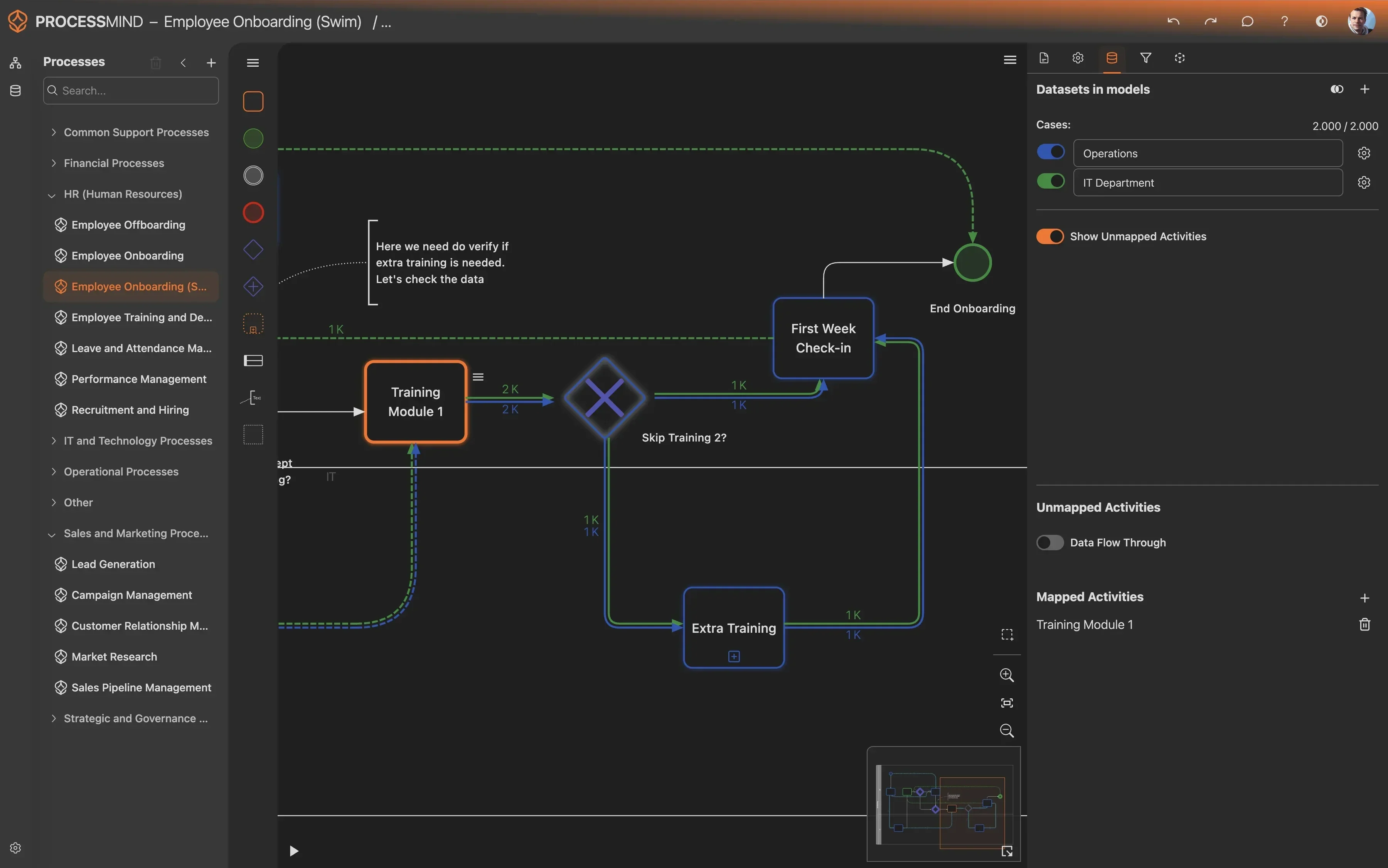
- Visualize complete end to end transaction flows
- Reduce processing times and operational costs
- Eliminate redundant steps and manual tasks
- Ensure consistent compliance and audit readiness
PROVEN OUTCOMES
Optimizing Your Payments Lifecycle
By analyzing every Payment Transaction ID through process mining, organizations identify critical delays and automate manual steps to improve throughput. These metrics illustrate the measurable impact of data-driven process optimization on financial operations.
Reduction in approval wait times
Eliminating bottlenecks in the authorization chain ensures payments are processed quickly, improving liquidity and vendor relations.
Growth in touchless processing
Automating validation and reducing manual intervention allows more transactions to flow from request to settlement without human touch.
Decrease in manual corrections
Identifying root causes of transaction failures helps eliminate expensive rework loops and manual data entry corrections.
Reduction in month-end closing
Streamlining the gap between payment settlement and ledger posting accelerates reconciliation and improves overall cash visibility.
Reduction in process deviations
Monitoring transactions in real time ensures all payments adhere to standard operating procedures and regulatory mandates.
Reduction in rejected payments
Reducing the frequency of rejected payments prevents operational friction and strengthens trust with payees and financial partners.
Individual results vary based on specific process complexity and organizational data quality. These metrics represent common performance improvements seen across various payment environments.
Recommended Data
For customized data recommendations, choose your specific process.
FAQs
Frequently asked questions
It analyzes event log data from your transaction systems to reconstruct the actual flow of your payments process. This allows you to visualize every step from initiation to settlement, helping you identify bottlenecks and deviations that standard reports often miss.
To begin, you primarily need event logs that include a case identifier, such as a Payment Transaction ID, along with activity names and timestamps. Additional context like transaction amounts or regions can further enrich the analysis to identify high risk delays or patterns in processing failures.
By visualizing the digital footprint of every transaction, the technology identifies specific points where payments are frequently rejected or sent back for correction. This insight enables you to target root causes of validation errors and optimize straight through processing rates by automating repetitive manual steps.
Yes, process mining provides an objective record of every payment path, making it easy to detect deviations from standard operating procedures. This transparency allows compliance officers to monitor for unauthorized approval routes and ensure that all transactions adhere to internal policies and regulatory requirements.
Initial insights into major bottlenecks and process variations can typically be generated within two to four weeks once the data connection to your source system is established. Subsequent phases focus on deeper root cause analysis and continuous monitoring to track the impact of implemented improvements.
Traditional reporting provides static snapshots of KPIs like total volume, but it fails to show the path between those metrics. Process mining reconstructs the sequence of events, highlighting non compliant paths and undocumented workarounds that impact your liquidity and operational efficiency.
No, process mining acts as an analytical layer that reads existing event logs and metadata without requiring any changes to your core transaction processing setup. It is a non intrusive approach that allows you to gain full visibility into your workflows without disrupting ongoing operations.
By tracking the precise timing of settlement durations and identifying exactly where funds are held up, process mining provides a clearer picture of actual cash flow. This allows treasury managers to eliminate visibility gaps and make more informed decisions based on real time processing speeds.
Stop Revenue Leakage in Your Payments Today
Gain full visibility into every transaction and reduce errors
No credit card required • Setup in 5 minutes