Improve Your Expense Management

Select a process
Choose a process to continue working in your connected workspace.
Optimize Ramp Expense Management for Faster Approvals
This platform helps you uncover bottlenecks in your expense management process, leading to quicker approvals and fewer policy violations. You can identify exactly where delays occur, understand non-compliant expenditures, and visualize the full journey of each expense. By leveraging these insights, you can streamline operations, enhance compliance, and significantly improve employee satisfaction.
Download our pre-configured data template and address common challenges to reach your efficiency goals. Follow our six-step improvement plan and consult the Data Template Guide to transform your operations.
Show detailed description
Why Optimizing Expense Management in Ramp is Crucial
Efficient Expense Management is more than just a back-office task; it is a critical component of your organization's financial health and employee satisfaction. In today's dynamic business environment, organizations leveraging systems like Ramp for corporate spending and expense automation need to ensure their processes are not just functional, but optimized for peak performance. Inefficiencies in expense processing, such as delayed approvals, frequent rejections, or policy non-compliance, can lead to significant financial leakage, erode employee morale due to slow reimbursements, and expose the company to audit risks. The hidden costs of manual rework, delayed financial reporting, and employee frustration can quickly accumulate, impacting overall business agility and profitability. Understanding and improving the underlying processes within Ramp, from the moment an expense is incurred to its final accounting, is essential for maintaining control and driving financial excellence.
How Process Mining Illuminates Your Expense Workflows in Ramp
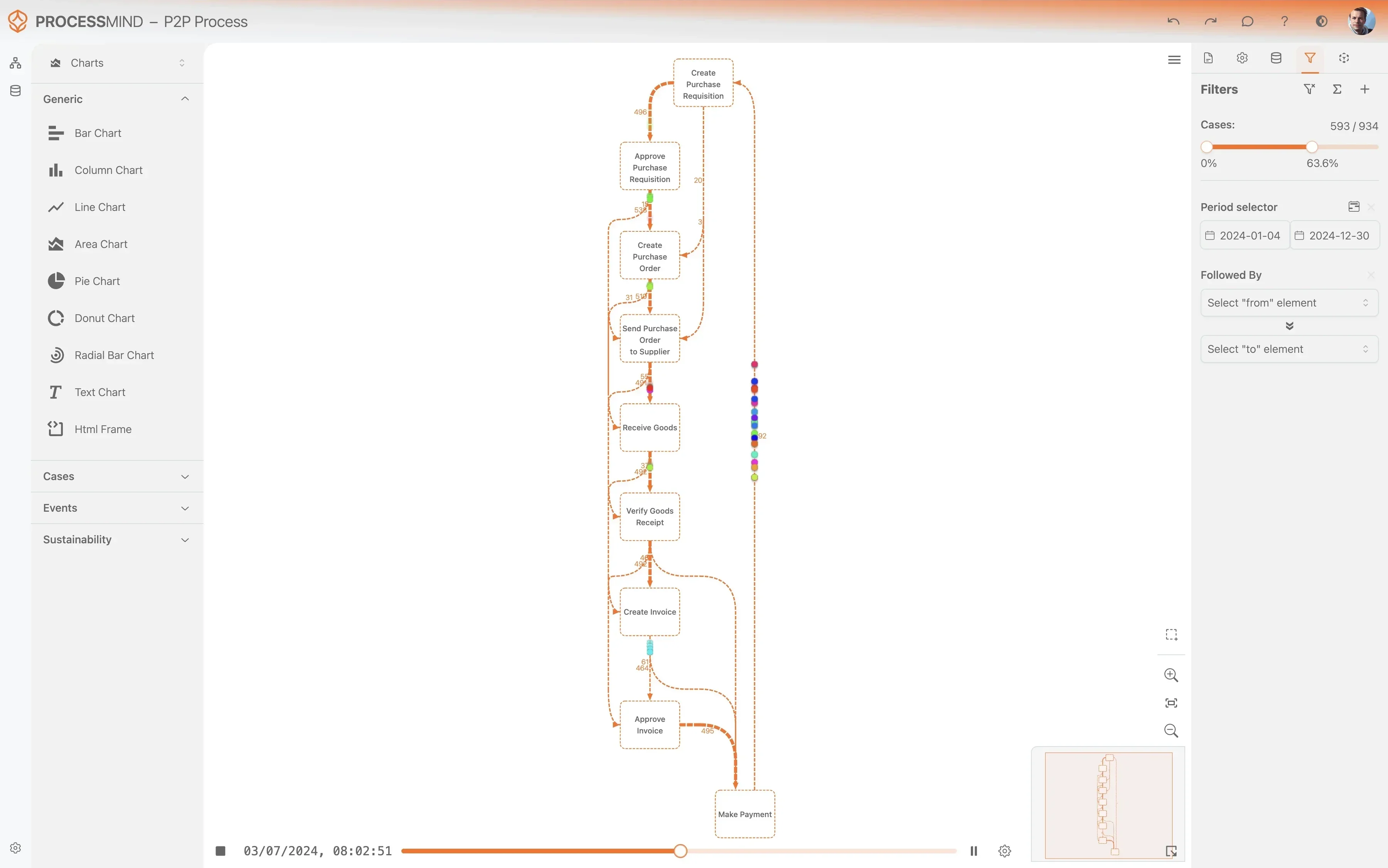
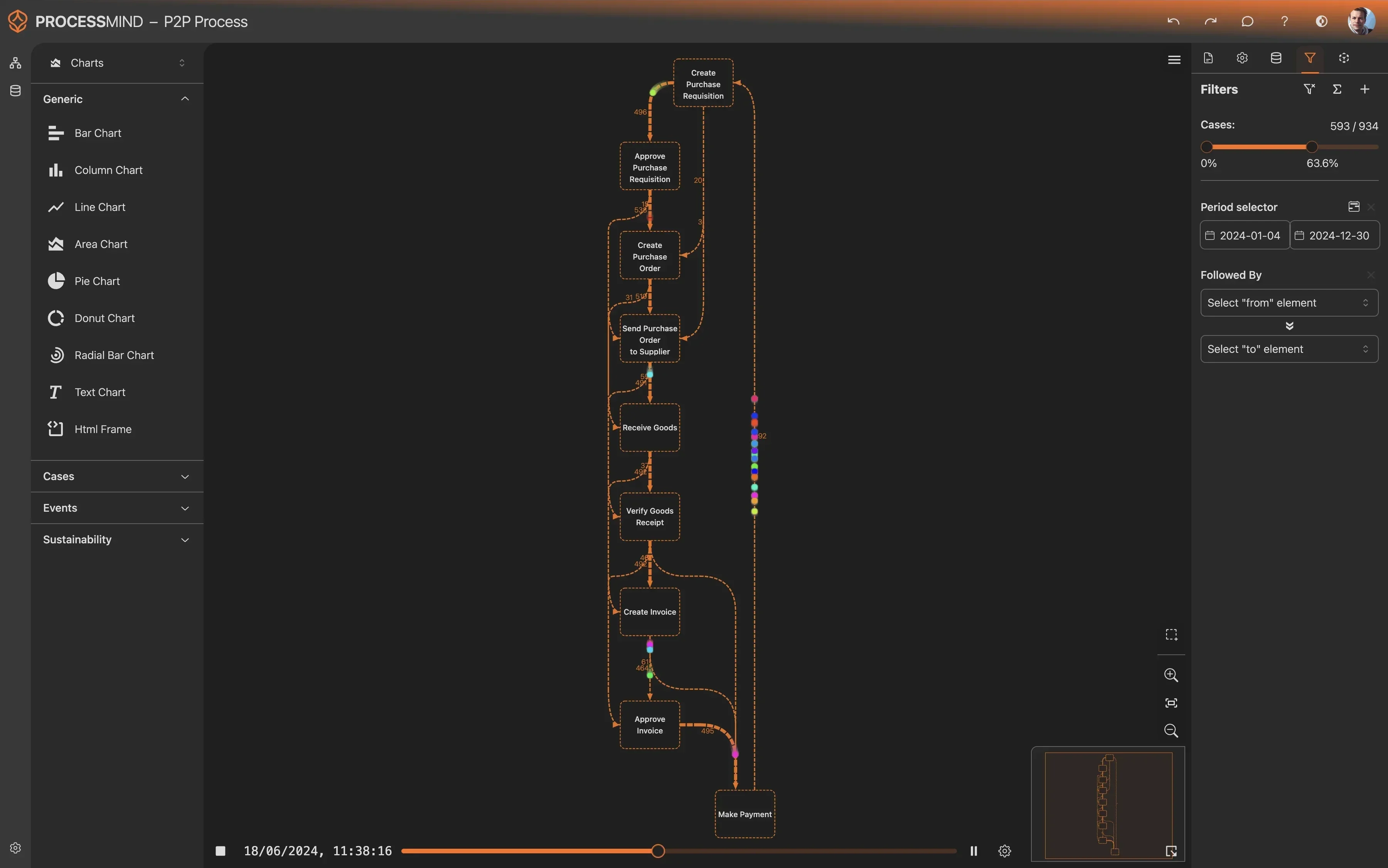
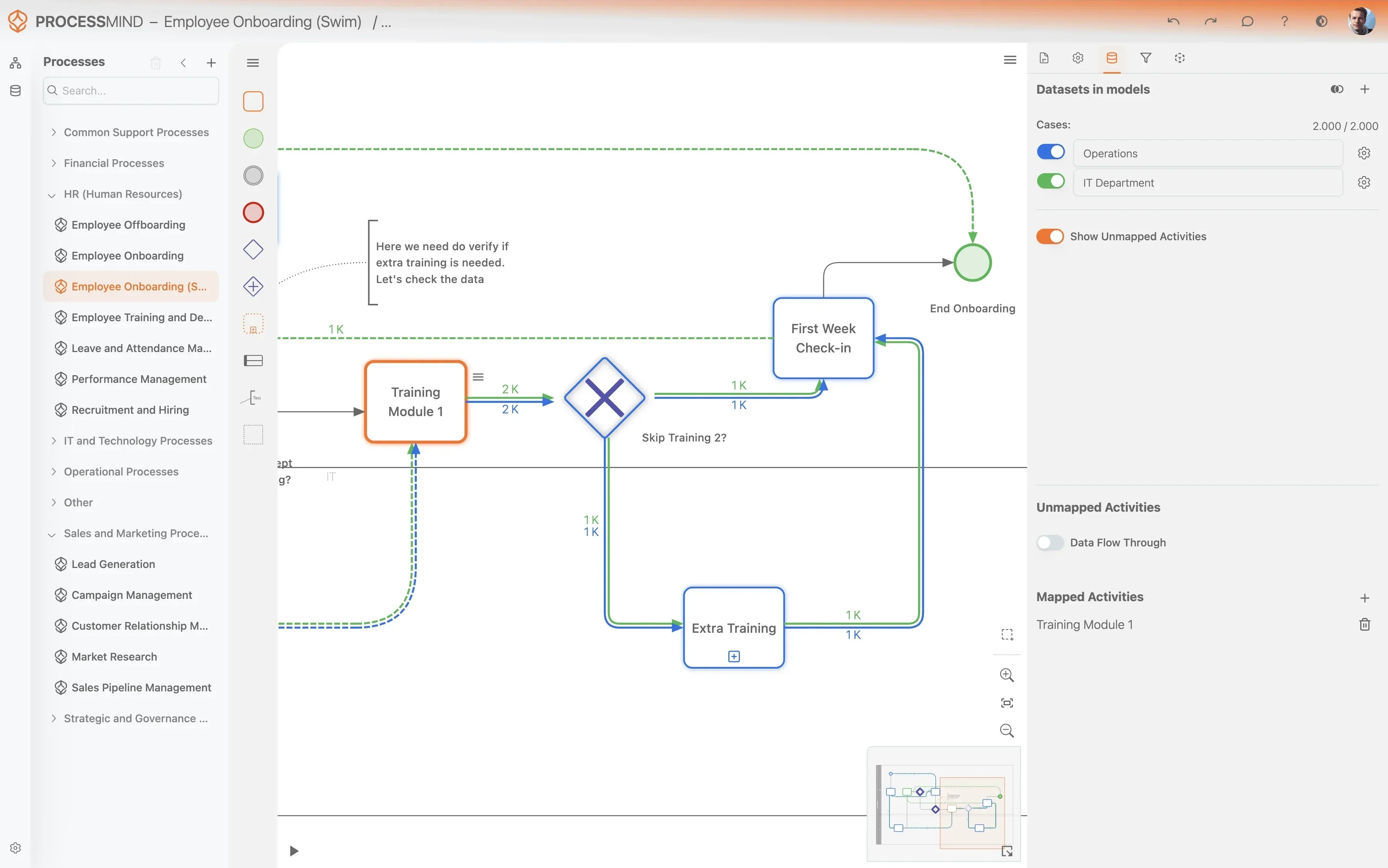
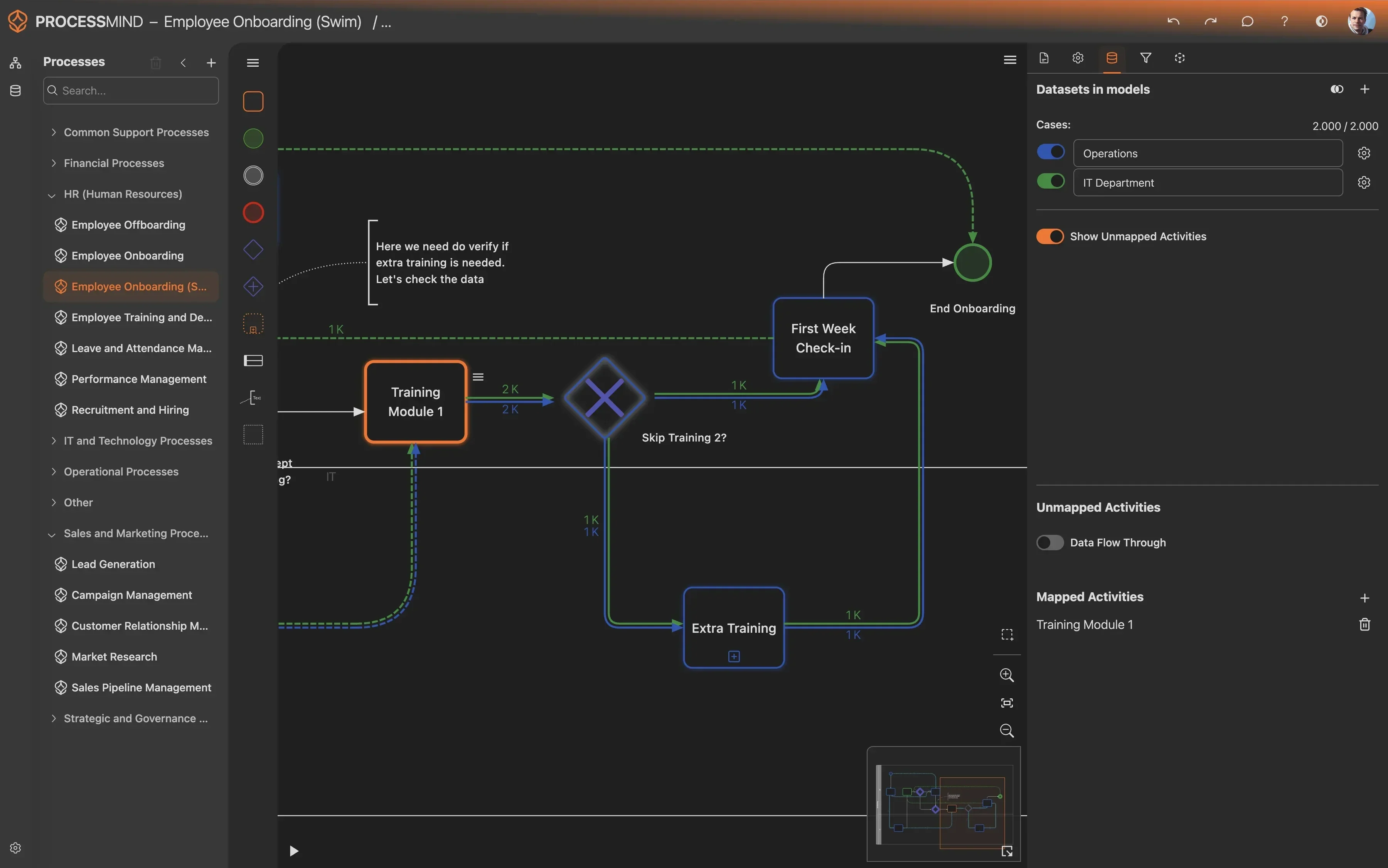
Process mining offers a powerful, data-driven approach to understanding the true performance of your Expense Management process in Ramp. Unlike traditional reporting, which shows what happened, process mining reveals how it happened, tracing the actual flow of each expense report through every step. By analyzing the event logs from your Ramp system, process mining constructs a visual map of your process, highlighting every variation, detour, and bottleneck. You can precisely measure the cycle time for each activity, identify which managers or departments are contributing to delays, and uncover common paths for revisions or rejections. This end-to-end perspective helps you move beyond assumptions and pinpoint the exact areas where your Expense Management process in Ramp is underperforming. It provides irrefutable evidence for why certain expense reports take longer to approve or why some frequently violate company policies, allowing for targeted interventions.
Key Areas for Improvement Identified by Process Mining
Applying process mining to your Expense Management data from Ramp can uncover a multitude of actionable insights. You might discover that expense reports from specific departments consistently experience longer approval times due to a particular approver's workload or a complex internal review structure. It could reveal that certain expense categories are frequently flagged for policy violations, indicating a need for clearer guidelines or better upfront training for employees using Ramp. Process mining can also highlight unexpected process loops, where expense reports are repeatedly sent back for revision before final approval, significantly increasing the overall cycle time and administrative burden. Furthermore, it helps identify where manual interventions are unnecessarily slowing down an otherwise automated workflow in Ramp, or where compliance checks are either too stringent, causing delays, or too lax, leading to policy breaches. These insights enable you to target specific process steps, roles, or configurations within Ramp for optimization.
Expected Outcomes of Optimizing Expense Management with Process Mining
The strategic application of process mining to improve your Expense Management process in Ramp yields tangible and measurable benefits. You can expect a significant reduction in the average expense report approval cycle time, leading to faster reimbursements and improved employee satisfaction. By streamlining approval paths and reducing rework, you will lower administrative costs associated with processing expenses. Enhanced compliance becomes achievable as you identify and address the root causes of policy violations, ensuring greater adherence to company spending rules and regulatory requirements. Better financial control is also a direct outcome, with fewer errors and a clearer understanding of spending patterns, leading to more accurate budgeting and forecasting. Ultimately, optimizing your Expense Management in Ramp through process mining transforms a potential source of friction into a smooth, efficient, and compliant operation, contributing directly to your organization's bottom line and operational excellence.
Getting Started with Your Expense Management Optimization Journey
The journey to a more efficient and compliant Expense Management process in Ramp begins with understanding your current state. Process mining provides this clarity by turning your raw transaction data into actionable insights. By leveraging these powerful analytical techniques, you can move from reactive problem-solving to proactive process improvement. We encourage you to explore the capabilities of process mining to uncover the hidden potential within your Expense Management workflows. By doing so, you can reduce Expense Management cycle time, eliminate bottlenecks, and ensure your Ramp system is truly supporting your financial objectives.
The 6-Step Improvement Path for Expense Management
Download the Template
What to do
Get the pre-configured Excel template for Expense Management from ProcessMind, designed to match Ramp's data structure.
Why it matters
This ensures your data is organized correctly, making it easy to integrate with ProcessMind and begin analysis without manual reformatting.
Expected outcome
A standardized Excel template ready for your Ramp expense data.
Export Your Data from Ramp
What to do
Extract 3-6 months of historical expense report data from your Ramp system. Populate the downloaded template with your real-world expense data.
Why it matters
Historical data provides a comprehensive view of past performance, crucial for identifying recurring issues and establishing a baseline for improvement.
Expected outcome
A complete dataset of your Ramp expense history, populated into the ProcessMind template.
Upload Your Dataset
What to do
Securely upload your filled ProcessMind template containing Ramp expense data to the ProcessMind platform for automated analysis.
Why it matters
Fast and secure data ingestion ensures your process analysis starts quickly, transforming raw data into actionable insights without delay.
Expected outcome
Your Ramp expense data securely processed and ready for visualization and analysis within ProcessMind.
Analyze Your Expense Process
What to do
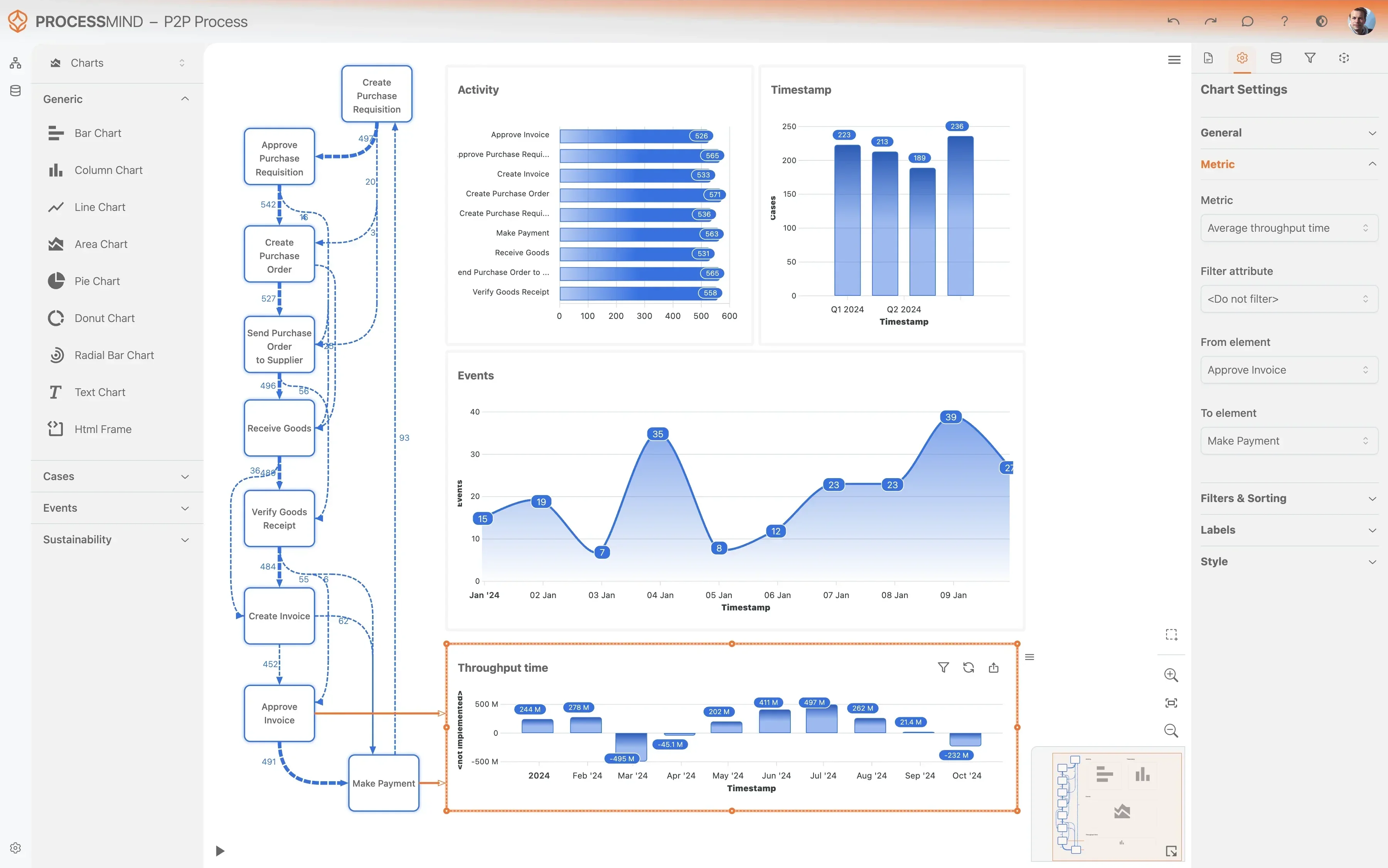
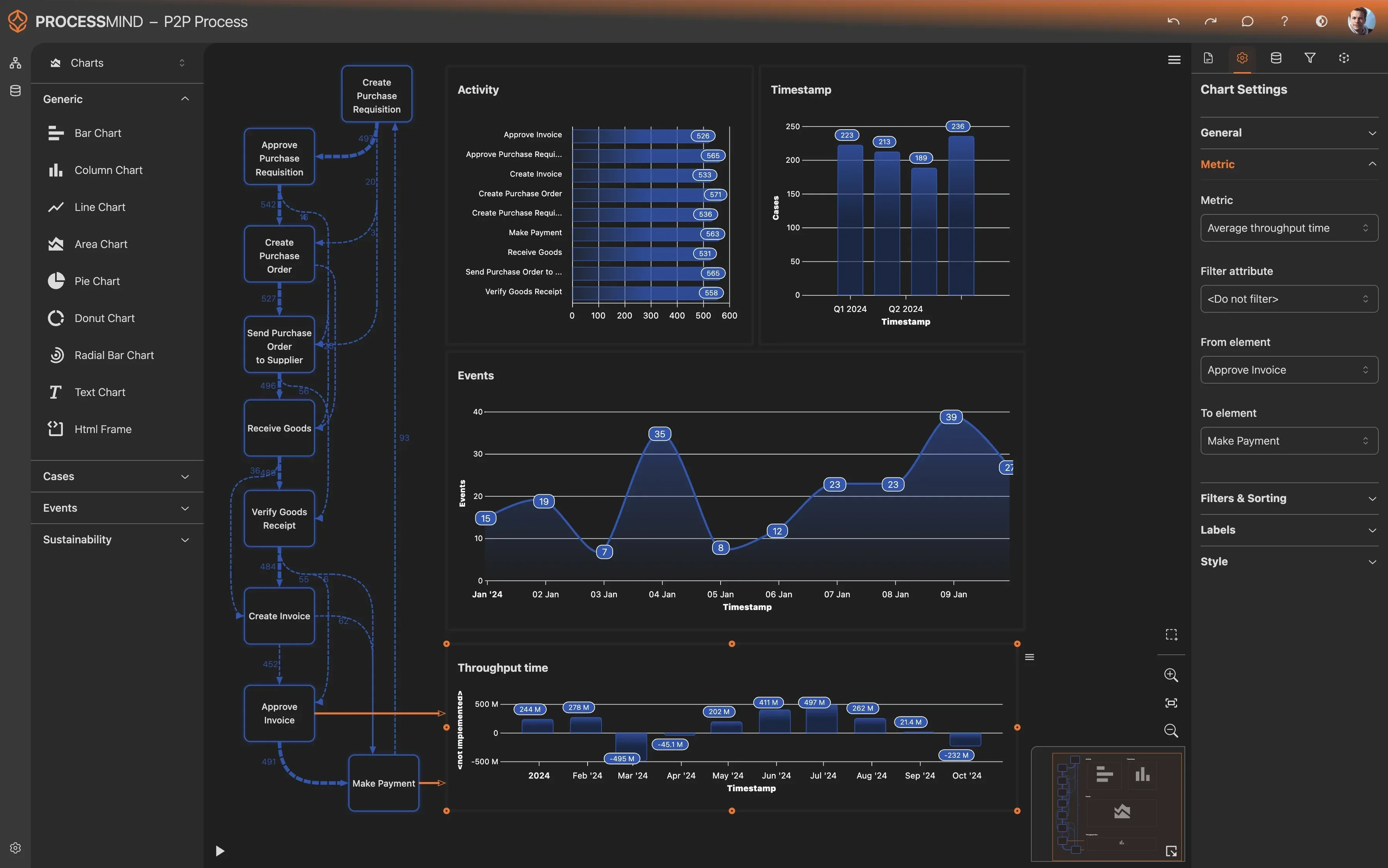
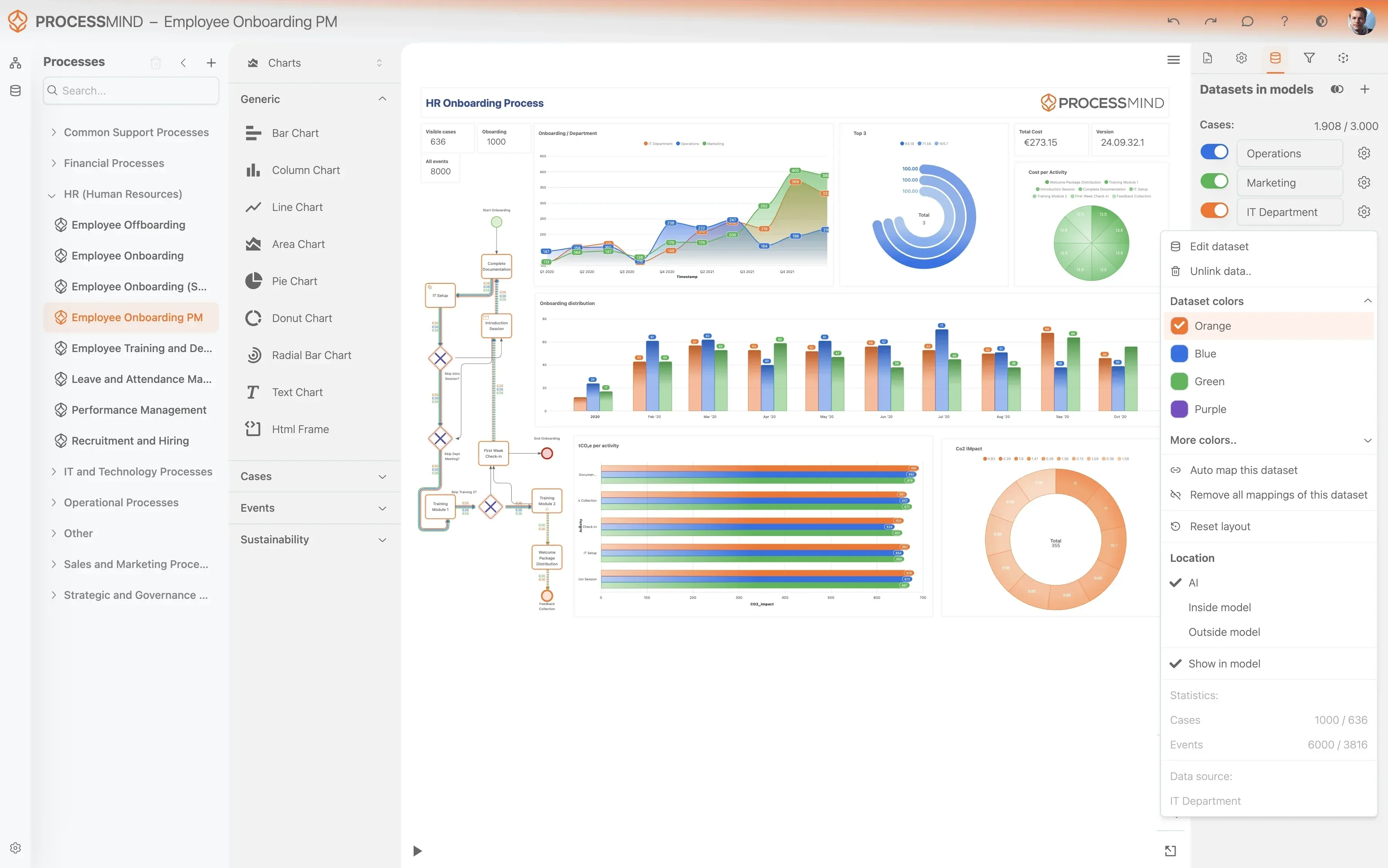
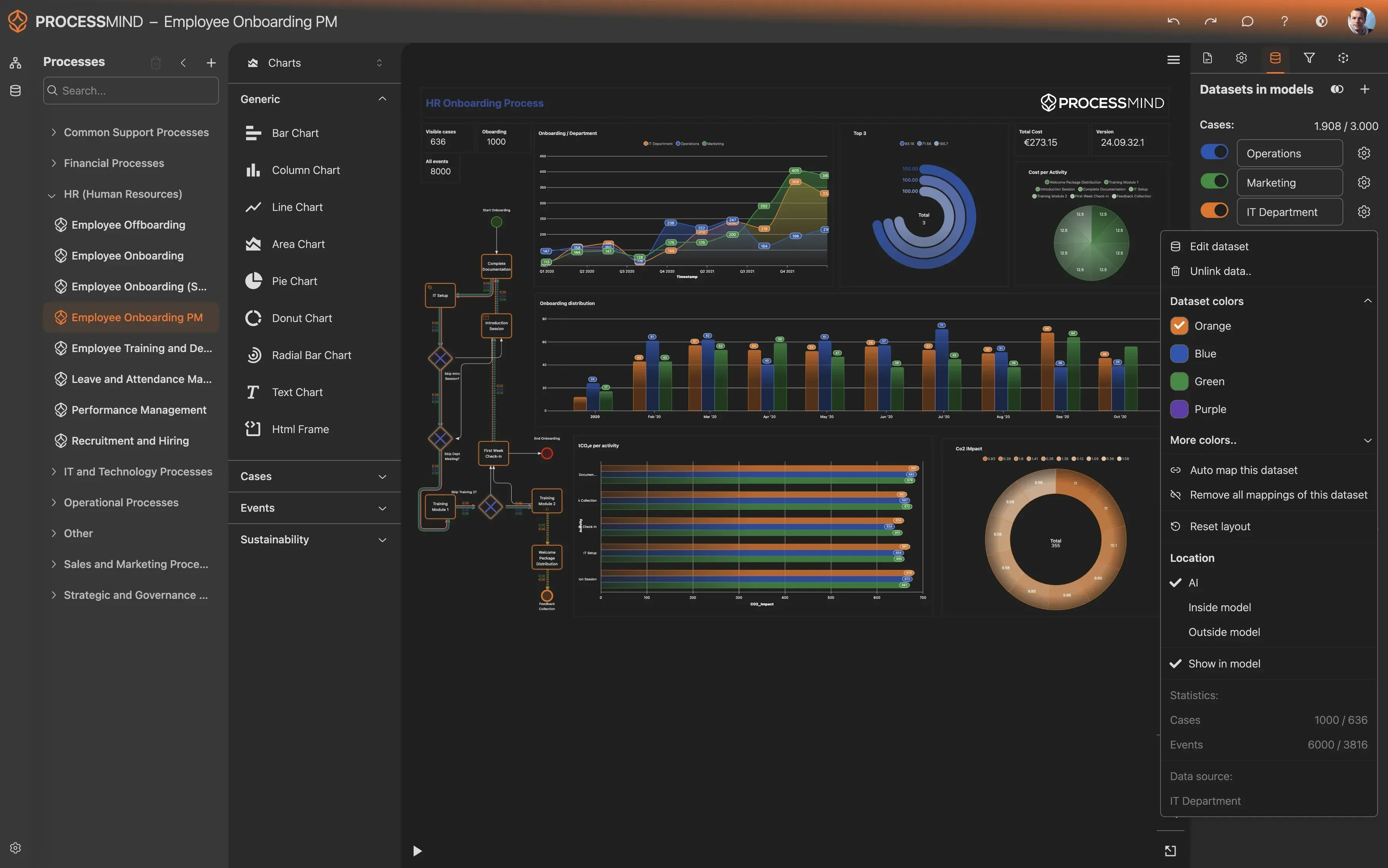
Explore the auto-generated dashboards and insights within ProcessMind, leveraging AI-driven recommendations to understand bottlenecks and compliance issues.
Why it matters
Visualizing the end-to-end expense journey helps uncover inefficiencies, policy violations, and areas where automation can significantly improve flow.
Expected outcome
A clear understanding of your Ramp expense management process, including inefficiencies, compliance gaps, and improvement opportunities.
Implement Improvements
What to do
Prioritize and implement the identified improvement opportunities in your Ramp expense management workflow, focusing on areas with the highest impact.
Why it matters
Translating insights into action directly leads to tangible benefits, such as faster approvals, reduced manual effort, and better policy adherence.
Expected outcome
Specific process changes implemented in your Ramp expense management, targeting identified bottlenecks and inefficiencies.
Monitor Your Progress
What to do
Periodically re-upload updated expense data from Ramp to ProcessMind to track the impact of your implemented changes and measure KPI improvements.
Why it matters
Continuous monitoring ensures that improvements are sustained and new issues are quickly identified, fostering a culture of ongoing optimization.
Expected outcome
Demonstrable improvements in expense management KPIs, with data-backed evidence of increased efficiency and compliance.
TYPICAL OUTCOMES
Achieve Smarter Expense Processes with Ramp
These outcomes represent the tangible improvements organizations experience by leveraging process mining to optimize their Ramp expense management workflows. By visualizing and analyzing every step of the Expense Report ID journey, inefficiencies are identified and eliminated, leading to faster approvals and better compliance.
Reduced average approval time
Streamline manager review processes, accelerating expense report approvals and ensuring timely processing for employees.
Decrease in reports sent back
Identify root causes of report rejections, minimizing rework for employees and finance teams, and improving submission quality.
Shorter end-to-end cycle time
Accelerate the entire reimbursement process from submission to payment, enhancing employee satisfaction and cash flow.
Enhanced violation detection
Boost the accuracy of policy checks, reducing financial risk and ensuring adherence to company expense guidelines.
Faster financial record-keeping
Reduce the time from reimbursement execution to accounting system posting, improving financial close efficiency and data accuracy.
Results vary based on process complexity, data quality, and specific organizational goals. The figures presented illustrate typical improvements observed across various implementations.
Recommended Data
FAQs
Frequently asked questions
Process mining analyzes the actual flow of your expense reports in Ramp, revealing hidden bottlenecks and compliance gaps. It provides a data-driven view of the entire process, from submission to reimbursement, highlighting areas for optimization. This helps identify root causes of delays and inefficiencies.
You typically need a case identifier, activity name, and timestamp for each event in your expense management process. For Ramp, this translates to Expense Report ID, specific actions like 'Submitted', 'Approved', 'Rejected', and the exact date and time those actions occurred. Additional attributes, such as approver, department, or expense amount, can enrich the analysis.
Process mining frequently uncovers issues like lengthy manager approval times, high rates of expense reports sent back for revision, and significant variations in departmental approval processes. It also highlights policy violations that go undetected and identifies excessive manual effort in finance reviews. These insights pinpoint specific areas needing improvement.
Initial insights can often be gained within a few weeks of successful data extraction and loading, providing a basic understanding of your expense process. More in-depth analysis and actionable recommendations typically emerge over several weeks as data is refined and specific business questions are explored. Continuous monitoring then offers ongoing benefits.
Yes, process mining is highly effective at identifying deviations from standard or mandated process paths, which often indicate policy violations. By visualizing the actual process flow, it can pinpoint instances where expenses bypass required approvals or follow non-compliant routes. This enhances your ability to detect and prevent issues proactively.
Data extraction methods can vary, but generally involve using Ramp's reporting features, APIs, or direct database access if available and permitted. The goal is to obtain a detailed event log that captures every step an expense report takes. This event log is then used as input for the process mining software.
You will need someone with a good understanding of your Ramp expense data structure and access rights to extract the necessary information. Familiarity with data analysis concepts and potentially some SQL skills can be beneficial for data preparation. Most modern process mining tools offer user-friendly interfaces, reducing the need for deep coding expertise.
No, process mining complements your existing reporting and analytics tools by providing a deeper, X-ray view into the actual execution of your processes. While traditional tools tell you 'what' happened, process mining explains 'how' it happened and 'why' it might be inefficient. It adds a layer of diagnostic and prescriptive insights.
Unlock Efficiency: Optimize Ramp Expense Management Today
Pinpoint inefficiencies, streamline approvals, and cut cycle time by 30%.
No credit card required, setup in minutes.