Improve Your Loan Origination

Select a process
Choose a process to continue working in your connected workspace.
Optimize nCino Loan Origination for Faster Approvals
Streamlining complex workflows can be challenging, leading to processing delays and potential compliance issues. Our platform helps you pinpoint exact bottlenecks, understand decision outcomes, and optimize your entire operational workflow. Discover how to enhance efficiency, reduce risk, and improve customer satisfaction by analyzing your unique processes.
Download our pre-configured data template and address common challenges to reach your efficiency goals. Follow our six-step improvement plan and consult the Data Template Guide to transform your operations.
Show detailed description
Why Optimize Loan Origination?
The Loan Origination process is critical for any lending institution, impacting revenue, customer relationships, and market competitiveness. Even with sophisticated nCino Bank Operating System, complexities and market demands often introduce inefficiencies. Delays lead to frustrated applicants, increased operational costs, and lost business. Compliance with evolving regulations is paramount, requiring diligent tracking from application to fund disbursement. Without data-driven understanding of how loans truly move through your nCino system, identifying root causes becomes daunting. Optimizing Loan Origination secures your institution's financial health, enhances customer trust, and maintains a competitive edge in a dynamic financial landscape, impacting your brand reputation and bottom line.
How Process Mining Helps Your nCino Loan Origination
Process mining offers a powerful, objective lens to analyze and improve your nCino Loan Origination workflow. Instead of assumptions, it uses actual event log data from your nCino system to reconstruct the complete journey of every loan application, from "Application Submitted" to "Funds Disbursed." This end-to-end view reveals the true process flow, highlighting every activity, transition, and deviation. You can pinpoint where bottlenecks occur, such as unexpected delays between "Credit Check Completed" and "Underwriting Commenced," or identify rework loops where applications cycle back for "Supporting Documents Requested."
Process mining allows you to:
- Visualize the actual process, not just theoretical models.
- Identify performance roadblocks that extend loan cycle time.
- Detect compliance gaps where required steps are missed or out of sequence.
- Analyze resource allocation, understanding overloaded personnel or departments.
Leveraging comprehensive nCino data, process mining provides actionable insights into your unique lending operations, empowering direct resolution of inefficiencies.
Key Improvement Areas Within Your Lending Process
Applying process mining to your nCino Loan Origination reveals critical areas for targeted improvement. You can investigate prolonged average cycle times by tracing high-value applications, uncovering specific stages where delays occur. Similarly, analyzing "Decision Outcome" with "Application Channel" might reveal that applications from a particular source experience higher rejection rates or more rework, suggesting better upfront validation or communication.
Typical improvement opportunities include:
- Reducing cycle time: Identify and eliminate excessive delays, like waiting for approvals or document collection, leading to faster loan approvals.
- Streamlining workflows: Remove unnecessary steps or rework, optimizing activity sequences such as "Initial Review Performed" and "Underwriting Commenced." This often involves standardizing processes and automating routine tasks.
- Enhancing compliance and risk management: Ensure every application adheres to regulatory requirements, verifying that "Risk Assessment Performed" consistently precedes "Loan Decision Rendered," mitigating risks and improving auditability.
- Improving resource utilization: Optimize task distribution among loan officers and departments, balancing workloads and reducing processing queues.
- Automating decision-making: Identify areas where consistent "Decision Outcome" patterns for specific "Credit Score" ranges could inform partial or full automation, accelerating low-risk loan processing.
Realizing Tangible Outcomes for Your Institution
Insights from process mining your nCino Loan Origination translate into significant, measurable benefits. By proactively addressing bottlenecks and optimizing workflows, you can expect substantial reductions in overall loan processing cycle time, directly impacting customer satisfaction and retention. Faster approvals mean happier customers and a stronger competitive position. Operational costs decrease as rework is minimized, resource allocation becomes more efficient, and manual interventions are reduced. Enhanced process visibility ensures greater compliance with internal policies and external regulations, lowering audit risks and improving governance. Ultimately, process mining equips you with data-backed decisions, transforming your Loan Origination into an efficient, transparent, and highly responsive operation. You gain the ability to continuously monitor performance, quickly adapt to market changes, and achieve sustained operational excellence, ultimately improving Loan Origination and reducing its cycle time.
Getting Started with Your Loan Origination Process Optimization
Embarking on optimizing nCino Loan Origination through process mining is a strategic step towards operational excellence. By leveraging existing data from your nCino system, you swiftly gain unparalleled insights into current processes. This approach doesn't require extensive overhauls; it maximizes the efficiency of your existing platform. Begin by defining key performance indicators, such as target cycle times or compliance rates, and let the data guide your improvement efforts. Explore available templates and guides to jumpstart your analysis, providing a structured framework to apply process mining techniques to your specific Loan Origination challenges. The power to transform your lending operations awaits.
The 6-Step Improvement Path for Loan Origination
Download the Template
What to do
Access the pre-built ProcessMind data extraction template designed for Loan Origination data from nCino. This Excel template provides the ideal structure for your event log.
Why it matters
Using the correct data format is crucial for accurate analysis, ensuring all relevant nCino loan application events are captured for process mapping.
Expected outcome
A ready-to-use Excel template with the correct column headers for your nCino loan data.
Export Your nCino Data
What to do
Extract 3-6 months of historical loan origination data from your nCino system. Populate the downloaded ProcessMind template with your real-world nCino process event data.
Why it matters
Analyzing historical data reveals recurring bottlenecks and inefficiencies in your nCino loan workflows, providing a factual basis for improvement.
Expected outcome
A populated data template containing comprehensive historical event logs from your nCino Loan Origination process.
Upload Your Data
What to do
Securely upload your completed ProcessMind data template, filled with nCino Loan Origination data, to the ProcessMind platform. The system will then automatically process it.
Why it matters
A secure and efficient upload ensures your data is quickly available for analysis, minimizing delays in gaining critical insights into your loan process.
Expected outcome
Your nCino Loan Origination dataset is securely loaded and ready for automated process discovery and analysis.
Analyze Your Loan Process
What to do
Explore the automatically generated dashboards and visual process maps for your nCino Loan Origination. Review AI-driven recommendations for optimization opportunities.
Why it matters
Visualizing your end-to-end loan journey helps pinpoint deviations, compliance risks, and slow points, enabling data-driven decision making to accelerate lending.
Expected outcome
A clear understanding of your nCino Loan Origination process flow, identifying key bottlenecks and areas for efficiency gains.
Implement Optimizations
What to do
Based on ProcessMind's insights, prioritize and implement targeted improvements within your nCino workflows. Focus on addressing identified bottlenecks and non-compliance issues.
Why it matters
Taking action on data-backed insights directly leads to faster loan approvals, reduced operational costs, and enhanced customer satisfaction in nCino.
Expected outcome
Specific, actionable changes deployed within your nCino Loan Origination configuration or operational procedures.
Monitor & Sustain Gains
What to do
Periodically re-upload fresh nCino Loan Origination data to ProcessMind. Continuously track the impact of implemented changes and monitor KPIs over time.
Why it matters
Ongoing monitoring ensures sustained improvements, allowing you to adapt to new challenges and continuously optimize your nCino lending process for peak performance.
Expected outcome
Quantifiable improvements in nCino Loan Origination KPIs and sustained efficiency gains validated by ongoing process analysis.
YOUR KEY DISCOVERIES
Uncover nCino Loan Origination Secrets Instantly
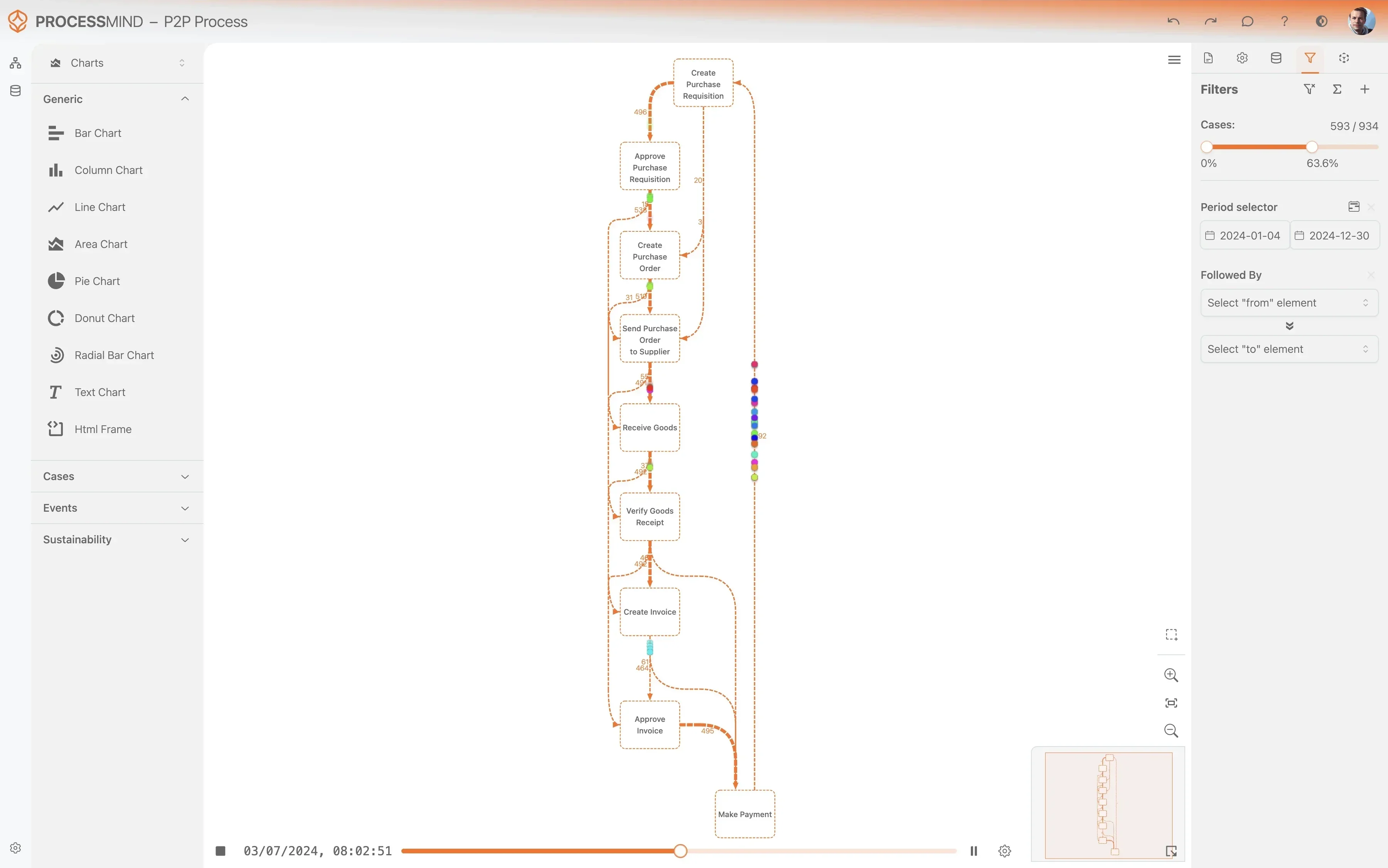
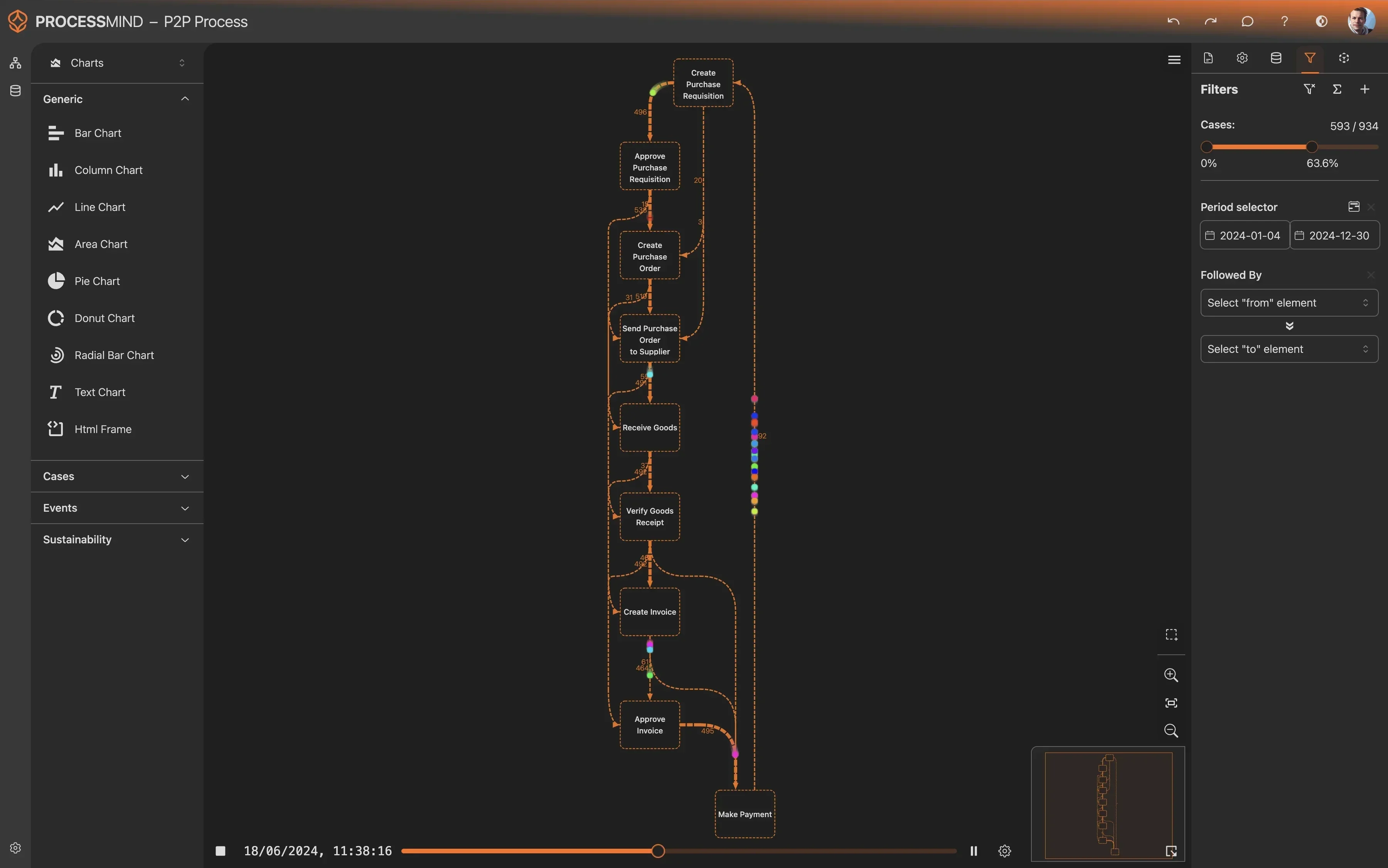
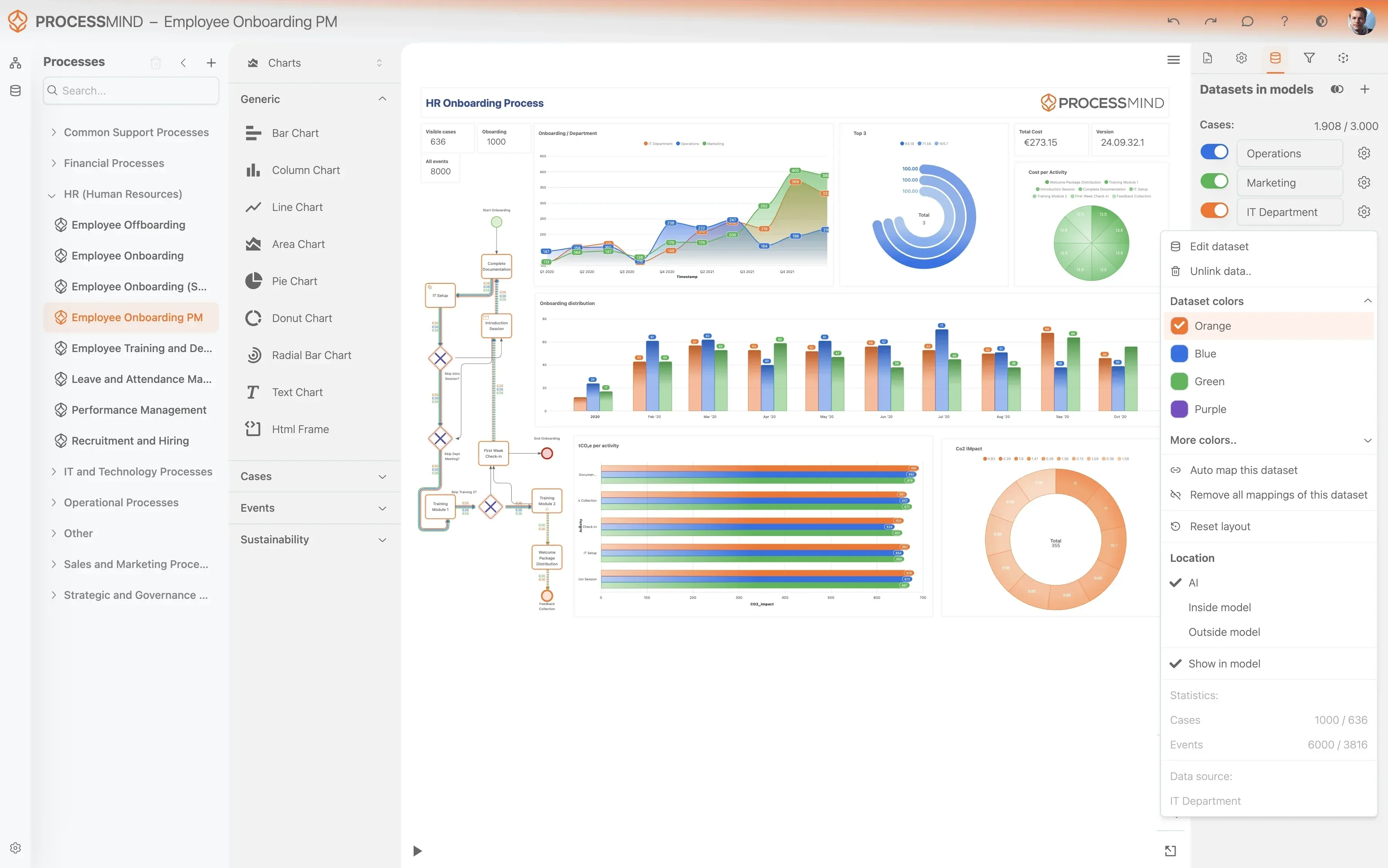
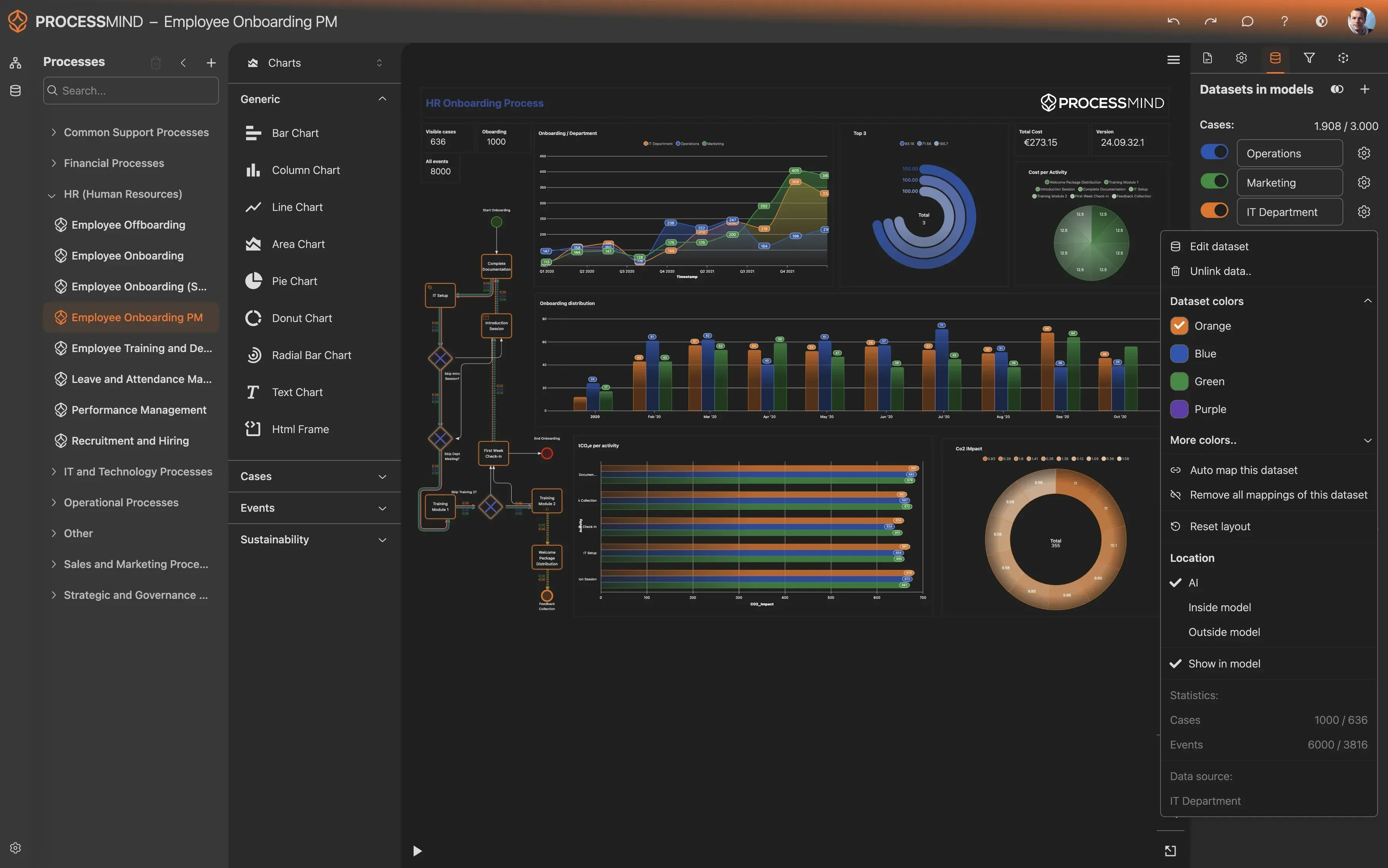
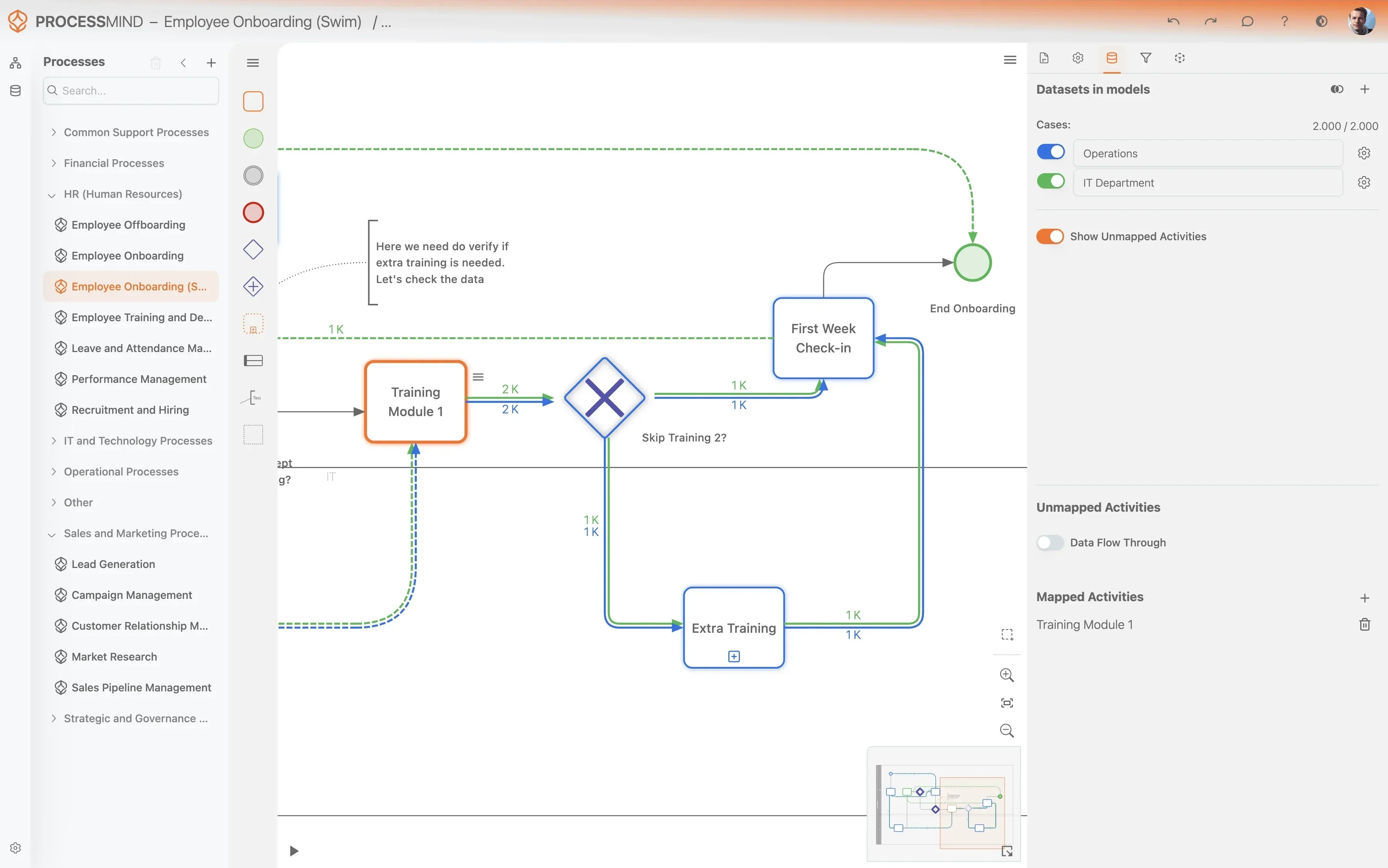
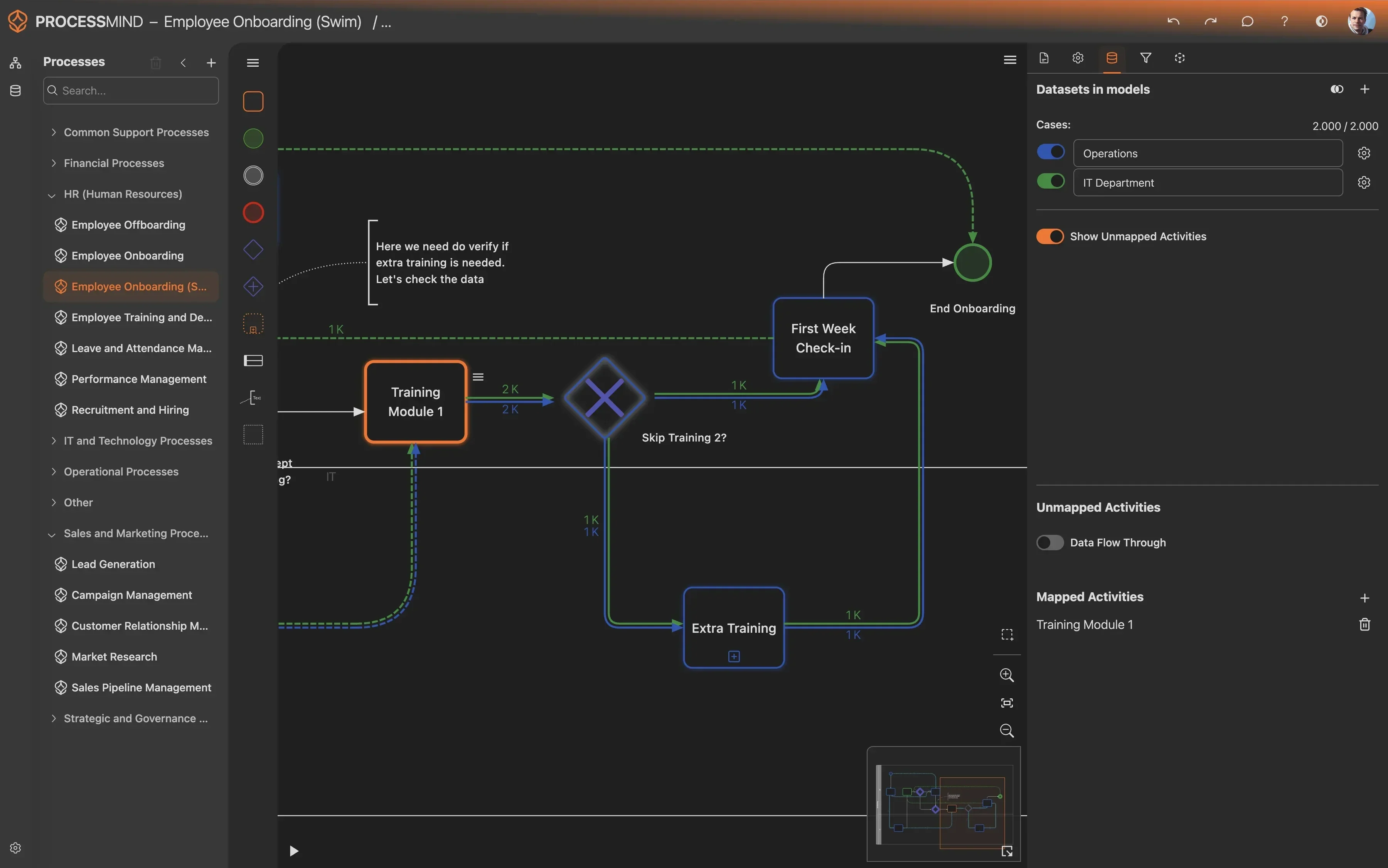
- Visualize end-to-end loan application flow
- Pinpoint exact bottlenecks in nCino
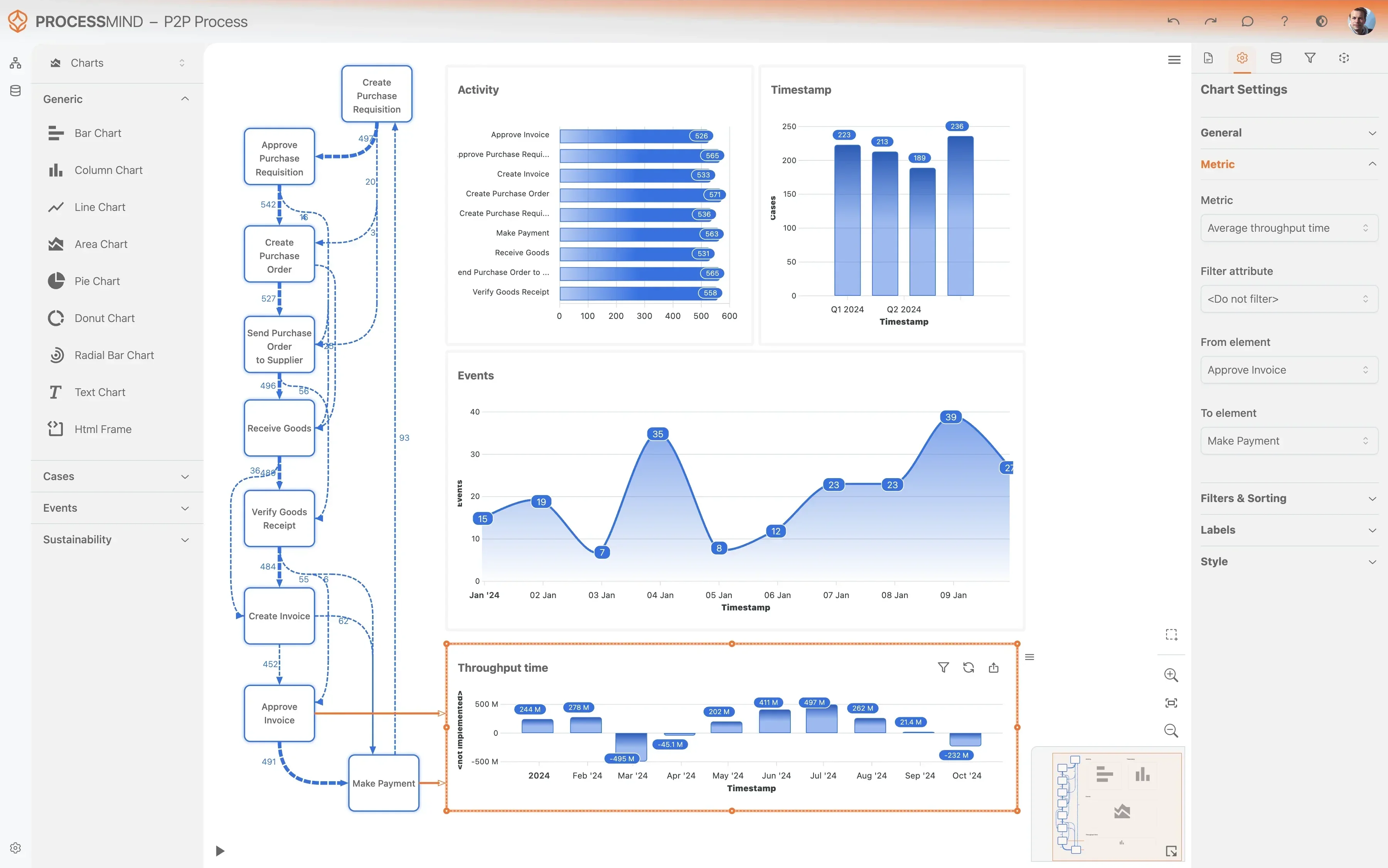
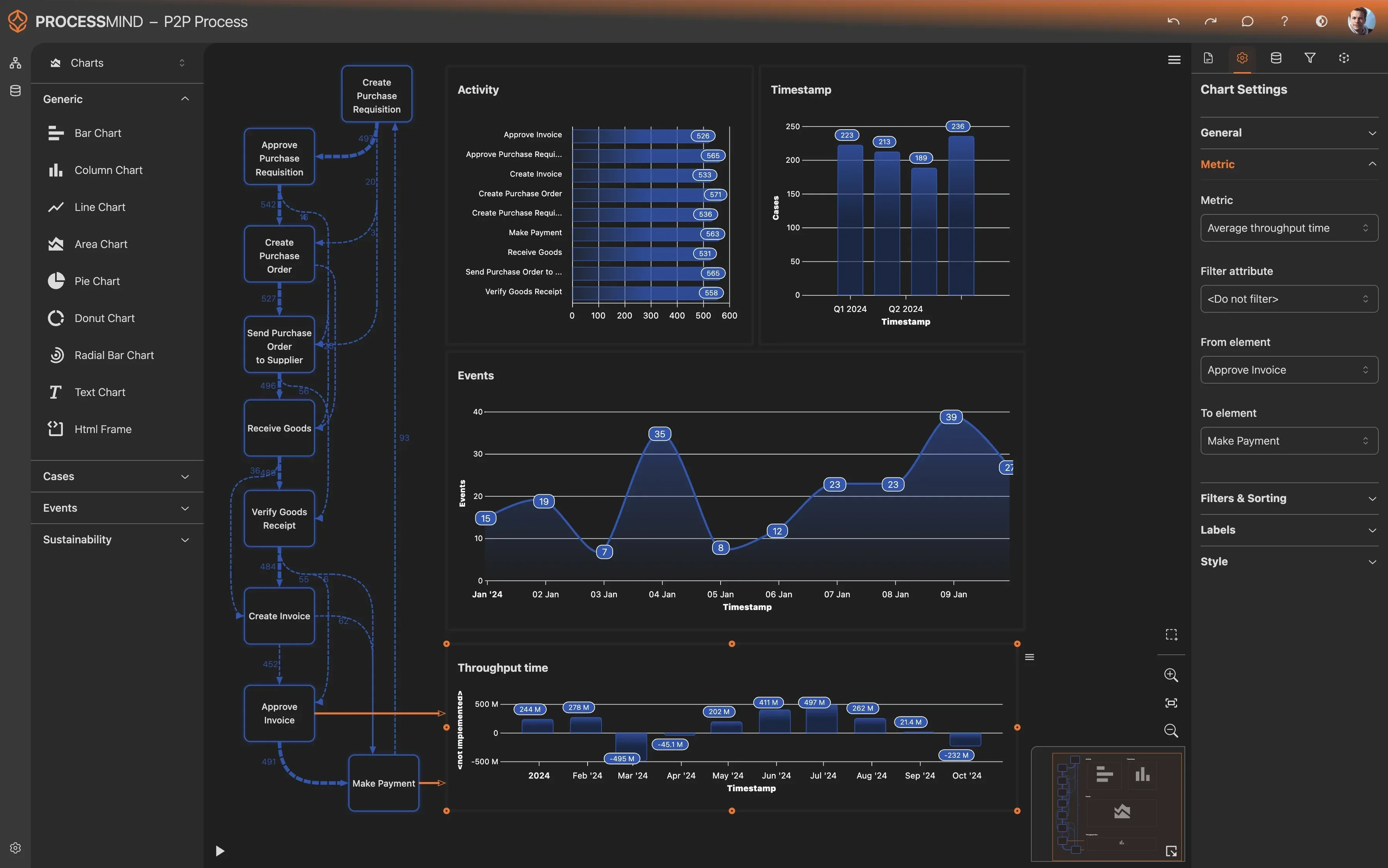
- Understand decision paths and outcomes
- Streamline lending for faster approvals
TYPICAL OUTCOMES
Real-World Improvements in Loan Origination
These outcomes demonstrate the tangible benefits organizations realize by optimizing their nCino-powered Loan Origination process. Through data-driven insights from process mining, bottlenecks are identified and removed, leading to faster, more efficient operations.
Reduction in average end-to-end time
By identifying and removing process delays, organizations can significantly speed up the entire loan origination process, getting funds to customers quicker.
Lower percentage of applications needing re-submission
Process mining uncovers root causes of repeated document requests, enabling improvements that reduce rework and enhance application quality.
Higher compliance with processing targets
Pinpoint exactly where and why SLAs are missed, allowing targeted interventions to ensure more applications meet their promised service levels.
Identification of factors leading to rejections
Analyze the journey of declined loans to understand common pitfalls and implement changes that can reduce unnecessary rejections, improving conversion.
Shorter processing time in underwriting
By visualizing the underwriting process, organizations can identify and eliminate bottlenecks, drastically shortening the time it takes to complete this critical stage.
Reduced number of activities per loan
Uncover redundant or unnecessary activities in the loan origination process to streamline workflows, reducing the overall operational cost per loan.
Results vary based on the specific loan products, process complexity, and data quality. The figures presented here illustrate typical improvements observed across various loan origination implementations.
Recommended Data
FAQs
Frequently asked questions
Process mining provides an objective, data-driven view of your Loan Origination process within nCino. It helps identify inefficiencies, bottlenecks, and deviations from standard paths, such as inconsistent processing times or excessive rework. This insight allows you to pinpoint exact areas for improvement, like accelerating loan approval cycle times and ensuring consistent regulatory compliance.
To begin process mining, you primarily need event log data from nCino. This includes a unique Case Identifier, such as the Loan Application ID, an Activity Name for each step performed, and a Timestamp for when each activity occurred. Additional attributes, like resource information or loan type, can enrich the analysis.
Initial insights into your Loan Origination process can typically be generated within a few weeks once the data extraction and preparation are complete. Deeper analysis, root cause investigation, and the implementation of improvements will evolve over several months. The timeline can vary based on data complexity and the specific scope of your analysis.
Process mining can automatically detect deviations from your defined standard operating procedures and regulatory requirements. It highlights instances where processes do not adhere to expected paths, allowing you to investigate and rectify non-compliant activities. This helps in ensuring consistent regulatory compliance and reducing risks.
While some data engineering skills may be beneficial for initial data extraction and transformation from nCino, modern process mining tools are designed for user-friendliness. Business analysts and process owners can quickly learn to interpret the process maps and insights generated. Specialized training is often available to help teams get started efficiently.
Yes, process mining excels at pinpointing specific bottlenecks and their root causes within stages like underwriting. It visualizes the actual flow and highlights where applications spend excessive time, revealing factors such as resource availability or sequential dependencies. This enables targeted interventions to eliminate underwriting bottlenecks and accelerate the overall process.
You can expect significant improvements in loan approval cycle time by identifying and eliminating unnecessary delays, rework loops, and inefficient handoffs revealed by process mining. By streamlining the end-to-end process, organizations typically see faster processing, leading to quicker loan approvals. This directly contributes to accelerating the loan approval cycle time.
Data privacy and security are paramount when dealing with sensitive loan data. Robust process mining platforms incorporate features for data anonymization and pseudonymization to protect personally identifiable information. Access controls and secure data storage protocols ensure that only authorized personnel can view and analyze the process data, maintaining compliance with data protection regulations.
Absolutely, process mining provides insights into how loan officers and other resources are utilized across different process steps. It can highlight instances of uneven workloads, identify highly utilized resources that may be causing delays, or reveal underutilized resources. This understanding helps optimize loan officer resource utilization and improve overall team efficiency.
Unlock Faster Loan Origination Approvals Today
Transform your nCino Loan Origination, reduce decision time by 50%.
No credit card required, set up in minutes.