Improve Your Contract Management

Select a process
Choose a process to continue working in your connected workspace.
Optimize Icertis Contract Management for Compliance
Complex approval workflows and compliance challenges can often slow down critical processes. Our platform helps you pinpoint exact bottlenecks and streamline reviews. Improve overall governance and transform your lifecycle from initiation to termination.
Download our pre-configured data template and address common challenges to reach your efficiency goals. Follow our six-step improvement plan and consult the Data Template Guide to transform your operations.
Show detailed description
Why Optimize Contract Management with Icertis?
Effective Contract Management is the backbone of successful business operations, especially when leveraging a sophisticated platform like Icertis Contract Intelligence. While Icertis provides robust capabilities for managing your contracts, the underlying processes can still harbor inefficiencies, leading to significant financial and operational costs. Unoptimized contract workflows can result in lengthy approval cycles, missed revenue opportunities, compliance risks, and strained relationships with counterparties. Understanding and refining these processes is crucial for maximizing your investment in Icertis and ensuring your contracts drive, rather than hinder, business objectives.
How Process Mining Supercharges Icertis Contract Management
Process mining offers an unparalleled, data-driven lens into your actual Contract Management processes within Icertis. Instead of relying on assumptions or anecdotal evidence, process mining analyzes event logs directly from your Icertis system to reconstruct every step taken in each contract's lifecycle. This allows you to visualize the true end-to-end flow, revealing hidden bottlenecks in review, approval, and negotiation stages. You can accurately measure actual contract cycle times, identify specific process deviations, and pinpoint exactly where delays occur. This objective insight is key to understanding how to reduce Contract Management cycle time and drive true process optimization across your organization.
Key Improvement Areas Discovered through Process Mining
By applying process mining to your Icertis Contract Management data, you uncover specific areas ripe for improvement. You might discover that certain departments or individual approvers consistently create bottlenecks in the internal review process, or that specific contract types always experience longer negotiation phases. The technology can highlight non-compliant activities, such as skipped mandatory legal reviews, or deviations from your standard operating procedures. Moreover, process mining allows you to analyze the efficiency of post-execution phases, like obligation monitoring, amendment processing, or renewal workflows. These insights provide concrete, actionable intelligence for streamlining operations and enhancing overall contract governance.
Realizing Tangible Outcomes: Benefits of Optimized Icertis Processes
The application of process mining to your Icertis Contract Management yields a host of tangible benefits. Expect a significant reduction in contract cycle times, accelerating your time-to-revenue and improving overall operational velocity. By eliminating bottlenecks and streamlining workflows, you will achieve substantial cost savings through reduced administrative overhead and fewer errors requiring costly rework. Enhanced compliance becomes a reality as process mining proactively identifies risks and ensures adherence to contractual obligations and internal policies. Furthermore, better governance, improved auditability, and stronger control over contract terms contribute to a more resilient and efficient contract ecosystem. These improvements transform your contract function into a strategic asset, directly impacting your bottom line.
Getting Started with Your Icertis Contract Process Optimization Journey
Embarking on your Contract Management process optimization journey with Icertis and process mining is a strategic move towards operational excellence. This data-driven approach empowers you to move beyond guesswork, providing clear, actionable insights into your most critical contract workflows. By leveraging the data already present in your Icertis system, you gain the clarity needed to make informed decisions, drive efficiency, and establish a best-in-class Contract Management function. Start exploring how process mining can unlock the full potential of your Icertis investment and lead to continuous improvement.
The 6-Step Improvement Path for Contract Management
Download the Template
What to do
Get the tailored Excel template for Contract Management. This template is designed to structure your Icertis data correctly for analysis.
Why it matters
Using the right data structure ensures your contract data is accurately prepared, laying a solid foundation for meaningful process analysis.
Expected outcome
A pre-formatted Excel template ready to receive your Icertis contract data.
Export Your Icertis Data
What to do
Extract 3-6 months of historical contract data from your Icertis system. Populate the downloaded template with actual contract lifecycle events.
Why it matters
Comprehensive historical data from Icertis is crucial for identifying recurring bottlenecks and understanding past performance in contract workflows.
Expected outcome
A filled template containing recent historical contract management data from Icertis.
Upload Your Dataset
What to do
Upload your completed data template to ProcessMind. The platform securely processes your Icertis contract data for automated analysis.
Why it matters
Securely uploading your data initiates the powerful analytical engine, quickly transforming raw data into actionable insights without manual effort.
Expected outcome
Your Icertis contract data uploaded, with automatic processing initiated for deep analysis.
Analyze Your Process
What to do
Explore the auto-generated dashboards showing your contract management process flow. Review AI-driven recommendations for specific improvements.
Why it matters
Visualizing your Icertis contract lifecycle reveals hidden inefficiencies, while AI insights pinpoint exact areas for compliance and speed enhancements.
Expected outcome
Clear understanding of contract lifecycle bottlenecks and AI-powered recommendations for optimization.
Implement Improvements
What to do
Prioritize and implement the identified opportunities to streamline your contract workflows in Icertis, focusing on key areas like approval cycles.
Why it matters
Taking action on insights directly reduces contract cycle times, mitigates compliance risks, and improves overall efficiency in Icertis.
Expected outcome
Actionable changes implemented in Icertis contract processes, leading to measurable improvements.
Monitor Your Progress
What to do
Periodically re-upload updated Icertis contract data to ProcessMind. Continuously track the impact of your changes and measure KPI improvements.
Why it matters
Ongoing monitoring ensures that improvements are sustained, new issues are caught early, and the contract management process continuously evolves.
Expected outcome
Continuous optimization and verified improvement in Icertis contract management KPIs over time.
WHAT YOU WILL GET
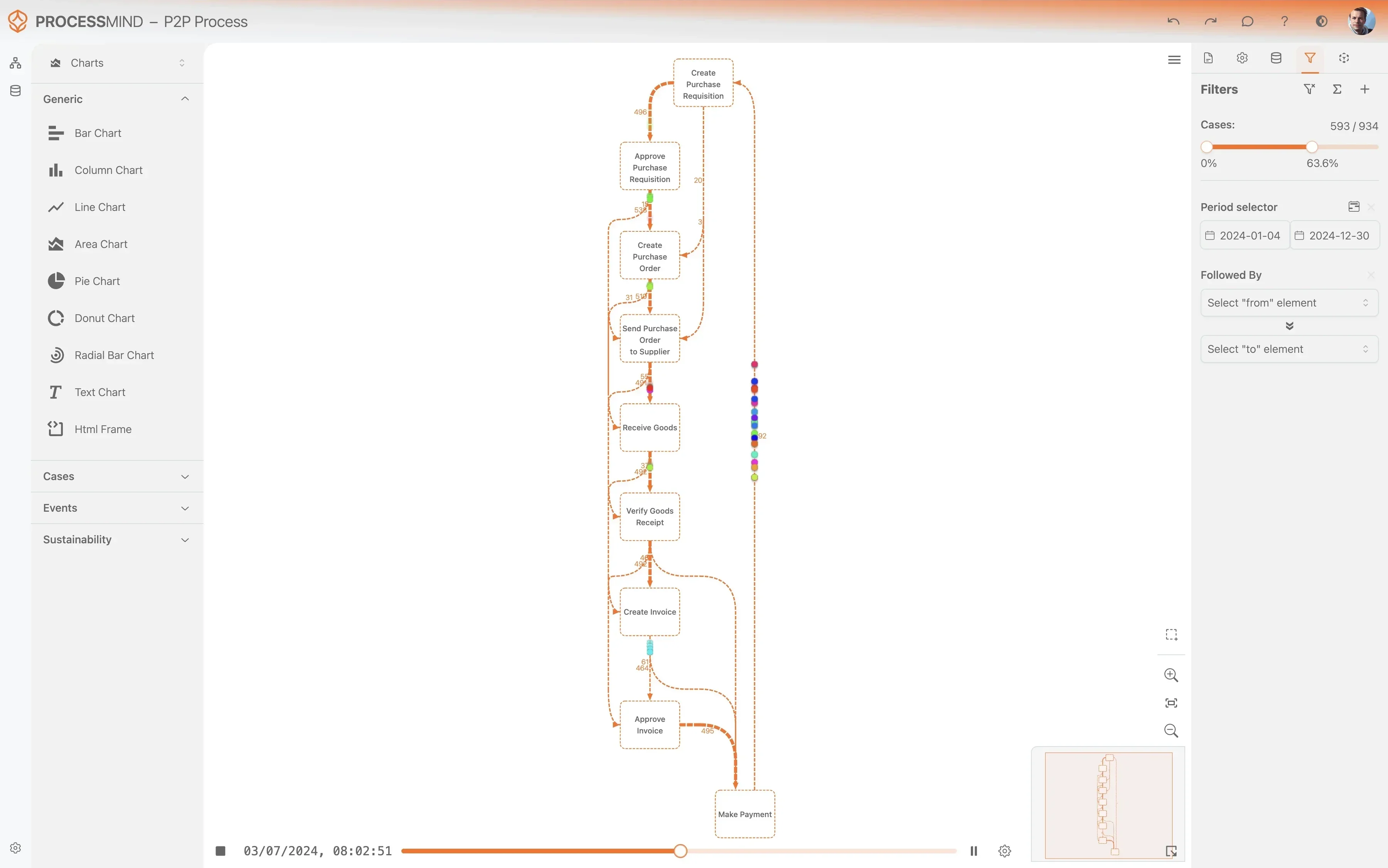
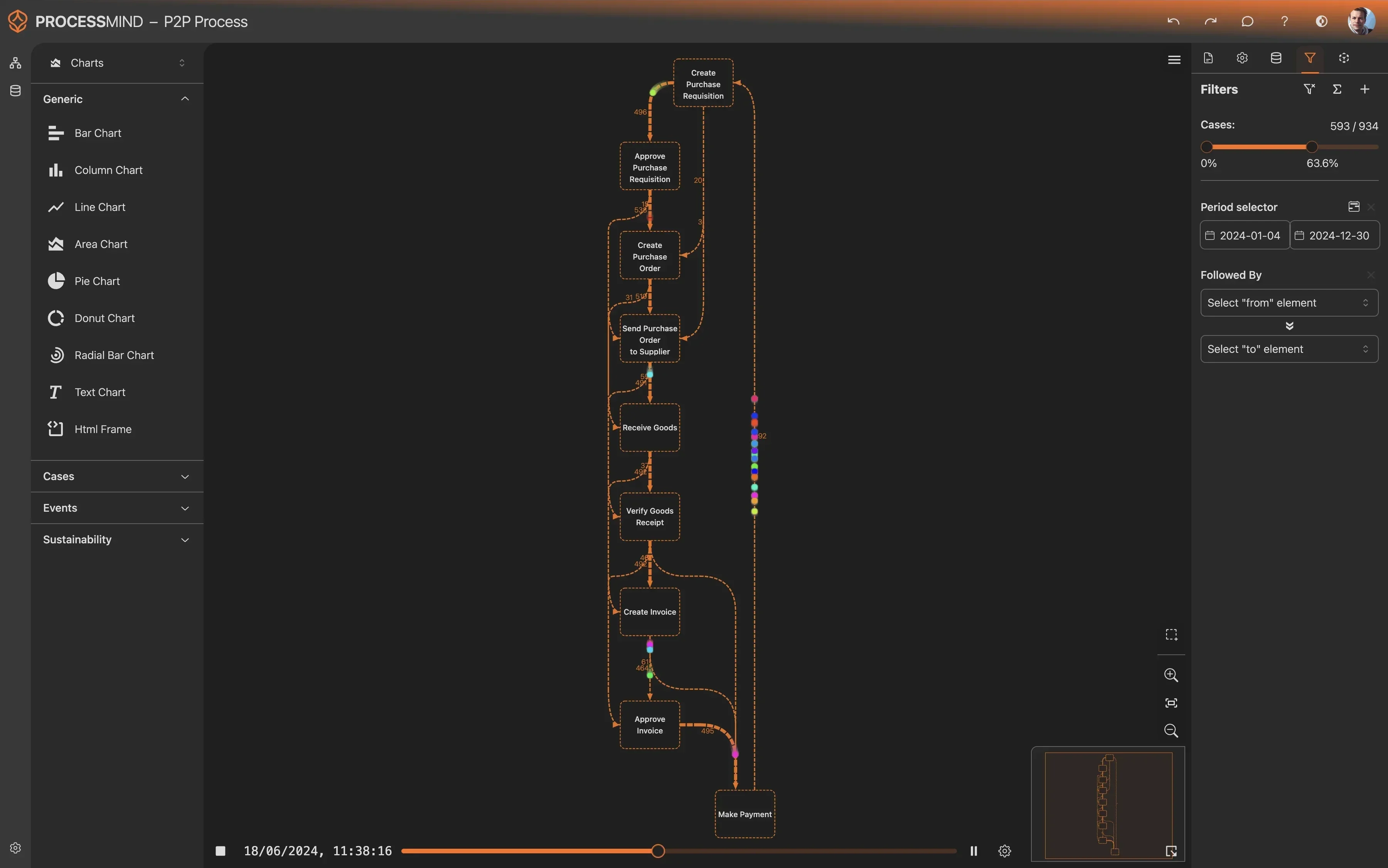
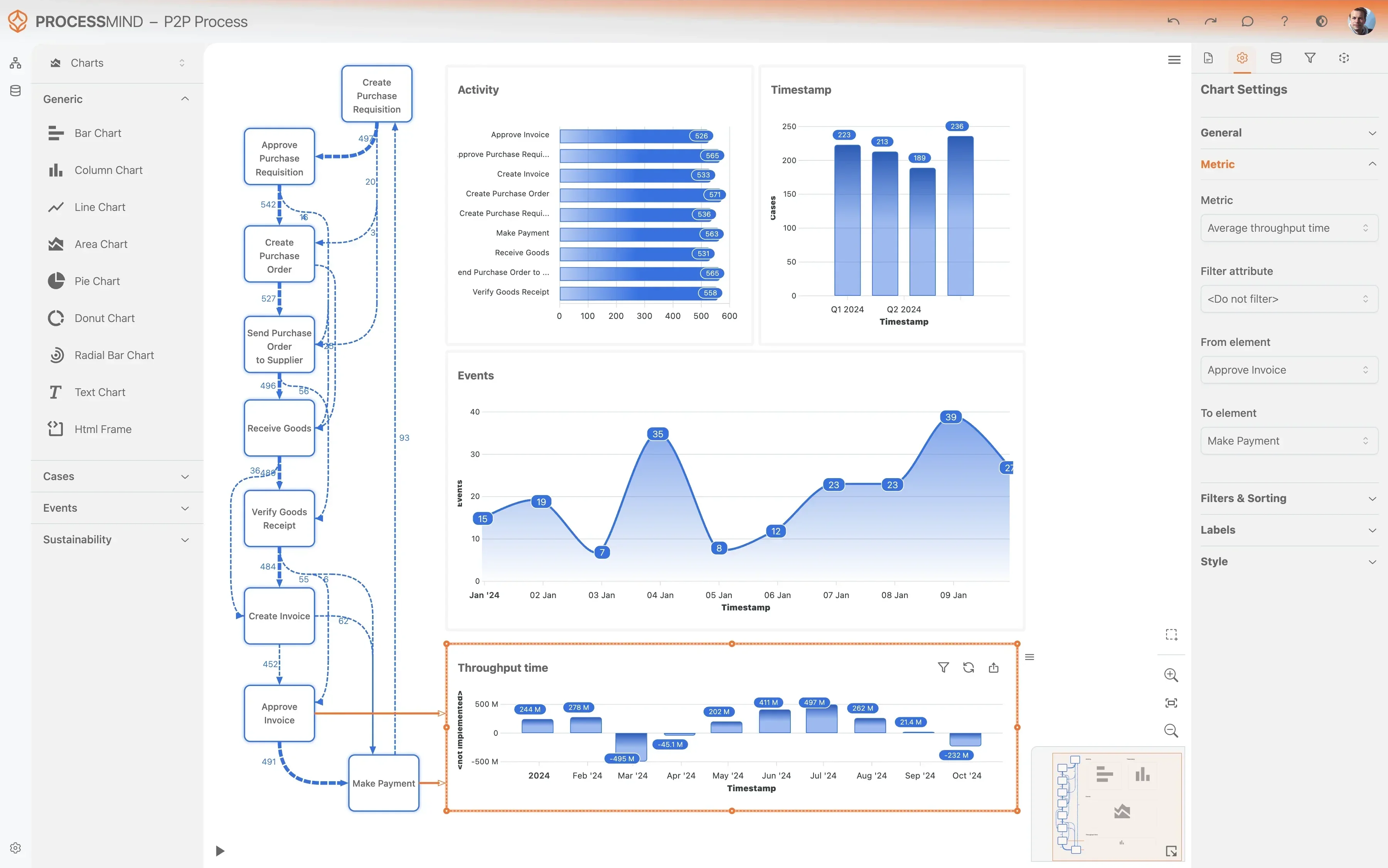
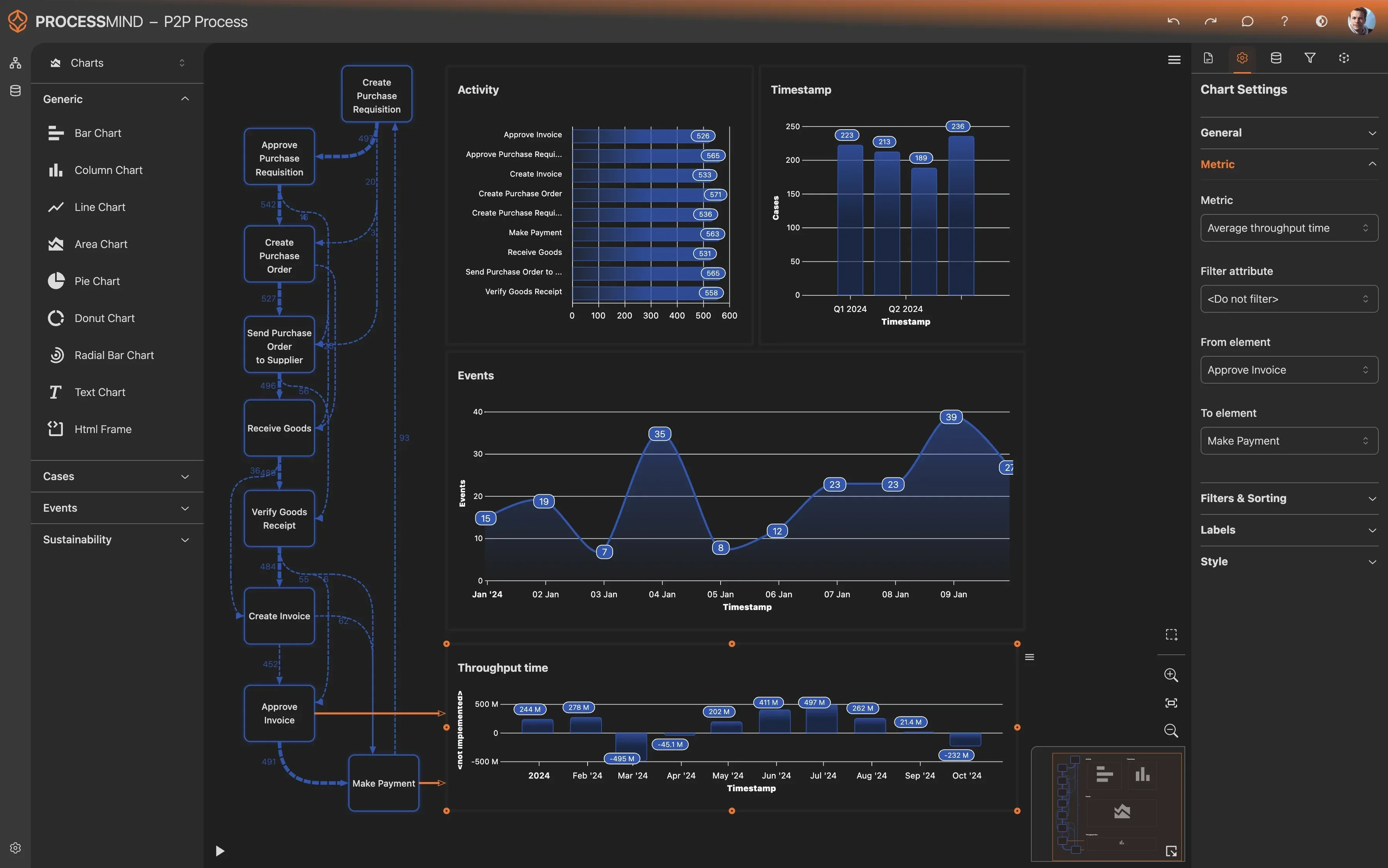
Reveal the True Path of Your Icertis Contracts
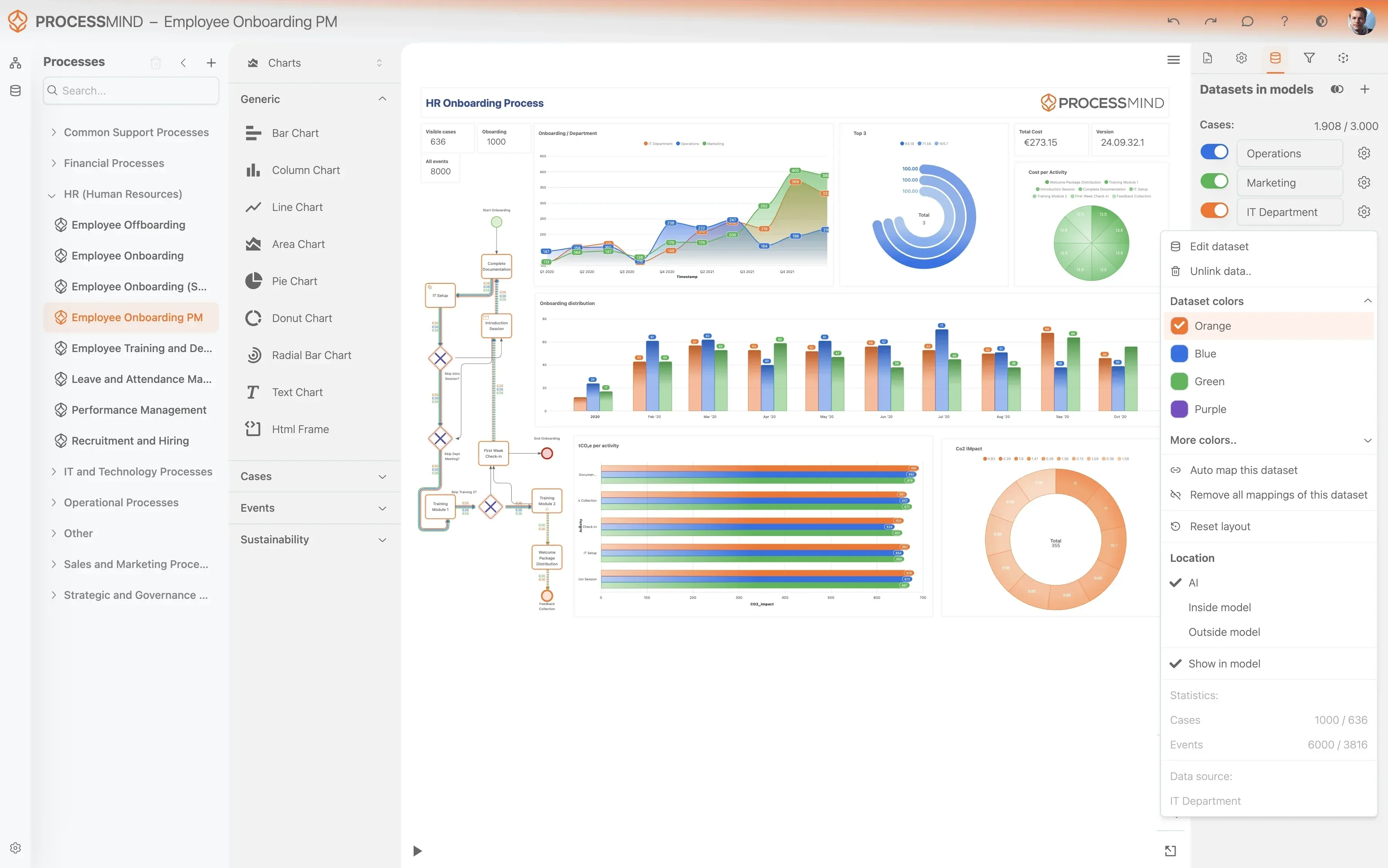
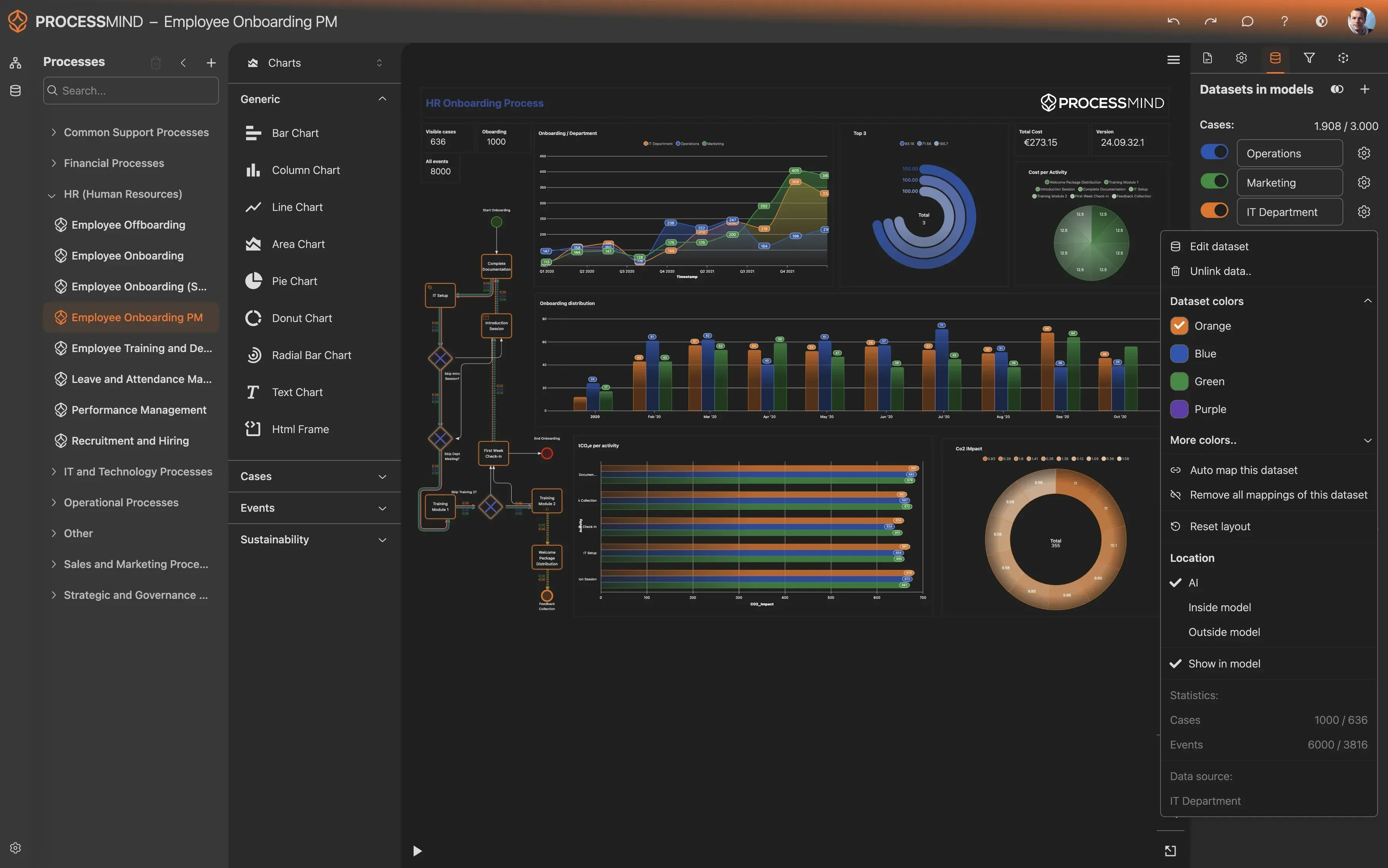
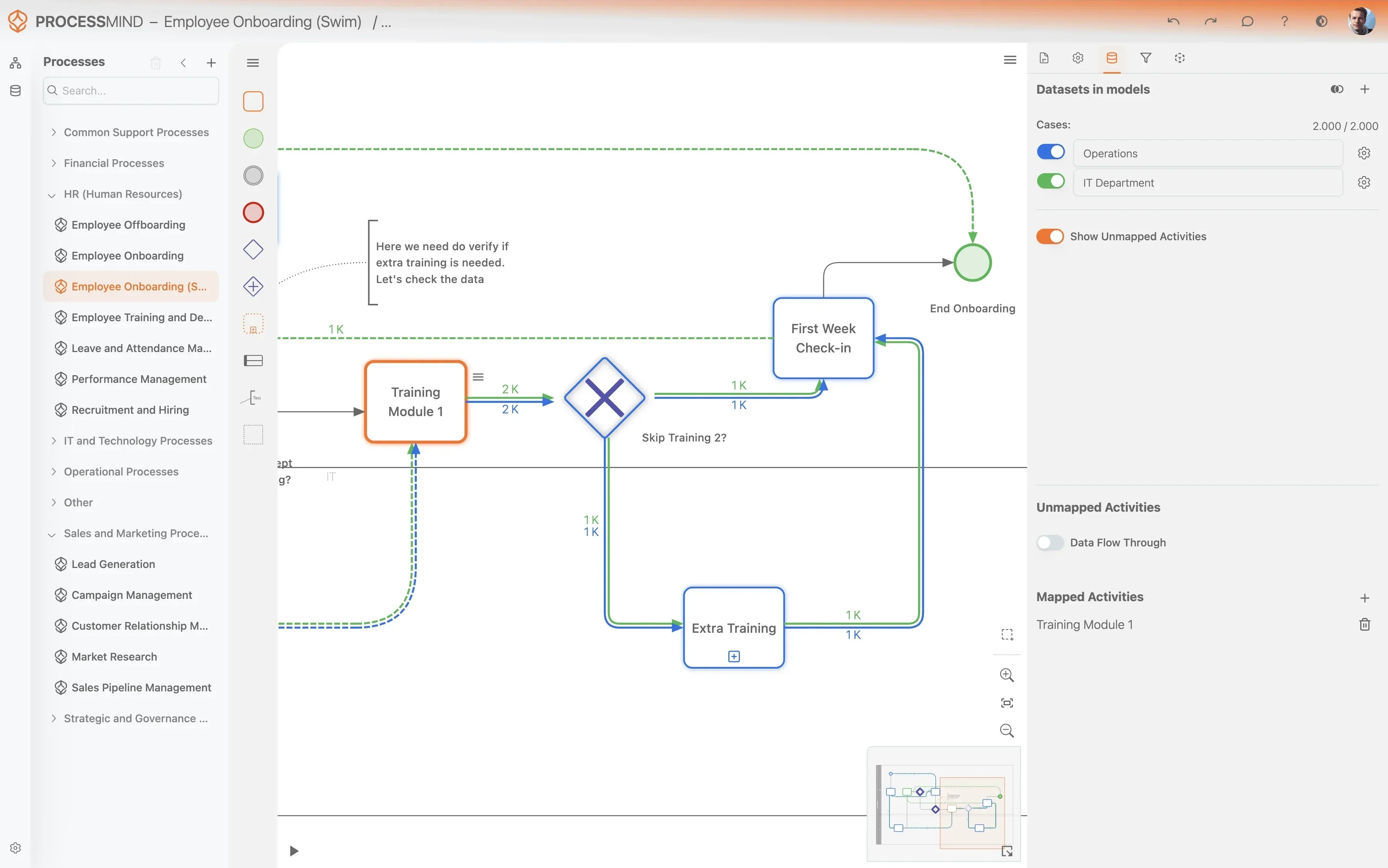
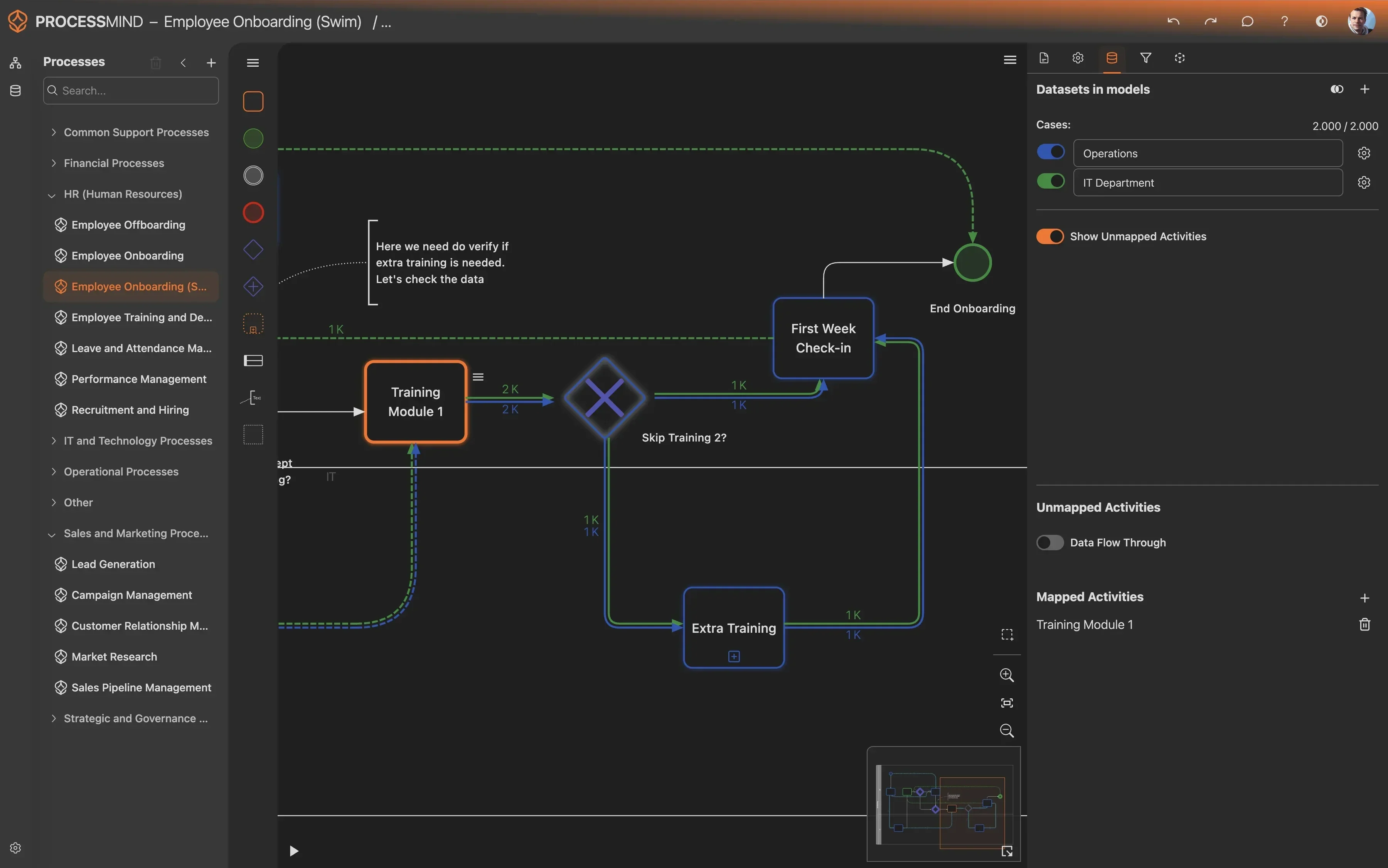
- Visualize end-to-end contract workflows
- Identify exact bottlenecks in approvals
- Monitor compliance and governance adherence
- Streamline contract review cycles
TYPICAL OUTCOMES
Achieving Excellence in Contract Management
Our process mining solutions uncover inefficiencies and bottlenecks in your contract management lifecycle, driven by detailed analysis of Contract ID data from Icertis. These outcomes illustrate the typical improvements organizations experience by optimizing their contract processes.
Reduction in approval phase
Pinpoint and remove bottlenecks in your approval workflows, drastically cutting down the time it takes for contracts to get greenlit internally.
Improved compliance with internal policies
Automatically identify deviations from standard contract processes and policies, ensuring higher adherence and reducing risk across your contract portfolio.
Decrease in average negotiation duration
Analyze negotiation patterns to identify delays and high-rework areas, leading to faster agreement on terms with counterparties and quicker deal closure.
Fewer contracts stuck in process
Gain real-time insights into contracts that are stalled or progressing slowly, allowing proactive intervention to keep deals moving and prevent delays.
Improved completion of contractual duties
Track and ensure that all post-execution contractual obligations are met on time, minimizing risks and improving relationships with your business partners.
Reduction in legal review wait times
Identify and resolve bottlenecks in legal review queues and inter-departmental hand-offs, ensuring resources are optimally utilized and contracts move faster.
Results vary based on your specific process complexity, data quality, and strategic focus areas. These figures represent typical improvements observed across various contract management implementations.
Recommended Data
FAQs
Frequently asked questions
Process mining analyzes your Icertis data to visualize the actual contract lifecycle, identifying bottlenecks in approvals, negotiations, and renewals. It reveals deviations from standard processes and pinpoints areas for efficiency gains. This helps you understand where contracts get stuck and why, leading to faster cycles and better compliance.
To begin, we primarily need event logs from Icertis, which include the Case Identifier, Contract ID, Activity, and Timestamp for each event. This data allows us to reconstruct the complete journey of every contract. We also benefit from additional attribute data related to the contracts, such as contract type or value, to enrich our analysis.
Implementing process mining typically involves extracting historical data from Icertis, not altering your current system configuration. The process mining tool connects to this data, so there's usually minimal disruption to your live operations. The focus is on data extraction and subsequent analysis, not system integration in the traditional sense.
You can expect significant improvements in key performance indicators such as reduced contract approval cycle times and shorter negotiation phases. The insights gained help enhance policy compliance, streamline renewal processes, and improve real-time visibility into contract status. Ultimately, this leads to more efficient operations and better resource allocation.
The main technical prerequisite is the ability to extract event log data from Icertis, typically through its reporting features or direct database access. You'll need access credentials and potentially some technical support from your IT team for data export. No specific hardware or software needs to be installed directly within your Icertis environment.
After data extraction and initial preparation, which can take a few days to a couple of weeks depending on data complexity, initial insights can often be generated within another week or two. The first phase focuses on visualizing the as-is process and identifying obvious bottlenecks. Deeper analysis and solution development will follow.
Yes, process mining can precisely pinpoint where and why rework occurs most frequently in contract drafting within Icertis. By analyzing the sequence of events and user interactions, it highlights specific stages or departments that contribute most to revisions. This data-driven insight allows you to target improvements directly, reducing the need for repeated modifications.
Process mining automatically compares the actual execution of your contract processes against your defined internal policies and ideal process models. It identifies every instance of deviation, such as skipped approval steps or unauthorized changes. This helps you proactively address non-compliant behaviors and enforce consistent adherence to your contract guidelines.
Absolutely. Process mining visualizes the workload distribution across different review stages and teams, revealing where resources are over or underutilized. By identifying choke points caused by resource imbalances, it provides data to reallocate personnel more effectively. This ensures smoother process flow and prevents delays caused by insufficient or misassigned reviewers.
Transform Your Icertis Contracts: Reduce Bottlenecks Now
Stop bottlenecks. Achieve 30% faster contract cycle times and better governance.
No credit card required. Setup in minutes.