Improve Your Quality Management

Select a process
Choose a process to continue working in your connected workspace.
Optimize Oracle Quality Management for Compliance
Our platform helps you identify hidden bottlenecks and inefficiencies within your quality processes. Pinpoint exact areas of non-conformance and understand their root causes. Streamline operations, enhance compliance, and drive continuous improvement across your organization.
Download our pre-configured data template and address common challenges to reach your efficiency goals. Follow our six-step improvement plan and consult the Data Template Guide to transform your operations.
Show detailed description
Unveiling Efficiency: Why Optimize Quality Management in Oracle?
Quality Management is not merely a compliance checklist; it is the backbone of operational excellence and customer satisfaction. In today's dynamic business environment, ensuring high product or service quality is paramount, and any deviation can lead to significant financial losses, reputational damage, and regulatory penalties. Managing quality events, from initial identification to resolution and verification, often involves complex, multi-departmental workflows within systems like Oracle Fusion Quality Management. Without a clear, end-to-end view, organizations frequently grapple with prolonged investigation times, ineffective corrective and preventive actions (CAPA), and persistent bottlenecks that inflate costs and compromise quality standards.
The true cost of an inefficient Quality Management process extends beyond direct expenses. It includes lost productivity due to rework, delayed product launches, increased warranty claims, and the potential erosion of customer trust. Optimizing your Quality Management in Oracle is crucial not just for meeting minimum requirements, but for transforming quality into a competitive advantage that drives continuous improvement and sustained success.
How Process Mining Illuminates Your Quality Workflows
Process mining offers a powerful lens to analyze and improve Quality Management. By leveraging actual event log data from your Oracle Quality Management system, this technology reconstructs the complete lifecycle of every quality event. Instead of relying on assumptions or anecdotal evidence, you gain an objective, data-driven understanding of how processes truly operate.
With a "Quality Event" as the case identifier, process mining tracks every step: from the moment a quality issue is identified, through its assessment, investigation, root cause analysis, corrective action implementation, and final verification. It highlights where deviations occur from intended process flows, pinpoints specific bottlenecks that delay resolution, and reveals variations across different departments or product lines. This deep visibility helps you understand why certain quality events take longer to resolve, which actions are most effective, and where compliance risks may be lurking. Essentially, process mining transforms raw Oracle data into actionable insights, showing you the exact paths taken and the inefficiencies hidden within.
Key Areas for Enhancing Quality Management
Applying process mining to your Oracle Quality Management system typically uncovers several critical areas for improvement:
- Accelerating Investigations: Identify the longest-running activities and handoffs in the investigation phase. Reducing the cycle time for quality event investigations means quicker resolutions and less impact on operations.
- Optimizing CAPA Processes: Analyze the effectiveness of corrective and preventive actions. Process mining can show whether implemented actions truly lead to issue resolution and prevent recurrence, highlighting ineffective or redundant steps in your CAPA process.
- Ensuring Compliance and Reducing Risk: Visualize process deviations that could indicate non-compliance with internal policies or external regulations. This allows proactive intervention to maintain audit readiness and reduce regulatory risks.
- Streamlining Resolution and Closure: Pinpoint delays in the final review and closure stages of quality events, ensuring that issues are not only resolved but formally documented and communicated in a timely manner.
- Improving Resource Allocation: Understand where resources are over or underutilized within the quality process, enabling more efficient allocation and reducing quality-related costs.
Measurable Outcomes of Process Optimization
By embracing process mining for your Oracle Quality Management, you can expect significant, measurable benefits:
- Reduced Quality Event Cycle Time: Drastically cut down the time it takes to identify, investigate, resolve, and close quality events, leading to faster issue resolution and better customer satisfaction. You will see a direct impact on how to reduce Quality Management cycle time.
- Enhanced Compliance Rates: Proactively identify and rectify process deviations, ensuring your operations consistently meet regulatory standards and internal quality policies.
- Lower Quality-Related Costs: Minimize rework, reduce waste, and decrease the financial impact of quality issues by addressing root causes more efficiently.
- Improved Product and Service Quality: A more efficient and compliant Quality Management process directly contributes to higher quality outputs, strengthening your brand reputation and customer loyalty.
- Increased Operational Efficiency: Automate or optimize manual steps, eliminate bottlenecks, and streamline workflows, freeing up your team to focus on higher-value activities.
Getting Started with Your Quality Transformation
Improving Quality Management in Oracle doesn't have to be a daunting task. By leveraging process mining, you gain the clarity and data-driven insights needed to make informed decisions and implement targeted improvements. This guide and associated templates provide the foundational knowledge and tools to begin your journey towards a more efficient, compliant, and robust quality management system. Take the first step to uncover hidden opportunities within your current processes and unlock the full potential of your Oracle Quality Management investment.
The 6-Step Improvement Path for Quality Management
Download the Template
What to do
Get the pre-built Excel template designed to capture your Oracle Quality Management data. This ensures your data aligns with ProcessMind's analytical structure.
Why it matters
Using the right template prevents data mismatches, ensuring a smooth and accurate analysis of your quality processes from the start.
Expected outcome
A structured Excel template ready to be populated with your Quality Management process data from Oracle.
Export Your Quality Data
What to do
Extract 3-6 months of historical quality event data from your Oracle Quality Management system. Populate the downloaded template with this real operational data.
Why it matters
A robust dataset provides a comprehensive view of past quality events, enabling reliable identification of recurring issues and compliance gaps.
Expected outcome
A completed template with your historical Quality Management process data, ready for upload.
Upload Your Quality Data
What to do
Upload your filled data template securely to ProcessMind. Our platform will automatically ingest and prepare your quality event data for analysis.
Why it matters
A quick and secure upload ensures your data is promptly available, accelerating the time to insight for improving your quality processes.
Expected outcome
Your Oracle Quality Management data successfully processed and visible within the ProcessMind platform.
Analyze Quality Processes
What to do
Explore the auto-generated dashboards and gain insights into your Oracle Quality Management process. Leverage AI-driven recommendations to pinpoint inefficiencies and compliance risks.
Why it matters
Visualizing the end-to-end quality event flow helps uncover hidden bottlenecks in investigations and identifies areas for improved corrective actions.
Expected outcome
A clear understanding of your Quality Management process flow, bottlenecks, and data-driven recommendations.
Implement Quality Actions
What to do
Prioritize and implement the improvement opportunities identified from your Oracle Quality Management analysis. Act on insights to streamline workflows and enhance compliance.
Why it matters
Translating insights into action directly addresses process inefficiencies, leading to more effective investigations and robust corrective and preventive actions.
Expected outcome
Concrete improvement initiatives launched within your Quality Management operations, addressing identified issues.
Monitor Quality Performance
What to do
Periodically re-upload updated data from Oracle Quality Management to ProcessMind. Continuously track the impact of your improvements and measure KPI changes over time.
Why it matters
Ongoing monitoring ensures sustained improvements, verifies the effectiveness of changes, and fosters a culture of continuous quality enhancement.
Expected outcome
Continuous oversight of your Quality Management process, with measurable improvements in efficiency, compliance, and resolution.
YOUR INSIGHTS
Unlock Oracle Quality Management Performance
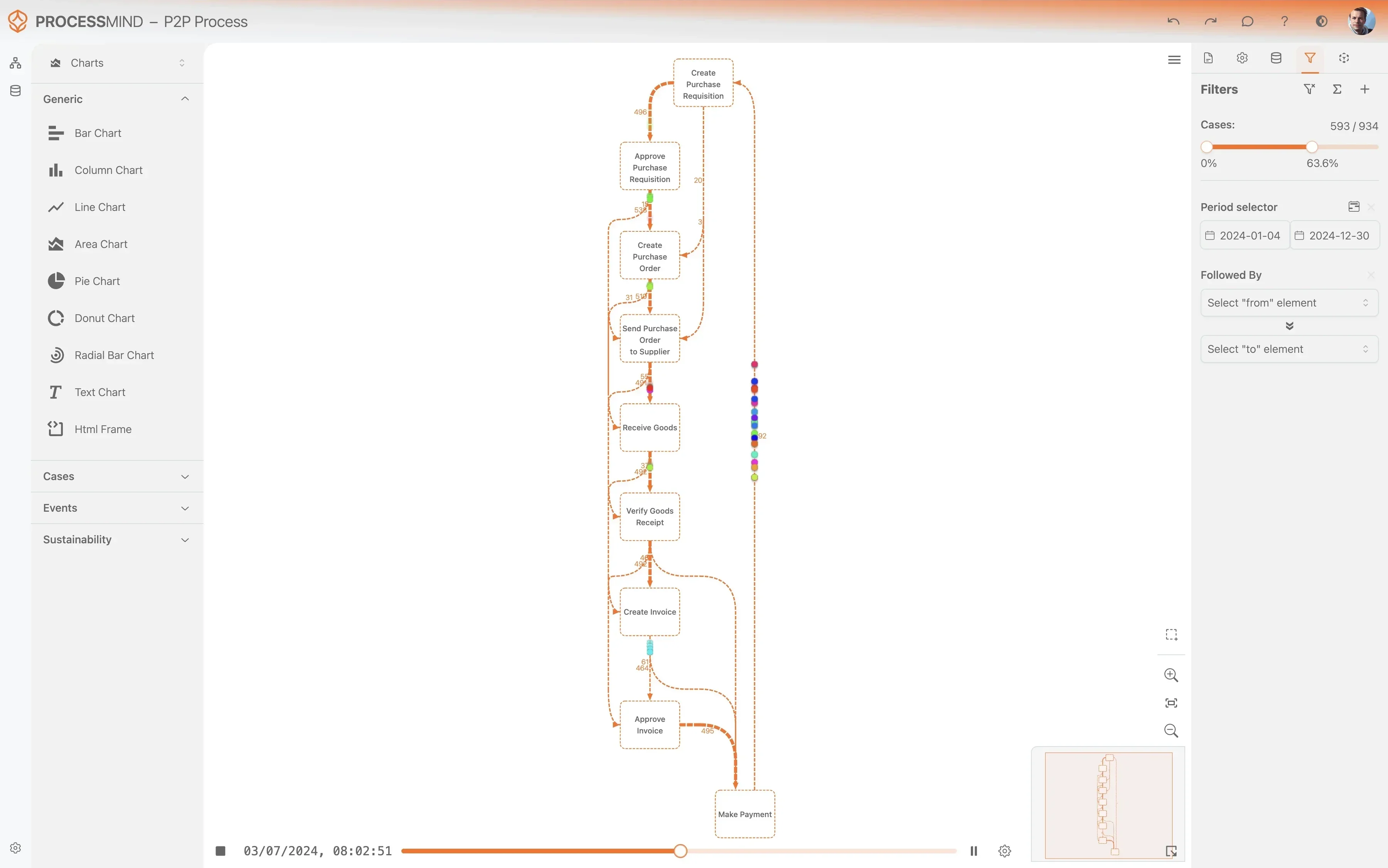
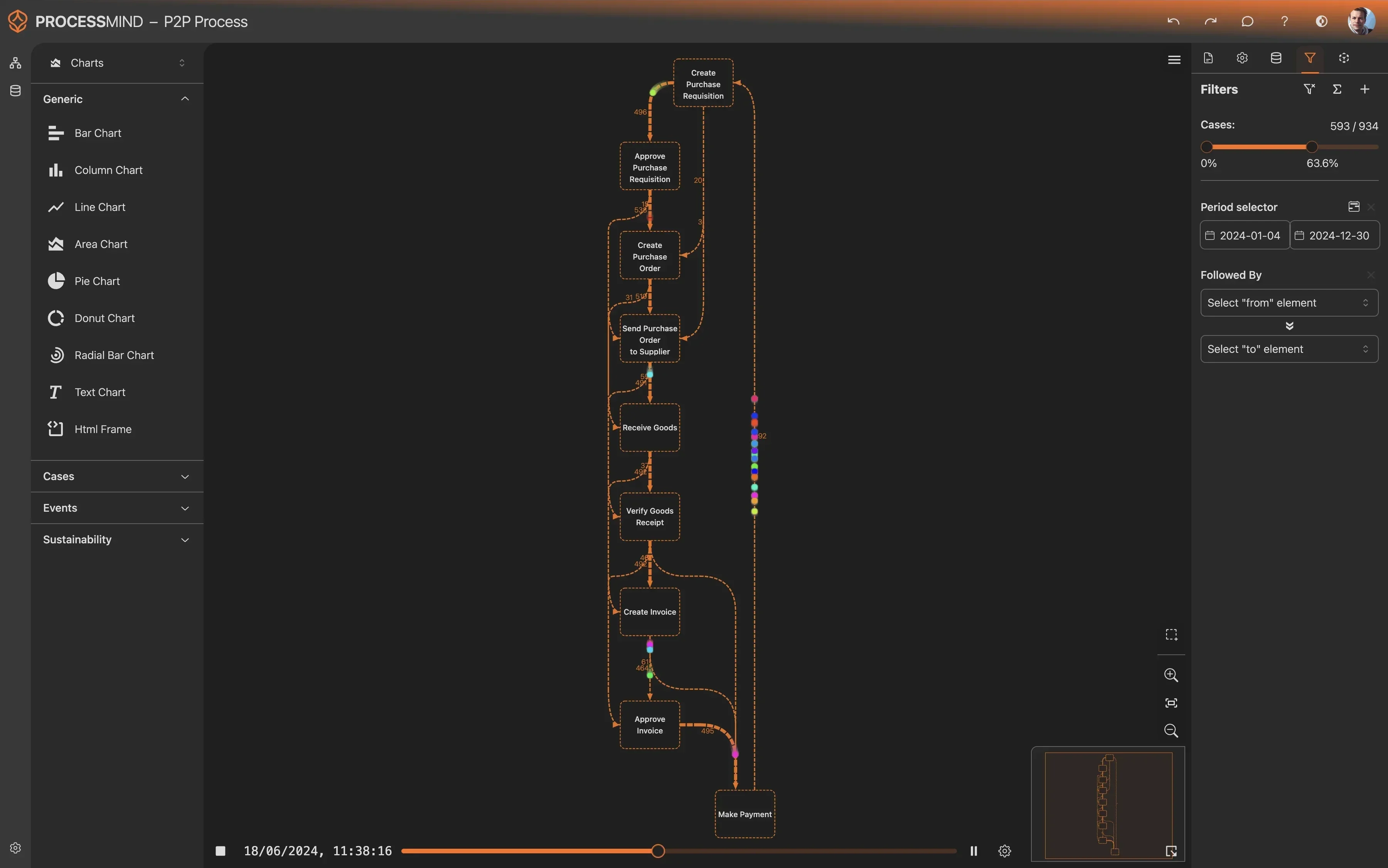
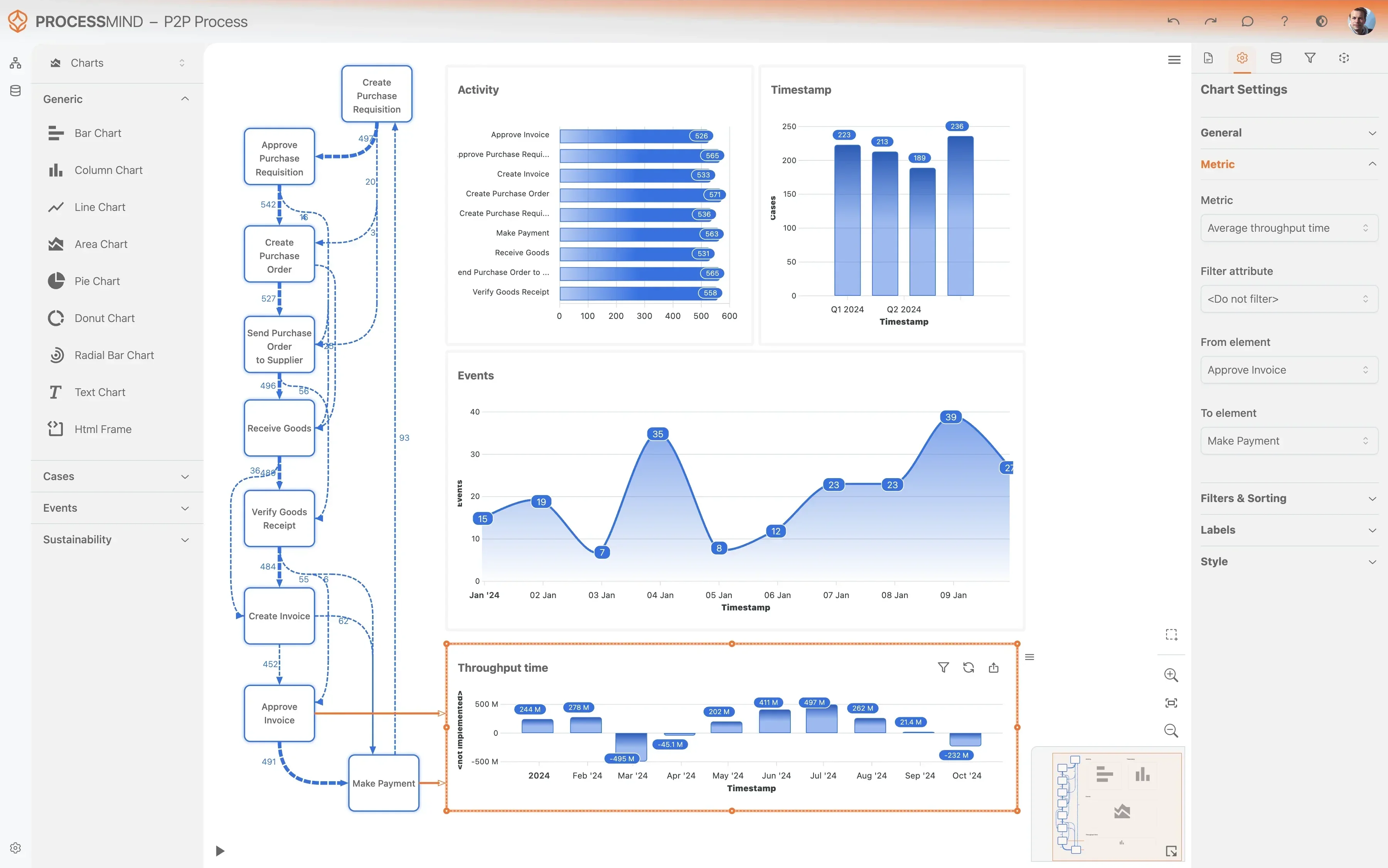
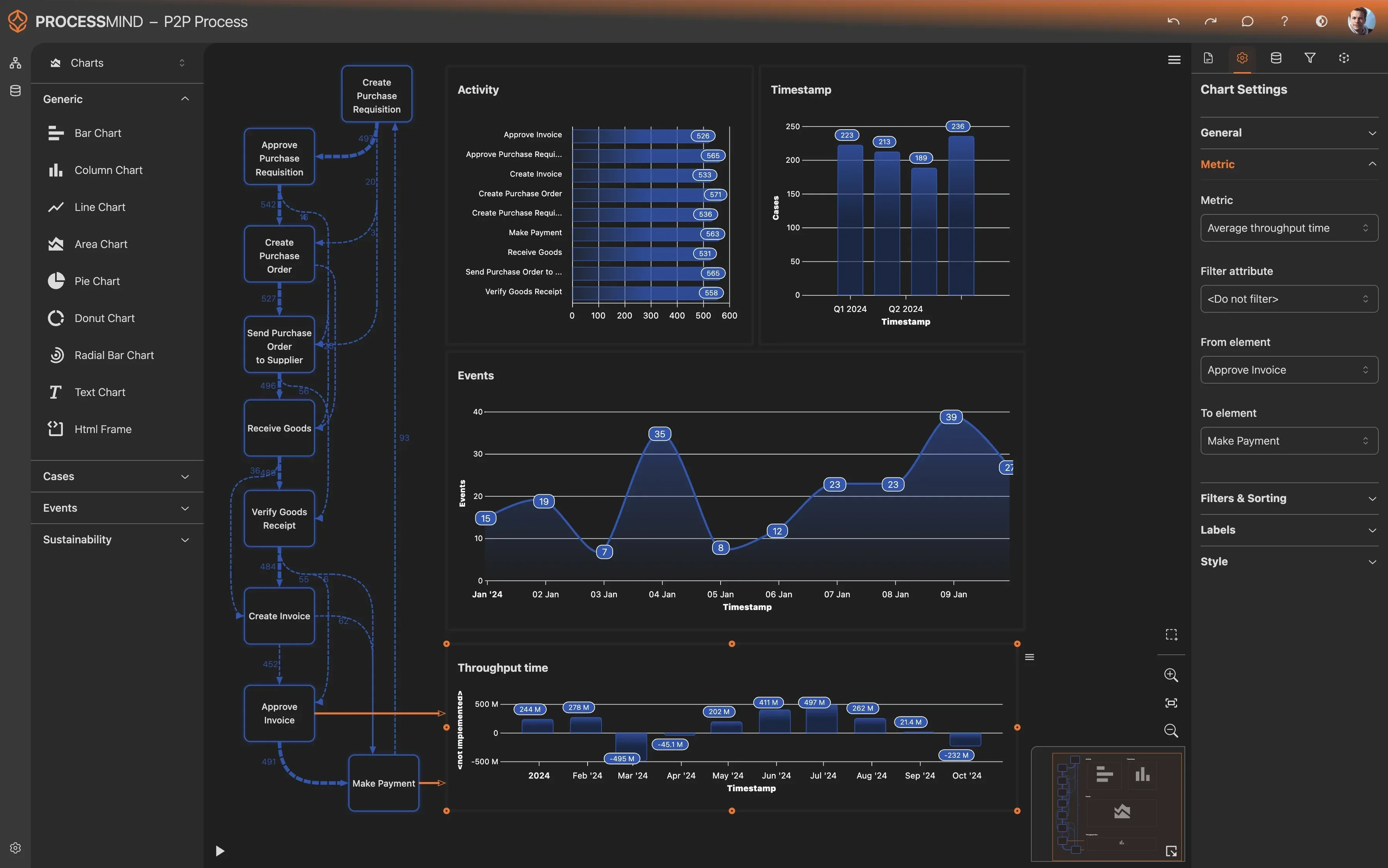
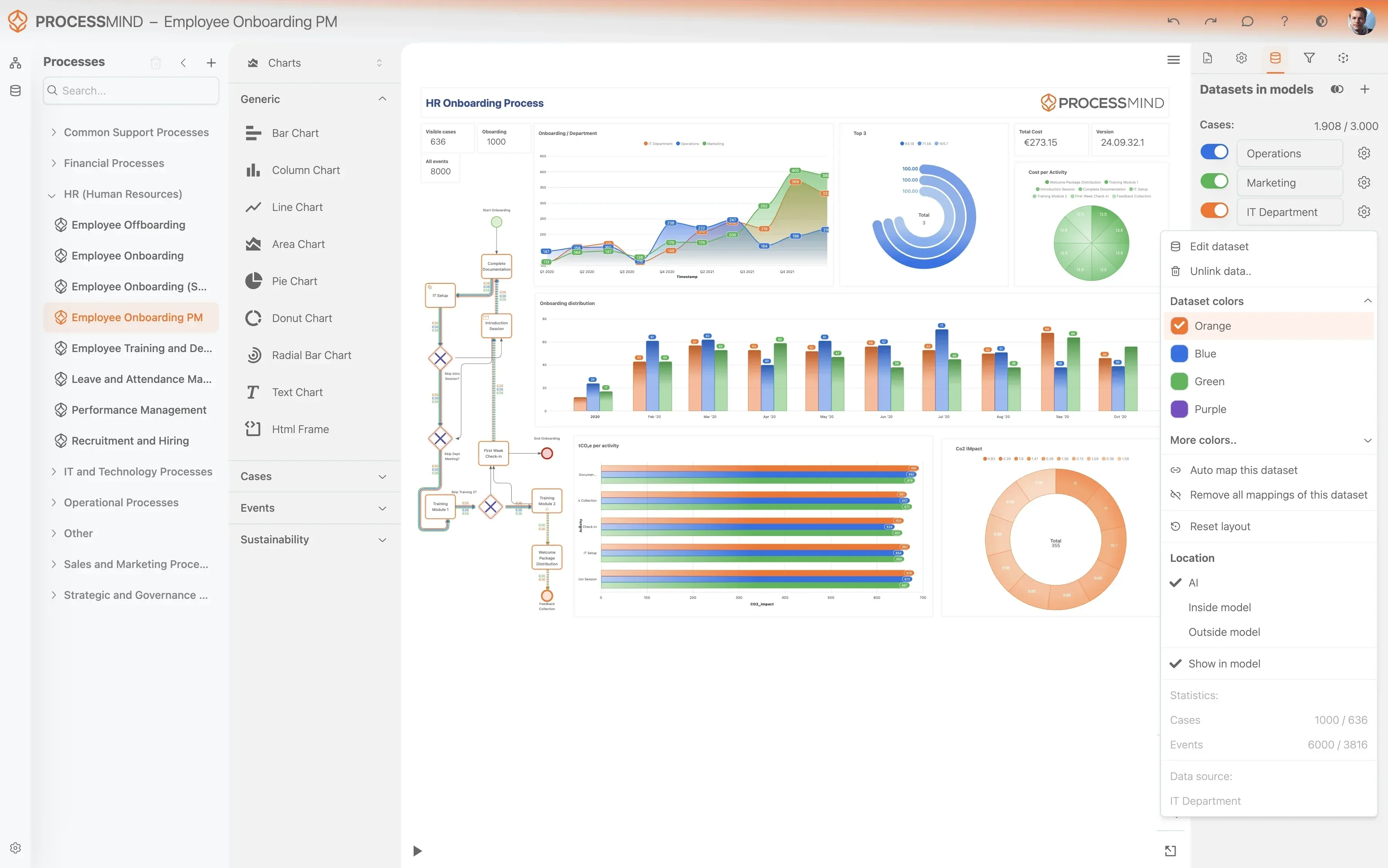
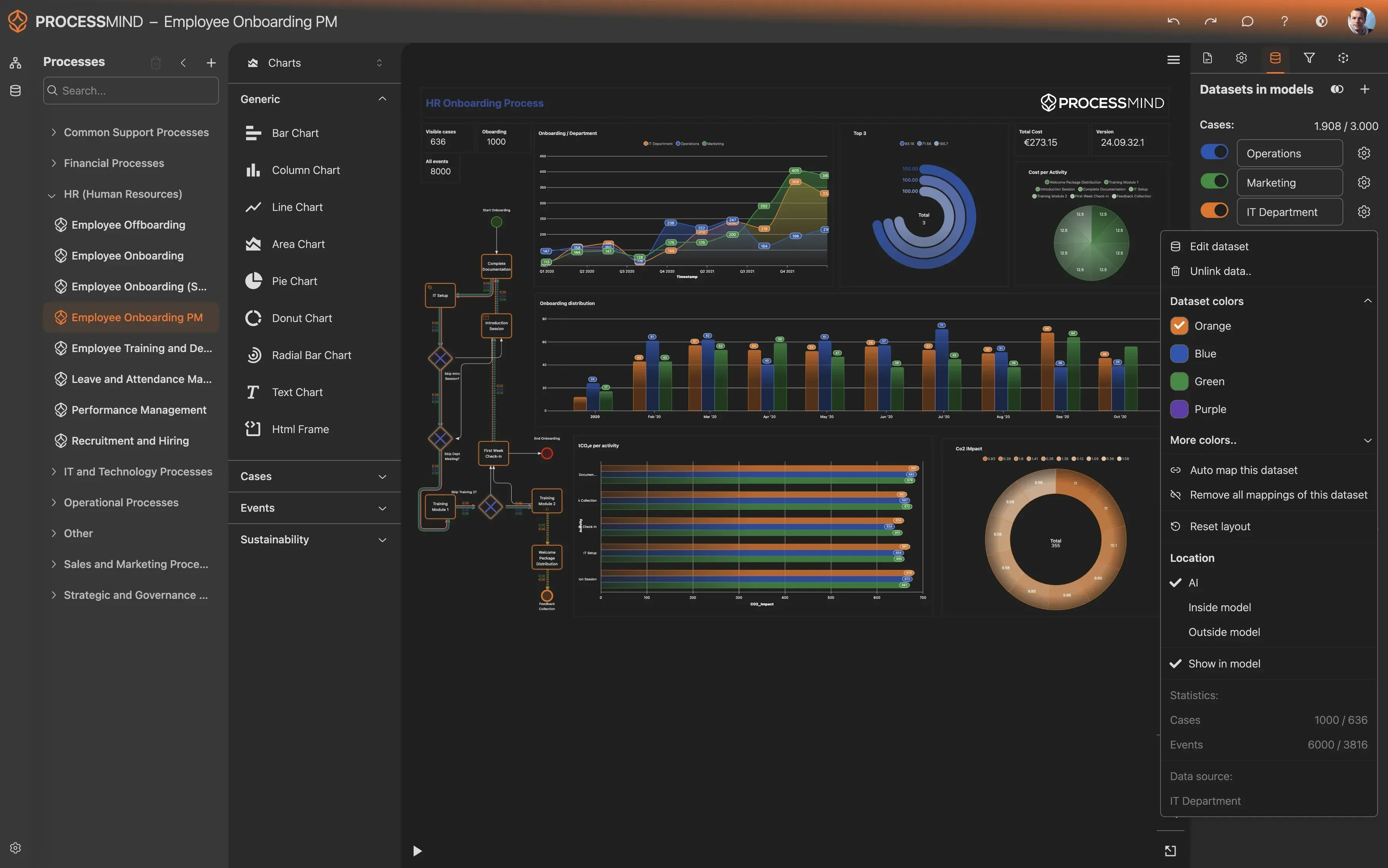
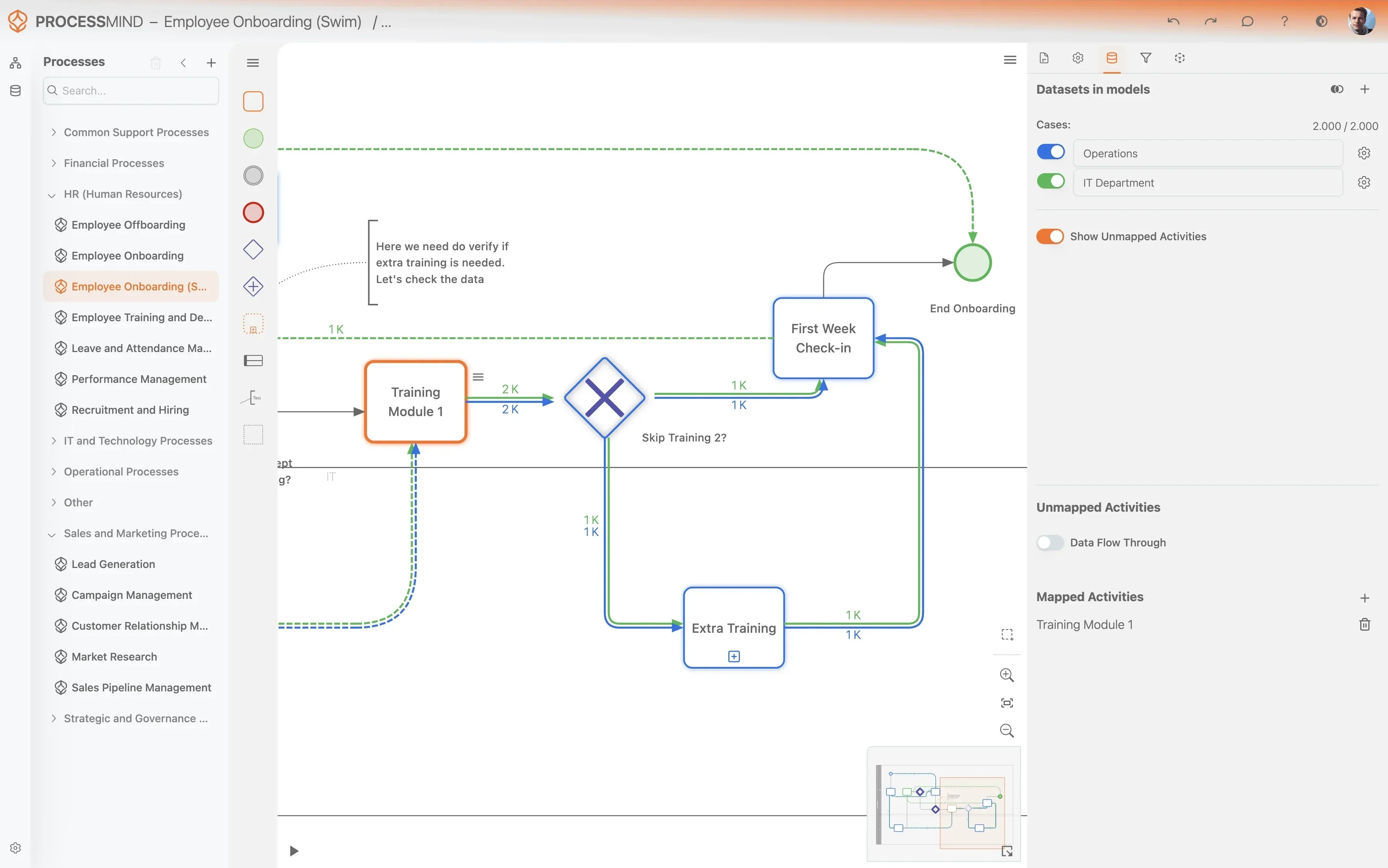
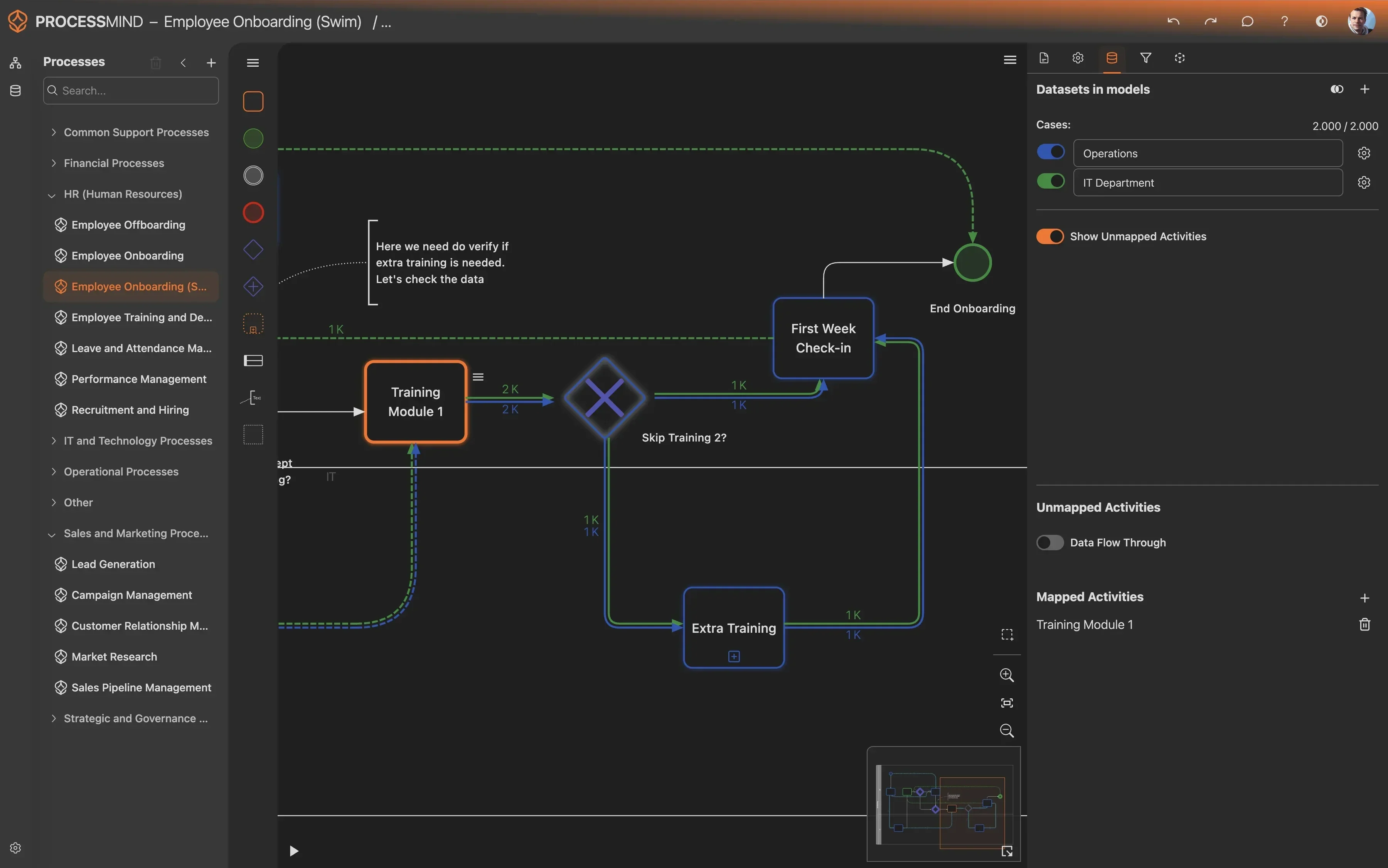
- Visualize end-to-end quality processes
- Pinpoint slow investigations and delays
- Identify compliance gaps in Oracle
- Optimize CAPA cycle times and efficiency
TYPICAL OUTCOMES
Achieving Excellence in Quality Management
By leveraging process mining on Oracle Quality Management data, organizations gain clear insights into their Quality Event workflows, identifying bottlenecks and inefficiencies. These optimized insights lead to significant improvements in resolution times, compliance adherence, and overall operational efficiency.
Avg. Quality Event Cycle Time
By pinpointing and removing bottlenecks, organizations can significantly reduce the overall time taken from a quality issue's identification to its final closure.
Reduction in Process Deviations
Identifying and eliminating unapproved deviations ensures quality processes adhere strictly to defined standards, significantly improving audit readiness and reducing risk.
Lower operational expenditure
Minimizing repetitive activities and rework loops within quality events directly translates to substantial operational cost savings and more efficient resource utilization.
Faster analysis completion
Accelerating the root cause analysis phase by identifying and resolving delays means issues are understood and addressed more rapidly, preventing recurrence.
Higher effectiveness rate
Ensuring corrective and preventive actions are implemented effectively and on time leads to a higher success rate in preventing issue recurrence and improving quality.
Results vary based on process complexity, data quality, and specific organizational goals. These figures represent typical improvements observed across implementations.
Recommended Data
FAQs
Frequently asked questions
Process mining analyzes your Oracle Quality Management event data to visualize the actual process flow. It identifies bottlenecks, uncovers deviations from standard procedures, and highlights areas contributing to protracted investigation or resolution times. This provides a data-driven understanding of where improvements can be made.
To begin, you typically need event logs from your Oracle Quality Management system. Key data points include a case identifier, such as the Quality Event ID, an activity name, like "Investigation Started" or "CAPA Implemented", and a timestamp for each activity. This data forms the foundation for reconstructing your quality processes.
After data extraction and initial setup, you can often gain initial insights within a few weeks. The timeline depends on data complexity and availability, as well as the specific scope of analysis. Rapid initial findings allow for quick validation and immediate identification of high-impact improvement areas.
Process mining can lead to significant improvements, such as reduced quality investigation cycle times by identifying and eliminating delays. You can also expect enhanced CAPA effectiveness, strengthened compliance, and optimized resource allocation by understanding actual process execution. These insights directly support achieving your improvement goals.
Yes, process mining tools are designed to integrate with various source systems, including Oracle applications. Data connectors or standard APIs are typically used to extract the necessary event logs. This integration allows for automated data refresh, ensuring your process models are always based on current operational data.
No, process mining is beneficial for quality processes of any scale. While it excels at untangling complex, high-volume processes, it can also provide valuable insights into smaller, more focused areas. The value comes from revealing the true process execution, regardless of its size or perceived simplicity.
Data privacy and security are paramount. Process mining tools are designed to work with anonymized or pseudonymized data where sensitive information is not required for analysis. Your data remains secure within your environment, and compliance with relevant data protection regulations is a key consideration during setup.
While some technical understanding of data extraction and IT infrastructure is helpful, many modern process mining tools are user-friendly. Business analysts and quality managers can often use them with minimal technical training after initial data connection. Collaboration between IT and business teams is key for successful implementation.
Process mining provides a clear, data-driven view of your actual process execution, making it easy to spot deviations from standard operating procedures or regulatory requirements. By highlighting non-compliant paths and unauthorized workarounds, it enables proactive measures to strengthen quality process compliance. This visibility is crucial for risk mitigation.
In process mining for Quality Management, a case identifier uniquely represents a single instance of a quality event, such as a specific quality event record in Oracle. All activities related to that particular event, from its creation to resolution, are grouped under this identifier. It allows the tool to track the complete journey of each individual quality case.
Transform Oracle Quality Management, Boost Compliance Now
Eliminate inefficiencies, achieve 30% faster cycle times.
No credit card required. Free 14-day trial.