Improve Your Warehouse Management
Select a process
Choose a process to continue working in your connected workspace.
Optimize SAP EWM Warehouse Management for Peak Efficiency
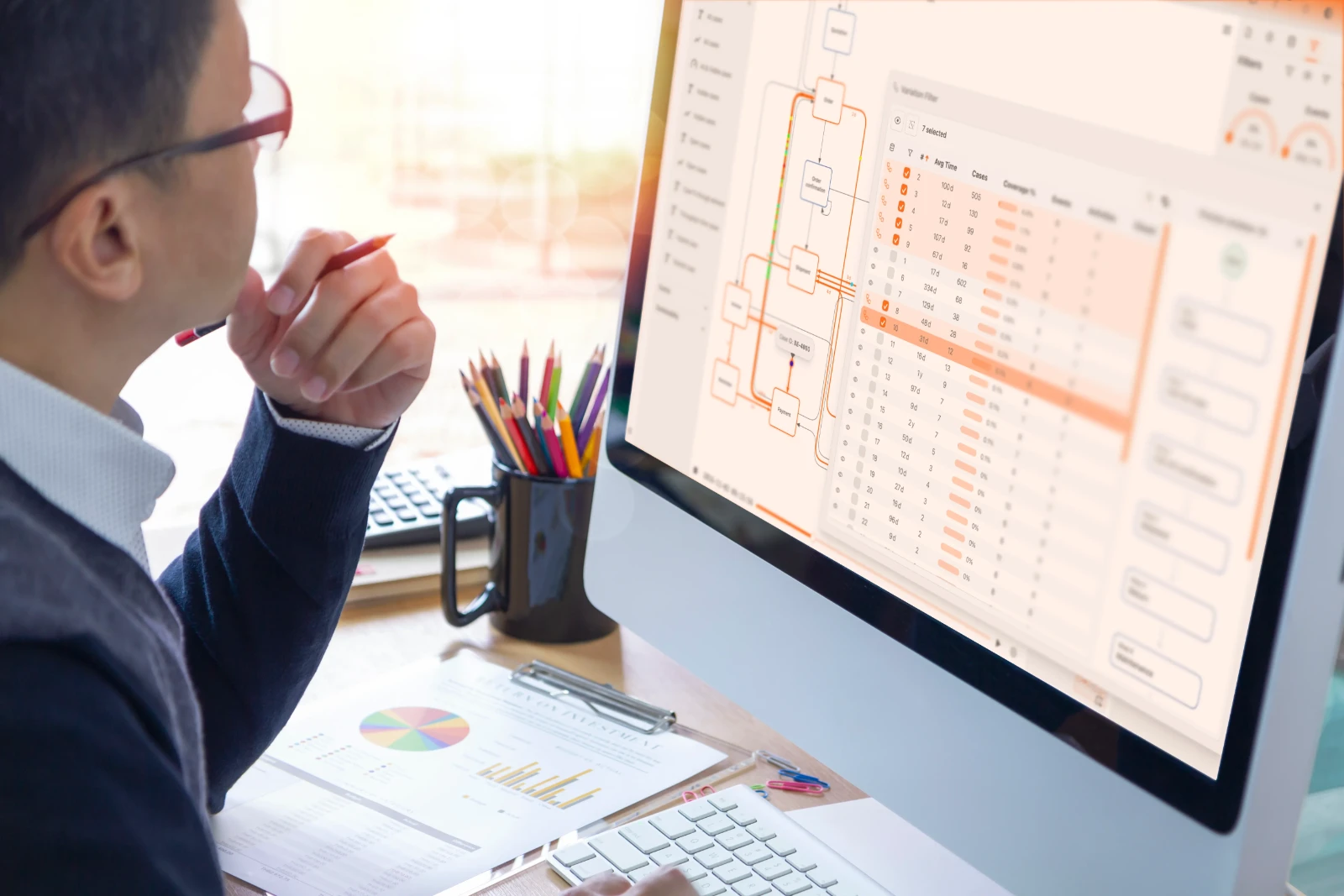
Managing warehouse operations often conceals hidden inefficiencies, causing bottlenecks and driving up costs. Our platform helps you pinpoint exact pain points, from initial goods receipt to final shipment. We guide you to streamline material flow, optimize resource utilization, and accelerate order fulfillment.
Download our pre-configured data template and address common challenges to reach your efficiency goals. Follow our six-step improvement plan and consult the Data Template Guide to transform your operations.
Show detailed description
Why Optimizing Warehouse Management is Crucial for Your Business
Effective Warehouse Management is the backbone of a successful supply chain, directly impacting operational costs, customer satisfaction, and overall business performance. In today's dynamic market, an optimized warehouse operation is not just an advantage, it's a necessity. However, with the inherent complexities of modern warehouses, especially those leveraging sophisticated systems like SAP Extended Warehouse Management (SAP EWM), inefficiencies can easily hide within daily operations. These hidden bottlenecks, process deviations, and resource misallocations lead to increased cycle times, higher labor costs, storage inefficiencies, and ultimately, delayed or incorrect deliveries. The challenge lies in gaining a clear, unbiased view of the actual processes as they unfold across numerous transactions and user interactions within SAP EWM, making traditional manual analysis methods often insufficient and time-consuming.
How Process Mining Unlocks Warehouse Efficiency in SAP EWM
Process mining offers a powerful, data-driven approach to dissect and understand the intricate workings of your Warehouse Management operations. By leveraging event logs from your SAP Extended Warehouse Management system, process mining tools reconstruct the complete, end-to-end journey of every warehouse order. This includes every activity from the moment an inbound delivery notification is received, through goods receipt, putaway, various internal movements, picking, packing, and finally, shipment dispatch. This comprehensive perspective allows you to visualize the real process flow, identify all variants, and pinpoint exactly where delays occur, resources are over or underutilized, and where rework or deviations from standard operating procedures are happening. You can objectively assess the actual time taken for each step, uncover the root causes of bottlenecks, and see how different warehouse order types or material movements impact overall performance. Process mining provides the factual evidence needed to make informed decisions for process optimization, moving beyond assumptions to data-backed insights.
Key Areas for Improvement Identified Through Process Mining
Applying process mining to your SAP EWM Warehouse Management can reveal critical areas ripe for improvement. For instance, you might discover that specific putaway strategies lead to longer cycle times than anticipated, or that picking routes are inefficiently planned for certain product categories. Delays in quality inspection, extended packing times at specific stations, or unexpected waiting times during staging for shipment can be quantified and localized. Process mining helps you identify the impact of different user actions, equipment usage, or storage locations on your overall warehouse order fulfillment. It empowers you to investigate variations in lead times, identify non-compliant process paths, and assess the impact of master data quality on process execution. This granular visibility is crucial for truly understanding and improving how your warehouse functions.
Achieving Measurable Outcomes and Sustainable Benefits
Optimizing your Warehouse Management processes with the insights gained from process mining translates into tangible business benefits. Expect to see significant reductions in overall warehouse order cycle time, leading to faster order fulfillment and improved delivery performance. By streamlining material flow and optimizing resource utilization, you can substantially reduce operational costs, including labor expenses and inventory holding costs. Enhanced process efficiency directly contributes to increased throughput and accuracy in order processing, minimizing errors and associated reworks. Moreover, better adherence to planned processes and service level agreements boosts compliance and enhances customer satisfaction. Ultimately, process mining helps transform your SAP Extended Warehouse Management from a system that manages operations into a strategic asset that continuously drives efficiency and competitive advantage.
Getting Started with Your Warehouse Management Optimization Journey
Embarking on your Warehouse Management optimization journey with process mining doesn't require prior expertise. This approach is designed to guide you through analyzing your SAP EWM data, identifying inefficiencies, and implementing effective improvements. By leveraging pre-built templates and structured methodologies, you can quickly gain valuable insights into your operations and start making data-driven decisions. Take the first step towards a more efficient, cost-effective, and responsive warehouse operation by understanding the true execution of your processes.
The 6-Step Improvement Path for Warehouse Management
Download the Template
What to do
Access the pre-built Excel template specifically designed for Warehouse Management data extraction from SAP Extended Warehouse Management. This ensures your data is structured correctly.
Why it matters
A standardized template streamlines data preparation, reducing errors and ensuring compatibility for accurate process analysis.
Expected outcome
A ready-to-use data template tailored for SAP Extended Warehouse Management warehouse orders.
Export Your Data
What to do
Extract 3-6 months of historical Warehouse Order data from your SAP Extended Warehouse Management system, focusing on tables like SCWM/ORDIM_O, SCWM/ORDIM_C, and SCWM/AQUA. Populate the downloaded template.
Why it matters
Comprehensive historical data provides a realistic view of your warehouse operations, enabling the identification of recurring patterns and issues.
Expected outcome
A populated Excel template containing relevant Warehouse Management process data from your SAP Extended Warehouse Management system.
Upload Your Dataset
What to do
Securely upload your completed SAP Extended Warehouse Management dataset, following the template, to the ProcessMind platform for automated analysis.
Why it matters
Effortless data ingestion initiates the analytical process, quickly transforming raw data into actionable insights without complex manual setups.
Expected outcome
Your Warehouse Management data securely processed and ready for visualization and analysis within ProcessMind.
Analyze Your Process
What to do
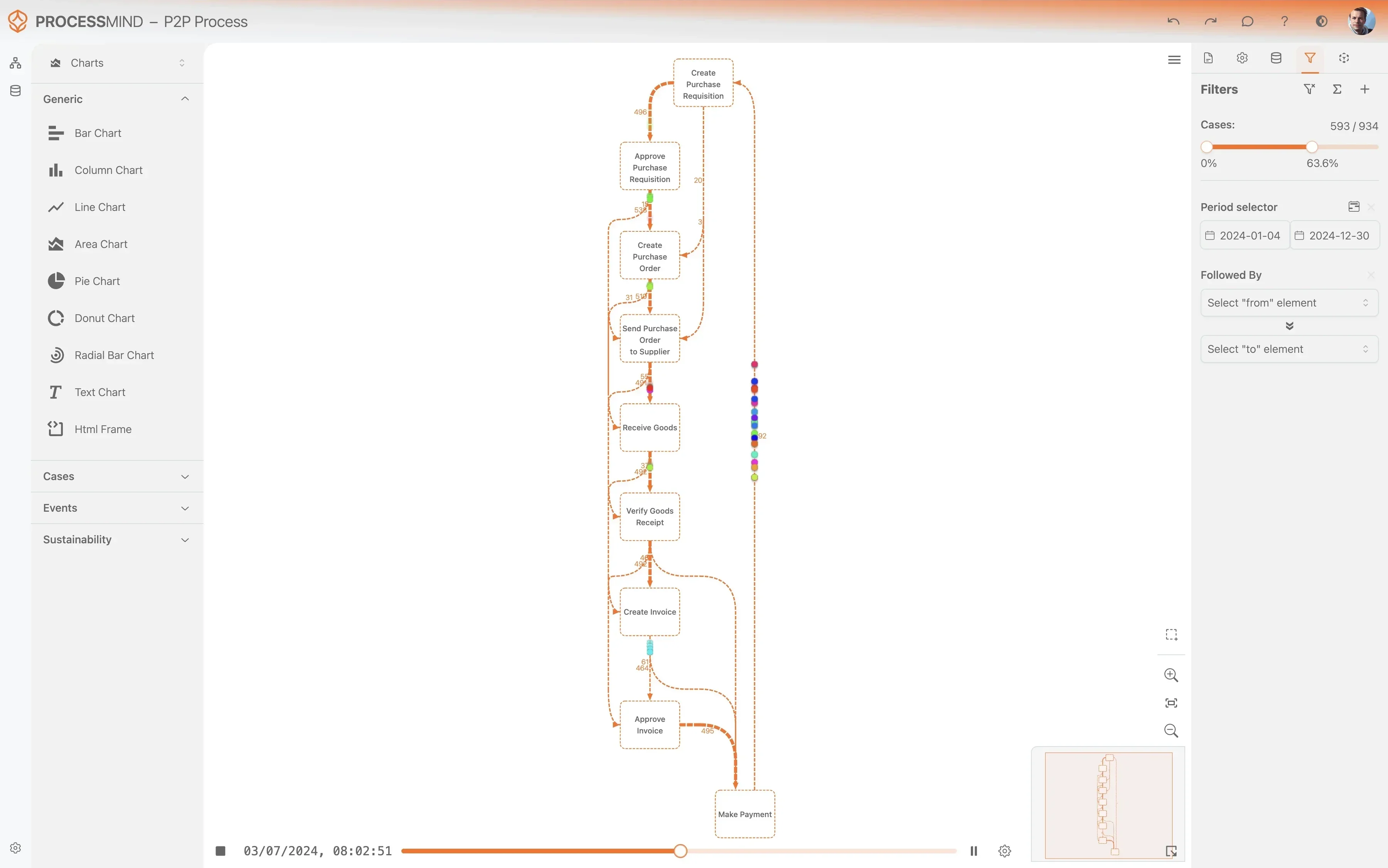
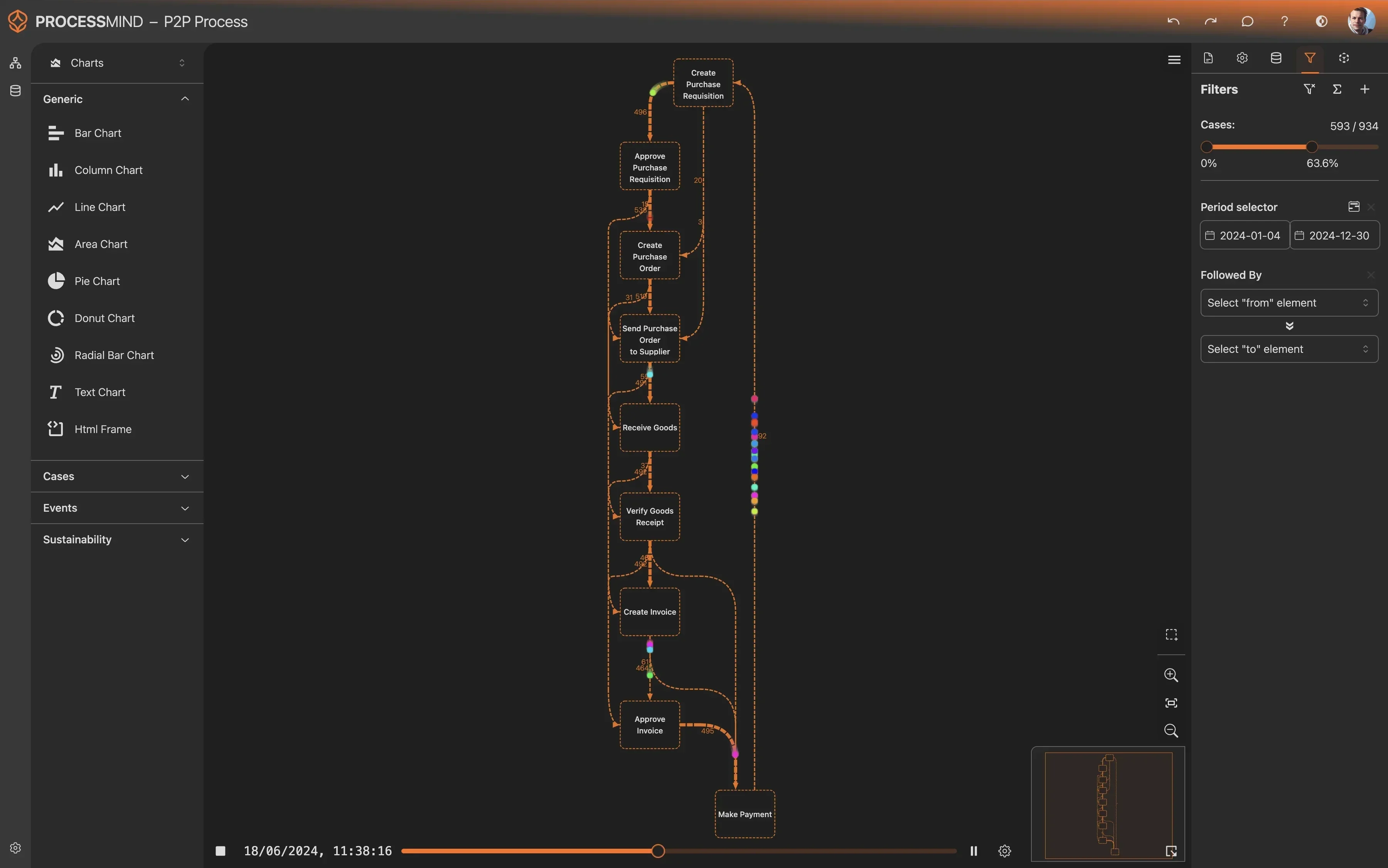
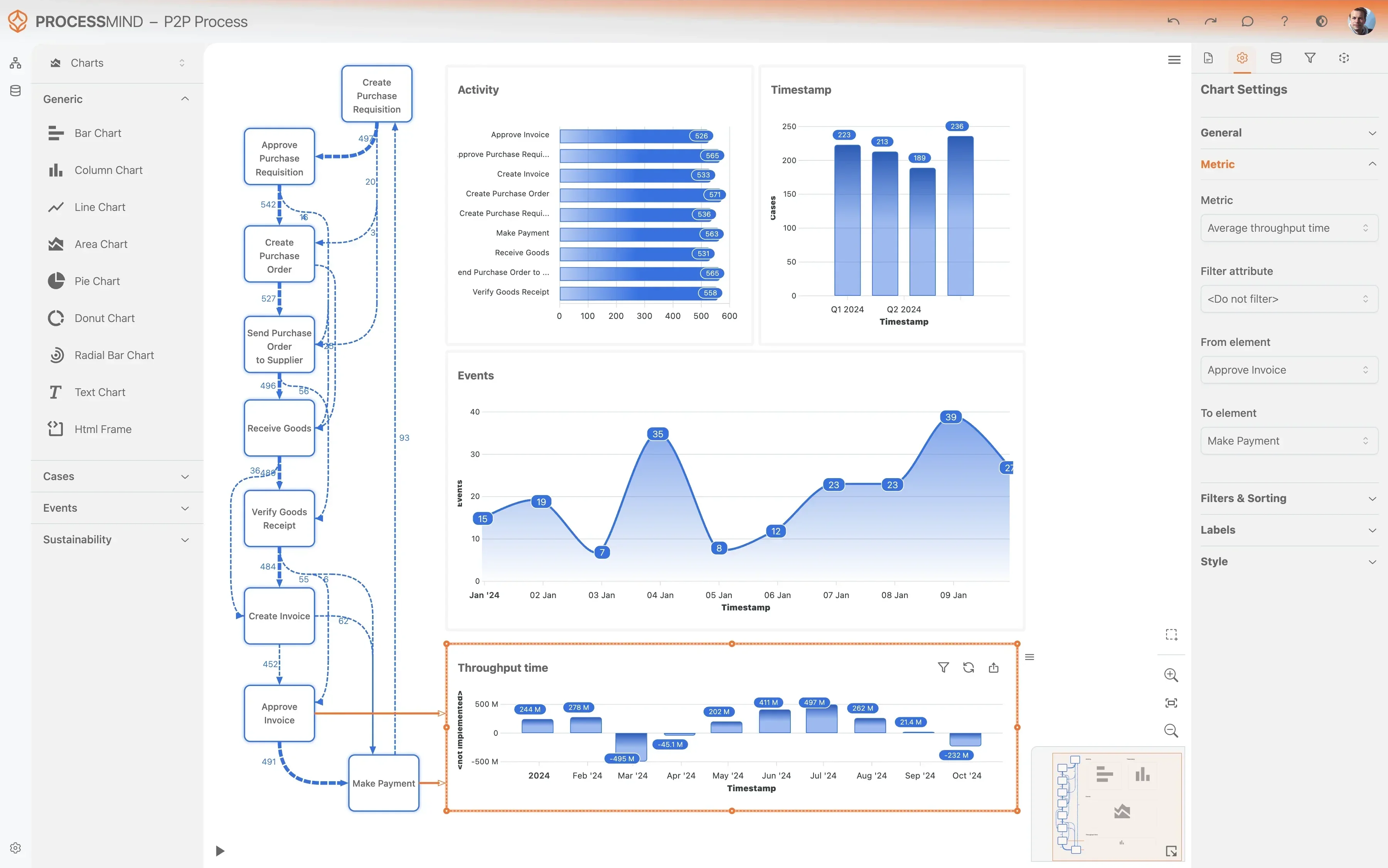
Explore the automatically generated dashboards and AI-driven recommendations in ProcessMind, visualizing the end-to-end Warehouse Management process flow.
Why it matters
Visual insights reveal bottlenecks, deviations, and inefficient paths in your warehouse operations, highlighting key areas for improvement.
Expected outcome
A clear understanding of your current Warehouse Management process performance, including identified pain points and optimization suggestions.
Implement Improvements
What to do
Prioritize the identified opportunities from the analysis, such as optimizing putaway strategies or improving picking routes in SAP Extended Warehouse Management, and implement changes.
Why it matters
Acting on data-driven insights translates directly into tangible improvements, enhancing efficiency, reducing costs, and boosting overall warehouse performance.
Expected outcome
Concrete changes deployed within your SAP Extended Warehouse Management system based on process mining findings.
Monitor Your Process
What to do
Periodically re-upload updated SAP Extended Warehouse Management data to ProcessMind to continuously track the impact of your implemented improvements and monitor KPIs.
Why it matters
Continuous monitoring ensures that improvements are sustained, new issues are identified promptly, and your warehouse operations remain optimized over time.
Expected outcome
Ongoing visibility into Warehouse Management process performance, demonstrating the sustained positive impact of your optimizations.
WHAT YOU WILL GET
Uncover Your SAP EWM Warehouse Management Secrets
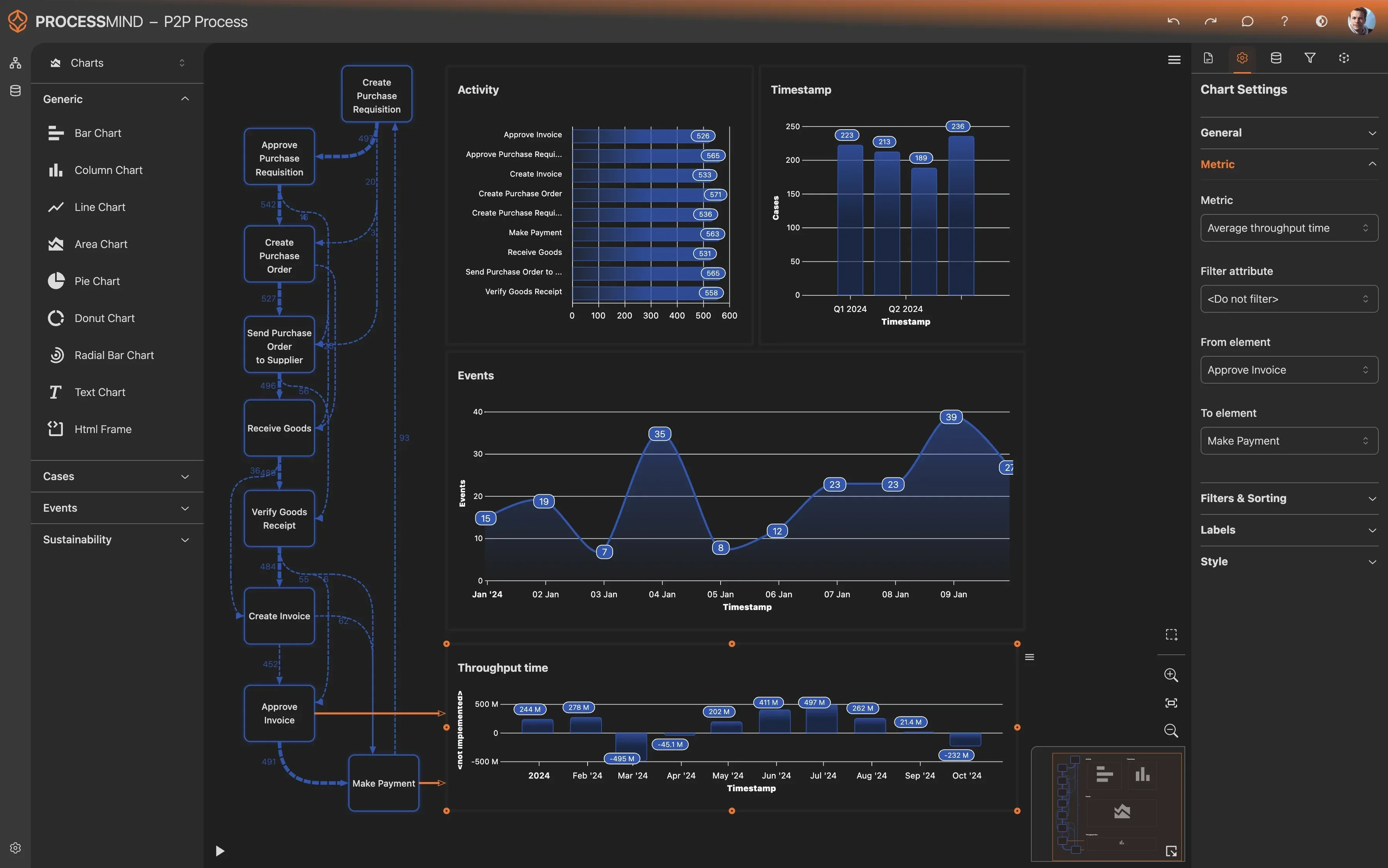
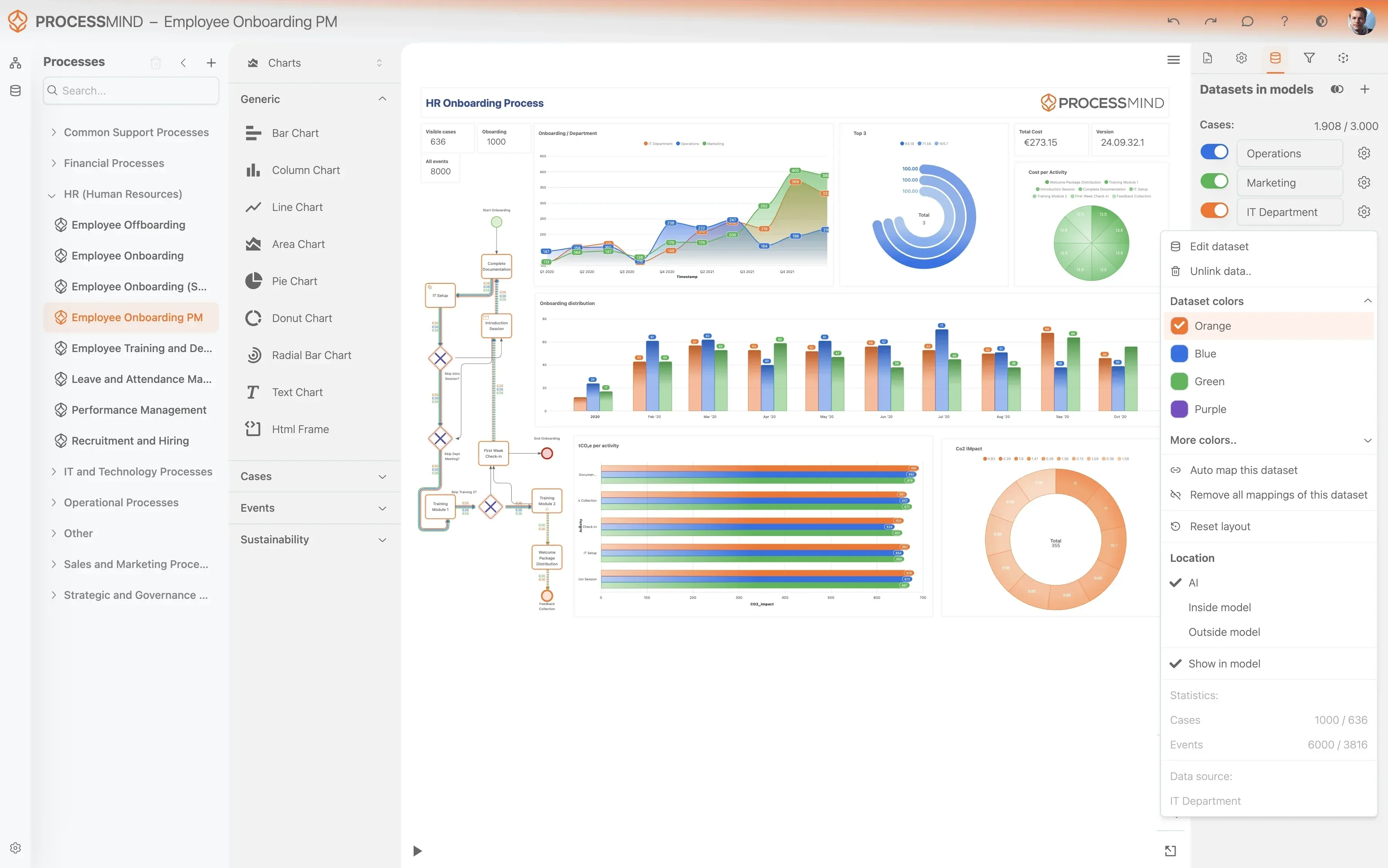
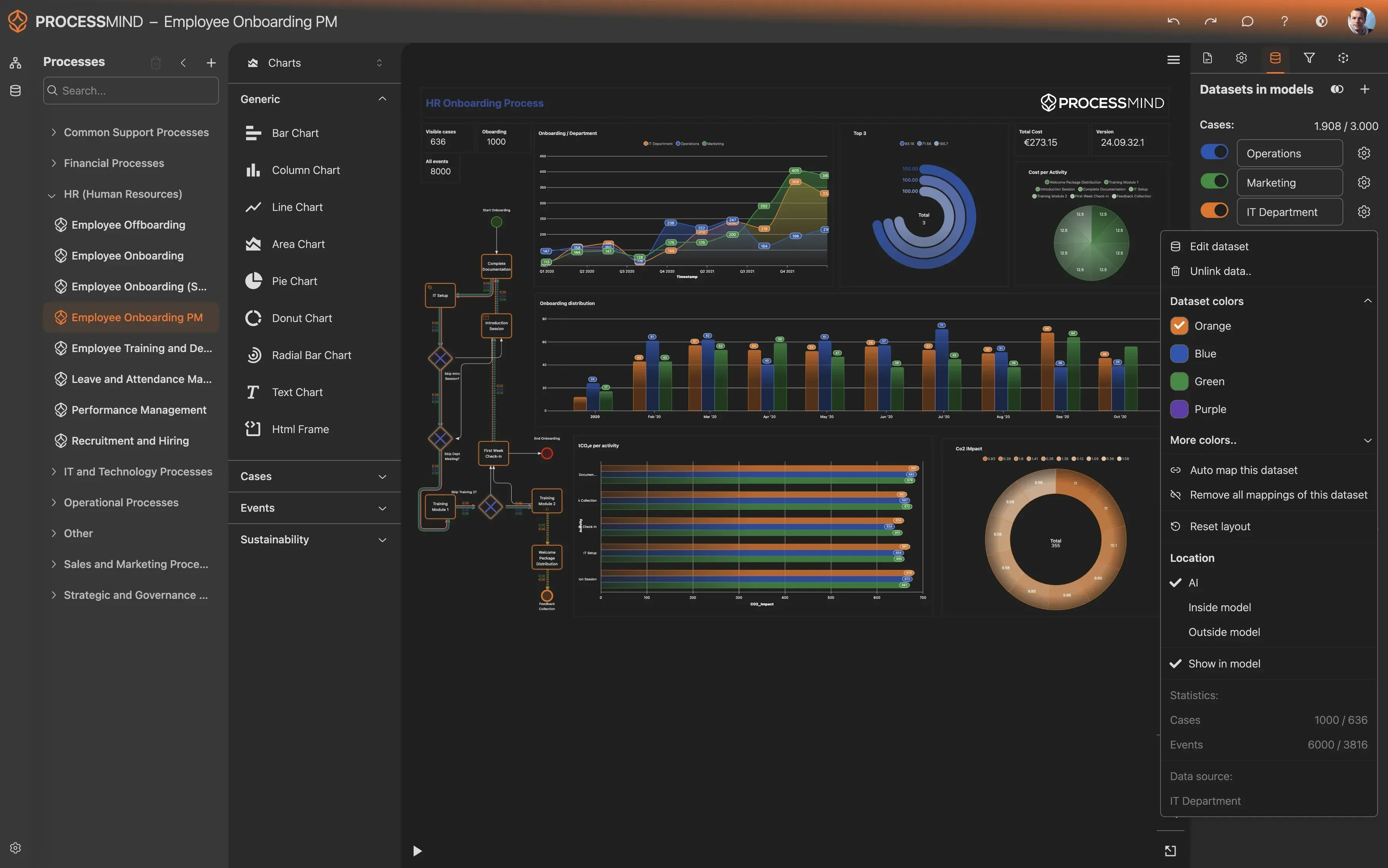
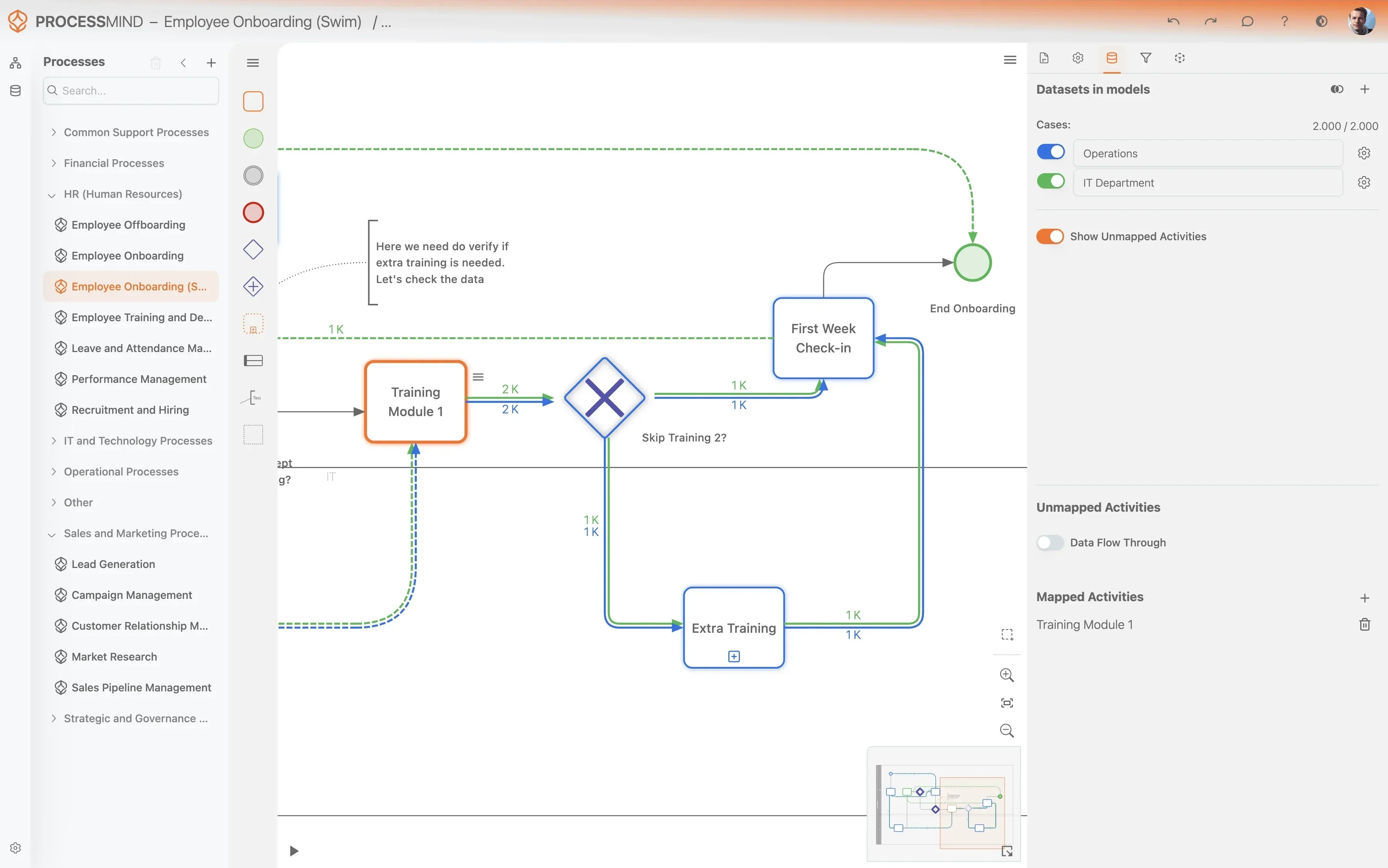
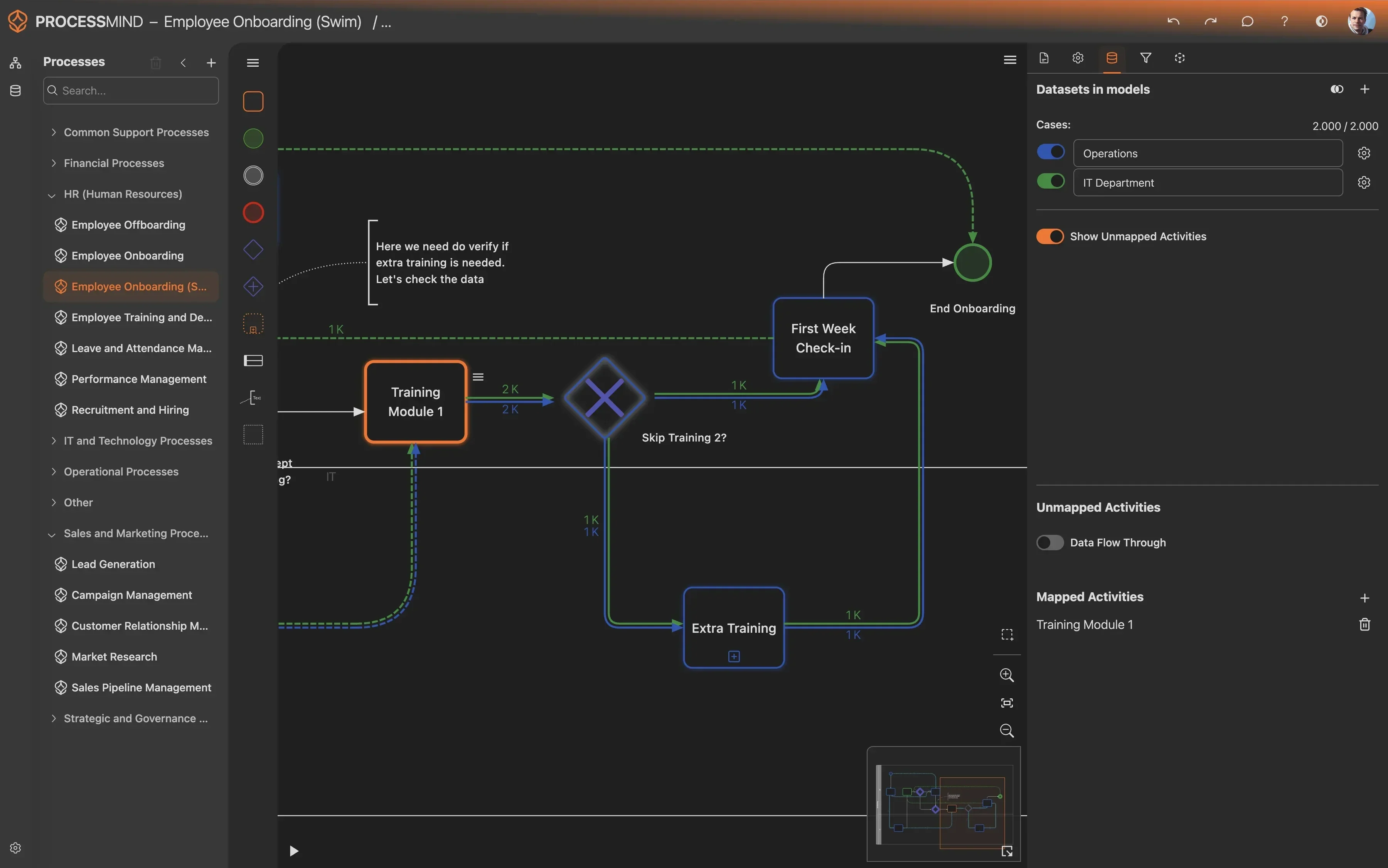
- Visualize Your SAP EWM Process Flow
- Pinpoint Bottlenecks in Material Flow
- Optimize Resource Allocation in EWM
- Accelerate Order Fulfillment, Reduce Costs
TYPICAL OUTCOMES
Achieving Operational Excellence in Your Warehouse
These outcomes demonstrate the substantial operational efficiencies and cost reductions organizations typically achieve by optimizing their Warehouse Management processes, particularly within SAP Extended Warehouse Management, through data-driven process mining insights.
Goods Receipt to Putaway
Streamline inbound operations by identifying and resolving delays from goods receipt to final putaway, ensuring quicker inventory availability and reduced holding costs.
Increased route adherence
Analyze actual picker movements against planned optimal routes to identify deviations and streamline paths, reducing travel time and operational costs significantly.
Reduced stock discrepancies
Achieve higher inventory accuracy by pinpointing root causes of discrepancies at various stages, minimizing stockouts, fulfillment errors, and improving planning.
Adherence to defined workflows
Ensure warehouse operations consistently follow predefined best practices and regulatory guidelines, reducing non-compliance risks and operational inconsistencies.
Reduced rework and re-shipping
Identify and eliminate the sources of picking errors and subsequent rework, leading to significant cost savings and improved customer satisfaction.
Faster fulfillment adherence
Accelerate the fulfillment of high-priority warehouse orders, ensuring critical shipments meet deadlines and significantly boosting overall customer satisfaction.
Results naturally vary based on factors like process complexity, data quality, and specific business goals. The improvements highlighted here reflect typical gains observed across various successful implementations.
Recommended Data
FAQs
Frequently asked questions
Process mining analyzes your EWM transaction data to visualize the actual flow of your warehouse operations. It helps identify bottlenecks, deviations from standard processes, and areas of inefficiency, such as slow goods receipt, suboptimal picking routes, or delays in quality inspection. By revealing how processes truly run, it provides data-driven insights for targeted improvements.
To perform process mining for EWM, you primarily need event logs from your system. This includes data related to warehouse orders, movements, confirmations, and other relevant transactions, with each event having a case ID, activity, and timestamp. Data is typically extracted using standard SAP tools like ABAP reports, OData services, or direct table access, then transformed into a format suitable for process mining tools.
The initial setup and data extraction for SAP EWM can typically take a few weeks, depending on data volume and system complexity. Once the data is prepared, initial process discovery and identification of major bottlenecks can often be achieved within 2-4 weeks. Subsequent analysis and deep dives into specific problems may extend over several months, leading to continuous improvement cycles.
You can expect significant improvements in key areas like accelerating goods receipt and putaway cycles, optimizing picking route efficiency, and reducing overall warehouse cycle time. Process mining also helps increase inventory accuracy, minimize picking errors and rework, and ensure better compliance with defined processes. These insights lead to more efficient resource utilization and faster shipment dispatch.
Yes, absolutely. Process mining visualizes the actual process flow, allowing you to compare it against your intended or compliant process models. Any deviations, such as steps being skipped, reordered, or performed by unauthorized users, become immediately apparent. This helps you identify non-compliant activities and enforce adherence to your standard operating procedures.
While basic familiarity with SAP EWM data structures is helpful for extraction, many modern process mining platforms offer connectors and templates for SAP systems. The platforms themselves provide intuitive interfaces for analysis, reducing the need for deep programming skills. Some solutions also offer pre-built dashboards and reports tailored for warehouse management processes.
In SAP EWM, a "Warehouse Order" serves as the primary case identifier for process mining. It represents a specific logistical task within the warehouse, such as a pick, putaway, or internal movement, grouping various warehouse tasks. By tracing all events related to a single Warehouse Order, process mining can reconstruct the complete execution path and analyze its efficiency from start to finish.
Stop Picking Errors, Optimize Warehouse Management Today
Achieve 99.5% inventory accuracy and eliminate fulfillment delays in weeks.
No credit card required, set up in minutes.