Improve Your Revenue Cycle Management

Your 6-step guide to optimizing Epic Resolute RCM.
Improve Your Revenue Cycle Management

Optimize Revenue Cycle Management in Epic Resolute for Peak Efficiency

Many critical business processes can hide inefficiencies, impacting cash flow and compliance. Our platform helps you uncover bottlenecks throughout your operations, from initiation to closure. Precisely identify where your process falters and discover actionable strategies to boost efficiency and financial performance.

Download our pre-configured data template and address common challenges to reach your efficiency goals. Follow our six-step improvement plan and consult the Data Template Guide to transform your operations.

Show detailed description

Why Optimize Your Revenue Cycle Management?

Revenue Cycle Management (RCM) is the financial heartbeat of any healthcare organization. An efficient RCM process ensures timely payments, healthy cash flow, and sustained operational viability. However, within comprehensive Electronic Health Record (EHR) systems like Epic Resolute, the sheer volume and complexity of transactions can obscure inefficiencies. Bottlenecks in areas such as charge capture, claims submission, payment posting, or denial management can lead to delayed reimbursements, increased operational costs, and even compliance risks. Without a clear, end-to-end view, identifying these hidden friction points becomes a significant challenge, directly impacting your organization's financial health and ability to provide quality patient care.

Optimizing your Revenue Cycle Management isn't just about cutting costs, it's about maximizing your financial potential. It's about ensuring every service rendered translates into prompt and accurate payment, minimizing rework, and freeing up valuable resources. Understanding the true flow of a 'Billing Event' from initial service delivery to final account closure is paramount for sustained success.

How Process Mining Illuminates Epic Resolute RCM

Process mining offers an unparalleled level of transparency into your Epic Resolute Revenue Cycle Management operations. By leveraging detailed event log data, our platform reconstructs the actual paths taken by every 'Billing Event', providing a comprehensive visual map of your process. This isn't just about looking at individual tasks; it's about understanding the entire sequence, identifying deviations from expected paths, and pinpointing exactly where your RCM process falters.

From 'Service Ordered/Initiated' and 'Charges Captured/Recorded' in Epic Resolute, through 'Invoice Generated' and 'Payment Received', to 'Invoice Disputed' or 'Account Closed', every step is meticulously tracked. This allows you to observe actual cycle times for each stage, reveal unexpected loops, and uncover manual workarounds that bypass established protocols. You can analyze how different service types or billing departments impact process efficiency, and understand the true drivers behind lengthy payment cycles or frequent claim rejections, all within your specific Epic Resolute environment.

Key Areas for Process Improvement

Process mining in Epic Resolute RCM typically uncovers several critical areas ripe for optimization:

  • Charge Capture Accuracy and Timeliness: Identify delays between 'Service Provided/Completed' and 'Charges Captured/Recorded', or discover patterns in inaccurate charge entries that lead to rejections.
  • Invoice Generation and Delivery: Pinpoint bottlenecks in how quickly 'Invoices are Generated' and 'Sent to Customer/Payer', directly impacting payment velocity.
  • Payment Posting Efficiency: Analyze the time taken for 'Payment Received' to be 'Payment Posted', uncovering delays that affect outstanding balance reporting and follow-up activities.
  • Dispute Resolution Workflow: Map the entire 'Invoice Disputed' and 'Dispute Resolved/Invoice Re-issued' process, revealing complex loops or unnecessary handoffs that prolong resolution times and tie up accounts receivable.
  • Collections Effectiveness: Evaluate the efficiency of 'Collection Activity Started' and its impact on 'Account Closed' activities, identifying where efforts are most or least effective.
  • System and User Adherence: Discover instances where users deviate from standard Epic Resolute workflows, indicating training gaps or areas where system configurations could be improved to enforce best practices.

Expected Outcomes of RCM Optimization

Implementing process optimization in your Epic Resolute Revenue Cycle Management can yield significant, measurable benefits:

  • Reduced Revenue Cycle Time: Accelerate the journey from service delivery to final payment, dramatically improving cash flow and working capital.
  • Increased Cash Flow and Revenue: Minimize denials, rejections, and underpayments by addressing root causes, leading to a healthier bottom line.
  • Enhanced Operational Efficiency: Streamline workflows, reduce manual effort, and reallocate resources from firefighting to value-added activities.
  • Improved Compliance and Reduced Risk: Ensure consistent adherence to billing regulations and internal policies, mitigating financial and reputational risks.
  • Better Resource Utilization: Understand where staff time is being spent inefficiently and reallocate resources to more critical tasks or areas requiring specific expertise.
  • Data-Driven Decision Making: Move beyond anecdotal evidence to make informed, impactful changes based on factual process data within Epic Resolute.

Getting Started with RCM Process Optimization

Embarking on the journey to optimize your Revenue Cycle Management in Epic Resolute is a strategic move that promises substantial returns. By applying process mining, you gain unprecedented visibility into your operations, transforming complex data into actionable insights. This empowers your team to not only react to issues but proactively identify and eliminate inefficiencies, driving sustainable financial performance. Explore how you can begin transforming your RCM process today, making your Epic Resolute system work harder and smarter for you.

Revenue Cycle Management Medical Billing Healthcare Finance Claims Processing Payment Collection Accounts Receivable RCM Optimization Compliance Management Billing Accuracy

Common Problems & Challenges

Identify which challenges are impacting you

Delayed capture of charges after service delivery directly impacts cash flow and can lead to missed revenue opportunities. This inefficiency in the initial phase of Revenue Cycle Management within Epic Resolute can result in significant financial losses and compliance challenges if not addressed promptly.ProcessMind uncovers the exact bottlenecks between service completion and charge recording, pinpointing where delays occur across departments or service types. By visualizing these gaps, organizations can streamline charge capture processes and optimize revenue realization within Epic Resolute.

A high volume of denied claims or disputed invoices prolongs the payment cycle and significantly increases administrative overhead for Revenue Cycle Management teams. Each denial requires manual intervention, leading to rework, escalated operational costs, and ultimately, a negative impact on the organization's financial health in Epic Resolute.ProcessMind maps the paths leading to claim denials, using 'Invoice Disputed' activities and 'Dispute Reason Codes' to identify common causes like incomplete documentation or coding errors. This analysis enables targeted interventions to reduce denial rates and accelerate cash flow.

Delays or errors in posting payments received to patient accounts can lead to inaccurate outstanding balances, incorrect patient statements, and ultimately, frustrated customers. This inefficiency in Revenue Cycle Management within Epic Resolute often triggers unnecessary collection activities or calls, further increasing operational costs.ProcessMind precisely measures the time lag between 'Payment Received' and 'Payment Posted', highlighting where manual processes or system inefficiencies cause delays. By visualizing these steps, organizations can optimize payment posting, ensuring accurate accounts and improving patient satisfaction.

Prolonged resolution times for invoice disputes or claim appeals directly contribute to extended revenue cycles and tie up valuable resources. In Revenue Cycle Management, especially within Epic Resolute, every day a dispute remains open means delayed cash inflow and increased administrative burden.ProcessMind visualizes the complete lifecycle of disputed invoices, from 'Invoice Disputed' to 'Dispute Resolved/Invoice Re-issued', identifying bottlenecks and rework loops. This helps in understanding the root causes of delays and optimizing the dispute resolution workflow for faster closure.

Ineffective or poorly timed collection activities result in higher rates of uncollected revenue and increased bad debt write-offs. Without a clear understanding of collection process performance in Epic Resolute Revenue Cycle Management, organizations struggle to maximize recovery and maintain financial stability.ProcessMind analyzes the timing and sequence of 'Collection Activity Started' relative to 'Payment Due Date' and 'Outstanding Balance', identifying patterns that lead to successful or failed collections. This allows for data-driven optimization of collection workflows and improved recovery rates.

Deviations from standard operating procedures in Revenue Cycle Management, particularly in complex systems like Epic Resolute, can introduce compliance risks and lead to costly audits or penalties. Uncontrolled process variations make it challenging to maintain consistent quality and adherence to regulatory requirements.ProcessMind automatically discovers all actual process paths, highlighting unintended variations and exceptions that might indicate compliance gaps. By comparing these against ideal workflows, organizations can proactively identify and mitigate risks, ensuring consistent adherence to regulations.

Frequent or large adjustments to patient accounts often signal underlying errors in charge capture, coding, or billing processes. These "leaks" in the Revenue Cycle Management process in Epic Resolute can lead to significant revenue erosion and require substantial effort to reconcile.ProcessMind pinpoints where and why 'Account Adjusted' activities occur, correlating them with preceding events and attributes like 'Billed Amount' and 'Adjusted Amount'. This deep dive helps reveal the root causes of adjustments, enabling targeted improvements to minimize revenue loss.

A delay in generating and sending invoices directly impacts the speed at which payments can be received, creating a ripple effect across the entire Revenue Cycle Management. In Epic Resolute, bottlenecks at this crucial stage can lead to cash flow interruptions and extended days in accounts receivable.ProcessMind tracks the complete journey from 'Charges Captured' to 'Invoice Generated' and 'Invoice Sent to Customer/Payer', revealing any unexpected delays. This visibility allows organizations to optimize these critical handoffs, ensuring invoices are dispatched promptly and accelerating cash realization.

Many organizations struggle with a fragmented view of their Revenue Cycle Management process, making it difficult to understand the true end-to-end flow from service initiation to account closure in Epic Resolute. This lack of holistic visibility hinders effective problem-solving and strategic optimization efforts.ProcessMind creates a single, comprehensive process map from all 'Billing Event' activities, offering an unparalleled end-to-end view of the entire RCM journey. This consolidated perspective empowers stakeholders to identify systemic issues and optimize the full process, not just isolated segments.

The resources expended to collect revenue, including staff time for follow-ups, dispute resolution, and managing denials, can significantly inflate operational costs. Without insight into the true effort per billing event in Epic Resolute Revenue Cycle Management, it is challenging to reduce these costs effectively.ProcessMind quantifies the complexity and rework involved in different billing event paths, correlating it with the 'Paid Amount' to reveal inefficiencies that drive up the cost of collection. This helps identify areas where streamlining processes can lead to substantial cost savings.

Varying efficiency and effectiveness across different billing departments or service categories within Revenue Cycle Management can lead to inconsistent cash flow and increased risks. Discrepancies in how Epic Resolute is utilized can hide best practices and amplify poor ones.ProcessMind provides comparative analytics across different 'Billing Departments' and 'Service Type/Category', highlighting performance disparities in cycle times, denial rates, and collection success. This allows for the identification of top performers and the dissemination of best practices to improve overall efficiency.

Services rendered but not properly billed represent direct revenue leakage and a significant financial drain for healthcare providers. Identifying these missed opportunities within the complex workflows of Revenue Cycle Management in Epic Resolute is often a manual, reactive, and incomplete process.ProcessMind analyzes the flow from 'Service Provided/Completed' to 'Charges Captured/Recorded' and 'Invoice Generated', revealing instances where services are provided but fail to transition to billing. This proactive identification helps prevent revenue loss and ensures all services are accurately billed.

Typical Goals

Define what success looks like

Rapid and accurate charge capture is foundational to a healthy revenue cycle. Delays here directly impact cash flow and can lead to lost revenue opportunities in Epic Resolute. Achieving this means ensuring that services rendered are billed promptly and correctly, minimizing the gap between service delivery and invoice generation.ProcessMind helps identify bottlenecks in the initial stages of charge capture, from service initiation to charges recorded. By analyzing time stamps and resource involvement across Billing Event cases, the platform reveals specific activities or departments causing delays, allowing for targeted process re-engineering and a measurable reduction in charge capture lead time.

High claim denial rates significantly impede revenue realization and increase administrative overhead in Epic Resolute. This goal focuses on identifying root causes of denials, such as incomplete documentation or incorrect coding, to prevent them proactively. A lower denial rate ensures faster payment processing and improved cash flow.ProcessMind provides a detailed view of claim generation and submission activities within the Billing Event perspective. It can highlight process variations leading to denials, pinpointing where data errors occur or where compliance checks are missed. By analyzing denial reasons and associated process paths, organizations can implement corrective actions and track the reduction in denial rates over time.

Inaccurate or delayed payment posting can lead to incorrect patient statements, reconciliation issues, and increased manual rework within Epic Resolute. This goal aims to streamline the payment posting process to ensure every payment is correctly attributed and recorded promptly, enhancing financial data integrity and reducing billing errors.ProcessMind maps the flow from Payment Received to Payment Posted activities in Billing Event cases, exposing inefficiencies and potential sources of error. It can identify patterns of manual intervention or repeated adjustments, indicating process breakdowns. Through detailed analysis, organizations can optimize workflows, reduce discrepancies, and measure improvements in posting accuracy.

Long dispute resolution cycles tie up financial resources and can lead to customer dissatisfaction. This goal targets significantly shortening the time taken from an invoice dispute to its final resolution or re-issuance in Epic Resolute. Faster resolution improves cash flow predictability and enhances patient/payer relations.ProcessMind provides a clear visualization of the Invoice Disputed to Dispute Resolved/Invoice Re-issued process within the Billing Event lifecycle. It can highlight where disputes get stuck, identify inefficient handoffs, or pinpoint specific reasons for delays. This analysis enables organizations to implement targeted interventions, reducing average dispute resolution times by measurable percentages.

Ineffective collection strategies directly contribute to increased bad debt and reduced revenue for healthcare organizations utilizing Epic Resolute. This goal focuses on refining collection processes to maximize the recovery of outstanding balances while minimizing collection costs and maintaining positive patient relationships.ProcessMind can analyze the entire sequence of Collection Activity Started through Account Adjusted or Account Closed within Billing Event cases. It reveals which collection strategies are most effective, identifies unnecessary steps, or uncovers delays. By understanding process variations, organizations can optimize collection workflows, improving recovery rates and reducing average days in accounts receivable.

Inconsistent processes across different departments or billing events can lead to compliance risks, errors, and inefficiencies within Epic Resolute's Revenue Cycle Management. This goal aims to establish and enforce uniform, best-practice workflows for critical RCM activities, ensuring adherence to regulatory requirements and internal policies.ProcessMind automatically discovers the actual process flow for all Billing Event cases, highlighting deviations from the ideal path. It can compare processes across different billing departments or service types to identify where variations occur. This visibility enables organizations to define standard operating procedures, monitor adherence, and measure the reduction in process variants, strengthening compliance.

Frequent or unnecessary account adjustments can erode revenue, indicate underlying process errors, and create reconciliation challenges in Epic Resolute. This goal targets reducing the incidence of adjustments by addressing their root causes, leading to more accurate billing from the outset and improved financial integrity.ProcessMind allows for an in-depth analysis of Account Adjusted activities within Billing Event cases. It can correlate adjustments with preceding process steps, identifying where errors originate, such as incorrect charge capture or initial billing mistakes. By understanding these causal links, organizations can implement preventative measures and track the measurable decrease in adjustment volumes.

Delays in generating and sending invoices directly impact cash flow and payment velocity. This goal focuses on streamlining the process from Charges Captured to Invoice Sent to Customer/Payer in Epic Resolute, ensuring that bills reach patients or payers as quickly as possible to initiate the payment cycle.ProcessMind maps the time taken between Charges Captured/Recorded, Invoice Generated, and Invoice Sent to Customer/Payer activities within Billing Event cases. It exposes bottlenecks in this critical sequence, whether due to manual checks, system delays, or resource availability. By identifying these delays, organizations can optimize workflows and achieve a measurable reduction in invoice delivery time.

Siloed data and fragmented insights prevent a comprehensive understanding of the entire Revenue Cycle Management process in Epic Resolute, hindering strategic decision-making. This goal aims to consolidate data and provide an end-to-end view of all RCM activities, from service initiation to account closure.ProcessMind constructs a complete process map from all Billing Event activities, offering an unparalleled end-to-end view of the RCM. It integrates data points across different stages, revealing dependencies and impacts that were previously invisible. This holistic perspective enables better identification of cross-functional inefficiencies and provides the foundation for data-driven RCM optimization.

High operational costs in Revenue Cycle Management, driven by rework, manual processes, and extended cycles, directly impact profitability. This goal aims to identify and eliminate wasteful activities, optimize resource allocation, and streamline workflows to significantly lower the cost of revenue collection within Epic Resolute.ProcessMind uncovers hidden inefficiencies, duplicated efforts, and unnecessary steps across all Billing Event processes. By analyzing resource utilization and activity durations, it quantifies the cost impact of various process paths. This allows organizations to target specific areas for automation or re-engineering, leading to measurable cost reductions in RCM operations.

Inconsistent performance across different billing departments or teams within Epic Resolute can lead to varying efficiency levels, compliance risks, and uneven revenue capture. This goal focuses on identifying best practices from top-performing units and disseminating them across the organization to elevate overall RCM outcomes.ProcessMind allows for comparative analysis of Billing Event processes across different billing departments, revealing discrepancies in cycle times, error rates, and resource utilization. It pinpoints the most efficient paths and identifies which teams are deviating from optimal performance. This insight enables targeted training and process harmonization to achieve consistent, high-level performance throughout the RCM.

Revenue leakage from services rendered but not properly billed represents a direct loss of income. This goal is to proactively identify and close gaps in the charge capture and billing process within Epic Resolute to ensure that all services provided are accurately and completely billed, maximizing earned revenue.ProcessMind can identify process paths where Service Provided/Completed events do not reliably lead to Charges Captured/Recorded or Invoice Generated. By mapping these broken links or significant delays within Billing Event cases, the platform uncovers potential revenue leakage points. This enables organizations to implement controls and measures to ensure complete revenue capture and track its improvement.

The 6-Step Improvement Path for Revenue Cycle Management

1

Download the Template

What to do

Obtain the Excel template designed for Revenue Cycle Management process data. This template provides the correct structure for organizing your Epic Resolute billing event data.

Why it matters

A standardized data structure ensures accurate and consistent analysis, laying a solid foundation for meaningful process insights and identifying improvement areas.

Expected outcome

A ready-to-use Excel template matching the required data structure for RCM analysis.

WHAT YOU WILL GET

Unlock Peak RCM Efficiency in Epic Resolute

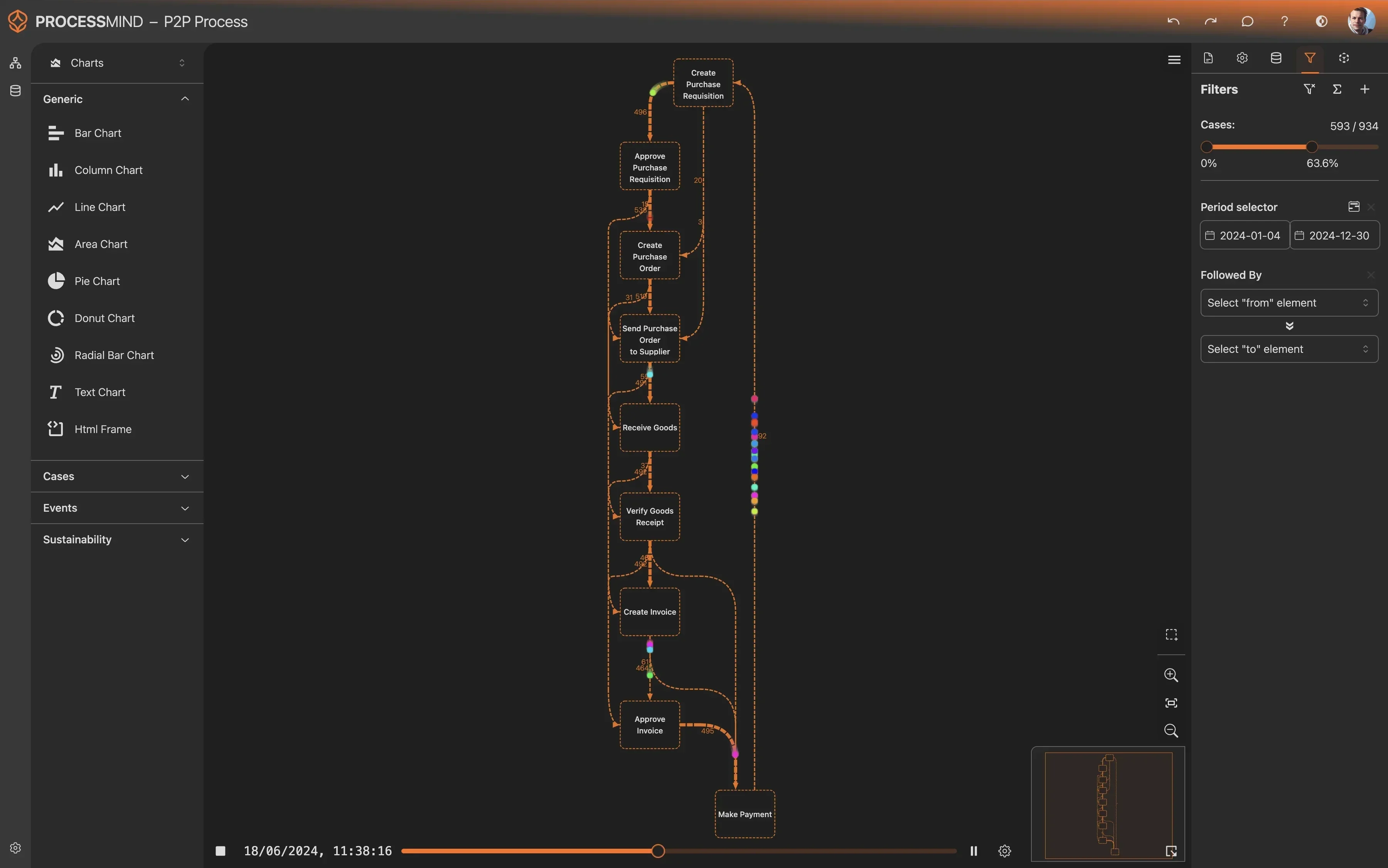
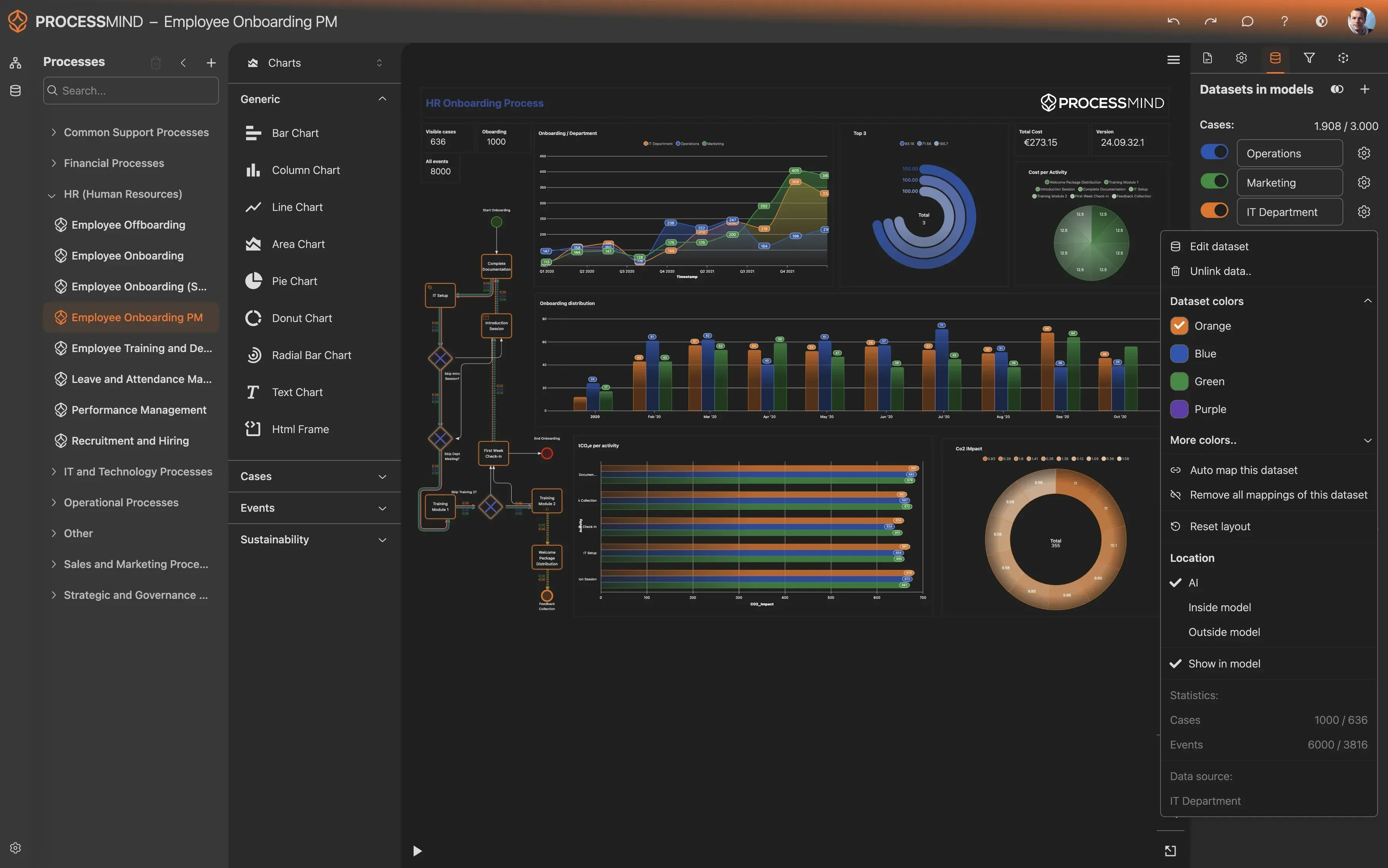
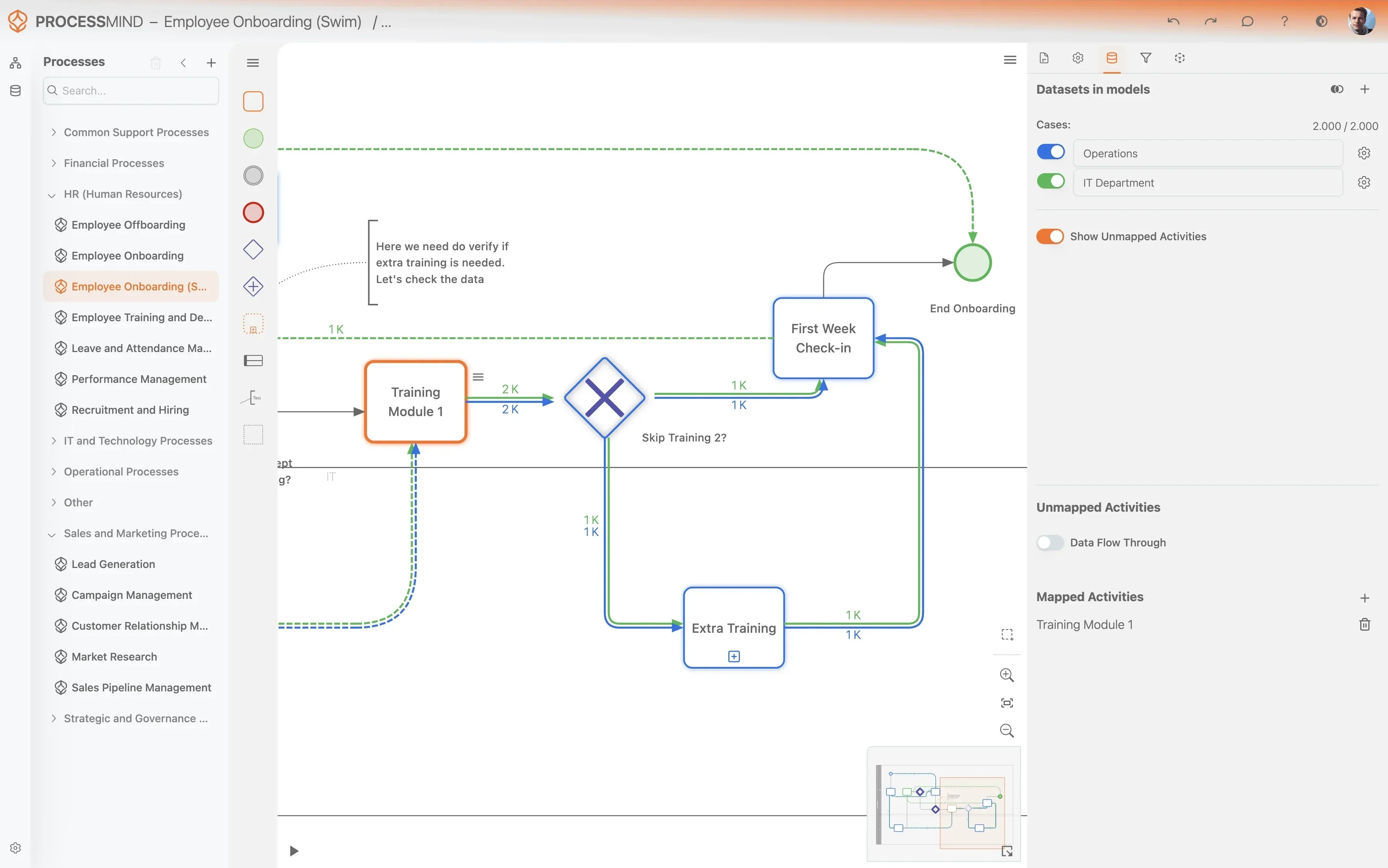
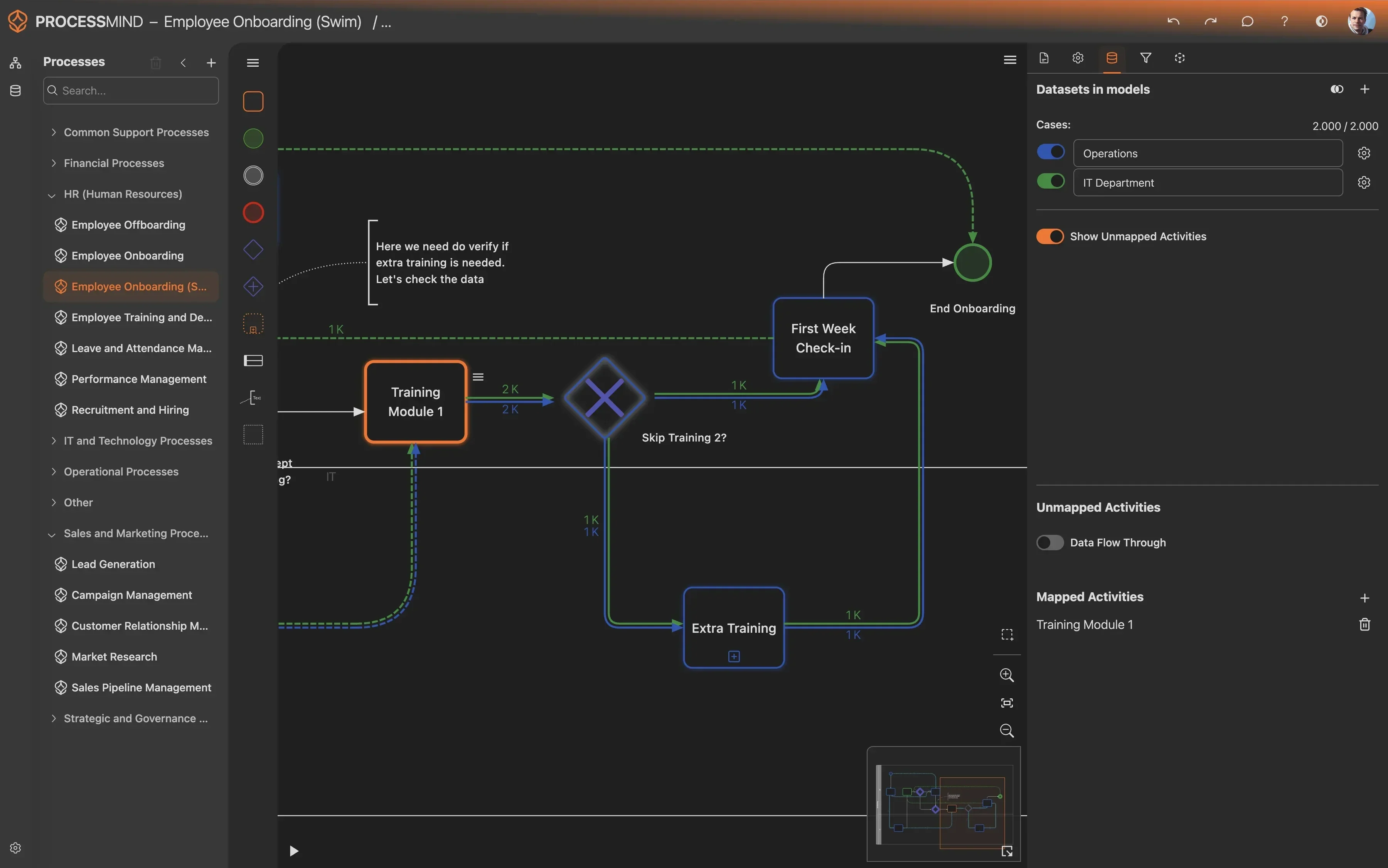
ProcessMind reveals the true execution of your Revenue Cycle Management in Epic Resolute, visualizing every billing event and patient journey. Gain unprecedented clarity on inefficiencies to drive significant improvements.
  • See actual RCM process flow in Epic Resolute
  • Pinpoint billing bottlenecks and delays
  • Discover root causes of payment denials
  • Boost cash flow and compliance effectively
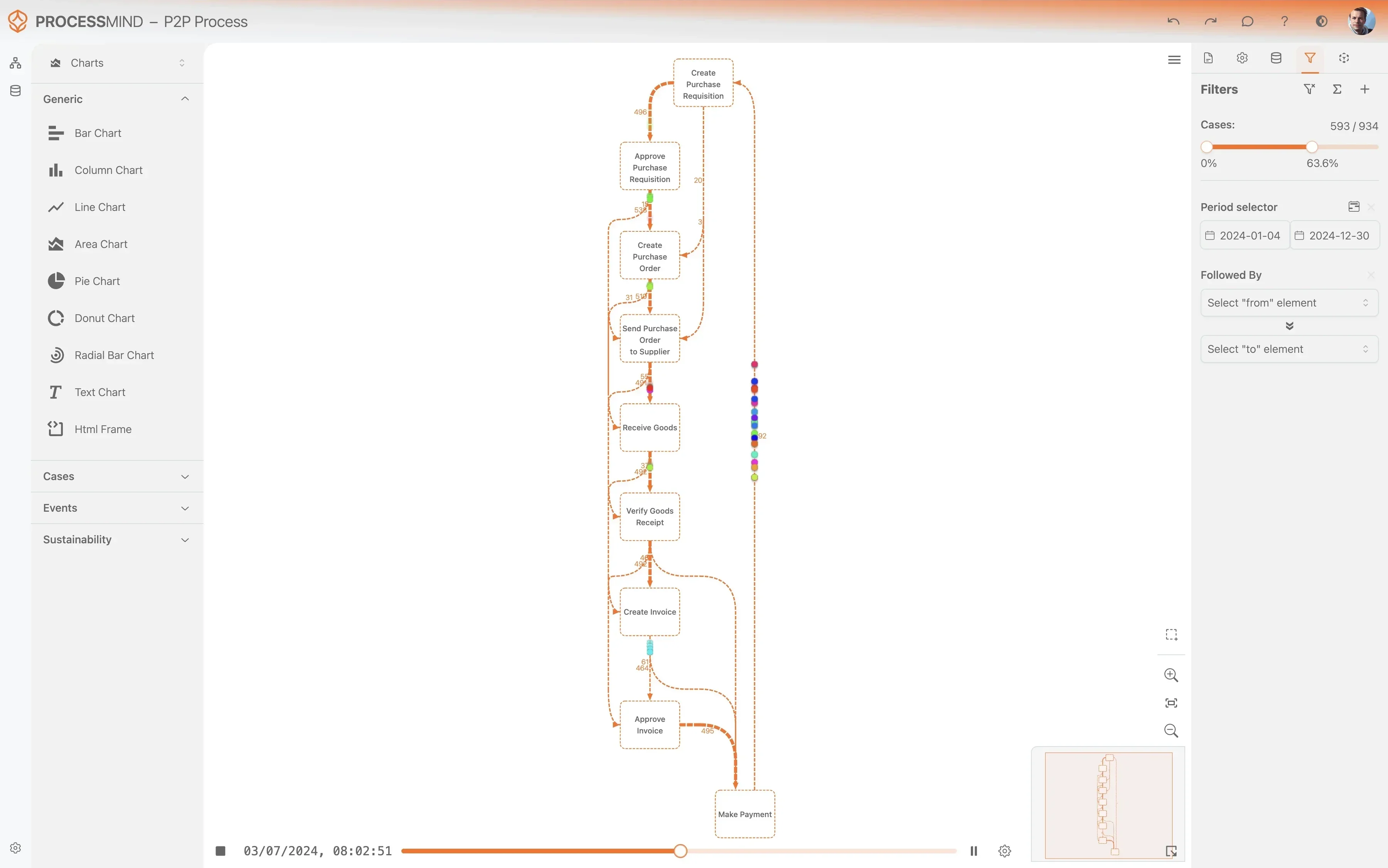
Discover your actual process flow
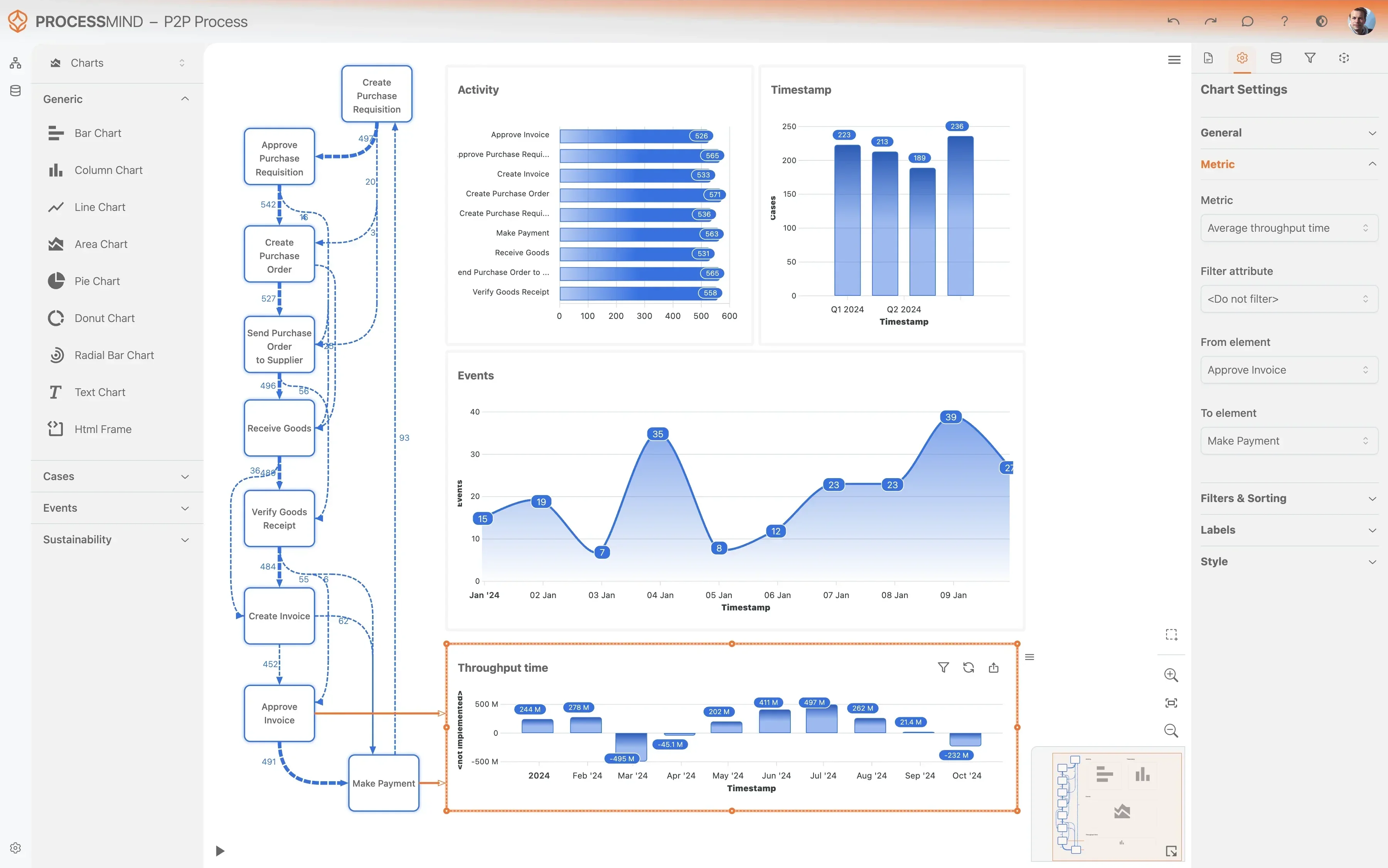
Identify bottlenecks and delays
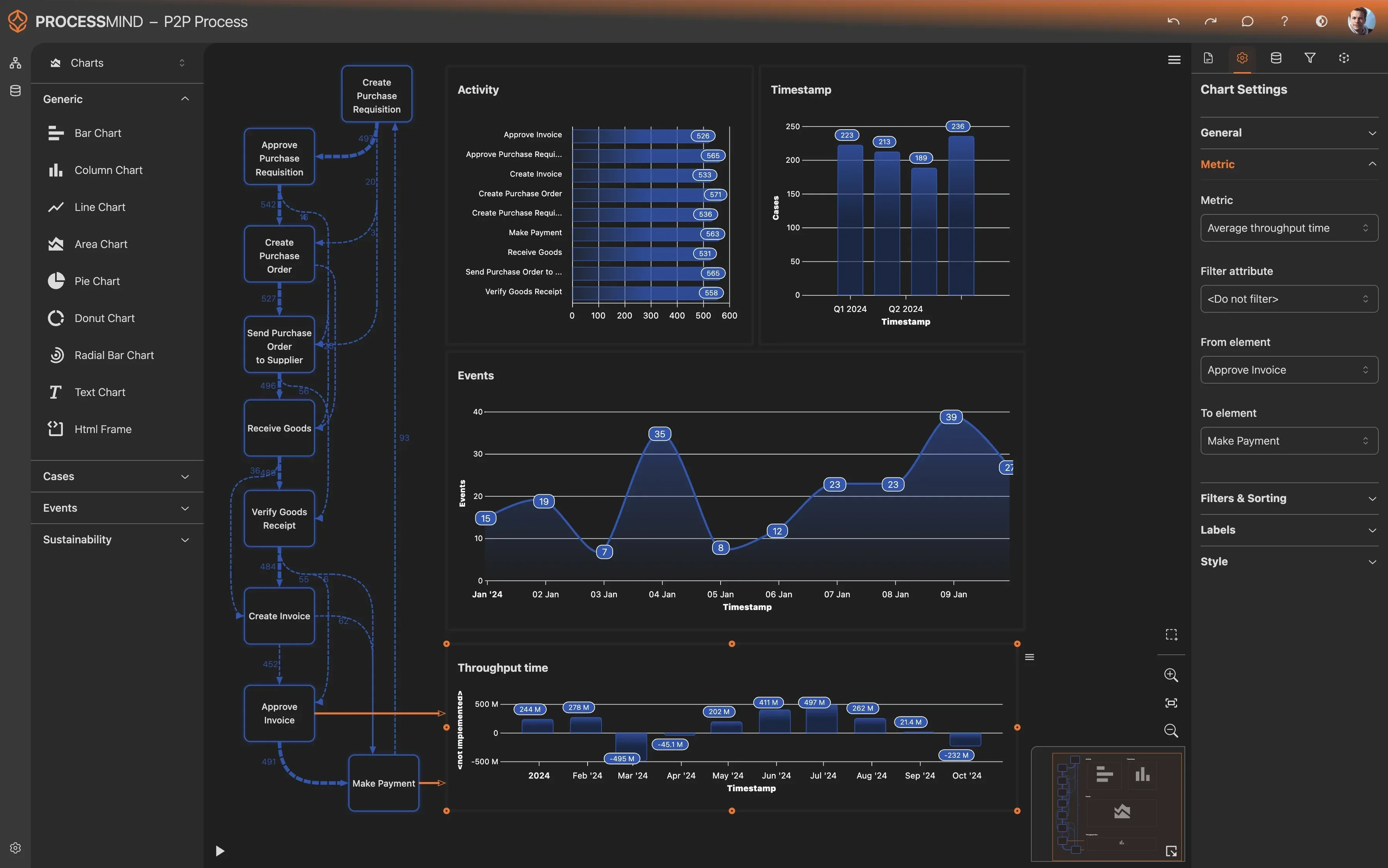
Analyze process variants
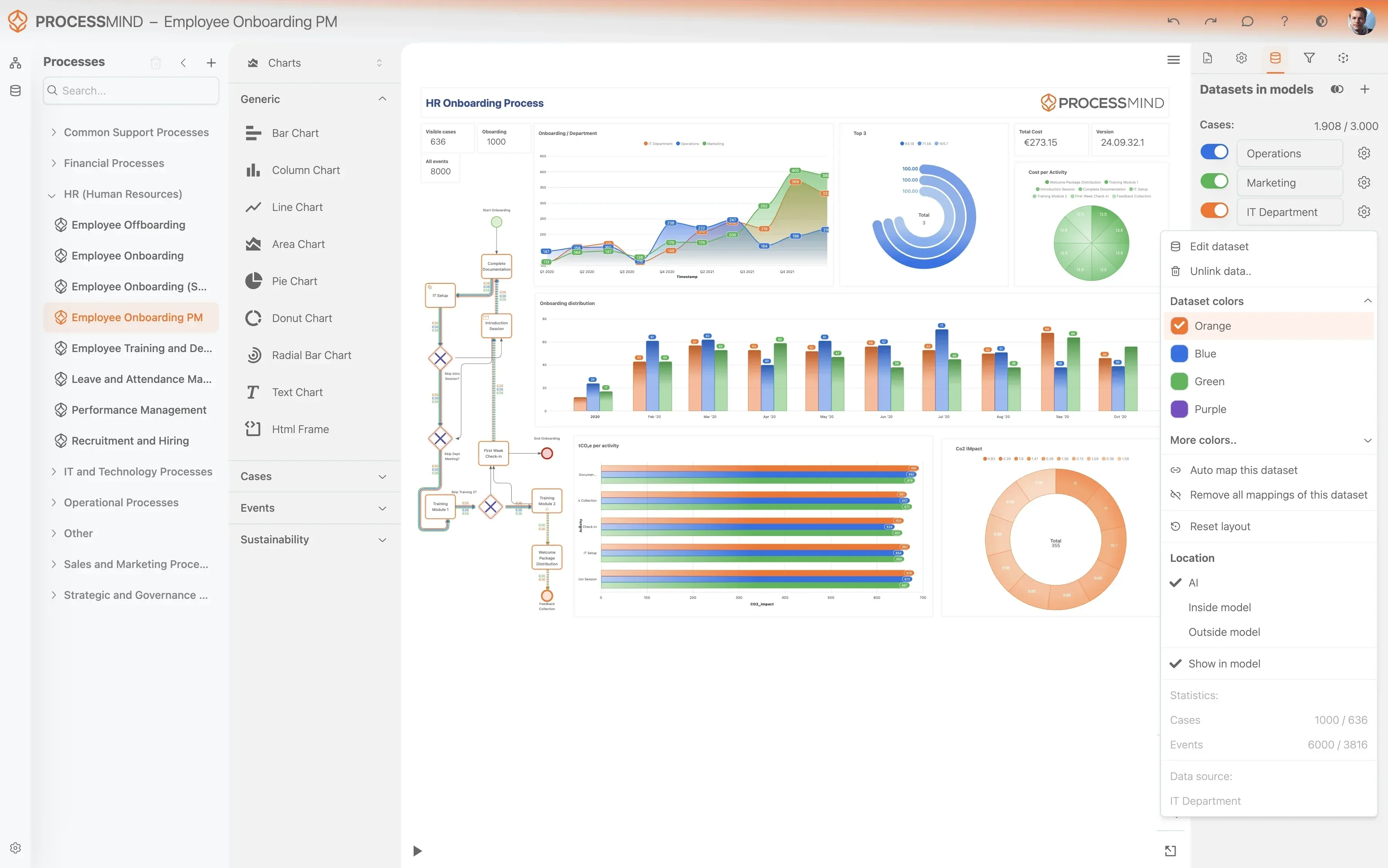
Design your optimized process

TYPICAL OUTCOMES

Tangible Improvements in Revenue Cycle Management

These outcomes demonstrate the significant efficiencies and financial gains organizations realize by applying process mining to their Revenue Cycle Management, leveraging insights from Epic Resolute billing event data to optimize operations.

0 % reduction
Faster Charge Capture

Average reduction in capture time

Identify and eliminate delays in the charge capture process, ensuring services are billed promptly and accurately. This directly accelerates the initiation of the revenue cycle.

0 % fewer
Reduced Claim Denials

Decrease in first-pass claim rejections

Pinpoint root causes of claim denials, such as missing information or coding errors, to prevent rejections and accelerate payment realization. This minimizes rework and revenue loss.

0 % reduction
Improved Payment Accuracy

Reduction in payment posting rework

Streamline payment posting workflows to minimize errors and the need for manual adjustments. This ensures accurate application of payments and reduces operational overhead.

~ 0 days reduced
Quicker Dispute Resolution

Average decrease in resolution time

Accelerate the resolution of disputed claims and invoices by identifying bottlenecks in the dispute management process. This improves cash flow and reduces aging accounts.

0 % increase
Enhanced Process Conformance

Increase in compliant billing events

Ensure billing processes adhere strictly to defined standards and regulatory requirements. This reduces compliance risks, improves audit readiness, and standardizes operational quality.

Results vary based on process complexity, existing system configurations, and data quality. The figures provided illustrate typical improvements observed across various implementations.

FAQs

Frequently asked questions

Process mining helps identify bottlenecks, process variations, and compliance risks within your RCM. It optimizes charge capture, reduces claim denials, and enhances payment posting accuracy, ultimately improving financial performance and operational efficiency across the revenue cycle. This leads to faster revenue flow and reduced bad debt.

You will typically need event logs related to billing events, such as charge capture, claim submission, payment posting, and adjustment activities. The case identifier will be a billing event, requiring timestamps and activity descriptions for each step in the revenue cycle to reconstruct the process flow.

Expect to see quantified inefficiencies like slow charge capture, frequent claim denials, and extended dispute resolution cycles. The insights gained will enable you to accelerate revenue flow, reduce operational costs, and standardize billing performance, leading to measurable financial improvements and reduced revenue leakage.

While initial data extraction from Epic Resolute requires some effort, modern process mining tools simplify the analysis and visualization phases. The insights gained often far outweigh the initial investment, revealing significant opportunities for cost reduction and revenue optimization that are difficult to uncover with traditional methods.

After data extraction and initial modeling, you can often see foundational insights into your RCM processes within a few weeks. More detailed analyses and specific improvement recommendations usually emerge within 1-3 months, depending on the scope and the quality of the provided data.

You will need access to your Epic Resolute data, often via SQL queries or data warehouse exports. This data is then loaded into a dedicated process mining software platform, which can be cloud-based or on-premise, minimizing local infrastructure requirements and offering flexible deployment.

Process mining visualizes the exact paths claims take before denial, highlighting specific activities, delays, or process variations that lead to rejections. This enables targeted interventions, such as improved documentation, training, or system adjustments, to prevent future denials and accelerate payments.

Yes, process mining can identify deviations from standard operating procedures and regulatory guidelines within your RCM processes. By visualizing these variations, organizations can proactively address non-compliant steps, mitigate financial and reputational risks, and standardize processes for better adherence.

Unlock Peak Efficiency: Optimize Revenue Cycle Management Now

Pinpoint RCM inefficiencies in Epic Resolute, reduce cycle time by 30%.

Start Your Free Trial

No credit card required, start optimizing today.