Improve Your Accounts Receivable

Select a process
Choose a process to continue working in your connected workspace.
Optimize Accounts Receivable in SAP S/4HANA to Improve Cash Flow
Our process mining tool allows you to uncover hidden bottlenecks that slow down your collection cycle. By visualizing every step of your workflow, you can identify where manual rework and payment delays are impacting your working capital. These insights help your team target specific inefficiencies to streamline operations and ensure timely payments.
Download our pre-configured data template and address common challenges to reach your efficiency goals. Follow our six-step improvement plan and consult the Data Template Guide to transform your operations.
Show detailed description
Understanding the Strategic Value of Accounts Receivable
Accounts Receivable is much more than a simple accounting function because it represents the primary source of cash flow for most organizations. In a modern SAP S/4HANA environment, the complexity of managing thousands of customer invoices can often obscure the actual efficiency of your financial operations. When your capital is tied up in unpaid invoices, your ability to reinvest in growth, pay suppliers, or fund research and development is significantly hindered. Optimizing this process is not just about getting paid faster, but also about creating a predictable and reliable cash cycle that supports the broader financial health of the business.
In many organizations, the Accounts Receivable process becomes fragmented across different departments and regions. This fragmentation leads to a lack of standardization, where one business unit might handle disputes efficiently while another allows them to languish for weeks. By focusing on process optimization within the SAP S/4HANA framework, specifically targeting tables like ACDOCA and BKPF, you can uncover these discrepancies. The goal is to move beyond simple reporting and toward a dynamic understanding of how value flows through your organization.
How Process Mining Transforms Financial Transparency
Process mining offers a revolutionary way to view your financial data by treating every invoice as a unique journey. Traditional reporting in SAP S/4HANA often provides a snapshot in time, such as the total balance of open items or a static aging report. While useful, these reports do not explain why an invoice is late or where it spent the most time in the lifecycle. Process mining changes this by connecting individual events, from the moment an invoice is created to its final clearing in the general ledger.
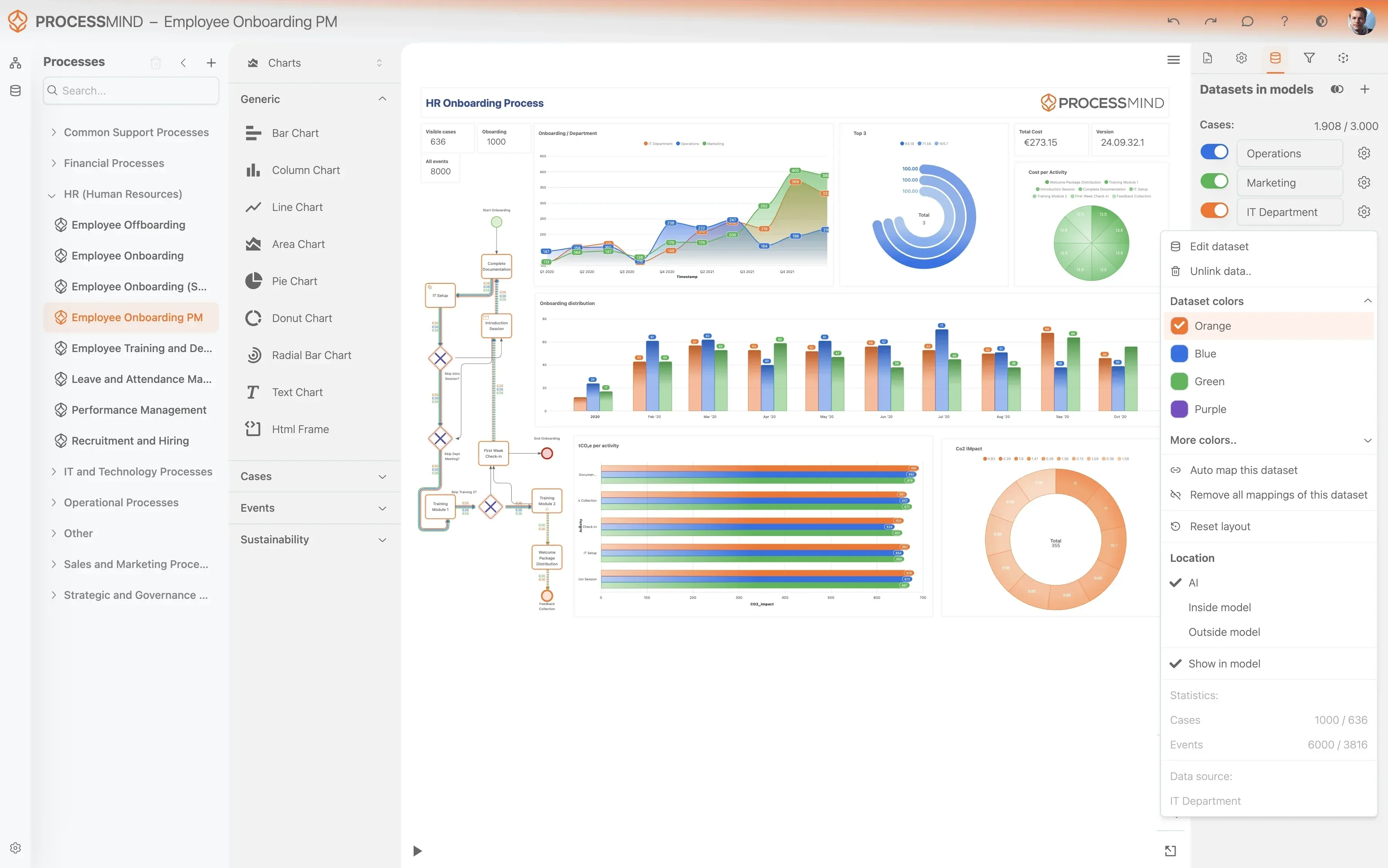
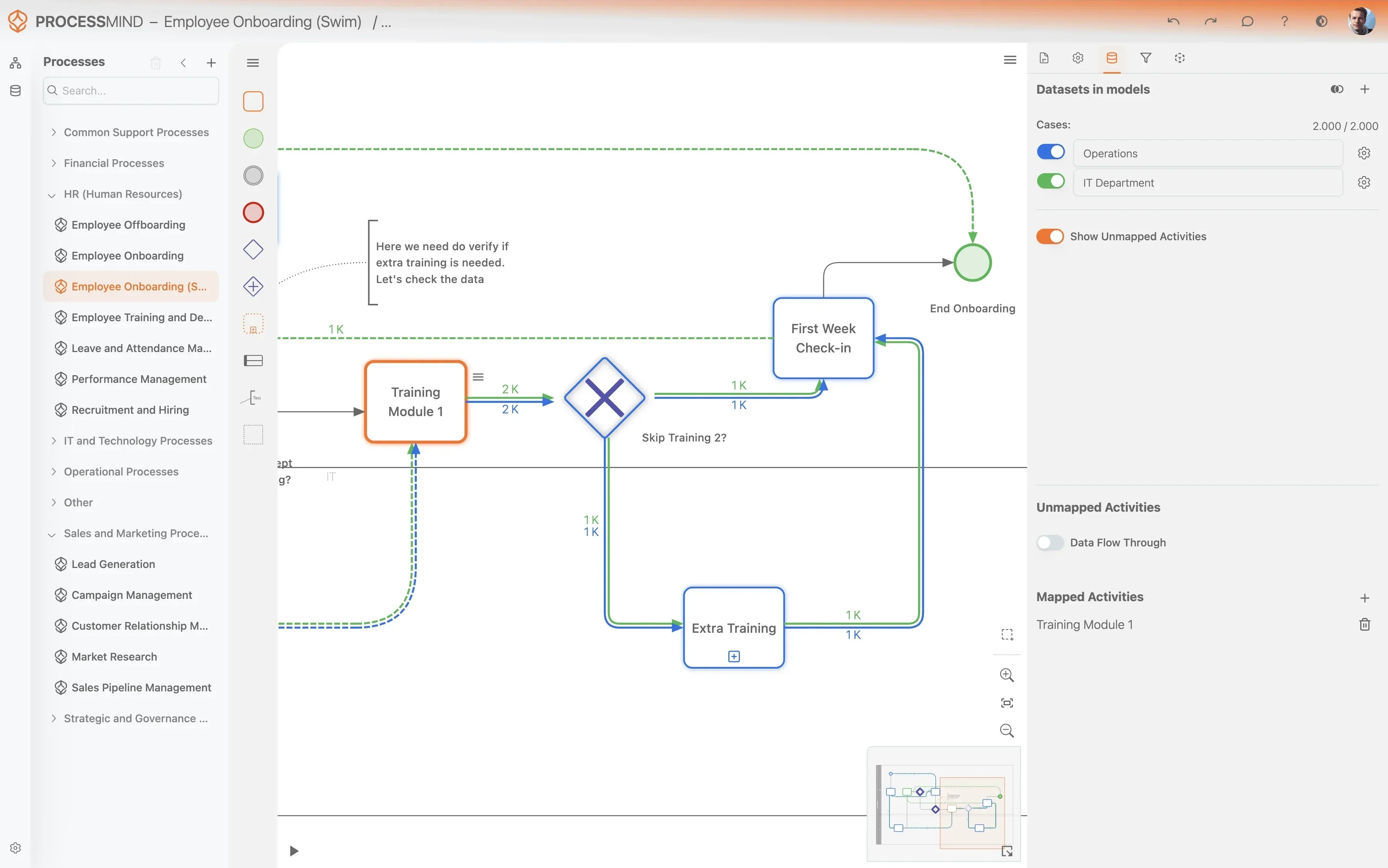
By using the Invoice Number as a Case Identifier, you can visualize every touchpoint. You might discover that the time between Invoice Created and Invoice Dispatched is longer than expected, or that specific customer segments frequently trigger Dispute Case Opened activities that halt the payment process. This level of transparency allows financial leaders to see the actual path of an invoice, including all the loops, bottlenecks, and manual interventions that occur behind the scenes. It turns static data into a living map of your financial operations.
Targeting High Impact Improvement Areas
When you begin analyzing your Accounts Receivable process with a data driven mindset, several key areas for improvement typically emerge. One of the most common is the management of disputes and deductions. In many cases, an invoice remains unpaid not because the customer cannot pay, but because of a discrepancy in pricing or quantity. By identifying these patterns early, you can streamline the Dispute Under Review process and ensure that resolutions are reached before they impact your liquidity.
Another critical area is the efficiency of collection activities. Many organizations rely on reactive collection strategies, where agents only reach out after an invoice is already overdue. Process mining allows you to see the effectiveness of activities like Payment Reminder Sent or Promise to Pay Received. You can identify which customers respond best to specific reminders and adjust your collection strategy accordingly. Furthermore, analyzing the frequency of Partial Payment Posted events can highlight customers who may be experiencing financial distress, allowing your credit department to take proactive measures to mitigate risk.
Measuring Success and Realizing Benefits
The primary metric for success in Accounts Receivable is the reduction of Days Sales Outstanding, often referred to as DSO. By streamlining the flow from billing to bank statement matching, you directly reduce the time it takes for revenue to become cash. This improvement in liquidity has a ripple effect throughout the organization, reducing the need for external financing and improving the overall balance sheet.
Beyond DSO, process optimization leads to significantly lower operational costs. Manual interventions, such as correcting errors in the Bank Statement Matched phase or manually issuing Credit Memos, are expensive and prone to further error. By identifying the root causes of these manual steps in your SAP S/4HANA system, you can implement automation or process changes that eliminate the need for them. This not only saves time but also improves employee satisfaction by allowing your finance team to focus on high value analysis rather than repetitive data entry. Finally, a smoother AR process enhances the customer experience. When invoices are accurate and disputes are handled quickly, it builds trust and strengthens long term business relationships.
Moving Toward a Proactive Financial Future
Getting started with improving your Accounts Receivable process involves looking closely at the data already existing in your SAP S/4HANA environment. The information stored in the Universal Journal and related tables contains everything you need to begin this journey. By adopting a process mining perspective, you stop looking at invoices as mere line items and start seeing them as part of a continuous flow. This shift in mindset is the first step toward a more agile and responsive finance department. As you begin to eliminate bottlenecks and standardize your workflows, you will find that your department is no longer just a back office function but a strategic partner that actively contributes to the success of the enterprise.
Improving Accounts Receivable in SAP S/4HANA
Download the Template
What to do
Access the standardized Excel template pre-configured for SAP S/4HANA tables like ACDOCA and BSEG to ensure data compatibility.
Why it matters
Starting with a structured format ensures all necessary financial fields are captured, reducing errors during the mapping phase.
Expected outcome
A ready-to-use data template tailored for AR analysis.
Export Your Data
What to do
Extract 3 to 6 months of invoice and payment data from your SAP environment, focusing on the BKPF and BSEG tables.
Why it matters
Historical data reveals payment patterns, collection delays, and common bottlenecks in your actual financial workflows.
Expected outcome
A CSV or Excel file containing your recent AR transaction history.
Upload Your Dataset
What to do
Securely upload your completed template to ProcessMind for automated data processing and process map generation.
Why it matters
Instant processing transforms raw financial records into a visual end to end representation of your invoice lifecycle.
Expected outcome
A processed digital twin of your Accounts Receivable workflow.
Analyze Your Process
What to do
Use the AI-driven dashboards to identify late payments, frequent disputes, and deviations from standard clearing procedures.
Why it matters
Discovery of root causes for high Days Sales Outstanding allows you to target specific inefficiencies in your collection cycle.
Expected outcome
Clear identification of process bottlenecks and high-impact improvement areas.
Implement Improvements
What to do
Execute targeted changes in your SAP configuration or collection strategies to address the issues discovered during analysis.
Why it matters
Taking action based on data-driven insights leads to faster payment cycles and improved cash flow management.
Expected outcome
Optimized AR procedures and reduced operational friction.
Monitor Your Process
What to do
Periodically refresh your data in ProcessMind to track the effectiveness of your changes and ensure long-term compliance.
Why it matters
Continuous monitoring helps maintain efficiency gains and allows for rapid response to new emerging bottlenecks.
Expected outcome
A sustainable and highly efficient Accounts Receivable process.
YOUR PROCESS INSIGHTS
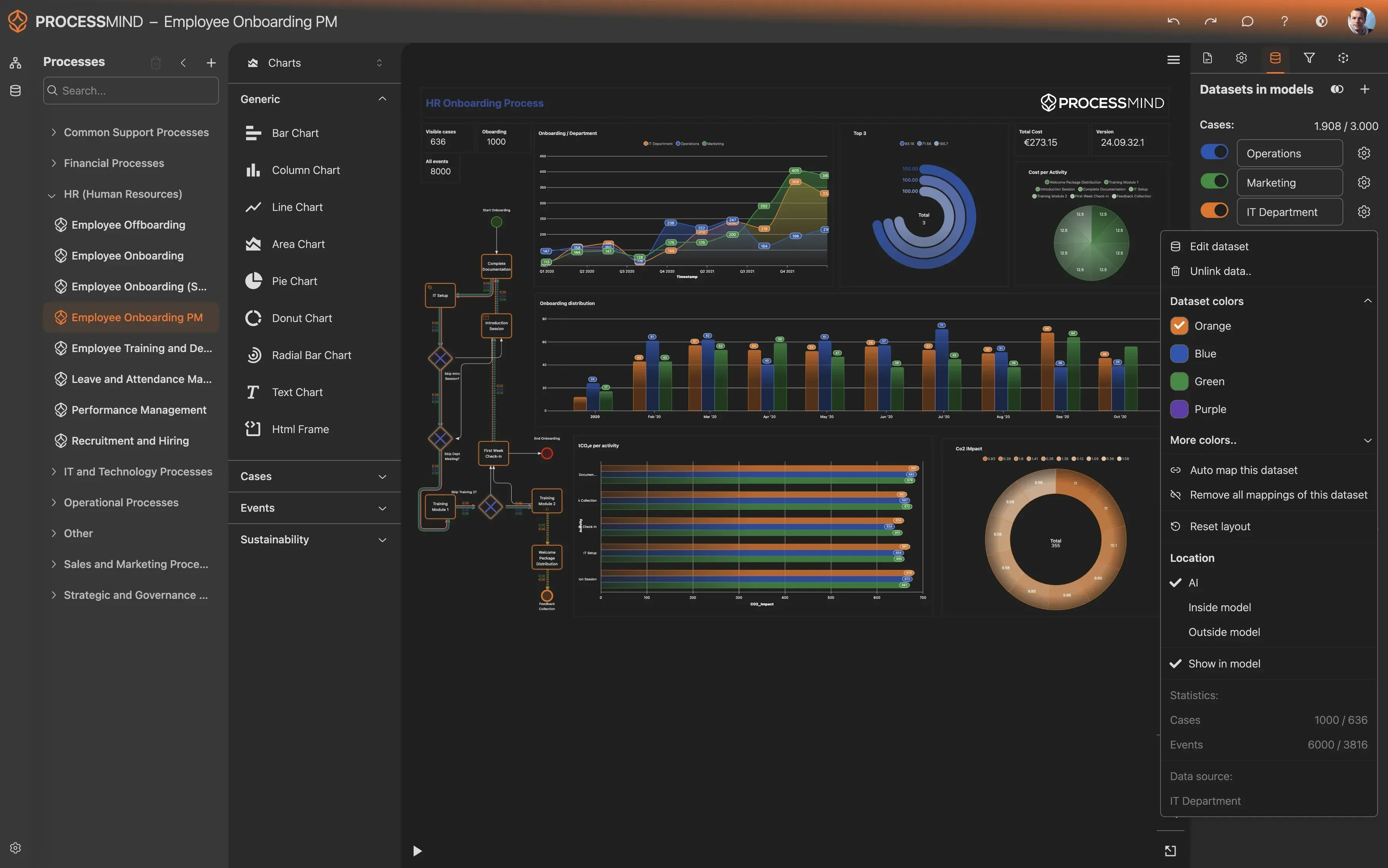
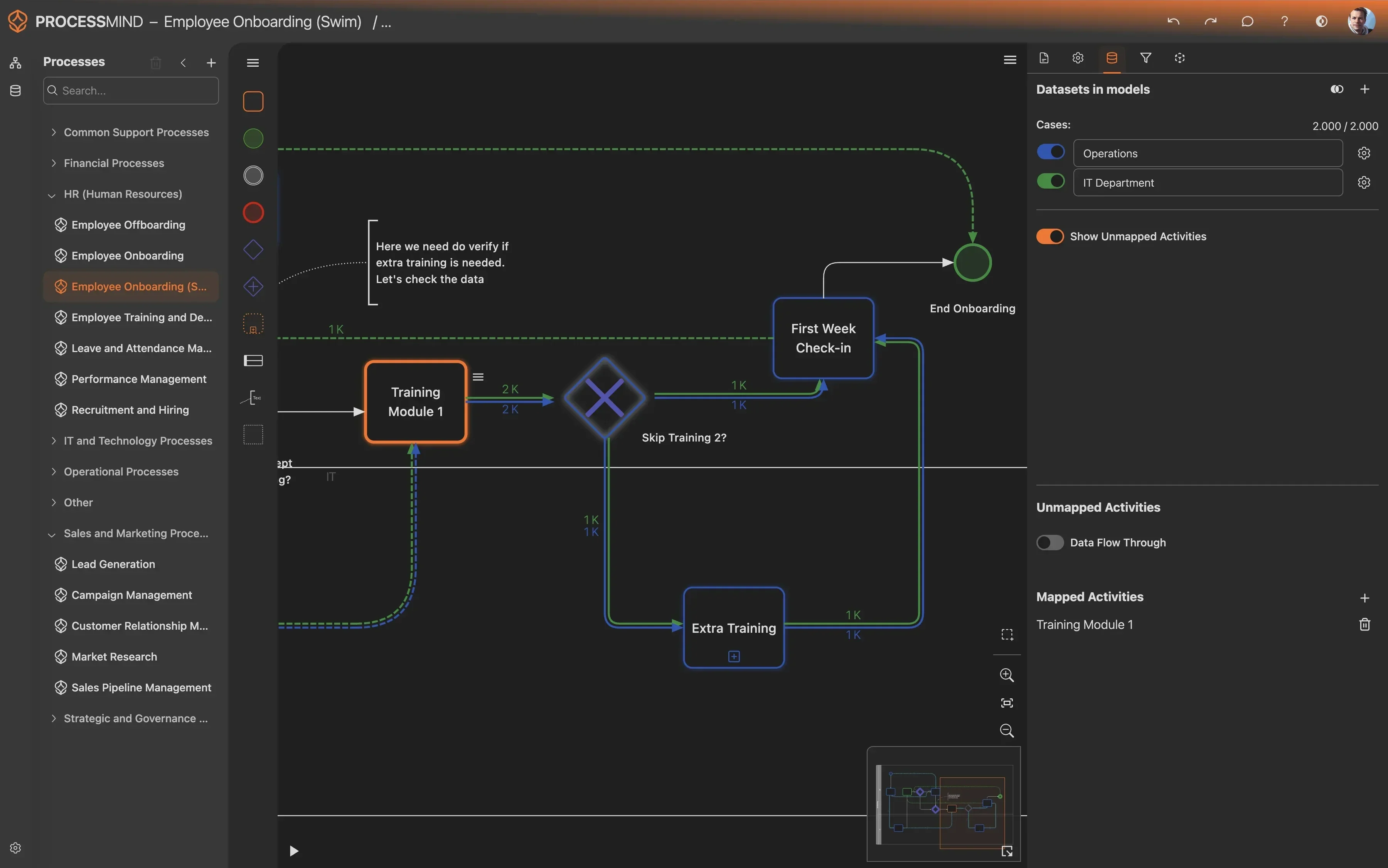
Uncover Every Friction Point in Your AR Lifecycle
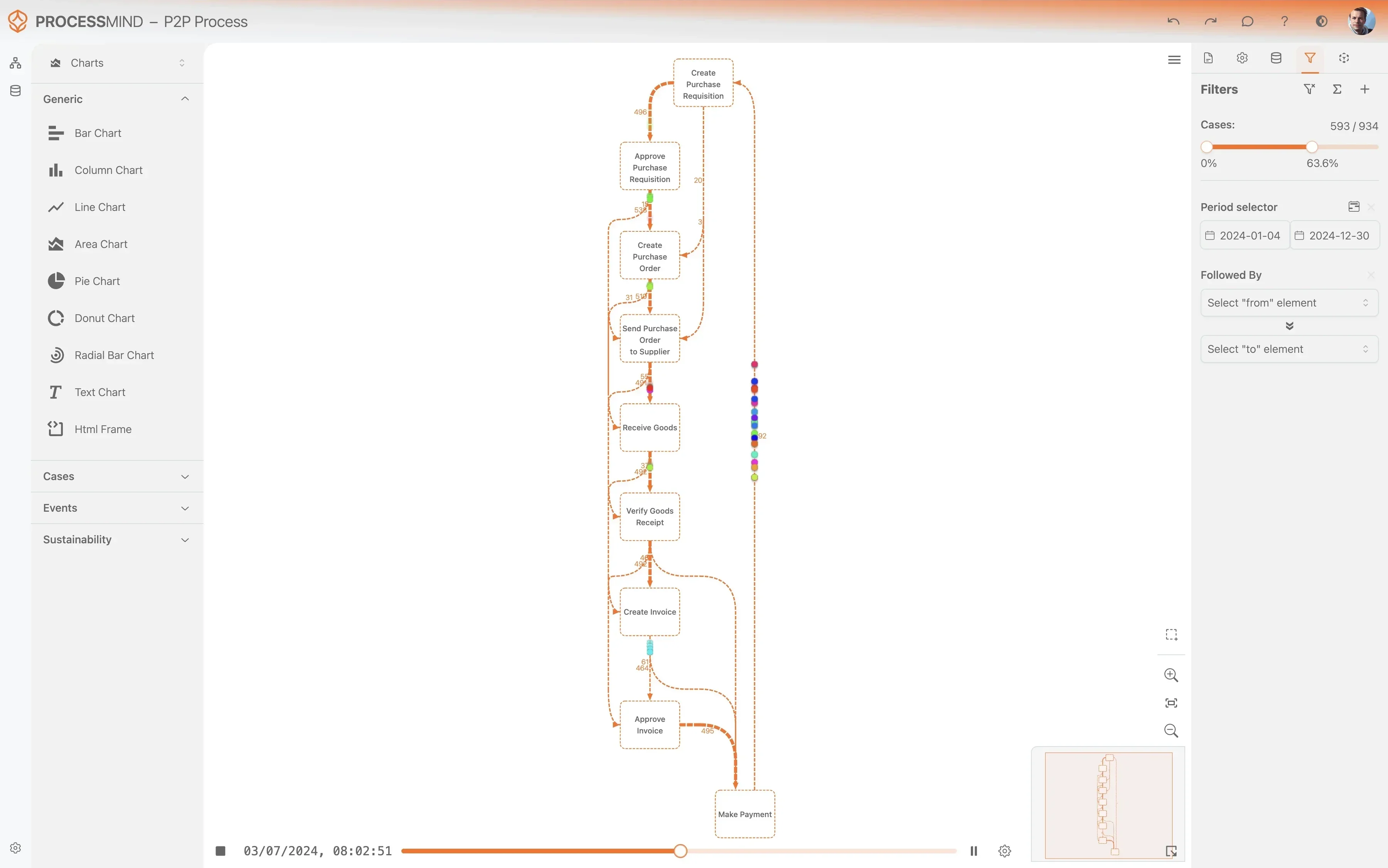
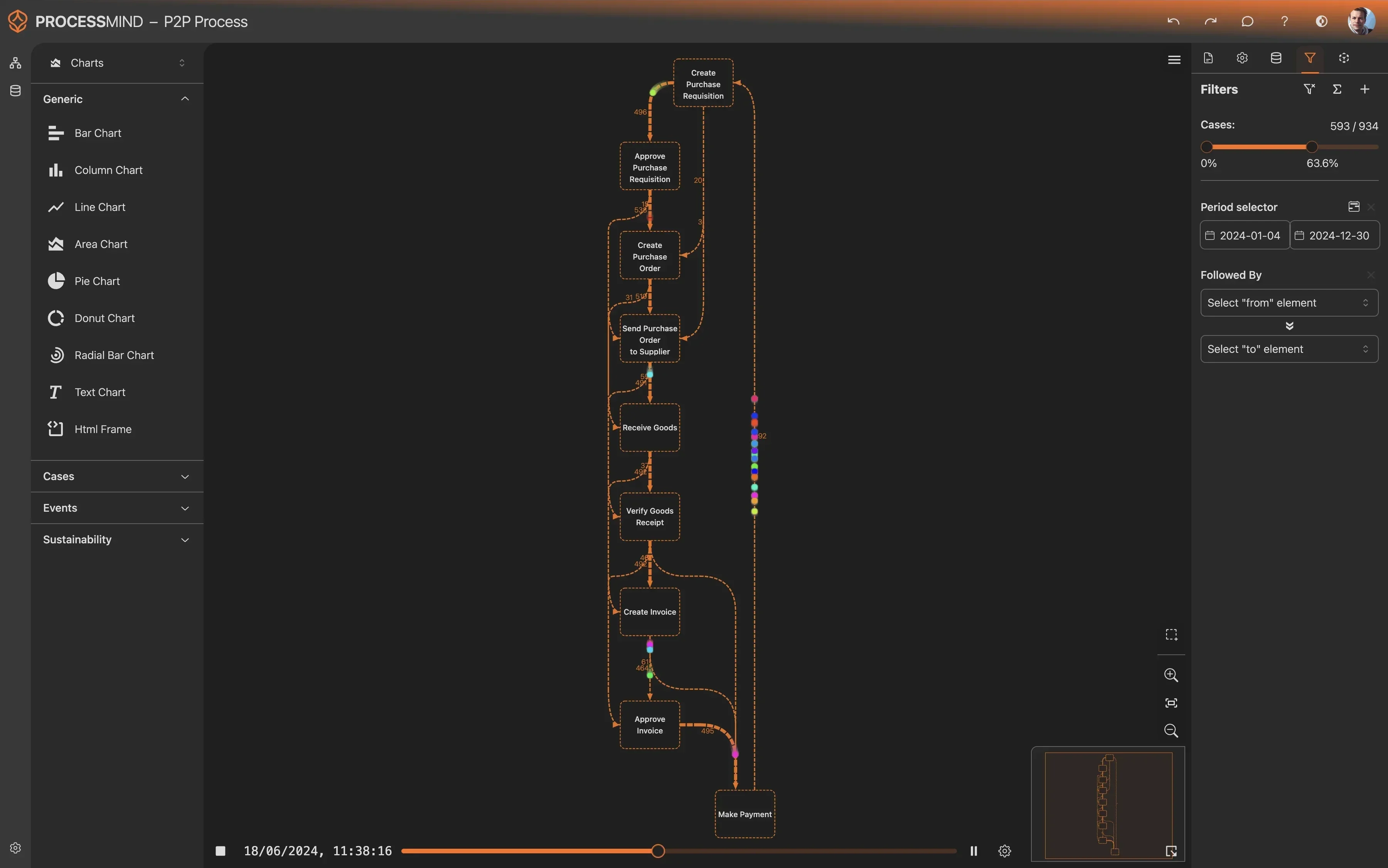
- Map end to end collection cycles automatically
- Identify manual interventions causing delays
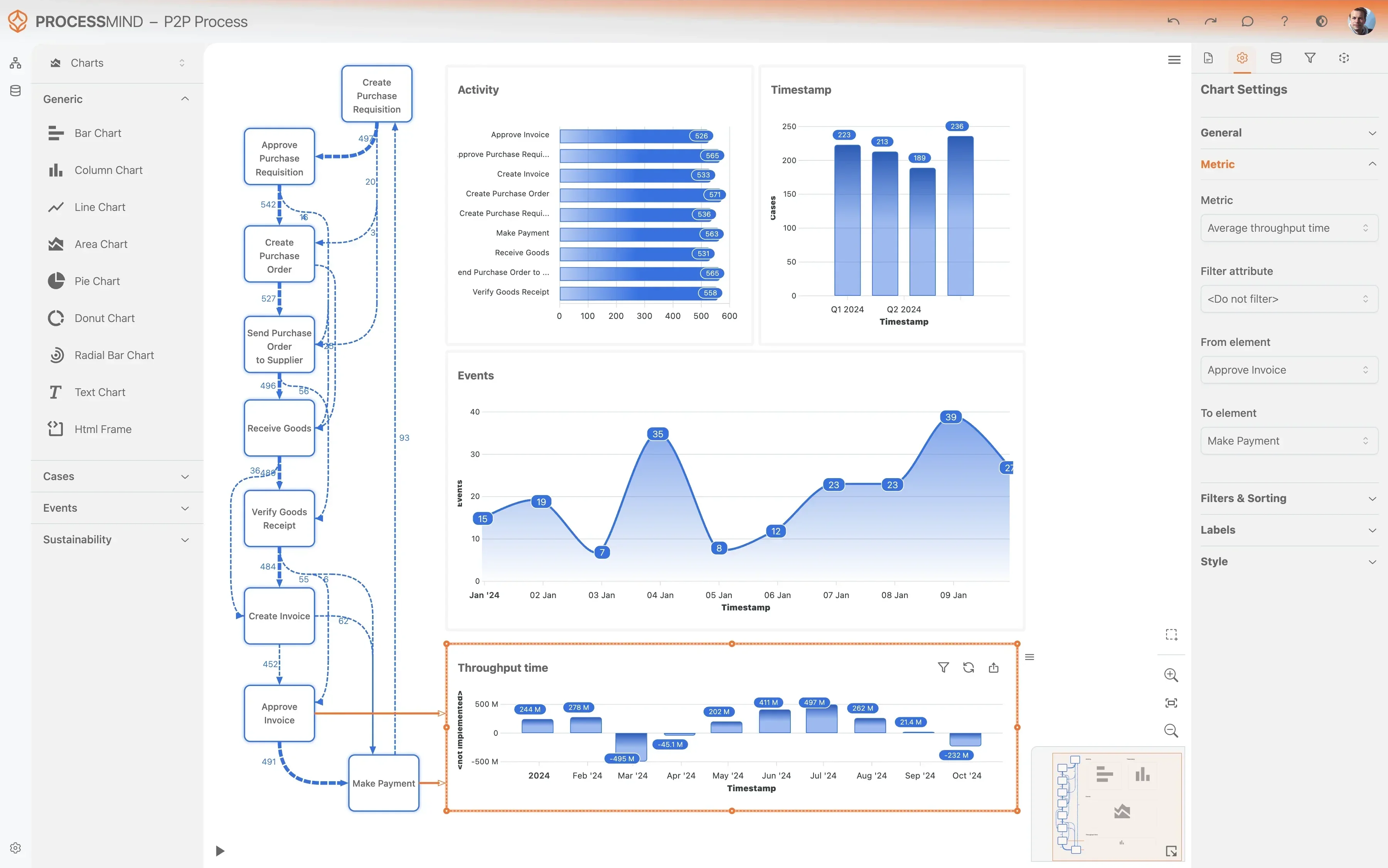
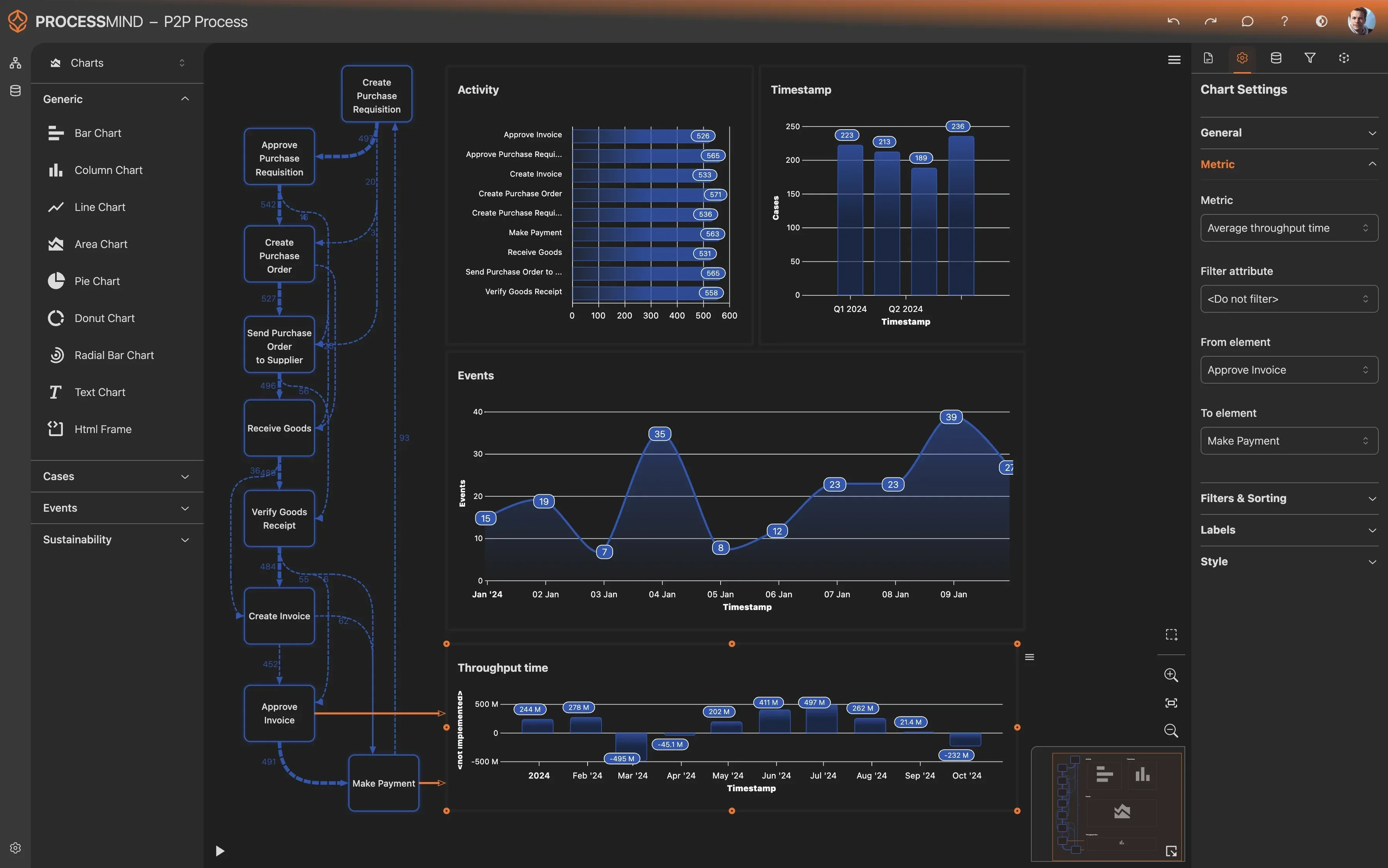
- Compare invoice performance across regions
- Track real time impact on days sales outstanding
TYPICAL OUTCOMES
Transforming Accounts Receivable Performance
Organizations leveraging process mining on SAP S/4HANA typically see significant improvements in cash flow and operational efficiency by identifying bottlenecks at the invoice level.
Improvement in working capital
Minimize the duration between invoice creation and final clearing to unlock cash flow for strategic reinvestment.
Increase in matching rates
Enhance efficiency by automating the reconciliation process between bank statements and open invoices within SAP.
Decrease in resolution cycles
Accelerate the time from opening a dispute case to final resolution by streamlining internal approval workflows.
Adherence to collection policy
Standardize the reminder process to ensure all overdue invoices trigger a dunning activity exactly on time.
Fewer corrective credit memos
Lower the rate of manual corrections by identifying and fixing root causes in the initial invoice generation process.
Reduction in reconciliation time
Shorten the lead time for bank statement reconciliation to complete month end financial reporting cycles faster.
These figures represent typical improvements observed across implementations, and actual results vary based on process complexity and data quality.
Recommended Data
FAQs
Frequently asked questions
It provides full visibility into the lifecycle of an invoice by connecting data points from billing and accounting modules. This allows teams to visualize the actual path of every transaction, helping to identify exactly where bottlenecks occur and why certain payments are delayed.
Extraction typically involves connecting to standard financial tables like BKPF and BSEG using pre-built connectors. The process uses the Invoice Number as a case identifier to link all related activities, such as credit checks, dunning runs, and final clearing, into a single process flow.
Yes, by revealing the root causes of payment delays, such as long dispute resolution cycles or inconsistent payment term application. Organizations can use these insights to streamline their collections and potentially reduce DSO by 15 percent or more through targeted process improvements.
Most organizations can view their initial process maps within four to six weeks of establishing a data connection. This rapid turnaround allows finance leaders to quickly identify high-impact areas, such as underutilized early payment discounts or frequent manual interventions in payment matching.
Process mining is a non-invasive analytical layer that reads existing data without modifying your underlying SAP S/4HANA setup. While the analysis may suggest improvements to your workflows or master data, the tool itself operates independently of your core transaction processing.
The software tracks every financial document linked to the original invoice, meaning partial payments and short payments are visible as specific steps in the process. This transparency helps teams understand the volume of manual work required to resolve these exceptions and find ways to automate the reconciliation.
The analysis relies on several key tables, including VBRK for billing details and BSAD or BSID for open and cleared accounting items. To get a complete view, we also pull data from KNA1 for customer information and CDHDR to track changes made to documents throughout their lifecycle.
Process mining automatically compares your actual business activities against your established corporate policies. It highlights every instance where a dunning level was skipped or a credit limit was exceeded, ensuring 100 percent compliance and more predictable cash flow.
Fix SAP S/4HANA Accounts Receivable and Boost Cash Flow
Join companies reducing DSO by 15 to 20 days with our tool
No credit card required. Setup in 5 minutes.