Improve Your Credit Management & Collections

Select a process
Choose a process to continue working in your connected workspace.
Optimize Credit Management and Collections in Dynamics 365
Many credit management and collections processes hide unseen inefficiencies that delay payments and inflate your days sales outstanding. Our platform helps you quickly pinpoint these bottlenecks in your operations. This allows you to streamline your entire credit-to-cash cycle, leading to significantly improved cash flow.
Download our pre-configured data template and address common challenges to reach your efficiency goals. Follow our six-step improvement plan and consult the Data Template Guide to transform your operations.
Show detailed description
Why Optimize Credit Management & Collections in Dynamics 365?
Effective Credit Management & Collections are critical to the financial health of any organization. In Microsoft Dynamics 365, while the system provides robust tools, the underlying processes can still harbor inefficiencies that impact your cash flow and increase days sales outstanding, or DSO. Delayed payments, ineffective collection strategies, and prolonged dispute resolution directly affect working capital and profitability. Without a clear, data-driven view of your process execution, identifying the root causes of these issues becomes a complex, often manual, and time-consuming task.
Imagine an invoice that takes an unusually long time to settle, or a collection letter that is sent too late, or even too early. These seemingly small deviations, when multiplied across thousands of invoices, accumulate into significant financial drain and can even damage customer relationships. Understanding the complete journey of each invoice, from credit assessment to final payment or write-off, is essential for proactive financial management. This deep dive helps you prevent bad debt, comply with internal policies and external regulations, and ultimately, improve your bottom line.
How Process Mining Unlocks Credit & Collections Efficiency
Process mining offers a revolutionary approach to understanding and improving your Credit Management & Collections processes within Microsoft Dynamics 365. By analyzing event logs from your system, it reconstructs the actual flow of every invoice, revealing precisely how work is being done, not just how it is supposed to be done. You gain an objective, x-ray view into your credit-to-cash cycle, identifying process deviations, bottlenecks, and rework automatically. For instance, you can pinpoint exactly where payment approvals get stalled, why certain customers consistently pay late, or if collection activities are being executed out of sequence.
This perspective focuses on the end-to-end journey of an invoice, from initial credit assessment and invoice generation through payment and any subsequent collection efforts. It empowers your team to see the true impact of activities like "Credit Limit Requested", "Invoice Generated", "Overdue Reminder Sent", and "Payment Received". You can analyze dunning effectiveness, track the actual time between "Payment Due Date Passed" and "Collection Call Made", and understand the various paths an invoice takes to reach "Invoice Settled" or "Invoice Written Off". This data-driven insight is invaluable for process optimization, allowing you to move beyond assumptions to factual understanding.
Key Improvement Areas Identified Through Process Mining
Through the application of process mining, several critical areas within Credit Management & Collections in Microsoft Dynamics 365 typically emerge as opportunities for improvement:
- Credit Approval Cycle Time Reduction: Identify delays in the "Credit Limit Approved" process, reducing the time from request to decision, thereby accelerating sales order processing.
- Optimizing Collection Strategies: Analyze the effectiveness of different dunning levels and collection activities, such as "Overdue Reminder Sent" versus "Collection Call Made", to determine the most impactful sequence and timing for specific customer segments. This helps to reduce days overdue.
- Streamlining Dispute Resolution: Pinpoint bottlenecks in the "Dispute Registered" to "Dispute Resolved" cycle, minimizing the time invoices remain in dispute and accelerating payment.
- Reducing Manual Intervention and Rework: Discover instances where invoices are repeatedly touched, or where manual adjustments are frequently made, indicating potential areas for automation or process standardization.
- Enhancing Compliance: Ensure that all credit and collection policies, such as the timing of collection letters or the initiation of write-off procedures, are consistently followed across the organization.
Measurable Outcomes of Process Optimization
By applying process mining to your Credit Management & Collections processes in Microsoft Dynamics 365, you can achieve tangible, measurable benefits:
- Accelerated Cash Flow: Reduce the overall credit-to-cash cycle time, leading to faster access to working capital.
- Reduced Days Sales Outstanding (DSO): Optimize collection strategies and improve payment timeliness, directly impacting your DSO metric.
- Lower Bad Debt Expense: Proactively identify and address at-risk invoices and customers, minimizing the need for "Invoice Written Off".
- Improved Operational Efficiency: Streamline activities, reduce manual effort, and eliminate unnecessary steps, allowing your team to focus on higher-value tasks.
- Enhanced Customer Relationships: Ensure consistent, fair, and timely communication regarding credit and payments, fostering trust and loyalty.
Getting Started with Your Credit & Collections Journey
Taking control of your Credit Management & Collections processes in Microsoft Dynamics 365 doesn't require extensive technical knowledge. Our solution provides the framework to quickly connect your Dynamics 365 data, visualize your actual processes, and identify actionable insights. Begin your journey toward greater efficiency, stronger cash flow, and more effective financial operations today.
The 6-Step Improvement Path for Credit Management & Collections
Download the Template
What to do
Access the specialized Excel template designed for Credit Management & Collections data in Microsoft Dynamics 365 to ensure data consistency and structure.
Why it matters
A standardized template streamlines your data preparation, making it easier to integrate your financial records for accurate process analysis.
Expected outcome
A structured Excel template ready for populating with your credit and collections process data.
Export Your Data
What to do
Extract 3-6 months of historical credit and collections data from Microsoft Dynamics 365 Finance, including relevant entities like CreditLimit and CollectionLetter.
Why it matters
Using recent historical data ensures your analysis reflects current process behaviors and provides a robust foundation for identifying real improvement areas.
Expected outcome
A comprehensive dataset from Microsoft Dynamics 365, formatted and prepared within the provided template.
Upload Your Dataset
What to do
Securely upload your completed Excel template to ProcessMind. The system will then automatically process and analyze your credit management data.
Why it matters
Effortless upload initiates the powerful process mining engine, transforming raw data into visual process maps and actionable insights quickly.
Expected outcome
Your credit and collections process data securely loaded into ProcessMind, ready for detailed analysis.
Analyze Your Process
What to do
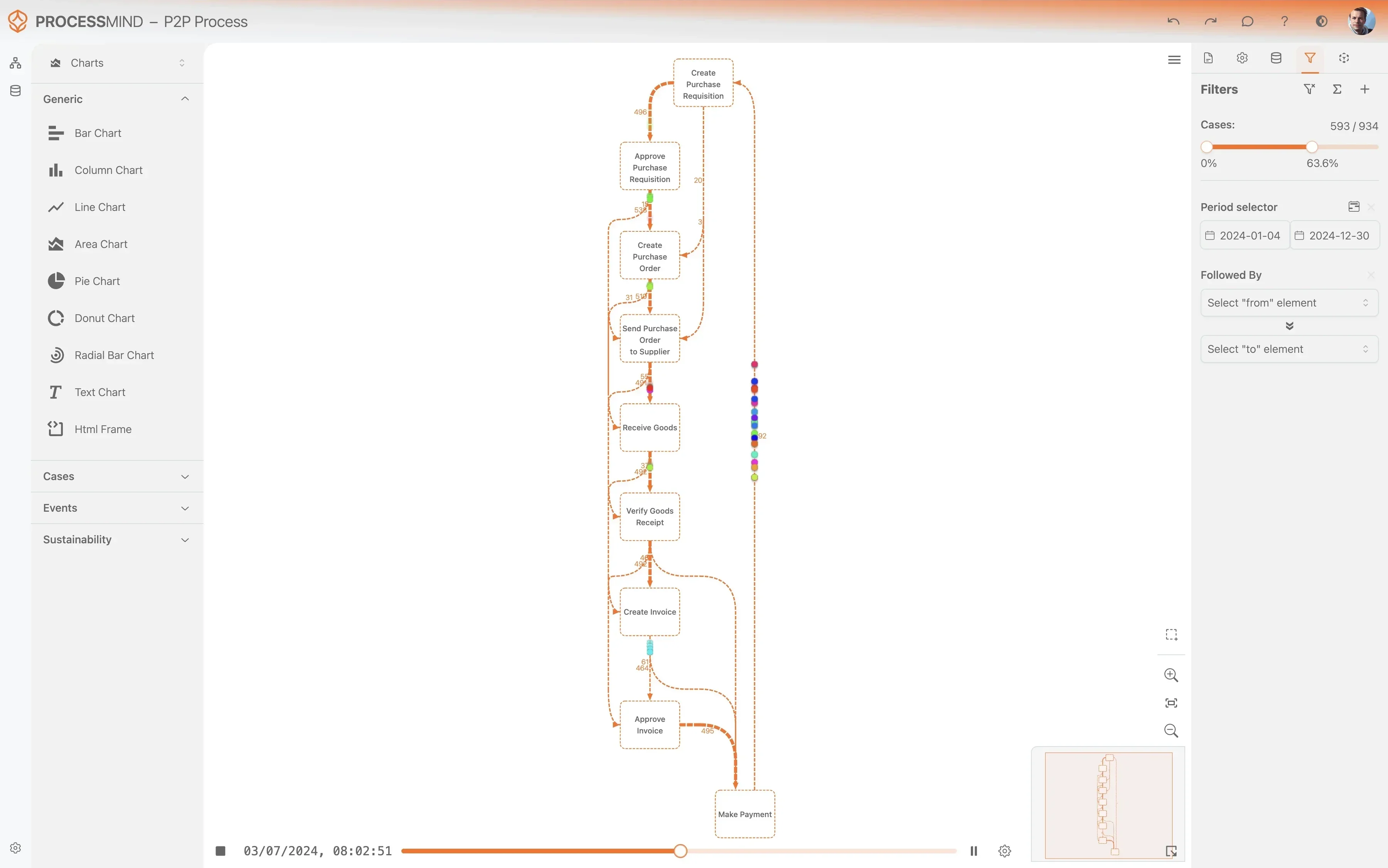
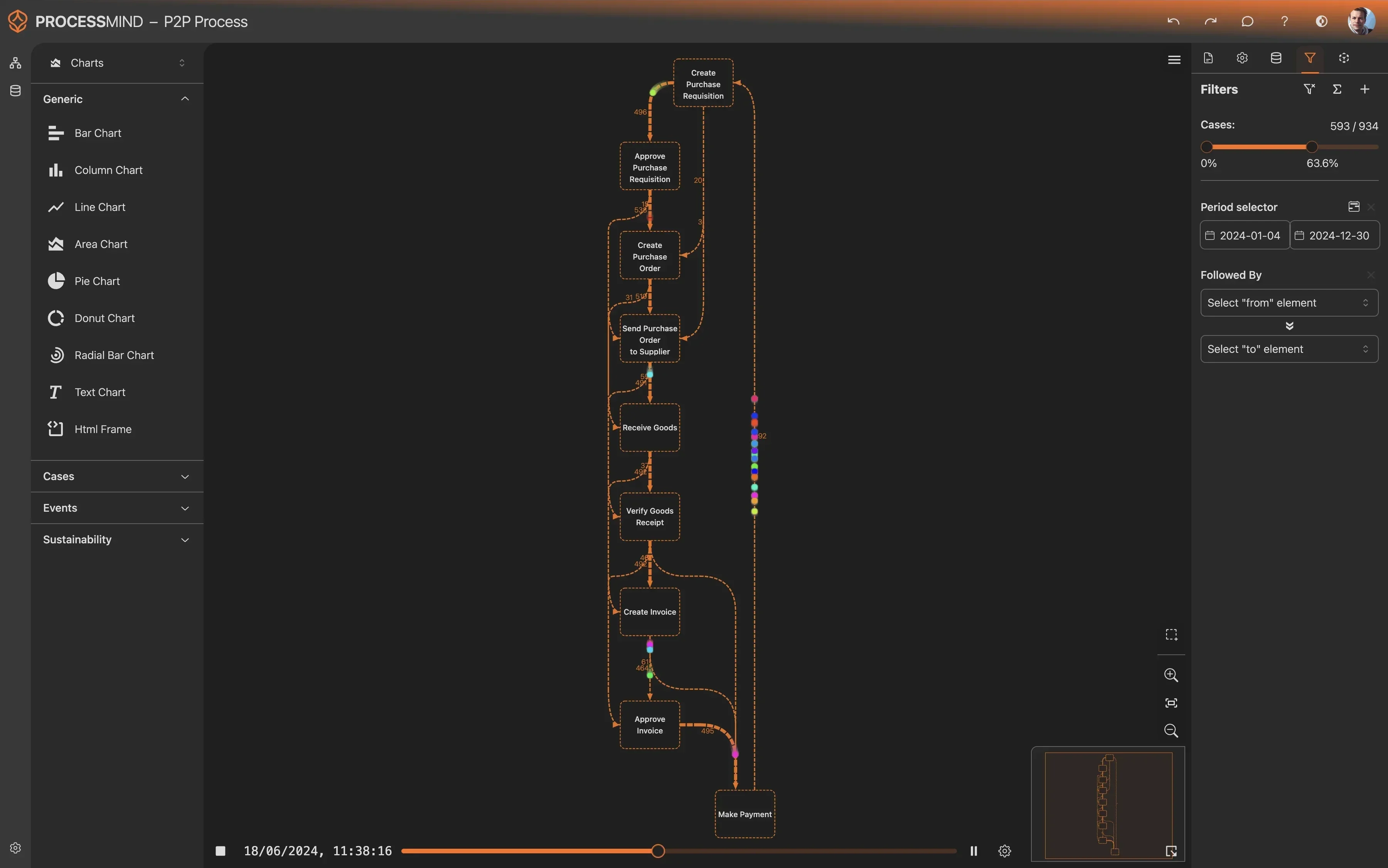
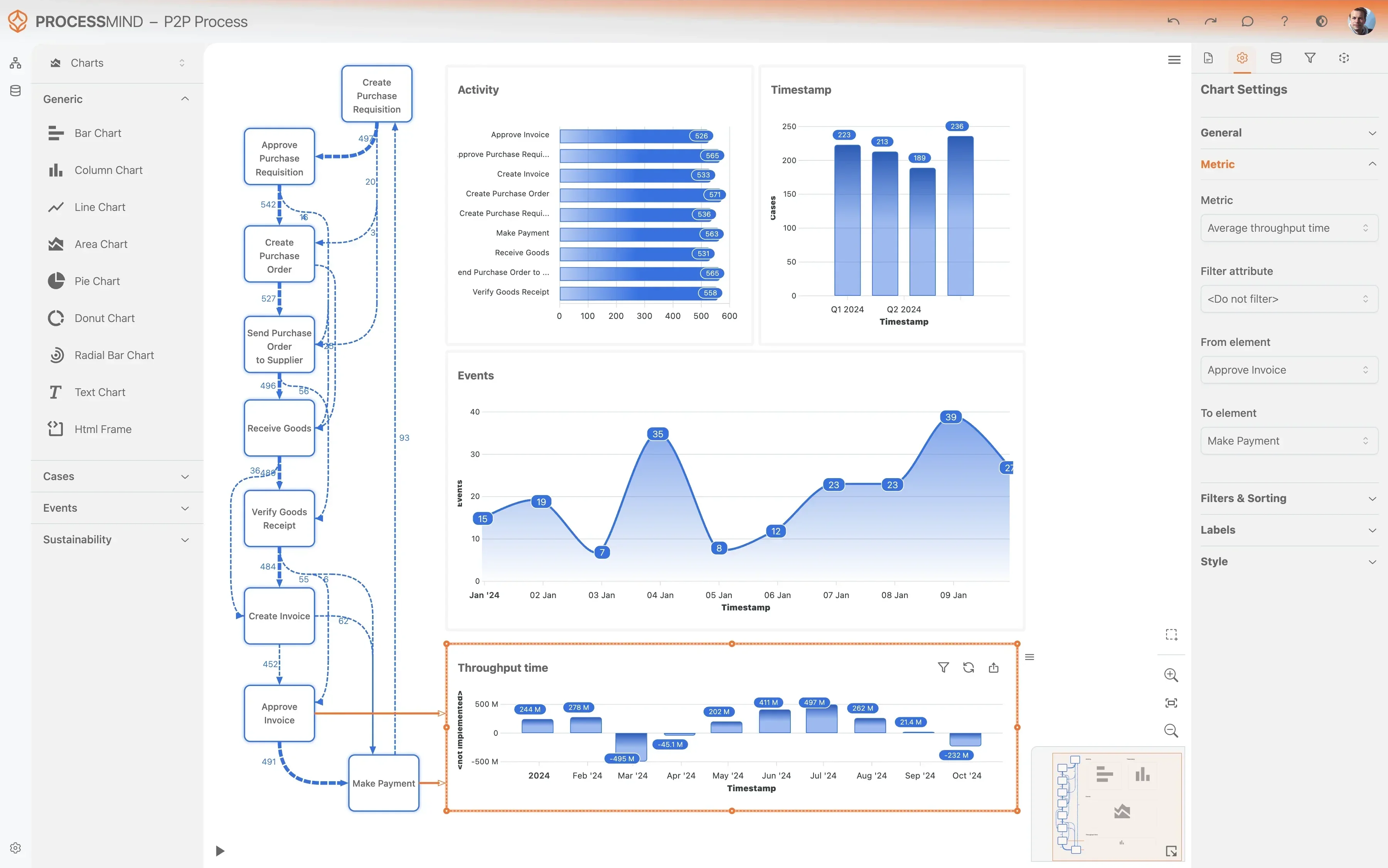
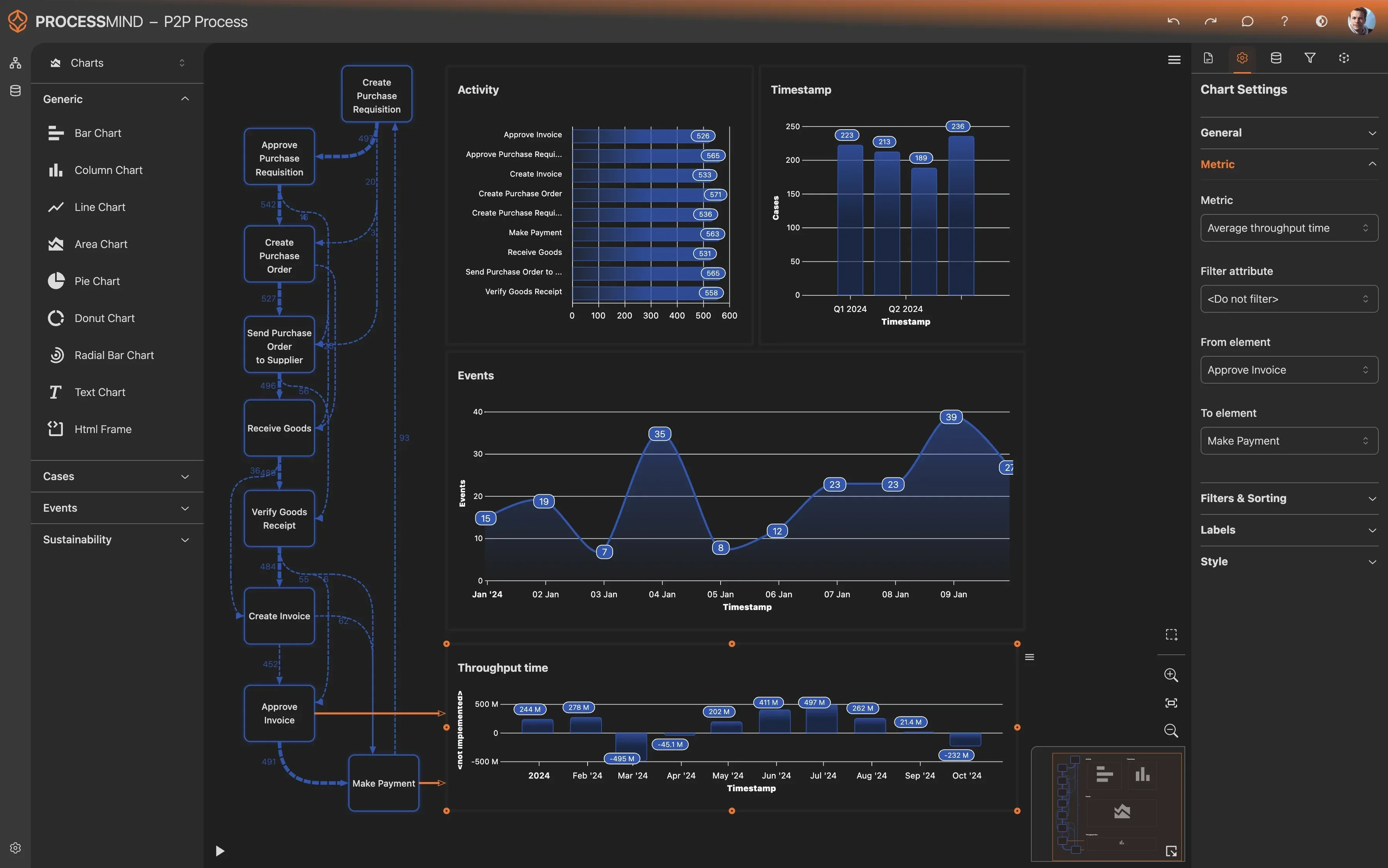
Explore the auto-generated dashboards, process maps, and performance metrics. Utilize AI-driven recommendations to uncover bottlenecks in your credit-to-cash cycle.
Why it matters
Gaining deep visibility into your credit management allows you to pinpoint inefficiencies, understand root causes, and identify immediate optimization opportunities.
Expected outcome
Clear insights into your credit and collections process, with identified bottlenecks and actionable recommendations for improvement.
Implement Improvements
What to do
Based on the process mining insights, prioritize and implement changes to your credit assessment, dunning procedures, and collection strategies in Dynamics 365.
Why it matters
Translating insights into action directly improves cash flow, reduces Days Sales Outstanding, and enhances the overall efficiency of your collections.
Expected outcome
Concrete changes initiated within your Microsoft Dynamics 365 credit and collections workflows to address identified inefficiencies.
Monitor Your Process
What to do
Periodically re-upload updated data from Microsoft Dynamics 365 to track the impact of your implemented changes and ensure sustained process health.
Why it matters
Continuous monitoring provides ongoing visibility into process performance, allowing you to measure the ROI of improvements and adapt strategies over time.
Expected outcome
Ongoing performance tracking of your credit and collections process, demonstrating measurable improvements and sustained efficiency.
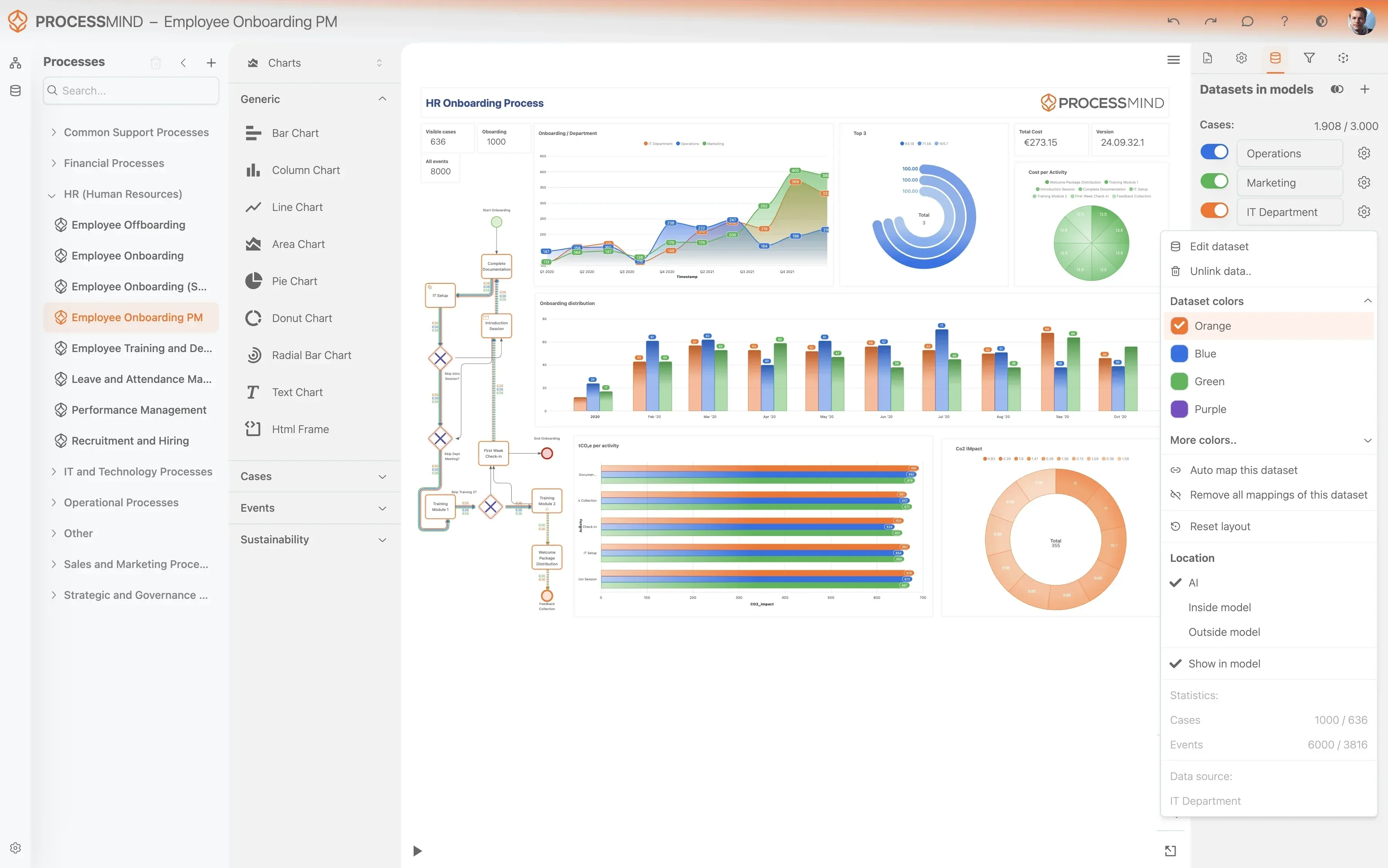
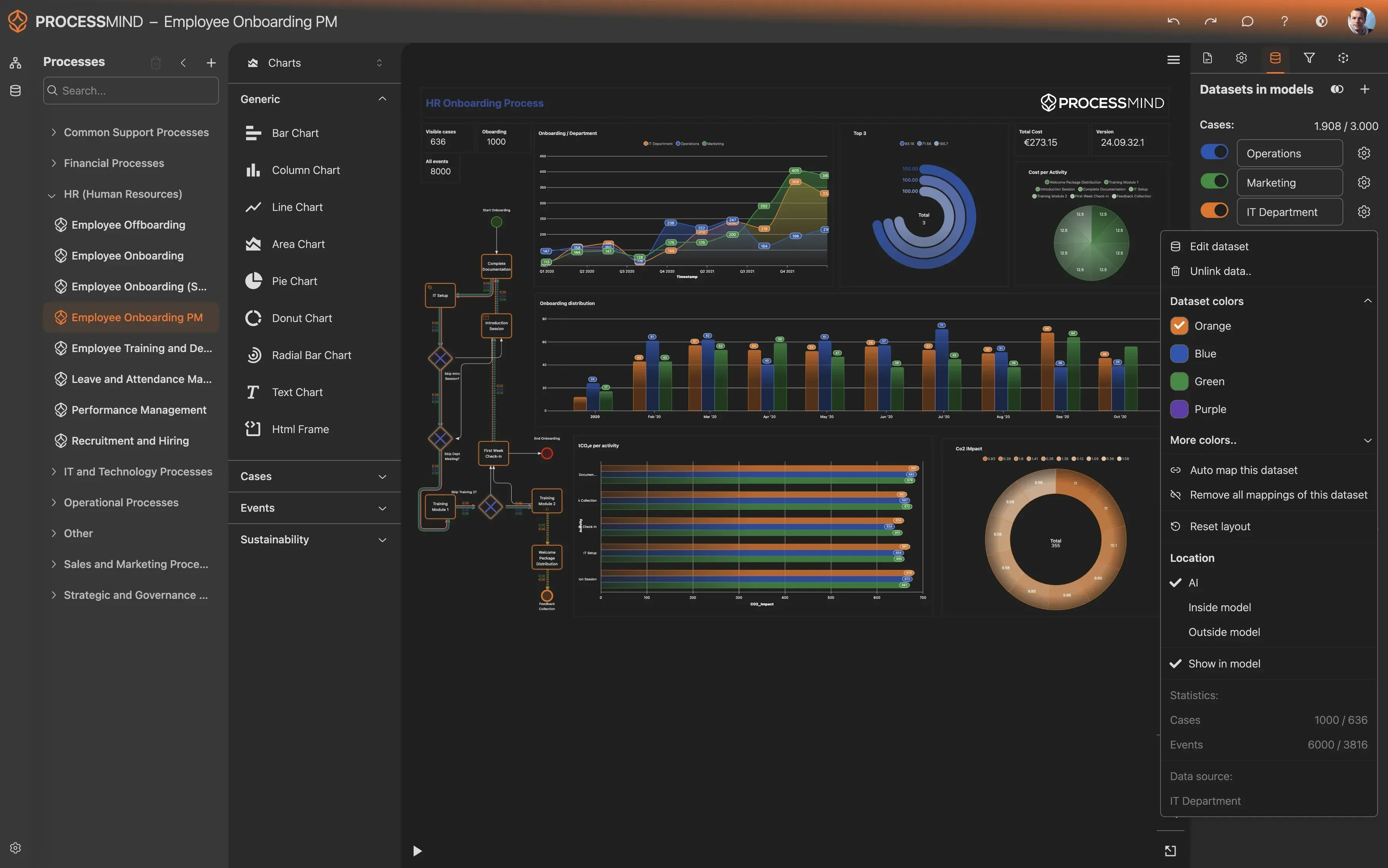
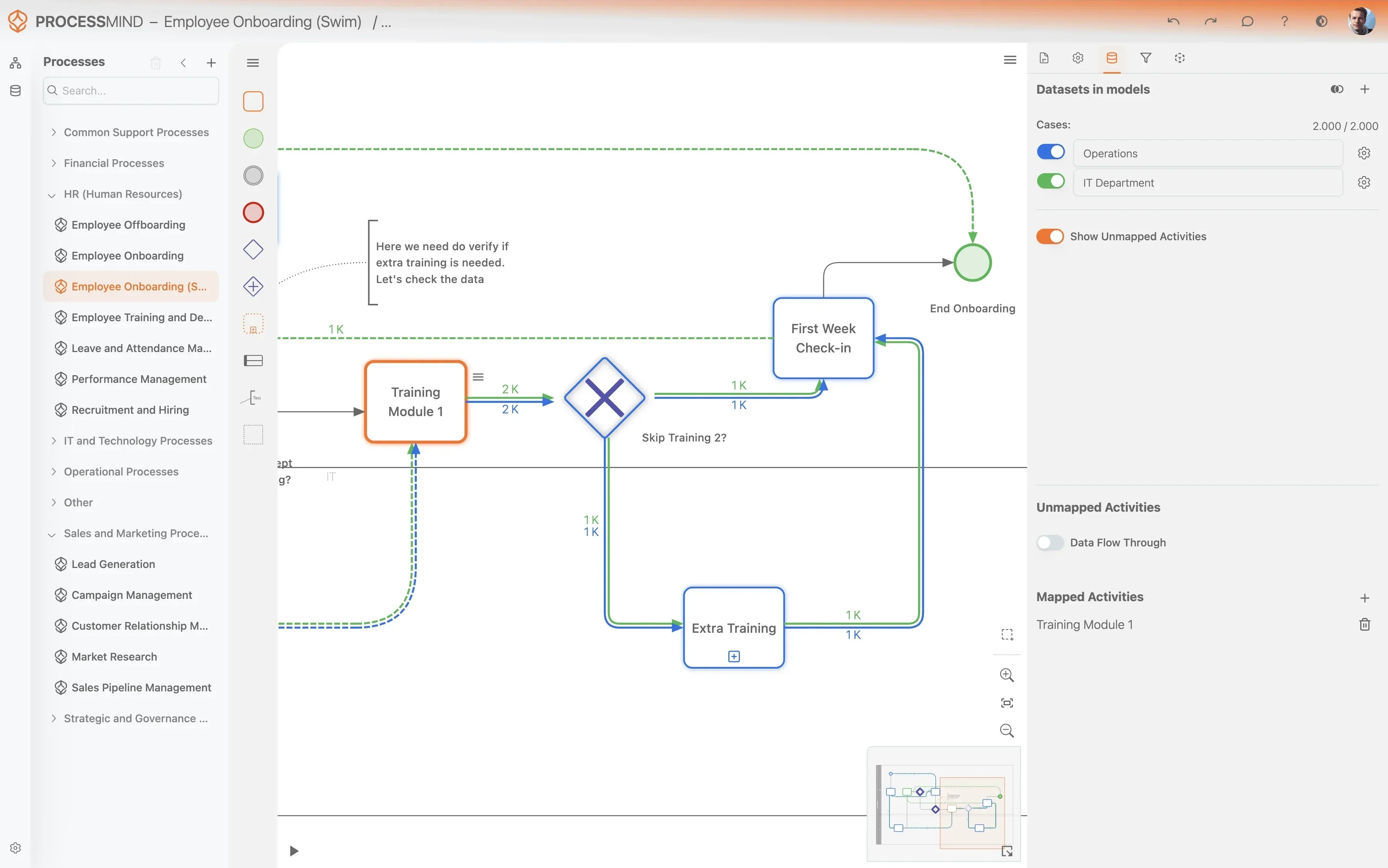
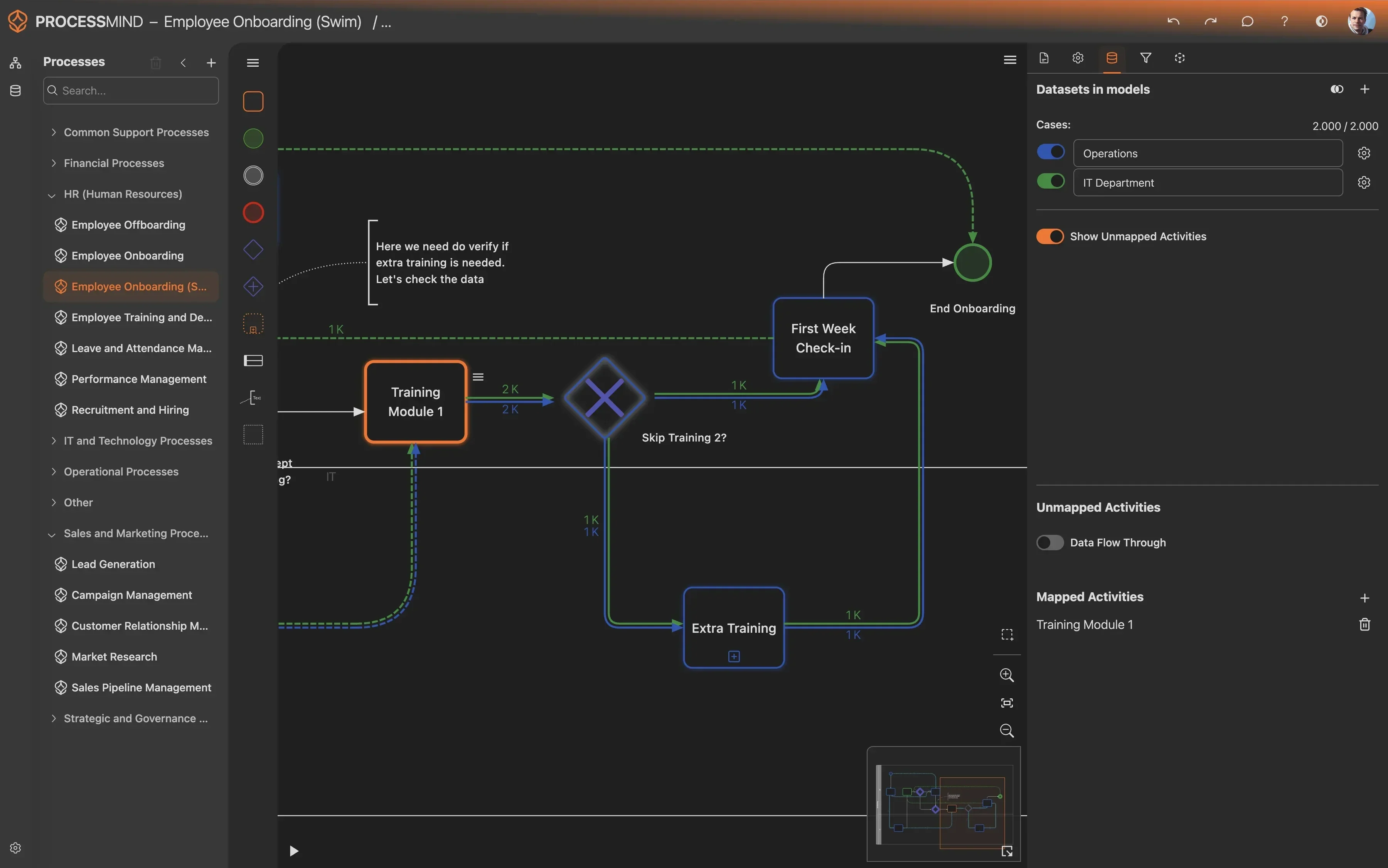
TYPICAL OUTCOMES
What Organizations Achieve with Credit Management & Collections Process Mining
These outcomes illustrate the common improvements organizations realize by applying process mining to their Credit Management and Collections operations, leveraging insights derived from Microsoft Dynamics 365 data identified by Invoice Number.
Average reduction in payment time
Decrease the average number of days it takes for invoices to be paid, improving cash flow and working capital. This directly impacts financial health.
Average reduction in dispute handling
Shorten the time required to resolve invoice disputes, leading to quicker payments and enhanced customer satisfaction. This improves operational efficiency.
Increase in successful collection rates
Optimize dunning processes to achieve a higher percentage of successful payments after dunning procedures are initiated. This directly boosts collections and reduces bad debt.
Adherence to dunning guidelines
Ensure a higher percentage of overdue invoices follow defined dunning policy steps and timing, mitigating risks and improving consistency. This strengthens governance.
Decrease in uncollectible invoices
Lower the proportion of invoices that are ultimately written off as uncollectible, directly impacting the bottom line and improving profitability.
Reduction in payment posting lag
Accelerate the process of posting received payments to the system, improving cash visibility and reducing manual effort. This enhances operational efficiency.
Results vary based on process complexity, data quality, and specific organizational goals. These figures represent typical improvements observed across successful implementations in Credit Management & Collections.
Recommended Data
FAQs
Frequently asked questions
Process mining provides a clear, data-driven view of your actual credit management and collections process flow within Dynamics 365. It identifies bottlenecks, inefficiencies, and non-compliance, helping you optimize workflows. This leads to reduced Days Sales Outstanding and more effective collection strategies.
To get started, you typically need event logs from Dynamics 365, which include a case identifier like the invoice number, an activity name for each step, and a timestamp for when each activity occurred. User IDs and additional attributes, such as customer segment or dunning level, can also be valuable for deeper analysis. This data allows for reconstruction and analysis of the complete process journey.
You can expect tangible improvements, such as a significant reduction in Days Sales Outstanding, faster invoice dispute resolution, and increased compliance with dunning policies. Initial insights can often be gained within a few weeks of data extraction and analysis setup. Full optimization projects typically show measurable results within three to six months.
Process mining pinpoints the exact stages and reasons behind delays in your collections cycle, directly impacting DSO. It reveals bottlenecks in dispute resolution, identifies inefficient dunning steps, and uncovers opportunities to streamline cash application. By visualizing these inefficiencies, you can implement targeted improvements to accelerate cash flow.
By visualizing every step, process mining identifies deviations from defined dunning policies, highlighting instances where actions were missed or incorrectly applied. It provides objective evidence of compliance gaps, allowing for corrective actions and training. This ensures greater adherence to your established policies and reduces compliance risk.
While the initial setup involves data extraction and modeling, modern process mining tools are designed to simplify this complexity. Partnering with experts can streamline the process, allowing you to quickly move from data preparation to insightful analysis. The benefits of understanding and optimizing your processes far outweigh the initial implementation effort.
Implementing process mining typically benefits from skills in data engineering for extraction and transformation, and process analysis for interpreting findings. Most organizations utilize a dedicated process mining platform that automates much of the visualization and discovery. While technical expertise helps, the goal is to make insights accessible to business users.
Yes, process mining reveals actual dunning execution versus defined policies, highlighting where strategies deviate or fail to trigger as intended. It helps you understand which dunning paths are most effective and where team members might be bypassing or incorrectly applying steps. This allows for targeted adjustments to improve strategy effectiveness and compliance within Dynamics 365.
The initial data extraction timeline depends on your data volume, complexity of your Dynamics 365 instance, and available API access. It can range from a few days to a couple of weeks for larger datasets. Once the initial connection is established, automated connectors can be configured to provide continuous data feeds, ensuring ongoing analysis with minimal manual effort.
Process mining platforms typically connect to Dynamics 365 via standard APIs or secure data exports to extract the necessary event logs. While it's not a direct module within D365, it leverages your Dynamics data for powerful, independent analysis. This approach ensures minimal impact on your live system while providing deep insights into your processes.
Optimize Your Credit & Collections for Faster Cash Today
Improve cash flow by streamlining credit-to-cash and reducing cycle time by 30%.
No credit card required. Setup in minutes.