Improve Your Loan Origination

A 6-step guide to streamline your Loan Origination in Blend
Improve Your Loan Origination

Optimize Loan Origination in Blend for Faster Approvals

Loan origination processes often encounter delays due to complex workflows and compliance checks. Our platform provides clear, actionable insights to pinpoint exactly where your process slows down. You can discover how to streamline operations, reduce cycle times, and significantly enhance the applicant experience.

Download our pre-configured data template and address common challenges to reach your efficiency goals. Follow our six-step improvement plan and consult the Data Template Guide to transform your operations.

Show detailed description

Why Optimize Loan Origination?

Loan Origination is a critical process for any financial institution, directly impacting revenue, customer satisfaction, and market competitiveness. In today's fast-paced digital landscape, applicants expect quick, transparent, and hassle-free experiences. Slow or convoluted processes within your Loan Origination workflow, even when leveraging advanced platforms like Blend, can lead to significant issues. These include frustrating applicants, increasing operational costs due to manual reworks, missing revenue targets from abandoned applications, and even risking non-compliance with regulatory requirements. Understanding and streamlining this process is not just about efficiency, it is about securing your institution's growth and maintaining a positive reputation in a highly competitive market. Every delay, every unnecessary step, and every bottleneck adds to your cost and detracts from the customer experience, making process optimization a continuous imperative.

How Process Mining Helps Improve Loan Origination in Blend

Process mining provides unparalleled visibility into the actual execution of your Loan Origination process within Blend, far beyond what traditional reporting tools can offer. By analyzing event data, often derived directly from your Blend system, process mining constructs a precise, end-to-end map of every loan application's journey from submission to fund disbursement. This perspective, focusing on the Loan Application ID, allows you to discover the true flow, identify all process variants, and pinpoint exact points of delay or inefficiency. You can clearly see where applications get stuck, which steps involve excessive reworks, or where compliance checks are not consistently applied. For instance, you can track the precise time spent between "Credit Check Initiated" and "Credit Check Completed," or uncover common loops between "Underwriting Commenced" and "Supporting Documents Requested," indicating missing information at earlier stages. This data-driven approach transforms assumptions into facts, enabling you to target the root causes of issues and significantly reduce Loan Origination cycle time.

Key Improvement Areas for Your Blend Process

With insights from process mining, you can target specific areas for significant improvement in your Blend Loan Origination process. One primary area is cycle time reduction. By identifying which activities or handoffs contribute most to delays, you can streamline workflows, potentially automate repetitive tasks, and optimize resource allocation. Another critical area is the elimination of rework. Process mining often reveals patterns of applications repeatedly returning to previous stages, perhaps due to incomplete information or inconsistent approvals. Addressing these reworks directly reduces operational effort and accelerates processing. Furthermore, you can enhance compliance by ensuring all regulatory steps are followed consistently for every application, reducing audit risks. Identifying variations in the process also allows you to standardize best practices, leading to more consistent and predictable outcomes across all loan officers and product types. These improvements directly leverage your investment in Blend by making the digital lending platform work more efficiently for your institution.

Expected Outcomes of Loan Origination Process Optimization

Implementing process optimization strategies for Loan Origination based on process mining insights typically yields measurable and impactful outcomes. You can expect a noticeable reduction in your overall Loan Origination cycle time, leading to faster approvals and quicker fund disbursements, which significantly improves the applicant experience. This efficiency translates into lower operational costs by reducing manual effort, minimizing errors, and optimizing staffing levels. Improved compliance adherence means fewer regulatory risks and a more robust, auditable process. Ultimately, these enhancements lead to increased customer satisfaction, higher loan conversion rates, and a stronger competitive position in the market. By ensuring your Blend platform is leveraged to its full potential, you are not just making your process faster, you are making it more reliable, cost-effective, and customer-centric, driving sustainable business growth.

Getting Started with Optimizing Your Blend Loan Origination

Embarking on your Loan Origination process optimization journey with Blend is straightforward with the right guidance. This template and accompanying resources are designed to help you quickly connect your Blend data, visualize your process, and uncover those critical bottlenecks and inefficiencies. You do not need deep technical expertise to start seeing tangible results. By focusing on the insights derived from process mining, you can make informed decisions to refine your workflows, enhance system configurations, and implement targeted training for your teams. Take the first step towards a more efficient, compliant, and customer-friendly Loan Origination process, transforming your lending operations from within.

Loan Origination Lending Process Mortgage Origination Underwriting Credit Assessment Compliance Application Processing Financial Services

Common Problems & Challenges

Identify which challenges are impacting you

Delays in underwriting or credit checks lead to a poor applicant experience, increasing drop-off rates and missed revenue opportunities. These prolonged waiting periods can cause applicants to seek financing elsewhere, directly impacting business growth and market share.ProcessMind identifies where applications get stuck, revealing bottlenecks in the Loan Origination process, such as specific underwriting steps or document verification delays within Blend. By analyzing event data, we highlight the root causes and suggest actionable improvements to accelerate approvals.

Inconsistencies in following regulatory guidelines or internal policies during loan origination expose the organization to significant compliance risks, fines, and reputational damage. Manual checks and varied interpretations of rules within Blend can lead to critical errors, affecting trust and legal standing.ProcessMind uncovers deviations from the intended compliance pathways in the Loan Origination process, highlighting exactly where and why non-compliant steps occur. This allows you to enforce standard operating procedures, ensuring every loan application processed in Blend adheres to all necessary regulations.

Applications frequently returning to earlier stages for additional documentation or corrections create inefficiencies and significantly inflate processing costs. This rework within Blend consumes valuable staff time and frustrates applicants, extending overall cycle times unnecessarily.ProcessMind maps out all rework loops and identifies their origins, such as incomplete initial submissions or inadequate document validation in the Loan Origination process. We provide insights into common causes of re-submission, enabling targeted process redesigns to reduce these occurrences.

Without clear, real-time insight into an application's progress, both applicants and loan officers experience frustration, leading to increased support calls and reduced customer satisfaction. This opaque status within Blend hinders proactive issue resolution and efficient communication throughout the Loan Origination journey.ProcessMind offers a comprehensive, live view of every loan application's journey, making its exact status and next steps transparent. This empowers your teams to provide accurate updates and proactively manage expectations, significantly improving the applicant experience in Blend.

Uneven distribution of loan applications among staff leads to some officers being overloaded, causing burnout and delays, while others are underutilized, resulting in wasted capacity. This imbalance within Blend impacts overall team efficiency and processing speed for Loan Origination.ProcessMind analyzes the workload distribution and processing times across different loan officers, identifying where bottlenecks occur due to uneven assignments. We provide data-driven recommendations to optimize resource allocation, ensuring a fairer and more efficient Loan Origination process.

Repeatedly asking applicants for the same or missing documents causes significant frustration, extends processing times, and often leads to application abandonment. This inefficiency within Blend stems from unclear initial requirements or inadequate collection processes during Loan Origination.ProcessMind traces every instance of document requests, pinpointing exactly where and why multiple requests are made for the same application. By identifying these points, we help streamline document collection and validation steps, enhancing efficiency and applicant satisfaction in Blend.

Failing to meet internal or external service level agreements for underwriting can result in financial penalties, damage business reputation, and lead to a poor experience for applicants. Consistently missing these targets in Blend indicates systemic issues within the Loan Origination process that require immediate attention.ProcessMind pinpoints the exact stages and reasons behind SLA breaches, such as specific activities or teams consistently exceeding their targets during underwriting. We provide insights to address these inefficiencies, helping you proactively meet and exceed service commitments in Blend.

Applications following non-standard or 'shadow' process paths, rather than the defined optimal flow, introduce inconsistencies, increase error rates, and make process control difficult. These variations in Blend lead to unpredictable outcomes and undermine efficiency during Loan Origination.ProcessMind visualizes all actual process paths taken by loan applications, highlighting common deviations from the ideal 'happy path.' This allows you to standardize workflows and enforce best practices, ensuring consistent and efficient processing for all applications in Blend.

Applications often stall when transitioning between different teams or systems, creating idle time and extending overall processing durations. These inefficient handoffs within Blend lead to communication breakdowns and can significantly impact the speed of the Loan Origination process.ProcessMind analyzes the transfer points between activities and departments, revealing where applications spend excessive time waiting for the next step. We identify specific handoff delays and their causes, enabling you to smooth transitions and accelerate throughput in Blend.

A high percentage of rejected loan applications not only represents lost revenue opportunities but also indicates potential issues in applicant targeting or initial assessment. Understanding the reasons for rejection within Blend is crucial for refining criteria and improving conversion rates in Loan Origination.ProcessMind correlates application attributes and process paths with final decision outcomes, identifying common patterns leading to rejection. We help uncover whether rejections stem from early process flaws or specific decision points, allowing for targeted improvements in Blend.

Over-reliance on manual tasks, especially for repetitive activities like data entry or verification, introduces human error, increases processing time, and inflates operational costs. Identifying and automating these touchpoints within Blend is key to scaling and efficiency in Loan Origination.ProcessMind maps out every activity, highlighting those that are manual and prone to delays or errors. We identify high-impact areas where automation can be introduced or existing automation improved, optimizing the workflow and reducing manual effort in Blend.

Typical Goals

Define what success looks like

This goal focuses on significantly reducing the total time taken from initial application submission to final loan disbursement. Achieving faster approval times directly enhances customer satisfaction, reduces operational costs associated with longer processing, and increases the overall volume of loans that can be processed within the Blend platform. It means applicants get their funds quicker, improving their experience and your competitive edge.ProcessMind capabilities allow for a detailed analysis of the complete Loan Origination journey, identifying specific activities and handoffs that contribute to delays. By visualizing bottlenecks and measuring activity durations, you can pinpoint areas for process redesign, leading to potential reductions of 20-30% in overall cycle time. Success is measured by tracking average end-to-end loan processing duration.

This goal aims to guarantee that every step in the Loan Origination process adheres strictly to all relevant financial regulations and internal policies within the Blend environment. Non-compliance can lead to hefty fines, reputational damage, and legal issues. Ensuring compliance protects the institution and builds trust with applicants by demonstrating responsible lending practices.ProcessMind helps by automatically discovering and visualizing all actual process paths, allowing you to compare them against ideal compliant workflows. It identifies deviations from the expected sequence of activities or mandatory checks, such as missing credit assessments or delayed disclosures. By monitoring adherence to predefined rules, ProcessMind enables proactive intervention and ensures that all loan applications are processed according to regulatory standards, measured by a reduction in compliance violations.

The objective here is to drastically reduce instances where loan applications require repeated steps, re-entry of data, or multiple requests for the same information from applicants. High rework rates waste valuable time, increase operational costs, frustrate applicants, and can lead to higher abandonment rates within your Blend system. This goal seeks to make the process 'right the first time'.ProcessMind identifies loops and repetitive activities within the Loan Origination process, such as repeated 'Supporting Documents Requested' or 'Application Received and Validated' steps. By analyzing these rework patterns, you can uncover root causes like unclear initial requirements, incomplete forms, or inefficient data handoffs. ProcessMind helps reduce rework by up to 15-25% by highlighting specific points of failure, measurable by the frequency of such activities per loan application.

This goal focuses on improving the visibility into the current status and progression of each loan application within the Blend platform. A lack of transparency can lead to inefficiencies, missed deadlines, and poor customer service as loan officers struggle to provide updates. Enhanced tracking empowers both staff and applicants with accurate, up-to-date information.ProcessMind provides a dynamic, visual representation of the entire Loan Origination process, allowing stakeholders to see where each application stands in its lifecycle at any given moment. It identifies specific activities and their durations, highlighting applications that are stuck or delayed. By integrating event data, ProcessMind offers a real-time pulse on the process, enabling proactive management and reducing inquiries, with success measured by improved data freshness and accuracy.

This goal aims to ensure that the workload among loan officers and processing teams involved in Loan Origination is evenly balanced and efficiently managed. Uneven distribution leads to some officers being overloaded, causing delays and burnout, while others may be underutilized. Optimizing this balance improves productivity and reduces cycle times across the board.ProcessMind visualizes the flow of work across different resources, identifying where tasks accumulate or where specific officers consistently experience longer queues. By analyzing resource utilization and bottlenecks related to individual contributors, ProcessMind helps identify opportunities to reallocate tasks or improve team structures. This can lead to a more balanced throughput and potentially reduce the average wait time for applications by 10-20%, measured by resource utilization metrics.

The objective is to minimize the number of times applicants are asked for the same documents or information during the Loan Origination process in Blend. Repeated requests create a frustrating experience for applicants, increase the likelihood of abandonment, and add unnecessary administrative burden for staff. Streamlining this process significantly improves customer satisfaction.ProcessMind analyzes event logs to detect patterns where 'Supporting Documents Requested' activities occur multiple times for a single loan application. It helps identify the stages or conditions under which these repetitions happen, revealing issues such as unclear initial requirements, inefficient document management, or poor communication between process steps. By identifying these inefficiencies, ProcessMind enables process adjustments to cut repeated requests by 20-30%, measurable by the average number of document request cycles per application.

This goal seeks to ensure that all Service Level Agreements, particularly those governing the underwriting phase of Loan Origination, are consistently met. Breaching SLAs can lead to penalties, loss of trust, and ultimately, a negative impact on customer satisfaction and business reputation within the Blend ecosystem. Consistent adherence demonstrates reliability and efficiency.ProcessMind enables monitoring of underwriting process steps against predefined time targets and critical paths. It automatically highlights instances where underwriting activities exceed their allocated time, pinpointing the specific bottlenecks or resources causing the delay. By providing actionable insights into non-compliant cases, ProcessMind helps increase SLA adherence rates by 10-15%, measured by the percentage of underwriting processes that meet their target deadlines.

This goal focuses on reducing unintended variations and deviations from the optimal or designed workflow for Loan Origination in Blend. Uncontrolled process variations can lead to inconsistencies in quality, compliance risks, unpredictable cycle times, and increased operational costs. Standardization ensures predictable outcomes and higher efficiency.ProcessMind automatically discovers and visualizes all actual process paths taken by loan applications, revealing both intended and unintended variants. It quantifies the frequency of each path, allowing you to identify dominant flows and anomalous deviations. By highlighting where and why variations occur, ProcessMind provides the insights needed to enforce best practices and reduce process variations by 15-20%, measurable by the number of unique process paths observed.

The aim is to identify and remove choke points or inefficiencies that significantly slow down the overall Loan Origination process, particularly those related to handoffs between teams or systems. Bottlenecks cause delays, increase waiting times, and prevent the smooth flow of applications, impacting both efficiency and customer experience in Blend.ProcessMind uses process maps and performance dashboards to visually pinpoint activities or resources where work accumulates, indicating a bottleneck. It quantifies the duration of queues and waiting times between activities, allowing you to prioritize which bottlenecks to address. By identifying the root causes of delays, ProcessMind helps eliminate specific choke points, leading to a smoother flow and reduced processing times across the entire lending journey.

This goal is about optimizing the decision-making process within Loan Origination to increase the percentage of applications that are ultimately approved, without compromising risk standards. High rejection rates can indicate issues in initial qualification, inefficient underwriting, or missed opportunities for alternative offers, impacting business growth.ProcessMind analyzes the paths taken by approved versus rejected loan applications, identifying common characteristics or process deviations associated with each outcome. It can uncover stages where applications are frequently rejected and provide insights into the reasons for decision. By understanding these patterns, ProcessMind helps refine application screening and underwriting, potentially increasing approval rates by 5-10% while maintaining risk parameters, measurable by the ratio of approved to submitted applications.

This objective targets reducing the number of human interventions and manual data transfers within the Loan Origination process in Blend. Excessive manual tasks are prone to errors, are time-consuming, and divert valuable human resources from more complex, value-adding activities. Automation drives efficiency, accuracy, and scalability.ProcessMind identifies all activities within the process, highlighting those that are manual, repetitive, and good candidates for automation. It quantifies the time spent on manual handoffs and data entry, revealing the potential savings from robotic process automation (RPA) or system integrations. By identifying specific opportunities for automation, ProcessMind helps reduce manual effort by 20-40%, measurable by the number of manual touchpoints per loan application.

The 6-Step Improvement Path for Loan Origination

1

Download the Template

What to do

Obtain the pre-configured Excel template tailored for Loan Origination processes. This template ensures your data is structured correctly for analysis.

Why it matters

Using the right data structure from the start prevents errors and ensures accurate analysis, laying a solid foundation for meaningful insights.

Expected outcome

A clear, ready-to-use Excel template designed for capturing Loan Origination data from Blend.

WHAT YOU WILL GET

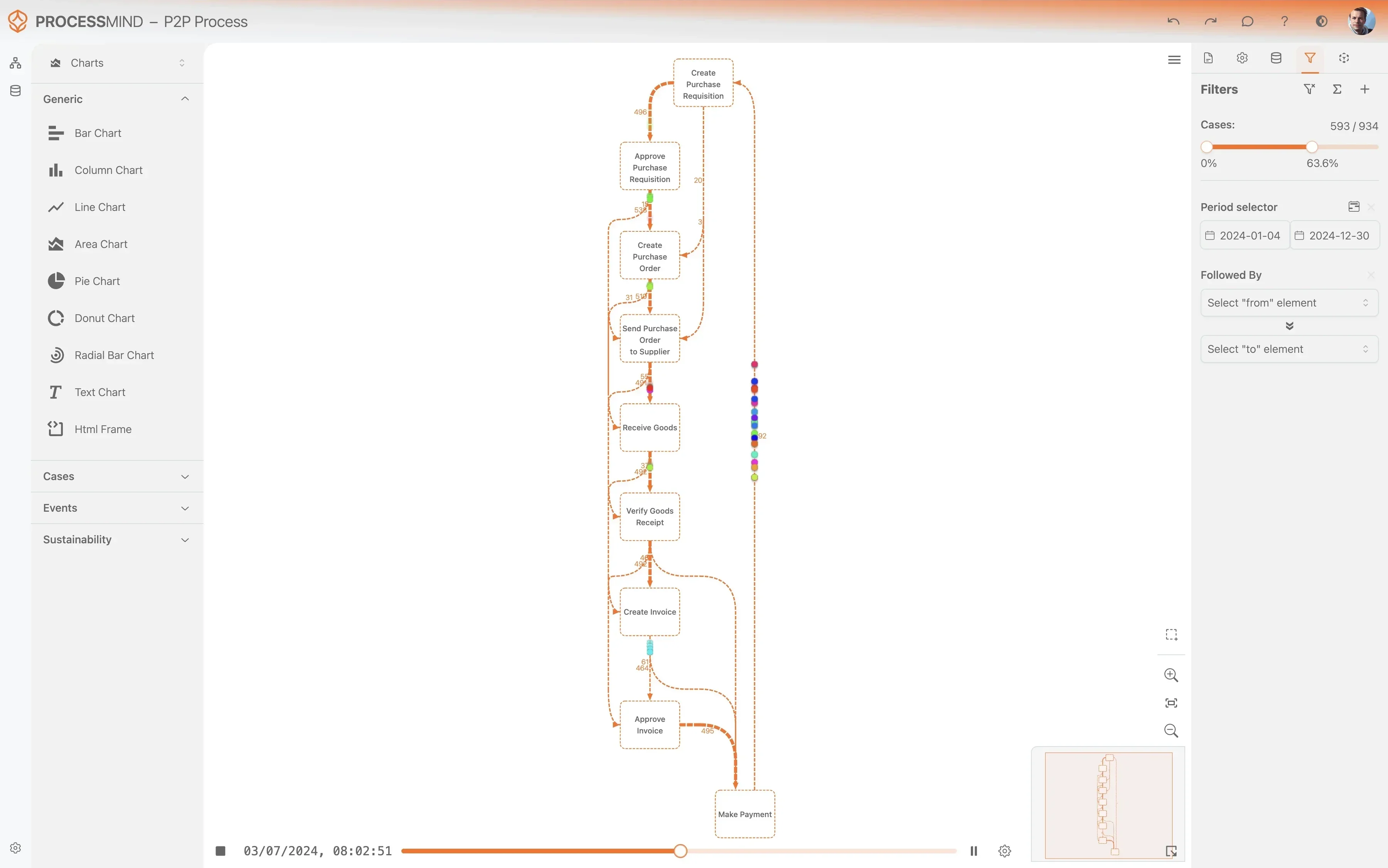
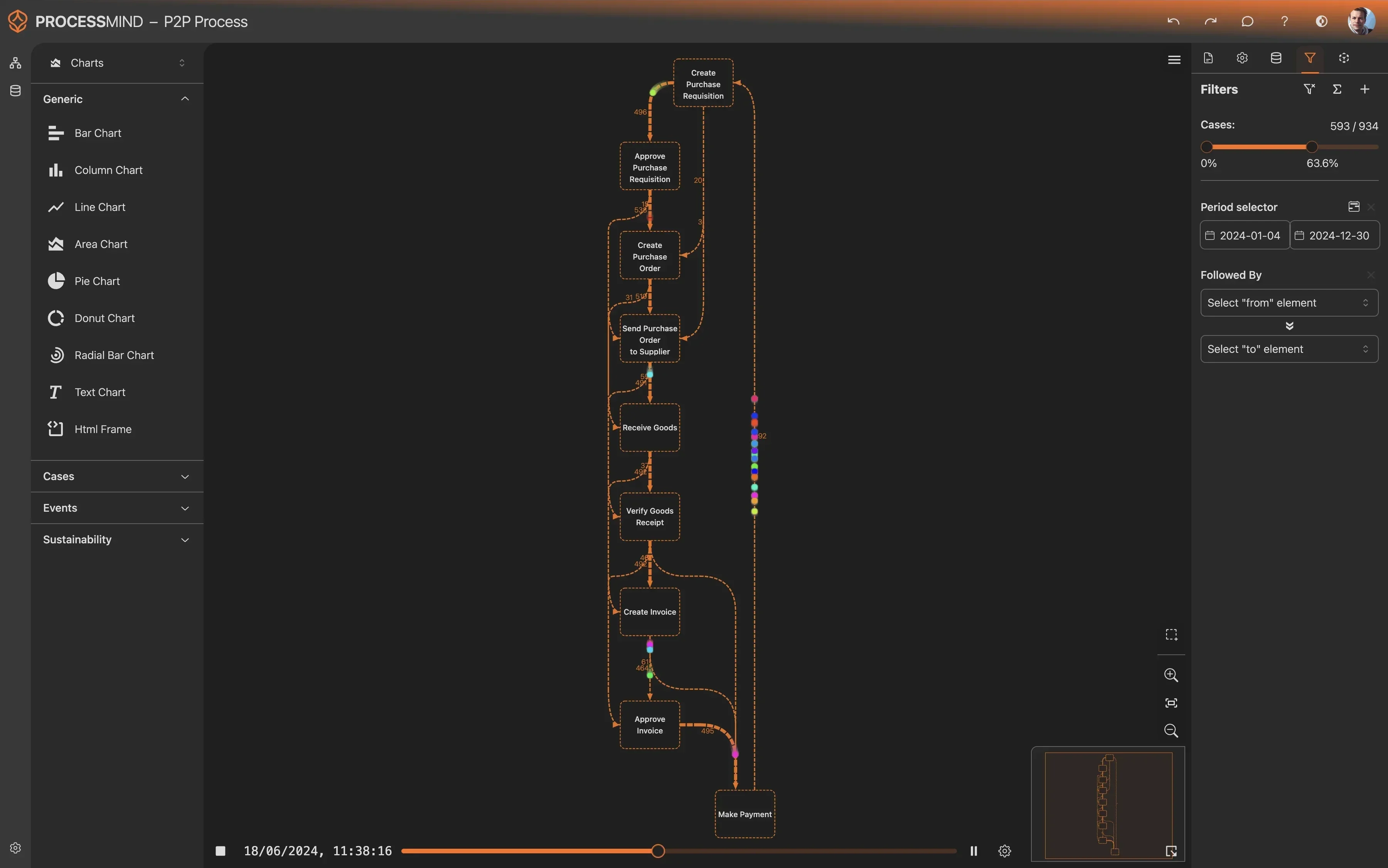
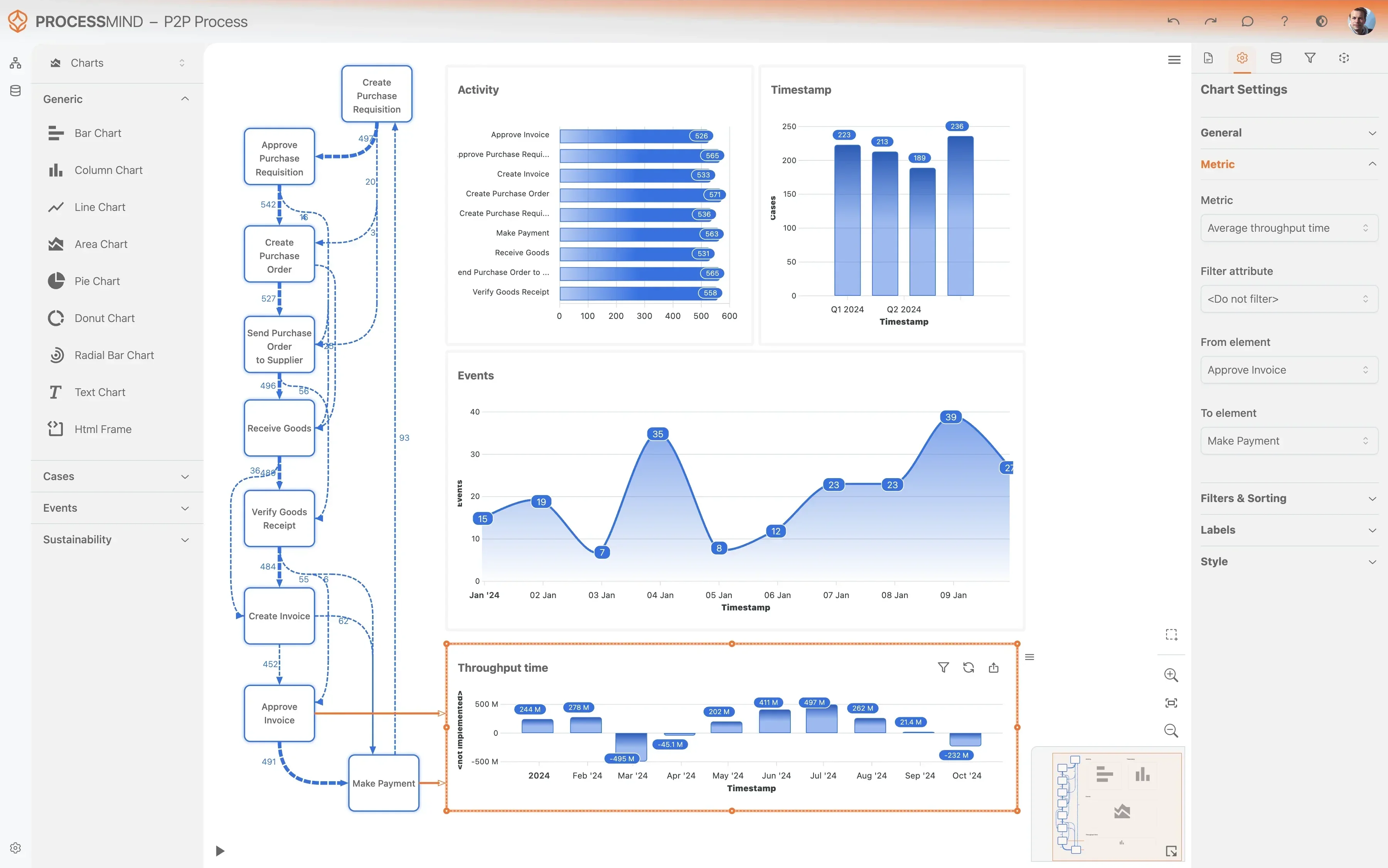
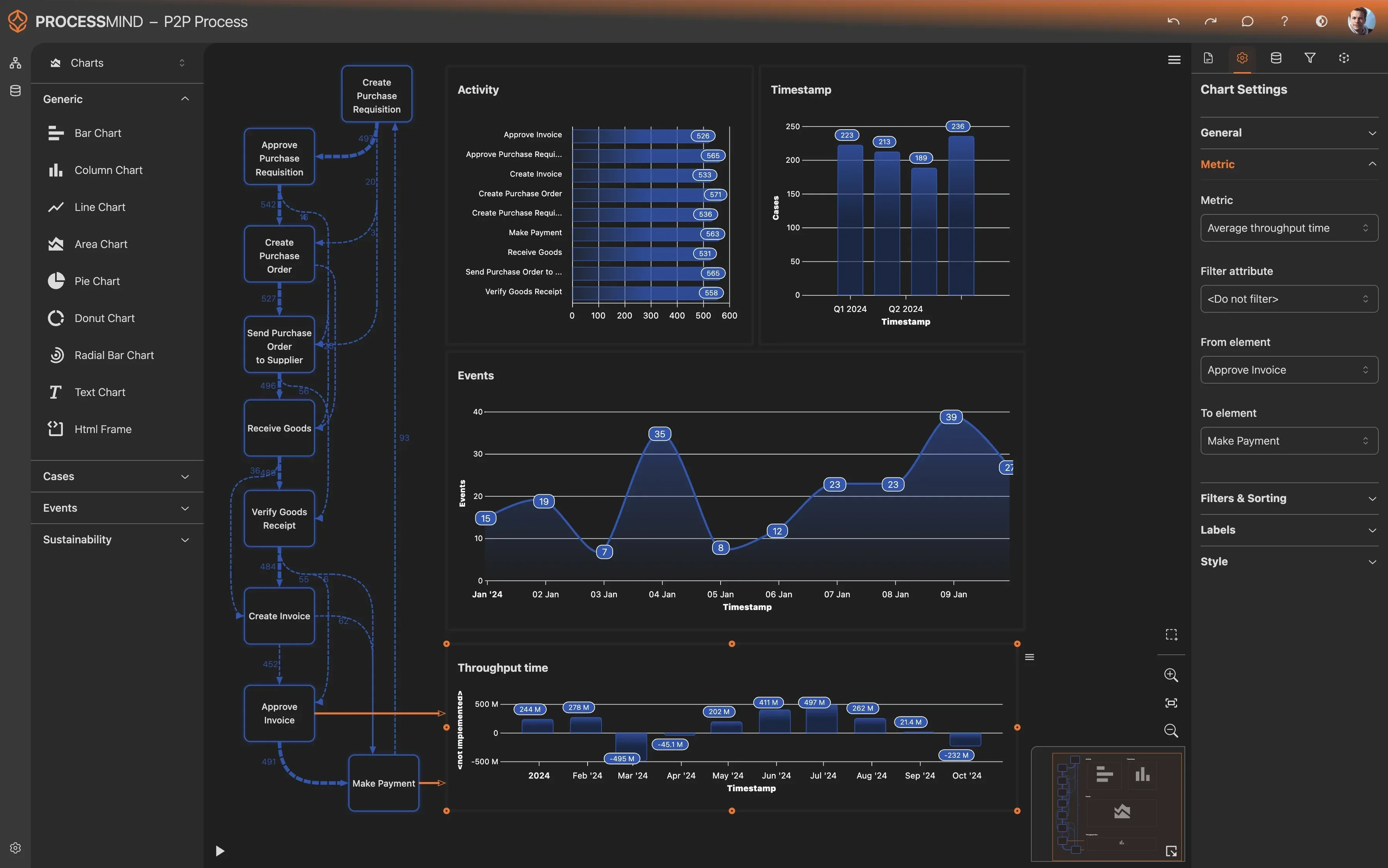
Uncover Hidden Delays in Blend Loan Origination

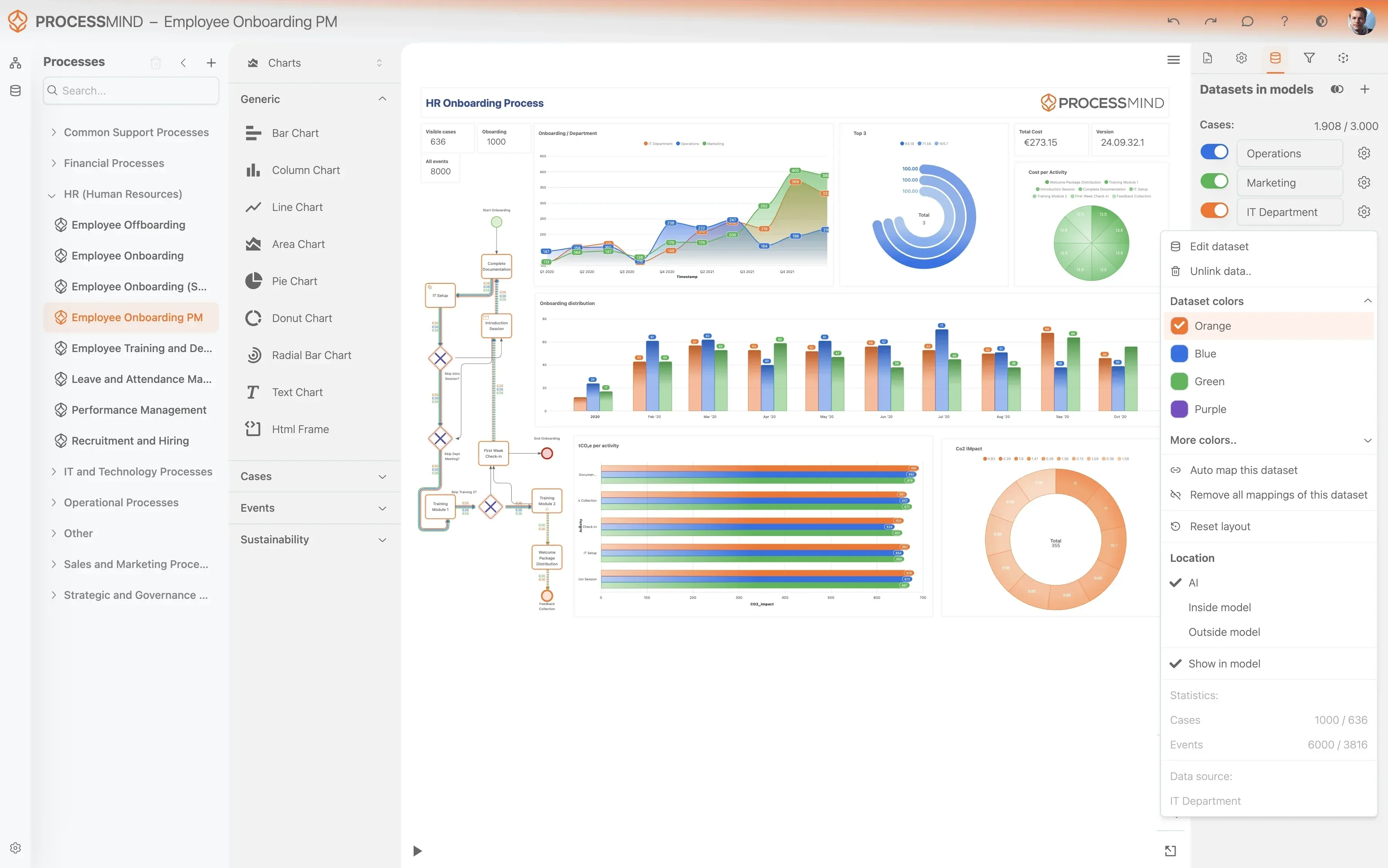
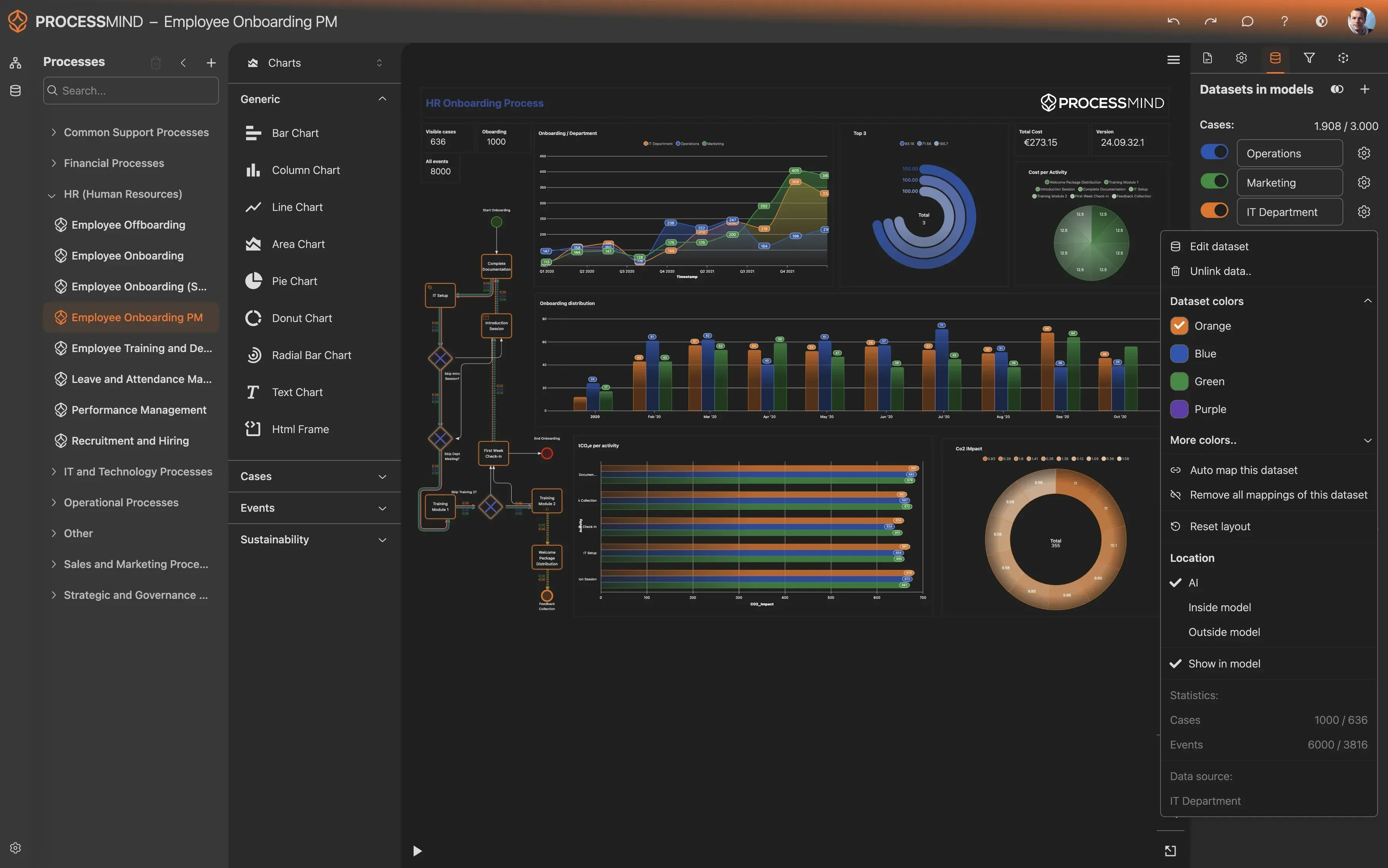
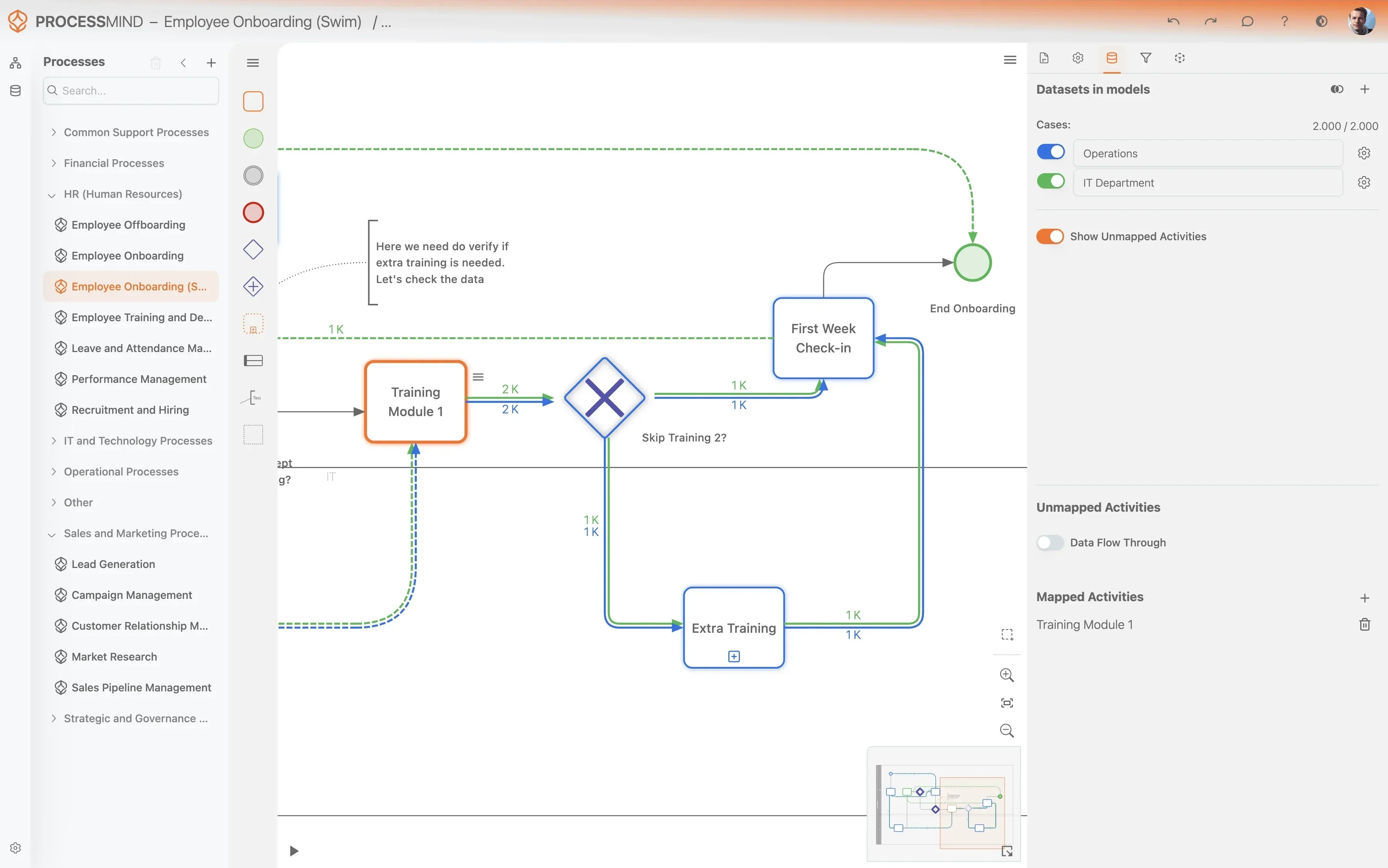
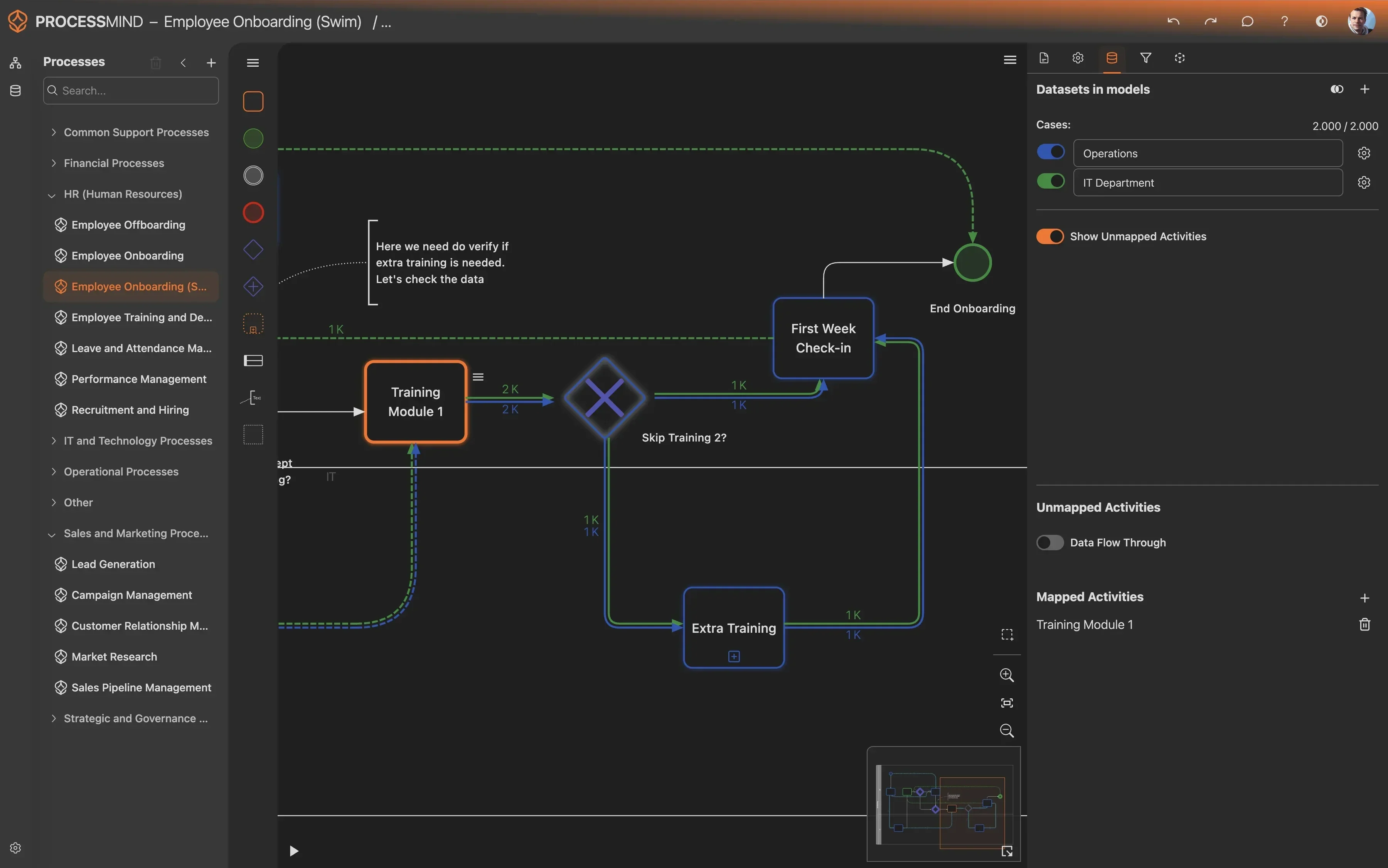
ProcessMind reveals the true journey of every loan in Blend, providing clear visualizations of workflows and hidden bottlenecks. Gain actionable insights to optimize your process and accelerate approvals.
  • Visualize end-to-end loan journey in Blend
  • Pinpoint exact workflow bottlenecks
  • Identify compliance approval delays
  • Compare process performance across teams
Discover your actual process flow
Identify bottlenecks and delays
Analyze process variants
Design your optimized process

TYPICAL OUTCOMES

Unlocking Efficiency in Loan Origination

These outcomes illustrate the measurable improvements financial institutions achieve by applying process mining to their loan origination process. By meticulously analyzing every step, organizations can pinpoint inefficiencies and optimize their workflows within systems like Blend.

0 %
Faster Loan Approvals

Reduction in end-to-end cycle time

Streamline the entire loan origination process, reducing the time from application submission to funds disbursement and accelerating approvals.

0 %
Higher Process Conformance

Increase in standard process adherence

Ensure all loan applications consistently follow predefined standard process flows, minimizing deviations and enhancing regulatory compliance.

0 %
Reduced Rework

Decrease in repeated activities

Identify and eliminate unnecessary re-submissions and repeated requests for information or documents, leading to a smoother applicant experience and greater efficiency.

0 %
Eliminated Bottlenecks

Decrease in average wait times

Pinpoint and remove inefficient handoffs and blockages in critical activities like underwriting or credit checks, significantly speeding up the process flow.

0 %
Improved Approval Rates

Increase in successful applications

Understand the root causes of application rejections and optimize process steps and criteria to increase the overall percentage of approved loans.

0 %
Balanced Officer Workloads

Optimized resource distribution

Analyze and redistribute case assignments among loan officers to ensure fair workload distribution, improving efficiency and employee satisfaction.

Results vary based on the specific complexities of your loan origination process and data quality. The figures presented here represent typical improvements observed across various implementations.

FAQs

Frequently asked questions

Process mining helps identify bottlenecks in loan approvals, uncover non-compliant steps, and reveal rework loops within Blend. It visualizes the actual process flow, showing where delays occur and where manual touchpoints can be optimized. This leads to faster cycle times and increased operational efficiency.

You will primarily need event logs from Blend. This includes a Case ID, like the Loan Application ID, an Activity Name for each step, and a Timestamp for when each activity occurred. Additional attributes, such as loan officer, application status, or loan type, can enrich your analysis.

Process mining helps accelerate loan approval cycle times by pinpointing inefficiencies and bottlenecks. You can also expect to reduce rework and re-submission rates, improve underwriting SLA adherence, and enhance real-time application tracking. This leads to better operational control and higher applicant satisfaction.

The initial setup and data extraction phase can range from a few weeks to a couple of months, depending on data accessibility and complexity. Once the event log is prepared, initial insights and identification of major bottlenecks can be achieved within days. Comprehensive analysis and actionable recommendations typically follow within 4-6 weeks.

Process mining creates an X-ray view of your actual loan origination process, visualizing every step a loan application takes from submission to approval. This transparency exposes all variations, hidden rework, and true cycle times that are often not visible through traditional reporting.

Data can usually be extracted from Blend through its reporting features, API integrations, or by querying its underlying database if direct access is permitted. The goal is to collect event-level data, capturing every action and its timestamp for each loan application. This data is then formatted into an event log for the process mining tool.

Beyond having access to Blend's event data, you will need a process mining software platform. These tools ingest the event logs and visualize the processes. No specialized hardware is usually required beyond standard computing infrastructure for the software itself, which is often cloud-based.

Yes, process mining is excellent for compliance monitoring. It can automatically detect deviations from predefined process rules and regulatory requirements. This allows you to quickly identify non-compliant steps or paths taken by loan applications, ensuring that all processing adheres to necessary standards.

No, process mining is non-intrusive. It analyzes historical event data extracted from Blend, so it does not interfere with live operations or require changes to your active systems. The analysis happens entirely offline, ensuring no disruption to your daily loan processing.

Process mining can reveal imbalances in workload by analyzing activity logs and identifying which loan officers or teams are consistently handling more tasks or experiencing longer queues. This insight helps redistribute tasks more equitably and improve overall team efficiency.

Optimize Your Loan Origination in Blend Now

Reduce decision time by 50% and eliminate backlogs in Blend.

Start Your Free Trial

No credit card required. Setup takes minutes.