Improve Your Credit Management & Collections

Select a process
Choose a process to continue working in your connected workspace.
Optimize NetSuite Credit and Collections to Improve Cash Flow
Poor credit management and collections processes can significantly impact your cash flow and lead to increased bad debt. Our platform helps you pinpoint process bottlenecks and inefficiencies, from initial credit approval to final invoice settlement. Identify hidden delays and optimize your strategies to achieve faster payments and reduce days sales outstanding.
Download our pre-configured data template and address common challenges to reach your efficiency goals. Follow our six-step improvement plan and consult the Data Template Guide to transform your operations.
Show detailed description
Why Optimizing Your NetSuite Credit & Collections is Critical
Effective credit management and collections are the lifeblood of healthy cash flow, directly impacting your organization's financial stability and profitability. In the dynamic business landscape, relying on outdated or inefficient processes within your NetSuite system can lead to significant challenges. Delays in credit approval, ineffective dunning strategies, and slow dispute resolution contribute to extended Days Sales Outstanding (DSO), increased bad debt, and strained customer relationships. Without a clear, data-driven understanding of your Credit Management & Collections process in NetSuite, you risk making decisions based on assumptions, missing crucial bottlenecks, and failing to achieve optimal financial performance. The cost of inefficiency is not just financial, it also consumes valuable resources and hinders strategic growth.
How Process Mining Transforms Credit & Collections in NetSuite
Process mining offers a revolutionary approach to understanding and improving your Credit Management & Collections operations within NetSuite. By leveraging the comprehensive data residing in your NetSuite AR and Collections module, process mining reconstructs the actual, end-to-end journey of every invoice. This perspective, centered on the invoice number as the case identifier, reveals precisely how each invoice progresses from initial credit assessment and generation through payment and any subsequent collection efforts. You gain an objective, x-ray view of your processes, identifying where delays occur, where manual interventions are prevalent, and which pathways lead to faster payments versus prolonged collection cycles. This detailed insight allows you to move beyond traditional reporting, which often shows only aggregated results, to pinpoint the root causes of inefficiencies and measure the true impact of your collection strategies.
Uncovering Key Improvement Areas Through Data
With process mining, you can specifically target and improve critical areas of your NetSuite Credit Management & Collections process. For instance, you might discover that credit limit approval processes are significantly longer for certain customer segments, leading to delayed sales order fulfillment. Or perhaps, your dunning procedures, while initiated, are not effectively prompting payment for specific invoice types or amounts, indicating a need to refine your communication strategy. You can analyze the cycle time from "Dispute Registered" to "Dispute Resolved" to identify bottlenecks in your dispute resolution workflow, which directly impacts payment delays. Furthermore, you can track the efficiency of payment posting, from "Payment Received" to "Payment Posted," to ensure that cash is accurately reflected and available as quickly as possible. This analytical depth helps you understand why some invoices are settled swiftly, while others end up as "Invoice Written Off," enabling you to proactively prevent future bad debt by adjusting credit policies or collection tactics.
Realizing Measurable Outcomes and Enhanced Compliance
The application of process mining to your NetSuite Credit Management & Collections yields tangible, measurable benefits. Expect to see a significant reduction in your Days Sales Outstanding (DSO), directly improving your cash flow and liquidity. By optimizing collection strategies and dunning effectiveness, you can increase collection rates and minimize bad debt. Operational efficiency improves as you identify and eliminate redundant steps or unnecessary delays, leading to better allocation of your collection team's resources. Furthermore, a transparent view of your processes enhances compliance with internal policies and external regulations, as you can easily monitor adherence to established procedures. Ultimately, optimizing these processes through data-driven insights leads to stronger financial health and more satisfied customers through streamlined interactions.
Getting Started with NetSuite Credit & Collections Optimization
Embarking on the journey to optimize your Credit Management & Collections in NetSuite is straightforward with the right tools and guidance. By leveraging process mining, you gain the clarity needed to make informed decisions, drive meaningful change, and achieve superior financial outcomes. This approach empowers your team to identify improvement opportunities with precision, ensuring that every effort contributes to faster payments, reduced costs, and a more robust financial operation. It's time to transform your NetSuite credit and collections from a cost center into a strategic asset, leveraging data to unlock its full potential.
The 6-Step Improvement Path for Credit Management & Collections
Download the Template
What to do
Get the Excel template specifically designed for NetSuite Credit Management & Collections data. This ensures your data structure is optimized for analysis.
Why it matters
Using the correct template streamlines data preparation, saving time and preventing errors that could skew your process analysis results.
Expected outcome
An empty, pre-formatted Excel template ready to receive your NetSuite collections data.
Export Your Data
What to do
Extract 3-6 months of historical credit and collections data from your Oracle NetSuite AR and Collections module. Populate the downloaded template with this real operational data.
Why it matters
Comprehensive historical data provides a solid foundation for accurate process discovery, revealing trends and recurrent issues in your credit-to-cash cycle.
Expected outcome
A completed Excel template, filled with 3-6 months of your credit management and collections event data from NetSuite.
Upload Your Dataset
What to do
Upload your filled Excel template containing NetSuite Credit Management & Collections data to the ProcessMind platform. The system will then automatically analyze it.
Why it matters
Secure and quick data ingestion enables immediate process mapping and analysis, accelerating your journey towards actionable insights without manual setup.
Expected outcome
Your NetSuite credit management data successfully processed, with an initial process model and dashboards automatically generated.
Analyze Your Process
What to do
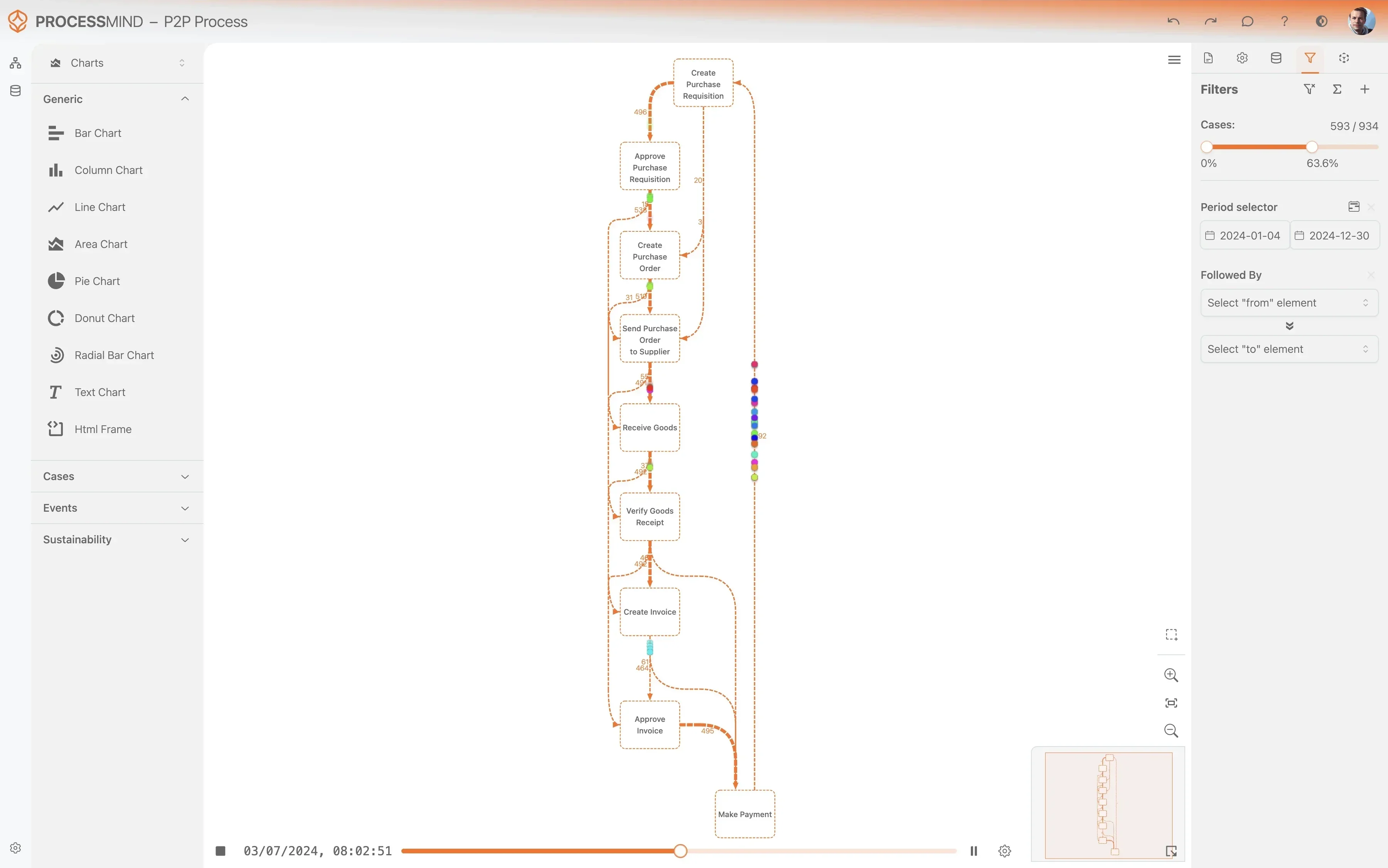
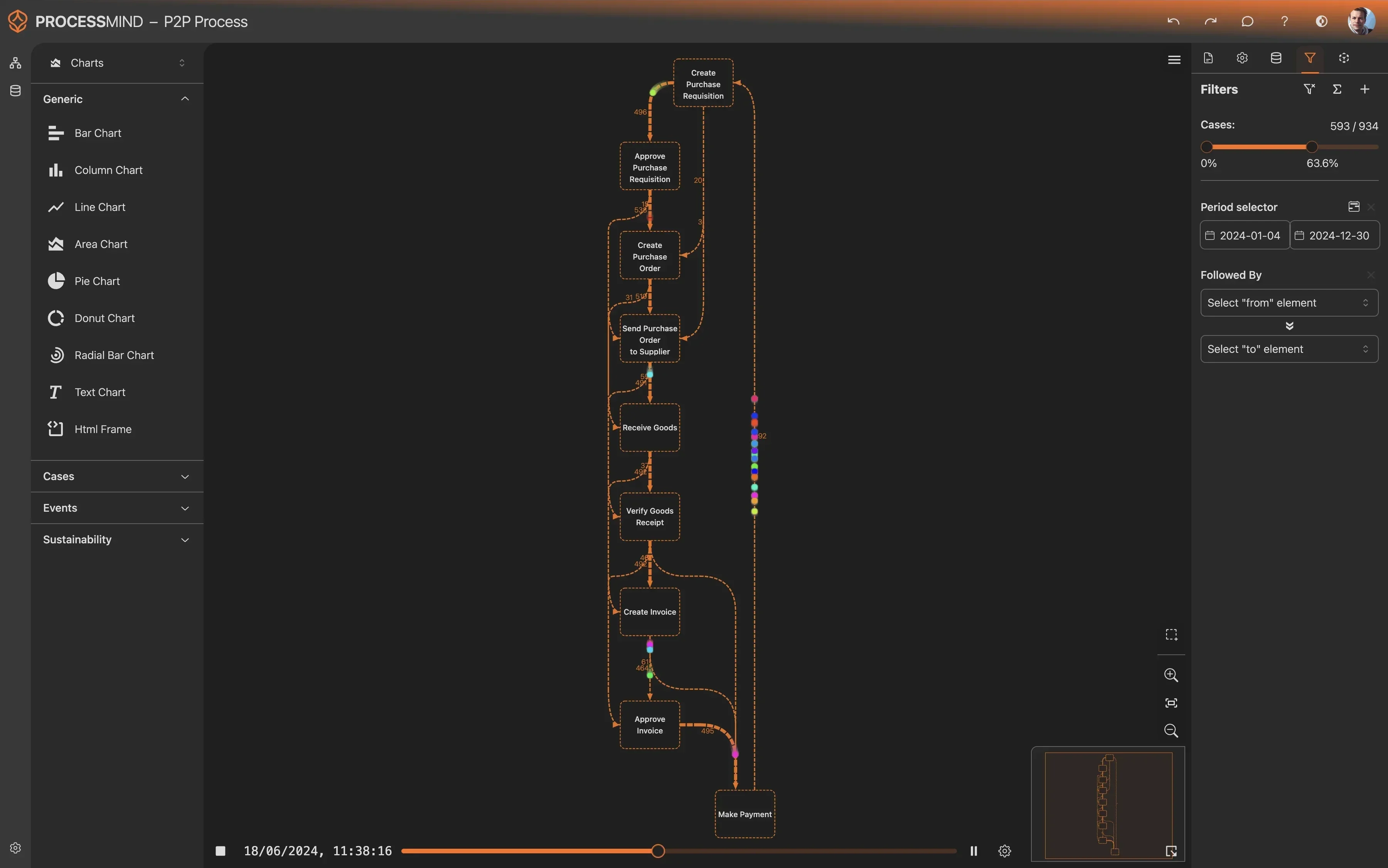
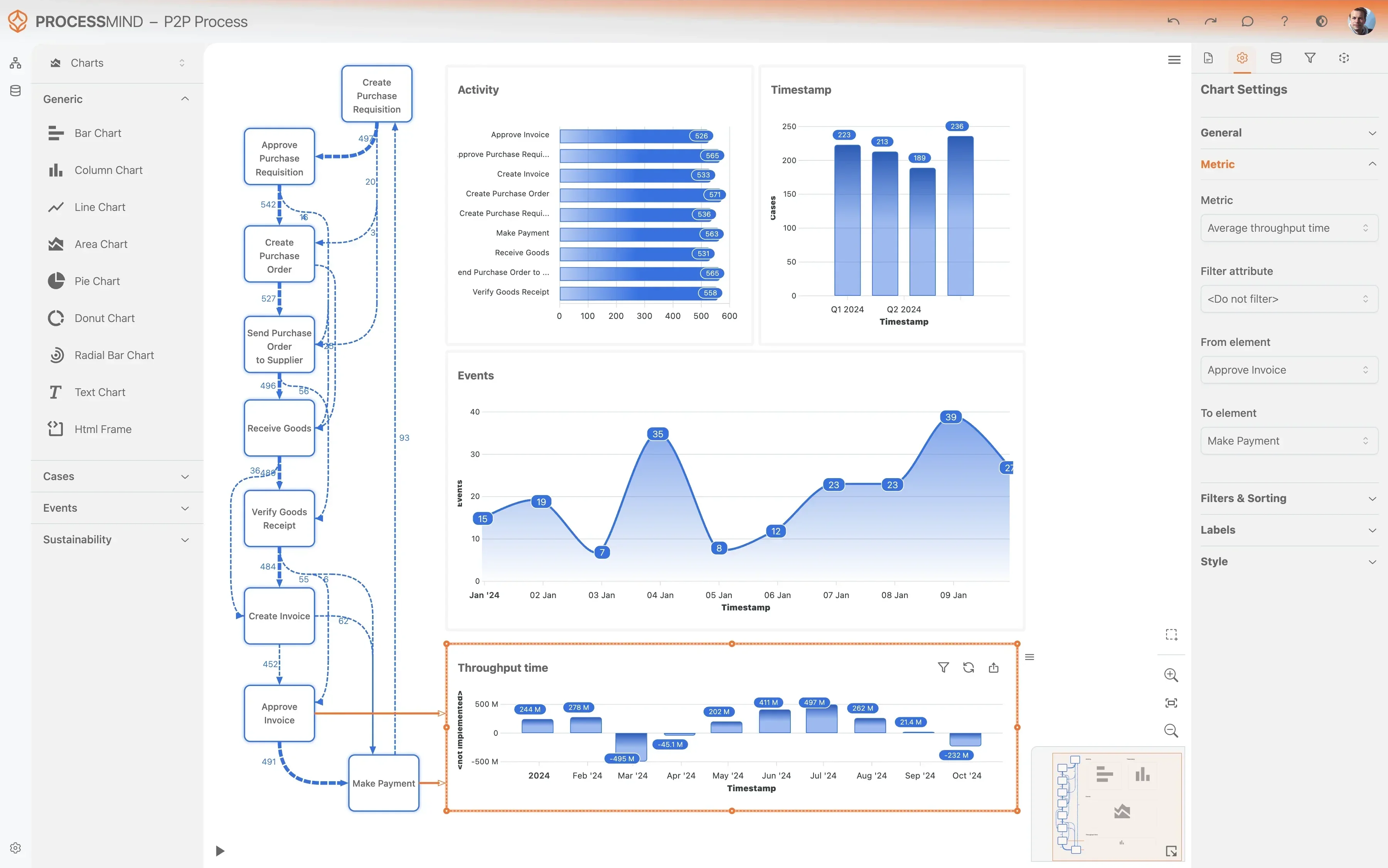
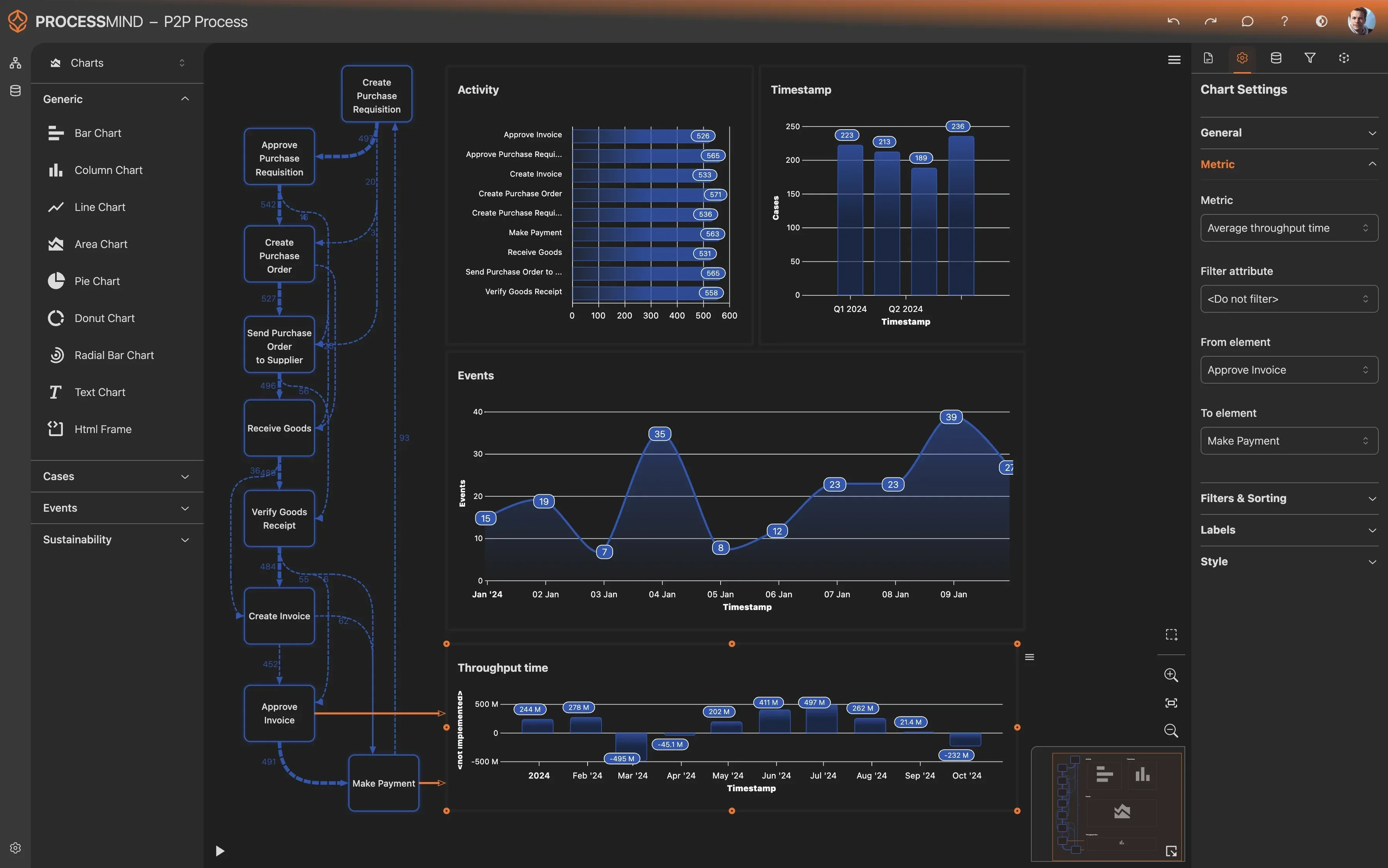
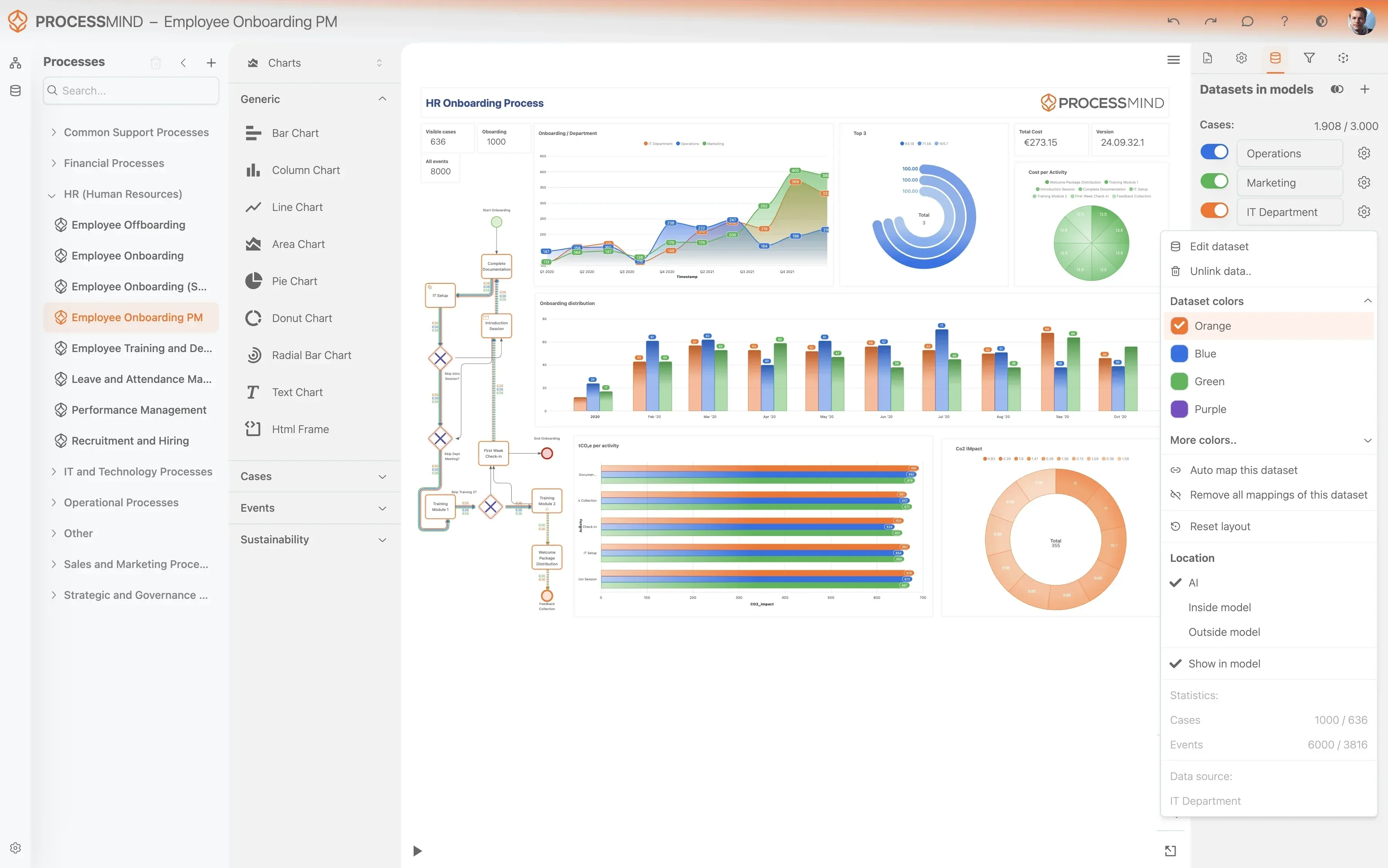
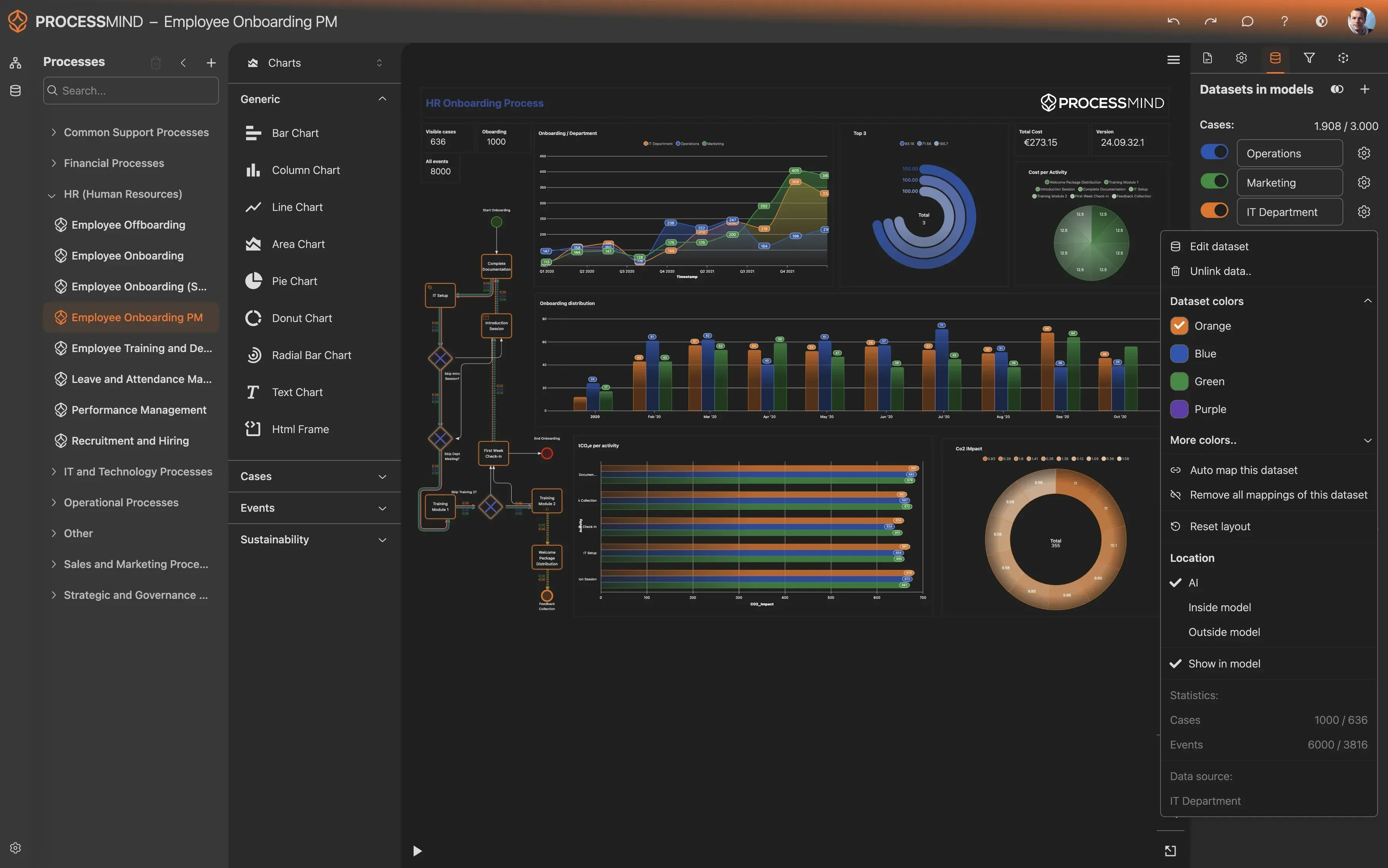
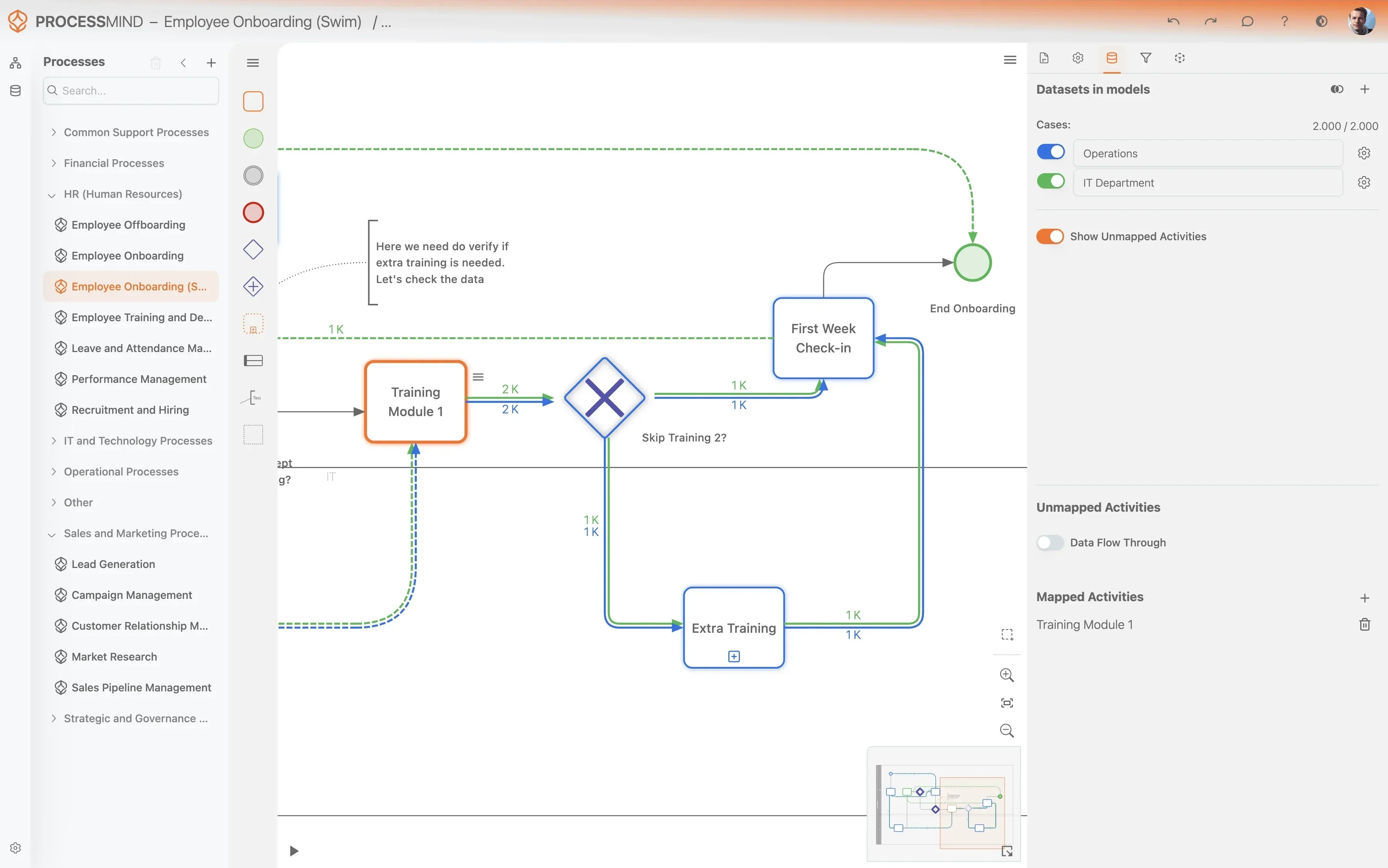
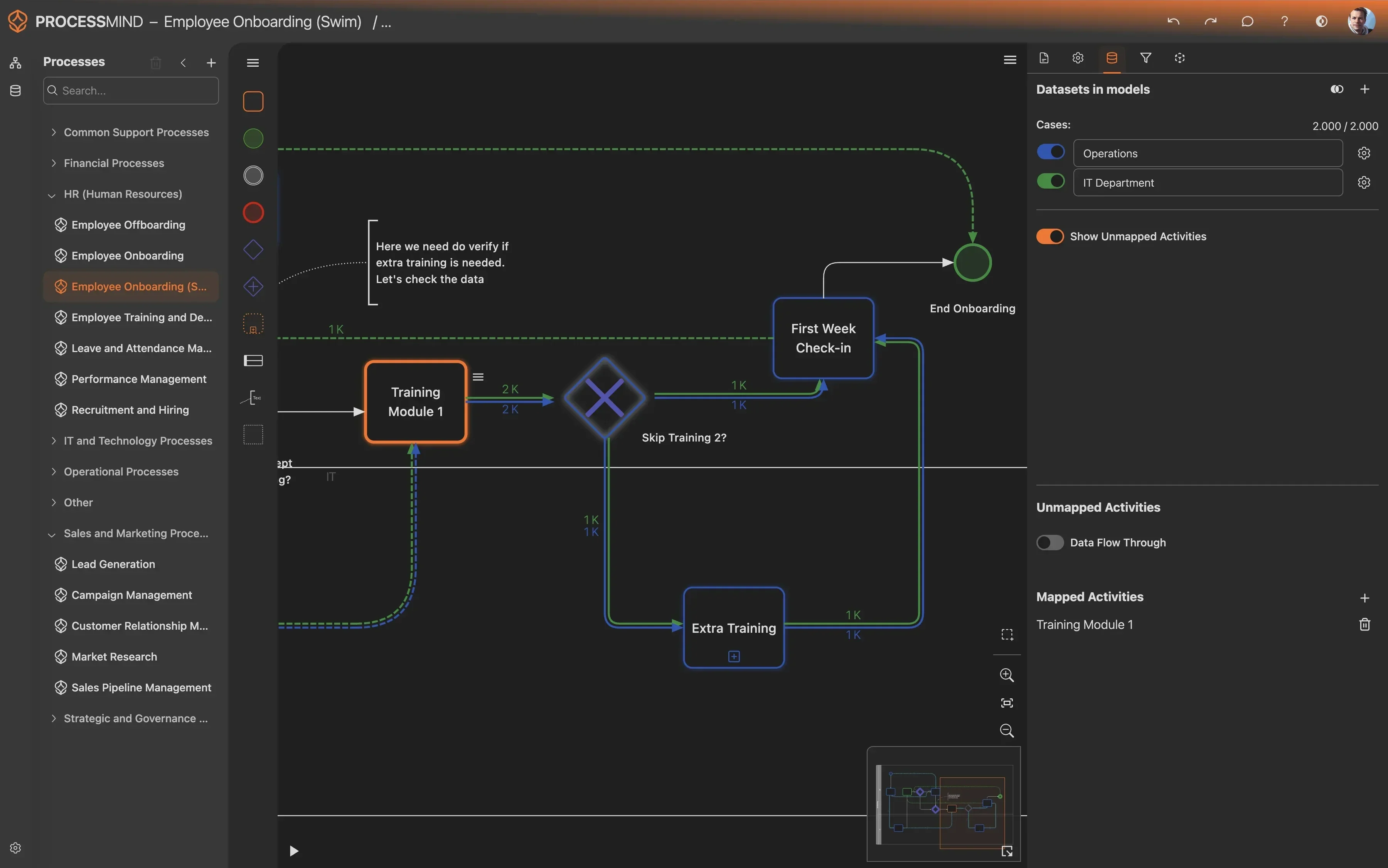
Explore the auto-generated process maps, dashboards, and AI-driven recommendations specific to your Credit Management & Collections process in NetSuite.
Why it matters
Visualizing your process flow and bottlenecks helps identify inefficiencies, compliance gaps, and areas where collection strategies can be optimized.
Expected outcome
A clear understanding of your current credit management process, key performance indicators, and specific areas for improvement.
Implement Improvements
What to do
Prioritize the identified opportunities from your analysis, such as optimizing dunning schedules or refining credit limit approval workflows in NetSuite, and implement these changes.
Why it matters
Acting on data-driven insights ensures that your efforts are focused on the most impactful changes, leading to tangible improvements in cash flow and reduced DSO.
Expected outcome
Strategic changes deployed within your NetSuite credit management and collections operations, targeting improved efficiency and effectiveness.
Monitor Your Process
What to do
Periodically re-upload updated NetSuite data to ProcessMind to track the impact of your implemented changes and monitor key performance indicators over time.
Why it matters
Continuous monitoring validates the effectiveness of your improvements, allowing for further adjustments and ensuring sustained operational excellence in collections.
Expected outcome
Ongoing visibility into your credit management performance, demonstrating the quantitative benefits of your process optimization efforts and maintaining compliance.
TYPICAL OUTCOMES
Unlock Significant Improvements in Credit & Collections
Our process mining solution for NetSuite reveals the true state of your Credit Management & Collections process, uncovering hidden inefficiencies and bottlenecks. These outcomes represent the tangible benefits organizations achieve by optimizing their workflows with data-driven insights.
Average cycle time reduction
Streamline the credit assessment process by identifying bottlenecks, leading to quicker decisions and accelerating sales cycles.
Improvement in cash collection speed
Shorten the average time it takes to collect payments from invoice generation to settlement, significantly improving cash flow and working capital.
Increase in successful collections
Improve the success rate of dunning procedures by standardizing steps and timing, ensuring more overdue invoices are converted to payments efficiently.
Decrease in uncollectible debt
Pinpoint root causes of uncollectible invoices and adjust collection strategies or credit assessments to significantly reduce financial losses from write-offs.
Average time to resolve disputes
Accelerate the process of resolving invoice disputes, minimizing payment delays and enhancing customer satisfaction through efficient issue handling.
Individual results may vary depending on factors such as current process maturity, data quality, and organizational structure. The figures presented here illustrate common improvements observed across various implementations.
Recommended Data
FAQs
Frequently asked questions
Process mining provides a data-driven X-ray of your actual credit management and collections process, identifying inefficiencies, bottlenecks, and deviations directly from your NetSuite data. It helps uncover root causes for slow approvals, inconsistent dunning, and delayed payments, offering clear insights for optimization. This allows you to improve cash flow, reduce write-offs, and enhance customer satisfaction by streamlining operations.
To begin, you primarily need event log data from NetSuite that includes a case identifier, typically the Invoice Number, an activity or event description, and a precise timestamp for each event. Relevant data can be extracted from modules related to invoices, payments, credit memos, customer interactions, and dunning activities. This historical transaction data allows the process mining tool to reconstruct the complete process flow.
Initial insights and a foundational understanding of your process can often be achieved within a few weeks, depending on data availability and the complexity of your NetSuite setup. Implementing recommended changes and observing their impact on your Credit Management & Collections KPIs is a continuous process. You can expect to see tangible improvements in efficiency and financial metrics over subsequent months.
You can expect to accelerate credit approval cycles, standardize dunning process effectiveness, and expedite invoice dispute resolution. Process mining also helps automate repetitive collections tasks, optimize collection strategy outcomes, and ensure timely payment posting accuracy. Ultimately, this leads to reduced invoice write-offs, improved payment term enforcement, and enhanced end-to-end cash flow visibility.
Implementing process mining primarily involves extracting historical event data from your NetSuite system, rather than altering its live operations. Modern process mining tools are designed to integrate with standard ERP data structures, making the setup process mainly a data extraction and mapping effort. Expert assistance is often available to streamline this initial phase.
Yes, process mining provides an objective, data-driven view of every step taken within your collections process, highlighting any deviations from internal policies or regulatory requirements. It can demonstrate adherence to specific dunning procedures, identify non-compliant actions, and create transparent audit trails for all collection activities. This ensures better governance and risk management.
By analyzing past collection efforts, process mining identifies which dunning sequences, communication channels, and contact timings yield the best payment outcomes. It also helps segment customers based on their historical payment behavior and risk profiles, allowing you to tailor specific strategies for different groups. This data-driven approach leads to more effective resource allocation and improved recovery rates.
No, modern process mining tools are designed with intuitive interfaces and visual analytics, making them accessible to business users and process owners without a data science background. While an understanding of your Credit Management & Collections process is crucial, the tools simplify the analysis of complex data and present insights in an easy-to-understand format. Training and support are typically available to help users get started.
Start Optimizing Credit & Collections Today!
Uncover inefficiencies, reduce cycle time by 30%, and boost cash flow fast.
No credit card required, set up in minutes.