Improve Your Accounts Payable Payment Processing

Select a process
Choose a process to continue working in your connected workspace.
Optimize NetSuite Accounts Payable Processing
Our platform helps you uncover hidden delays and manual work that slow down your payment cycles. By analyzing your operational flow, you can identify specific bottlenecks and compliance risks that impact your financial performance. Use these insights to create a more reliable and efficient workflow while strengthening vendor trust.
Download our pre-configured data template and address common challenges to reach your efficiency goals. Follow our six-step improvement plan and consult the Data Template Guide to transform your operations.
Show detailed description
The Strategic Value of Optimizing Accounts Payable
Accounts Payable Payment Processing is more than just a back office function, it is a critical component of your organization's financial health and strategic vendor management. When these processes run inefficiently in NetSuite, the consequences extend far beyond simple administrative delays. Inefficient processing can lead to missed early payment discounts, strained supplier relationships, and even potential compliance risks. By focusing on process optimization, you move from a reactive state of managing fires to a proactive state where cash flow is predictable and manual intervention is minimized.
Optimizing this workflow ensures that capital stays in your business longer while still meeting every obligation on time. In a high volume environment, even a small reduction in the cycle time of an individual invoice can aggregate into thousands of hours saved across the fiscal year. This allows your finance team to shift their focus from manual data entry and discrepancy resolution toward high value activities like strategic sourcing and financial planning.
How Process Mining Enhances NetSuite Visibility
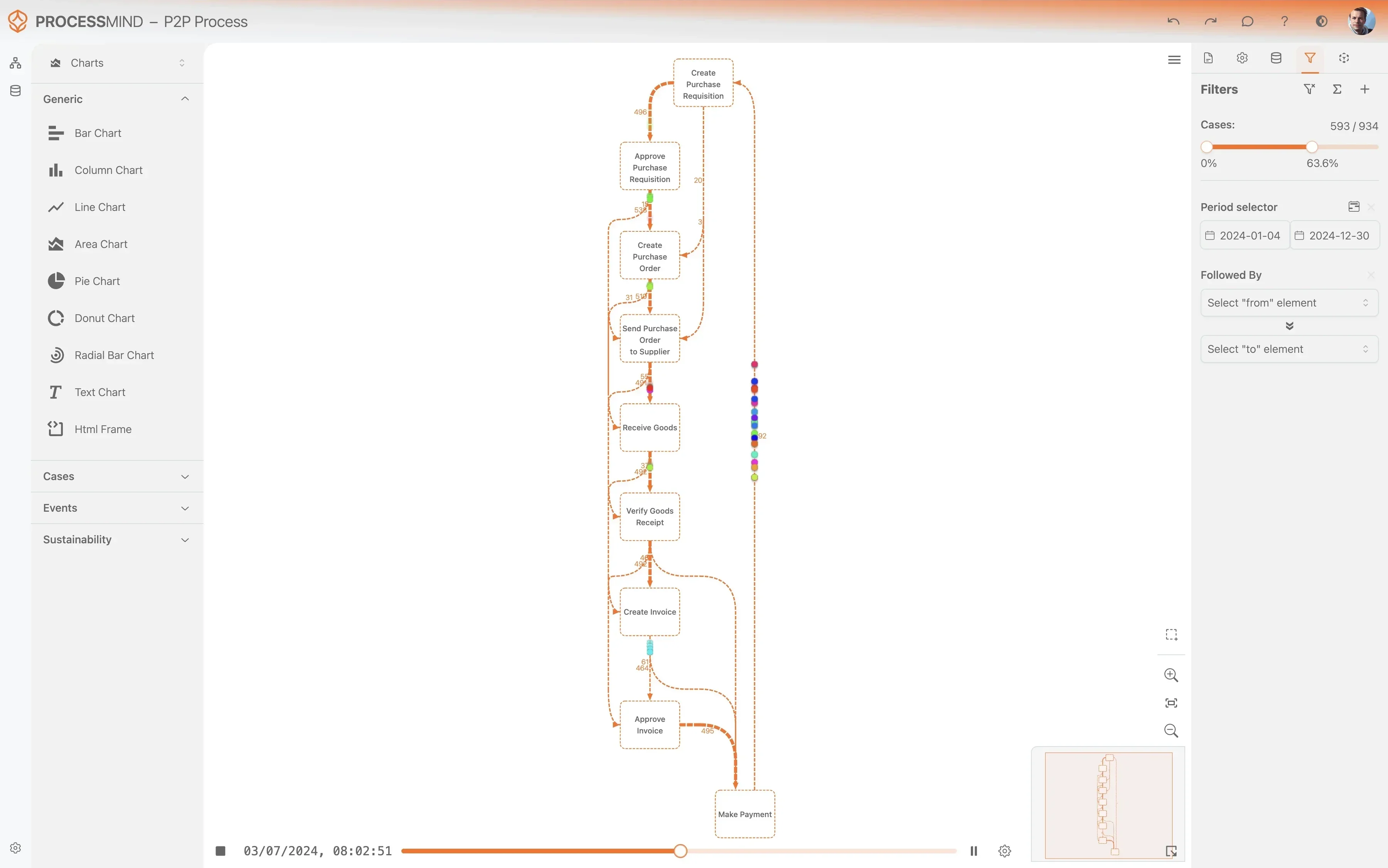
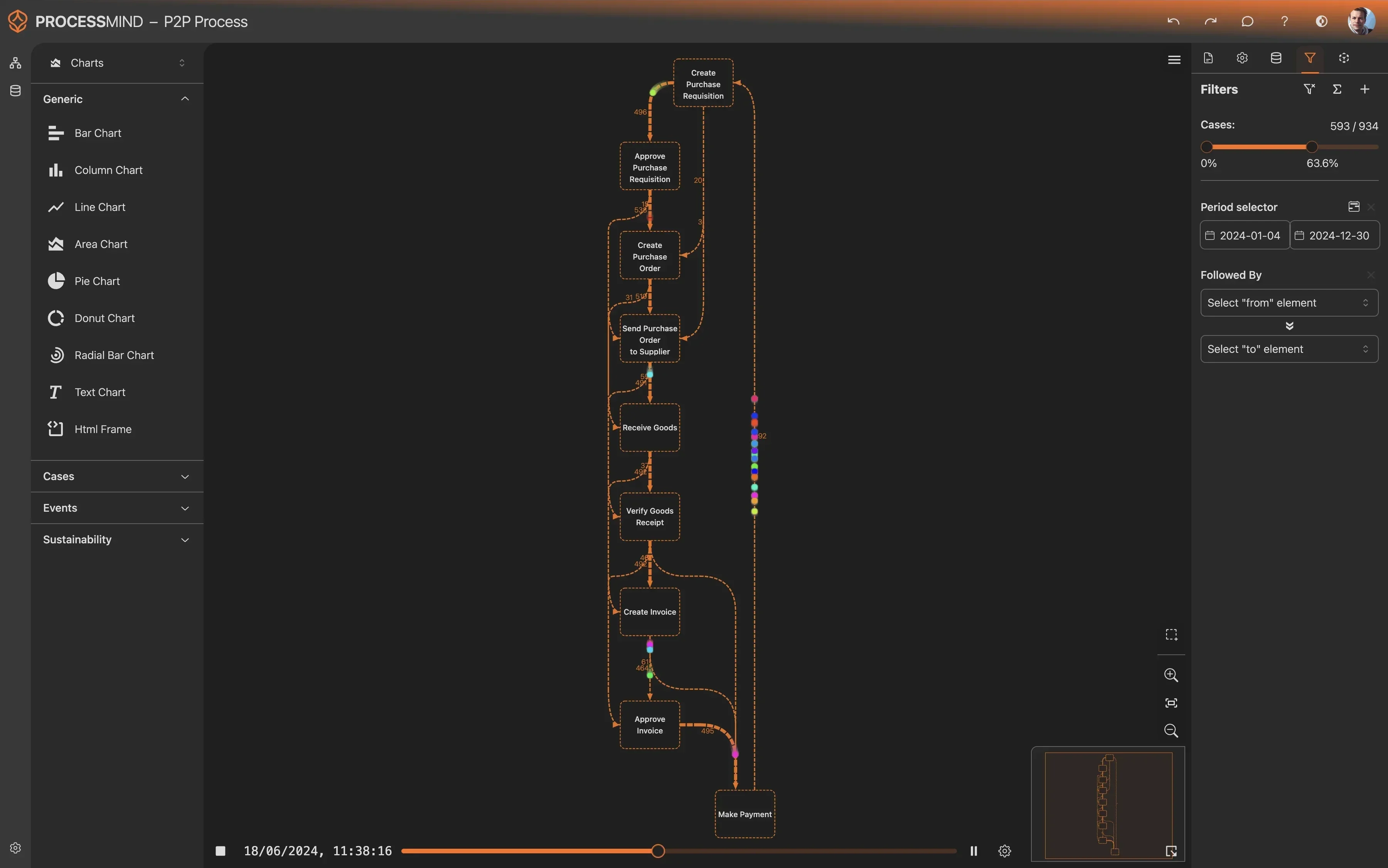
While NetSuite provides excellent record keeping for invoices and payments, it can be difficult to see the white space between the activities. Process mining bridges this gap by extracting the digital footprints left by every transaction. By using the invoice number as a case identifier, you can visualize the entire journey of a payment from the moment an invoice is received to the final clearing of funds. This transparency is essential for understanding how to improve Accounts Payable Payment Processing because it reveals the actual path taken by employees and systems, rather than the idealized path defined in a manual.
Process mining allows you to see every deviation, such as an invoice that was approved but then sat in a payment block for two weeks, or a discrepancy that required five different touchpoints to resolve. This level of detail helps you identify exactly where the process slows down. Instead of guessing why payments are late, you can use data to prove which steps in the approval or matching sequence are creating the most friction.
Targeting Common Process Bottlenecks
One of the most frequent areas for improvement in NetSuite is the three way match process. When an invoice does not match the purchase order or the goods receipt, it often triggers a lengthy resolution cycle that involves multiple departments. Process mining helps you quantify how much these discrepancies contribute to your overall cycle time. By analyzing the root causes, you might discover that specific vendors consistently provide incomplete data, or that internal teams are frequently bypassing the standard procurement process.
Another significant area for optimization is the approval workflow. Many organizations have complex approval matrices that, while designed for control, often result in unnecessary delays. You can use process mining to identify approval steps that add no value or individuals who have become accidental bottlenecks. Streamlining these workflows ensures that invoices move quickly through the system, which is the most effective way to reduce Accounts Payable Payment Processing cycle time and ensure you are positioned to capture all available discounts.
Measuring Success through Tangible Outcomes
When you apply process mining to your NetSuite environment, the benefits are measurable and immediate. The primary goal is often the reduction of the end to end cycle time, which directly impacts your Days Payable Outstanding and your ability to manage working capital. Beyond speed, you gain a massive advantage in compliance. With a complete audit trail of every activity, from data extraction to payment execution, you can easily demonstrate that controls are being followed and that every payment is legitimate and authorized.
Additionally, you will likely see a significant decrease in the cost per invoice processed. By eliminating manual re-work and reducing the number of touches required for each transaction, your team becomes more productive. This efficiency gain does not just save money, it also improves employee morale by removing the repetitive, frustrating tasks that often plague manual Accounts Payable environments. Successful optimization leads to a more agile finance department that can respond quickly to market changes and vendor needs.
Moving Toward Continuous Improvement
Improving your payment processing is not a one time project, it is an ongoing journey of refinement. As you begin to use these insights, you will likely find new opportunities to automate specific steps, such as automated data extraction or straight through processing for high volume, low risk vendors. By consistently monitoring your process through the lens of data, you can ensure that inefficiencies do not creep back in as your business scales.
We encourage you to use this guide as a starting point for your optimization efforts. By looking closely at your NetSuite data and applying the principles of process mining, you can transform your Accounts Payable department into a streamlined, value added engine for your entire organization.
The 6-Step AP Payment Improvement Path in NetSuite
Download the Template
What to do
Download the Excel template tailored for NetSuite AP data, ensuring your fields align with process mining requirements.
Why it matters
Starting with a structured format ensures that your vendor, invoice, and payment data map correctly for accurate analysis.
Expected outcome
A standardized data template ready for your NetSuite AP records.
Export NetSuite Data
What to do
Extract 3 to 6 months of historical data from NetSuite, including invoice records, payment logs, and approval history.
Why it matters
Historical data reveals actual payment cycles and vendor behaviors that are often hidden in standard accounting reports.
Expected outcome
A populated dataset reflecting your real-world AP operations.
Upload Your Dataset
What to do
Securely upload your completed NetSuite data template into the platform for automated analysis.
Why it matters
Centralizing your AP data allows for a comprehensive end-to-end view from invoice receipt to final bank clearance.
Expected outcome
Your AP process data processed and ready for visualization.
Analyze the Process
What to do
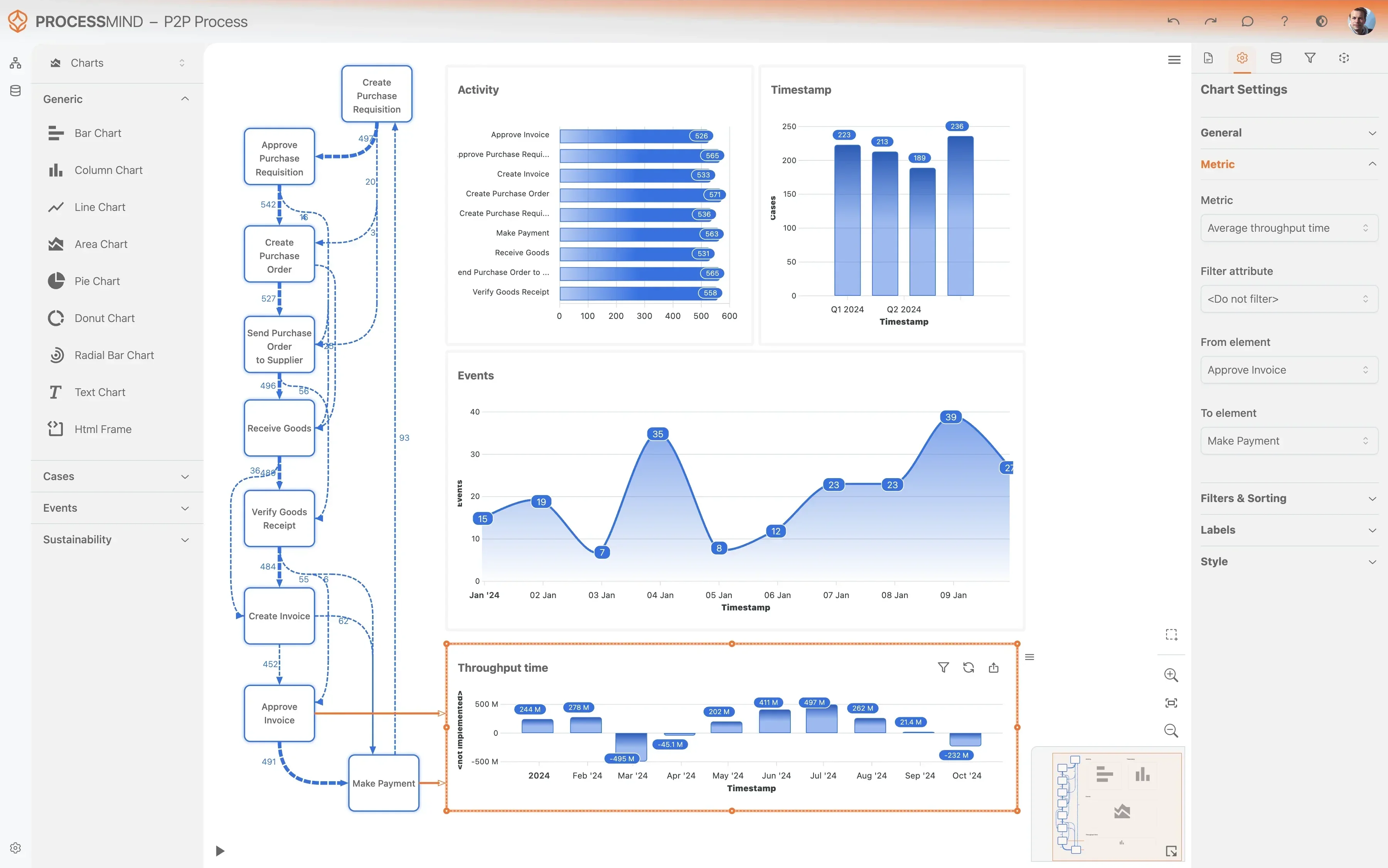
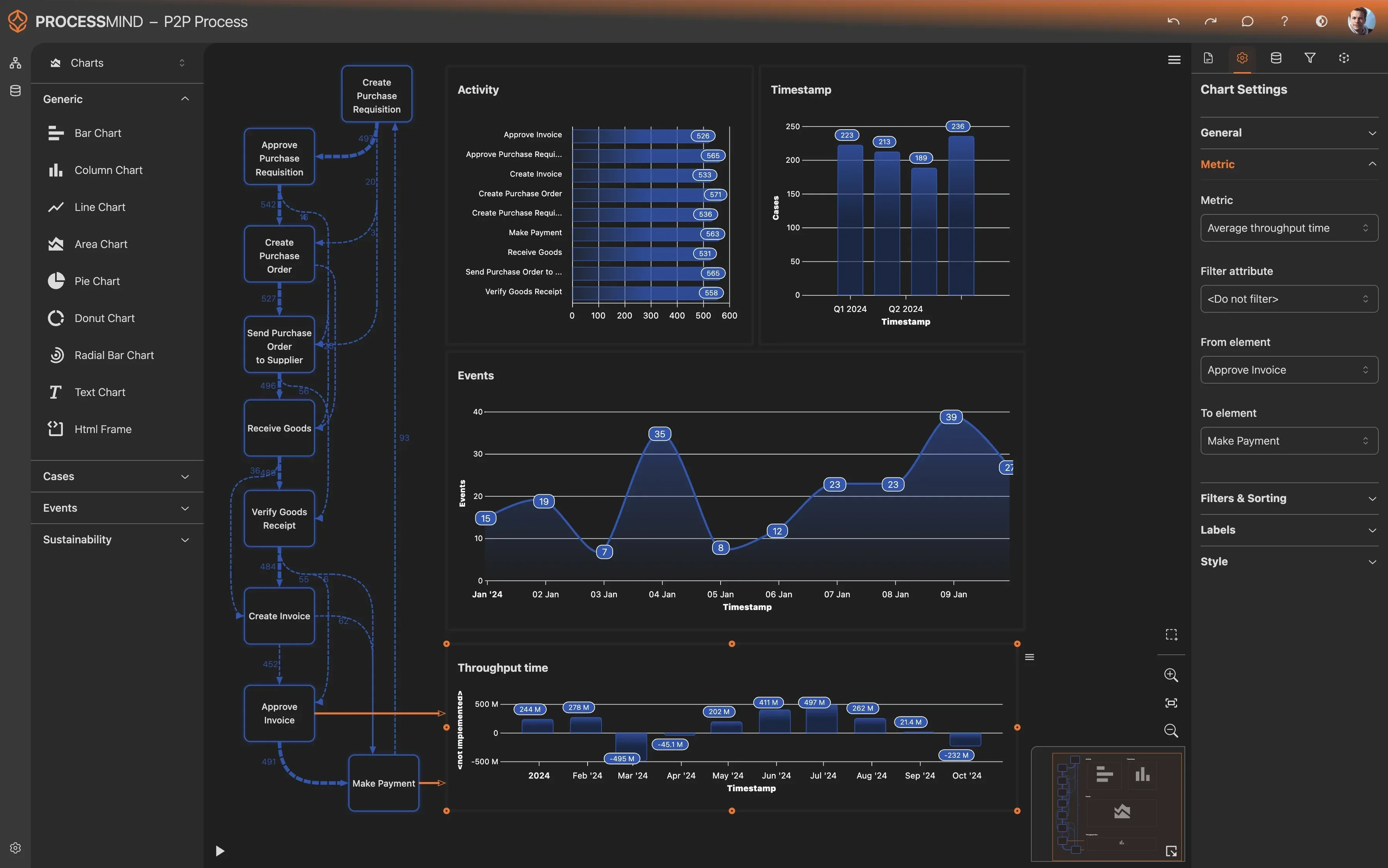
Review auto-generated dashboards to find bottlenecks in approval workflows or delays between matching and payment.
Why it matters
AI-driven insights pinpoint exactly where compliance risks or cash flow inefficiencies occur in your payment cycle.
Expected outcome
Clear visibility into bottlenecks and process deviations.
Implement Improvements
What to do
Apply findings to optimize NetSuite approval rules, update vendor terms, or streamline payment scheduling.
Why it matters
Taking action on specific delays reduces late fees and helps capture early payment discounts more consistently.
Expected outcome
Optimized AP workflows and improved vendor relationships.
Monitor Your Process
What to do
Upload fresh NetSuite data periodically to track how your process changes and measure improvements in cycle times.
Why it matters
Continuous monitoring ensures that process improvements stick and helps you adapt to changing business needs.
Expected outcome
Long-term efficiency gains and verified process ROI.
YOUR PROCESS INSIGHTS
Transform Your NetSuite AP Data into Clear Insights
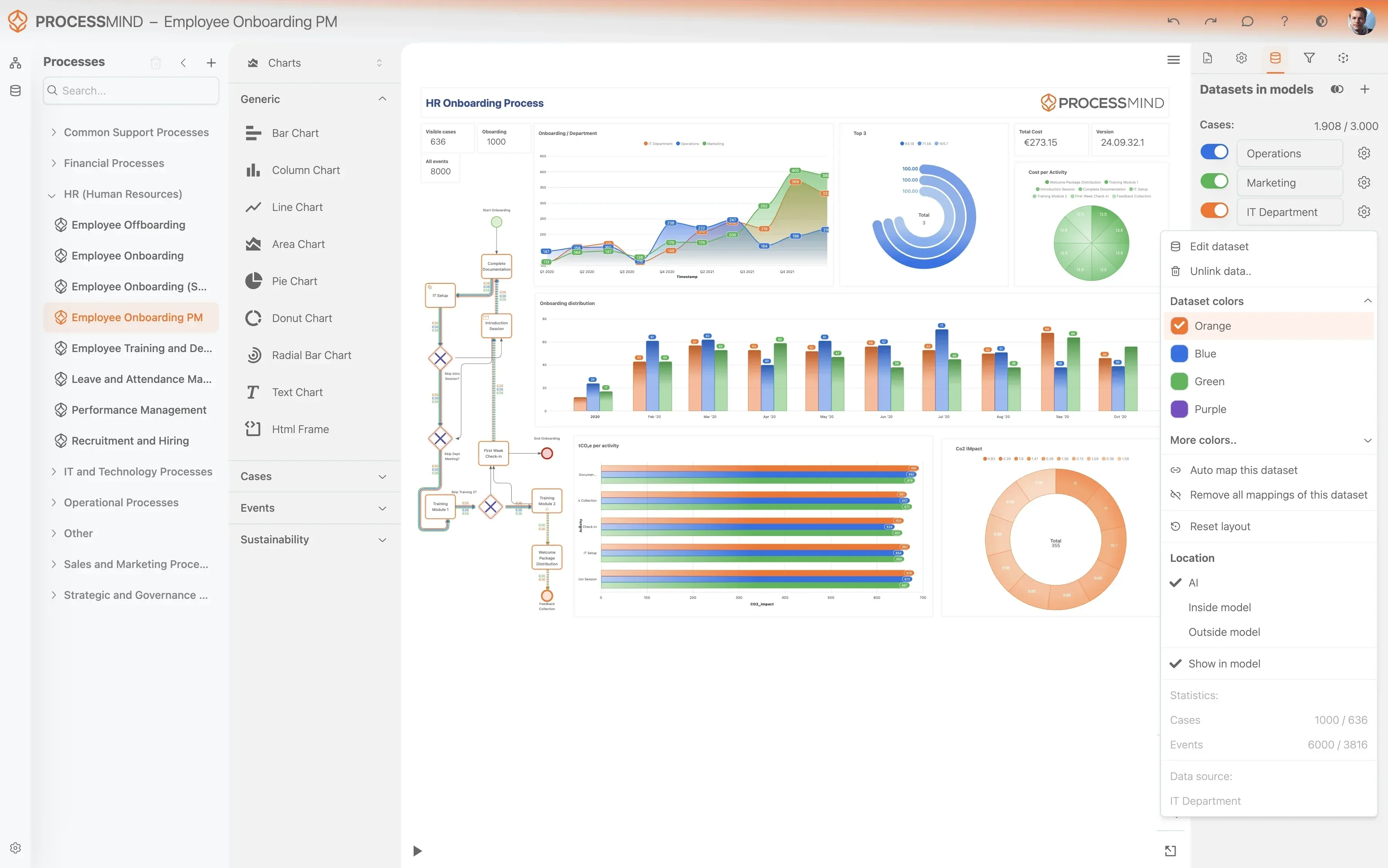
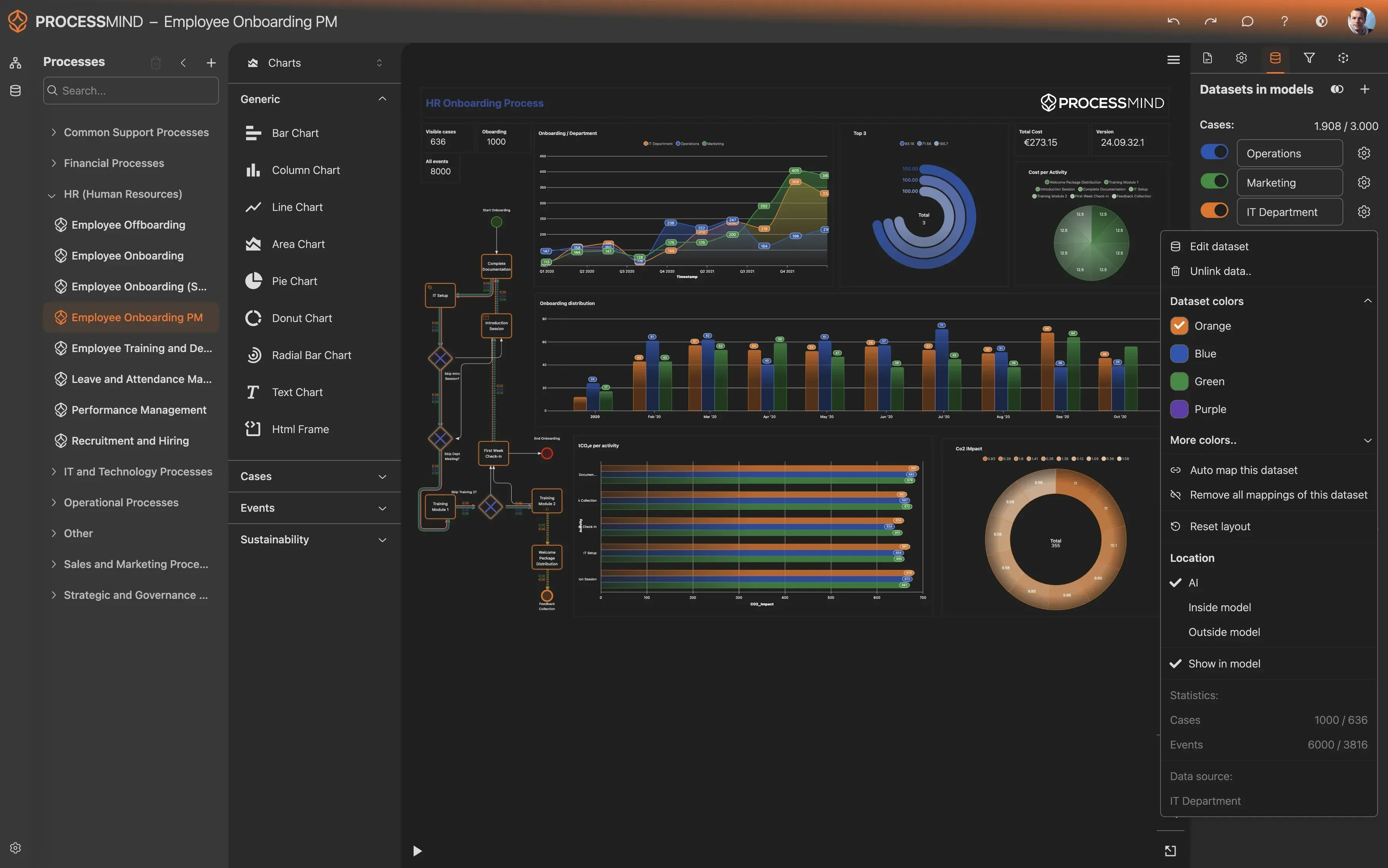
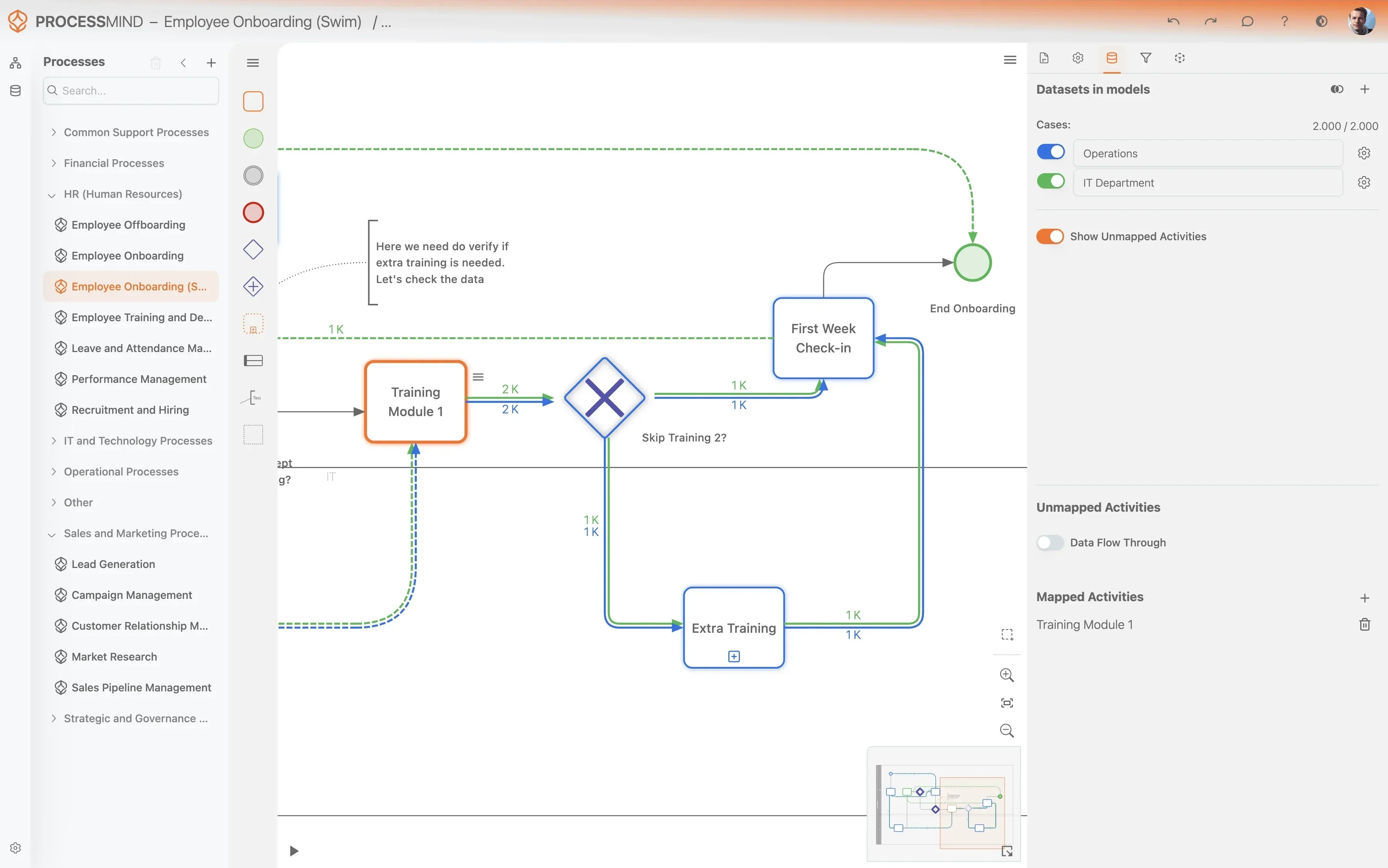
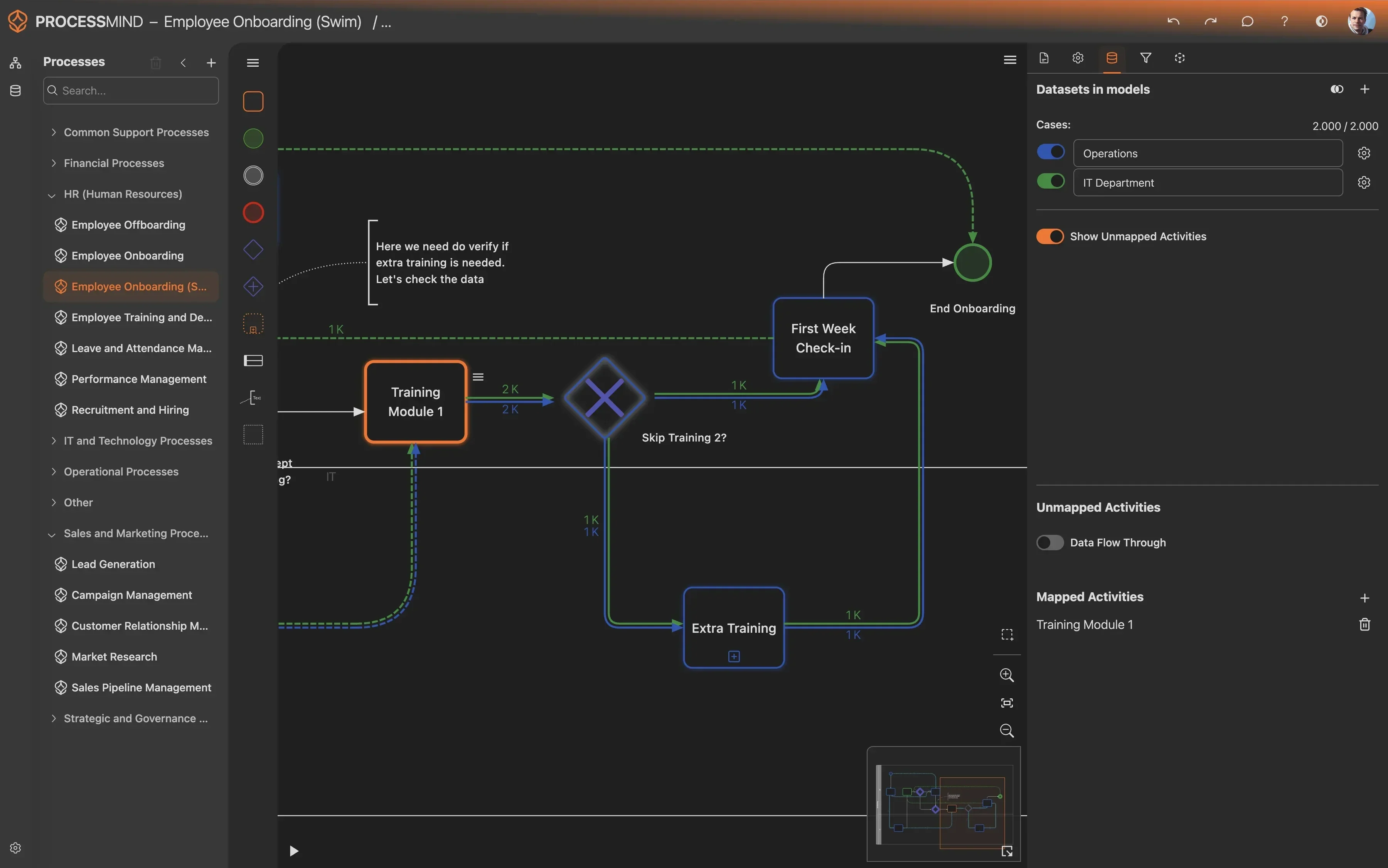
- Visualize your end to end payment journey
- Detect friction in the invoice approval chain
- Uncover ways to maximize early payment discounts
- Measure process performance against your targets
PROVEN OUTCOMES
Transforming NetSuite Payment Cycles
By analyzing every invoice number within NetSuite, companies uncover hidden friction in their payment workflows and reduce the manual effort required for reconciliations.
Reduction in approval time
Optimizing approval routes in NetSuite allows teams to authorize payments faster by eliminating unnecessary manual handoffs and bottlenecks.
Increase in realized discounts
Improving end to end cycle times helps organizations consistently meet vendor deadlines and secure negotiated early payment rebates more frequently.
Increase in automated invoices
Standardizing non PO invoice processing and improving matching accuracy leads to more invoices moving from receipt to payment without manual touches.
Adherence to approval policies
Automated monitoring ensures that all invoices follow the mandated sequence of coding and approval, which minimizes audit risk and unauthorized spend.
Decrease in late payment fees
Maintaining a high on time payment rate helps the business avoid costly interest charges while protecting critical vendor relationships.
Individual results vary based on process complexity and data quality. These figures represent typical improvements observed across multiple implementations.
Recommended Data
FAQs
Frequently asked questions
Process mining visualizes the actual flow of your AP cycle by extracting event logs directly from NetSuite. It identifies exactly where bottlenecks occur, such as manual approval delays or invoice discrepancy loops, allowing you to focus on high impact improvements.
To create an event log, we require three main data points including the Invoice Number as the case identifier, the activity name like Invoice Created or Payment Approved, and a timestamp for each action. These are typically pulled from the NetSuite transaction history and audit trail tables.
Yes, the analysis highlights specific vendors or invoice types where cycle times are too slow to meet discount windows. By streamlining these approval paths, your team can ensure invoices are processed quickly enough to take advantage of favorable terms.
Most organizations can see their first process maps within two to four weeks after the initial data extraction from NetSuite. The timeline depends largely on data quality and the complexity of your custom workflows within the system.
The system can track both PO and non PO invoices simultaneously to compare their processing efficiency. This helps identify if non PO invoices are causing a disproportionate amount of manual re-coding or approval delays compared to standard purchase orders.
Data is handled through encrypted connections and sensitive information like specific vendor names or employee IDs can be pseudonymized before analysis. Only the metadata required for process reconstruction is processed, ensuring your financial records remain secure and compliant.
By analyzing the event patterns of incoming invoices, process mining can flag instances where the same invoice number or amount is entered multiple times. This proactive visibility helps prevent duplicate payment risks and reduces the manual effort needed for reconciliation.
No internal NetSuite installation is required because the analysis typically uses a standard API connection or a periodic data export. This approach ensures there is no impact on your system performance or existing configuration.
Optimize Your Accounts Payable Payment Processing Today
Identify bottlenecks and reduce cycle time by 30 percent.
No credit card required. Setup takes minutes.