Improve Your Payments Processing

A 6-step guide to optimizing your Stripe workflow
Improve Your Payments Processing

Optimize Stripe Payments Processing for Maximum Efficiency

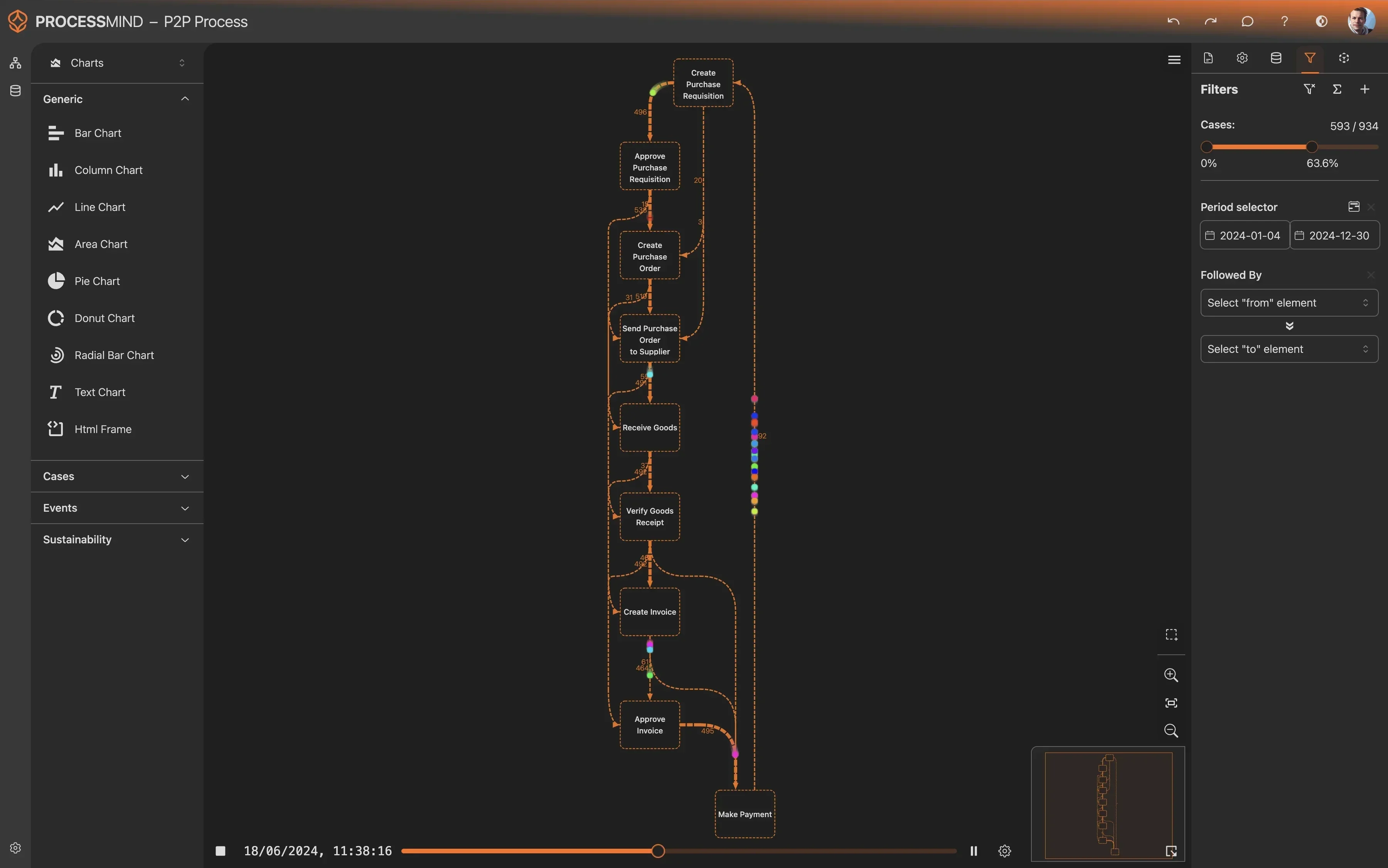
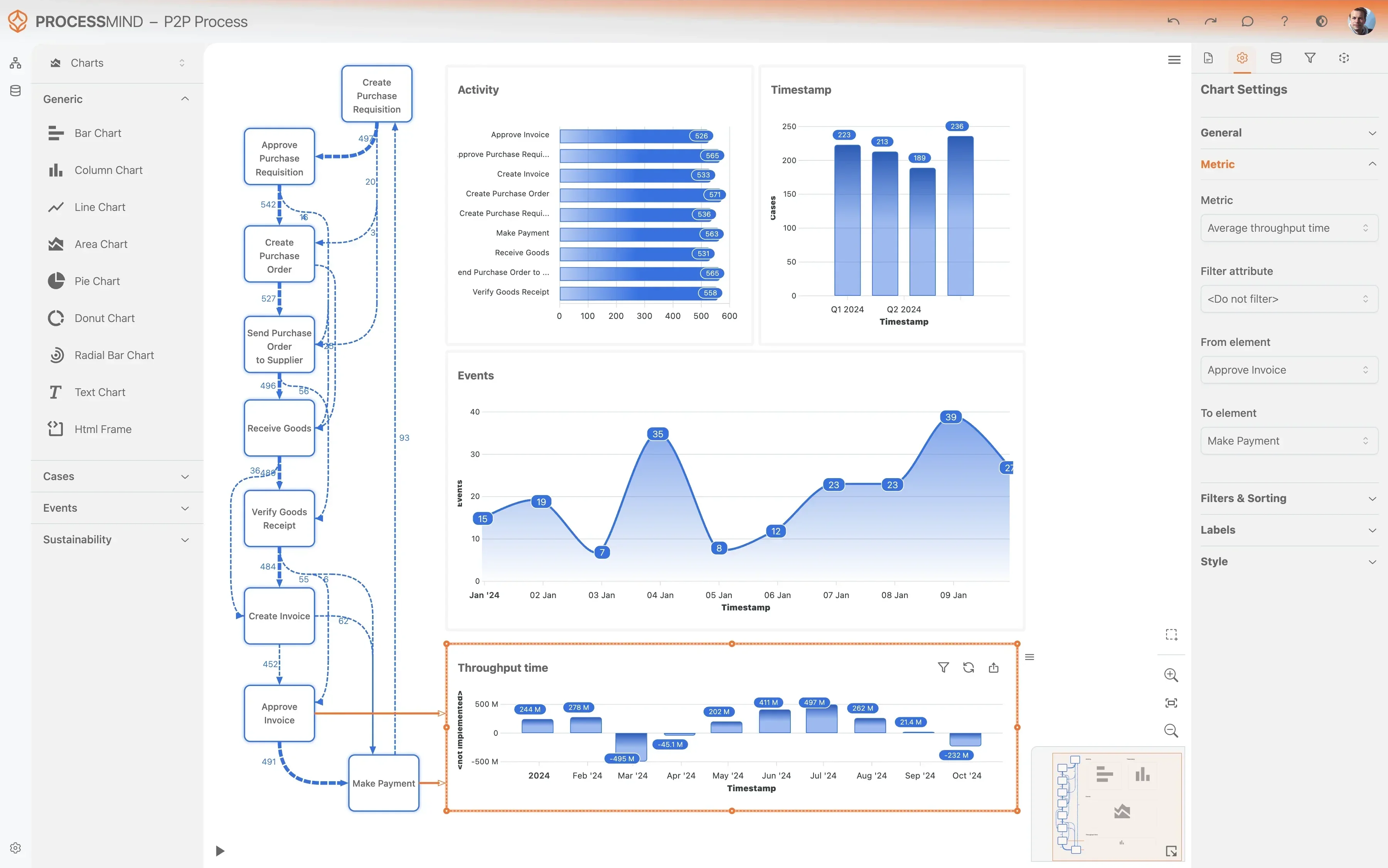
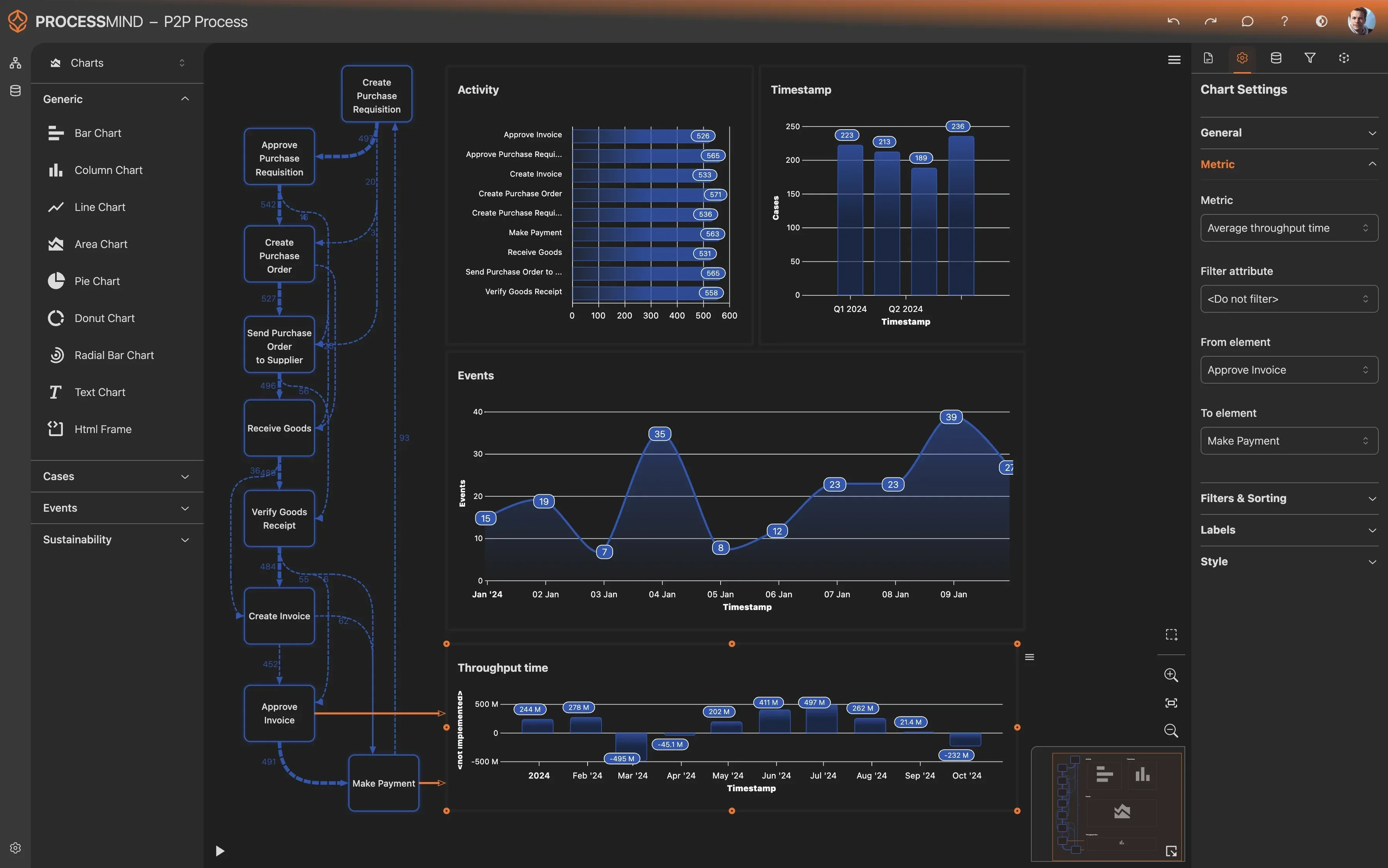
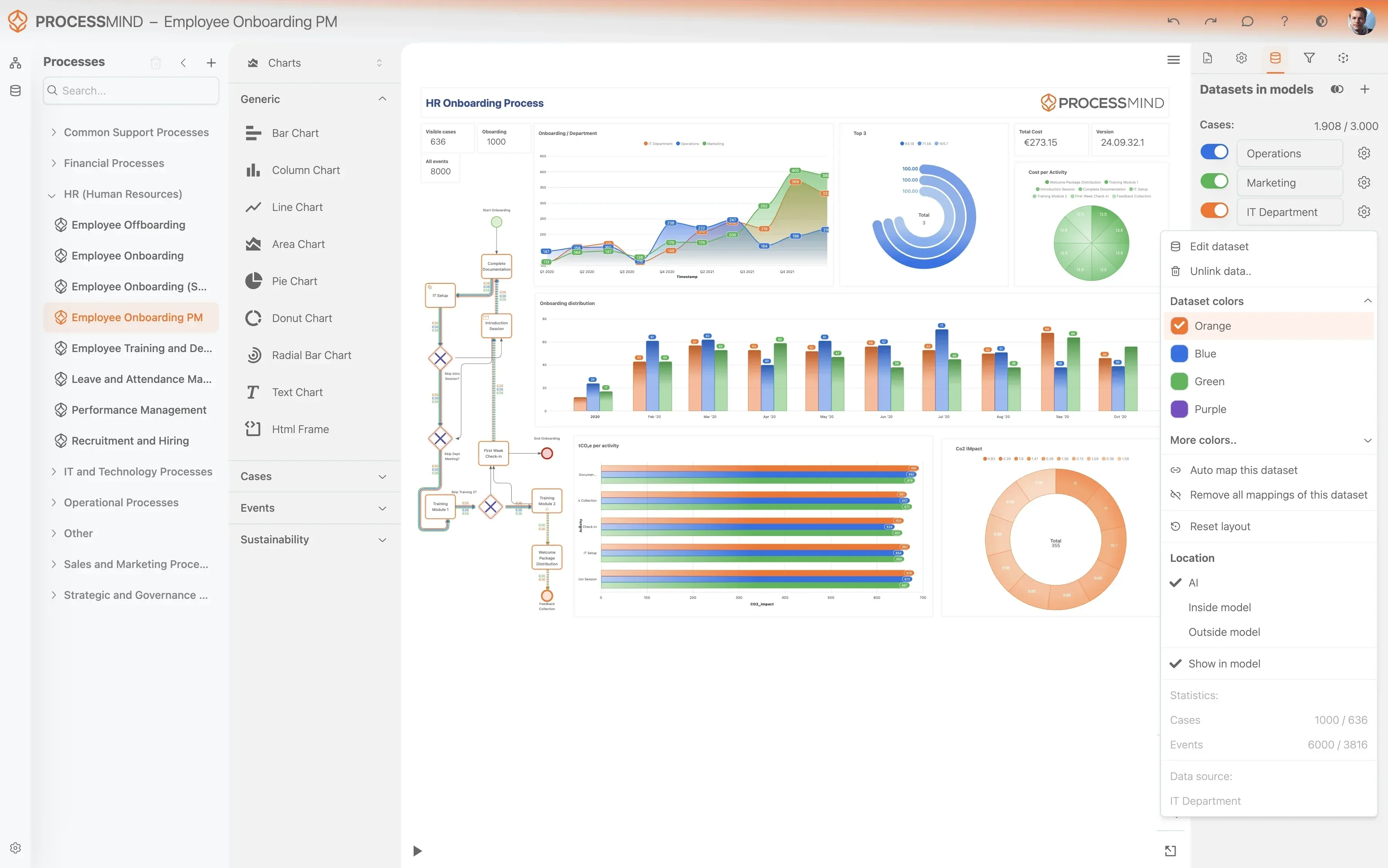
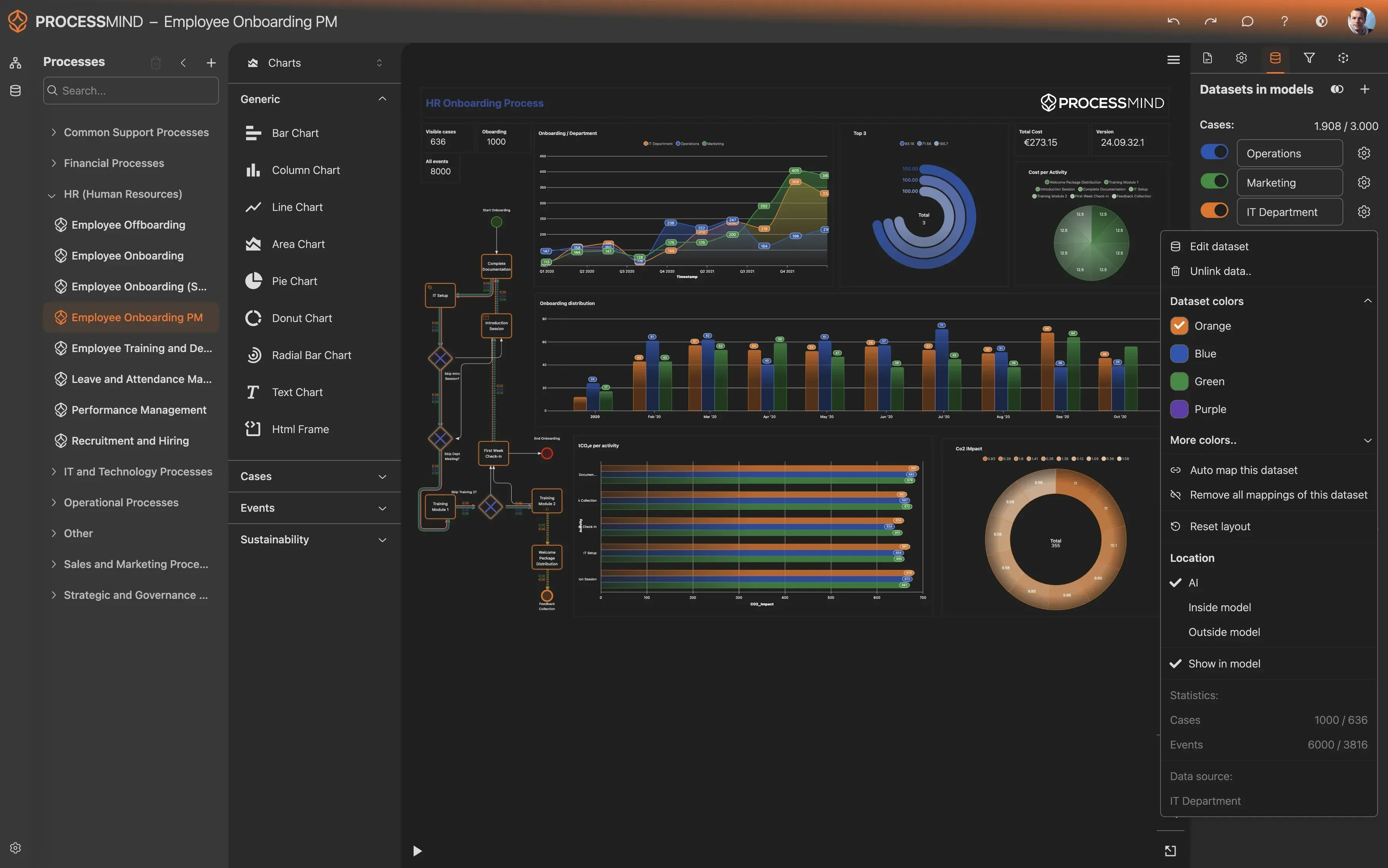
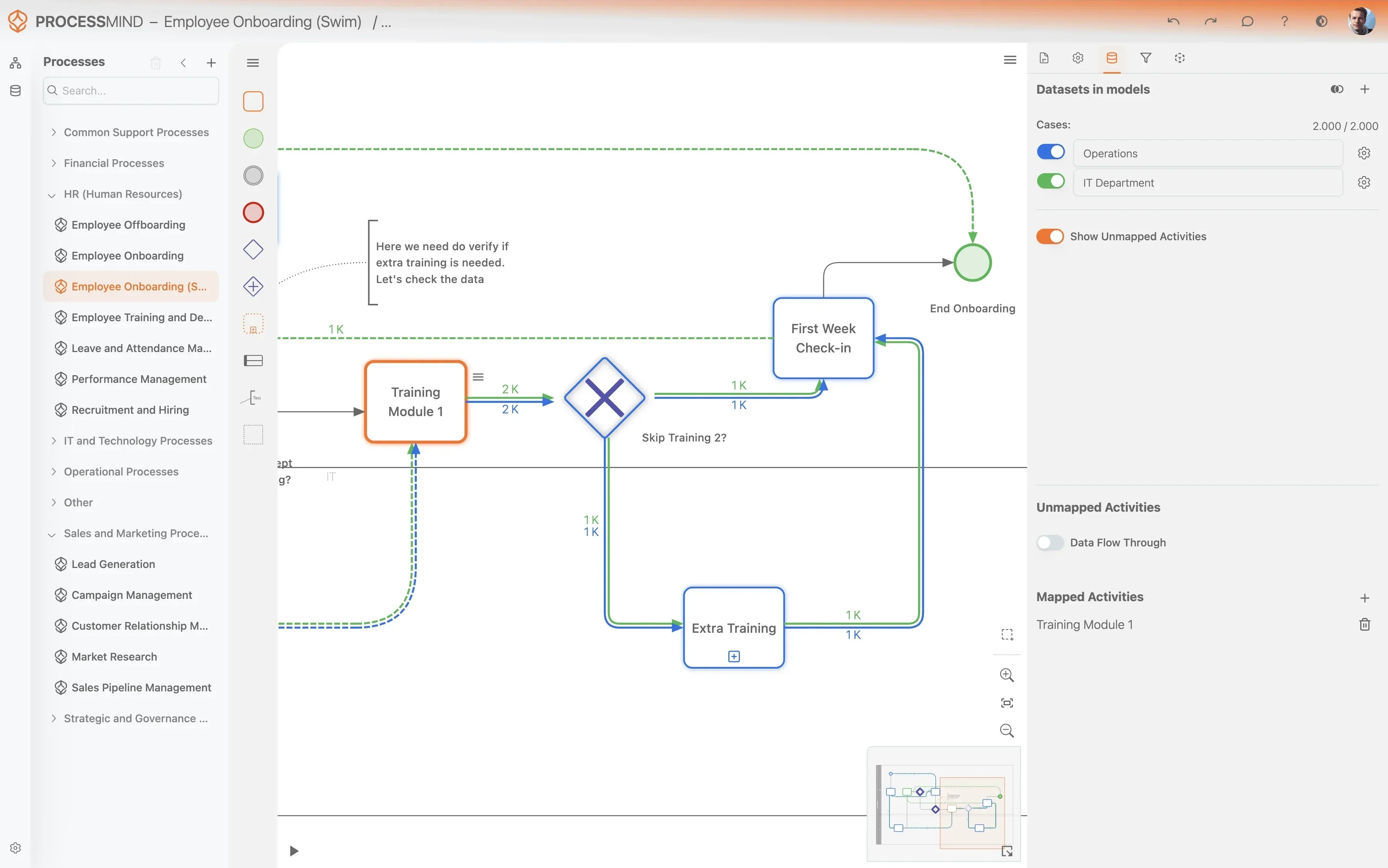
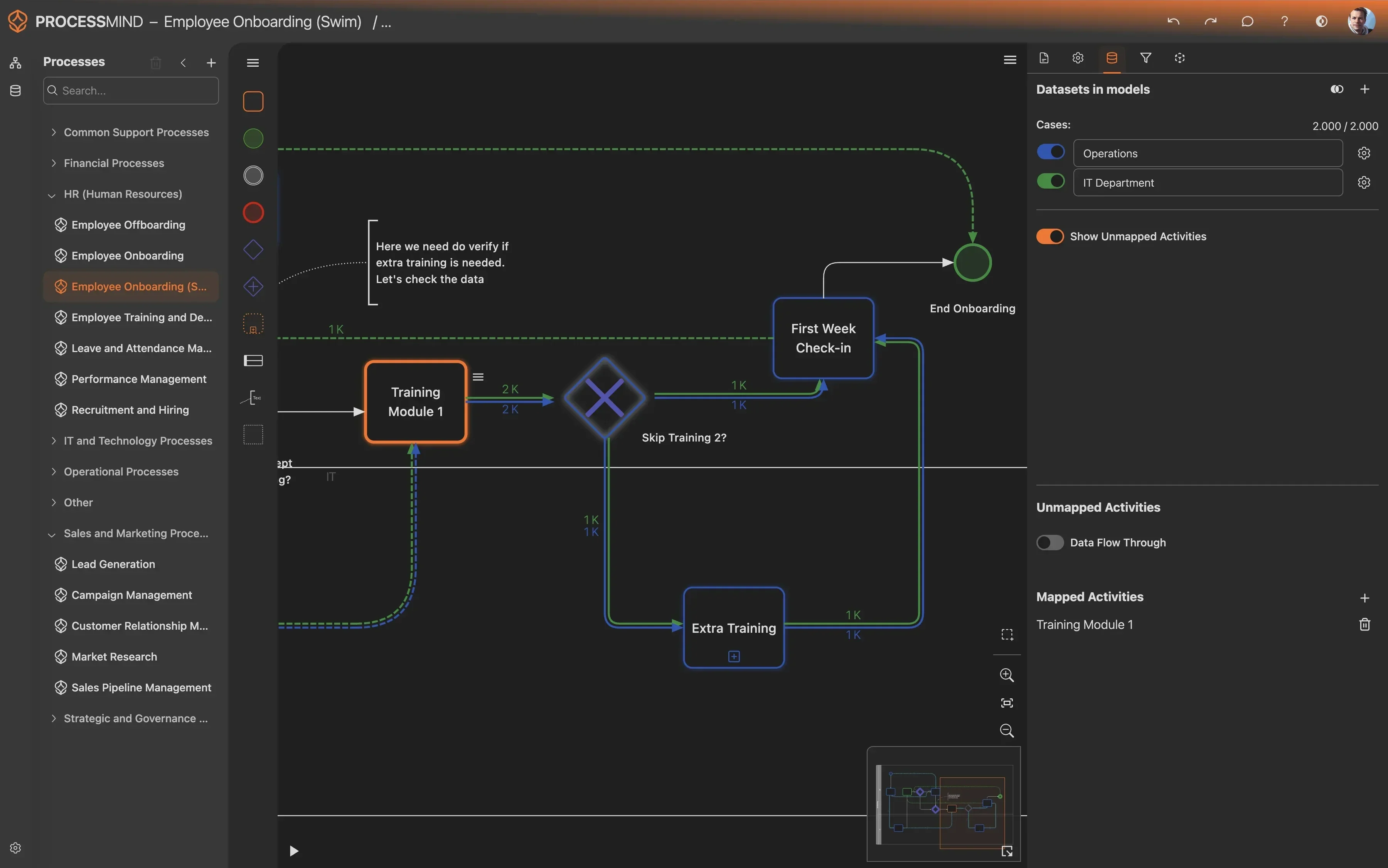
Our platform uncovers hidden bottlenecks and reconciliation delays that impact your financial efficiency. By visualizing the entire payment lifecycle, you can pinpoint where manual intervention slows down your operations. This visibility allows you to streamline workflows and reduce compliance risks across your global transactions.

Download our pre-configured data template and address common challenges to reach your efficiency goals. Follow our six-step improvement plan and consult the Data Template Guide to transform your operations.

Show detailed description

The Strategic Value of Optimizing Stripe Payments

In the modern digital economy, payments are more than just a back-office function. They represent the heartbeat of your business revenue and the primary touchpoint for customer satisfaction. When you process payments through a platform like Stripe, you are handling thousands of events that happen in milliseconds. However, the complexity of global commerce, varying regional regulations, and diverse payment methods means that even a minor friction point can lead to significant revenue leakage. Optimizing payments processing is not just about moving money faster, it is about creating a resilient financial infrastructure that scales with your growth. Inefficient flows lead to abandoned carts, delayed settlements, and increased operational overhead during the reconciliation phase. By focusing on the end-to-end lifecycle, you ensure that every transaction follows the most efficient path from authorization to settlement.

Visibility Beyond the Dashboard

While the Stripe dashboard provides excellent snapshots of your current financial status, it often lacks the sequential depth required to see the flow of work over time. Process mining fills this gap by reconstructing every payment journey from its digital footprint. Instead of looking at aggregate totals, you can see how long it takes for a payment to move from validated to authorized and where it gets stuck before final settlement. This visibility allows you to distinguish between expected delays, such as bank processing times, and unexpected bottlenecks, such as manual intervention required for specific error codes. By mapping the actual process flow against your intended design, you can identify deviations that indicate inefficiencies or compliance risks that would otherwise remain hidden in the data. This transparency is crucial for teams looking to reduce Payments Processing cycle time and improve overall throughput.

Targeted Areas for Process Improvement

One of the primary areas for improvement is the reduction of cycle time between the initial request and the final reconciliation. For many organizations, the period between the funds being captured and the payment being reconciled in the accounting system is where the most manual labor occurs. Through process mining, you can identify why certain transactions require manual review while others are handled automatically. Another critical area is the management of payment errors. By analyzing the common paths that lead to errors, you can implement proactive fixes in your Stripe configuration or your application logic to prevent these issues before they occur. This structural approach to process optimization ensures that you are solving the root causes of delays rather than just treating the symptoms. You might discover that specific payment methods or currencies consistently encounter more friction, allowing you to prioritize technical fixes where they will have the most impact.

Realizing Measurable Financial Benefits

When you streamline your payments processing, the benefits are felt across the entire organization. For the finance team, it means faster month-end closing and more accurate cash flow forecasting because the time to settle and reconcile is minimized. For the operations team, it means a significant reduction in the volume of support tickets related to payment status or failed transactions. Perhaps most importantly, the business gains a higher level of auditability. When every step of the payment lifecycle is documented and visualized, demonstrating compliance with financial regulations becomes a straightforward task. These improvements directly contribute to a lower cost per transaction, allowing your business to retain more of its hard-earned revenue. Understanding how to improve Payments Processing through these metrics creates a clear roadmap for digital transformation within your financial department.

Embracing a Data Driven Culture

Improving your payments process is a continuous journey rather than a one-time project. As you expand into new markets or adopt new payment methods within Stripe, the complexity of your operations will naturally increase. Adopting a process mining approach allows you to maintain control over this complexity by giving you a clear window into how your systems behave in the real world. You can set benchmarks for your key performance indicators and receive early warnings when a specific region or payment type starts to deviate from the norm. This proactive stance transforms the finance function from a reactive cost center into a strategic partner that provides insights into business health. By leveraging the data already present in your Stripe environment, you can build a more efficient, transparent, and profitable financial operation.

Payments Processing Transaction management Finance department Payment reconciliation Cash flow optimization Accounts receivable Treasury management

Common Problems & Challenges

Identify which challenges are impacting you

When payment errors occur within the Stripe environment, the time taken to identify and resolve the underlying issue often stretches into several days. This delay results in missed financial deadlines, strained vendor relationships, and significant manual overhead as teams scramble to investigate failed transactions one by one. By the time an error is fixed, the window for timely processing has often closed, leading to potential late fees and lost trust.

ProcessMind visualizes the exact path of every failed transaction, highlighting where error resolution stalls. By analyzing transition times between error identification and final resolution, the platform helps teams standardize their response and reduce the total time transactions spend in a failed state. This transparency allows managers to allocate resources more effectively to the most critical errors affecting the payment stream.

Many organizations implement redundant manual checks before a payment is authorized, leading to unnecessary delays in the processing lifecycle. These repetitive steps increase the cost per transaction and introduce human error, slowing down the overall throughput of the finance department. When staff must manually verify data that is already present in the system, the risk of fatigue-related mistakes increases, which can paradoxically lead to more errors rather than fewer.

Using process mining, ProcessMind identifies high-frequency manual validation activities that do not add value or could be automated. By mapping these sequences, organizations can streamline their Stripe workflow to focus manual efforts only on high-risk or high-value exceptions. This reduction in manual touchpoints accelerates the journey from payment request to authorization, improving overall department efficiency.

The time elapsed between payment settlement and final reconciliation often creates a visibility gap in financial reporting. Without a tight link between these stages, treasury teams struggle to maintain an accurate view of available liquidity, leading to potential cash flow mismanagement. If reconciliation lags by days or weeks, the business cannot make informed decisions about its current capital position, which limits agility in fast-moving markets.

ProcessMind tracks the duration between settlement and reconciliation for every transaction. This allows users to pinpoint specific payment methods or currencies that cause the longest delays, enabling more efficient financial closing processes. By identifying the root causes of reconciliation lag, the platform helps finance teams close the books faster and provide more accurate data to stakeholders.

High-value transactions often require specific levels of authority, which frequently results in payments sitting in an approved but not yet authorized state. These bottlenecks disrupt the payment schedule and can lead to late fees or the loss of early payment discounts. When a single individual becomes a primary bottleneck for large volumes of payments, the entire processing engine slows down, creating a backlog that is difficult to clear.

By analyzing the approval authority attribute and transaction status, ProcessMind identifies specific users or authority levels where payments congregate. This insight allows management to redistribute workloads or adjust approval thresholds to maintain a steady flow of transactions. By ensuring that approvals are handled in a timely manner, organizations can maintain a predictable payment schedule and avoid the risks associated with stalled transactions.

When payment instructions are sent with incorrect details, they trigger a cycle of errors and re-validation that consumes valuable resources. This rework loop often goes unnoticed because individual fixes seem minor, yet the aggregate impact on operational efficiency is substantial. Every time a payment must be sent back for correction, it doubles the processing effort and delays the final movement of funds to the payee.

ProcessMind reveals the hidden loops where payments bounce between instruction and error states. By highlighting these repetitive patterns, the platform helps teams identify the root causes of instruction failures, such as missing payer data or incorrect currency formats. Solving these systemic issues at the source reduces the need for rework and ensures that payments move smoothly through the Stripe platform the first time.

Variability in the time it takes for funds to be transferred and settled makes it difficult for businesses to predict their daily cash position. These inconsistencies often stem from different payment methods or regional processing differences that are hard to track manually. Without consistent settlement times, the organization faces unpredictable liquidity, which can impact its ability to meet its own financial obligations.

Our solution provides a clear breakdown of settlement times across all attributes, including payment type and currency. This enables finance teams to benchmark performance and identify outliers where settlement is taking longer than the expected service level agreement. By understanding these variances, organizations can better forecast their cash flow and optimize their use of the Stripe payment network.

Payments that bypass established approval hierarchies represent a significant compliance and security risk. Without continuous monitoring, it is difficult to detect when a payment has skipped a mandatory validation step or was authorized by a user without the appropriate authority level. This lack of control can lead to audit failures and increases the vulnerability of the organization to internal fraud or financial errors.

ProcessMind audits every single transaction against the intended process model, flagging any payment that takes a non-compliant path. This ensures that all transactions processed via Stripe adhere to internal financial controls and external regulatory requirements. By providing an automated audit trail, the platform helps maintain high standards of financial integrity and simplifies the compliance reporting process.

Providing timely payment confirmations is essential for a positive customer experience, yet notifications are often delayed well after the funds have been settled. This lack of real-time communication leads to increased support inquiries and customer frustration, as payers remain unsure if their transaction was successful. In a digital-first environment, any delay in confirmation can be perceived as a failure in service quality.

By monitoring the time between payment settlement and the notification sent activity, ProcessMind identifies lags in the communication loop. Organizations can use this data to optimize their notification triggers and ensure customers receive immediate updates on their transaction status. Speeding up this final stage of the process improves customer satisfaction and reduces the volume of repetitive status inquiries to the support team.

Automated validation rules in Stripe can sometimes be too restrictive, flagging legitimate payments as errors. These false positives require manual intervention to resolve, wasting time for the finance team and delaying valid transactions without cause. When a high percentage of errors are actually valid payments, the team becomes desensitized to real issues, which increases the risk that actual errors will be overlooked.

ProcessMind quantifies the frequency of transactions that are identified as errors but later resolved without changes to the underlying data. This allows teams to fine-tune their validation logic and reduce the number of unnecessary interruptions in the payments process. By streamlining the validation stage, the organization can focus its attention on genuine errors that require expert resolution.

Different processing teams often use inconsistent methods to resolve payment errors, leading to varying success rates and resolution times. This lack of standardization makes it difficult to manage performance and ensure a reliable payment experience across different regions or business units. When every clerk follows a different procedure, the process becomes unpredictable and difficult to optimize for long-term efficiency.

Our platform maps out the diverse paths taken to resolve similar error codes, identifying which resolution sequences are the most efficient. This allows organizations to establish best practices and standardize error handling across the entire global payment operation. By harmonizing these workflows, the business can ensure a consistent response to payment issues regardless of where or when they occur.

A lack of end-to-end visibility into the payment lifecycle makes it challenging for treasury departments to optimize working capital. When the status of pending transfers is unclear, the organization may maintain higher cash reserves than necessary to cover potential shortfalls. This underutilization of capital limits the firm's ability to invest in growth opportunities or reduce its cost of debt.

ProcessMind provides a transparent view of every payment from initial request to final settlement, allowing treasury teams to see exactly where capital is tied up in the pipeline. This increased visibility supports better forecasting and more strategic use of corporate funds. By understanding the flow of payments in Stripe, treasury managers can more accurately predict liquidity and reduce the reliance on idle cash cushions.

Typical Goals

Define what success looks like

Rapidly resolving errors ensures that funds reach their destination on time and prevents strained relationships with vendors or customers. Reducing the duration between error identification and resolution minimizes financial disruption and keeps the payments lifecycle moving smoothly. ProcessMind allows you to track every error code within Stripe and map the exact path taken to fix it. By identifying the specific steps that cause delays, you can implement automated fixes or prioritize urgent cases to reduce resolution cycles by up to 40 percent.

Over reliance on manual checks increases the risk of human error and slows down high volume processing. Streamlining validations allows your finance team to focus on strategic tasks rather than repetitive data entry and cross referencing. By visualizing the entire Stripe workflow, ProcessMind pinpoints exactly where manual interventions occur. You can use these insights to automate routine validations, aiming for a significant reduction in touchpoints while maintaining high data integrity across all transactions.

Accurate reconciliation is vital for financial reporting and audit readiness. Ensuring that every payment request aligns perfectly with bank settlements prevents discrepancies that could lead to financial losses or regulatory penalties. ProcessMind provides a transparent view of the end to end reconciliation process within Stripe. It helps you detect gaps between transaction records and settlement data, enabling you to fix root causes and reach a nearly perfect reconciliation rate across all currencies.

Delays in the approval stage can lead to missed payment deadlines and late fees. Faster approvals improve vendor satisfaction and allow for more agile management of working capital within your organization. Using process mining, you can identify specific bottlenecks in the Stripe approval hierarchy. By analyzing the time spent at each authority level, you can reconfigure workflows to bypass unnecessary delays and speed up the overall approval process by 30 percent or more.

Reworking payment instructions is a costly inefficiency that often stems from incorrect initial data. Reducing these loops ensures that payments are processed correctly the first time, saving time and administrative overhead. ProcessMind tracks looping behavior where payments are sent back for corrections. By analyzing the attributes of these cases, you can identify common failure points in Stripe and update your procedures to eliminate the need for costly rework.

Consistency in settlement timing allows for more predictable cash flow forecasting. When settlement durations vary wildly, it becomes difficult for treasury teams to manage liquidity effectively. By monitoring settlement dates against payment types in Stripe, ProcessMind highlights inconsistencies in the timeline. You can then investigate why certain transactions take longer and work to standardize these durations for better financial predictability.

Adhering to strict approval protocols is essential for internal controls and fraud prevention. Any deviation from the established pathway creates risks that can compromise financial security and audit compliance. ProcessMind automatically detects maverick paths within your Stripe processing that bypass standard controls. This visibility allows you to enforce compliance rigorously and ensure that every payment follows the authorized chain of command.

Timely notifications enhance the customer experience by providing immediate confirmation of their transactions. Delays in communication can lead to customer anxiety and increased support volume for your team. ProcessMind helps you measure the latency between payment confirmation and notification sent in Stripe. By identifying lags in this final step, you can optimize your notification triggers to ensure customers receive updates in real time.

High rates of false positives waste valuable resources as staff investigate issues that do not actually exist. Lowering these rates improves operational efficiency and reduces the frustration of handling non existent problems. ProcessMind analyzes the outcomes of error identification activities in Stripe to distinguish between true errors and false alarms. This data helps you fine tune your validation rules to ensure only genuine issues are flagged for review.

Fragmented resolution methods lead to inconsistent outcomes and a lack of accountability. Centralizing these efforts ensures that all errors are handled according to best practices, leading to faster and more reliable fixes. ProcessMind reveals the various ways different users or departments handle errors in Stripe. By identifying the most efficient methods, you can standardize the resolution workflow into a single centralized process that is easier to manage and monitor.

Real time visibility into the status of all pending and settled payments is crucial for strategic cash management. It allows treasury departments to make informed decisions about investments, debt, and funding requirements. ProcessMind consolidates all payment statuses from Stripe into a single transparent view. This visibility enables you to track cash as it moves through the entire processing lifecycle, providing the data needed for more accurate and timely financial planning.

The 6-Step Improvement Path for Stripe Payments

1

Download the Template

What to do

Obtain the pre-configured Excel template designed specifically for Stripe payment data structures and event logs.

Why it matters

Using a standardized format ensures that your payment transaction IDs and status changes are correctly mapped for accurate process discovery.

Expected outcome

A ready-to-use data template tailored for Stripe transaction data.

YOUR PAYMENT INSIGHTS

Unlock Full Visibility Into Your Stripe Payment Flows

Gain complete clarity on every transaction lifecycle by mapping real data from your Stripe account. Our platform identifies hidden friction points and reconciliation gaps that slow down your financial operations.
  • Map the entire lifecycle of every Stripe payment
  • Identify specific causes of transaction delays
  • Surface hidden reconciliation and compliance gaps
  • Monitor processing speed and success rates live
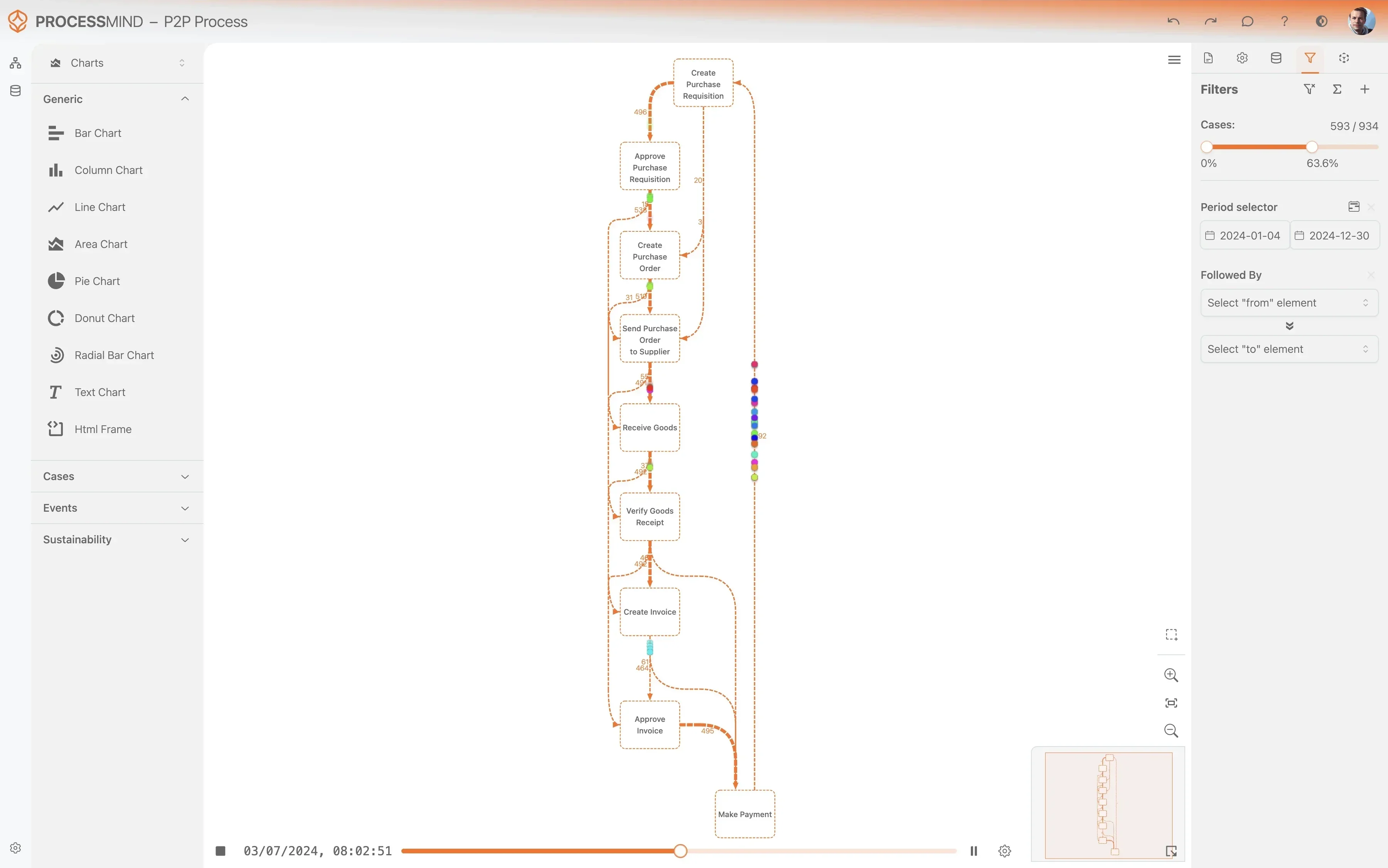
Discover your actual process flow
Identify bottlenecks and delays
Analyze process variants
Design your optimized process

PROVEN OUTCOMES

Optimizing Your Stripe Transaction Lifecycle

By analyzing every Payment Transaction ID, organizations identify systemic bottlenecks and eliminate friction within their payment workflows. This data-driven approach allows finance teams to streamline settlement cycles and improve overall processing efficiency.

0 %
Faster Approval Cycles

Reduction in end to end time

Streamlining the approval chain allows teams to move from request to approval much faster, eliminating idle time in the processing queue.

+ 0 %
Higher Touchless Rate

Increase in automated payments

Automating validation steps increases the percentage of payments processed without manual intervention, significantly lowering operational costs.

0 hours
Improved Error Handling

Faster resolution of failures

Identifying and fixing the root causes of transaction errors reduces the average resolution time and prevents recurring processing issues.

0 % less
Strict Process Compliance

Fewer noncompliant path cases

Monitoring deviation from standard approval paths ensures all payments follow mandatory validation and internal control requirements.

0 % reduction
Minimized Payment Rework

Decrease in repetitive tasks

Better data validation at the start of the process prevents payment instruction rework, ensuring instructions are sent correctly the first time.

0 % faster
Better Cash Visibility

Accuracy in reconciliation

Achieving first pass reconciliation more consistently provides treasury managers with more accurate data for cash flow forecasting.

Individual results vary based on process complexity and data quality. These figures represent typical improvements observed across various payment processing implementations.

FAQs

Frequently asked questions

Process mining visualizes every transaction step from initiation to settlement by extracting digital footprints from Stripe logs. This reveals hidden bottlenecks like manual validation steps and inconsistent settlement durations that traditional dashboards often miss. By mapping the actual flow, teams can identify exactly where rework or delays occur in the payment lifecycle.

To begin the analysis, you need to extract the Payment Transaction ID as the primary case identifier along with activity timestamps and status change logs. Additional attributes like payment method, region, or currency help in segmenting the data for deeper insights. These logs provide the necessary event data to reconstruct the end to end process flow accurately.

By comparing the intended process flow with the actual transaction records, process mining highlights where reconciliation steps are skipped or delayed. It identifies fragments in the error resolution process and surfaces instances where manual intervention creates visibility gaps in treasury management. This transparency allows finance teams to standardize reconciliation workflows and achieve higher accuracy.

Most organizations can view their initial process maps within a few days after connecting to the Stripe API and mapping the relevant data fields. Once the data is ingested, the discovery of major bottlenecks like approval delays or frequent instruction rework is immediate. Long term optimization and performance benchmarking usually develop over the first few weeks of continuous monitoring.

The Payment Transaction ID serves as the unique case identifier that links various events, such as authorization, capture, and settlement, into a single coherent process. Without this identifier, it would be impossible to track the journey of a specific payment across different statuses. It ensures that every action recorded in Stripe is correctly attributed to the right transaction for an accurate process reconstruction.

Yes, the technology automatically detects any deviation from your standard operating procedures by flagging non-standard approval pathways. It helps compliance officers see where payments bypassed mandatory checks or took unauthorized routes during processing. This continuous monitoring ensures that all transactions adhere to internal policies and regulatory requirements.

Process mining analyzes the root causes of error flags by examining the sequences of events that lead up to a payment failure. By identifying patterns common to false positives, teams can refine their validation logic and reduce unnecessary manual reviews. This leads to faster customer notifications and more efficient error resolution methods overall.

No, process mining operates as an analytical layer on top of your existing data and does not require changes to your Stripe setup. It simply reads the existing event logs and metadata to visualize the process as it currently exists. This allows you to gain visibility and improve your workflows without disrupting your ongoing payment operations.

By tracking the precise timing of settlement durations and identifying where funds are held up, process mining provides a clearer picture of cash flow. It eliminates visibility gaps by showing exactly when a payment moves from a pending state to finalized funds. This information helps treasury managers make more informed decisions based on real time processing speeds.

Optimize Your Stripe Payments Processing Efficiency Now

Achieve 98% straight-through processing and eliminate payment exceptions.

Start Your Free Trial

No credit card required... Setup in minutes