Improve Your Payments Processing

Optimize SWIFT workflows with this 6-step guide
Improve Your Payments Processing

Optimize Payments Processing in SWIFT for Faster Settlement

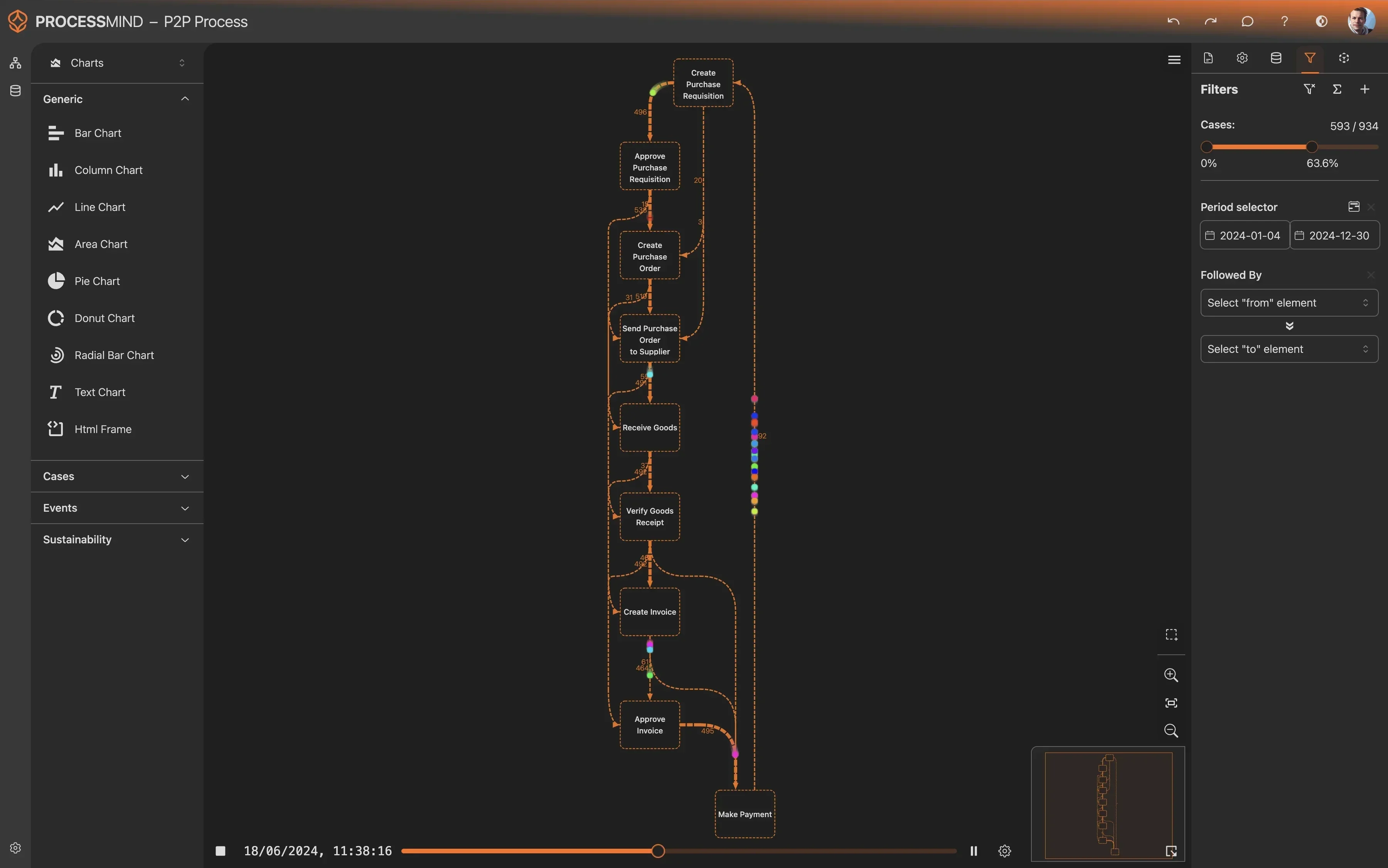
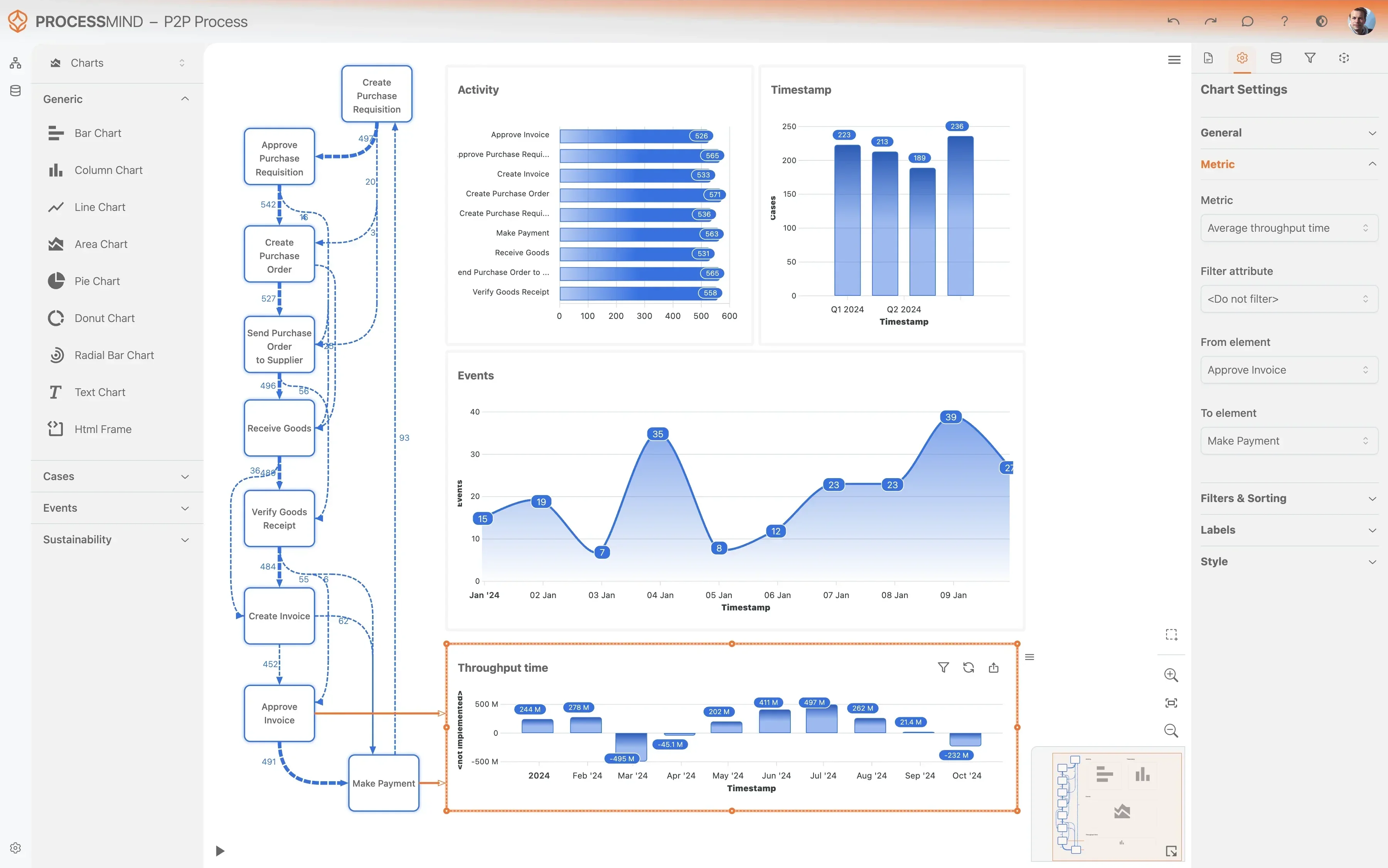
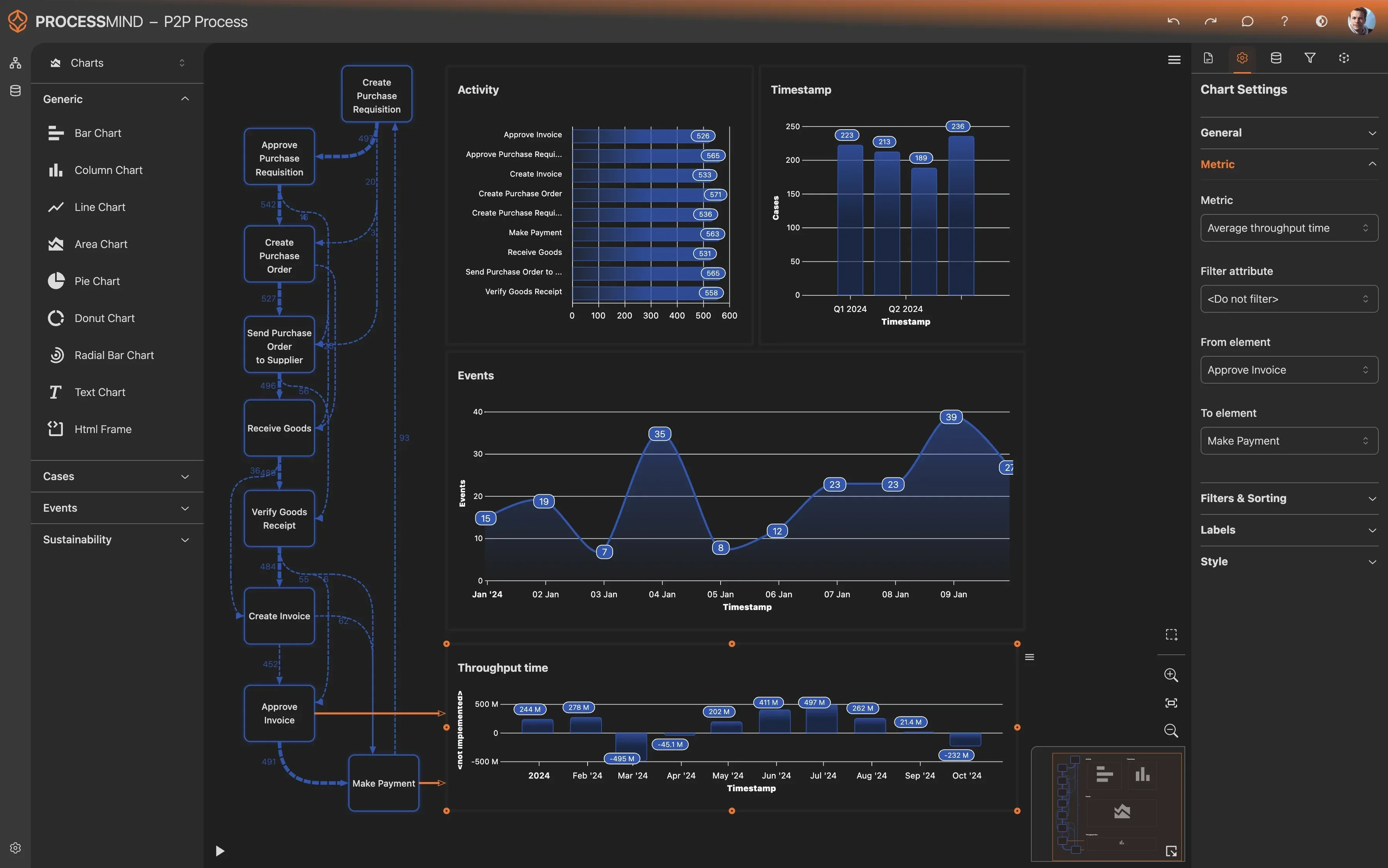
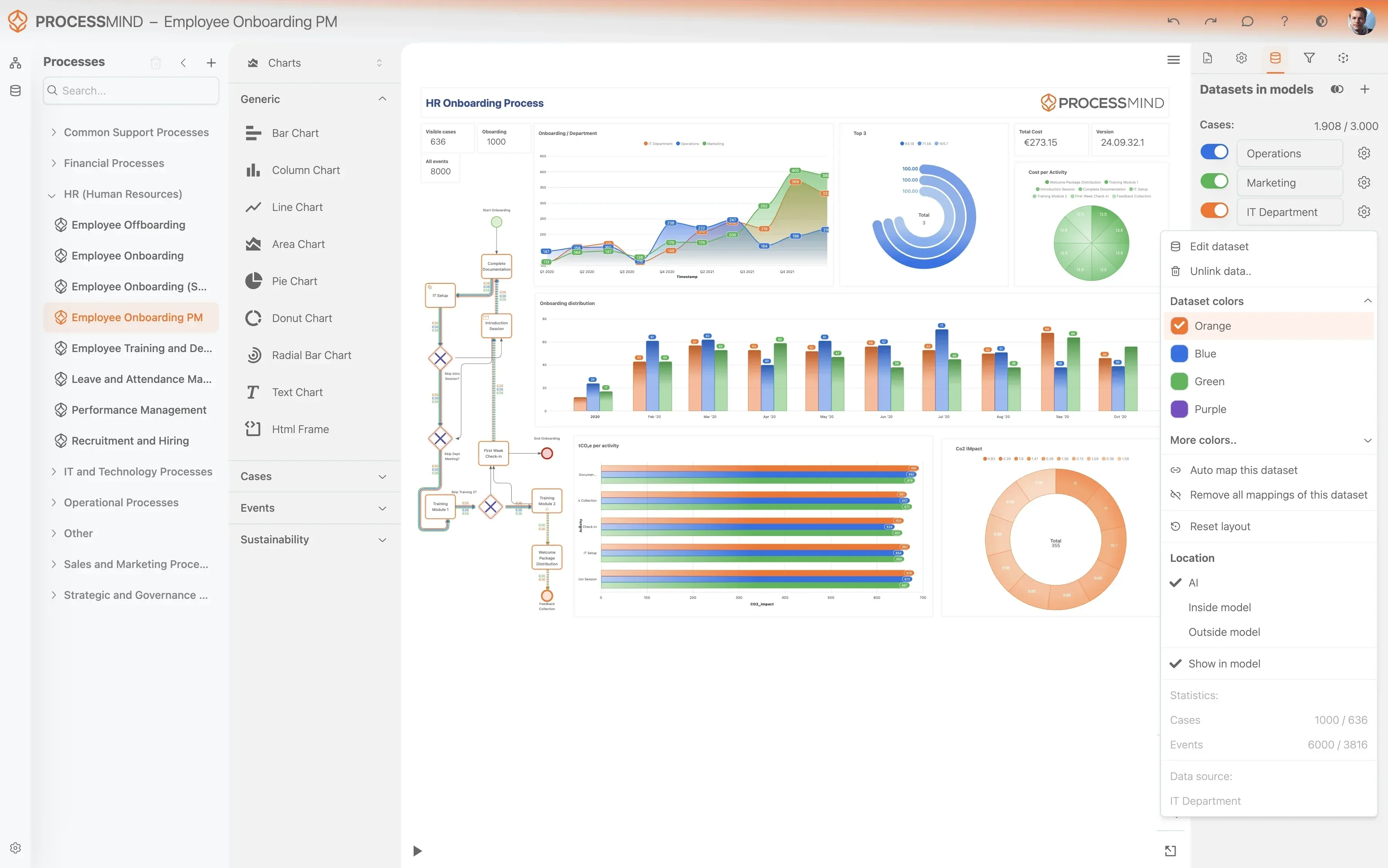
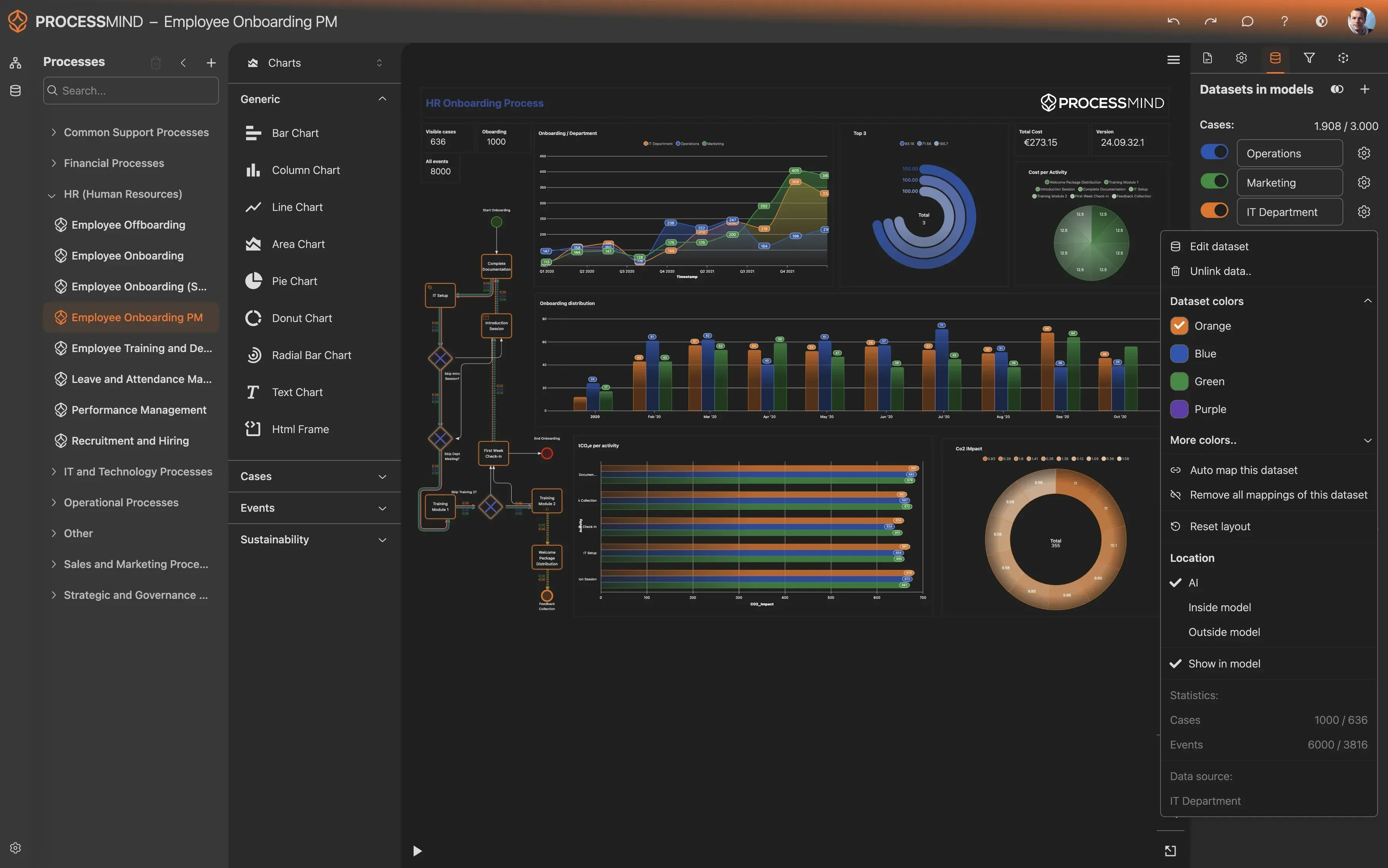
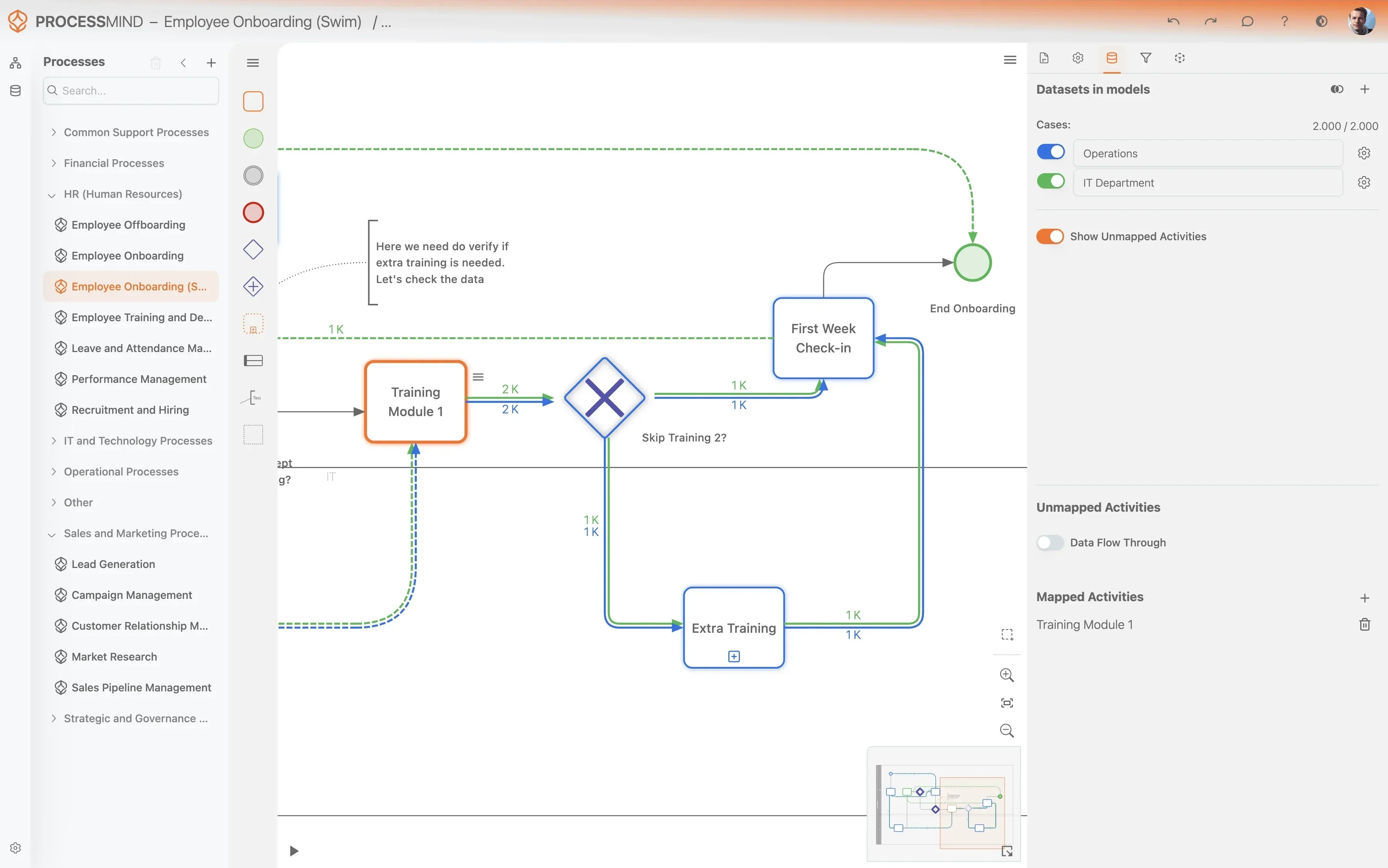
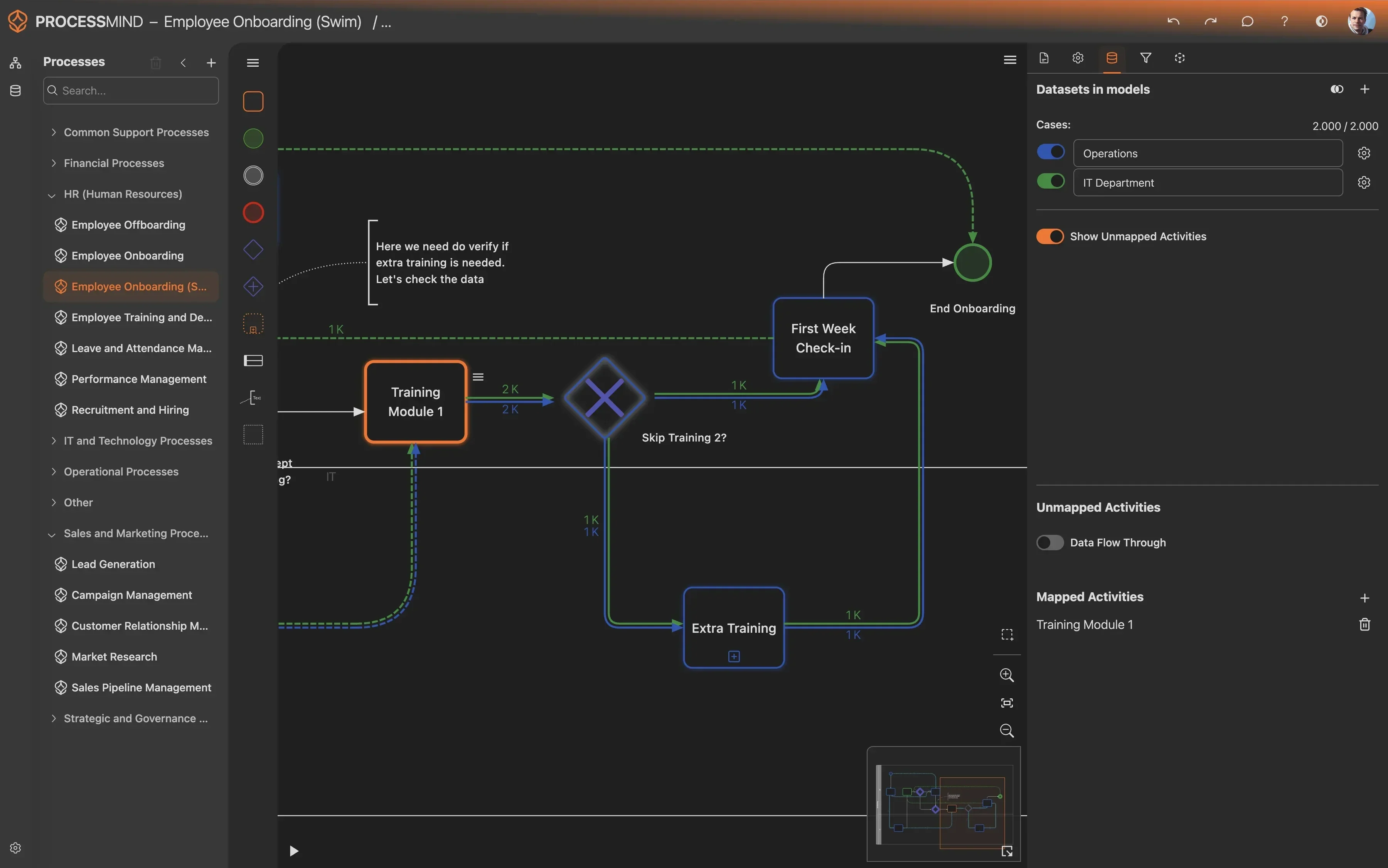
Our platform provides deep visibility into your operational workflows to help you identify hidden bottlenecks and unnecessary delays. By analyzing the complete transaction lifecycle, you can pinpoint where manual interventions slow down your operations and increase risk. This transparency allows your team to focus on streamlining steps that impact your overall efficiency and settlement speed.

Download our pre-configured data template and address common challenges to reach your efficiency goals. Follow our six-step improvement plan and consult the Data Template Guide to transform your operations.

Show detailed description

The Strategic Value of Optimizing Global Payments

In the high-stakes world of international finance, the efficiency of Payments Processing is more than just an operational metric, it is a cornerstone of institutional stability and client trust. For organizations relying on the SWIFT messaging network, the complexity of cross-border transactions is a constant challenge. Every payment represents a journey through a landscape of intermediary banks, currency conversions, and shifting regulatory requirements. When these processes are inefficient, the consequences are immediate and costly: trapped liquidity, increased operational overhead, and potentially severe compliance penalties. By focusing on process optimization, institutions can move beyond reactive problem-solving and toward a proactive model that prioritizes speed, accuracy, and transparency. This is particularly critical as the industry shifts from legacy formats like MT103 to the data-rich ISO 20022 standard, which demands greater precision in how financial data is handled and routed.

Transforming SWIFT Data into Operational Intelligence

Process mining offers a revolutionary way to visualize the reality of your payment flows. By connecting to your SWIFT gateway and internal core banking systems, process mining extracts event logs to reconstruct every transaction lifecycle in real time. This creates a digital twin of your Payments Processing operation, allowing you to see the actual path a payment takes rather than the theoretical path defined in your standard operating procedures. This visibility is crucial for identifying where reality deviates from the plan. For example, while your internal policy might mandate a two-hour window for authorization, process mining might reveal that certain high-value transactions are consistently delayed for six hours due to resource constraints or redundant manual checks. This level of detail allows you to pinpoint the exact stage where friction occurs, whether it is during the initial validation of payment details or the final reconciliation after funds have been transferred.

Targeted Improvements for Enhanced Transaction Flow

A primary goal in optimizing SWIFT workflows is increasing the Straight Through Processing (STP) rate. Every time a payment requires manual intervention, the risk of error increases and the cycle time slows down. Process mining helps you identify the root causes of these manual touchpoints. You might discover that specific payer types or currency pairs frequently trigger validation errors because of outdated static data in your systems. By resolving these underlying data quality issues, you can significantly reduce the need for manual repairs. Furthermore, compliance screening is often a major bottleneck in Payments Processing. Process mining allows you to analyze the impact of AML and KYC checks on your overall timeline. You can identify if false positives are causing unnecessary delays and determine if your approval authority levels are correctly calibrated to balance risk with operational velocity.

Quantifying Success Through Measurable Outcomes

The impact of process mining on your financial operations is both broad and deep. By identifying and eliminating bottlenecks, you can achieve a significant reduction in the average cycle time from payment request to settlement. This faster turnaround improves your working capital management and enhances your relationship with both payees and correspondent banks. From a cost perspective, increasing STP rates directly translates to a lower cost per transaction, as fewer staff hours are required to manage exceptions and errors. Perhaps most importantly, the enhanced auditability provided by process mining simplifies compliance. Having a complete, timestamped history of every activity, from Payment Authorized to Payment Reconciled, ensures that you can demonstrate full transparency to regulators and internal auditors without the need for labor-intensive manual data collection.

Building a Continuous Improvement Framework

Optimizing your Payments Processing in SWIFT is not a one-time project, but a continuous journey toward operational excellence. By adopting a process mining perspective, you move away from anecdotal evidence and toward a data-driven culture. This transition begins with identifying the current state of your operations and setting clear benchmarks for performance. As you implement changes, such as automating certain validation steps or streamlining approval workflows, you can use process mining to monitor the impact of those changes in real time. This creates a feedback loop where you can constantly refine your processes to adapt to new market demands or regulatory changes. We encourage you to use the insights provided in this guide to begin your journey toward a more efficient, compliant, and transparent payment operation, ensuring your organization remains competitive in an increasingly fast-paced financial ecosystem.

Payments Processing treasury management cross-border payments compliance officer payment reconciliation settlement automation liquidity management

Common Problems & Challenges

Identify which challenges are impacting you

Manual entry often leads to incorrect payment details or formatting errors in SWIFT messages. These mistakes cause transactions to be rejected by the network, leading to rework and potential late payment penalties that damage vendor relationships. When data is keyed in manually, even small discrepancies in IBAN or BIC codes can result in significant financial delays.

ProcessMind identifies the specific stages where validation errors occur most frequently. By analyzing the correlation between user roles and error types, the platform helps pinpoint the root causes of data entry issues to improve straight-through processing rates within the SWIFT network.

Large cross-border payments frequently require multiple levels of authorization which can stall for days. This bottleneck creates liquidity issues and makes it difficult to meet critical financial deadlines or take advantage of time-sensitive investment opportunities. Without clear visibility, these high-value cases often sit in queues without being prioritized correctly.

Using ProcessMind, you can visualize the exact duration of each approval step in the payment lifecycle. The platform highlights specific authorizers who exceed time limits, allowing for a redesign of the hierarchy to ensure faster execution of high-value transactions and better cash flow management.

Payments that pass internal checks may still be rejected by the receiving institution due to missing intermediary bank details or incorrect field mapping. This results in costly return fees and significant administrative overhead to investigate and resubmit the transaction. Frequent rejections can also trigger unwanted scrutiny from regulatory bodies.

ProcessMind tracks the end-to-end journey of every payment transaction, including those that are returned after instruction. By analyzing the attributes of rejected payments, the system uncovers patterns in missing data that can be addressed through better pre-submission rules and more accurate data mapping before messages are sent.

Mandatory regulatory checks often slow down the payment flow, particularly for international transactions. Inconsistent screening times can lead to unpredictable settlement dates, making it nearly impossible for treasury teams to manage cash flow accurately. If a payment is flagged incorrectly, it can be held up for an indefinite period while manual reviews take place.

Our process mining solution monitors the time spent in the compliance stage for every transaction. It differentiates between routine checks and complex investigations, providing visibility into where the screening process is stalling and how it impacts overall settlement speed for different currency types.

Matching confirmed settlements with original payment instructions is often a manual and error-prone process. Discrepancy between transferred amounts and ledger entries requires tedious manual intervention, which delays the closing of financial periods. This lack of automation leads to a backlog of unreconciled payments that clouds the financial picture.

ProcessMind maps the relationship between payment confirmation and final reconciliation activities. By identifying transactions that consistently fail automatic matching, the tool helps teams streamline their reconciliation logic and reduce the time spent on manual adjustments, ensuring the financial books are accurate and up to date.

Failing to meet specific network or currency cut-off times results in payments being held until the next business day. This delay can lead to missed settlement windows and increased exposure to currency fluctuations for international transfers. It also creates a compounding backlog of transactions that must be cleared the following morning.

The platform analyzes the timing of payment creation versus the final instruction sent activity. It flags payments that are consistently submitted too close to cut-off times, enabling managers to adjust internal deadlines and improve the timing of global cash movements to ensure same-day settlement whenever possible.

When a SWIFT message is flagged with an error, the resolution process is often repetitive and lacks a standardized approach. Teams spend valuable time fixing the same issues across multiple transactions, which increases the operational cost per payment. Without tracking these errors, it is difficult to implement permanent fixes.

ProcessMind categorizes payment transactions by their error codes and maps the subsequent resolution activities. This allows organizations to see which errors consume the most resources and implement automated fixes or better training to prevent them from recurring, ultimately lowering the cost of transaction processing.

Using multiple intermediary banks for international payments often leads to unpredictable fees and longer settlement durations. Without a clear view of the entire path, it is difficult to determine which routes are the most efficient and cost-effective. This lack of transparency makes it hard to negotiate better terms with banking partners.

By analyzing the full transaction path of every payment, ProcessMind provides insights into the performance of different payment corridors. You can identify which intermediary routes result in the most delays and consolidate transfers through better-performing channels to save on fees and reduce transit time.

A high volume of payments requiring manual intervention indicates a failure in automated workflows. This lack of straight-through processing increases the risk of human error and significantly raises the labor costs associated with routine financial operations. It prevents the organization from scaling its payment volume without adding more staff.

ProcessMind visualizes the happy path of automated payments and highlights every instance where manual activity is required. This data-driven approach allows you to see exactly where automation breaks down, facilitating the removal of manual steps and the enhancement of auto-validation rules to increase throughput.

Processing payments involving multiple currencies often leads to delays when rates are not applied correctly or when validation fails. These inconsistencies cause friction in the payment flow and lead to unexpected costs during the final settlement. If currency pairs are not handled efficiently, the total cost of the transfer can become prohibitive.

The solution tracks payments across different currency types to identify which conversions cause the most friction. By pinpointing bottlenecks in FX validation and scheduling, ProcessMind helps stabilize the processing time for all international transfers and ensures that currency-specific rules are applied consistently across the organization.

Typical Goals

Define what success looks like

Straight through processing is the gold standard for global finance, ensuring payments move from initiation to settlement without human intervention. By maximizing this rate, organizations reduce operational costs and eliminate the risk of manual data entry errors that cause delays. This leads to faster transaction times and more predictable treasury operations across the entire network. ProcessMind identifies every touchpoint where manual work occurs within your transaction lifecycle. By surfacing hidden bottlenecks in validation and authorization, the platform helps you target specific workflows for automation to reach higher processing efficiency. You can track the impact of these changes in real time, ensuring that your path toward full automation is data driven and effective.

Large financial transfers often require multiple levels of authorization, which can lead to significant delays if the process is not optimized. Rapid approval cycles ensure that critical payments meet deadlines and that corporate liquidity is managed effectively across borders. Faster approvals also reduce the window of exposure to market fluctuations and improve relationship management with global beneficiaries. Use our platform to map the exact path of high value payments and identify where they stall. ProcessMind reveals which approval tiers add the most latency, allowing you to streamline authorization steps and implement faster escalation paths. By visualizing the time spent at each authority level, you can reconfigure workflows to ensure that large transactions are never delayed by administrative friction.

Rejections from receiving banks cause massive rework and can damage professional relationships with suppliers and partners. Reducing these rejections ensures that cross-border payments arrive on time and avoid the extra fees associated with failed transactions. A lower rejection rate translates directly into higher operational efficiency and more reliable cash flow management. ProcessMind analyzes the root causes behind transaction rejections by correlating error codes with specific payment attributes. This insight allows you to correct data quality issues at the source, ensuring messages like MT103 or ISO 20022 are perfectly formatted every time. By identifying patterns in failed payments, you can proactively adjust validation rules to prevent future rejections.

Compliance checks are non-negotiable but often act as the primary bottleneck in international finance. Speeding up these screenings while maintaining rigorous standards ensures that payments are cleared quickly without risking regulatory penalties or financial crime. Efficient compliance processes allow for faster settlement without compromising the integrity of the transaction. By visualizing the time spent in compliance queues, ProcessMind highlights where sanctions screening lags behind other stages. You can then optimize the hand-off between automated filters and manual review teams to maintain a fluid transaction flow. The platform provides the transparency needed to balance speed with security, ensuring that compliance remains a facilitator rather than a barrier.

Manual reconciliation is a labor-intensive process that delays financial closing and obscures the real-time view of cash positions. Transitioning to automated matching ensures that books are updated instantly once settlement occurs in the network. This automation reduces the month-end pressure on finance teams and provides more accurate data for strategic decision-making. Our process mining solution tracks the time elapsed between payment confirmation and final reconciliation. By identifying the specific scenarios where manual matching is still required, you can refine your logic to achieve near-instant automated reconciliation. ProcessMind helps you eliminate the gaps between banking statements and internal ledgers, leading to a more streamlined financial operation.

Missing network cut-off times can delay a payment by an entire day, impacting liquidity and potentially causing breach of contract. Ensuring every payment is ready for transmission within its specific window is vital for reliable global treasury operations. Meeting these deadlines consistently builds trust with banking partners and ensures timely delivery of funds to beneficiaries. ProcessMind provides clear visibility into the lead times required for each stage of processing. By monitoring these durations against known cut-off times, the platform helps you identify which internal delays are putting your time-sensitive payments at risk. You can use these insights to reprioritize urgent transactions and optimize your internal schedule to align with global banking cycles.

Constant rework due to recurring error codes consumes valuable staff time and slows down the entire treasury department. Minimizing these repetitive corrections allows your team to focus on higher-value financial analysis rather than fixing formatting mistakes. Reducing rework also lowers the cost per transaction and increases the overall speed of the payment pipeline. ProcessMind isolates instances of rework by identifying transactions that pass through the same activity multiple times. By pinpointing the specific error codes that trigger these loops, you can implement permanent fixes to your data entry or messaging logic. This targeted approach ensures that common errors are handled at the source, preventing them from recurring in future payment cycles.

Variations in how different branches or teams handle cross-border settlements lead to unpredictable results and higher costs. A standardized approach ensures consistent performance, better compliance, and easier onboarding for new financial staff. It also simplifies the technical maintenance of payment systems and provides a unified view of global operations. The platform compares processing paths across different regions and payment types to find the most efficient route. ProcessMind helps you eliminate non-standard variations, ensuring that every payment follows the most direct and cost-effective path to completion. By establishing a best-practice baseline, you can ensure that all global entities operate with the same high level of efficiency.

Every time a human has to manually validate payment details, the risk of error increases and the process slows down. Removing these manual steps is essential for scaling payment volumes without significantly increasing headcount in the back office. Automated validation ensures that data is checked against strict rules instantly, leading to higher accuracy and lower costs. ProcessMind highlights every instance where a user manually interacts with a payment record before authorization. By quantifying the impact of these interventions, you can justify the implementation of more robust automated validation rules. The platform shows exactly where human touch is redundant, allowing you to reallocate staff to more complex financial exceptions.

Inconsistent handling of currency conversions can lead to unfavorable exchange rates and unpredictable settlement times. Streamlining this process ensures that multi-currency transactions are handled with the same efficiency as domestic payments. This harmonization provides better control over currency risk and improves the transparency of international transfer costs. Using our analytical tools, you can compare the processing duration of transactions involving different currency pairs. ProcessMind identifies where conversion steps are lagging, allowing you to optimize relationships with banking partners or internal treasury desks. By smoothing out these delays, you ensure that foreign exchange transactions are processed as quickly as standard transfers.

Real-time visibility into the status of outgoing payments is crucial for accurate liquidity forecasting. Knowing exactly where funds are in the pipeline allows treasury managers to make better decisions about cash allocation and investment. Improved visibility reduces the need for large cash buffers and helps optimize working capital across the organization. ProcessMind offers a comprehensive view of the entire payment lifecycle from request to settlement. By tracking the status of every transaction ID, you gain an accurate picture of committed funds and can predict when liquidity will be finalized in the network. This granular tracking enables more precise cash flow management and reduces the uncertainty associated with global settlements.

Financial regulators require a complete and unalterable audit trail for every cross-border payment. Strengthening these trails reduces the cost of audits and ensures that your organization remains in good standing with international banking authorities. A robust digital record also simplifies internal investigations and provides clear accountability for every financial movement. Our platform automatically reconstructs the full history of every payment transaction, documenting who did what and when. ProcessMind provides a transparent digital footprint that makes demonstrating compliance and investigating anomalies significantly faster and more accurate. This automated documentation ensures that you are always prepared for regulatory reviews with minimal manual effort.

The 6-Step Improvement Path for Payments Processing

1

Access the Payment Template

What to do

Obtain the standardized Excel template designed for SWIFT transaction logs, including headers for MT and ISO 20022 message types.

Why it matters

Starting with a structured format ensures your payment data aligns with mining requirements, preventing mapping errors during analysis.

Expected outcome

A ready to use template for your SWIFT transaction data

YOUR SWIFT INSIGHTS

Unlock Full Visibility Into Your SWIFT Payment Cycles

Gain an end to end view of your payment flows to identify where validation errors and manual delays occur. You will receive data driven clarity on how to optimize settlement times and reduce compliance risks.
  • Map your entire SWIFT transaction lifecycle
  • Pinpoint root causes of reconciliation errors
  • Identify manual steps ready for automation
  • Monitor settlement speed and compliance metrics
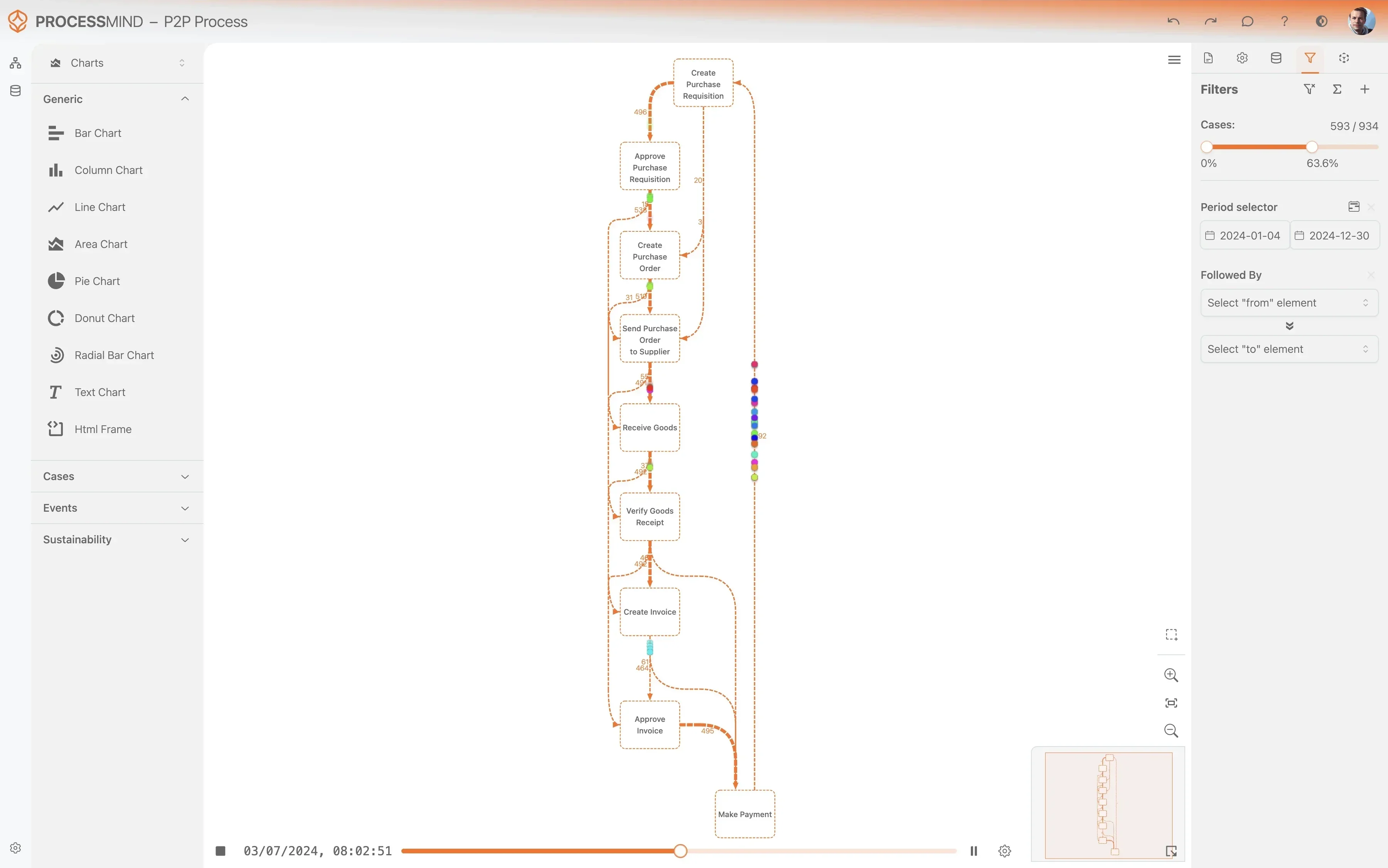
Discover your actual process flow
Identify bottlenecks and delays
Analyze process variants
Design your optimized process

TYPICAL OUTCOMES

Optimizing Global Payment Throughput

Organizations leveraging process mining for SWIFT workflows typically uncover hidden delays in payment settlement and validation. By tracking the unique Payment Transaction ID across every stage, teams can eliminate redundant checks and automate routing to improve overall cycle times.

+ 0 %
Boost STP Rates

Increase in straight through processing

Eliminating manual intervention in validation allows payments to flow seamlessly from creation to settlement.

0 %
Faster High Value Approvals

Reduction in authorization cycles

Identifying bottlenecks in authorization chains for large transfers helps meet high value processing targets and improves liquidity management.

0 %
Efficient Sanctions Screening

Improvement in compliance speed

Optimizing screening durations ensures regulatory compliance without compromising time sensitive payment windows or network performance.

+ 0 %
SWIFT Cut off Adherence

Increase in timely transmissions

Better visibility into internal processing delays helps ensure instructions are transmitted before daily currency specific deadlines.

0 days
Reduced Reconciliation Gap

Faster settlement to ledger time

Automating the final payment reconciliation steps significantly reduces the time required to close transactions in the internal ledger.

0 %
Lower Rejection Incidents

Decrease in beneficiary bank errors

Standardizing cross border settlement workflows reduces common SWIFT error codes and prevents costly rework with receiving banks.

Individual results vary depending on process complexity and data integrity. These metrics represent typical improvements observed in enterprise payments processing environments.

FAQs

Frequently asked questions

Process mining visualizes every step of your payment lifecycle by extracting timestamps from SWIFT logs and transaction databases. It automatically identifies where payments stall, such as during manual validation or sanctions screening, allowing teams to target specific bottlenecks accurately.

You primarily need three data points: a unique Payment Transaction ID, activity names like validation or settlement, and precise timestamps for each event. Additional context such as currency types or beneficiary bank codes can be added to segment the data for deeper optimization analysis.

Yes, by mapping out every manual intervention, process mining highlights the root causes of rework and straight through processing failures. Teams can then use these insights to automate repetitive validation steps and reduce the frequent manual corrections that currently lower your STP rates.

The platform monitors the duration of each process stage and can provide historical data on transactions that frequently miss their cut-off windows. By identifying which internal departments or validation steps consistently cause delays, management can reallocate resources to ensure timely settlements.

No, process mining typically works as a read-only layer that consumes existing log data or database exports. It does not interfere with your live transaction processing or require any changes to your core SWIFT connectivity infrastructure or messaging protocols.

Most organizations can see their first process maps within four to six weeks once the data extraction pipeline is established. The initial phase focuses on connecting to your payment system, while subsequent weeks are spent refining the dashboards to track specific goals like rejection rates.

By treating the screening process as a specific milestone in the transaction flow, process mining measures exactly how long each check takes for every payment. You can compare different screening tiers to see if false positives or specific compliance rules are creating unnecessary friction in your workflow.

By correlating SWIFT error codes with transaction data, process mining reveals patterns in rejected payments that are otherwise hidden. This allows you to identify if specific currencies, corridors, or manual data entry patterns are consistently leading to high rejection rates from partner institutions.

Optimize Your SWIFT Payments Processing Now

Achieve 98% straight-through processing and eliminate manual errors

Start Your Free Trial

No credit card required. Setup in 5 minutes