Improve Your Supply Chain Management

Select a process
Choose a process to continue working in your connected workspace.
Optimize Your Supply Chain with Kinaxis RapidResponse Data
Our platform helps you uncover hidden inefficiencies and compliance risks within your supply chain operations. Pinpoint bottlenecks, reduce lead times, and enhance supplier performance across your processes. This allows you to improve operational resilience and achieve significant cost savings.
Download our pre-configured data template and address common challenges to reach your efficiency goals. Follow our six-step improvement plan and consult the Data Template Guide to transform your operations.
Show detailed description
Why Optimize Your Supply Chain Management with Kinaxis RapidResponse?
Supply Chain Management (SCM) is the backbone of any product-based business, directly impacting profitability, customer satisfaction, and market competitiveness. In today's dynamic global landscape, an efficient and resilient supply chain is no longer just an advantage, it is a necessity. Even with advanced planning tools like Kinaxis RapidResponse, which offers concurrent planning and control tower capabilities, the real-world execution of logistics orders often deviates from the meticulously crafted plans.
These deviations can manifest as hidden bottlenecks, extended lead times, excessive inventory holdings, or, conversely, frequent stockouts. Such inefficiencies lead to increased operational costs, missed delivery dates, unhappy customers, and potential compliance risks. Understanding the actual flow of your logistics orders, from initial demand forecast to final delivery, is crucial for unlocking the full potential of your Kinaxis RapidResponse planning and ensuring that your strategic designs translate into flawless execution.
How Process Mining Transforms Supply Chain Analysis
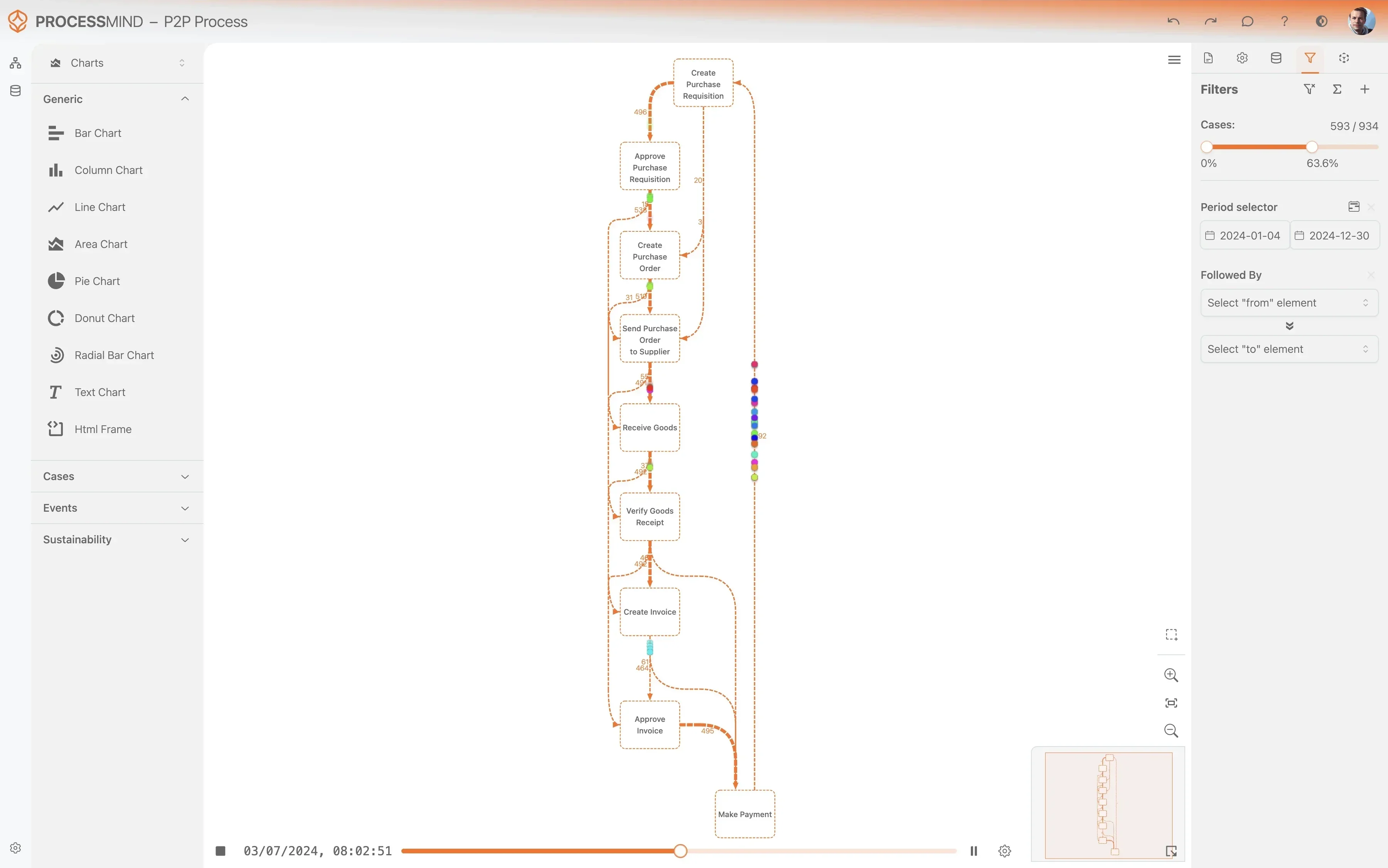
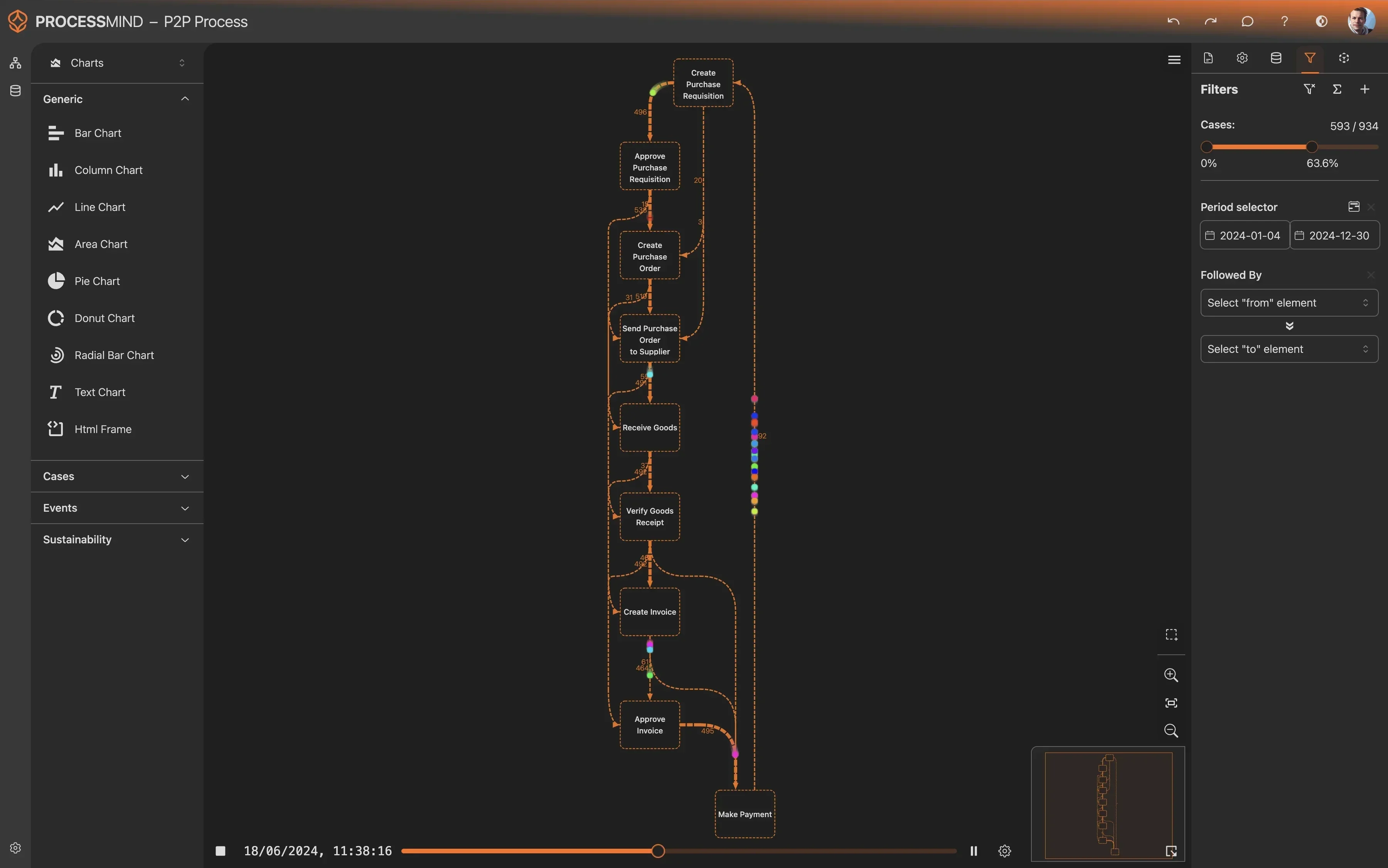
Process mining offers a powerful methodology to uncover the true execution paths of your Supply Chain Management processes using event data extracted directly from systems like Kinaxis RapidResponse. Rather than relying on assumptions or anecdotal evidence, process mining provides an objective, data-driven view of how your logistics orders actually move through your organization. By analyzing every step, from "Demand Forecast Generated" to "Proof of Delivery Signed," you gain unprecedented transparency.
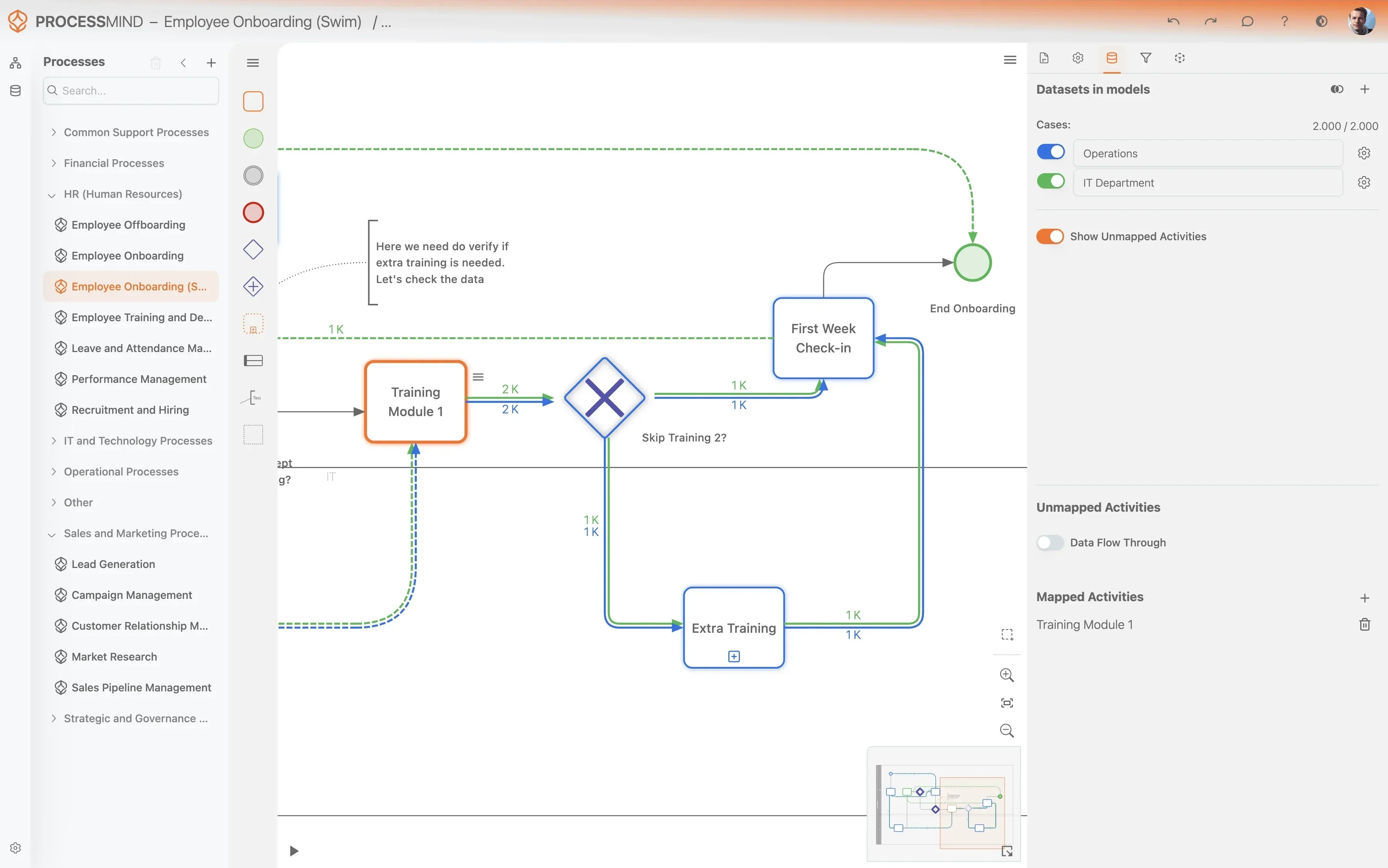
This approach allows you to automatically visualize the complete, end-to-end process flow of every logistics order. You can easily identify all existing process variants, even those you did not know existed, and discover where actual execution deviates from your planned Kinaxis RapidResponse workflows. Process mining then quantifies these deviations, highlighting specific activities, resources, or stages that cause delays, rework, or non-compliance. It provides the crucial
The 6-Step Improvement Path for Supply Chain Management
Download the Template
What to do
Access and download the pre-configured Excel template tailored for Supply Chain Management. This template guides you on structuring your Kinaxis RapidResponse data for optimal analysis.
Why it matters
Using the correct data structure from the start ensures accurate and comprehensive process analysis, laying a solid foundation for meaningful insights.
Expected outcome
A ready-to-use data template, perfectly structured for your Kinaxis RapidResponse supply chain data.
Export Your Data
What to do
Extract 3-6 months of historical logistics order data from Kinaxis RapidResponse, including activities and attributes. Populate the downloaded template with this raw process data.
Why it matters
Historical data provides a realistic view of past operations, allowing ProcessMind to identify trends, deviations, and actual process flows. This is crucial for valid analysis.
Expected outcome
A complete Excel template, filled with your historical Kinaxis RapidResponse supply chain process data.
Upload Your Dataset
What to do
Securely upload your populated data template to ProcessMind. Our platform will automatically ingest and prepare your Kinaxis RapidResponse data for analysis.
Why it matters
Effortless and secure data ingestion means you can quickly move from raw data to actionable insights, minimizing setup time and ensuring data integrity.
Expected outcome
Your Kinaxis RapidResponse supply chain data successfully loaded and ready for immediate process visualization and analysis.
Analyze Your Process
What to do
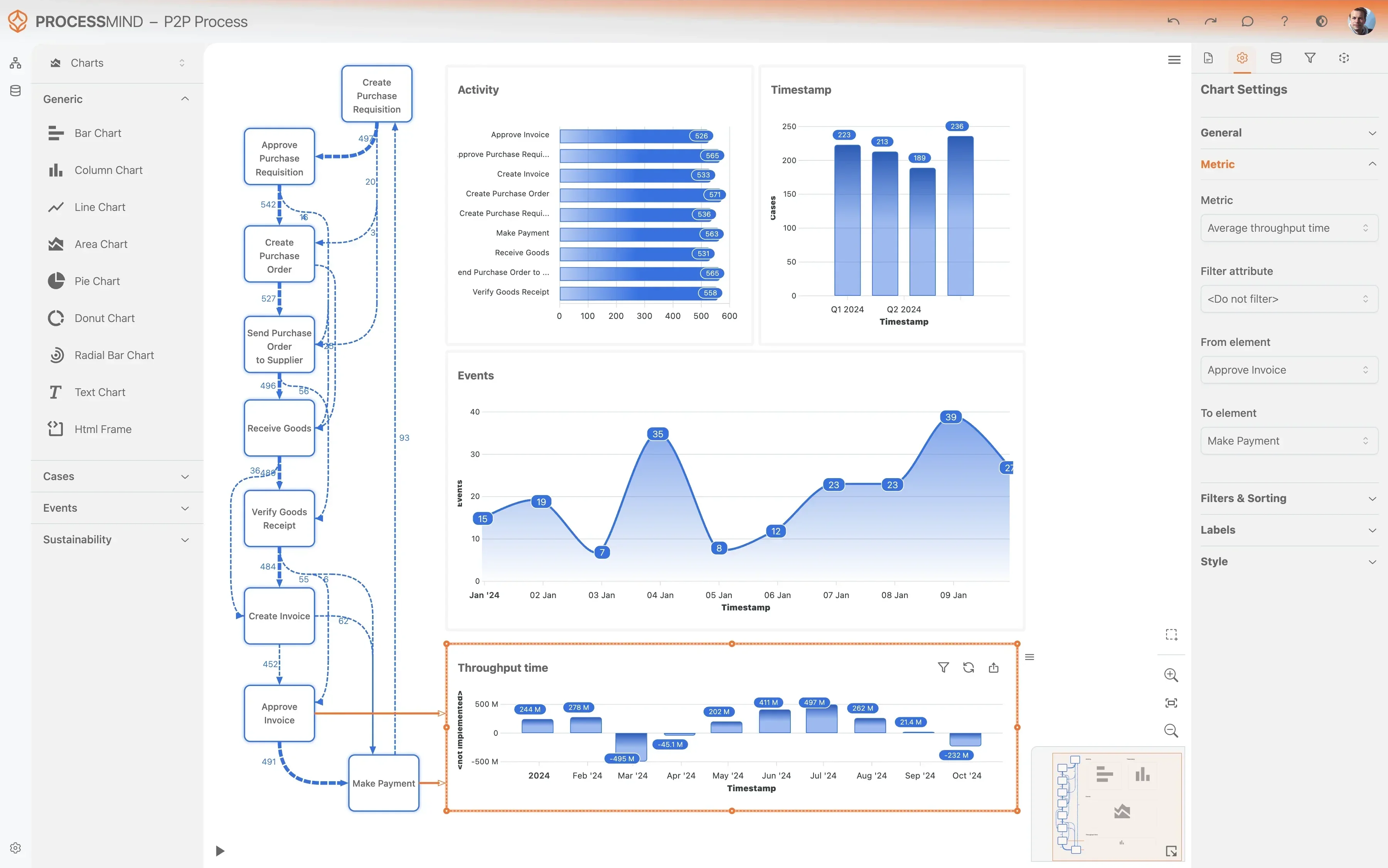
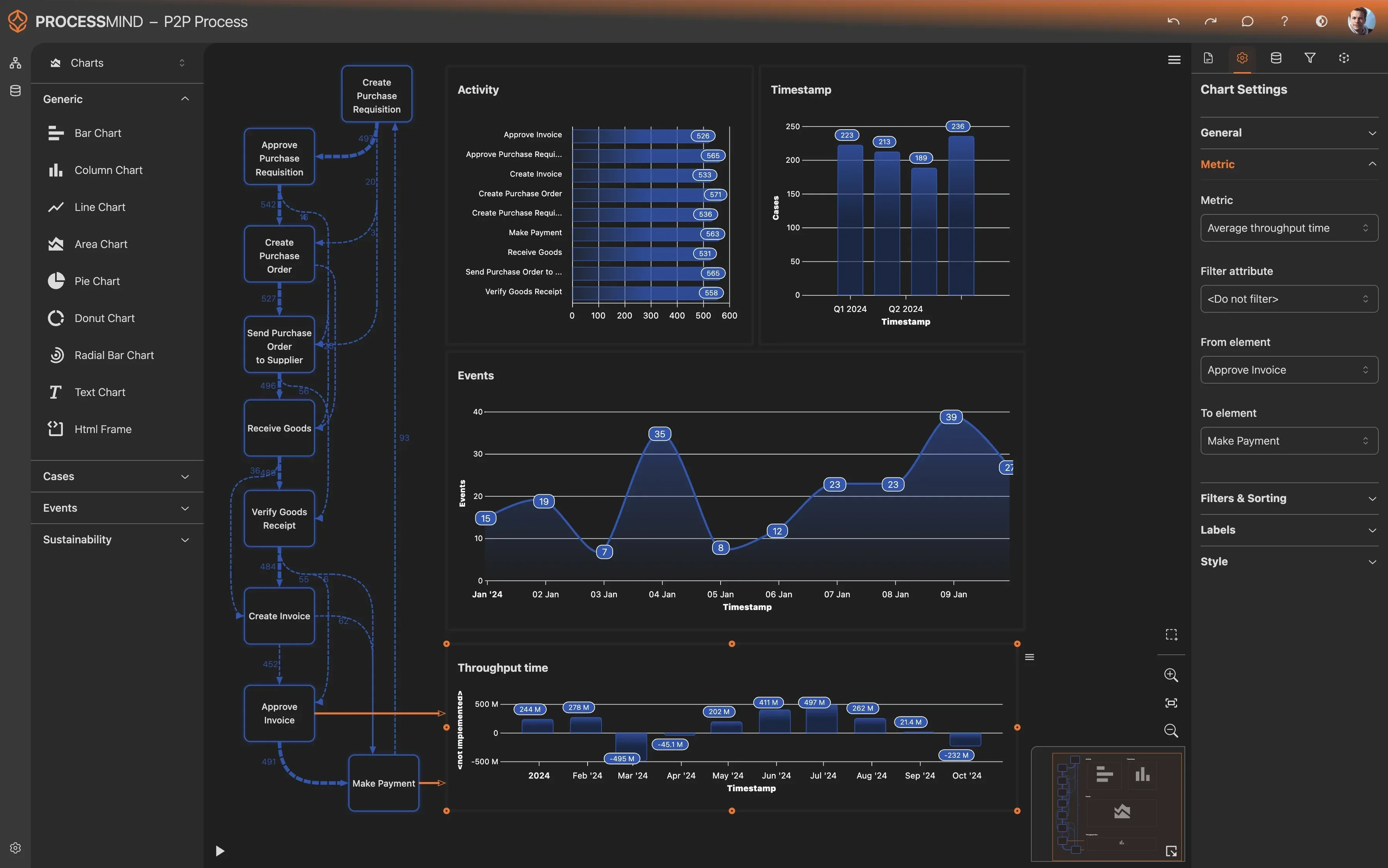
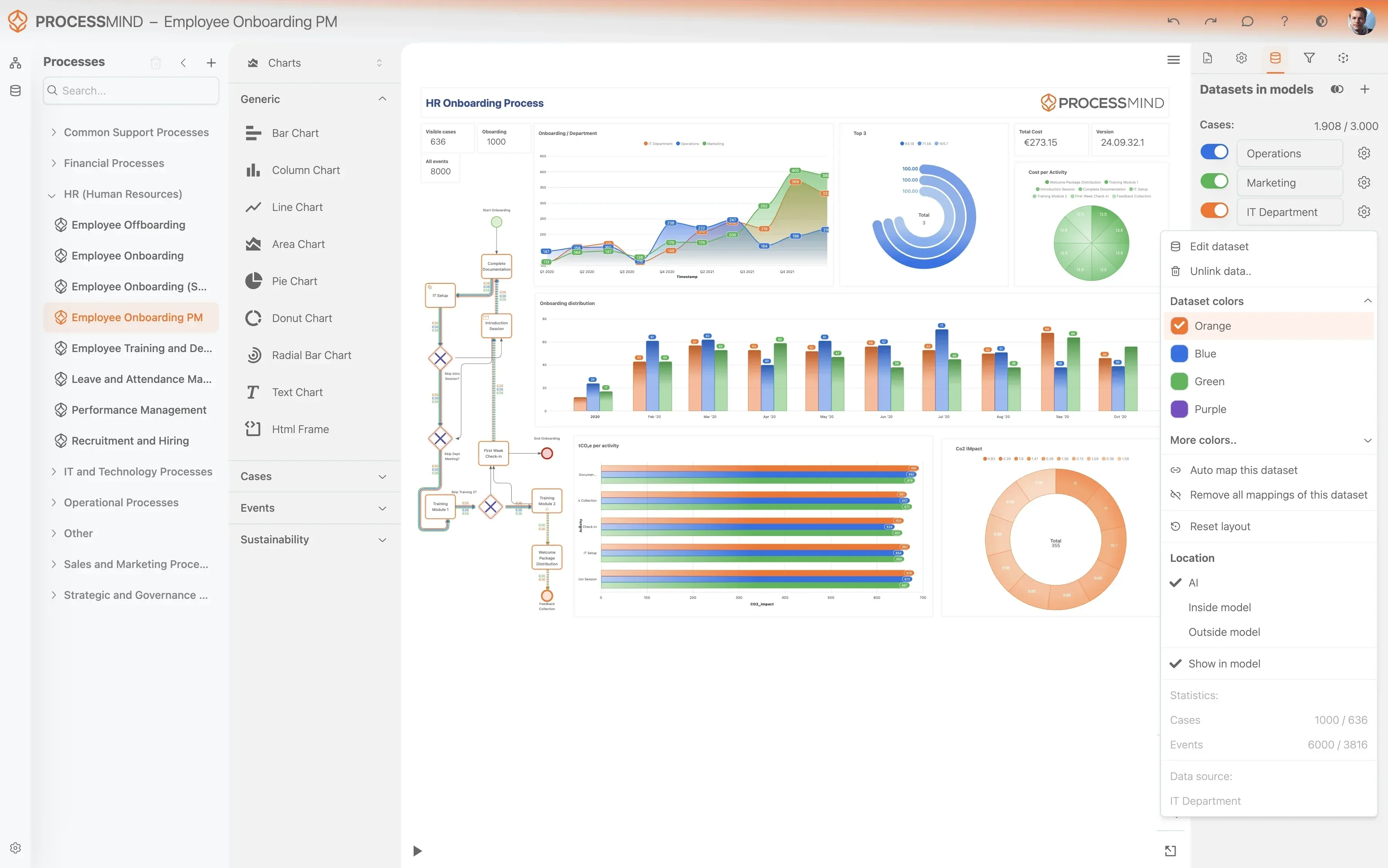
Explore the auto-generated process maps and dashboards, revealing your supply chain's actual execution. Leverage AI-driven recommendations to pinpoint inefficiencies and compliance gaps.
Why it matters
Visualizing your end-to-end supply chain process uncovers hidden bottlenecks, rework loops, and compliance issues, providing clarity on where to focus improvement efforts.
Expected outcome
A clear understanding of your supply chain's performance, with identified optimization opportunities and AI-backed recommendations.
Implement Improvements
What to do
Based on the insights from ProcessMind, prioritize and implement changes within your Kinaxis RapidResponse operations. Focus on addressing identified inefficiencies.
Why it matters
Translating insights into action is crucial for realizing tangible benefits. This step ensures that data-driven decisions lead to measurable operational enhancements.
Expected outcome
Strategic changes implemented in your supply chain processes, targeting improved efficiency and reduced lead times.
Monitor Your Process
What to do
Periodically re-upload fresh Kinaxis RapidResponse data to ProcessMind. Continuously track key performance indicators to assess the impact of your implemented changes.
Why it matters
Ongoing monitoring ensures sustained process improvements and allows for quick identification of new deviations or opportunities, fostering a culture of continuous optimization.
Expected outcome
Sustained improvement in supply chain KPIs, with continuous visibility into process health and performance over time.
TYPICAL OUTCOMES
Achieving Supply Chain Excellence with Process Mining
These outcomes represent the measurable improvements organizations typically achieve by applying process mining to their Supply Chain Management processes, particularly focusing on Logistics Order workflows within Kinaxis RapidResponse. By uncovering inefficiencies and bottlenecks, organizations can optimize operations and drive significant business value.
Increase in customer delivery reliability
Process mining identifies and resolves bottlenecks impacting delivery schedules, leading to a higher percentage of orders delivered on time. This directly enhances customer satisfaction and strengthens brand reputation.
Reduction in average order-to-delivery time
By pinpointing and eliminating process inefficiencies, organizations can significantly shorten the entire order-to-delivery cycle. This translates to quicker customer service and improved operational fluidity.
Decrease in high-cost urgent deliveries
Process mining uncovers root causes of expedited shipping, enabling proactive adjustments to planning and logistics. This significantly lowers unnecessary transportation expenses and improves cost efficiency.
Reduction in quality-related process loops
Identifying recurring rework loops and their causes allows for targeted process improvements, reducing material waste and labor costs. This leads to higher product quality and more efficient production flows.
Improvement in adherence to standard operating procedures
Process mining provides insights into deviations from desired process flows, ensuring higher adherence to compliance standards and reducing operational risks. This strengthens governance and audit readiness.
Decrease in time goods spend in inventory
By analyzing inventory movement patterns, process mining helps reduce the average time finished goods sit in storage, freeing up capital and cutting holding costs. This leads to more agile inventory management.
Individual results may vary based on the specific complexities of your supply chain processes and the quality of your data. These figures illustrate typical improvements observed across various implementations of process mining in Supply Chain Management.
Recommended Data
FAQs
Frequently asked questions
Process mining helps identify bottlenecks, compliance risks, and inefficiencies within your supply chain processes by analyzing event logs from systems like Kinaxis RapidResponse. It provides a data-driven view of the actual process flow, revealing deviations and areas for optimization. This can lead to increased on-time deliveries, reduced cycle times, and optimized inventory levels.
To perform process mining, you primarily need event log data. For Supply Chain Management, this includes information about logistics orders, such as case identifiers, activity names, and precise timestamps for each step. Additional attributes like order value, supplier ID, or resource responsible can enrich the analysis.
Data extraction from Kinaxis RapidResponse typically involves using its reporting capabilities or API access to pull relevant event log data. This raw data is then transformed and prepared into a standardized event log format, which includes a case ID, activity, and timestamp for each event. This prepared data can then be loaded into a process mining tool.
Expected outcomes include a clearer understanding of your actual supply chain performance, leading to targeted improvements. You can anticipate reduced order-to-delivery cycle times, lower transportation costs, and better inventory optimization. This also helps in improving supplier delivery performance and enhancing overall supply chain visibility.
Initial insights can often be gained within a few weeks of data extraction and preparation. A comprehensive analysis, including root cause identification and actionable recommendations, might take several weeks to a few months, depending on the complexity of your processes and the data quality. Continuous monitoring provides ongoing benefits.
Yes, process mining is highly effective at identifying deviations from prescribed process paths and compliance rules. By comparing the actual process execution against predefined models, it can automatically flag instances where specific steps were skipped, performed out of sequence, or exceeded certain time limits. This provides clear evidence of non-compliance and allows for proactive mitigation.
While process mining tools are becoming more user-friendly, a basic understanding of data modeling and the ability to interpret process maps is beneficial. For initial setup and complex data transformations, some technical skills, often involving SQL or data scripting, may be required. Collaboration between IT and business users is key for successful implementation.
Traditional SCM analytics often focuses on aggregated metrics and pre-defined dashboards, showing "what" happened. Process mining, however, reconstructs the end-to-end process flow from event data, revealing "how" processes actually run, including all variants and deviations. This provides deeper insights into the root causes of performance issues, beyond just surface-level indicators.
Master Your Supply Chain, Boost Forecast Accuracy Now
Achieve 90% forecast accuracy and end stockouts with full visibility.
No credit card required. Setup in minutes.