Improve Your Record to Report - Journal Entry

Select a process
Choose a process to continue working in your connected workspace.
Optimize BlackLine Journal Entries for R2R Efficiency and Compliance
Delayed process steps can impact your financial close. Our solution helps you pinpoint inefficiencies, understand compliance gaps, and streamline your operations. Discover how to transform your processes and achieve faster, more accurate reporting.
Download our pre-configured data template and address common challenges to reach your efficiency goals. Follow our six-step improvement plan and consult the Data Template Guide to transform your operations.
Show detailed description
Why Optimize Record to Report - Journal Entry with BlackLine?
The Record to Report, R2R, Journal Entry process is a cornerstone of accurate financial reporting. While BlackLine provides robust capabilities for close automation, inefficiencies within your Journal Entry workflows can still significantly hinder your financial close, introduce compliance risks, and inflate operational costs. Every delayed or incorrectly processed journal entry can cascade through your R2R cycle, impacting everything from balance sheet reconciliations to management reporting. Understanding the true performance of this critical process within your BlackLine environment is not just about achieving a faster close, it is about ensuring data integrity and maintaining regulatory compliance.
How Process Mining Supercharges BlackLine Journal Entry Analysis
Process mining offers an unparalleled approach to analyzing your Record to Report - Journal Entry operations in BlackLine. Instead of relying on manual observations or static flowcharts, process mining extracts event data directly from BlackLine and integrated source systems. This allows you to visualize the actual, end-to-end journey of every single journal entry, from its initial creation to final posting and reconciliation. You gain an objective, data-driven map of your process, revealing precisely where entries spend most of their time, identifying hidden rework loops caused by rejections or corrections, and quantifying the true cycle time for each stage, such as review and approval. This deep dive into the operational realities of your BlackLine Journal Entry process empowers you to move beyond assumptions and base your process optimization efforts on factual performance data.
Key Improvement Areas Revealed by Process Mining
With process mining, you can specifically target and resolve a range of issues within your BlackLine Journal Entry process. You will be able to pinpoint exact bottlenecks, whether they are specific journal entry types that consistently experience delays, particular approvers who are overloaded, or departments struggling with supporting documentation. The technology clearly highlights rework and deviations from your ideal process, showing how often journal entries are rejected, corrected, and resubmitted, along with the root causes of these inefficiencies. Furthermore, process mining helps uncover compliance gaps by identifying instances where entries bypass critical control steps or deviate from standard operating procedures. This granular insight also identifies opportunities for further leveraging BlackLine's automation capabilities, streamlining manual steps, and ultimately accelerating your Record to Report cycle time.
Expected Outcomes from Optimizing Your R2R Journal Entry Process
Optimizing your Record to Report - Journal Entry process with process mining in BlackLine yields tangible, measurable benefits. You can expect a significantly faster financial close due to reduced end-to-end journal entry processing times. Accuracy will improve as errors and rework are minimized, leading to more reliable financial statements. Enhanced compliance is a direct outcome, as you ensure strict adherence to internal policies and external regulations. Operational costs will decrease through reduced manual effort, fewer delays, and optimized resource allocation. Ultimately, you empower your finance teams with data-driven insights for continuous process improvement, fostering a culture of efficiency and providing a solid foundation for strategic decision-making.
Getting Started with Journal Entry Process Optimization
Embarking on your Record to Report - Journal Entry process optimization journey with BlackLine does not require extensive process mining expertise. By leveraging a structured approach, you can quickly gain valuable insights into your current operations. Start by focusing on your BlackLine Journal Entry data, extract the event logs, and apply process mining techniques to visualize and analyze your real-world process. The insights gained will provide a clear roadmap for how to improve Record to Report - Journal Entry processes and how to reduce Record to Report - Journal Entry cycle time, transforming your financial close. Take the first step towards a more efficient, compliant, and accurate R2R cycle today.
The 6-Step Improvement Path for Record to Report - Journal Entry
Download the Template
What to do
Download the pre-configured Excel template tailored for BlackLine Journal Entry data. This template provides the exact structure needed for process analysis.
Why it matters
Using the right data structure from the start ensures accurate and efficient analysis. It prevents rework and guarantees all critical process information is captured.
Expected outcome
A ready-to-use Excel template specifically formatted for your Journal Entry data from BlackLine.
Export Your Data
What to do
Extract 3-6 months of historical Journal Entry data from BlackLine, focusing on activity logs and status changes. Populate the downloaded template with this real-world data.
Why it matters
Historical data provides a comprehensive baseline for understanding past performance and identifying recurring issues. It's crucial for revealing true process behavior.
Expected outcome
A complete dataset, structured according to the template, reflecting your BlackLine Journal Entry activities.
Upload Your Dataset
What to do
Securely upload your populated data template to ProcessMind. The platform will automatically begin processing and analyzing your BlackLine Journal Entry data.
Why it matters
Seamless data ingestion kickstarts the analytical process, eliminating manual configuration and speeding up the time to insight. Your data remains secure throughout.
Expected outcome
Your BlackLine Journal Entry data is successfully loaded and ready for automated process discovery and analysis.
Analyze Your Process
What to do
Explore the auto-generated dashboards, process maps, and performance metrics for your Journal Entry process. Review AI-driven recommendations for optimization.
Why it matters
Visualizing your process reveals hidden bottlenecks, compliance deviations, and inefficiencies. AI provides actionable insights to guide your improvement efforts.
Expected outcome
A clear understanding of your Journal Entry process, its performance, and data-backed recommendations for improvement.
Implement Improvements
What to do
Prioritize the identified opportunities and implement changes within your BlackLine Journal Entry workflows. Focus on addressing critical bottlenecks and compliance gaps.
Why it matters
Translating insights into action is where real value is created. Targeted improvements directly address process pain points, leading to tangible operational gains.
Expected outcome
Concrete changes applied to your BlackLine Journal Entry process, improving efficiency and compliance.
Monitor Your Process
What to do
Periodically re-upload updated Journal Entry data from BlackLine to ProcessMind. Track the impact of your implemented changes over time.
Why it matters
Continuous monitoring ensures that improvements are sustained and allows for agile adjustments. It provides measurable proof of ROI and ongoing optimization.
Expected outcome
Ongoing visibility into your Journal Entry process performance and measurable KPI improvements.
YOUR INSIGHTS
Discover Key Insights for BlackLine Journal Entries
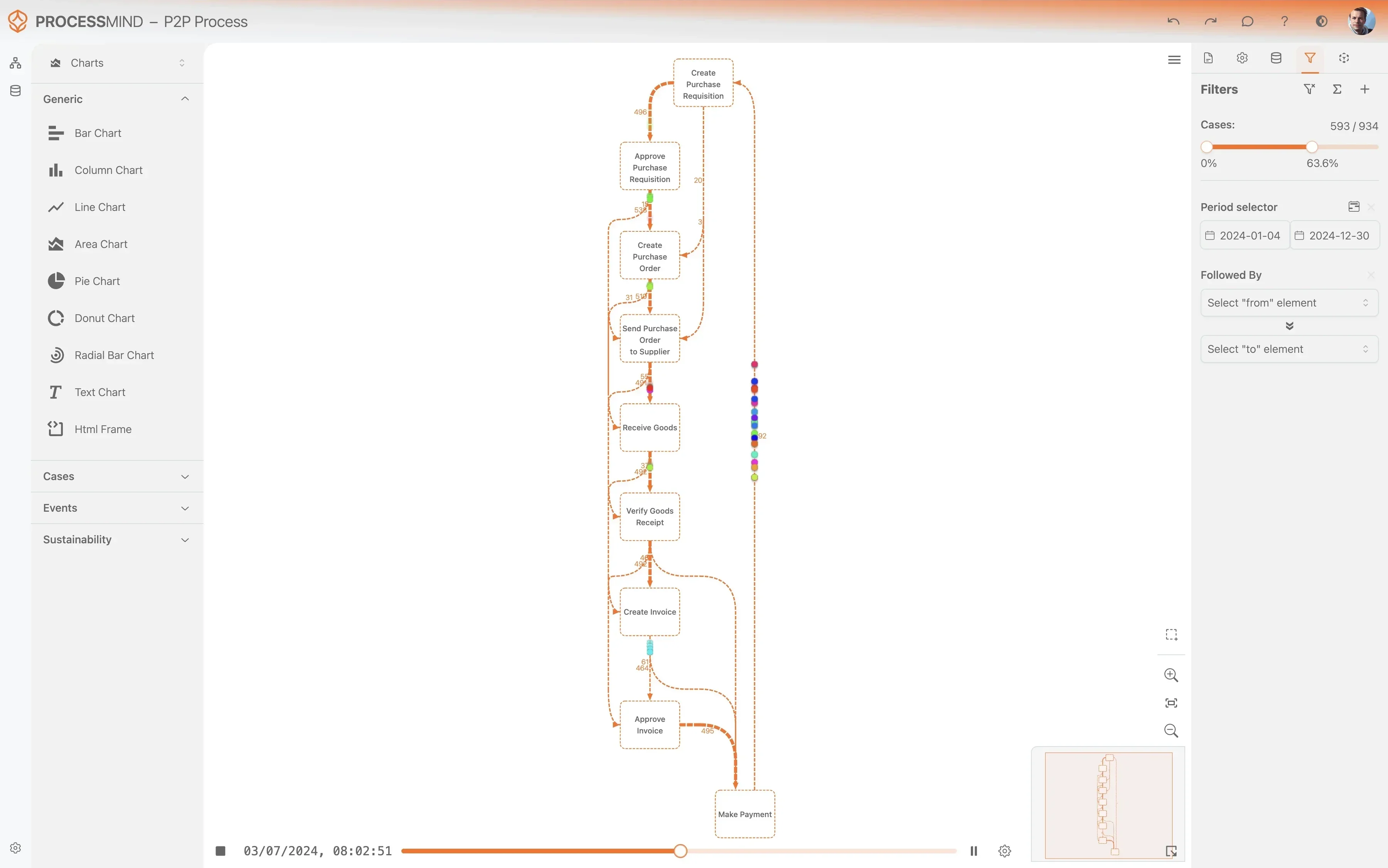
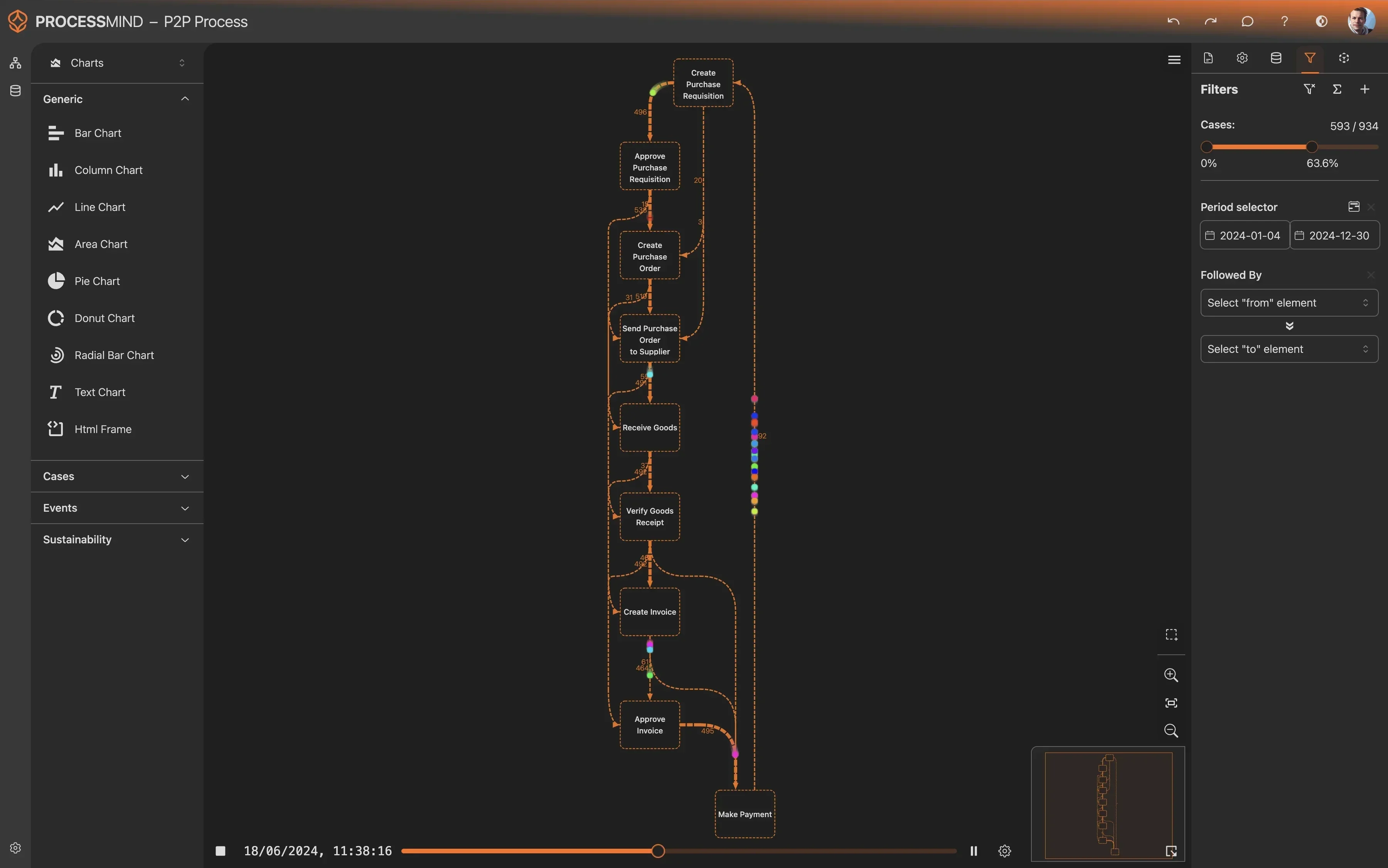
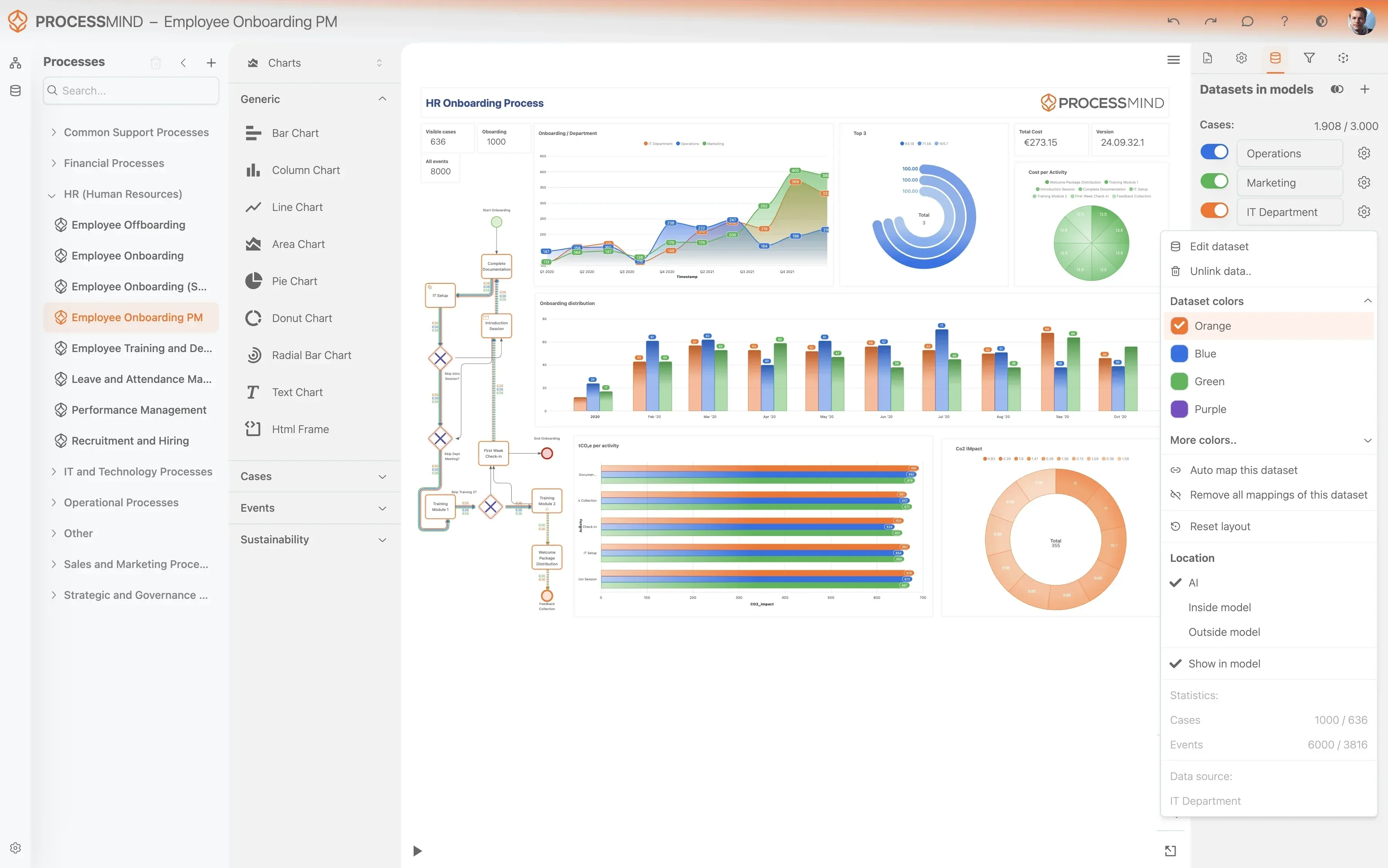
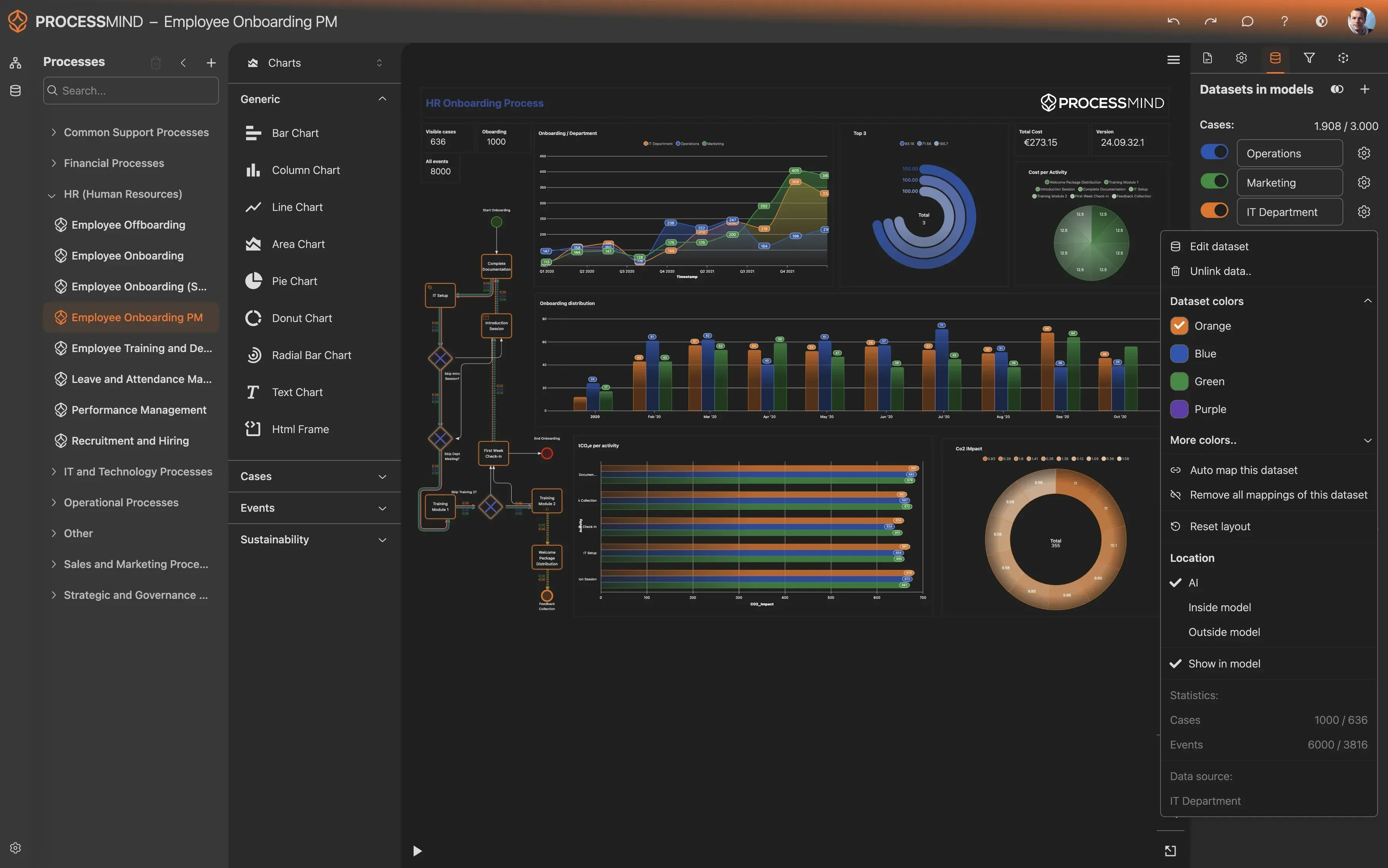
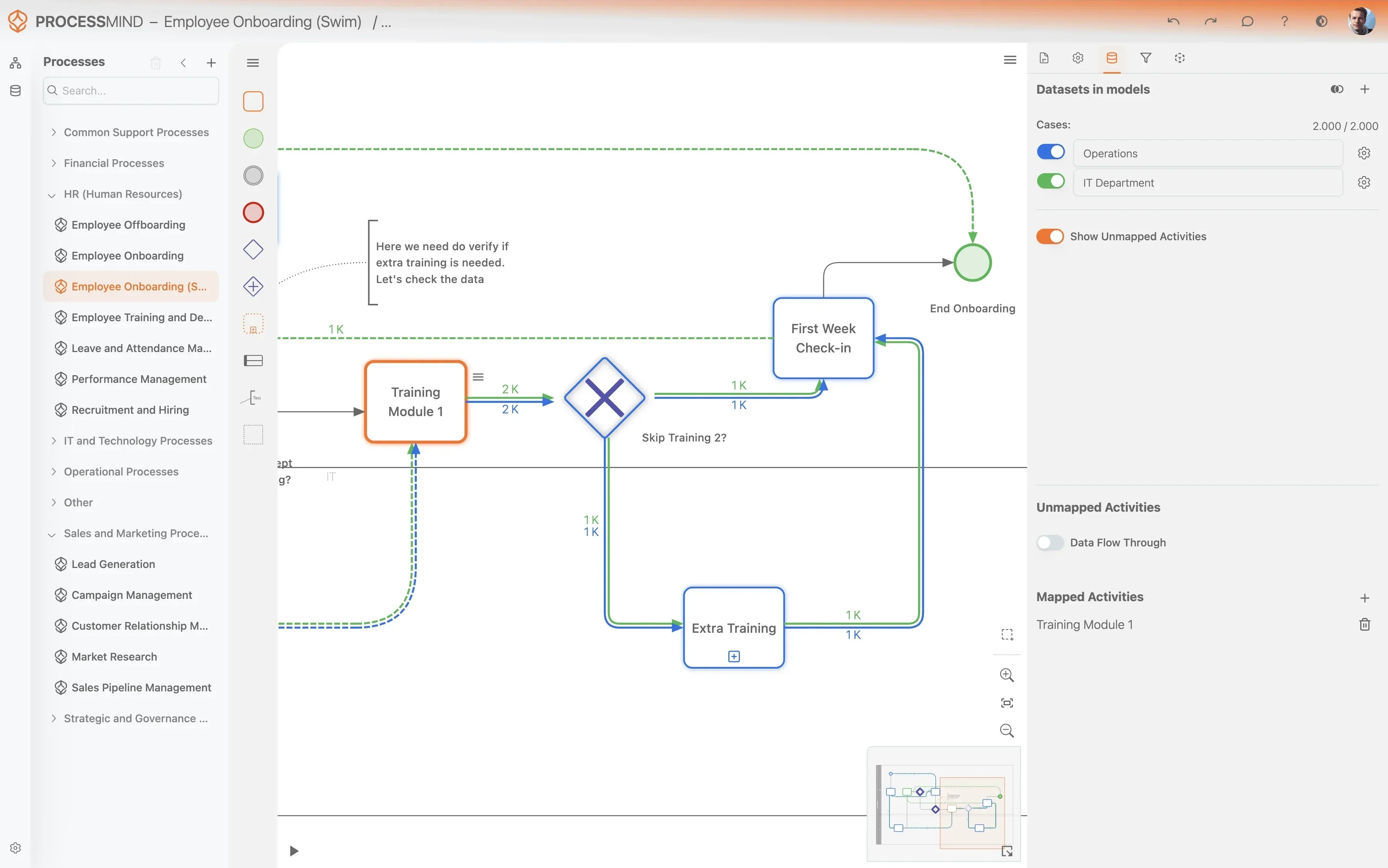
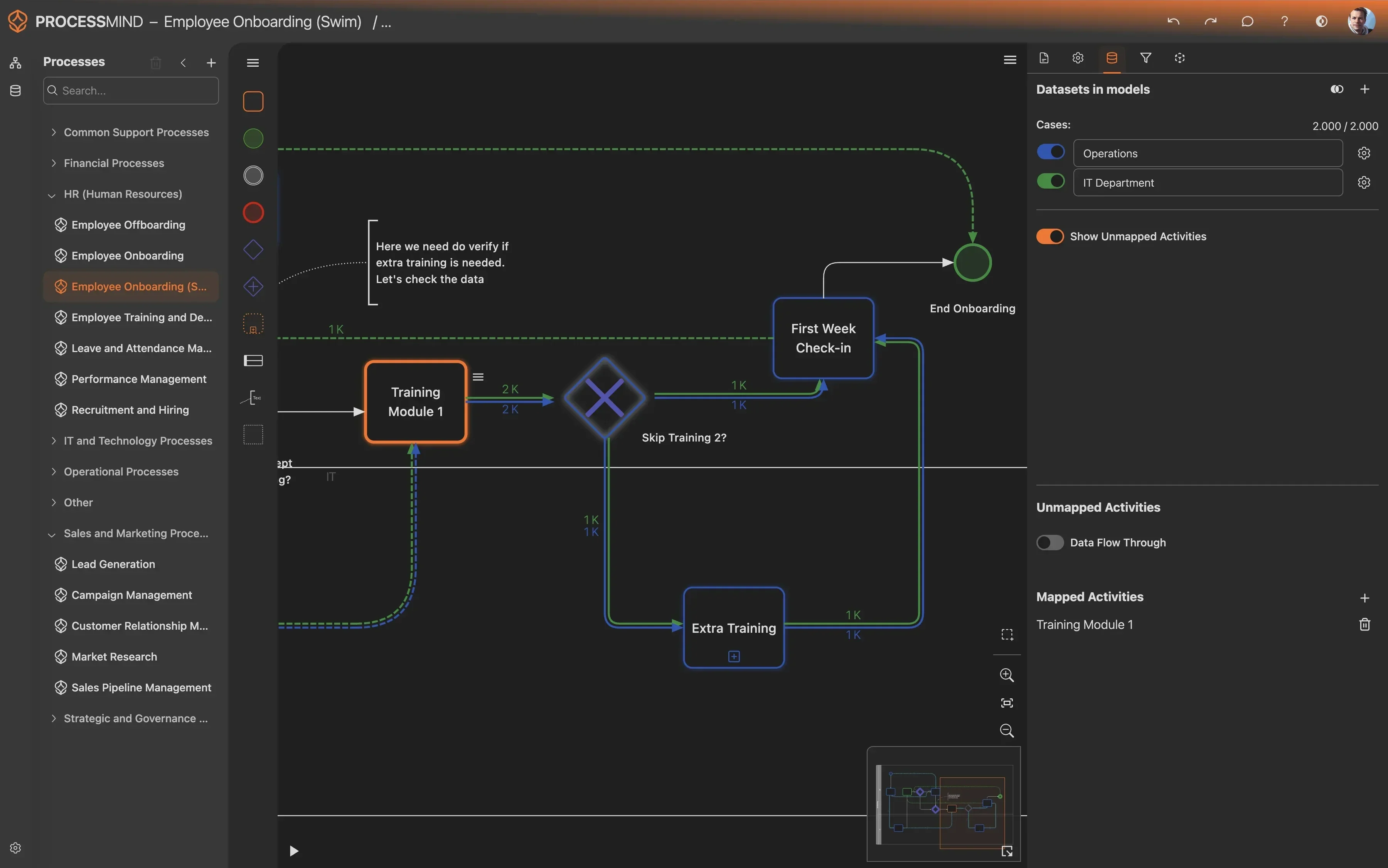
- Visualize your actual journal entry process flow
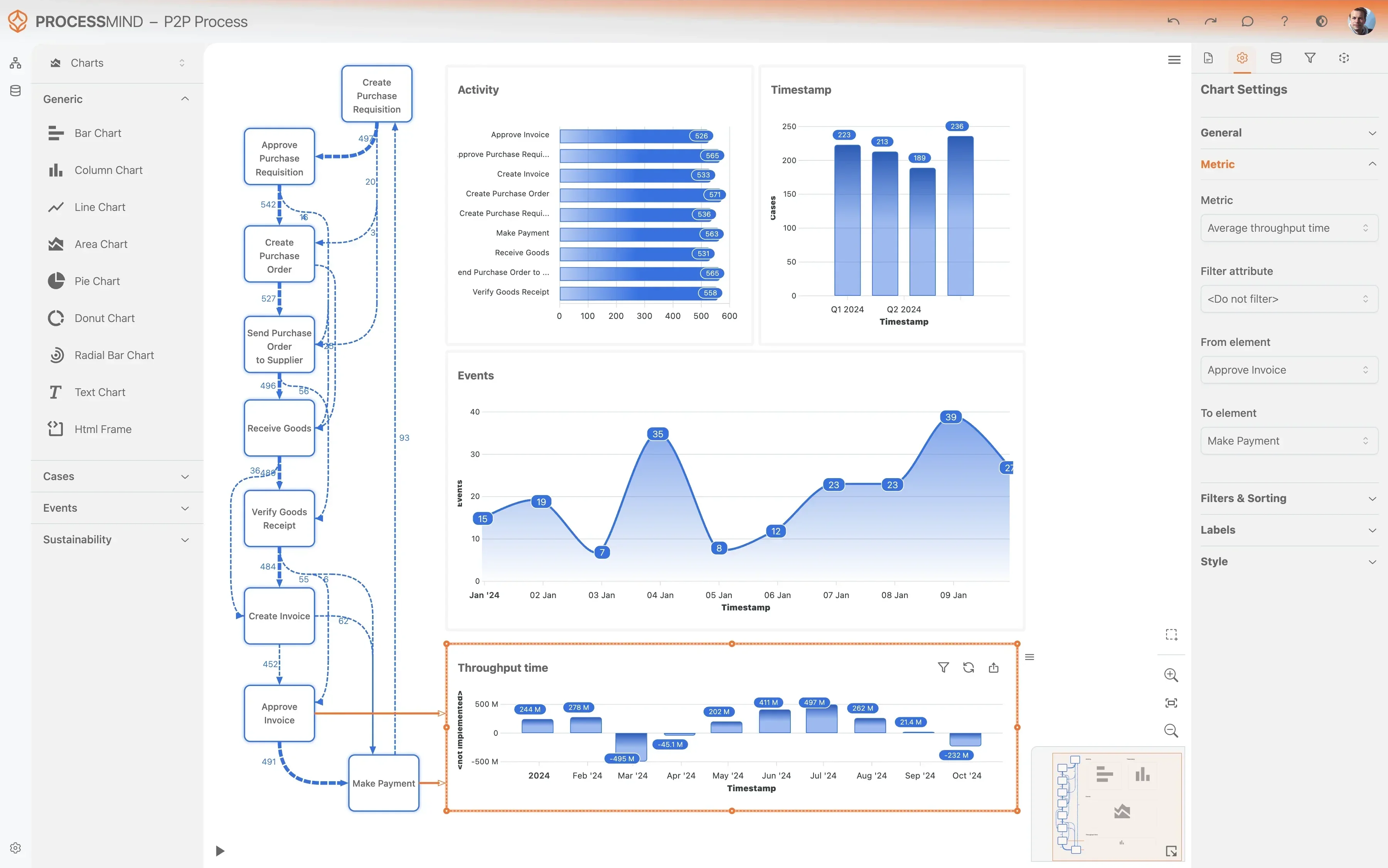
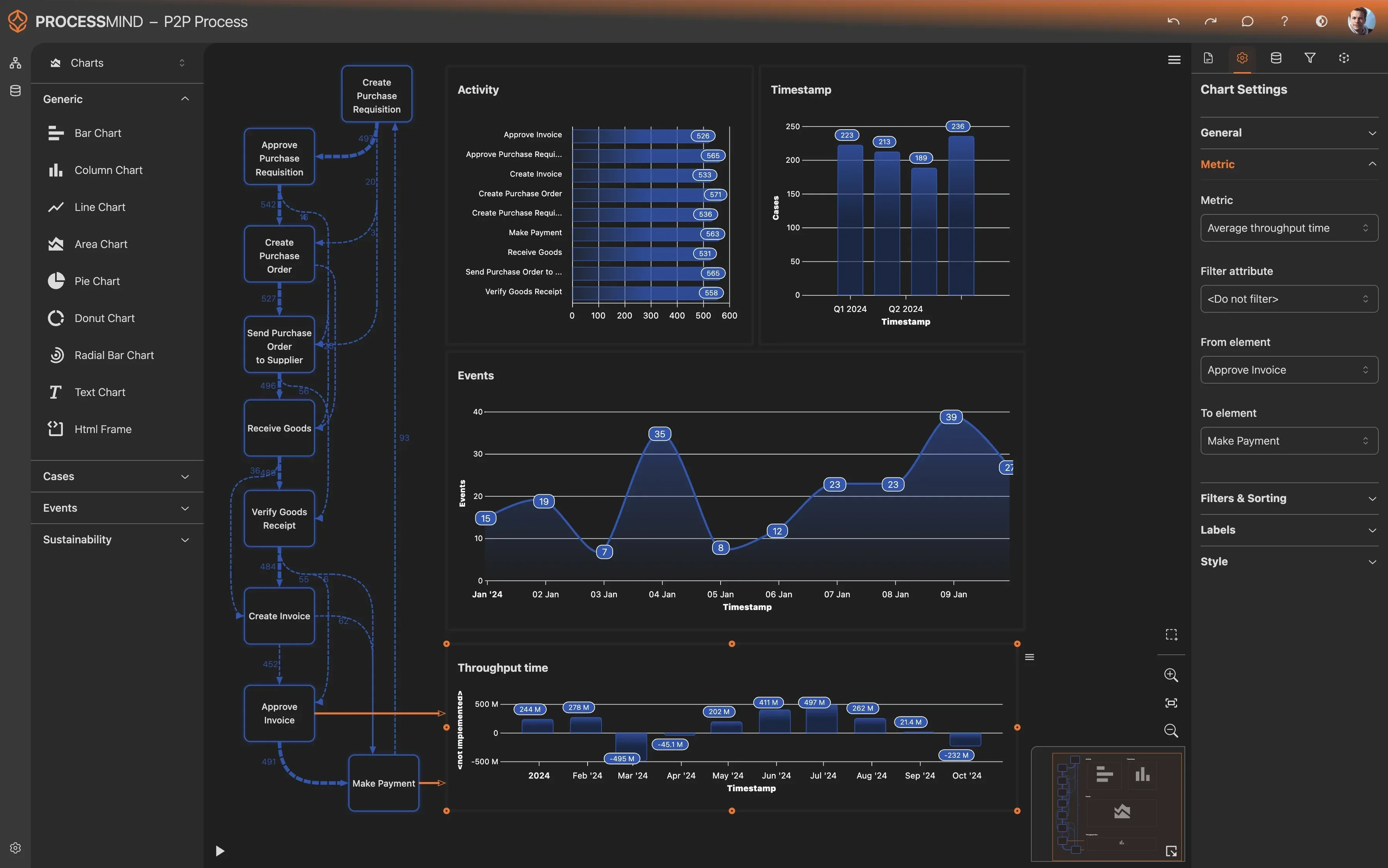
- Identify bottlenecks and delays in BlackLine
- Uncover compliance risks in R2R operations
- Accelerate your financial close cycle
TYPICAL OUTCOMES
Tangible Improvements in Journal Entry Management
Our analysis of your Journal Entry process, utilizing BlackLine data, reveals clear opportunities for optimization. These outcomes highlight the practical benefits achieved by streamlining your Record to Report operations through data-driven insights.
Average reduction in approval time
Process mining identifies bottlenecks in the approval workflow, leading to quicker sign-offs and reduced delays in the financial close.
Decrease in journal entry rejections
By pinpointing root causes of rejections, organizations can improve data quality and submission accuracy, significantly reducing rework and manual effort.
Increase in process conformance
Process mining helps enforce standard operating procedures, ensuring journal entries follow the correct path, which strengthens audit readiness and regulatory adherence.
Reduction in post-posting corrections
Understanding the causes of post-posting adjustments enables proactive corrections, improving accuracy and reducing the need for costly and time-consuming reversals.
Average reduction from creation to posting
Identifying and removing bottlenecks across the entire journal entry process significantly shortens the time from initiation to final posting, improving efficiency.
Results vary based on process complexity, existing system configurations, and data quality. The improvements presented here represent typical enhancements observed across various client implementations.
Recommended Data
FAQs
Frequently asked questions
Process mining visualizes the actual flow of your Journal Entries in BlackLine, from creation to posting. It highlights bottlenecks like slow approvals or frequent rejections, identifies non-standard paths, and uncovers root causes of delays. This helps you understand where efficiency gains can be made and compliance improved.
By analyzing approval paths and durations, process mining precisely identifies the stages and individuals causing delays. It can reveal uneven workloads or specific approval steps that are consistently slow. This data enables targeted interventions to streamline the approval process and reduce cycle times.
You primarily need event logs detailing each step a Journal Entry takes, including the Journal Entry ID, activity name, timestamp of the activity, and the resource or user performing it. Additional attributes like entry type, amount, or status can enrich the analysis. This data is typically extracted from BlackLine's audit trails or transaction logs.
The initial setup and data extraction can take a few days to a few weeks, depending on data availability and complexity. Once the data is prepared, initial insights, like process maps and bottleneck identification, can often be generated within a few days. Deeper analysis and root cause investigations follow this initial phase.
Absolutely. Process mining visualizes all variations of your Journal Entry process, revealing deviations from the ideal or intended path. It highlights where and why non-standard routes occur, allowing you to address these inconsistencies. This helps enforce best practices and improve process predictability and compliance.
You can expect quantifiable improvements such as reduced Journal Entry approval times, lower rejection rates, and fewer post-posting adjustments. Increased compliance adherence and better workload distribution are also common outcomes. Ultimately, process mining leads to a more efficient, transparent, and predictable Record to Report cycle.
While some initial data engineering might require technical skills, modern process mining tools are increasingly user-friendly. Many platforms offer connectors for common systems like BlackLine, simplifying data extraction. Business users can then often explore and analyze processes with minimal technical training.
Yes, it can. Process mining can identify the specific types of Journal Entries or process steps that frequently lead to post-posting adjustments. By analyzing the preceding activities and root causes, it helps you pinpoint and correct issues upstream, significantly reducing the need for manual corrections later.
Optimize Record to Report Journal Entry Efficiency Today
Reduce journal entry cycle time by 30%, achieve faster, accurate closes.
No credit card required • Set up in minutes