Improve Your Hire to Retire - Employee Lifecycle

Your 6-step guide to optimizing employee lifecycle in Dynamics 365.
Improve Your Hire to Retire - Employee Lifecycle
Process: Hire to Retire - Employee Lifecycle
System: Microsoft Dynamics 365 Hr

Optimize Employee Lifecycle in Microsoft Dynamics 365 Hr

Our platform helps you pinpoint unseen bottlenecks and hidden inefficiencies throughout your employee journey. From recruitment to offboarding, we identify where processes slow down or lead to rework. This enables you to make data-driven improvements, streamline operations, and reduce costs effectively.

Download our pre-configured data template and address common challenges to reach your efficiency goals. Follow our six-step improvement plan and consult the Data Template Guide to transform your operations.

Show detailed description

Why Optimize Your Hire to Retire Employee Lifecycle in Microsoft Dynamics 365 Hr?

The Hire to Retire, or H2R, employee lifecycle is a critical, complex process encompassing every stage of an employee's journey within your organization, from initial recruitment to final offboarding. While Microsoft Dynamics 365 Hr provides a robust system for managing HR data and tasks, the actual execution of these processes can often diverge from the intended design. This divergence leads to hidden inefficiencies, costly delays, and potential compliance risks that can severely impact your operational effectiveness and employee experience.

Inefficiencies in the H2R process manifest in various ways: prolonged cycle times for hiring, delayed onboarding, missed training opportunities, inconsistent performance management, and cumbersome offboarding procedures. These issues not only increase operational costs but also contribute to a poor employee experience, potentially leading to higher attrition rates and a tarnished employer brand. Understanding the true flow of this end-to-end process in Microsoft Dynamics 365 Hr is the fundamental first step in identifying and resolving these critical bottlenecks.

Leveraging Process Mining for Hire to Retire Optimization

Process mining offers a powerful methodology to gain unprecedented visibility into your Hire to Retire operations within Microsoft Dynamics 365 Hr. By extracting event logs directly from your system, process mining reconstructs the actual paths employees take through your organization, revealing how processes are executed in reality, rather than how they are documented or perceived.

This approach allows you to:

  • Visually Map Complex Journeys: Discover all existing process variants, even those you were unaware of, from
Hire to Retire - Employee Lifecycle HR efficiency Talent acquisition Onboarding process Performance management Offboarding procedures Workforce optimization HR compliance Employee experience HR Department

Common Problems & Challenges

Identify which challenges are impacting you

Delays in the recruitment cycle, from requisition creation to offer acceptance, significantly impact business operations by leaving critical roles unfilled longer, increasing recruiter workload, and potentially losing top talent to competitors. This leads to higher operational costs and reduced productivity.ProcessMind uncovers the exact bottlenecks in your Hire to Retire process within Microsoft Dynamics 365 Hr, pinpointing where recruitment steps stall. By visualizing the actual process flow, you can identify the root causes of delays and implement targeted improvements to accelerate hiring, ensuring roles are filled efficiently.

Inconsistent or prolonged onboarding processes can lead to disengaged new hires, delayed productivity, and early attrition. When critical onboarding tasks, such as payroll setup or training assignments, are missed or delayed, it creates a poor initial employee experience and compliance risks.ProcessMind provides full visibility into every step of the onboarding journey in Microsoft Dynamics 365 Hr, showing deviations from the ideal path and identifying exactly where tasks are missed or delayed. This enables you to standardize and optimize the onboarding process, ensuring a consistent and positive experience for all new employees.

When performance reviews are not conducted on schedule or are frequently missed, it negatively impacts employee development, morale, and goal alignment. This can lead to decreased productivity, lack of clear feedback, and potential compliance issues related to performance management cycles.ProcessMind analyzes the flow of performance management activities within Microsoft Dynamics 365 Hr, highlighting instances where reviews are overdue or skipped. By understanding the causes of these delays, you can streamline the process, ensure timely feedback, and foster a culture of continuous improvement across the Hire to Retire lifecycle.

Inconsistent or incomplete offboarding processes pose significant compliance risks, including data security vulnerabilities, regulatory fines, and legal disputes. Critical tasks, such as asset recovery, access revocation, or exit interviews, may be overlooked, leading to financial and reputational damage.ProcessMind maps the actual offboarding journey in Microsoft Dynamics 365 Hr, identifying any deviations from defined protocols and highlighting where compliance requirements are not met. This comprehensive view allows organizations to enforce standardized offboarding, mitigate risks, and ensure a smooth, legally compliant exit process.

HR processes often involve multiple approvals and handoffs, making it difficult to pinpoint where delays occur. These hidden bottlenecks, whether in promotions, role changes, or other employee lifecycle events, can frustrate employees, reduce HR efficiency, and delay critical organizational changes.ProcessMind visualizes the end-to-end flow of employee lifecycle events in Microsoft Dynamics 365 Hr, clearly identifying specific steps or departments that cause delays. By pinpointing these bottlenecks, you can optimize resource allocation, automate redundant tasks, and significantly accelerate HR service delivery.

Delays in approving and implementing internal role changes or promotions can lead to employee dissatisfaction, reduced career development opportunities, and increased attrition. A cumbersome internal mobility process can also hinder workforce agility and talent retention efforts.ProcessMind tracks the complete journey of internal transfers and promotions within Microsoft Dynamics 365 Hr, revealing where approvals stall or tasks are delayed. This insight allows you to streamline the internal mobility process, ensuring employees can advance swiftly and contribute effectively to new roles.

A high rate of employee turnover, especially if not understood or addressed, incurs significant costs related to recruitment, onboarding, and lost productivity. Without insight into the lifecycle events leading up to departure, it's challenging to implement effective retention strategies.ProcessMind analyzes patterns in the Hire to Retire process, identifying common pathways leading to employee termination or voluntary departures in Microsoft Dynamics 365 Hr. By understanding these preceding events, you can implement proactive measures to improve retention, reduce turnover costs, and foster a more stable workforce.

Manual data entry and inconsistent updates across the employee lifecycle can lead to inaccuracies in employee records, impacting payroll, benefits administration, and compliance reporting. Poor data quality in your HR system can result in costly errors and misinformed decisions.ProcessMind helps identify where data inconsistencies or errors are introduced into employee records within Microsoft Dynamics 365 Hr by tracing activities and attribute changes. This allows you to improve data governance, automate data validation, and ensure the integrity of your HR information throughout the Hire to Retire process.

If required training is not assigned promptly or is inconsistent across similar roles, it can lead to skill gaps, reduced productivity, and potential compliance violations. Employees may not receive the necessary development to perform effectively, impacting overall organizational capability.ProcessMind provides visibility into the "Training Assigned" activity within Microsoft Dynamics 365 Hr, allowing you to see if training is initiated as expected and identify delays or inconsistencies in assignment based on roles or departments. This insight ensures timely and relevant skill development across the Hire to Retire journey.

Without a clear understanding of how employees navigate the entire Hire to Retire lifecycle, organizations struggle to identify deviations from standard processes. This lack of visibility makes it impossible to proactively address inefficiencies, improve employee experience, or ensure process adherence.ProcessMind visualizes every step an employee takes within Microsoft Dynamics 365 Hr, from hiring to retirement, providing an objective view of actual process execution. This comprehensive insight enables you to understand complex employee journeys, identify variations, and optimize the entire Hire to Retire experience.

Typical Goals

Define what success looks like

Cutting down the time it takes to fill open positions directly impacts productivity and reduces operational costs. A streamlined recruitment process within the Hire to Retire - Employee Lifecycle ensures top talent is secured quickly, minimizing gaps in team capacity and accelerating project timelines.ProcessMind identifies precise bottlenecks, such as slow approval stages or repeated steps, in your Microsoft Dynamics 365 Hr recruitment workflow. By visualizing the actual process, you can pinpoint areas to remove delays, measure the impact of changes, and aim for a target reduction in time-to-hire, perhaps by 20% or more.

A high onboarding completion rate signifies a more effective and engaging start for new hires, leading to higher employee satisfaction and faster time-to-productivity. Ensuring all critical tasks are completed on time within the Hire to Retire - Employee Lifecycle setup through Microsoft Dynamics 365 Hr is crucial for compliance and a positive employee experience.ProcessMind reveals deviations from your ideal onboarding path, highlighting incomplete tasks, delayed approvals, or missed training assignments. It allows you to monitor completion rates across different departments or roles, identifying root causes for inefficiency and enabling targeted improvements to achieve a 95% or higher completion rate.

Timely performance reviews are vital for employee development, engagement, and effective talent management. Speeding up these cycles within the Hire to Retire - Employee Lifecycle ensures feedback is current, goals are aligned, and career progression discussions are not delayed, fostering a proactive HR environment.With ProcessMind, you can map the end-to-end flow of performance reviews in Microsoft Dynamics 365 Hr, identifying where delays occur, such as manager approvals or employee submissions. It provides data to shorten cycle times, potentially by 15-30%, ensuring reviews are completed efficiently and consistently across the organization.

Ensuring consistent and compliant offboarding procedures minimizes legal risks, protects company assets, and maintains a positive employer brand even during employee departures. Standardizing this critical phase of the Hire to Retire - Employee Lifecycle is paramount for operational integrity and data security.ProcessMind visualizes the actual offboarding process from Microsoft Dynamics 365 Hr, exposing non-compliant steps or omissions, like forgotten asset retrieval or uncompleted exit interviews. By comparing actual paths against ideal models, you can enforce standardization and achieve 100% compliance across all offboarding cases, mitigating potential risks.

Gaining clear visibility into the entire Hire to Retire - Employee Lifecycle reveals hidden bottlenecks and inefficiencies that impact employee satisfaction and HR operational costs. Understanding how processes truly operate within Microsoft Dynamics 365 Hr empowers data-driven decision-making for continuous improvement.ProcessMind automatically reconstructs the full journey of an employee, from recruitment to offboarding, showing all variations and deviations. This transparency allows you to identify unexpected process loops, manual workarounds, and areas where delays accumulate, providing the insights needed to optimize the entire HR landscape.

Prompt processing of role changes and promotions is crucial for employee morale, career development, and organizational agility. Delays can lead to frustration and hinder talent retention within the dynamic Hire to Retire - Employee Lifecycle.ProcessMind pinpoints the specific steps and stakeholders causing delays in the approval workflows for role changes in Microsoft Dynamics 365 Hr. By analyzing the time spent in each stage and identifying rework loops, organizations can reduce approval times, ensuring employees transition smoothly and quickly into new roles.

High employee turnover incurs significant costs, including recruitment, onboarding, and lost productivity. Reducing these costs through a better Hire to Retire - Employee Lifecycle process is essential for financial health and maintaining a stable workforce.ProcessMind helps identify patterns in employee journeys leading to early departures or dissatisfaction, often linked to onboarding or career progression issues. By optimizing these critical touchpoints within Microsoft Dynamics 365 Hr, you can proactively address root causes of turnover, potentially reducing associated costs by 10-25%.

Manual data entry errors in employee records lead to compliance issues, incorrect payroll, and poor decision-making. Eliminating these errors across the Hire to Retire - Employee Lifecycle ensures data integrity and operational accuracy within Microsoft Dynamics 365 Hr.ProcessMind can identify activities that frequently lead to data corrections or re-work, pinpointing areas where automation or better training is needed. By visualizing the impact of these errors on subsequent steps, you can implement targeted improvements to achieve near-zero data entry discrepancies, improving overall data quality.

Effective and timely assignment of training is critical for employee development, skill enhancement, and compliance with industry regulations. An optimized process within the Hire to Retire - Employee Lifecycle ensures employees gain necessary competencies without delay.ProcessMind visualizes the entire training assignment and completion journey in Microsoft Dynamics 365 Hr, revealing delays from assignment to actual completion. It highlights bottlenecks and inefficient routing, enabling organizations to streamline the process, ensuring timely training delivery and improved workforce readiness.

Streamlining HR workflows across the Hire to Retire - Employee Lifecycle directly translates into reduced operational expenditure. Identifying and removing inefficiencies allows the HR department to operate more leanly, allocating resources more effectively.ProcessMind uncovers hidden costs associated with rework, excessive manual interventions, and prolonged process cycles within Microsoft Dynamics 365 Hr. By optimizing these areas, such as reducing the average time spent on administrative tasks or automating repetitive steps, organizations can realize significant cost savings in HR operations.

The 6-Step Improvement Path for Hire to Retire - Employee Lifecycle

1

Download the Template

What to do

Access the pre-configured Excel data template for Hire to Retire in Microsoft Dynamics 365 Hr, designed to capture all necessary event log data.

Why it matters

This ensures you collect the right data format from the start, minimizing errors and speeding up your analysis setup.

Expected outcome

A standardized Excel template, ready to be populated with your historical process data.

WHAT YOU WILL GET

Discover Hidden Inefficiencies in Your Employee Lifecycle

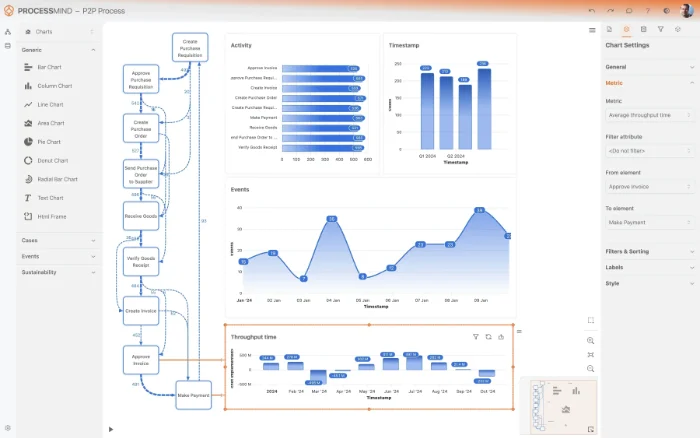
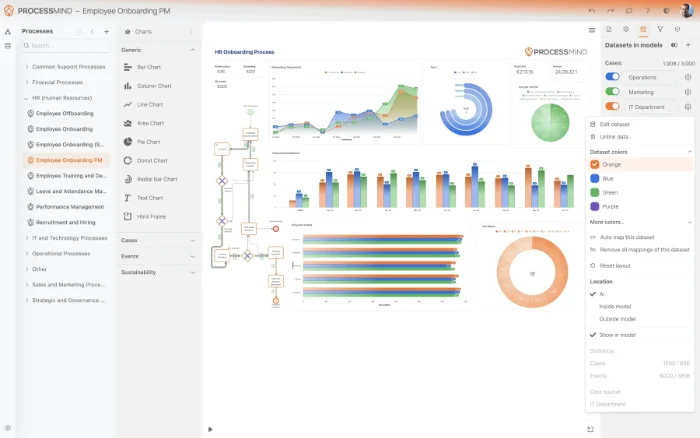
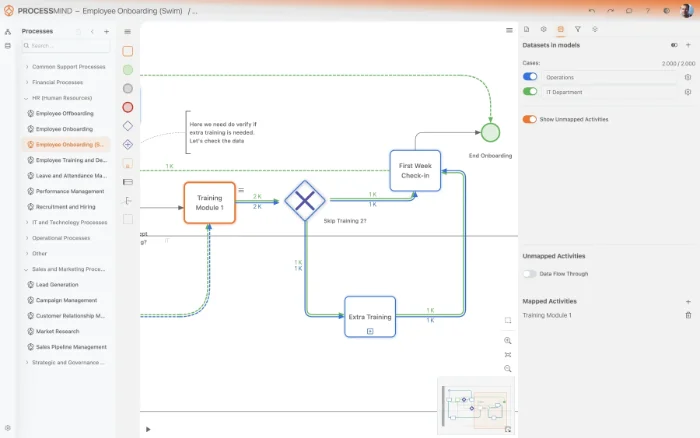
ProcessMind visualizes your entire Hire to Retire journey in Dynamics 365 Hr, revealing actual process flows and compliance gaps. Gain deep insights into every step, from recruitment to offboarding, with actionable data.
  • Map actual D365 Hr employee lifecycle paths
  • Identify onboarding and offboarding bottlenecks
  • Optimize compliance and risk management
  • Reduce costs across the employee journey
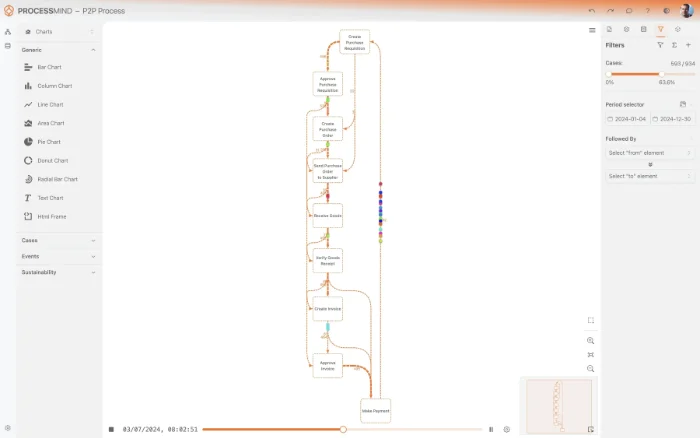
Discover your actual process flow
Identify bottlenecks and delays
Analyze process variants
Design your optimized process

TYPICAL OUTCOMES

Unlock Efficiency in the Employee Lifecycle

These outcomes highlight the significant operational improvements and strategic benefits organizations gain by optimizing their employee lifecycle processes. By leveraging process mining on Microsoft Dynamics 365 HR data, businesses can pinpoint inefficiencies, reduce manual efforts, and enhance the overall employee experience from hiring to retirement.

0 % faster
Faster New Hire Onboarding

Reduction in Time-to-Hire

Streamline your recruitment and onboarding processes to bring new talent into the organization more quickly, reducing lost productivity from open roles.

0 % increase
Higher Onboarding Success

Increase in Task Completion

Ensure all critical onboarding activities are completed promptly for new employees, leading to faster integration and productivity.

0 % increase
Timely Performance Reviews

On-time rate improvement

Improve the percentage of performance reviews completed by their target dates, fostering better employee engagement and development.

0 % boost
Enhanced Offboarding Compliance

Improved Adherence to Policy

Ensure all necessary offboarding activities are completed on time, minimizing risks and ensuring a smooth transition for departing employees.

0 % reduction
HR Operational Savings

Reduction in process costs

By streamlining workflows and reducing manual effort across the employee lifecycle, organizations can significantly cut HR operational expenditures.

0 % fewer errors
Accurate HR Data

Reduction in data errors

Identify and rectify common data entry mistakes at the source, ensuring data integrity and reducing rework for HR teams.

Results vary based on process complexity and data quality. These figures represent typical improvements observed across implementations.

FAQs

Frequently asked questions

Process mining identifies hidden inefficiencies and bottlenecks throughout the employee lifecycle, from hiring to offboarding. It can reveal root causes for excessive time-to-hire, delayed performance reviews, and non-compliant procedures. This analysis provides actionable insights to streamline workflows and reduce operational costs.

To perform process mining, you typically need event logs containing key activities, timestamps, and the employee ID as a case identifier. Relevant data points include application dates, interview stages, offer acceptance, onboarding steps, performance review dates, role change approvals, and offboarding events. These logs provide the sequential steps of each employee's journey.

Data extraction from Dynamics 365 HR can be done through various methods, including direct database queries, API integrations, or existing reporting tools. The extracted data then needs to be transformed into an event log format, ensuring each entry has a case ID, activity, and timestamp. This preparation phase is crucial for accurate process visualization and analysis.

Initial insights can often be gained within a few weeks of successful data extraction and model creation. Tangible improvements, such as reduced time-to-hire or accelerated review cycles, depend on the complexity of the identified issues and the speed of process implementation. Continuous monitoring allows for ongoing optimization and sustained benefits.

Expect significant ROI through reduced operational costs, faster employee onboarding, and lower employee turnover due to improved experiences. By eliminating bottlenecks and streamlining workflows, you can achieve substantial savings in HR administrative efforts and improve overall employee satisfaction. Better compliance also reduces potential legal and financial risks.

Technical requirements usually involve access to your Dynamics 365 HR instance, a data extraction mechanism, and a platform capable of handling large datasets. The process mining software itself can be cloud-based or on-premise, requiring compatible infrastructure. Basic data engineering skills may be needed for initial data connector setup and transformation.

Process mining is primarily an analytical activity, meaning it typically does not disrupt live HR operations. It works by analyzing historical data extracted from Dynamics 365 HR, not by directly interacting with active processes. The initial data extraction setup is the main integration point, which is usually non-intrusive.

Process mining visualizes the actual paths employees take, allowing you to compare them against defined compliance rules and standard operating procedures. It highlights deviations, missing steps, or unauthorized shortcuts that could lead to non-compliance in areas like offboarding or data handling. This enables proactive identification and remediation of compliance risks.

Optimize Your Hire to Retire Employee Lifecycle Now

Unlock 30% faster Hire to Retire processes, eliminate hidden inefficiencies.

Start Your Free Trial

No credit card required. Start your free 14-day trial.