Improve Your Order to Cash - Billing & Invoicing

Select a process
Choose a process to continue working in your connected workspace.
Optimize NetSuite Billing and Invoicing for Faster Cash Flow
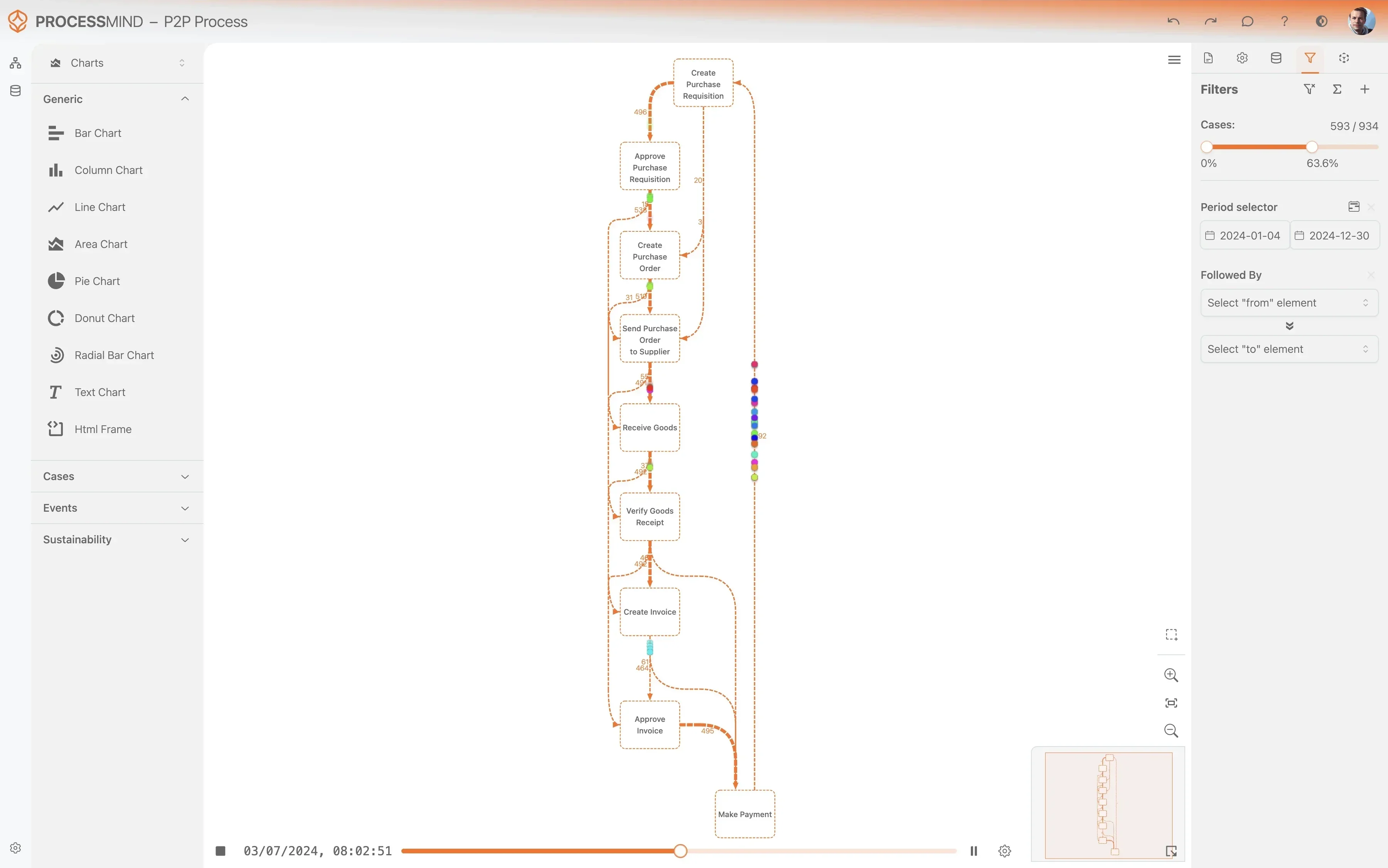
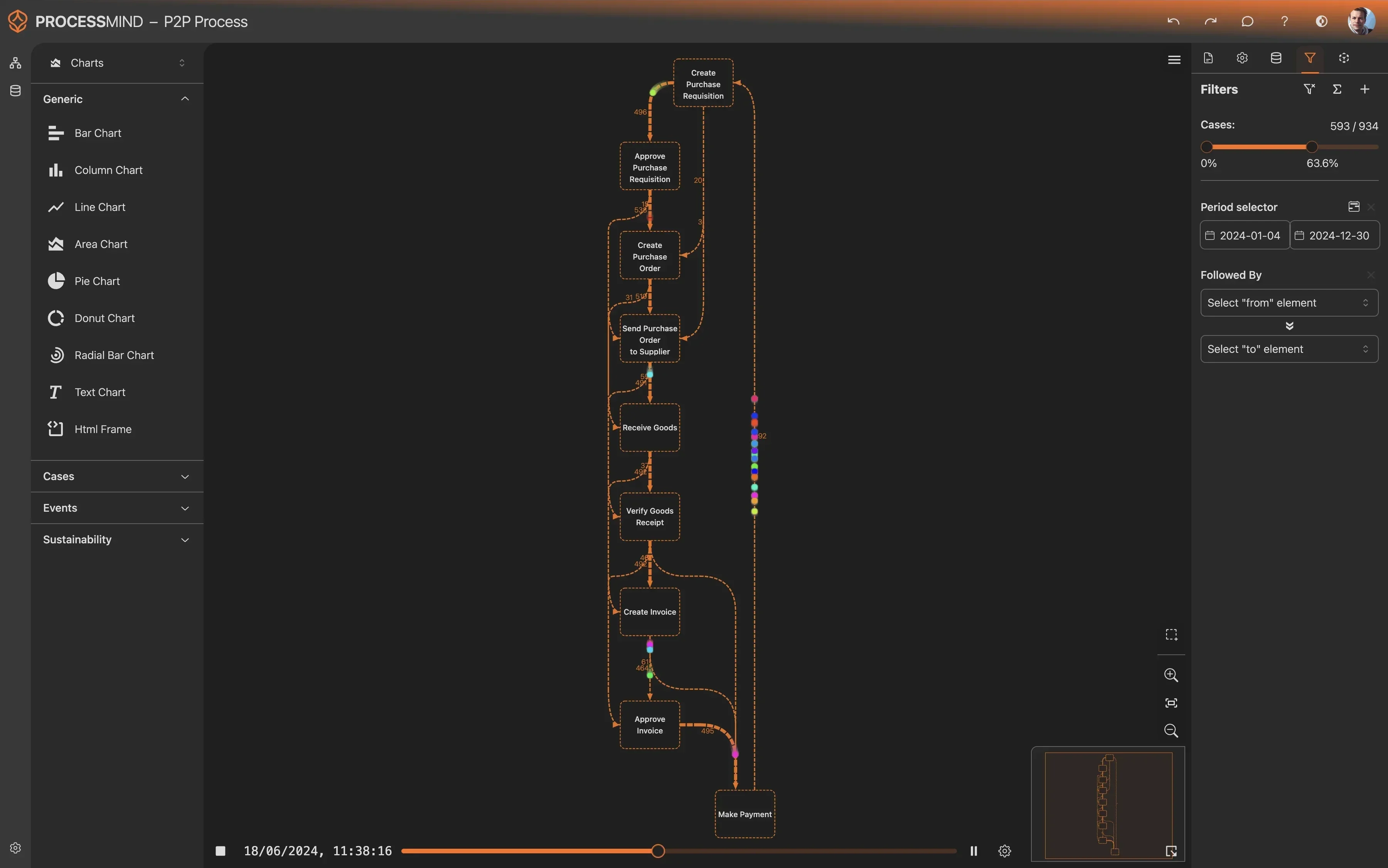
Understanding your process flow is crucial for business health. Our platform helps you identify delays and bottlenecks that impact cash flow and customer satisfaction. Pinpoint inefficiencies, from initial invoice generation to final payment reconciliation, and make targeted improvements to accelerate your operations.
Download our pre-configured data template and address common challenges to reach your efficiency goals. Follow our six-step improvement plan and consult the Data Template Guide to transform your operations.
Show detailed description
Unlocking Efficiency in NetSuite Order to Cash - Billing & Invoicing
Optimizing your Order to Cash, specifically the Billing & Invoicing segment, is paramount for any business aiming for robust financial health and sustained growth. Inefficient billing processes directly translate to delayed cash flow, increased Days Sales Outstanding (DSO), and potential customer dissatisfaction. For organizations relying on NetSuite’s comprehensive AR module, understanding the actual flow of invoices from generation to final payment reconciliation is not just beneficial, it is critical for identifying and resolving the hidden inefficiencies that hinder your financial performance. This section explores why a deep dive into "how to improve Order to Cash - Billing & Invoicing" within your NetSuite environment can transform your operations.
How Process Mining Illuminates Your NetSuite Billing Journey
Process mining offers an unparalleled, data-driven approach to understanding the true performance of your NetSuite Order to Cash - Billing & Invoicing process. Instead of relying on assumptions or anecdotal evidence, it extracts event logs directly from your NetSuite records, such as Invoices, Customer Payments, and Credit Memos. This allows you to construct an objective, end-to-end visualization of every invoice’s journey.
By tracking key activities, including "Sales Order Fulfilled", "Invoice Generated", "Invoice Approved", "Invoice Sent to Customer", "Payment Due Date Reached", "Payment Reminder Issued", "Customer Payment Received", "Payment Posted to Ledger", "Cash Applied/Reconciled", and "Invoice Closed", process mining reveals the precise paths your invoices take. You can see not only the most common sequence of events but also all the deviations, reworks, and bottlenecks that extend cycle times and increase costs. This detailed analysis is instrumental in uncovering exactly "how to reduce Order to Cash - Billing & Invoicing cycle time" by highlighting where the process slows down.
Key Improvement Areas in NetSuite Billing & Invoicing
Through process mining, you can pinpoint specific areas for enhancement within your NetSuite billing and invoicing operations:
- Invoice Generation Accuracy and Speed: Identify manual steps, approval delays, or data entry errors in NetSuite that lead to reworks or late invoice creation. Understanding these patterns helps streamline the initial billing phase.
- Invoice Delivery and Customer Communication: Analyze the elapsed time from invoice generation to customer receipt. This can expose inefficiencies in distribution channels or highlight where communication breakdowns occur, impacting payment timeliness.
- Payment Collection Effectiveness: Discover why payments are delayed. Process mining can reveal if payment reminders are issued consistently or if certain payment terms or methods lead to longer payment cycles, informing strategies to reduce DSO.
- Cash Application and Reconciliation Bottlenecks: Pinpoint delays in the "Customer Payment Received" to "Payment Posted to Ledger" or "Cash Applied/Reconciled" steps within NetSuite. Slow reconciliation can mask cash availability and hinder accurate financial reporting.
- Credit Memo Processing Efficiency: Evaluate the complete lifecycle of credit memos, identifying any holdups that might affect customer satisfaction or financial accuracy.
- Compliance and Audit Trail Verification: Ensure all billing and payment activities adhere to internal policies and external regulations, providing a clear, auditable trace of every transaction in NetSuite.
Measurable Outcomes of Optimized Billing
Implementing process optimization derived from these insights leads to tangible and measurable benefits:
- Accelerated Cash Flow: By significantly reducing Days Sales Outstanding (DSO), you ensure that cash becomes available much faster, improving your working capital.
- Increased Operational Efficiency: Eliminating unnecessary steps, automating manual tasks, and streamlining approvals leads to less effort and cost per invoice processed.
- Enhanced Billing Accuracy: Fewer errors in invoice generation and processing result in fewer customer disputes, leading to a smoother Order to Cash flow.
- Improved Customer Satisfaction: Timely, accurate, and transparent billing processes enhance the overall customer experience and strengthen business relationships.
- Robust Compliance and Risk Reduction: A clear understanding of the actual process flow helps ensure adherence to financial regulations and internal controls, reducing audit risks.
- Better Resource Utilization: Your finance and billing teams can shift their focus from reactive problem-solving to strategic initiatives, thanks to a more efficient process.
Begin Your NetSuite Billing Optimization Journey
Leveraging process mining for your Order to Cash - Billing & Invoicing in NetSuite offers a clear path to understanding and improving one of your most critical financial processes. By focusing on the "how" and "why" behind every transaction, you gain the insights needed to implement targeted improvements, reduce cycle time, and ultimately drive greater profitability. Start exploring how you can transform your billing operations today.
The 6-Step Improvement Path for Order to Cash - Billing & Invoicing
Download the Template
What to do
Access the pre-configured Excel template for Order to Cash - Billing & Invoicing, designed to match NetSuite's data structure for invoices and payments.
Why it matters
Using the correct data structure from the start ensures accurate analysis, saving time and preventing data quality issues in later stages.
Expected outcome
A standardized Excel template ready to be populated with your NetSuite Order to Cash - Billing & Invoicing data.
Export Your Data
What to do
Extract 3-6 months of historical invoice and payment data from your NetSuite AR module. Populate the downloaded template with your real process event logs.
Why it matters
Comprehensive historical data provides a robust foundation for identifying recurring patterns, process variations, and critical bottlenecks in your billing cycle.
Expected outcome
A complete dataset, structured and populated, reflecting your Order to Cash - Billing & Invoicing activities over several months.
Upload Your Dataset
What to do
Securely upload your completed data template to the ProcessMind platform. The system will automatically prepare your data for analysis.
Why it matters
This step initiates the automated process mining analysis, transforming raw data into actionable visual insights without manual effort.
Expected outcome
Your NetSuite Order to Cash - Billing & Invoicing data successfully processed and ready for in-depth visualization and analysis.
Analyze Your Process
What to do
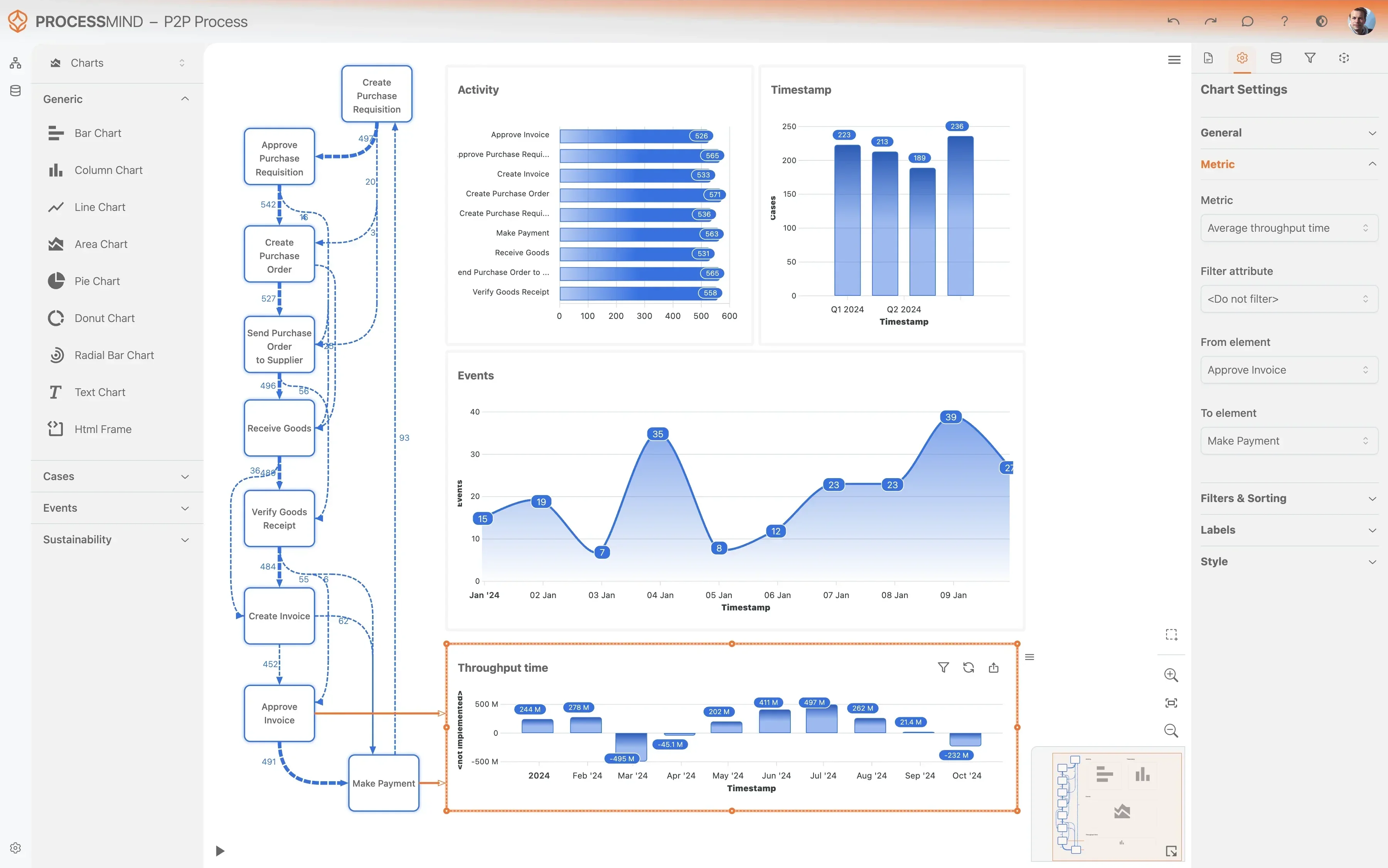
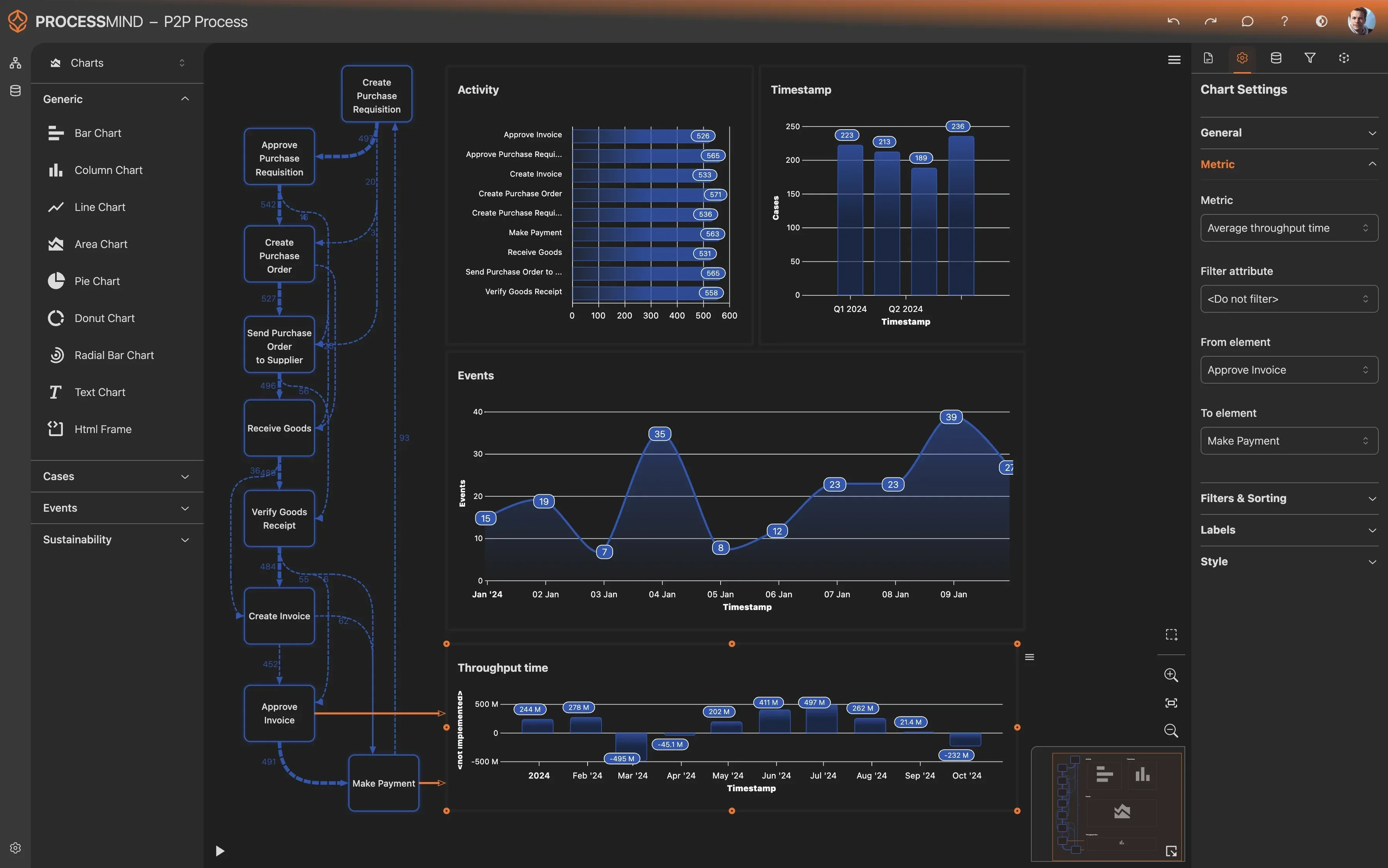
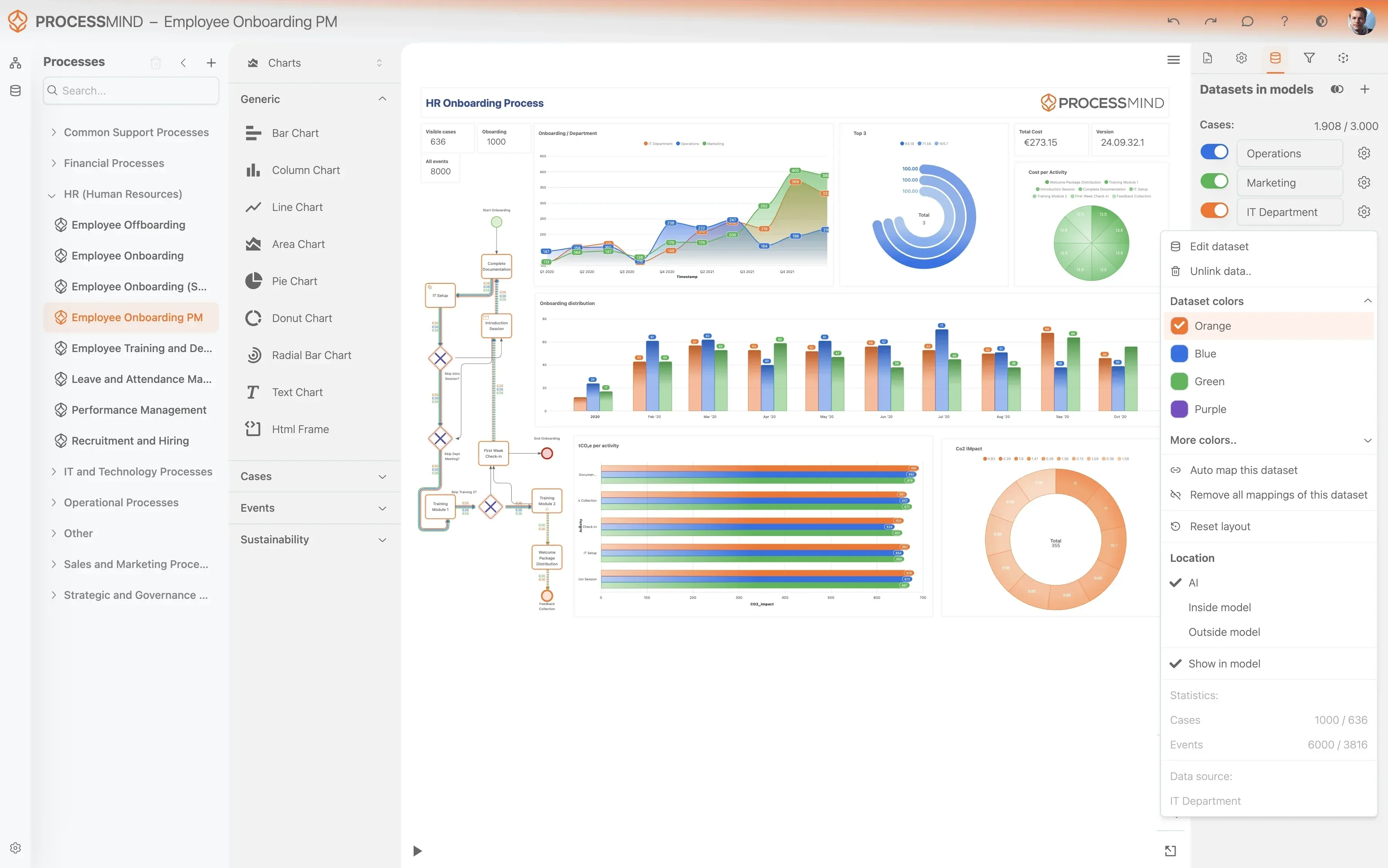
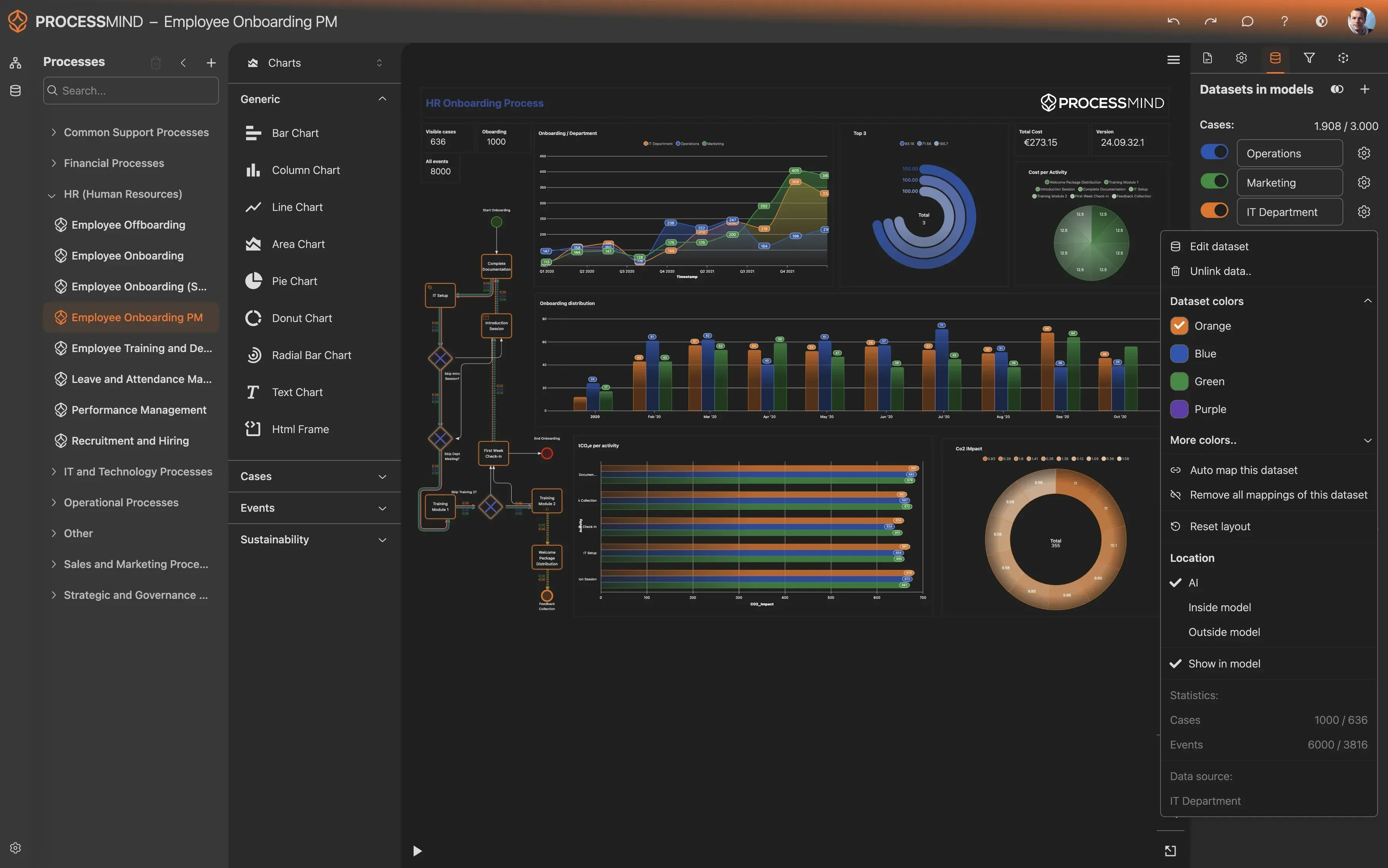
Explore auto-generated dashboards, process maps, and performance metrics. Utilize AI-driven recommendations to pinpoint inefficiencies and compliance issues within your NetSuite billing.
Why it matters
Gaining deep insights into your Order to Cash process reveals hidden bottlenecks, compliance deviations, and areas for significant efficiency gains and reduced DSO.
Expected outcome
A clear understanding of your current Order to Cash - Billing & Invoicing process flow, identified bottlenecks, and improvement opportunities.
Implement Improvements
What to do
Prioritize and act on the identified opportunities, such as streamlining invoice approval workflows or optimizing payment reminder schedules within NetSuite.
Why it matters
Taking targeted action based on data-driven insights directly translates to reduced manual effort, faster cash collection, and improved customer satisfaction.
Expected outcome
Changes applied to your Order to Cash - Billing & Invoicing process, aimed at resolving inefficiencies and improving key performance indicators.
Monitor Your Process
What to do
Periodically re-export and upload updated Order to Cash - Billing & Invoicing data from NetSuite. Track the impact of your implemented improvements over time.
Why it matters
Continuous monitoring ensures that improvements are sustained, new issues are promptly identified, and your billing process remains optimized and efficient.
Expected outcome
Ongoing visibility into your process performance, confirmed KPI improvements, and a foundation for continuous optimization of your cash cycle.
TYPICAL OUTCOMES
Achieving Excellence in Order to Cash Billing & Invoicing
These outcomes demonstrate the significant improvements organizations achieve by optimizing their Order to Cash, Billing, and Invoicing processes. Through detailed analysis of transactional data, particularly from NetSuite, process mining identifies hidden inefficiencies and guides strategic enhancements.
Average reduction in time to generate
Streamlining the initial billing process leads to quicker invoice creation, accelerating the start of the cash collection process. This reduces delays and improves overall financial liquidity.
Reduction in average collection time
Decreasing the average number of days to collect payments improves working capital management and financial health. This indicates more efficient collection processes and better cash flow.
Percentage reduction in errors
Reducing the frequency of invoice corrections and re-approvals minimizes payment disputes and ensures faster processing. This leads to higher customer satisfaction and less rework for billing teams.
Average reduction in reconciliation time
Accelerating the time from payment receipt to cash application ensures timely ledger updates and accurate financial reporting. This improves transparency and operational efficiency in treasury functions.
Increase in straight-through processing
Automating manual billing steps reduces human intervention, leading to faster processing, fewer errors, and significant cost savings per invoice. This enhances efficiency and resource allocation.
Increase in reminder-driven payments
Improving the timing and targeting of payment reminders directly leads to a higher percentage of overdue invoices being paid after a reminder is issued. This supports better cash flow and reduces the need for further collection efforts.
Results vary based on process complexity, data quality, and specific organizational goals. These figures represent typical improvements observed across various implementations.
Recommended Data
FAQs
Frequently asked questions
Process mining reveals the actual process flows of your billing and invoicing activities, identifying bottlenecks like slow invoice generation or excessive manual steps. It highlights areas contributing to high Days Sales Outstanding, DSO, and where errors commonly originate within your NetSuite billing process. You gain a clear, data-driven view of how your processes truly operate.
You will need event logs that include an invoice number as the case identifier, activity names, and precise timestamps for each step in your billing process. This data is typically extracted from NetSuite's transaction and system logs. Ensuring accurate and complete timestamp data is crucial for correctly reconstructing the end-to-end process flow.
After the initial data extraction and preparation, which can vary from a few days to a couple of weeks based on data complexity, initial insights emerge rapidly. A preliminary process model and key performance indicators can often be reviewed and discussed within the first few weeks of commencing a process mining analysis. This allows for quick identification of major pain points.
Yes, process mining directly pinpoints specific delays in invoice generation, approval workflows, or cash application steps that negatively impact your DSO. By visualizing these bottlenecks and their root causes, you can implement targeted interventions to accelerate the cash collection cycle. This leads to more efficient working capital management.
Process mining tools can model and compare different regional process variations side-by-side using the same underlying data. This capability allows you to identify best practices from high-performing regions and detect inconsistencies or inefficiencies in others. Ultimately, it helps standardize and optimize your global billing operations.
No, process mining is beneficial for organizations of all sizes aiming to optimize their processes, including smaller businesses utilizing NetSuite. The primary requirement is the availability of sufficient event data, not the scale of the company. It provides valuable insights for anyone looking to understand and improve operational efficiency and effectiveness.
Basic data analysis skills are helpful for preparing the data and navigating the process mining tool's interface. While many platforms offer user-friendly visual interfaces, some proficiency in SQL or data manipulation might be beneficial for complex data extractions or transformations from NetSuite. Training and support are often available from tool providers.
Absolutely. By tracing the exact sequence of activities leading up to an invoice error, process mining can uncover common process paths, specific user actions, or system interactions that frequently result in mistakes. This allows you to address the root causes, improve data quality, and significantly reduce the frequency of payment disputes. It helps achieve higher accuracy.
Traditional analytics typically shows aggregated metrics like average DSO or total invoices, indicating "what happened." Process mining, in contrast, reveals "how it happened" by visualizing the complete end-to-end flow of each invoice. It uncovers every step, variant, and deviation, providing a much deeper understanding of the actual process execution. It's about flow, not just numbers.
Process mining effectively identifies repetitive manual steps and critical decision points within your billing process that are prime candidates for automation. By mapping these activities, you can determine where robotic process automation, RPA, or other automation technologies can be most strategically implemented. This streamlines operations, reduces human effort, and improves efficiency.
Optimize Your NetSuite Billing & Invoicing Now for Faster Cash Flow
Reduce NetSuite billing cycle time by 30% and boost your cash flow.
No credit card required. Setup in minutes.