Improve Your Problem Management

Select a process
Choose a process to continue working in your connected workspace.
Optimize ServiceNow Problem Management for Faster Resolution
Our process mining platform uncovers hidden bottlenecks and rework loops that slow down your resolution times. We identify where investigations stall and why communication gaps occur, providing the clarity needed to streamline operations. By visualizing the actual flow of work, you can eliminate manual delays and ensure a more stable environment for your users.
Download our pre-configured data template and address common challenges to reach your efficiency goals. Follow our six-step improvement plan and consult the Data Template Guide to transform your operations.
Show detailed description
Why Optimizing Problem Management is Essential
IT organizations today are often trapped in a cycle of reactive firefighting. When major incidents occur, the immediate focus is on restoring service, but the underlying root cause often remains unaddressed, leading to recurring outages and increased operational costs. Optimizing Problem Management is the only way to break this cycle. By refining how your organization identifies, investigates, and resolves the core issues within your IT environment, you can significantly reduce the volume of incoming incidents and improve overall service stability. Inefficient Problem Management does not just waste time, it erodes user trust and prevents your highly skilled technical teams from focusing on innovation.
Leveraging Process Mining for Deep Visibility
ServiceNow Problem Management captures a wealth of data through tables such as problem and problem_task, yet traditional reporting often fails to show the actual flow of work. Process mining transforms this data into a dynamic map of your real-world processes. Instead of looking at static KPIs like average age of open problems, you can visualize the entire lifecycle from the moment a problem is identified to its eventual closure. This perspective allows you to see how work moves between different support groups and identifies exactly where the process deviates from your standard operating procedures. By mapping the digital footprint left in ServiceNow, you gain an objective view of your operations that is free from departmental bias.
Identifying Inefficiencies in the Investigation Lifecycle
One of the primary challenges in Problem Management is the duration of the investigation phase. Process mining helps you pinpoint exactly why certain investigations stall. For example, you may discover that problem records are frequently bounced between different technical silos, a phenomenon known as assignment ping-pong, because the initial triage was insufficient. You can also identify specific bottlenecks where records linger in a pending status for weeks while waiting for vendor input or internal change approvals. By uncovering these hidden delays, you can implement targeted improvements, such as better handoff protocols or automated escalation paths, to accelerate the path to a permanent fix.
Strengthening Root Cause Analysis and Compliance
Quality investigations are the backbone of effective Problem Management. Process mining allows you to audit the consistency of your root cause analysis (RCA) process. You can see if critical steps, such as the publication of a workaround or the performance of a Post-Implementation Review, are being skipped or rushed. Ensuring that every problem record follows a compliant path is essential for organizations operating in highly regulated industries. Furthermore, by analyzing the relationship between incidents and problems in ServiceNow, you can determine if your teams are correctly identifying high-impact issues or if they are spending too much time on low-priority investigations that provide little business value.
Measuring Success and Driving Continuous Improvement
The ultimate goal of optimizing Problem Management is to create a more resilient IT infrastructure. Process mining provides the granular insights needed to measure the success of your optimization efforts over time. You can track improvements in the ratio of permanent fixes to temporary workarounds and monitor the reduction in the total lifecycle time of problem records. As you eliminate friction in your ServiceNow workflows, your team becomes more effective at preventing incidents before they occur. This shift from reactive to proactive management not only saves money but also ensures that your IT services can scale to meet the growing demands of the business. Starting with a process mining template allows you to unlock these insights immediately, turning your existing ServiceNow data into a roadmap for operational excellence.
Improving ServiceNow Problem Management in 6 Steps
Download the Template
What to do
Obtain the Excel template designed for ServiceNow Problem Management to ensure your data mapping aligns with ITIL standards and ServiceNow tables.
Why it matters
Starting with a structured format prevents data quality issues and ensures your problem records and tasks are ready for mining.
Expected outcome
A standardized data template ready for your ServiceNow export.
Export Your Data
What to do
Extract 3 to 6 months of historical data from ServiceNow tables like problem and problem task, then populate the Excel template.
Why it matters
Using real historical data provides a realistic baseline for identifying bottlenecks in root cause analysis and resolution phases.
Expected outcome
A completed dataset containing your actual problem management history.
Upload Your Dataset
What to do
Securely upload your completed template to ProcessMind to begin the automated transformation and process discovery phase.
Why it matters
Moving your data into an analytical environment allows for a holistic view of the problem lifecycle that ServiceNow dashboards alone cannot show.
Expected outcome
A processed digital twin of your Problem Management workflow.
Analyze Your Process
What to do
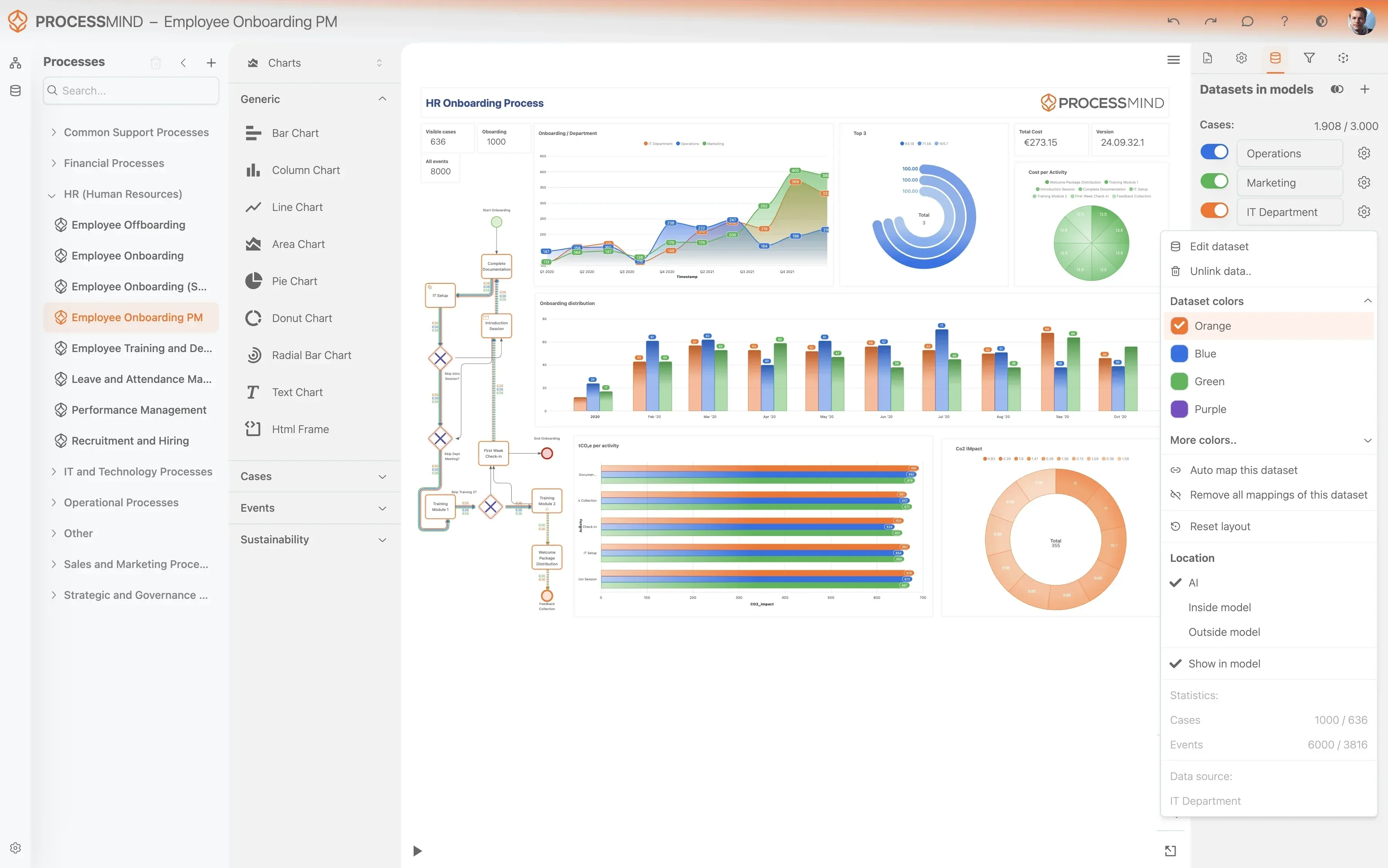
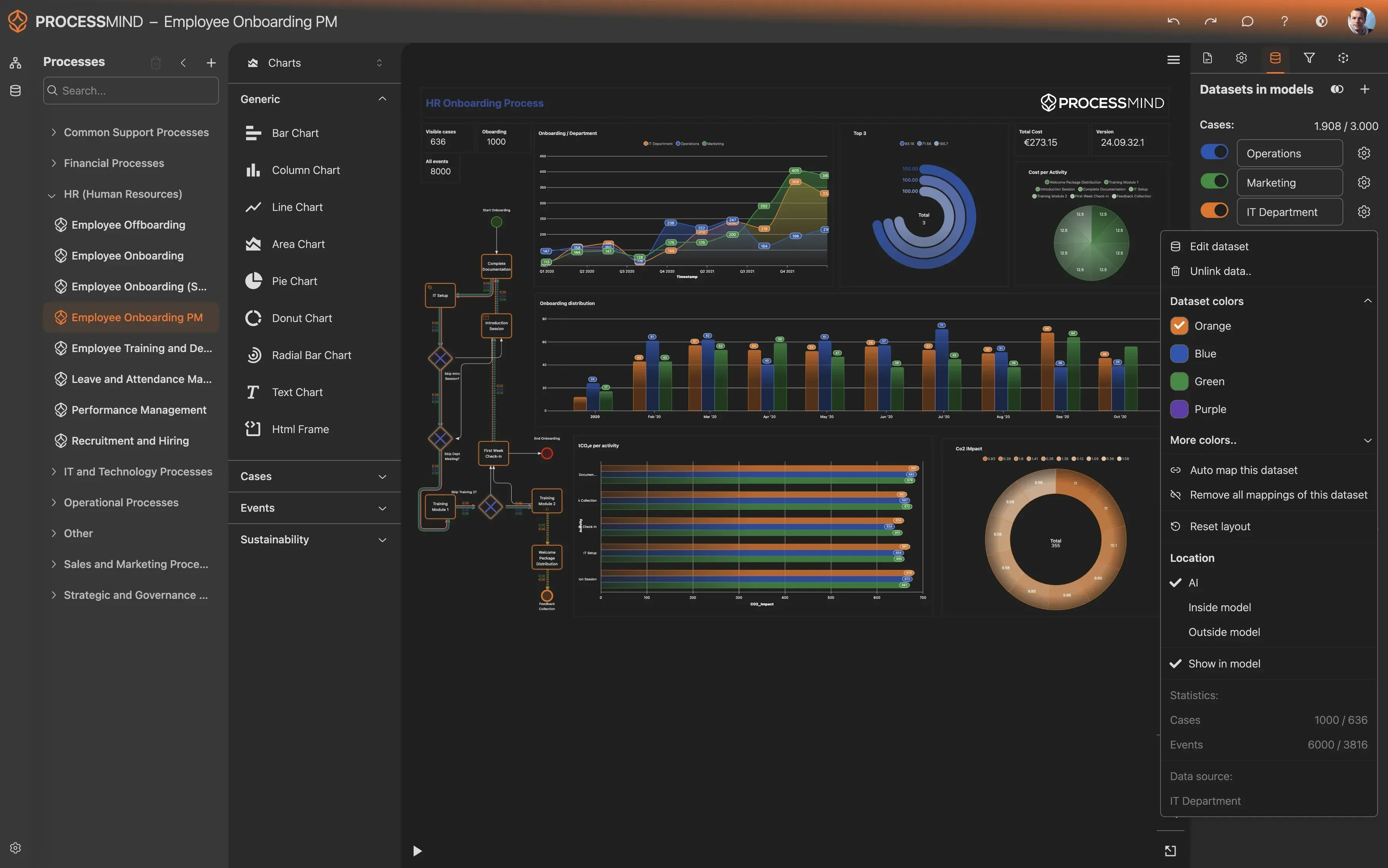
Use AI driven dashboards to find long investigation cycles, ineffective workarounds, and gaps between root cause identification and fix application.
Why it matters
Data visualization reveals the hidden friction in your IT operations, helping you understand why some problems take longer to resolve than others.
Expected outcome
Clear insights into process bottlenecks and optimization opportunities.
Implement Improvements
What to do
Prioritize the findings from your analysis and update your ServiceNow workflows, such as automating task assignments or improving documentation steps.
Why it matters
Taking action on process insights reduces recurring incidents and increases the overall stability of your IT services.
Expected outcome
Operational changes applied to your ServiceNow environment.
Monitor Your Process
What to do
Periodically re-upload your latest ServiceNow data to track how your improvements have affected resolution times and resource efficiency.
Why it matters
Continuous monitoring ensures that your process remains optimized and that new bottlenecks do not emerge as your IT environment evolves.
Expected outcome
A dashboard showing KPI trends and sustained process performance.
PROCESS INSIGHTS
Unlock Complete Visibility Into Problem Investigations
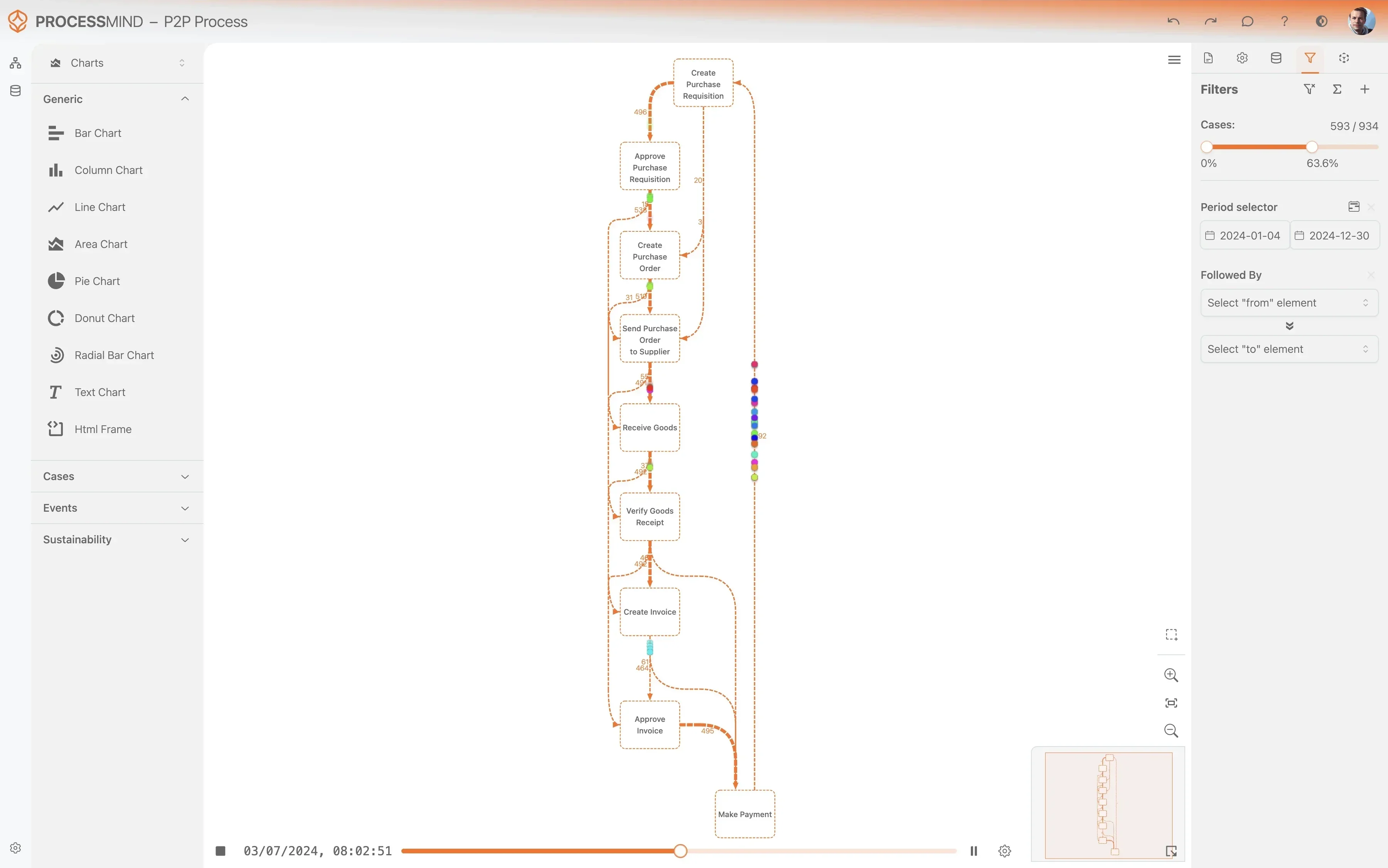
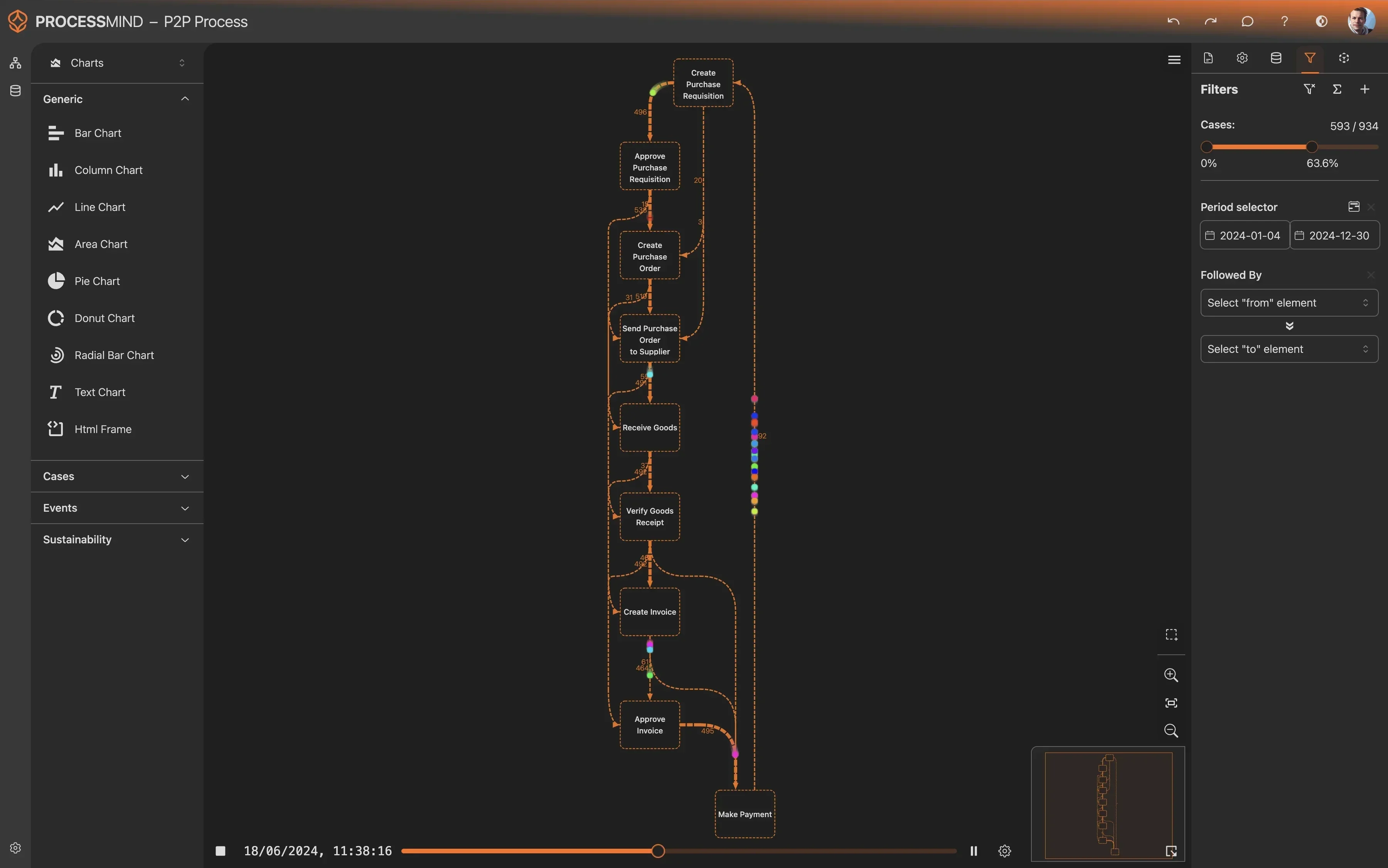
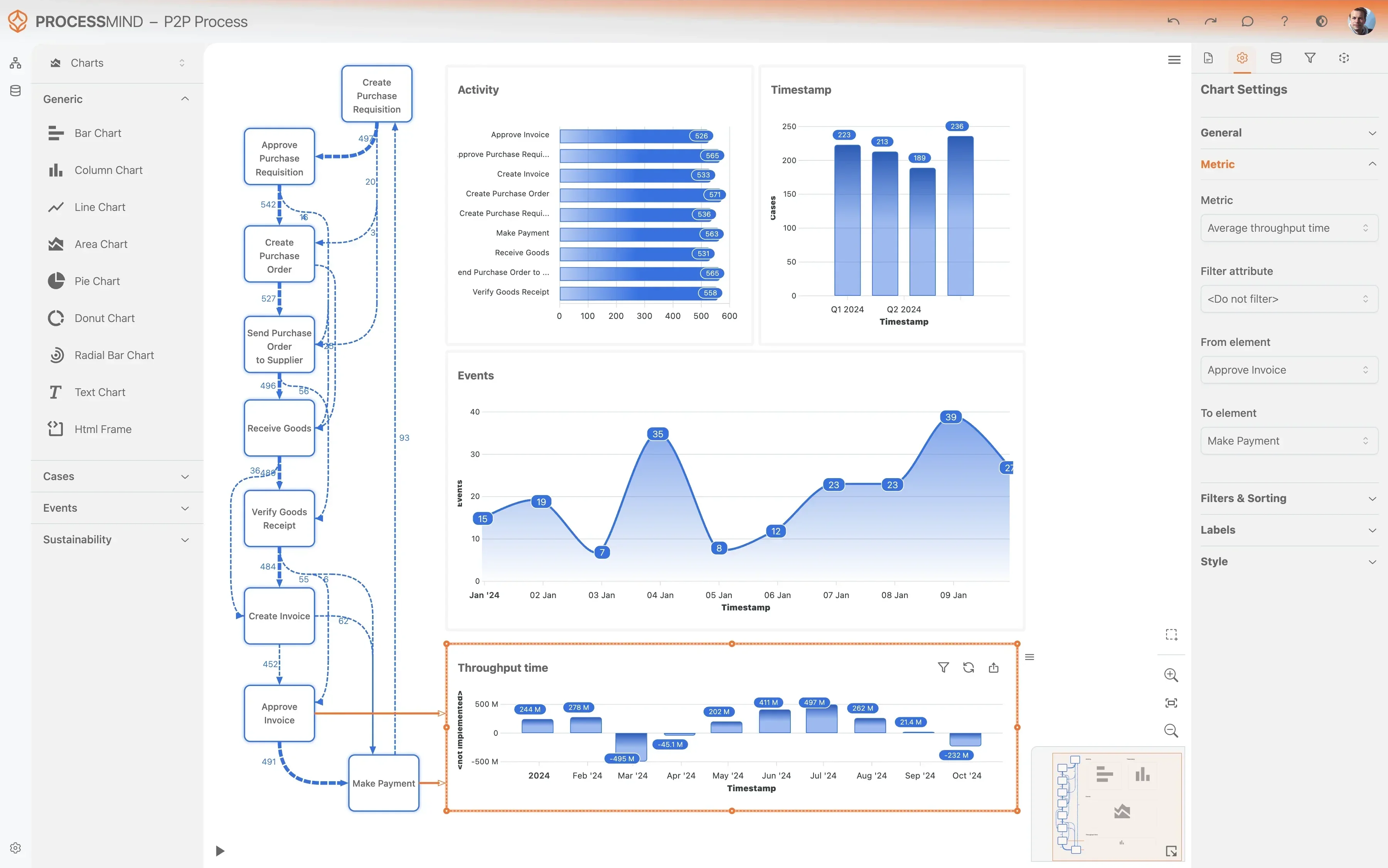
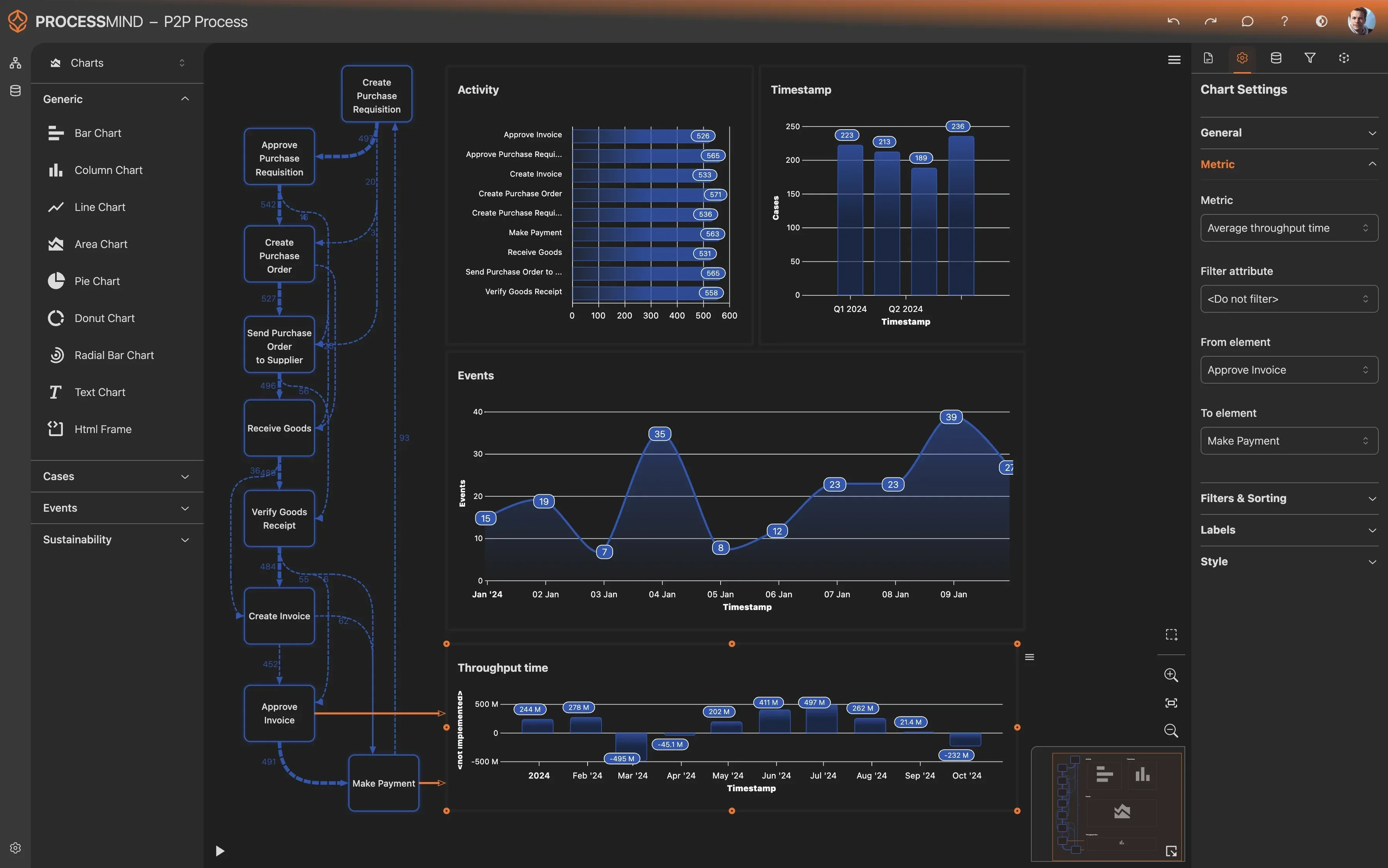
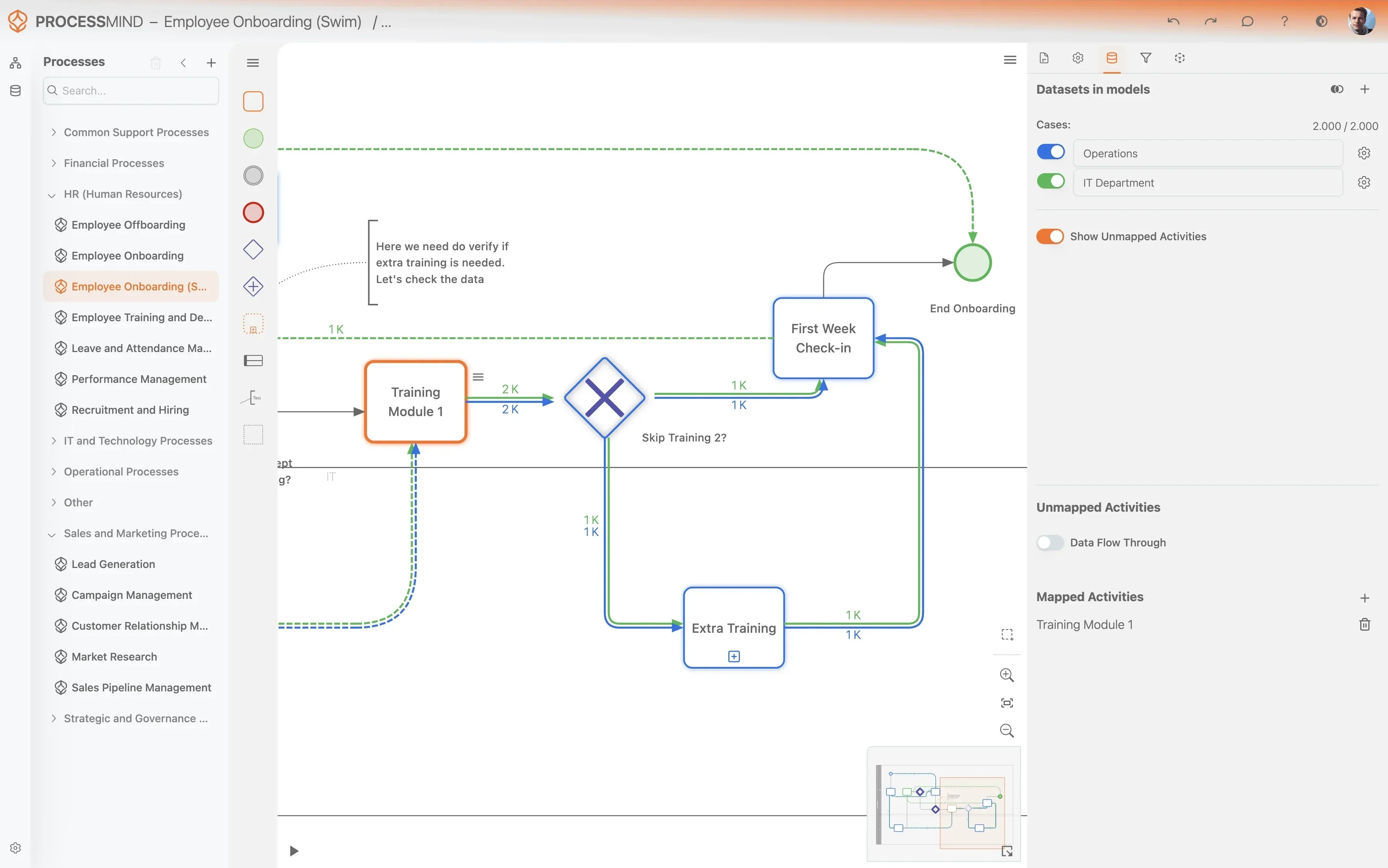
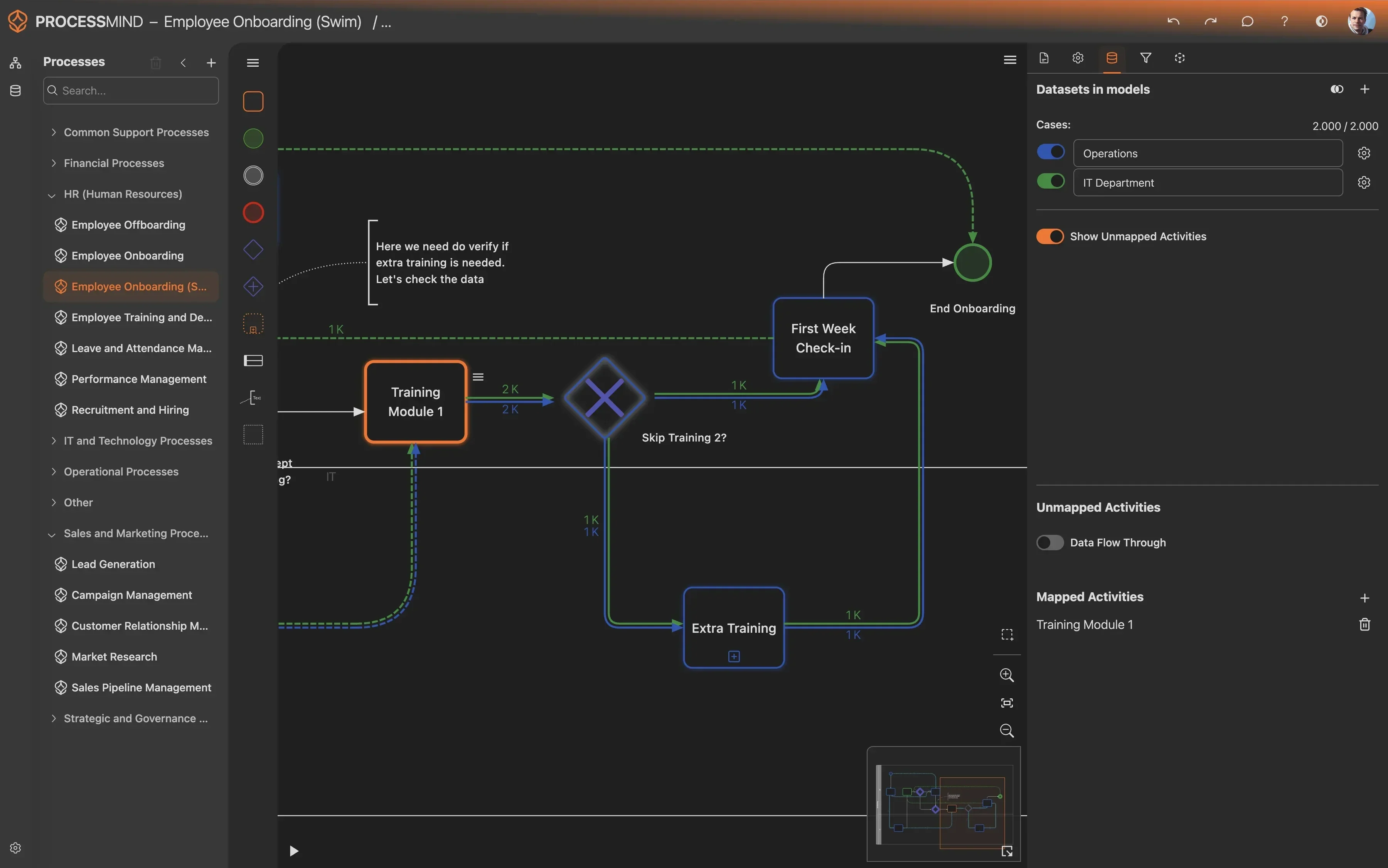
- Map your end to end investigation lifecycles
- Identify communication silos between IT teams
- Locate bottlenecks stalling root cause analysis
- Track mean time to resolution across all cases
PROVEN OUTCOMES
Drive Efficiency Across Problem Management
By uncovering hidden inefficiencies in your ServiceNow Problem Management workflows, teams can accelerate root cause analysis and decrease the volume of recurring incidents. These outcomes reflect the impact of data driven process optimization on standard problem records.
Reduction in investigation time
Streamlining the investigation phase helps teams identify the source of major incidents much faster, which significantly reduces the impact of recurring service disruptions.
Decrease in record transfers
Eliminating unnecessary handoffs between support teams prevents problem records from bouncing between groups, which ensures clearer ownership and faster resolution.
Increase in RCA adherence
Improved visibility into pending states and bottlenecks ensures that root cause analysis is completed within the agreed service level timeframes.
Drop in known error volume
Efficiently publishing workarounds and permanent fixes to the known error database helps prevent new incidents from clogging the service desk.
Reduction in aged records
Identifying and closing abandoned records ensures that teams focus their energy on current, high priority issues instead of legacy tickets.
Results vary based on process complexity and data quality. These figures represent typical improvements observed across implementations.
Recommended Data
FAQs
Frequently asked questions
Process mining visualizes the actual path of every problem record from creation to closure. It allows teams to see exactly where delays occur, such as long pending states or excessive reassignments between support groups, which are often invisible in standard reports.
You primarily need data from the problem and problem task tables, along with the system audit logs or metric instances. This data must include a unique problem ID, activity names like state changes or assignment updates, and the associated timestamps for each event.
Yes, it highlights bottlenecks in the investigation phase by measuring the duration between specific state transitions. By analyzing these paths, you can determine if delays are caused by resource shortages, lack of documentation, or dependencies on external vendors.
Initial insights are typically available within a few days after the data is connected and mapped. Most organizations begin identifying major inefficiencies, such as aged or abandoned records, during the very first walkthrough of the process map.
By analyzing the link between incident records and problem records, process mining shows how effectively known errors are being communicated. It identifies gaps where workarounds are not published quickly enough or where root causes are incorrectly categorized, leading to repeat issues.
No, process mining tools generally work with your existing data and do not require any changes to your ServiceNow forms or workflows. As long as your system records history in the audit logs, the tool can reconstruct the process without interfering with your current operations.
The technology specifically tracks the assignment group field changes within the audit logs to visualize handoffs. This reveals ping-pong effects where a problem record bounces between teams, allowing you to optimize resource allocation and training for those specific groups.
Standard reports show snapshots or simple metrics like average resolution time, but they miss the complexity of the journey. Process mining reveals the transitions and loops that occur between those metrics, showing you not just that a process is slow, but exactly where and why it is stalling.
Optimize Problem Management for faster resolution now
Reduce your investigation cycle time by 30% with process mining
No credit card required. Setup in minutes.