Improve Your Quality Management

Select a process
Choose a process to continue working in your connected workspace.
Optimize SAP S/4HANA Quality Management Processes
Many quality management processes struggle with slow investigations and compliance risks. Inefficient corrective actions and unresolved issues can hinder overall product quality. Our platform helps you precisely identify bottlenecks within your quality events. This guides you to practical improvements that enhance efficiency, compliance, and overall product quality.
Download our pre-configured data template and address common challenges to reach your efficiency goals. Follow our six-step improvement plan and consult the Data Template Guide to transform your operations.
Show detailed description
Why Optimizing Quality Management in SAP S/4HANA is Critical
Quality Management is not merely a department, it is the backbone of operational excellence and customer trust. In today's competitive landscape, inefficient Quality Management processes lead to significant business risks, including increased operational costs, customer dissatisfaction, potential regulatory fines, and damage to brand reputation. Within SAP S/4HANA Quality Management, organizations possess robust tools for managing quality events, inspections, and audits. However, the true challenge often lies in the underlying processes themselves, specifically how effectively these tools are utilized and how quickly quality issues are resolved. Delays in root cause analysis, ineffective corrective and preventive actions (CAPA), or inconsistent adherence to quality standards can severely impact product quality, market timelines, and profitability. Understanding and optimizing these workflows is essential for maintaining a competitive edge and ensuring consistent quality outcomes.
How Process Mining Illuminates Your Quality Workflows
Process mining offers a powerful lens to objectively analyze and improve your Quality Management processes within SAP S/4HANA. By leveraging event log data from key SAP tables such as QALS (Inspection Lot Record), QAVE (Usage Decisions), QAMV (Inspection Characteristics), QMEL (Quality Notification), and QMSM (Task for Quality Notification), process mining reconstructs the actual, end-to-end journey of every quality event. This approach moves beyond theoretical process models to reveal the as-is reality, often uncovering hidden complexities, deviations from standard operating procedures (SOPs), and unexpected rework loops that contribute to inefficiencies.
For instance, process mining can visually pinpoint where a quality event typically gets stuck, whether it is in the initial assessment phase, during root cause analysis, or awaiting approval for corrective actions. It helps identify specific departments, roles, or even individual users who consistently cause bottlenecks, thereby prolonging the overall cycle time for quality issue resolution. Furthermore, it provides empirical evidence for compliance gaps, showing exactly where mandatory steps, such as a final effectiveness verification of a corrective action, might be skipped or delayed. This objective, data-driven insight is crucial for understanding the true performance of your Quality Management system and identifying targeted improvement opportunities.
Key Improvement Areas Revealed by Process Mining
Applying process mining to your SAP S/4HANA Quality Management data can uncover several critical areas for improvement:
- Accelerating Issue Resolution: Identify and eliminate bottlenecks that prolong the lifecycle of quality events, leading to a significant reduction in overall cycle time from identification to closure. This ensures quicker responses to quality issues and faster customer feedback integration.
- Enhancing Corrective and Preventive Actions (CAPA): Gain clarity on the effectiveness and efficiency of your CAPA processes. Discover where proposed actions fail to be implemented or verified, and identify recurring issues that suggest the need for more robust preventive strategies.
- Streamlining Compliance and Reducing Risk: Verify consistent adherence to internal quality standards and external regulatory requirements, such as ISO or FDA mandates. Pinpoint deviations or non-conforming activities that pose audit risks, enabling proactive correction.
- Optimizing Resource Allocation: Understand the workload distribution across different stages of your quality process. Identify overloaded departments or specific approval steps that require additional resources or process redesign to prevent delays.
- Reducing Rework and Improving First-Time Quality: By analyzing frequent rework loops or recurring quality events, you can identify systemic issues that contribute to defects, leading to improved first-time quality and reduced waste.
Expected Outcomes of Optimized Quality Management
By leveraging process mining to optimize your Quality Management processes in SAP S/4HANA, you can achieve tangible, measurable benefits:
- Reduced Cycle Time: Expect a significant reduction in the average time required to process a quality event, from identification through to final resolution and verification. This directly translates to faster problem-solving and quicker responsiveness to quality issues.
- Cost Savings: Drive down costs associated with poor quality, including reduced rework, scrap, warranty claims, and potential regulatory fines. More efficient processes mean less waste and better resource utilization.
- Improved Compliance: Strengthen your adherence to both internal quality standards and external regulatory requirements, significantly reducing the risk of non-compliance and improving audit readiness.
- Enhanced Product and Service Quality: By systematically addressing process inefficiencies and root causes, you will experience fewer defects and higher overall product or service quality, leading to increased customer satisfaction and brand loyalty.
- Increased Operational Efficiency: Achieve more streamlined workflows and better utilization of your quality personnel, leading to a more efficient and effective Quality Management system.
Getting Started with Quality Management Process Optimization
Optimizing Quality Management in SAP S/4HANA for enhanced compliance and efficiency is an achievable goal with the right insights. Process mining provides the necessary transparency to identify where your processes excel and, more importantly, where they need improvement. By understanding the true flow of your quality events, you can implement targeted changes that drive significant improvements across your organization. Start your journey towards a more efficient, compliant, and higher-quality operation today.
The 6-Step Improvement Path for Quality Management
Download the Template
What to do
Get the pre-configured Excel template for Quality Management in SAP S/4HANA QM to ensure your data is structured correctly for analysis.
Why it matters
This ensures all necessary quality event data is captured, streamlining the data preparation phase and setting a strong foundation for accurate insights.
Expected outcome
A standardized Excel template ready to collect your SAP S/4HANA QM process data.
Export Your QM Data
What to do
Extract 3-6 months of historical Quality Management data from your SAP S/4HANA QM system, using tables like QALS and QMEL. Populate the downloaded template.
Why it matters
Using real, recent data provides a comprehensive view of your current quality processes, allowing for relevant and impactful analysis of past performance.
Expected outcome
Your Quality Management process data accurately extracted and formatted within the provided template.
Upload Your QM Dataset
What to do
Upload your filled Excel template to ProcessMind's secure platform. The system will automatically process and prepare your Quality Management data for analysis.
Why it matters
This quick and secure upload initiates the automated analysis of your Quality Management process, saving time and ensuring data integrity.
Expected outcome
Your SAP S/4HANA QM data securely loaded and ready for immediate process visualization and analysis.
Analyze Quality Processes
What to do
Explore auto-generated dashboards and insights for your Quality Management process in SAP S/4HANA. Review AI-driven recommendations for improvement.
Why it matters
Visualizing your process flow identifies bottlenecks, compliance gaps, and inefficiencies, providing clear data-driven recommendations for targeted improvements.
Expected outcome
A comprehensive understanding of your Quality Management process, with identified pain points and recommendations.
Implement QM Improvements
What to do
Prioritize and implement the identified opportunities to optimize your Quality Management process. Take action on the insights gained from your analysis.
Why it matters
Acting on data-backed insights directly leads to reduced quality costs, faster issue resolution, and enhanced overall product or service quality.
Expected outcome
Tangible changes in your SAP S/4HANA QM process to resolve inefficiencies and improve quality.
Monitor QM Progress
What to do
Periodically re-upload updated Quality Management data to track the impact of your implemented changes. Monitor key performance indicators over time.
Why it matters
Continuous monitoring ensures that improvements are sustained and allows for agile adjustments, fostering a culture of ongoing quality excellence.
Expected outcome
Ongoing visibility into your Quality Management process performance and measurable improvements in KPIs.
WHAT YOU WILL GET
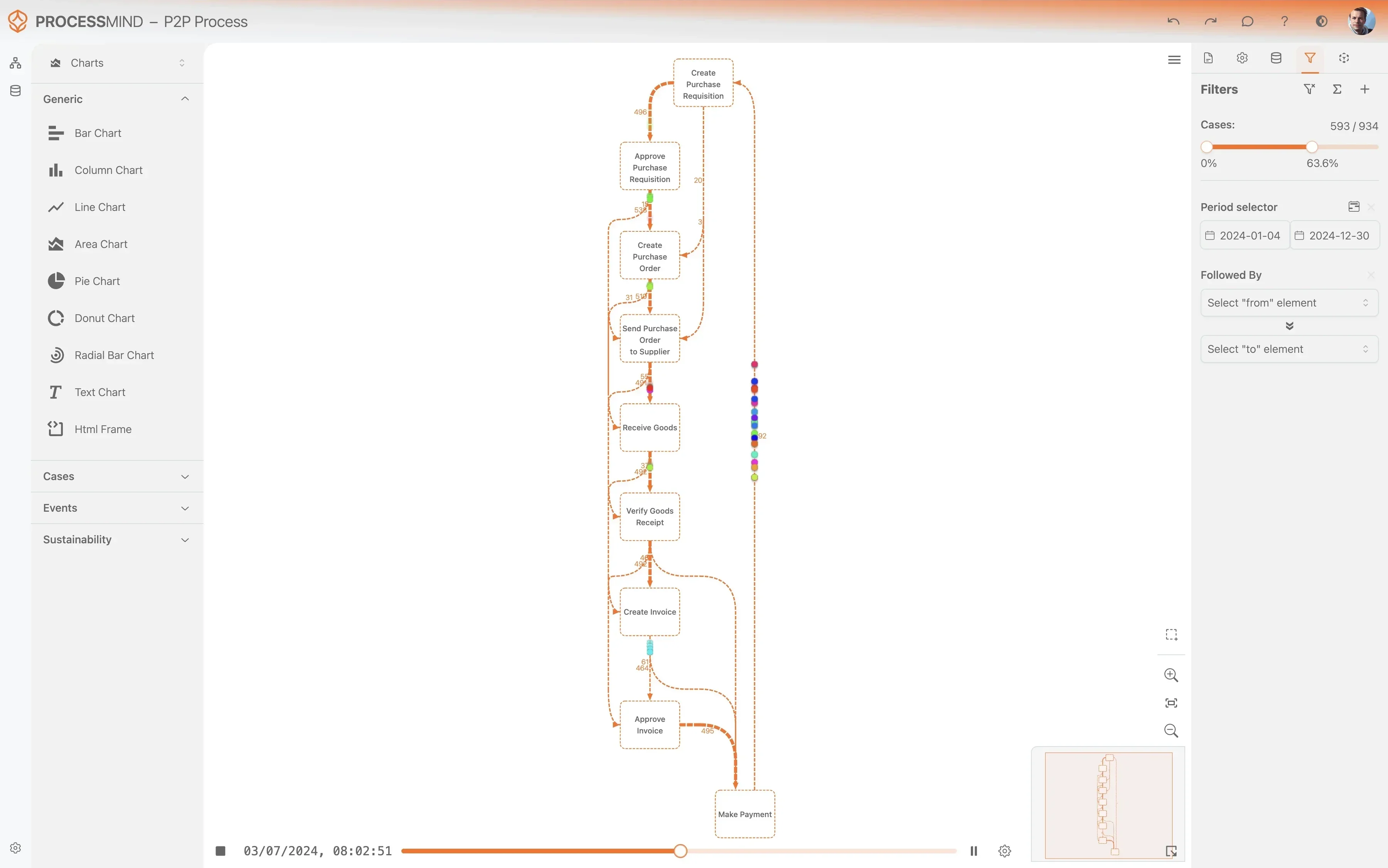
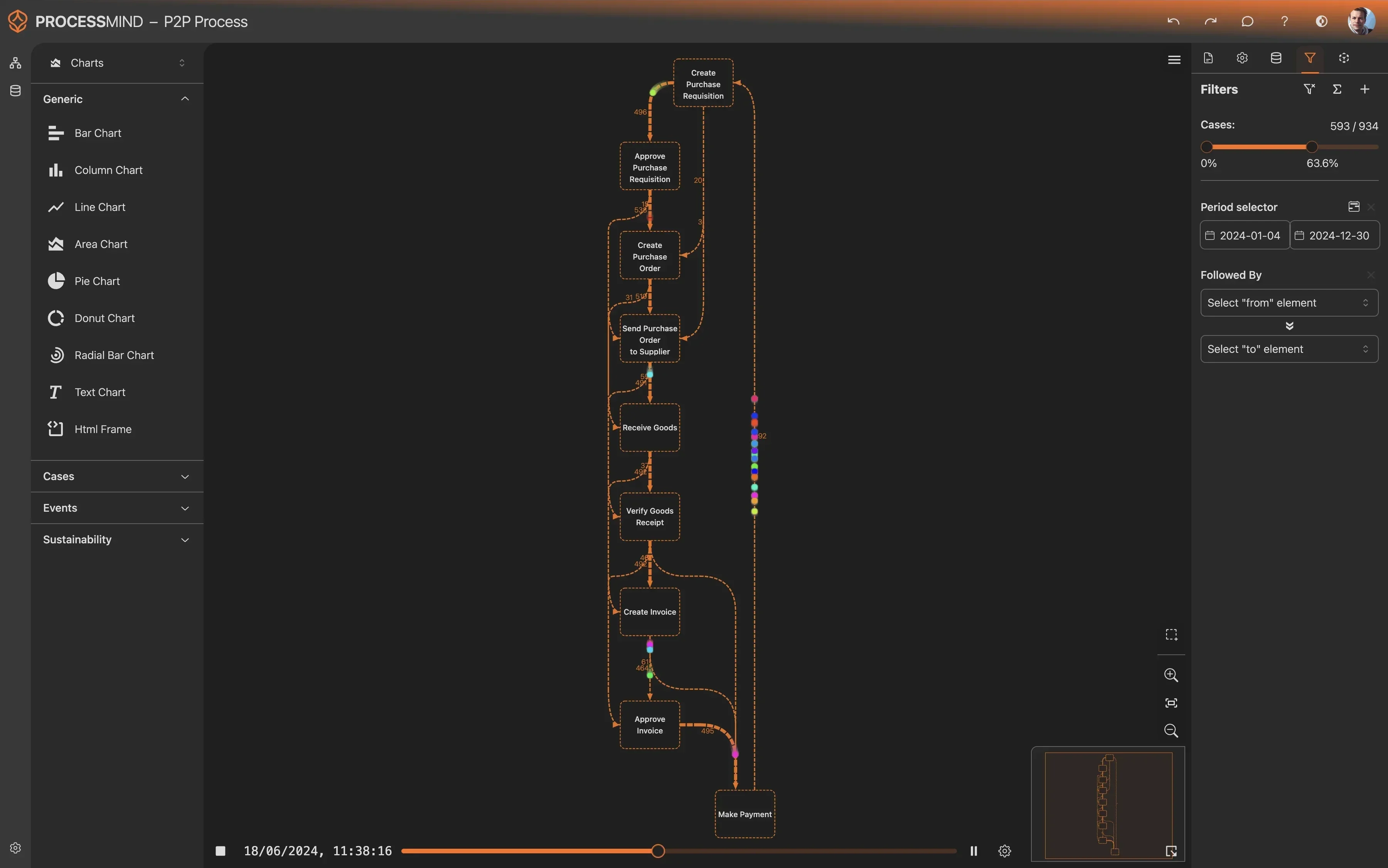
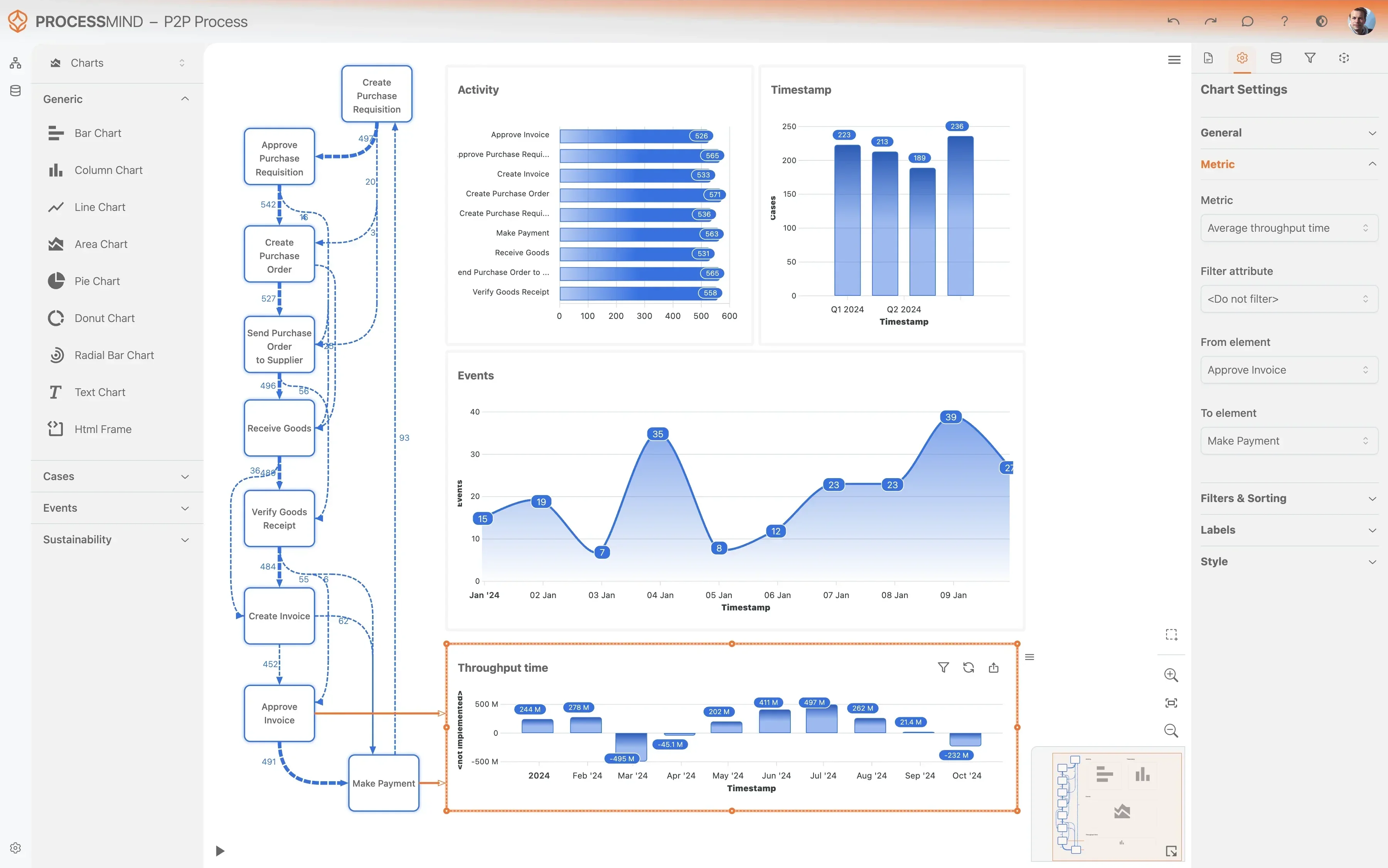
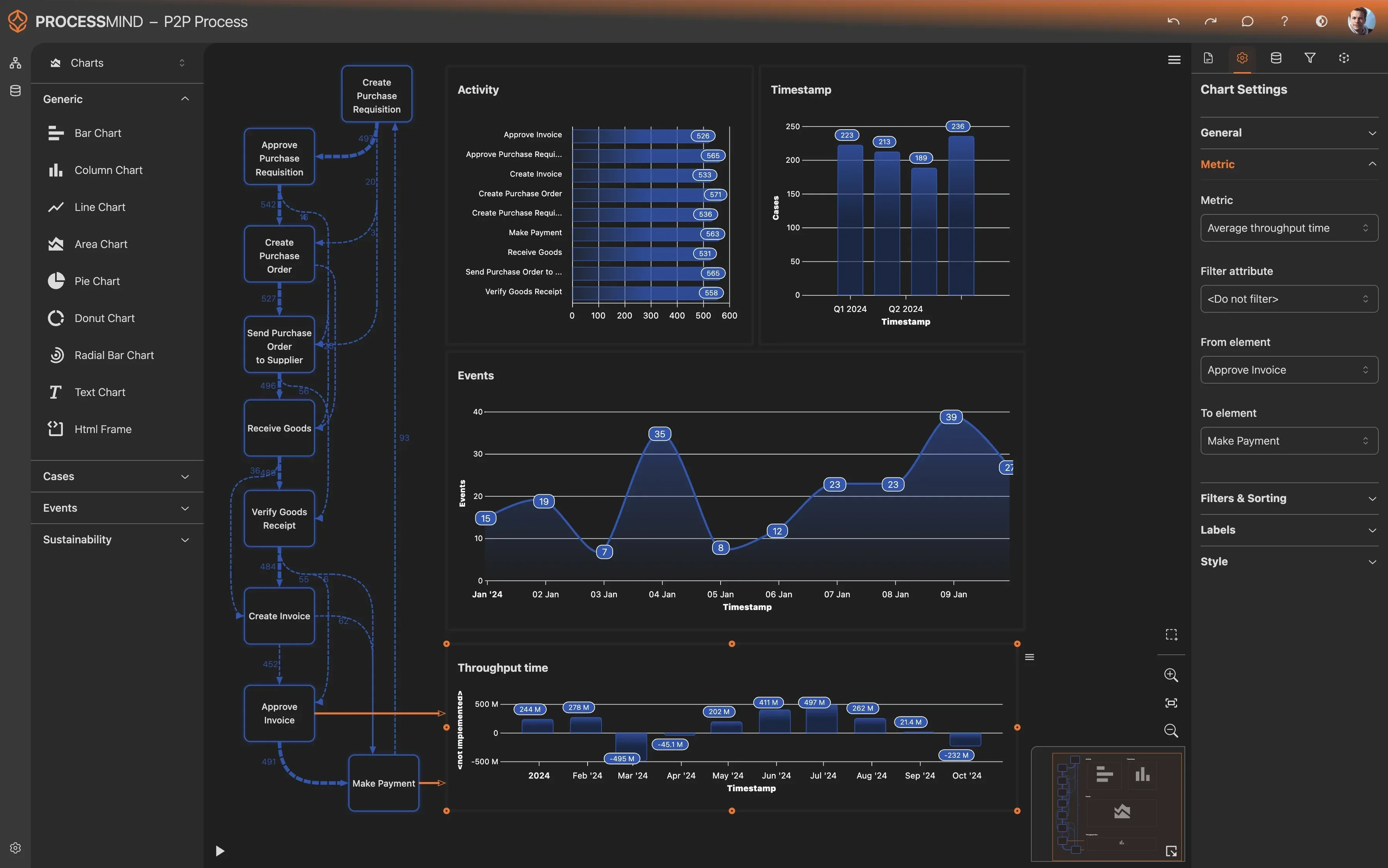
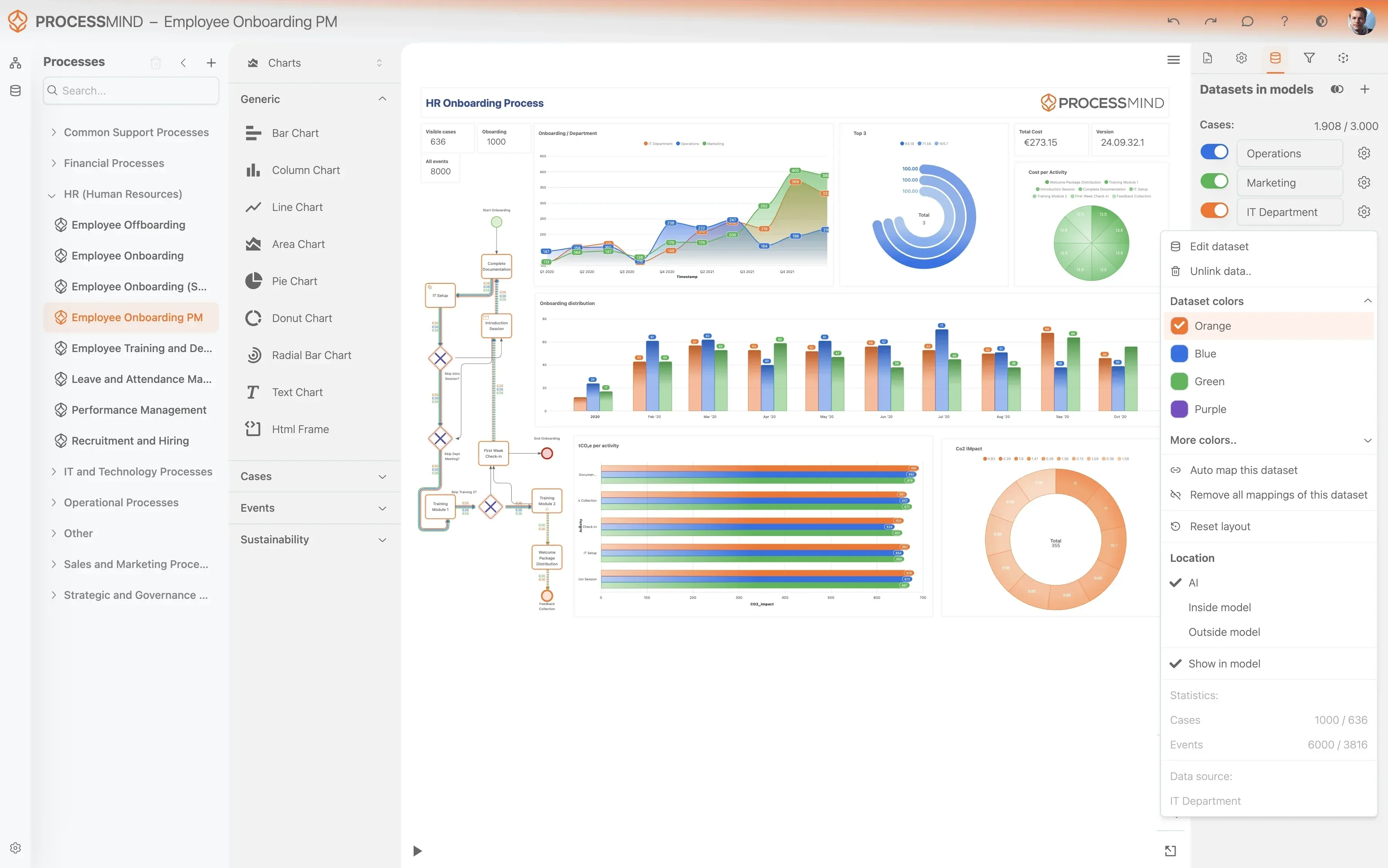
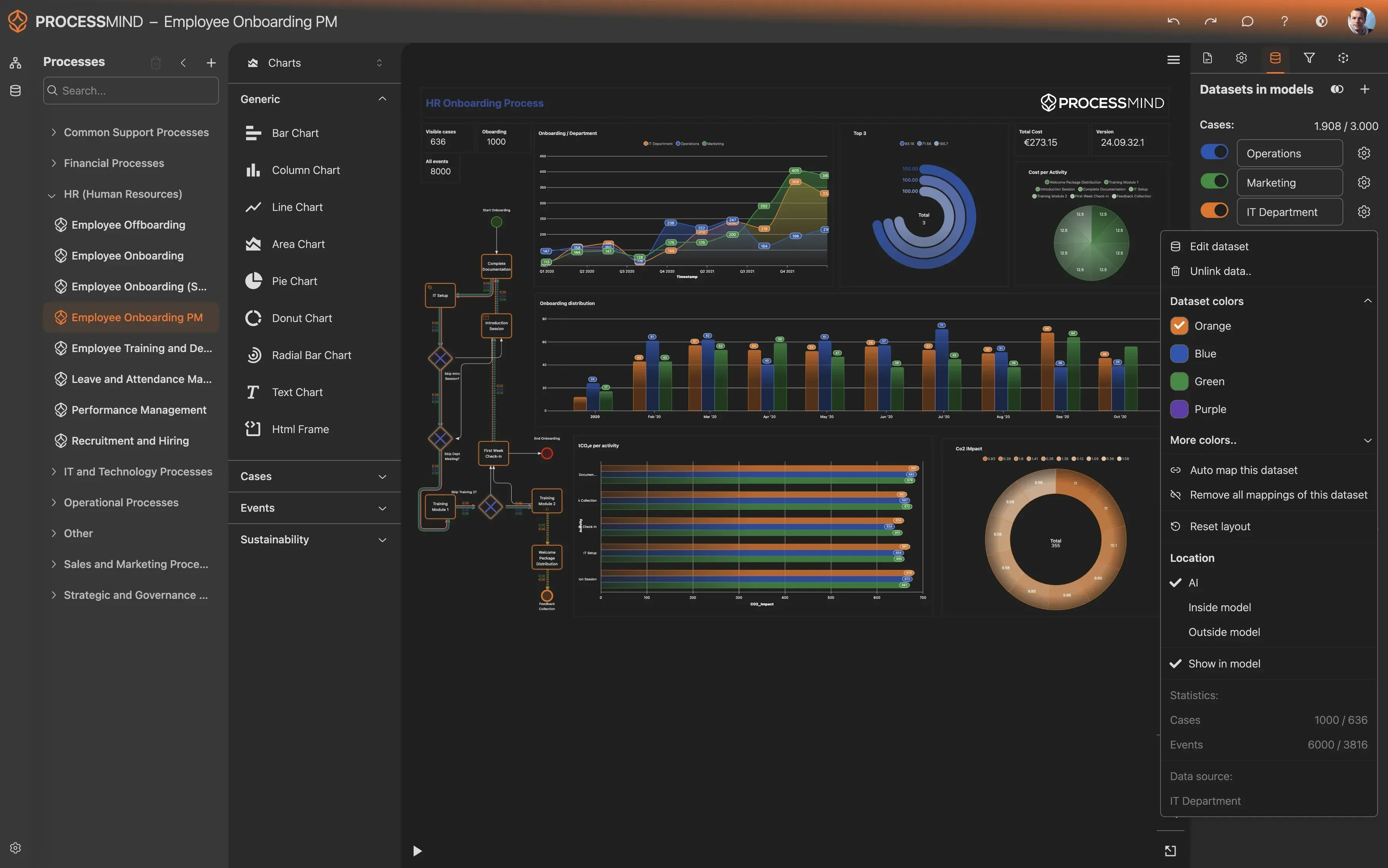
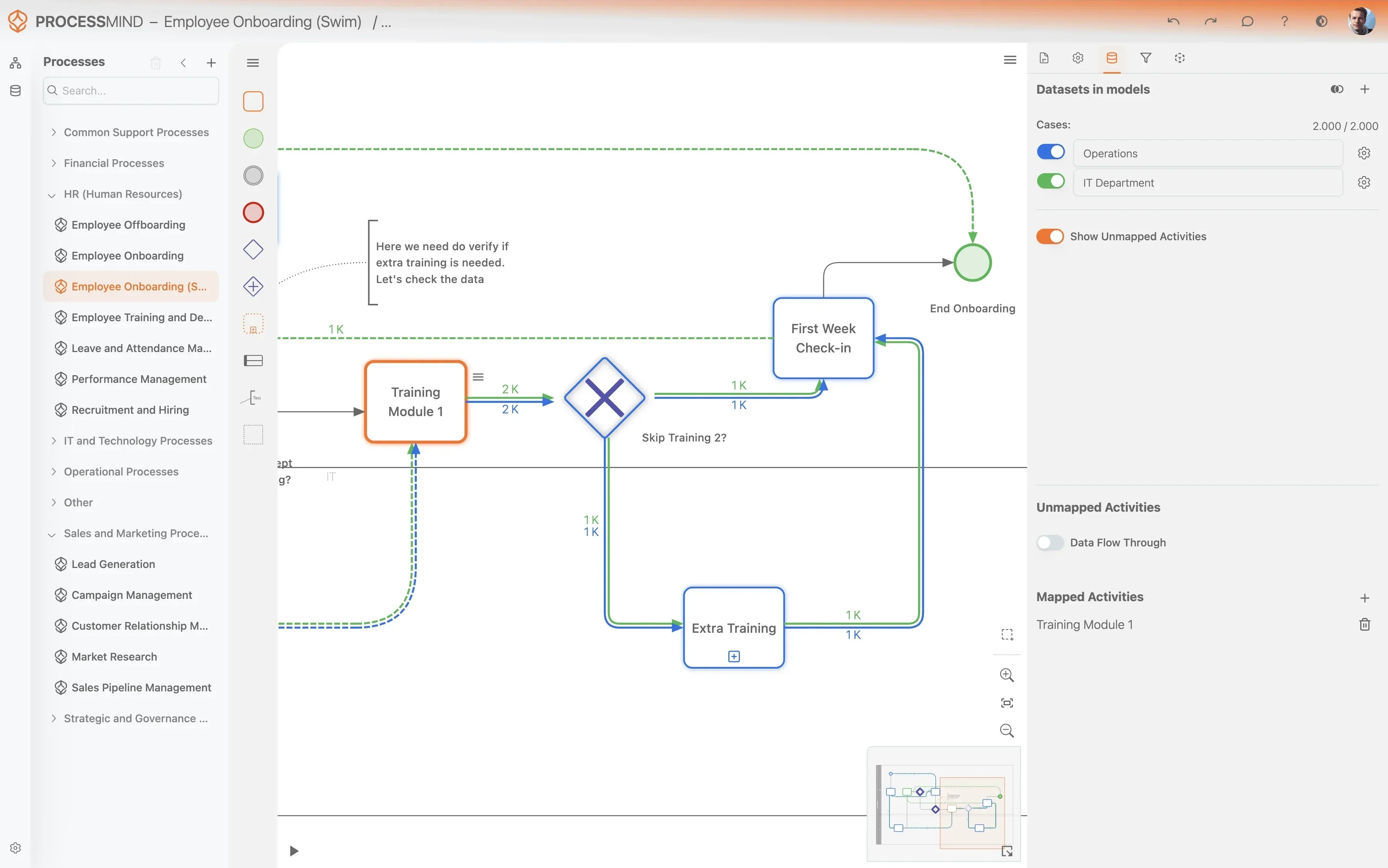
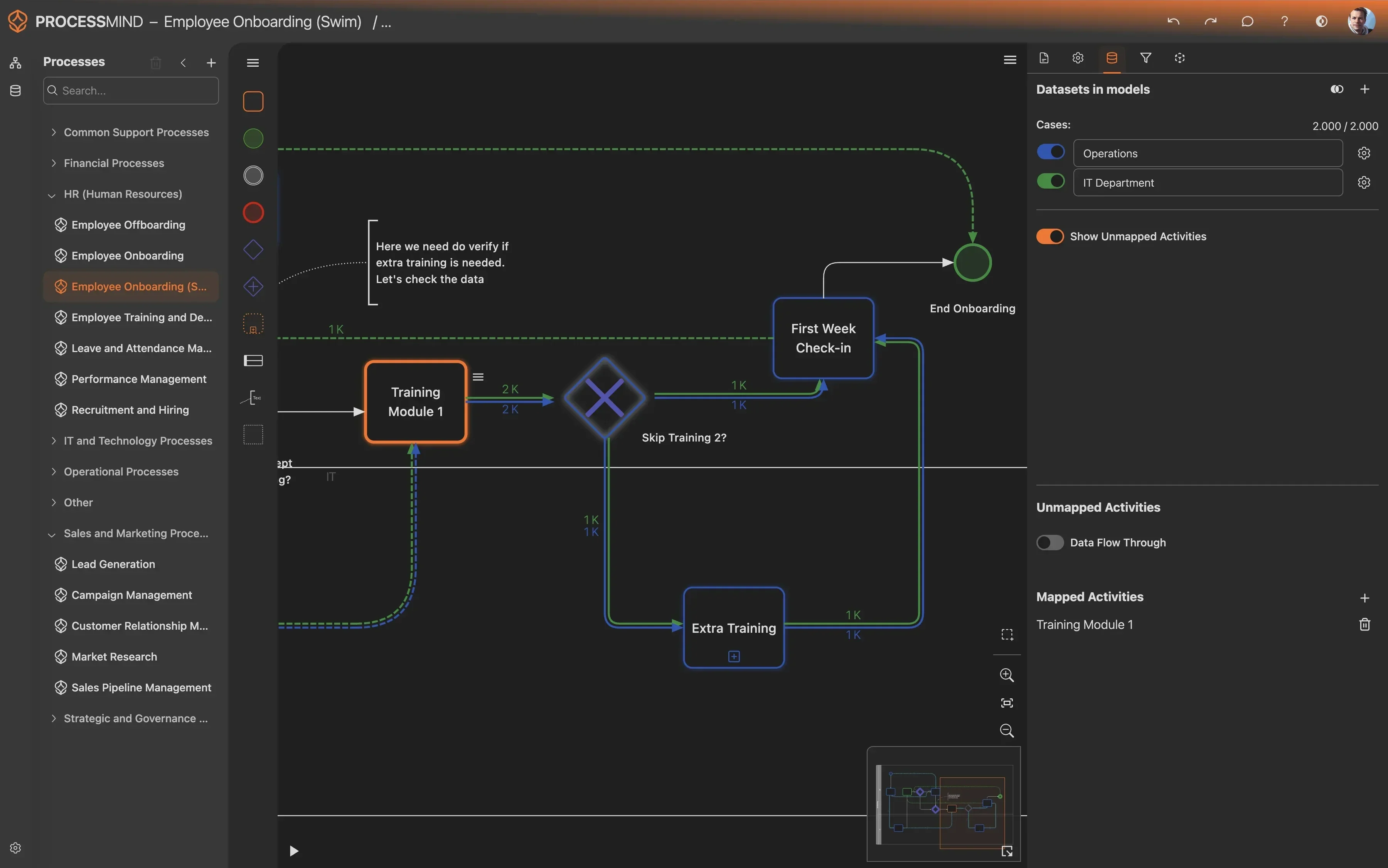
Visualize Your Quality Process and Pinpoint Bottlenecks
- Visualize end-to-end quality event flows
- Pinpoint root causes of slow investigations
- Monitor compliance risks and corrective actions
- Benchmark process variants for optimal performance
TYPICAL OUTCOMES
Achieving Excellence in Quality Management
These outcomes illustrate the improvements organizations typically realize by optimizing their Quality Management processes through data-driven insights. By leveraging process mining on SAP S/4HANA Quality Management data, businesses gain the clarity needed to streamline operations and enhance quality standards.
Average duration from investigation to analysis
Significantly reduce the time it takes to identify and analyze root causes of quality events, speeding up problem resolution and preventing recurrence.
Time taken for corrective action plan approval
Streamline the approval process for corrective and preventive action plans, eliminating bottlenecks and accelerating the implementation of solutions.
Decrease in actions requiring re-work
Improve the effectiveness of initial corrective actions, leading to fewer rework incidents and ensuring problems are resolved thoroughly the first time.
Proportion of actions completed by deadline
Ensure a greater percentage of corrective and preventive actions are completed within their target resolution dates, improving compliance and operational reliability.
Adherence to standard quality event flows
Drive greater adherence to standardized quality event processes, reducing deviations and manual workarounds for improved efficiency and risk mitigation.
Savings from quality event management
Minimize costs associated with quality events by reducing rework, accelerating resolution, and optimizing resource allocation across the entire quality management process.
Actual results can vary based on your specific process complexity, data quality, and implementation scope. The figures presented here reflect common improvements observed in similar deployments.
Recommended Data
FAQs
Frequently asked questions
Process mining maps your actual Quality Management processes in SAP S/4HANA, revealing how quality events truly flow, not just how they are designed. It identifies bottlenecks, compliance deviations, and inefficiencies, for example, in root cause analysis or action approval. This enables data-driven decisions to accelerate resolution times and increase action effectiveness.
To start, you typically need event logs related to quality events. This includes the case identifier like "Quality Event ID", activity names, and timestamps for each step. Relevant tables often include those storing quality notifications, inspection lots, quality actions, and associated approval statuses.
Initial insights into your Quality Management processes can often be generated within weeks, once data extraction and model setup are complete. Significant improvements, like reduced root cause analysis times or faster action approvals, can follow within a few months through targeted optimization efforts based on these insights. The speed depends on data availability and the complexity of the process being analyzed.
The primary technical requirement is access to your SAP S/4HANA system to extract relevant transactional data, typically via standard connectors or APIs. A process mining platform is then used to ingest and analyze this data. Minimal impact on your live SAP system is expected as data extraction usually involves read-only access.
No, process mining is a non-invasive analytical technology. It extracts data from your existing SAP S/4HANA system without requiring any changes to your configuration or core business processes. The analysis happens externally, ensuring your operational system remains untouched.
Absolutely. Process mining visualizes all process variants, making it easy to spot deviations from standard procedures and identify patterns leading to recurring issues, such as ineffective corrective actions. This allows you to enforce compliance by comparing actual processes against defined standards and proactively address root causes of non-conformities.
Reputable process mining solutions employ robust security measures, including data encryption, access controls, and anonymization techniques. Data extraction typically uses secure, read-only connections, ensuring that your sensitive information is protected throughout the analysis lifecycle. Compliance with relevant data protection regulations, like GDPR, is a standard offering.
Process mining offers significant benefits regardless of company size. While larger organizations might have more complex processes, even smaller businesses can uncover crucial inefficiencies and optimize their Quality Management workflows. The value comes from understanding and improving your unique processes, not just the scale of your operations.
By analyzing the actual time spent on different investigation activities and identifying bottlenecks, process mining reveals where resources are being overused or underutilized. It highlights steps that cause delays or require excessive manual effort, allowing you to reallocate resources more effectively and streamline investigation workflows. This leads to faster issue resolution and reduced operational costs.
Boost Quality Management: Cut Cycle Time by 30% Instantly
Identify bottlenecks in SAP S/4HANA, cut QM cycle time by 30%.
No credit card required, set up in minutes.